Walk from Narai Station through Shimomachi, Nakamachi, and Kamimachi to read eaves, doorways, and the Kagi-no-Te bend. Choose Nakamura Residence or Kamitoiya Museum, then compare Kiso-Hirasawa’s lacquer museum, polishing workshop, and shops, with 2026 fees and winter hours.
- Region & Focus
- Narai-juku
- Reading Scope
- 32 min read · 14 chapters · 7 Q&As
- Official Verification
- 10 official sources checkedUpdated October 29, 2026
- Key Topics
- NeighborhoodsItinerariesChubu & Hokuriku
Chapter Route Map (tap any stop)
- Half a day for Narai’s houses; a full day to choose streets or lacquerware
- The station is north; Shimomachi, Nakamachi, and Kamimachi have different roles
- Step back for projecting beams, then study doors and shutters
- The continuous streetscape also depends on ongoing repairs
- Water points and Kagi-no-Te bring everyday life into the street
- Nakamura Residence: a comb merchant’s home and a reason to preserve the street
- Kamitoiya Museum: managing the post town’s horses and porters
- Compare both museums’ fees and seasons, especially in November
- Use the return walk as a second look at Narai’s main street
- Kiso-Hirasawa is a lacquer town, with workshops and storehouses behind shops
- Kiso Lacquerware Museum: understand tools before buying objects
- Kiso Lacquerware Museum or Kiso Kurashi no Kogeikan: exhibition or workshop?
- Choose lacquerware by a meal you plan to use it for
- Two full-day choices: stay in Narai or give the afternoon to Hirasawa
- Quick Q&A
Half a day in Narai-juku lets you follow the one-kilometer main street past projecting-beam townhouses, water points, and bends, then enter one historic house. Nakamura Residence shows a comb merchant’s home; Kamitoiya explains the post town’s horse and porter management. With a full day, choose a deeper street visit or Kiso-Hirasawa lacquerware for the afternoon.
Half a day for Narai’s houses; a full day to choose streets or lacquerware
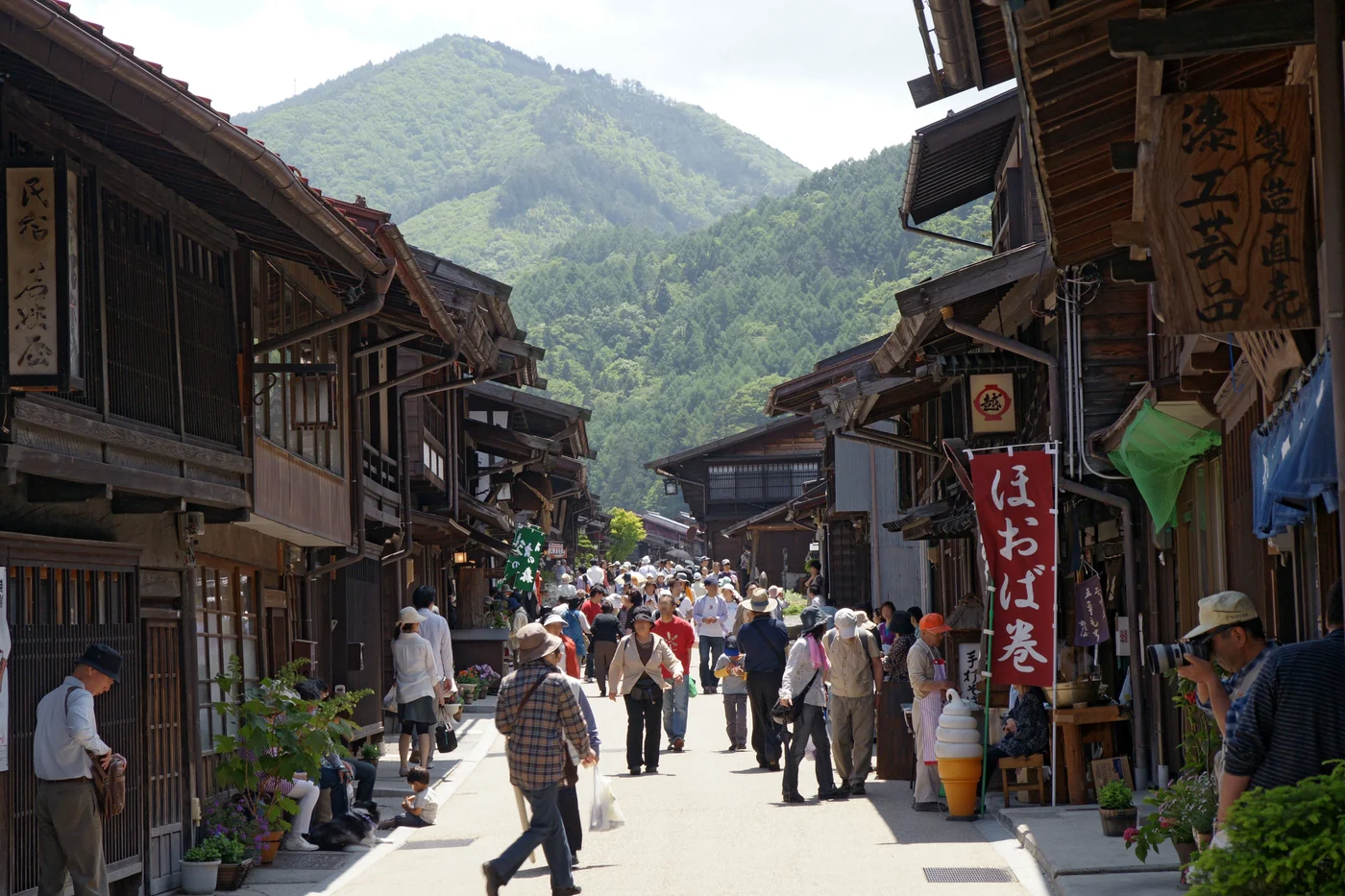
Enter Shimomachi beside Narai Station and walk through Nakamachi to Kamimachi at the southern end. About one kilometer of main street connects artisans’ homes, the post-town transport office, a comb merchant’s townhouse, water points, and Shizume Shrine. For a first visit, give half a day to the street and one open historic house. Architecture and local-history enthusiasts can spend the whole day in Narai, enter both museums, and re-examine doors and windows on the return.
Add Kiso-Hirasawa if you have a clear interest in lacquerware. Narai shows post-town hospitality and transport; Hirasawa shows a lacquer-producing settlement. Their subjects connect, but transport needs separate planning. For an afternoon at the Kiso Lacquerware Museum and shops, choose only one Narai house in the morning. For a polishing workshop, build around the booked session and give up the other museum or some shopping time.
With only two hours, choose one house and nearby streets. Trying to complete the whole street out and back, both museums, lunch, and Hirasawa breaks up the most interesting viewing time. Fees and opening rules below follow official information read on October 29, 2026. Half-day blocks are planning allowances; meals and rail fares depend on your own choices.
Walk from Narai Station through Shimomachi, Nakamachi, and Kamimachi to read eaves, doorways, and the Kagi-no-Te bend. Choose Nakamura Residence or Kamitoiya Museum, then compare Kiso-Hirasawa’s lacquer museum, polishing workshop, and shops, with 2026 fees and winter hours.
The station is north; Shimomachi, Nakamachi, and Kamimachi have different roles
The official walking map places JR Narai Station at the north end, with Shizume Shrine and the direction toward Torii Pass at the south. Enter through Shimomachi, then pass Nakamachi and Kamimachi. The map uses 中町 (Nakamachi), while the tourism association writes 仲町 (also Nakamachi). Both refer to the same central district. Find the station, Kamitoiya Museum, Nakamura Residence, and Shizume Shrine first. These four points establish the main walking direction.
Shimomachi formerly housed woodworkers, lacquerers, and other artisans, with narrower townhouse frontages. The central district held the honjin, secondary honjin, and transport offices, leaving larger houses with broader fronts. The Shiojiri City cultural-property guide explains these differences. Compare the frontage of two neighboring houses, then look at the Tezuka Residence in the center to connect building scale with former function.
The road does not run straight throughout. Kagi-no-Te between Kamimachi and Nakamachi is a bent road section; Yokomizu Stream separates Nakamachi and Shimomachi, and Shimomachi also has a Masugata turn. The tourism association explains Kagi-no-Te and Masugata as defensive arrangements blocking straight movement and sightlines. Stop in a wider place at a corner and see houses on the other side gradually appear. One such turn explains the post-town road better than always seeking the longest straight perspective from the road center.
South beyond the main street, you approach the walking route toward Torii Pass. For a half-day townhouse visit, turn back around Shizume Shrine and browse the other side on return. A station-to-south-end return with indoor visits makes a complete route. Crossing the pass belongs on a separate hiking day, changing equipment, walking time, and the station from which you leave.
Step back for projecting beams, then study doors and shutters
Narai’s clearest structural feature is dashibari-zukuri: the second floor projects slightly toward the street above deep eaves. Begin from a place that keeps the road passable. Compare floor edges, eaves, and posts, then approach the façade. A camera aimed only at signs misses the relationship between upper and lower floors across the row.
The tourism association’s architecture guide also identifies the large entrance door, smaller everyday wicket door, shitomido shutters beside the entrance, and second-floor latticework. Use the size of openings and lattice arrangement to distinguish them. Large doors handle larger movements; small doors give everyday entry its own scale. Open and closed doors also change how you see the front.
Look up for white-plastered sode-udatsu side walls at the second-floor edges and small wooden sarugashira members holding down the eave. Deep eaves, latticework, and white wall surfaces in one view reveal more materials than wood alone. For a favorite house, look at the whole front, then choose one door, window, or eave detail. There is no need to photograph every house in the same sequence.
Sheltering from rain under an eave also shows how its depth changes the doorway space, but entrances remain in use. Stop where people can pass before looking up. Homes and working shops still occupy the district. For a close indoor study, choose the open Nakamura Residence or Kamitoiya, where a visitor route supports that time.
The continuous streetscape also depends on ongoing repairs
Narai was selected as an Important Preservation District for Groups of Traditional Buildings on May 31, 1978. The district extends about one kilometer north–south and 200 meters east–west. Repair and new-building rules help maintain today’s continuous streetscape. The tourism association states that exterior-related new construction, extensions, alterations, repairs, and color changes need permission. Work on one house affects how the neighboring row appears.
The Narai district’s 2025 Living in the Streetscape booklet lists design standards for new construction including timber framing with exposed posts and projecting beams, no more than two floors, and gabled roofs with entrances on the eave side. Eave height and projection are also regulated. Roof materials include dark brown sheet metal, while wooden doors, windows, and latticework connect openings to the street. Use these rules in the field: aligned eaves reflect shared choices about height, materials, and color.
There is no need to imagine every visible roof surface as an Edo-period original. Look separately for historical form, present material, and alignment across the row, then read museum repair and conservation information if interested. The walk becomes a way to understand how an occupied district survives rather than a search only for its oldest house.
Nakamura Residence once faced a proposal for relocation to Kawasaki’s open-air folk-house museum. The city describes this as an important trigger for Narai’s preservation movement. Look at its relationship with neighboring houses before entering to understand the value of preserving the whole street. A building connects its own structure with roads, neighbors, commerce, and residents’ lives.
A Shiojiri City production published on its official channel, introducing the preservation and passing on of Narai-juku’s streetscape and local products.
Water points and Kagi-no-Te bring everyday life into the street
The tourism association explains that Narai’s water points served travelers crossing Torii Pass and local residents. Six surviving points distributed water through the post town. There is no need to collect them all. Choose one on your route and see which side of the road it occupies and how its roof and basin meet public space.
Doorstep trade, passing travelers, and water collection move at different speeds. Leave room for people drawing water, and do not put containers into the basin to wash them. For drinking water, follow that point’s posted guidance. For close views, frame water, wooden shelter, and houses behind together to see daily street needs within a small space.
Looking back from Kagi-no-Te changes the viewing direction. A long street visible before the turn disappears behind it. This is an experience created by the road itself. Place the bend between museum visits: first see how the town limits sightlines, then learn at the transport office who arranged the people and horses on that road. Companions with different interests can choose street viewing, a museum, or rest at an open business.
Nakamura Residence: a comb merchant’s home and a reason to preserve the street
Nakamura Residence is at 311 Narai, about 12 minutes on foot from Narai Station according to city access information. The home of comb wholesaler Nakamura Rihei is now an open National Important Cultural Property. After seeing narrower artisans’ houses from the station, enter this comb-trade building to place production, commerce, and family use within one townhouse’s context.
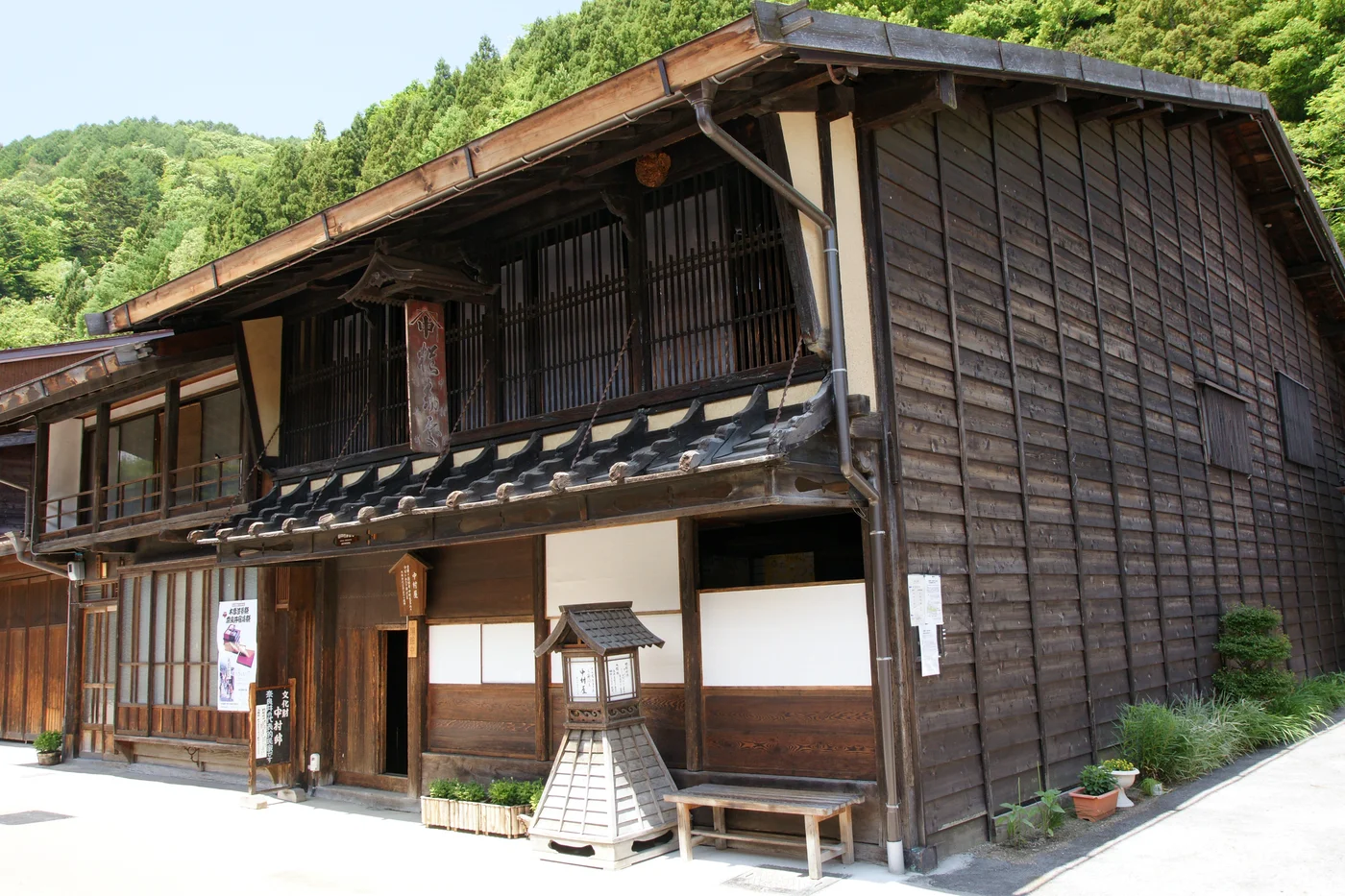
Before entering, compare its projecting beams, latticework, and doorway with features already identified. Inside, follow open routes and see how the street front connects to rooms. Rather than look only at objects in each room, follow one question: how far can you see when entering from the street? Look back from the next space to connect the effects of lattice, doors, and eaves on light with the façade seen outside.
Allow 35–50 minutes here, including tickets, rainwear, and reading explanations. This is the itinerary’s planning allowance. For building form alone, choose Nakamura Residence. Add Kamitoiya to investigate how the post town worked.
The museum information updated April 1, 2026 lists individual adult admission at ¥500, with high school students and younger free. Nonstudents are also free from birth through the first March 31 after their 18th birthday. Two adults pay ¥1,000. Children visiting Kamitoiya follow that museum’s separate ticket rules.
Nakamura Residence opens 9:00 a.m.–5:00 p.m. from April through November, last entry 4:30 p.m., with no regular closure days in that period. From December through March it opens 9:00 a.m.–4:00 p.m., last entry 3:30 p.m., closing Mondays, the day after national holidays, December 29–January 3, and additional winter closure days. For a winter interior visit, plan Narai’s half-day around this museum’s opening dates to retain a complete indoor focus.
Kamitoiya Museum: managing the post town’s horses and porters
Kamitoiya Museum at 379 Narai opens the Tezuka family residence. Here, toiya means the office managing post horses and porters, whereas Nakamura’s comb wholesaling concerns goods. Separate the terms first and each house gains a distinct question: one shows a merchant’s home, the other the organization of transport services within a post town.
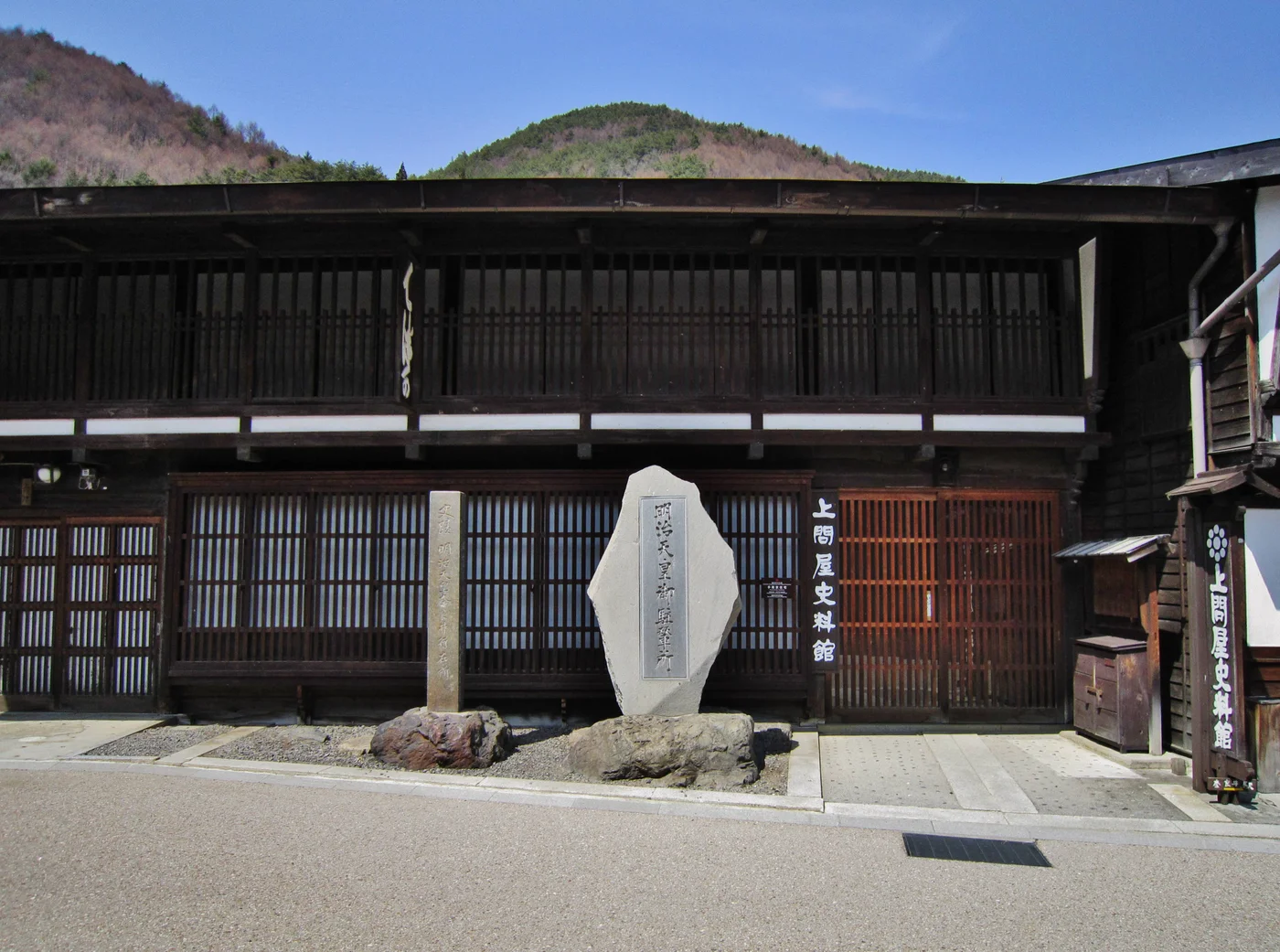
The Narai-juku tourism association explains that post stations prepared relay horses and porters for shogunate officials, feudal lords, and travelers. Each of Kiso’s eleven post towns was assigned 25 people and 25 horses. Managers had to turn road travel into organized work. At Kamitoiya, ask who handled cargo or arranged labor for the next stage after travelers arrived, beyond finding lodging. The building then connects with the road’s purpose.
The Tezuka family served as toiya for about 270 years from 1602 to around the Meiji Restoration, sometimes also acting as village head. The museum displays more than 400 old documents, ceramics, lacquerware, and household tools. Look for management and correspondence in documents, then domestic life in objects, connecting public duties and home in one visit. Those interested in institutional history can spend more time here and visit fewer similar souvenir shops.
This itinerary allows 40–60 minutes, followed by Kagi-no-Te and Nakamura Residence: managing horses and porters → walking the road bend → entering a comb merchant’s home. Companions less interested in documents can look at the building and one group of objects, then study façades outside. The number of exhibits is not a task to inspect each one.
The tourism association’s Japanese information updated March 31, 2026 lists adults at ¥400 and children at ¥200. Hours are 10:00 a.m.–5:00 p.m. April–October, closing at 4:00 p.m. in March and November. It closes throughout December–February and irregularly in other months. Arrive with a full viewing allowance before closing. In winter, remove this museum from the day’s plan.
Compare both museums’ fees and seasons, especially in November
Nakamura Residence and Kamitoiya both show townhouses, but November closing times differ: Nakamura remains open until 5:00 p.m., last entry 4:30 p.m.; Kamitoiya closes at 4:00 p.m. With an afternoon arrival, visit the earlier-closing Kamitoiya first, then Nakamura. If time is short, choose one and leave the other for next time. Treating both as an old-town five-o’clock closing loses the final viewing period.
An adult visiting only these two Narai houses pays ¥500 plus ¥400, totaling ¥900. That equals the municipal three-museum combination ticket but covers different museums. The combination includes Nakamura Residence, Kiso Lacquerware Museum, and Niekawa Checkpoint; Kamitoiya costs another ¥400. For Narai only, buy Nakamura and Kamitoiya separately. For a Hirasawa museum visit, compare the other combination.
Nakamura Residence at ¥500 plus Kiso Lacquerware Museum at ¥400 also totals ¥900, so the combination ticket saves nothing on those two alone. It also covers Niekawa Checkpoint and suits people already planning Niekawa, which requires another journey. Buy for museums you genuinely intend to enter. A separate Niekawa transport-history trip works better than adding a stop solely because it is included.
From December through February, a Narai day originally centered on two houses becomes Nakamura plus streets, food, and shopping. Kamitoiya reopens for its season in March while Nakamura still uses winter hours; both move to longer schedules in April. Put seasonal boundaries directly in the daily plan to settle museum choices before departure.
| Museum | Adult / free categories | Seasons and closures |
|---|---|---|
| Nakamura Residence | 500; high school students and younger and other specified groups free | April–November 9:00 a.m.–5:00 p.m., last entry 4:30 p.m.; December–March until 4:00 p.m., last entry 3:30 p.m.; winter closures also apply |
| Kamitoiya Museum | 400; children 200 | April–October 10:00 a.m.–5:00 p.m.; March and November until 4:00 p.m.; closed December–February and irregularly otherwise |
| Kiso Lacquerware Museum | 400; high school students and younger and other specified groups free | April–November 9:00 a.m.–5:00 p.m., last entry 4:30 p.m.; December–March until 4:00 p.m., last entry 3:30 p.m.; closed Mondays, after national holidays, and over New Year |
Use the return walk as a second look at Narai’s main street
For a half-day example, start already at Narai Station at 10:00 a.m. Study frontages and eaves through Shimomachi, reach Kamitoiya around 10:30, and stay until about 11:20. Continue via Kagi-no-Te to Nakamura Residence for roughly 11:30 a.m.–12:15 p.m. These are walking-plan times for dates when both museums open. If arriving later or wanting more reading time, choose one museum and give the rest to the southern section.
Allow 45–60 minutes for lunch, walk toward Shizume Shrine, then return north on the main street. Use the outward walk for road shape and historic houses, and the return for shops on the other side, woodwork, lacquerware, or a snack. Do not leave the south-end-to-station walk for the last five minutes. Reaching the station area around 2:00 p.m. makes a half-day finish, extendable to suit the actual train.
Use soba restaurants, dining rooms, and gohei-mochi shops on the official walking map as starting choices for lunch. For a seated meal, keep a block before the next museum. For gohei-mochi or oyaki, allow a relaxed light meal instead. The map gives business types and locations; check the day’s menu, opening, and ordering hours at the shop and budget for what you order.
On the return, ask a different question about familiar wooden doors: which serves daily entry, which lattice admits light, and which corner hides the long street? Before entering a museum, you saw an exterior; afterward, a second look offers comparison. With a shorter half-day, skip the full southern return and concentrate on two street sections around your chosen museum.
Kiso-Hirasawa is a lacquer town, with workshops and storehouses behind shops
Kiso-Hirasawa north of Narai developed as a lacquer-craft town near Kiso cypress and other timber sources. The Shiojiri tourism association’s Hirasawa route describes lacquerware shops facing the road, with workshops and storehouses behind. Moving from Narai’s post-town houses to Hirasawa shifts attention from travelers and streets to products, production, and storage spaces.
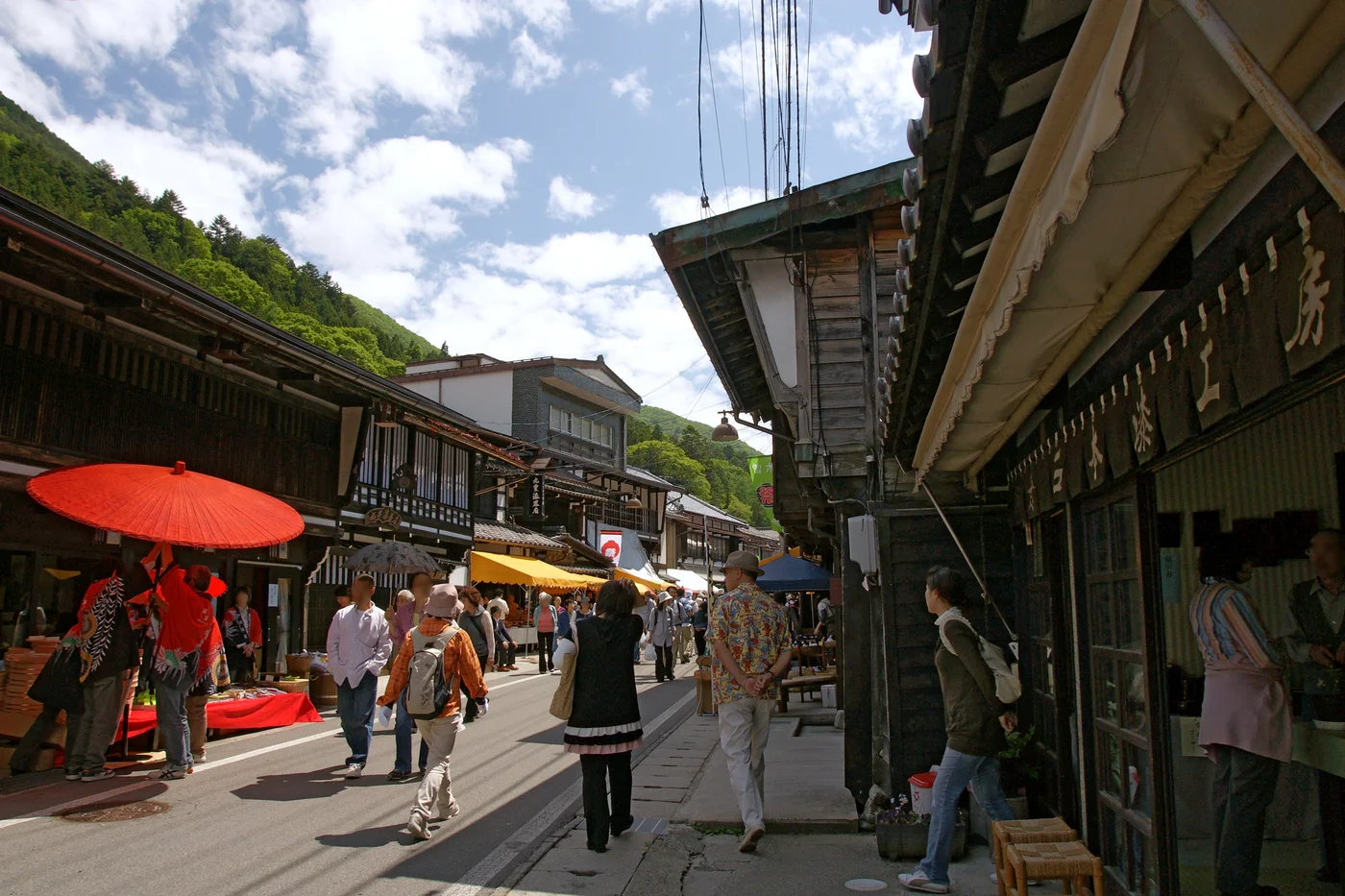
The official Narai walking map marks the Nakasendo connection from Kiso-Hirasawa to Narai-juku as 2.6 kilometers. Walking it adds distance before either district’s browsing and museum visits. For rail, plan separately around Narai and Kiso-Hirasawa stations. Hirasawa is north of Narai, so visiting Narai first and Hirasawa next can align the visit order with onward travel toward Shiojiri and Matsumoto.
Hirasawa itself deserves half a day. The tourism association’s four-hour example begins at Kiso-Hirasawa Station and links the lacquer museum, roadside-station workshop, and shops. It is already a complete route. An afternoon added from Narai realistically means the museum and a short shop walk, or a booked workshop and shopping. Two Narai houses plus Hirasawa’s full four-hour route suit two days.
In Hirasawa shops, first identify display and sales areas; arrange workshop visits with the business. Understand the shop–workshop–storehouse connection through the settlement layout, while respecting production schedules. Buyers can ask about size, coating, and care in the customer area. Those wanting the process can start at Kiso Lacquerware Museum. Each purpose has an appropriate entry point.
Kiso Lacquerware Museum: understand tools before buying objects
Kiso Lacquerware Museum is at 2324-150 Kiso-Hirasawa. The city gives about ten minutes on foot from Kiso-Hirasawa Station; the tourism association’s district approach allows about fifteen. This itinerary allows 15–20 minutes to find and enter it, then 45–60 minutes for displays. Allow the walk back too, especially with later shopping and packaging. The museum doorway is not already the station platform.
The museum information describes 3,729 objects in the nationally designated Important Tangible Folk Cultural Property collection of Kiso lacquer-making tools and products. Tools, works, and records explain production. Choose one group of tools, read its task, then find the related product to put scraping, coating, and polishing back into the object.
The museum also lists works by Living National Treasures and prefecturally recognized master craftspeople. The current exhibition description includes document chests, hot-water containers, inkstone boxes, writing boxes, Chinese carved red lacquer, and lacquerware from Thailand and Myanmar on the first floor. Compare openings, lids, and decoration placement before origins and techniques, giving practical and display objects their own impressions. The figure over three thousand counts the designated collection; visit according to what is currently exhibited.
The tourism association also introduces a display on the production of medals for the Nagano 1998 Winter Olympics, connecting lacquer craft and modern design. For companions less interested in old objects, begin here and return to the tools. One topic that prompts curiosity can support the later shop visit.
Adult admission is ¥400, with high school students and younger and other specified groups free. Hours are 9:00 a.m.–5:00 p.m. April–November, last entry 4:30 p.m.; 9:00 a.m.–4:00 p.m. December–March, last entry 3:30 p.m. It closes Mondays, the day after national holidays, December 29–January 3, and additional winter days. On an ordinary Monday, use a previously arranged shop or workshop visit. If tools are the goal, choose a museum opening day.
A Kiso lacquerware introduction uploaded by Kiso Kurashi no Kogeikan and included on Shiojiri City’s traditional-craft page, accompanying this section’s tools, works, and processes.
Kiso Lacquerware Museum or Kiso Kurashi no Kogeikan: exhibition or workshop?
Kiso Lacquerware Museum focuses on historical tools, works, and process displays. Kiso Kurashi no Kogeikan is at Michi-no-Eki Kiso Narakawa, 2272-7 Kiso-Hirasawa. The tourism association allows about 25 minutes on foot between the museum and roadside station. Similar names hide different places and activities. Write the full name and address in the plan, and book workshops directly with the roadside-station organizer.
The roadside station’s Kiso tsuishu lacquer-polishing workshop uses pieces already coated with layers of different colored lacquer. Participants sand them to reveal patterns. Colored layers and surface relief gradually emerge, with each person’s movement changing the result. For a hands-on understanding of lacquer surfaces, this turns the process seen in the museum into an activity.
The tourism association currently lists coasters, chopsticks, and spoons at ¥3,500 each. Coasters and spoons take about 40–60 minutes, and chopsticks about 80 minutes. Book for at least two people and contact the organizer no later than two weeks ahead. Add explanation, cleanup, and onward movement to those times. A shorter item leaves more shop time when arriving from Narai in the afternoon.
Craftspeople further polish the finished pieces, which are shipped about three to four weeks later. On the day, you complete your sanding stage. Overseas visitors should settle the receiving address, shipping method, and cost when booking and add delivery to the budget. Lacquer materials may cause skin allergies. Anyone sensitive to lacquer can keep the craft theme through exhibitions and shopping instead.
With a booked workshop, go to the correct Hirasawa venue first, choosing the museum and other shops by remaining time. Give the chopsticks enough time to polish well. Visit one fewer museum in Narai and perhaps only one Hirasawa shop. The day gains substance from an actual process without needing more museum names.
Choose lacquerware by a meal you plan to use it for
For a first Kiso lacquerware purchase, think of daily use at home: a bowl, coffee cup, or gift set of chopsticks. Compare weight, rim, and grip in your hand before decoration. For gifts, consider the box, carrying space, and recipient’s habits. Ask about wooden or other base material, surface coating, washing, heat resistance, and repairs to connect appearance with everyday use.
The tourism association introduces Maruyoshi Kosaka Lacquerware’s combination of lacquer and glass in wine glasses and other glass objects. If you imagined only traditional wooden bowls, compare transparent bases with lacquer surfaces here. Ito Kanji Shoten’s Kodai Akane-nuri features low-gloss vermilion, including Western forms such as coffee cups and saucers. One direction explores materials, the other color and useful forms. Choose the intended use before entering.
Maruyoshi Kosaka’s workshop and gallery have separate schedules; the tourism association lists irregular gallery opening, and Ito Kanji Shoten also closes irregularly. If one is the main shopping goal, arrange a time when it can receive you. For an ordinary walk, compare businesses open that day. Have purchases packed before deciding how far to continue; fragile glass and larger boxes change afternoon carrying needs.
Narai’s main street also sells woodwork and lacquerware. With only half a day, choose one object you will really use in Narai. Hirasawa suits people specifically interested in tools, techniques, or named businesses. The choice depends on time and purpose rather than a requirement to buy in a particular place name.
Two full-day choices: stay in Narai or give the afternoon to Hirasawa
An architecture day can follow the two-museum morning, reach Shizume Shrine after lunch, and return north slowly. Choose a water point, one shop, and a façade to revisit, using gaps to compare projecting beams, openings, and road bends. This suits rest breaks, photography, or avoiding another transfer. Adult museum admission totals ¥900; food and shopping depend on your choices.
For a craft day, visit either Nakamura Residence or Kamitoiya in Narai, then move to Kiso-Hirasawa after lunch for the lacquer museum and shops. Nakamura at ¥500 plus the lacquer museum at ¥400 totals ¥900 per adult. Kamitoiya at ¥400 plus the lacquer museum at ¥400 totals ¥800. The ¥100 difference matters less than whether you want a comb merchant’s home or transport office. Spend on the subject that interests you.
For a polishing day, replace the afternoon with the roadside-station booking rather than copy the entire four-hour Hirasawa route too. Two adults each taking a ¥3,500 workshop pay ¥7,000. If both visit Nakamura in the morning, add ¥1,000 for a known total of ¥8,000 for those two activities. Add actual food, transport, shopping, and shipping separately.
Shiojiri’s 2026 free circulating shuttle runs on 31 specified days across the year. Stops include Kiso Kurashi no Kogeikan, Kiso-Hirasawa’s riverside park, Narai Kiso no Ohashi, and Kiso Village Office. Autumn dates include October 31, November 1–3, and November 21–23. On those dates it is a transport option; otherwise use rail or other regular transport. Distinguish the Kiso no Ohashi shuttle stop from JR Narai Station and add walking time.
The original stop notice on the same city page lists 9:30 a.m.–4:00 p.m. operation, suspended 12:30–1:30 p.m., using one vehicle with space for 27 passengers. A full return circuit takes about 50 minutes. That is the whole-loop reference, so wait according to the vehicle’s current position and avoid the lunch break. For a Hirasawa afternoon, visit only one Narai house, eat, then head to the Kiso no Ohashi stop. Allow waiting and travel before the museum or booked activity.
The Hirasawa stop is Urushi no Sato Ekimae Mizube Park. For the polishing workshop, choose Kiso Kurashi no Kogeikan instead. Use the park for the museum and shops; for a direct workshop visit, alight at the craft center and report for the booking. If returning to Narai on the same shuttle, include its 4:00 p.m. finish and midday break. Before booking a workshop ending after service, arrange the walk from the craft center to Kiso-Hirasawa Station and an actual train.
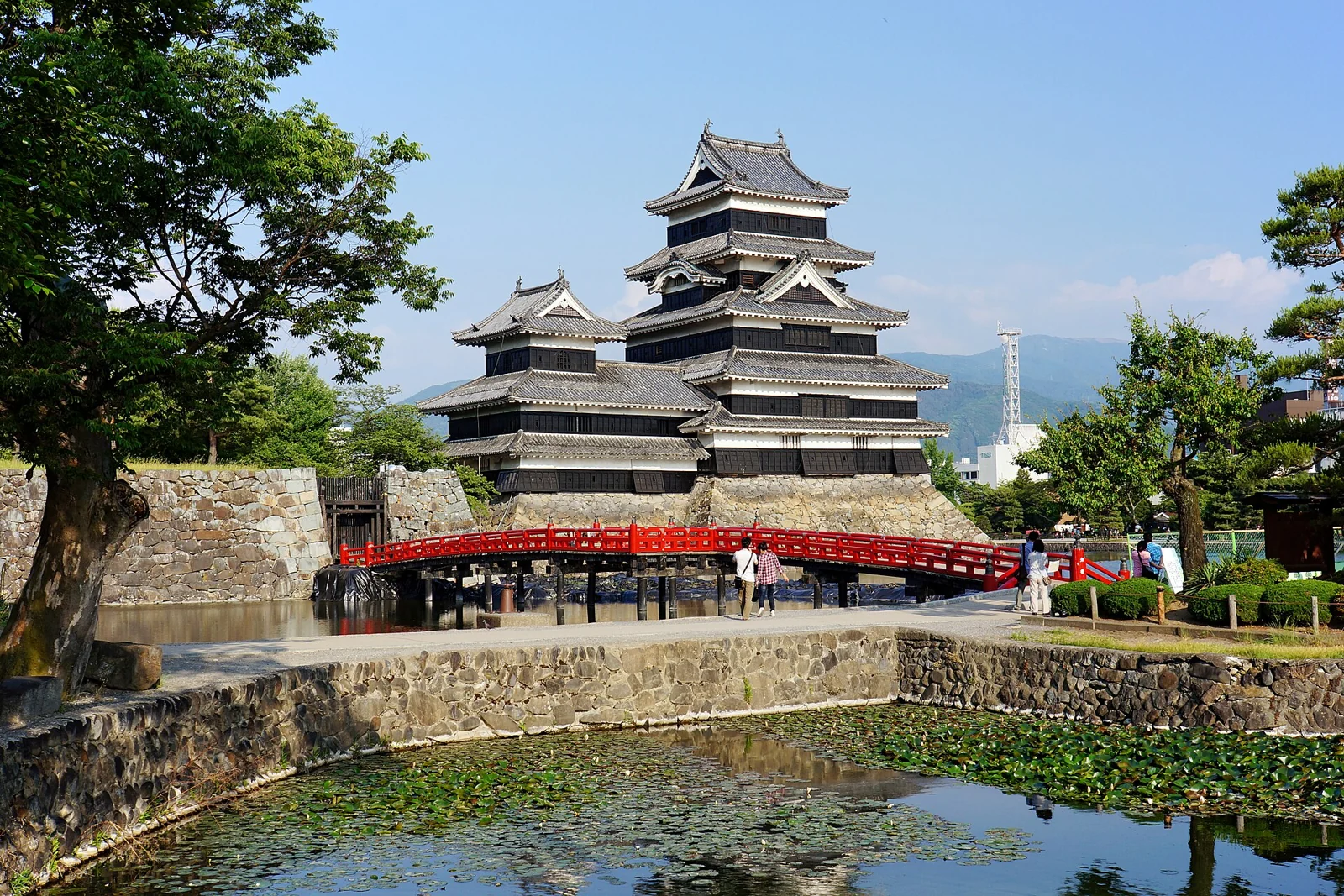
For another day after returning to Matsumoto, Matsumoto Castle, the City Museum, and Nawate Street offer a different urban architecture visit. South in Kiso, reserve another daylight period for Tsumago, Magome, and a Nakasendo hike.
A few useful answers
Is half a day enough for Narai-juku?
Half a day suits the main street and one townhouse. Allow about four hours for both museums, lunch, and the southern return. Give the Hirasawa museum and shops an afternoon; a polishing workshop should follow its booked time.
How do Nakamura Residence and Kamitoiya Museum differ?
Nakamura Residence was comb wholesaler Nakamura Rihei’s townhouse. Kamitoiya is the Tezuka Residence, displaying documents and household objects related to post-horse and porter management. Adult admission is ¥500 and ¥400 respectively.
Can I enter historic houses in Narai during winter?
Nakamura opens 9:00 a.m.–4:00 p.m. December–March, last entry 3:30 p.m., closing Mondays, after national holidays, December 29–January 3, and additional winter dates. Kamitoiya closes throughout December–February and at 4:00 p.m. in March.
Does the ¥900 combination ticket include Kamitoiya?
The municipal combination covers Nakamura Residence, Kiso Lacquerware Museum, and Niekawa Checkpoint. Kamitoiya costs a separate ¥400. Buying Nakamura and the lacquer museum separately also totals ¥900.
Can I walk from Narai-juku to Kiso-Hirasawa along the way?
The official map’s Nakasendo connection is about 2.6 kilometers, plus walking and museum time within both districts. Treat Hirasawa as a separate craft branch, planning transport and visits around Narai and Kiso-Hirasawa stations.
Can I take the lacquer-polishing piece home the same day?
The tourism association says craftspeople finish the piece after your sanding, then ship it in about three to four weeks. At least two participants are required; contact them no later than two weeks ahead. Overseas visitors should arrange the receiving address, shipping method, and cost when booking.
Does the free 2026 shuttle run every day?
It runs only on the 31 city-announced dates, including October 31, November 1–3, and November 21–23 in autumn. Hours are 9:30 a.m.–4:00 p.m., suspended 12:30–1:30 p.m., with one 27-passenger vehicle and a roughly 50-minute return circuit. Hirasawa’s streets and the roadside-station workshop use different stops.
Official information and references
Sources used in this guide.
- Shiojiri City | Nakamura Residence 2026 admission and hours
- Narai-juku Tourism Association | Kamitoiya Museum 2026 Japanese visitor information
- Shiojiri City cultural properties | Narai preservation district, artisan streets, and larger townhouses
- Narai-juku Tourism Association | Water points
- Narai-juku Tourism Association | Streets and architectural details
- Narai district, Living in the Streetscape (2025) | Preservation, design, and living rules
- Shiojiri City | Kiso Lacquerware Museum 2026 admission and hours
- Shiojiri Tourism Association | Hirasawa museum, polishing workshop, and shops
- Official Narai-juku walking map | April 2025 edition
- Shiojiri City | Specified 2026 Narakawa–Kiso Village shuttle dates