Plan Mount Kinka Ropeway, Kawaramachi and the Nagara River from JR or Meitetsu Gifu. Compare castle closure and ropeway maintenance routes, 2026 cormorant-fishing fares, cancellation charges and evening transport to Nagoya.
- Region & Focus
- ChubuSide trips
- Reading Scope
- 30 min read · 10 chapters · 4 Q&As
- Official Verification
- 19 official sources checkedUpdated October 28, 2026
- Key Topics
- ItinerariesNeighborhoodsChubu & Hokuriku
Chapter Route Map (tap any stop)
- Choose a daytime mountain-and-river visit or a seasonal fishing evening
- Buses from JR and Meitetsu Gifu to Gifu Park
- Mount Kinka Ropeway: return tickets, ages and last ascent
- During castle renovation: mountain views and open areas
- Down to Kawaramachi: connect the old streets and river
- Daytime Nagara River and a shore-only visit
- Cormorant-fishing boats: season, departures, meals and busy dates
- Separate passenger cancellation from high-water suspension
- Return to Nagoya by day or stay overnight: choose by your return options
- Ropeway maintenance days and a winter river route
- Quick Q&A
Give Mount Kinka and Kawaramachi a separate day from Nagoya: take the ropeway for river and city views in the morning, then walk the traditional streets and riverbank near Nagara Bridge. Gifu Castle's keep and museum are under renovation, with reopening planned for November 2027, so the mountain visit currently focuses on views. The 2026 cormorant-fishing season has ended; November suits a daytime mountain-and-river route. For a seasonal evening visit, choose your boat and return transport before dinner, check-in and accommodation.
Choose a daytime mountain-and-river visit or a seasonal fishing evening
Build the daytime route around Mount Kinka, Kawaramachi and the Nagara River. Take a morning bus from Gifu Station to Gifu Park, ascend for views of the river and city terrain, descend for lunch, walk the traditional streets and finish on the south side of Nagara Bridge. This can replace a full Nagoya sightseeing day. If you have only two days in Nagoya and want to keep the castle area, industry museum and Osu, add another day for Gifu. Its mountain, streets and river deserve the same daylight visit.
For near-term trips planned from October 28, 2026, account for two limits. The castle keep and museum are under renovation, with city-planned reopening in November 2027; the 2026 fishing season ended October 15. In November, focus on the ropeway, mountain views, Kawaramachi and riverbank, returning to Nagoya for dinner if preferred. If the keep's interior displays are your priority, choose Gifu after reopening rather than climbing now solely for the castle name.
To add cormorant fishing, reserve the whole evening for the Nagara River. The usual official season is May 11–October 15, with rest days and high-water cancellations. Use the relevant season's announcements for 2027 sales, busy dates and special sessions. Finish the mountain by day, then move to Kawaramachi and the boarding area, allowing food and check-in without returning uphill at night. Choose the daytime version if you already have dinner or evening plans in Nagoya.
| Version | Daytime plan | Evening and date conditions |
|---|---|---|
| Mountain and river on a ropeway operating day | Gifu Park → Mount Kinka → lunch → Kawaramachi → riverbank | Return to Nagoya afternoon or evening; focus on views while the keep is closed |
| Fishing-season extension | Mountain views, then old streets and boat check-in | Stay until disembarkation for your booking; arrange meals and return separately |
| Riverbank on a ropeway maintenance day | Omit the ascent; focus on Gifu Park surroundings, Kawaramachi and riverbank | Leave later and return earlier; do not substitute an unfamiliar hiking trail |
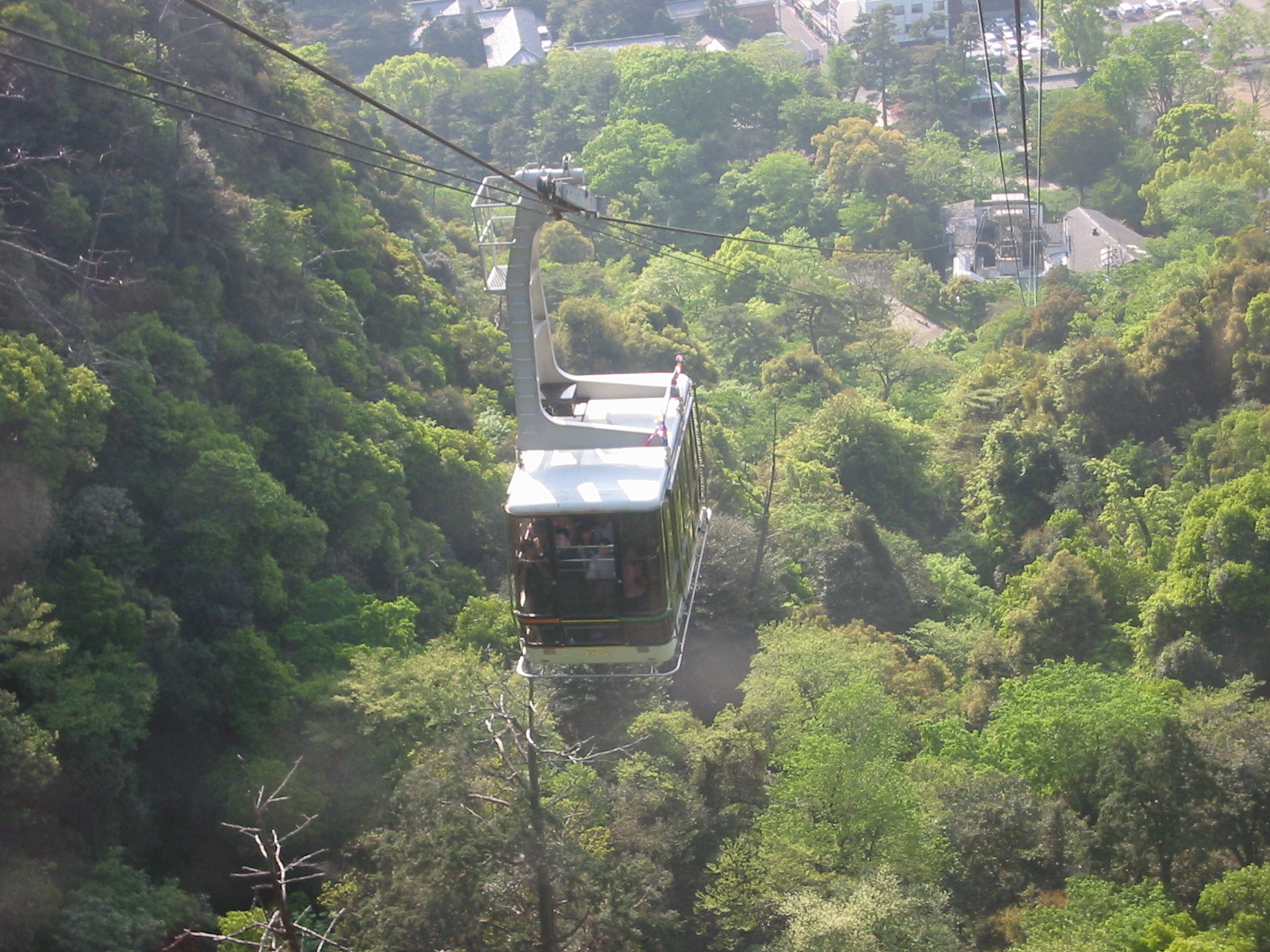
Plan Mount Kinka Ropeway, Kawaramachi and the Nagara River from JR or Meitetsu Gifu. Compare castle closure and ropeway maintenance routes, 2026 cormorant-fishing fares, cancellation charges and evening transport to Nagoya.
Buses from JR and Meitetsu Gifu to Gifu Park
Choose JR Gifu or Meitetsu Gifu according to your accommodation, then connect to Gifu Bus. Each station has separate boarding points; JR north-exit stop numbers do not apply outside Meitetsu. The ropeway access page lists JR Gifu central north-exit terminal stops 12 and 13. From Meitetsu Gifu, use the underpass to stop 4 across the road. Alight at Gifu Koen / Gifu-jo and enter the park for the lower ropeway station. The bus takes about 15 minutes and costs ¥250 per adult one way. Add waiting and walking to the ticket office.
Check that the bus runs via Nagara Bridge and stops at Gifu Koen / Gifu-jo. For the sightseeing-boat office, official access also lists Takatomi-bound and counterclockwise city-loop services via the bridge. Alight at Nagarabashi-minami / Kawaramachi after about 20 minutes, ¥250, then walk about one minute. Mountain and Kawaramachi visits can use different stops. Navigate to the stop or lower ropeway station rather than just Gifu Castle; cars cannot drive directly to the summit.
Gifu Bus separates weekdays from Saturday/Sunday/holiday schedules. The city-loop timetable revised April 1, 2026 specifies holiday service on August 13–15 and December 29–January 3; the Gifu–Takatomi Line has an October 1, 2026 revision. For year-end travel, choose the correct date category before the outbound bus. Return toward the stations; clockwise and counterclockwise loops follow different directions. See the later section for an evening Meitetsu Gifu example.
Store suitcases at your accommodation before entering the park lightly loaded. The ropeway restricts baggage length, weight and volume, and there are summit steps. Taking a case on buses and uphill adds storage and collection detours. With a stroller or someone needing assistance, decide whether to ascend before choosing your bus stop. For Kawaramachi and the river alone, save mountain fares and energy for level walking.
| Starting point | Boarding toward Gifu Park | After arrival |
|---|---|---|
| JR Gifu | Central north-exit bus terminal stops 12 and 13 | Alight at Gifu Koen / Gifu-jo, then enter the park |
| Meitetsu Gifu | Underpass to stop 4 across the road | Alight at the same stop; do not seek JR stop numbers on the station side |
| Direct to boat boarding | Check a route via Nagara Bridge | Alight at Nagarabashi-minami / Kawaramachi; walk about one minute to the office |
Mount Kinka Ropeway: return tickets, ages and last ascent
For a first visit with old-street walking afterward, a return ropeway ticket makes energy easier to manage. Standard fares are adult ¥1,300 return or ¥800 one way; child ¥650 return or ¥400 one way. Adults are generally 12 and over, children 4–11. A 12-year-old still in elementary school pays the child fare, switching to adult from April 1 of the year they enter junior high. Each ticketed passenger can bring one child under four free. For more small children, give the actual group numbers to the ticket office.
Two adult singles cost ¥1,600, ¥300 more than a return; two child singles cost ¥800, ¥150 more. Singles suit hikers who have already chosen a usable route. Switching to a downhill walk merely to save the ¥500 difference between an adult return and single adds mountain effort and may lead to renovation closures. Without a hiking plan, a return ticket lets both directions use the same transport.
Check the actual operating calendar. The website embeds its fiscal 2026 calendar, with different November evening extensions: November 2, 2026 lists 9:00–18:00, while November 6 lists 9:00–20:30. Last ascent is 30 minutes before closing, respectively 17:30 and 20:00. Do not apply one date's last service to all November. For a daytime route, ascend in the morning and descend around lunch without relying on extended hours.
The ride takes about four minutes one way, normally departing every 15 minutes with extra busy-period services. Queuing, buying tickets and summit stairs are additional. The observation deck closes 15 minutes before the last descent. For evening views, allow separate time to leave the deck, reach the station and wait. The lower ticket office accepts credit cards, electronic payments and some code payments, excluding PayPay according to the website. The summit station and Squirrel Village take cash. Prepare cash if buying a single uphill and a return leg later at the summit.
| Passenger | Return / one way, yen | Fare conditions |
|---|---|---|
| Adult | 1,300 / 800 | Generally 12 and over; elementary-school exception applies |
| Child | 650 / 400 | Age 4 to under 12, including the qualifying elementary-school exception |
| Under four | One free with each ticketed passenger | Ticket office calculates any passengers exceeding the free allowance |
During castle renovation: mountain views and open areas
The current reason to ascend Mount Kinka is the view over the Nagara River and Gifu. The city's construction page updated in October 2026 lists the ropeway, observation restaurant and Squirrel Village as available. The keep, museum and summit toilets are closed; toilets east of the summit station and the Kamidaidokoro rest area remain available. Use toilets and prepare water below, then stay within open facilities. Give former keep-display time to views and seated rest.
The ropeway reaches the summit station, with more steps to the observation deck. The operator's FAQ gives about 60 meters, 100 steps and five minutes to the deck; toward the castle, about 300 meters, 250 steps and normally seven to ten minutes. These indicate distance and effort. During closure, follow the city-opened path from the summit station toward the keep, turning back at controls rather than continuing into works or closed toilets.
Strollers can ride, but two flights of 15 steps precede the platform, and there is no continuous stroller route from the summit station to the deck. Staff can assist wheelchair users on the steps; the operator requires advance contact for rides after 18:00. Mountain paths toward the deck and castle have no continuous ramps or elevators. For a fully step-free outing, focus on Kawaramachi and the river. To enjoy views from the cabin, arrange assistance with the operator and plan only the areas usable that day.
Hikers must note current closures on Meiso no Komichi (Suishu-do) and Hanataka trails. The city states both terminate before the summit and cannot reach the ropeway station, summit toilets or Kamidaidokoro rest area. The former combination of ascending these trails and descending by ropeway cannot currently be used. Hikers should select an open route from the latest control map. Ordinary visitors facing ropeway suspension should use the river route rather than turning maintenance day into unplanned hiking.
With children, treat Squirrel Village opposite the summit station as a separate choice. Entry is ¥400 for ages 12 and over, ¥300 for ages 4–11 and free under four, including feed. Feeding is limited to ages four and over; ages three and under can watch beside an adult. Animals may jump onto people and have sharp claws and teeth. Let reluctant children watch, and do not chase animals for photos. Strollers and food are prohibited inside; wheelchairs are allowed.
The November 2026 calendar lists Squirrel Village at 9:30–16:30, last entry 15 minutes earlier at 16:15. It does not follow the ropeway's evening extension. Two adults and two children ages 4–11 pay ¥3,900 for return ropeway rides plus ¥1,400 for the village, totaling ¥5,300, with buses and meals extra. Ask whether children want to feed the squirrels before buying. Village admission is cash-only; card acceptance below does not apply to every summit facility.
Down to Kawaramachi: connect the old streets and river
Eat after descending, then walk to Kawaramachi for an easier afternoon. Use three landmarks: Gifu Park at the mountain foot, the boat office at 1-2 Minatomachi on Nagara Bridge's south end, and Kawaramachi's traditional streets extending south of the bridge. For an evening boat, make the office your final meeting point. Walk your chosen streets before check-in rather than taking a bus back to the station after lunch and returning to the river later.
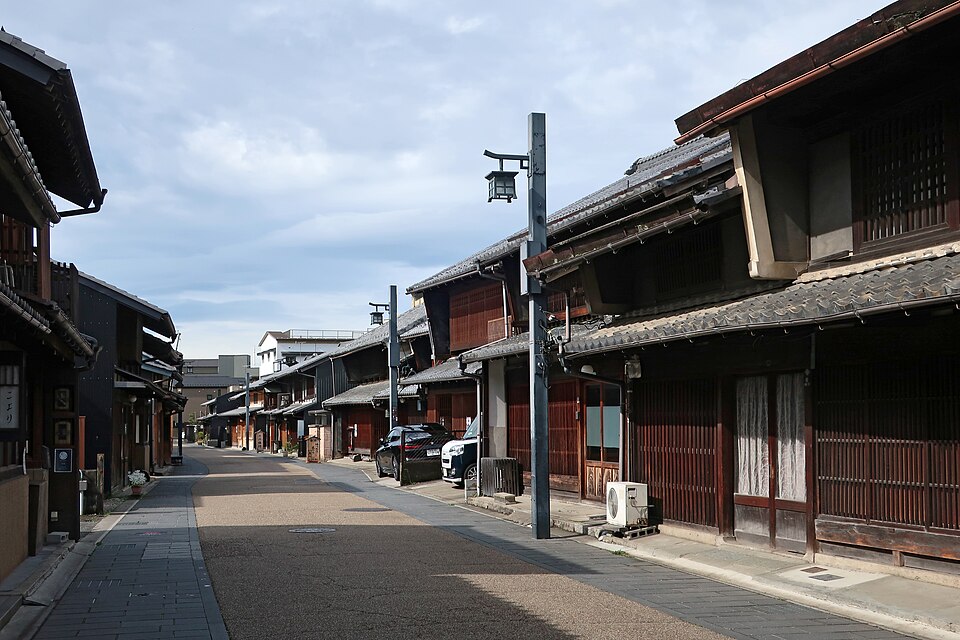
Kawaramachi's interest lies in the relationship between houses and the river port. City Japan Heritage material describes former paper and timber wholesalers and the unpainted wooden latticework still characteristic today. Look at the townhouses, then the river, to understand why arriving goods gathered businesses nearby. Notice narrow fronts, continuous eaves and latticework along public streets rather than doubling back to find one supposedly representative shop.
Allow about an hour for this walk, with lunch or coffee separately. Shorten the river section if dining inside. Shops set individual opening and closing days; use your chosen restaurant's reservations, menu and last orders. Select sweetfish cuisine as a separate meal. Standard fishing-boat passengers can eat before boarding: their ticket includes neither a sweetfish meal nor a service cooking the cormorants' catch for them.
Photograph from public streets and focus on exteriors, keeping doors, driveways and residents' access clear. If splitting up for shops, name a precise meeting spot outside the boat office and a time relative to check-in, rather than simply “by the Nagara River.” Non-passengers can finish by the river. Ticket holders should collect drinks and food before the office so the street walk leads into the evening.
Daytime Nagara River and a shore-only visit
You can include the Nagara River without a boat. Start south of Nagara Bridge to see the river, bridge and mountain together, then cross to the upstream north bank if you want more walking. The fishing operator recommends Nagara River Promenade on the north, or right, bank upstream of the bridge for shore viewing. If staying for fishing at night, identify the bridge crossing, path access and return bus stop in daylight.
Turn back according to your energy rather than circling both banks. After a morning ascent, Kawaramachi and one bank are enough. Without the mountain, extend the river walk and compare views by the foothill, under the bridge and beside townhouses. With small children, choose a section with easy street access and shorten stops beside the water. Keep children away from embankment edges and do not cross fences for reflections.
During fishing season, shore viewers can see fires and fishing boats moving along the river. A boat offers a different distance. Depending on river conditions, sightseeing boats travel alongside fishing boats in kari-kudari, or moor while fishing boats pass in tsuke-mise, ending with the fishing boats lined across the river in so-garami. Buy a ticket for a closer look at the masters' work and time aboard. For a brief after-dinner view of river fires, shore viewing makes departure easier to control.
Outside the season, return to Nagoya or eat in Gifu. November 2026 is outside the main fishing-viewing season, but the daytime river and streets follow the route above. In persistent rain, high water or path closures, return to open streets and omit the river section. If waterside scenery is your main aim, move Gifu to a suitable-weather day and use the Nagoya museum itinerary instead.
Cormorant-fishing boats: season, departures, meals and busy dates
For an ordinary shared boat, choose the date before departure time. The 2026 official table lists 18:15, 18:45 and 19:15 departures, generally watching fishing from about 19:45 and disembarking around 20:30–21:00. An 18:15 departure means more waiting and eating time aboard; 19:15 suits dinner ashore first. Choose later for less seated waiting, or compare earlier boats for a packed meal and time on the river.
Check in at the sightseeing-boat office. The official daily process starts at 15:00, with completion required at least 15 minutes before your booked departure. For 19:15, set 19:00 as the completed-check-in deadline and work backward for dinner and walking. On ordinary days, a fishing master gives a freely viewable explanation at the boarding area at 17:45; this does not take place on imperial-household fishing dates. Arrive early if interested in tools and handling, rather than scheduling it while still on the mountain.
In 2026, ordinary-day shared boats cost ¥4,200 adult and ¥2,100 child; busy dates cost ¥5,100 and ¥2,600, including tax. Boat adults are junior high age and over; children are age three through elementary school. This differs from the ropeway's child fare starting at four. Under-threes travel free on shared boats with an adult aged 18 or over, but must still be included in the reservation. Two adults and two elementary pupils pay ¥12,600 on ordinary dates or ¥15,400 on busy dates, a ¥2,800 difference. Food, transport and accommodation are extra.
Busy dates do not mean every Saturday or every summer-holiday date. The 2026 table specifies May 11, Saturdays from July 13 through late September, and designated Obon and Silver Week dates. See the full list on the annual fare page. For next season, find your date on that season's calendar before choosing the fare. Selected Noryo fishing dates have two sessions, the second starting around 21:10 and ending 22:00. Ordinary viewing on imperial-household fishing days starts around 20:30. Arrange return transport or accommodation before choosing these dates.
Ordinary boat tickets include no food or drinks, and none are sold aboard. Buy a packed meal before boarding or arrange delivery with a seller. There is no boarding-area boxed-meal sale to serve as a last-minute fallback. Compare hotel fishing packages and designated meal-inclusive plans separately from ordinary tickets. Choose one arrangement and confirm seats to avoid booking again after your hotel has done so. Most boats have floor seating; some offer chairs or wheelchair boarding. Tell the office about required seating or assistance before booking.
Before fishing, boats moor by the bank and passengers can use a toilet boat. Once fishing starts, toilet access is restricted for about 45–60 minutes. With children, use the check-in or waiting stage rather than treating the evening like a restaurant you can leave at any moment. The river is cool in May and September–October; the operator recommends a jacket. Put warm clothing in your day bag where you can reach it aboard.
Book through the official website or office counter. Telephone service handles inquiries, not bookings. Counter bookings require payment; bring cash or a supported credit card. Cards must be in the user's own name and paid in one installment. Office hours are normally 8:45–17:30, extended to 19:30 during fishing season. Book the date, party and boat type, then share the same order with companions for check-in. An inquiry about seats still needs booking and payment afterward.
Gifu City's documentary footage introduces the fishing setting through the Nagara River, bridges and riverside streets.
Separate passenger cancellation from high-water suspension
For passenger cancellation of shared boats, the published 2026 rules give a full refund four or more days before the trip, then charges of 20% three to two days before, 30% the previous day and 50% on the sailing day before departure. Cancellation after departure or a no-show without notice costs the full fare. Date changes and reduced passenger numbers also enter cancellation calculations. Correct booking mistakes through the original channel promptly rather than waiting until the previous day.
For one ordinary-day adult ticket at ¥4,200, 20% is ¥840. Official rules discard amounts below ¥100, giving an ¥800 charge and ¥3,400 refund. The previous-day charge is ¥1,200 with ¥3,000 refunded; on the sailing day before departure it is ¥2,100 with ¥2,100 refunded. This example covers one person and one ordinary-day ticket; families and other fares use their order amount. Chartered boats enter the charging period earlier, at 20% from seven to two days before. Do not apply the shared boat's four-day full-refund cutoff to a charter.
Rain does not necessarily stop service; sightseeing boats have roofs. The city suspends according to river conditions such as high water after heavy rain. Current city ordinances and implementing rules list a full boat-fare refund when the city cannot operate because of severe weather. Canceling yourself after a rain forecast follows passenger-cancellation rules. If the city sends a suspension notice, keep it and your order and request the refund through the original purchase channel. The distinction is whether the operator has declared it unable to operate.
Boxed meals, hotels, trains and boats are separate orders. If boats stop, handle the boat ticket, then contact meal or accommodation providers according to their own cancellation deadlines and preparation status. If the mountain remains usable in the morning but boats stop in the evening, keep the daytime route and return early. If strong wind and thunderstorms also stop the ropeway and make river walking unsuitable, replace the whole outdoor day. Do not miss other orders' deadlines while waiting for evening-event news.
Cancel through the original booking route. Official online orders can be handled on the reservation site; counter reservations require the boat office. Keep the sailing date and amount, then confirm the cancellation record. Telling your travel group you are not going does not notify the operator. For hotel-booked packages, the hotel handles boat seats and meals. Quote the same overnight or day package so canceling one item does not leave another valid order.
Return to Nagoya by day or stay overnight: choose by your return options
After daytime Kawaramachi and river walking, take a bus from Nagarabashi-minami / Kawaramachi to the station, then your chosen railway to Nagoya. For a fixed dinner reservation there, finish early enough for bus waiting, road travel and station walking. If companions are tired, return to the station for food or your accommodation rather than adding more standing while waiting for dark.
At night, connect both transport legs first. In the published weekday timetable, the clockwise city-loop bus leaves Nagarabashi-minami / Kawaramachi at 21:28, reaches Meitetsu Gifu at 21:41 and JR Gifu at 21:44. Further departures in the same direction are 21:58 and 22:28. For Meitetsu, choose toward City Hall / Uguisudani Koko-guchi, not the counterclockwise loop continuing toward Nagara River Convention Center. These are weekday times revised April 1, 2026; August 13–15 and December 29–January 3 use the holiday table.
Meitetsu's weekday inbound Nagoya Main Line table revised March 14, 2026 lists a limited express leaving Meitetsu Gifu at 22:13 and arriving Meitetsu Nagoya at 22:42, then 22:48–23:16. Connecting the 21:28 bus to the 22:13 train gives 32 scheduled minutes at Meitetsu Gifu for the platform and waiting, and 74 minutes from river departure to Nagoya arrival. This is more dependable than forcing the 21:58 bus, arriving 22:11, into a 22:13 train. Allow tolerable road delays rather than deciding boat purchase around a two-minute connection.
Ordinary fishing ends around 20:30–21:00, followed by disembarkation, gathering belongings and walking to the stop. For next season, choose two return services from the new timetable for your date. If only one is acceptable, staying in Gifu is more suitable. The second Noryo session ends about 22:00, leaving less room. For a relaxed finish, small children or assistance needs, nearby accommodation lets you return a short distance after the event. Stay by the Nagara River for easy rest, or near Gifu Station for next-day transport after arranging the evening river-to-hotel trip.
Separate daytime, boat and intercity costs. An adult return ropeway at ¥1,300 plus two ¥250 city buses totals ¥1,800; two adults cost ¥3,600. Add a ¥4,200 ordinary-day 2026 boat ticket for ¥6,000 per adult, or a ¥5,100 busy-day ticket for ¥6,900. These sums include the specified city buses, ropeway and selected boat ticket. Add meals, Nagoya rail travel and accommodation separately to see the evening's extra budget.
Ropeway maintenance days and a winter river route
Announced ropeway maintenance closures are December 1–28, 2026 and January 7–February 16, 2027. On those dates, omit the mountain, leave Nagoya later, walk around Gifu Park, eat lunch and continue to Kawaramachi and Nagara Bridge. Without mountain views, ropeway queues and stairs, half a day to most of a day allows slower streets and river walking. It also suits companions avoiding steps.
Keep winter outdoor time in daylight. Walk the townhouses around lunch, then one riverbank if weather is stable. In wind, shorten bridge and waterside stops, eat in the streets and return to the station. View Mount Kinka with the bridge from below rather than improvising a trail for elevation. If the ropeway ride is your main goal, move Gifu to an announced operating date instead of seeking an unprepared mountain route at the lower station.
Over New Year, check both ropeway calendar and special bus day categories. The city loop uses holiday timetables December 29–January 3, even on a weekday. Restaurants and shops set their own year-end closures. Lunch is the main rest point: find an available meal before deciding the river walk's length. With the ropeway closed and fishing out of season, Gifu still offers a short river-port street walk. Save the full mountain-and-river day for ropeway operation.
Gifu's Nagara River fishing and Gujo Hachiman's Gujo Odori are different places and evening activities. This day enters and leaves through Gifu's city stations; it does not require Nagara Railway to Gujo. For summer dancing, plan Gujo transport and accommodation separately. Choose fishing on the river or joining a castle-town Bon dance so your evening ends in the correct town.
A few useful answers
Is the ropeway worthwhile while Gifu Castle is closed?
For Nagara River and city views, ascend on a ropeway operating day. The keep and museum are closed, with reopening planned for November 2027. For keep displays, travel after reopening. About 100 steps still separate the summit station and observation deck.
Does a four-year-old use the same child rules on the ropeway and fishing boat?
No. Ropeway child fares start at four, shared fishing-boat child fares at three. Each ropeway ticket holder can bring one under-four free. Under-threes on the boat must still be declared and accompanied by someone aged 18 or over.
Does an ordinary fishing-boat ticket include dinner?
No. The 2026 ordinary-day adult ¥4,200 price is for the boat, with no food or drinks sold aboard. Earlier 18:15 and 18:45 departures allow a packed meal; 19:15 suits eating ashore first. Meal-inclusive packages follow their booked terms.
What should I do during December ropeway maintenance?
It closes December 1–28, 2026. Visit Gifu Park surroundings, lunch, Kawaramachi and Nagara Bridge's riverbank, returning early in the afternoon. January 7–February 16, 2027 closure is also announced. Choose another operating date for the ropeway.
Official information and references
Sources used in this guide.
- Hours and fares | Gifu Mount Kinka Ropeway
- Access | Gifu Mount Kinka Ropeway
- FAQ | Gifu Mount Kinka Ropeway
- Gifu Castle keep (closed) | Gifu City
- Mount Kinka summit improvement works | Gifu City
- City landmarks and hospitality | Gifu City
- Gifu Nagara River cormorant fishing
- Fares and cancellation charges | Gifu Nagara River cormorant fishing
- FAQ | Gifu Nagara River cormorant fishing
- Viewing process | Gifu Nagara River cormorant fishing
- Read before booking | Gifu Nagara River cormorant fishing
- Access and parking | Gifu Nagara River cormorant fishing
- Timetables | Gifu Bus
- Gifu Bus: city-loop weekday and holiday tables revised April 1, 2026
- Route timetables | Meitetsu
- Meitetsu: weekday inbound Nagoya Main Line table revised March 14, 2026
- Gifu sightseeing-boat ordinance: severe weather and fare refunds
- Gifu sightseeing-boat implementing rules: full refunds and cancellation charges
- Gifu City sightseeing boats: official cormorant-fishing video