Nanzen-ji Junsei Hana Course ¥3,850, Arashiyama yudofu set ¥4,400. Compare simmered tofu vs. fresh-skimmed yuba, autumn walk-in rules, Gion reservations, Nishiki Market yuba bowls, and shojin ryori, with sunny and rainy-day routes.
- Region & Focus
- Kyoto
- Reading Scope
- 18 min read · 10 chapters · 6 Q&As
- Official Verification
- 31 official sources checkedUpdated November 22, 2026
- Key Topics
- FoodBookingItineraries
Chapter Route Map (tap any stop)
- Yudofu Is a Simmered Pot; Yuba Shows Up in More Forms
- Three Ways to Get a Table at Nanzen-ji Junsei
- Check Reservation Rules Before Planning Lunch in Arashiyama
- A Yuba Specialist in Gion and a Single Bowl in Nishiki Market
- Hot Tofu Pots Around Kiyomizu-dera Too
- Check Prices, Seating, and Allergies Together
- For Strict Vegan Dining in Arashiyama, Start at Tenryu-ji Shigetsu
- Walk the Aqueduct on Sunny Days; Move Meals Near the Station in Heavy Rain
- Buying Yuba at Nishiki Market: Eat in Kyoto or Pack for Home
- Fitting Your Meal Slot Into the Day's Schedule
- Quick Q&A
For a first yudofu meal in Kyoto, lunch on a temple-walking day is the easiest fit. In Higashiyama, Nanzen-ji Junsei serves the Hana Course for ¥3,850 per person, letting you choose a hot tofu pot or skim fresh yuba at the table. If your day already covers the Bamboo Grove and Tenryu-ji, stay in Arashiyama for the ¥4,400 set meal at Yudofu Sagano. To make yuba the centerpiece, Higashiyama Yuuzu in Gion works well for a sit-down meal, while Nishiki Market's hale serves a quick thickened-yuba rice bowl. Whether your itinerary stays on schedule often comes down to whether you have a confirmed table reservation, a priority waitlist slot, or only walk-in seating.
Yudofu Is a Simmered Pot; Yuba Shows Up in More Forms
Yudofu (simmered tofu) heats cut blocks of tofu gently in a tabletop pot. Once the pot arrives, use the slotted ladle provided to lift a piece into your small bowl and taste it plain before adding dipping sauce or condiments—the texture of the tofu itself comes through much more clearly that way. Yudofu set meals add side dishes and rice, and if miso-glazed dengaku comes with the spread, save a bite to compare: dengaku relies on sweet-savory miso, while tofu from the hot pot keeps the flavor clean and delicate.
Yuba (tofu skin) and tofu both start as soy milk. According to Japan's Ministry of Agriculture, Forestry and Fisheries (MAFF) traditional food guide, Kyo-yuba is made by heating soy milk over low heat until a thin film forms on the surface, then lifting and draining it. Ordering a plate of yuba sashimi highlights that fresh sheet on its own, often served with wasabi and soy sauce. Once dried, the sheets can be rehydrated for soups and simmered dishes, or wrapped around fish and shrimp and deep-fried. The same word on a menu can mean a silky raw ribbon or a broth-soaked roll.
To watch soy milk turn into yuba at your table, look for hikiage yuba on the menu. Junsei's Hana Course lets you wait for each film to set and lift it yourself; because you wait between sheets, the meal works best when lunch itself is the event. If you want a quicker taste before afternoon sightseeing, order pre-plated fresh yuba or a yuba rice bowl so everything arrives ready to eat. Traveling as a pair, decide upfront whether you want to compare hot tofu and soy aroma or sample yuba in multiple preparations—picking a restaurant by that preference is easier than going by name recognition alone.
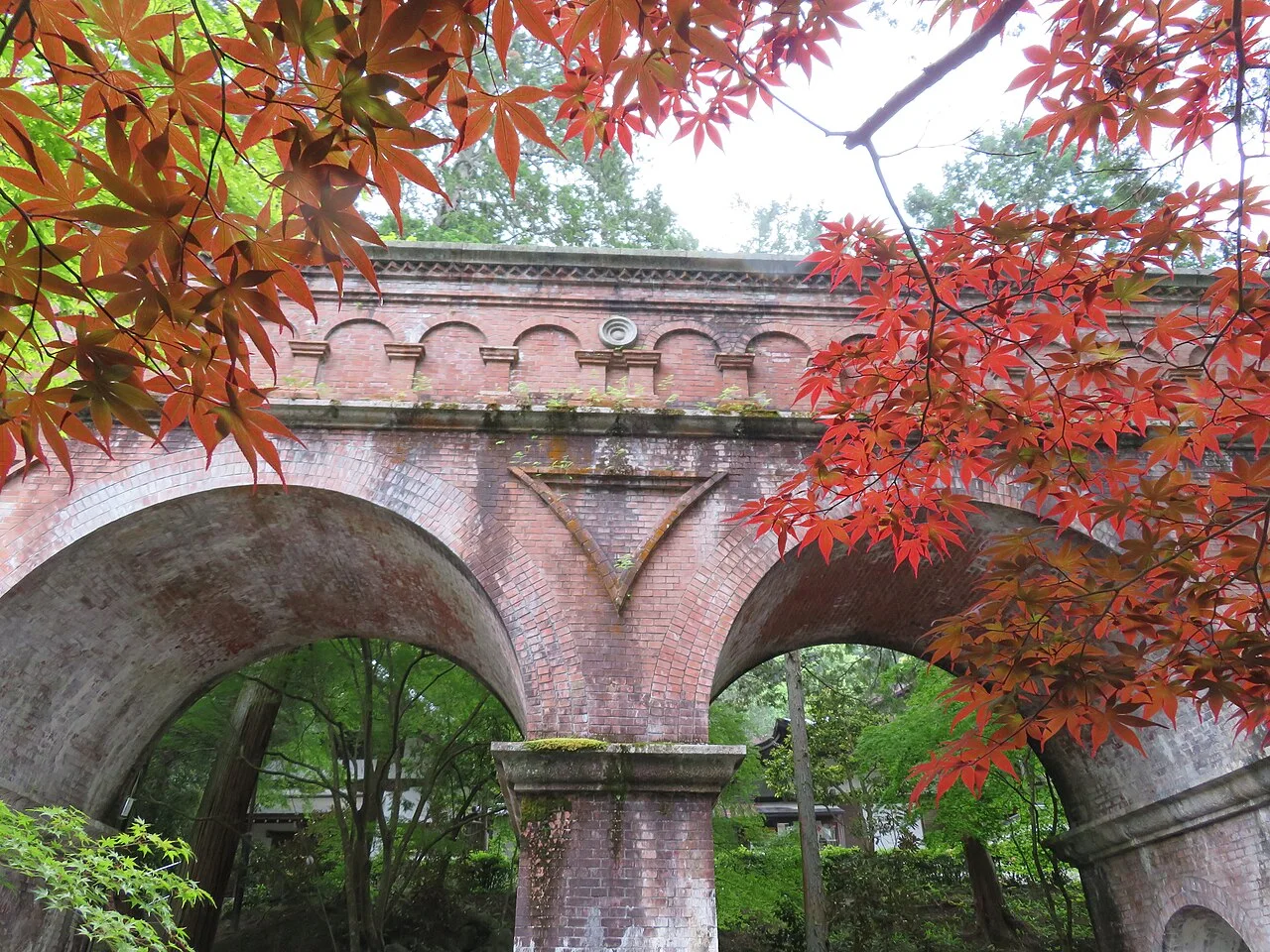
Nanzen-ji pairs this food history naturally with a walk. On its menu pages, Junsei cites Edo-period Kyoto illustrated guidebooks noting that temple-gate yudofu was already a destination dish for travelers, and MAFF's Kyo-dofu entry likewise documents the long history of yudofu shops around Nanzen-ji. Right inside the temple grounds stands the Suirokaku Aqueduct, a brick bridge carrying the Lake Biwa Canal. Visiting the arches first and walking back to the gate for lunch makes the short distance from temple to teahouse immediately clear.
Nanzen-ji Junsei Hana Course ¥3,850, Arashiyama yudofu set ¥4,400. Compare simmered tofu vs. fresh-skimmed yuba, autumn walk-in rules, Gion reservations, Nishiki Market yuba bowls, and shojin ryori, with sunny and rainy-day routes.
Three Ways to Get a Table at Nanzen-ji Junsei
If you just want the hot pot, start with the Hana, Tsuki, and Yuki courses on Junsei's official menu, priced at ¥3,850, ¥4,950, and ¥5,830 respectively, all tax-included. The Hana Course lets you choose either yudofu or fresh-skimmed yuba as the main pot, alongside sample items such as small appetizers, simmered dishes, dengaku, vegetable tempura, rice, and pickles. For a first visit, put your budget toward the main pot you actually want; before upgrading to Tsuki or Yuki, check which extra dishes your group cares about. Junsei courses are priced per person, pots may be shared at the same table, and drinks or a la carte items cost extra.
The first option is walking in on the day. Junsei's reception seats walk-ins in order of arrival, which works well if you have no timed tickets right after lunch. If you see a line outside when leaving the temple, ask the front desk how the queue is being called and where to wait. If anyone in your group is already tired of walking, pivot straight to lunch in Okazaki and spend the afternoon at the museums nearby—you stay on the same side of Higashiyama. Note that the restaurant closes between lunch and dinner: lunch starts at 11:00 with last order at 14:30. If you exit the temple after 14:30, switch to dinner or another restaurant instead of assuming you can still order until the 15:30 daytime close.
The second option is the official Yudofu Priority Seating (Yudofu Yusen Annai) online request. Standard online applications cover parties of 2 to 4, with time slots selectable from 11:00 to 18:00. You must check in at the priority desk within one hour of your chosen time—for a 12:00 slot, give your reservation name between 12:00 and 12:59. If a table is open, you are seated right away; if the room is full, you take the next available table. This secures priority order in the queue rather than a guaranteed exact seating time, the restaurant assigns the area and seat type, and same-day changes are not accepted.
The third option is booking a Shunsai or Kaiseki course through the reservation page, then buying afternoon tickets only after the restaurant confirms your time. The official menu lists Shunsai Aoi at ¥7,700 and Satsuki at ¥9,350, both tax-included, while Yudofu Kaiseki runs ¥11,000 to ¥16,500 plus a separate service charge. Junsei's FAQ estimates about one hour for standard set courses and about 90 minutes for kaiseki. If you have a timed afternoon activity, budget for paying the bill and walking back out to the main road on top of transit time. If your chosen booking page lists a specific package total, that breakdown governs your final bill.
Junsei's historic buildings and garden are part of the experience. According to the restaurant's FAQ, dining inside the Junsei Shoin hall starts at ¥18,150 including tax and service charge, and children are not permitted in the Shoin—families with kids should select other seating areas. Standard seating is mostly chairs and tables, though tatami rooms or second-floor seats may be assigned. If older travelers need first-floor table seating, you have a stroller, or your group wants to sit together, call ahead to confirm. Standard tables hold 2 to 4 guests around fixed tabletop burners, and parties of five or more adults seeking priority seating should contact the restaurant directly.
From Kyoto Station, take the Karasuma Subway Line to Karasuma Oike and transfer to the Tozai Line toward Keage. Junsei's website estimates a 5-minute walk from Keage Station Exit 2, while Nanzen-ji estimates about 10 minutes from the station to the temple—those two times lead to different endpoints. If you are eating first, set your map to Nanzenji Junsei; if you are sightseeing first, take the temple's suggested Nejirimanpo brick-tunnel shortcut. Dinner runs from 17:00 with last order at 19:00, making an easy walk back to Keage Station afterward. Junsei's FAQ notes that staff cannot call taxis for guests, so do not count on hailing a cab outside on short notice to make a tight connection.
Check Reservation Rules Before Planning Lunch in Arashiyama
Yudofu Sagano sits near Tenryu-ji at 45 Saga Tenryuji Susukinobabacho. On the regular menu, the Yudofu Teishoku set is ¥4,400 and the Sagano Gozen is ¥6,600, both tax-included. If you only have one meal to try both soy preparations, order the Gozen, which includes yudofu, yuba sashimi, and dishes with Kyoto vegetables. For two adults before drinks, the bill comes to ¥8,800 or ¥13,200—a ¥4,400 difference. On a tighter budget, check whether your travel companion prefers putting that extra ¥4,400 into one combined meal rather than eating at two separate tofu shops in the same district.
Sagano's website states that advance bookings are generally accepted up to two days before your meal, with online booking recommended. Every year from mid-November to early December, however, both phone and online reservations are suspended and tables go strictly to walk-ins as seats open. Anyone visiting Arashiyama in late November 2026 can still walk the Bamboo Grove in the morning, then head straight to the restaurant door for lunch and save Togetsukyo Bridge for afterward if there is a wait. Trying to book weeks ahead online does not override that seasonal suspension. If you hold a timed afternoon ticket such as the Sagano Scenic Railway, book a different restaurant that aligns with your departure or eat back at Kyoto Station.
Sagano lists operating hours of 11:00 to 17:30 with last order at 16:30, closing early if tofu sells out. For a late lunch, plan to arrive before 16:30. A riverside stroll is easy to shift, whereas a reserved train ticket is not—when those conflict, protect the train time. If you are arriving leisurely from another district in the morning and heading to a reserved-seat station in the afternoon, check backup restaurants along that same route so you do not waste time doubling back.
On other dates when reservations are open, review the cancellation policy first. Sagano charges nothing if you cancel at least two days before your meal, 50% for cancellations notified the day before or same day, and 100% for no-shows, with any refund fees borne by the guest. Changes and cancellations are handled by phone or email during business hours. When booking two timed stops, lock in either the meal or the train ticket first and schedule the second around it. Because international calls or email replies take time, keep your original confirmation email and the restaurant's contact info in the same itinerary note in case plans shift.
To reach Arashiyama from Kyoto Station, take the JR Sagano Line to Saga-Arashiyama Station, about a 10-minute walk from the restaurant according to Sagano. From Shijo-Kawaramachi, ride the Hankyu Line and transfer at Katsura to the Arashiyama Line; you exit on the south side of Togetsukyo Bridge and cross the river to reach the Tenryu-ji side. Taking the Randen tram to Arashiyama Station drops you right near Tenryu-ji. If meeting friends at Togetsukyo Bridge, specify which end of the bridge. If you are with older travelers on a tight lunch schedule or Nagatsuji-dori is crowded, meet directly at the restaurant entrance to avoid losing time searching for each other.
Hot yudofu stays on the menu in summer too. Sagano's website also lists seasonal options like karashi-dofu (mustard tofu) and chilled Miwa somen noodles, and Junsei's Shunsai menu features chilled summer tofu. Look for hiyashi dofu on menus if you want cold tofu. After a long day on your feet when everyone just wants a quick refuel, save the multi-course spread for another day and order the single dish you actually want.
A Yuba Specialist in Gion and a Single Bowl in Nishiki Market
If your route covers Kennin-ji, Yasaka Shrine, or Higashiyama Yasui, Higashiyama Yuuzu is located at 570-218 Gionmachi Minamigawa. Operated by a yuba maker from Miyama, Kyoto, the restaurant pairs yuba with seasonal ingredients from Miyama and Tamba across counter seats, tables, and semi-private tatami rooms. It is about an 8-minute walk from Keihan Gion-Shijo Station, or about 11 minutes across the Kamo River from Hankyu Kyoto-Kawaramachi Station. If you have already tried yudofu elsewhere, this is the place to see how yuba works across different courses—book lunch for a quick multi-dish tasting before Kennin-ji, or pick a dinner course if you want this to be the day's main meal.
Higashiyama Yuuzu's February 2026 hours notice and booking page list regular closures on Mondays and Thursdays, with lunch from 11:00 to 15:00 (last order 14:00) and dinner from 16:00 to 22:00 (last entry 20:30). Its access page also notes an alternate lunch/dinner schedule and closed Tuesday dinners. To book, click Reservations on the official site to open TableCheck and pick your date and party size; for walk-in checks, call 075-532-1019 to confirm that day's ordering cutoff. If you are walking down from Kiyomizu-dera for lunch, treat 14:00 as a hard cutoff and leave buffer time for the walk from the temple.
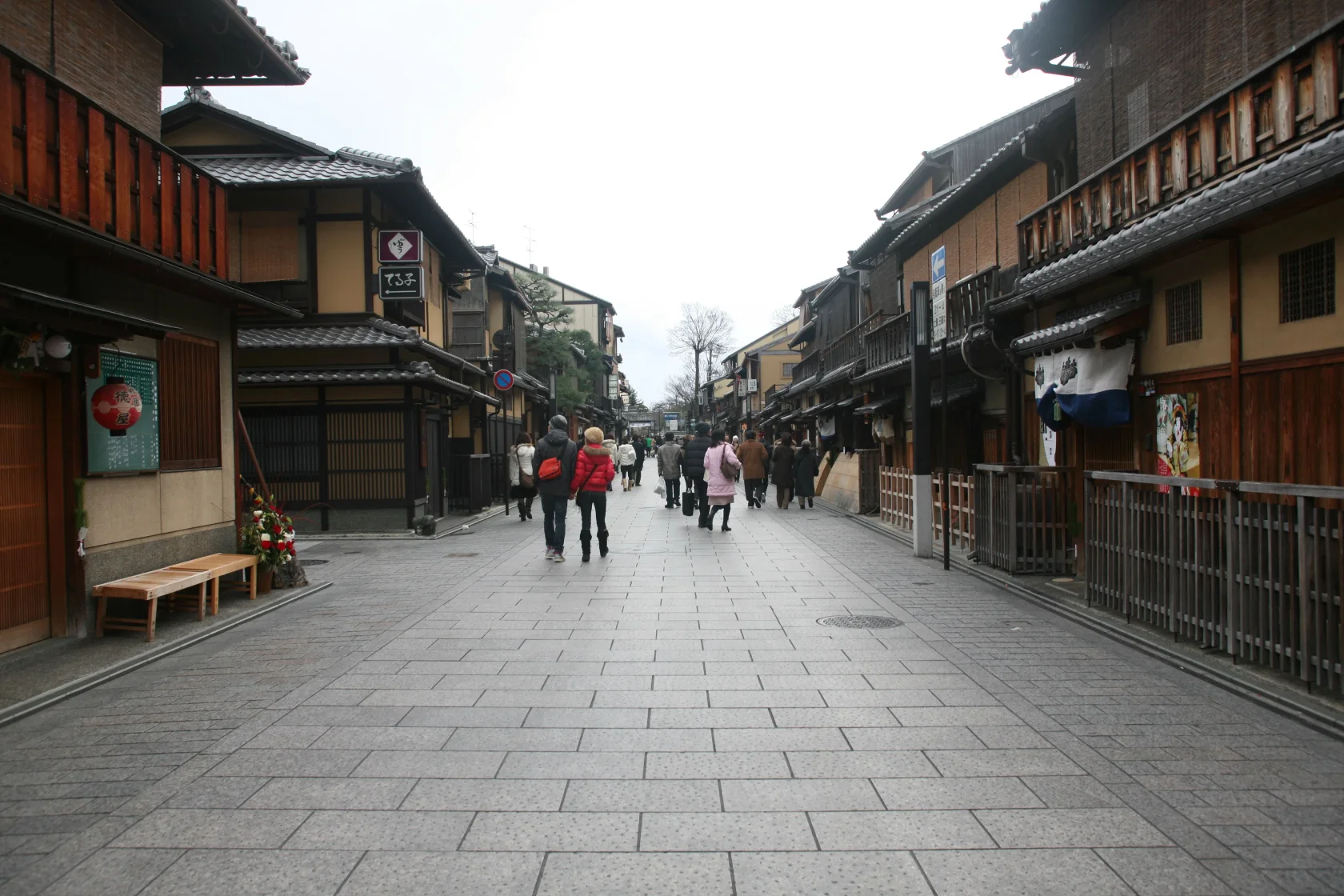
Gion's backstreets are dense, so match the street number against the map on the restaurant's website before turning in. At night, meet your group at Gion-Shijo Station or a well-lit corner along Shijo-dori and walk in together. Kyoto City's 2026 sightseeing guidelines specifically remind visitors in southern Gion to obey no-entry and no-photography signs on private alleys, and never to follow or photograph geiko or maiko while they are working. If you arrive early, stroll along public streets instead and wait at the restaurant's open reception area.
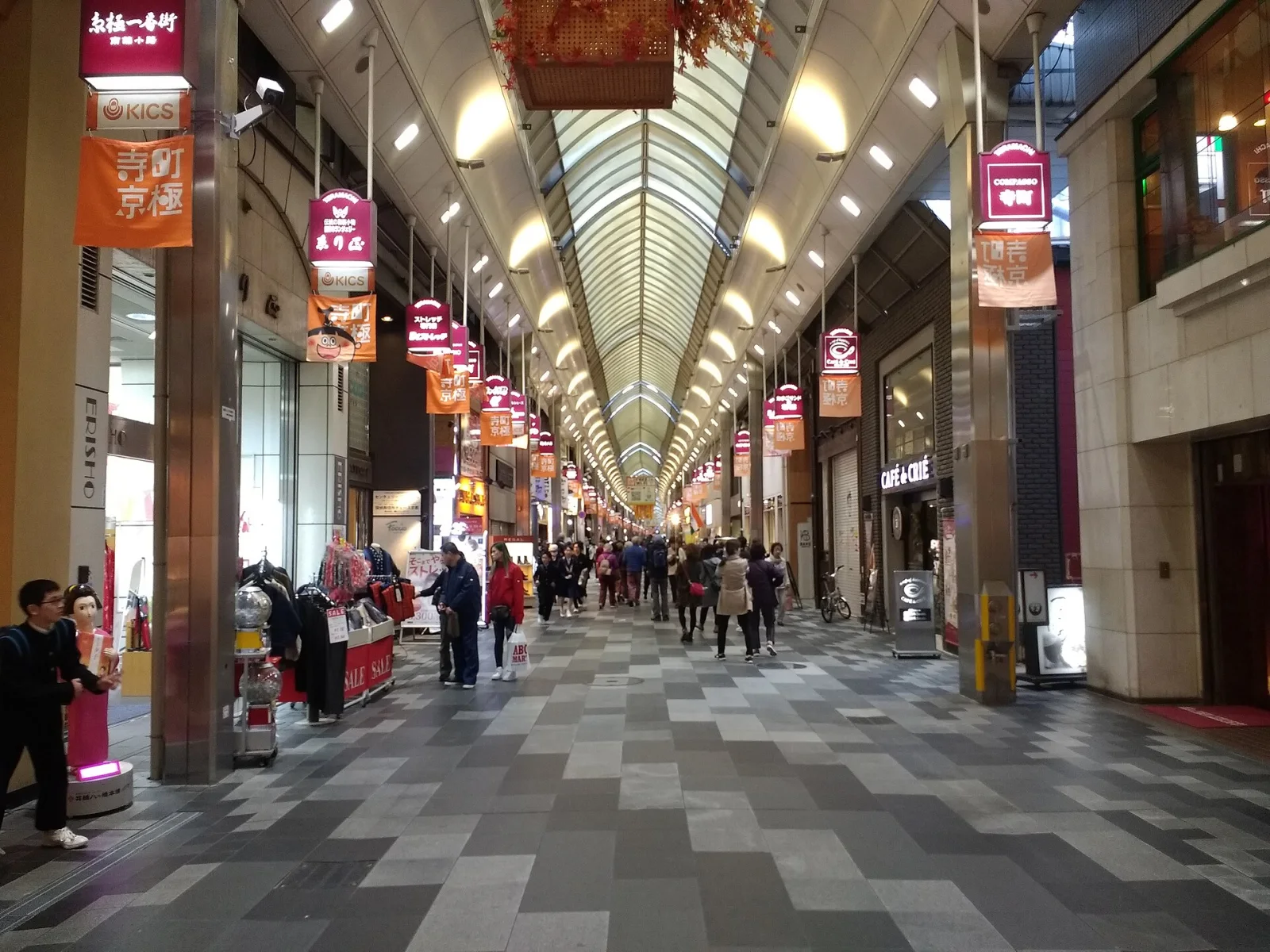
For a single midday bowl of yuba over rice, head to hale in Nishiki Market. Market directory listings describe a plant-based meal featuring a thickened yuba rice bowl with home-style sides such as okara (soy pulp) and greens, tucked inside a machiya townhouse down a narrow side alley off the market. The directory lists hours as Thursday through Sunday 12:00 to 15:00, closed Monday through Wednesday plus irregular holidays. If your group just wants to step out of the market crowd for a quick seat, walk over to check availability in person; if you need a guaranteed sit-down meal before catching a train, choose a restaurant that takes advance reservations.
Light snacks and a full rice bowl serve different lunch gaps. If you already have dinner booked, stopping by Konna Monja—the direct retail shop of Kyo-Tofu Fujino—is plenty: the Nishiki Market directory lists soy-milk donuts, soy-milk soft-serve ice cream, and fresh yuba for quick tasting or small packs. Market rules ask visitors to eat in front of or inside the shop where they bought their food, using the designated space provided. Although the main arcade is covered, factor afternoon crowds and weather at the open entrances into your walking time.
Hot Tofu Pots Around Kiyomizu-dera Too
If your itinerary already runs through Sannenzaka or Kiyomizu-dera, you can book Sohonke Yudofu Okutan Kiyomizu at 340 Kiyomizu 3-chome. This spot is great for comparing tofu textures side by side: Okimari Hitotori features silky, delicate kinugoshi tofu for ¥4,400 per person, while Mukashi Dofu Hitotori uses firmer momen tofu for ¥5,500. Both include kinome-dengaku (miso-glazed tofu with sansho leaf), grated mountain yam soup, sesame tofu, and shojin vegetable tempura. If two people want to order one of each to compare, ask when booking how the pots are arranged. Save the full name and street address in your map app before walking down from Kiyomizu-dera—searching only 'Okutan' can send you to the wrong place.
Okutan Kiyomizu opens weekdays from 11:00 to 16:30 (last order 16:00) and weekends and national holidays until 17:30 (last order 17:00), with regular closures usually on Thursdays. An official notice adds evening hours from November 21 to 30, 2026 (last order 19:00, close 20:00), normal operations on Thursday, November 26, and an irregular closure on December 16. If you are attending Kiyomizu-dera's autumn night illumination, decide whether you want to eat before or after 19:00 and plan your uphill/downhill route accordingly. The restaurant accepts cash only, opens reservations one month in advance, and charges 100% for same-day cancellations of pre-ordered courses or ¥3,300 per person for seat-only bookings.
Check Prices, Seating, and Allergies Together
At Junsei, two adults ordering the Hana Course start at ¥7,700 total; upgrading to Shunsai Aoi brings the bill for two to ¥15,400. When weighing the price gap, look at which extra dishes are added, whether a confirmed seating time helps your schedule, and whether everyone wants to spend more than an hour at the table. Some packages tie the price to a specific garden wing or room tier—if you want a private room, book the exact plan that designates that space. If your reservation only lists the course name and headcount, prioritize movable chairs and stair-free access first.
On menus and booking pages, 'zeikomi' means tax is already included, while 'sa-betsu' means a service charge is added separately. Any 'average lunch budget' listed next to a restaurant name is only a rough guide; only your chosen course or booking plan sets the actual per-person price. When four people order at different price tiers, add each course individually and check whether service charge is included and drinks are separate. If friends need split checks, ask before being seated, especially on prepaid or single-card booking plans. When reconciling overseas card statements later, check the JPY amount, charge date, and paper receipt.
If anyone in your party needs chair seating or wheelchair access, confirm the path from the entrance to the table first. In reservation notes, ask specifically for a step-free table with chairs, and list any extra needs—such as an accessible restroom or space beside the table for a folded stroller—item by item. For older travelers who tire easily, having room for bags by the table and a restroom nearby often matters more to their comfort than a garden view. When dining with kids at a hot-pot table, place the child's chair away from the burner and ask if white rice can come out first so children can eat while the pot cools.
Tofu and yuba are made from soybeans, but vegan diners still need to check the broth, dipping sauces, and sides across the entire meal—especially anything labeled dashi, tsuyu, or dengaku. State clearly when inquiring that you do not eat any animal products, including bonito flakes and seafood dashi, and ask which full course can be prepared that way. If someone in your group simply avoids meat while eating fish, or eats dairy and eggs, spell out their exact rule; simply asking for 'no meat' will not alert a kitchen to omit bonito stock. Junsei's cuisine page provides contact details for allergy and vegetarian requests at least one day in advance. If strict vegan dining is your top priority, check open dates at Shigetsu or hale first.
Travelers with a soy allergy should pick another cuisine altogether, as every restaurant here centers on soy products. Fu (wheat gluten) contains wheat, and shops selling fresh namafu often sit alongside yuba stalls in Nishiki Market. For other food allergies, list the exact allergen and ask whether cooking utensils are shared before you book. When one person at a shared table must avoid an ingredient, ask the server at ordering time to point out which small plates belong to that guest so the family is not left guessing by sight.
For Strict Vegan Dining in Arashiyama, Start at Tenryu-ji Shigetsu
Tenryu-ji's temple-run restaurant Shigetsu explicitly states that its shojin ryori uses zero animal ingredients, serving lunch from 11:00 to 14:00 (closed Thursdays). Courses are ¥3,800 for Yuki, ¥6,500 for Tsuki, and ¥9,000 for Hana, plus ¥500 per person for temple garden admission. Yuki comes with one soup and five side dishes, while Tsuki and Hana feature six and seven dishes respectively. If you want a full Buddhist temple meal, browse the seasonal menu first; you will still find tofu and yuba in the soups and sides, while saving a tabletop hot pot for another day.
Shigetsu's information page lists the Yuki course as requiring booking at least two days ahead, while its online request form requires at least three days' notice across the board—if you prefer deciding the night before, pick a walk-in lunch spot instead. Tsuki and Hana require at least two guests and three days' advance booking. Submitting the form sends a request rather than an instant confirmation, so wait for the temple's reply and follow the terms in that email or booking page if you need to change or cancel. On the day, meal payment and garden entry are handled separately, and the restaurant notes that garden admission cannot be paid with the credit card methods accepted inside, so bring JPY cash.
Because Shigetsu sits inside Tenryu-ji, pairing lunch with Sogenchi Pond Garden saves the most walking. Check whether your slot falls right after morning garden viewing or before an afternoon walk, and put free-form photo stops like the bridge in a different block. If only one person in your group is vegan, either the whole table can enjoy shojin ryori together or you can split for lunch and meet at the garden exit afterward. Before splitting between two restaurants so everyone gets a hot meal, send the exact restaurant addresses and target finish times to the group—Arashiyama has multiple stations with similar names, so texting 'meet at Arashiyama Station' is an easy way to lose each other.
Walk the Aqueduct on Sunny Days; Move Meals Near the Station in Heavy Rain
A sunny half-day at Nanzen-ji works smoothly if you reach Keage around 9:30, see the Suirokaku Aqueduct first, pick either the Hojo Garden or the Sanmon Gate for paid entry, and arrive at Junsei for lunch at 11:30. Junsei's site lists a 3-minute walk from the aqueduct, though you should pad extra time for seeing the arches, taking photos, and exiting the grounds. From December through February, Nanzen-ji's winter visiting hours run 8:40 to 16:30 with last admission at 16:10. If you want to tour Hojo Garden unhurried after lunch, work backward from that 16:10 cutoff so you do not walk down the Philosopher's Path and return to a closed gate.
Under Nanzen-ji's year-end schedule, general paid temple admission closes from December 28 to 31, 2026, and reopens on New Year's Day. If your trip crosses into January 1, 2027, move ticketed temple entry to New Year's Day and book lunch on whatever date the restaurant shows available. Over the last days of December, pairing gate-side dining with a walk around Okazaki or Keage works well without cramming both Hojo and Sanmon into one day. A seated midday meal followed by a flexible afternoon stroll is far more comfortable than racing a winter temple checklist.
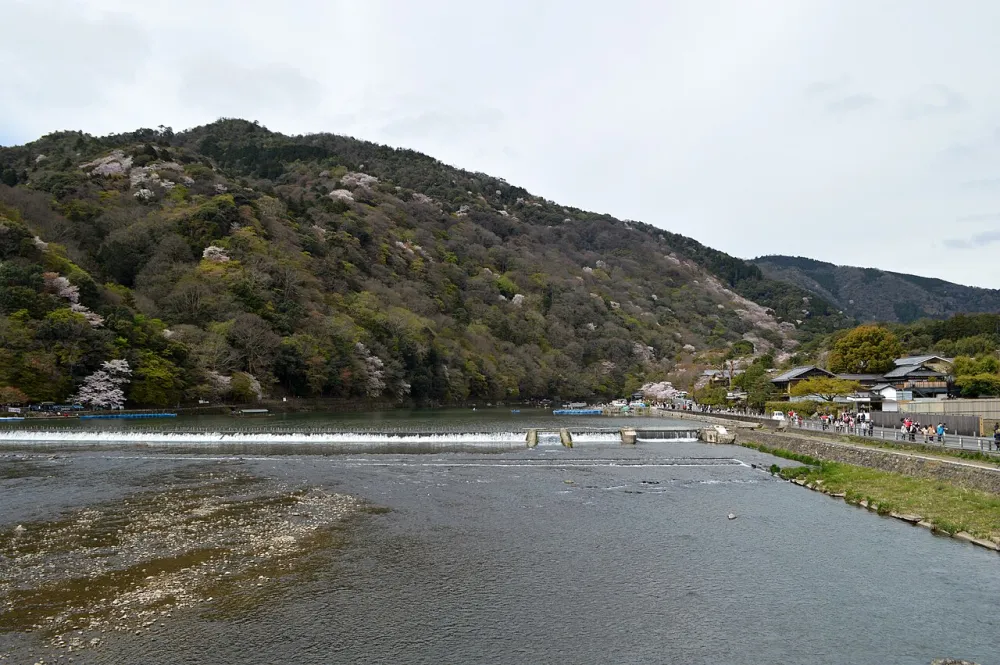
The sunny Arashiyama plan goes Bamboo Grove first, then Tenryu-ji, out to lunch for yudofu, and Togetsukyo Bridge in the afternoon. From November 14 to 30, 2026, Tenryu-ji opens the main Sogenchi Pond Garden entrance early at 7:30, while the North Gate remains at 8:30—use the main gate near Randen Arashiyama Station if you want early entry. Because late November overlaps with Yudofu Sagano's reservation pause, clear your top sights early in the morning so you can skip or shorten Togetsukyo Bridge if you need to leave promptly after lunch.
In light rain, you can keep a Higashiyama lunch plan, walk from Keage to Junsei, and swap outdoor gardens for Okazaki's indoor museums. When rain gets heavy enough to make cobblestones miserable with strollers, wheelchairs, or luggage, Kyoto Station itself has yuba dining. Shozankaku on the 11th floor of JR Kyoto Isetan takes reservations; the department store lists wheelchair and stroller access along with kids' meals and high chairs, with average budgets of ¥4,000 for lunch and ¥7,000 for dinner. To squeeze in Kyo-yuba before a Shinkansen departure, stash your bags in a locker first, head to the dining floor, and count backward from your platform number to set a checkout time.
If you are staying around Shijo-Kawaramachi on a rainy day, make Nishiki Market a standalone stop. Stick to the covered market and shopping arcades first and save Gion sightseeing for clear weather. Because Higashiyama Yuuzu and Nishiki Market sit on opposite sides of the Kamo River, walking between them crosses open stretches of Shijo-dori and Shijo Bridge. If friends are already waiting in Gion, meet straight at the restaurant and shop at the market afterward—or move souvenir shopping to the next day.
Buying Yuba at Nishiki Market: Eat in Kyoto or Pack for Home
Yubakichi writes its sign with kanji pronounced the same way—yuba. Market records note the shop has operated in Nishiki Market since the late Edo period and specializes in fresh and dried yuba, open 9:00 to 18:00 and closed Sundays plus the fourth Wednesday of each month. If you plan to eat it in your room that night, look at fresh yuba first and check the label for refrigeration requirements and storage temperatures; if your hotel mini-fridge barely chills drinks and fruit, or you still have hours of sightseeing ahead, pick shelf-stable packages instead.
When buying yuba as a gift, decide whether the recipient will use it in soup, simmered dishes, or as a rice topping. Smaller boxes pack more easily, and placing them near the top of your suitcase keeps brittle dried sheets from snapping under heavier items. Yubakichi also sells yuba chirimen mixed with tiny dried fish, so choose plain dried yuba if gifting to vegetarian friends or family. If someone has never cooked yuba before, ask the staff to point out the rehydration instructions on the pack and remind them not to throw away the outer box before their first batch.
Yubakichi's online shop organizes dried yuba by shape. Oharagi is folded and tied with kelp, recommended for clear soups and hot pots; Komaki comes in bite-size rolls suited to soups, hot pots, and deep-frying. To try a homemade yuba bowl, the small 60 g pack of Tokuyo Yuba is listed online at ¥648: rinse the amount you need in a strainer for three to four minutes to soften, or drop it straight into a broth-rich dish. For Komaki or knotted styles, follow the cooking instructions printed on each package.
If lunch is already booked in Gion, start at the east end of Nishiki Market toward Gokomachi-dori to browse dried goods at Yubakichi before deciding whether to walk west for soy-milk snacks. Travelers catching an early train on departure day can buy shelf-stable packs the day before and enjoy refrigerated items while still in Kyoto. Leave gift packs in their original packaging so recipients can read the ingredients and cooking directions. For families shopping with luggage or strollers, have one person wait with kids at a public corner outside the market while the other ducks down the lane.
Fitting Your Meal Slot Into the Day's Schedule
When you have a reserved train or timed entry afterward, set a hard walk-in cutoff time before you queue. If you need to leave an Arashiyama restaurant by 13:30 and want one hour to eat plus 10 minutes to pay, you must be seated by 12:20—that is your time budget. If you are still waiting at 12:20, pivot to your backup quick meal or eat back at Kyoto Station. You can apply the exact same math to Junsei's priority seating: work backward to your latest possible seating time and check whether it fits inside your arrival window.
When reviewing your confirmation email, take one screenshot showing the restaurant name, full street address, and course name together. For autumn walk-ins in Arashiyama with no confirmation email, jot down your ordering time and the walk back to the station. Both Nanzen-ji Junsei and Arashiyama's restaurants offer single-person courses, with pot sharing arranged by the house. If one person wants yudofu and the other wants hikiage yuba, ask when booking whether you can order one of each per person, then show both dish names at check-in so staff can match them to your reservation.
| Day's Route | Meal and Restaurant | First Detail to Check |
|---|---|---|
| Keage, Nanzen-ji, and Okazaki | Junsei Hana Course (¥3,850), yudofu or fresh-skimmed yuba | Standard course priority sign-up is a waitlist slot, not a fixed table |
| Bamboo Grove and Tenryu-ji | Yudofu Sagano Teishoku (¥4,400) or Gozen (¥6,600) | Walk-in only from mid-November through early December |
| Kennin-ji, Yasaka Shrine, and Higashiyama Yasui | Higashiyama Yuuzu, yuba specialty courses | Pick an open slot on the restaurant's booking page |
| Nishiki Market and Shijo | Thickened yuba rice bowl at hale | Lunch only, Thursday through Sunday |
| Vegan lunch in Arashiyama | Tenryu-ji Shigetsu Yuki Course (¥3,800) + ¥500 garden entry | Online request requires at least 3 days' notice |
| Heavy rain, wheelchairs, or pre-departure | Shozankaku on the 11th floor of JR Kyoto Isetan | Book a slot that finishes comfortably before boarding |
A few useful answers
What is the difference between yudofu and yuba in Kyoto?
Yudofu is cut tofu simmered gently in a hot pot and eaten with dipping sauce. Yuba is the thin skin that forms on top of heated soy milk; it can be served raw as sashimi, dried and rehydrated in soups, or skimmed fresh off the milk right at your table.
Which restaurant serves both yudofu and yuba in one meal?
Yudofu Sagano's Sagano Gozen (¥6,600 per person) includes both simmered yudofu and yuba sashimi on the same set menu. By contrast, Junsei's Hana Course asks you to choose one main pot—either yudofu or fresh-skimmed yuba.
Is Junsei's priority seating a guaranteed table reservation?
No, it is a priority waitlist slot with a one-hour arrival window. You check in at the priority desk within one hour of your chosen time and take the next open table if the dining room is full. For a guaranteed table, book one of the Shunsai or Kaiseki courses instead.
Do I need a reservation for yudofu in Arashiyama in late November 2026?
Yudofu Sagano suspends all phone and online reservations from mid-November through early December, seating walk-ins strictly as tables open. Plan your main lunch window around noon and leave plenty of walking buffer before any reserved trains.
Is Kyoto yudofu suitable for strict vegans?
It depends on the dashi broth, dipping sauces, and side dishes in the whole course. For guaranteed plant-based meals, Tenryu-ji Shigetsu states that its entire menu contains zero animal products, and hale in Nishiki Market serves a plant-based thickened yuba bowl.
Where is an easy place to eat with kids or older travelers in heavy rain?
Shozankaku on the 11th floor of JR Kyoto Isetan takes reservations and lists wheelchair and stroller access, kids' meals, and high chairs. Keeping lunch and shopping inside Kyoto Station cuts out wet outdoor walks.
Official information and references
Sources used in this guide.
- MAFF Traditional Foods Guide | Kyo-dofu (Kyoto Tofu)
- MAFF Traditional Foods Guide | How Kyo-yuba Is Made and Eaten
- Nanzen-ji Temple | Regular and Year-End Visiting Hours
- Nanzen-ji Temple | Access from Keage Station and Grounds Map
- Nanzen-ji Temple | Lake Biwa Canal on the Temple Grounds
- Nanzen-ji Junsei | Set Courses and Kyo-Kaiseki Menu
- Nanzen-ji Junsei | Hana Course and Main Pot Options
- Nanzen-ji Junsei | Reservations and Priority Seating
- Nanzen-ji Junsei | Dining Duration, Seating, Shoin Hall, and Children FAQ
- Nanzen-ji Junsei | Business Hours and Walking Routes
- Yudofu Sagano | Reservations, Autumn Walk-Ins, and Cancellation Policy
- Yudofu Sagano | Teishoku, Gozen, and Seasonal Menus
- Yudofu Sagano | Address, Hours, and Last Order
- Kyoto City Official Travel Guide | Access to Arashiyama from Kyoto Station and Shijo-Kawaramachi
- Tenryu-ji Temple | Visiting Information and Access
- Tenryu-ji Temple | 2026 Special Openings and Early Morning Sogenchi Garden Entry
- Tenryu-ji Shigetsu | Shojin Ryori Courses and Garden Admission Fee
- Tenryu-ji Shigetsu | Online Reservation Form and Advance Deadlines
- Higashiyama Yuuzu | Address and Access
- Higashiyama Yuuzu | 2026 Business Hours Change Notice
- Higashiyama Yuuzu | Official Reservation Portal
- Kyoto City Tourism Association | 2026 Sightseeing Etiquette for Gion and Surrounding Areas
- Kyoto Nishiki Market Shopping District | hale
- Kyoto Nishiki Market Shopping District | Yubakichi
- Kyoto Nishiki Market Shopping District | Yuba, Fu, and Tofu Shops and Market Dining Guidelines
- JR Kyoto Isetan | Shozankaku Floor, Pricing, and Seating Facilities
- Nanzen-ji Junsei | Culinary History and Vegetarian or Allergy Inquiries
- Okutan Kiyomizu | November-December 2026 Hours Notice and Cancellation Rules
- Okutan Kiyomizu | Kinugoshi and Momen Tofu Courses
- Okutan Kiyomizu | Kiyomizu 3-chome Address and Weekday Hours
- Yubakichi Online Shop | Dried Yuba Varieties, Uses, and Preparation