Nanzenji Junsei's Hana course costs ¥3,850 and Arashiyama's Yudofu Sagano set is ¥4,400. Compare simmered tofu, fresh yuba, autumn queues, Gion bookings, Nishiki rice bowls and vegan shojin ryori, plus wet-weather backups.
- Region & Focus
- Kyoto
- Reading Scope
- 18 min read · 10 chapters · 6 Q&As
- Official Verification
- 31 official sources checkedUpdated 22 November 2026
- Key Topics
- FoodBookingItineraries
Chapter Route Map (tap any stop)
- Yudofu Is a Hot Pot; Yuba Arrives in More Ways
- Three Ways to Get a Table at Nanzenji Junsei
- Check Reservation Rules Before Lunch in Arashiyama
- A Specialist Yuba Dining Room in Gion and a Rice Bowl in Nishiki Market
- Hot Tofu Pots Near Kiyomizu-dera Too
- Weigh Up Budget, Seating and Dietary Needs Together
- For Strict Vegans in Arashiyama, Start with Tenryu-ji Shigetsu
- Walk the Aqueduct in Sunshine; Move Near the Station in Heavy Rain
- Buying Yuba in Nishiki Market: Eat Tonight or Take It Home
- Slotting Meal Times into Your Itinerary
- Quick Q&A
For your first yudofu meal in Kyoto, fit lunch into a day of temple walks. In Higashiyama, Nanzenji Junsei serves its Hana course at ¥3,850 per person, letting you choose between a hot tofu pot and skimming your own fresh yuba at the table. If you are already visiting the bamboo grove and Tenryu-ji, stay in Arashiyama for the ¥4,400 set meal at Yudofu Sagano. For a meal focused squarely on tofu skin, Higashiyama Yuzu in Gion suits an unhurried sit-down lunch or dinner, while hale -Hare- near Nishiki Market offers a savoury thickened yuba rice bowl. Whether your schedule holds together often comes down to whether your table is a confirmed reservation, a priority waitlist slot, or a walk-in queue.
Yudofu Is a Hot Pot; Yuba Arrives in More Ways
Yudofu is cubes of tofu gently heated in a simmering pot at the table. Once the pot arrives, use the slotted ladle provided to lift a piece into your small dish, taste a bite plain first, then try the dipping sauce and condiments so the texture of the tofu itself comes through. Set meals add side dishes and rice, and if miso-glazed dengaku appears on the tray, save a bite to compare. Dengaku relies on rich miso, whereas tofu straight from the hot broth keeps its flavour delicate.
Yuba and tofu both come from soy milk. According to Japan's Ministry of Agriculture, Forestry and Fisheries (MAFF) traditional food guide, Kyoto-style yuba is made by warming soy milk over low heat until a thin skin forms on the surface, which is then lifted off and drained. A plate of fresh yuba sashimi is served to highlight that silky texture, so check the menu for wasabi and soy sauce when ordering. Dried sheets of yuba can be rehydrated for clear soups and simmered dishes, or wrapped around fish and prawns before frying. Even when a menu simply reads 'yuba', it can arrive either as a tender, custard-soft ribbon or as a crisp, broth-soaked roll.
To watch the skin form from soy milk before your eyes, look for 'hikiage yuba' on the menu. Junsei's Hana course lets diners wait at the table and lift each fresh layer themselves. Because each sheet takes a moment to form, treat the meal itself as part of the afternoon's programme. If you only want a quick taste before heading to another sight, choose pre-plated fresh yuba or a yuba rice bowl that arrives ready to eat. If two of you are dining together, decide beforehand whether you want to compare hot tofu and soy aroma or sample several yuba preparations in one sitting — picking by format is easier than choosing by name alone.
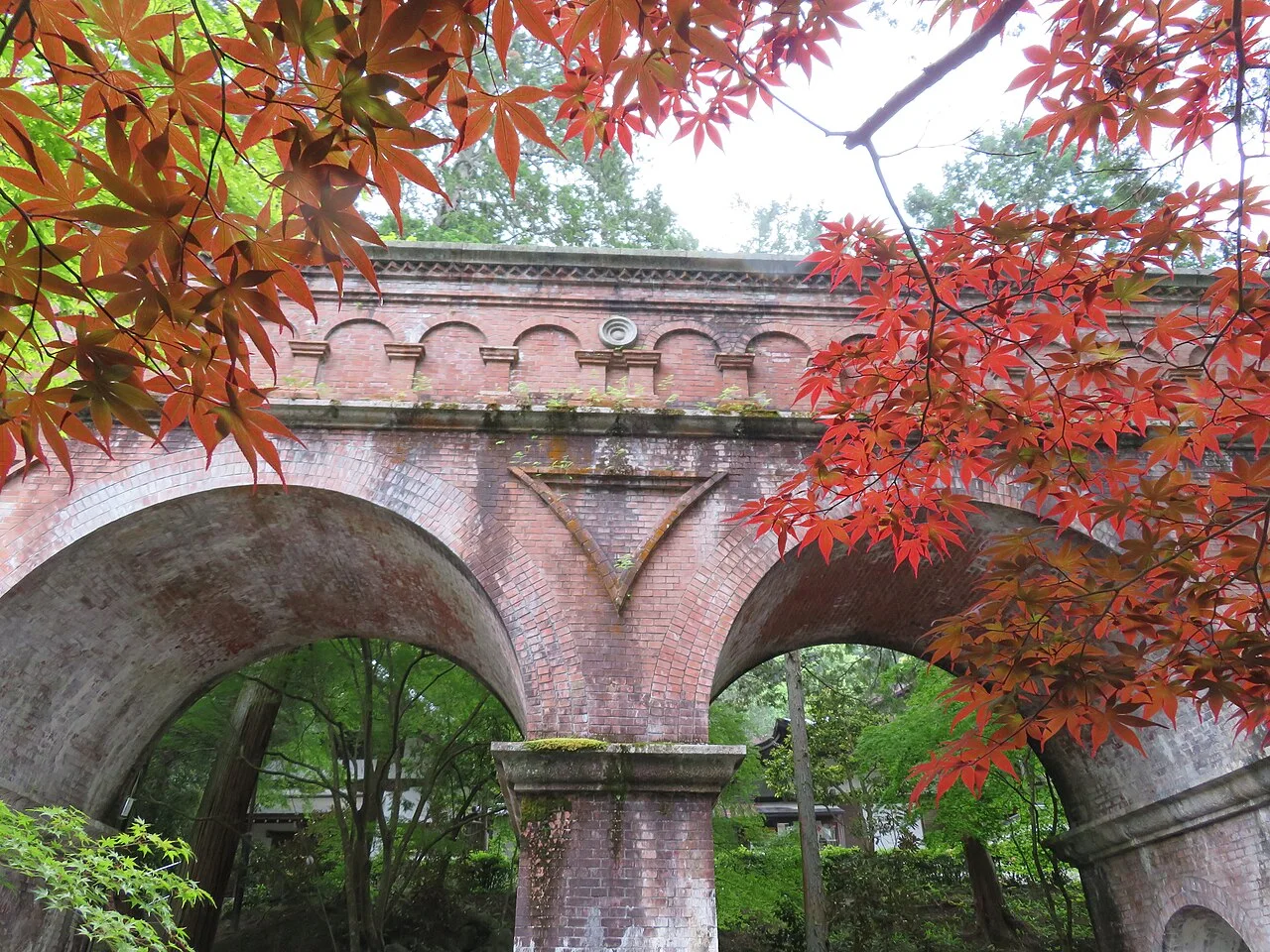
Nanzen-ji brings that culinary history and a stroll together naturally. Junsei's own dining notes cite the Edo-period Miyako Meisho Zue (Illustrated Guide to Famous Places in the Capital), noting that yudofu outside the temple gates was already a destination dish for travellers back then, and the MAFF entry on Kyoto tofu likewise traces the history of the tofu houses around Nanzen-ji. Inside the grounds stands the Suirokaku Aqueduct, a brick bridge carrying the Lake Biwa Canal through the temple precinct. Walking past the arches before heading back out to the gate gives you a real feel for the short stroll between temple and teahouse.
Nanzenji Junsei's Hana course costs ¥3,850 and Arashiyama's Yudofu Sagano set is ¥4,400. Compare simmered tofu, fresh yuba, autumn queues, Gion bookings, Nishiki rice bowls and vegan shojin ryori, plus wet-weather backups.
Three Ways to Get a Table at Nanzenji Junsei
If you are simply after the hot pot, start with the Hana, Tsuki and Yuki courses on Junsei's official menu, priced at ¥3,850, ¥4,950 and ¥5,830 respectively, tax included. The Hana course lets you choose between yudofu and hikiage yuba as your main pot, alongside sample items such as small starters, a simmered dish, dengaku, vegetable tempura, rice and pickles. On a first visit, spend only for the main pot you actually want; before upgrading to Tsuki or Yuki, check whether everyone at the table truly wants the extra dishes. Junsei's courses are priced per person, pots may be shared at the same table, and drinks or a la carte extras are billed separately.
The first option is turning up on the day. Junsei's reception seats walk-ins in order of arrival, which works well if you have no timed tickets waiting after lunch. If you see a queue outside after leaving the temple, ask the desk how numbers are being called and where you should wait. If anyone in your group is already tired of walking, you can switch on the spot to lunch in neighbouring Okazaki and spend the afternoon around the museums on the same Higashiyama side. Note that the restaurant closes between services: lunch starts at 11:00 with last orders at 14:30. If you emerge from Nanzen-ji after 14:30, aim for dinner or another spot rather than assuming the 15:30 closing time leaves room to order.
The second option is the 'Yudofu Yusen Annai' (priority seating registration) on the official website. Standard online requests are for two to four guests, with arrival slots selectable between 11:00 and 18:00 JST. You must check in at the priority counter within one hour of your chosen time — for example, between 12:00 and 12:59 JST for a 12:00 slot — and give the name on your booking. If a table is free, you are seated right away; if the room is full, you take the next available table. This guarantees priority in the queue rather than an exact seating time, the restaurant assigns the area and table, and same-day edits are not permitted.
The third option is booking a Shunsai or kaiseki course through the reservation page. Wait until the restaurant confirms your time before buying afternoon attraction tickets. The official menu lists Shunsai 'Aoi' at ¥7,700 and 'Satsuki' at ¥9,350 (both tax included), while yudofu kaiseki ranges from ¥11,000 to ¥16,500 plus service charge. According to Junsei's FAQ, regular courses take around an hour and kaiseki around an hour and a half. If you have a timed slot later in the afternoon, budget not only for walking and transit, but also for settling the bill and walking back out to the main road. Where a booking page displays a package total, the breakdown on that reservation rules.
Junsei's historic buildings and garden are half the experience. The FAQ states that dining inside the Junsei Shoin starts at ¥18,150 including tax and service charge, and notes that children cannot enter the Shoin, so families should book another wing. Regular seating is mainly at chairs and tables, though guests may also be placed in tatami zashiki rooms or upstairs. If older travellers need ground-floor chairs, you are bringing a pushchair, or your group must sit at one table, call ahead to confirm. Standard tables seat two to four with fixed built-in burners, and parties of five or more adults using priority seating should also contact the restaurant directly.
From Kyoto Station, take the Karasuma Underground Line to Karasuma Oike and change to the Tozai Line for Keage. Junsei estimates a five-minute walk from Keage Station Exit 2, whereas Nanzen-ji puts the walk to the temple at roughly ten minutes, reflecting their different spots along the approach. If you are eating first, set your map pin to 'Nanzenji Junsei'; if you plan to stroll the grounds first, follow the temple's shortcut through the Nejiri Manpo brick tunnel. Dinner runs from 17:00 with last orders at 19:00, after which it is an easy walk back to Keage Station. Junsei's FAQ notes that staff cannot currently call taxis for guests, so do not rely on hailing a cab outside if you have a tight onward connection.
Check Reservation Rules Before Lunch in Arashiyama
Yudofu Sagano sits just outside Tenryu-ji at 45 Saga Tenryuji Susukinobabacho. Its regular Yudofu Set costs ¥4,400 and the Sagano Gozen is ¥6,600, both tax included. If you only have one meal to try both bean-curd traditions, the Gozen includes yudofu alongside yuba sashimi and Kyoto vegetable dishes. For two adults before drinks, that comes to ¥8,800 or ¥13,200 — a ¥4,400 difference. On a tighter travel budget, ask your companions whether they would rather spend that difference on one combined meal instead of visiting two separate places in the same neighbourhood.
The official site notes that advance bookings are normally accepted up to two days before dining, preferably online, but both phone and web reservations are suspended from mid-November to early December, when seats are given strictly on a first-come, first-served basis. Anyone visiting Arashiyama in late November 2026 can still walk the bamboo grove in the morning, then head straight to the restaurant door for lunch and save Togetsukyo Bridge for afterwards if there is a wait. Searching online weeks ahead will not override the autumn suspension. If you have timed afternoon tickets such as the Sagano Romantic Train, book a lunch spot that matches your departure or eat back at Kyoto Station later.
Sagano's listed hours are 11:00 to 17:30 with last orders at 16:30, closing earlier if tofu sells out. For a late lunch, aim to arrive well before 16:30. A riverside stroll is easy to shuffle around, whereas fixed train seats are not, so protect your rail tickets first whenever the schedule gets tight. If you are travelling across town slowly in the morning and must reach a reserved station in the afternoon, check backup eateries along the same route so you do not waste an hour doubling back.
Outside peak autumn, check the cancellation policy before booking. Sagano charges nothing for cancellations made at least two days ahead, 50% for cancellations notified the day before or on the day, and 100% for no-shows, with any refund fees borne by the diner. Changes and cancellations can be made by phone or email during opening hours. When two bookings depend on each other, lock in either lunch or transport first and book the second around the confirmed slot. International calls and email replies take time, so keep your confirmation email and the restaurant's contact details in the same itinerary note in case plans shift on the day.
From Kyoto Station, ride the JR Sagano Line to Saga-Arashiyama Station, from where the restaurant estimates a ten-minute walk. From Shijo-Kawaramachi, take the Hankyu Line and change at Katsura to the Arashiyama Line; that drops you on the south side of Togetsukyo Bridge, so you will cross the river to reach the Tenryu-ji side. The Randen tram to Arashiyama Station leaves you right near Tenryu-ji. If friends are meeting at Togetsukyo Bridge, clarify which end of the bridge beforehand. With older relatives or crowds jamming Nagatsuji-dori, meeting directly outside the restaurant door saves an unnecessary back-and-forth walk.
Hot yudofu remains on the menu even in summer. Sagano also lists seasonal warm-weather items such as mustard-spiced karashi tofu and chilled Miwa somen noodles, while Junsei's Shunsai courses add chilled summer tofu. Look for 'hiyashi tofu' on menus whenever you want cold tofu instead of a steaming pot. If everyone is footsore after a long day and just wants a quick bite, save the multi-course spread for tomorrow and order only what appeals right now.
A Specialist Yuba Dining Room in Gion and a Rice Bowl in Nishiki Market
If your route takes in Kennin-ji, Yasaka Shrine or Higashiyama Yasui, Higashiyama Yuzu sits at 570-218 Gionmachi Minamigawa. Opened by a yuba maker from Miyama in Kyoto Prefecture, its kitchen pairs fresh tofu skin with seasonal produce from Miyama and Tanba across counter seats, tables and semi-private tatami rooms. It is around an eight-minute walk from Keihan Gion-Shijo Station, or eleven minutes from Hankyu Kyoto-Kawaramachi across the Kamo River. If you have already tried yudofu elsewhere, this is the place to see yuba handled across an entire menu: go at lunch for a lighter sampling before Kennin-ji, or choose a dinner course if it is your main meal of the day.
According to Higashiyama Yuzu's February 2026 hours notice and booking page, the restaurant closes on Mondays and Thursdays, serves lunch from 11:00 to 15:00 (last orders 14:00) and dinner from 16:00 to 22:00 (last entry 20:30). Its access page also lists a separate set of lunch and dinner hours and notes no Tuesday dinner service. Book via the 'Go-yoyaku' (Reservations) link on the official site, which routes to TableCheck for date and party size, or ring 075-532-1019 before dropping in to verify that day's cut-off times. If you plan to walk downhill from Kiyomizu-dera for lunch, treat 14:00 as a hard boundary and factor in the walk from the temple.
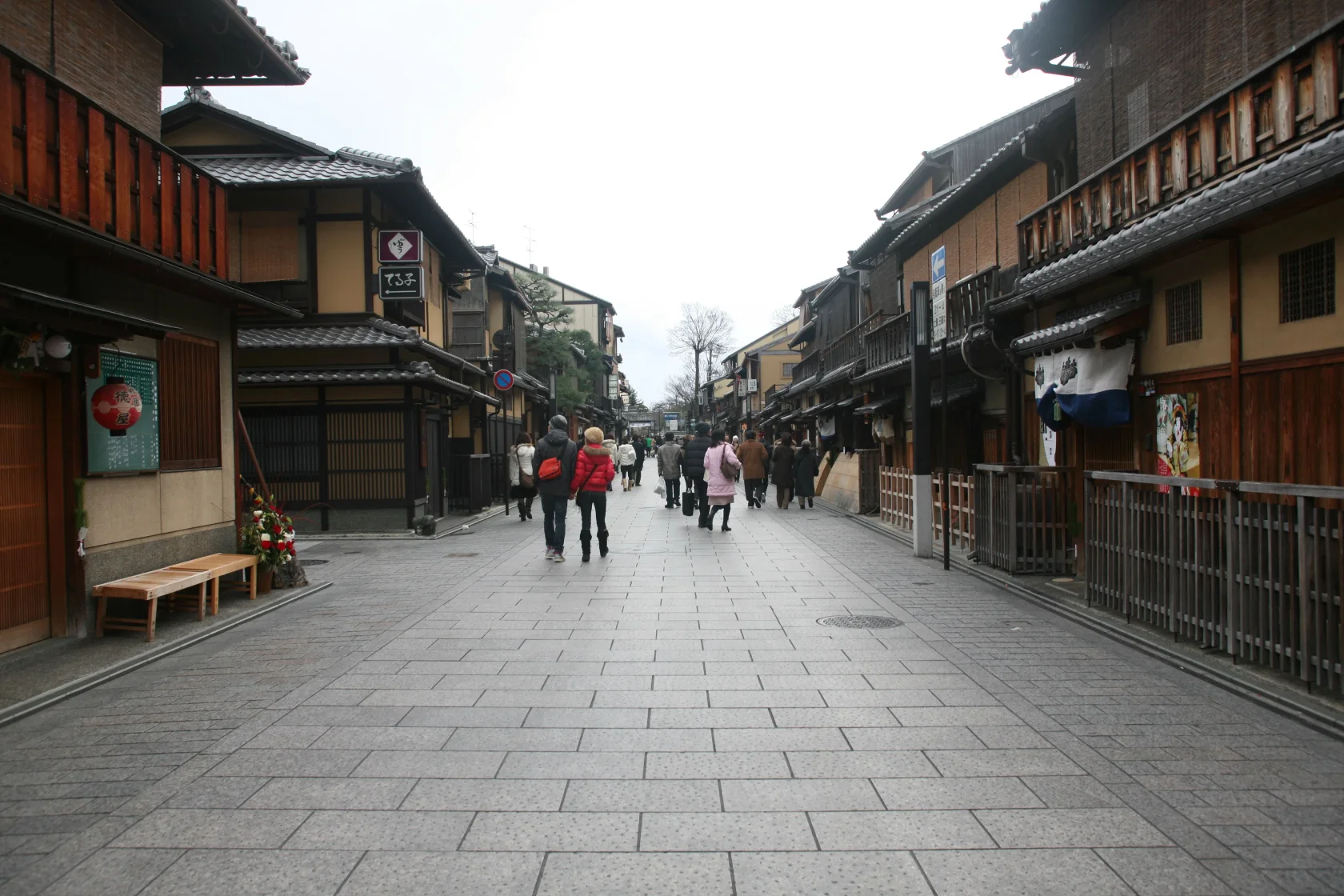
Gion's narrow lanes can be disorienting, so match the street address against the map on the restaurant's website before setting off. In the evening, gather your group at a clear landmark such as Gion-Shijo Station or a well-lit junction on Shijo-dori and walk in together. Kyoto City's 2026 sightseeing guidelines specifically remind visitors to respect private-alley access and no-photography signs in southern Gion, and never to follow or photograph geiko or maiko while they are working. If you arrive early, stick to main public streets for a short stroll and wait inside the restaurant's open reception area.
For a single, casual yuba rice bowl at midday, head to hale -Hare- near Nishiki Market. Market listings highlight its thickened yuba ankake rice bowl served with home-style plant-based sides such as okara (soy pulp) and greens inside a converted machiya townhouse tucked down an alley off the market. The arcade directory lists opening hours of 12:00 to 15:00 from Thursday to Sunday, closed Monday to Wednesday plus occasional irregular closures. If your group only wants to step away from the arcade briefly, check the doorway for free seats first; if you need a guaranteed table before a train, choose a restaurant that takes advance bookings instead.
Snacks and sit-down bowls suit different midday gaps. If you already have dinner booked, stopping by Konnamonja for fresh yuba and soy-milk treats is plenty. Operated directly by Kyo-tofu Fujino, its Nishiki listing includes soy-milk doughnuts, soy-milk soft-serve ice cream and fresh yuba — ideal for sharing small bites. Nishiki Market asks visitors to eat right in front of or inside the shop where they bought their food, so step aside to the spot staff indicate rather than eating on the move. Even under the covered arcade, allow extra walking time for afternoon crowds and rain around the entrances.
Hot Tofu Pots Near Kiyomizu-dera Too
When your itinerary already includes Sannenzaka or Kiyomizu-dera, you can book Sohonke Yudofu Okutan Kiyomizu at 340 Kiyomizu 3-chome. This house is ideal for comparing tofu textures side by side: its Okimari Hitotori course uses silky kinu tofu at ¥4,400 per person, while Mukashi Tofu Hitotori uses firmer, rustic momen tofu at ¥5,500. Both include kinome dengaku, grated yam soup, sesame tofu and vegetarian shojin tempura. If two diners want to order one of each to compare, ask when booking how the pots are arranged at the table. Save the full name and street address in your maps app so you follow the downhill route from Kiyomizu-dera cleanly rather than chasing generic 'Okutan' pins.
Okutan Kiyomizu opens 11:00 to 16:30 on weekdays (last orders 16:00) and until 17:30 at weekends and public holidays (last orders 17:00), with Thursdays normally closed. For autumn 2026, the restaurant announced extended evening hours from 21 to 30 November (last orders 19:00, closing 20:00), opening as normal on Thursday 26 November and taking a special closure on 16 December. If you are pairing dinner with Kiyomizu-dera's evening illuminations, decide whether you want to eat before or after 19:00 so you only tackle the hillside slopes once. Payment is cash only, tables open for booking one month ahead, same-day cancellations of pre-ordered meals incur 100%, and seat-only reservations carry a ¥3,300 per-person fee.
Weigh Up Budget, Seating and Dietary Needs Together
Two adults ordering the Hana course at Junsei start at ¥7,700, whereas upgrading both to Shunsai 'Aoi' brings the bill to ¥15,400. When comparing the jump, look at what extra dishes arrive, whether you can keep to the seating time, and whether everyone wants to linger over an hour-long meal. Some listings tie specific garden views or room tiers to particular menus, so if you have your heart set on a private room, pick the booking option that explicitly names that space. If an order form lists only a course name and headcount, filter your choice by step-free access and ground-floor seating first.
When reading Japanese menus, 'zeikomi' means consumption tax is included, while 'sa-betsu' means a service charge is added on top. Figures marked 'ranchi heikin yosan' (average lunch budget) beside a restaurant listing are only rough guides — only the specific course or booking plan gives your real per-person price. If four diners choose different tiers, add up the individual courses first, then check service charges and drinks. Ask before sitting down if friends need separate bills, especially on prepaid or single-card bookings. If you are paying with an overseas card, keep the yen total, transaction date and printed receipt to reconcile your statement.
If anyone in your party needs chair seating or uses a wheelchair, confirm the path from street door to dining table first. In reservation notes, you can write the romanised request 'Dansa no nai teburu-seki o kibo shimasu' (asking for a step-free table seat), and list any extra questions separately — such as accessible toilets or space beside the table for a folded pushchair. Older travellers tire quickly, so keeping luggage by the table and staying close to the facilities often matters more to the day's energy than a garden window. At a hot-pot table with young children, place the high chair away from the burner and ask if rice can be brought out early so little ones can eat while the tofu cools.
Tofu and yuba start from soybeans, but strict vegans and vegetarians must check every broth, dipping sauce and side dish — especially items labelled 'dashi', 'tsuyu' or 'dengaku'. State clearly: 'Dobutsu-sei no shokuzai o tabemasen. Katsuobushi to gyokai no dashi mo taberaremasen' (no animal ingredients, including bonito flakes and seafood stock), then ask which complete course can be adapted. Guests who eat fish, or lacto-ovo vegetarians, should specify their exact diet rather than simply saying 'niku-nashi' ('no meat'), which rarely alerts kitchens to exclude bonito dashi. Junsei's culinary page provides contact details for allergy and vegetarian enquiries, requiring notice at least one day ahead; if a strictly plant-based meal is your top priority, start by checking open dates at Shigetsu or hale -Hare-.
Travellers with a soy allergy should pick another cuisine altogether, as these restaurants centre on soy products. Wheat gluten ('fu' or 'namafu') also contains wheat and is frequently sold at the same Nishiki Market stalls as yuba. For any other food allergy, write down the exact allergen before booking and ask whether cooking utensils are shared ('[allergen] ni arerugi ga arimasu. Chori kigu wa kyoyo desu ka?'). When only one person at the table must avoid an ingredient, ask the server to point out their specific dishes upon arrival so the family is not left guessing from appearance.
For Strict Vegans in Arashiyama, Start with Tenryu-ji Shigetsu
Shigetsu, operated directly inside Tenryu-ji Temple, explicitly states that its shojin ryori Buddhist vegetarian cuisine uses zero animal ingredients. It serves lunch from 11:00 to 14:00 and closes on Thursdays. Courses are Yuki at ¥3,800 (one soup and five dishes), Tsuki at ¥6,500 (six dishes) and Hana at ¥9,000 (seven dishes), plus the mandatory ¥500 garden admission fee per person. Check the seasonal menu if you want the full temple-dining experience: you will find tofu and yuba among the broth dishes and sides, while saving the hot-pot style for another day.
Shigetsu's information page mentions booking Yuki at least two days ahead, though its online request form requires at least three days' advance notice for all courses. If you prefer leaving lunch plans until the night before, pick a walk-in restaurant instead. Tsuki and Hana require at least two guests and three days' notice. Once you submit the form, wait for confirmation from the restaurant, and check both the reply and the booking page for cancellation or change terms. Note that the meal bill and temple garden entrance are paid separately — Shigetsu's site states that the garden fee cannot be paid by the restaurant's accepted credit cards, so bring yen cash for entry.
Because Shigetsu sits within the Tenryu-ji grounds, pairing lunch with Sogenchi Pond Garden saves a great deal of walking. Check whether your booking falls right after a morning stroll or before your afternoon sightseeing, and keep bridge photos and riverside wandering for another block of time. If only one person in a group is vegan, either the whole table can enjoy shojin ryori together or diners can split up and meet at the garden exit afterwards. If two groups book separate restaurants so everyone gets the hot meal they want, share exact pins and expected finish times beforehand — Arashiyama has several stations with similar names, and texting 'meet at Arashiyama Station' is an easy way to lose one another.
Walk the Aqueduct in Sunshine; Move Near the Station in Heavy Rain
For a fine-weather half-day around Nanzen-ji, aim to reach Keage around 09:30, see the Suirokaku Aqueduct first, pick either the Hojo Garden or the Sanmon Gate for paid admission, and sit down for lunch at Junsei at 11:30. Junsei's site puts the walk from the aqueduct at three minutes, though you should allow extra time for photos and leaving the grounds. Nanzen-ji's winter visiting hours (December to February) run from 08:40 to 16:30 with last entry at 16:10. If you plan to tour the Hojo Garden after lunch, work backwards from that cut-off so you do not return from the Philosopher's Path to find the ticket gate shut.
Under Nanzen-ji's year-end schedule, general temple entry is paused from 28 to 31 December 2026 before reopening on New Year's Day. If you are in Kyoto on 1 January 2027, save paid temple admissions for New Year's Day and book lunch separately on whichever dates the restaurant shows as open. Visitors in the final days of December can still pair a meal outside the gate with a walk through Okazaki or Keage rather than trying to cram Hojo and Sanmon into one day. A sit-down lunch followed by a gentle walk you can shorten at will beats racing a winter temple checklist.
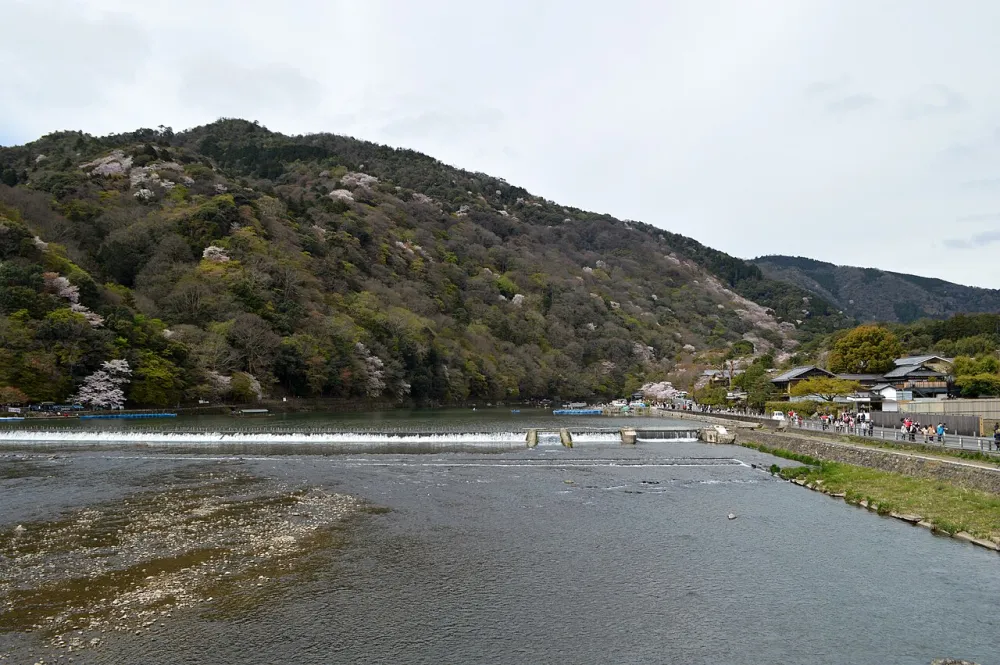
In Arashiyama on a clear morning, start with the bamboo grove, continue through Tenryu-ji, step out for yudofu lunch and save Togetsukyo Bridge for the afternoon. Between 14 and 30 November 2026, Tenryu-ji opens the main entrance to Sogenchi Pond Garden early at 07:30, while the North Gate remains at 08:30 — enter from the main front gate near Randen Arashiyama Station if you want an early start. Late November overlaps with Yudofu Sagano's pause on advance bookings, so finish your top sights first and leave the bridge for another trip if lunch runs long.
In light rain, you can keep a Higashiyama lunch plan, walk up from Keage and swap outdoor gardens for indoor museums in Okazaki. In heavy rain — when pushchairs, wheelchairs or luggage struggle on wet flagstones — head straight to Kyoto Station instead. Shozankaku on the 11th floor of JR Kyoto Isetan takes reservations, and department store listings confirm wheelchair and pushchair access alongside children's meals and high chairs, with average budgets of ¥4,000 at lunch and ¥7,000 at dinner. To fit in Kyoto yuba right before boarding the Shinkansen, drop bags in a locker, ride up to the restaurant floor and time the bill against your platform number.
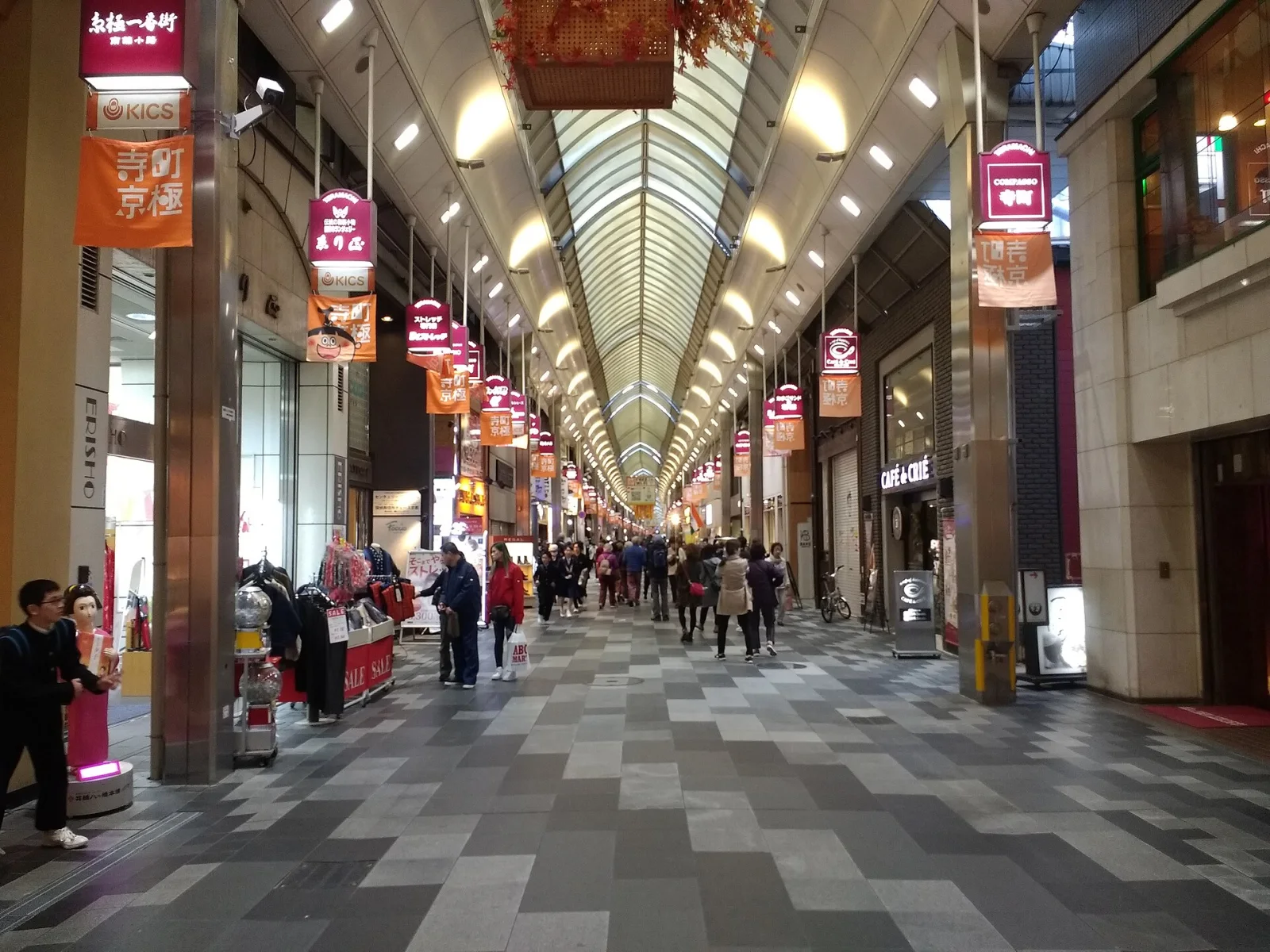
If you are staying near Shijo-Kawaramachi on a wet day, make Nishiki Market a standalone stop. Browse the covered market and shopping arcades first and leave Gion for clearer skies. Higashiyama Yuzu and Nishiki Market sit on opposite sides of the Kamo River, so walking between them means crossing open stretches of Shijo-dori and Shijo Ohashi Bridge. If friends are already in Gion, meet straight at the restaurant and leave market shopping until after lunch or the following day.
Buying Yuba in Nishiki Market: Eat Tonight or Take It Home
The signboard at Yubakichi uses an older kanji spelling, though it is still pronounced 'yuba'. According to Nishiki Market's directory, the shop has operated here since the late Edo period, selling fresh and dried yuba from 09:00 to 18:00, closed Sundays and the fourth Wednesday of each month. If you want to eat it in your room that night, look for fresh yuba first and check the label for 'yo-reizo' (keep refrigerated) and storage temperatures. If your hotel minibar only chills drinks and fruit and you still have hours of sightseeing ahead, pick shelf-stable dried packs instead.
When buying gifts, consider whether the recipient plans to make soup, simmered dishes or a topping for steamed rice. Smaller boxes pack more easily; place them near the top of your suitcase back at the hotel, as dried yuba snaps easily under weight. Yubakichi also sells 'yuba chirimen' seasoned with tiny dried sardines, so choose plain dried yuba when shopping for vegetarian friends. If the recipient has never cooked yuba before, ask staff to point out the rehydration instructions on the packet and keep the outer box until it is opened for the first time.
Yubakichi's online shop separates dried yuba by shape. Oharagi is folded and tied with kelp, recommended for clear broths and hot pots; Komaki comes cut into bite-sized rolls for soups, hot pots or deep-frying. To try making one yuba rice bowl at home, a 60g pack of Tokuyo yuba is listed online at ¥648: rinse the amount you want in a strainer and wait three to four minutes to soften, or drop it straight into a dish with plenty of simmering liquid. If you buy Komaki rolls or knotted styles, follow the soaking instructions printed on each pack.
If lunch is booked in Gion, start shopping from the east end of Nishiki Market near Gokomachi-dori, pick up dried goods at Yubakichi first, and decide afterwards whether to walk west for soy-milk snacks. Anyone catching an early train or flight on departure morning should buy ambient dried packs the day before and finish refrigerated items while still in Kyoto. Leave gift boxes in their original packaging so ingredients and cooking notes stay intact. For families stocking up, one adult can mind the children outside at a main street corner while the other ducks into the narrow market lane, avoiding pushing suitcases or pushchairs down the full length of the arcade.
Slotting Meal Times into Your Itinerary
Whenever you have a booked train afterwards, set a firm walk-away time for restaurant queues. If you need to leave an Arashiyama dining room by 13:30, allow an hour to eat and ten minutes to pay, meaning you must be seated by 12:20. That is your schedule's cut-off. If you are still waiting at 12:20, switch to a faster lunch or eat back at Kyoto Station. You can apply the exact same backwards calculation to Nanzen-ji's priority check-in window: work out the latest moment you can sit down and check whether it fits inside your arrival slot.
When pulling up your confirmation email, save the restaurant name, full street address and chosen course on a single screenshot. For walk-in autumn queues in Arashiyama with no email to show, jot down your ordering cut-off and walk time back to the station instead. Both Junsei and Okutan offer individual set menus while letting staff manage pot sharing at the table; if one diner wants yudofu and the other wants hikiage yuba, ask when booking: 'Yudofu to hikiage yuba o hitori-zutsu chumon dekimasu ka?' Show the exact dish names at reception when you arrive so staff can match them straight to your booking.
| Day's Route | Dish and Restaurant | First Rule to Check |
|---|---|---|
| Keage, Nanzen-ji and Okazaki | Junsei Hana course (¥3,850), yudofu or fresh hikiage yuba | Standard priority registration secures queue priority, not an exact seating time |
| Bamboo grove and Tenryu-ji | Yudofu Sagano set (¥4,400) or Gozen (¥6,600) | Walk-in only from mid-November to early December |
| Kennin-ji, Yasaka Shrine and Higashiyama Yasui | Higashiyama Yuzu, yuba specialist dining | Pick an available slot on the restaurant's reservation page |
| Nishiki Market and Shijo | Thickened yuba rice bowl at hale -Hare- | Lunch only, Thursday to Sunday |
| Vegan lunch in Arashiyama | Tenryu-ji Shigetsu Yuki course (¥3,800) plus ¥500 garden entry | Online requests require at least three days' notice |
| Heavy rain, wheelchair access or before departure | Shozankaku, 11F JR Kyoto Isetan | Choose a seating slot that finishes well before your train |
A few useful answers
What is the difference between yudofu and yuba in Kyoto?
Yudofu consists of tofu cubes gently simmered in a hot pot and eaten with dipping sauce. Yuba is the thin skin that forms on top of heated soy milk; it can be served fresh as sashimi, simmered in dried form, or skimmed straight from the soy-milk bath at your table as hikiage yuba.
Where can I try both yudofu and yuba in a single meal?
Yudofu Sagano's Sagano Gozen (¥6,600 per person) includes both yudofu and yuba sashimi on the same tray. At Junsei, the Hana course lets you choose one main pot — either yudofu or freshly skimmed yuba.
Is Junsei's priority registration a confirmed table reservation?
No, it is a timed priority waitlist. You check in at the priority counter within an hour of your chosen slot and take the next open table if the room is full. For a guaranteed table reservation, book one of the Shunsai or kaiseki courses on the official site.
Do I need a booking for yudofu in Arashiyama in late November 2026?
Yudofu Sagano suspends both phone and online advance bookings from mid-November to early December and seats walk-ins in order of arrival. Set aside the midday window for lunch there, and leave generous walking time if you have timed train tickets afterwards.
Is Kyoto yudofu suitable for vegans?
It depends on the dashi stock, dipping sauces and side dishes across the whole course. For a guaranteed 100% plant-based meal, Tenryu-ji Shigetsu explicitly uses zero animal products, and hale -Hare- near Nishiki Market serves a plant-based thickened yuba rice bowl.
Where can we eat in heavy rain with older relatives or young children?
Shozankaku on the 11th floor of JR Kyoto Isetan takes advance bookings, and department store information confirms wheelchair and pushchair access as well as children's meals and high chairs. Keeping lunch and shopping inside the Kyoto Station building cuts out outdoor walking altogether.
Official information and references
Sources used in this guide.
- MAFF Traditional Food Database — Kyoto Tofu (Kyo-dofu)
- MAFF Traditional Food Database — How Kyoto Yuba Is Made and Eaten
- Nanzen-ji Temple — Regular and Year-End Visiting Hours
- Nanzen-ji Temple — Access from Keage Station and Grounds Map
- Nanzen-ji Temple — Lake Biwa Canal on the Temple Grounds
- Nanzenji Junsei — Course Menus and Kyoto Kaiseki
- Nanzenji Junsei — Hana Course and Main Pot Options
- Nanzenji Junsei — Reservations and Priority Seating Registration
- Nanzenji Junsei — Dining Duration, Seating, Shoin Wing and Children FAQ
- Nanzenji Junsei — Opening Hours and Surrounding Walking Routes
- Yudofu Sagano — Reservations, Autumn Walk-Ins and Cancellation Policy
- Yudofu Sagano — Set Meals, Gozen and Seasonal Menus
- Yudofu Sagano — Address, Opening Hours and Last Orders
- Kyoto City Official Travel Guide — Access to Arashiyama from Kyoto Station and Shijo-Kawaramachi
- Tenryu-ji Temple — Visiting Hours and Access
- Tenryu-ji Temple — 2026 Special Openings and Early Morning Sogenchi Garden Entry
- Tenryu-ji Shigetsu — Shojin Ryori Courses and Garden Admission Fee
- Tenryu-ji Shigetsu — Online Reservations and Booking Deadlines
- Higashiyama Yuzu — Address and Access
- Higashiyama Yuzu — 2026 Opening Hours Update
- Higashiyama Yuzu — Official Reservation Portal
- Kyoto City Tourism Association — 2026 Sightseeing Etiquette Guidelines for Gion
- Kyoto Nishiki Market Shopping District — hale -Hare-
- Kyoto Nishiki Market Shopping District — Yubakichi
- Kyoto Nishiki Market Shopping District — Yuba, Fu and Tofu Shops and Market Dining Etiquette
- JR Kyoto Isetan — Shozankaku Floor Guide, Budget and Accessibility
- Nanzenji Junsei — Culinary History and Vegetarian or Allergy Enquiries
- Okutan Kiyomizu — November to December 2026 Hours Update and Cancellation Rules
- Okutan Kiyomizu — Silken (Kinu) and Firm (Momen) Tofu Courses
- Okutan Kiyomizu — Kiyomizu 3-chome Address and Weekday Hours
- Yubakichi — Dried Yuba Varieties, Uses and Cooking Methods