Enter Teramachi Kyogoku Shopping Street from Kyoto-Kawaramachi or Kyoto Shiyakusho-mae Station. Compare JAM, LOWECO, RUSHOUT, Flamingo, and secondhand kimono shops, plus half-day routes, ShinPuhKan, and rainy-day plans.
- Region & Focus
- KyotoNeighborhoods and shopping
- Reading Scope
- 16 min read · 9 chapters · 5 Q&As
- Official Verification
- 25 official sources checkedUpdated November 22, 2026
- Key Topics
- NeighborhoodsFirst tripTravel budget
Chapter Route Map (tap any stop)
- Pick Your Starting Station Based on What You Want to Buy First
- Shijo to Takoyakushi-dori: Try On One Reference Piece First
- Rokkaku to Sanjo: Everyday Staples Downstairs, Era Pieces Upstairs
- Buying Secondhand Kimono: Decide How You Will Wear It Home
- Checks You Can Do Before Stepping Into a Fitting Room
- Extra Checks for Shoes, Leather Goods, and Accessories
- Tax-Free Rules from November 2026: Pay Tax-Included First, Claim on Departure
- Wrapping Up at ShinPuhKan Near Karasuma Oike
- Fitting Teramachi Vintage Shopping Into Your Kyoto Itinerary
- Quick Q&A
For vintage shopping along Kyoto's Teramachi-dori, start at Teramachi Kyogoku Shopping Street between Shijo and Sanjo. If you are hunting for imported jackets or denim, enter from the south end near Hankyu Kyoto-Kawaramachi Station; if secondhand kimono is your priority, take the subway to Kyoto Shiyakusho-mae Station and start near the north end by Sanjo. Some shops open before noon, so arriving around lunch lets you compare RUSHOUT and weekday hours at Shinkyogoku's Flamingo in one loop. Save ShinPuhKan, west of Sanjo toward Karasuma Oike, for after your fitting sessions.
Pick Your Starting Station Based on What You Want to Buy First
Teramachi-dori runs a long way across the city. For vintage clothes, narrow your map to the block between Sanjo-dori and Shijo-dori, aiming for the covered arcade of Teramachi Kyogoku Shopping Street. The south end sits right off Hankyu Kyoto-Kawaramachi Station, while the north end crosses Sanjo-dori toward Kyoto Shiyakusho-mae Station. One street east is Shinkyogoku, which also has vintage shops. Save street addresses alongside shop names: "Teramachi-dori Sanjo-sagaru" means south of the Sanjo intersection, while "Teramachi-dori Shijo-agaru" means north of Shijo. Those two markers frame your entire shopping strip.
For a day trip from Osaka, take the Hankyu Kyoto Line to Kyoto-Kawaramachi Station and follow arcade signs to Exit 9, where you can spot the Shinkyogoku entrance and walk one block west to Teramachi. The Hankyu station map also marks Exit 10 toward Teramachi-dori. If you want to shop for secondhand kimono first and finish near Shijo for dinner, reverse the route from the north: exit the Subway Tozai Line at Kyoto Shiyakusho-mae Station, follow signs through the Zest Oike underground mall to Exit 5 or 6, and walk south toward Sanjo. Travelers with strollers or needing an elevator have two step-free routes listed by Kyoto City Transportation: the Exit 3 elevator or the Zest Oike elevator. Once at street level, orient yourself to Oike-dori and cross Sanjo to enter the arcade.
Coming from JR Kyoto Station, take the Karasuma Subway Line from Platform 2 toward Kokusaikaikan, get off at Shijo Station, and walk east along Shijo for about 15 minutes to the arcade. To save steps, catch Kyoto City Bus 4, 7, or 205 in front of Kyoto Station and check the headsign for buses running via Shijo-Kawaramachi. Some 205 buses follow a different loop, so read the full route board at the stop. On weekends when downtown traffic stalls or before a timed dinner reservation, the subway-plus-walk option is easier to time. If you are only visiting this district on foot, tapping an IC card for single rides is enough. Standard Kyoto Municipal Subway adult fares run ¥220 to ¥360 by zone, and ¥110 to ¥180 for children. Only bother with the ¥800 adult 1-day subway pass if your other stops that day add up to more.
Arriving via the Keihan Main Line lets you choose your river crossing. Exit at Gion-Shijo Station and walk west across Shijo Ohashi Bridge straight to the south end of Teramachi—ideal if you are heading back to Osaka afterward or dining around Shijo. If your morning starts in Okazaki or you want to hit the Sanjo-end shops first, exit Keihan Sanjo Station, walk west across Sanjo Ohashi Bridge to Sanjo-Teramachi, and turn left into the arcade. Either river approach takes roughly 15 minutes on foot. Just remember not to stop on the east bank of the Kamo River if you are catching a Hankyu train at the end of the day: Hankyu Kyoto-Kawaramachi Station is across the bridge on the west side.
If you are traveling with a carry-on suitcase, decide where to stash it before browsing. For same-day intercity trips departing on Hankyu in the evening, Kyoto-Kawaramachi Station's map marks coin lockers so you can drop your bag along your return path and browse hands-free. If you are heading straight out from Kyoto Station before checking into a downtown hotel, Kyoto City's Hands-Free Kyoto site lists same-day baggage delivery from Kyoto Station to participating accommodations, with the official cutoff at 14:00 JST. Keep your hotel name and address pulled up, and carry a soft tape measure plus your base-layer top on you. Trying on jackets while dragging a roller bag up narrow second-floor racks gets awkward fast.
| Starting Point or Plan | Recommended Route | First Stop |
|---|---|---|
| Arriving from Osaka on Hankyu | Take Kyoto-Kawaramachi Station Exit 9 and walk west | Used Clothing JAM Kyoto Shijo |
| Entering the north end via Subway | Kyoto Shiyakusho-mae Station via Zest Oike Exit 5 or 6 | Vintage shops in Eirakucho or Kimono Suzaku |
| Morning in Gion, dinner in Shijo | Keihan Gion-Shijo Station, west across Shijo Ohashi Bridge | South Teramachi, heading toward Nishikikoji |
| Visiting ShinPuhKan before vintage | Karasuma Oike Station South Gate direct to ShinPuhKan, then east on Sanjo | North-end shops near Sanjo-Teramachi |
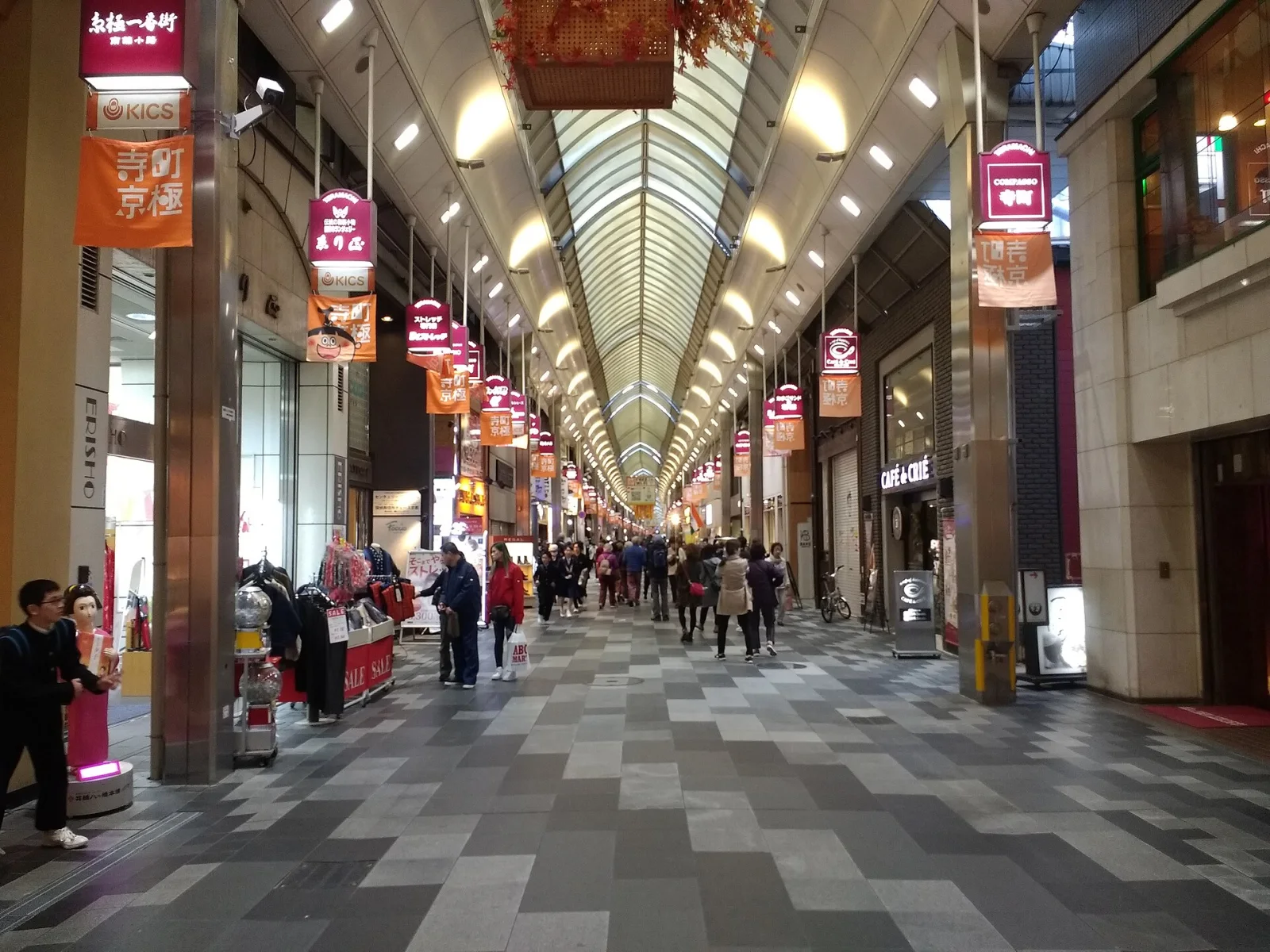
Enter Teramachi Kyogoku Shopping Street from Kyoto-Kawaramachi or Kyoto Shiyakusho-mae Station. Compare JAM, LOWECO, RUSHOUT, Flamingo, and secondhand kimono shops, plus half-day routes, ShinPuhKan, and rainy-day plans.
Shijo to Takoyakushi-dori: Try On One Reference Piece First
Make Used Clothing JAM Kyoto Shijo your first stop at the south end, located at 549 Nakanocho, Teramachi-dori Shijo-agaru. The shop's own site labels this branch VINTAGE & SELECT and lists hours as 11:00–20:00. While the shopping street directory still prints a 12:00 opening, follow the shop's posted 11:00 hours if you are starting in the morning. It is an ideal place to benchmark imported vintage cuts, especially if you sit between two sizes. Try on two similar tops and note the chest width and sleeve length that fit best so you can weed out obvious misses on the racks when other shops get crowded.
For dresses, blouses, and accessories, walk north from Shijo just before Nishikikoji to Little Trip to Heaven, listed in the arcade directory on the first and second floors of 296 Higashi-Daimonjicho. The curation leans toward European and American vintage, with dresses, linen tops, and accessories. When trying on dresses, check where the waistline sits before comparing skirt volume—the distance from shoulder to waist sets the whole proportion. Some skirts look fine standing up but ride up when you sit because the front waist is tight. If you are buying for a wedding or long transit days, sit down during the fitting and reach forward with your phone to test mobility. For clip-on earrings, test both clips before paying, as spring tension often differs between the left and right piece.
Nishikikoji makes a practical meeting point. Heading east leads to Shinkyogoku and Nishiki Tenmangu Shrine, while heading west brings you into the main stretch of Nishiki Market. Anyone hungry for lunch can peel off west while shoppers who want more fitting time stay on Teramachi, meeting back at the wider corner space. Nishiki Market's lane is narrow, and market rules require eating food inside or directly in front of the stall where you bought it—finish hot broth, skewers, and drinks before touching clothing racks. If you plan to buy pickles or condiments, eat your sit-down meal between fittings and save heavy bottles for right before you leave Teramachi so you are not hauling liquids up second-floor stairs. For a full route covering Nishiki Market and Shinkyogoku, see the Downtown Kyoto Shopping Guide.
Wait until you reach Takoyakushi-dori to decide whether to cut over to Shinkyogoku. If denim is your main goal, try on at least one pair of jeans before crossing that side street so you have a baseline for waist and hip fit. Two pairs with the same flat waist measurement can feel completely different if a short front rise pinches when you sit. If you are jacket-hunting as a gift for someone else, jot down your own jacket measurements and think about whether they layer over a tee or a hoodie. Having concrete fit rules on paper makes it much easier to filter wildly inconsistent vintage size tags.
Rokkaku to Sanjo: Everyday Staples Downstairs, Era Pieces Upstairs
If your budget is aimed at an everyday top you will wear on repeat, save it for the north end at LOWECO by JAM Kyoto on the first floor of the Prime Building at 228 Eirakucho, open 11:00–20:00. If you prefer American graphic tees, workwear, or specific labels, pin RUSHOUT on the second floor of the same building, listed as 12:00–19:00. They run separate registers with separate payment and return policies. Arrive before noon and start on the ground floor; arrive late afternoon and head upstairs to RUSHOUT first if you want both. Past Sanjo, you lose this two-in-one building as a landmark, so saving 228 Eirakucho on your map beats searching broadly for Teramachi vintage on your way back.
Sharing one building makes it easy to contrast two ways of shopping racks. On a tight budget, filter by size and wear frequency first, holding similar items side by side to compare stretch and surface wear. When hunting discontinued eras, narrow down by brand, fabric, or cut and ask staff to point out dating clues. Faded cuffs on old workwear are normal; what matters more is feeling how much fabric thickness remains on the inner elbow. Loose collar stitching can be repaired, whereas paper-thin cloth tends to tear right beside new seams. For pieces you plan to wear hard or cycle in, high-tension zones tell you more than front-facing photos.
To visit Shinkyogoku's flagship vintage stop, cut east at Rokkaku-dori and head south to 490 Nakasujicho, where Flamingo Kyoto sits in Basement 1 of the Seven Two Building. Posted hours are 12:00–21:00 on weekdays and 11:00–21:00 on weekends and national holidays, with credit cards, e-money, and foreign-visitor tax-free shopping available. If you have energy for only one stop after dinner, save this one. When meeting friends at Rokkaku, specify Shinkyogoku-Rokkaku or Teramachi-Rokkaku—the parallel intersections sound nearly identical and keep people waiting one alley apart. For an afternoon focused on everyday wear, pick at most two of these three shops for serious trying-on and treat the third as a quick walk-through.
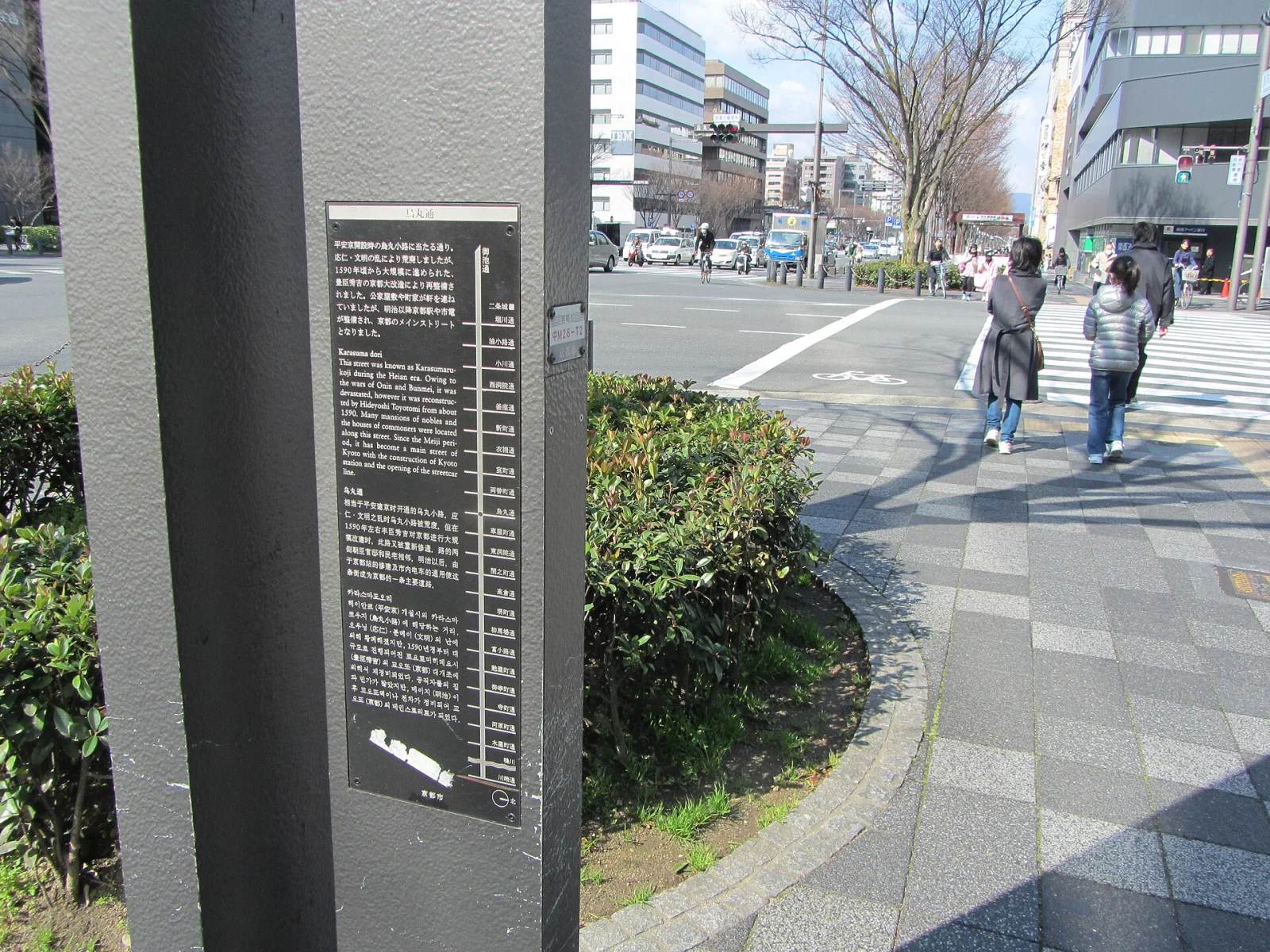
Teramachi-dori continues north beyond Sanjo. If you emerge from the arcade early waiting for 11:00 shop openings, walk toward Oike to Honno-ji Temple. Temple grounds are listed as open free from 6:00–17:00, and the Daihoden Treasure Museum runs 9:00–17:00 (last entry 16:30; ¥700 adults, ¥500 junior/senior high students, ¥300 elementary students; closed year-end/New Year and during exhibition changes). Its current address is 522 Shimohonnoji-maecho, Teramachi-dori Oike-sagaru. Teramachi Kyogoku traces its name to 1590, when Toyotomi Hideyoshi consolidated temples along this street. Walking back from the temple gate to the first vintage store at Sanjo shows how temple grounds and covered everyday arcades flow along the same corridor. If you arrive late with only an hour to spare, skip the museum and turn straight into the Sanjo shops.
Buying Secondhand Kimono: Decide How You Will Wear It Home
At the north end of Teramachi Kyogoku, look for Kimono Suzaku Teramachi at 234 Eirakucho, just south of Sanjo-dori, listed as 11:00–20:00 with irregular holidays. The shop carries secondhand kimono, new items, and kimono accessories, and also offers rentals and dressing services. Before browsing racks, decide whether you want a full kimono ensemble, a single haori jacket to pair with everyday clothes back home, or just an obi sash and small accessories. If you want a full set, ask staff to demonstrate with one piece so you can identify every underlayer and tie, and factor missing accessories and alterations into your budget. Jacket-style haori blend easily into modern wardrobes—try them over a plain tee or button-down to check shoulder and sleeve proportions.
State both your height and how you plan to wear the garment when asking about sizing. On kimono tags, "mitake" refers to total body length and "yuki" measures roughly from the center back over the shoulder to the cuff. Holding a kimono against your body down to your ankles only estimates raw length, since traditional dressing folds excess fabric at the waist. For lined pieces, inspect the inner collar, inside sleeve edges, and lower hem, plus seat creases where friction or stains hide. If you want vibrant patterns purely for framing or wall display, prioritize sturdy fabric where flaws fall outside your planned crop. If you plan to wear the full piece, ask staff to point out repairs or delicate spots, and factor dry-cleaning and proper storage into the real cost of silk.
If you like Japanese silhouettes and want to see contemporary styling, visit Y. & SONS on the first floor of ShinPuhKan the same day—listed by the complex as a men's kimono shop open 11:00–20:00, just a short walk west along Sanjo-dori. Secondhand shops and contemporary kimono boutiques serve different goals: the former lets you pick up a ready-to-wear piece in your size, while the latter shows modern color palettes and full-outfit styling. If someone in your group only wants to rent a kimono for photos, separate shopping from same-day rental logistics early, since dressing, sightseeing, and return windows each eat into the schedule. Bought secondhand pieces can be dropped at your hotel before dinner, whereas rentals need a return stop before dining.
Checks You Can Do Before Stepping Into a Fitting Room
Before leaving for Kyoto, measure a piece you genuinely wear. Button or zip it flat on the floor and measure chest width straight across from armpit to armpit, shoulder width between seams on the back, back length from collar base to hem, and sleeve length from shoulder tip to cuff. Always compare like with like: a thin tee and a down parka with the same chest measurement fit completely differently once winter layers go underneath. For jeans, record waist width, front rise, and inseam measured from the crotch seam to the cuff. Vintage tags often reflect old US inch sizing, and hemmed pairs must be judged by actual tape measurements. Carrying a small soft tape saves endless changing-room trips—just ask staff before spreading clothes out to measure.
For outerwear, inspect the mechanical failure points first. Run zippers all the way up and down to test the bottom box and curves, then lift your arms to shoulder height as if holding a train strap or lifting a camera. On leather jackets, check the collar, underarms, and elbows for cracking; shallow creases from folding are fine, but flaking when bent signals dry rot. On windbreakers and shells, inspect seam tape at the shoulders, delaminating inner linings, and cuff tabs. On jeans, hold the inner thighs up to the light and feel whether one leg has worn much thinner than the other. Thin denim might look cheap on the tag, yet sitting, biking, or climbing stairs will split it quickly.
Step into brighter light when inspecting light-colored shirts around the chest and collar, since warm shop lighting hides yellowing. Flip the front placket over to spot faint rings left by old stain removers. Lay knitwear sleeves flat to verify matching lengths and check underarms for snags. Gently stretch ribbed collars and cuffs and let go; worn-out elastic widens further after a few wears. Structural issues—warped suit shoulder pads, felted wool sweaters, or persistent musty odors in jackets—cost far more to fix than replacing a missing button. For a winter daily driver, lining tears and cuff condition matter far more than a rare label.
If a price tag or condition note is unclear, ask directly using simple Japanese phrases: "Kono yogore wa toremasu ka" (Can this stain be removed?) or "Onaoshi shita kasho wa arimasu ka" (Has anything here been altered?). If a tag reads "deadstock," ask how it was stored, since unworn stock can still carry fold creases or oxidation. When prices jump steeply by era, look for corroborating clues—labels, selvedge, hardware, and shop provenance notes—rather than trusting a graphic print alone. Buy for condition and budget if you want something to wear; pay the era premium only when the shop can explain the dating details.
Jot down item numbers or ask staff before photographing tags so you can track condition and price without mixing up similar pieces across five stores. For staple items, split your budget into two columns: the ticket price and the post-purchase costs for hemming, dry cleaning, or button replacement. Trousers needing a hem especially benefit from this math. Picture each top paired with two bottoms you already own; if nothing comes to mind, keep walking and decide after seeing the rest of the street.
When fitting rooms are busy, ask how many pieces you are allowed inside, empty your pockets, and take off crossbody bags before trying on fastened garments. To compare two jackets, button the first one, take a few steps, and note collar height and shoulder tension before repeating the exact test with the second. For tailored suits, check shoulder line and smooth drape across the back first—sleeve and trouser length are easy alterations later. If you are buying a slightly sheer white shirt, match it against the exact undershirt color you wear at home so you do not end up forced into extra layers.
Extra Checks for Shoes, Leather Goods, and Accessories
If you only want a small souvenir or accessory, skip remaining clothing stores after Rokkaku and spend your time on belts, shoes, and jewelry. On belts, check whether leather around the most-used holes has thinned, and measure from the buckle prong to your usual hole. If the belt is specifically for high-waisted skirts, test it at your natural waist rather than hip level so sizing matches. Test crossbody bags with your own phone inside: stand in front of a mirror to see if the zipper pulls one-handed and whether the bag bumps your knee. On punched straps, bend the leather near load-bearing holes to look for cracks. Accessories pack easier than coats, yet broken hardware is often harder to replace than fabric.
Wear socks close to your normal daily thickness when trying on secondhand shoes, and walk a few steps in both shoes. Inspect flex creases across the vamp and heel wear first; if insoles come out, ask staff if you can check inside the sole. Shoes with separating outsole edges or crumbling midsoles need repair estimates factored in upfront. If you plan to wear a pair immediately on your trip, walk a full lap inside the store and confirm nothing pinches your toes, instep, or Achilles tendon. Stiff boots meant to be broken in gradually back home need reserved suitcase space—one pair of boots easily displaces a winter coat.
When buying earrings or rings as gifts, double-check post versus clip styles and match the recipient's ring size against the shop's inner diameter gauge. Ask how to care for unusual metals, since vintage pieces are often plated and cannot always be polished aggressively for daily wear. Open and close necklace clasps twice to check for gaps, then scan the chain for discolored segments. At checkout, ask for small pieces to be bagged separately—especially post earrings—so they do not get tangled with price tags or loose coins inside your luggage.
Tax-Free Rules from November 2026: Pay Tax-Included First, Claim on Departure
Compare prices on the street using tax-included totals. Starting November 1, 2026, Japan shifts to a refund-based tax-free system: eligible foreign visitors pay the full tax-included price at participating stores and receive the refund from the store or its partner processor after departing Japan and clearing customs. Japan Customs lists the purchase threshold as ¥5,000 before tax at the same store on the same day. Three small receipts from different shops cannot be combined at the airport. Flamingo's official site lists tax-free service; if you plan to claim it, bring your passport to the register with your picks, complete the store's purchase registration on the spot, and confirm refund payout methods and any handling fees. Purchases at non-participating stores are handled separately.
Customs procedures must be completed upon departure within 90 days of purchase. Leaving via Kansai International Airport, use the tax-free kiosks in the international departure hall before security, or connect to the designated airport Wi-Fi to process via Visit Japan Web. Pack tax-free clothing near the top of your luggage. Clear the customs step before checking bags so you can show items immediately if the screen flags an inspection. Avoid cutting airport check-in and security too close—the more you buy, the more worthwhile it is to pack tax-free purchases in separate organizer bags.
Even if you skip tax-free shopping, keep receipts until you get back to your hotel. Ask about secondhand return or exchange policies at the register, especially for marked-down flaws or items sold with verbal condition notes. Having both the receipt and tag makes sorting out a wrong size much easier. Inside your suitcase, use packing cubes to separate food, knitwear, and hardware-heavy items, and isolate dark denim in a plastic sleeve so damp or rain-soaked fabric cannot bleed onto white shirts. Just remember to unpack damp clothes once you reach your room. Keep collectible kimono or structured wool coats from getting crushed flat; if checked-bag weight is tight, wear your structured coat onto the plane to free up space.
Wrapping Up at ShinPuhKan Near Karasuma Oike
From the Sanjo intersection on Teramachi-dori, walk west along Sanjo-dori and turn onto Aneyakoji as you approach Karasuma-dori. ShinPuhKan sits south of Aneyakoji on Karasuma-dori, several blocks from the Teramachi arcade. Coming straight from Kyoto Station, ride the Karasuma Line to Karasuma Oike Station and exit through the South Ticket Gate for a direct underground passage into the complex. Shared shop hours are 11:00–20:00, with restaurants and the cinema operating on separate schedules. If you are aiming for 1LDK, Y. & SONS, or a break at Ocha to Sake Tasuki, check the first-floor directory map to pick the right entrance—those three cover curated apparel, men's kimono, and Japanese sweets. Keep the bulk of your vintage browsing in Teramachi and Shinkyogoku.
ShinPuhKan incorporates the brick facade of the former Kyoto Central Telephone Office, designed by Tetsuro Yoshida and completed in 1926, before reopening in 2020 following a renovation overseen by Kengo Kuma. View the old brick wall and row of arched windows from Karasuma-dori, then walk through the courtyard passage linking Karasuma-dori and Higashinotoin-dori to see how the historic shell opens into a public thoroughfare. It works neatly as a transition stop between Teramachi and the Karasuma Subway Line—combining architecture, tea, and transit in one place. If it is still raining, stick to the covered walkways on either side and head down to the subway via the South Gate passage. If modern Sanjo architecture is your main draw, trim vintage shopping to two hours at core shops and head west following the Kyoto Sanjo-dori Walking Route.
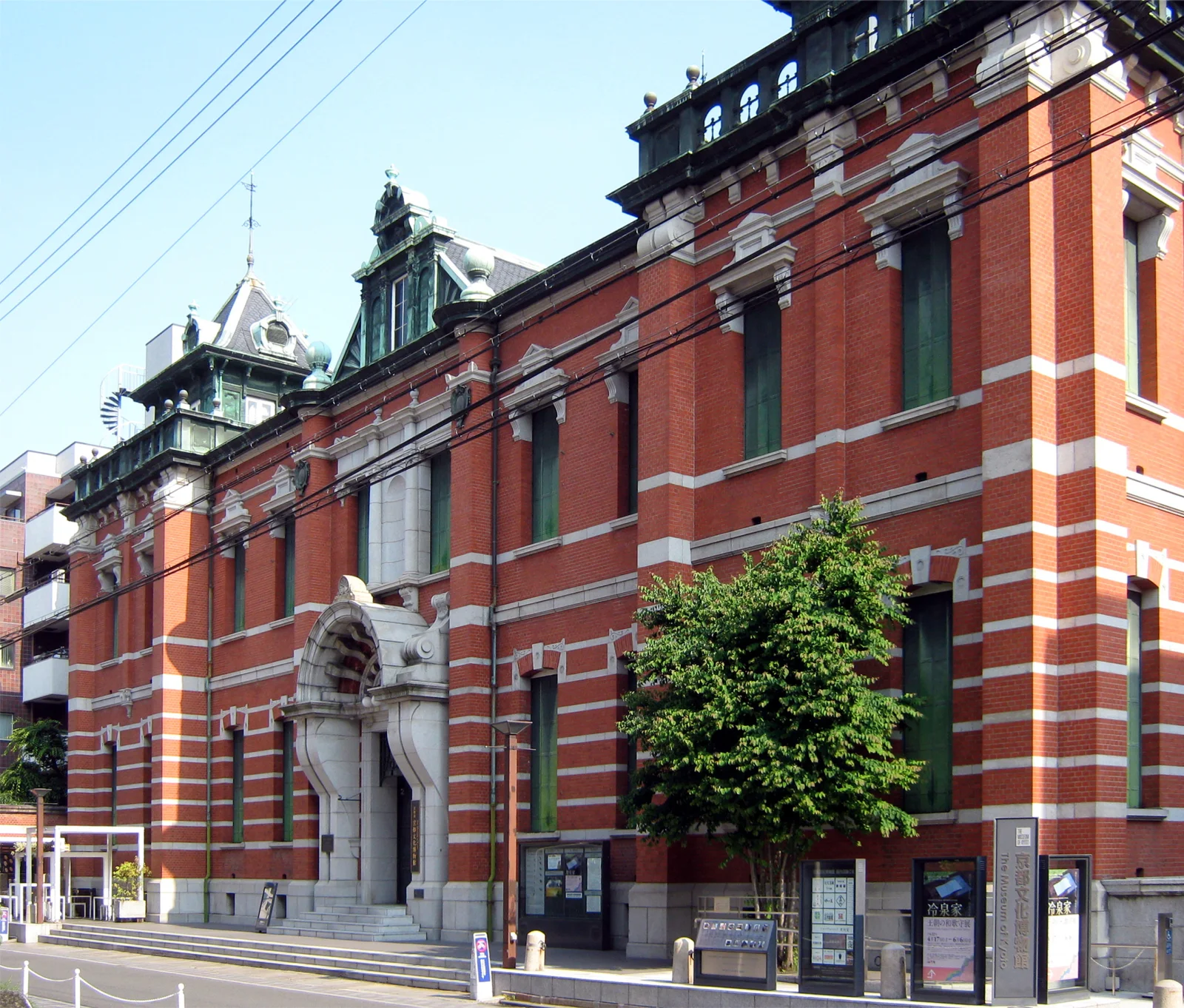
If steady rain greets you as you finish shopping, The Museum of Kyoto stands right nearby around Sanjo-Takakura. General exhibition hours are 10:00–19:30 (last entry 19:00; ¥600 adults, ¥400 university students, free for high school students and younger). The annex hall is usually free—special exhibitions may charge separately—and stays open until 19:30. The Kyoto City Tourism Association notes the museum closes on Mondays (or the next weekday if Monday is a national holiday) and for the year-end/New Year period from December 28 to January 3. Check the calendar before heading out: on closed Mondays or later in the evening, pivot to dinner or a movie at ShinPuhKan instead of backtracking with shopping bags.
Fitting Teramachi Vintage Shopping Into Your Kyoto Itinerary
A quick two-hour loop suits travelers staying near Shijo who plan to spend the evening in Gion. Come up near Hankyu Exit 9, benchmark sizes at the south end, grab a bite near Nishikikoji, and choose between one shop off Rokkaku in Shinkyogoku or ground-floor LOWECO near Sanjo. If fitting-room lines back up, skip ahead and loop back along the river bridge for final checkout. This half-day plan skips rigid checklists in favor of flexible trying-on and lets you finalize purchases well before dinner.
With four hours on a weekend, start at JAM Shijo when it opens at 11:00 and work north toward Sanjo. Heading upstairs to RUSHOUT around 12:00 fills the midday gap naturally. Pause around Sanjo or Rokkaku for lunch, then carve out a block to try things on in Shinkyogoku. If people in your group have different priorities, split up between kimono shops and jacket racks and regroup at the wider intersection outside Sanjo-Teramachi. Early risers should schedule a Kamo River walk, breakfast, or Sanjo architecture first and wait until 11:00 to enter the arcade—treating 9:00 to 11:00 as primary vintage time mostly means staring at closed shutters.
On rainy days, group shops along the same covered arcade: Teramachi and Shinkyogoku each have roofs, while cross-alleys and the Sanjo stretch to ShinPuhKan expose you to the rain. In heavy downpours, stay strictly inside Teramachi, duck into Zest Oike at the north end for an indoor break, and take the Tozai Line back. Keep in mind that arcades only block direct rain—wind still cuts through past the northern roof in winter. Wear a jacket that comes off easily, dress in your usual base layer for fittings, and in summer duck into a cafe between long stretches of seatless shops before deciding if you have stamina for another round of coats. Anyone traveling with strollers, luggage, or older family members should prioritize single-floor shops; beyond map distance, multiple flights of narrow stairs are what stretch a half-day route out.
In mid-July during the Gion Matsuri festival, official Kyoto City listings put the Sakimatsuri and Atomatsuri Yamahoko processions on July 17 and July 24. Both parades cut through downtown, slowing foot crossings between Shijo and Karasuma Oike as well as bus routes. Move vintage shopping to another day or enter and exit from a subway station on the same side of the cordon, checking that year's route map on Kyoto Travel Navi. Year-end planning works differently: holiday closures are announced individually by each shop, so hit your top two stores earlier on open days and pair closed museum dates with open restaurants or malls. If winter sweaters or overcoats are on your list, try them on over your actual cold-weather layers—especially making sure a collar still buttons over a turtleneck and scarf.
When choosing where to stay for a vintage-focused half day, Kawaramachi's advantage is dropping heavy coats in your room before heading out to dinner. If your next day heads toward Nijo Castle or Okazaki—or you plan to end your evening at ShinPuhKan—Karasuma Oike's two subway lines are more convenient and put your shopping finish right near your hotel. Tucking shopping into arrival or departure gaps, like dropping bags downtown on day one and hitting Teramachi in the afternoon, beats shuttling back and forth from Kyoto Station just to catch opening hours. Compare transit trade-offs between the two areas in our Kawaramachi and Gion Stays and Kyoto Karasuma Stays guides.
A few useful answers
Which station exit should I take for my first vintage shopping trip on Kyoto's Teramachi-dori?
Take Exit 9 from Hankyu Kyoto-Kawaramachi Station—Teramachi-dori is one block west. To shop north-to-south from Sanjo, take the subway to Kyoto Shiyakusho-mae Station and use Exit 5 or 6 via Zest Oike.
What is the best time of day to visit Teramachi-dori vintage shops?
Used Clothing JAM Kyoto Shijo and LOWECO list 11:00 openings, while RUSHOUT opens at 12:00. Flamingo opens at 12:00 on weekdays and 11:00 on weekends and national holidays, staying open until 21:00. Arriving near midday makes it easiest to hit multiple shops in one sweep.
Where should I go along Teramachi for secondhand kimono or haori jackets?
Head to Kimono Suzaku Teramachi at 234 Eirakucho, just south of Sanjo. Bring an everyday top if you are pairing a haori jacket, and ask staff to check mitake length, yuki sleeve reach, and required accessories for full kimono sets.
Can I connect Teramachi, Shinkyogoku, and ShinPuhKan in the rain?
Teramachi Kyogoku and Shinkyogoku both have covered arcades, though the cross-alleys between them and the walk west along Sanjo-dori to ShinPuhKan are outdoors. In heavy rain, stick to Teramachi Kyogoku, walk through Zest Oike at the north end to the subway, and enter ShinPuhKan via Karasuma Oike Station's South Ticket Gate.
Can I get a tax-free refund on vintage clothes at Teramachi?
Only at participating stores—Flamingo lists tax-free service on its official site. Under Japan's system starting November 1, 2026, eligible purchases totaling at least ¥5,000 before tax at the same store on the same day are paid at the tax-included price, then refunded after you clear customs on departure.
Official information and references
Sources used in this guide.
- Kyoto Teramachi Kyogoku Shopping Street | Access and Exits
- Hankyu Railway | Kyoto-Kawaramachi Station Map
- Kyoto City Transportation Bureau | Kyoto Shiyakusho-mae Station
- Kyoto City Transportation Bureau | City Bus at Kyoto Station
- Kyoto City Transportation Bureau | Subway Riding Guide and Fares
- Used Clothing JAM | Kyoto Shijo Store
- Kyoto Teramachi Kyogoku Shopping Street | Used Clothing JAM Directory Listing
- Kyoto Teramachi Kyogoku Shopping Street | Little Trip to Heaven
- Used Clothing JAM | LOWECO Kyoto Store
- RUSHOUT | Kyoto Store
- Flamingo | Kyoto Store
- Kyoto Teramachi Kyogoku Shopping Street | Kimono Suzaku Teramachi
- Kyoto Nishiki Market Shopping District | Shop Map and Dining Rules
- ShinPuhKan | Access and Opening Hours
- ShinPuhKan | Shops and Restaurants Directory
- City of Kyoto | History of ShinPuhKan
- The Museum of Kyoto | Admission and Opening Hours
- Kyoto City Tourism Association | The Museum of Kyoto Closure Information
- Kyoto City Tourism Association | Gion Matsuri Overview and Dates
- Japan Customs | Consumption Tax-Free Shopping System for Foreign Visitors
- Kyoto City Transportation Bureau | Kyoto Subway Station Platforms
- Kyoto City Tourism Association | Hands-Free Luggage Storage and Same-Day Hotel Delivery
- Kyoto Teramachi Kyogoku Shopping Street | History of Teramachi
- Honno-ji Temple | Visiting Hours and Daihoden Treasure Museum
- Osaka Customs | Tax-Free Procedures and Checked Baggage Order