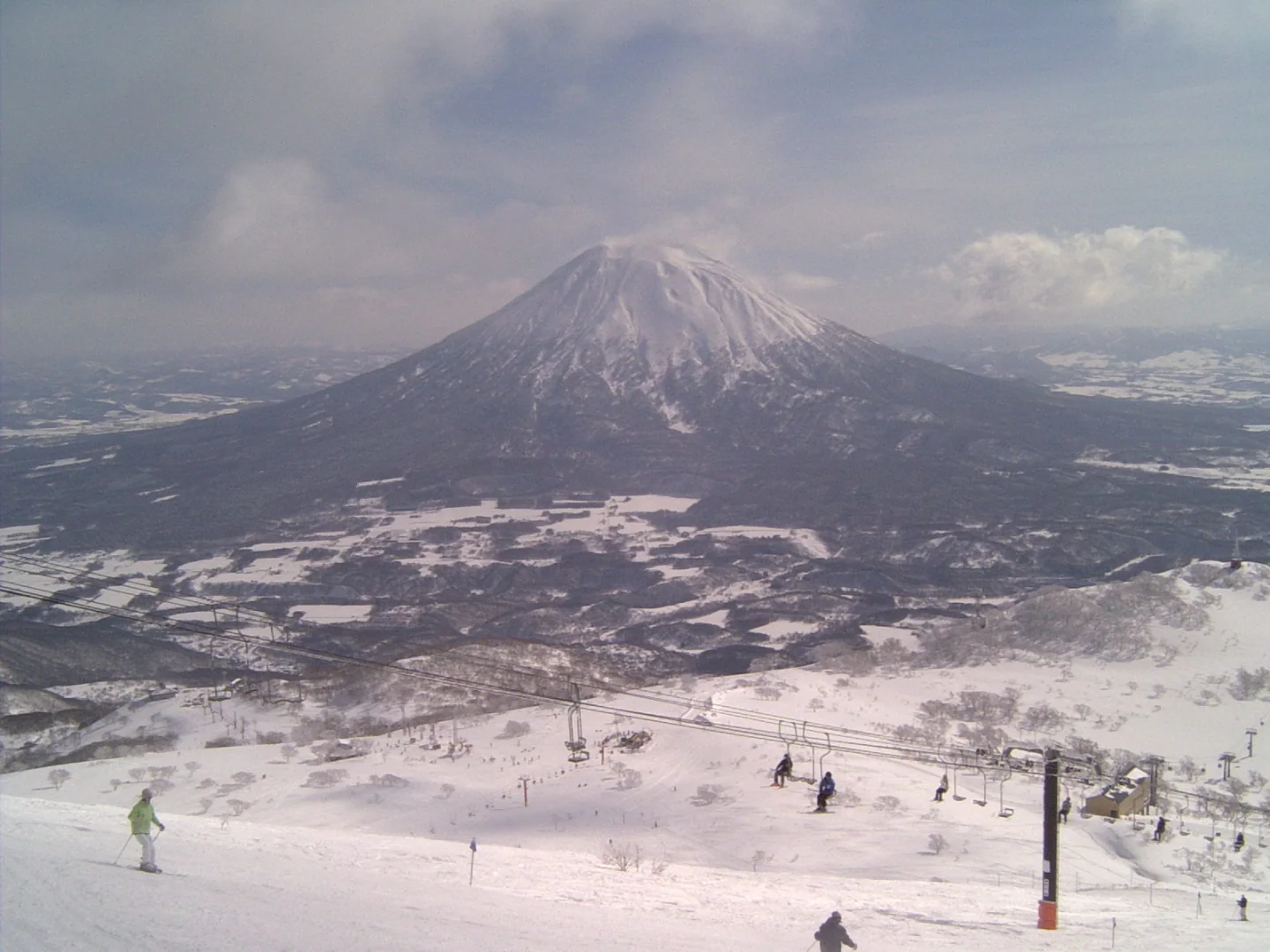
How to choose a ski resort in Japan for 2026–27? Compare transport, lift tickets, and lodging across Echigo-Yuzawa, Hokkaido, Nagano, and Tohoku—including GALA Yuzawa slope dates, Rusutsu time-based passes, Hakuba multi-resort passes, and Nozawa Onsen bathhouses.
- Region & Focus
- Echigo-Yuzawa and NaebaSkiing
- Reading Scope
- 23 min read · 10 chapters · 9 Q&As
- Official Verification
- 30 official sources checkedUpdated November 22, 2026
- Key Topics
- First tripItinerariesWinter
Chapter Route Map (tap any stop)
- Start With Your Ski Days and Where You Sleep
- Niigata (Echigo-Yuzawa and GALA): Day Trip or Overnight
- Staying Longer in Niigata: Naeba, Kagura, or Kandatsu
- Gunma Day Trips by Bus: Kawaba and Marunuma Kogen
- Hokkaido: Day Trips to Sapporo Teine, Base Stays in Niseko and Rusutsu
- Nagano: Hakuba Valley, Shiga Kogen, and Nozawa Onsen Play Very Differently
- Tohoku: Skiing Meets Snow Monsters at Zao, Resort Convenience at Appi Kogen
- Compare Tickets by Date, Then Check the Trail Map
- Your First Lesson: From the Rental Counter to the Meeting Point
- When Lifts Close or Weather Turns: Adjusting in Order
- Quick Q&A
If you are staying in Tokyo with only one day to spare, start with GALA Yuzawa—it sits right on a direct Joetsu Shinkansen line. Flying into New Chitose for several days on the snow? Base yourself in Niseko or Rusutsu. Want to ski a different mountain every day? Nagano's Hakuba Valley links ten resorts on a single pass. If half a day on the slopes followed by a walk to hot springs sounds better, look at Nozawa Onsen or Zao Onsen in Yamagata. For the 2026–27 season, pay close attention to the gap between "opening" and "skiing": GALA Yuzawa opens Dec 12 for sightseeing only, delays ski operations until Dec 19, and has closed both its South Area and the connecting ropeway to Yuzawa Kogen for the winter.
Start With Your Ski Days and Where You Sleep
When squeezing a single ski day into a Tokyo itinerary, count door-to-door time from your hotel lobby. Factor in the commute to Tokyo or Ueno Station, the Joetsu Shinkansen ride, rental pickup, changing into gear, and walking to your lesson meeting point. Direct trains to Gala-Yuzawa Station save you an extra shuttle bus transfer with bags in tow. Sapporo offers a similar setup: Sapporo Teine fits cleanly into the middle of a city stay, leaving your other days open for sightseeing. If part of your group wants two days on snow while others head back to shop, keeping one city hotel makes regrouping simple.
If you have one night to spend in the mountains, decide what that overnight buys you. Staying near Echigo-Yuzawa Station lets you pick between Yuzawa Kogen, Ishiuchi Maruyama, or Kandatsu the next morning. Booking around the Naeba Prince Hotel puts your room right at the foot of Naeba's slopes. In Nozawa Onsen or Zao Onsen, dinner, hot springs, and lifts all sit in one walkable village, so non-skiers still have plenty to do. Check a map for the walk from your lodging to restaurants, bus stops, and meeting points—especially uphill grades you will have to haul luggage over.
With three or more ski days, it pays to relocate into a multi-resort hub. Hakuba Valley's appeal is skiing a different mountain on the same trip, though choosing lodging on the right shuttle route matters more than chasing a raw resort count. Niseko and Rusutsu both work well as multi-night bases reached straight from New Chitose Airport. If you only have a short window before dusk on arrival day, use it to pick up rentals or grab breakfast supplies for the next morning rather than burning a full-day lift ticket on a rushed run.
When traveling with kids, beginners, and all-day skiers, agree on when everyone can realistically reach one exact spot. Gondola-accessed resorts often split facilities between a base lodge and a mid-mountain center; if instructors meet up top, verify whether non-skiing guests can ride the gondola up and back down. For lunch meetups, pick a specific restaurant entrance or locker bank. Mapping out transfers, wait times, and rendezvous points will tell you how big a resort your group actually needs.
| Trip Setup | Compare First | Decide Before You Go |
|---|---|---|
| Based in Tokyo for a day trip or one night | GALA Yuzawa, around Echigo-Yuzawa Station | Take the direct train to GALA or transfer at Echigo-Yuzawa |
| Based in Sapporo with one day to ski | Sapporo Teine | Book your first lesson at Olympia or Highland |
| Flying via New Chitose for a multi-day ski trip | Niseko, Rusutsu, Kiroro | Confirm your main base entrance and airport shuttle stop |
| Ready to ride shuttles and switch mountains | Hakuba Valley, Shiga Kogen | Plan which days you will cross resorts and which base to sleep at |
| Mixing skiing with an onsen town stroll | Nozawa Onsen, Zao Onsen (Yamagata) | Check the walking route from your lodge to lessons, lifts, and baths |
| Traveling via Morioka for a resort-based stay | Appi Kogen (Iwate) | Choose between the public winter bus and the guest shuttle |
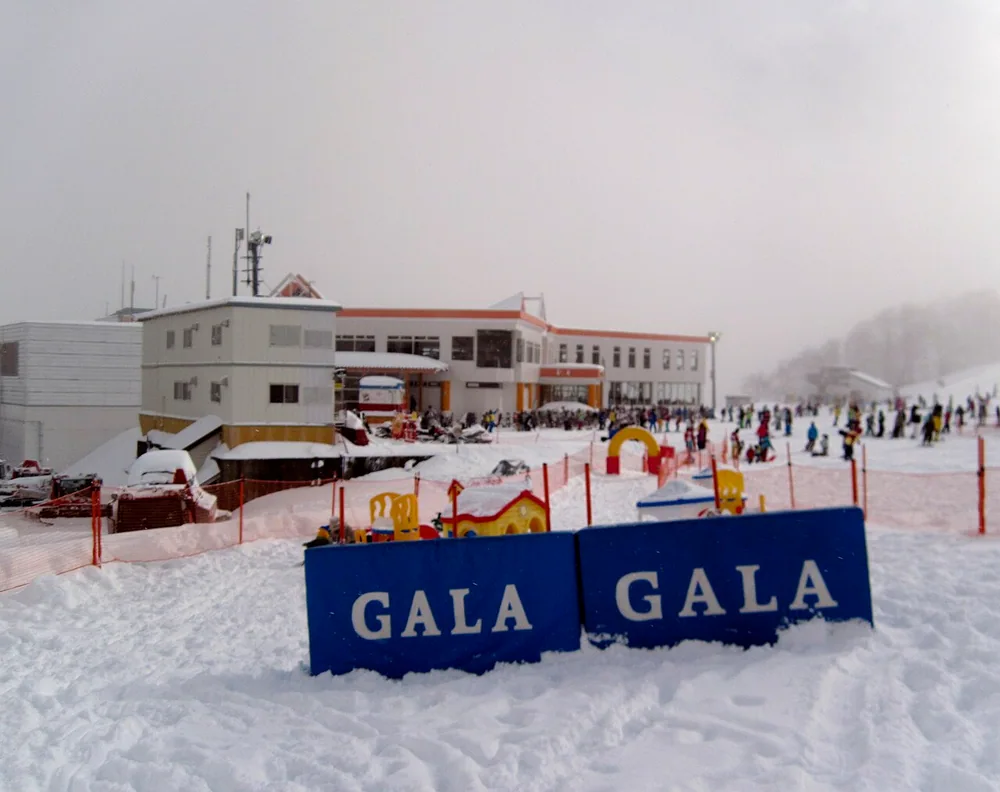
How to choose a ski resort in Japan for 2026–27? Compare transport, lift tickets, and lodging across Echigo-Yuzawa, Hokkaido, Nagano, and Tohoku—including GALA Yuzawa slope dates, Rusutsu time-based passes, Hakuba multi-resort passes, and Nozawa Onsen bathhouses.
Niigata (Echigo-Yuzawa and GALA): Day Trip or Overnight
Watch for two different station names when searching train tickets. Gala-Yuzawa is the seasonal winter-spring station connected directly to GALA's ski center, while Echigo-Yuzawa is the main year-round rail hub for Yuzawa town. GALA's official site lists direct Shinkansen rides from Tokyo Station as fast as 71 minutes, or you can ride to Echigo-Yuzawa and take the free shuttle bus (about 10 minutes). Check return departures from Echigo-Yuzawa as well—especially if you plan to ski into the afternoon—and build gear return and shuttle wait times into your departure buffer.
GALA's official 2026–27 calendar runs in two distinct phases. From Dec 12 to Dec 18, 2026, only sightseeing operations run on the gondola—even if snow covers the ground, skiing and snowboarding are not permitted. Regular ski season runs Dec 19, 2026 through May 5, 2027. Standard adult lift and gondola tickets cost ¥8,000 at the window or ¥7,500 online; adult 4-hour tickets are ¥7,500 at the window or ¥7,000 online. GALA also sells a sightseeing round-trip ticket covering the main gondola and the Barouche chairlift for non-skiers. Product names on the ticketing page look similar, so double-check which activity each pass covers before paying.
For 2026–27, GALA's South Area is closed and the connecting ropeway to Yuzawa Kogen is suspended; shuttle buses cover the transfer between GALA and Yuzawa Kogen instead. Before buying the YUZAWA SNOW LINK three-resort pass, trace your exact route across GALA, Yuzawa Kogen, and Ishiuchi Maruyama on a map. If you have morning lessons at GALA and just want afternoon practice laps, staying in GALA's open Central and North Areas saves wasted transit time. To ski two separate resorts over two days, sleeping near Echigo-Yuzawa Station makes the second morning far easier to manage independently.
On a day trip, you do not need to buy lift access for every hour of the day. If you arrive mid-morning and still need to get boards and boots fitted before an afternoon lesson, confirm the school's check-in desk and exact ticket requirement first. Standard online rental reservations at GALA may still require waiting in the pickup line. For faster service from Dec 19, 2026 to Mar 31, 2027, the resort offers PICK UP BOX lockers for an extra ¥1,000 per person on top of rental fees (pickup 7:30–12:00; must be booked by noon JST two days prior). Afternoon arrivals should stick to standard rental pickup and align their pickup counter with their lesson meeting zone.
JR East's Tokyo Wide Pass costs ¥16,000 for adults for three consecutive days and covers the Joetsu Shinkansen to Echigo-Yuzawa plus Gala-Yuzawa while the station is open. If you are only doing one ski day trip, compare the pass against round-trip point-to-point Shinkansen fares first. If you also plan to ride to Nikko or other covered lines within those three days, tally the full rail itinerary together. Likewise, when evaluating train-plus-lift bundles, check return train times, reserved-seat flexibility, and exactly what the bundle includes—treating train fare, lift pass, rentals, lessons, and shuttles as one combined trip budget. See Tokyo ski day trips and Echigo-Yuzawa stays for more station logistics.
Staying Longer in Niigata: Naeba, Kagura, or Kandatsu
Naeba works best when you want your hotel steps from the first chairlift. Staying at the resort lets family members start later and return to the base independently for lunch or a break. If traveling from Echigo-Yuzawa Station, choose your bus stop deliberately between Kagura/Mitsumata, Tashiro, and Naeba. Taking a lesson at Naeba? Ride straight to Naeba. Picking up rentals at a shop near Kagura/Mitsumata? Start your ski day from that entrance. If you cross into a neighboring area, plan to ski back along open trails before lifts close—or verify a ground shuttle back down.
Official dates for Kagura/Mitsumata run Nov 28, 2026 to May 16, 2027, while Tashiro runs Dec 19, 2026 to May 5, 2027. The Dragondola linking Naeba and Kagura's Tashiro side is scheduled to operate Dec 26, 2026 through Mar 22, 2027. If you stay at Naeba in late March and want to ski Kagura, plan on road transfers between the two bases. Whenever crossing via the Dragondola, check the final return cabin time, the status of connecting runs, and pass coverage before lunch so you do not get stranded on the wrong side.
Kandatsu Snow Resort sits in Yuzawa town and lists a free shuttle of roughly seven minutes from the East Exit of Echigo-Yuzawa Station, with separate schedules for daytime and night skiing. If you are staying near the station and want to spend the day with non-skiing companions before heading out for night laps, check Kandatsu's evening hours and last shuttle bus. Families with one group playing in the snow in the morning and confident skiers practicing in the afternoon can keep one base hotel and dining area while buying targeted lift tickets only for those riding. If you have an early Shinkansen the next morning, map out changing, gear return, and getting back to your hotel before heading out for night skiing.
Gunma Day Trips by Bus: Kawaba and Marunuma Kogen
If you are staying in Shinjuku and prefer a single morning bus meetup over rail transfers, look at Gunma's ski resorts. Kawaba also supports train connections, with reservation-required free shuttles from both Jomo-Kogen Station (Joetsu Shinkansen) and JR Numata Station—be sure to enter the exact station name when booking, as they are two separate stops. Drivers can exit the Kan-etsu Expressway at Numata IC toward Kawaba; if transferring via the shuttle at Michi-no-Eki Kawaba Denen Plaza, check seasonal pickup locations and operating days first. Bus riders from Shinjuku should compare meeting points, return drop-offs, and board-bag luggage rules side by side.
Kawaba plans to begin snowmaking on Nov 20, 2026 and target a Dec 5 opening, with early-season adult lift tickets set at ¥5,900. Use the daily trail report to see what terrain is actually open—if someone in your group is eyeing the 3.3 km top-to-bottom run, check which upper and lower segments are open before committing to a weekend trip. Kawaba is also renovating Kawaba City, its main dining and rental complex, for the season. For more on Kawaba's ticket tiers and transport options, see our Kawaba Ski Resort guide.
Marunuma Kogen's Katashina Snow Express runs from Busta Shinjuku to Michi-no-Eki Oze Katashina, where passengers transfer to a free resort shuttle. For 2026–27, the highway bus is scheduled Dec 19, 2026 through Mar 21, 2027 at ¥8,000 adult round-trip (be sure to select Marunuma Kogen as your destination when booking). Listed times have the bus departing Shinjuku at 7:35, arriving at the resort around 11:45, and departing the base at 15:20—leaving roughly three and a half hours on site before subtracting rental fitting and changing time. If you want a full-length lesson and plenty of runs, look for earlier charter buses, stay overnight, or stick to a Shinkansen day trip.
Hokkaido: Day Trips to Sapporo Teine, Base Stays in Niseko and Rusutsu
Sapporo Teine splits its base facilities between Olympia and Highland. Taking the bus from Stop 3 outside JR Teine Station's South Exit reaches Olympia first before continuing to Highland; Olympia handles most beginner and family programs, so get off wherever your ski school meets. Teine also runs the Big Runs bus directly from select Sapporo hotels (scheduled Dec 5, 2026 to Mar 28, 2027). Ages 13+ can book a round-trip bus plus 7-hour lift ticket package for ¥11,000, with reservations closing at 18:00 JST 10 days prior. If your lesson or pass already includes lift access, compare the bus-only fare instead.
Niseko United comprises four interconnected resorts: Grand Hirafu, Hanazono, Niseko Village, and Annupuri. Choose lodging around the base entrance you will use most for lessons, rentals, and walking back to your room. All four resorts target a Nov 28, 2026 opening, while closing dates stagger: Apr 4 for Niseko Village, Apr 11 for Hanazono, and May 5 for Grand Hirafu and Annupuri. During peak season (Dec 24, 2026–Feb 28, 2027), an All-Mountain adult 1-day pass is ¥13,500, and multi-day passes must be used on consecutive days. If you are taking two days of lessons at one resort, compare single-resort passes first; if upper connecting lifts close for wind, use the ground shuttle bus instead.
At Rusutsu, check whether your ticket counts consecutive hours or deducts hourly increments. During regular season (Dec 19, 2026–Mar 14, 2027), the 5-hour ticket for ages 19–64 costs ¥14,500 at the ticket window or ¥11,600 via the app, running continuously for five hours from your first gate scan—great for a morning lesson plus practice or an afternoon session after lunch. The 25-hour pass (¥39,000 at the window / ¥36,000 via app) can be spread across multiple days within the same winter, deducting one hour at a time from each gate scan. If you plan to ski three or four hours a day and spend afternoons playing in the snow with kids, add up your expected lift hours before buying.
Kiroro sits in Akaigawa Village near Otaru. During peak season (Dec 12, 2026–Apr 11, 2027), an adult 1-day pass is ¥9,200 and a 4-hour pass is ¥7,800; during early season (Nov 28–Dec 11) and spring (Apr 12–May 5), adult 1-day passes drop to ¥5,800. If you are splitting nights between Sapporo, Otaru, and the slopes, check transit connections and return bus times after skiing. For resort stays, weigh lodging access to rentals and ski schools alongside ticket savings—a few thousand yen difference in lift rates often disappears into transfer costs or hotel pricing.
On the day you fly into New Chitose Airport, confirm the exact hotel or base entrance where your airport shuttle drops off. For private transfers, declare every piece of luggage honestly—ski and board bags eat up standard trunk capacity fast. On your return trip, leave extra buffer time between leaving the mountains and your flight in case of heavy snow or holiday traffic. Continue with our Hokkaido ski resort comparison or check Niseko accommodation area guide if you are settling on Niseko.
Nagano: Hakuba Valley, Shiga Kogen, and Nozawa Onsen Play Very Differently
Hakuba Valley links ten resorts including Happo-One, Hakuba Goryu, Hakuba47, and Tsugaike. From Tokyo, take the Hokuriku Shinkansen to Nagano Station and transfer to a Hakuba-bound express bus. Match your bus stop to your hotel location—staying near a shuttle stop serving your primary resort lets you step straight onto morning buses. Beginners taking lessons at a single mountain are usually better off sleeping near that resort's base, while advanced riders in the group can bus elsewhere in the morning and meet back for dinner.
For 2026–27, the Hakuba Valley All-Mountain Pass (10 resorts) costs ¥11,100 for an adult 1-day pass, ¥21,800 for a 2-day pass (any 2 days within 4 days of first use), and ¥32,200 for a 3-day pass (any 3 days within 6 days). That built-in flexibility makes it easy to take a rest day or wait out high winds. The pass covers designated daytime valley shuttles on the days you activate skiing, while night shuttles and night skiing cost extra. Online purchases require picking up a physical card or activating a reloadable card at the resort; note that riding a shuttle on a non-ski arrival day shouldn't burn a ski day if you keep transit separate.
Shiga Kogen spans 18 ski areas with more than 40 lifts and gondolas on a common pass. Study the trail map to pick one convenient area for daily laps, and check the walk from your hotel door to the nearest lift entrance. Before skiing between zones, verify that connecting trails match everyone's skill level—groups sticking to gentle groomers can use the valley shuttle bus to hop between sectors instead. Shiga Kogen's 2026–27 online multi-day passes allow non-consecutive use, whereas early-season and spring window tickets require consecutive days—read the ticket page carefully before purchasing multi-day passes.
Nozawa Onsen is built for travelers who want evenings in an onsen village. Take the Hokuriku Shinkansen to Iiyama Station and catch the Nozawa Onsen Liner from Bus Stop 4. Lodging splits roughly between the central hot spring streets and the Nagasaka Gondola side, changing how far you carry skis each morning. If you plan to walk to public bathhouses like Oyu after skiing, keep dry clothes and a small towel ready in your room. Thirteen community-run sotoyu bathhouses are free to use (donations appreciated); bring your own soap and towel and wash thoroughly before entering the tub. Note that Ogama is the local spring where residents cook vegetables—use specific bathhouse names when navigating for a soak.
Nozawa Onsen's 2026–27 regular season runs Dec 19, 2026 to Mar 28, 2027, with adult tickets at ¥7,800 for 1 day, ¥14,500 for 2 consecutive days, and ¥6,700 for 4 hours. Early-season adult day passes are ¥5,600 and spring passes are ¥6,100. If you arrive after lunch on Day 1 and leave before lunch on Day 2 while skiing both half-days, compare two 4-hour tickets against a 2-day consecutive pass. If you want a full off-day in the middle to soak and explore town, buy single-day tickets instead, and leave enough time on your departure day to return rentals, grab bags, and catch the bus.
Tohoku: Skiing Meets Snow Monsters at Zao, Resort Convenience at Appi Kogen
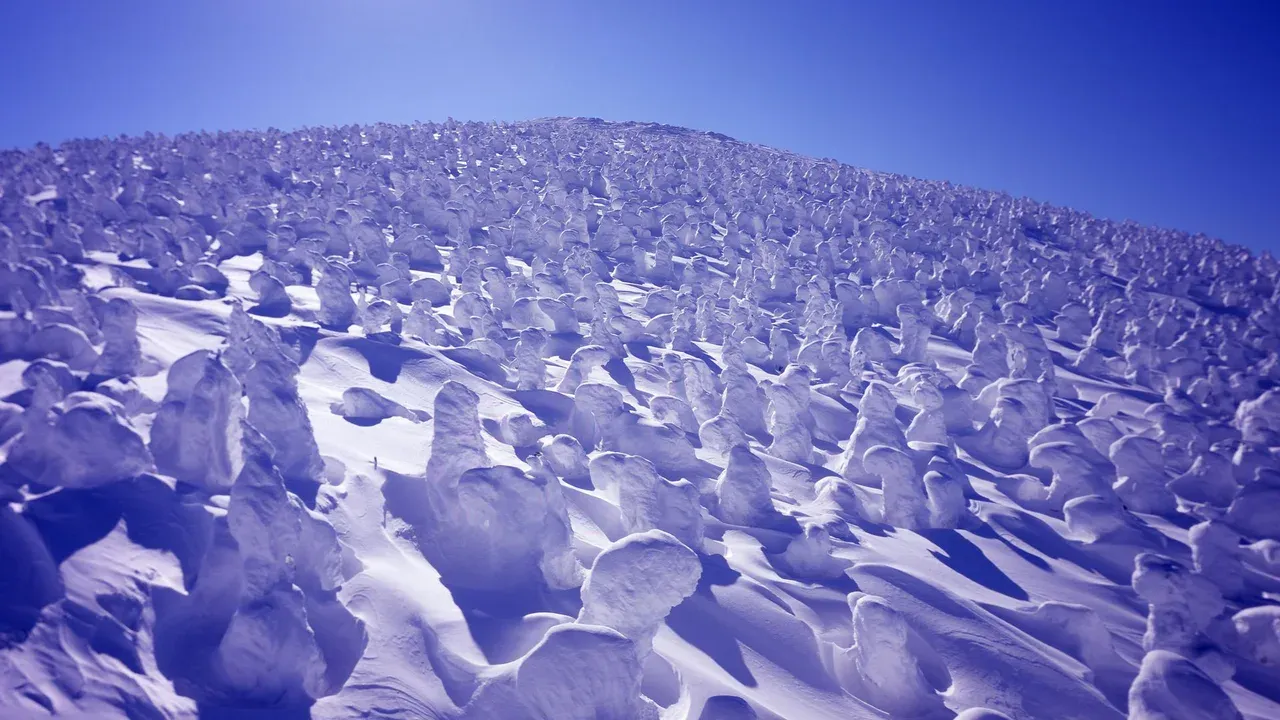
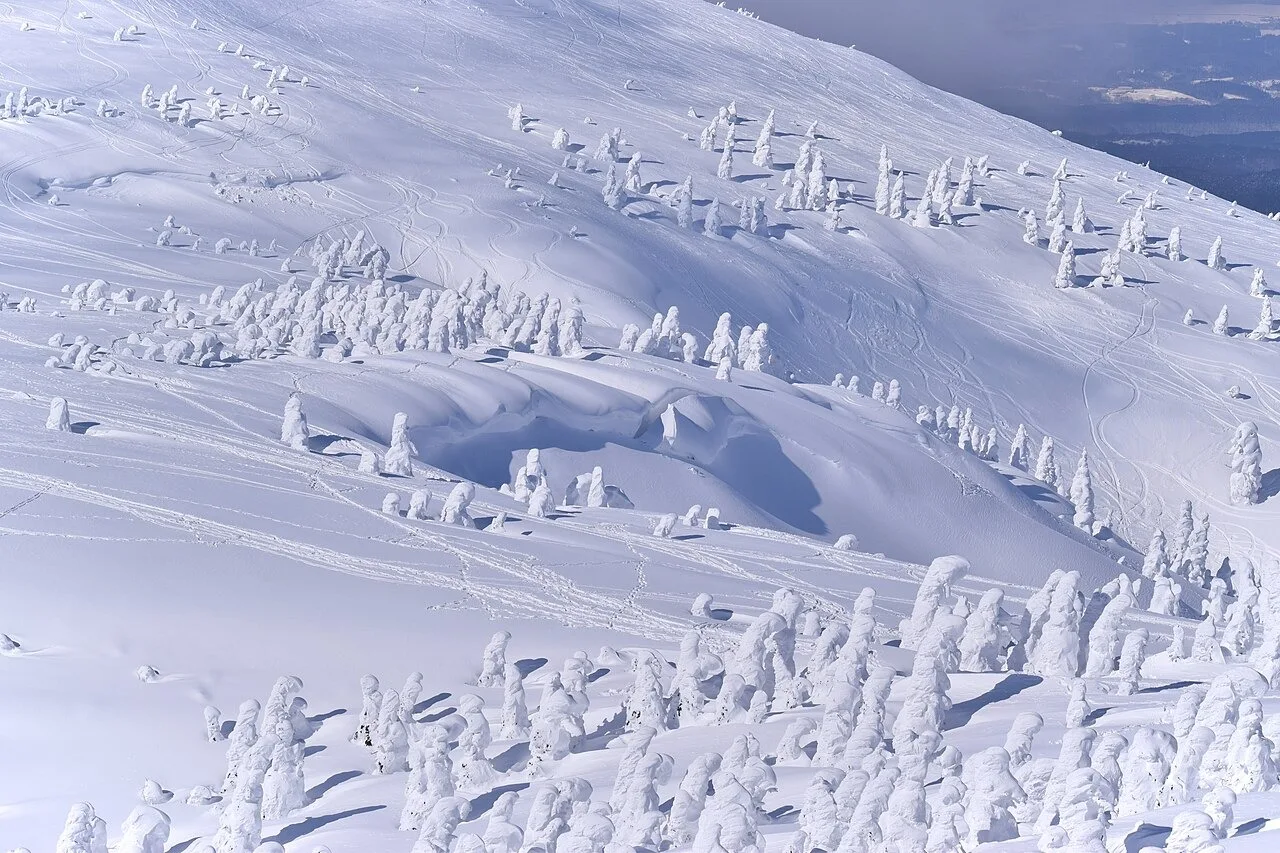
Zao Onsen in Yamagata works well when part of your group skis and the rest rides the ropeway to see the juhyo (snow monsters), meeting up in town each evening. Buses run from Yamagata Station to Zao Onsen; before booking a ryokan, pin the bus terminal, hotel, and exact ropeway base station on one map. Zao operates multiple ropeways—sightseeing for the snow monsters uses the Zao Ropeway from Zao Sanroku Station up to Juhyo Kogen Station, transferring there to Jizo Sancho Station. Even if your rental shop or ski school sits on another side of town, your group can split up in the morning and reunite on the hot spring street later.
Zao Ropeway operators list February as the peak month when snow monsters are typically fully formed. Non-skiers should look for round-trip sightseeing tickets, while skiers buy lift passes matching their intended terrain. Priority boarding tickets are available for the lower uphill leg, with separate quotas for sightseers (who ride in a distinct queue) and skiers (who must also hold a valid ski pass); downhill rides and other sections follow regular lines. In high winds or poor summit visibility, flip your schedule—walk the village, eat, soak in an onsen, or stick to lower slopes until conditions clear. See our Zao snow monsters transport and ropeway guide for ropeway logistics.
Appi Kogen in Iwate is accessed from Morioka Station. From Dec 18, 2026 to Mar 22, 2027, winter route buses depart Morioka Station West Exit Stop 26, with most standard departures priced at ¥1,650 one-way for adults (select departures cost more and run on specific dates). Guests staying at eligible resort hotels can book a dedicated guest shuttle from Dec 5, 2026 to Apr 4, 2027 at ¥2,000 one-way for ages 13+, with reservations due by 23:59 JST the day before travel. Double-check dates, fares, and drop-off points, especially since several hotel names sound similar.
Appi lists Dec 5, 2026 as its season kick-off event day with skiing planned, though early-season visitors should still cross-check hotel bookings against open lifts and runs. If you are commuting from Morioka as a city base with late arrivals and evening returns, plan on staying at one main area rather than crisscrossing the mountain. For multi-day ski trips, book near the main base or a hotel with direct shuttle service, and scope out your return bus stop on Day 1 so boarding with luggage in the snow is stress-free on your final afternoon.
Appi also runs extra spring round-trip buses on Mar 27–28, 2027 when lifts are operating. For skiers getting off at the Appi Kogen Ski Resort stop, the bus leaves Morioka Station West Exit at 10:05 and arrives at 11:01, with the return departing at 16:06—giving you roughly five hours on site including changing and gear return. To catch first chair at opening, stay at the resort the night before or arrange separate morning ground transport from Morioka.
Compare Tickets by Date, Then Check the Trail Map
Early-season listings often carry two subtle traps: a resort may open only for sightseeing gondolas or only on upper-mountain snowpack, and headline season dates frequently run longer than night skiing, rental shops, ski schools, or shuttle schedules. Open the daily snow status page and check your core facilities first. Beginners need gentle slopes, magic carpets or short lifts, rentals, and school meeting areas; if only upper runs are open, verify you can download by gondola. Powder and view chasers should check summit lifts, visibility, and open terrain together.
Spring skiing brings melting lower slopes and earlier closures on inter-resort links. Kagura's Tashiro and Mitsumata zones close on different dates, and Niseko's four resorts shut down in stages. For an April trip to Hakuba or Shiga Kogen, inspect individual resort pages and spring shuttle timetables before comparing multi-resort pass prices. Since snow softens fast after noon, anyone with an afternoon bus or train to catch can front-load their best laps in the morning and budget time to swap back into street shoes.
Read the fine print on how "5-hour" and "2-day" passes count time. Rusutsu's 5-hour ticket runs continuously once scanned—so a break between two lessons still ticks down the clock—while its 25-hour pass carries unused hours over to later days. Hakuba Valley's 2-day pass gives you any two days within four, ideal for inserting a rest day. By contrast, Nozawa Onsen's regular 2-day ticket and Niseko's All-Mountain multi-day passes require consecutive days. If one parent is just supervising a child's lesson for a day, check whether a single-ride ticket or spectator access works instead of buying a full pass.
When budgeting for a family, check age brackets resort by resort. Hakuba Valley charges adult rates starting at age 13, while Rusutsu's regular adult rate starts at age 19—meaning middle and high schoolers fall into completely different tiers depending on where you go. Add rentals, outerwear, helmets, lessons, lockers, transport, and lodging to the tally, and check cancellation/change rules for gear and lessons separately—splitting bookings makes it far easier to adjust if someone in your group takes a day off.
Run the math against your actual train times and lesson schedule. At GALA during ski season, an online 4-hour adult ticket (¥7,000) saves just ¥500 over an online full-day pass (¥7,500), so it only makes sense if you truly have half a day. At Nozawa Onsen in regular season, two 4-hour passes across consecutive days total ¥13,400, saving ¥1,100 compared to a 2-day pass. Especially on Day 1 when rental pickup cuts into morning ski time, focus on realistic hours on snow rather than chasing the smallest ticket tier.
| Resort and Season Window | Price (JPY) | Coverage |
|---|---|---|
| GALA Yuzawa ski season | ¥8,000 at window / ¥7,500 online | Gondola and ski lifts |
| Niseko United peak season (Dec 24–Feb 28) | ¥13,500 | All-mountain 1-day pass |
| Rusutsu regular season (Dec 19–Mar 14) | ¥14,500 at window / ¥11,600 via app | 5 consecutive hours on a single day |
| Kiroro peak season (Dec 12–Apr 11) | ¥9,200 | 1-day pass (separate early/spring rates) |
| Hakuba Valley 10-resort pass | ¥11,100 / ¥21,800 | 1-day pass / 2-day pass (any 2 days within 4) |
| Nozawa Onsen regular season (Dec 19–Mar 28) | ¥7,800 / ¥14,500 | 1-day pass / 2 consecutive days |
Your First Lesson: From the Rental Counter to the Meeting Point
When booking lessons, decide on skiing or snowboarding first and spell out each student's age, experience level, and preferred language. Even if a resort website has a localized booking page, verify the actual language of instruction in your confirmation email—Niseko officially lists schools offering Mandarin as well as wide English availability. Group lessons split students by age and ability, so a complete beginner and someone already linking turns will be placed in different classes. For private lessons, confirm whether pricing is per person or per group, whether kids and adults can share one lesson, and whether lift tickets or rentals are included.
Save your exact meeting point using its Japanese location name. Large base centers house rentals, lockers, and ski school desks, yet the on-snow meeting flag may require a gondola ride up the mountain—surprising latecomers. Try boots on properly at the rental shop and swap uncomfortable gear before leaving the building, stowing excess bags in lockers before heading out. Keep your booking confirmations, emergency contacts, and everyone's passport details handy on your phone. If you are only accompanying family members, ask where spectators can wait, whether street shoes are allowed on the lift, and if there is indoor seating or an easy way back down.
Leave breathing room around your lesson. Day-trippers from Tokyo should aim for mid-day sessions to absorb arrival, changing, and transit up from the base, then practice snowplow stops or turns on the designated beginner slope afterward. If staying overnight, book your first lesson for arrival afternoon or the next morning rather than rushing straight off an early shuttle. Build in warm-up and lunch breaks for kids or anyone unaccustomed to heavy exercise, and cross-check rental packages ahead of time so you know whether gloves, goggles, and ski socks must be brought or bought on site.
When reading the trail map, trace your route back to the rental shop too. Some mid-mountain beginner zones reached by gondola only connect back to the base via steeper runs—ask your instructor whether you can ride the gondola back down instead. If your practice area gets crowded with through-traffic, follow patrol signs to a quieter learning lane. Even on an all-day ski pass, stepping back inside for lunch, water, or boot adjustments keeps everyone fresh. For gear prep and Day 1 pacing, read our first-time Japan ski trip guide next.
When Lifts Close or Weather Turns: Adjusting in Order
Each morning, check the timestamp on the official snow report, then verify your planned lifts, gondolas, and download routes. If summit visibility drops or crosswinds shut upper lifts, stick to sheltered base runs or swap in your trip's rest day. Across connected mountain regions like Hakuba, Shiga Kogen, and Niseko, different resorts do not always open and close in sync—confirm shuttle timing before committing to a cross-resort move. Overnight guests who have not picked up rentals yet should ask their hotel front desk about rescheduling shuttles, lessons, and gear; day-trippers with reserved Shinkansen seats can keep their return train and simply shorten the ski session or stay near the station.
If anyone in your group is chasing fresh powder, read resort status pages carefully to distinguish open ungroomed trails, closed runs, and out-of-bounds backcountry. Niseko's official rules require accessing backcountry solely through open gates—never enter when gates are closed, and never duck boundary ropes or enter prohibited zones. Anyone planning off-piste or backcountry runs should hire a certified local mountain guide and follow local rules strictly. For a first trip, staying within patrolled, open inbound runs provides more than enough terrain for a full day; if your group splits up, set a clear afternoon meetup spot and check-in plan.
Winter storms can also disrupt your trip home. If driving, confirm snow tires, chain requirements, and expressway closures before picking up the rental car. If taking trains or buses with your own skis or snowboards, check luggage forwarding or oversized bag policies in advance. When flying out, consider wrapping up skiing the day before departure so checkout day is dedicated solely to reaching the city or airport. On a day trip from GALA back to Tokyo, check whether you can still make the direct train after packing up—and if you miss it, shift to the Echigo-Yuzawa schedule and update your shuttle and ticket times together.
A few useful answers
Which Japanese ski resort should I pick for a day trip from Tokyo?
Start with GALA Yuzawa and its direct Joetsu Shinkansen trains, or ride to Echigo-Yuzawa Station and hop on the free shuttle. Note that Dec 12–18, 2026 is sightseeing-only; ski slopes open Dec 19.
Is GALA Yuzawa's South Area open for the 2026–27 season?
No. The South Area is closed for the 2026–27 season, and the connecting ropeway to Yuzawa Kogen is also suspended. The Central and North Areas remain open, with shuttle buses replacing the ropeway link to Yuzawa Kogen.
Should beginners book lessons or lift tickets first?
Book your instructor first. Choose skiing or snowboarding, confirm the teaching language, date, and meeting point, then buy the lift ticket required for your lesson zone or mountain access. Reserve rentals at the same base entrance.
Can I split Rusutsu's 5-hour ticket across two days?
No. The standalone 5-hour ticket runs continuously from your first gate scan and must be used on that day. If you want to split hours across multiple days, buy the 25-hour pass, which deducts in 1-hour increments.
Is the Hakuba Valley All-Mountain Pass worth buying?
It pays off if you plan to ski multiple resorts or want flexibility to chase better wind and snow conditions. For 2026–27, an adult 1-day pass is ¥11,100 and a 2-day pass is ¥21,800 (usable on any 2 days within 4 days of first use). If you are staying at one mountain both days, check single-resort tickets first.
Can I visit Nozawa Onsen just for the hot springs without skiing?
Yes. The village's 13 community-maintained sotoyu (public bathhouses) are free to enter with donations welcomed—just bring your own towel and toiletries. Take the Hokuriku Shinkansen to Iiyama Station and transfer to the Nozawa Onsen Liner bus.
How should we buy tickets at Zao if some of our group is skiing and others just want to see the snow monsters?
Sightseers should buy a round-trip sightseeing ticket on the Zao Ropeway, while skiers buy a lift pass covering their planned runs. Sightseers transfer at Juhyo Kogen Station to reach the summit, and both groups can meet back at a designated station or down in the village.
Do I need to stay overnight at a resort if I only want to ski once in Hokkaido?
Not if you are based in Sapporo—Sapporo Teine works well as a day trip via bus from JR Teine Station South Exit or a hotel shuttle package. If you want two or three days at Niseko or Rusutsu, move your lodging to the main base area.
How do I choose a resort during early season or spring skiing?
Check the daily snow report for open beginner slopes, lifts, and connecting trails, then compare early-season or spring-season rates. Kagura's Kagura/Mitsumata and Tashiro areas have different closing dates, and Niseko's four resorts also close on separate schedules.
Official information and references
Sources used in this guide.
- GALA Yuzawa Official Operating Dates and Lift Tickets
- GALA Yuzawa Official Access and Facilities
- GALA Yuzawa 2026–27 South Area Closure Notice
- GALA Yuzawa Official Rental Packages and Pickup Hours
- JR East Tokyo Wide Pass
- Prince Hotels Kagura Ski Resort Area and Dragondola Operating Dates
- Kandatsu Snow Resort Official Location and Access
- Sapporo Teine Official Access and Bus Packages
- Niseko United Season Dates and All-Mountain Lift Passes
- Niseko United First-Time Visitor and Ski School Guide
- Niseko United Backcountry and Resort Rules
- Rusutsu Resort Lift Tickets and Time-Counting Rules
- Kiroro Resort Lift Tickets and Seasonal Rates
- Hakuba Valley All-Mountain Pass Rates and Shuttle Conditions
- Hakuba Valley Online Ticket Pickup and Activation Guide
- Hakuba Valley Official Access Information
- Shiga Kogen Online Multi-Resort Lift Ticket Information
- Shiga Kogen Ticket Window Lift Pass Rates
- Nozawa Onsen Snow Resort Regular Season Lift Tickets
- Nozawa Onsen Snow Resort Early and Spring Lift Tickets
- Nozawa Onsen Village Public Bathhouse (Sotoyu) Guide
- Nozawa Onsen Official Train and Bus Transfer Guide
- Zao Ropeway Official Snow Monster (Juhyo) Season Guide
- Zao Ropeway Official Sightseeing and Skier Priority Boarding Rules
- Appi Kogen Winter Access and Hotel Guest Shuttle
- Appi Kogen 2026–27 Winter Season Kick-Off Announcement
- Kawaba Ski Resort Opening Date, Early Rates, and Seasonal Facilities
- Kawaba Ski Resort Official Shuttle and Road Access FAQ
- Marunuma Kogen Official Shinjuku Bus and Reservation Shuttle
- GALA Yuzawa Trails and YUZAWA SNOW LINK Partner Resorts