How to choose a ski resort in Japan for 2026–27. Compare transport, lift passes and accommodation routes across Echigo-Yuzawa, Hokkaido, Nagano and Tohoku, including GALA slope dates, Rusutsu hour passes, the Hakuba All-Mountain Pass and Nozawa's public bathhouses.
- Region & Focus
- Echigo-Yuzawa and NaebaSkiing
- Reading Scope
- 23 min read · 10 chapters · 9 Q&As
- Official Verification
- 30 official sources checkedUpdated 22 November 2026
- Key Topics
- First tripItinerariesWinter
Chapter Route Map (tap any stop)
- Start with how many ski days you have and where you are returning at night
- Niigata's Echigo-Yuzawa and GALA: day trip to Tokyo or stay the night
- Staying another night in Niigata for Naeba, Kagura or Kandatsu
- Gunma's Kawaba and Marunuma Kogen: switching to coach day trips
- Hokkaido: Sapporo Teine for day trips, Niseko and Rusutsu for longer stays
- Nagano's Hakuba Valley, Shiga Kogen and Nozawa Onsen: very different village layouts
- Tohoku: Zao pairs skiing with snow monsters; Appi works as a resort base
- Compare lift passes by date first, then check the specific piste
- Your first lesson: walking from rental pickup to the meeting point
- When lifts stop or weather worsens: adjusting your plan in order
- Quick Q&A
If you are based in Tokyo and only have one day for snow, look first at GALA Yuzawa on a direct Joetsu Shinkansen train. Flying into New Chitose Airport for several days of skiing? Base yourself in Niseko or Rusutsu. If you want different terrain every day, Nagano's Hakuba Valley covers ten resorts on a single pass. And if half-days on the piste followed by a walk to hot-spring bathhouses sound more appealing, Nozawa Onsen and Yamagata Zao fit naturally. For the 2026–27 season, watch the difference between opening the doors and opening the slopes: GALA runs sightseeing-only operations from 12 December before skiing starts on 19 December, and both its South Area and the connecting ropeway to Yuzawa Kogen are closed this season.
Start with how many ski days you have and where you are returning at night
When squeezing a single ski day into a Tokyo trip, count the hours from your hotel door. Factor in getting to Tokyo or Ueno Station, the Joetsu Shinkansen ride, collecting rental gear, changing and reaching your instructor's meeting point. Taking a direct train to GALA Yuzawa Station cuts out hauling luggage on and off a shuttle bus. Sapporo offers a similar setup, letting you slot Teine into the middle of a city stay while keeping other days unchanged. Keeping one city hotel also makes it easy to reunite if part of your group skis for two days while others head back to shop.
If you have one night to spend in the mountains, decide what that overnight buys you. Staying near Echigo-Yuzawa Station lets you pick between Yuzawa Kogen, Ishiuchi Maruyama or Kandatsu the next morning. Basing yourself around Naeba Prince Hotel puts your room and the Naeba slopes in one place. Choosing Nozawa or Zao keeps dinner, hot springs and skiing in the same village so non-skiing companions have plenty to do as well. Check maps beforehand for walkable streets, bus stops and meeting points, paying special attention to uphill gradients if dragging suitcases.
Three or more ski days justify moving into a multi-day resort base. Hakuba Valley's strength is sampling different mountains on one trip, where staying near the right shuttle route matters more than chasing resort totals. Niseko and Rusutsu both work well as multi-night bases after landing at New Chitose Airport. If only a short window remains before sunset on arrival day, pick up your equipment or next-day breakfast supplies and save your first lesson for the following morning rather than rushing to burn a full-day pass.
When children, beginners and full-day skiers travel together, start by agreeing on what time everyone can reach one specific spot. Gondola resorts often split facilities between a base centre and an upper mountain centre; if lessons meet mid-mountain, check how sightseers ride the gondola and return to the base. To share lunch after lessons, agree on a restaurant entrance or a specific locker hall. Once transfers, rest spots and reunions are mapped out, you will know how large a resort your group actually needs.
| Trip profile | Compare first | Decide before departure |
|---|---|---|
| Based in Tokyo for a day trip or single overnight | GALA Yuzawa, Echigo-Yuzawa Station area | Direct train to GALA or transfer at Echigo-Yuzawa |
| Based in Sapporo with one ski day | Sapporo Teine | First lesson at Olympia or Highland |
| Flying via New Chitose for several ski days | Niseko, Rusutsu, Kiroro | Main base entrance and airport shuttle stop |
| Switching resorts and willing to take shuttles | Hakuba Valley, Shiga Kogen | Which days to cross areas and where to stay each night |
| Combining skiing with hot-spring village strolls | Nozawa Onsen, Yamagata Zao | Walk from lodging to lessons, ropeways and baths |
| Travelling via Morioka for a resort stay | Appi Kogen (Iwate) | Public route bus or guest reservation shuttle |
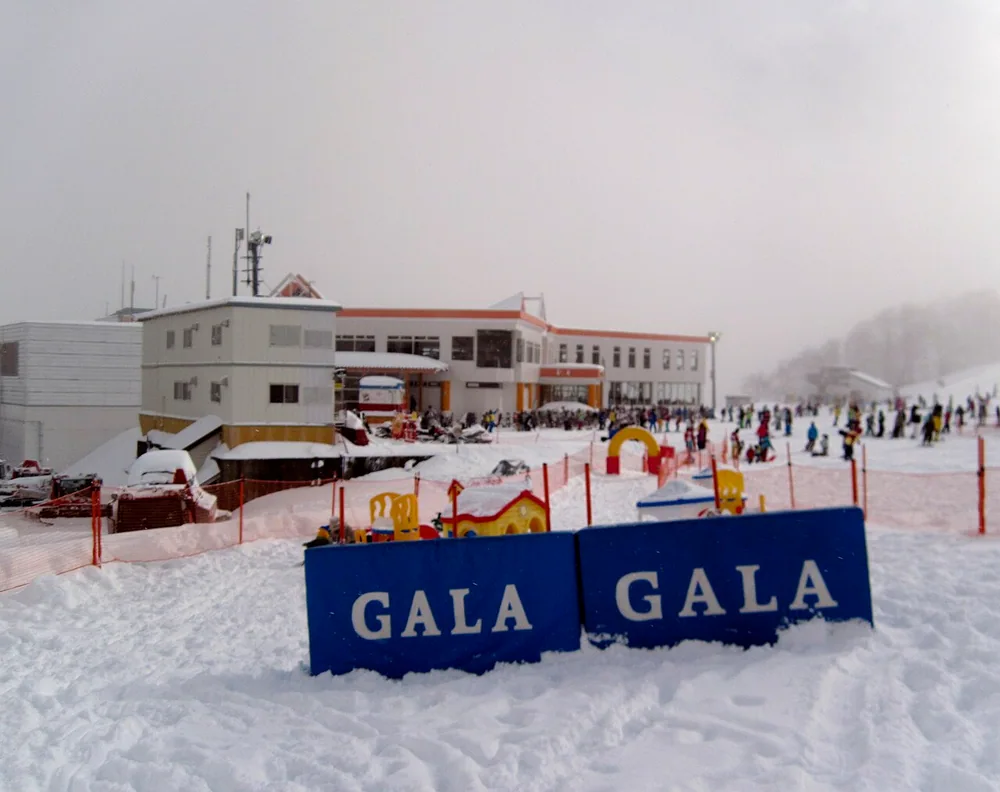
How to choose a ski resort in Japan for 2026–27. Compare transport, lift passes and accommodation routes across Echigo-Yuzawa, Hokkaido, Nagano and Tohoku, including GALA slope dates, Rusutsu hour passes, the Hakuba All-Mountain Pass and Nozawa's public bathhouses.
Niigata's Echigo-Yuzawa and GALA: day trip to Tokyo or stay the night
Search tickets under two separate station names. Gala-Yuzawa is a seasonal winter-and-spring station linked directly to the GALA ski centre, while Echigo-Yuzawa Station is the main railway hub for Yuzawa town. GALA's official site lists Tokyo Station direct journeys from around 71 minutes, or you can take a free roughly 10-minute shuttle from Echigo-Yuzawa. When checking timetables, look up return services from Echigo-Yuzawa too—especially if skiing into the afternoon—counting from the time you can realistically ski down, return gear and wait for the shuttle.
GALA's official 2026–27 season comes in two phases. From 12 to 18 December 2026 it operates for sightseeing only, running the sightseeing gondola with no skiing or snowboarding even if snow is on the ground. Slope operations run from 19 December 2026 to 5 May 2027. Standard adult gondola and lift passes cost ¥8,000 on-site or ¥7,500 online; adult four-hour passes are ¥7,500 on-site or ¥7,000 online. There is also a return ticket for the main gondola and Barouche sightseeing chairlift for companions heading up purely for the views. Check the similarly named products on the booking page carefully before paying.
GALA's South Area is closed for the 2026–27 season, and the connecting ropeway to Yuzawa Kogen is suspended as well, with a shuttle bus running between GALA and Yuzawa Kogen instead. Before buying the three-resort YUZAWA SNOW LINK pass, sketch your day across GALA, Yuzawa Kogen and Ishiuchi Maruyama on a map. If you have morning lessons at GALA and just want afternoon practice on familiar snow, stay in the open Central and North areas to avoid transfers. If skiing two different resorts across two days, staying near Echigo-Yuzawa Station makes day two much simpler to plan independently.
Day-trippers do not need to buy full coverage for every hour. If arriving late morning with board fitting and boot sizing still ahead, leaving only one afternoon lesson slot, ask the ski school about check-in locations and pass requirements first. Standard online rental bookings at GALA may still require queueing on-site. Official PICK UP BOX lockers run from 19 December 2026 to 31 March 2027 at ¥1,000 per person on top of rental charges, with pickup from 07:30 to 12:00 when booked by 12:00 JST two days ahead. Afternoon arrivals should stick to standard rental and align pickup with lesson meeting points.
JR East's Tokyo Wide Pass costs ¥16,000 for adults across three consecutive days and covers the Joetsu Shinkansen to Echigo-Yuzawa as well as GALA Yuzawa when open. For a single ski day, compare it against point-to-point return fares first; if you are also taking trains to Nikko or other covered routes within three days, factor those journeys in too. When looking at train-plus-lift bundles, check return train times, reserved-seat eligibility and included perks, adding lift passes, rentals, lessons and shuttles into one total trip cost. For station-area routing details, see Tokyo ski day trips and Echigo-Yuzawa stays.
Staying another night in Niigata for Naeba, Kagura or Kandatsu
Naeba works best when you want your hotel steps away from your first morning run. Staying beside the resort lets families head out later and return separately to the base for lunch or rest. From Echigo-Yuzawa Station, look up bus stops separately for Kagura/Mitsumata, Tashiro or Naeba. If your lessons are booked at Naeba, take the Naeba bus; if renting boards at a shop in Kagura/Mitsumata, start up the mountain from that side. Once you ski into another sector, return via open connecting runs or a resort-side shuttle.
Official dates list Kagura/Mitsumata from 28 November 2026 to 16 May 2027, and Tashiro from 19 December to 5 May. The Dragondola linking Naeba with Kagura's Tashiro side is scheduled to operate from 26 December to 22 March 2027. Guests staying at Naeba in late March who want to ski Kagura can plan ground transfers between the two bases. When riding the Dragondola across, check the final return gondola time, connecting trail status and shared pass rules together before deciding which side to ski before midday.
Kandatsu Snow Resort sits in Yuzawa, Niigata, with an official free shuttle taking roughly seven minutes from Echigo-Yuzawa Station's East Exit on separate daytime and night-skiing schedules. Travellers staying near the station who want to spend the day with companions and head out for night skiing can check Kandatsu's evening hours and last shuttle. Families wanting morning snow play for children followed by afternoon practice for skiers can keep one group near the hotel and nearby eateries while the other buys only the pass they need. If catching an early Shinkansen the next morning, plan changing, gear return and getting back to your room ahead of time.
Gunma's Kawaba and Marunuma Kogen: switching to coach day trips
If you are already staying in Shinjuku and would rather meet a coach together in the morning, look at Gunma day-trip buses. Kawaba also runs reserved free rail shuttles from Jomo-Kogen Station on the Joetsu Shinkansen and JR Numata Station—enter your travel date and full station name carefully, as these are two different stations. Drivers can exit the Kan-Etsu Expressway at Numata IC, or check seasonal stops and operating days if transferring at Michi-no-Eki Kawaba Denen Plaza. Coach passengers departing Shinjuku should compare meeting points, return drop-offs and ski/board bag rules together.
Kawaba plans to start snowmaking on 20 November 2026 ahead of a 5 December opening target, with early-season adult passes listed at ¥5,900. Use the daily trail map to pick terrain; if anyone in your group has their eye on the 3.3-kilometre top-to-base run, verify which sections are open before locking in a weekend. Kawaba is also refurbishing Kawaba City, which houses restaurants and rentals, this season. For seasonal rate tiers and access details, see our Kawaba Ski Resort guide.
Marunuma Kogen's Katashina Snow Express coach departs Busta Shinjuku for Oze Katashina roadside station, where passengers transfer to a resort shuttle. For 2026–27 both legs are scheduled from 19 December to 21 March 2027: adult return coach fare is ¥8,000, and the Marunuma shuttle leg is free provided you select Marunuma Kogen as your destination when booking. Outbound buses leave Shinjuku at 07:35 and reach the resort around 11:45, with the return bus departing the base at 15:20—leaving around three and a half hours before subtracting rental pickup and changing. For longer lessons or extra runs, look for earlier coaches, stay overnight or stick to Shinkansen day trips.
Hokkaido: Sapporo Teine for day trips, Niseko and Rusutsu for longer stays
Sapporo Teine splits its base facilities between Olympia and Highland. Buses from JR Teine Station South Exit stop 3 call at Olympia first before continuing to Highland; get off where your ski school meets, as Olympia hosts beginner and family programmes. Teine also runs the Big Runs direct coach from selected Sapporo hotels, scheduled 5 December 2026 to 28 March 2027: return bus plus a seven-hour pass costs ¥11,000 for ages 13+, requiring reservation by 18:00 JST ten days prior. Bus-only options are worth checking if lessons or existing passes already cover lift access.
Niseko United links four resorts: Grand Hirafu, Hanazono, Niseko Village and Annupuri. Choose accommodation beside the entrance you will use most, especially for lessons, rentals and daily returns. All four target a 28 November 2026 opening, with staggered closing dates: Niseko Village on 4 April, Hanazono on 11 April, and Hirafu and Annupuri on 5 May. Peak All-Mountain Pass rates run from 24 December 2026 to 28 February 2027 at ¥13,500 per adult day, with multi-day passes valid consecutively. If taking lessons at one resort for two days, compare single-resort passes first, and keep ground shuttles in mind in case wind closes summit links.
When planning Rusutsu, check whether time runs continuously or deducts by the hour. In the regular season (19 December 2026 to 14 March 2027), the five-hour pass for ages 19–64 is ¥14,500 on-site or ¥11,600 via the app, running continuously for five hours from first gate scan—ideal for a morning lesson followed by practice, or starting after lunch. The 25-hour pass can be spread across multiple days within the same season and deducts in one-hour blocks from each gate scan, costing ¥39,000 on-site or ¥36,000 via the app in regular season. Add up how many lift hours you will genuinely use if skiing three or four hours a day before switching shoes to play in the snow with children.
Kiroro sits in Akaigawa toward Otaru. Official peak rates run from 12 December 2026 to 11 April 2027 at ¥9,200 for an adult day pass and ¥7,800 for four hours. Early season (28 November to 11 December) and spring (12 April to 5 May) adult day passes are both ¥5,800. If combining days across Sapporo, Otaru and the mountain, weigh travel times and evening return options; for a resort stay, compare walking distance to rentals and lessons alongside accommodation and shuttle costs, not just ticket differences.
When flying into New Chitose Airport, confirm the exact hotel building and resort entrance served by your airport coach, and declare accurate bag counts for private transfers since ski and board bags take up standard boot space. Leave flexible buffer time before flights in case of heavy snow or holiday traffic. Continue with our Hokkaido ski resorts comparison, or check Niseko accommodation area choices if basing in Niseko.
Nagano's Hakuba Valley, Shiga Kogen and Nozawa Onsen: very different village layouts
Hakuba Valley comprises ten resorts including Happo-One, Hakuba Goryu & Hakuba47, and Tsugaike. From Tokyo, ride the Hokuriku Shinkansen to Nagano and transfer to a Hakuba bus. Match bus stops with your hotel location so morning shuttles pass right outside; beginners taking lessons at a single school do best near that resort entrance, while stronger skiers can catch morning buses to other peaks and meet back in the same village for dinner.
The 2026–27 Hakuba Valley 10-resort pass costs ¥11,100 for one adult day, ¥21,800 for two days (any two days within four from first use) and ¥32,200 for three days (any three within six). Rest days or waiting for calmer winds fit easily inside that window. Passes include designated daytime valley shuttles on active ski days, while night shuttles and night skiing cost extra. Online new-card orders must be collected at a resort, and reloadable cards activate at the lift gate; riding shuttles without skiing may count as a used day, so keep arrival-day transfers separate from ski days.
Shiga Kogen links 18 ski areas across more than 40 gondolas and chairlifts. Pick a base on the trail map with straightforward daily loops, then compare door-to-lift walks at your top lodging options. Check piste difficulty before skiing across sectors, or use ground buses if companions prefer gentle runs all day. Shiga Kogen's 2026–27 regular online multi-day passes include non-consecutive options, whereas early-season and spring window passes run consecutively—check which format appears on the booking page before buying two or more days.
Nozawa Onsen suits travellers who want late afternoons in a traditional village. Catch the Nozawa Onsen Liner from Iiyama Station bus stop 4. Staying near the hot-spring lanes versus the Nagasaka Gondola side changes your daily walk in ski boots; leave dry clothes and a small towel in your room for post-ski trips to Oyu and other public baths. Thirteen community-maintained outer bathhouses are free to use (donations welcome)—bring your own soap and towel, and wash thoroughly before entering the tub. Ogama is where locals cook vegetables in hot-spring water, so navigate to bathhouses by their individual names.
Nozawa Onsen's 2026–27 regular season runs from 19 December to 28 March, with adult passes at ¥7,800 for one day, ¥14,500 for two consecutive days and ¥6,700 for four hours (early season ¥5,600/day, spring ¥6,100/day). If arriving after noon on day one and leaving before lunch on day two, compare two four-hour tickets against a consecutive two-day pass—or buy single days if taking a middle day off for bathing and shopping, while leaving enough time on departure day for gear return, luggage pickup and the bus.
Tohoku: Zao pairs skiing with snow monsters; Appi works as a resort base
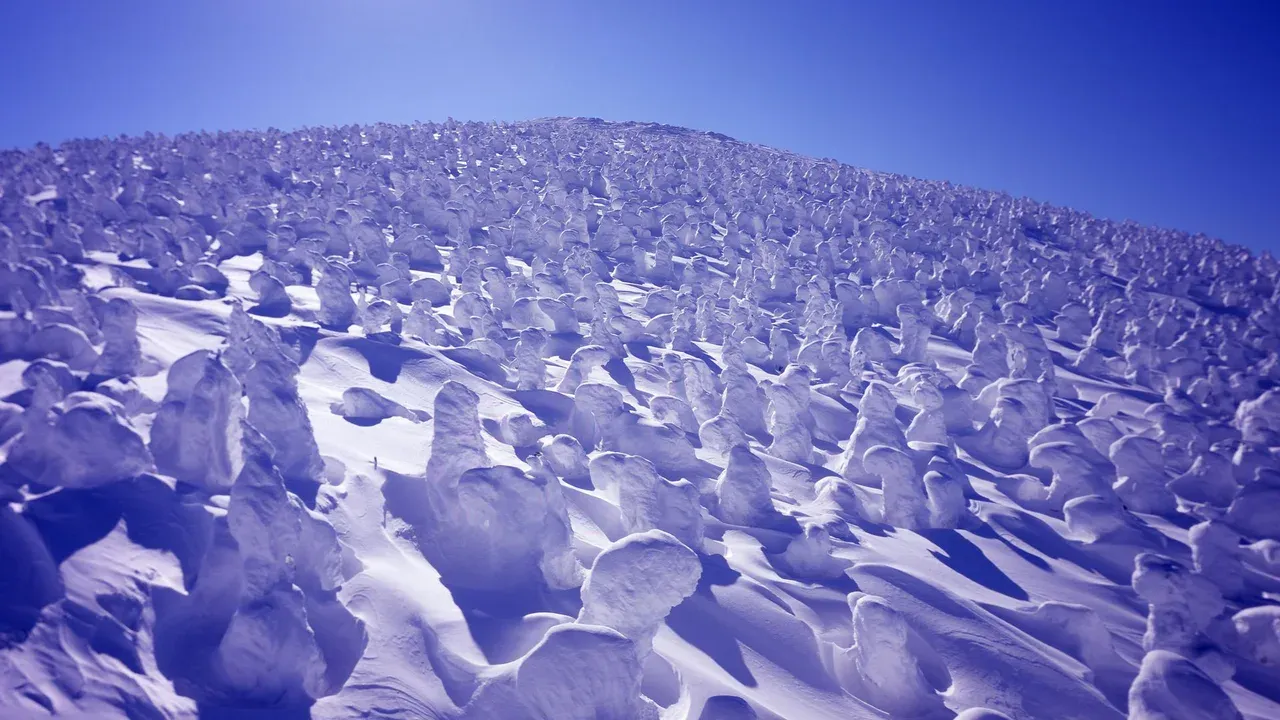
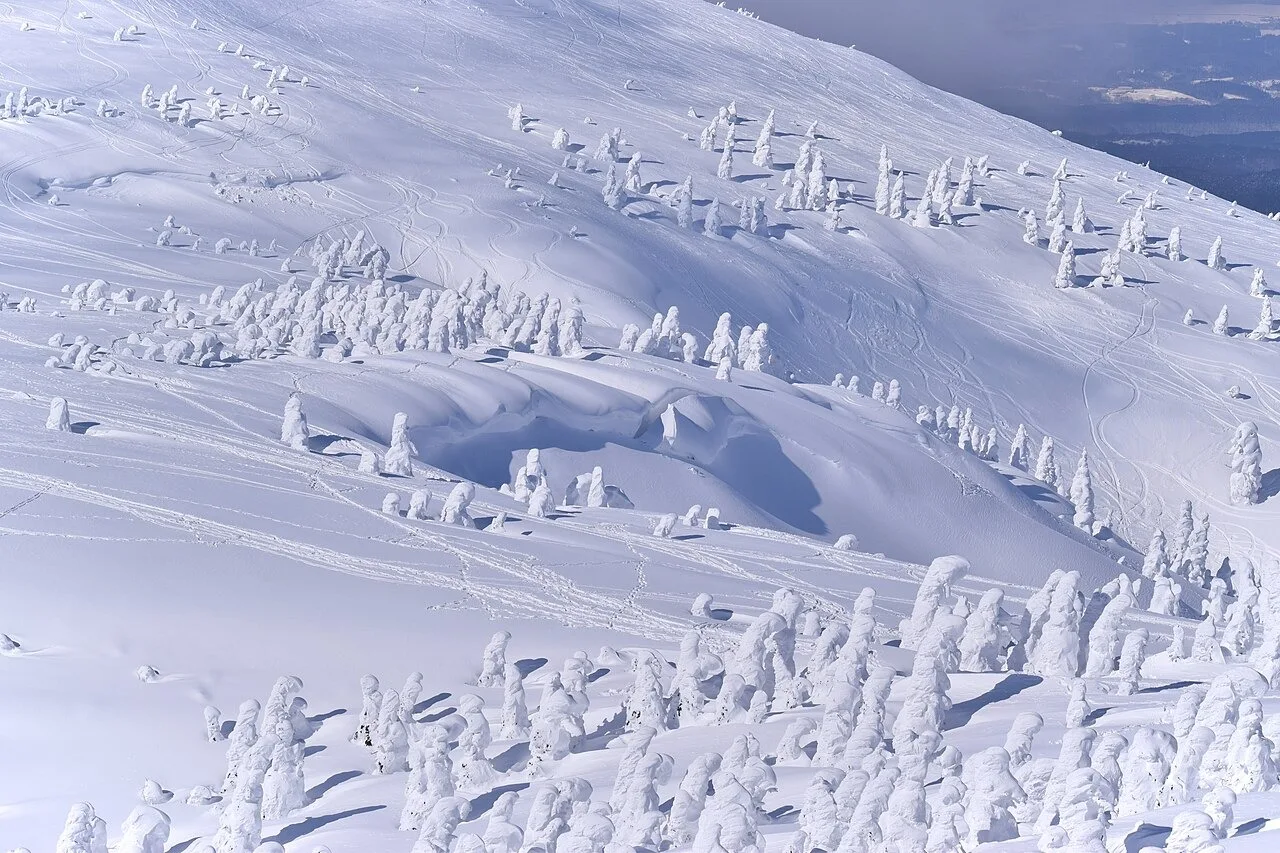
Yamagata Zao lets skiers and sightseers split up during the day and reunite in the hot-spring village at night. From Yamagata Station, take the bus to Zao Onsen and pin the bus terminal, your inn and your actual lift base on one map. Zao has multiple ropeways: snow-monster viewing uses the Zao Ropeway from Zao Sanroku Station to Juhyo Kogen Station, changing to the upper line to Jizo Sancho Station. Even if rental shops or ski schools sit on the opposite side of town, groups can easily meet back on the main street.
Zao Ropeway operators list February as peak season for fully formed snow monsters (juhyo). Pure sightseers buy return ropeway tickets, while skiers buy lift passes matching planned runs. Priority boarding on the Sanroku Line uphill leg separates sightseers and skiers (skiers must also hold a valid ski pass), whereas downhill rides and upper sections follow normal queues. Adjust uphill timing if winds pick up or summit visibility drops—staying in the village makes it easy to eat, soak or ski open lower slopes while waiting for clearer skies. For full viewing details, see our Zao snow monsters transport and ropeway guide.
Appi Kogen in Iwate connects via Morioka. From 18 December 2026 to 22 March 2027, winter route buses depart Morioka Station West Exit stop 26, typically ¥1,650 one way for adults (higher fares and specific operating dates apply to certain services). Eligible hotel guests can also book a reservation-only shuttle from 5 December to 4 April at ¥2,000 one way (ages 13+), booked by 23:59 JST the day before travel. Match dates, fares and drop-off stops carefully, especially where hotel names look similar.
Appi's official launch event marks 5 December 2026 as opening day with skiing scheduled, though early-season bookings should still watch announced lifts and trails. Using Morioka as a city base works for single-resort practice days if you are fine arriving later and returning by evening. Multi-day stays are smoother near main entrances or hotels with clear shuttle routes; walk past your return bus stop on arrival day so departure morning in heavy snow stays effortless.
Appi also runs extra spring weekend return buses on 27 and 28 March 2027 whenever lifts operate: departing Morioka Station West Exit at 10:05, arriving at the Appi Kogen Ski Resort stop at 11:01 and returning at 16:06. That leaves five hours at the mountain, including changing and gear return; stay overnight at the resort or arrange earlier transport from Morioka if you want first lifts.
Compare lift passes by date first, then check the specific piste
Early season brings two recurring pitfalls: resorts may open sightseeing gondolas before ski trails, or only open high-elevation runs with enough snow, while published season dates often outlast night skiing, rentals, lessons and shuttles. Open the daily snow report and look for your essentials first—gentle slopes, magic carpets or short chairlifts, rentals and lesson meeting points—and check whether upper-only openings allow downloading by gondola. Scenery or powder seekers should check summit lifts, visibility and open pistes together.
Spring skiing shrinks open terrain and closes inter-resort links early: Kagura's Tashiro and Mitsumata close on separate dates, and Niseko's four resorts wind down independently. Before buying April multi-area passes in Hakuba or Shiga, check individual area pages and hotel shuttles alongside pass pricing. As midday temperatures soften the snow, skiers with fixed afternoon transport can focus runs in the morning and allow time to change back into walking shoes.
Look closely at how "five hours" or "two days" actually counts down. Rusutsu's five-hour pass ticks continuously from first gate entry, including breaks between lessons, whereas its 25-hour pass carries across days. Hakuba Valley's two-day pass gives any two days in four, unlike consecutive two-day passes at Nozawa or Niseko All-Mountain. Parents spending one day supervising a child's lesson can check whether spectator access exists rather than wasting a full lift pass.
Build family budgets around each resort's exact age cutoffs: Hakuba Valley starts adult rates at 13, while Rusutsu's regular season starts at 19, putting teenagers into different brackets across resorts. Add skis or boards, boots, outerwear, helmets, lessons, lockers, transfers and lodging, and check change and cancellation rules—buying gear and lessons separately makes mid-trip rest days easier to adjust.
Compare pass durations against pre-booked trains or lessons. GALA's online four-hour pass is ¥7,000, just ¥500 less than the ¥7,500 online day pass, so it only pays off for genuine half-days. At Nozawa in regular season, two four-hour passes total ¥13,400—saving ¥1,100 compared with a ¥14,500 two-day pass. How long you will stay on snow after collecting gear matters more than picking the smallest ticket upfront.
| Resort and period | Fare (JPY) | How it works |
|---|---|---|
| GALA Yuzawa slope season | ¥8,000 on-site / ¥7,500 online | Gondola and ski lifts |
| Niseko All-Mountain peak (24 Dec–28 Feb) | ¥13,500 | All-mountain 1 day |
| Rusutsu regular season (19 Dec–14 Mar) | ¥14,500 on-site / ¥11,600 app | 5 consecutive hours on one day |
| Kiroro peak (12 Dec–11 Apr) | ¥9,200 | 1 day (early/spring rates lower) |
| Hakuba Valley 10-resort pass | ¥11,100 / ¥21,800 | 1 day / any 2 days within 4 days |
| Nozawa Onsen regular (19 Dec–28 Mar) | ¥7,800 / ¥14,500 | 1 day / 2 consecutive days |
Your first lesson: walking from rental pickup to the meeting point
Choose skiing or snowboarding before booking an instructor, stating every student's age, level and required teaching language. Even when booking pages appear in your language, verify the actual instruction language and confirmation emails—Niseko officially lists schools offering Mandarin alongside widespread English classes. Group classes split complete beginners from learners already linking turns; for private lessons, ask whether pricing is per person or per group, whether adults and children can join together, and how much lift pass or rental access is included.
Save exact Japanese place names for meeting points. Rental counters, lockers and ski school desks may sit in a base building a gondola ride away from the snow meeting area. Try boots properly at the shop, swap ill-fitting gear before stepping onto snow, stow bags away and keep bookings, emergency contacts and passport details on your phone. Companions watching lessons should ask where to wait, whether street shoes are allowed on lifts, and whether indoor seating or midday returns are possible.
Do not pack schedules too tightly around lessons. Tokyo day-trippers should book mid-morning or midday classes to leave time for changing and transfers, then practise braking and turns on designated beginner runs. Overnight guests can leave lesson one for the afternoon or next morning instead of sprinting for early shuttles. Build in sit-down lunch and warm-up breaks for children or occasional exercisers, and check rental lists beforehand for gloves, goggles or ski socks you may need to bring or buy.
Check your route back to the rental shop on the trail map too: some mid-mountain beginner slopes reached by lift only descend via intermediate pistes, so ask your instructor whether you can download on the same gondola. If a beginner lane turns into a crowded resort transit route, follow staff directions to a quieter training zone. Stopping by the base centre midday for food, water or gear adjustments helps keep full practice days comfortable. For pre-trip packing and day-one checklists, read our first-time Japan ski trip guide.
When lifts stop or weather worsens: adjusting your plan in order
Check timestamped snow reports first thing in the morning, verifying target chairlifts, gondolas and open pistes back to base. When summit visibility drops or crosswinds hit, stick to lower slopes or swap in a rest day. Neighbouring mountains in Hakuba, Shiga or Niseko do not always close in unison, so confirm whether shuttles arrive before lessons start. Overnight guests can hold off collecting gear while checking shuttle, lesson and rental changes from the hotel; day-trippers with reserved return trains can shorten to a half-day or spend time near the station.
Powder chasers should tell open ungroomed pistes apart from closed runs and backcountry terrain. Niseko's official rules allow backcountry exit only through open gates—entering when gates are closed, ducking boundary ropes and entering off-limits zones are strictly prohibited. Hire a qualified local backcountry guide for off-piste routes; beginners should stick strictly to open trails with safe base returns, setting an afternoon meeting spot if groups split up.
Weather shifts can delay departures too. Drivers must check winter tyres, snow chains and road or expressway closures before picking up a vehicle; rail and coach travellers should verify luggage and ski-bag allowances in advance. On flight days, keep actual skiing to earlier days so checkout day only involves reaching the city or airport. Day-trippers leaving GALA for Tokyo can check direct trains once packed, or switch to departures from Echigo-Yuzawa Station—updating both train tickets and shuttle times together.
A few useful answers
Which Japanese ski resort is best for a single day trip from Tokyo?
Start with GALA Yuzawa and its direct Joetsu Shinkansen services, or take the train to Echigo-Yuzawa Station and transfer to the free shuttle. Sightseeing-only operations run 12–18 December 2026, with skiing slopes opening on 19 December.
Is GALA Yuzawa's South Area open for the 2026–27 season?
No. The South Area is closed for the 2026–27 season, and the connecting ropeway to Yuzawa Kogen is also suspended. The Central and North areas are operating, with a shuttle bus running to Yuzawa Kogen instead.
Should beginners book ski lessons or lift passes first?
Choose skiing or snowboarding first, book lessons in a language you understand with a clear date and meeting point, then buy the lift pass required for those practice slopes or uphill access. Pick up rental gear at the same base entrance.
Can I split Rusutsu's 5-hour lift pass across two days?
No. A standalone 5-hour pass runs continuously from your first gate scan and must be used on that day. If you want to spread hours across multiple days, buy the 25-hour pass, which deducts in one-hour increments.
Is the Hakuba Valley All-Mountain Pass worth buying?
It is worth comparing if you plan to ski multiple mountains or want the freedom to chase better wind and snow conditions. For 2026–27, the 10-resort pass is ¥11,100 for one adult day or ¥21,800 for two days used within four days. If staying at one resort on both days, check that resort's single-area pass first.
Can non-skiers visit Nozawa Onsen just for the hot springs?
Yes. The village maintains 13 community outer bathhouses that are free to enter (donations welcome); bring your own towel and toiletries. Take the Hokuriku Shinkansen to Iiyama Station and transfer to the Nozawa Onsen Liner bus.
How should a mixed group buy tickets in Zao when some ski and others only want to see the snow monsters?
Sightseers buy return Zao Ropeway sightseeing tickets, while skiers buy lift passes covering the trails they plan to ski. Sightseers change to the upper ropeway at Juhyo Kogen Station, and both groups can agree to meet at a designated station or back at the base.
If we only want to ski once in Hokkaido, do we need to stay at a ski resort?
Not if you are staying in Sapporo: Sapporo Teine works as a day trip via bus from JR Teine Station South Exit or reserved packages from selected city hotels. Move your accommodation beside a main resort entrance if skiing two or three days in Niseko or Rusutsu.
How should I choose a resort for early-season or spring skiing?
Check live snow reports for open gentle runs, lifts and connecting trails before comparing early-season or spring fares. Kagura's Kagura/Mitsumata and Tashiro zones close on different dates, and Niseko's four resorts also end their seasons separately.
Official information and references
Sources used in this guide.
- GALA Yuzawa official operating dates and lift passes
- GALA Yuzawa official access and facilities
- GALA Yuzawa 2026–27 South Area closure notice
- GALA Yuzawa official rental plans and pickup hours
- JR East Tokyo Wide Pass
- Seibu Prince Kagura Snow Resort area and Dragondola operating dates
- Kandatsu Snow Resort official location and access
- Sapporo Teine official access and bus packages
- Niseko United season dates and All-Mountain Pass fares
- Niseko United first-timer and ski school guide
- Niseko United backcountry rules
- Rusutsu Resort lift tickets and time-pass rules
- Kiroro Snow World lift passes and seasonal rates
- Hakuba Valley All-Mountain Pass fares and shuttle terms
- Hakuba Valley online ticket pickup and activation
- Hakuba Valley official access
- Shiga Kogen All-Mountain Pass online ticket details
- Shiga Kogen All-Mountain Pass window fares
- Nozawa Onsen Snow Resort regular lift tickets
- Nozawa Onsen Snow Resort early and spring pass fares
- Nozawa Onsen village public bathhouse guide
- Nozawa Onsen official rail and bus transfer guide
- Zao Ropeway official snow monster season
- Zao Ropeway official sightseeing and skier priority boarding terms
- Appi Kogen winter transport and guest shuttle
- Appi Kogen 2026–27 winter season opening event notice
- Kawaba Ski Resort opening date, early-season pass and seasonal facilities
- Kawaba Ski Resort official shuttle and road FAQ
- Marunuma Kogen official Shinjuku bus and reservation shuttle
- GALA slopes and YUZAWA SNOW LINK participating resorts