Planning a trip from Tokyo to Kawaba Ski Resort in Gunma? Compare direct coaches from Ikebukuro and Shinjuku with Jomo-Kogen Station shuttles, plus 2026–27 opening dates, peak-day rates, kids' practice zones, and bad-weather backups.
- Region & Focus
- Kanto
- Reading Scope
- 23 min read · 8 chapters · 6 Q&As
- Official Verification
- 26 official sources checkedUpdated 22 November 2026
- Key Topics
- WinterSeasonsTokyo & Kanto
Chapter Route Map (tap any stop)
- Getting from Tokyo to Kawaba: Direct Coach vs Jomo-Kogen
- Driving via Numata IC: Parking and Mountain Descent Planning
- 2026–27 Season Opening, Lift Passes, and Peak Dates
- Linking the 3,300 m Beginner Route: Which Lifts to Ride
- First Time on Snow: Timing Lessons and Equipment Hire
- Structuring a Half-Day or Full-Day Ski Plan and Beating Weekend Queues
- High Winds, Limited Terrain, or Non-Ski Days: Smart Backup Plans
- Two Days on the Mountain: Where to Stay and How to Reach the Lifts
- Quick Q&A
If you are heading from Tokyo to Kawaba Ski Resort in Gunma without a car, start by checking return direct coaches. Prefer taking the Joetsu Shinkansen? Secure a station shuttle package from Jomo-Kogen Station first, then book your train times around it. Kawaba is scheduled to open on 5 December 2026, with early-season adult day passes slated at ¥5,900. To ski the full 3,300-metre beginner descent from 1,870 metres down to the base, both beginner runs and both corresponding chairlifts need to be operating together. First-timers should start at the base-area First Step zone and save the summit trip for when you can reliably control your speed, link turns, and stop.
Getting from Tokyo to Kawaba: Direct Coach vs Jomo-Kogen
For your first visit to Kawaba when you plan to hire a full kit on site, an early-morning day-trip coach from Ikebukuro or Shinjuku saves the most transfers. Big Holiday's Ikebukuro package lists departures from 26 December 2026 to 22 March 2027, with base tour prices from ¥5,900 to ¥9,900 and roughly 6.5 hours scheduled at the resort. Orion Tour's early-season coach runs from 5 to 25 December 2026 departing Shinjuku or Omiya, giving around 6 hours on the mountain. Both operators sell packages bundled with a lift pass. If you are staying near Shinjuku, check Orion first for early-season dates; later in the winter, Big Holiday's Ikebukuro departure cuts out an early-morning transfer if you are based around Ikebukuro or northern Yamanote Line stations. Listed date ranges only reflect the product calendar—your trip is only set once you see available seats on the booking page.
The 'stay time' quoted by tour operators runs from coach arrival to departure, so it has to cover pass pick-up, equipment hire, lessons, lunch, and kit return. Before booking a ski or snowboard lesson, compare the coach's scheduled arrival window against the school's check-in cut-off. Morning coaches typically reach the resort between 10:00 and 12:00 JST according to Kawaba's access page, which rules out lessons that assemble right at first lifts. Also save a screenshot of the return meeting details: pick-up bays sometimes differ from drop-off points, and you will want a buffer for highway traffic if you have dinner plans, flights, or onward trains back in Tokyo.
From Tokyo Station, take the Joetsu Shinkansen to Jomo-Kogen Station and check JR East timetables for services that stop there. Ski Ichiba's early-season day-trip package for 12 to 25 December 2026 includes a one-day lift pass and free shuttle from Jomo-Kogen Station, priced at ¥10,500 to ¥11,500 per person. If your dates fall in that window and you are staying near Tokyo or Ueno stations, compare the package total against that day's coach fare. Buying tickets separately? Lock in both the inbound and outbound mountain shuttles before purchasing Shinkansen seats, as the rail ticket only gets you as far as the valley station.
Bookings for the station shuttle run through the 'Shinkansen + Station Bus' link on the resort's access page. Once confirmed, keep the station boarding point, return meeting spot, and confirmation email saved on your phone. The Jomo-Kogen Station shuttle and the Denen Plaza P4 shuttle are separate services with different return destinations. The Denen Plaza timetable shown on the access page still lists dates up to 22 March 2026 from last winter, so rely on 2026–27 packages or current resort notices for this season's schedules. If you plan to leave later in the afternoon, check Jomo-Kogen departures toward Takasaki and Tokyo first and leave plenty of margin for the mountain descent so you are not sprinting up the platform with a board bag.
A pre-booked taxi is a viable backup if arranged in advance. When booking, provide the Japanese resort name ('Kawaba Ski Resort' / Kawaba Ski-jo) to match the address, along with passenger count, bulky board-bag count, and your target departure time. Only put it in your itinerary once a driver confirms they can fit the gear and pick you back up at the resort. Jomo-Kogen is the Shinkansen station while Numata sits on the local Joetsu Line; choose one station for your whole group and paste the exact station name into the booking form. If you learn the night before that neither the shuttle nor a taxi works out, switch to a direct coach or shift your ski day rather than trying to improvise mountain transport at the station.
Planning a trip from Tokyo to Kawaba Ski Resort in Gunma? Compare direct coaches from Ikebukuro and Shinjuku with Jomo-Kogen Station shuttles, plus 2026–27 opening dates, peak-day rates, kids' practice zones, and bad-weather backups.
Driving via Numata IC: Parking and Mountain Descent Planning
Exit the Kan-Etsu Expressway at Numata IC; the resort estimates roughly 25 minutes from the interchange. Treat 25 minutes as a baseline for the climb in winter, since urban Tokyo traffic, car park queues, and snowy mountain roads all add time. Specify winter tyres when reserving a hire car and carry snow chains sized to your vehicle in case expressway chain controls take effect under road-authority orders. Before setting off, check the resort's live webcams—specifically the road view outside the base—alongside NEXCO East's expressway updates. You want fresh snow on the mountain paired with passable roads.
During the regular season on Saturdays, Sundays, and public holidays, the multi-storey car park costs ¥1,500 per car, Outdoor Car Park 1 costs ¥1,000, and Outdoor Car Parks 2 through 5 are free; all parking is free on weekdays. On busy weekends, marshals fill the multi-storey and Outdoor Car Park 1 first before opening the outer lots, which have shuttle buses to the base. If you are travelling with children or hauling kit for four people, the multi-storey fee is worth paying to avoid an extra transfer. The resort also sells advance-reserved multi-storey spaces for selected regular-season holidays and the New Year period at ¥3,500 per car (parking included), though you should only count on that entrance if you actually secure a booking.
If marshals direct you to an outer lot, factor the outbound and return shuttle rides into your day. Snap a photo of your parking zone number when you get out, ride the shuttle in comfortable walking shoes rather than ski boots, and have one part of your group look after board bags and helmets together. When the seasonal shuttle between Michi-no-Eki Kawaba Denen Plaza P4 and the resort is running, drivers wary of the final snowy climb can park down in the valley instead. If you park at P4, make sure you board the P4-bound bus back down and work backwards from its last departure to decide when to stop skiing.
With a carload of passengers on weekends, the biggest time sink is sorting gear only after parking. Pack everyone's gloves, lift pass vouchers, and lesson details in one small grab bag before leaving Tokyo, and keep a dry change of clothes, spare shoes, and wet-gear bags in the boot. Save any Michi-no-Eki break or hot-spring soak for after you return down the mountain and load the skis back into the car. If road closures or precautionary restrictions hit, call off the mountain drive for the day and only detour to Denen Plaza if you are already in Kawaba Village with clear valley roads.
2026–27 Season Opening, Lift Passes, and Peak Dates
Operated by Kawaba Resort Co., Ltd., the resort announced on 17 November that snowmaking begins on 20 November 2026 ahead of a scheduled 5 December opening, targeting early access for the top-to-bottom run. If you visit right at the start of the season, plan around partial terrain openings. For technique practice, having First Step or a gentle beginner run open alongside an available instructor is enough for a worthwhile day. If you are going specifically for the full descent, check the daily snow report to confirm that both the B Sakuragawa and D Crystal lifts and their matching runs are open—a rule worth checking throughout the season.
Early-season day passes are slated at ¥5,900 for adults, ¥3,500 for primary and junior high school students, and ¥5,700 for guests aged 50 and over. Regular-season walk-up adult day passes are ¥7,600 on weekdays, ¥7,900 on Saturdays, Sundays, and public holidays, and ¥8,400 on peak designated dates. Per the official '2026–27 Season Lift Ticket' chart, peak dates are 30 December 2026, 2, 9, and 10 January 2027, and 6, 13, 20, and 27 February 2027. Shift to a weekday if your schedule allows; if you can only travel over New Year or holidays, budget for the peak tariff and double-check the Japanese holiday calendar when booking rooms.
Online advance day passes on the official season chart are ¥7,500 for adults, ¥4,500 for primary and junior high schoolers, and ¥7,000 for ages 50 and over; collect them from the ticket machines on the 7th floor of Kawaba City, unless your tour package specifies its own voucher desk. Official early-bird adult day passes sold from 1 October (09:00 JST) to 30 November 2026 (17:00 JST) cost ¥5,800 plus a refundable ¥500 IC card deposit. Since that is only ¥100 cheaper than the slated early-season rate, wait on flexible transport if your trip depends on snow conditions; for fixed regular-season dates, the saving against walk-up prices is substantial.
Arriving around midday or skiing only the afternoon? Compare the ¥7,000 adult TEN FIVE ticket, a same-day five-hour pass sold from 10:00 JST whose clock starts at purchase and runs until 16:00 JST on this season's chart. Anyone skiing in the morning gets better value from the ¥7,500 online day pass—just ¥500 more for the opening-to-10:00 JST hours—so TEN FIVE makes the most sense when you will not have your hire kit ready until nearly noon. Single-ride tickets cost ¥1,200 per lift with no refunds on unused rides. Keep in mind that riding from base to summit requires both the Sakuragawa and Crystal lifts, meaning one full top-to-bottom lap uses two rides.
Repeat visitors can look at multi-day hour packs. The season chart lists a 20-hour adult pass at ¥25,000, while the early-bird webshop offers a 30-hour adult pass at ¥30,500 including the ¥500 IC card deposit. The 30-hour pass deducts in one-hour increments from the first gate scan, carrying remaining hours forward across the same season. It pays off if you ski three to four hours per session across several trips; single day-trippers from Tokyo are better off comparing a day pass against bundled tour tickets, especially since the 30-hour pass cannot be cancelled, changed, or refunded after purchase.
A standalone First Step day ticket is ¥2,500, and standard day passes or TEN FIVE tickets also grant access to the learning zone. If you are only helping young children walk in snow, sledging, or practising basic stops on your first day, this saves paying for full-mountain lifts. Regular day passes for pre-schoolers aged 3 and up are ¥2,500; children aged 2 and under ride chairlifts free, though they still require an IC card issued at the counter with a refundable ¥500 deposit. Note that child rates cover primary through junior high students and senior rates start at age 50 (bring ID), while ski schools set their own separate age brackets for lessons.
| Day Tier | Adult | Primary–Junior High | Age 50+ | Pre-school (Age 3+) |
|---|---|---|---|---|
| Weekdays | 7,600 | 5,000 | 7,100 | 2,500 |
| Weekends & Public Holidays | 7,900 | 5,200 | 7,300 | 2,500 |
| Peak Designated Dates | 8,400 | 5,800 | 7,900 | 2,500 |
Linking the 3,300 m Beginner Route: Which Lifts to Ride
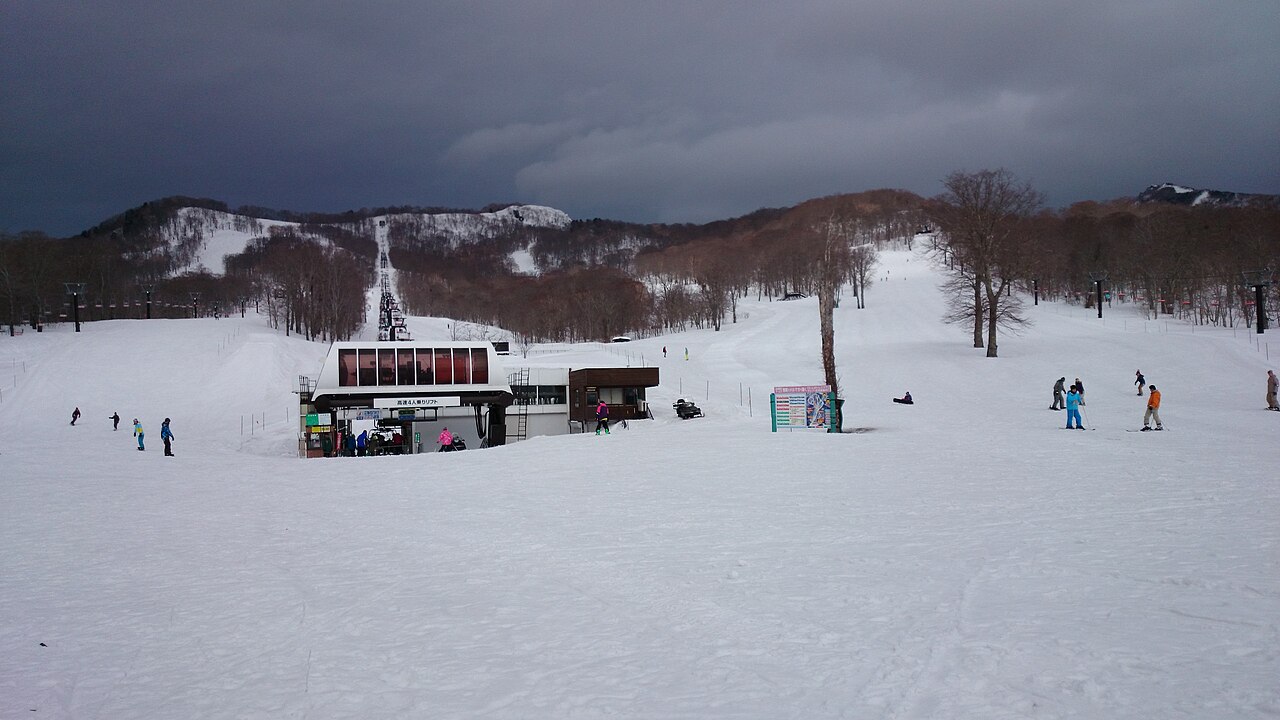
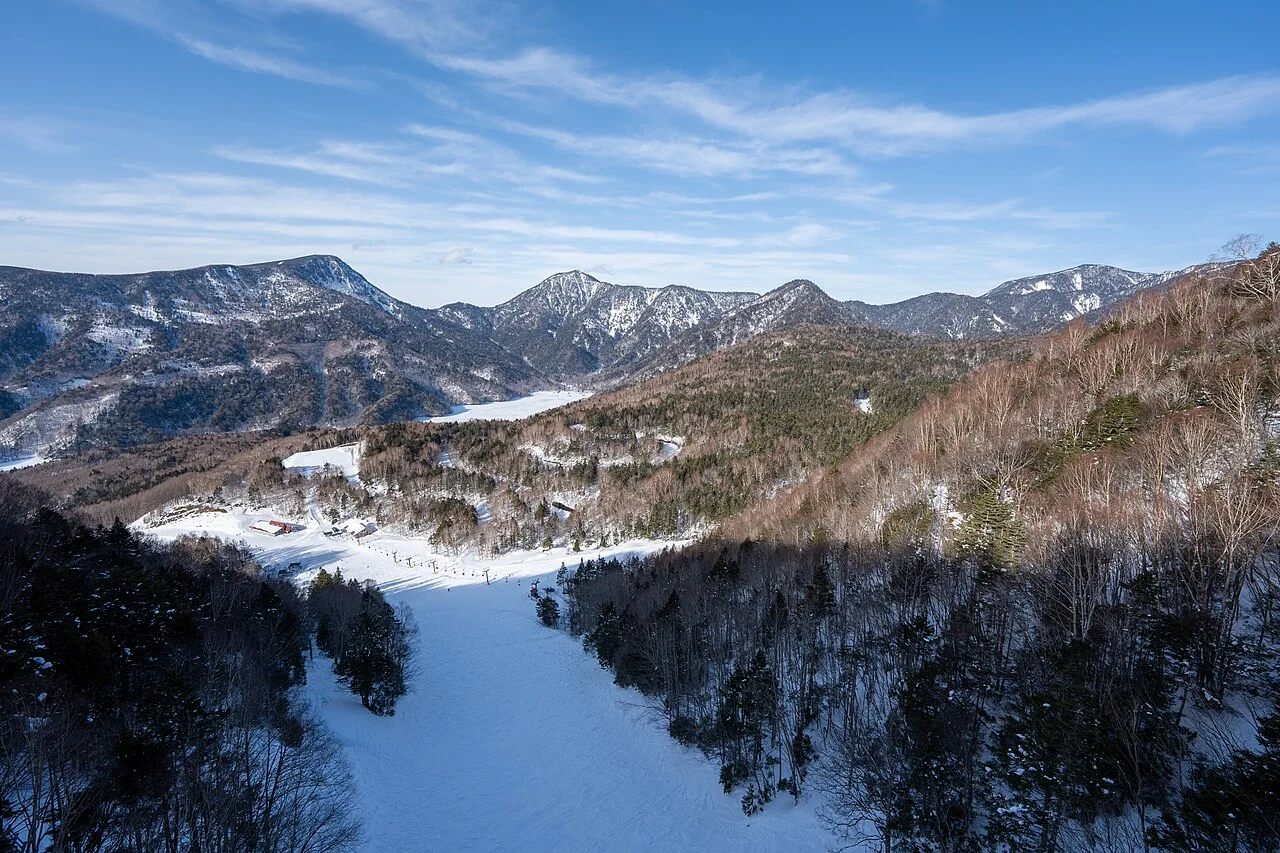
From the base, board the B Sakuragawa Express up to the mid-mountain transfer area at around 1,486 metres, then take the D Crystal Express to the summit. Ski down via the 2,000-metre Crystal course and connect directly onto the 1,300-metre Sakuragawa course back to the base. Both trails are graded beginner on the official piste map with a maximum pitch of 16 degrees. If you want to lap the upper section, look for the D lift entrance at the bottom of Crystal; if your group gets separated or someone needs a breather, agree to meet in a visible spot off the main flow at mid-mountain before deciding whether to head back up or ski down to the lodge.
A beginner trail grading measures slope steepness, not the fatigue or traffic of a long descent. Once you can link two turns on a gentle slope outside the teaching zone, make the 1,300-metre Sakuragawa run your first target. Use that lap to test speed control around passing skiers and practise stopping at open piste edges where uphill riders can clearly see you. Only add the upper Crystal run once Sakuragawa feels comfortable and your legs still have reserve strength. Mixed-ability groups can set a meeting point at the base so confident skiers can lap side trails while beginners take their own pace down.
Confident riders can branch off onto the intermediate Shiratori Skyline—1,850 metres long with a maximum gradient of 24 degrees—and continue down Shamin Downhill, which finishes with a steeper pitch. If someone in your group can link turns but gets stuck on steep finishes, the trail map marks a 244-metre Shamin Beginner bypass from the Shiratori lower section back toward Sakuragawa. Point out the junction on a pocket trail map beforehand rather than shouting directions once you are already on Shiratori, and stick to routes feeding back to Sakuragawa if you need to meet children at the learning zone on time.
For 2026–27, Kawaba also announced a new terrain park designed by Reira Iwabuchi, stretching roughly 1,500 metres from near lower Expert Downhill to lower Crystal with rollers, banked turns, and jumps. If anyone in your group wants to stick strictly to groomed pistes, pick a rendezvous spot before the split. Riders entering the park should choose lines where landings, take-offs, and exits are visible and wait until the person ahead clears the feature. Since park entrances sit separately from regular beginner trails, check the map and daily park status board—and consider doing a sighting lap first before dropping in on your second run.
OFF THE PISTE is Kawaba's gated powder zone, expanded to seven areas for this season. Before entering, watch the mandatory briefing video, register at the 7th-floor mountain desk, wear the designated armband, carry a COCOHELI beacon, and enter only through open gates. Ducking red ropes or closed signs results in confiscation of both your lift pass and briefing certificate. If it is your first visit, you are still stopping frequently on groomers, or only one person wants fresh powder, arrange to meet at the base—save riding together for open groomed runs.
First Time on Snow: Timing Lessons and Equipment Hire
Start by choosing ski or snowboard timetables. Kawaba's SAJ Ski School and JSBA Snowboard School handle bookings separately; general lessons at both can be registered at their counters following the resort website instructions, with children's classes starting from age 5. Younger pre-schoolers—or kids who just want a brief taste of snow—can play under adult supervision at First Step. Private ski lessons take up to four people; if two learners share one instructor, pair people using the same equipment at a similar level rather than mixing a total beginner with someone working on linked turns. Need a specific language? Confirm date, ages, group or private format, and language with the school before locking in transport.
First Step measures just 51 metres long with a 10-degree maximum slope and a covered magic carpet conveyor, making it ideal for repeating fundamentals. Snowboarders can drill skating and strapping into bindings here, while skiers practise speed control over a short pitch. Check your school's confirmation for the exact lesson meeting spot and scope it out straight after picking up hire kit. Once your lesson wraps up, you can stay on First Step to practise while friends holding standard day passes head up the main mountain.
Kawaba's hire portal offers advance registration and payment up to the day before your visit; this speeds up paperwork at the counter rather than reserving specific boot sizes on the rack. Note every adult and child's height, regular shoe size, and discipline before arriving, and sort out hard-to-find children's boot sizes first while an experienced friend handles pass collection. Standard outerwear hire only includes jacket and salopettes, so pack goggles, waterproof gloves, a beanie, and proper ski socks—or plan to buy them at the resort shop. Try hire boots on wearing the exact socks you intend to ski in, walk and flex your knees, and ask staff for another pair immediately if you feel pressure points or heel lift.
Inside Kawaba City, use the 7th floor as your initial regrouping point before heading up to the 8th floor for equipment hire. Split the arrivals admin cleanly between two adults: one handles everyone's lift passes or tour vouchers while the other oversees children's changing, toilet breaks, and boot fitting. Agree before leaving the centre to keep mobile tickets and return-coach details on you while spare layers go into lockers. Pay attention to where staff tell you to drop off boards, boots, and outerwear—return counters are sometimes separate—and finish returning everything well before coach departure rather than racing back after a last-minute run.
Structuring a Half-Day or Full-Day Ski Plan and Beating Weekend Queues
Lift hours often end earlier than tour-coach stays. Regular-season lifts are scheduled 08:30 to 16:00 JST on weekdays and 08:00 to 16:00 JST on weekends and public holidays, with early season running 08:30 to 16:00 JST. Upper lifts can close earlier—the resort's backcountry page lists D Crystal closing at 15:45 JST versus 16:00 JST for B Sakuragawa—so always follow the daily lift board and gate signs for last call. If you are still queueing for Sakuragawa at 15:30 JST hoping to ride Crystal and ski all the way down, two chairlift rides plus the descent leave very little margin.
If you bring your own gear, arrive early, and both main lifts are open, knock out a top-to-bottom lap first thing in the morning to gauge visibility, trail junctions, and traffic. From there, decide whether to lap Crystal or move across to Shiratori. When lower Sakuragawa gets crowded with learners, repeating Crystal from mid-mountain skips the busiest merge; if upper lift queues build noticeably, drop down to the base for a warm drink, take an early lunch, or switch to open Shiratori trails. Just check that the least confident skier in your group can handle the return trail before switching sectors.
Arriving on a direct coach with hire gear and a lesson booked leaves enough time for one clear piste goal in the afternoon. If your legs still feel fresh after class, try Sakuragawa; if you are still working on speed control and stopping on cue, stay on First Step until you wrap up. Spectators watching friends come down the main run should wait outside a specific shop inside Kawaba City rather than standing near lift exits or mid-piste. Non-skiers have indoor lounge space in Kawaba City, families can use the Kids Room, and groups wanting a dedicated base for meals and changing can pre-book paid private rooms listed on the facilities page.
On the 7th floor of Kawaba City, the new Mountain Diner serves pizzas and burgers this season, alongside the new Coffee Murasaki café on the 8th floor. Confident skiers can eat lunch early and meet up once learners finish morning lessons, avoiding the midday scramble for tables. Drivers chasing maximum laps can grab a quick snack at midday and save a proper meal for Denen Plaza down in the valley. Coach travellers should plan their afternoon backwards from the bus departure time—allowing for kit return, changing back into street shoes, clearing lockers, and collecting IC card deposits—so a slow queue at the hire return desk never leaves the group hunting for a missing person.
High Winds, Limited Terrain, or Non-Ski Days: Smart Backup Plans
Check the official 'Gelande' page each morning for both lift operating status ('Lift Unkou Joukyou') and course status ('Course Joukyou'), matching the lift letters against their full names so nothing gets misread. If high winds close D Crystal while B Sakuragawa and the Sakuragawa course remain open, lessons and gentle practice can continue as planned, though the 3,300-metre summit descent loses its upper 2,000 metres. Limited terrain also concentrates instructors and traffic onto fewer runs—consider rescheduling if you came solely for long mileage, or keep beginner sessions shorter for kids with regular warm-up breaks indoors.
To judge snowfall and visibility separately, compare the base webcam, the Panorama House camera, and the road camera roughly 8 kilometres from the resort, checking the timestamp beneath each feed before deciding. If the base is clear while upper lifts hold for wind, stick to the lower slopes. If road restrictions take effect, cancel the trip up the mountain; travellers already nearby on passable village roads can head down toward Numata to Michi-no-Eki Kawaba Denen Plaza, where the farm shop, bakery, soba noodle restaurant, and rice-ball shop operate on staggered weekly closing days. If you booked a round-trip resort coach, confirm with the tour operator before disembarking elsewhere so you do not miss your return coach.
If your preferred direct coach is sold out while mountain weather looks good, switch departure hubs or look at Tambara Ski Park, which also runs Tokyo coach packages. Orion's early-season programme lists Tambara departures from Shinjuku and Yokohama on separate bookings from Kawaba's Shinjuku and Omiya coaches. Switching resorts means re-booking lessons, lift passes, and equipment hire from scratch—and since both mountains rely on Gunma mountain roads, pivot away from skiing altogether during heavy snow closures rather than assuming the neighbouring peak will be clearer.
Staying at Kawaba with non-skiing family members? This season features the Joshu-Hotaka Trekking Area, a guided-style roughly 90-minute woodland snowshoe loop with snowshoes and poles available for hire. Because it depends on upper chairlifts and visibility, save it for clear days when the group splits up. Anyone venturing beyond the short trek toward Mt Hotaka or Mt Kengamine must follow the mountain-climbing registration at the 7th-floor desk, submit a climbing plan or booking confirmation, and carry a COCOHELI beacon. Companions in regular boots should stay indoors at the centre or enjoy half a day in the valley—walking down ski runs on foot is strictly prohibited.
With your own car or pre-arranged valley transport, finish the day at Kawaba Denen Onsen Rakuraku-no-Yu right next to Denen Plaza. Official hours are 10:00 to 20:00 JST on weekdays and 10:00 to 21:00 JST on weekends and public holidays, whereas restaurants and farm shops inside Denen Plaza close earlier—shop and eat first, then head to the baths. Specify a particular shop or parking area if meeting friends there and leave ski gear stowed in the car. If you are relying on the Jomo-Kogen shuttle or a direct coach back to Tokyo, head straight down from the mountain and save the hot spring for an overnight stay.
Two Days on the Mountain: Where to Stay and How to Reach the Lifts
If you plan to ski Kawaba two days running, staying in Kawaba Village or Numata cuts out the long daily haul from Tokyo. Drivers should pick accommodation with parking and either on-site dinner or nearby food options so you can pack gear away at the base and grab supplies before dinner. Without a car, check exactly where the hotel picks up, whether shuttles carry ski and snowboard bags, and how morning and evening transfers run on both days. A property offering only one-way or single-run resort transport leaves you arranging extra taxis, eroding the convenience of staying locally.
Opened for bookings this season from December 2026, Switch Lodge is the resort's directly operated budget lodging in Hagimuro, Kawaba Village, roughly a 25-minute drive from the slopes. It offers private single rooms—including options with raised loft beds—alongside shared kitchens, showers, sinks, and toilets, making it practical for solo skiers or groups of friends wanting separate rooms. Announcements include free guest shuttles and dedicated lift passes. When booking a two-day stay, ask about shuttle schedules for both days plus afternoon luggage storage after check-out so you can still catch your return Shinkansen smoothly. Families with toddlers or groups wanting everyone in one room should book a family room elsewhere in the village and compare whether resort transfers are included.
Prefer making the ryokan itself half your trip? Kawaba Onsen Yutorian pairs well with an evening soak and multi-course dinner. Its complimentary guest shuttle (reservation required) departs Jomo-Kogen Station around 13:50 JST and Numata Station around 14:20 JST, returning from the inn at 10:15 JST the next morning. That schedule fits an afternoon check-in on day one followed by departure on day two; if you want to ski on check-out morning as well, drive yourself or arrange separate transport from the ryokan to the slopes before choosing this stay.
Staying in Takasaki suits travellers pairing one ski day with city sightseeing or onward Shinkansen travel, though you still face the mountain road between Jomo-Kogen and the resort on ski day. Over two consecutive ski days, the main payoff is using day one for lessons and orientation—learning the hire counters and bus bays—and dedicating day two to confident runs. Tally two days of lift passes, two days of equipment hire, lodging, and realistic transfer times together before booking; finishing around noon on day two gives beginners one relaxed morning on familiar slopes plus plenty of flexibility for the journey back.
A few useful answers
When does Kawaba Ski Resort open for the 2026–27 season?
It is scheduled to open on 5 December 2026, with artificial snowmaking set to start on 20 November. Check the daily lift and trail status page before deciding whether the full 3,300-metre top-to-bottom run is viable.
Can I visit Kawaba Ski Resort from Tokyo without driving?
Yes. Early-season direct coaches run from Shinjuku and Omiya, or you can take the Joetsu Shinkansen to Jomo-Kogen Station with a bundled shuttle package. Big Holiday's regular-season day coach from Ikebukuro runs from 26 December 2026 to 22 March 2027.
How much is an adult day lift pass for 2026–27?
Regular-season walk-up adult day passes are ¥7,600 on weekdays, ¥7,900 on weekends and public holidays, and ¥8,400 on peak designated dates. Online advance adult day passes are listed at ¥7,500, while early-season adult tickets are slated at ¥5,900.
How do you ski the 3,300 m route, and is it suitable for first-timers?
Ride the Sakuragawa lift and then the Crystal lift to the summit, then ski down the 2,000-metre Crystal course into the 1,300-metre Sakuragawa course. Both are graded beginner, though absolute first-timers should master stopping and speed control at First Step before tackling Sakuragawa.
Do I need a full-mountain day pass just to play in the snow with children?
No—if you are staying in the First Step learning zone, you can buy a standalone ¥2,500 area day pass (standard day passes and TEN FIVE tickets also include entry). Children's sledging takes place inside this zone.
What should I do if high winds close the Crystal lift?
If the Sakuragawa lift and trail stay open, continue practising on the lower mountain. If road closures hit, cancel the drive up; travellers already in Kawaba Village with clear valley roads and their own transport can switch to Michi-no-Eki Kawaba Denen Plaza and Rakuraku-no-Yu hot spring.
Official information and references
Sources used in this guide.
- Kawaba Ski Resort 2026–27 Opening, Snowmaking, and New Centre Facilities Notice
- Kawaba Ski Resort 2026–27 Season Lift Ticket Rates and Peak Dates Chart
- Kawaba Ski Resort Early-Bird Day Pass Prices and Sales Period
- Kawaba Ski Resort Official Webshop Early-Bird Adult 30-Hour Pass Terms
- Kawaba Ski Resort Lift Operating Hours, Age Categories, and First Step
- Kawaba Ski Resort Trail Map, Course Lengths, and Gradients
- Kawaba Ski Resort Daily Lift, Trail, and Park Status
- Kawaba Ski Resort Access, Parking, and Shuttle Booking Portal
- JR East Joetsu Shinkansen Timetable for Jomo-Kogen Station
- Ski Ichiba 2026–27 Early-Season Shinkansen and Jomo-Kogen Shuttle Package
- Big Holiday Kawaba Ski Resort Ikebukuro Day-Trip Coach
- Orion Tour 2026–27 Kawaba Early-Season Direct Coach
- Kawaba Ski Resort Season Update: Terrain Park and Summit Trekking Area
- Kawaba Ski Resort OFF THE PISTE Entry Rules
- Kawaba Ski Resort Winter Mountaineering Procedures and B/D Lift Hours
- Kawaba Ski Resort Advance Rental Registration and Counter Information
- Kawaba Ski Resort Ski and Snowboard Schools
- Kawaba Ski Resort Kawaba City Facilities and Lounge Guide
- Kawaba Ski Resort Official Live Webcams
- Kawaba Ski Resort Direct Lodging Switch Lodge Booking Announcement
- Kawaba Onsen Yutorian Guest Shuttle and Access Guide
- Michi-no-Eki Kawaba Denen Plaza Facilities and Shops
- Kawaba Denen Onsen Rakuraku-no-Yu Opening Information
- NEXCO East Winter Expressway Safety Information
- NEXCO East Live Traffic Congestion and Road Closures
- Forestry Agency of Japan: Hotaka Natural Recreation Forest and Kawaba Winter Mountaineering Route