Plan your 2026–27 trip to Marunuma Kogen Ski Resort: lift pass options, ski runs, gear hire, Shinjuku express bus transfers, driving from Numata, beginner lessons, and Katashina stays.
- Region & Focus
- Kanto
- Reading Scope
- 21 min read · 8 chapters · 4 Q&As
- Official Verification
- 22 official sources checkedUpdated 22 November 2026
- Key Topics
- WinterBookingWhere to stay
Chapter Route Map (tap any stop)
- Pick Your Dates First, Then Decide How High to Ski
- Choosing Between Base Chairlifts, All-Mountain Passes, and Hourly Tickets
- From Confirmation Email to the Lift Gates
- From Base Warm-Up Slopes to the Summit Run
- By Bus from Shinjuku, Returning at 15:20
- Driving Up from Numata and Avoiding Konsei Pass in Winter
- Separate Check-In Desks for Hire, Lessons, and Snow Play
- Soaking After Skiing or Staying Overnight in Katashina
- Quick Q&A
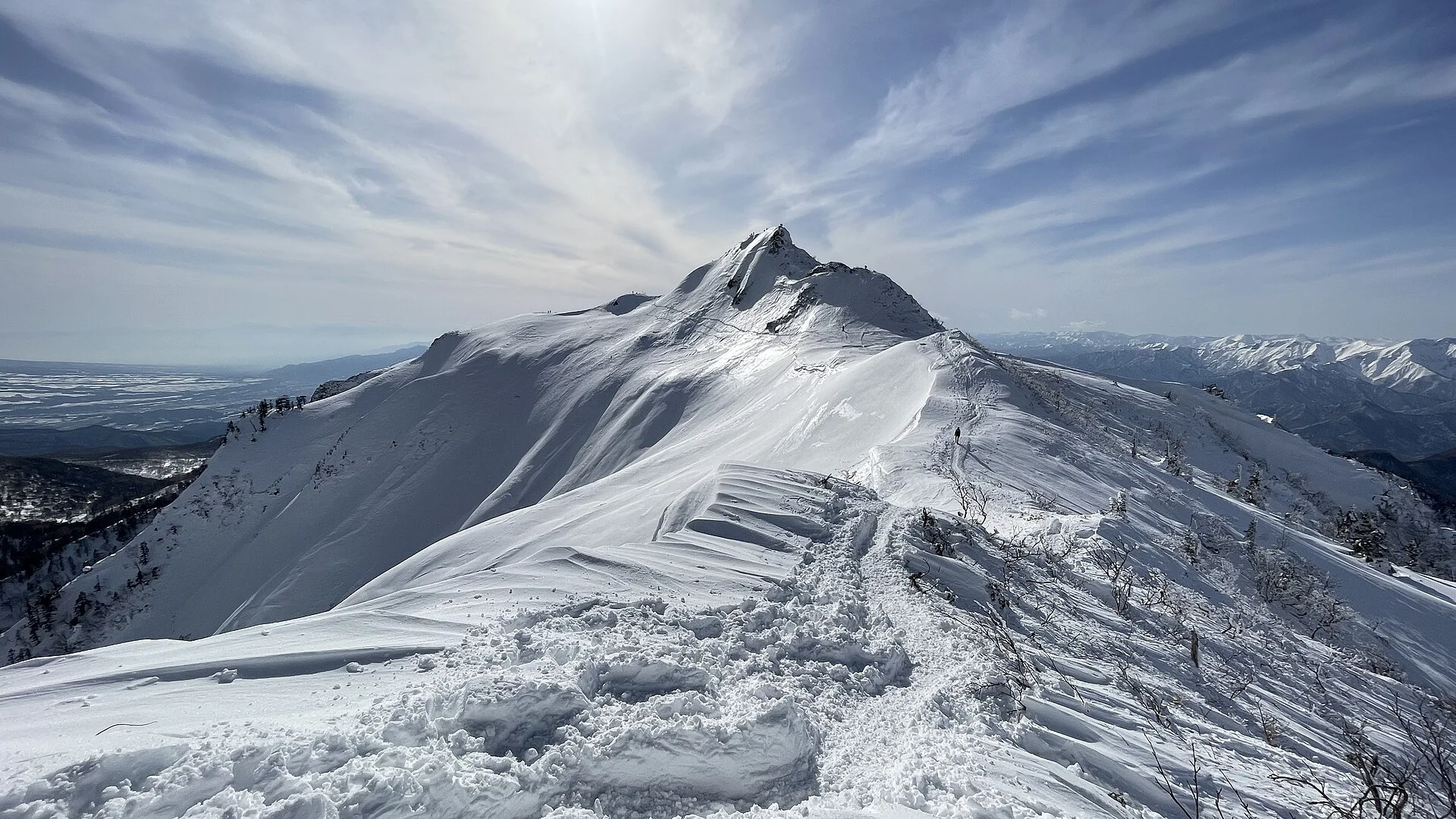
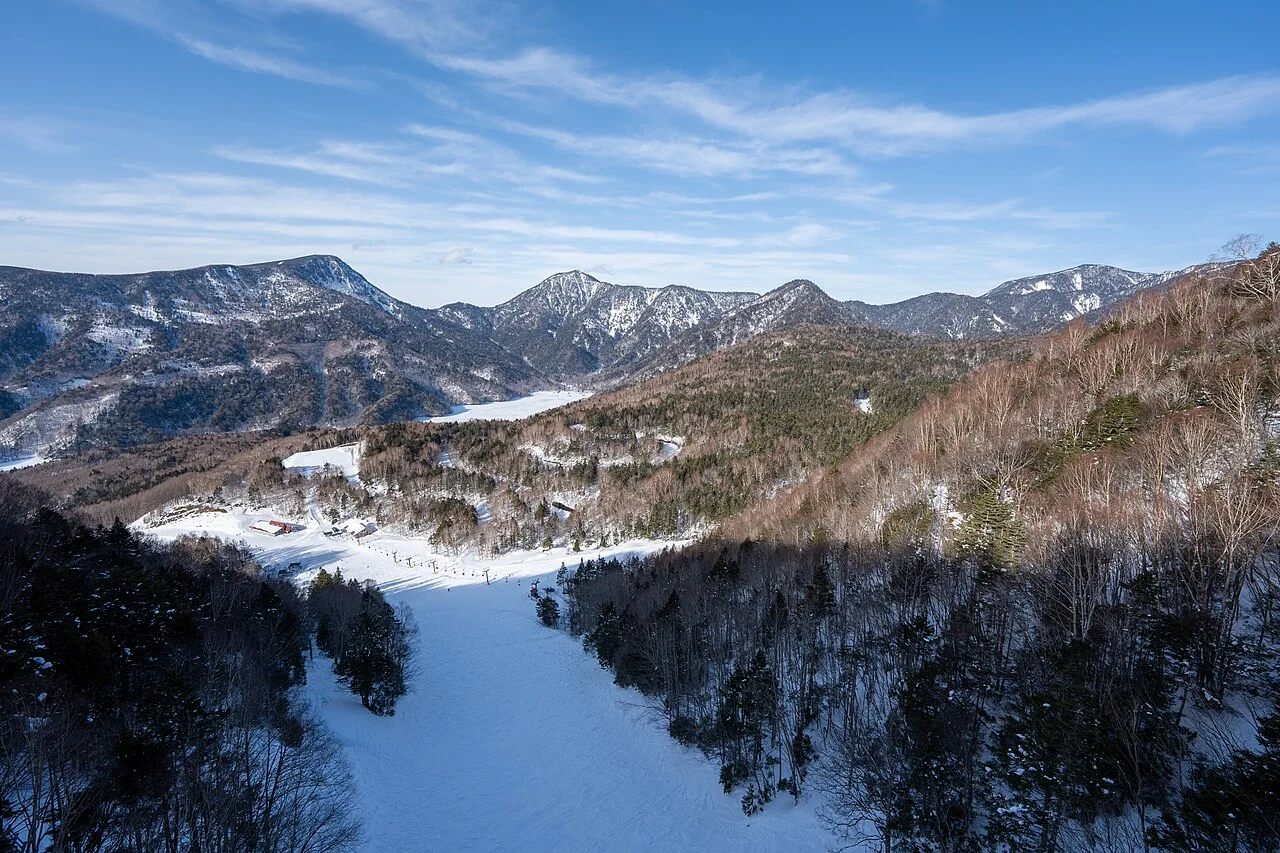
Marunuma Kogen Ski Resort sits in Katashina Village, Gunma Prefecture. The Nikko-Shirane Ropeway carries skiers to the summit station at roughly 2,000 metres; when the connecting trails are open, you can ski around 4 kilometres all the way back to the base. First-timers taking lessons should stick to the gentle slopes around Center Station, where peak-season visitors can buy a Friendly Pass covering only the three base chairlifts. The 2026–27 season is scheduled to run from 4 December to 5 May the following year. For a car-free day trip from Tokyo, book the express coach from Shinjuku together with the connecting shuttle, though the return service leaves the resort at 15:20. Staying overnight makes early laps, morning lessons, or a post-ski soak much easier to fit in.
Pick Your Dates First, Then Decide How High to Ski
Marunuma's runs fan out upwards from Center Station at the base. Beginners can repeat a short lower section, while skiers who can already brake and link turns on intermediate slopes can plan a long top-to-base descent. Each style calls for different lifts and a different ticket. When a group has mixed abilities, Center Station works well as a meeting point: agree on lunch and departure times upon arrival so everyone can ski at their own pace without beginners heading up the mountain just for a group photo.
4–18 December 2026 is the scheduled early-season period. Walk-up day passes cost ¥5,200 for adults, ¥4,700 for ages 60+, and ¥2,500 for primary and junior high school pupils. This window suits flexible travellers happy to ski whichever runs are open on the day. Families planning lessons or sledging need to check ski school opening dates, the kids' snow play area, and bus schedules separately, as early season begins before the scheduled start of Katashina Ski School and the seasonal Shinjuku coach.
Peak rates take effect on 19 December, with the switch to spring rates decided by the resort based on snow conditions. From spring through the scheduled closing day on 5 May, walk-up adult day passes are ¥5,300 on weekdays and ¥6,000 on weekends and public holidays, while primary and junior high school pupils pay ¥2,500 on all days. Even while the resort stays open, the summit, lower connecting trails, and kids' area may close independently. For spring long-run trips, check the daily lift and trail status page before choosing which ticket to buy.
If high winds at the summit put the ropeway on hold in the morning, day-trippers on pre-booked buses can stick to open runs in the lower area. Drivers aiming mainly for summit-to-base laps who can shift dates can wait for the daily status page to update before heading up. Published lift hours run at most from 08:30 to 16:00, with individual lifts keeping their own times. If heading to the summit in the afternoon, check last boarding times, open connecting runs, and your return meeting time so you leave plenty of time for the full descent.
Plan your 2026–27 trip to Marunuma Kogen Ski Resort: lift pass options, ski runs, gear hire, Shinjuku express bus transfers, driving from Numata, beginner lessons, and Katashina stays.
Choosing Between Base Chairlifts, All-Mountain Passes, and Hourly Tickets
If you are only skiing the lower slopes during peak season, start with the Friendly Pass. It covers the Chuo, No. 1, and No. 4 chairlifts. For high school students, adults, and ages 60+, it costs ¥3,500 on weekdays and ¥3,800 on weekends, public holidays, and designated peak days; primary and junior high school pupils pay ¥2,000 across all days. Sales begin on 19 December, though the resort suspends this pass if only the Chuo Chairlift is running in the lower area. Early or late in the season, check the resort board to match those three lifts to the slopes you plan to ski.
To ski down from the summit, compare day passes that include the Nikko-Shirane Ropeway. The table below shows peak-season adult fares from 19 December; the online rates also apply to visitors aged 60 and over. Primary and junior high school pupils pay ¥3,000 at the counter, ¥2,800 for a first-time online purchase, and ¥2,700 when reloading an existing IC card. High school students pay the adult fare. For the walk-up senior rate (60+), fares are ¥5,700 on weekdays, ¥6,400 on weekends and public holidays, and ¥6,700 on designated peak days, with photo ID showing your date of birth required at purchase.
Designated peak days run from 26 December 2026 to 3 January 2027, plus 9, 10, 16, 23, and 30 January and 6, 13, 20, and 27 February 2027. Check your exact ski dates against this calendar first: a two-night New Year stay can easily span consecutive peak days. If you can shift your trip by a day to a standard weekday, a first-time online adult pass is ¥1,400 cheaper than on a designated peak day, making it straightforward for families to weigh whether moving accommodation or transport pays off.
Friendly Pass holders can trade in their ticket and pay the difference to upgrade to a full-mountain day pass. Adults and seniors (60+) pay an extra ¥2,600 on weekdays, ¥3,000 on weekends and public holidays, and ¥3,300 on designated peak days; primary and junior high school pupils add ¥1,000. On a peak-season weekday, buying the lower-area pass first and upgrading comes to ¥6,100 total, versus ¥6,000 for a walk-up day pass. Beginners spending the morning on the lower slopes before deciding in the afternoon benefit from starting with the Friendly Pass, whereas confident skiers planning to ride the ropeway straightaway save a trip back to the ticket desk by buying a day pass from the start.
Peak-season same-day 5-hour passes cost the same for adults, seniors (60+), and primary and junior high school pupils: ¥5,400 on weekdays, ¥6,100 on weekends and public holidays, and ¥6,500 on designated peak days. Time runs continuously from your first pass through a lift gate, including meal breaks, so entering at 08:30 uses up the ticket by 13:30. For adults on the Shinjuku day-trip coach, even though slope time is under five hours, a first-time online day pass in peak season still undercuts the same-day 5-hour ticket on price.
Visitors returning several times in one season for shorter sessions should look at multi-hour time tickets. Walk-up rates are ¥11,000 for 10 hours and ¥20,000 for 20 hours. According to the official announcement, from 00:00 JST on 4 December you can buy 11 hours or 22 hours online for the same prices (valid for adults and ages 60+). Unused hours carry over within the same season and expire the following year. If you are only visiting for a single weekend alongside lessons or childcare, compare actual expected lift time across both days against two day passes—do not count lunch, lesson queues, or lodge breaks as usable ski hours.
Take two peak-season weekdays as an example: buying an adult online day pass and reloading the same card for day two totals ¥10,300. Across three peak-season weekdays where you only ski roughly three hours each visit, the 11-hour pass at ¥11,000 becomes worth comparing against ¥15,400 for three reloaded day passes. Each skier must carry their own card, as lending or reselling passes is prohibited, so everyone in the group should estimate their own hours.
If you only plan a handful of rides, the tariff also lists a 3-ride chairlift ticket for ¥2,400, with any unused rides valid for the rest of the season; confirm which lifts you intend to ride before buying. A separate single-ride ticket is listed for the Nikko-Shirane Ropeway. Adults who only want to supervise children sledging can head straight to the open Kids Park without buying ski passes for the whole family.
| Ski Day | Walk-Up | First Online Purchase | Online Reload (Existing Card) |
|---|---|---|---|
| Weekdays | 6,000 | 5,200 | 5,100 |
| Weekends & Public Holidays | 6,700 | 5,900 | 5,800 |
| Designated Peak Days | 7,000 | 6,600 | 6,500 |
From Confirmation Email to the Lift Gates
Until 23:59 JST on 30 November 2026, the resort sells early-bird day passes on its official site for ¥5,000, redeemed on arrival by scanning your QR code at an automated Skiosk machine. If you miss the early-bird window, adults driving in can still buy discounted peak-season day passes at participating convenience stores along National Route 120, such as 7-Eleven Katashina Sugakawa. Participating convenience store rates for peak-season adult day passes are ¥5,600 on weekdays, ¥6,300 on weekends and public holidays, and ¥6,600 on designated peak days. These shops stock adult day passes only, so children's tickets must be bought separately.
Standard online ticketing moves to a new platform this season, opening on 4 December. For a first online purchase, register an account, receive your confirmation email, and scan the QR code at a Skiosk machine at the resort to issue your IC lift card. When checking out for a group, each pass comes with its own QR code, with up to 10 passes per transaction. Save each QR code to your phone beforehand and collect the cards one by one at the machine. Same-day online purchases take at least five minutes after payment before they can be printed, giving you time to drop bags in a locker first.
On your next day or return visit, you can reload a new pass onto the same Skiosk-issued IC card by entering the 22-digit card number on its face, then walk straight to the lift gates. Once collected, keep each traveller's card separate. Gate sensors sit on your left side, so stow your pass in a left-hand pocket away from phones and other contactless cards. The resort warns that carrying multiple passes through a gate at once may activate all of them—if you are holding cards for family members, hand them out before stepping into the queue.
Online tickets cannot be changed, cancelled, or refunded after payment, even if the season is cut short or the car parks fill up. If you forget a pre-loaded card at home, you will have to buy a fresh ticket at the resort that day. On a one-day itinerary, lock in your transport before buying passes. If you are staying two nights and plan to ski just one day depending on the wind, the official website supports same-day online purchases so you can save your ticket for the day the upper mountain is confirmed open. Unwanted IC cards can be dropped into the resort's recycling boxes.
From Base Warm-Up Slopes to the Summit Run
Many trails at Marunuma are named after colours, so check the official key rather than guessing difficulty from the name. Red is rated beginner on the daily status table, and Blue is also beginner. Green is rated intermediate, while the Green connecting track is rated advanced. Trail legends vary across Japanese ski resorts, and assuming another mountain's colour system can send you down the wrong fork. Save the official trail map to your phone alongside the daily status table so you can see which open runs loop back to the same lift.
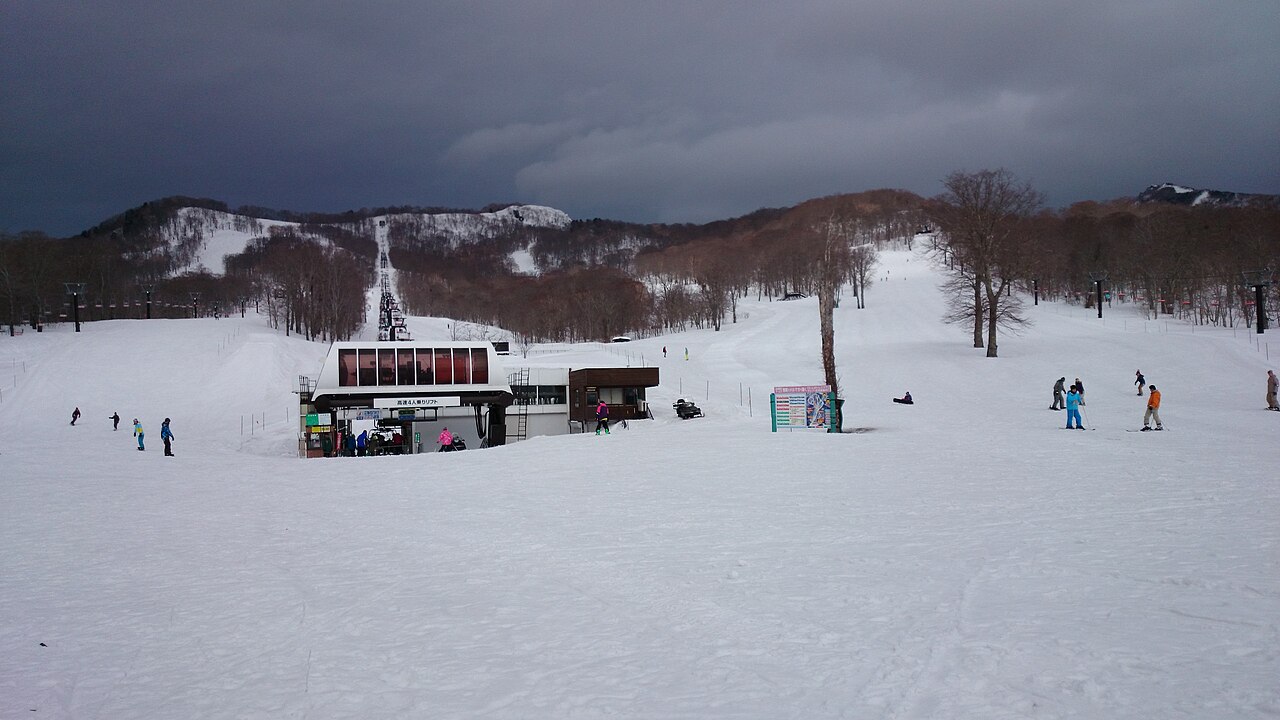
Each of the three base chairlifts lets you lap short loops. Around No. 1 Chairlift look for Red or Orange; Chuo Chairlift serves Yellow A, B, and C; and No. 4 Chairlift runs beside Blue. Pick one short run with an obvious exit on your first lap and ride the same lift back up to notice where skiers merge and stop. Focus on controlling where you brake and steering clear of riders ahead before moving on to the next chairlift—there is no rush to tick off all six or seven lower trails just because they share an easy rating.
The official map separates the base beginner zone from the children's snow play area. Keep skis and snowboards in the ski zone, and take sledges to the Kids Park in front of Kogen-no-Eki. The Kids Park is scheduled to open from late December to early April, 08:30 to 16:00, with free entry and generally no sledge hire. Neither the Kids Park nor the beginner zone has a magic carpet conveyor, so you walk back up after each sledge run. Families with several children can have one adult stay at the Kids Park while another skis the lower slopes with older kids in lessons, meeting back at Center Station to swap over.
The ropeway summit station stands at roughly 2,000 metres. From the top, Shirane A and B are both rated intermediate on the status table, and the long descent on the trail map continues via Rose toward the lower runs, with forks along the way. Check the posted signs at the summit to confirm both Shirane and its lower connecting trails are open before choosing a line. If the slope turns icy, fog rolls in, or upper sections start closing, cut back to familiar lower runs—and if your legs are fading, save that extra ropeway lap for tomorrow.
For repeatable intermediate laps off a single chairlift, try Violet A and B flanking No. 5 Chairlift, which also make a good backup if the ropeway is on hold. Marunuma also has an ungroomed run called Silver, listed officially at roughly 755 metres long with a maximum gradient of 32 degrees, which typically develops long mogul fields and carries an advanced rating. From the top of the ropeway, follow signs for Rose to stay on intermediate terrain, or check the daily status table to see if Silver is open when looking for ungroomed snow. Skiing outside marked trail boundaries is prohibited.
Snowboarders heading to the terrain park can check the separate jump and feature status table on the operations page. There is a first-aid room by the second-floor slope entrance of Center Station. If you need to call ski patrol, note the Japanese trail name, nearest lift number, and rough elevation. When stopping to check your route, pull over to the edge where uphill skiers can clearly see you—never below blind crests, out of turn exits, or around lift unload zones. Look uphill for oncoming traffic before setting off again or crossing where two runs merge.
Non-skiing companions wearing standard winter boots should pick viewing spots in the public areas around Center Station. Walking on the ski runs is generally forbidden, and visitors should not cross lift loading queues to take photos. While the Nikko-Shirane Ropeway summit sits near 2,000 metres, the main peak of Mount Nikko-Shirane rises to 2,578 metres. Entering the backcountry from here in winter requires submitting a mountain climbing plan at the second-floor information desk and carrying one Cocoheli search-and-rescue beacon per person. Knowing whether you intend to tour into the mountains affects which pass you need—riding the ropeway to ski Shirane and entering backcountry terrain follow completely separate procedures.
By Bus from Shinjuku, Returning at 15:20
For car-free travellers from Tokyo, the most seamless option is the Katashina Snow Express. Announced to run daily from 19 December 2026 to 21 March 2027 (one round trip per day), adult fares are ¥4,500 single or ¥8,000 return, with half price for children. The coach leaves Busta Shinjuku (Shinjuku Expressway Bus Terminal) at 07:35 and connects to the Marunuma shuttle at Michi-no-Eki Oze Katashina. On the Marunuma timetable, the shuttle departs the roadside station at 11:15 and reaches the resort at 11:45.
Kan-etsu Kotsu sells tickets via WILLER TRAVEL from one month before departure until 15:00 JST the day before travel. Select Marunuma Kogen in the bus add-on options when booking: the shuttle is free for express bus passengers, requires advance registration, and must be selected separately for outbound and return legs. Travellers staying overnight can still use this service by booking outbound and return dates along with each matching shuttle. Separate shuttles serve different resorts at the roadside station, so check that your reservation shows Marunuma Kogen before boarding.
The return shuttle leaves Marunuma at 15:20 and reaches Michi-no-Eki Oze Katashina at 16:00 to connect with the express coach back to Shinjuku. That leaves just 3 hours and 35 minutes at the resort before you factor in gear hire, lunch, and returning equipment. A 13:00 ski lesson finishes at 15:00, leaving only 20 minutes to change and walk to the bus pick-up point—worth checking realistically before locking in a day-trip coach. If spaces are available, the 13:00–14:30 snowboard lesson leaves slightly more breathing room to return gear.
If you arrive tight on time and plan to take a lesson, check in at the afternoon school desk first, then collect your pass and try on boots. Bringing a packed lunch lets you eat whenever a gap opens up. Intermediates eager to try the ropeway should head up the mountain early, then decide after one run whether there is time for a second. When everyone in your party is hiring gear, agree to finish your final run at the base early enough to drop equipment off. The timetable notes there is no standalone bus stop sign for the shuttle, so spot the pick-up bay upon arrival to avoid hunting for it in ski boots later.
The resort stays open for more than a month after the seasonal Shinjuku coach finishes, so spring skiers cannot rely on the same timetable to get back. By rail, take the Joetsu Shinkansen from Tokyo to Jomo-Kogen Station, or the JR Joetsu Line to Numata Station, then ride the Kan-etsu Kotsu Kamata Line bus to Kamata or the roadside station. From 1 December 2026 to 31 March 2027, the winter Kamata Line runs towards Kamata and Oze Tokura and does not pull into Marunuma Ski Resort itself—arrange accommodation pick-ups or a pre-booked taxi from Kamata before buying your train tickets.
Jomo-Kogen and Numata are separate stations, so if you have booked a hire car in Numata, do not head to the Shinkansen station by mistake. When pairing the Kamata Line with an inn transfer, send both arrival and departure times to your accommodation and specify your group size and ski bag count. If you have a reserved Shinkansen train home, leave generous padding for skiing down, changing, returning a car, or waiting on transfers. For half-day schedules, package ski tours from the Tokyo area are another option—compare resort arrival times, return meeting points, and which lift pass tier the bundle includes.
Driving Up from Numata and Avoiding Konsei Pass in Winter
Exit the Kan-etsu Expressway at Numata IC and follow National Route 120 through Katashina Village to Marunuma, a drive the resort lists at roughly 50 minutes. The biggest winter routing constraint is the prefectural border pass: Gunma Prefecture announces that National Route 120 (Konsei Road), from Konsei Tunnel on the Tochigi border to the Marunuma Ski Resort entrance, is scheduled to close from 12:00 JST on 25 December 2026 until 12:00 JST on 23 April 2027. While closed, plan a detour if visiting Oku-Nikko or Nikko Yumoto Onsen rather than linking both areas across the mountain road on the same day.
Approaching from the Gunma side, the resort specifically warns that some map apps mistakenly show a winter closure about 2 kilometres before the entrance. Save both the resort's access page and Gunma Prefecture's live road restriction page before setting off: the first helps spot satnav false positives, while the second shows genuine snow or accident closures. Always follow on-site signs and traffic marshals if temporary closures are in place. Setting your satnav first to Numata IC or the roadside station, then routing on to Center Station once past that stretch, helps avoid detours.
Gunma Prefecture advises that snow can fall at higher elevations from October, so fit winter tyres and carry snow chains. Confirm winter tyres in writing when booking a hire car, along with whether chains are included and whether skis fit inside. Walking outside in ski boots tracks snow into the cabin, so keep dry shoes beside your seat for the drive back. Drivers unfamiliar with icy descents returning to Tokyo should head down the mountain in daylight and stop for dinner lower down. If heavy snow pushes you onto the bus instead, shuttle seats still require advance booking—turning up at the roadside station with a lift ticket alone will not get you on board.
The Central Car Park sits closest to Center Station; for families with young children, full gear hire, or non-skiing companions, that shorter walk matters more than saving on parking. On weekends, public holidays, and designated peak days between 12 December 2026 and 4 April 2027, Central, Hayatsuki, Kogen-no-Eki, and Car Park No. 1 charge ¥1,000, while Car Parks No. 2, 3, and 4 are free. Central opens at 06:00 on weekends, holidays, and peak days, and 07:00 on weekdays, closing at 17:30. If using Car Park No. 2, factor its 17:00 closing time into your schedule for bathing, changing, and loading luggage.
Separate Check-In Desks for Hire, Lessons, and Snow Play
Head straight into Center Station on arrival. The ground floor holds the hire counter, changing rooms, and coin lockers, while the second floor houses the ticket office, free rest area, kids' rest space, and Zazen Onsen. Rental runs from 08:00 to 17:00 and requires photo ID. Beginners and parents with children should get boots fitted before heading to lesson meeting points. Even when hiring outer clothing and skis together, allow time to change, stow street shoes, and walk to the ski school check-in.
A standard ski set includes skis, boots, and poles; a snowboard set includes board and boots. Standard packages cost ¥5,500 per day for junior high school age and older, and ¥3,500 for children. Jackets and salopettes are hired separately at ¥4,000 per day for junior high age and older, or ¥2,500 for children. Goggles, gloves, and hats are not hired—bring your own—while helmets can be added for ¥800. Note that junior high school pupils qualify for child rates on lift passes, but move up to adult rates at the rental desk, so separate those two columns when budgeting for teenagers.
On a peak-season weekday, an adult buying a Friendly Pass (¥3,500), hiring a standard ski or board set (¥5,500), jacket and trousers (¥4,000), and a helmet (¥800) spends ¥13,800. Adding a two-hour standard ski lesson at Katashina Ski School (¥6,000) brings on-site costs to ¥19,800—a handy benchmark against all-inclusive bus packages. Bringing your own waterproof ski wear shaves ¥4,000 off the hire bill. Whether you need a lift pass on lesson day depends on what your instructor requires, so match the ticket to the class.
Skiers can book the SAJ-certified Katashina Ski School, scheduled from 19 December 2026 to 4 April 2027. A two-hour general group lesson costs ¥6,000, and a two-hour kids' lesson (generally ages 5–12) costs ¥7,000. Morning sessions (10:00–12:00) require check-in between 09:00 and 09:40, while afternoon sessions (13:00–15:00) check in between 12:00 and 12:40. The Marunuma branch desk operates on lesson days, whereas the school counter inside Center Station opens only on weekends, holidays, and peak days. On weekdays, go straight to the branch office with a short note in Japanese listing the lesson type, participant ages, and names to speed up registration.
Snowboarders can join the JSBA-certified Marunuma Kogen Snowboard School, scheduled from 5 December to 4 April with same-day walk-up registration. A 90-minute general adult lesson is ¥5,000; kids' lessons are ¥7,000 for ages 6–8 and ¥6,000 for ages 9–12. Classes start at 09:20, 11:00, and 13:00, with registration for the final slot closing at 12:50. Arriving on the Shinjuku bus at 11:45 means you can only catch the 13:00 session. Mixed groups of skiers and snowboarders can take separate lessons and meet back on the second floor afterwards, keeping an eye on shuttle departure times.
If you need instruction in a specific language, want children of different ages taught together, or prefer private tuition, contact the school before booking transport. The ski school page lists private family lessons at ¥18,000 for two hours—worth checking for group size and age rules if splitting children across standard classes is awkward. While beginners stay on the lower slopes, non-skiing companions can wait on the second floor, meet them at the Center Station slope doors, or walk over together to Kogen-no-Eki when children want to sledge.
Soaking After Skiing or Staying Overnight in Katashina
Zazen Onsen sits on the second floor of Center Station. Day-use bathing runs from 13:00 to 17:30, with last entry at 16:30 and irregular closing days. Admission is ¥1,000 for adults and ¥800 for primary school pupils, with towel sets available to hire for ¥500. Drivers who put in a full morning session can finish early, change back into regular shoes, and unwind in the bath. If you are taking the 15:20 shuttle after an afternoon lesson, save the hot spring for an overnight trip rather than squeezing it between kit return and bus boarding.
For two straight days at Marunuma, staying slopeside at Chalet Marunuma saves hauling gear. Listed on the resort site as a room-and-simple-breakfast stay, it offers no dinner service, though shared microwaves and fridges are available—ideal if you want to step straight from breakfast to the rental counter. If arriving in the village after dark, confirm late check-in times with your host and pick up dinner beforehand. Hiring the same standard adult ski or board set for two consecutive days costs ¥10,500, saving ¥500 over two single-day rentals; check where overnight gear is stored so you can pick it straight up the next morning.
If you want to ski two different resorts across two days, look for accommodation further into Katashina Village. Spend day one on Marunuma's long intermediate runs and day two at neighbouring White World Oze Iwakura, buying separate passes at each. Oze Iwakura's published regular 2026–27 season runs from 12 December 2026 to 4 April 2027. For trips in early December or mid-April, sticking to Marunuma for both days is safer. If family members spend day one learning to glide and stop on flat terrain, staying at Marunuma on day two lets everyone reuse familiar meeting points without learning a new mountain layout.
With a car, driving from a village inn to a second resort on morning two is straightforward. Without a car, staying slopeside at Marunuma means arranging an inn shuttle or pre-booked taxi to move people and board bags between resorts, as the Shinjuku express shuttle only runs between Michi-no-Eki Oze Katashina and Marunuma with no intermediate stops. Gear hire stays tied to each resort as well, so factor day-one returns and day-two boot fittings into your timing. If your only goal is extra variety, Marunuma's own trail map easily stretches across a beginner lesson day and a summit long-run day.
Guests relying on accommodation transfers in the village should confirm resort departure times and check-out logistics when booking. If you ski on your final morning before boarding an afternoon bus directly from the resort, either bring luggage along at check-out or agree where to collect it afterwards, keeping board bags, suitcases, and rental gear clearly separated. Drivers can stow bags in the boot after check-out and change at Center Station before heading down the mountain—just watch the closing times of each car park after Zazen Onsen shuts for the day before lingering over dinner.
A few useful answers
When is Marunuma Kogen Ski Resort open for the 2026–27 winter season?
The resort is scheduled to operate from 4 December 2026 to 5 May 2027. Check the daily operations page for separate status updates on the ropeway, chairlifts, and individual runs.
Can I visit Marunuma Kogen as a day trip from Tokyo without a car?
Yes. Take the Katashina Snow Express from Shinjuku at 07:35 to Michi-no-Eki Oze Katashina, then transfer to the Marunuma shuttle arriving at 11:45, with the return shuttle departing at 15:20. Scheduled to run from 19 December 2026 to 21 March 2027, both outbound and return shuttles must be selected when booking your coach ticket.
Is the Friendly Pass enough if I am only skiing beginner slopes?
The Friendly Pass covers the Chuo, No. 1, and No. 4 chairlifts. To ride the Nikko-Shirane Ropeway to the summit, buy a day pass that includes the ropeway. During peak season, Friendly Pass sales are suspended if only the Chuo Chairlift is operating in the lower area.
Do children need a lift pass just to go sledging at Marunuma Kogen?
Entry to the Kids Park in front of Kogen-no-Eki is free. Scheduled to open from late December to early April, it generally does not hire out sledges, so bring your own and stay within the designated play area.
Official information and references
Sources used in this guide.
- Marunuma Kogen 2026–27 Winter Season Announcement
- Marunuma Kogen 2026–27 Walk-Up Lift Passes & Hourly Tickets
- Marunuma Kogen Online Ticket Purchase, Collection & Reload Guide
- Marunuma Kogen 2026–27 Early-Bird Day Pass Announcement
- Marunuma Kogen Convenience Store Advance Day Passes & Partner Locations
- Marunuma Kogen Access, Shuttle Buses & Parking
- Kan-etsu Kotsu Katashina Snow Express Booking & Shuttle Details
- Kan-etsu Kotsu Kamata Line Winter Outbound Timetable
- Kan-etsu Kotsu Kamata Line Winter Return Timetable
- Gunma Prefecture Winter Road Closure Notice
- Gunma Prefecture Real-Time Road Restrictions
- Marunuma Kogen Lift & Trail Map
- Marunuma Kogen Daily Ropeway, Trail & Terrain Park Status
- Marunuma Kogen Trail Features & Ungroomed Slopes
- Mount Nikko-Shirane Winter Backcountry Entry Rules
- Marunuma Kogen Kids Park
- Marunuma Kogen Rental Equipment & Pricing
- Marunuma Kogen Ski & Snowboard Schools
- Marunuma Kogen Center Station & Zazen Onsen
- Marunuma Kogen Center Station Floor Map
- Marunuma Kogen Slopeside Stay: Chalet Marunuma
- White World Oze Iwakura 2026–27 Operating Season