2026–27 lift pass pricing, trail guide, and rental logistics for Marunuma Kogen Ski Resort, covering the Shinjuku bus, driving from Numata, beginner lessons, and Katashina lodging.
- Region & Focus
- Kanto
- Reading Scope
- 21 min read · 8 chapters · 4 Q&As
- Official Verification
- 22 official sources checkedUpdated November 22, 2026
- Key Topics
- WinterBookingWhere to stay
Chapter Route Map (tap any stop)
- Pick Your Dates First, Then Decide How High to Ski
- Lower-Mountain Three-Lift Pass, All-Mountain Passes, and Hourly Tickets
- From Confirmation Email to the Lift Gate
- From Base Warm-Up Slopes to the Summit Long Run
- Taking the Shinjuku Bus and the 15:20 Return Shuttle
- Driving Up from Numata and Avoiding Konsei Pass in Winter
- Rentals, Lessons, and Snow Play Have Separate Check-Ins
- Soak at the Base Onsen or Stay Overnight in Katashina
- Quick Q&A
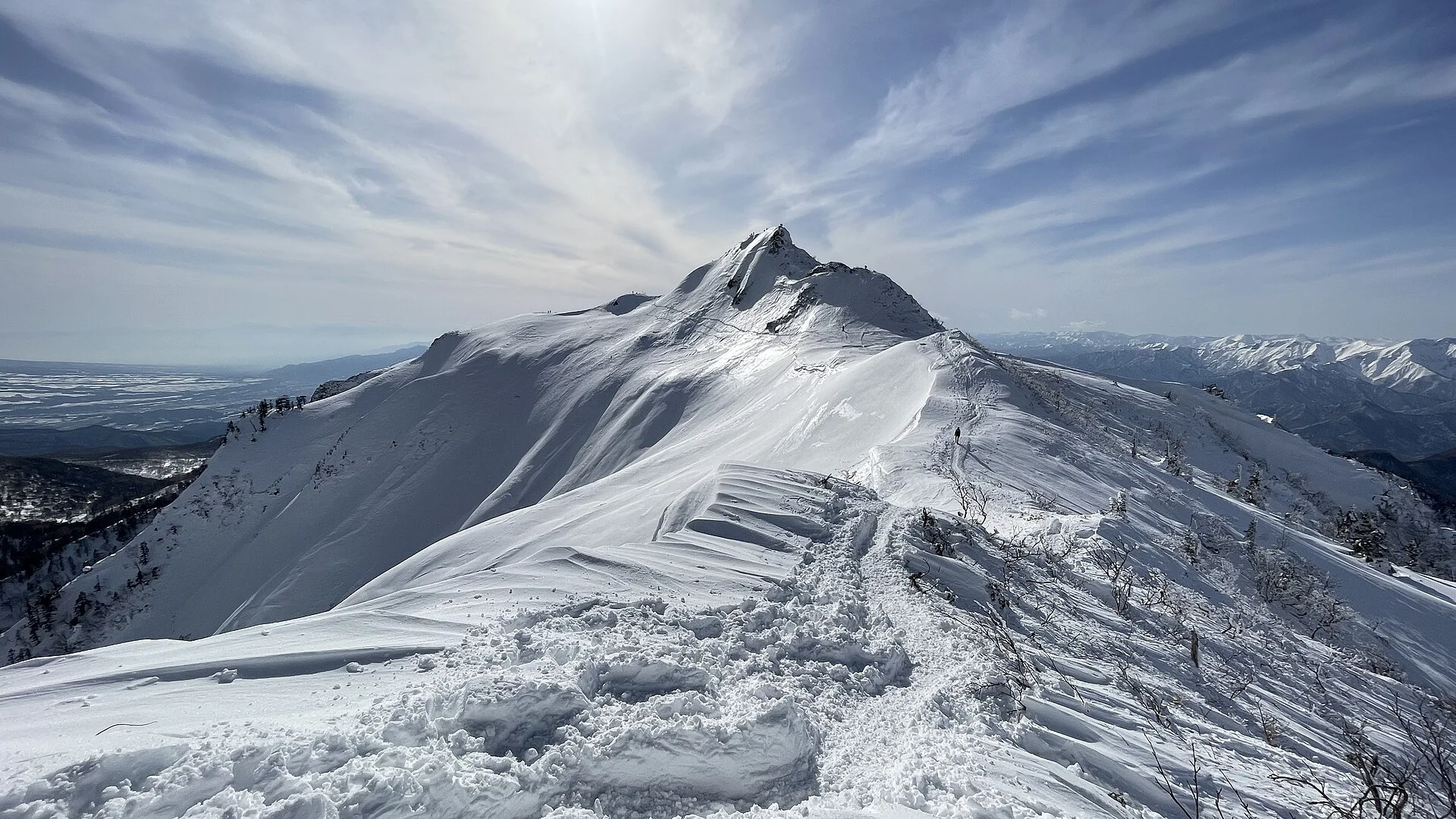
Marunuma Kogen Ski Resort sits in Katashina Village, Gunma Prefecture. The Nikko-Shirane Ropeway carries skiers to a summit station at roughly 2,000 meters elevation, allowing a continuous 4-kilometer descent back to the base when connecting runs are open. First-timers taking lessons stick to the gentle slopes around Center Station, where a peak-season Friendly Pass covers just the three lower chairlifts. The 2026–27 season is scheduled from December 4 through May 5. For a car-free day trip from Tokyo, book the Shinjuku highway bus and round-trip shuttle—the return shuttle departs the resort at 15:20. Staying overnight makes early laps, morning lessons, and post-ski onsen time far easier to schedule.
Pick Your Dates First, Then Decide How High to Ski
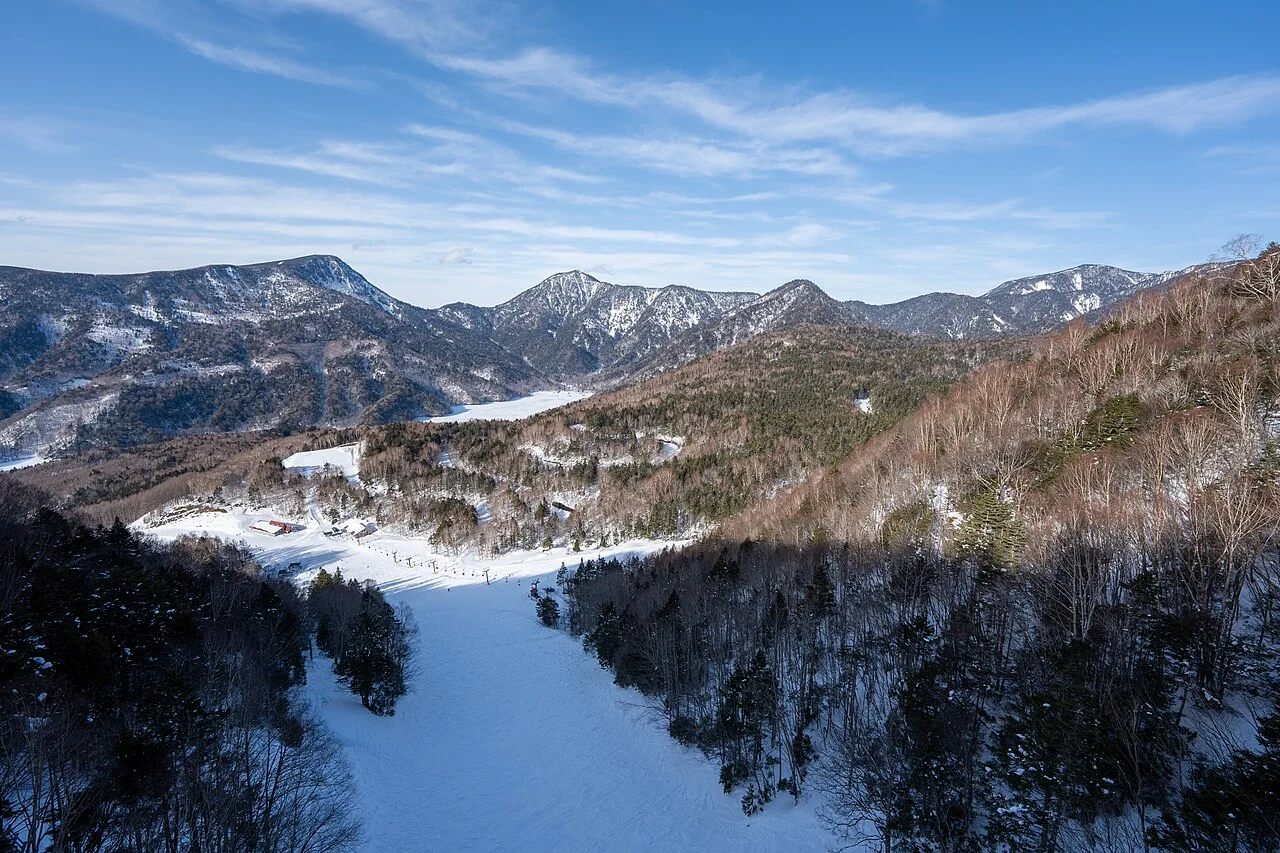
Marunuma's trails fan upward from the base Center Station. Beginners can repeat short laps near the bottom, while skiers who can already control speed and link turns on intermediate pitches can plan full top-to-bottom runs from the summit. Those two approaches use different lifts and different passes. If your group has mixed ability levels, Center Station at the base works best as a meeting hub. Agree on lunch and end-of-day meetup spots before heading out so everyone can ski at their own pace without pulling beginners up the mountain just for a photo.
Early-season pricing is scheduled for December 4–18, 2026. On-site 1-day passes cost ¥5,200 for adults, ¥4,700 for seniors aged 60 and up, and ¥2,500 for elementary and junior high students. This window suits travelers with flexible dates who are happy lapping whichever runs are open that day. Families planning ski school, kids' sledding, and transit connections need to check those schedules separately: early season opens before the scheduled start dates for both Katashina Ski School and the seasonal Shinjuku bus.
Peak-season rates take effect December 19, while the switch to spring rates is decided by the resort based on snow conditions. From spring through the scheduled closing day of May 5, on-site adult 1-day passes are ¥5,300 on weekdays and ¥6,000 on weekends and national holidays, while elementary and junior high students pay ¥2,500 on all days. Even while the resort remains open, the summit area, connecting return trails, and kids' zone may close on different dates. For a spring trip focused on long top-to-bottom runs, check the lift and trail status columns on the daily operations page before buying a pass.
If strong summit winds show the ropeway status as suspended first thing in the morning, day-trippers already committed to the shuttle can still ski the open lower trails. Drivers with flexible schedules who came mainly for long ropeway laps can wait for the operations page to update before heading up. Posted lift hours run up to 8:30–16:00, though each lift keeps its own schedule. If you plan an afternoon summit run, check last boarding times, open connecting trails, and your return meetup time so you leave plenty of margin for the full descent.
2026–27 lift pass pricing, trail guide, and rental logistics for Marunuma Kogen Ski Resort, covering the Shinjuku bus, driving from Numata, beginner lessons, and Katashina lodging.
Lower-Mountain Three-Lift Pass, All-Mountain Passes, and Hourly Tickets
If you are only skiing the lower mountain during peak season, look at the Friendly Pass first. It covers the Chuo, No. 1, and No. 4 chairlifts. High schoolers, adults, and seniors aged 60+ pay ¥3,500 on weekdays and ¥3,800 on weekends, national holidays, and designated peak dates; elementary and junior high students pay ¥2,000 on all days. Sales start December 19. When only the Chuo Lift is running on the lower mountain, the resort suspends Friendly Pass sales. Early or late in the season, match those three lifts against the trails you want on the status board before buying.
If you want to ski down from the summit, compare 1-day passes that include the Nikko-Shirane Ropeway. The table below shows peak-season adult rates starting December 19; the online column rates also apply to seniors aged 60+. Elementary and junior high students pay ¥3,000 on-site, ¥2,800 for a first-time online purchase, and ¥2,700 when reloading an existing IC card online. High schoolers pay adult rates. Seniors aged 60+ buying on-site pay ¥5,700 on weekdays, ¥6,400 on weekends and holidays, and ¥6,700 on designated peak dates—bring ID showing your date of birth.
Designated peak dates are December 26, 2026 through January 3, 2027, plus January 9, 10, 16, 23, 30 and February 6, 13, 20, 27. Check your exact ski dates against this list first. A two-night New Year stay can easily hit consecutive peak dates. If you can shift your trip by just one day to a non-peak weekday, a first-time online adult pass drops by ¥1,400 compared to a peak date—often enough to make adjusting lodging and transit worthwhile for a family.
Friendly Pass holders can turn in their pass and pay the difference to upgrade to a full 1-day pass. Adults and seniors aged 60+ pay an extra ¥2,600 on weekdays, ¥3,000 on weekends and holidays, and ¥3,300 on designated peak dates; elementary and junior high students pay ¥1,000. On a peak-season weekday for an adult, buying the lower pass and upgrading totals ¥6,100 versus ¥6,000 buying the full 1-day pass on-site. Starting with the Friendly Pass makes sense if you will spend all morning practicing down low; if conditions are solid and you plan to ride the ropeway right away, buy the full pass upfront to skip a second trip to the ticket counter.
Peak-season same-day 5-hour passes cost the same for adults, seniors aged 60+, and elementary/junior high students: ¥5,400 on weekdays, ¥6,100 on weekends and holidays, and ¥6,500 on designated peak dates. The clock runs continuously from your first lift-gate scan, including lunch breaks—enter at 8:30 and it expires at 13:30. For adults taking the Shinjuku bus day trip, even though your actual time at the resort is under five hours, a first-time online 1-day pass still beats the same-day 5-hour ticket during peak season.
Multi-hour passes are only worth considering if you will return multiple times in one season for shorter sessions. On-site rates are ¥11,000 for 10 hours and ¥20,000 for 20 hours. According to the official site, starting at 0:00 JST on December 4, online buyers get 11 hours or 22 hours at those same prices (for adults and seniors aged 60+). Unused hours roll over within the same season and expire the following season. If you are only skiing one weekend while juggling lessons or kids, compare your realistic lift-riding hours against two 1-day passes—do not count lunch, lesson check-in, or warming up indoors as usable pass hours.
For example, on two peak-season weekdays, buying an adult first-time online 1-day pass and reloading the same card for day two totals ¥10,300. On three peak-season weekdays where you only ski around three hours each visit, the ¥11,000 11-hour pass compares favorably against ¥15,400 for three reloaded 1-day passes. Whoever uses a pass must carry that physical card: lending or reselling passes is prohibited, so each person should estimate their own hours.
If you only need a few rides, the rate sheet also lists a 3-ride lift ticket for ¥2,400, with unused rides valid later in the same season; state clearly which lifts you plan to ride before buying. To ride the Nikko-Shirane Ropeway without skiing, separate single-ride ropeway tickets are listed on the rate sheet. Adults who only want to supervise kids sledding can head straight to the open Kids Park without buying ski passes for the whole family.
| Day Type | On-Site | First Online Purchase | Online Reload (Same Card) |
|---|---|---|---|
| Weekdays | 6,000 | 5,200 | 5,100 |
| Weekends & Holidays | 6,700 | 5,900 | 5,800 |
| Designated Peak Dates | 7,000 | 6,600 | 6,500 |
From Confirmation Email to the Lift Gate
Through 23:59 JST on November 30, 2026, the resort sells early-bird 1-day passes online for ¥5,000—scan your confirmation QR code at a self-service kiosk on arrival to issue your card. If you miss early-bird sales, adults driving in can still buy discounted advance tickets at participating stores along Route 120, such as the 7-Eleven Katashina Sugakawa store. Partner convenience-store rates for peak-season adult 1-day passes are ¥5,600 on weekdays, ¥6,300 on weekends and holidays, and ¥6,600 on designated peak dates. Partner stores sell adult 1-day passes only; elementary and junior high tickets must be bought separately.
Regular online ticket sales switch to a new platform this season and open December 4. For your first online order, register an account, wait for the confirmation email, and scan the QR code at a Skiosk self-service machine at the resort to print your IC pass. When buying for multiple people, each ticket generates its own QR code (up to 10 passes per transaction). Save each QR code to your phone beforehand so everyone can issue their card one by one at the kiosk. Same-day online purchases require at least a 5-minute wait after payment before printing—drop your bags in a locker while you wait.
On your next day or return visit, you can reload a new pass onto the same Skiosk-issued IC card. Enter the 22-digit card number printed on the front and walk straight to the lift gates with that card. Hand out passes separately once printed: gate readers sit on your left side, so keep your single IC card in a left-side pocket away from phones and transit IC cards. The resort warns that carrying multiple ski passes through the gate at once can activate them simultaneously, so distribute family passes before stepping into the lift line.
Online passes cannot be changed, canceled, or refunded after payment, even if the season is cut short or parking lots fill up and turn cars away. If you forget your reloaded card at home, you will have to buy a new pass on-site that day. For a single-day trip, lock in your round-trip transport before buying passes. If you are staying two nights and plan to ski only one day depending on wind, the website supports same-day purchases—making it easier to save your pass for the day the upper mountain actually opens. Unused IC cards can be dropped into the resort's recycling boxes.
From Base Warm-Up Slopes to the Summit Long Run
Many Marunuma trails use color names, so read the official legend for actual difficulty. Despite its name, the Red course is rated beginner, and Blue is also beginner. Green is rated intermediate on the daily status table, while the Green connecting trail is rated advanced. Japanese ski resorts do not standardize trail colors, so assuming the same color logic as other mountains leads to wrong turns at forks. Save the official trail map on your phone and check it alongside the daily operations table to trace which routes loop back to your lift.
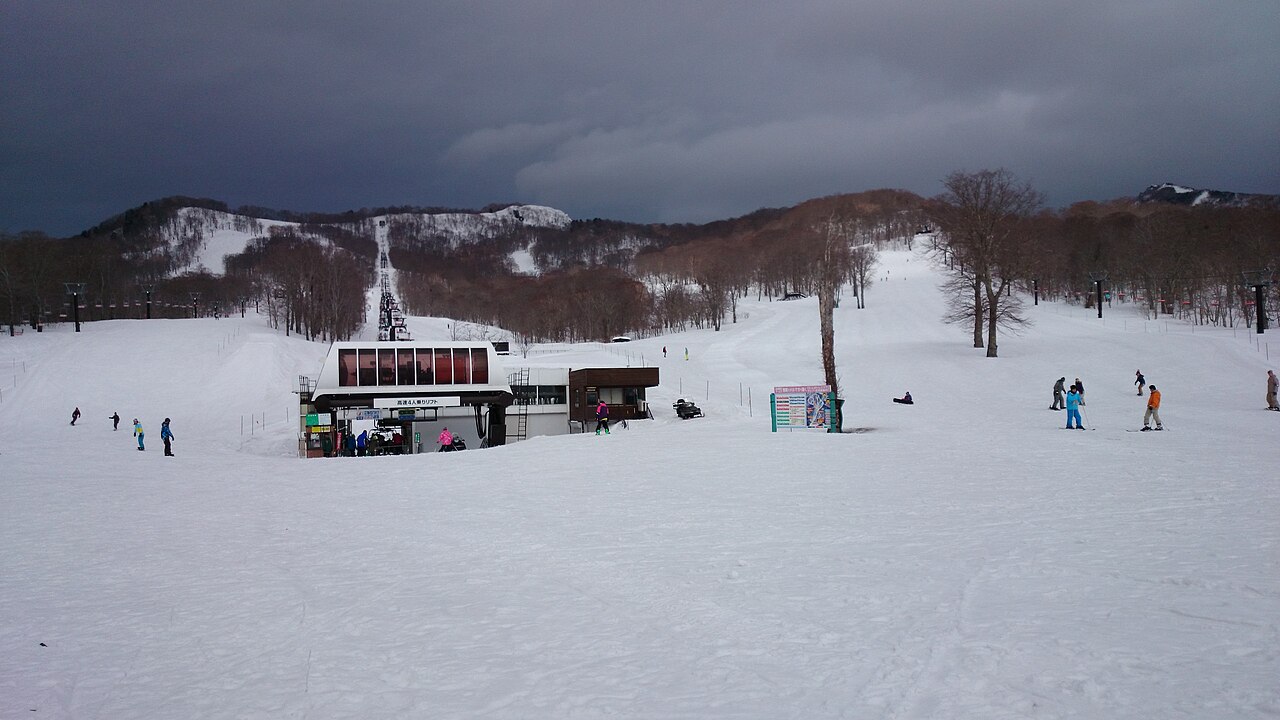
Each of the three lower chairlifts supports short, self-contained laps. Near Lift No. 1, look at Red or Orange; around Chuo Lift, use Yellow A, B, and C; beside Lift No. 4, stick to Blue. Start with one short run whose bottom exit you can clearly spot, ride the same chairlift back up, and learn where traffic merges and stops. Focus on stopping where you choose and steering clear of skiers ahead before moving to the next lift—there is no need to tick off every color-coded lower run right after your first smooth descent.
The official map separates the base beginner slopes from the kids' snow-play area. Keep ski and snowboard practice on the main trails, and take sleds to Kids Park in front of Kogen-no-Eki. Kids Park is scheduled to operate from late December through early April, 8:30–16:00, with free admission and generally no sled rentals. Neither Kids Park nor the beginner zone has a magic carpet conveyor, so you walk back up after each sled run. With multiple kids, one parent can stay at Kids Park while the other skis the lower runs with older kids, meeting back at Center Station to swap.
The ropeway summit station sits at roughly 2,000 meters elevation. From the top, you can drop into Shirane A or B, both rated intermediate on the operations table. The long route on the official trail map continues via Rose toward the base, with forks along the way. Check the posted signs at the summit to confirm both Shirane and the connecting trails below are open before picking a side. If you hit ice, fog, or upper-mountain closures, cut back to familiar lower pitches—and if your legs are fading, save that summit lap for tomorrow.
For compact intermediate laps served by a single chairlift, try Violet A and B on either side of Lift No. 5; you can also pivot here if the ropeway is on wind hold, depending on which lifts are running. For unpisted terrain, Silver is listed at roughly 755 meters long with a maximum pitch of 32 degrees; it typically forms long mogul lines and is rated advanced. From the ropeway summit, follow signs for Rose to stay on intermediate terrain, or check the operations table for Silver if you want ungroomed snow. Skiing outside marked trail boundaries is prohibited.
Snowboarders heading to the terrain park should check the separate jump and feature status table on the operations page. There is a first-aid room on the second floor of Center Station right beside the snow-side entrance. If you need ski patrol assistance, give the trail name, nearest lift number, and approximate elevation. When pausing to check your map, pull over to the trail edge where uphill skiers can clearly see you—never stop below blind crests, at turn exits, or in lift unload zones. Look uphill before starting from the edge or crossing trail merges.
Non-skiers wearing regular winter boots should wait in the public areas around Center Station to watch family ski down. Walking on ski runs is generally prohibited, and never cross lift-loading lanes for photos. Note that while the Nikko-Shirane Ropeway summit station sits around 2,000 meters, the true peak of Mt. Nikko-Shirane is 2,578 meters. Entering the backcountry from the summit during winter requires submitting a climbing plan at the second-floor information counter and carrying one Cocoheli search-and-rescue beacon per person. Backcountry plans affect pass selection, as riding the ropeway to ski Shirane is separate from winter mountaineering procedures.
Taking the Shinjuku Bus and the 15:20 Return Shuttle
Without a car, the most seamless route from Tokyo is the Katashina Snow Express. Resort announcements schedule it for one daily round-trip from December 19, 2026 to March 21, 2027. Adult fares are ¥4,500 one-way and ¥8,000 round-trip, with children at half price. The highway bus departs Busta Shinjuku (Shinjuku Expressway Bus Terminal) at 7:35 and transfers to the Marunuma shuttle at Michi-no-Eki Oze Katashina. Marunuma's timetable lists the shuttle departing the roadside station at 11:15 and arriving at the ski resort at 11:45.
Kan-etsu Kotsu sells seats through WILLER TRAVEL starting one month before departure and closing at 15:00 JST the day before travel. Select Marunuma Kogen in the bus add-on options during checkout. The shuttle is free and exclusive to highway bus passengers, but requires advance registration for both directions separately. Overnight travelers can use this same bus by booking different outbound and return dates along with each matching shuttle leg. Different ski resorts run shuttles from the roadside station, so confirm your selection reads Marunuma Kogen before boarding.
The return shuttle departs Marunuma at 15:20 and reaches Michi-no-Eki Oze Katashina at 16:00 to connect with the Shinjuku bus. That leaves just 3 hours and 35 minutes on-site—out of which you still have to fit rentals, lunch, and gear return. A 13:00 ski lesson finishes at 15:00, leaving only 20 minutes to change and walk to the bus stop, so factor in that tight turnaround before booking a day trip. If spots are open in the 13:00–14:30 snowboard lesson, you get a much easier buffer to return rentals afterward.
If you arrive tight on time for a lesson, check in at the afternoon school counter first before picking up lift passes and fitting boots. Bring a packed lunch to eat during any spare minutes on arrival. Intermediate skiers aiming for a ropeway run should head straight up first thing, then decide after one descent whether there is time for a second lap. If everyone in your group is renting gear, plan your final run to end at the base and return equipment early. The timetable also notes there is no dedicated shuttle signpost—spot the exact pickup zone when you arrive so you are not hunting for it in ski boots later.
Marunuma typically stays open more than a month after the seasonal Shinjuku bus ends, so spring skiers cannot rely on that timetable for the return trip. By rail from Tokyo, take the Joetsu Shinkansen to Jomo-Kogen Station or the JR Joetsu Line to Numata Station, then ride the Kan-etsu Kotsu Kamata Line bus to Kamata or Michi-no-Eki Oze Katashina. The winter Kamata Line (December 1, 2026 to March 31, 2027) runs toward Kamata and Oze Tokura and does not pull into Marunuma Kogen Ski Resort. Arrange lodging pickup or a pre-booked transfer from Kamata to the resort before buying train tickets.
Jomo-Kogen and Numata are two different stations: if your rental car is booked in Numata, do not mistake the Shinkansen station for the pickup branch. When pairing the Kamata Line with a lodge shuttle, send your hotel both outbound and return arrival times along with headcount and ski-bag count. If you hold reserved Shinkansen seats home, pad your schedule for the final run down, changing clothes, and either returning the rental car or waiting for pickup. For a half-day ski window, packaged ski bus tours from Greater Tokyo are another option—compare resort arrival times, return meetup points, and which lift pass tier is included.
Driving Up from Numata and Avoiding Konsei Pass in Winter
Exit the Kan-etsu Expressway at Numata IC and follow Route 120 through Katashina Village toward Marunuma; the resort lists the drive at roughly 50 minutes. The biggest winter routing trap is the prefectural border pass. Gunma Prefecture announces that Route 120 (Konsei Road) between Konsei Tunnel at the Tochigi border and the Marunuma Ski Resort entrance is scheduled to close from 12:00 on December 25, 2026 through 12:00 on April 23, 2027. During the closure, anyone also visiting Oku-Nikko or Nikko Yumoto Onsen needs a separate detour—do not route the two areas as one continuous mountain drive.
Even approaching from the Gunma side, the resort warns that some map apps mistakenly mark the stretch roughly 2 km before the entrance as closed for winter. Keep both the resort's access page and Gunma Prefecture's live road regulation page handy: the former clarifies GPS errors, while the latter shows real-time snow or accident closures. On the road, obey any temporary barriers, closure signs, or traffic marshals on site. Set your navigation to Numata IC or Michi-no-Eki Oze Katashina first, then enter Center Station once you reach that stretch.
Gunma Prefecture warns that snow can fall at higher elevations as early as October, requiring winter tires and carried snow chains. Confirm winter tires in your rental car booking, verify whether chains are included, and check that your vehicle fits ski gear inside. Walking around outside in ski boots tracks snow onto car mats, so keep a pair of dry walking shoes beside your seat for the drive home. Drivers heading back to Tokyo who are unfamiliar with icy mountain descents should leave the resort before dark and stop for dinner down in the valley. On heavy snow days if you switch plans to the bus, remember shuttle seats require advance booking—showing up at the roadside station with a ski pass does not guarantee a seat.
Central Parking sits closest to Center Station, and skipping the long haul matters more than saving the parking fee if you have kids, full rentals, or non-skiers along. On weekends, national holidays, and designated peak dates from December 12, 2026 to April 4, 2027, Central, Early-Bird, Kogen-no-Eki, and No. 1 parking lots charge ¥1,000, while Lots 2, 3, and 4 are free. Central Parking opens at 6:00 on weekends, holidays, and peak dates, 7:00 on weekdays, and closes at 17:30. If you use Lot 2, plan your shower, changing, and loading around its 17:00 gate closure.
Rentals, Lessons, and Snow Play Have Separate Check-Ins
Head straight into Center Station on arrival. The first floor holds the rental counter, changing rooms, and coin lockers; the second floor houses the ticket counter, free rest area, kids' rest space, and Zazen Onsen. Rentals run 8:00–17:00 and require ID. First-timers and families should fit boots first before walking over to any meeting point. Even when renting outerwear and boards together, leave buffer time to change clothes, stow street shoes, and walk to your lesson check-in.
Ski sets include skis, boots, and poles; snowboard sets include board and boots. Standard sets cost ¥5,500 per day for junior high students and older, and ¥3,500 for children. Jackets and pants rent separately at ¥4,000 per day for junior high+ and ¥2,500 for children. Goggles, gloves, and beanies are not rented—bring your own. Helmets can be rented separately for ¥800. Note the age cutoff difference: junior high students pay student rates for lift passes, but adult rates at the rental counter—budget those two lines separately for teens.
On a peak-season weekday, an adult buying a Friendly Pass (¥3,500), standard gear rental (¥5,500), outerwear (¥4,000), and helmet (¥800) spends ¥13,800. Adding a 2-hour group ski lesson at Katashina Ski School (¥6,000) brings on-site costs to ¥19,800. Use that baseline when comparing packaged bus tours. Bringing your own waterproof outerwear immediately cuts ¥4,000 off rental costs. Check with your instructor whether your lesson rides chairlifts that day before choosing your pass tier.
For skiing, look for the SAJ-certified Katashina Ski School. For 2026–27, lessons are scheduled December 19 through April 4: general 2-hour group lessons cost ¥6,000, and kids' 2-hour group lessons (generally ages 5–12) cost ¥7,000. Morning sessions (10:00–12:00) check in 9:00–9:40; afternoon sessions (13:00–15:00) check in 12:00–12:40. The Marunuma branch desk opens on lesson days, while the counter inside Center Station operates only on weekends, holidays, and peak dates. On weekdays, go straight to the branch office with a short written note listing your desired lesson, age, and name.
For snowboarding, the JSBA-certified Marunuma Kogen Snowboard School is scheduled to run December 5 through April 4 with same-day on-site registration. General 90-minute adult lessons are ¥5,000; ages 6–8 are ¥7,000, and ages 9–12 are ¥6,000. Sessions start at 9:20, 11:00, and 13:00, with final registration closing at 12:50. Arriving on the 11:45 Shinjuku bus only leaves time for the 13:00 session. If your group splits between skis and snowboards, take separate lessons and meet back on the second floor afterward—keeping an eye on your return shuttle departure.
If you need instruction in a specific language, want kids of different ages grouped together, or prefer private coaching, contact the school before booking transportation. The ski school page lists a 2-hour family private lesson for ¥18,000—worth asking about group size and skill splits if regular group classes do not fit your family. While beginners stay on the lower slopes, non-skiing companions can relax on the second floor, meet them at Center Station's snow-side doors, or walk over to Kogen-no-Eki together whenever kids want to sled.
Soak at the Base Onsen or Stay Overnight in Katashina
Zazen Onsen sits on the second floor of Center Station. Day-use bathing runs 13:00–17:30 (last entry 16:30), with irregular closing days. Admission is ¥1,000 for adults and ¥800 for elementary students, with towel sets available to rent for ¥500. Drivers who put in a full morning on the snow can wrap up early, change into street shoes, and soak before driving down. If you have an afternoon lesson and are catching the 15:20 shuttle, save the onsen for an overnight stay rather than squeezing it between gear return and boarding.
For two straight days at Marunuma, staying slopeside at Chalet Marunuma minimizes hauling gear. Listed on the resort's lodging page as room-only with a simple breakfast, it requires bringing or arranging your own dinner and offers a shared microwave and refrigerator. It suits skiers who want to grab rentals right after breakfast. If you expect to arrive after dark, confirm late check-in and buy dinner beforehand. Renting the same standard adult ski or snowboard set for two consecutive days costs ¥10,500—saving ¥500 over two single-day rentals; check where overnight gear is stored so you can step straight back into it the next morning.
If you want to ski two different resorts over two days, look for lodging down in Katashina Village. You can ski Marunuma's long intermediate runs on day one and White World Oze Iwakura in the same village on day two, buying separate passes at each. Oze Iwakura's published regular season for 2026–27 runs December 12, 2026 through April 4, 2027. For early December or mid-April trips, spend both days at Marunuma instead. If family members spent day one just learning to glide and stop on flat terrain, repeating Marunuma on day two lets everyone keep the same familiar meeting spots without re-learning a new layout.
With a car, driving from a village lodge to a second resort the next morning is straightforward. Staying slopeside at Marunuma without a car means arranging a lodge transfer or pre-booked taxi to move people and ski bags between mountains—the Shinjuku bus shuttle only runs between Michi-no-Eki Oze Katashina and Marunuma, with no intermediate stops. Rentals are also tied to each resort, so switching mountains adds day-one return time and day-two boot fitting. If you only want variety, Marunuma's own trail map gives you plenty of room to pair a lower-mountain lesson day with a summit long-run day.
When staying in the village and relying on lodge shuttles, confirm resort drop-off times and checkout-day logistics when booking. If you ski the morning of day two and catch an afternoon bus straight home, either take your luggage to the mountain at checkout or arrange a pickup spot for your bags—keeping ski bags, suitcases, and rental gear clearly separated. Drivers can stow luggage in the trunk after checkout, change at Center Station after skiing, and drive down once done. If you stay past Zazen Onsen's closing time or stop for dinner, watch the closing gates on your parking lot.
A few useful answers
When is Marunuma Kogen Ski Resort open for the 2026–27 season?
The resort is scheduled to operate from December 4, 2026 through May 5, 2027. Daily operations pages list separate open and closed statuses for the ropeway, chairlifts, and individual trails.
Can I visit Marunuma Kogen as a day trip from Tokyo without a car?
Yes. Take the Katashina Snow Express departing Shinjuku at 7:35, transfer to the Marunuma shuttle at Michi-no-Eki Oze Katashina to arrive at 11:45, and catch the 15:20 return shuttle. It is scheduled to run daily from December 19, 2026 to March 21, 2027; select both shuttle legs when booking your bus ticket.
Is the Friendly Pass enough if I am only skiing beginner runs?
The Friendly Pass covers only the Chuo, No. 1, and No. 4 chairlifts. To ride the Nikko-Shirane Ropeway to the summit, buy a full 1-day pass that includes the ropeway. During peak season, Friendly Pass sales are suspended whenever only the Chuo Lift is running on the lower mountain.
Do kids need a lift pass just to go sledding?
No. Kids Park in front of Kogen-no-Eki is free to enter. It is scheduled to operate from late December through early April; sleds are generally not rented on-site, so bring your own and stay within the designated play zone.
Official information and references
Sources used in this guide.
- Marunuma Kogen 2026–27 Season Announcement
- Marunuma Kogen 2026–27 On-Site Lift Passes & Hourly Tickets
- Marunuma Kogen Online Tickets, Pickup & Card Reloads
- Marunuma Kogen 2026–27 Early-Bird 1-Day Pass Announcement
- Marunuma Kogen Convenience-Store Advance Tickets & Partner Locations
- Marunuma Kogen Access, Shuttle & Parking
- Kan-etsu Kotsu Katashina Snow Express Reservations & Shuttle
- Kan-etsu Kotsu Kamata Line Winter Outbound Timetable
- Kan-etsu Kotsu Kamata Line Winter Return Timetable
- Gunma Prefecture Winter Road Closure Notice
- Gunma Prefecture Live Road Regulation Status
- Marunuma Kogen Lift & Trail Map
- Marunuma Kogen Daily Lift, Trail & Terrain Park Status
- Marunuma Kogen Trail Guide & Ungroomed Slopes
- Mt. Nikko-Shirane Winter Backcountry Entry Rules
- Marunuma Kogen Kids Park
- Marunuma Kogen Rentals & Rates
- Marunuma Kogen Ski & Snowboard Schools
- Marunuma Kogen Center Station & Zazen Onsen
- Marunuma Kogen Center Station Floor Map
- Marunuma Kogen Slopeside Lodging: Chalet Marunuma
- White World Oze Iwakura 2026–27 Operating Season