Deciding which days are actually worth driving on your first Hokkaido winter trip. Covers 2026-27 winter road closures, tire-chain rules, snow-tire checks, and detour plans for Sapporo, Otaru, Jozankei, Biei, and Noboribetsu.
- Region & Focus
- HokkaidoTransportation and passes
- Reading Scope
- 22 min read · 13 chapters · 5 Q&As
- Official Verification
- 32 official sources checkedUpdated November 22, 2026 at 08:00 AM GMT+8
- Key Topics
- WinterItinerariesFirst trip
Chapter Route Map (tap any stop)
- Where a Rental Car Actually Pays Off on Your First Winter Drive
- Building Buffer Time Around Sapporo Snow Days and Sunset
- Checking the Entire Route Before You Turn the Key
- Rerouting Around 2026-27 Winter Road Closures
- Snow Tires, Tire Chains, and Highway Closure Rules
- Reading Black Ice and Whiteouts From the Driver's Seat
- What to Check on Your Rental Contract: Snow Tires, Pickup Windows, and Coverage
- Using a Sapporo Base to Cut Out the Worst Driving Days
- Using Asahikawa Station as Your Pivot for Shirogane and Furano
- Noboribetsu and Lake Toya: Making the Last-Mile Connection
- Lining Up Train, Bus, and Hotel Backup Plans
- Packing Your Car, Planning Stops, and Returning Smoothly
- Handling Snowbound Stranding and Expressway Breakdowns
- Quick Q&A
If you are flying into New Chitose Airport and sticking mainly to Sapporo and Otaru, JR trains and the subway can handle the entire trip. Save a rental car for daytime stretches that connect spots poorly served by transit, such as Biei's Shirogane area or ski-gear transfers between hotels. When planning a winter drive in Hokkaido, start by writing down where you need to be each night, then check visibility, closures, and backup train or bus options in both directions. During the 2026-27 winter season, both the Shiretoko Pass road and sections of Route 966 near Tokachidake have scheduled closures, meaning two places that look close on a map may require detouring back through town.
Where a Rental Car Actually Pays Off on Your First Winter Drive
Keep your pickup day short with a drive you can finish in daylight to a destination with a proper parking lot and easy turnaround space. Landing at New Chitose means clearing rental counters, inspecting the car, fitting child seats, and possibly riding a shuttle bus to an off-airport lot. If your first night is in central Sapporo, take the airport train in and pick up a car in town the next morning when you need it; you save one night of parking fees and get an extra evening to check the forecast.
Trace your itinerary on a map and circle every leg with train stations at both ends. Routes like Sapporo to Otaru or Sapporo to Asahikawa are usually better left to the train, saving your energy for local transfers once you arrive. A car makes the most sense in suburbs where missing one bus means a long wait, when hauling ski gear or kids' supplies, or when linking two far-flung stops in a single day. Group those car-dependent stops onto the same day, then compare a single-day rental against keeping a car for two consecutive nights.
Lock in just one must-hit stop per day and decide on a second stop during lunch. The hardest parts of an itinerary to move are fixed check-in windows, buses, and flights, so factor in where you will return the car and where you will top up the tank beforehand. If it is your first time driving right-hand drive, skip one-way drop-offs and nighttime expressways; daylight also makes it far easier to read parking lines and snowbanks.
If you are renting for travelers with young kids or limited mobility, check the drop-off logistics first. A car only saves effort when you can pull right up to the hotel entrance or park close to the attraction. If the hotel lot sits up a steep slope, ask whether you can drop off passengers and luggage at the front door before parking. Japanese traffic law requires child safety seats for children under age 6. Reserve the right seat size when booking so the branch has it ready, test the installation at pickup, and check that your luggage still fits in the trunk. On transit-heavy city days, leave suitcases at your hotel instead of hauling them through the snow. National Police Agency Child Safety Seat Rules
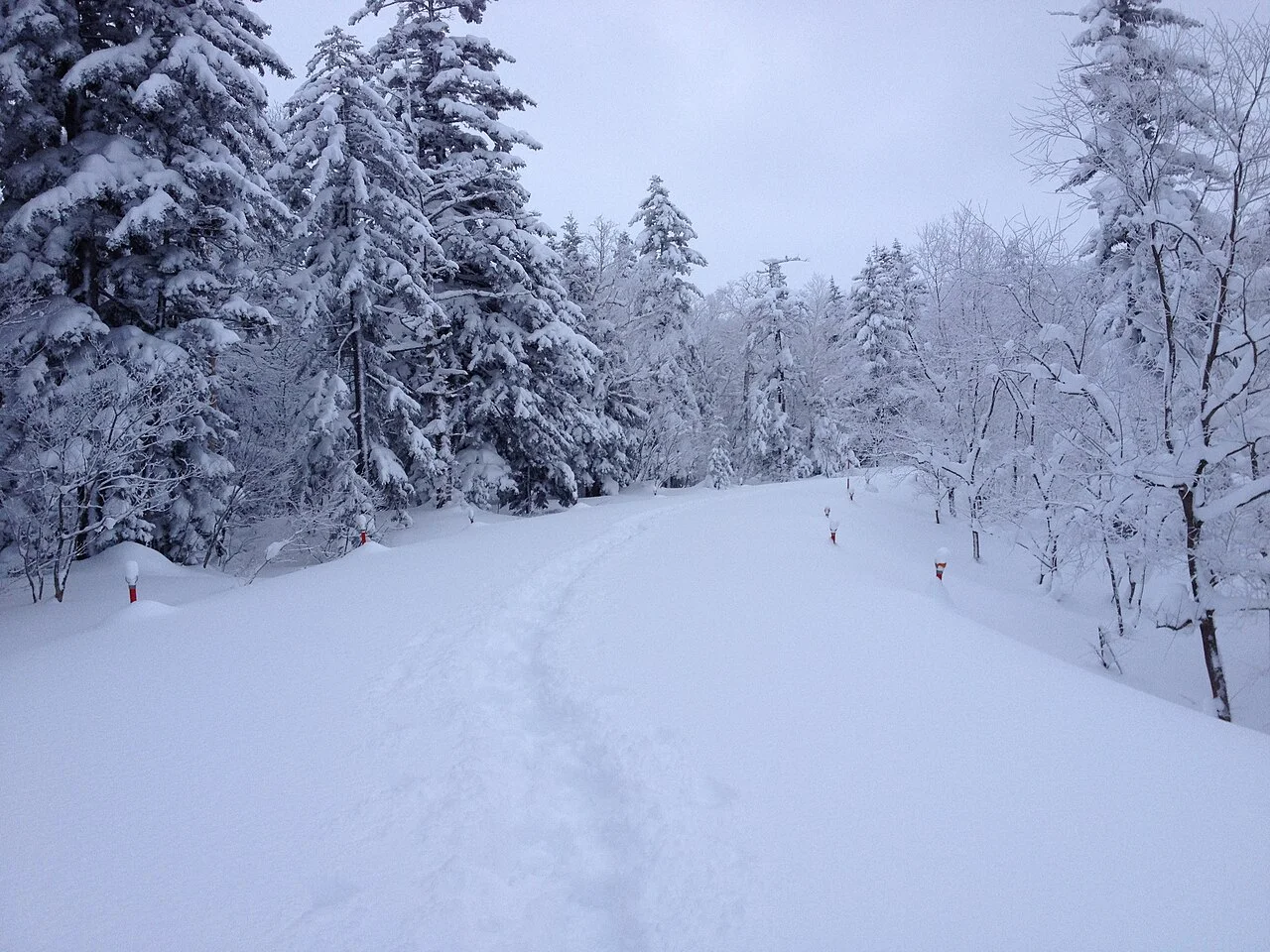
Deciding which days are actually worth driving on your first Hokkaido winter trip. Covers 2026-27 winter road closures, tire-chain rules, snow-tire checks, and detour plans for Sapporo, Otaru, Jozankei, Biei, and Noboribetsu.
Building Buffer Time Around Sapporo Snow Days and Sunset
Japan Meteorological Agency 1991-2020 climate normals for Sapporo show an average temperature of -0.9°C with 27.9 snow days in December, -3.2°C with 29.1 snow days in January, and -2.7°C with 25.3 snow days in February. A snow day simply means snowfall was recorded at the station, even a brief early-morning flurry, while mountain passes at the exact same hour may have heavy accumulation or blowing snow. Use those numbers to build flexible buffer days into your trip, then check route-specific forecasts on the morning you drive. JMA Sapporo Monthly Climate Normals
On December 21, 2026, the National Astronomical Observatory of Japan lists sunrise in Sapporo at 7:02 and sunset at 16:03 JST, leaving roughly 9 hours of daylight. Aiming to reach your hotel by 3:00 p.m. gives you room for refueling, brushing off snow, driving below the speed limit, and finding parking. Mountain valleys lose direct sun earlier than city streets, and falling snow cuts visibility fast, so plan around sunset at your destination and the final stretch of road rather than using one island-wide schedule. NAOJ Sapporo December 2026 Sunrise and Sunset
Phone navigation estimates pure driving time. To arrive comfortably in the afternoon, count backward from hotel check-in to subtract parking, rest-area stops, and clearing snow off the car. If you get a late start in the morning, cut optional photo detours first. Check return road conditions over an indoor lunch, and if a mountain pass on your route back shows worsening visibility, leave while you still have daylight margin. Separating flexible outdoor stops from hard hotel arrival times works far better than simply multiplying every map estimate.
Checking the Entire Route Before You Turn the Key
Write down three types of locations on your map before checking the JMA warning page: your starting point, any mountain passes or expressway interchanges along the way, and your destination. Central Hokkaido lowlands can be sunny while a neighboring subprefecture hits blowing snow. The Civil Engineering Research Institute for Cold Region's Northern Road Navi tracks blowing-snow visibility and is ideal for checking both outbound legs and return windows. Even when skies look clear at your starting point, open farmland or coastal roads ahead can still whip ground snow across the lanes. JMA Weather Warnings and Advisories, Northern Road Navi Blowing-Snow Visibility
Next, look up your planned route numbers in the official road portals. The Hokkaido Regional Development Bureau's road map covers national highways, prefectural routes, and bureau-managed expressways, along with live cameras on major corridors and mountain passes. Check each camera's timestamp first, then look at pavement color, road edges, and how far ahead taillights stay visible. A clear shot showing painted lane lines only tells you about that one spot at that moment; pull up cameras on both sides of any pass you plan to cross, especially if you will return over the same ridge. MLIT Road Information Map, Hokkaido District Transport Bureau Winter Road Portal
If you are taking the Do-O or Doto Expressways, check expressway-specific alerts as well. NEXCO East's Hokkaido branch runs its 2026-27 snow and ice operations from October 16, 2026 through April 30, 2027, monitoring weather and road conditions around the clock. Its official notice directs drivers to DraTra, its official LINE account, and the Hokkaido branch X feed for closures and estimated reopening times, with JARTIC available during system maintenance. Refresh these feeds right before entering an interchange and again during service-area breaks. NEXCO East Hokkaido Snow Operations and Status Channels, JARTIC Japan Road Traffic Information Center
When reading Japanese road maps, "tsukodome" indicates the section is closed, "kaijo mikomi" indicates the estimated reopening time, and "katagawa kogo tsuko" indicates alternating single-lane traffic. At alternating single-lane zones, stop at the marked line and wait for the signal or flagger. On expressways, verify which direction and which pair of interchanges are closed so you do not mistake the opposite lane's open status for your own route. Hand the phone to a passenger while moving, or pull into a rest area or marked parking lot before checking updates if you are driving solo.
If morning interchanges are open on the way out, but blowing snow is forecast over a mountain pass for your dusk return, start cutting afternoon stops from the end of the day backward. If your hotel is on the far side of a mountain pass, make the go/no-go call by lunch: cross only if you can arrive ahead of the whiteout, otherwise book a room on your current side and notify the original property. Where trains connect the two towns, let rail handle the long haul from the start and rent locally at your destination so a blizzard is easy to cancel around.
Rerouting Around 2026-27 Winter Road Closures
Hokkaido Route 966 between Biei and Kamifurano has two seasonal closures. According to the Kamikawa General Subprefectural Bureau's October 16, 2026 winter regulation list, the stretch from Shirogane Gate to Bogakudai Gate closes starting October 19, 2026 at 11:00 JST, and Bogakudai Gate to Gin'ei Gate on the Shirogane Onsen side closes starting December 1, 2026 at 11:00 JST. Both segments are scheduled to reopen on April 23, 2027 at 11:00 JST. Cross this mountainside link off your map when pairing Shirogane Onsen, the Blue Pond, and Tokachidake Onsen. Kamikawa Subprefecture Winter Road Regulation List (Items 13 & 33)
The closure applies strictly between the gates. Biei Town publishes dedicated parking and entry/exit traffic flows for the Blue Pond, so in clear weather you can drive from central Biei toward Shirogane, park at the Blue Pond, and return the same way. If your next night is in Kamifurano, drive back down toward National Route 237 first and approach from the Kamifurano side. If a cross-mountain day feels rushed, pick either the Blue Pond side or the Tokachidake Onsen side and keep lunch and lodging on the same side. Biei Town Blue Pond Parking Traffic Flow
In eastern Hokkaido, Shiretoko Pass is another route you cannot plan with summer navigation. The Abashiri Development and Construction Department announced that National Route 334 (the Shiretoko Crossing Road) is closed around the clock starting November 4, 2026 at 16:00 JST. The Kushiro Development and Construction Department defines the closed zone as roughly 23.8 km between the prefectural-road junction at Iwaobetsu in Shari Town and Yunosawa in Rausu Town. If you want drift ice in Utoro and wildlife or hot springs in Rausu, treat them as two separate corridors on the map, or stick to one side on a shorter trip; check the same official pages for spring reopening dates. Abashiri Development Bureau Shiretoko Crossing Road Notice, Kushiro Development Bureau Closure Zone
Seasonal mountain closures are easy to eliminate before you book hotels. Sudden heavy-snow closures, by contrast, mean stopping to recheck both your destination and your backup plan, since expressways and parallel national highways often shut down together. If a running train can get you there, park the car in a safe lot and contact the rental agency to arrange a return. When roads, trains, and buses all halt, call your hotel first and wait until a corridor reopens—turning onto unmonitored mountain backroads without cameras only moves a city-level delay out into the mountains.
Snow Tires, Tire Chains, and Highway Closure Rules
Article 12 of Hokkaido's Road Traffic Act Enforcement Bylaws requires vehicles driving on snow-covered or icy roads to fit snow tires on all wheels or use tire chains or equivalent anti-skid gear. Road surface conditions, not calendar dates, trigger the rule. If you are traveling in late October or spring and heading anywhere snow can accumulate at elevation, confirm in writing on your rental reservation that winter tires are fitted. Four-wheel drive helps you pull away from a stop, but it does not shorten braking distance on ice—you still need generous following gaps. Hokkaido Road Traffic Act Enforcement Bylaws Article 12
MLIT's chain-mandate zones (chen kisei) carry dedicated road signs and advisories. When you enter an active chain-mandated stretch, even vehicles with winter tires and 4WD must fit chains as directed. Restrictions, full closures, and snow-operations periods mean distinct things in official notices: when snowplows are actively working, follow posted speed reductions and traffic control; when a gate is shut, wait for the road operator's official reopening notice before proceeding. MLIT Tire Chain Regulation FAQ
Reading Black Ice and Whiteouts From the Driver's Seat
Black ice is a paper-thin glaze of clear ice that looks from the driver's seat like dark, freshly wet pavement. Ease off the throttle early before bridges, shaded stretches, tunnel portals, intersections, and downhill curves. Your dashboard thermometer only reads ambient air nearby—a bridge deck can be frozen while sunlit asphalt a minute earlier was wet, and cars ahead may not leave visible tire tracks. Treat any dark, glossy-looking patch as a signal to shed speed early, braking gently and progressively well before the stop line. Hokkaido Police Winter Skid-Prevention Guide
Once traffic compacts fresh snow, frozen ruts develop sharp height differences along their edges. Lane changes require much longer distances than usual, and passengers can help by calling out directions calmly without rushing the driver. Wait until the car is straight and settled out of a turn before accelerating, and signal early before intersections so drivers behind have room to slow down. If a tire slips or the ruts start tugging the steering wheel, ease off your inputs and let the car stabilize first. When snowbanks narrow the road, stay in the left lane and wait for a cleared turnout instead of drifting onto a snow-hidden shoulder.
When blowing snow hits open fields, lane edges can vanish completely. Slow down, open your following distance, and keep your headlights on so other drivers can spot you. While you can still see a safe entrance ahead, pull into a michi-no-eki roadside station, convenience store, or gas station parking lot to wait it out; stopping in a live lane or beside a snowbank just for a photo leaves approaching traffic too little time to react. If you have not left your hotel yet, hold off until route warnings, visibility, and road cameras clear. City of Sapporo Winter Visitor Safety Information, Hokkaido Development Bureau Winter Driving and Low-Visibility Map
If you catch up to a snowplow convoy on an expressway, slow down per NEXCO rules, keep well back, and never overtake active plows. Approaching your exit, check where the plow formation and road signs sit; if an exit is blocked or you miss it, continue to the next legal interchange and reroute. City streets also lose curb space to snowbanks, so use marked parking lots rather than street edges. Before pulling out of any lot, sweep snow off the windshield, side windows, mirrors, lights, and roof so visibility stays clear and roof snow does not slide onto traffic behind you. NEXCO East Hokkaido Snowplow Convoy Guidelines
What to Check on Your Rental Contract: Snow Tires, Pickup Windows, and Coverage
Standard winter-tire inclusion dates vary by branch. On Toyota Rent a Car's official schedule for April 2026 through May 2027, branches in Sapporo, Shin-Sapporo, Asahikawa, Hakodate, Kushiro, and Kitami equip winter tires as standard from November 1 through May 5, while Obihiro starts a day earlier on October 31 through May 5. If you pick up near the shoulder season or plan a one-way return, make sure pickup branch, rental dates, and winter tires are all itemized when comparing quotes. For one-way drop-offs, also check drop-off fees, branch shuttle schedules, and last check-in times. Toyota Rent a Car Standard Winter-Tire Branches and Dates
Short-term visitors driving in Japan must carry their valid original home driver's license, passport (for entry-date inspection, valid for up to one year from arrival), and either a 1949 Geneva Convention International Driving Permit or an official Japanese translation if their issuing jurisdiction uses a reciprocity agreement—Taiwan license holders, for example, apply for the translation at Highway Bureau motor vehicle offices. Make sure every driver who plans to take a turn at the wheel presents their documents at pickup and is registered on the contract from the start. Highway Bureau Taiwan-Japan License Reciprocity and Translation Application
Walk around the car at handover to check the tires, body panels, and lights. Ask the agent to point out the winter-tire sidewall marking and the winter wear indicator in the tread, and locate the snow brush, sub-zero washer fluid, emergency warning triangle, and towing hotline. Hokkaido Police's October 2026 safety bulletin notes that once a winter tire wears down to half of its new tread depth, it has reached its winter service limit for snow and ice. Test both front and rear defrosters before leaving the lot, and photograph any pre-existing scrapes or dings so there is no guesswork at fuel stops or return. Hokkaido Police 2026 Winter Tire Inspection Guide
Collision Damage Waiver (CDW, known locally as menseki hosho) covers the insurance deductible, while Non-Operation Charge (NOC) is the lost-revenue fee a rental company can charge if the vehicle needs repairs or special cleaning after an accident or breakdown. Some contracts price these separately, while bundled plans such as Toyota's Anshin W Plan include both. If your reservation only includes CDW, read the fine print on NOC, towing distance caps, tire and rim damage, and roadside assistance. Before heading into the mountains, save the agency's emergency number and policy details offline on your phone. Toyota Rent a Car Insurance, CDW, and NOC Guide
Using a Sapporo Base to Cut Out the Worst Driving Days
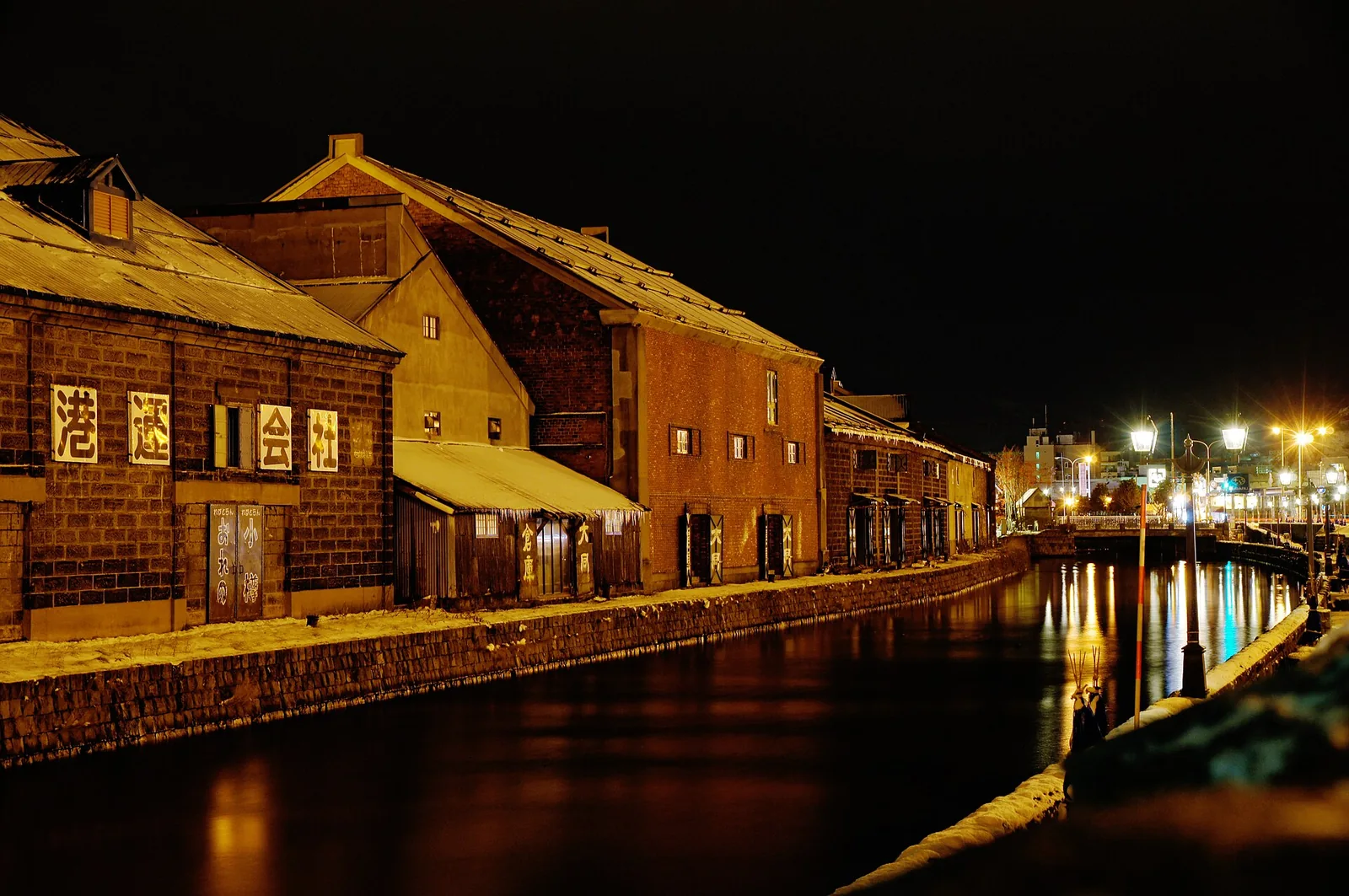
When staying two or three nights in Sapporo, schedule Otaru for the morning everyone can easiest make an early train. Once you step off at Otaru Station, walking the canal, Sakaimachi Street, and down toward Minami-Otaru eliminates the hassle of moving a car or feeding parking meters along the way. If anyone in your group walks slowly, split the day with local buses or short taxi rides from the station and pick an indoor spot as a warm-up stop. Should afternoon weather worsen, head back to a station with live main-line departure boards before deciding whether to wait or catch an earlier train to Sapporo. Otaru Canal and Sakaimachi Street Route
For Jozankei, build the day around an onsen ryokan stay and short neighborhood walks. Overnight guests should check first if their ryokan runs a shuttle bus. From Sapporo Station, Jotetsu operates the direct "Kappa Liner" bus from Stop 27; reservations run from one month ahead until 17:00 JST the day before, with same-day boarding if seats remain. Check both outbound and return schedules together—if the last bus back to Sapporo after soaking feels too tight, stay overnight or plan a day-trip arrival before noon. If driving via National Route 230, check road cameras first and follow the hotel's parking directions, and move Jozankei to another day if heavy snow suspends even the direct bus. Jotetsu Bus Jozankei Kappa Liner Schedule and Reservations
Keeping your suitcases parked at a Sapporo hotel makes blizzard days far easier to pivot. Ask whether booked suburban activities can shift time slots, and spend daylight hours around station complexes and Sapporo's underground walkways instead. If you are moving on to an onsen ryokan the following day, save the property's last dinner service time and rebooking contact on your phone. When a storm shows up clearly in the evening forecast, adjust your transit the night before rather than dragging luggage to the station at dawn only to replan on the concourse.
Using Asahikawa Station as Your Pivot for Shirogane and Furano
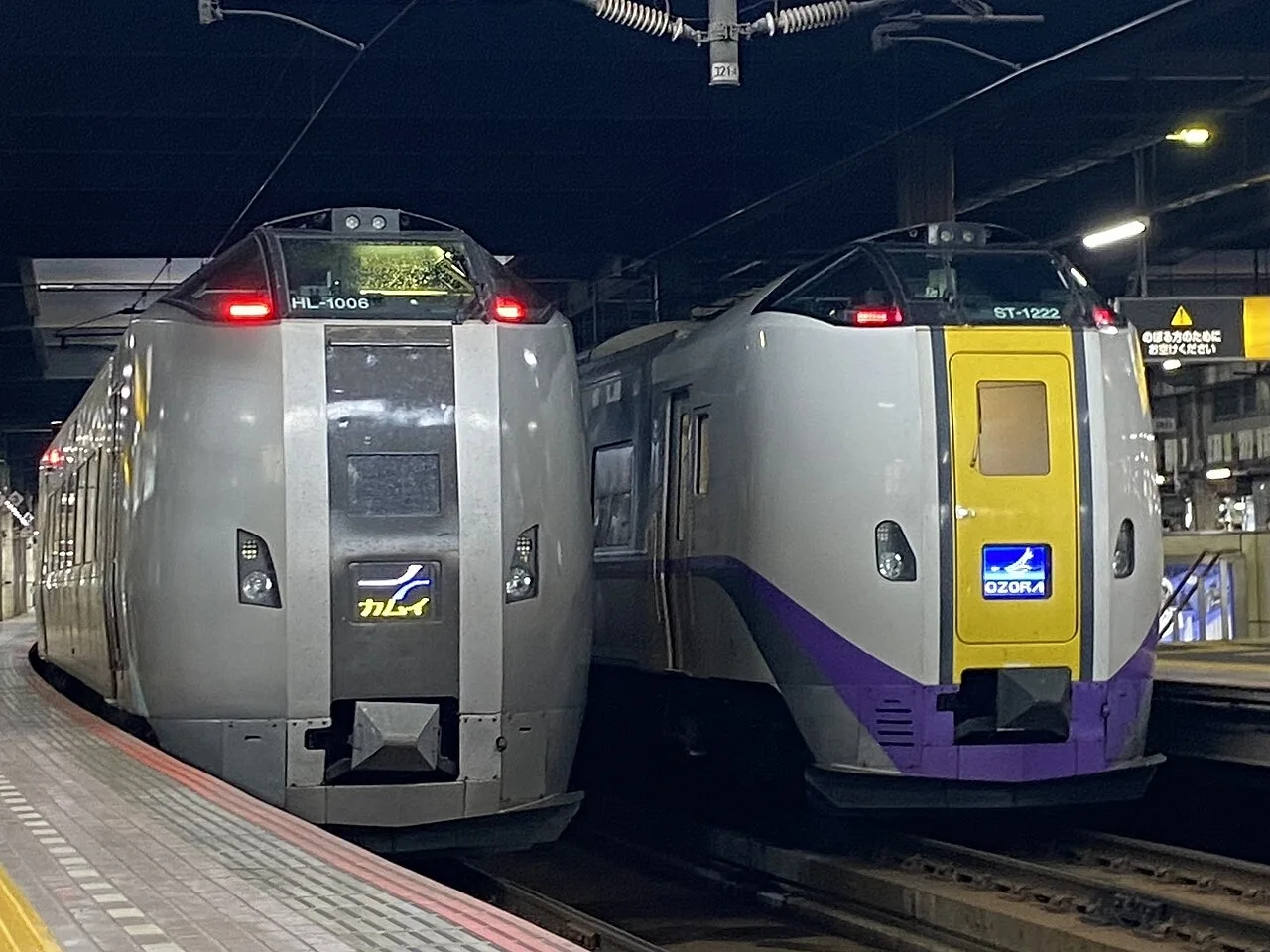
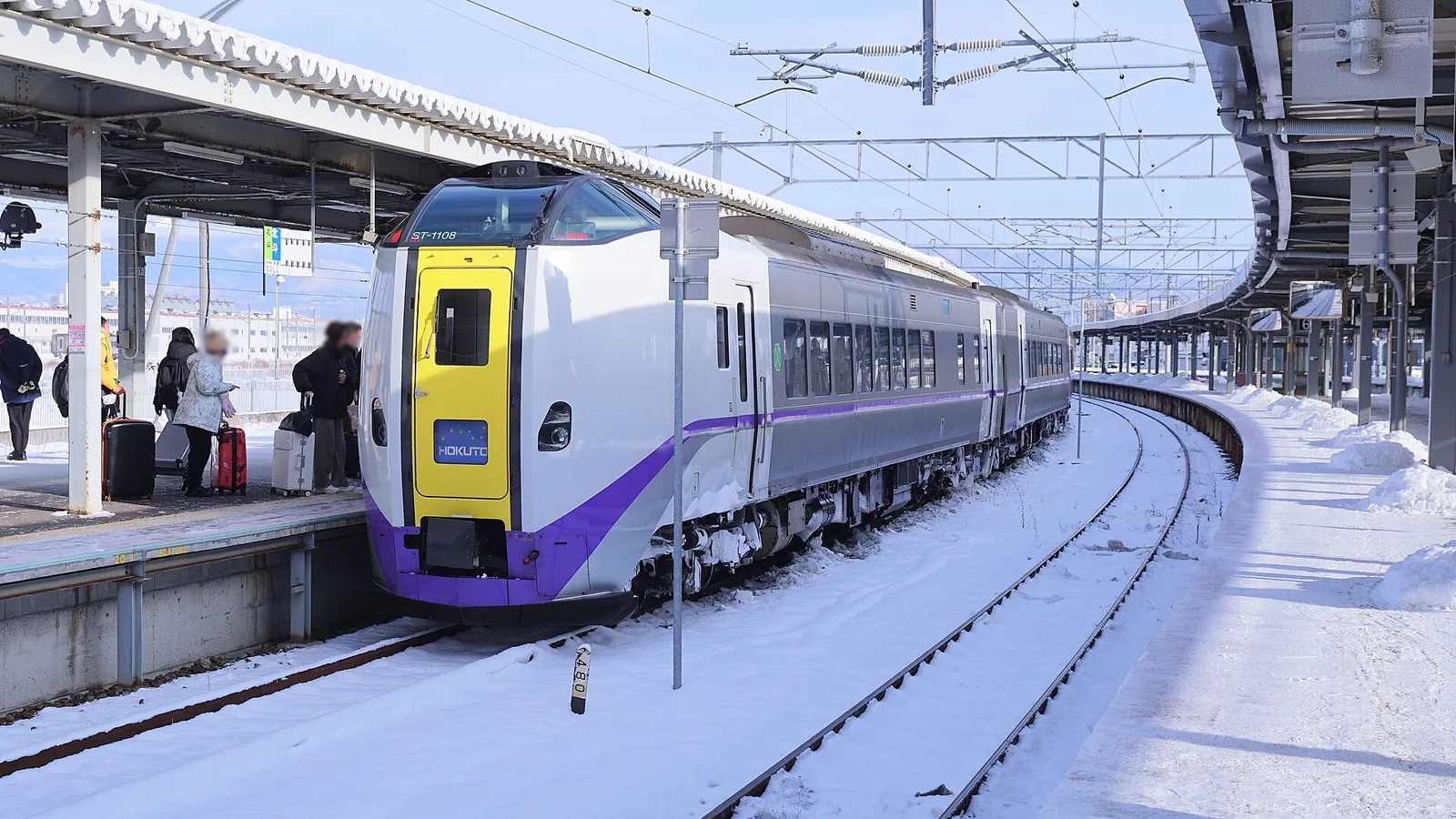
Take the limited express train from Sapporo to Asahikawa, stay near Asahikawa Station, and decide the next morning based on live road conditions whether to pick up a rental car. If your only goal is Asahiyama Zoo, riding the zoo bus from Asahikawa is far simpler than picking up and returning a car just for one stop. Save a one-day rental for linking the Blue Pond and Shirogane Onsen, routing your return cleanly back toward Biei. Trying to drive straight from Sapporo through Asahikawa, Biei, Furano, and Sounkyo in a single day stacks weather risks from multiple corridors at once; split it into one night in Asahikawa, one dedicated day for Biei and Shirogane, and a separate day for either Sounkyo or Furano. Asahikawa, Furano, and Daisetsuzan Itinerary
Winter at the Blue Pond brings a frozen surface and deep snow cover. Biei Town schedules its winter illumination from October 22, 2026 through April 21, 2027, starting at 16:30 JST in December, 17:00 JST in January, and 17:30 JST in February, running until 21:00 JST each night. To see the lights without stress, stay near Shirogane on a night with reliable round-trip access and check Biei Town's daily status notice, since severe weather can cancel the illumination. If you plan to drive back to Asahikawa before dark, visit the Blue Pond in daylight, have lunch in central Biei, and decide then whether to add a second stop. Farm roads and private driveways in the hills disappear under snow, so park strictly inside designated attraction lots. Biei Town Blue Pond and Shirahige Falls Winter Access and Illumination
If afternoon trains or buses suddenly suspend while you already have a rental car, ask the return branch whether hours can be adjusted for road conditions, then check whether temporary closures have hit your main highway back. When snow picks up at dusk and your one-way drop-off branch is still far away, prioritize pulling into an accommodation or facility with proper parking and coordinating with the rental branch first. Deciding ahead of time which station town you would overnight in beats driving blindly into an isolated handoff spot with nowhere to wait.
Noboribetsu and Lake Toya: Making the Last-Mile Connection
JR trains connect Sapporo to both Noboribetsu and Toya stations, where Donan Bus routes run up into each hot-spring town. Match your train arrival to a connecting bus first, then compare that against your hotel's shuttle schedule. Save your ryokan's name and street address on your phone in case you take a taxi. In Noboribetsu, staying right in the onsen town lets you walk to Jigokudani (Hell Valley) or rely on hotel shuttles after dark. When traveling with older relatives, checking the slope between the bus stop and the hotel entrance matters more than the total kilometers from the train station. Donan Bus Noboribetsu and Toya Timetables, Noboribetsu Onsen Hotel Areas Guide
If you want to visit both Noboribetsu and Lake Toya in the same day, lock in one as your overnight base and treat stops along the way as optional. Jigokudani and soaking in Noboribetsu, or lakeside walks at Toya, work smoothly on foot around your hotel. When snow slows down travel times, keep the activities on your overnight side and save the other area for a clearer day. Driving only pays off here when your hotel sits far from a bus stop, your group has heavy luggage, or you want to visit viewpoints not served by a single bus line.
When heading from an onsen town to New Chitose Airport for a flight, treat the hotel-to-station transfer, the main-line train, and the airport terminal arrival as three separate links. If only the very last train of the day gets you to the gate on time, move to Sapporo or Chitose the night before—especially for morning departures. Build your car return into that same timeline, since refueling, damage checks, and branch shuttle transfers all eat up minutes. If weather slows traffic, cut the final sightseeing stop and keep your car return and boarding deadlines fixed.
Lining Up Train, Bus, and Hotel Backup Plans
JR Hokkaido published its 2026 winter operations and passenger information measures on November 18, 2026. When switching to rail as a backup, select your line and station on JR Hokkaido's official status page to check suspensions, delays, and station departures, then confirm against departure boards at the station on travel day. Highway buses share the roads, so when checking Hokkaido Chuo Bus cancellation updates, distinguish between local city lines, intercity highway buses, and airport limousines. Heavy snow around Sapporo can halt both rail and road corridors in the same sector—only a train or bus that is actively departing counts as a real backup. JR Hokkaido Train Status Information, JR Hokkaido 2026 Winter Measures, Hokkaido Chuo Bus Service Suspensions
Put together a quick reference note for cancellations and late arrivals before you leave. Bookmark the change link for pre-booked rail tickets, and keep each hotel's booking name and confirmation number handy. If you plan to fall back by rail from Otaru or Asahikawa to Sapporo, verify that seats on the next operating train are still available before heading to the station. If your train is canceled while you happen to have a car, check the road maps and highway cameras for your specific corridor first rather than hitting the road just because other stranded passengers are lining up at rental counters.
Compare costs door-to-door across your whole group. A rental car budget has to include daily rates, one-way drop-off fees, fuel, expressway tolls, parking, and full insurance coverage—plus an extra night of parking if you pick up the evening before. Public transit totals base fares, reserved seats, local shuttles, and any last-mile taxis. If you only need wheels for one day out to Shirogane, rent for that single day and ride direct transit everywhere else; if you want a car for the entire trip, factor in any transfer days spent mostly hauling bags and compare that against staying two nights in two hub bases.
Packing Your Car, Planning Stops, and Returning Smoothly
Start every drive with a full tank and save your next fuel and rest stop in your navigation app. Gas stations and service facilities outside major towns keep shorter hours, so check options near your destination before leaving the last populated stretch for the mountains. Roadside michi-no-eki parking lots and restrooms stay useful for breaks, though indoor shops and restaurants follow their own daily opening hours. Whenever you need to clear fogged windows, swap drivers, or check road alerts, pull all the way into a proper parking lot.
Pack a snow brush, warm layers, gloves, a blanket, drinking water, non-perishable snacks, and a power bank inside the cabin. Keep an offline copy of your hotel addresses, rental agency hotline, license plate number, and daily route on your phone so a passenger can read off your location immediately in an emergency. Bring warm gear and battery packs indoors overnight at hotels and place them back within reach the next morning. Secure child seats before pulling out, and build extra minutes into your departure for clearing frost and defogging the rear window.
Before returning the car, brush snow off the roof, front and rear glass, side mirrors, headlights, license plates, and door seals. Clear frosted glass gradually with the defroster and an ice scraper—never pour hot water over a cold windshield. If your contract requires a full tank at return, fill up at a designated station and keep the receipt. To avoid hunting for fuel in heavy traffic or icy side streets, locate an easy-access gas station near the return branch at pickup so you can navigate straight to it at the end of your trip.
Handling Snowbound Stranding and Expressway Breakdowns
If deep snow traps your car on a local road, turn on your hazard lights and note the route number, direction of travel, nearby kilometer markers or phone GPS coordinates, and how many people are inside. Call 119 for injuries or medical emergencies, 110 for police in a traffic accident, and your rental agency's designated roadside assistance line for towing. If snow builds up around the vehicle, shut off the engine—a blocked exhaust pipe can force carbon monoxide into the cabin. Only step out to clear snow around the tailpipe when it is safe, use extra layers to stay warm, and never set off on foot through a whiteout; wait for instructions once you reach rescuers. Hokkaido Police Blizzard Stranding Guide, Hokkaido Development Bureau Heavy Snow and Blizzard Guide (Traditional Chinese PDF)
If your car breaks down on an expressway main lane or shoulder, rear-end collisions are the immediate threat. Move the vehicle to a safe pullout if possible, switch on hazard lights, and set out warning triangles or flares only when safe to do so. NEXCO guidelines instruct all occupants to watch oncoming traffic, step behind the guardrail or into a safe area, and call 110, an expressway emergency phone, or the road emergency hotline #9910. Never stay inside the car waiting for a tow or walk along the main lanes toward an interchange; read off tollgate names, kilometer posts, or overhead sign text so crews can pinpoint your direction immediately. NEXCO Expressway Accident Evacuation and Reporting
After any collision, check on passengers and watch for approaching traffic first, then call 110 to report the incident to police even if nobody is hurt. Photograph vehicle damage and the surrounding scene from a safe vantage point, and collect the other driver's details, the police report reference, and any documentation required by your rental agency. Even if the car still rolls, confirm with the rental company whether it is safe to drive before moving on, and wait to rebook hotels or train tickets until you know where a replacement vehicle will be issued—or ask rescue staff where to wait if transit has stopped. National Police Agency Traffic Safety Rules (Traditional Chinese PDF)
A few useful answers
Do I need to pay extra for snow tires when renting a car in Hokkaido in winter?
It depends on the pickup branch and dates. Toyota Rent a Car, for instance, includes winter tires as standard from November 1, 2026 through May 5, 2027 at branches such as Sapporo, Shin-Sapporo, and Asahikawa. When booking other agencies or shoulder-season dates, verify on the reservation voucher that winter tires are included, as Hokkaido law requires anti-skid equipment on snowy or icy roads.
Can I drive from Shirogane Onsen directly to Tokachidake Onsen during the 2026-27 winter?
No. On Hokkaido Route 966, the section from Shirogane Gate to Bogakudai closes from October 19, 2026 at 11:00 JST, and Bogakudai to Gin'ei Gate on the Shirogane Onsen side closes from December 1, 2026 at 11:00 JST. Both sections are scheduled to reopen on April 23, 2027 at 11:00 JST. Drive back down to central Biei first and approach Tokachidake Onsen via Kamifurano.
Can black ice still form during the daytime?
Yes. Bridge decks, shaded stretches, and tunnel entrances often stay frozen even in daylight. Whenever pavement looks dark and glossy as if wet, slow down early and leave extra stopping distance before curves or bridges.
Should I just switch to JR trains if a blizzard closes the roads?
Check JR Hokkaido's live service status for your specific line and station first, along with highway bus cancellation notices. If trains and buses are also suspended, stay at your hotel or inside a heated facility until a route or transit line reopens.
Do I need a rental car for the entire Sapporo, Otaru, and Jozankei portion of my trip?
No. Take the subway inside Sapporo, JR trains to Otaru, and either a hotel shuttle or the reservable Kappa Liner bus to Jozankei. Save your car rental for days with multiple rural stops or bulky luggage transfers.
Official information and references
Sources used in this guide.
- Japan Meteorological Agency | Sapporo 1991-2020 Monthly Climate Normals
- Japan Meteorological Agency | Weather Warnings and Advisories
- Civil Engineering Research Institute for Cold Region | Northern Road Navi Blowing-Snow Visibility
- MLIT Hokkaido District Transport Bureau | Winter Traffic Safety and Road Information
- Ministry of Land, Infrastructure, Transport and Tourism | Road Information Provision System
- MLIT Hokkaido Regional Development Bureau | Winter Road Driving Guide
- NEXCO East | 2026-27 Hokkaido Snow and Ice Operations
- Japan Road Traffic Information Center (JARTIC) | Expressway and General Road Traffic Information
- Kamikawa General Subprefectural Bureau | FY2026 Winter Traffic Regulations
- Biei Town | Blue Pond Parking Entry and Exit Flow
- Biei Town | Blue Pond and Shirahige Falls Illumination and Access
- Abashiri Development and Construction Department | National Route 334 Shiretoko Crossing Road
- Kushiro Development and Construction Department | Shiretoko Pass Closure Section
- Hokkaido Prefectural Police | Hokkaido Road Traffic Act Enforcement Bylaws Article 12
- Ministry of Land, Infrastructure, Transport and Tourism | Tire Chain Regulations
- Hokkaido Prefectural Police | Winter Road Skid-Prevention Guidelines
- Hokkaido Prefectural Police | 2026 Winter Tire Inspection
- Hokkaido Prefectural Police | Blizzard Stranding Guidelines
- MLIT Hokkaido Regional Development Bureau | Heavy Snow and Blizzard Guide (Traditional Chinese)
- NEXCO East | Expressway Accident Evacuation and Reporting
- City of Sapporo | Winter Visitor and Driving Information
- National Astronomical Observatory of Japan | Sapporo December 2026 Sunrise and Sunset
- Taiwan Highway Bureau | Taiwan-Japan Driver's License Reciprocity and Translation Application
- National Police Agency | Japan Traffic Safety Rules (Traditional Chinese)
- National Police Agency | Child Safety Seats
- Toyota Rent a Car | Standard Winter-Tire Branches and Periods
- Toyota Rent a Car | Collision Damage Waiver (CDW) and NOC
- JR Hokkaido | Train Operation Status Information
- JR Hokkaido | 2026 Winter Transport Measures
- Hokkaido Chuo Bus | City, Intercity, and Airport Bus Suspensions
- Donan Bus | Noboribetsu and Toya Station to Onsen Town Routes
- Jotetsu Bus | Jozankei Kappa Liner