Compare total door-to-door travel time and costs from central Sapporo, New Chitose Airport, or Okadama to Hakodate, covering Hokuto reserved seats, airport highway buses, driving, and winter transfers.
- Region & Focus
- SapporoTransportation and passes
- Reading Scope
- 19 min read · 9 chapters · 6 Q&As
- Official Verification
- 32 official sources checkedUpdated November 22, 2026
- Key Topics
- Rail travelAirport transfersItineraries
Chapter Route Map (tap any stop)
- Pin Your Starting Point and Hotel on the Map First
- Landing at New Chitose? Skip Detouring Into Sapporo When You Can
- Already in Central Sapporo? Match the Right Airport and Departure Window
- The Limited Express Hokuto Is the City-to-City Baseline
- How Many Hours Does Highway Bus Savings Actually Cost You?
- Renting a Car Only Shines When You Sleep Along the Way
- Same-Day Tight Connections: Price Out the Cost of a Miss
- In Snow Season, Protect Tomorrow's Must-Make Leg First
- Where You Stay After Arriving Changes How You Reach Hakodate
- Quick Q&A
Between central Sapporo and central Hakodate, start with the direct Limited Express Hokuto. When both hotels sit near the main stations, the train takes roughly 3.5 to 4 hours, and a standard adult ordinary-car reserved seat typically costs ¥9,770 one way. If you are landing at New Chitose Airport and heading straight to Hakodate, you can stay at the airport for an ANA domestic flight, catch select direct highway buses, or ride JR one stop to Minami-Chitose to board the Hokuto. Travelers already in central Sapporo should check flights out of Okadama Airport as well. If you plan to stop in Noboribetsu, Lake Toya, or Onuma along the way, renting a car makes those mid-route detours far easier.
Pin Your Starting Point and Hotel on the Map First
When comparing tickets, measure the trip from the moment you roll your luggage out of your hotel after checkout until your bags are stored at the Hakodate end. If you are staying near Sapporo Station's north exit and heading to a hotel outside Hakodate Station, factoring in early airport arrival times usually settles the decision quickly. Staying in Sapporo's Higashi Ward and heading straight for a Yunokawa hot spring ryokan flips the math: Okadama Airport sits inside Sapporo city limits, and the bus from Hakodate Airport to Yunokawa Onsen takes around 10 minutes, cutting out a long stretch of ground transit on both ends.
If you have not booked hotels in either city yet, start by checking latest check-in times to rule out late departures. For a station-front business hotel where you can check in upon arrival, later Hokuto trains and highway buses both remain viable. For an onsen ryokan with dinner included, work backward from the property's final seating time and leave room to get from the station or airport to the lobby. Arriving at the station at 18:30 and sitting down at the dining table at 18:30 are two very different things. Checking into a ryokan in the afternoon and heading back downtown later usually leaves time for only one evening activity.
Calculate costs door-to-door as well. Rail means reserved seats plus local connections, flying adds airport transit and any excess baggage fees, buses follow the adult one-way fare shown at checkout, and driving requires totaling the whole rental before splitting by passengers. For two travelers with one suitcase each going from Sapporo Station to Hakodate Station, the Hokuto's time and price serve as a clean baseline. For four people riding from a Sapporo hotel to Okadama and sharing a taxi from Hakodate Airport to Yunokawa, divide both taxi fares by four and factor in the walking and transfers you avoid.
Compare total door-to-door travel time and costs from central Sapporo, New Chitose Airport, or Okadama to Hakodate, covering Hokuto reserved seats, airport highway buses, driving, and winter transfers.
Landing at New Chitose? Skip Detouring Into Sapporo When You Can
New Chitose Airport (CTS) and Sapporo Okadama Airport (OKD) are two separate airports with no direct shuttle bus linking them. If your international flight lands at New Chitose and you want to fly to Hakodate the same day, search specifically for CTS to Hakodate (HKD). Write the airport codes in your group itinerary message so nobody sees "Sapporo" on a booking page and assumes every flight uses New Chitose. Save Okadama for travelers already staying in central Sapporo who can leave according to domestic flight times.
First check whether your itinerary is on a single ticket with the Japanese domestic leg included, or two separate bookings. On separate tickets, count everything after touchdown: immigration, baggage claim, customs, the walk to the domestic terminal, check-in, bag drop, and security. Your layover needs to absorb the entire chain. On a single through-ticket, follow your airline's transfer procedure and verify baggage collection and re-check rules at your origin counter. Travelers with early morning commitments in Hakodate should consider arriving the night before and sleeping there.
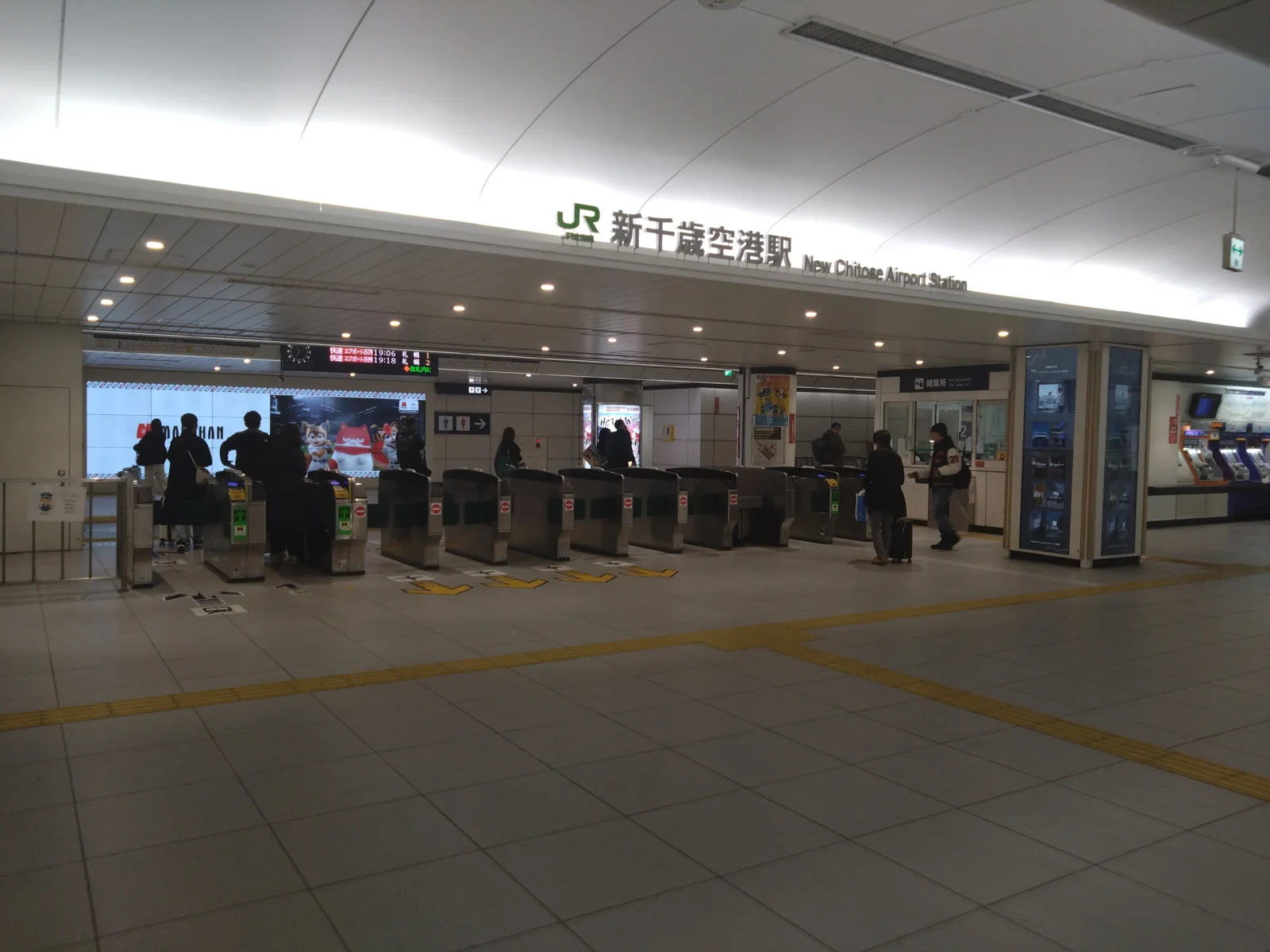
To avoid clearing security a second time, ride JR to Minami-Chitose to transfer. Board the Rapid Airport from New Chitose Airport Station one stop toward Sapporo to Minami-Chitose, then change to a Hakodate-bound Hokuto. When searching schedules, enter the full route from New Chitose Airport to Hakodate and double-check which station your reserved seat actually starts from. There is also a separate station named Chitose on the rail schedule, so look specifically for the "Minami" prefix when buying tickets and getting off. If you have time for a meal between trains, pick up an ekiben bento at the airport before boarding.
Travelers who want a single-seat ride all the way to Hakodate can check the highway bus airport departures. On both the July 1 and December 11, 2026 timetables, two Hakodate-bound buses serve New Chitose Airport, departing the International Terminal at 10:54 and 14:04 and arriving at Hakodate Ekimae at 15:45 and 18:55. After clearing international customs, board right at the International Terminal; from the Domestic Terminal, use the stop in front of JAL. Select your actual terminal when booking. Neither the Chuo Bus counter nor ticket machines at New Chitose Airport sell tickets for this route, so buy online in advance. In the opposite direction, only select buses enter the airport, and they stop at the International Terminal.
An afternoon arrival shows how sharply these three options diverge. Suppose your international flight clears customs and you step into the arrivals hall at 14:30: the 14:04 direct bus has already left, and the 17:55 ANA flight only lands at 18:35 before your ride into town. If you want dinner in Hakodate, check seat availability on Hokuto departures from Minami-Chitose first, then see whether an earlier domestic flight is possible. If you land late in the afternoon, spending the night in Chitose or Sapporo and heading to Hakodate the next morning beats scrambling on your phone for the last connection. You only need the full Rapid Airport ride into Sapporo if you are staying overnight there; see New Chitose Airport transfers to Sapporo and Otaru for details.
Already in Central Sapporo? Match the Right Airport and Departure Window
ANA domestic flights from New Chitose to Hakodate have a scheduled flight time of about 40 minutes. On ANA's timetable covering October 25, 2026 through January 31, 2027, southbound flights are NH4853 (10:55 to 11:35) and NH4857 (17:55 to 18:35), both operated by ANA Wings. The morning flight preserves your afternoon in Hakodate, while the evening departure fits travelers with fixed schedules on both ends, such as morning errands in Sapporo followed by straight check-in near Hakodate Station. If your travel dates fall outside that schedule window, look up flights directly by date on ANA's site.
From Sapporo Station to New Chitose, the JR Special Rapid takes as little as 33 minutes and the Rapid takes 37 minutes, at ¥1,230 for an adult unreserved ordinary-car seat. Add up a realistic timeline: 45 minutes for waiting and the train from Sapporo Station, 60 minutes to reach the counter and clear airport procedures, 40 minutes in the air, and another 45 minutes after landing to deplane, claim bags, and ride into Hakodate Station—about 3 hours 10 minutes total. That assumes clean connections; any awkward layover gap can shrink the time advantage over the train down to the length of a coffee break. Plug in both hotel locations before deciding whether an earlier hotel checkout is worth it.
If you are leaving from central Sapporo on a JAL Group flight to Hakodate, search Okadama Airport. Ride the Toho Subway Line to Sakaemachi Station and transfer to the airport shuttle bus, which takes 5 to 10 minutes and costs ¥350. Okadama Airport also lists a direct bus from Sapporo Ekimae taking around 35 minutes for ¥1,000, but Hokto Kotsu suspends the Sapporo Ekimae leg during winter from December 1 through March 31. If you are staying near Sapporo Station and want to see whether this route genuinely beats the Hokuto on time, add up the subway ride and transfer wait at Sakaemachi, then price out taking a taxi straight to the airport instead.
When you spot a cheap airfare, check the aircraft's carry-on baggage rules before assuming your usual cabin roller fits. On JAL aircraft with fewer than 100 seats, carry-on bags must fit within 45 x 35 x 20 cm. ANA enforces the same dimension cap on its sub-100-seat aircraft. Measure your bag including wheels and handles; if you need to check it, add bag-drop lines and carousel wait times back into your schedule. On ANA flights to Hakodate, checked baggage must be dropped off at least 20 minutes before departure—meaning 10:35 for the 10:55 flight. Pack gloves, medication, and phone chargers in an accessible daypack before leaving Sapporo so they are ready at the bus stop upon landing.
At Hakodate Airport, take the Hakodate Teisan Bus for downtown or the bay area. Buses reach Hakodate Ekimae in about 20 minutes for ¥700 per adult. Some routes continue toward the waterfront; if you are staying near Kanemori Red Brick Warehouse, check whether the Bay Area-mae stop is closer to your hotel. For Yunokawa, the Teisan bus from the airport to the Yunokawa Onsen stop costs ¥300 per adult. Cross-check your bus stop against your ryokan address, and if your ryokan runs a courtesy shuttle, note the pickup spot and last departure time in your itinerary. Return Teisan airport shuttles from Hakodate Station depart from Stop 11 outside the station. On late arrivals, match the final shuttle departure against touchdown plus baggage claim, and budget for a taxi if needed.
The Limited Express Hokuto Is the City-to-City Baseline
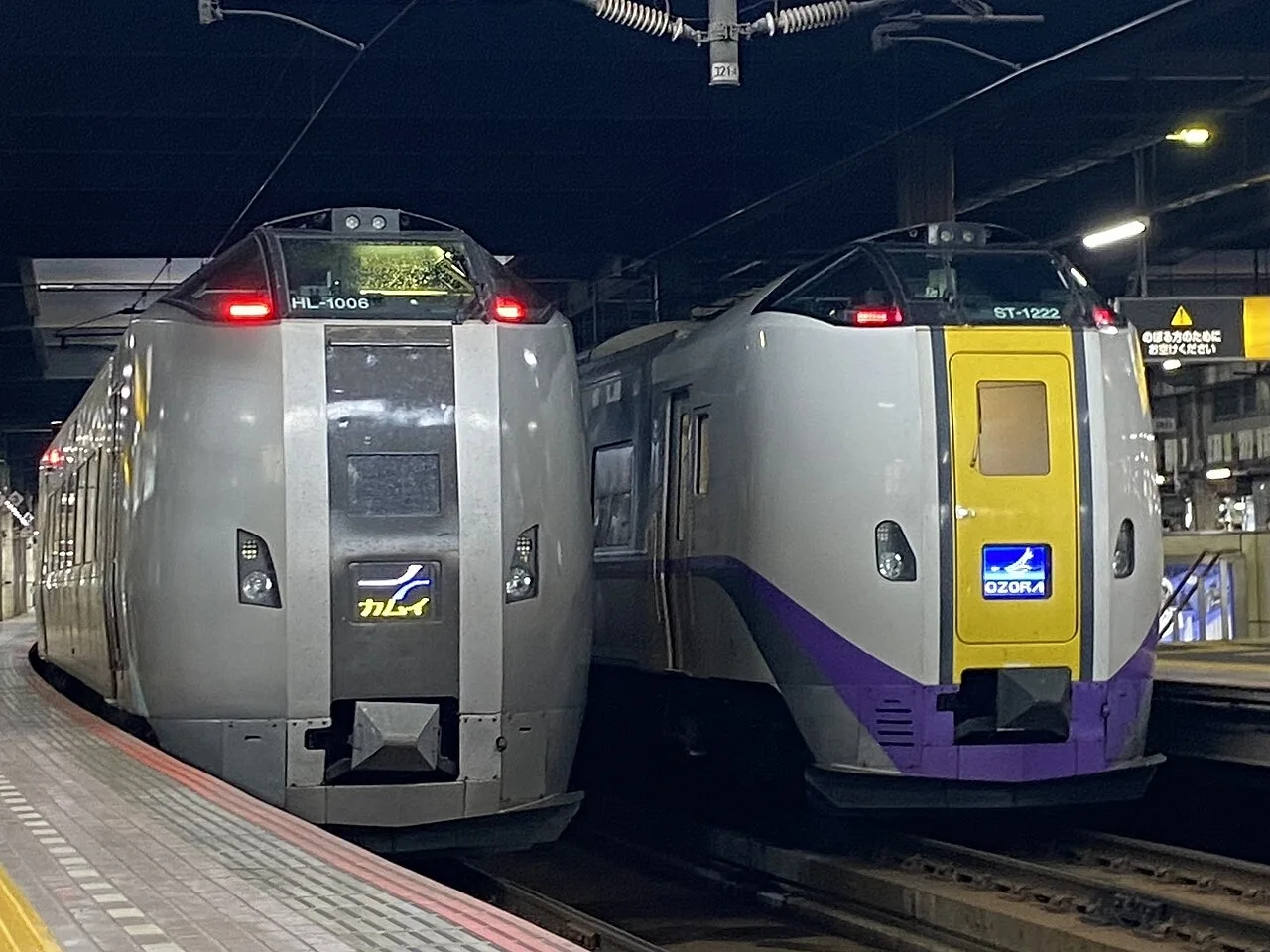
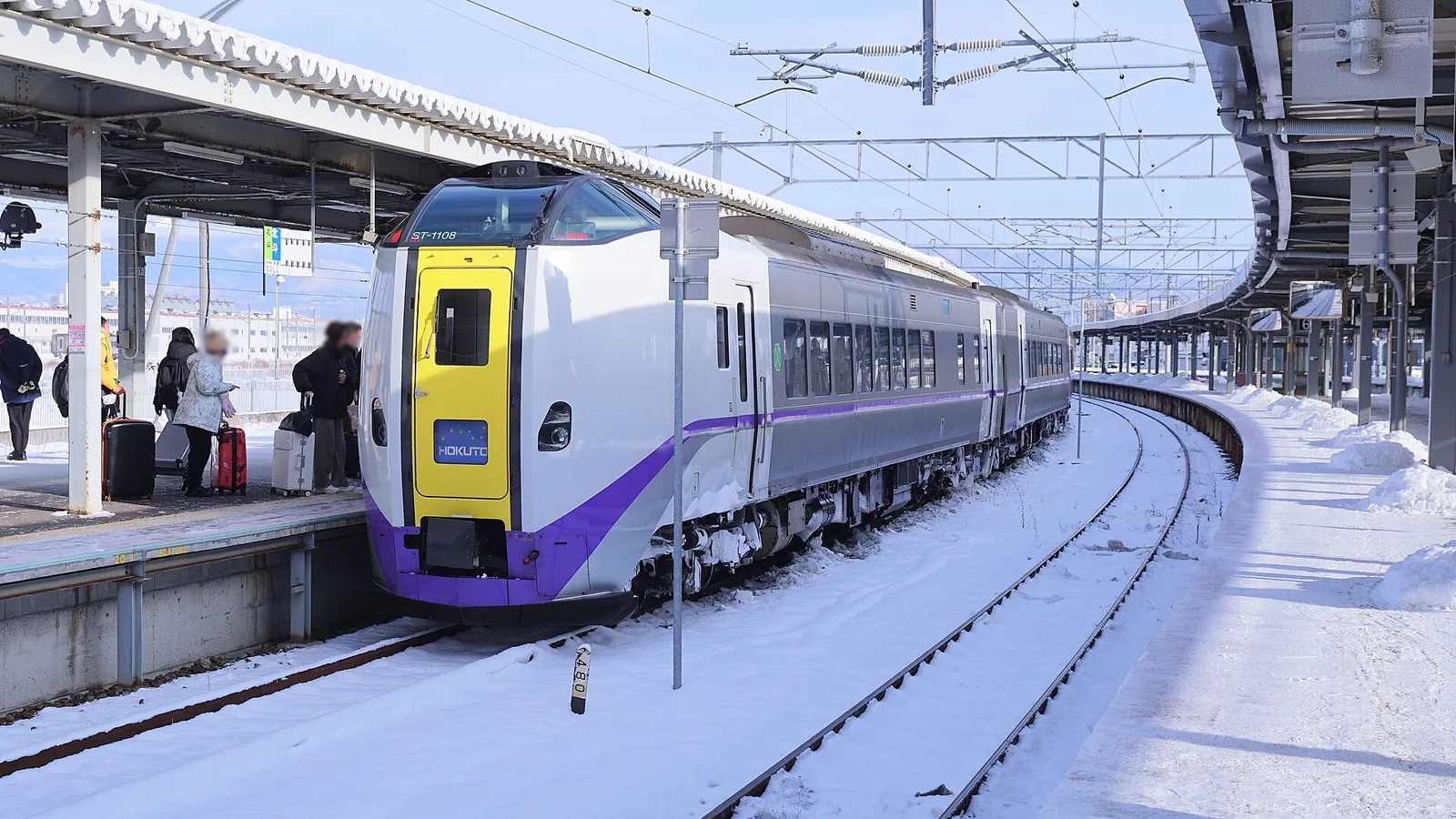
The Hokuto runs from Sapporo via Minami-Chitose, the Higashi-Muroran area, and Oshamambe, then follows Uchiura Bay (Funka Bay) down to Hakodate. Under the March 14, 2026 timetable revision, 11 Hokuto trains run daily in each direction. Hokuto No. 2 leaves Sapporo at 06:00 and arrives in Hakodate at 09:29; for a midday arrival, Hokuto No. 6 departs at 08:43 and arrives at 12:33. Giving yourself buffer time to buy an ekiben and find the right platform matters far more than chasing a train that is 15 minutes faster. For coastal views, watch the windows along Uchiura Bay, and look toward Mt. Komagatake while passing Mori and Onuma in daylight.
A regular ordinary-car reserved-seat fare combines a base fare ticket and a reserved-seat limited express ticket. Because the Hokuto is an all-reserved train, book seats as soon as your travel dates are locked, especially if your group wants to sit together. Standard reserved seats go on sale at 10:00 JST one month before departure. Major stations such as Sapporo Station have JR reserved-seat ticket machines for purchasing and pickup; after booking online, check your confirmation email for exact pickup instructions and machine locations. Simply carrying a transit IC card does not cover a ride on the Hokuto. You can verify exact stops and connections in our Limited Express Hokuto and Shin-Hakodate-Hokuto transfer guide.
Once dates and times on both ends are fixed, check the Japanese-language Ekinet site for Tokkyu Tokudane 1 discounts. JR Hokkaido lists discounted adult ordinary-car reserved seats between the Sapporo City Zone and Hakodate at ¥6,830 to ¥8,790, available until 23:50 the day before travel on eligible trains and seat allocations. If a train sells out before the cutoff, you will need the next departure or a regular-fare ticket. Discounted tickets cannot be changed after pickup, and if you miss your assigned train, you must buy a new limited express ticket on the day of travel. If you are connecting right off an international flight or might shift hotel checkout times, weigh those fare savings against the cost of rebooking at short notice.
If you are only riding Sapporo to Hakodate once, stick to a single one-way ticket. Taking the Hokuto both ways at the regular ¥9,770 fare totals ¥19,540. A consecutive 5-day Hokkaido Rail Pass for eligible overseas visitors costs ¥22,000 when bought in advance or ¥23,000 at designated stations in Japan—leaving a gap of ¥2,460 or ¥3,460 against standard round-trip tickets. Adding two unreserved Rapid Airport rides between New Chitose and Sapporo at ¥1,230 each brings the advance pass right to break-even. One extra rail trip—or successfully snagging two Tokudane discount tickets—tips the math the other way. Map out all travel dates first rather than rearranging hotel nights just to squeeze trips into five consecutive days.
The Hokuto carries no onboard food or drink cart, so pick up breakfast at Sapporo Station before an early train and pack water and snacks for kids on afternoon runs. Standard KiHa 261 series trainsets include luggage racks, available on a first-come, first-served basis. Wheelchair users can contact JR ahead of time or visit a Midori-no-madoguchi ticket office with their boarding and alighting stations, wheelchair dimensions, group size, and boarding assistance needs. Note that JR Hokkaido restricts certain online seat reservations when connecting with the Hokkaido Shinkansen. If you are traveling with older relatives who walk slowly, choosing hotels close to the stations saves the hardest effort: hauling bags on and off trains and hunting for elevators.
How Many Hours Does Highway Bus Savings Actually Cost You?
The Kosoku Hakodate-go highway bus requires advance seat reservations. From July 1, 2026, adult fares between Sapporo or New Chitose Airport and Hakodate are ¥3,530 to ¥5,990 when booked and paid online, or ¥5,990 by phone or at the counter. On both the July and December revised schedules, direct Sapporo Ekimae to Hakodate Ekimae departures include 06:45 to 12:05 and 16:30 to 22:05, while a route via New Chitose Airport runs 09:40 to 15:45. Hakodate Bus currently operates four daytime round trips daily; the last arrival pulls into Hakodate past 22:00, making a station-area hotel far easier than a late-night cross-town transfer.
Compared with a regular Hokuto ticket, switching one leg to an online-fare bus saves ¥3,780 to ¥6,240 per person. Between station-front hotels, the morning Hokuto reaches Hakodate around noon, roughly two hours faster than the bus. Put another way, for two travelers, the savings from one bus leg can fund a closer hotel near Hakodate Station and cut down the walk with luggage. If you have morning plans in Sapporo and take a 12:50 departure arriving at 18:55, you get an afternoon with zero transfers and arrive in time for dinner, without forcing the Mt. Hakodate night view into the same evening.
Do not mix up the two Sapporo boarding stops: Sapporo Ekimae and Chuo Bus Sapporo Terminal. From Sapporo Station, confirm "Sapporo Ekimae" on your reservation and board at Stop 4 outside the station. At Chuo Bus Sapporo Terminal, Phase 2 construction notices effective October 26 place departures at Platform 5 through late November, while the December 11 timetable lists Platform 8—check terminal signage on the day you travel. If paying at a convenience store, put the payment deadline on your calendar. Under the December rules, online bookings made within three days of departure require immediate payment. For the earliest 06:45 bus, the operator requires purchasing tickets in advance because departure falls outside booking acceptance hours.
In Hakodate, pick a drop-off stop near your hotel. Staying around Goryokaku and Honcho? Check the walk from Goryokaku (Honcho) instead of riding all the way to Hakodate Ekimae. Staying in Yunokawa? Check the exact distance between your ryokan and the Yunokawa Onsen Higashi terminal, as some properties still require a walk. Large suitcases go in the underfloor luggage bay, where space is limited; if you have bicycles, large instruments, or multiple oversized bags, check luggage limits with the bus operator before buying tickets. Keep power banks with you in the cabin. Comfort does not show up on a timetable, so if anyone in your group gets motion sickness or needs frequent restroom stops, weigh five to six hours on the road carefully before chasing the lowest fare.
Renting a Car Only Shines When You Sleep Along the Way
Hakodate's official tourism site estimates roughly 4 hours 20 minutes of driving from central Sapporo via Sapporo-Minami IC on the E5 Do-O Expressway to Onuma-Koen IC, followed by Hokkaido Route 149 and National Route 5 into Hakodate. Add extra time for car pickup, fueling, and rest stops. If you just want to go city-to-city and will end up hunting for parking on arrival, a day's rental plus tolls rarely beats the train on convenience. Where a car earns its keep is staying lakeside at Lake Toya and driving down through Onuma the next morning, skipping station shuttle waits and keeping your bags in the trunk between hotels.
NEXCO East lists the distance from Sapporo-Minami IC to Onuma-Koen IC at roughly 264.5 km, with a regular standard-car toll of ¥6,120. That toll covers only the expressway segment; factor in full collision coverage, fuel, parking, and potential one-way drop-off fees. Always run a quote using your exact pickup and return branches, and remember that airport rental outlets often require shuttle wait time after dropping off the car. To drive in Japan on an overseas license, sort out an International Driving Permit (or an official Japanese translation, if your licensing jurisdiction uses that system) before departure, and carry your valid original license, translation or IDP, and passport. If two people plan to share the driving, both need complete documents.
Stops at Noboribetsu or Lake Toya hinge on the final mile. After getting off at Noboribetsu Station, you still need road transport up into the Noboribetsu Onsen hot spring area, just as Toya Station requires another ride to reach the lakeshore. If you are staying one night, ask your ryokan where buses stop and how its shuttle works before deciding between split Hokuto tickets and driving the whole route. For a simple half-day visit to Onuma, booking a Hokuto train that stops at Onuma-Koen is far easier than renting a car for a single stop and returning it the same evening. Because not every Hokuto stops there, work backward from the next train between Onuma-Koen and Hakodate to see how long you actually get by the lake.
If you place Onuma on a hotel-change day, plan luggage storage and your second train ticket together. JR Hokkaido lists large coin lockers at Onuma-Koen Station, with counts and rates shown in its station locker directory. If your group is hauling several 28-inch suitcases, riding straight to Hakodate first and doubling back light the next day can be less stressful. If you do step off mid-route, reserve two separate seat legs—Sapporo to Onuma-Koen and Onuma-Koen to Hakodate—and ask the ticket counter when buying whether your base fare ticket permits stopping over. Holding only one reserved-seat ticket leaves you without a seat for the second leg after walking around the lakeshore.
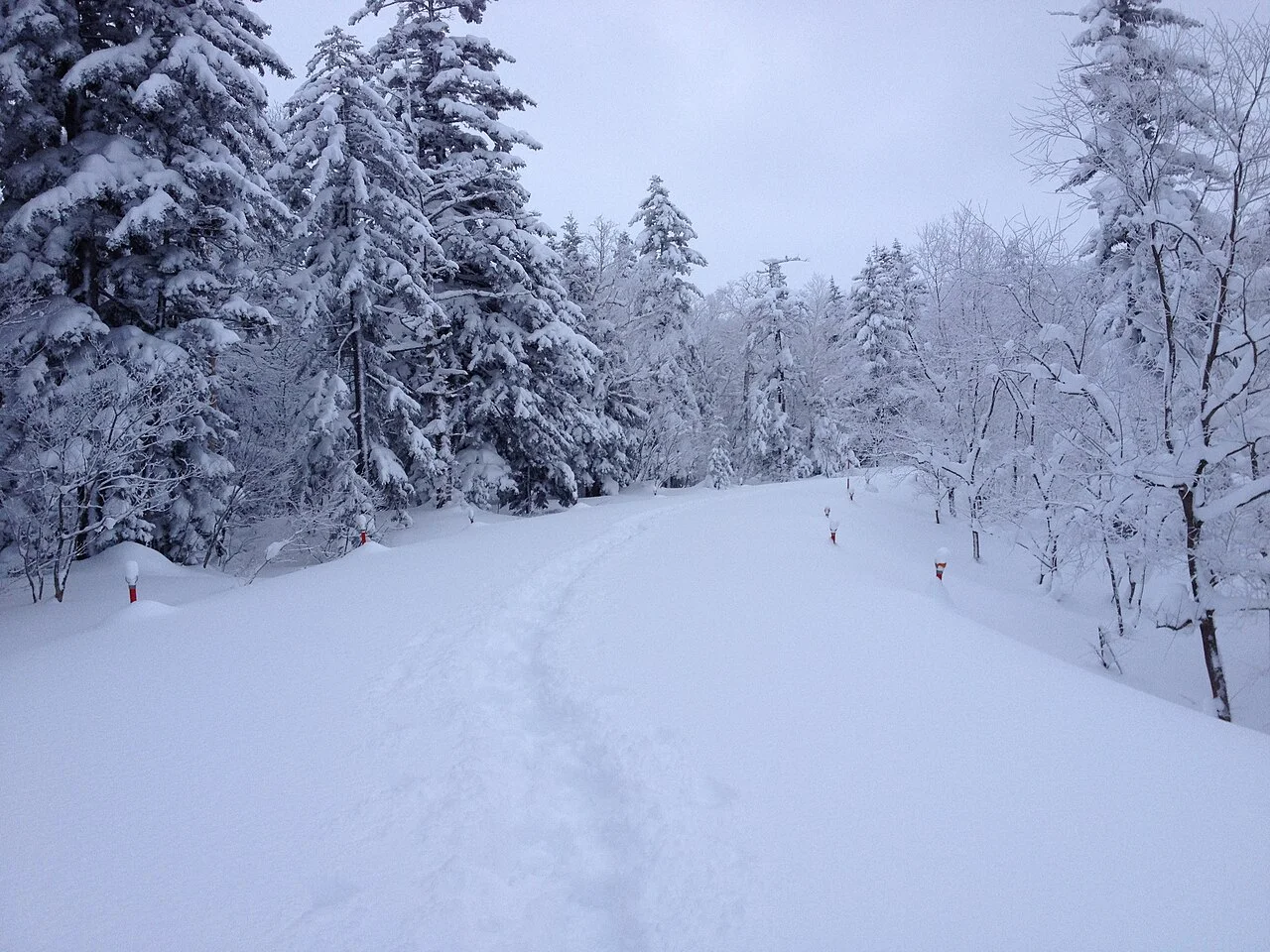
In winter, check road conditions before anything else. Leaving in the morning keeps the longest stretch in daylight, gives you early rest stops at expressway service areas, and leaves room to adjust mid-route breaks. At the rental counter, confirm winter tires, snow chains if required, and any company weather restrictions, and check live E5 expressway cameras even when both cities look clear. During preventive expressway closures, parallel national highways often face snow accumulation, roadblocks, or near-zero visibility. If your trip is strictly point-to-point and you lack snow-driving experience, switch early to rail or split the journey with an overnight stay, saving roadside detours for clear weather.
Same-Day Tight Connections: Price Out the Cost of a Miss
Whenever a connection looks tight, ask whether the following departure still works. Take the morning highway bus back from Hakodate to New Chitose: on the July and December 2026 timetables, the first bus leaves Hakodate Ekimae at 07:18 and reaches the International Terminal at 12:13, while the second leaves at 08:58 and arrives at 13:53—a gap of 1 hour 40 minutes. If you book the first bus to catch an afternoon international flight, compare the second bus's arrival time against your airline's check-in cutoff. Traffic delays or a canceled bus could push you out of reach of the same flight. When an overnight stay in Chitose the evening before is an option, weigh one hotel night against rebooking an international ticket.
The same logic applies to Shinkansen transfers. Starting in Sapporo and continuing straight to Honshu means riding the Hokuto to Shin-Hakodate-Hokuto and transferring there; stopping near Hakodate Station for a meal adds two local train rides plus wait time. If you stay overnight in Hakodate, pick your next-morning Shinkansen first and match the corresponding Hakodate Liner shuttle. After booking any long-distance train, note the feeder train immediately before the one you plan to take. If heavy snow hits or someone in your party needs extra transfer time, you already have a backup departure ready before leaving the hotel.
When a group starts together and splits en route, agree on an easy meeting spot. Two travelers taking the Hokuto with big suitcases into Hakodate Station and two flying into Hakodate Airport will arrive at different times. Meet in the hotel lobby so whoever arrives first can drop bags. If part of the group has a stroller or takes a taxi ahead, they can also handle early check-in paperwork. There is no need to wait around at the station or airport before heading into town—use a one-hour gap at the station for lunch instead. If you plan to ride together, confirm headcount and checked bag counts before looking for discount fares so you know how to compare splitting bookings versus waiting together for the next train when only one discount seat remains.
Evaluate multi-city flights alongside your ground transport costs. For two adults, flying into New Chitose and out of Hakodate eliminates one full Sapporo-Hakodate rail leg—saving ¥19,540 in regular Hokuto fares plus the return airport transit to New Chitose. Flying into Hakodate and out of New Chitose cuts a leg as well, provided your arrival time still lets you reach downtown or meet hotel check-in deadlines. When open-jaw and round-trip airfares are close in price, decide based on whether an extra night in Hakodate buys you the Morning Market, night view, or onsen time you actually want. On a four-day trip, gaining half a usable day beats shaving a few hundred yen off the final train.
Even if you must backtrack, you do not have to take the same mode both ways. Take the Hokuto down to reach Hakodate before lunch; if you have no flight to catch on the return and would rather put the fare difference toward your Sapporo hotel, consider an afternoon highway bus back. Just watch out for hotel meals: if your last night in Hakodate includes breakfast, squeezing onto the earliest return departure forfeits that meal. Plot included hotel perks you plan to use onto your day's timeline before choosing departure times on the booking page—grabbing the cheapest early slot only to forfeit breakfast or shuttle coverage ends up costing more.
In Snow Season, Protect Tomorrow's Must-Make Leg First
When building a winter schedule, identify the hardest leg to move first. Is it tomorrow's flight home from Hakodate, a Hokkaido Shinkansen departure from Shin-Hakodate-Hokuto, or a prepaid ryokan dinner in Yunokawa? Sleep at the right end of the route the night before so snow cannot wipe out a critical inter-city transfer. If your flight home leaves New Chitose in the morning, spend the previous night in Chitose or Sapporo. Even for a midday flight, match the earliest viable bus or JR route into New Chitose against airline check-in deadlines—never calculate backward from a navigation app's fair-weather driving estimate, and include early airport arrival buffers.
If heavy snow warnings go out the night before, check JR Hokkaido's Central Hokkaido and Southern Hokkaido service status pages for your Hokuto train number first, then check your airline's same-day flight status and bus operator notices. On JR status pages, "Unkyu" means the train is canceled, "Unten Miawase" means service is suspended, and "Basu Daiko" indicates replacement buses are running on the listed segments. Drivers should check NEXCO East for both interchange closures and connecting highway conditions. Seeing other trains depart Sapporo Station or Tokyo flights leave Hakodate Airport tells you nothing about whether your specific Sapporo-Hakodate service is running.
Once at least two options are confirmed operating on the day, check seat availability and whether arrival times still connect with your final transit leg. For example, if Hokuto schedules shift dramatically, verify that the Teisan airport shuttle in Hakodate still lines up before switching to a domestic flight. Highway buses rely on roads and can cancel when expressways close. If Hokuto service halts, confirm whether replacement buses or later trains are running before canceling your existing ticket so you do not pay twice. If your only fallback pushes arrival into the evening, contact tonight's hotel right away to share your revised ETA or ask about extending your stay.
During the New Year holiday period, extra trains can help, though they are not daily fixtures. JR Hokkaido's December 2026 through February 2027 announcements list extra Hokuto No. 84 and No. 91 services on select dates only. If you are staying in a hillside onsen district, an extra train only solves the rail segment—check whether your hotel shuttle stops running after daytime hours and arrive earlier if needed. When bad weather forces changes to that evening's night view or dinner reservation, handle bookings with hard contact channels and cancellation cutoffs first; casual walks and souvenir shopping can wait until you step off the train.
Where You Stay After Arriving Changes How You Reach Hakodate
Between Hakodate Station and Shin-Hakodate-Hokuto Station, the Hakodate Liner takes about 15 to 24 minutes, plus waiting time. Shin-Hakodate-Hokuto sits northwest of downtown Hakodate inside Hokuto City and serves as the transfer hub for Hokkaido Shinkansen trains from Aomori and Honshu. Hokuto trains from Sapporo continue directly to Hakodate Station, so stay on until the terminus if your hotel is near the Morning Market or waterfront. Going the other way from Hakodate to catch the Shinkansen, search the full path—Hakodate to Shin-Hakodate-Hokuto to Shin-Aomori—treating the shuttle train and Shinkansen as a single departure plan, and check station names on both tickets before leaving.
If you stay near Hakodate Station or the Morning Market, you can walk straight from the platform to drop bags, stroll the bay area in the afternoon, and stay downtown for dinner. For Motomachi spots like Jujigai or Suehirocho, hop on the streetcar right outside Hakodate Station. Staying in the Goryokaku commercial area? Look for the Goryokaku-Koen-Mae tram stop on your hotel directions—JR's Goryokaku Station is in a different spot. For Yunokawa, weigh your luggage load and time remaining before dinner to pick between the tram outside Hakodate Station or a direct ride. From there, map out your sightseeing flow using our Hakodate city guide and seasonal night views, setting aside a dedicated evening for Mt. Hakodate.
With only one day for a round trip from Sapporo, ride an early Hokuto down and an evening Hokuto back—at roughly 3.5 to 4 hours each way, you still get time for one core neighborhood in Hakodate. If you want to stay past dark for the mountain night view, do not build your return strictly around the last train departure time; allow for ropeway or shuttle queues down the mountain and the walk back to Hakodate Station. Adding the next morning's Morning Market makes an overnight stay far more practical: catch the night view if the weather cooperates, eat a seafood rice bowl the next morning, and ride back to Sapporo. If Goryokaku or an onsen stay is also on your list, two nights spread out daytime sightseeing so transit day does not turn into a sprint.
On a four-day, three-night itinerary, check whether Hakodate has a convenient return flight first. Flying into New Chitose and out of Hakodate lets you spend the first two nights in Sapporo, take a morning Hokuto on day three to drop bags in Hakodate by afternoon, and catch the airport shuttle from Hakodate Station on day four. If your four-day trip requires flying home from New Chitose, put Hakodate in the first half instead so your final day starts in Sapporo or Chitose. Before buying airfare, put flight times and fares for both open-jaw directions side by side and pick whichever gives you the half-day in Hakodate you will actually enjoy.
A few useful answers
Is flying from Sapporo to Hakodate always faster?
The flight between New Chitose and Hakodate takes about 40 minutes. If you are connecting directly at New Chitose Airport, factor in immigration, walking between terminals, and domestic check-in. From Sapporo Station, the Limited Express Hokuto runs direct to Hakodate Station in roughly 3.5 to 4 hours. Flying only trims total time when the flight schedule and ground transfers on both ends line up smoothly.
Can I take a direct bus from New Chitose Airport to Hakodate?
Yes. Select departures of the Kosoku Hakodate-go highway bus stop at New Chitose Airport. On the December 11, 2026 timetable, two Hakodate-bound buses leave the International Terminal at 10:54 and 14:04, arriving at Hakodate Ekimae at 15:45 and 18:55. You must purchase your ticket before boarding at the airport.
Do I need a seat reservation for the Limited Express Hokuto?
Yes. The Limited Express Hokuto is an all-reserved train, with standard adult ordinary-car reserved seats typically priced at ¥9,770. Even if you hold a Hokkaido Rail Pass that covers the Hokuto, you still need to reserve a seat before boarding.
Should I pick Hakodate or Shin-Hakodate-Hokuto Station if staying near the Morning Market?
Choose Hakodate Station, where the Limited Express Hokuto from Sapporo arrives directly. If you are arriving from Honshu on the Hokkaido Shinkansen, you will alight at Shin-Hakodate-Hokuto Station in Hokuto City and transfer to the Hakodate Liner into Hakodate Station (about 15 to 24 minutes plus wait time).
Can I do Hakodate as a day trip from Sapporo?
Yes. Take an early-morning Hokuto down and an evening Hokuto back, leaving enough time for one main area in the city. If you want both the Mt. Hakodate Ropeway night view and an early visit to the Morning Market, staying at least one night works much better.
If I leave Hakodate on the morning of my winter flight home, can I make an international departure from New Chitose?
Check the earliest time your bus or train can actually reach New Chitose Terminal against your airline's check-in and bag-drop cutoffs. For a morning international departure, spend the night before in Sapporo or Chitose so snow does not jeopardize a cross-regional transfer between southern and central Hokkaido.
Official information and references
Sources used in this guide.
- JR Hokkaido | Ordinary Car Reserved Seat and Rapid Airport Fares
- JR Hokkaido | Hokuto Train Timetable Effective March 14, 2026
- JR Hokkaido | Hokuto Seating, Luggage Space, and Onboard Facilities
- JR Hokkaido | Train Services and Onboard Sales
- JR Hokkaido | Tokkyu Tokudane 1 Booking and Change/Refund Rules
- JR Hokkaido | Sapporo to Hakodate Tokkyu Tokudane 1 Price Range
- JR Hokkaido | Hokkaido Rail Pass Fares and Validity
- JR Hokkaido | Rapid Airport Route and Travel Time
- JR Hokkaido | Boarding Assistance for Wheelchair Users
- JR Hokkaido | Winter 2026-2027 Extra Trains
- JR Hokkaido | Train Service Status: Central Hokkaido
- JR Hokkaido | Train Service Status: Southern Hokkaido
- ANA | Domestic Timetable (October 25, 2026 - January 31, 2027)
- ANA | Domestic Carry-On Baggage
- ANA | Domestic Checked Baggage and Check-In Deadlines
- Sapporo Okadama Airport | JAL Group Flights to Hakodate
- Sapporo Okadama Airport | Central Sapporo Access and Winter Shuttle
- Hokto Kotsu | Okadama Airport Shuttle Timetable and Fares
- JAL | Domestic Boarding and Carry-On Bag Dimensions by Aircraft
- Hakodate Airport | Airport Access to Downtown, Station, and Yunokawa
- Hakodate Teisan Bus | Airport Shuttle Routes, Timetable, and Fares
- Hakodate Bus | Kosoku Hakodate-go Timetable and Dynamic Fares
- Hakodate Bus | Chuo Bus Sapporo Terminal Phase 2 Construction Boarding Gate
- Hokkaido Chuo Bus | Highway Bus Timetable Effective December 11, 2026
- Hakodate Official Travel Guide | Driving Routes and Airport Access
- NEXCO East | Sapporo-Minami to Onuma-Koen Highway Route and Tolls
- NEXCO East | Winter Road Conditions and Hokkaido Expressway Cameras
- NEXCO East | Preparing for Winter Expressway Driving
- Directorate General of Highways | Required Documents and Japanese Translation for Driving in Japan
- JR Hokkaido | Station Coin Lockers
- City of Hakodate | Hakodate Liner and Shin-Hakodate-Hokuto Access Information
- City of Hakodate | Hakodate Tram Route Map and Timetable