Start at Otaru or Minami-Otaru Station, explore Chuo Bridge, Asakusa Bridge and the North Canal, and plan time at the Music Box Museum, Kitaichi Hall, LeTAO and Kamaei. Includes half-day, full-day, family and winter routes.
- Region & Focus
- Otaru
- Reading Scope
- 30 min read · 23 chapters · 4 Q&As
- Official Verification
- 29 official sources checkedUpdated October 26, 2026
- Key Topics
- NeighborhoodsFoodItineraries
Chapter Route Map (tap any stop)
- Start at Otaru Station or Minami-Otaru Station?
- Divide the day into four parts before leaving
- From Otaru Station, find Chuo Bridge before Asakusa Bridge
- Notice how the waterfront's width and uses change
- Add the North Canal by visiting fewer shops
- From Minami-Otaru, start at the Music Box Museum and LeTAO main store
- Three Music Box Museum locations serve different purposes
- Kitaichi Glass No. 3: shopping and sitting in the Hall are separate stops
- LeTAO main store or PATHOS: choose a dessert break or lunch
- Kamaei factory shop: a hot snack before or after the canal
- Market breakfast: eat at Sankaku Market, then head down to the canal
- An indoor option for rain or snow: the Bank of Japan Otaru Museum
- Cruises leave at Chuo Bridge: allow check-in time beyond the 40-minute ride
- Cruising with children or a wheelchair: toilets, steps and bags first
- Changes and canceled sailings: refunds depend on how you bought
- Toward the port from Chuo Bridge: luggage storage and family facilities at the information center
- A four-hour half day: link Sakaimachi and the canal in one line
- A full day: morning crafts, afternoon waterfront and room between
- Market and history in a day: return to Otaru Station without reaching the southern end
- Blue Canal and Snow Light Path: make the evening event the priority
- Winter or heavy rain: keep one short waterfront visit
- A craft activity or short demonstration: follow children's interests
- Where to spend: weigh cruises, crafts and food separately
- Quick Q&A
For an unhurried visit to Otaru Canal and Sakaimachi, choose your arrival and departure stations first, then add a proper meal and the activity you most want to do. Start at Otaru Station for a market breakfast or Minami-Otaru for music boxes and sweets. Explore Chuo Bridge, Asakusa Bridge and the North Canal in separate stretches, leaving time for shops, a seat and dusk.
Start at Otaru Station or Minami-Otaru Station?
Start at JR Otaru Station for a market breakfast and the canal first. Start at JR Minami-Otaru Station for music boxes, glass and sweets, then finish at the canal and Otaru Station. Both orders work. Your choice depends on which meal or experience has a time limit and how much you will be carrying back to the station.
For a first visit with no essential shop, I would arrive at Minami-Otaru and leave from Otaru, visiting the main shops in daylight and saving the canal for afternoon or dusk. Reverse that for breakfast at Sankaku Market: eat at Otaru Station first, then walk to the water. After reaching southern Sakaimachi, leaving from Minami-Otaru is easier than returning to your starting point. If your companions cannot walk far in winter, use Otaru Station both ways and shorten the route to the canal and northern Sakaimachi.
The official Sakaimachi shopping street guide places the district between the two stations and gives about five minutes on foot from the canal to the shopping street. This helps locate neighboring areas. It is not the total walking time for the canal, every shop and Minami-Otaru Station. Pick two or three addresses where you truly want to stop and connect them on a map to see where the day's route doubles back.
Start at Otaru or Minami-Otaru Station, explore Chuo Bridge, Asakusa Bridge and the North Canal, and plan time at the Music Box Museum, Kitaichi Hall, LeTAO and Kamaei. Includes half-day, full-day, family and winter routes.
Divide the day into four parts before leaving
Use the morning for the market or southern Sakaimachi, midday for a seated meal, the afternoon for a group of craft shops or a museum, and only then decide whether to stay for the canal lights. Put your priorities in the first two parts so the rest can shrink with queues, weather and energy. With half a day, take two neighboring parts rather than reducing every full-day stop to ten minutes.
From Sapporo, search for the stations you will actually use: Minami-Otaru outward and Otaru back, or Otaru both ways. Check for a fixed dinner, pickup or other reservation after returning to Sapporo, then choose an acceptable return window. A train's arrival time does not include getting from the waterfront to the station, entering it and reaching the platform. Record a separate time to finish shopping so the group can follow it.
From Otaru Station, find Chuo Bridge before Asakusa Bridge
Leave Otaru Station and follow Chuo-dori toward the port. First locate Chuo Bridge. Otaru Canal Cruise's access page gives about ten minutes from the station to the bridge, with tickets and boarding beside it. If you have booked a cruise, identify the counter and meeting entrance before deciding how far you can walk with the remaining time.
The familiar view of the canal's bend and stone warehouses can be seen farther south around Asakusabashi Gaien. Chuo Bridge and Asakusa Bridge are different meeting points. Name the bridge when meeting friends or calling a taxi rather than saying only 'the canal entrance.' If some go for photos and others to the ticket office, choosing different bridges adds a search and can consume check-in time.
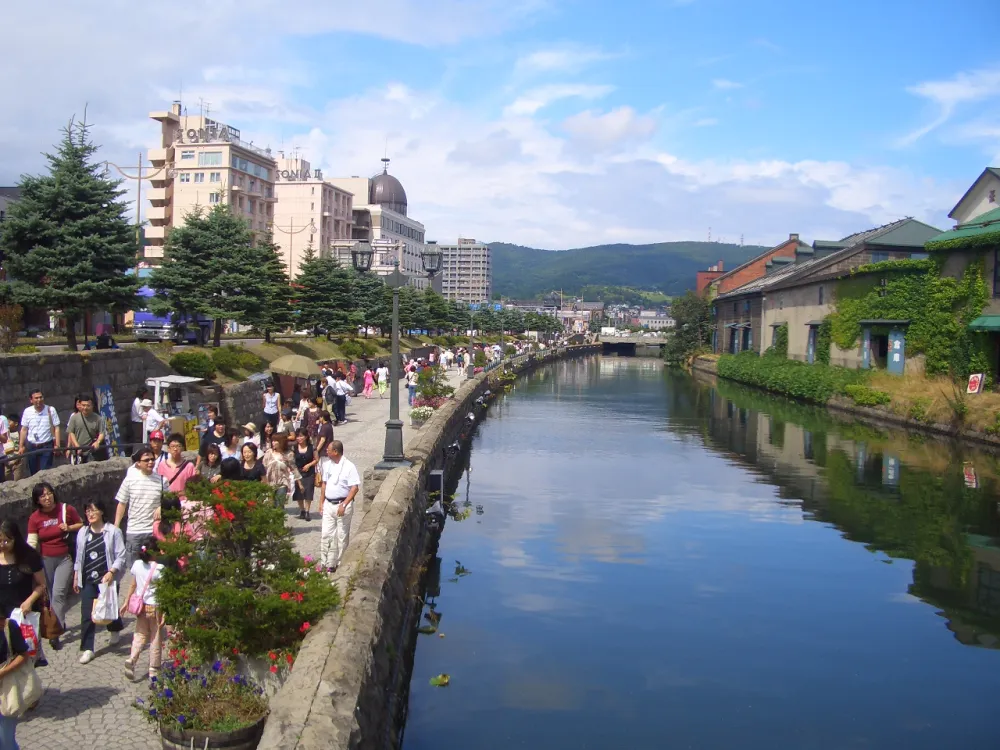
Walk from Chuo Bridge toward Asakusa Bridge to take in the warehouses, water, lamps and bridges, then continue to Sakaimachi after photos. If snow or a stroller makes the lower stone path unsuitable, view from an easier spot and use the street to reach the next stop. Photographers should stand to one side; companions can wait somewhere that leaves the path clear. Swap positions after finishing a stretch.
Notice how the waterfront's width and uses change
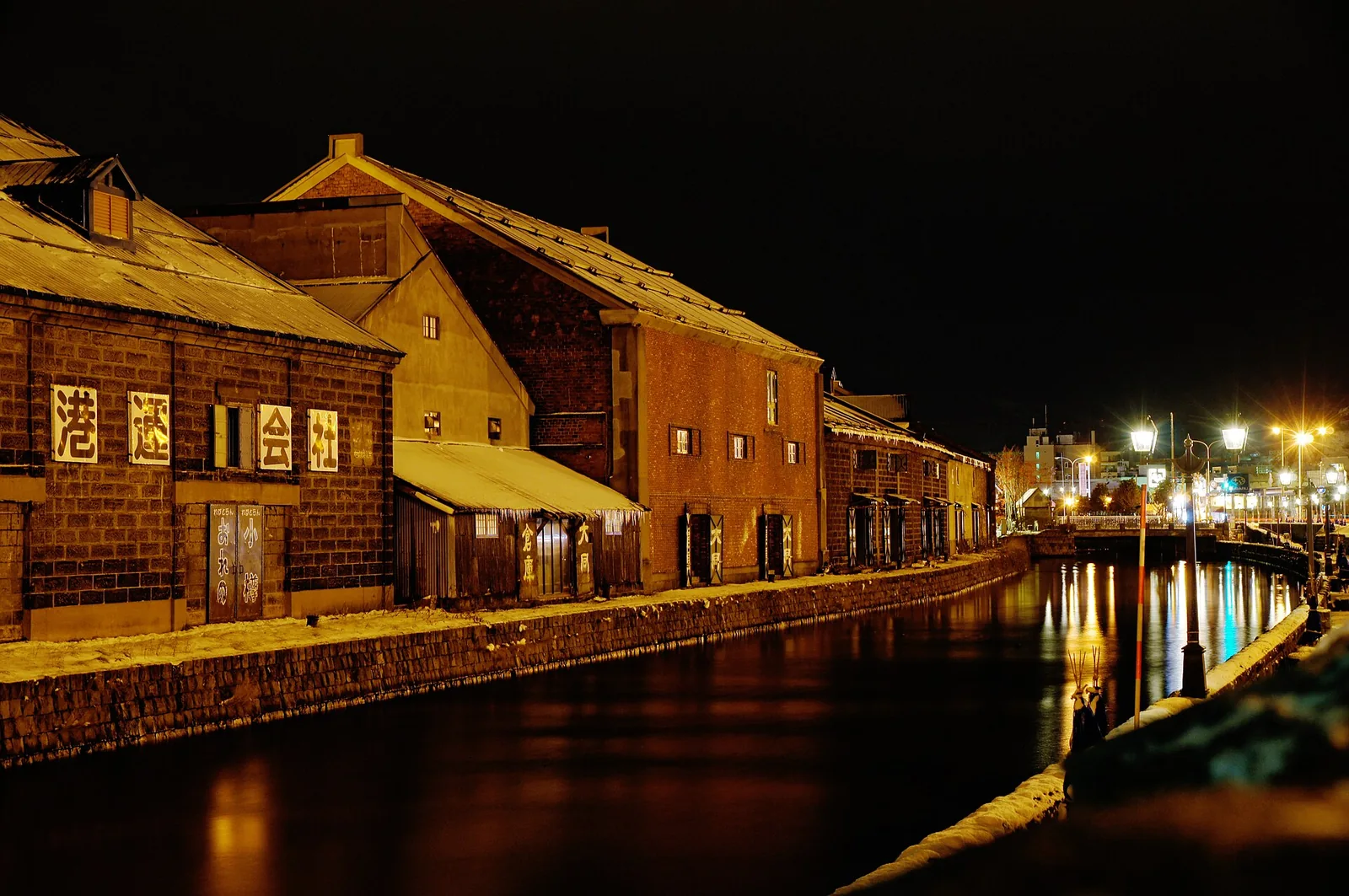
Otaru City's canal history explains that the waterway was completed in 1923 by reclaiming land to create space where barges could approach the shore, giving it a gentle curve. Later, part was filled in for a road, producing today's parallel walking and traffic routes. Stone warehouses became restaurants and other businesses. Compare windows, former loading faces and present entrances to understand the waterfront rather than rushing to the next selfie spot.
The surviving canal is 1,140 meters long. Water along the Rinko road is about 20 meters wide; the North Canal retains a width of about 40 meters. There are 63 gas lamps along the route. These figures explain the different scale of the northern and southern stretches, and why reaching the canal differs from walking all of it. A half-day visit between Chuo and Asakusa bridges has a clear focus. Add the north if harbor scenery interests you.
Add the North Canal by visiting fewer shops
The North Canal suits visitors who want broader water and harbor space. Continuing north from Chuo Bridge, then returning to the center, adds an outdoor walk beyond Sakaimachi. Do not squeeze it between a booked cruise and an approaching lunch reservation. If you walk the north in the morning, choose one or two main Sakaimachi shops in the afternoon so both streetscapes get enough time.
At the north end, Canal Park has rest and play facilities in reused stone warehouses. The city lists the restroom, play and rest buildings as normally open 9:00–17:00, from mid-April to late October, with winter closure. In winter, put warmth and restroom breaks in operating city-center businesses. Summer park facilities cannot support an evening walk in the snow.
From Minami-Otaru, start at the Music Box Museum and LeTAO main store
Arriving at Minami-Otaru, make the Otaru Music Box Museum main building and the LeTAO main store opposite it your first pair of destinations. LeTAO gives about seven minutes on foot from Minami-Otaru Station to its main store, a directional estimate without shopping stops. Reach this end first, then browse north toward Kitaichi Glass, PATHOS and Kamaei. This avoids going to the canal only to return to the main music box building.
Minami-Otaru Station has elevators for stroller access to and from the platforms. Wheelchair users should contact JR Hokkaido station staff while planning to arrange boarding assistance across the gap and height difference between platform and train.
After the southern shops, assess what you are carrying. Before paying for a large music box or glass item, ask about packaging and delivery to reduce the burden for the rest of the day. If you carry it, use a bag that prevents movement and impact and keep later travel steady. If a long North Canal walk remains a priority, leave the actual purchase until you know your return route.
Three Music Box Museum locations serve different purposes
The main building at 4-1 Sumiyoshicho is chiefly for choosing music boxes. The branch guide lists 9:00–18:00, with floors two and three closing earlier at 17:45. If arriving late and wanting upper-floor products, go upstairs first rather than spending all your time on the first floor. For one small gift, a single floor may suffice. Choose by tune, size and mechanism instead of repeatedly browsing similar designs.
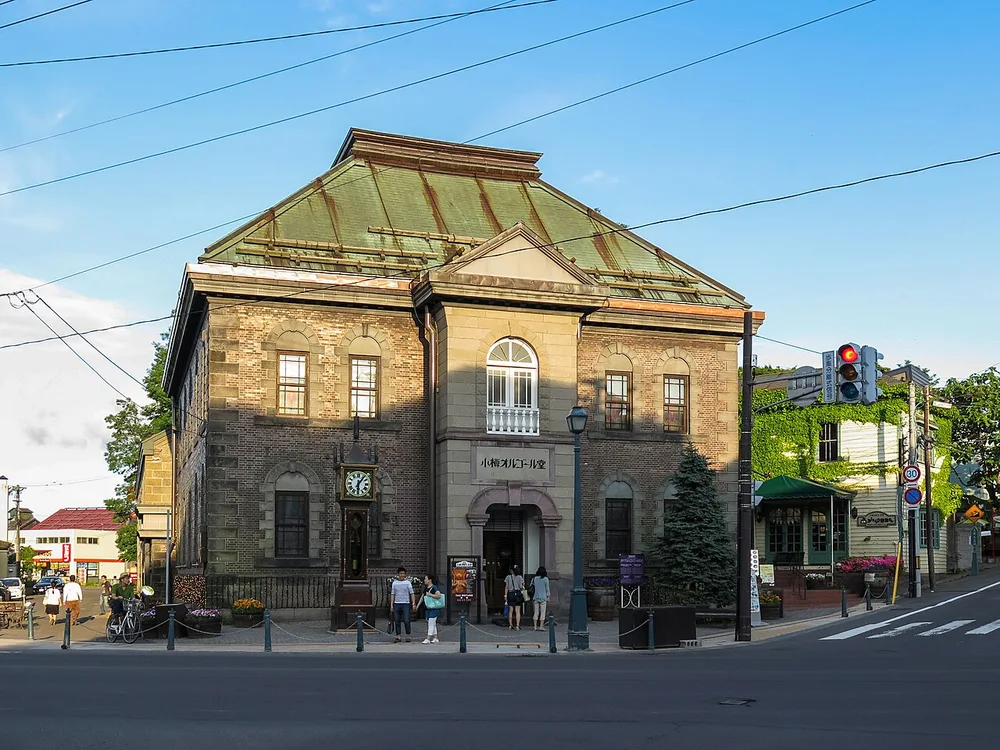
For antique instruments, visit Music Box Museum No. 2 at 6-13 Sakaimachi. Free demonstrations are currently listed at 10:00, 11:00, 12:00, 14:00, 15:00 and 16:00, about 15 minutes each. There is no demonstration at 13:00, so missing the noon session means waiting until 14:00. Choose an afternoon performance before planning your meal and leave time to reach the building.
For making a music box, go to Yukobo at 1-1-5 Irifune. The choose-your-own-parts activity starts around ¥4,000. Making takes 30–90 minutes, followed by about 30 minutes of drying; the price depends on the base and accessories. It is listed for elementary school age and above, with a guardian working alongside children. Yukobo opens 9:00–18:00, with final reservations accepted at 16:30. If this is the day's focus, book first and include collection time. Drop a shopping stretch or the North Canal, then head toward the canal after your work is finished.
Kitaichi Glass No. 3: shopping and sitting in the Hall are separate stops
Kitaichi Glass No. 3 is at 7-26 Sakaimachi. For cups and plates, compare shape, weight and practical use. For a rest, find Kitaichi Hall inside. Agree first whether you are browsing or having a drink so one person does not expect a five-minute visit while another waits for a table. Ask about protective packaging before paying for fragile items, and keep their bag away from cold drinks that may leak.
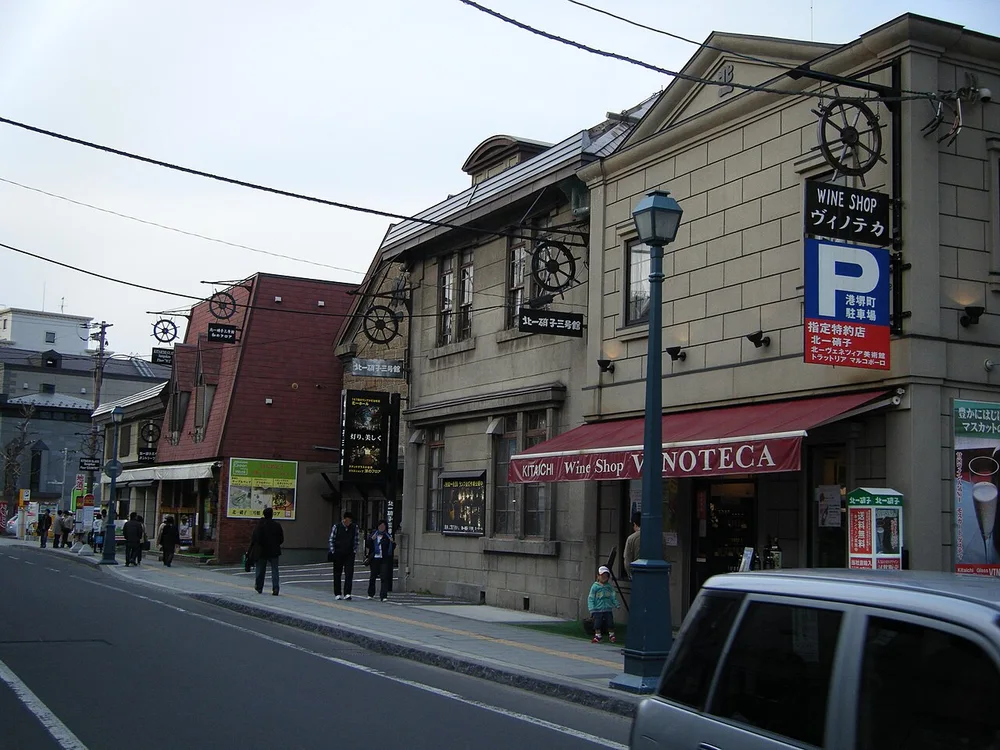
The Kitaichi Hall page lists general opening hours of 9:00–17:30. Lamps are lit from 9:00 to 9:30, and orders are taken 9:30–17:00. To watch staff light each lamp, put this southern area in the morning. For an afternoon drink, there is no need for an extra trip just because the morning is famous. The point is to sit among the lamps, so allow time to enjoy food or drinks slowly.
Meal service and piano performances run on different days. The current page lists meals usually on Thursdays, Saturdays and Sundays, 11:00–14:50. Piano performances usually run on non-holiday Tuesdays through Fridays at 14:00, 15:00 and 16:00, for half an hour each. On Wednesday, plan coffee and music but lunch elsewhere. On Saturday, lunch can be here, but do not expect the weekday performance program. Use the venue's current schedule for holidays and special performances.
LeTAO main store or PATHOS: choose a dessert break or lunch
The LeTAO main store is at 7-16 Sakaimachi. Its café and shop normally open 9:00–18:00, with café last orders at 17:30. Consider it for a seated tea break after an early Minami-Otaru arrival. The store requires one order per person, so discuss everyone's choice and budget before taking the family inside. Ask about advance weekday reservations; same-day and weekend or holiday seat bookings are not accepted.
LeTAO PATHOS is at 5-22 Sakaimachi, with a shop on the first floor and café on the second. The website lists the shop opening at 9:00 and café at 10:00, both closing at 18:00, with café last orders at 17:30. The shopping street's official guide lists lunches such as pasta and omurice, useful when some companions want a savory meal and others dessert. If this is lunch, stay nearby at midday and head toward the canal in the afternoon.
One seated visit at either store is enough. If you have had cake at the main store in the morning, browse only PATHOS's first floor and save another seat for when you need a rest. For lunch at PATHOS, browse music boxes and glass at the southern end first. When buying chilled or frozen gifts, tell the counter how much longer you will be out and where you are staying. Arrange collection around the product's storage and packaging requirements.
Kamaei factory shop: a hot snack before or after the canal
The Kamaei factory shop at 3-7 Sakaimachi works for a cooked snack on the way from Sakaimachi to the canal, or after canal photos. Factory sales, a café and a rest area are together here. Check the day's fried fish-paste snacks and portions in store. After a full lunch, two people can start by sharing a small amount before deciding whether to order more.
The current branch page lists 9:00–18:00 on weekdays, including national holidays, from May to October, extended to 19:00 on Saturdays and Sundays. From November to April, it opens 9:00–18:00, with closure on New Year's Day. Autumn weekend extensions do not carry into winter evenings. If staying for canal lights, buy hot snacks before the shop closes and choose another restaurant still open for dinner.
The factory tour has a separate calendar. Red dates mean factory closure, while the shop may still open. To see production, choose an available tour day before building the route. For snacks alone, use the shop's hours.
Market breakfast: eat at Sankaku Market, then head down to the canal
For a seafood breakfast, Sankaku Market is beside Otaru Station and suits a route starting and ending there. Do not walk down to the canal, remember breakfast and climb back to the station. Eat on arrival, follow Chuo-dori downhill to the water, then have a lighter midday meal in Sakaimachi. This makes both appetite and route easier to manage.
Ajidokoro Takeda inside the market is run directly by Takeda Fish Shop. The tourism association lists 7:00–16:00, closed on New Year's Day. Alongside seafood rice bowls, its menu includes set meals and individual dishes. If someone avoids raw food, check the day's cooked dishes or set meals before choosing to sit together. Explain special dietary needs for sauces, soups and sides too. Spend according to the ingredients you want; everyone need not order the same large bowl.
If you arrive after nine and are not hungry, visit the canal first and return to the market for lunch. The cost is another trip to the station area, so shorten afternoon Sakaimachi time. A smoother alternative is to skip the market and lunch at PATHOS or Kitaichi Hall on a meal-service day. Treat seafood, desserts and fish-paste snacks as options. This is easier than eating three meals for the sake of covering names, and leaves an afternoon beyond queues and takeaway bags.
An indoor option for rain or snow: the Bank of Japan Otaru Museum
For more than shopping, visit the Bank of Japan Otaru Museum in the former Otaru branch. Displays cover the bank's work and Otaru's development, alongside the old vault and building. It fits the route from the canal through the center toward the station. For an interest in city history, this is more useful than repeatedly buying drinks to escape rain. Children uninterested in money can make a shorter visit to one area they want to understand.
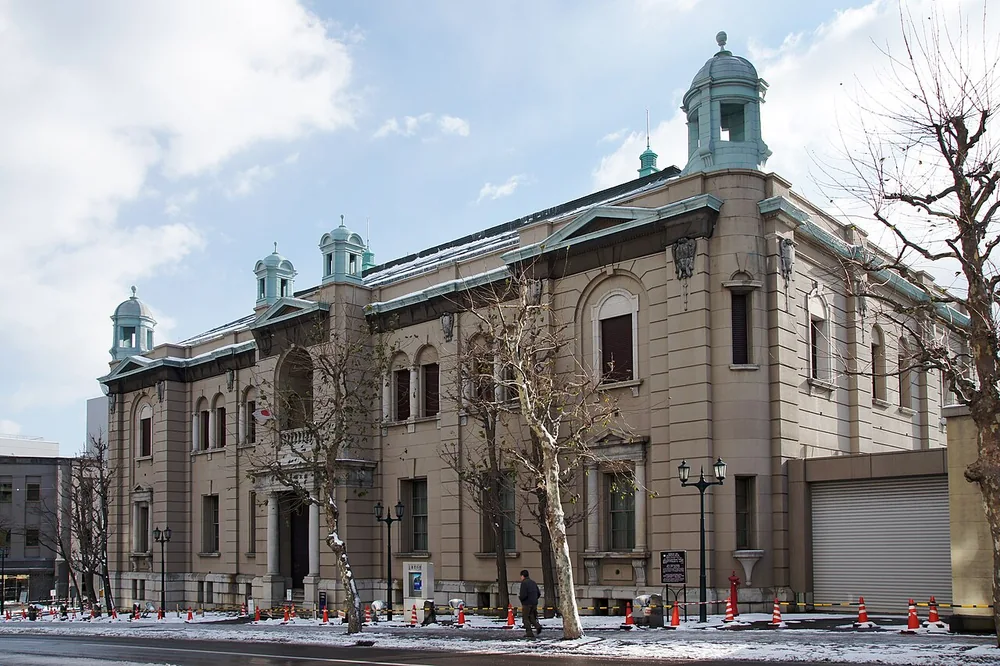
The former banking hall is about 10.5 meters high from floor to ceiling. Brick walls and a steel frame support the roof, leaving a broad space without pillars. Its roof structure uses steel from the early Yawata Steel Works. The main building has two brick stories, rendered to look like stone, with fireproofing concrete in the roof and floors. The spiral staircase, roof framing and second-floor gallery are closed to visitors.
The original bank counter and the surrounding hall use marble from Akasaka in Gifu Prefecture. Fossils can still be found in the stone.
The history gallery's Wall Street of the North display uses a scale model to recreate Otaru's peak banking era. It also shows photographs of the original branch plans and an actual ridge plaque from the building. The gallery includes real Bank of Japan notes issued after World War II.
The vault held cash until 2002. Today's display recreates its former interior, and you can inspect the thickness of the door and walls. There is also a photo activity lifting a ¥100 million banknote bundle, with ¥100 billion in bundles behind it. Both are imitation bundles.
The museum lists free admission. It opens at 9:30 from April to November and 10:00 from December to March, closing at 17:00 with last entry at 16:30. It closes Wednesdays, except Japanese national holidays, and December 29–January 5. If your rainy day falls on an ordinary Wednesday, use a shorter Sakaimachi shop-and-café route. Do not rely on this museum as the only afternoon backup.
Staff tours usually start at 14:00 and 15:00, last about 30 minutes and accommodate roughly 20 people without reservations. You can explore independently instead or bring headphones to hear the museum's audio on your own device.
Wheelchair users should contact staff through the intercom about 20 meters to the right of the main entrance for guidance to the ramp entrance. Inside are a multipurpose restroom and diaper-changing facilities. Turn off the flash and put away tripods after entering, and leave room for others to view displays.
Cruises leave at Chuo Bridge: allow check-in time beyond the 40-minute ride
The Otaru Canal Cruise Chuo Bridge ticket office and boarding entrance are at Chuo Bridge. The cruise takes about 40 minutes. After photographing Asakusa Bridge, you must still return to the correct check-in location. The operator requires arrival 15 minutes before departure, so a cruise uses at least 55 minutes plus walking to the counter, restroom time and leaving afterward. A 40-minute gap between restaurants is too tight from the start.
Ordinary fares for junior high school students and above are ¥1,800 by day and ¥2,000 at night. Elementary school students pay ¥500 for either. Infants and preschool children are ¥500 each, with one free per accompanying adult. Two adults and one elementary school child pay ¥4,100 by day or ¥4,500 at night. Two adults with one young child within the free allowance pay ¥3,600 or ¥4,000 respectively. Calculate by actual ages rather than using one fare for all children.
Choose daylight for warehouse details and portraits, or a night cruise for lights on the water. The port faces east, and the company explains that you cannot see the sun set directly into the sea here. At dusk, focus on the changing sky and lights. The boundary between day and night fares follows the cruise schedule. Select the actual product shown when booking instead of guessing a ticket type from a fixed time.
Cruising with children or a wheelchair: toilets, steps and bags first
The cruise FAQ states there is no toilet aboard and no luggage storage service. Use the ticket office or public toilets before boarding and leave large items in lockers. Passengers are generally required to wear the company's life jackets. Fit children's jackets before following the captain's seating instructions. Seats are unassigned, and passengers may be split for balance and numbers. Decide which adult will care for each child, then sit where directed at the boat.
Wheelchairs cannot be rolled aboard, and there are about ten steps to the pier. Only visitors who can leave the wheelchair and use the steps should consider boarding with their companions' help; staff arrange wheelchair placement beside the passage. If these steps are not usable, stay ashore for the walk and view. There is no nursing room or changing facility aboard. Use the international information center's nursing room or changing table before returning to meet at the counter.
Winter boats have covers and heated seats, but wear a warm coat, gloves and scarf. Summer boats have no sunshade; bring a hat, water and sun protection. With children, finish coat adjustments, toilets and drinks before boarding rather than searching a large bag in a narrow seat after departure. For children who dislike cold or sitting in one place for a while, choose a short shore walk and indoor rest, leaving the cruise budget for an activity they prefer.
Changes and canceled sailings: refunds depend on how you bought
Online ticket sales generally close one hour before departure. Changes through My Page in the confirmation email are also usually available until one hour before. Contact the operator under its FAQ for day-to-night changes or private charters. If another departure seems better on arrival, handle the original booking before buying a new time. There is no waiting-list notification for sold-out sailings, so do not spend the entire afternoon waiting for space.
After buying or exchanging tickets on site, passenger-requested time changes and refunds are not accepted. Strong wind, heavy rain or snow, lightning, tides and visibility may cause safety cancellations, and wind or waves may change the route. Follow the operator's announced process. Choosing not to cruise because it is raining has different refund conditions from an operator-canceled sailing.
For company-caused cancellations, website payments are refunded online. For on-site payments, bring the ticket and receipt back to the office during business hours that day. Agency bookings go through the original agency. The card issuer controls when a refund appears. Check sailing status before leaving on a rainy day and keep the museum or café as a flexible slot. If you have decided not to board, handle the order before its change deadline and enjoy the shorter shore route.
Toward the port from Chuo Bridge: luggage storage and family facilities at the information center
The Otaru International Information Center and Port Marché otarue are at 5-3 Minatomachi, within walking distance of Chuo Bridge. The tourism association's accessibility page lists 9:00–20:00 opening, paid lockers, a ramp entrance, accessible toilets, toilets with infant facilities, a nursing room and an elevator. Use this full name if you reach the canal and need help with luggage, diapers or directions.
The counter offers Japanese and assistance in English, Chinese and Korean, with foreign-language staff depending on the day's roster. Show the destination's Japanese name, reservation time and assistance you need. Asking only for 'the music box museum' can lead to different branches. When collecting a map, ask staff to mark your exact branch and return station. This avoids another stop in the snow to search your phone.
Plan storage with your start and end stations. Bags beside the canal require a return there before the station. If you plan to finish at southern Sakaimachi and leave from Minami-Otaru, collecting them adds backtracking. For a Sapporo day trip, leaving large luggage at your accommodation is simplest. Carry only the day's needs. If you need storage, arrange it before browsing and list collection as a separate return stop.
A four-hour half day: link Sakaimachi and the canal in one line
For about four hours from Minami-Otaru, use the first hour to reach the main Music Box Museum area and browse one shop slowly. In the second, follow Sakaimachi to Kitaichi Glass or a performance at No. 2, then sit at the LeTAO main store, PATHOS or another chosen venue. Use the remaining time for the canal and return from Chuo Bridge toward Otaru Station. These are planning allowances. If queues or snowy walking take longer, drop one shop.
It is best to omit a long craft activity and cruise from this version. Each uses a fixed time block. If either is essential, replace craft shopping or coffee rather than adding it. After breakfast in Sapporo, you can keep only lunch, take dessert away or skip it. Save Sankaku Market by Otaru Station for another visit beginning with breakfast.
For an afternoon arrival and return at Otaru Station, walk to Chuo and Asakusa bridges first, then northern Sakaimachi. If you reach the southern end, leave from Minami-Otaru. To return to the same station, turn back at a manageable point and choose a seated stop en route. Do not wait until shops start closing to work out the other station's location with children who have had no rest all day.
A full day: morning crafts, afternoon waterfront and room between
For crafts and streetscapes, arrive at Minami-Otaru around nine and start near the main building. To watch Kitaichi Hall's lamp lighting from 9:00, reach the station earlier, go straight to the Hall and move music boxes later. Choose a No. 2 demonstration around eleven, then lunch at PATHOS or the Hall on a meal-service day. In the afternoon, follow Sakaimachi slowly to Kamaei, then Asakusa and Chuo bridges. Add the northern stretch only if energy allows.
For an afternoon cruise, let shore walking supplement the time before and after it and shorten the North Canal. For music box making, finish and collect the work before heading to the water. If finance and history interest you, replace one shopping round with the museum before its 16:30 last entry. Keep only one fixed slot between lunch and dusk so you can accommodate an unexpected item of interest or a queue.
Finish with the canal at dusk or an earlier return to Sapporo for dinner. If two of you shop separately, agree on an exact spot at Chuo Bridge and a time, and save the next acceptable train on your phones. With many purchases, drop the North Canal and head straight to the station. If lights on the water are the real priority, rest seated during the afternoon and buy less for a more comfortable evening walk.
Market and history in a day: return to Otaru Station without reaching the southern end
For seafood and port-town history, begin at Sankaku Market beside Otaru Station, follow Chuo-dori down to Chuo Bridge, then visit the North Canal and the seasonally open parts of Canal Park. Return to the central area for lunch, visit the museum in the afternoon, then buy snacks in northern Sakaimachi. This puts a meal, waterfront and architecture first. Add the main Music Box Museum at the southern end only if energy allows. Seeing Otaru does not require reaching every edge.
If the market wait is long, drop the North Canal first. Chuo to Asakusa Bridge gives enough waterway to study. If the museum is closed, substitute Sakaimachi crafts and coffee. Note these alternatives in advance, then choose among known shops and times on arrival instead of replanning continuously. After seafood at lunch, cake and a drink can be a lighter afternoon break, with dinner saved for Sapporo.
To stay into the evening, return between Chuo and Asakusa bridges for the lights, then leave toward the station. Collect bags at the information center on the way if stored there; for morning station storage, return directly to Otaru Station. Using Otaru both ways makes meeting and luggage collection clear, but repeats some stretches. Balance that by dropping a distant destination.
Blue Canal and Snow Light Path: make the evening event the priority
The announced Blue Canal season runs November 1, 2026–January 31, 2027, between Asakusa and Chuo bridges, illuminated from sunset to 22:30. It fits a daytime Sakaimachi visit. Eat or have a drink indoors in the afternoon, then return to the waterfront as it darkens instead of standing outside until your hands and feet are cold.
The 2027 Otaru Snow Light Path has been announced for February 6–13. For a trip centered on this winter evening event, shorten the day to a group of craft shops and lunch, rest indoors in the afternoon, then visit the venues announced for that edition. Blue electric lights and candlelight in snow are different events. Choose dates separately; for February travel, use the Snow Light Path dates to plan accommodation and the return journey.
The association's video below shows the relationship between waterfront, warehouses and water, helping you orient Chuo and Asakusa bridges on arrival. Photograph from a place that keeps passage clear, and agree on a bridge or street meeting point. Do not cross barriers to get closer to the water or suddenly set up a tripod behind people stepping back. After enough photos, head toward luggage collection and the station. End the route somewhere warm.
See how the waterfront, warehouses and water relate before choosing a daytime or dusk visit.
Winter or heavy rain: keep one short waterfront visit
A short winter route can run from Minami-Otaru to southern Sakaimachi, indoor craft shops, lunch, the canal and the station. Combine waterfront time into one visit rather than returning morning, afternoon and night. If night views are the goal, stay in shops by day and visit the water at dusk. Good grip and hands free for balance matter more than full shopping bags. Stop before checking your phone on slippery ground, and cross slowly with the signals.
If cruises still run in rain, first decide how long you want to be outdoors, then choose a cruise or short shore walk. With preschool children and wet coats, go indoors to eat and rest and shorten the final stretch. If everyone is dressed for the weather and you have a cruise booking, follow check-in rules. When conditions change, reduce the North Canal, a second dessert shop and extra purchases first, protecting meals and the return trip.
Indoor alternatives have their own restrictions. The museum normally closes Wednesdays; Hall meals run only on listed days; the main music box building's upper floors close early. Apply your actual travel date before leaving and keep options that will be open. A snowy day need not be filled continuously. A canal view, a meal and the shop you most want can be enough before returning steadily to Sapporo with your purchases.
A craft activity or short demonstration: follow children's interests
A family day is easier with one long stop and one short walk. If children enjoy making things, make Yukobo the main event. Others can stay nearby during drying, then collect the work together. If making does not interest them, choose one short No. 2 demonstration and eat afterward. Do not require children to browse several fragile-goods shops in a row while postponing dinner until every adult purchase is finished.
Where to spend: weigh cruises, crafts and food separately
For two adults, divide the day budget into return transport, meals, coffee and snacks, activities, and gifts. Walking the canal requires no cruise ticket. Museum admission is free, and craft shop spending depends on purchases. A lower-cost day can still include the waterfront, antique instrument demonstrations and the museum. Choose the activity you want first, then gifts from the remaining budget, rather than buying every snack you see.
A daytime cruise for two puts ¥3,600 in the activity column; a night cruise adds ¥400. If both make a music box starting around ¥4,000 each, crafts begin around ¥8,000 and increase with accessories. Doing both raises spending and fixed time commitments together, so limit Sakaimachi to the shops you want to buy from. For one memorable experience, choose the sound, object or water-level view you actually like.
A few useful answers
For a first Otaru day trip, should I get off at Otaru or Minami-Otaru?
Choose Otaru for breakfast at Sankaku Market and the canal first. For music boxes, glass and sweets, begin at Minami-Otaru, follow Sakaimachi to the canal and return from Otaru. To walk less in winter, shorten the area covered and use Otaru Station both ways.
Where do Otaru Canal cruises leave?
Tickets and boarding are at Chuo Bridge. Arrive 15 minutes before departure for the roughly 40-minute cruise. Asakusa Bridge is a separate photo spot; return to Chuo Bridge to check in afterward.
What can I do in Otaru when it rains?
Keep a short waterfront walk and combine it with Sakaimachi craft shops and coffee. The Bank of Japan Otaru Museum suits an interest in history. It normally closes Wednesdays and December 29–January 5.
Does Kitaichi Hall serve lunch and have piano music every day?
The current page lists meals usually on Thursdays, Saturdays and Sundays, 11:00–14:50. Piano performances usually run on non-holiday Tuesdays through Fridays at 14:00, 15:00 and 16:00, for half an hour each. The days differ.
Official information and references
Sources used in this guide.
- Otaru Sakaimachi shopping street: district and services
- Otaru City: canal origins, width and facilities
- Otaru City: Canal Park season and facilities
- Otaru Canal Cruise: access to Chuo Bridge
- Music Box Museum: main building, No. 2 and Yukobo
- Music Box Museum No. 2: antique instrument demonstrations
- Music Box Museum Yukobo: choose-your-own-parts activity
- Kitaichi Glass: Hall hours, meals and music
- LeTAO main store: hours and reservations
- LeTAO PATHOS: hours and reservations
- Sakaimachi shopping street: PATHOS food and facilities
- Kamaei: factory shop and tour calendar
- Otaru Tourism Association: Ajidokoro Takeda
- Ajidokoro Takeda: directly operated restaurant and menu
- Bank of Japan Otaru Museum: visits, accessibility and closures
- Bank of Japan Otaru Museum: exhibitions
- Otaru Canal Cruise: fares and ages
- Otaru Canal Cruise: route
- Otaru Canal Cruise: facilities, children, cancellations and suspended sailings
- Tourism association: Port Marché otarue accessibility and storage
- Otaru Tourism Association: Blue Canal 2026–2027
- Otaru Tourism Association: 2027 Snow Light Path
- JR Hokkaido: wheelchair travel and assistance
- JR Hokkaido notice published by Otaru City: Minami-Otaru Station accessibility work completed
- Otaru Tourism Association: information center nursing room and changing table
- Bank of Japan Otaru Museum: building
- Bank of Japan Otaru Museum: building highlights
- Bank of Japan Otaru Museum: history gallery
- Bank of Japan Otaru Museum: banking operations gallery and vault