How to visit Otaru's Mt. Tengu for night views: 2026–27 winter ropeway fares, New Year's Eve and New Year's early closings, Bus 9 return schedules, observatories, and a half-day Otaru route.
- Region & Focus
- Otaru
- Reading Scope
- 20 min read · 10 chapters · 5 Q&As
- Official Verification
- 19 official sources checkedUpdated November 22, 2026
- Key Topics
- First tripItinerariesWinter
Chapter Route Map (tap any stop)
- Best Dates and Hours for Night Views
- Boarding at Stand 4 Outside JR Otaru Station
- Timing Your Descent with Return Bus Departures
- Round-Trip Tickets, Bus Sets & Aquarium Combos
- Catching the Harbor Outline Before Dusk
- Exploring Around the Summit Station in Winter
- Daytime Skiing and Snow Play Before the Evening Ropeway
- Fog, High Winds & Winter Road Closures
- Pairing the Canal, Sakaimachi & Mt. Tengu
- One-Bus Evening Tour Option from Sapporo
- Quick Q&A
Mt. Tengu is best saved for the late afternoon of an Otaru trip. Catch Bus 9 from Stand 4 outside JR Otaru Station to the base station, then ride the ropeway up to watch the city streetlights flick on all the way down to Otaru Port. For the 2026–27 winter season, a round-trip adult ropeway ticket is ¥2,000, with the last downhill car at 20:00 on regular days and an early 16:00 close on New Year's Day. To catch both the harbor coastline and the city lights, head up before sunset to get your bearings from the observatory, then wait for twilight.
Best Dates and Hours for Night Views
The ropeway closes for autumn maintenance from November 4 to 27, 2026, along with the summit cafe and shop. Winter service resumes November 28 and runs through March 28, 2027. If you are visiting in late November for just one night in Otaru, check those dates first. If your trip lands on a maintenance day, keep your itinerary along the canal, Ironai, and Sakaimachi so you do not waste a trip toward the base station.
On regular winter days, the first uphill car departs at 9:00, the last uphill car at 19:48, and the last downhill car at 20:00. On December 31, January 2, and January 3, the last uphill departure moves up to 16:48, with the final downhill car at 17:00. If you want to see the streetlights come on during those three days, reach the base station in the afternoon. You will mostly catch the harbor at dusk; leave extra buffer for the downhill queue, then head back downtown for the canal.
On New Year's Day (January 1), the last uphill car leaves at 15:48 and the last downhill car at 16:00, making Mt. Tengu a daytime stop rather than a night-view outing. Head up right after lunch for harbor views and snow photos before returning downtown for the evening. If full night-view photography is a priority over the New Year holiday and your dates are flexible, move Mt. Tengu to a regular operating day and save New Year's Day evening for dinner and a canal stroll.
Plan your ascent around sunset. The operator's website posts a daily night-view onset time alongside a live summit camera. Work backward from that time to allow for the bus ride, ticket purchase, and ropeway wait. On shortened New Year holiday hours, count backward from the last downhill departure instead, adding one extra 12-minute ropeway interval if you are traveling with kids, older relatives, or need time for restrooms and warming up. Twelve minutes does not feel long on the platform, but missing both a bus and a cabin in a row eats directly into your twilight window.
Summer 2026 operations ran through November 3 with a 20:48 last uphill car, 21:00 last downhill car, and a ¥1,800 adult round-trip fare. Keep those figures in mind only to distinguish older summer timetables from winter ones. Once winter begins, always check the winter schedule before timing your arrival at the base station—especially from Christmas through the first week of January.
| Dates | Last Uphill Car | Last Downhill Car |
|---|---|---|
| Regular winter days (Nov 28, 2026–Mar 28, 2027) | 19:48 | 20:00 |
| Dec 31, Jan 2, Jan 3 | 16:48 | 17:00 |
| Jan 1 | 15:48 | 16:00 |
How to visit Otaru's Mt. Tengu for night views: 2026–27 winter ropeway fares, New Year's Eve and New Year's early closings, Bus 9 return schedules, observatories, and a half-day Otaru route.
Boarding at Stand 4 Outside JR Otaru Station
Exit JR Otaru Station and look for the Hokkaido Chuo Bus Otaru Ekimae Terminal. Stand 4 is signed for Bus 9 to Tenguyama Ropeway. Ride to the Tenguyama Ropeway stop, which drops you directly at the ropeway base station. The operator lists the ride at about 17 to 20 minutes, though snowy roads and traffic lights downtown can stretch that time. If you duck back into JR Otaru Station for restrooms or coin lockers before buying tickets, return to Stand 4 right outside the station.
Bus 7 to Mogami-cho also departs from Otaru Station and shares the same timetable block as the Mt. Tengu line. Mogami-cho is a different nearby terminus, so confirm both the route number 9 and the Tenguyama Ropeway destination display on the front of the bus before boarding. Local buses accept SAPICA as well as nationwide IC cards like Suica and Kitaca. Tap each passenger separately on boarding and alighting; if you are traveling with a child who requires a child fare, either use a dedicated child IC card or tell the driver before paying rather than tapping one adult card for the whole group.
Hokkaido Chuo Bus switches to its winter timetable on December 11, 2026. From December 12 through February 23, select outbound departures run as nonstop express buses marked as Direct on the timetable, making no intermediate stops and canceling automatically if the ropeway suspends service. If you are near the canal or Ironai and want that express bus, walk back to the Otaru Station terminal. Regular and nonstop runs both use route number 9, so check the boarding bay and departure times posted on the stop sign.
Walking back to JR Otaru Station is the simplest way to catch the bus after touring Sakaimachi or the canal. If you are already in Ironai and want to avoid backtracking, check Hokkaido Chuo Bus stop-specific schedules to see whether a nearby stop serves Tenguyama Ropeway-bound buses. The winter PDF lists pass-through points and actual boarding stops on the same chart, so a bus passing your intersection may only pick up passengers at another corner.
Coming from Sapporo, if you plan to walk Sakaimachi first, take a JR train that stops at Minami-Otaru, start at Marchen Square next to the Otaru Music Box Museum, stroll north, and finish at JR Otaru Station to catch Bus 9. If getting up Mt. Tengu early is the priority, ride straight to JR Otaru Station and tackle the ropeway first. Otaru-Chikko, Minami-Otaru, and Otaru are three separate stations, so pin your arrival station and hotel on one map beforehand to save extra walking in snow or with luggage.
Timing Your Descent with Return Bus Departures
Under the winter timetable starting December 11, Bus 9 departs Tenguyama Ropeway for Otaru Station in the evening at 19:07, 19:37, 20:07, 20:42, and 21:17 on weekdays, and at 19:07, 19:37, 20:07, 20:47, and 21:17 on Saturdays, Sundays, and public holidays. Factor in the summit boarding queue, the roughly 5-minute ropeway ride, and the walk to the bus stop when picking a target departure.
Taking the 20:00 final downhill cabin leaves a razor-thin transfer for the 20:07 bus. Aim for the 19:36 downhill car or earlier if you want the 20:07 bus. If you stay on the summit until the final 20:00 car, plan on the 20:42 weekday bus or 20:47 weekend/holiday bus instead of watching the 20:07 pull away from the stop. That gap is spent at the base station, so heading down one car earlier cuts down outdoor waiting in wind or snow.
Hokkaido Chuo Bus runs its weekend/holiday schedule on December 29 and 30, and cancels many runs between December 31 and January 3—verify those four days directly via stop-specific holiday timetables at both ends. If you ride the ropeway right after it reopens between November 28 and December 10, check that day's city bus schedule, since the winter bus timetable starts nearly two weeks after the ropeway's winter season. If your group splits up on the mountain, agree on a specific bus departure time rather than just saying to meet at the base station.
If you have a train back to Sapporo or a dinner reservation, work backward from the latest time you can arrive at JR Otaru Station. The standard bus schedule budgets about 17 minutes back to the station, plus walking and ticket-gate time to reach the JR platform. Pick a bus that connects to one train earlier than your hard deadline so a missed bus does not derail your evening. If ordering a taxi back downtown, set the pickup point to the Tenguyama Ropeway Base Station (Sanroku Station) so GPS routing does not send the driver toward the closed summit road.
Glance at the return bus stop sign as soon as you arrive at the base. Once it gets dark, following the exact path you walked in from makes the shelter easy to locate. Keep your coat on, time your descent to the bus arrival rather than lingering in the summit cafe right before it closes, and choose an unmistakable landmark like the signed ropeway entrance if meeting companions at the bottom.
Round-Trip Tickets, Bus Sets & Aquarium Combos
Standard winter ropeway round-trip fares are ¥2,000 for adults (junior high school and older) and ¥1,000 for elementary school children. Each paying adult may bring one preschool child for free; two adults with three preschoolers pay for two adults and one child, totaling ¥5,000. If friends or family arrive at the base separately and plan to use that preschool allowance together, wait until everyone is present before splitting tickets at the counter.
Bus 9 between JR Otaru Station and the base station costs ¥240 one way for adults and ¥120 for children. Buying round-trip bus rides and ropeway tickets separately totals ¥2,480 for adults and ¥1,240 for children. The operator's winter Otaru-departure set ticket costs ¥2,450 for adults and ¥1,220 for children, bundling the round-trip ropeway with an Otaru city bus one-day pass. For a simple station-to-mountain round trip, the savings are minimal, so paying as you ride is fine; pick up the set ticket at the station terminal counter if you also plan to ride city buses to Shukutsu or other sights that day.
A winter Sapporo-departure set ticket is also sold for ¥3,380 (adults) and ¥1,690 (children) at the Chuo Bus Sapporo Terminal or Sapporo Station Bus Terminal. It makes sense if you take an intercity Chuo Bus both ways and ride Otaru city buses on the same day. If you already came out by JR train, buying the Otaru-departure set or individual tickets at Otaru Station keeps logistics cleaner.
Partner hotel and attraction discounts can be used on standalone ropeway tickets. The discounted winter round-trip rate is ¥1,800 for adults and ¥900 for children for guests of participating hotels such as Authent Hotel Otaru and Grand Park Otaru, or visitors with stubs from partner venues like Otaru Art Base. Show your booking confirmation, room key, receipt, or attraction ticket stub at the ropeway counter. Combined with regular round-trip bus fares, that brings an adult's total to ¥2,280.
The Otaru Aquarium and Mt. Tengu combo ticket includes aquarium admission and a round-trip ropeway ride for ¥3,000 (adults), ¥2,000 (junior high students), and ¥1,250 (elementary students), sold at both ticket counters. It is cash-only, valid for seven days from purchase, and non-refundable even if weather shuts down the ropeway. Guests staying two nights in Otaru can split the two stops across separate days—visiting the aquarium one morning and riding up on the clearest evening. If you must return to Sapporo the same day and winds are gusting, buying tickets separately makes changing plans easier.
If visiting Shukutsu and Mt. Tengu on the same day, schedule the aquarium during daylight, then return to JR Otaru Station for a bite before transferring uphill. Hokkaido Chuo Bus 10 serves the aquarium, while Bus 9 serves Mt. Tengu. Build a transfer cushion at the station so a slightly delayed inbound bus from Shukutsu does not cut into your ascent window. If you only leave the aquarium area around dusk, limit the summit to one observatory or split the two stops across different days.
Otaru Aquarium's winter season runs from December 12, 2026 to February 23, 2027, open 10:00–16:00 (last entry 15:30), including over the New Year holidays. Admission is ¥1,300 for high school students and adults, ¥500 for elementary and junior high students, and ¥300 for children ages 3 and up. Buying separately costs ¥3,300 for adults (the combo saves ¥300) and ¥2,500 for junior high students, who pay the ¥2,000 adult ropeway rate (the combo saves ¥500). Preschoolers aged 3 and older ride the ropeway free with an adult and only need a regular ¥300 aquarium ticket.
The two attractions open and close their winter seasons on different dates. When the ropeway reopens on November 28, the aquarium is still on its late-autumn break; both operate together only from December 12 onward. In winter, the aquarium's amusement park and Marine Mammal Park close, so families wanting to see penguins walk in the snow should focus on the main building and Penguin Plaza during the day. If you have only one day in Otaru over the New Year holidays, the aquarium stays open when downtown museums close—pair it with an evening along the canal instead of rushing to catch New Year's Day's short ropeway window.
Catching the Harbor Outline Before Dusk
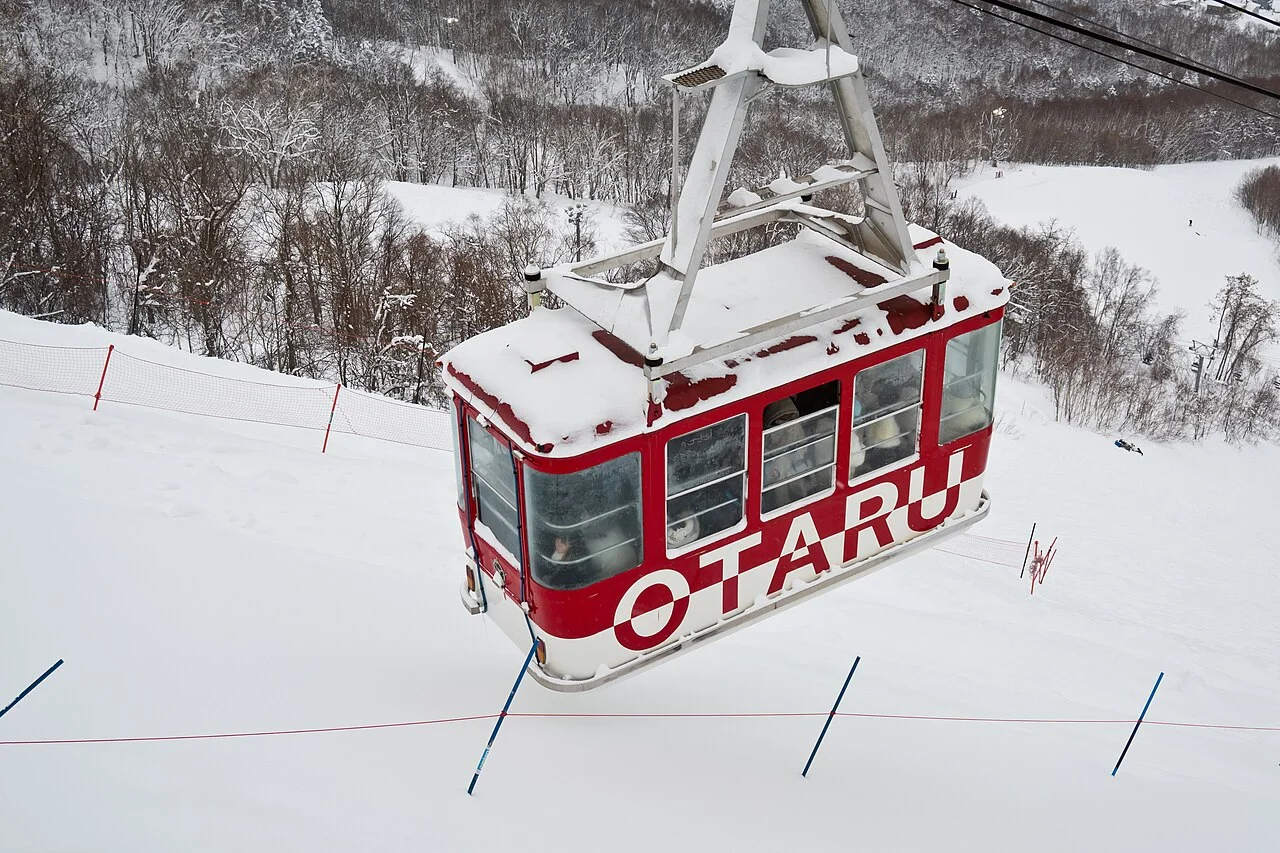
The Mt. Tengu Ropeway spans 735 meters with a 271-meter vertical climb, taking about five minutes one way. Each 30-passenger cabin normally departs on the hour and at :12, :24, :36, and :48, stepping up to roughly every six minutes during peak crowds. Aim to reach the base early rather than counting back five minutes from sunset. If you disembark in a crowd at the top, gather your group right outside the terminal exit before splitting up for photo spots.
Mt. Tengu is widely grouped with Hakodate and Sapporo as one of Hokkaido's Three Great Night Views. Looking down from the Otaru side, the city grid fills the foreground with Otaru Port opening into Ishikari Bay. On clear evenings, you can make out the Shakotan Peninsula and the Shokanbetsu mountain range across the water.
While daylight remains, spot the piers, the breakwaters reaching into the bay, and the downtown streets you walked earlier. As twilight deepens, the harbor fades into pinpoints of light; memorizing the shoreline in daylight makes it easy to trace the curve of the coast once dark.
To see both dusk and full night lights, arrive at the summit 30 to 60 minutes before sunset. That cushion gives you time to locate the rooftop access and terminal doors without rushing to set up a camera in winter gloves. If you only want full darkness and city lights, heading up after an early dinner still works on regular winter nights—just check how many ropeway cars and return buses remain, as regular days and shortened holiday hours differ sharply.
For blue-hour shots as the city lights turn on, stake out a railing near the terminal before deep twilight sets in, shooting a wide harbor frame first and a tighter pier frame next. Leave your camera aimed at the same composition until the streetlamps fully illuminate for a matching pair of frames. Snow-covered roads bounce bright light during snowfall; if the frame blows out, tap a lit building next to the streetlamps to meter or dial down exposure until the bay and town separate cleanly.
Share railing space with newly arrived visitors once you have your shot. Before stepping back into the heated terminal, seal your camera inside a bag so it warms gradually and avoids lens condensation.
Exploring Around the Summit Station in Winter
Mt. Tengu has five observation decks, with the Rooftop Observatory directly atop the summit terminal sitting at the highest elevation. The 1st, 2nd, and 3rd Observatories close for winter, and the rooftop coin binoculars are removed for the season. On a first winter visit, stick to the open viewing areas right around the terminal and follow signs to the rooftop access whenever you see closure barriers. Bring your own binoculars or a telephoto lens if you want distant coastal views before full dark.
The Tengu-zakura Observatory is anchored by a cherry tree more than a century old and features an illuminated heart installation in winter. While the rooftop delivers the broadest sweep of sea and city, the Tengu-zakura side gives a slightly closer angle down toward town. When paths are snow-packed, pick whichever one suits your footing; if you have a stroller or slower walkers, viewing from the nearest open terrace by the entrance and regrouping indoors works just as well.
If wind picks up before dark, step inside the Tengu Hall at the summit to browse more than 600 tengu masks and artifacts collected from across Japan, along with the statue of Sarutahiko-no-Okami enshrined for Tenguyama Shrine. During winter, the Nose-Rubbing Tengu statue (Hana-nade Tengu-san) moves indoors inside the summit building. Spotting the different long-nosed masks gives kids something engaging to do instead of shivering at the railing waiting for streetlights.
The Otaru Ski Museum displays roughly 400 exhibits tied to the Olympics and Japan's National Sports Festival, highlighting the mountain's everyday role as Otaru's neighborhood ski hill. Beside it, the Mt. Tengu exhibition space shows seasonal photography and posters alongside indoor seating. Those who want to browse the exhibits can duck in during late afternoon light and meet the rest of the group at a set spot inside the summit building.
Watch the afternoon break if you plan to eat hot food at TENGUU CAFE. Winter meal service runs 11:00–14:00 and 16:00–19:30, with last food orders at 19:00. If you ride up around 15:00 expecting a full meal, eat downtown first and stick to drinks at the summit. Having a hot drink at the top before descending also keeps you from pushing a downtown dinner reservation too late.
The summit cafe and souvenir shop operate separate counters. Standard winter hours listed on the fare page run until 19:00 for the shop and 19:30 for drinks (last order 19:00). If you want souvenirs as well as night photos, browse the shop as soon as you arrive; if you reach the top close to 19:00, head straight outside for the harbor view. Pets are allowed on the ropeway for a ¥500 round-trip ticket, though they cannot enter the cafe, so companions can take turns stepping inside to warm up or order drinks.
Daytime Skiing and Snow Play Before the Evening Ropeway
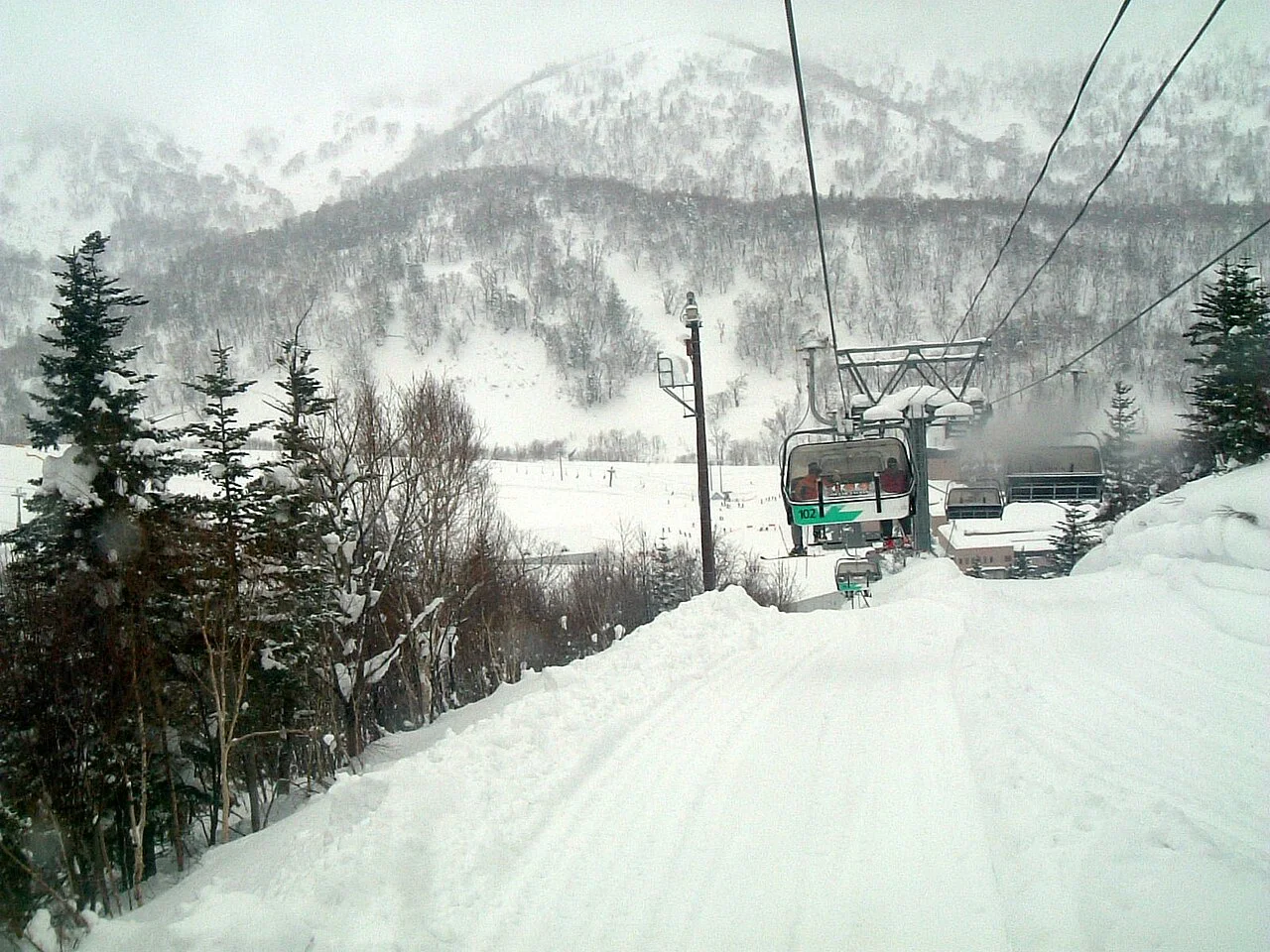
Mt. Tengu has no night skiing for the 2026–27 season. Skiers and snowboarders use the pair chairlifts during the day, while the ropeway serves sightseeing passengers. To combine skiing with night views, ski from morning into the afternoon, return rental gear or stow equipment in your car, and meet non-skiing companions at the base station. Keep lift-pass closing times separate from your evening meetup plan.
The beginner area sits near the base, and the resort notes that most upper runs are intermediate to advanced, with the trail map marking a family course, longer intermediate runs, and steep advanced slopes. Families with no ski experience are better off separating ski lessons from casual snow play to avoid bottlenecks at rental fitting. If only one or two people in your party are skiing, split up for half the day and reconvene at the ropeway station once gear is packed away.
Tenguyama Snow Park is scheduled from December 19, 2026 to March 28, 2027, open 10:00–19:00 with last reception at 18:00, though low snow conditions can shorten hours or suspend activities. Entry is free; rental sleds cost ¥500 per hour and snow tubes ¥1,000 per hour via the dedicated lift-ticket vending machine at the base, using park-supplied gear. Kids just playing in the snow do not need a ski lift pass and can play at the base before deciding whether to ride the ropeway up.
Families catching a train back to Sapporo before dinner should commit their afternoon either to snow play or to waiting out twilight on the summit rather than rushing both. Pack a spare pair of dry gloves for kids to put on before heading up the mountain, and swap out damp socks or boots beforehand. If sightseers arrive first, meet skiers at the base ticket entrance and note the evening ropeway and Bus 9 return times while gear is being returned.
Skiers arriving by bus with their own gear can use ski lockers next to the base station for ¥600 per day. Gear rentals operate 9:00–17:00, so settle returns before dusk to keep your evening clear for viewing. Keeping your ski jacket and snow pants on for the summit works well, though changing out of ski boots into grippy winter walking shoes makes the return walk around the canal far easier.
Fog, High Winds & Winter Road Closures
Do not try to drive to the summit in winter. The City of Otaru closes the summit section of the Tenguyama Kanko Line from the Otaru Ring Road (Prefectural Route) all day from November 5, 2026 through April 15, 2027. Set your GPS to the ropeway base station at 2-16-15 Mogami, Otaru, where Parking Lots 1 through 5 provide roughly 100 free spaces. Driving eliminates the bus wait back downtown, though everyone still takes the ropeway to the top.
Check Today's Operating Status and the Live Camera on the operator's homepage before heading out. The status banner tells you whether the ropeway is running, while the webcam shows whether the harbor is actually visible. If high winds halt service, stay downtown. If cabins are running but the webcam shows only whiteout past the railing, spend an hour in Ironai or Sakaimachi and head to the base only once the coastline clears. Light snow with clear harbor visibility is still worth the trip—bundle up and stay close to the summit terminal.
In wet snow or rain, start with an indoor stop within walking distance of Otaru Station. The Bank of Japan Otaru Museum opens 10:00–17:00 in winter (last entry 16:30) with free admission; it closes Wednesdays unless it is a public holiday, and shuts for the year-end break from December 29 to January 5. Its exhibits cover Otaru's commercial history and banking along Ironai's historic bank street. During the New Year closure, swap that indoor slot for a pre-booked restaurant or a shop you have confirmed is open.
The Otaru Museum Canal Building sits right off the canal, open 9:30–17:00 (¥300 adults, free for junior high students and younger), and closes from December 29 to January 3. On January 4 and 5—when the Bank of Japan museum is still closed—visit the Canal Building during the day, then check the summit webcam before deciding on Mt. Tengu. From the museum, looping back toward Asakusabashi puts you right in position for canal photos and downtown dinner.
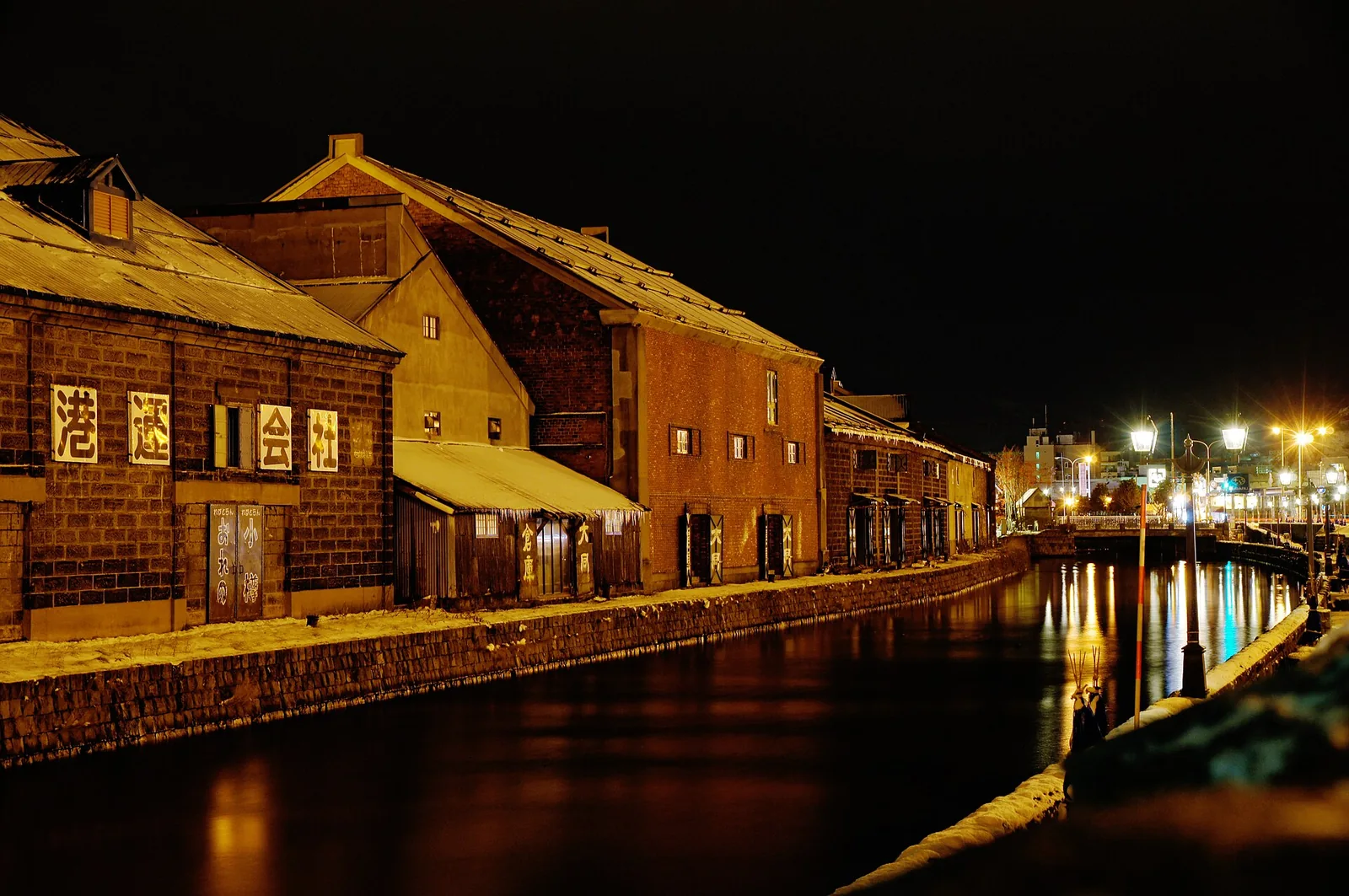
If the ropeway is down for maintenance, closed for wind, or wrapping up early on New Year's Day, shift your evening plan to the canal. The Otaru Tourism Association's Blue Canal illumination lights the stretch between Asakusabashi and Chuo Bridge from sunset until 22:30 daily between November 1, 2026 and January 31, 2027. If the cold bites, take in the stone warehouses and water reflections from Asakusabashi first before deciding whether to walk the snowy promenade to Chuo Bridge. Arrive before sunset for deep blue skies, or return after dinner for crisp reflections on the water.
Pairing the Canal, Sakaimachi & Mt. Tengu
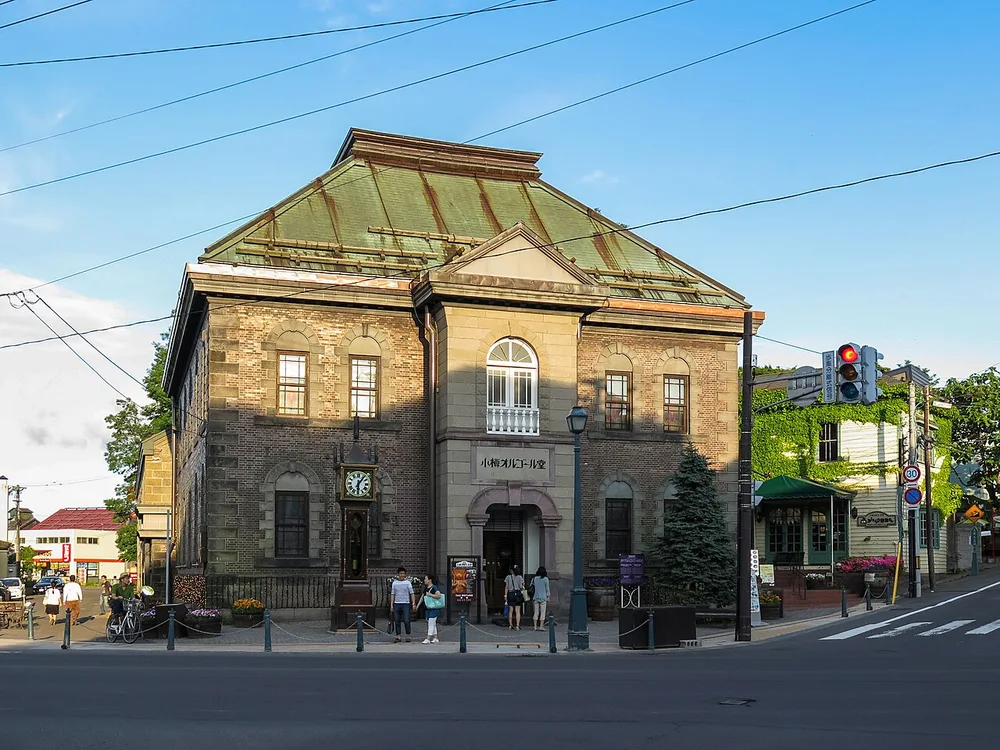
With only half a day in Otaru to shop for glassware or music boxes, begin at Marchen Square and Sakaimachi Street. Because shops cluster along one strip, pick two or three priorities early so browsing or checkout lines never cut into your bus catch later. Walk toward JR Otaru Station afterward to board Bus 9; if carrying fragile glassware, pack it securely or drop it in a station locker first so your hands stay free for railings and tickets.
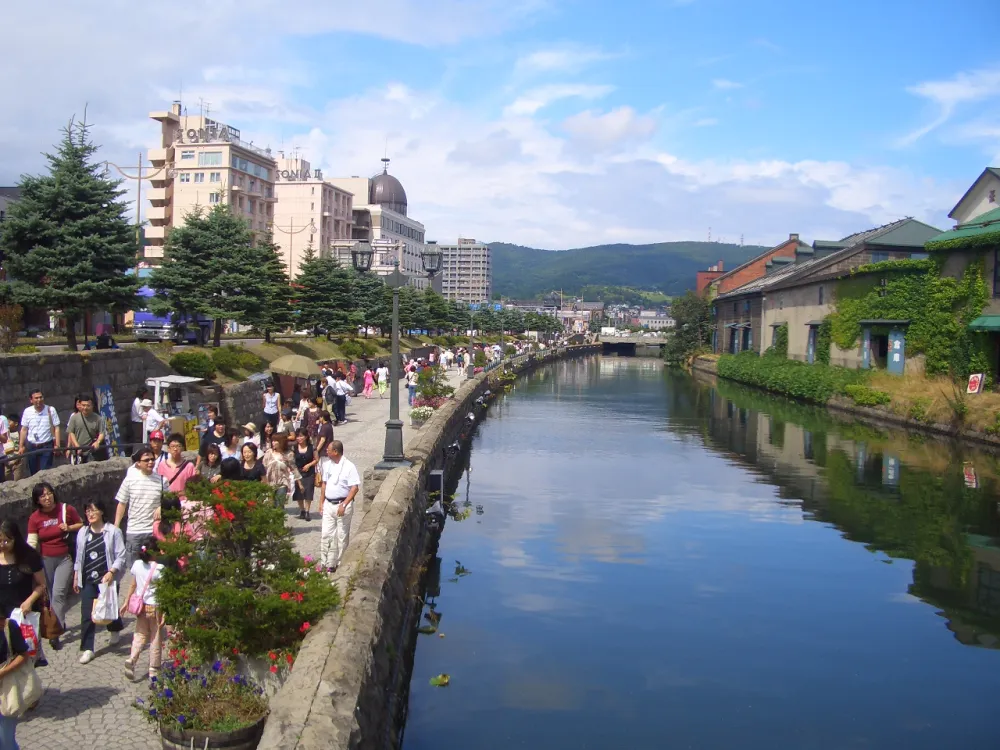
If you care more about outdoor scenery than shopping, walk Asakusabashi and the canal warehouses in daylight before heading back to the station for the bus. Returning from Mt. Tengu near dinnertime pairs naturally with dining around Ironai or the canal followed by an illuminated evening stroll—or eating near Otaru Station right before hopping on the JR train. For full daytime pacing along the canal and shopping street, follow our Otaru Canal and Sakaimachi Street day route.
Staying overnight with bulky luggage favors booking near JR Otaru Station, where you can drop bags first and walk straight next door to the bus terminal. After descending, stash your shopping at the hotel before deciding whether you still have legs for a late canal walk. Hotels near the canal make the post-dinner stroll effortless, though you should allow walk or taxi time back from Otaru Station when Bus 9 drops you off. If your hotel is at Otaru-Chikko, plan a JR transfer or taxi from Otaru Station—do not assume an Otaru-departure bus pass stops near your hotel.
If based in Sapporo, lock in your JR train and Bus 9 transfers first, then decide which city gets dinner. When booking a restaurant in Otaru, leave at least one or two later JR departures as backup plus walking time from the canal back to the station. If dining back in Sapporo, take one earlier bus down Mt. Tengu so you are not hunting for open kitchens late at night; keeping dinner in Sapporo also gives you an easy out to head straight back if Otaru winds pick up before sunset.
One-Bus Evening Tour Option from Sapporo
Hokkaido Chuo Bus operates a winter sightseeing bus departing Sapporo Station at 12:50 and returning to the Sapporo Station North Exit at 21:11. It runs from November 28, 2026 to March 28, 2027, excluding December 29 through January 6. Fares are ¥7,900 for adults, ¥7,300 for junior high students, and ¥4,000 for children, including the round-trip Mt. Tengu Ropeway and featured attraction admissions.
The schedule builds in free time for dinner and strolling near Otaru Canal Terminal in the early evening before reaching Mt. Tengu around 18:25 and departing at 19:25. It suits Sapporo-based travelers who want after-dark harbor views bundled with Otaru Aquarium or Shiroi Koibito Park. Photographers chasing sunset and blue hour are better off taking Bus 9 independently from Otaru Station so you can adjust your ascent to cloud cover and sunset times.
If high winds or other conditions force the ropeway to suspend service at least 20 minutes before departure, the sightseeing bus cancels outright. Should the ropeway close after the tour bus has already departed, Chuo Bus refunds the ropeway portion at Otaru Station, cuts the Mt. Tengu stop, and returns to Sapporo early. Travelers focused solely on Mt. Tengu or holding dinner reservations gain more flexibility riding JR trains and city buses.
The tour swaps its daytime stop by date when booking: December 12 to February 23 visits Otaru Aquarium, while the shoulder periods (November 28 to December 11 and from February 24 onward) stop at Shiroi Koibito Park and Tanaka Sake Brewery Kikkogura. Junior high students qualify for the dedicated tour rate upon showing a student ID at the counter. If you only need to meet companions at Otaru Station or ride back to Sapporo afterward, stick to Bus 9 and JR connections.
A few useful answers
How much is a winter round-trip ticket on the Mt. Tengu Ropeway?
From November 28, 2026 to March 28, 2027, winter round-trip fares are ¥2,000 for adults (junior high school and older) and ¥1,000 for elementary school children. Each paying adult may bring one preschool child for free.
How do I get from JR Otaru Station to Mt. Tengu for night views?
Go to Stand 4 at the bus terminal outside JR Otaru Station and take Hokkaido Chuo Bus 9 to the Tenguyama Ropeway stop right at the base station. The bus costs ¥240 one way for adults and takes 17 to 20 minutes, followed by a 5-minute ropeway ride.
What time is the last ropeway down from Mt. Tengu after night viewing?
The last downhill car departs at 20:00 on regular winter days, 17:00 on December 31 and January 2–3, and 16:00 on New Year's Day (January 1). Under the regular winter bus timetable starting December 11, the last Bus 9 leaves the base station at 21:17; check stop-specific holiday timetables between December 31 and January 3.
Can I drive up Mt. Tengu in the snow to see the night view?
No—the City of Otaru closes the Tenguyama Kanko Line road to the summit around the clock from November 5, 2026 through April 15, 2027. Drivers can park for free at the base station in 2-chome Mogami and ride the ropeway up, or pivot to downtown Otaru if high winds halt ropeway service.
Is night skiing available on Mt. Tengu in winter?
No night skiing operates during the 2026–27 season. Daytime skiing and snowboarding use the pair chairlifts, while evening sightseeing requires a separate ropeway ticket.
Official information and references
Sources used in this guide.
- Otaru Mt. Tengu Official | 2026–27 Winter Ropeway, Set Tickets & Ski Area Fares
- Otaru Mt. Tengu Official | Daily Operating Status, Summit Live Camera & Night-View Time
- Otaru Mt. Tengu Official | Ropeway Ride Time, Map & Observatories
- Otaru Mt. Tengu Official | Bus Stops, Fares & Base Station Parking
- Otaru Mt. Tengu Official | Tengu Hall & Otaru Ski Museum
- Otaru Mt. Tengu Official | Winter Trails, Chairlifts & Snow Play Area
- Otaru Tourism Association | November 2026 Autumn Maintenance Suspension
- Hokkaido Chuo Bus | Otaru City Routes & Timetable Portal
- Hokkaido Chuo Bus | Otaru Winter Bus 9 Timetable (Effective Dec 11, 2026)
- Hokkaido Chuo Bus | Otaru-Departure Mt. Tengu Set Ticket with City Bus 1-Day Pass
- Hokkaido Chuo Bus | Sapporo-Departure Winter Mt. Tengu & Canal Sightseeing Bus
- City of Otaru | 2026–27 Winter Closure of Tenguyama Kanko Line
- City of Otaru | Otaru Museum Canal Building Hours & Admission
- Bank of Japan | Otaru Museum Hours & Year-End/New Year Schedule
- JR Hokkaido | Trains & Stops Between Otaru, Sapporo & New Chitose Airport
- Otaru Aquarium | 2026–27 Winter Hours, Fares & Seasonal Area Closures
- Otaru Aquarium | Operating Calendar & Late-Autumn Maintenance Days
- Otaru Tourism Association | 2026–27 Winter Blue Canal Illumination Area
- Hokkaido Chuo Bus | Transit IC Cards & Otaru City Coverage