How to see the night view from Otaru's Mount Tengu: 2026–27 winter ropeway fares, New Year last departures, Bus No. 9 return timings, observation decks and a half-day Otaru route.
- Region & Focus
- Otaru
- Reading Scope
- 20 min read · 10 chapters · 5 Q&As
- Official Verification
- 19 official sources checkedUpdated 22 November 2026
- Key Topics
- First tripItinerariesWinter
Chapter Route Map (tap any stop)
- Best Dates for the Night View
- Heading Up from Bay 4 Outside Otaru Station
- Planning the Descent Around Return Bus Times
- Return Tickets, Bus Passes and Aquarium Combo Tickets
- Catching the Bay Outline Before Dusk Deepens
- Base Yourself Inside the Summit Station in Winter
- Skiing or Snow Play by Day, Ropeway Up at Dusk
- What to Do in Fog, High Winds or When Driving
- Connecting the Canal, Sakaimachi and Mount Tengu
- One-Bus Night Transport Direct from Sapporo
- Quick Q&A
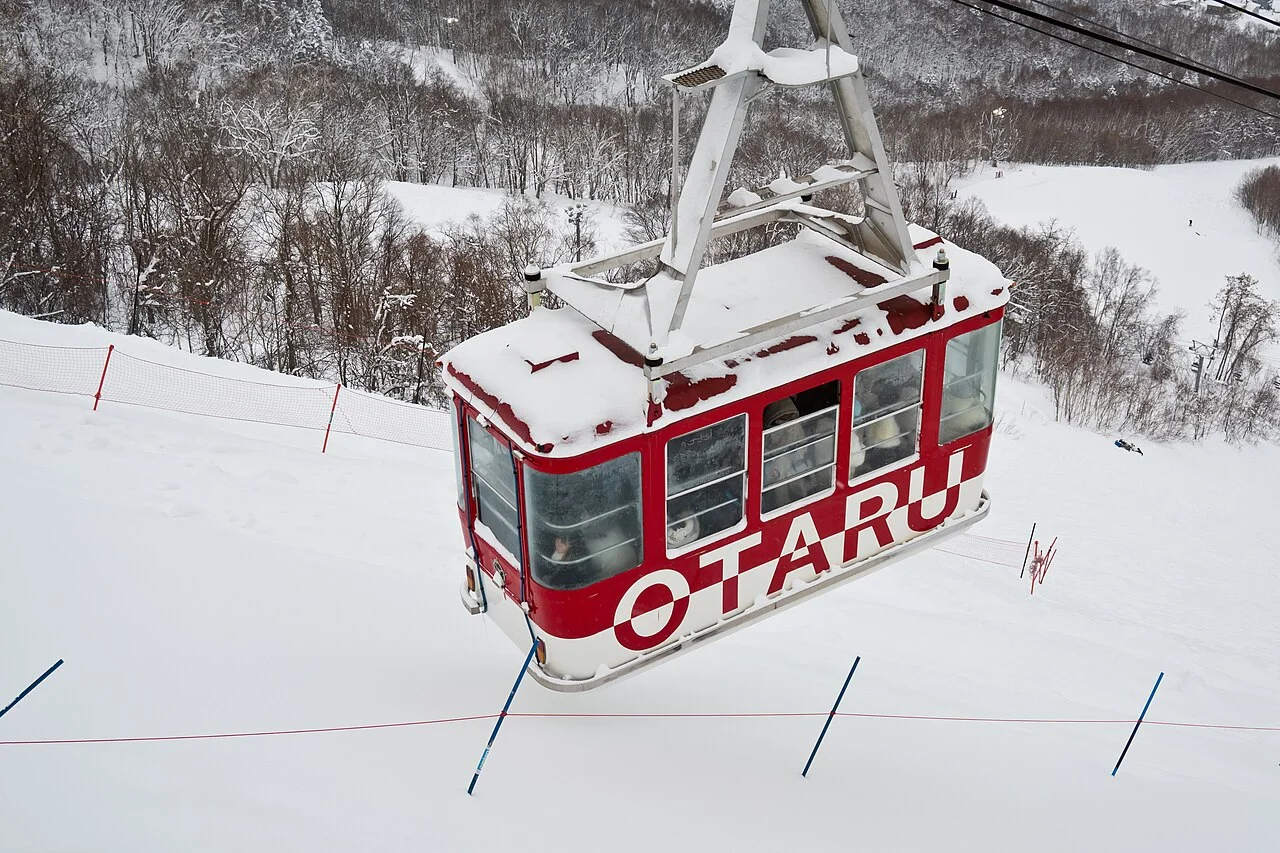
Mount Tengu fits neatly into the late afternoon of an Otaru itinerary. Take Bus No. 9 from Bay 4 outside JR Otaru Station to the base station, ride the ropeway up, and watch the city's streetlamps light up all the way down to Otaru Port. For the 2026–27 winter season, an adult return ropeway ticket costs ¥2,000, with the last descent at 20:00 on standard days and brought forward to 16:00 on New Year's Day. To catch both the outline of the bay and the city lights, head up before sunset, orient yourself along the coastline from the deck, and wait for the sky to turn deep blue.
Best Dates for the Night View
From 4 to 27 November 2026, the ropeway closes for autumn maintenance, and the summit cafe and shop close as well. Winter operations resume on 28 November and are scheduled through 28 March 2027. If you are travelling in late November with only one night in Otaru, check those two dates first. Should your visit fall during maintenance, keep the canal, Ironai and Sakaimachi together on the same day to save a wasted trip out towards the base.
On regular winter days, the first ascent departs at 09:00, the last ascent at 19:48, and the last descent at 20:00. On 31 December, 2 January and 3 January, the last ascent moves forward to 16:48 and the last descent to 17:00. If you want to stay until the streetlamps come on during these three days, reach the base station in the afternoon. You will mostly see the harbour just as dusk settles; leave time to queue for the cabin back down, then continue your evening along the downtown canal.
On New Year's Day, the last ascent is at 15:48 and the last descent is at 16:00, making Mount Tengu strictly a daytime stop. Head straight up after lunch so you still have time to take in the port and snow views before returning to town for the evening. If you are determined to photograph Otaru's full sea of lights over the New Year period and have a flexible day either side, schedule the summit for a regular operating day and save New Year's Eve or New Year's Day evening for the canal and dinner.
Sunset is the anchor for planning your ascent. The operator's website displays a daily night-view onset time (Yakei ni naru jikoku) alongside a live summit webcam. Use that time to pick your ascent cabin, then work backwards to allow for the bus, ticket queue and boarding wait. On shortened New Year operating days, count backwards from the last descent instead; if you are travelling with children, older relatives, or will need a warm-up and toilet stop, add one extra ropeway interval. A 12-minute wait on the platform feels brief, yet missing a bus and a cabin in succession quickly eats into the remaining daylight.
The 2026 summer season ran until 3 November, with the last ascent at 20:48, the last descent at 21:00 and an adult return fare of ¥1,800. Keep those figures in mind solely to tell the summer timetable apart from the winter one. Once winter starts—especially from just after Christmas through the week around New Year—always use the winter timetable column when timing your arrival at the base.
| Dates | Last Ascent | Last Descent |
|---|---|---|
| Regular winter days (28 Nov 2026–28 Mar 2027) | 19:48 | 20:00 |
| 31 Dec, 2 Jan, 3 Jan | 16:48 | 17:00 |
| 1 Jan | 15:48 | 16:00 |
How to see the night view from Otaru's Mount Tengu: 2026–27 winter ropeway fares, New Year last departures, Bus No. 9 return timings, observation decks and a half-day Otaru route.
Heading Up from Bay 4 Outside Otaru Station
Exit JR Otaru Station and look for the Hokkaido Chuo Bus Otaru Ekimae Terminal; Bay 4 is signposted for Route 9 Tenguyama Ropeway. Ride to the Tenguyama Ropeway stop, which drops you directly outside the ropeway base station. The operator lists the journey time at around 17 to 20 minutes, though snowy roads, red lights and downtown traffic can stretch the ride. If you pop back inside Otaru Station for the toilets or left-luggage lockers before buying tickets, return to Bay 4 out front afterwards.
Bus No. 7 for Mogamicho also departs from outside Otaru Station and shares the same timetable section as the Tenguyama line. Mogamicho is a different nearby terminus, so check both the route number and the Tenguyama Ropeway destination display on the front of the bus before boarding. Local buses accept SAPICA as well as nationwide interoperable IC cards such as Suica and Kitaca. Tap in and out individually; if an adult is travelling with a child paying the child fare, let the child tap a child IC card or tell the driver before paying rather than tapping one adult card for the whole group.
Hokkaido Chuo Bus switches to its winter timetable from 11 December 2026. Between 12 December and 23 February, selected outbound services run as non-stop express buses marked as direct on the timetable and suspend whenever the ropeway stops running. If you are around the canal or Ironai and want that direct service, walk back to the terminal outside Otaru Station. Both regular and direct buses carry Route 9, so checking the bay number and departure times on the stop post is the simplest approach.
When connecting from a stroll along Sakaimachi or the canal, returning to Otaru Station to board is the most reliable option. If your walk has already brought you into Ironai and you want to avoid doubling back, check Hokkaido Chuo Bus stop timetables to see whether a nearby stop has departures towards Tenguyama Ropeway. The winter PDF lists both pass-through points and actual boarding stops on the same sheet, so a bus running past your junction may only pick up at a different corner.
Coming from Sapporo, if you plan to walk Sakaimachi first, take a JR train that stops at Minami-Otaru, stroll north from Marchen Square beside the Otaru Music Box Museum main building, and continue to Otaru Station for Bus No. 9. If your priority is getting up Mount Tengu early, stay on the train all the way to JR Otaru Station and knock out the ropeway first. Otaru-Chikko, Minami-Otaru and Otaru are three separate stations, so when carrying bags or walking in snowfall, plot your arrival station and hotel on the same map to save unnecessary detours.
Planning the Descent Around Return Bus Times
From 11 December, winter Bus No. 9 departures from Tenguyama Ropeway back to Otaru Station run in the evening at 19:07, 19:37, 20:07, 20:42 and 21:17 on weekdays, and at 19:07, 19:37, 20:07, 20:47 and 21:17 on Saturdays, Sundays and national holidays. Factor in the summit queue, the roughly 5-minute ropeway descent and the walk out to the bus stop when picking a time.
Taking the 20:00 descent leaves a very tight connection for the 20:07 bus. If you want that 20:07 departure, aim for the 19:36 cabin down or earlier. If you stay on the summit until the final descent, plan on the 20:42 weekday bus or the 20:47 weekend and holiday bus under the regular winter timetable rather than watching the 20:07 pull away as your cabin comes in. Waiting for the next bus happens at the base, so in strong winds or heavy snow, catching one cabin earlier saves standing outside in the cold.
Hokkaido Chuo Bus runs its weekend and holiday timetable on 29 and 30 December. From 31 December to 3 January, several services are cancelled, so check the stop-specific timetables for both ends of the route on the day. If you visit right after the ropeway reopens between 28 November and 10 December, check the city bus timetable for your exact travel date, as the winter bus schedule starts nearly two weeks after the winter ropeway season. When travelling in a group and splitting up briefly, agree on a specific bus departure time rather than vaguely saying 'meet at the base station'.
If you need to catch a train back to Sapporo or make a dinner reservation, lock in the latest time you can afford to reach Otaru Station. Standard timetables estimate roughly 17 minutes from the base back to the station, and you will still need time to walk into the station and onto the platform. Pick a bus that connects to an earlier JR train than you strictly need so there is a buffer if you miss one. If you pre-book a taxi back into town, give the driver Tenguyama Ropeway Sanroku Station (the base station) so sat-nav does not route them towards the closed summit road entrance.
Check the return bus stop as soon as you arrive at the base on your way up. Once it is dark after you come back down, retracing the path you walked in is the easiest way to locate the shelter. Keep your coat on and time your boarding by the scheduled bus arrival rather than lingering in the summit cafe right before closing. If your group planned to meet outside the base, choose a well-lit spot with clear signage such as the ropeway station entrance.
Return Tickets, Bus Passes and Aquarium Combo Tickets
Regular winter return fares on the Tenguyama Ropeway are ¥2,000 for adults and ¥1,000 for children, with junior high school students and above paying the adult rate. Each fare-paying adult may bring one preschool child free of charge; two adults travelling with three preschool children pay two adult fares plus one child fare, totalling ¥5,000. If relatives or friends are arriving at the base separately and plan to share this allowance, wait until everyone is there before buying tickets together at the counter.
Between Otaru Station and the base, Bus No. 9 costs ¥240 one way for adults and ¥120 for children. Buying return bus fares and the winter ropeway separately totals ¥2,480 for adults and ¥1,240 for children. The operator's Otaru-departure winter set ticket is ¥2,450 for adults and ¥1,220 for children, bundling a one-day Otaru city bus pass with the return ropeway. For a straight return trip between the station and Mount Tengu, the price difference is negligible, so boarding with an IC card is just as sensible; buy the set ticket at the station terminal counter if you also plan to use the city bus pass for Shukutsu or other stops.
A Sapporo-departure winter set ticket is also available for ¥3,380 for adults and ¥1,690 for children, sold at the Hokkaido Chuo Bus Sapporo Terminal or Sapporo Ekimae Bus Terminal. It suits travellers riding the Chuo Bus both ways between Sapporo and Otaru and using city buses around Otaru on the same day. If you have already taken the JR train to Otaru, sticking with the Otaru-departure set ticket or single fares is more straightforward.
Partner hotel and attraction discounts can be used on their own too. The winter discount rate is ¥1,800 for adults and ¥900 for children for guests at participating properties such as Authent Hotel Otaru and Grand Park Otaru, as well as ticket holders from partner venues including Otaru Art Base. Show your booking confirmation screen, room key card, receipt or partner venue stub at the ropeway ticket window. With that discount and single bus rides to and from the base, an adult spends ¥2,280 in total.
The Otaru Aquarium and Tenguyama combo ticket includes aquarium admission and the return ropeway for ¥3,000 for adults, ¥2,000 for junior high students and ¥1,250 for primary school pupils, sold at either venue's counter. It is cash-only, valid for seven days from purchase, and non-refundable if the ropeway closes due to weather. If you are staying two nights in Otaru, split the two across different days: visit the aquarium in the morning and wait for a clear evening to ride up the mountain. If you must return to Sapporo the same day and winds are gusting, buying tickets separately makes it far easier to change plans.
To fit Shukutsu and Mount Tengu into one day, schedule the aquarium during daylight, then head back to Otaru Station for a bite to eat before changing buses for the mountain. Hokkaido Chuo Bus No. 10 serves the aquarium, while No. 9 serves Mount Tengu. Leave a buffer between transfers so a slightly delayed bus back from Shukutsu does not cut into your target ascent window. If you finish at the aquarium after dark, either stick to a single lookout on the summit or move one of the two stops to another day.
The aquarium's 2026–27 winter season runs from 12 December 2026 to 23 February 2027, open 10:00–16:00 with last entry at 15:30, and stays open over the New Year holidays. Standard admission is ¥1,300 for high school students and above, ¥500 for primary and junior high students, and ¥300 for children aged three and over. Bought separately, both attractions cost ¥3,300 for an adult (the combo saves ¥300), while junior high students—who pay the ¥2,000 adult ropeway rate—would pay ¥2,500 separately (saving ¥500 with the combo). Young children visiting the aquarium with family only need the aquarium's own child ticket.
Note that the two attractions open their winter seasons on different dates. When the ropeway resumes on 28 November, the aquarium is still in its late-autumn closure, so both only operate together from 12 December onwards. The aquarium's winter funfair and Marine Mammal Park are closed, so families hoping to see penguins walking in the snow should focus on the main building exhibits and Penguin Plaza during the day. If you have only one New Year day in Otaru, the aquarium helps fill the gap when downtown museums close, leaving the evening free by the canal rather than rushing to beat New Year's Day's early ropeway close.
Catching the Bay Outline Before Dusk Deepens
The Tenguyama Ropeway spans 735 metres with an elevation gain of 271 metres, taking roughly five minutes each way. Each cabin holds up to 30 passengers and usually departs on the hour and at 12, 24, 36 and 48 minutes past, increasing to roughly every six minutes when busy. For sunset, reaching the base early is far safer than counting backwards from a five-minute ride. If a large group disembarks together at the summit, step clear of the exit with your companions first before splitting up for viewpoints so you are not hunting for each other afterwards.
Mount Tengu is often grouped with Hakodate and Sapporo as one of Hokkaido's Three Great Night Views. On the Otaru side, the urban grid sits in the foreground with Ishikari Bay stretching beyond the port. On crisp, clear evenings you can also make out the Shakotan Peninsula and the Shokanbetsu mountain range.
While there is still daylight, pick out the piers and the breakwaters extending into the sea, then trace the streets you walked earlier in the day. As twilight settles, the same harbour gradually simplifies into points of light; having seen the shoreline in daylight makes it much easier to read the curve of the coast once darkness falls.
To see both dusk and nightfall, aim to reach the summit 30 to 60 minutes before sunset. That cushion gives you time to learn the layout between the rooftop deck and the indoor exits without fumbling to set up a camera in thick gloves. If you only care about the city lights, a later arrival still works well and lets you go up after an early dinner in town. Whether that fits depends on how many cabins and return buses remain—the difference between a regular winter night and shortened New Year hours is substantial.
For shots just as the streetlamps flicker on, claim a spot near the summit building before the sky turns completely dark; shoot the wider harbour first on your phone's main lens, then reframe tightly onto the piers. Wait until the streetlamps come on to take a matching frame on a camera so you have a pair to compare back at the hotel. Fresh snow reflects light brightly and can blow out the scene; if the frame looks washed out, tap to meter on a lit building beside the streetlamps or dial down exposure until both the sea and town hold detail.
When photographing from a fixed spot, leave space along the railings for newly arrived passengers. Before bringing a cold camera back into a heated building, seal it inside a bag so the body warms up gradually and condensation does not mist the lens.
Base Yourself Inside the Summit Station in Winter
Mount Tengu has five observation decks, with the rooftop deck sitting directly above the summit station as the highest vantage point. In winter, the First, Second and Third Observation Decks are closed, and the rooftop telescopes are removed for the season. On a first winter visit, stick to the immediate area around the station building you reach after stepping off the cabin, and head towards the rooftop stairs if you spot closure signs elsewhere. If you want to pick out the distant coast on a clear evening, bring compact binoculars or a camera with a telephoto reach before full darkness sets in.
The Tengu Cherry Blossom Observation Deck centres on a sakura tree over a century old, where the operator sets up a heart-shaped installation in winter. The rooftop gives you the broadest sweep of sea and town, while the Tengu Cherry side offers a closer perspective over the neighbourhoods below. When snow covers the ground, treat the two as an either-or choice. If anyone in your group uses a pushchair or walks slowly, stick to the closest open viewpoint by the entrance and regroup indoors so the outing stays comfortable.
If the sky is still bright and the wind is biting, step inside the Tengu Hall at the summit to browse more than 600 tengu masks and artefacts collected from across Japan, alongside the Sarutahiko-no-Okami shrine image associated with Tenguyama Shrine. In winter, the luck-bringing Hananade Tengu-san statue is moved indoors here as well. For children, hunting through all the long noses and expressions before heading back out to spot Otaru Port beats standing idle by a freezing railing waiting for sunset.
The Otaru Ski Museum displays roughly 400 items linked to the Winter Olympics and Japan's National Sports Festival. Slip it into the late afternoon while daylight remains to appreciate how locals use the mountain as a ski slope by day. Next door, the Tenguyama Exhibition Space showcases seasonal photographs and posters alongside seating to warm up. Anyone keen to browse the exhibits can head inside first and agree to meet at a fixed corner of the summit hall rather than searching for each other out in the snow.
If you plan to eat a hot meal at TENGUU CAFE, watch out for the afternoon kitchen gap. The winter schedule lists hot food service from 11:00–14:00 and 16:00–19:30, with last orders at 19:00. Going up around 15:00 with an empty stomach means eating beforehand down in town and keeping the summit stop to hot drinks. If you already have a dinner booking in Otaru, warm up with a drink at the top and come back down without pushing dinner too late.
The summit cafe and souvenir shop operate separate counters. Under standard winter hours on the fares page, the shop closes at 19:00 while drinks run until 19:30 with last orders at 19:00. If you want both souvenirs and night photos, browse the shop as soon as you arrive earlier in the afternoon; if you only reach the top near 19:00, go straight for the harbour view first. Travellers bringing pets pay ¥500 return for a pet ropeway ticket; animals are not allowed inside the cafe, so take turns ducking inside for drinks and warmth.
Skiing or Snow Play by Day, Ropeway Up at Dusk
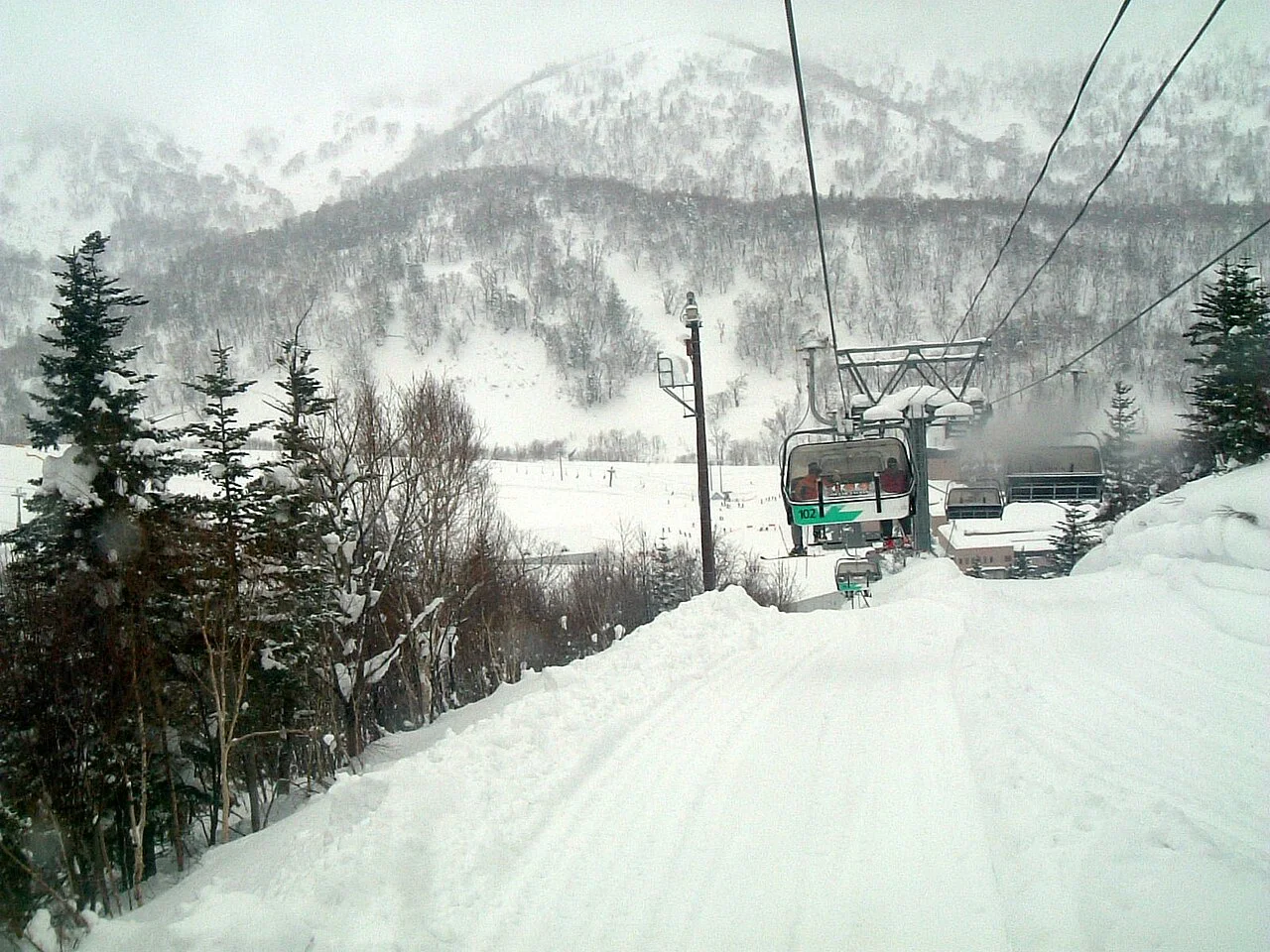
There is no night skiing for the 2026–27 Mount Tengu season. Winter ticket listings put skiers and snowboarders on the pair chairlift, while the ropeway serves sightseers heading up for the view. To combine both, ski from the base in the morning, return rental gear or stow skis in your car in the afternoon, and meet non-skiing family members at the base station. Keep lift closing times separate from your evening meet-up schedule when buying passes.
The beginner slope sits near the base, though the operator notes that most runs are intermediate to advanced—marked on the trail map as the family course, longer intermediate runs and steep advanced pitches. For a mixed-ability group that has never skied, split ski lessons and children's snow play into separate plans so nobody waits around on rentals and instruction. If only one or two people want to ski, split up for half a day and have the sightseers meet directly at the ropeway station once equipment is put away.
Tenguyama Snow Park is scheduled from 19 December 2026 to 28 March 2027, open 10:00–19:00 with last admission at 18:00, though low snow conditions can shorten hours or pause activities. Admission is free, with sledges at ¥500 per hour and snow tubes at ¥1,000 per hour using park rentals bought from the dedicated lift ticket machine at the base. Children only playing in the snow do not need a ski lift pass—let them play at the foot of the slope first, then decide whether to ride up later.
Families taking a train back to Sapporo before dinner should pick either snow play or waiting out the full night view rather than trying to squeeze both into the afternoon. Children's gloves soak through quickly in wet snow, so pack a spare dry pair solely for the summit. Swap out damp socks or boots too before riding the windy cabin up. If sightseers arrive first, meet by the base ticket entrance so they can check descent and return bus times while skiers finish returning gear.
Skiers arriving by bus with their own kit can use the ski lockers beside the base station for ¥600 a day. Listed rental hours run 09:00–17:00, so if you plan to ski until late afternoon and stay for night views, sort out rentals and gear first to leave dusk free for the deck. You can wear ski outerwear straight up to the summit, though switching out of ski boots into gripped walking shoes makes the return walk around the canal far easier.
What to Do in Fog, High Winds or When Driving
In winter, do not attempt to drive up the Tenguyama Kanko-sen mountain road. Otaru City closes the road from the Otaru Ring Road to the Mount Tengu summit around the clock from 5 November 2026 to 15 April 2027. Set your sat-nav to the ropeway base station at 2-16-15 Mogami, Otaru. The operator provides around 100 free spaces across Car Parks 1 to 5 at the base; driving lets you skip the return bus wait into town while still riding the ropeway to the top.
Before setting out, check the day's operating status (Honjitsu no eigyo jokyo) and LIVE CAMERA on the operator's homepage. The status banner tells you whether cabins are running, while the webcam shows whether the harbour is actually visible. If strong winds suspend the ropeway, switch straight to downtown plans; if cabins are running but the webcam shows only the foreground railing in cloud, spend an hour in Ironai or Sakaimachi and wait for the coastline to reappear before heading to the base. Light snowfall with a clear view of the port is still worth the trip if you dress warmly and stay near the summit building.
In sleet or rain, start with an indoor stop near Otaru Station. The Bank of Japan Otaru Museum is open 10:00–17:00 in winter with last entry at 16:30, free admission, and closes on Wednesdays except national holidays. Its exhibits trace Otaru's growth and banking history along Ironai's historic bank street between the canal and the station. Note that it closes from 29 December to 5 January, so over the New Year holidays rely on a booked restaurant or pre-checked open cafes for indoor shelter.
Close to the canal, the Otaru Museum Canal Building opens 09:30–17:00, charges ¥300 for adults and is free for junior high students and younger, closing from 29 December to 3 January. On 4 and 5 January, when the Bank of Japan museum is still shut for the New Year break, you can visit the Canal Museum during the day and check the summit webcam before deciding on an evening ascent. Walking back past Asakusa Bridge afterwards puts you straight into the canal area for photos and dinner.
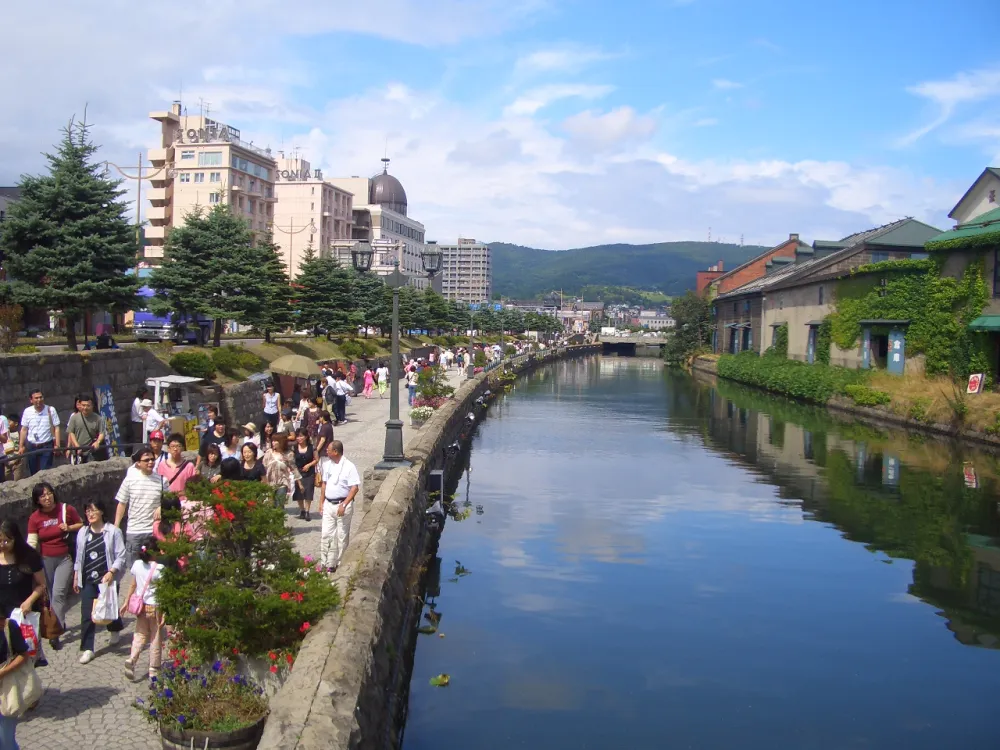
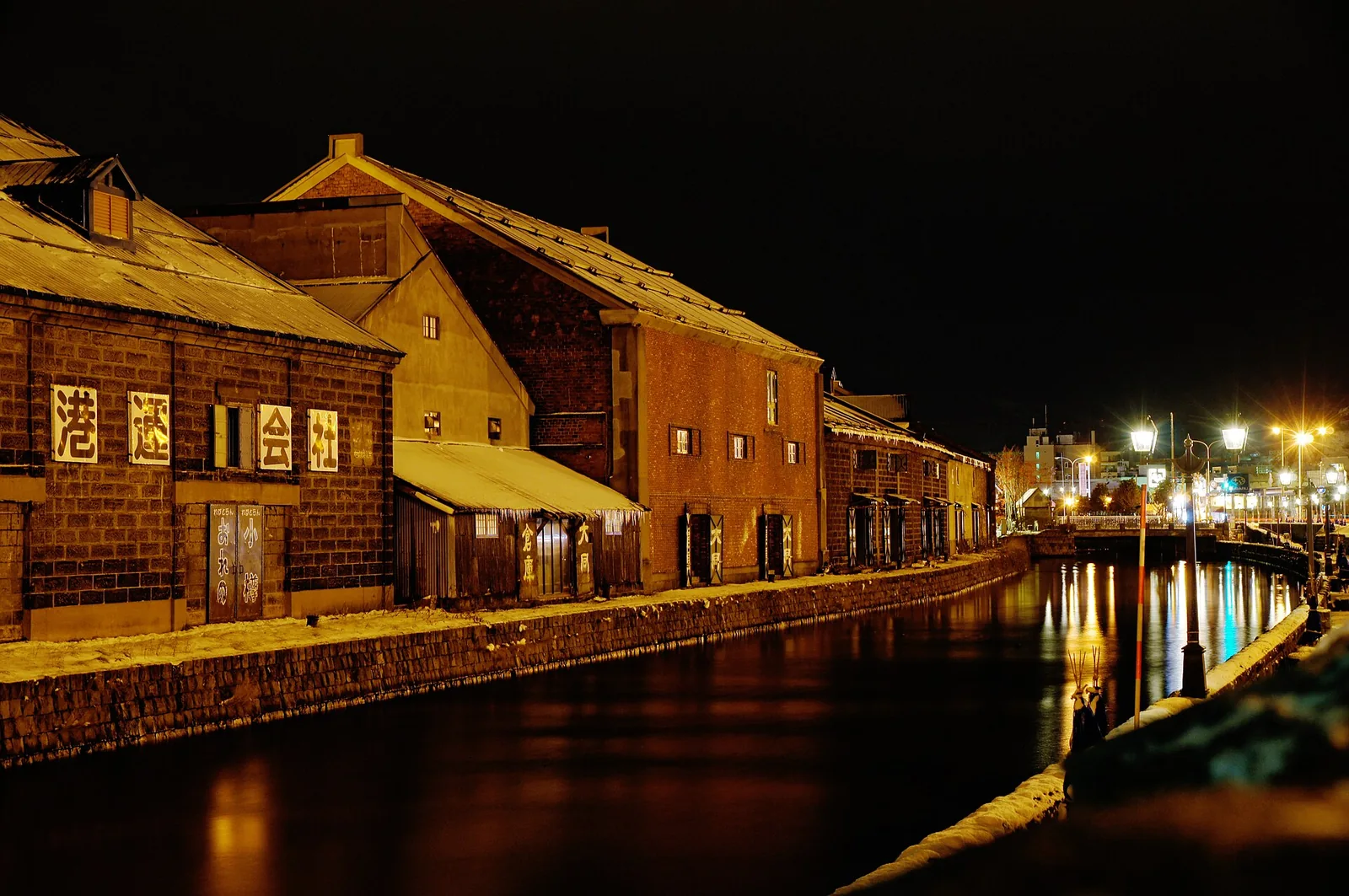
If the ropeway is closed for maintenance or shuts early on New Year's Day, move your evening lights to the canal. The Otaru Tourist Association's Blue Canal illumination runs from 1 November 2026 to 31 January 2027, lighting the stretch between Asakusa Bridge and Chuo Bridge from sunset until 22:30 daily. If you feel the cold, view the warehouses and reflections from Asakusa Bridge first before deciding whether the snow underfoot warrants walking along the promenade to Chuo Bridge. Arrive just before sunset for blue-hour skies, or stop by after dinner for sharp reflections on the water.
Connecting the Canal, Sakaimachi and Mount Tengu
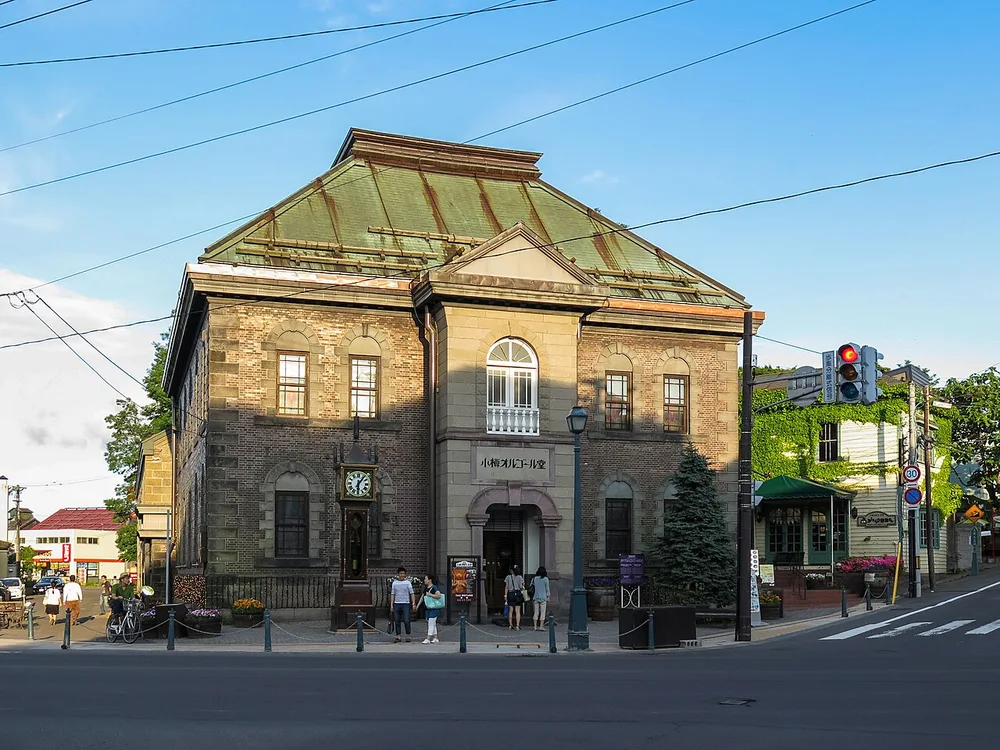
With only half a day in Otaru in winter and shopping for glassware or music boxes on your list, start at Marchen Square and Sakaimachi Street. Shops cluster along the single street, so pick two or three priorities first; giving yourself room to browse and queue at the till prevents a frantic dash for the bus later. Walk back towards Otaru Station when done to catch the bus to the base. If you are carrying fragile souvenirs up the mountain, pack them securely or drop them into a station locker first so your hands stay free for railings and tickets.
If you are strictly interested in outdoor scenery, begin at Asakusa Bridge to see the warehouses along the canal promenade, then return to the station to head up the mountain. Coming down close to dinner leaves you ready for a meal and night stroll around Ironai and the canal, or dinner by Otaru Station before boarding a JR train. If you have already done plenty of canal walking in the afternoon, keep the post-descent evening simple with dinner alone. For a full daytime walking plan covering both areas, see the Otaru Canal and Sakaimachi Street day route.
Travellers staying overnight with large suitcases benefit from booking near Otaru Station: leave bags at the hotel first, then step straight out to the neighbouring bus terminal. When you return from the mountain, drop off shopping bags before deciding whether your legs are up for a canal walk after dinner. Staying by the canal keeps your late-evening walk right outside your hotel, though if your return bus ends at Otaru Station, allow time to walk back or grab a taxi. Guests staying in Otaru-Chikko should plan on changing to JR or taking a taxi from Otaru Station rather than assuming the Otaru-departure bus pass reaches their hotel doorstep.
If you are based in Sapporo, anchor your schedule around the JR train and Bus No. 9 connection before choosing where to eat dinner. With an Otaru restaurant booked, check that a couple of JR trains still run after your meal and allow walking time back to the station if dining near the canal. If you prefer eating in Sapporo, take one earlier bus down the mountain so you are not arriving back in the city with hungry companions as kitchens are closing. Keeping dinner reservations in Sapporo also gives you an easy exit straight onto the train if evening winds turn too fierce in Otaru.
One-Bus Night Transport Direct from Sapporo
Hokkaido Chuo Bus runs a winter regular sightseeing bus departing Sapporo Station at 12:50 and returning to Sapporo Station North Exit at 21:11. It operates from 28 November 2026 to 28 March 2027, excluding 29 December to 6 January. Fares are ¥7,900 for adults, ¥7,300 for junior high students and ¥4,000 for children, including the return Tenguyama Ropeway ride and admission to the featured stops on each itinerary.
The tour gives you free time to stroll and dine around the Otaru Canal Terminal in the early evening before arriving at Mount Tengu around 18:25 and departing at 19:25. It suits Sapporo-based visitors who want an after-dark harbour view paired with the aquarium or Shiroi Koibito Park. Photographers chasing sunset and blue hour are better off taking Bus No. 9 independently from Otaru Station so they can adjust their ascent to the clouds and sunset time on the day.
If the ropeway is already suspended due to high winds or similar weather 20 minutes before the tour's scheduled departure, the sightseeing bus is cancelled. If the ropeway closes after the bus has set off, Hokkaido Chuo Bus refunds the ropeway portion at Otaru Station, shortens the Mount Tengu stop and returns to Sapporo earlier. Anyone wanting a solo Mount Tengu visit or holding a specific dinner booking retains far more flexibility with JR trains and local buses.
The same tour offers two daytime itineraries depending on your travel date when booking. Departures from 12 December to 23 February pair Mount Tengu with Otaru Aquarium, while early-season departures (28 November to 11 December) and late-season dates (from 24 February onwards) visit Shiroi Koibito Park and Tanaka Sake Brewery Kikkogura instead. Junior high students qualify for their own tour fare and must show student ID at the counter. If you are meeting companions at Otaru Station or only need transport back to Sapporo after descending, stick to Bus No. 9 and regular JR connections.
A few useful answers
How much is a winter return ticket on the Tenguyama Ropeway?
From 28 November 2026 to 28 March 2027, winter return tickets are ¥2,000 for adults and ¥1,000 for children. Junior high school students and above pay the adult fare, and each fare-paying adult may bring one preschool child free of charge.
How do I get from JR Otaru Station to Mount Tengu for the night view?
Go to Bay 4 at the Otaru Ekimae Bus Terminal outside JR Otaru Station and take Hokkaido Chuo Bus No. 9 to the Tenguyama Ropeway stop, right beside the base station. The single bus fare is ¥240 for adults, taking around 17 to 20 minutes, followed by a 5-minute ropeway ride.
What is the latest time I can come down from Mount Tengu after seeing the night view?
The last descent is 20:00 on regular winter days, 17:00 on 31 December and 2–3 January, and 16:00 on New Year's Day. Under the regular winter bus timetable from 11 December, the final Bus No. 9 departs the base at 21:17, while 31 December to 3 January follow holiday stop timetables.
Can I drive up Mount Tengu to see the night view in snow?
Otaru City closes the Tenguyama Kanko-sen mountain road to the summit around the clock from 5 November 2026 to 15 April 2027. You can drive to the free car parks at the base station in 2-chome Mogami and take the ropeway up; if the ropeway is suspended, switch to downtown Otaru instead.
Is night skiing available on Mount Tengu in winter?
No night skiing operates during the 2026–27 season. Daytime skiers and snowboarders use the pair chairlift, while evening visitors buy a separate sightseeing ropeway ticket for the night view.
Official information and references
Sources used in this guide.
- Otaru Tenguyama Ropeway Operator | 2026–27 Winter Ropeway, Set Ticket and Ski Area Fares
- Otaru Tenguyama Ropeway Operator | Daily Operating Status, Summit Webcam and Night View Times
- Otaru Tenguyama Ropeway Operator | Ropeway Journey Time, Map and Observation Decks
- Otaru Tenguyama Ropeway Operator | Bus Stop, Fares and Base Station Parking
- Otaru Tenguyama Ropeway Operator | Tengu Hall and Otaru Ski Museum
- Otaru Tenguyama Ropeway Operator | Winter Ski Slopes, Chairlift and Snow Play Facilities
- Otaru Tourist Association | November 2026 Autumn Maintenance Closure Notice
- Hokkaido Chuo Bus | Otaru City Routes and Timetable Portal
- Hokkaido Chuo Bus | Otaru City Winter Bus No. 9 Timetable (from 11 Dec 2026)
- Hokkaido Chuo Bus | Otaru-Departure Tenguyama Set Ticket with One-Day City Bus Pass
- Hokkaido Chuo Bus | Sapporo-Departure Winter Mount Tengu and Otaru Canal Sightseeing Bus
- Otaru City | 2026–27 Winter Road Closure on Tenguyama Kanko-sen
- Otaru City | Otaru Museum Canal Building Opening Hours and Admission
- Bank of Japan | Otaru Museum Opening Hours and Year-End Holiday Schedule
- JR Hokkaido | Trains and Stops Between Otaru, Sapporo and New Chitose Airport
- Otaru Aquarium | 2026–27 Winter Hours, Fares and Seasonal Closures
- Otaru Aquarium | Operating Season and Late-Autumn Maintenance Dates
- Otaru Tourist Association | 2026–27 Winter Blue Canal Illumination Area
- Hokkaido Chuo Bus | Transit IC Card Acceptance and Otaru City Coverage