Kiroro's 2026–27 ski season is scheduled to run from 28 November to 5 May. Check Asari and Nagamine runs, night skiing dates, peak ¥9,200 day passes, First Track, kids' lessons, and buses from Sapporo and Otaru.
- Reading Scope
- 22 min read · 11 chapters · 7 Q&As
- Official Verification
- 16 official sources checkedUpdated 22 November 2026
- Key Topics
- WinterItinerariesHokkaido
Chapter Route Map (tap any stop)
- Your First Stop at Kiroro Is Mountain Center
- 2026–27 Season Dates and Lift Closing Times
- Choosing Between a Day Pass, 4-Hour Pass, and 6-Hour Package
- From Sapporo: Standard Ski Bus or Powder Express
- Connections from Otaru, New Chitose Airport, and Niseko
- How to Plan Your Runs Across Asari and Nagamine
- First Track, Powder Ride, and Tree-Run Access
- Night Skiing Works Best If You Control Your Return Ride
- Book Kids' Lessons First, Then Pick Adult Pass Lengths
- Rentals Are Priced Per Day, Even for Half-Day Skiing
- One-Day vs Two-Day Itineraries with Weather and Return Buffers
- Quick Q&A
Kiroro Ski Resort sits in Akaigawa, Hokkaido. Its 2026–27 season is scheduled from 28 November to 5 May, with a peak-season adult day pass priced at ¥9,200. First-time skiers can start on the Family Course at the base beside Mountain Center before moving on to Asari or Nagamine once comfortable on intermediate runs. Between 19 December and 28 February, day-trippers from Sapporo aiming to reach Asari early can catch the Powder Express. If you only plan to practise for half a day, take a lesson, or head back to Otaru in the afternoon, calculate your ski time around check-in deadlines and return bus departures.
Your First Stop at Kiroro Is Mountain Center
On your first visit, set your destination to Kiroro Mountain Center. It serves as the main drop-off and pick-up point for day-trip buses, as well as the hub for ticket windows, equipment rental, lockers, the first-aid room, and the ski school. Right beside Mountain Center is the base area suited to beginners. Coming from Otaru or Sapporo, stow your boot bags first, hand each person their own lift pass, and split into groups once you step out onto the snow. If you plan to ski separately in the morning and meet for lunch, pick a clear indoor landmark such as the information desk.
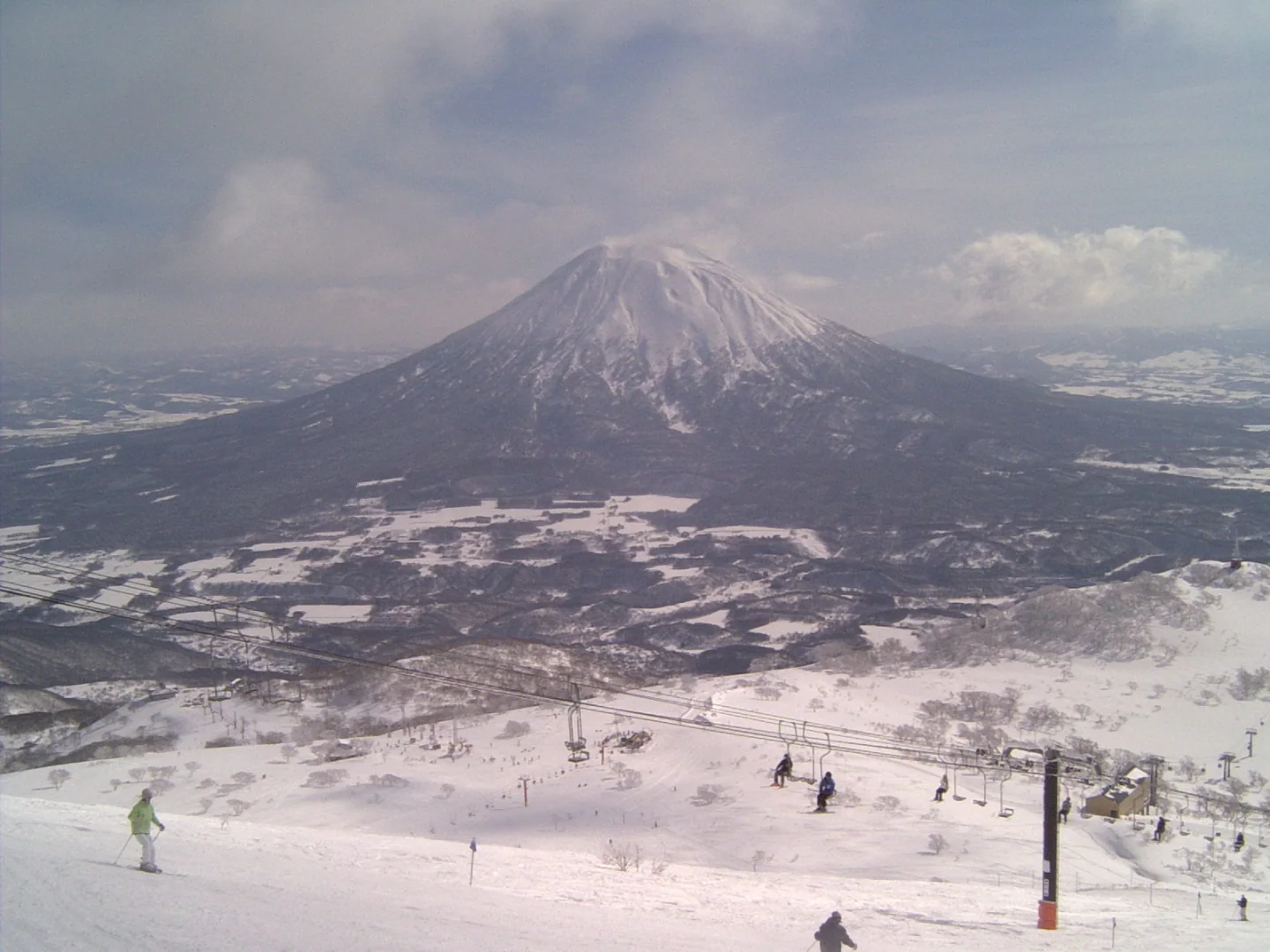
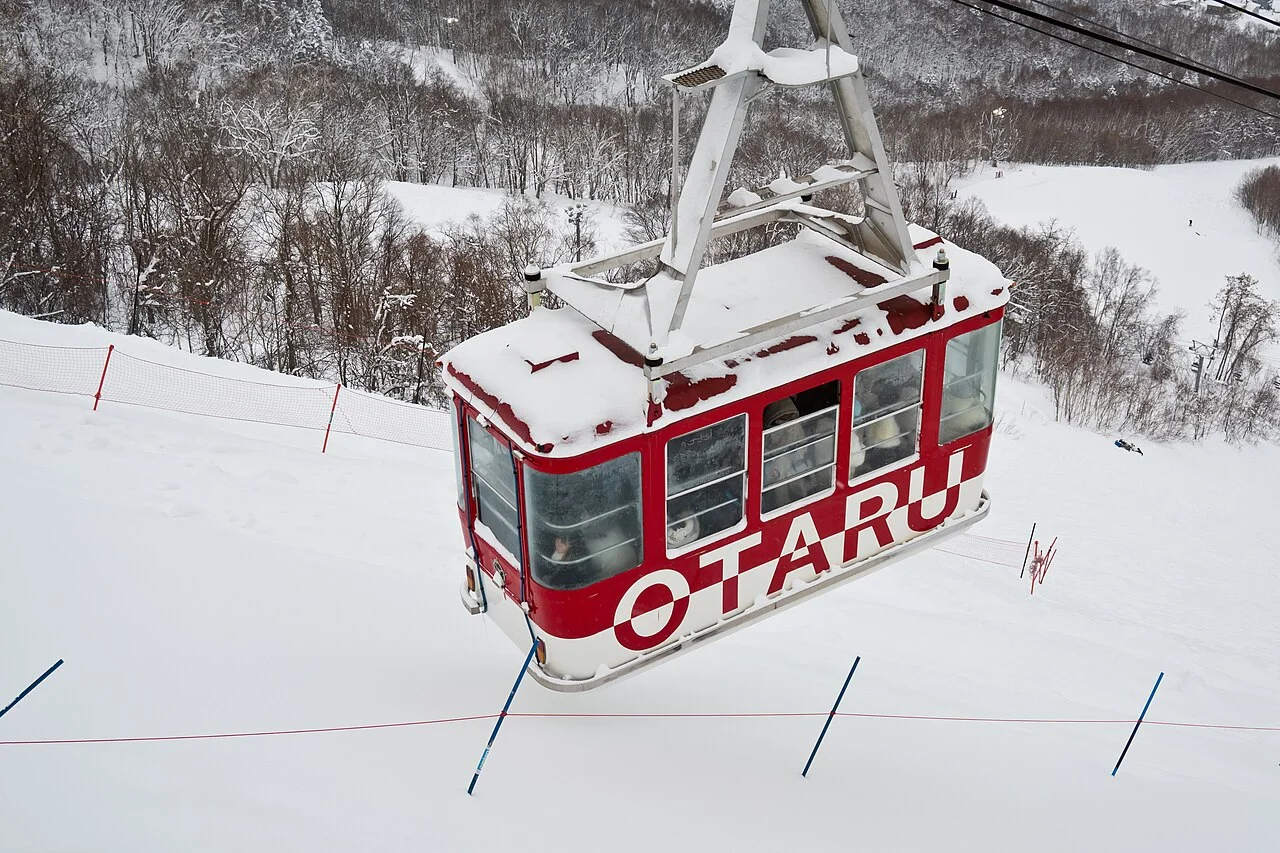
The ski area rises from a base at around 520 metres to the 1,180-metre Asari summit, with the Nagamine sector on the opposite flank. The trail map numbers 23 runs from 1 to 23, alongside Powder Ride and designated tree-run zones. Live operations boards list Powder Ride as item 24, so the open-run counter shows 24 in total. Based on the seasonal trail map colour grades, the 23 numbered runs break down into 6 beginner, 8 intermediate, and 9 advanced courses. The 3,300-metre Kiroro Gondola climbs from the base to the Asari peak, while the Gateway Express is a separate line linking the resort accommodation area and the ski base.
Before transferring with your skis or board, save the names of both lifts on your phone. Look for Kiroro Gondola to head up to the Asari summit, and Gateway Express when travelling between the resort accommodation and the ski base. When setting out from Mountain Center with a lesson or return bus to catch, check the trail map ahead of time for the exits leading back to the base. If you spot signs for the resort hotels, make sure no one in your group still has belongings in a Mountain Center locker.
Near the top station of the Nagamine No. 1 Express sits Café Crest, a handy pit stop if you are already skiing the Nagamine side. The seasonal guide lists last lunch orders at 14:00 and closing at 14:30. At the Asari summit, Asari View is a free rest area with drinks vending machines, so plan to eat a proper winter lunch back at Mountain Center. The base is also the easiest meeting point if anyone in your party is not skiing or is looking after young children.
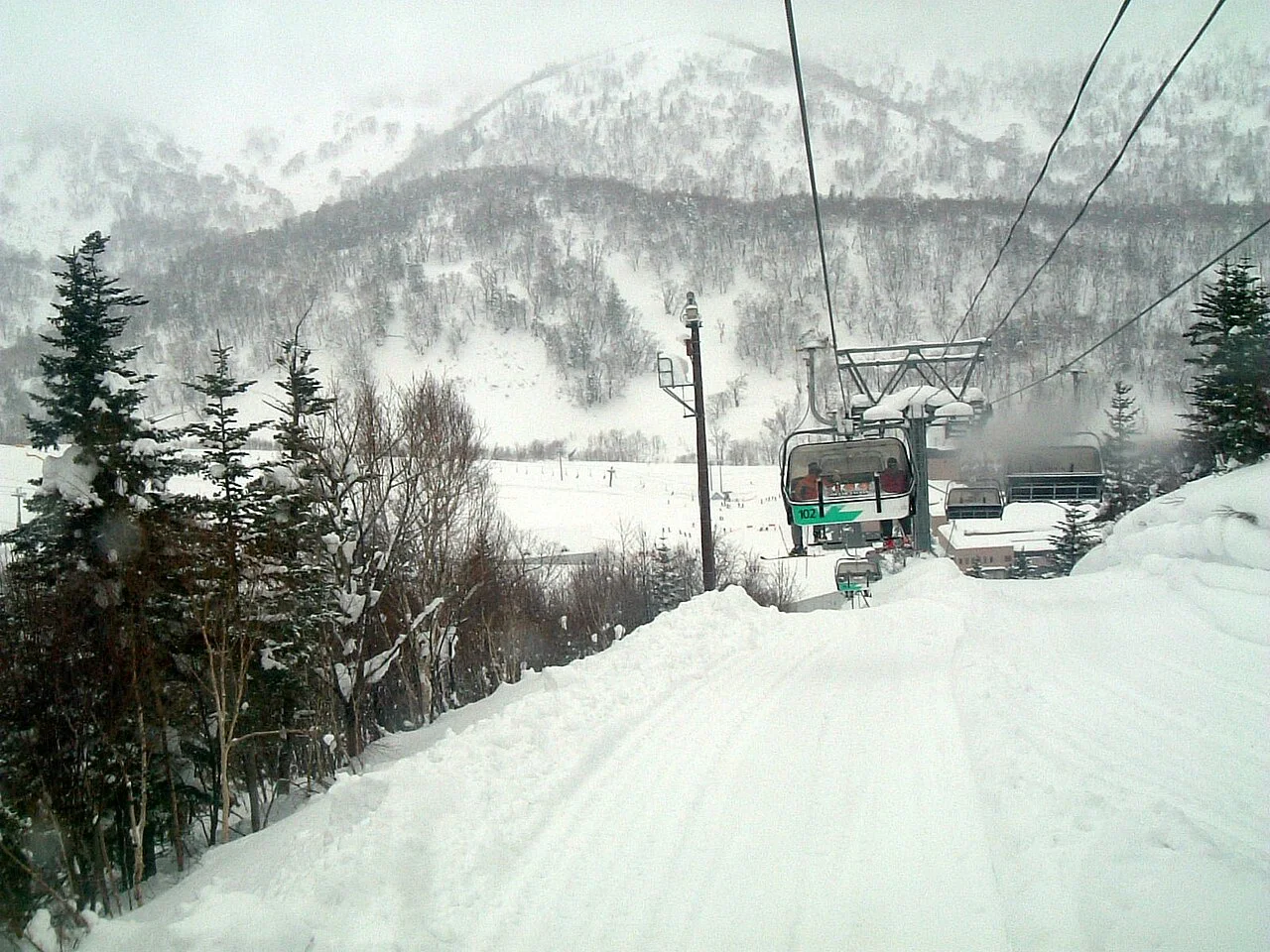
Kiroro's 2026–27 ski season is scheduled to run from 28 November to 5 May. Check Asari and Nagamine runs, night skiing dates, peak ¥9,200 day passes, First Track, kids' lessons, and buses from Sapporo and Otaru.
2026–27 Season Dates and Lift Closing Times
Peak season runs from 12 December 2026 to 11 April 2027. If you only have one ski day and want access to the Asari summit or Nagamine Zone 2, aim for this window. From 28 November to 11 December, the resort schedules Nagamine No. 1, Center, Yoichi No. 1, Family, and Gateway first, so early-season terrain expands outwards from those lifts. If you just want a lesson or to dial in new gear, start on the gentler base slopes and work higher only if your legs feel up to it.
In the first half of peak season, keep close track of last-lift times on both Asari and Nagamine. Kiroro Gondola opens at 09:00, closing at 15:00 through 12 February before extending to 15:30 from 13 February onwards. Asari No. 2 opens at 09:10, with last lifts at 15:10 and then 15:40 respectively. Nagamine No. 1, Nagamine No. 2, and Yoichi No. 1 close at 15:30 through 12 February and 16:00 from 13 February. To ski both peaks on the same day, ride the earlier-closing Asari gondola first and leave Nagamine or the base area for the afternoon.
From 1 April, Center Express runs until 16:00 while peak-season ticket pricing stays in effect until 11 April. Once spring hours begin on 12 April, Nagamine No. 1, Yoichi No. 1, and the Family Lift are scheduled for 08:30 to 15:00, and the Gateway cabins run from 08:00 to 15:30. Nagamine No. 2's spring timetable mainly covers weekends and Japanese public holidays, with the official schedule showing it still open on 12 April. Neither Kiroro Gondola nor regular daytime skiing on Center appears on the spring timetable, so Golden Week visitors in early May should make Nagamine their primary zone.
Gateway Express runs both cabins and chairs; the 08:30 opening on the timetable refers to the full line's peak-season service hours. Peak-season chair operation is listed separately for 09:00–10:00 and 13:00–14:00, with cabins running at all other times and exclusively during early and spring seasons. If you are staying on the Gateway side, build the ride back to your hotel into your final run. Any members of your group returning a hire car, dropping off rental gear, or catching a bus should meet at the base first so everyone can finish their last run at their own pace.
Choosing Between a Day Pass, 4-Hour Pass, and 6-Hour Package
Peak-season adult window rates are ¥9,200 for a day pass and ¥7,800 for a 4-hour pass. The 4-hour clock starts from your first tap through a lift gate, so you can put on boots, buy tickets, and pick up rentals beforehand, though any breaks taken after scanning in still count against your time. Scanning in at 10:40 takes you to 14:40, right up against the mid-winter last-lift cutoff on Asari. If you want both morning and afternoon sessions with a family lunch in between, paying ¥1,400 extra for the day pass saves you from watching the clock over lunch and cross-mountain transfers.
During early and spring seasons, an adult day pass is ¥5,800 and a 4-hour pass is ¥5,500. Saving just ¥300 rarely justifies the restriction if you are renting boots for the first time or might head inside after a few warm-up runs. Six-hour passes sold from Otaru or Sapporo normally come bundled in designated bus packages, so compare the total cost against separate bus and lift tickets using your actual departure, arrival, and meet-up times. Because you will need time to return rentals and walk to the bus bay, treat the pass validity window and your true on-snow time as two separate numbers.
Adult fares cover ages 19–64. Peak-season day passes are ¥8,000 for seniors (65+) and youths (13–18), and ¥5,500 for children aged 6–12. Bring passports to the ticket window to verify age discounts. Bear in mind that a 13-year-old qualifies for a youth ski pass at the resort, yet some bus packages charge them the adult fare. Children aged 5 and under ride lifts free when accompanied by a guardian; collect a child ticket and KIROCA smart card at the ticket counter. Passes issued at the window carry a ¥500 card deposit, refunded when you return the card.
Eligible passes on the official Webstore are listed at 5% off standard rates, excluding season passes and select items. Existing KIROCA holders can top up online, while first-time buyers receive a mobile barcode to collect their card from an automated pick-up machine depending on the ticket type. The official guide notes that first-time cards issued by automated machines require no deposit, though certain products still require counter collection. Authorised partners also sell passes, such as bus packages distributed according to the operator's instructions. Reselling or lending a registered pass is prohibited, so when buying online for a family, register each person individually and keep the cards separate once issued.
Within the same pricing season, multi-day passes can be used on non-consecutive days—each day only counts when you scan through a gate—though you cannot use another pass type in between. This suits travellers staying four nights who plan to ski three days, leaving a flexible buffer day for bad weather or an Otaru excursion. A peak-season adult 3-day pass costs ¥27,600, matching three single-day window tickets while locking in usable ski days upfront. An adult season pass is ¥103,000; compared with ¥101,200 for 11 peak-season window day passes, it only pulls ahead from day 12 onwards, so factor in which seasons you will actually visit and your commuting costs before committing.
| Pass Type | Peak Season | Early & Spring Seasons |
|---|---|---|
| 4-Hour Pass | ¥7,800 | ¥5,500 |
| 1-Day Pass | ¥9,200 | ¥5,800 |
| 2-Day Pass | ¥18,400 | ¥11,600 |
| Night Pass | ¥3,000 (12 Dec–31 Mar) | No night skiing |
From Sapporo: Standard Ski Bus or Powder Express
Hokkaido Access Network's Kiroro–Sapporo Liner operates daily from 10 December to 11 April at ¥2,800 one-way for adults and ¥1,900 for ages 3–12. Outbound and return legs can be booked separately, alongside packages bundling a 6-hour lift pass with optional gear or gear-and-outerwear rental. The seasonal brochure lists departure from the Sapporo Station North Exit group bus stop at 08:20, arriving at Mountain Center at 09:50, and returning at 16:30 to reach the same Sapporo stop at 18:00. If your children need to make the 09:30 check-in cut-off for morning lessons, take the earlier Powder Express or book afternoon classes instead. Buses only stop at pre-booked pick-up points—check the operator's site for exact bays and arrive 10 minutes before departure. Skis and snowboards must travel in board bags, and passengers must change into regular shoes or snow boots as ski and snowboard boots are not permitted on board.
Several Sapporo pick-up points are stationed outside city hotels, and different bus products serve different stops. Choose your stop based on the real walking distance from your accommodation, factoring in underground passage exits, morning lift access, and roadside snowbanks when hauling a heavy board bag. If you ski right until the last minute before heading indoors, you will have to queue for locker retrieval, boot changes, and gear return all at once. Because buses board outdoors, waiting inside Mountain Center makes it easy to miss your coach; drop off your rentals and locate your bay on the driveway before taking a breather.
To board the Asari gondola before regular opening hours, choose the Powder Express running from 19 December to 28 February. J-TRIP's 6-hour pass package departs Smile Hotel Premium Susukino at 06:45 and the Sapporo Station North Exit bus car park at 07:00, arriving at 08:15 and departing the resort at 15:30. Package passengers receive their lift pass on the coach, letting those with their own kit head straight to the gondola. Bus-only seat tickets are also sold, in which case you will need to budget separately for a lift pass.
Powder Express includes First Track boarding access on Kiroro Gondola from 08:45 to 08:59. Guests renting a full equipment set still need time to fit boots and adjust bindings, so they may miss that 15-minute window; bring pre-adjusted kit if catching early laps matters to you. J-TRIP states that there is no substitute perk if the gondola is suspended, and no discount or refund if bus delays cut into the First Track window. For travellers carrying their own gear who want to be back in Sapporo in time for dinner, this early-bird schedule also wraps up the ski day neatly.
Connections from Otaru, New Chitose Airport, and Niseko
Otaru–Kiroro bus timetables are split into seasonal bands. The official schedule groups early-season 28–30 November with late-season 26 April–5 May, while dividing the rest into 1–18 December, 19 December–14 March, and 15 March–25 April, each of which offers 6-hour lift pass packages. For the 19 December–14 March Otaru 6-hour pass package, adult fares are ¥9,000 on outbound buses 1601, 1603, and 1605, and ¥8,000 on bus 1607, covering same-day return bus travel and a 6-hour ticket. Some departures vary by day of the week, so never plan Monday lunches or lessons around a Saturday bus slot.
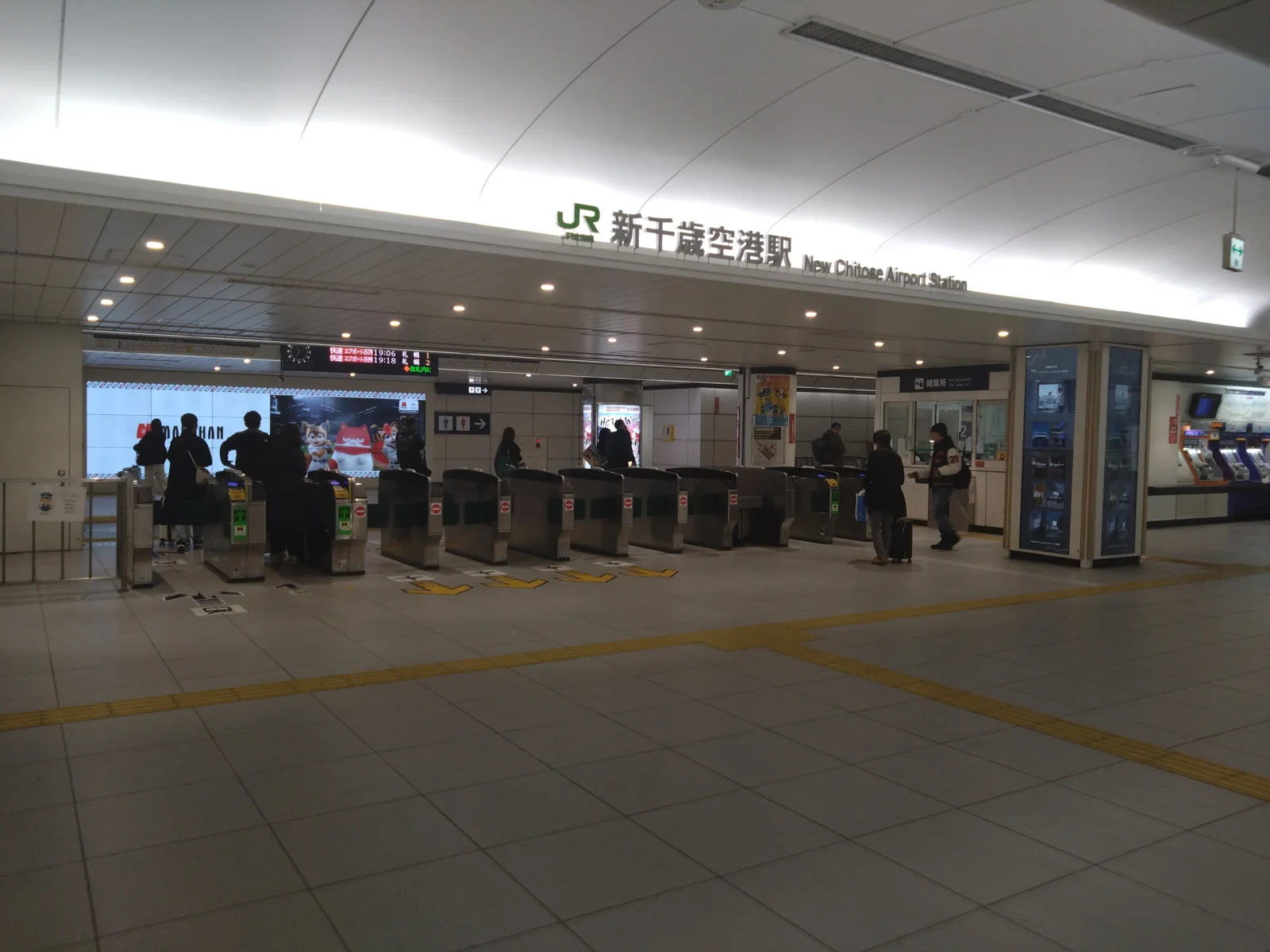
A taxi from central Otaru takes roughly 40 minutes, with the resort's website quoting around ¥12,000 or more one-way depending on night surcharges and road conditions. There is no taxi rank at Kiroro, so book your return cab in advance if you are relying on taxis both ways. Groups of four can compare splitting round-trip taxi fares against bus packages; if anyone wants to stay for night skiing, pre-booking a return taxi is far more realistic than trying to rearrange transport on the mountain. By rail, take the JR Rapid Airport train from New Chitose Airport to Otaru-Chikko and transfer to a taxi or hire car, or route through Otaru Station from Sapporo. Guests staying at Club Med Grand or Peak who are heading straight from the airport can book dedicated transfers through the resort's winter access page. To map out your airport arrival stops and overnight bases, see our New Chitose Airport to Sapporo and Otaru transfer guide.
Drivers take the Sasson Expressway to the Asari Interchange, continuing via Hokkaido Route 1, the Shinko 5-chome junction, Route 956, and National Route 393 into the resort. Kiroro provides roughly 1,900 free outdoor parking spaces. On snowy mornings, allow extra time to clear the car and walk to Mountain Center, and wipe snow off all windows and headlights before driving down. If you have no experience on snow-packed mountain roads and are only visiting for a day from the city, taking a bus or pre-booked transfer spares you a dark winter drive back.
Connecting between Niseko Grand Hirafu and Kiroro requires road transport. Seat-only ski buses start on 21 December and run until 19 February or 26 February depending on the direction and service, with one-way adult fares tiered at ¥2,600 and ¥3,200. The 6-hour pass package from Niseko runs on Mondays, Wednesdays, and Fridays between 21 December and 19 February, excluding 1 January and 5–10 February. If returning to Niseko the same day, verify both legs against the exact same date. When relocating between resorts with suitcases, check the seat-only product's luggage and board-bag limits before bringing all your bags on board.
How to Plan Your Runs Across Asari and Nagamine
Once you can control your speed on intermediate slopes, start on Asari with Run 7, Asari Panorama. At 2,500 metres long with a maximum gradient of 16 degrees, it rolls far more gently than Run 1, Asari Dynamic, on the same mountain. Asari Dynamic is the resort's longest trail at 4,050 metres, featuring steeper pitches up to 23.9 degrees. Test one familiar run first to judge snow surface, visibility, and leg strength before stepping up. If you want to save the longest run for last, time it carefully against the gondola closing time and your route back to the base.
Nagamine No. 1 is Run 10, a 1,900-metre beginner trail averaging 6.3 degrees. Compared with the 250-metre Family Course (Run 21) at the base, it gives beginners space for linked turns and reading trail junctions. Once you can slow down and stop reliably, it makes an ideal long-distance practice run. In Nagamine Zone 2, Runs 11 and 13 are intermediate, while Run 12 is an ungroomed advanced course. Mixed-ability groups visiting Nagamine can have beginners lap the lower section while stronger skiers head up to Zone 2, agreeing on a time to meet back at the No. 1 lift or the base.
Map colours grade a trail overall, whereas the slope chart flags its steepest pitch. Both Asari Run 2 (Expert A) and Run 3 (Expert B) top out at 34.6 degrees even though their average gradients sit below 11 degrees. Picking trails by average gradient alone hides those steep upper pitches. If you have only skied groomed pistes, stick to marked groomed intermediates and leave ungroomed or low-visibility runs to skiers with the experience for them; riding separate lifts beats trying to talk a nervous friend down mid-slope.
Snowboarders facing long, flat traverses should scout flat sections on the map ahead of time, carry speed across open flats with clear sightlines, and avoid stopping in the middle of trail junctions. Skiers travelling at different paces can regroup at the exit of each run. Before crossing a piste or merging from a side trail, pause at the edge and look uphill—especially near the Nagamine and Yoichi lift queues where riders of very different speeds converge.
First Track, Powder Ride, and Tree-Run Access
Day visitors can also buy First Track access. The 2026–27 guide schedules it from 12 December to 31 March; tickets go on sale each morning at the Mountain Center counter for ¥2,000 per session, with limited capacity. Boarding runs from 08:45 to 08:59 on Kiroro Gondola, opening access to Asari Dynamic and Asari No. 2. Staying on-site saves the morning commute, while off-site visitors must still reach the base and buy the ticket at the counter as outlined in the guide. If staying in Otaru, arrange your pre-dawn transport the evening before.
According to the official guide, Powder Ride opens from 09:10 via the Asari summit towards Expert A, subject to resort opening confirmation and marked routes. Without fresh overnight snowfall, early runs may still be groomed corduroy. For the highest odds of deep powder, aim for January or February. Each morning, check the live snow report page, which separates summit and base figures for 24-hour snowfall, summit wind speed, and lift status. Twenty-four-hour snowfall gives the clearest picture of fresh powder on the day—distinct from cumulative snowfall and current snowpack depth—and should be read alongside the daily grooming status.
The Tree Run Areas have separate registration rules and operating hours. Officially classed as advanced terrain, they are scheduled from 09:00 to 14:30 through marked gates and may be closed early by patrol depending on snow conditions. Access requires the yukiyama app: enable location services, check in at Kiroro, select the Tree Run group, read the waiver, enter the daily password shown on the resort's live dashboard, and check out upon exiting. Search and rescue inside the zones may incur charges; the resort requires skiers to follow numbered route markers and strongly recommends wearing a helmet.
If only one person in your group knows tree skiing, split up for the morning—keeping beginners and intermediates on groomed pistes while experienced riders pair up for the off-piste gates. Fully charge your phone before heading out and agree on a meeting time and place in advance, rather than relying on live calls once signal or visibility drops. Whenever you encounter ropes, closed signs, or shaded no-entry zones on the map, stick to open pistes and follow the numbered trail markers all the way down.
Night Skiing Works Best If You Control Your Return Ride
Night skiing at Kiroro operates on Center Express until 19:00 from 12 December to 31 March; night passes cost ¥3,000 for adults, seniors (65+), and youths, and ¥2,000 for ages 6–12. You can spend the day on Asari, take a break back at Mountain Center in the afternoon, and start night laps from the Center zone. Note that in early April, full-day passes stay at peak rates even though Center reverts to a 16:00 close—so if night skiing is a priority, visit before the end of March.
Day-trip bus schedules dictate whether night skiing is practical. Sapporo's Powder Express departs at 15:30, meaning evening laps require staying on-site, booking a private transfer, or driving yourself. After changing and clearing your locker at Mountain Center, walk out to the pick-up bay in regular shoes. If you are heading back to Otaru for dinner, factor winter driving times and restaurant last orders into the same schedule.
Under floodlights, the snow surface reads very differently from daytime, and shadows cast across afternoon chop stand out sharply at trail junctions. If your first arrival at Kiroro happens to be in the evening, take a quick daytime or early look at which runs around Center A and B feed back to the base, then stick to lit, open signage at night. Families with children should agree on a base meeting point where kids can call it a day after a single lap. Once gloves get damp or legs tire, pack up at the base—finishing one lap early keeps your return trip stress-free.
Book Kids' Lessons First, Then Pick Adult Pass Lengths
Kiroro Kids Academy runs daily from 1 December 2026 to 31 March 2027, offering English-language lessons for skiers aged 3–12 and snowboarders aged 7–12. Half-day lessons cost ¥8,000 and full-day lessons ¥12,000, including lift access during class and accident insurance. If your child plans to ride public lifts with family afterwards, buy a separate lift pass according to their age. Skiers aged 3–4 have a snow-play introductory programme, while beginners aged 5 and up start with core fundamentals. When filling out ability levels, specify whether your child can stop independently, link turns, and ride a chairlift rather than just counting days on snow.
Morning lessons run from 10:00 to 12:00, with final check-in at 09:30 for both morning and full-day sessions; afternoon lessons run from 13:30 to 15:30, with check-in by 13:00. Families arriving by bus should work backwards from check-in to allow time for boot fitting, changing layers, and walking to the school desk. Adding an extra afternoon class at lunchtime is only possible if spaces remain. Cancellations incur a 50% fee the day before and 100% on the day, so if booking two consecutive ski days, schedule lessons on day one and leave day two flexible.
Adults or families at a similar skill level can look up the Kiroro International Ski School to book private English lessons for a small group. Lift passes and equipment rentals are purchased separately; let the school know your group size and each person's ability when booking. If one person is trying skis for the first time while another already handles intermediates, separate lessons followed by a lunch meet-up avoid having one person waiting around while the other struggles to keep pace.
Non-skiers in your party can head to Snow Park inside Snow Activity World, where admission is ¥2,200 for adults, ¥1,800 for ages 12 and under, and free for children under 3 accompanied by a paying guardian. Activities include snow tubing and sledging from 09:30 to 16:00, with last entry at 15:30. The main activity zone runs from 12 December to 31 March, with spring sessions scheduled until 15 April, though it closes to the public for private groups on 14 January and 6–7 March. If non-skiers wait at the park until late afternoon while skiers ride Nagamine, allow transfer time when setting a meeting time at Mountain Center.
Rentals Are Priced Per Day, Even for Half-Day Skiing
The resort-run rental shop at Mountain Center charges by the day. Adult rates are ¥9,500 for an equipment set and ¥14,900 for equipment plus outerwear; rates for ages 12 and under are ¥7,800 and ¥10,000 respectively. A ski set includes boots, skis, and poles, while a snowboard set covers boots and board. Because peak-season adult rentals plus a lift pass can reach ¥18,700, double-check exactly what 'rental' covers before booking a bus package—passengers on the Powder Express 6-hour package can also pre-add official resort rentals. Gloves, goggles, and beanies must be brought from home or bought at Mountain Center.
Official sizing lists adult ski boots from 22 to 34 cm, snowboard boots from 21 to 34 cm, and children's ski boots starting at 14.5 cm. If you already own ski clothing, rent hardware only and test the boot fit properly on the shop floor before scanning through a lift gate. Let staff know at check-in if you wear wide-fit shoes, get toe pressure easily, or have a child between sizes. For night skiers, the official guide lists rental counters staying open 30 minutes past last lift. Bus passengers should count backwards from departure to return gear before changing clothes and emptying lockers.
Own skis or boards must go inside a travel bag on buses, and flying with kit adds baggage check-in and transit-hauling time. If you are only skiing one day at Kiroro before travelling around Sapporo, pack small personal layers and rent bulky hardware at the resort. If splitting a week between Kiroro and Niseko, weigh multi-day rental rates against transport hassle—and if your rental agreement requires returning gear to the original shop, drop everything off before boarding the bus to your next hotel.
One-Day vs Two-Day Itineraries with Weather and Return Buffers
For a single day trip from Sapporo, confident intermediates on an early bus can start with Asari Panorama, step up to Asari Dynamic, return to Mountain Center for lunch, and spend the afternoon cruising Nagamine No. 1 or taking two or three laps on Yoichi. If your return bus leaves at 15:30, set a firm descent cut-off—especially if you need to return rental gear. Those based in Otaru who want time for an afternoon stroll along Sakaimachi Street can choose a round-trip day-trip bus pass, finish skiing around midday, and catch an afternoon coach back, booking dinner late enough to absorb winter road delays.
First-time skiers on a one-day visit should dedicate the whole morning to lessons, equipment fitting, and base-area practice. Once you can stop and steer reliably, move to a slightly longer piste in the afternoon. If another parent plans to ski both peaks, agree on firm handover times for lunch and gear return so their final lift ride never clashes with school pick-up. For families with kids or mixed skill levels, starting together at Mountain Center and splitting after everyone has their kit works far better than trying to link up mid-mountain at an Asari or Nagamine fork.
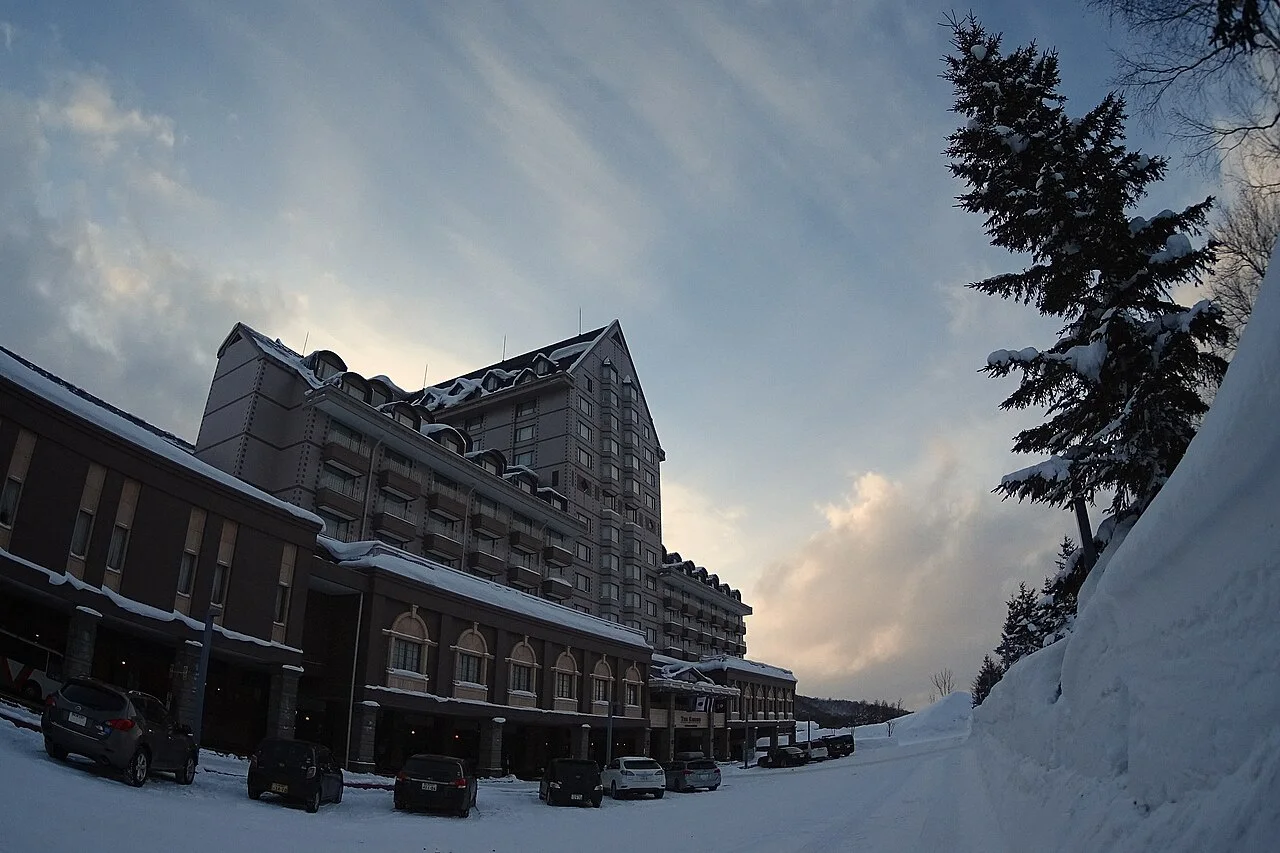
With two days, use day one to learn the layout and save day two for early Asari laps or Nagamine Zone 2. Powder hunters should save First Track for a morning with fresh snow and an open gondola. To enjoy night skiing without a dark drive back, stay one night at the resort and pick accommodation based on morning access to Kiroro Gondola and afternoon ski-in routes. Because Club Med Grand, Club Med Peak, and Yu Kiroro differ in lift access, package inclusions, and age policies, check our Kiroro accommodation and slope-access guide before booking. Still weighing which mountain suits your family best? Compare lessons and transfers across Hokkaido's major ski resorts.
In high winds, open Kiroro's live dashboard first to see whether the main gondola is on hold, which runs are open, and whether Nagamine or Yoichi offers sheltered alternatives. Webcams cover the summit, upper Nagamine, and Mountain Center so you can check visibility across elevations. If upper lifts close while the base keeps turning, switch to open lower runs; if you have booked a lesson, check in at the ski school desk for that day's plan. Should every lift across the resort close for the day, Snow World issues refunds at the Mountain Center ticket counter under its terms of carriage for full tickets or the lift-pass portion of packages—though temporary wind holds do not qualify. Bus rescheduling and cancellations follow each operator's own policy.
Keep a town-based Plan B ready so transport changes match any lift-closure news. Visitors staying in Otaru with their own gear can wait for mountain updates at their hotel; if bus changes are not feasible, leave the skis behind and use local public transport to visit the canal or Sakaimachi Street. If you are already up on the mountain, Snow Park depends on whether the activity area is operating that day, and you should hold onto your original return bus seat. Finally, travellers flying out after a ski trip should ski their final day the day before departure, leaving flight day solely for the transfer from the mountains to the airport.
A few useful answers
When does Kiroro Ski Resort open for the 2026–27 season?
The 2026–27 season is scheduled from 28 November 2026 to 5 May 2027. Peak season runs from 12 December to 11 April, and night skiing operates until 31 March.
How much is a 1-day lift pass at Kiroro?
An adult day pass costs ¥9,200 in peak season and ¥5,800 in early and spring seasons. Smart cards issued at the ticket window require an additional ¥500 refundable deposit.
Where should first-time visitors go upon arrival?
Head to Kiroro Mountain Center for lift tickets, equipment rental, lockers, and ski school check-in. Beginners practising basic stops and turns can start right outside on the base-area Family Course.
Can I buy First Track without taking the Powder Express?
Yes. According to the 2026–27 seasonal guide, First Track runs from 12 December to 31 March and can be bought on the morning at the Mountain Center ticket counter for ¥2,000 per session, subject to availability.
Which bus from Sapporo gets you there in time for First Track?
Book the Powder Express running from 19 December to 28 February, which includes priority boarding on Kiroro Gondola between 08:45 and 08:59. The regular Sapporo Liner runs on its own later schedule and pass packages.
Can you ski directly between Niseko and Kiroro?
No—the two resorts are connected by road only. Seasonal reservation-only ski buses run between Grand Hirafu and Kiroro until 19 February or 26 February depending on the route, with 6-hour pass packages operating on selected Mondays, Wednesdays, and Fridays.
Are English-language kids' ski lessons available at Kiroro?
Yes. Kiroro Kids Academy offers English-language instruction for skiers aged 3–12 and snowboarders aged 7–12. Half-day lessons cost ¥8,000 and full-day lessons ¥12,000, including lift access during class.
Official information and references
Sources used in this guide.
- Kiroro Official 2026–27 Ski Guide (Facilities, Trails, First Track & Rentals)
- Kiroro Official 2026–27 Lift Operating Hours
- Kiroro Official Lift Pass Rates & KIROCA Terms
- Kiroro Official Trail Map & Course Gradients
- Kiroro Official Live Snow Conditions & Lift Status Dashboard
- Kiroro Official Winter Access & Shuttle Information
- Hokkaido Access Network: Sapporo–Kiroro Liner
- Hokkaido Access Network: Otaru Round-Trip Bus & 6-Hour Lift Pass Package
- Hokkaido Access Network: Niseko–Kiroro Ski Bus
- J-TRIP Powder Express Schedule & First Track Boarding Terms
- Kiroro Official Tree Run Area Guidelines
- Kiroro Kids Academy Seasonal Ages, Schedule & Tuition
- Kiroro International Ski School
- Kiroro Official Snow Activity World
- Kiroro Official Equipment Rental Rates
- Kiroro Resort Terms of Use & Refund Policy