Plan a 3-, 5- or 7-day Hokkaido winter itinerary from Sapporo for 2026–2027, covering the Sapporo Snow Festival, Otaru Snow Light Path, Asahiyama Zoo, Hakodate trains and snowstorm city backups.
- Region & Focus
- HokkaidoItinerary planning
- Reading Scope
- 19 min read · 13 chapters · 5 Q&As
- Official Verification
- 24 official sources checkedUpdated 22 November 2026
- Key Topics
- WinterItinerariesRail travel
Chapter Route Map (tap any stop)
- Subtract Flight Days Before Counting Sightseeing Time
- Three Days Based in Sapporo, with Otaru in the Middle
- Five Days Leaves Room for Asahikawa or an Onsen Night
- Seven Days for Sapporo and Hakodate: Choose Your Departure Airport First
- Choosing Between the Snow Festival, Otaru Snow Light Path and Christmas Markets
- Walking Along the Otaru Canal and Using Sakaimachi Street to Warm Up
- Planning Asahiyama Zoo Around the Bus First and the Return Limited Express Second
- Choosing Jozankei or Noboribetsu for an Onsen Day, and Saving Lake Toya for Its Own Stay
- How to Decide Whether to Leave Sapporo on a Snowy Morning
- Filling a Half-Day Gap in Sapporo on Either Side of the Centre
- Buying Train Tickets: Count Your Limited Express Journeys First
- Fitting Walking and Staying Warm Into Your Day
- Biei and Eastern Hokkaido Deserve Their Own Overnight Stays
- Quick Q&A
For a first winter trip to Hokkaido, base yourself in Sapporo for three days and pick one day for Otaru. With five days, you can add Asahiyama Zoo or spend one night at an onsen ryokan. Seven days is the threshold where moving down to Hakodate for a few nights makes sense, ideally flying out from Hakodate. Before booking hotels, check how many usable hours your outbound and return flights leave, then put your top-priority, weather-sensitive stops in the first half of the trip with a swappable Sapporo city day held in reserve later on.
Subtract Flight Days Before Counting Sightseeing Time
A ticket that reads three days may leave only one full day for leaving Sapporo. If you land at New Chitose in the afternoon on day one and fly out at midday on day three, those two half-days rarely stretch to an intercity round trip. That flight pairing works best by staying in one hotel throughout, visiting Otaru during the middle day and returning to Sapporo for the evening. Only an early arrival and late departure leave spare room for Hokkaido Shrine or one of Sapporo's markets.
Ask your travel companions what matters most on this trip. Seeing snow settle along the canal and stone warehouses in Otaru takes half a day to a full day. Watching penguins walk through the snow with children requires a whole day for Asahikawa, because there is still a bus ride after stepping off the limited express train. Soaking in an outdoor bath means your day revolves around the onsen ryokan's check-in window and dinner service. Each option has one core experience worth protecting; cramming them into the same day usually squeezes out the very reason you came to Hokkaido.
Treat the days in the table below as calendar days including flights. Three- and five-day plans suit arrivals and departures via New Chitose, while the seven-day two-city route works best flying into New Chitose and out of Hakodate, or leaving enough time after departing Hakodate for an onward connection. If you hold a New Chitose return ticket, you can still split seven days across two cities, provided you budget travel time back and spend the final night in Sapporo, Chitose or near the airport. Judge your plan by accommodation bases and departure points first; looking at a map alone makes Hokkaido's distances easy to underestimate.
| Duration | Accommodation Split | Priority Plan |
|---|---|---|
| 3 days | 2 nights in Sapporo | Central Sapporo plus a day trip to Otaru |
| 5 days | 4 nights in Sapporo, or swap 1 night for an onsen area | Otaru plus Asahiyama Zoo or an onsen stay, leaving half a day to a full day flexible for transfers |
| 7 days | 3 nights in Sapporo + 3 nights in Hakodate (best with Hakodate departure) | Sapporo and Otaru, intercity transfer to southern Hokkaido, central Hakodate |
| 7 days | New Chitose return, returning to Sapporo or Chitose on the final night | Keep one main highlight from Asahikawa, an onsen stay or a nearby ski resort |
Plan a 3-, 5- or 7-day Hokkaido winter itinerary from Sapporo for 2026–2027, covering the Sapporo Snow Festival, Otaru Snow Light Path, Asahiyama Zoo, Hakodate trains and snowstorm city backups.
Three Days Based in Sapporo, with Otaru in the Middle
After clearing immigration at New Chitose's international terminal, head over to the JR New Chitose Airport Station on the domestic side. JR Hokkaido lists the fastest journey to Sapporo at 33 minutes on the Special Rapid Airport and 37 minutes on the Rapid, varying by service. Once you factor in passport control, baggage reclaim and walking to the platform, keep your first evening to restaurants you can walk straight into upon arrival. If anyone in your group needs a guaranteed seat, Car 4 on the Airport service is reserved seating (u-seat), while the other carriages offer unreserved seats, so decide based on your arrival time and luggage. Buying or boarding after you land also spares you the hassle of changing tickets if your flight is delayed.
If snowfall on the middle day looks manageable for travelling, head to Otaru. Having explored Odori on day one, save day three for breakfast, check-out and heading to the airport. Should suburban trains be disrupted on your middle day and your departure is on a late flight, you can shift Otaru to the final morning, provided you check train frequencies from Sapporo to the airport and your airline's check-in cut-off before deciding the latest time to leave Otaru. Remember to allow time to collect stored bags from your hotel near Sapporo Station and walk back to the platform. For early-afternoon flights, wrap up the departure day at the shopping centres or cafes beside Sapporo Station.
Staying near Sapporo Station for both nights cuts down on transfers. If stepping straight out of your hotel to the Odori Snow Festival site or Susukino for dinner appeals more, base yourself in Odori or Susukino instead. When booking, check how far the hotel entrance sits from the nearest open underground exit, and note lift locations if you have large suitcases. Two hotels with similar walking times on paper can feel very different in winter if one is just across a single street from the station while the other requires crossing several sets of traffic lights. For area trade-offs and hotel picks, see our Sapporo accommodation neighbourhoods comparison.
Five Days Leaves Room for Asahikawa or an Onsen Night
Four consecutive nights in Sapporo work well for families and anyone riding JR trains in Hokkaido for the first time. You can leave arrival day for Sapporo Station, visit Asahikawa on day two, cover Odori or Maruyama on day three, go to Otaru on day four and fly home on day five. If the weather forecast looks clearer for the Asahikawa line on day three, move Odori earlier instead. Keep city days swappable; for limited express trains with reserved seats, check seat availability on the new service and exchange your tickets before making changes. Families heading to Asahiyama Zoo should also pick their return train to Sapporo ahead of time and work backwards from the bus outside the zoo gate.
To include an onsen ryokan, split five days into two nights in Sapporo, one night in an onsen town and a final night back in Sapporo. Keep the mid-trip hotel switch dedicated to the ryokan: check out in the morning, drop your bags at the ryokan upon arrival and stroll around the hot-spring streets. That lets you finish outdoor sightseeing before dark and gives you time to change before the ryokan's set dinner. Because ryokan meals run on fixed seatings, work backwards from dinner time when choosing your train and shuttle bus. Before forwarding large suitcases to your next Sapporo hotel, confirm acceptance rules and arrival dates; pack overnight essentials, medication and children's items in a daypack so riding the bus is easier.
For both Otaru and snow play with children, a five-day trip can also pair Otaru, a nearby ski resort and Sapporo. Even if you only book a half-day ski lesson, equipment hire, changing clothes, meeting instructors and waiting for shuttles will fill the hours before and after. Treat the ski resort as a full-day outing and plan dinner back in Sapporo. If someone in your group is not skiing, agree on an indoor meeting point and pick-up time in advance. For a first lesson, choosing one resort that combines a beginner area, gear hire and direct city transfers is far simpler than trying to squeeze in a second sight elsewhere. You can pick an option from our Sapporo nearby ski resorts comparison.
Seven Days for Sapporo and Hakodate: Choose Your Departure Airport First
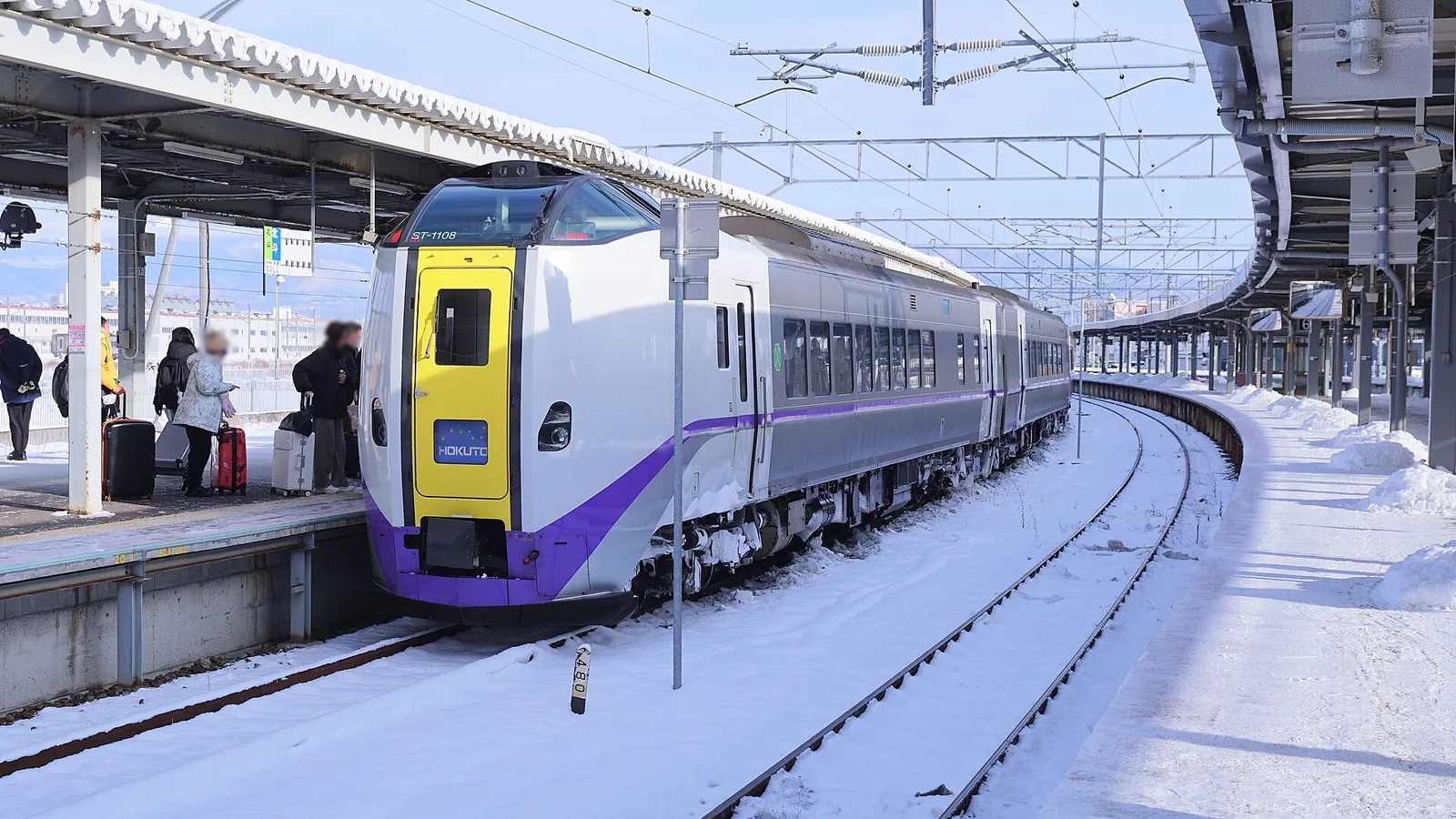
Flying into New Chitose and out of Hakodate lets you spend the first three nights in Sapporo and the last three in Hakodate. Land on day one, keep days two and three for Sapporo and Otaru, and treat day four on the Hokuto limited express as a dedicated travel day. JR Hokkaido's access map puts the Sapporo to Hakodate run at roughly 3 hours 50 minutes, to which you must add getting from your hotel to the station, reaching the platform early and storing luggage on arrival. If there is still daylight when you reach Hakodate, take a walk around the station or the Red Brick Warehouses. If it is already dark and snowing while you are wheeling suitcases, leave the slopes and harbourfront for the next morning.
Three nights in Hakodate give you two afternoons, so pick the clearer one to go up Mount Hakodate. Put the Morning Market in the morning and group Motomachi with the bay area into one half-day walk, heading downhill towards the water; when pavements turn icy, skip steep hills and stairs in favour of the tram. Save Goryokaku for another daytime slot. Arriving before sunset shows the shape of the bay, and the night view deserves an unhurried window afterwards. Check whether the ropeway is running and check summit visibility before setting off, so you can shift it to the next day or pivot to the Red Brick Warehouses and indoor spots if wind and snow roll in. Those planning a soak in Yunokawa should make that hotel their evening base and save the night view for the other night so dinner is not rushed.
Whether a seven-day round trip via New Chitose can include Hakodate comes down to whether you are willing to spend a second day in transit. Returning from Hakodate to Sapporo or Chitose on day six before flying on day seven keeps the schedule comfortable. If your return Hokuto train connects straight to JR New Chitose Airport, you can change at Minami-Chitose without going all the way into Sapporo, though overnight stays still need to match your flight time. If you want maximum full sightseeing days at both ends of the trip, staying all six nights in Sapporo and adding Asahikawa, Jozankei or a ski resort suits the pace much better than rushing back and forth. Travellers calculating exact stations and timings can check our Sapporo to Hakodate train route guide.
Choosing Between the Snow Festival, Otaru Snow Light Path and Christmas Markets
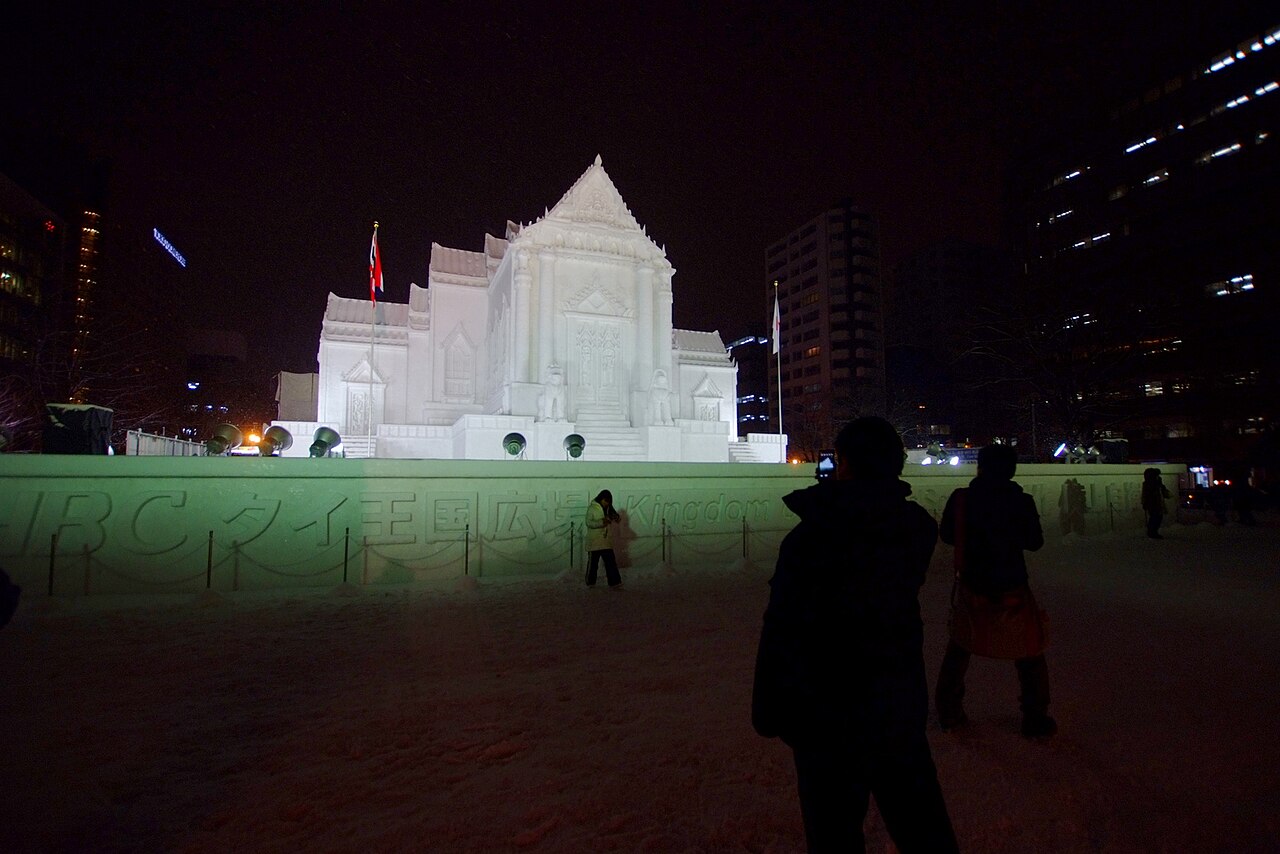
If you plan around events, both cities line up neatly between 6 and 11 February 2027. The 77th Sapporo Snow Festival runs from 4 to 11 February across three sites: Odori, Susukino and Tsudome. The Otaru Tourism Association lists the Otaru Snow Light Path from 6 to 13 February. Even though the dates overlap, getting from Odori in Sapporo to the Otaru Canal involves walking to the station, waiting for a train and walking again on arrival. On a three-day trip, see the Odori snow sculptures on your arrival evening or departure morning and give the full middle day to Otaru. If you are taking children to play in the snow at Tsudome, assign it to a separate daytime block. For site layouts and pacing options, compare our Sapporo Snow Festival three-venue guide.
The Odori site stretches from Nishi 1-chome to Nishi 11-chome. When travelling with older relatives, pick a handful of key snow sculptures in advance and mark restaurants and indoor rest stops on your map alongside them. Sculptures are often easier to see in sharp detail by daylight, while Susukino's ice sculptures make a distinct evening stop after dark. You can walk between Susukino and Odori via the underground mall, or Duck into a restaurant early if your feet get cold on the first night. Visitors with only one evening who want to walk the full length of Odori should start at one end and book dinner near the far end to avoid doubling back.
In December, the 2026 Munich Christmas Market runs from 20 November to 25 December in Odori Park Nishi 1-chome and 2-chome, pairing easily with the White Illumination in the same blocks. During this period, spending the day in Otaru and returning to Sapporo at dusk works smoothly. For the new Nakajima Park venue in January, the City of Sapporo lists an opening date of 9 January 2027. For Christmas, New Year and the Snow Festival, book rooms with acceptable cancellation deadlines first; when comparing rates, check the same night and exact guest count, as triple and quad rooms are scarce and cannot be estimated from the cheapest double rate.
If your main goal is simply seeing snow on cheaper flights, separate looking at snow from active snow play. In early December, treat winter illuminations as your fixed anchor and decide where to look for snow based on ground cover at the time, while skiing depends on which runs and lessons the resort actually has open that day. To see the penguin walk at Asahiyama Zoo, time your dates around the zoo's official season. Push a March trip back by one or two weeks and pavements and roadsides in Sapporo can look very different, so rely on attractions still operating that month while still bringing winter boots for slushy surfaces.
Walking Along the Otaru Canal and Using Sakaimachi Street to Warm Up
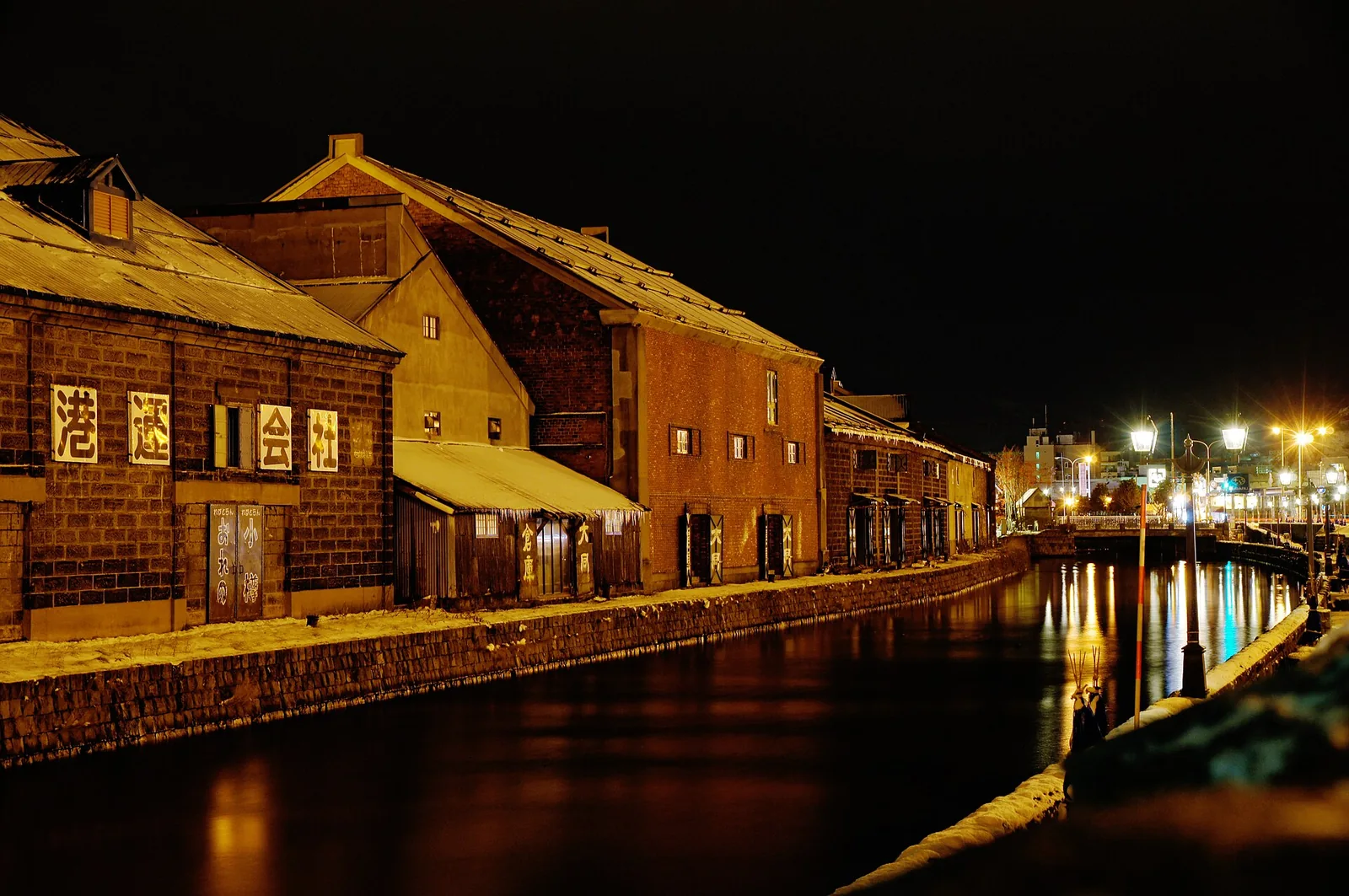
For breakfast at Sankaku Market, alight at Otaru Station, then walk down Chuo-dori towards the canal and Asakusabashi Garden for the warehouse view. If you prefer browsing from the Otaru Music Box Museum to Kitaichi Glass, take a train that stops at Minami-Otaru, walk along Sakaimachi Street towards the canal and catch a train back to Sapporo from Otaru Station in the evening. Both directions work well; the choice simply determines when you eat and shop. Cover your outdoor highlights while it is still light, and step into glassworks or patisseries whenever snow picks up. The Otaru Art Base right near the canal also serves as an easy indoor stop—check opening days and hours for your chosen museum, and decide how long to linger as you walk past.
If you are pushing a buggy, wheeling large bags or want an easier walk, sticking to the return loop between Otaru Station and the canal plus a short stretch from Asakusabashi into Sakaimachi Street is plenty. Agree on a meeting point near the station so keen shoppers can wander further down the street while others rest back at the market or station. Daytime meltwater refreezes by late afternoon, so allow extra time on the uphill walk back to the station. In heavy snow, favour cleared paths where the kerb edge is clearly visible, step safely to the kerb when stopping for photos and stay alert for pedestrians coming up behind you.
Add Mount Tenguyama to your Otaru day only if visibility is good and your outbound and return timings fit comfortably. Heading up the mountain after seeing the canal lights means waiting for the ropeway and bus back down, which often squeezes dinner and the train back to Sapporo. If the Mount Tenguyama night view is your priority, keep Sakaimachi Street to the morning and head towards the ropeway station earlier in the afternoon. If you would rather stay by the canal for evening photos, dine in central Otaru before riding back to Sapporo. Those dining in Otaru during the Snow Light Path should check restaurant last-order times against train departures so there is time to stroll back up from the canal without rushing.
Planning Asahiyama Zoo Around the Bus First and the Return Limited Express Second
From Sapporo Station to Asahikawa Station, the Kamui or Lilac limited express takes around 1 hour 25 minutes according to JR Hokkaido. Outside Asahikawa Station, walk to bus stop 6 and board Asahikawa Denkikido bus 41 or 47. The zoo's access page lists the bus ride at roughly 40 minutes and ¥670 one way for adults. Be sure to include waiting and walking times in your total. To catch the first penguin walk, aim to arrive before opening time, since you still have to queue to enter and walk to the viewing area after stepping off the bus.
For the 2026–2027 winter season, general opening runs from 11 November 2026 to 7 April 2027, daily from 10:30 to 15:30 with last entry at 15:00. The zoo closes from 30 December 2026 to 1 January 2027. The penguin walk runs once snow is deep enough to pack a trail, scheduled from roughly late December to mid-March, usually at 11:00 and 14:30, with only the morning walk planned for March. Exact start dates are announced by the zoo, and weather or snow conditions can pause or alter the route. If your planned day falls during the New Year closure, move the zoo to another date and keep New Year in central Sapporo.
Individual adult admission this winter is ¥1,000, while junior high school age and younger (under the Japanese school system) enter free. The zoo also holds the special Snow Light Zoo evening opening from 5 to 7 February 2027, staying open until 20:30 with last entry at 20:00. Those three evenings overlap with the Sapporo Snow Festival. If you plan to attend the night opening, lock in the evening bus back to Asahikawa Station and the connecting limited express to Sapporo first. To enjoy the evening without watching the clock, stay one night near Asahikawa Station and take the train back after breakfast the next morning.
Families can cut down on back-and-forth slope walking inside the zoo by grouping the outdoor penguin walk with nearby enclosures and warming up midday inside the Penguin House or Seal House indoor viewing areas. In the afternoon, the crunch point is balancing your final exhibit against walking out to the stop, waiting for the bus and catching the train back at the station, so set a firm departure time from the park. If your bus has not yet arrived and your return train is tight, exchange changeable tickets early rather than sprinting through the station concourse with children. If Asahikawa was only for the zoo and morning JR notices already show suspensions, swap in your Sapporo city day instead of travelling up just to wait at the bus stop.
Choosing Jozankei or Noboribetsu for an Onsen Day, and Saving Lake Toya for Its Own Stay
Jozankei is ideal if you want transport reduced to a single bus ride. Under the 1 October 2026 to 31 March 2027 winter timetable, the Kappa Liner departs from Sapporo Station stop 27, with outbound pick-ups also available at Odori Nishi 1 and Susukino; reservations open one month before travel. When booking, check whether your ryokan runs its own shuttle, as pick-up points, advance registration rules and return times can matter more than journey length. Once in town in winter, stick to your ryokan, nearby restaurants and short gorge walks near the bus stops—check in first, and if shaded paths look icy, take in the valley view from the bridge before heading back indoors.
Noboribetsu Onsen requires changing to a Donan Bus after alighting at JR Noboribetsu Station. Outbound and return timetables are published separately, and stops in town include Noboribetsu Onsen, Noboribetsu Onsen Chuo and Dai-ichi Takimoto-mae, so match the closest stop to your ryokan's address. Donan Bus lists the one-way adult fare at ¥450; IC cards such as Kitaca and Suica are not accepted on any service, though Visa contactless works on NA and NB buses—carrying Japanese yen coins covers every departure. Visit Jigokudani (Hell Valley) in daylight within the open trail boundaries to see the steam and snow, then return to town for lunch or check-in. Day-trip bathers should check each facility's own last-entry times and operating days.
Picking between Noboribetsu and Lake Toya comes down to how you want to spend your afternoon. Choose Noboribetsu Onsen if you want to walk around Jigokudani. If you prefer lake views straight from your ryokan, stay on the Lake Toya lakeside—you will also transfer to a bus from JR Toya Station, so double-check whether a hotel is by the station or on the lakeshore before booking. Trying to squeeze both into one day leaves the afternoon chopped up by bus waits, luggage handling and walks to the ryokan. If you are continuing south to Hakodate, check out of Sapporo for one onsen night and board a southbound Hokuto train from the matching JR station the next day, verifying first that your chosen service stops there.
How to Decide Whether to Leave Sapporo on a Snowy Morning
When checking the evening forecast, look at Sapporo, your destination city and the rail corridor in between. The next morning, check JR Hokkaido's live operations page separately for greater Sapporo, the Asahikawa line and the airport line, noting any planned suspension zones and time windows. If trains are still running, verify whether local buses, attractions and ryokan transfers still line up. If outbound trains are running but the return connection no longer works, shorten the day right away. Where suspensions are already posted—especially if outward and return trips share the same line—bring your Sapporo city day forward immediately.
Your city backup centres on the Sapporo Station, Odori and Susukino corridor. Drop down from Sapporo Station into the Ekimae-dori Underground Walkway (Chi-Ka-Ho) towards Odori, then continue through the Pole Town underground arcade to Susukino. If members of your group want to split up, agree to meet at an Odori Station concourse or a specific underground exit. For Nijo Market, walk underground towards the market end before coming up to street level, then browse nearby blocks after lunch. In a blizzard, postpone outdoor attractions that involve both a bus ride and long exposed walks—such as open-air museums—and stay close to your hotel.
If severe weather hits on a hotel-change day, sort out your check-in first. When JR suspends trains on the day you are due at an onsen ryokan, call the property or check the contact details on your booking to report your original train and new estimated arrival time, and ask whether dinner or shuttle timings can be shifted. If altering the train affects subsequent nights, contact your next hotel before cancelling that evening's tickets. Even if the whole group planned to take the same limited express, have one person handle the ticket changes while everyone else waits with the luggage somewhere warm with seating.
Filling a Half-Day Gap in Sapporo on Either Side of the Centre
On a calm city half-day, take the Tozai Subway Line from Odori to Maruyama Koen Station and walk through the park to Hokkaido Shrine. Leave this for daylight if you want to see the snow-covered trees and approach path, then stop at a cafe near the station for lunch. If visiting on New Year's Day, treat the shrine queue as an activity in itself rather than booking lunch across town. If you had planned to pair it with Maruyama Zoo, decide on the day based on underfoot ice and everyone's energy whether to stay around the park or head back to Odori early by underground.
If you only have the evening free, or if snow pushes you indoors, AOAO SAPPORO on Tanukikoji is an easy walk from the centre. Regular hours are 10:00 to 22:00 with last entry at 21:00; on 31 December 2026 it closes early at 16:00 with last entry at 14:30, and it is closed on 1 January 2027. Keeping both the aquarium and dinner in Tanukikoji or Susukino means no waiting outside for buses afterwards. If you have a specific restaurant in mind, count back from its last-order time to judge how long to stay inside. Companions who prefer shopping can split off and meet back near an underground arcade exit for dinner. If the evening unexpectedly clears and you want Mount Moiwa, allow ample time for both the ascent and descent before deciding whether a city dinner still fits.
For seafood near Odori in the morning, Nijo Market slots neatly into a central itinerary. However, if you are staying by Sapporo Station and catching an early train to Asahikawa, eat breakfast in the station or at your hotel instead. Wheeling bags out to the market first thing and doubling back to find your platform easily eats into ticket-exchange and snack-buying time. Leave souvenir shopping for your last evening as well so you are not carrying paper bags around in the snow all day, and wait until your return route is settled before picking up chilled items.
Buying Train Tickets: Count Your Limited Express Journeys First
From 14 March 2026, all JR Hokkaido limited express trains—including the Kamui and Lilac between Sapporo and Asahikawa and the Hokuto to Hakodate—operate as all-reserved seating. Make sure you arrange your train service, seat reservation and fare ticket together. The Airport service still offers both unreserved and reserved seats: you can tap Kitaca, Suica or other IC cards for unreserved cars, or buy an extra reserved-seat ticket for Car 4. Sapporo's underground and local or rapid trains towards Otaru also accept compatible IC cards. Shuttle and hotel buses in places like Asahikawa and Noboribetsu are run by separate operators, so check each service's payment rules and carry some coins.
If you are only doing airport transfers and Otaru, add up the single fares first—ordinary point-to-point tickets keep departure changes simpler. Add an Asahikawa trip and it is worth comparing the Sapporo-Furano Area Pass; if Noboribetsu is your focus, check the station coverage map for the Sapporo-Noboribetsu Area Pass. Both regional passes run for four consecutive days. Circle the most expensive journeys you are most likely to take as planned and check whether the activation window covers them completely. If your arrival day and departure flight fall outside one continuous validity window, budget one airport leg on a regular ticket. For Hakodate, compare buying the Hokuto separately against a Hokkaido Rail Pass covering that stretch, keeping in mind that buses and trams are paid separately.
For fixed-date trips such as the Snow Festival, reserve the hardest-to-move intercity legs first, like the Hokuto connecting to a Hakodate departure. Standard reserved seats via JR-EAST Train Reservation go on sale one month before travel at 10:00 JST. Once you have arranged ticket collection or an eligible e-ticket, keep physical tickets somewhere easy to reach. If booking for a group, hand out everyone's tickets before entering the barrier and double-check carriage numbers, seat numbers and which side children are sitting on. Even with a rail pass, reserve your limited express seats ahead of time rather than turning up on the platform to find no space for everyone together.
When delays strike, changing one ticket often affects the next leg. Check the new train time and revised total cost for any exchangeable option before confirming. Reserved-seat holders must pay attention to their original departure time, as you cannot simply hop onto the next limited express the way you would in an unreserved car. Handle refunds or exchanges through JR or your original booking channel, and keep your tickets, reservation details and receipts. Putting a little extra budget into reliable rail links and a well-placed hotel means that if wind cancels a night view, you can simply dine in the city without paying for another long-distance train ride.
Fitting Walking and Staying Warm Into Your Day
Train times between Sapporo and Otaru are predictable; what really slows you down is walking. After dark, snow hides kerb edges, and daytime slush refreezes into black ice across pedestrian crossings and outside bus stops. Pack winter boots with grippy soles, water-resistant uppers and enough room for thick socks and wriggling your toes. Shorten your stride on icy stretches and step down onto firm patches when crossing streets. If snowbanks block a crossing with luggage, switch to another exit or a cleared street; when catching a train, leave the hotel earlier rather than walking faster to make up time.
Build a warm-up stop after every outdoor block.Duck underground between snow sculptures along Odori, and use chosen shops along Sakaimachi Street as warm-up breaks. At the zoo or on the ski slopes, it is easy to stay outside longer than expected, so pack a spare pair of gloves in your daypack in case the first pair gets wet; for children, carry waterproof overtrousers and spare socks so you can change mid-outing. Because indoor heating runs high, wear a removable mid-layer under a windproof shell and unzip or take off outer layers on buses and in restaurants before your base layer gets damp with sweat.
Your choice of hotel also depends on who is travelling with you. If anyone dislikes the cold, tires easily or is very young, pick a property with an easy route from an underground lift to the lobby door. Some hotels have direct station or shopping-centre entrances while others require entering from street level, which matters if a child falls asleep in the evening—note the exact entrance route before heading out late. When storing large suitcases or transferring to another city, let the rest of your group wait indoors while one person handles lockers, ticket machines and platform checks unencumbered rather than everyone queueing outside.
Biei and Eastern Hokkaido Deserve Their Own Overnight Stays
JR lines link Sapporo, Otaru, Asahikawa and Hakodate directly. Travelling along this spine saves you the time spent clearing snow off a hire car, finding parking and driving in winter conditions. If your goal is the Biei hills in winter, a remote ryokan or a backcountry ski base, it is easier to start from Asahikawa using accommodation shuttles or a pre-booked small-group tour for guaranteed return timings. If you do hire a car to bridge that gap, weigh up your winter driving experience first, then compare vehicle types, winter tyres and insurance. Check road-condition updates before setting off, try to make the return drive in daylight, and cancel the leg and contact your accommodation if roads close or visibility drops.
To see drift ice, Abashiri makes a natural second overnight hub in winter. JR Hokkaido puts the direct Okhotsk limited express from Sapporo to Abashiri at roughly 5 hours 25 minutes, taking half a day each way. Attempting a same-day return from Sapporo locks your icebreaker sailing onto a narrow handful of trains. Book two consecutive nights in Abashiri instead: explore town after arriving in the afternoon, dedicate the next day to the icebreaker cruise, and keep local backup plans if sailings are cancelled. When your trip only stretches to Sapporo plus one distant region, choose one priority among southern Hokkaido night views, northern Hokkaido's zoo or eastern Hokkaido's drift ice. If drift ice is on your list, read our Abashiri drift ice accommodation guide next.
For departures out of New Chitose, spend your final night along the airport rail line. Early flights or heavy luggage make Chitose and the airport area much easier than an early-morning transfer across central Sapporo. Check your airline's check-in and bag-drop cut-offs before departure day, count back to a realistic Airport train and note one earlier train as a buffer. If JR flags potential disruptions, check airport bus operations and pick-up points straight away, and contact your airline early if snow affects both rail and road. Keeping the final night for dinner and packing leaves only the short trip to the terminal the next morning.
A few useful answers
Are three days enough for an independent winter trip to Hokkaido?
Yes, it is enough for Sapporo and Otaru. If a late arrival and early departure leave you with only one full day, put Otaru in the middle and fill your arrival and departure days around Sapporo Station and Odori. Five days are needed to add a full day for Asahikawa or an onsen stay.
Can I see both the Sapporo Snow Festival and the Otaru Snow Light Path on the same trip in 2027?
The two events overlap from 6 to 11 February 2027. Staying in Otaru until dusk for the illuminations and saving Odori and Susukino in Sapporo for another daytime or evening slot is far easier to manage than rushing between both on the same night.
When does the penguin walk at Asahiyama Zoo start?
The zoo schedules it from late December to mid-March once snowfall is deep enough to pack the route, with March expected to run morning walks only. The zoo is closed from 30 December 2026 to 1 January 2027.
Do I need to hire a car for a winter trip to Hokkaido?
No. For Sapporo, Otaru, Asahikawa and Hakodate, JR trains paired with local buses and trams are sufficient. If you want to visit the Biei hills, remote ryokan or ski resorts, you can use hotel shuttles or small-group tours from nearby cities.
Where should I go if heavy snow cancels my day trip to Otaru or Asahikawa from Sapporo?
Use the underground passageways linking Sapporo Station, Odori and Susukino to visit shopping centres, Tanukikoji or AOAO SAPPORO depending on your interests. Bring your planned city day forward, and slot Otaru or Asahikawa back in once the weather clears.
Official information and references
Sources used in this guide.
- Sapporo Snow Festival Executive Committee - 77th Festival Dates and Three Venues
- Otaru Tourism Association - Otaru Winter Events and 2027 Snow Light Path
- Otaru Tourism Association - Otaru Canal, Asakusabashi and Surrounding Walks
- City of Sapporo - 2026 White Illumination and Christmas Market Announcement
- Visit Sapporo - 2026 Munich Christmas Market
- Asahiyama Zoo, City of Asahikawa - 2026–2027 Winter Opening and Penguin Walk
- Asahiyama Zoo, City of Asahikawa - Asahikawa Station Buses, Stops and Fares
- JR Hokkaido - Rapid Airport Train Between New Chitose Airport and Sapporo
- JR Hokkaido - Trains and Seating for New Chitose Airport, Sapporo and Otaru
- JR Hokkaido - All-Reserved Seating on Limited Express Trains (from 14 March 2026)
- JR Hokkaido - Intercity Train and Sightseeing Access Map
- JR Hokkaido - Live Train Operation Status
- JR Hokkaido - Hokkaido Rail Pass and Area Passes
- JR Hokkaido - Online Seat Reservation Opening Times
- Jotetsu Bus - 2026–2027 Winter Kappa Liner Stops, Timetable and Reservations
- Donan Bus - Services, Fares and Payment from Noboribetsu Station to Onsen Area
- Donan Bus - Services, Fares and Payment from Noboribetsu Onsen Area to Noboribetsu Station
- Asahiyama Zoo, City of Asahikawa - Admission Tickets and How to Buy
- Asahiyama Zoo, City of Asahikawa - February 2027 Calendar and Evening Opening
- Visit Sapporo - Sapporo Ekimae-dori Underground Walkway (Chi-Ka-Ho)
- Visit Sapporo - Pole Town Underground Shopping Mall from Odori to Susukino
- Visit Sapporo - Maruyama Park, Hokkaido Shrine and City Transport
- AOAO SAPPORO - Opening Hours and Tanukikoji Entrance
- Sapporo City Transportation Bureau - IC Cards Accepted on the Subway and Tram