Abashiri's drift ice season runs from late January to mid-March. The Aurora icebreaker operates from 20 January to 31 March (¥7,000 for the large vessel), Abashiri Prison Museum (¥1,500 adults) closes only on 31 December and 1 January, and the Okhotsk Ryu-hyo Museum opens 09:00–16:30 in winter. Here is how to choose among the city's 44 stays across seven official zones and plan winter transport.
- Region & Focus
- Abashiri
- Reading Scope
- 14 min read · 7 chapters · 4 Q&As
- Official Verification
- 10 official sources checkedUpdated 20 November 2026
- Key Topics
- Where to stayWinterHokkaido
Chapter Route Map (tap any stop)
- Official Drift Ice Season and Shore Viewing Points
- Aurora Icebreaker: Seasons, Sailings and Fares
- Abashiri Prison Museum: A Year-Round Winter Staple
- Okhotsk Ryu-hyo Museum: -15°C Ice Room and Observatory
- Where to Stay: Seven Official Zones and Three Approaches
- Winter Transport: Memanbetsu Airport and the Ryuhyo Monogatari Train
- A Two-Day, One-Night Drift Ice Itinerary Blueprint
- Quick Q&A
Abashiri is the gateway to the drift ice along the Sea of Okhotsk coast. Each winter, the official drift ice season runs from late January through mid-March (shifting slightly with sea conditions), the Aurora icebreaker sails daily from 20 January to 31 March, and both the Abashiri Prison Museum and the Okhotsk Ryu-hyo Museum remain open almost all year round. Winter Abashiri is far more than a two-hour whistle-stop: it rewards a one- or two-night stay as an eastern Hokkaido base. The Abashiri City Tourism Association divides the city's 44 registered properties into seven zones, spanning practical business hotels around Abashiri Station and Omagari, a Dormy Inn with natural hot spring baths in Shijo, and lakeside onsen ryokan overlooking Lake Abashiri in Mount Tento and Yobito. Verified against current official timetables and tariffs, this guide sets out the Aurora's sailing periods and fares, museum hours, zone-by-zone accommodation trade-offs, and winter connections via Memanbetsu Airport and the Ryuhyo Monogatari sightseeing train, turning drift ice watching from pure luck into a manageable itinerary.
Official Drift Ice Season and Shore Viewing Points
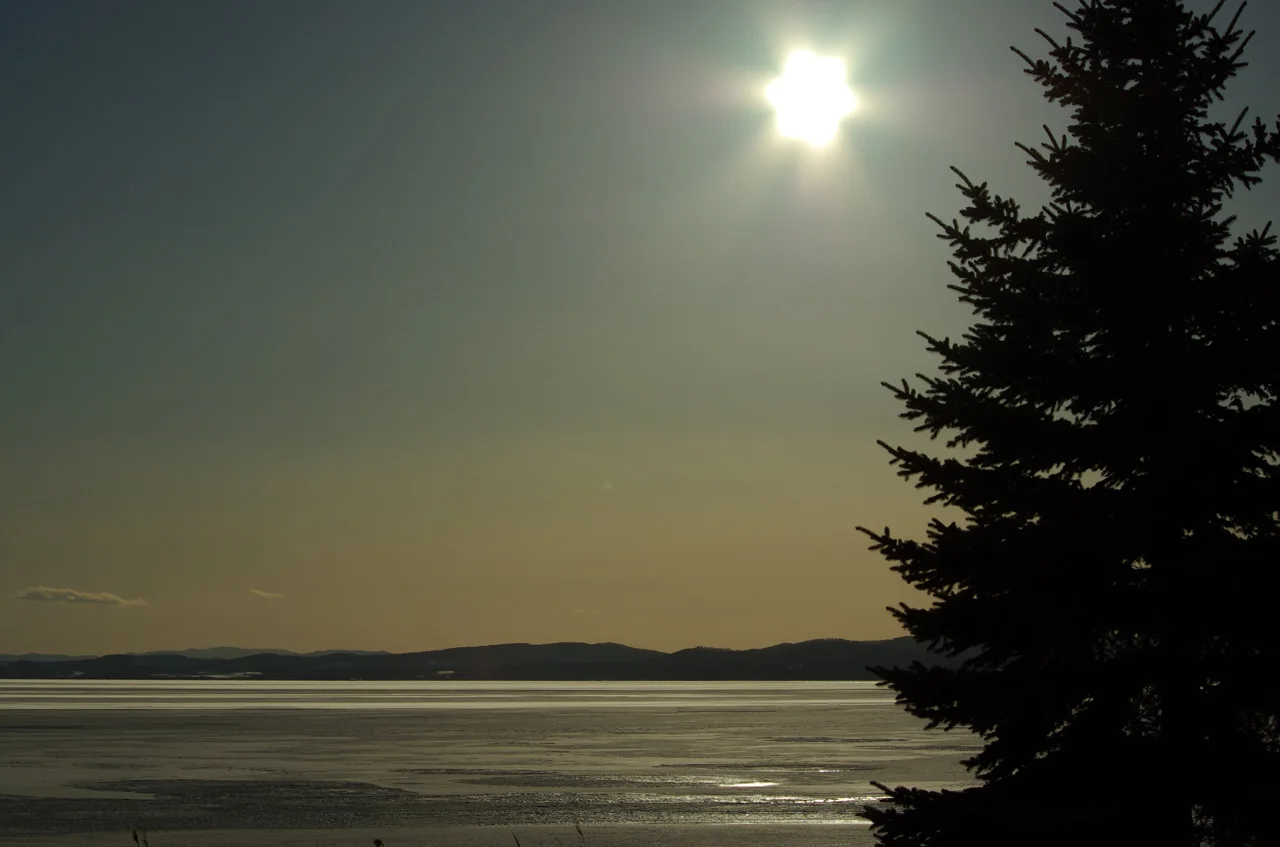
The Abashiri City Tourism Association states the drift ice season plainly: typically late January to mid-March, varying from year to year. Any old guide that locks in fixed dates should be treated with caution, as arrival times shift with winds and currents. Sea ice begins forming around November in the northern Sea of Okhotsk, drifts south on ocean currents, and usually reaches Hokkaido's Okhotsk shoreline between late January and early February. Once the floes pack tightly against the Abashiri coast, you can view the ice fields up close from shore along two stretches—between Futatsuiwa and Maehama, and between Masuura and Kitahama—pairing land-based viewpoints with an offshore icebreaker cruise.
The Sea of Okhotsk is the lowest-latitude sea on Earth to freeze seasonally, thanks to winter Siberian high-pressure systems pushing vast volumes of freshwater from the Amur River into the sea. That lowers surface salinity enough for the upper layer to freeze solid in severe cold, forming a southbound belt of pack ice. This natural mechanism is the central theme of the Okhotsk Ryu-hyo Museum and sets Abashiri apart from Hokkaido's usual hot spring and ski resorts. Seeing drift ice requires no special trick, just date flexibility and enough buffer in your schedule: shoreline conditions change daily, and keeping half a day in reserve often makes the difference between spotting sea ice and missing it.
There is one strict safety rule when viewing ice from the shore: authorities warn visitors never to step onto coastal drift ice. Because drift ice consists of shifting floes that can crack or float away at any moment, walking onto it is extremely dangerous; the only safe ways to experience it closely are from an icebreaker or from dry land. Since January 2024, Abashiri has operated a permanent drift ice livestream online—checking the live camera for white ice sheets before travelling is far more reliable than any forecast article, and once floes appear on screen, it is time to lock in your room.
Planning your dates against the seasonal calendar makes booking much simpler: late January to early February marks the arrival phase, February is peak season with six daily icebreaker departures, early March sees the ice retreat north with lingering patches still possible, and the official season winds down after mid-March. Hotel demand follows the exact same curve, making February weekends the priciest and quickest to sell out all year. Once settled in town, catching an early icebreaker at dawn and watching sunset over Lake Abashiri soon becomes a natural winter rhythm.
Abashiri's drift ice season runs from late January to mid-March. The Aurora icebreaker operates from 20 January to 31 March (¥7,000 for the large vessel), Abashiri Prison Museum (¥1,500 adults) closes only on 31 December and 1 January, and the Okhotsk Ryu-hyo Museum opens 09:00–16:30 in winter. Here is how to choose among the city's 44 stays across seven official zones and plan winter transport.
Aurora Icebreaker: Seasons, Sailings and Fares
The Drift Ice Sightseeing Icebreaker Aurora operates a fixed winter season from 20 January to 31 March. Its pier sits at Michi-no-Eki Ryuhyo Kaido Abashiri (Minami 3-jo Higashi 4-chome, Abashiri; operated by Doto Kanko Kaihatsu, tel. 0152-43-6000), around 5 minutes by car or 10 minutes by local bus from JR Abashiri Station. Two vessel types are used: the main large ship costs ¥7,000 for adults (junior high school and older) and ¥3,500 for primary school pupils, with discounts for groups of 15 or more; the smaller offshore vessel Aurora 3 costs ¥9,800 for adults and ¥4,900 for primary school pupils, while preschool children travel free on both.
Sailing frequency directly mirrors the likelihood of encountering drift ice. According to the official timetable, four daily sailings run from 20 to 31 January (09:00, 11:00, 13:00, and 15:00); peak February adds extra departures for six sailings a day (08:00 irregular, 09:30, 11:00, 12:30, 14:00, and 15:30); 1 to 14 March drops to five sailings starting at 09:30; and 15 to 31 March trims down to three sailings (09:30, 11:30, and 13:30). The smaller Aurora 3, which runs roughly two-hour offshore cruises deeper into the ice field, is scheduled only in March at 09:00 and 13:00 as irregular sailings, subject to daily operational confirmation.
Several practical rules apply at the pier: every passenger must complete check-in and fill out the boarding manifest at least 20 minutes before departure, and the ticket counter operates from 09:00 to 17:00. If no drift ice is present on the day, the large ship converts into a sightseeing cruise towards Cape Notoro, whereas the small boat cancels outright; insufficient passenger numbers can also trigger cancellations. Because the pier is only 10 minutes from Abashiri Station, checking sailing status first thing in the morning lets you adjust plans at minimal cost. On the large ship, you can upgrade to a ¥500 special seat onboard on a first-come, first-served basis (no advance booking); save the pricier two-hour Aurora 3 for when your budget allows and your main goal is cruising deeper offshore.
Wind chill on the Sea of Okhotsk in February is biting, and standing on an open deck feels far colder than walking on land. A windproof insulated coat, gloves, and a warm hat are essential, along with a power bank to keep phones and cameras from shutting down in sub-zero temperatures. Michi-no-Eki Ryuhyo Kaido Abashiri right at the pier houses hot food stalls and local souvenirs—ducking inside to warm up before the counter opens at 09:00 is how seasoned visitors wait for the morning sailing.
Matching your strategy to the month saves wasted journeys: from 20 to 31 January, sailings are fewer and ice positions fluctuate, so watch the live webcam for a few days before buying tickets; early to mid-February is the sweet spot where thick ice coverage overlaps with six daily departures, delivering the full icebreaking crunch—though special seats go fast; by early March, the floes begin pulling back, and after 15 March the three remaining departures mostly run as coastal cruises.
From a logistics perspective, the pier lies in the harbour district just south of Abashiri Station. Staying near the station lets you hop on a 10-minute bus and catch the 09:00 first boat comfortably without slogging through snow before dawn—the single strongest reason to base yourself around the station.
Families and larger groups should check group tariffs: for 15 or more passengers, the large ship drops to ¥6,650 for adults and ¥3,330 for primary school pupils, while the small boat drops to ¥9,310 and ¥4,660 respectively; ask at the pier counter whether special seats can be combined with group rates. Note also that the official fare page lists '20 January to 31 March' without specifying a calendar year, so confirm that season's opening date announcement before travel.
Abashiri Prison Museum: A Year-Round Winter Staple
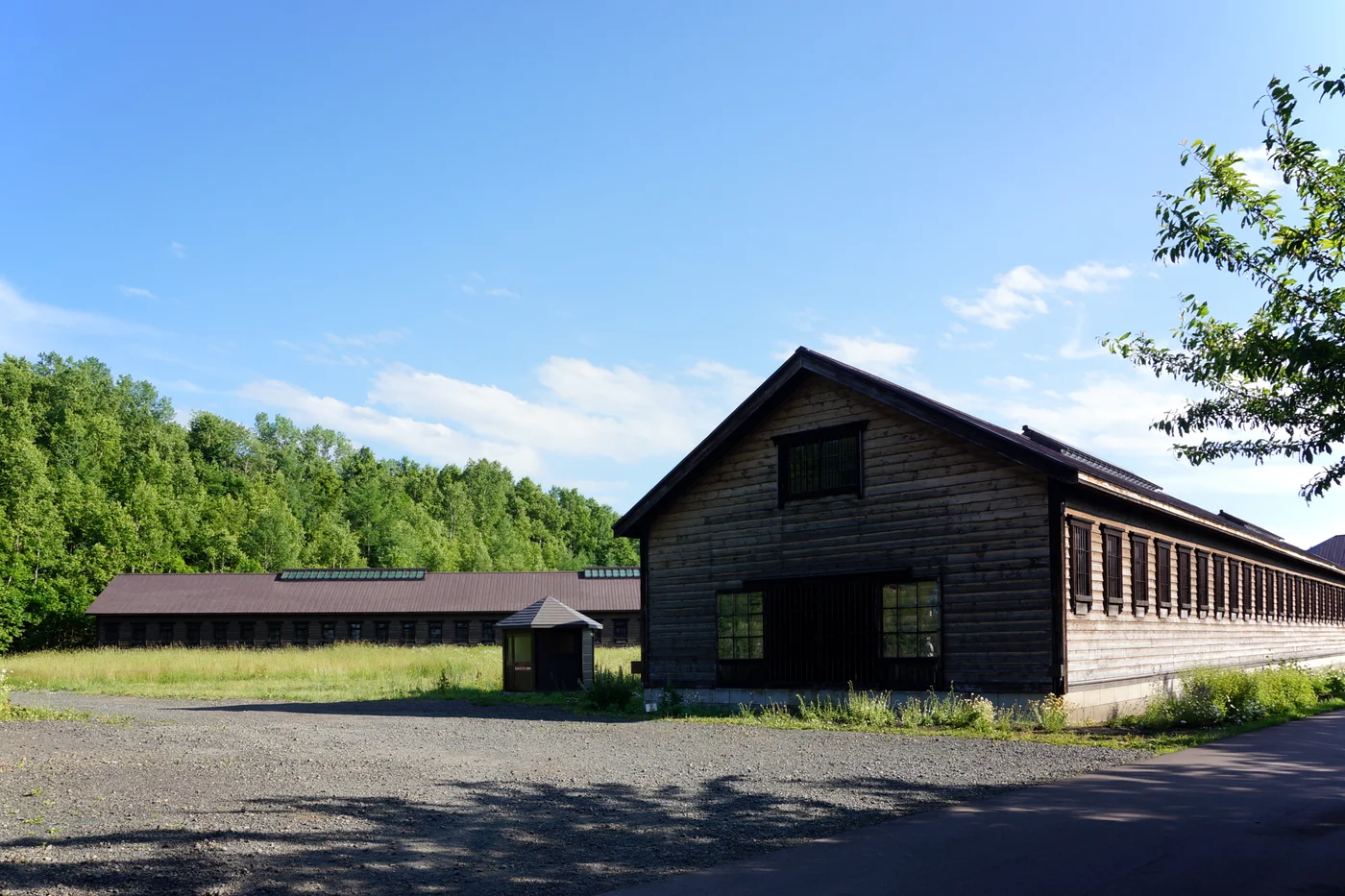
Located at 1-1 Yobito, Abashiri, the Abashiri Prison Museum opens daily from 09:00 to 17:00 (last entry 16:00) and closes only on 31 December and 1 January, meaning it stays open throughout the entire drift ice season. Admission is ¥1,500 for adults, ¥1,000 for high school students (student ID required), and ¥750 for primary and junior high school pupils, with non-combinable discounts for groups of 20 or more, a ¥750 welfare rate, and reduced fares for Abashiri residents; credit cards and e-money are accepted on site. The open-air grounds preserve four National Important Cultural Properties—the Administration Building, Futami Assessment Prison, the Prison Cellblocks and Central Guardhouse, and the Lecture Hall—and seeing these historic timber buildings blanketed in snow is a quintessential winter sight.
From JR Abashiri Station, the museum lies roughly 4 km away—about 7 minutes by taxi or car, 10 minutes by Abashiri Bus (check the official bus timetable), or around 40 minutes on foot. Driving from Memanbetsu Airport takes roughly 20 minutes (18.5 km), though official guidance explicitly notes there is no direct bus from the airport to the museum; airport buses terminate at JR Abashiri Station, where travellers must transfer to a local route. A free car park outside accommodates 400 cars and 21 coaches, making self-driving effortless.
Geographically, the prison museum sits on the same hillside corridor as the Okhotsk Ryu-hyo Museum and Mount Tento Observatory, forming an ideal half-day loop: enter the prison at 09:00, head up Mount Tento around midday for the drift ice museum and panoramic views, and drop down to the harbour in the afternoon for an icebreaker cruise. This sequence works on any day of the season, and if rough seas cancel your sailing, these two indoor attractions easily anchor the day. Winter adds crisp snow scenes across the four wooden heritage buildings, with morning sunlight hitting the front of the radial cellblocks cleanly—making exterior photography the best place to start your route.
Between the station and the museum, winter pavements are frequently snow-packed and icy, so walking 40 minutes with luggage is impractical. Besides timing the 10-minute Abashiri Bus, sharing a 7-minute taxi among two or three people costs little more than bus fares and saves considerable waiting in the cold. You can take the same bus or a taxi back towards the station; as the surrounding area is mostly residential and farmland with no cluster of restaurants within easy walking distance, plan lunch back near Abashiri Station or up on Mount Tento.
To recap entry details: the museum opens every day except 31 December and 1 January, charging ¥1,500 for adults, ¥1,000 for high school students (with ID), and ¥750 for primary and junior high pupils, with non-combinable concessions for 20+ groups, Abashiri citizens, and welfare ticket holders (¥750), payable by card or e-money. Because the hillside grounds spread across outdoor paths between historic buildings, allow 90 minutes to 2 hours for a full visit, and wear grippy winter boots as outdoor steps and slopes turn slick in snowy weather.
Okhotsk Ryu-hyo Museum: -15°C Ice Room and Observatory
Perched at the summit of Mount Tento (244-3 Tentozan, Abashiri), the Okhotsk Ryu-hyo Museum opens year-round with no regular holidays. Official admission is ¥990 for adults, ¥880 for high school students, and ¥770 for primary and junior high pupils (discounts are available for groups, visitors aged 75 and over, and visitors with disabilities). Opening hours shift across three seasonal windows: summer (May to October) runs 08:30–18:00, winter (November to April) runs 09:00–16:30 (last entry 16:00), and New Year (29 December to 5 January) shortens to 10:00–15:00—so watch for early closing during the year-end holiday.
Every exhibit inside centres on genuine sea ice. The -15°C Drift Ice Experience Terrace is stocked each year with real floes brought in from the sea, and its signature 'Shibare Experience' invites you to spin a soaked towel at arm's length until it freezes board-stiff in under a minute thanks to the chamber's constant deep freeze. Alongside this, a live underwater camera feed and a 4K five-screen theatre capture the sea ice from below and above. Before leaving, head up to the free 360-degree rooftop Mount Tento Observatory for sweeping views over Lake Abashiri and the Sea of Okhotsk—with the Shiretoko Mountain Range visible on clear days.
In a winter Abashiri itinerary, the museum acts as the ultimate insurance policy for an ice-free day: offshore floes depend on the weather, whereas real drift ice is guaranteed inside this hilltop building all year. Pairing it with the Abashiri Prison Museum on the same day delivers two solid indoor stops plus a free panoramic lookout even if blizzards ground the boats. Budget 60 to 90 minutes for your visit, and leave enough margin before the 16:30 winter closing time (last admission 16:00) if placing it last in the afternoon.
From JR Abashiri Station, it takes about 15 minutes uphill by sightseeing loop bus or taxi, and the adjacent car park holds 150 cars and 50 coaches. The Mount Tento and Yobito hot spring hotels covered in the next section sit along this same hillside, offering lake views from your window and a short walk to the museum for a markedly quieter resort pace than downtown.
For drivers, pulling in and out of the 150-space car park after visiting the observatory is straightforward, and following the same road downhill leads easily into the prison museum or along the shores of Lake Abashiri. Even without a car, matching your schedule to the sightseeing loop bus timetable lets you link the Ryu-hyo Museum, the prison museum, and the station area smoothly within a single day.
Where to Stay: Seven Official Zones and Three Approaches
The Abashiri City Tourism Association's accommodation directory lists 44 properties grouped into seven zones: Abashiri Station & Omagari, Shijo, Mount Tento & Yobito, Shiomi / Komaba / Tsukushi, Kyohoku, Outskirts, and Other. Notably, there is no official 'Abashiri Onsen' zone name—the city's hot spring hotels are clustered in Mount Tento & Yobito. Choosing where to stay comes down cleanly to three travel styles.
First is the station-front efficiency approach, targeting business hotels in Abashiri Station & Omagari such as Hotel Sun Abashiri, Hotel Route-Inn Abashiri Ekimae, Toyoko Inn Hokkaido Okhotsk Abashiri Ekimae, Hokkai Hotel, Abashiri Green Hotel, and Abashiri Royal Hotel (which also offers day-use bathing). You step straight off the train into your hotel, catch a 10-minute bus to the icebreaker pier, and have restaurants and convenience stores on your doorstep. Just next door, the Shijo zone offers a popular middle ground—Natural Hot Spring Tento-no-Yu Dormy Inn Abashiri—combining business-hotel rates with a proper natural hot spring bathhouse, alongside smaller inns and hostels such as Abashiri Central Hotel, Hotel Okhotsk Inn, Workmanhouse Abashiri, and Abashiri Machinaka Guest House Watara for solo or budget travellers. For an overnight stay focused on catching an early morning boat, these two central zones are hard to beat.
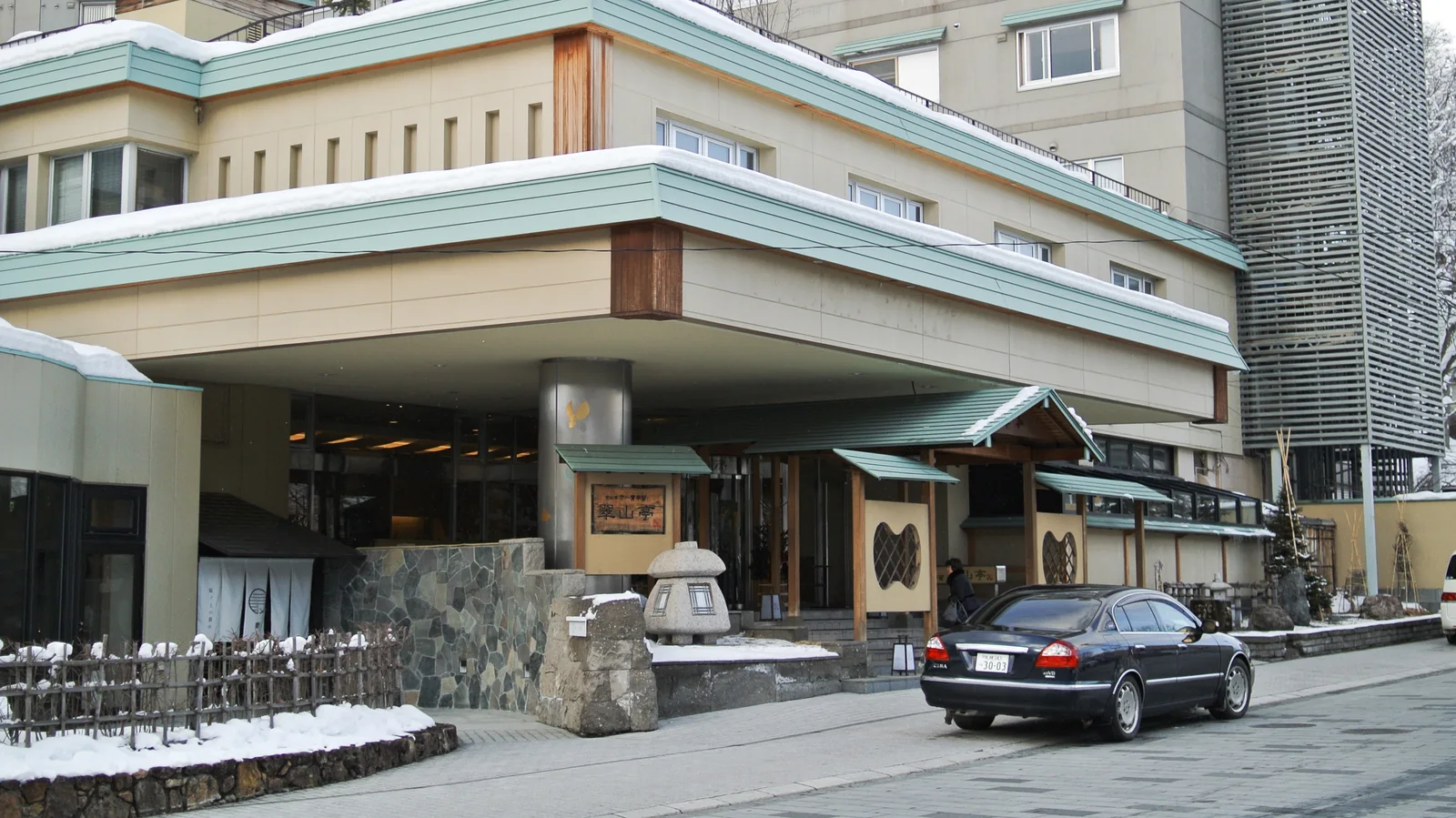
Second is the hot spring ryokan approach in Mount Tento & Yobito, overlooking Lake Abashiri. The flagship property is the 80-room Hokuten no Oka Lake Abashiri Tsuruga Resort high above the lakeshore, whose alkaline simple hot spring, Inishie no Yu, also welcomes day-use bathers (14:00–20:00, ¥1,650 adults). Neighbouring options include Hotel Abashiri Koso, Tento no Yado Abashiri Kanko Hotel, and Onsen Ryokan Motoyoshi (all offering hot springs and day-use bathing), as well as the European-style culinary inn Auberge Kita no Dandan. Staying here puts the prison museum, Ryu-hyo Museum, and observatory within walking distance, though getting to the station or pier requires a vehicle—ideal for multi-night onsen stays and drivers.
Third is the coastal and countryside retreat approach, scattered towards Cape Notoro in the Outskirts zone, including Notoro no Sho Kagariya, The Villa Abashiri, The Lodge Abashiri, and Abashiri Drift Ice Hill Youth Hostel. Trading town-centre convenience for wide sea views and quiet hillsides, these suit travellers with a rental car using Abashiri as an Okhotsk coastal base.
Because the tourism association site does not display room tariffs, always check individual hotel websites for live rates, though the zones naturally reflect price tiers: station business hotels are most affordable, Mount Tento onsen properties sit in the mid-to-upper bracket, and outskirts villas vary by specification. February weekends mark Hokkaido's second-biggest winter booking peak, so book early to secure your preferred room. Day-trippers not staying overnight can still pair drift ice with a soak via day-use bathing at Abashiri Royal Hotel near the station, or up on Mount Tento at Hokuten no Oka Tsuruga (14:00–20:00, ¥1,650 adults), Hotel Abashiri Koso, Abashiri Kanko Hotel, and Motoyoshi.
Among the remaining zones, Shiomi / Komaba / Tsukushi and Kyohoku cover residential neighbourhoods between the station and Mount Tento, mostly offering guesthouses and small inns, while Outskirts gathers the coastal and hillside lodges near Cape Notoro mentioned above. You can filter the full 44-property directory on the official tourism site, though almost every itinerary boils down to one of those three paths: station convenience, lakeside onsen, or self-drive coastal seclusion.
Before booking Mount Tento & Yobito, factor in one transport reality: this hillside belt has no railway station, so reaching JR Abashiri Station or the harbour relies on buses, taxis, or your own car (as the Ryu-hyo Museum notes, about 15 minutes by sightseeing loop bus or taxi from JR Abashiri Station). Most hillside ryokan cater primarily to drivers; if you are relying on public transport, confirm whether your hotel runs a shuttle before booking or plan every transfer around the loop bus timetable. Once logistics are sorted, you are rewarded with dawn and dusk views across Lake Abashiri and a three-minute stroll from bath to bed.
Winter Transport: Memanbetsu Airport and the Ryuhyo Monogatari Train
Reaching Abashiri by rail takes time: around 5 hours 30 minutes by JR Limited Express from Sapporo, 3 hours 50 minutes from Asahikawa, 3 hours 20 minutes by rapid train from Kushiro, and roughly 50 minutes eastwards to Shiretoko-Shari. Sitting at the junction of the JR Sekihoku and Senmo Main Lines, Abashiri Station serves both as an arrival point into eastern Hokkaido and as the transfer hub down the coast towards Shiretoko. There is also a regional air link between Sapporo Okadama Airport and Memanbetsu (two flights daily, roughly 50 minutes), mainly used for business and regional connections, while most holidaymakers rely on the six daily flights from New Chitose Airport.
Flying directly into Memanbetsu Airport saves half a day on the rails, with six daily 50-minute flights from New Chitose Airport. After landing, Abashiri Bus connections timed to flight arrivals reach downtown in around 35 minutes for ¥1,050 one way; a taxi between Abashiri Station and the airport costs roughly ¥6,800. From late January to early March, Shari Bus also runs the seasonal Shiretoko Airport Liner from Memanbetsu Airport through Abashiri straight to Utoro Onsen Bus Terminal (¥3,500, around 130 minutes), allowing travellers to pick up the Shiretoko connection directly in Abashiri.
The standout winter rail experience is JR Hokkaido's Ryuhyo Monogatari sightseeing train. For the 2026–27 winter season, operations are scheduled on 30 and 31 January 2027, daily throughout February (1 to 28 February), and on 6 and 7 March 2027 between Abashiri and Shiretoko-Shari (calling at Kitahama and Hamakoshimizu). Every seat is reserved and transport IC cards are not valid—JR Hokkaido explicitly warns that passengers without a reserved seat ticket cannot board—so book well ahead at a Midori-no-Madoguchi ticket office or via Ekinet. When the train hugs the shoreline past Kitahama Station, the panoramic views across the ice-covered sea are unforgettable, and staying in Abashiri makes catching the morning departure effortless. Even if reserved seats sell out, regular Senmo Main Line trains (roughly 50 minutes between Abashiri and Shiretoko-Shari) follow the exact same coastal track and deliver almost the same scenery.
Deep winter blizzards are frequent across eastern Hokkaido, so monitor the JR Hokkaido train status page closely just as you would on the Sapporo–Hakodate corridor, as delays and suspensions are posted there in real time. Since winter punctuality on the Senmo Main Line cannot be guaranteed, plan around official sightseeing train timetables alongside live service updates, reserve key seats early, and check running status every morning before setting out.
For the return trip, airport buses depart Abashiri Bus Terminal roughly 70 minutes before flight departures, while inbound town buses meet arriving flights. If you have an early morning flight, verify the schedule the evening before; if you miss a bus, a taxi remains a reliable backup (around ¥6,800, comparable to bus fares when split among three or four passengers). Note that the Shiretoko Airport Liner serves the same Abashiri stops in both its summer (June to September) and winter (late January to early March) timetables, differing only in seasonal operating dates.
A Two-Day, One-Night Drift Ice Itinerary Blueprint
Pulling the official hours together yields a straightforward two-day, one-night plan. On Day 1, arrive in Abashiri from Sapporo or Memanbetsu Airport before noon and drop luggage or check in at your station or Mount Tento hotel. Spend the afternoon at the Abashiri Prison Museum (open until 17:00, last entry 16:00), continue uphill to the Okhotsk Ryu-hyo Museum and Mount Tento Observatory for sunset over Lake Abashiri, then return for dinner downtown or an evening soak. On Day 2, check the live webcam at dawn to confirm coastal ice conditions, take a morning Aurora sailing (09:00 in January, 09:30 in February), and ride the 10-minute bus back to the station—or, on Ryuhyo Monogatari operating days, board the afternoon sightseeing train along the coast towards Shiretoko-Shari to turn Abashiri into a wider eastern Hokkaido traverse.
If you prefer to skip the boat or suffer from seasickness, dedicate Day 2 morning to shoreline ice viewing instead. The stretch from Futatsuiwa to Maehama photographs beautifully in morning light; afterwards, return to the station for breakfast, check out, store your bags, and catch up on either museum before departing. This 'coast first at dawn, indoor museums by day' rhythm absorbs sea-state unpredictability without wasting a single hour.
Because the Aurora switches to a coastal cruise when no ice is present—and the small boat or under-booked sailings may cancel—scheduling the prison and drift ice museums on the same trip acts as a built-in weather hedge. Start checking Abashiri's official drift ice webcam daily a week before departure so you can read the ice trend early, and book well ahead if travelling on February weekends when rates and occupancy peak.
From Abashiri, two clean onward routes open up: east along the Senmo Main Line into Shiretoko-Shari and Utoro, or west back towards Asahikawa and Sapporo. Once you see Abashiri clearly for what it is—a coastal gateway and staging post designed for catching morning icebreakers and exploring two standout hillside museums rather than bustling nightlife—setting the right expectations makes a winter stay remarkably rewarding.
A final packing note for photographers: bring a telephoto lens and spare cold-weather batteries for the icebreaker and coastal floes, a wide-angle lens for morning light on the snow-covered prison buildings, and keep your tripod or steady hands ready at Mount Tento Observatory for sunset over Lake Abashiri. Sub-zero air inside the -15°C ice terrace and out on the ship's deck drains batteries rapidly, so keep a power bank tucked inside an inner coat pocket—arrive prepared, and a single winter day in Abashiri will easily fill a memory card.
A few useful answers
When is Abashiri's drift ice season, and which month offers the best chance of seeing it?
The Abashiri City Tourism Association lists the official season as late January to mid-March (varying from year to year). Drift ice typically reaches Hokkaido's Okhotsk coast between late January and early February, February brings the peak schedule of six daily icebreaker sailings, and the ice gradually retreats after mid-March. Checking Abashiri's official drift ice livestream before setting off is the most reliable way to confirm whether floes have reached the shore.
How much does the Aurora icebreaker cost, and does it still sail if there is no drift ice?
Winter sailings run from 20 January to 31 March: on the large vessel, fares are ¥7,000 for adults and ¥3,500 for primary school pupils; on the smaller Aurora 3 offshore boat, fares are ¥9,800 for adults and ¥4,900 for primary school pupils. Optional special seats on the large vessel cost ¥500 and are sold onboard on a first-come, first-served basis. If there is no drift ice on the day, the large vessel switches to a coastal cruise towards Cape Notoro, while the small boat cancels; sailings may also be cancelled if passenger numbers fall short. All passengers must complete check-in and fill out the boarding manifest at least 20 minutes before departure.
Which area is best to stay in Abashiri?
There are three main options: for a one-night stay catching an early morning icebreaker, business hotels in the Abashiri Station and Omagari zone (a 10-minute bus ride to the pier) are the most convenient; for a modest budget with hot spring access, try Dormy Inn in the Shijo zone; and for multi-night onsen stays or self-drive trips, choose lakeside hot spring hotels in Mount Tento and Yobito (such as the 80-room Hokuten no Oka Lake Abashiri Tsuruga Resort, which offers day-use bathing for ¥1,650), putting the prison museum, drift ice museum, and observatory within walking distance. Officially, the city's 44 properties are grouped into seven zones, and there is no formal 'Abashiri Onsen' district.
How do you get to Abashiri from Sapporo or Memanbetsu Airport?
From Sapporo, the JR Limited Express takes around 5 hours 30 minutes. Alternatively, fly into Memanbetsu Airport (six daily 50-minute flights from New Chitose) and take the Abashiri Bus into town (around 35 minutes, ¥1,050 one way). From late January to early March, the Shiretoko Airport Liner also runs directly from the airport via Abashiri to Utoro Onsen (¥3,500, around 130 minutes). For the 2026–27 season, the Ryuhyo Monogatari sightseeing train operates on 30–31 January, throughout February, and on 6–7 March 2027; all seats are reserved, IC cards are not accepted, and tickets must be purchased in advance.
Official information and references
Sources used in this guide.
- Abashiri City Tourism Association | Drift Ice (Typical Season Late Jan–Mid Mar & Shore Viewing Spots)
- Aurora Icebreaker | Fares & Timetable (Winter Season 20 Jan–31 Mar, Large Ship ¥7,000, Small Boat ¥9,800)
- Aurora Icebreaker | Access (Pier at Michi-no-Eki Ryuhyo Kaido Abashiri, 5 min by car / 10 min by bus from Abashiri Station)
- Abashiri Prison Museum | Visitor Information (09:00–17:00, Adults ¥1,500, Closed Only 31 Dec & 1 Jan)
- Okhotsk Ryu-hyo Museum | Visitor Guide (Winter 09:00–16:30, Adults ¥990, Open Year-Round)
- Abashiri City Tourism Association | Accommodation Search (44 Properties Across Seven Zones, Hokuten no Oka Day-Use ¥1,650)
- Abashiri City Tourism Association | Access (Sapporo Limited Express ~5.5 hrs, Memanbetsu Airport Bus 35 min ¥1,050)
- JR Hokkaido | Ryuhyo Monogatari Train (30–31 Jan, All Feb & 6–7 Mar 2027, All Reserved Seats)
- Shari Bus | Shiretoko Airport Liner (Winter Memanbetsu Airport to Utoro ¥3,500, ~130 min)
- Memanbetsu Airport | Ground Transport (Official Airport Bus & Shiretoko Airport Liner Data)