Abashiri's drift ice season runs from late January to mid-March in typical years. The Icebreaker Aurora operates January 20–March 31 (¥7,000 large vessel), Abashiri Prison Museum (¥1,500 adults) closes only December 31 and January 1, and the Okhotsk Ryu-hyo Museum opens 9:00–16:30 in winter. Here is how to pick among Abashiri's 44 properties across seven zones and plan winter transit.
- Region & Focus
- Abashiri
- Reading Scope
- 14 min read · 7 chapters · 4 Q&As
- Official Verification
- 10 official sources checkedUpdated November 20, 2026
- Key Topics
- Where to stayWinterHokkaido
Chapter Route Map (tap any stop)
- Official Drift Ice Season and Coastal Viewing Spots
- Icebreaker Aurora: Season, Schedules, and Fares
- Abashiri Prison Museum: Open Daily Through Winter
- Okhotsk Ryu-hyo Museum: Minus 15°C Ice Room and Observatory
- Where to Stay: Seven Official Zones and Three Booking Strategies
- Winter Transit: Memanbetsu Airport and the Ryuhyo Monogatari Train
- A Clean Two-Day, One-Night Drift Ice Itinerary
- Quick Q&A
Abashiri is the winter gateway to the Sea of Okhotsk's drift ice. In a typical year, sea ice lingers along the coast from late January through mid-March, the Icebreaker Aurora sails daily from January 20 to March 31, and both the Abashiri Prison Museum and the Okhotsk Ryu-hyo Museum stay open almost year-round. Rather than a quick two-hour whistle-stop, winter Abashiri rewards a one- or two-night stay. The Abashiri City Tourism Association divides the city's 44 registered accommodations into seven zones, spanning stationfront business hotels in Abashiri Stationfront and Omagari, a Dormy Inn with natural hot springs in Shijo, and lakeside onsen ryokan around Tentozan and Yobito overlooking Lake Abashiri. Using current official schedules and fares, this guide pairs icebreaker sailings and museum hours with zone-by-zone lodging trade-offs, Memanbetsu Airport connections, and the Ryuhyo Monogatari sightseeing train so you can actively manage your odds of seeing drift ice instead of leaving it to luck.
Official Drift Ice Season and Coastal Viewing Spots
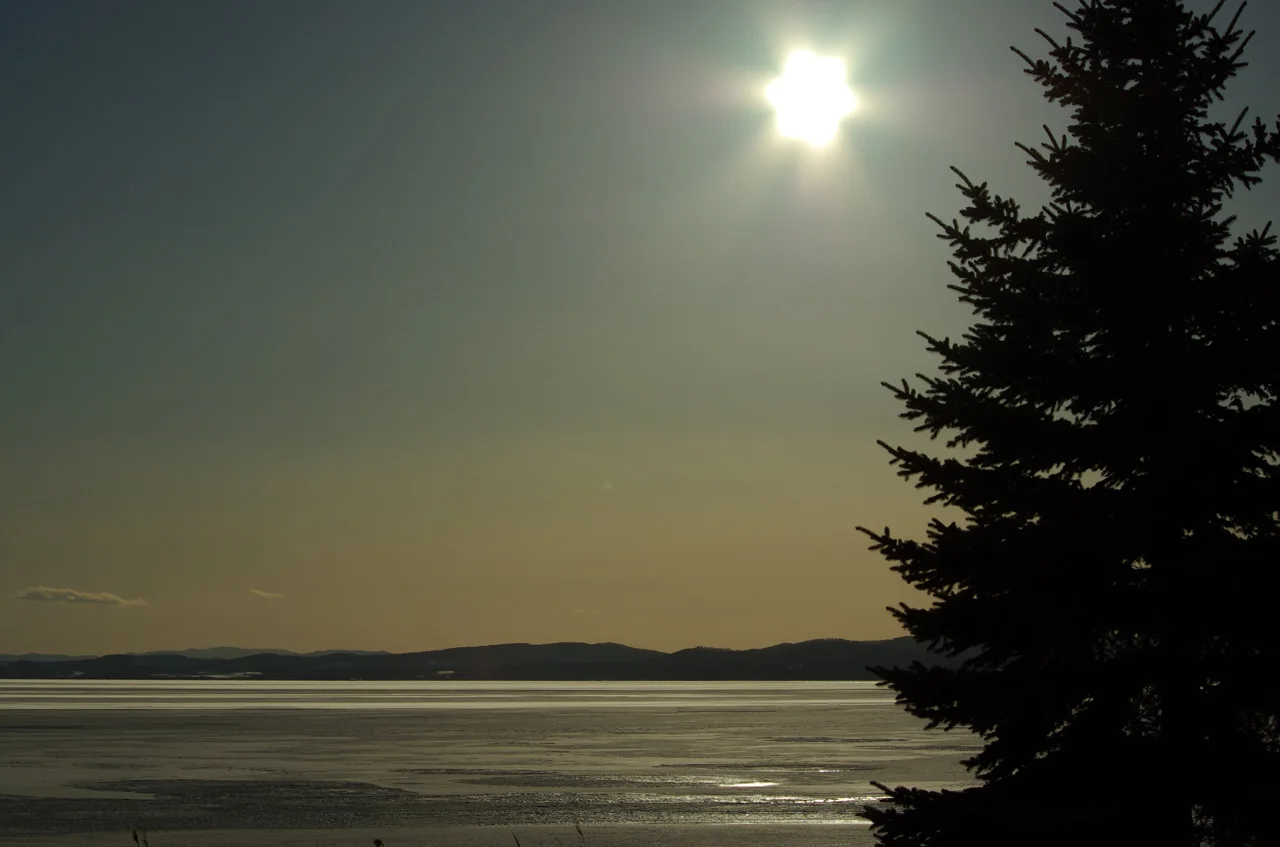
The Abashiri City Tourism Association takes a refreshingly candid line on timing: drift ice typically arrives from late January to mid-March, varying year by year with ocean conditions. Any older guide that promises exact dates should be read with caution. Sea ice begins forming in the northern Sea of Okhotsk around November and rides ocean currents south, usually reaching Hokkaido's Okhotsk coast between late January and early February. When pack ice presses right up against the Abashiri shoreline, two coastal stretches—from Futatsuiwa to Maehama and from Masuura to Kitahama—deliver close-up views from land, complementing what you see out on the icebreaker.
The Sea of Okhotsk is the lowest-latitude sea on Earth to freeze over, driven by winter Siberian high-pressure systems that push huge volumes of freshwater from the Amur River into the sea. That freshwater dilutes surface salinity, allowing the top layer to freeze solid in bitter cold and form a vast belt of drifting floes heading south. This geography anchors the exhibits at the drift ice museum and sets Abashiri apart from Hokkaido's ski and hot-spring towns. Spotting the ice takes no special trick, just schedule flexibility and an extra half-day buffer: coastal conditions shift daily, and having a bit of slack in your itinerary often decides whether you see sea ice in person.
There is one strict safety rule along the coast: officials warn visitors never to step onto drift ice along the shore. Even when it looks solid, drift ice is unstable pack ice that can fracture and float away at any moment. The only safe ways to get close are aboard an icebreaker or from dry land. Since January 2024, Abashiri has also maintained a permanent live webcam stream overlooking the coast—checking the live feed for white ice floes before you lock in rooms beats relying on any written forecast.
Planning around the seasonal calendar keeps things simple: late January to early February marks the arrival window, February brings peak ice coverage and up to six daily icebreaker departures, early March sees the ice retreating north with lingering floes still possible, and the official season winds down after mid-March. Hotel demand tracks that same curve, making February weekends the priciest and fastest-selling nights of the year. Once checked in, early-morning icebreaker runs and late-afternoon sunsets over Lake Abashiri naturally bookend each winter day.
Abashiri's drift ice season runs from late January to mid-March in typical years. The Icebreaker Aurora operates January 20–March 31 (¥7,000 large vessel), Abashiri Prison Museum (¥1,500 adults) closes only December 31 and January 1, and the Okhotsk Ryu-hyo Museum opens 9:00–16:30 in winter. Here is how to pick among Abashiri's 44 properties across seven zones and plan winter transit.
Icebreaker Aurora: Season, Schedules, and Fares
The drift-ice sightseeing icebreaker Aurora operates a fixed winter season from January 20 to March 31. Cruises depart from the pier at Roadside Station Ryuhyo Kaido Abashiri (Minami 3-jo Higashi 4-chome, Abashiri; operated by Doto Kanko Kaihatsu, tel. 0152-43-6000), a 5-minute drive or 10-minute bus ride from JR Abashiri Station. Two vessel tiers operate: the main large vessel costs ¥7,000 for adults (junior high school age and older) and ¥3,500 for elementary students, with group discounts for parties of 15 or more; the smaller Aurora 3, which runs farther offshore, costs ¥9,800 for adults and ¥4,900 for elementary students. Preschool children ride free on both.
Daily departure frequency mirrors the probability of seeing ice. Under the official timetable, the large vessel runs four sailings a day from January 20 to 31 (9:00, 11:00, 13:00, and 15:00), ramps up to six sailings in peak February (8:00 [extra seasonal sailing], 9:30, 11:00, 12:30, 14:00, and 15:30), drops to five sailings starting at 9:30 from March 1 to 14, and tapers to three sailings (9:30, 11:30, and 13:30) from March 15 to 31. The two-hour outer-sea cruise on the smaller Aurora 3 is scheduled only in March at 9:00 and 13:00 as non-regular sailings, with actual departures confirmed daily.
A few boarding rules apply at the pier: all passengers must check in and fill out a passenger manifest at least 20 minutes before sailing, and the ticket counter operates from 9:00 to 17:00. If no drift ice is present on the sea, the large vessel converts to a coastal sightseeing cruise toward Cape Notoro, while the small vessel is canceled; cruises may also cancel if minimum passenger counts are not met. Because the pier is only 10 minutes from Abashiri Station, you can check morning sea status and pivot your day with minimal hassle. For better sightlines on the large vessel, you can buy a ¥500 special-seat upgrade once onboard (no advance reservations, first-come, first-served); save the pricier two-hour Aurora 3 for travelers specifically aiming to push deep into offshore ice fields.
Wind chill on the Okhotsk deck in February is biting, far colder than conditions on land. Pack a windproof winter coat, gloves, and a knit cap, plus a portable power bank to keep phone and camera batteries from dying in sub-zero air. Inside the terminal building, Roadside Station Ryuhyo Kaido Abashiri sells hot food and local products—waiting indoors until the counter opens at 9:00 is how locals ride out the chill before the first boat.
Tailoring your strategy by month saves wasted trips: from January 20 to 31, sailings are fewer and ice positions shift fast, so watch the coastal webcam for several days before buying tickets; early to mid-February pairs dense drift ice with six daily sailings, delivering the best icebreaking action—and the fiercest competition for special seats; by early March the pack ice begins pulling back, and after March 15 the three remaining sailings mostly run as coastal cruises.
From a lodging perspective, the pier sits in the harbor district just south of the station. Staying near JR Abashiri Station puts you a 10-minute bus ride from the 9:00 departure without a pre-dawn commute across snowy roads, which is the main reason stationfront hotels remain the default choice.
If you are traveling with a family group or tour party of 15 or more, ask about group fares: the large vessel drops to ¥6,650 for adults and ¥3,330 for elementary students, while the small vessel drops to ¥9,310 and ¥4,660 (confirm at the pier counter whether group rates combine with special-seat upgrades). Also note that the official fare page lists "January 20 to March 31" without a year attached, so verify the current winter season's opening date announcement before you lock in plans.
Abashiri Prison Museum: Open Daily Through Winter
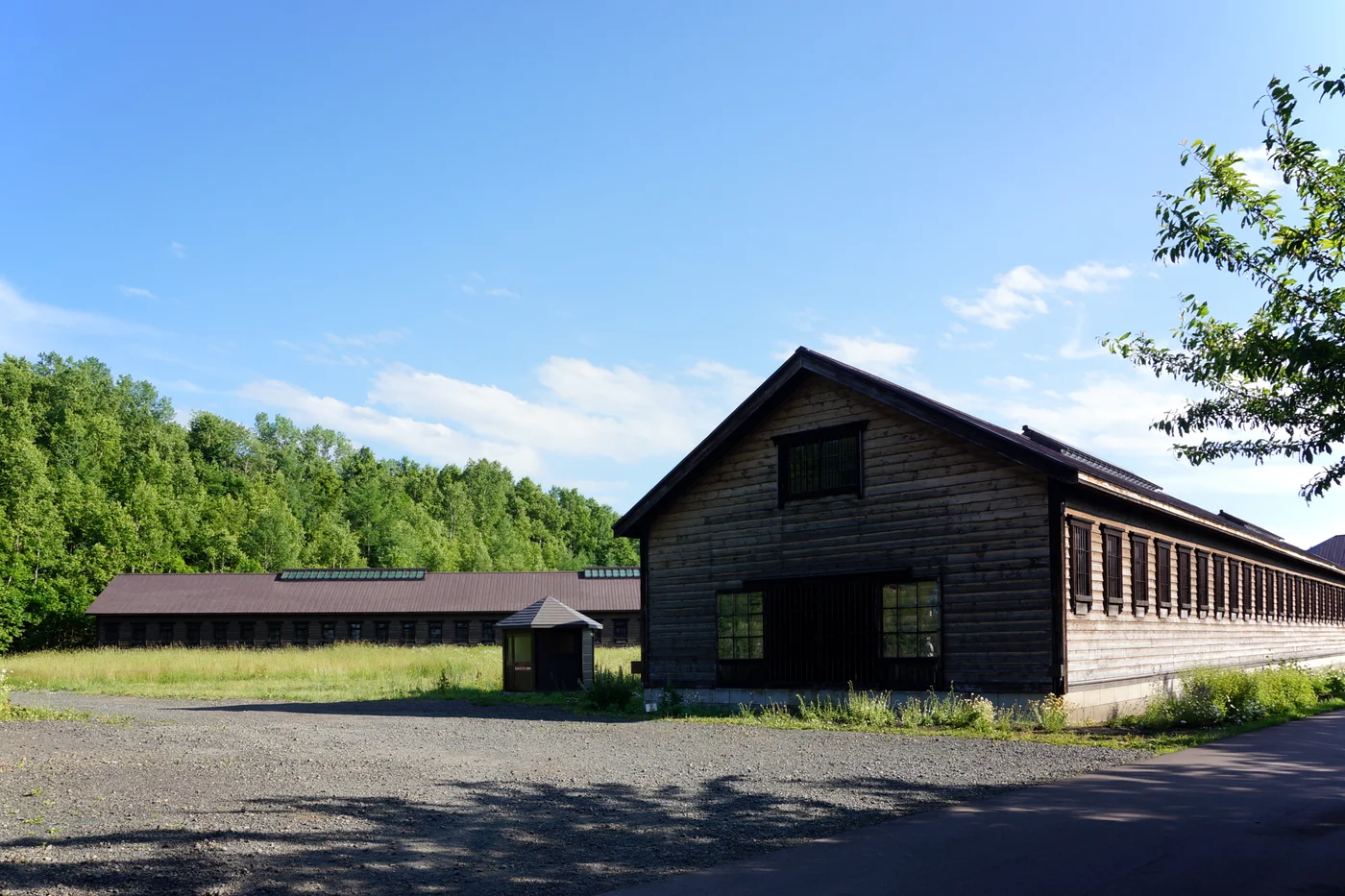
Located at 1-1 Yobito, Abashiri, the Abashiri Prison Museum is open 9:00–17:00 (last entry 16:00) and closes only two days a year, December 31 and January 1—meaning it runs daily right through drift ice season. Admission is ¥1,500 for adults, ¥1,000 for high school students (student ID required), and ¥750 for elementary and junior high students, with discounts for groups of 20 or more, a ¥750 disability/welfare fare, and resident discounts (discounts cannot be combined). Credit cards and electronic transit/IC payments are accepted at the gate. The grounds preserve four National Important Cultural Properties—the Administration Building, Futami Detention House, the Cellblocks and Central Guardhouse, and the Lecture Hall—and seeing the historic timber prison buildings blanketed in snow is a winter-only sight.
The museum sits about 4 kilometers from JR Abashiri Station—roughly 7 minutes by taxi or rental car, 10 minutes on the Abashiri Bus (check the Abashiri Bus site for current departures), or 40 minutes on foot. From Memanbetsu Airport it is about 18.5 kilometers (a 20-minute drive), though the museum notes explicitly that there is no direct bus from the airport; airport buses terminate at JR Abashiri Station, where transit riders transfer to a local route bus. Drivers get free parking for 400 passenger cars and 21 tour buses.
Geographically, the prison museum clusters on the Tentozan and Yobito hillside alongside the Okhotsk Ryu-hyo Museum and Tentozan Observatory, making an easy half-day loop: enter the prison when gates open at 9:00, head uphill to the drift ice museum and observatory around noon, then drop down to the port for an afternoon icebreaker sailing. That sequence works any day of the season, and if rough weather cancels boats, the two hillside museums immediately fill the gap. Morning light hits the front facade of the timber cellblocks cleanly, so shoot exterior snow photos first before stepping inside.
Walking 40 minutes along icy, snow-packed winter roads between the station and the museum—especially with bags—is rarely practical. Beyond timing your trip to the 10-minute bus, two or three travelers splitting a 7-minute taxi ride pay nearly the same fare for door-to-door convenience. On the return leg, catch the same bus or a taxi back toward the station; the surrounding neighborhood is mostly residential and farmland with no dining cluster within walking distance, so plan lunch back near the station or up toward Tentozan.
To recap entry logistics: the museum opens every day except December 31 and January 1 (¥1,500 adults, ¥1,000 high school, ¥750 elementary/junior high; non-combinable group, resident, and ¥750 disability/welfare rates; cards and e-money accepted). Because the open-air campus climbs a hillside with noticeable outdoor walks between historic buildings, allow 90 minutes to 2 hours for a full visit and wear winter boots with solid traction on icy stairs and walkways.
Okhotsk Ryu-hyo Museum: Minus 15°C Ice Room and Observatory
Perched atop Mount Tento (244-3 Tentozan, Abashiri), the Okhotsk Ryu-hyo Museum is open year-round with no regular closing days. Official admission is ¥990 for adults, ¥880 for high school students, and ¥770 for elementary and junior high students, with reduced rates for groups, visitors aged 75 and older, and visitors with disabilities. Hours shift across three seasons: summer (May–October) 8:30–18:00, winter (November–April) 9:00–16:30 (last entry 16:00), and New Year holidays (December 29–January 5) 10:00–15:00—keep that early afternoon cutoff in mind over New Year's week.
Every exhibit centers on real sea ice. Each year, genuine drift ice blocks are brought ashore into the -15°C Drift Ice Experience Terrace, where visitors test the museum's signature "Shibare" freeze: spin a soaking-wet towel overhead for half a minute and it freezes board-stiff in the sub-zero chill. Live underwater drift-ice video feeds and a 4K five-screen Drift Ice Fantasy Theater cover undersea and aerial perspectives, while the free rooftop 360-degree Tentozan Observatory takes in Lake Abashiri, the Sea of Okhotsk, and—on clear days—the Shiretoko mountain range.
In an Abashiri itinerary, this museum acts as insurance against a zero-ice day on the water: offshore floes depend on wind and currents, but the real sea ice inside Mount Tento stays cold year-round. Pairing it with the Abashiri Prison Museum gives you two weatherproof indoor attractions plus a panoramic lookout even during snowstorms or cruise cancellations. Budget 60 to 90 minutes for the visit, and watch the 16:30 winter closing time (16:00 last entry) if you slot it at the end of the afternoon.
From JR Abashiri Station, a sightseeing loop bus or taxi reaches the summit in about 15 minutes, and the adjacent lot holds 150 cars and 50 buses. The Tentozan and Yobito hot-spring ryokan covered in the next section sit along these same slopes, putting Lake Abashiri views outside your window and the drift ice museum a short walk away.
Drivers wrapping up at the Tentozan Observatory can easily swing back down the same mountain road to hit the prison museum or loop along Lake Abashiri. Car-free travelers can link the museum, the prison, and the station just as cleanly in a single day as long as they build around the sightseeing loop bus schedule.
Where to Stay: Seven Official Zones and Three Booking Strategies
The Abashiri City Tourism Association directory lists 44 accommodations across seven official zones: Abashiri Stationfront and Omagari, Shijo, Tentozan and Yobito, Shiomi, Komaba and Tsukushi, Kyohoku, Suburbs, and Other. One important detail: there is no official "Abashiri Onsen" district—Abashiri's hot-spring ryokan actually cluster in the Tentozan and Yobito zone. Matching your hotel to how you plan to get around comes down to three clear strategies.
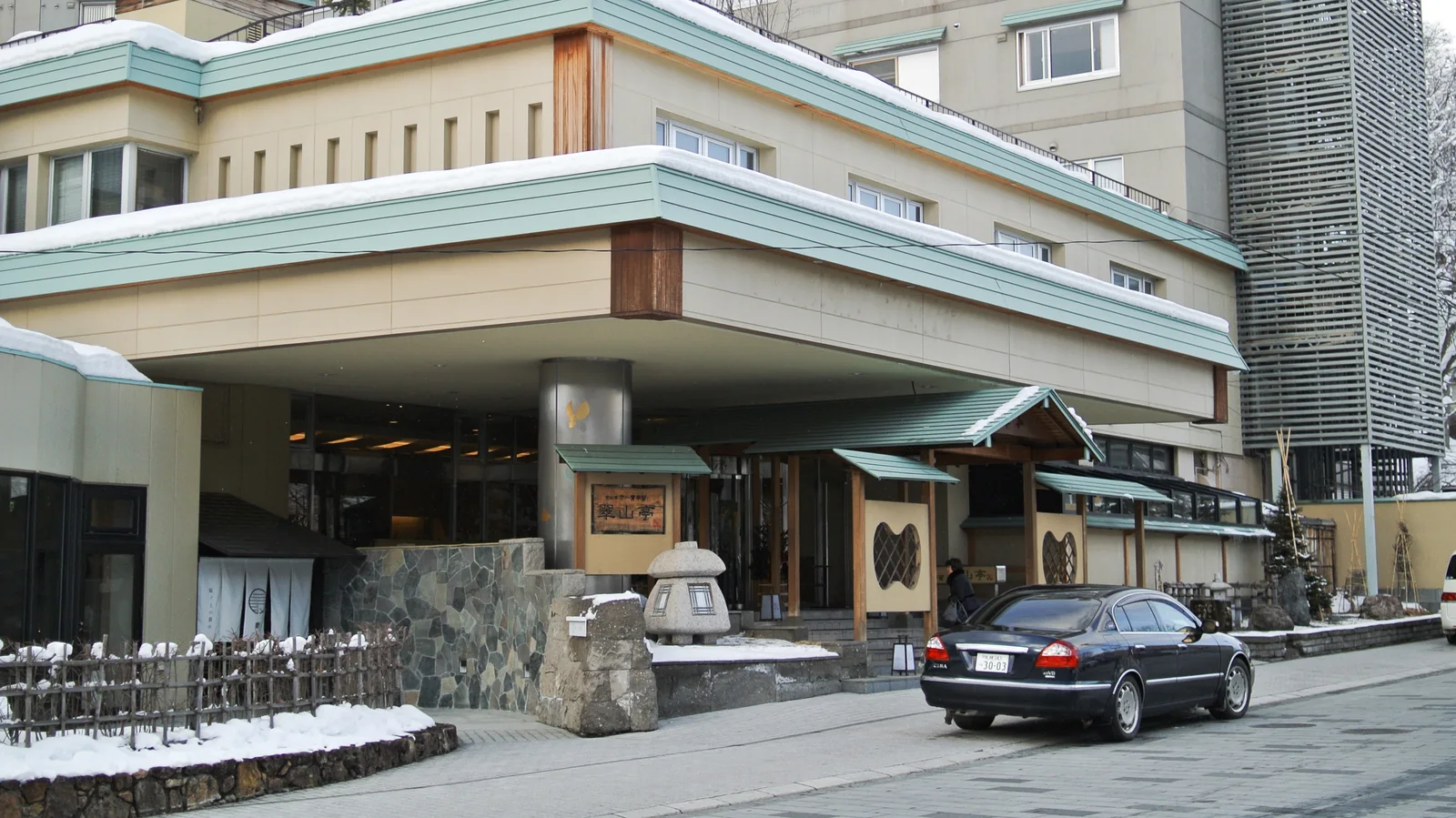
Strategy one prioritizes stationfront efficiency in the Abashiri Stationfront and Omagari zone, home to business hotels such as Hotel Sun Abashiri, Hotel Route-Inn Abashiri Ekimae, Toyoko Inn Okhotsk Abashiri Ekimae, Hokkai Hotel, Abashiri Green Hotel, and Abashiri Royal Hotel (which offers day-use bathing). You step straight off the train, reach the icebreaker pier in 10 minutes by bus, and have restaurants and convenience stores within walking distance. Just across the zone boundary in Shijo sits a standout middle ground: Dormy Inn Abashiri (Natural Hot Spring Tento-no-Yu), pairing business-hotel rates with a natural hot spring bath. Shijo also offers smaller inns and budget stays including Abashiri Central Hotel, Hotel Okhotsk Inn, Workmanhouse Abashiri, and Abashiri Machinaka Guesthouse Watara. For an overnight stay built around catching the early icebreaker, these two central zones are hard to beat.
Strategy two targets lakeside onsen ryokan in the Tentozan and Yobito zone overlooking Lake Abashiri. The flagship property is the 80-room Hokuten no Oka Abashiri Lake Tsuruga Resort, perched above the lakeshore; its alkaline simple hot spring "Inishie-no-Yu" also welcomes day-use bathers (14:00–20:00, ¥1,650 adults). Nearby options include Hotel Abashirikoso, Tento-no-Yado Abashiri Kanko Hotel, and Onsen Ryokan Motoyoshi (all offering hot springs and day-use bathing), alongside the French-style gourmet inn Auberge Kita no Dandan. Staying here puts the prison museum, drift ice museum, and observatory within walking distance, though reaching the station or pier requires a car, taxi, or bus—making it best for multi-night onsen stays and self-drive trips.
Strategy three heads out to the Suburbs zone along the road toward Cape Notoro, including coastal and hillside stays such as Notoro-no-So Kagariya, The VILLA ABASHIRI, The Lodge Abashiri, and Abashiri Ryuhyo no Oka Youth Hostel. You give up downtown walkability in exchange for wide ocean horizons and deep quiet—ideal if you have a rental car and want Abashiri as a tranquil Okhotsk coast base.
Because the tourism association directory does not publish nightly rates, check each property's official site for pricing, though tiers break down predictably: stationfront business hotels are the most budget-friendly, Tentozan onsen ryokan sit in the mid-to-upper bracket, and suburban villas vary by setup. February weekends mark Hokkaido's second-busiest winter booking crunch, so reserve early for preferred rooms. Day-trippers can still combine drift ice with a hot soak via day-use bathing at Abashiri Royal Hotel near the station or up on Tentozan at Tsuruga Resort (14:00–20:00, ¥1,650 adults), Abashirikoso, Abashiri Kanko Hotel, and Motoyoshi.
Of the remaining zones, Shiomi, Komaba and Tsukushi and Kyohoku form the residential belt between downtown and Tentozan, mostly offering guesthouses and small inns, while Suburbs covers the Cape Notoro area properties listed above. The full 44-property directory on the tourism association site lets you filter by amenities, narrowing the choice down to those three main paths: stationfront convenience, lakeside onsen, or suburban self-drive.
Before booking Tentozan and Yobito, factor in one transit reality: this hillside has no train station, so every trip to Abashiri Station or the icebreaker pier depends on buses, taxis, or a rental car (the drift ice museum notes roughly 15 minutes by sightseeing loop bus or taxi from JR Abashiri Station). Because hillside ryokan cater heavily to drivers, car-free travelers should verify hotel shuttle options before booking or anchor every transfer to the sightseeing loop bus timetable. Once logistics are set, you get dawn and dusk views over Lake Abashiri and a three-minute stroll from the bath back to your room.
Winter Transit: Memanbetsu Airport and the Ryuhyo Monogatari Train
Reaching Abashiri by rail takes commitment: JR limited express trains run about 5 hours 30 minutes from Sapporo and 3 hours 50 minutes from Asahikawa, rapid trains from Kushiro take roughly 3 hours 20 minutes, and trains east to Shiretoko-Shari take about 50 minutes. Abashiri Station sits at the junction of the JR Sekihoku and Senmo Main Lines, serving both overland arrivals and coastal transfers toward Shiretoko. Sapporo Okadama Airport also operates two daily flights to Memanbetsu (about 50 minutes), though with limited frequency they mainly serve business and connecting travelers; most visitors fly out of New Chitose Airport.
Flying into Memanbetsu Airport saves half a day of winter driving or train travel, with six daily flights from New Chitose Airport taking about 50 minutes. From the terminal, the Abashiri Bus reaches central Abashiri in roughly 35 minutes for ¥1,050 one-way, timed to meet arriving flights; a taxi between Abashiri Station and the airport runs roughly ¥6,800. During the winter window from late January to early March, Shari Bus also operates the Shiretoko Airport Liner connecting Memanbetsu Airport, downtown Abashiri, and Utoro Onsen Bus Terminal in about 130 minutes for ¥3,500—turning Abashiri into a direct stopover on the way to Shiretoko.
On the tracks, the seasonal star is JR Hokkaido's Ryuhyo Monogatari sightseeing train. For the 2026–2027 season, it is scheduled to operate on January 30–31, every day in February (1–28), and March 6–7, 2027, running between Abashiri and Shiretoko-Shari with stops at Kitahama and Hama-Koshimizu. All seats are reserved and IC transit cards are not valid—JR Hokkaido states plainly that passengers without a reserved-seat ticket cannot board—so book ahead at a Midori-no-Madoguchi ticket counter or via Ekinet. As the train hugs the shore past Kitahama Station, drift ice fills the windows right outside; staying in Abashiri makes catching the morning departure effortless. If seats sell out, standard Senmo Line local trains (~50 minutes to Shiretoko-Shari) trace the exact same coastline and still deliver roughly 80 percent of the scenery.
Midwinter blizzards hit eastern Hokkaido frequently, so treat the JR Hokkaido live train-status page as required reading on travel mornings, just as you would on the Sapporo–Hakodate corridor. Because JR makes no winter punctuality guarantee on the Senmo Line, reserve priority trains early and verify operating status before checking out.
For return flights, airport buses depart Abashiri Bus Terminal roughly 70 minutes before flights take off from Memanbetsu, while inbound buses align with flight landings. If you have an early departure, double-check the morning bus timetable the night before; a taxi provides a reliable backup at roughly ¥6,800, which breaks down close to bus cost when split across three or four passengers. Note that the Shiretoko Airport Liner serves Abashiri on the same routing in both its summer season (June–September) and winter season (around late January to early March).
A Clean Two-Day, One-Night Drift Ice Itinerary
Stitching official hours together gives a clean two-day, one-night framework. On Day 1, arrive from Sapporo or Memanbetsu Airport before noon and check in or drop luggage at your stationfront or Tentozan hotel. Spend the afternoon at the Abashiri Prison Museum (open until 17:00, last entry 16:00), continue uphill to the Okhotsk Ryu-hyo Museum and Tentozan Observatory for sunset over Lake Abashiri, then head back for dinner or an onsen soak. On Day 2, check the coastal webcam at dawn, board the morning Aurora icebreaker (9:00 in January, 9:30 in February), ride the 10-minute bus back to the station, and—if your dates line up—catch the afternoon Ryuhyo Monogatari train along the ice-lined coast to Shiretoko-Shari.
If you would rather skip the boat or are prone to seasickness, dedicate Day 2 morning to shoreline ice viewing instead. The Futatsuiwa-to-Maehama stretch looks especially sharp in early light; afterward, head back to the station for breakfast and checkout, drop your bags, and visit whichever museum you saved for the morning. Putting coastal viewing early and indoor museums later absorbs changing weather without wasting a morning.
Because the large Aurora switches to a scenic coastal cruise when no ice is around—and smaller boats or under-booked sailings can cancel—grouping the prison and drift ice museums into the same short stay gives you dependable backup plans. Start checking Abashiri's live webcam daily a week before departure so you can time your trip to arriving floes, and book February weekends well ahead before peak rates climb and rooms disappear.
From Abashiri, two clean onward routes open up: east along the Senmo Line into Shiretoko-Shari and Utoro, or west back toward Asahikawa and Sapporo. Once you view Abashiri for what it is—an Okhotsk coastal gateway where one night lets you comfortably hit the morning icebreaker and both hillside museums rather than hunt for big-city nightlife—the town consistently delivers in drift ice season.
One final note for photographers: pack a telephoto lens and warm spare batteries for the ship and shoreline floes, a wide-angle lens for morning light on the snow-covered prison buildings, and plan your Lake Abashiri sunset shot from Tentozan Observatory. Sub-zero cold drains batteries just as fast inside the -15°C drift ice room as it does out on deck, so keep a power bank tucked inside an inner coat pocket all day—with the right cold-weather prep, a single day in Abashiri easily fills a memory card.
A few useful answers
When is Abashiri's drift ice season, and which month offers the best chance of seeing ice?
The Abashiri City Tourism Association lists the official window as late January through mid-March in typical years (varying annually with sea conditions). Drift ice usually arrives along the Okhotsk coast between late January and early February. February brings the densest schedule with up to six icebreaker sailings per day, and the ice gradually retreats after mid-March. Checking Abashiri's official live drift-ice webcam before departure is the most reliable way to confirm whether floes have reached shore.
How much does the Icebreaker Aurora cost, and does it still sail if there is no drift ice?
The winter operating season runs from January 20 to March 31. On the main large vessel, fares are ¥7,000 for adults and ¥3,500 for elementary school students; the smaller Aurora 3 (which ventures farther offshore) costs ¥9,800 for adults and ¥4,900 for elementary students. Optional special seats on the large vessel cost ¥500 onboard, sold first-come, first-served on the day of sailing. If no drift ice is present, the large vessel switches to a scenic coastal cruise toward Cape Notoro, while the small vessel cancels; sailings may also be canceled if passenger numbers fall short of the minimum. All passengers must check in and complete the passenger manifest at least 20 minutes before departure.
Which area is best to stay in Abashiri?
There are three main strategies. For a one-night trip focused on catching the morning icebreaker, business hotels in the Abashiri Stationfront and Omagari zone are the easiest base (a 10-minute bus ride to the pier). If you want budget rates with a hot spring bath, look at Dormy Inn Abashiri in the adjacent Shijo zone. For multi-night hot-spring stays or road trips, pick a Lake Abashiri onsen ryokan in the Tentozan and Yobito zone (such as the 80-room Hokuten no Oka Abashiri Lake Tsuruga Resort, which also offers day-use bathing for ¥1,650), putting the prison museum, drift ice museum, and observatory within walking distance. Note that the tourism association's 44 listings span seven zones and there is no official "Abashiri Onsen" zone.
How do I get to Abashiri from Sapporo or Memanbetsu Airport?
By rail, JR limited express trains from Sapporo take roughly 5 hours 30 minutes. Flying into Memanbetsu Airport (6 flights daily from New Chitose, about 50 minutes) cuts transit down to a 35-minute Abashiri Bus ride into town for ¥1,050 one-way. From late January to early March, Shari Bus also operates the seasonal Shiretoko Airport Liner from Memanbetsu Airport via Abashiri straight to Utoro Onsen Bus Terminal (¥3,500, about 130 minutes). For the 2026–2027 season, JR Hokkaido's Ryuhyo Monogatari sightseeing train runs January 30–31, all of February, and March 6–7, 2027; all seats are reserved and IC transit cards are not accepted, so buy tickets in advance.
Official information and references
Sources used in this guide.
- Abashiri City Tourism Association | Drift Ice (Official Season Late Jan–Mid Mar and Viewing Spots)
- Aurora Icebreaker | Fares & Timetable (Winter Season Jan 20–Mar 31, Large Vessel ¥7,000, Small Vessel ¥9,800)
- Aurora Icebreaker | Access (Pier at Roadside Station Ryuhyo Kaido Abashiri, 5 Min Drive / 10 Min Bus from Abashiri Station)
- Abashiri Prison Museum | Visitor Information (9:00–17:00, Adults ¥1,500, Closed Only Dec 31 & Jan 1)
- Okhotsk Ryu-hyo Museum | Visitor Guide (Winter 9:00–16:30, Adults ¥990, Open Daily)
- Abashiri City Tourism Association | Accommodations Search (44 Properties Across 7 Zones, Tsuruga Day-Use Onsen ¥1,650)
- Abashiri City Tourism Association | Access (Sapporo Limited Express ~5.5 Hr, Memanbetsu Bus 35 Min ¥1,050)
- JR Hokkaido | Ryuhyo Monogatari Sightseeing Train (Jan 30–31, All of Feb, Mar 6–7, 2027; All Reserved Seating)
- Shari Bus | Shiretoko Airport Liner (Winter Memanbetsu Airport to Utoro ¥3,500, ~130 Min)
- Memanbetsu Airport | Access & Ground Transportation (Official Airport Bus & Shiretoko Airport Liner Data)