The Otaru Tourism Association divides city accommodation into 13 areas. Staying by the canal puts 63 gas lamps outside your door, station-front hotels mean a 1-minute walk with luggage in the snow, Chikko offers 296-room sea-view stays, and Asarigawa Onsen suits multi-night hot-spring retreats. Based on official details from 8 representative properties, this guide matches check-in times, transport, and bath facilities to overnight rail trips from Sapporo and driving itineraries.
- Region & Focus
- Otaru
- Reading Scope
- 14 min read · 7 chapters · 4 Q&As
- Official Verification
- 9 official sources checkedUpdated 20 November 2026
- Key Topics
- Where to stayWinterHokkaido
Chapter Route Map (tap any stop)
- Pick Your Route Before Your Room: 13 Official Areas Narrowed to 6 Bases
- The Canal District: Stone Warehouses and Gas Lamps on Your Doorstep
- Otaru Station Front: One-Minute Luggage Drops and Bedtime Soaks
- Minami-Otaru and Sakaimachi: The Historic Shopping-Street Midpoint
- Otaru-Chikko and Shukutsu: Waterfront Resorts and Aquarium Convenience
- Asarigawa Onsen: Where the Ryokan Is the Destination
- Transport and Seasons: Syncing Check-In Times with Your Route
- Quick Q&A
Choosing where to stay in Otaru begins not with room rates, but with picking the right base. Stay in the Ironai canal district and you step straight out into a promenade of stone warehouses lit by 63 gas lamps; book right outside JR Otaru Station and you can wheel your suitcase into the lobby in 1 minute on a snowy night; head to Otaru-Chikko for sea-view rooms facing Ishikari Bay; or retreat to Asarigawa Onsen, where the ryokan itself becomes the main event. While the Otaru Tourism Association divides city lodgings into 13 areas, this guide narrows the choice down to 6 practical bases, checks the official check-in times, transport links, and bathing facilities of 8 representative properties, and pairs them with the 32-minute Rapid Airport rail rhythm to and from Sapporo—helping both rail-based overnighters and self-drive spa travellers lock in the right spot.
Pick Your Route Before Your Room: 13 Official Areas Narrowed to 6 Bases
The Otaru Tourism Association's official accommodation directory splits the city into 13 zones: Otaru Station, Otaru Canal, Sakaimachi, Sushiyadori and Hanagin, Minami-Otaru Station, Otaru-Chikko, Asarigawa Onsen, Shukutsu, Takashima and Temiya, Tenguyama and Otaru University of Commerce, Asari and Zenibako, Shioya and Ranshima, Okusawa and Kiroro, plus the Yoichi direction. Property types span standard hotels, business hotels, ryokans, minshuku guesthouses, and European-style pensions, right through to whole-house villas, condominiums, day-use hot springs, and campsites—covering everything from private-house stays to campervan pitches. For families or larger groups, villas and condominiums are well worth checking first, as a single suite keeps everyone together with a shared living room—something city hotels usually require adjoining rooms to achieve. When searching on the association's site, filtering by area first and property type second makes it far easier to match a place to your daily route than scrolling blindly down generic booking-site rankings.
You do not need to study all 13 administrative zones in detail. One glance at a map reveals the layout: Otaru Station, Otaru Canal, Sakaimachi, and Sushiyadori all connect on foot to form the historic core; Minami-Otaru Station sits one stop to the south; Otaru-Chikko occupies the shoreline back towards Sapporo; Asarigawa Onsen and Kiroro lie inland in the hills; and Shukutsu, Takashima, and Temiya trace the northern coast. For travellers basing themselves in Sapporo and spending a night in Otaru, the real choice comes down to 6 practical spots: the canal area, Otaru Station front, Minami-Otaru and Sakaimachi, Otaru-Chikko, Asarigawa Onsen, and Shukutsu. The four central districts sit roughly 10 minutes apart on foot, differing mainly in evening atmosphere and how far you have to drag suitcases over snow; the outer three serve dedicated goals—coastal resort stays, pure hot-spring relaxation, and family aquarium trips.
A clear mental map makes booking straightforward. Step out of JR Otaru Station's main exit and you immediately face the cluster of business hotels in Inaho. Follow the Chuo Bus route or cut through the old streets for 10 to 13 minutes on foot to reach the canal district in Ironai. One rail stop south lies Minami-Otaru Station, with the heritage shopping lanes of Sakaimachi Street and Sushiyadori tucked neatly between the two stations. One stop back towards Sapporo sits Otaru-Chikko, where a 296-room sea-view resort stands along the waterfront at 11-chome Chikko. Asarigawa Onsen lies up a valley inland and is easiest by car or bus, while Shukutsu curves north around the harbour—both outer zones are best booked once your transport is settled.
Matching your travel style to a base is simple. Pick the canal district if you want atmospheric evening walks past illuminated warehouses; choose the station front if you have heavy bags or an early train or flight; lock in Chikko for spacious four-person family rooms and bay views; head to Shukutsu for a full-day aquarium visit with children; and book Asarigawa Onsen if soaking for two or more nights is the focus. The sections below break down each base using verified property data.
For guidance on which night of a Hokkaido itinerary to place Otaru, where to store large suitcases, and how much winter transit buffer to allow, see our four-day Sapporo and Otaru itinerary first. Once you know how many nights you are staying, use this guide to pin down the exact hotel and rail connections.
| Base Area | Representative Properties (Association Listed) | Best Suited For |
|---|---|---|
| Otaru Canal (Ironai) | OMO5 Otaru, UNWIND HOTEL & BAR, Hotel Nord Otaru, Furukawa, Ecchuya | Evening canal strolls, photography, ryokan baths |
| Otaru Station Front | Dormy Inn PREMIUM (Tomoshi no Yu), ALPHABED INN, Authent Hotel | Wheeling luggage, early trains, public bath access |
| Minami-Otaru & Sakaimachi | Uomatsu Ryokan and heritage townhouse stays | Shopping street walks, glassware and music boxes |
| Otaru-Chikko | Grand Park Otaru (296 rooms) | Large family rooms, sea views, direct Sapporo rail link |
| Shukutsu, Takashima & Temiya | Hotel Neuschloss Otaru | Aquarium visits, self-drive coastal stays |
| Asarigawa Onsen | Otaru Ryotei Kuramure, Musashitei, Asari Classe | Hot-spring retreats, multi-night stays, driving trips |
The Otaru Tourism Association divides city accommodation into 13 areas. Staying by the canal puts 63 gas lamps outside your door, station-front hotels mean a 1-minute walk with luggage in the snow, Chikko offers 296-room sea-view stays, and Asarigawa Onsen suits multi-night hot-spring retreats. Based on official details from 8 representative properties, this guide matches check-in times, transport, and bath facilities to overnight rail trips from Sapporo and driving itineraries.
The Canal District: Stone Warehouses and Gas Lamps on Your Doorstep
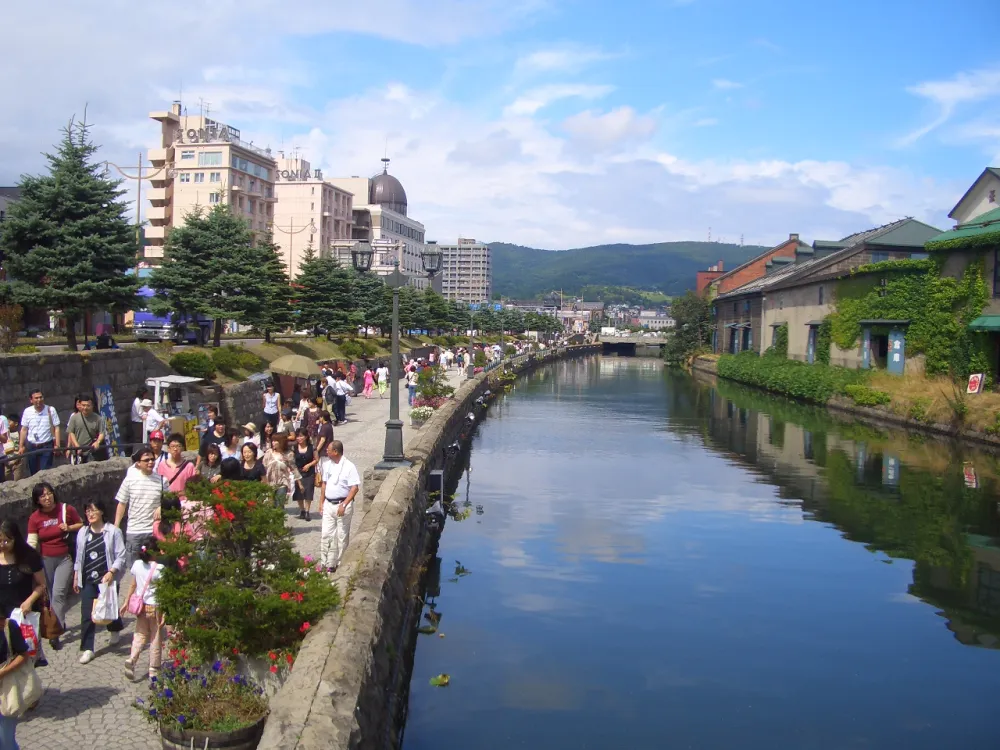
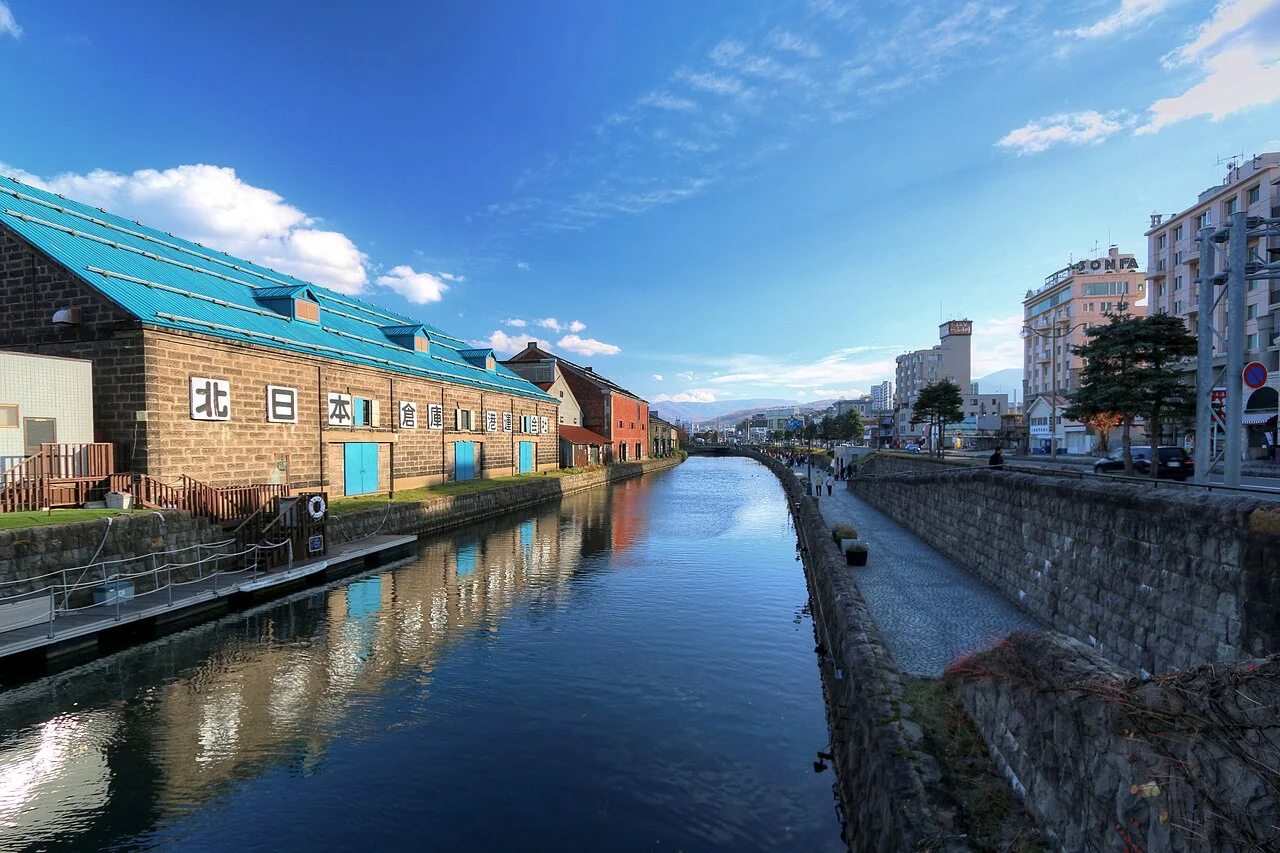
Completed in 1923 (Taisho 12) and stretching 1,140 metres, Otaru Canal was redeveloped in 1986 (Showa 61), when half of its width was turned into a roadway—leaving today's gently curving stone-paved promenade lined with masonry warehouses. That sweeping arc was never an artificial flourish; it follows the natural contour of old coastal landfill and creates the classic curved frame photographers love. With 63 gas lamps along the path and former warehouses converted into restaurants, the waterfront shifts completely in mood between daylight and dusk.
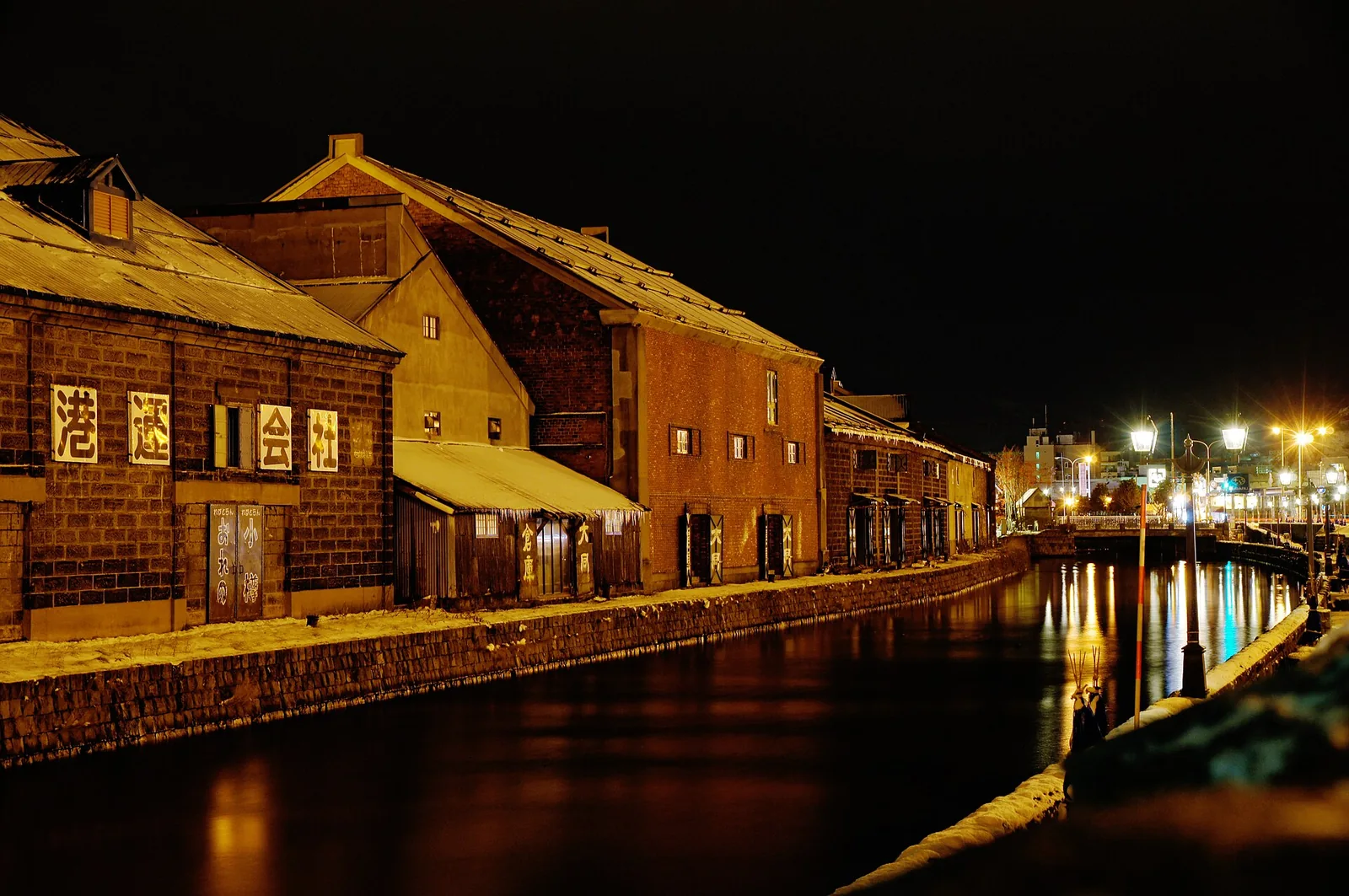
Knowing the official lighting schedule helps you capture the canal at its best. Promenade gas lamps burn from sunset until 24:00, while the warehouse facade floodlights stay on until 22:30. Along the North Canal section, light-sensor lamps switch on automatically, glowing from 18:00 until 04:00 during summer (June to August). During the Otaru Snow Light Path winter festival, the gas lamps ignite early at 15:00. Staying right beside the canal lets you split your walk into two relaxed rounds: photograph the floodlit stone facades at dusk, enjoy dinner, and return unhurriedly for gas-lamp reflections without racing a 22:30 lights-out deadline.
Canal-side hotels cluster tightly in Ironai 1-chome, all within walking distance of JR Otaru Station. Hoshino Resorts' OMO5 Otaru (1-6-31 Ironai), about a 9-minute walk from the station with 15:00 check-in and 11:00 check-out, occupies the historic former Otaru Chamber of Commerce building. Neighbourhood walks led by OMO Rangers and an evening lounge lit by Kitaichi Glass kerosene lamps turn an overnight stay into a lively introduction to old Otaru, making it an easy favourite for first-time visitors.
Just down the street, UNWIND HOTEL & BAR OTARU (1-8-25 Ironai, around 10 minutes on foot from Otaru Station) brings contemporary flair to a heritage building over 90 years old. Its generous check-in window runs from 15:00 to 24:00—ideal if you arrive on a late flight or final bus. Guests receive complimentary morning high tea, and between 19:30 and 23:30 can unwind over a drink beside the glowing hearth at BAR IGNIS, framing both ends of the day with a distinct sense of occasion.
If you want a traditional hot-spring ryokan directly beside the water, look at Unga no Yado Otaru Furukawa at 1-2-15 Ironai (roughly a 13-minute walk or 5-minute taxi ride from Otaru Station). Check-in is 15:00 and check-out is 12:00—the latest departure in the canal district, giving you plenty of time to leave your bags after checking out for one more riverside wander. Its communal baths alternate between genders: Ichi no Yu is built from Otaru soft stone, while Ni no Yu features a hinoki cypress open-air bath, letting you experience both before and after sleep.
At the budget end sits veteran inn Ecchuya, just a 3-minute walk from the Asakusabashi end of the canal, offering the earliest check-in in the area at 13:00 (with 10:00 check-out) and appealing to travellers seeking good value and classic ryokan character. Hotel Nord Otaru (MYSTAYS group) also stands right in the thick of things at 1-4-16 Ironai. Together, these five properties span a wide range of prices and styles while sharing the exact same unbeatable step-out-to-the-canal address.
Before setting off on foot, note a few key landmarks along the water. Asakusabashi Street Park marks the classic postcard angle of the canal and houses a tourist information office; Chuobashi Street Park is the boarding point for the Otaru Canal Cruise, offering dramatic low-angle views of the warehouse walls from the boat. Head north towards the North Canal to pass the former Nippon Yusen Kaisha Otaru Branch—a designated Important Cultural Property—and look inside Canal Plaza for the Otaru International Information Center, handy for directions, lockers, and timetable help. Follow our Otaru Canal and Sakaimachi day route through glassware shops and heritage streets by day, pause at your Ironai hotel in the late afternoon, and step back out once the lights come on.
The photographic advantage of staying in Ironai is sharpest in winter. After sunset, you can shoot the floodlit warehouses until 22:30, then linger over the gas-lit water reflections until midnight—or, in summer, wake early for an empty North Canal morning frame. By contrast, guests staying near Otaru Station face a cold walk back along icy pavements once the 22:30 floodlights go out, often turning a leisurely evening into a brisk march.
Choosing within the district is straightforward. Pick between OMO5 and UNWIND if converted heritage architecture appeals, choose Furukawa for ryokan hospitality and hot-spring baths, or go with Ecchuya to keep costs down. The only practical caveat is dinner: Ironai's evening dining centres on the canal warehouse restaurants and nearby Sushiyadori, where popular spots fill quickly on winter weekends. Book your table ahead so you can wander gently back along the lit promenade after supper.
Otaru Station Front: One-Minute Luggage Drops and Bedtime Soaks
The flagship choice outside the station is Natural Hot Spring Tomoshi no Yu Dormy Inn PREMIUM Otaru (3-9-1 Inaho), a mere 1-minute walk from JR Otaru Station and about a 7-minute drive from the Sasson Expressway Otaru IC, with 15:00 check-in and 11:00 check-out. Its in-house natural hot-spring bath features silky alkaline hypotonic mineral water—meaning you can soak right up until bedtime without stepping outside. On-site parking is clearly priced at ¥1,400 per night, a welcome bit of transparency for drivers in central Otaru.
Surrounding station-front properties follow a crisp, practical business-hotel mould: ALPHABED INN Otaru Ekimae, Authent Hotel Otaru, GRIDS PREMIUM HOTEL OTARU, THE GREEN OTARU, and Otaru YaDo. They share compact rooms, generally lower rates than the canal quarter, and effortless lobby access steps from the ticket gates—keeping departure-morning friction to a minimum when catching the 32-minute Rapid Airport train back to Sapporo.
This zone suits three types of traveller best: winter arrivals who have no desire to haul heavy cases across snow-packed pavements after dark, early risers catching morning trains towards the airport or Asahikawa, and food-focused visitors who would rather spend their budget on sea urchin sushi and souvenirs than on room size. In winter, stepping straight out of the station into a lobby halves the snowy walk compared with the canal quarter; dragging wheeled luggage over ice and slush takes far more time and effort than dry tarmac, and travelling with children doubles that difference.
A station-front hotel with a natural public bath slips seamlessly into a busy sightseeing day. Take an early evening soak to warm up after browsing Sakaimachi or skiing, stroll down to the canal for dinner and night views, and slip back into the mineral bath before bed without being tied to the fixed meal-and-bath schedule of a traditional ryokan.
Staying by the station also unlocks an often-overlooked transport perk: Otaru Station Bus Terminal right outside is the hub for Hokkaido Chuo Bus. From this single plaza you catch the 20-minute bus up to the Tenguyama Ropeway, head north to Shukutsu for Otaru Aquarium, or travel inland to Asarigawa Onsen. Travellers without a car who want to combine night views, the aquarium, and hot springs save substantial walking time on every transfer.
In the Tourism Association's directory, the station area has the highest concentration of business hotels—built squarely around a good bed, private bathroom, and prime transit access. Treat it as a clean, reliable sleep-and-transit base: filter first by walking distance in metres and whether there is a natural hot-spring bath, then sort by price. Dormy Inn repeatedly wins under that filter if you are happy to pay a modest premium for the bath; conversely, if your trip calls for wide ocean panoramas, spacious family suites, or full ryokan ritual, skip the station front and look to the outer bases below.
The lone trade-off is the view: you will not see the canal from your window, and evening strolls mean a 10-minute walk down to the warehouses and 10 minutes back. Pair that walk with dinner, however, and stepping straight into the warm bath on your return makes those 20 minutes feel like an easy post-meal digestif.
Minami-Otaru and Sakaimachi: The Historic Shopping-Street Midpoint
Accommodation around Minami-Otaru Station is sparse, anchored by Uomatsu Ryokan and heritage townhouse stays near the former Okawa Pharmacy. Yet the stretch linking Minami-Otaru and Otaru stations—Sakaimachi Street alongside Sushiyadori and Hanagin—forms the densest concentration of historic merchant buildings in town. With few properties and modest official listings, this pocket is tailored to visitors determined to explore the old shopping lanes slowly on foot.
There is a smart, gravity-assisted way to tackle the terrain here. Alight at Minami-Otaru Station and walk north through Sakaimachi Street—browsing the Otaru Music Box Museum and glass workshops—before cutting into Sushiyadori for classic sushi and continuing to the canal and JR Otaru Station on a gentle downhill gradient. Walking the reverse direction from Otaru Station means a steady uphill slope the entire way. Light-packing travellers gain the most from basing here; anyone with bulky suitcases should drop them in station or canal lockers before setting off.
Converted Taisho- and early-Showa merchant houses such as the former Okawa Pharmacy now house independent cafes, craft boutiques, and small galleries meant for unhurried door-to-door browsing rather than brisk shopping. Staying within this neighbourhood means stepping out at night into quiet historic backstreets instead of a busy tourist strip.
The Tourism Association lists Sushiyadori and Hanagin as its own district for good reason: most of Otaru's celebrated sushi counters and old-school izakayas gather here, coming alive after dusk. Uomatsu Ryokan near Minami-Otaru Station and the Sakaimachi machiya inns anchor this side of town, letting you dine along Sushiyadori and stroll gently downhill towards the illuminated canal afterwards.
Think carefully about the trade-offs, though. In winter, activity along Sakaimachi peaks during daytime hours, leaving the street noticeably quieter with fewer open restaurants at night than around Ironai. If you want both convenience and late-evening options, the canal or station front serves better. Minami-Otaru and Sakaimachi are best seen as an experiential stay for travellers who prize century-old streetscape charm above late-night bustle.
Otaru-Chikko and Shukutsu: Waterfront Resorts and Aquarium Convenience
At 11-3 Chikko stands Grand Park Otaru, offering 296 spacious guest rooms split between Ocean-side views over Ishikari Bay and Otaru Port Marina and Mountain-side rooms. Roughly a 5-minute walk from JR Otaru-Chikko Station, it provides one of the earliest check-ins in the city at 14:00 alongside a 10:00 check-out. Equipped with resort-scale conference facilities and a seaside chapel, this large hotel is Otaru's most practical base for families of four needing proper twin or multi-bed space, or groups booking several rooms together.
Chikko also holds a sharp rail advantage. The Rapid Airport service stops directly at Otaru-Chikko Station, removing any need to backtrack through JR Otaru Station when heading to Sapporo. Spending your final night in Chikko lets you walk 5 minutes with your bags in the morning and ride straight through to New Chitose Airport. Watching cargo ships and harbour lights from a sea-view window reveals a working-port side of Otaru far removed from the canal—easy to experience alongside town if you split two nights between central Otaru and Chikko.
North around the headland in Shukutsu, Hotel Neuschloss Otaru (3-282 Shukutsu) sits directly beside Otaru Aquarium and the dramatic coastal cliffs of Cape Shukutsu. It lies about 15 minutes by car from JR Otaru Station or a 10-minute walk from the Otaru Aquarium Chuo Bus stop, with free advance-booked station shuttles, free parking, 15:00 check-in, and 11:00 check-out. Families devoting a full day to the aquarium can walk straight back to their room after closing time without racing for the last city-bound bus.
Reaching Neuschloss is painless by car or via the hotel's shuttle; if taking the public bus to the Otaru Aquarium stop in snowy weather, allow extra time for that final 10-minute walk. Be sure to contact the hotel right after booking to reserve the complimentary Otaru Station shuttle, as it is the only property in Shukutsu offering confirmed free station transfers—neatly cancelling out the peninsula's remote location.
Parents visiting with toddlers quickly appreciate Shukutsu's value. The bus stop sits right outside the aquarium gates, the one-way ride from town takes a solid stretch, and outdoor marine shows in summer sap young energy fast. Staying next door lets you split the aquarium into morning and afternoon sessions, retreating to your air-conditioned room for a midday nap before returning for the penguin walk—a flexibility central hotels simply cannot match.
Even if you stay elsewhere, Chikko offers a seaside soak at Otaru Onsen Ospa, listed under the Chikko zone as a day-use hot spring facing the bay. Both Chikko and Shukutsu trade away central nightlife and shopping streets for three-sided ocean panoramas and genuine quiet—making either an ideal change of pace on a second night after central Otaru.
Asarigawa Onsen: Where the Ryokan Is the Destination
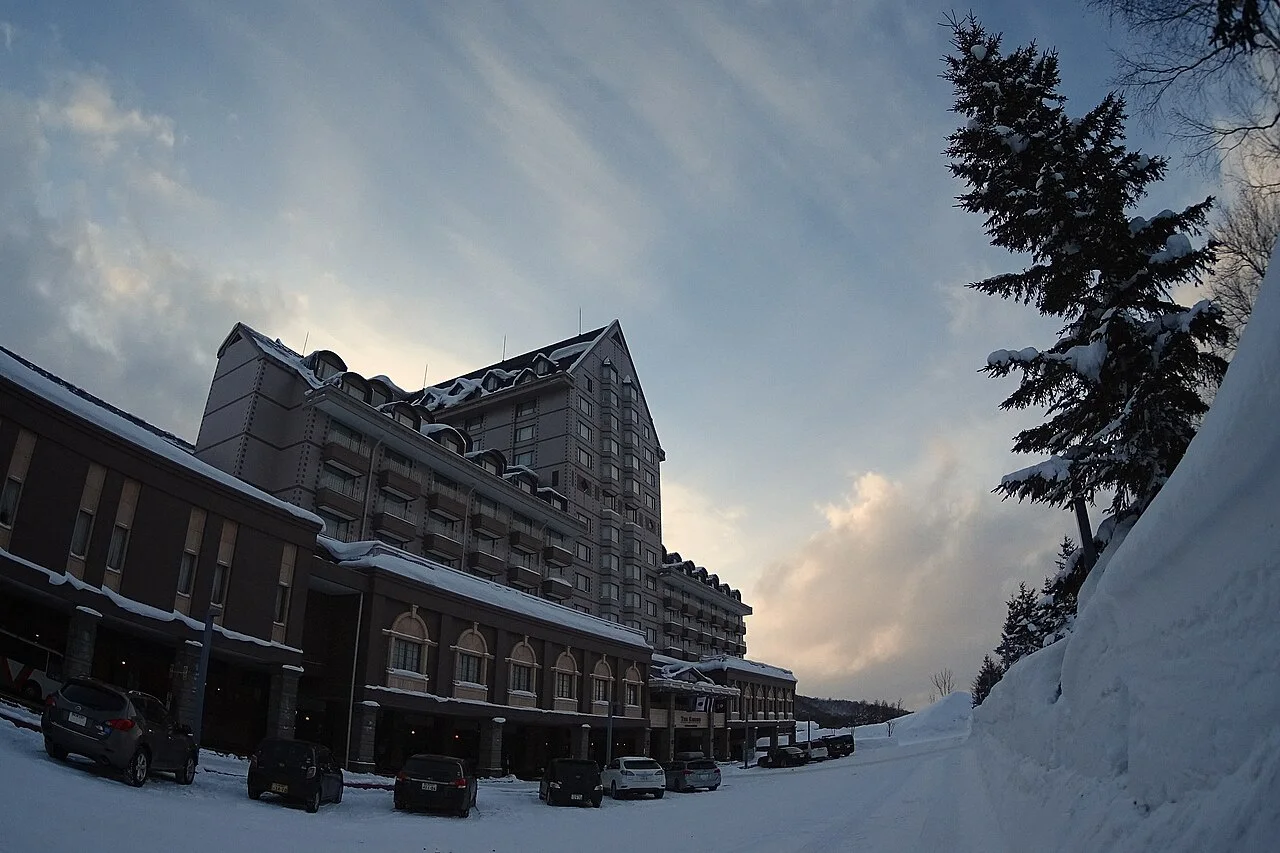
Tucked into a forested valley southeast of central Otaru, Asarigawa Onsen turns the accommodation itself into the focal point of the trip. The Tourism Association directory lists the refined ryokan Otaru Ryotei Kuramure alongside Hotel Musashitei and Otaru Asari Classe Hotel—the latter two looking towards the Sea of Japan—plus European-style lodges Winkel Village, Boyo Schanze, and the Asarigawa Onsen Auto Camping Ground. All three main hot-spring hotels open their baths to day visitors, and locals regularly drive out from town for an afternoon soak.
The rhythm here could not be more different from downtown Otaru. About 15 minutes by car from JR Otaru Station, the valley has no shopping arcades or canal warehouses—instead delivering classic half-board ryokan stays, indoor and open-air hot-spring baths, and deep mountain quiet. On a two-night Otaru stay, spending night one near the canal and night two in Asarigawa works effortlessly; on a single-night trip where you still want a soak, staying at Dormy Inn by the station or Furukawa by the canal keeps logistics far smoother.
Asarigawa shines brightest with a hire car: exit the Sasson Expressway at Otaru IC and you are minutes away. Roads stay open in winter, though snow-walled valley climbs are prone to black ice, so build in extra driving time compared with summer. Skiers can also pair Asarigawa with nearby Okusawa and Kiroro slopes to stretch a winter budget further than slopeside lodging allows. Without a car, you rely on Chuo Bus services or ryokan shuttles; last mountain buses depart far earlier than city routes, making post-dinner trips back downtown impractical in winter, so verify shuttle rules and final bus times before booking.
Budget options span a surprisingly broad spectrum. At the upper end sits Kuramure with full multi-course kaiseki dining, followed by mid-range resort comfort at Musashitei and Asari Classe, while Winkel Village chalets, Boyo Schanze, and the Asarigawa Onsen Auto Camping Ground cover self-catering cabins and campervan stays—a three-way mix of ryokan, chalet, and campsite unavailable anywhere in central Otaru.
Compared with southern Hokkaido's headline spa towns, Asarigawa is compact, sensibly priced, and close enough to Sapporo to keep extra transit time minimal. For side-by-side comparisons with Noboribetsu and Lake Toya, check our guide to southern Hokkaido resort and onsen bases; the short hop from Otaru Station makes Asarigawa far easier to tack on as a relaxing second night than a cross-island detour.
Transport and Seasons: Syncing Check-In Times with Your Route
Rail travel to and from Otaru centres on the Rapid Airport line, taking as little as 32 minutes from Sapporo and 75 minutes from New Chitose Airport. Within Otaru, it stops sequentially at Otaru-Chikko, Minami-Otaru, and Otaru, with reserved U-seat tickets available for an extra ¥520. Because those three stations serve distinct hotel zones, stepping off at the stop nearest your hotel saves hauling heavy suitcases across town—and spending ¥520 on a U-seat during peak sightseeing seasons spares you from standing in crowded aisles with luggage.
Lining up check-in and check-out windows smooths out the edges of your trip. Ecchuya opens check-in earliest at 13:00, followed by Grand Park in Chikko at 14:00, while station-front and canal hotels generally open at 15:00 (with UNWIND extending late arrivals to 24:00). Check-out spans from 10:00 at Ecchuya and Grand Park through to 12:00 at Furukawa. Drop bags at your hotel upon arrival so you can explore hands-free, and turn departure morning to your advantage: a 10:00 check-out suits heading straight into daytime sightseeing before collecting bags, whereas Furukawa's 12:00 check-out leaves room for an unhurried morning soak.
Beyond rail, Hokkaido Chuo Bus operates the Kosoku Otaru-go express bus from Sapporo as well as direct airport coaches from New Chitose Airport, all terminating at the Otaru Station Bus Terminal. Drivers can take the Sasson Expressway or follow National Route 5 in roughly 1 hour 20 minutes. When comparing room rates for a road trip, factor parking directly into the total: Dormy Inn charges ¥1,400 per night, whereas Hotel Neuschloss in Shukutsu includes free parking—a gap that can easily tip the value equation.
Winter visitors should plan carefully around Mount Tenguyama's seasonal timetable. Towering 532.4 metres above town and ranked alongside Sapporo's Mount Moiwa and Mount Hakodate as one of Hokkaido's Three Great Night Views, the Mount Tenguyama Ropeway runs its winter season from 28 November 2026 to 28 March 2027. Winter return tickets cost ¥2,000 (¥1,800 in summer), or ¥2,450 for a winter return bus-and-ropeway combo from Otaru (roughly 20 minutes by Chuo Bus from town), leading up to a summit cafe, a 128-metre zip line, and an approximately 400-metre slide. Crucially, the ropeway closes completely from 4 to 27 November for its summer-to-winter maintenance switchover, and operates reduced hours from 31 December to 3 January—so New Year visitors should schedule summit views earlier in their stay.
The canal also runs on a clear winter event calendar: the Blue Canal (Ao no Unga) illumination begins on 1 November, Canal Candle Night takes place on 18 December, and during the Otaru Snow Light Path festival the promenade's gas lamps are lit early from 15:00. Staying in the Ironai canal district puts every one of these winter displays on your doorstep—check your dates against the calendar before deciding which weekend to sleep in Otaru.
Flip that event schedule around and it doubles as a booking-price calendar. The 1 November Blue Canal launch, the 28 November winter ropeway reopening (avoiding the 4–27 November maintenance gap), the 18 December Candle Night, and weekends during the Otaru Snow Light Path consistently bring the steepest room rates and earliest sell-outs along the canal. Aim for midweek or shoulder dates to save money, or lock in your Ironai room early if festive lights are non-negotiable.
To distil all six bases into a quick decision: pick Otaru Station front or the canal district for a single overnight trip from Sapporo, choose Otaru-Chikko for spacious family sea-view rooms, pick Shukutsu if you are driving to the aquarium, and head straight to Asarigawa Onsen for a dedicated multi-night hot-spring retreat. When you are ready to link Otaru back into Sapporo and southern Hokkaido, return to the full day-by-day breakdown in our four-day Sapporo and Otaru itinerary.
A few useful answers
Should I stay by the Otaru Canal or near JR Otaru Station?
It depends on whether you prioritise evening strolls or effortless luggage handling. For stone warehouses and gas lamps right outside your door, choose the Ironai canal district (OMO5, UNWIND, or Furukawa, a 9- to 13-minute walk from JR Otaru Station). If you want minimal walking in snow or have an early train, pick the station front (such as Dormy Inn PREMIUM, 1 minute on foot from JR Otaru Station). Both areas connect easily on foot, while Chikko, Shukutsu, and Asarigawa Onsen serve travellers looking specifically for sea views, the aquarium, or hot-spring ryokan stays.
Where can I soak in an onsen in Otaru if I am not staying overnight at a hot-spring ryokan?
At the station front, Dormy Inn PREMIUM's Tomoshi no Yu (an alkaline hypotonic mineral spring) is reserved primarily for overnight guests, while Furukawa by the canal offers gender-swapping stone and hinoki cypress open-air baths. For day-use bathing without an overnight stay, head to Asarigawa Onsen, where Kuramure, Musashitei, and Asari Classe all welcome non-staying bathers, or visit Otaru Onsen Ospa in Chikko for hot-spring pools overlooking the sea. Asarigawa Onsen is the most rewarding option for a dedicated soak.
Is it easy to go straight from New Chitose Airport to Otaru for an overnight stay?
Yes, very convenient. The Rapid Airport train runs directly from New Chitose Airport to Otaru in as little as 75 minutes, calling at Otaru-Chikko and Minami-Otaru along the way. Whether you stay at Grand Park Otaru in Chikko or Dormy Inn by the main station, it is a single-seat ride, and adding ¥520 secures a reserved U-seat. If your flight lands late at night after the last departure, staying one night in Sapporo and catching the 32-minute morning train into Otaru is the safer choice.
Is Otaru Canal illuminated on winter evenings, and when do the lights switch off?
Yes. The 63 gas lamps along the promenade are lit daily from sunset until 24:00, and floodlights on the stone warehouses stay on until 22:30. Along the North Canal section, sensor-controlled lamps operate automatically, running from 18:00 to 04:00 between June and August. During the Otaru Snow Light Path festival, the gas lamps are lit early at 15:00. Staying by the canal lets you step out whenever you like, whereas the walk from station-front hotels takes around 10 minutes each way.
Official information and references
Sources used in this guide.
- Otaru Tourism Association | Staying in Otaru (13 Accommodation Areas and Property Directory)
- Otaru Tourism Association | Access to Otaru (32-Minute Rapid Airport Train, Bus and Driving Routes)
- Otaru Tourism Association | Otaru Canal (1,140m Length, 63 Gas Lamps and Illumination Hours)
- Otaru Tenguyama Ropeway | Operating Hours and Fares (2026 Winter Season: 28 November 2026 - 28 March 2027)
- OMO5 Otaru by Hoshino Resorts | Official Website (Former Otaru Chamber of Commerce Building, 15:00/11:00)
- UNWIND HOTEL & BAR OTARU | Official Website (15:00-24:00 Check-in, Morning High Tea)
- Natural Hot Spring Tomoshi no Yu Dormy Inn PREMIUM Otaru | Official Website (1-Min Walk from JR Otaru Station, Large Public Bath)
- Grand Park Otaru | Official Website (296 Rooms, 5-Min Walk from Otaru-Chikko Station, 14:00/10:00)
- Unga no Yado Otaru Furukawa | Official Website (Ichi no Yu Otaru Soft Stone Bath, Ni no Yu Hinoki Open-Air Bath, 15:00/12:00)