Compare Otaru canal-view hotels, group rooms, natural hot springs and private baths, calculate the accommodation tax, and map out luggage, dinner, winter shuttles and a two-day itinerary.
- Region & Focus
- Otaru
- Reading Scope
- 24 min read · 8 chapters · 6 Q&As
- Official Verification
- 33 official sources checkedUpdated 22 November 2026
- Key Topics
- Where to stayBookingRail travel
Chapter Route Map (tap any stop)
- Map out your first evening and departure morning before booking
- Picking a canal-view room: windows, floor height and extra beds
- One night by Otaru Station: aligning luggage, breakfast and hot springs
- Sea-view baths in Shukutsu and natural hot springs in Asarigawa
- Comparing half-board, bed-and-breakfast and room-only rates
- One night, two days: evening by the canal or up Mount Tengu
- Adding a second night: splitting Shukutsu and the hot springs
- Otaru Snow Light Path 2027 and winter weather fallbacks
- Quick Q&A
When booking a hotel in Otaru for the first time, start by deciding where you want to spend your evenings. If you fancy a stroll along the canal after dinner, book in Ironai or right by the water. If you are hauling large suitcases through the snow or catching an early JR train the next morning, staying opposite Otaru Station makes life far easier. If you plan to dedicate an evening to a multi-course ryokan dinner and a natural hot spring soak, save your afternoon for Asarigawa. Listings that promise canal views, sea views or open-air room baths each come with their own quirks. Below, we match real room layouts, meal times and winter transport to workable one-night and two-night itineraries.
Map out your first evening and departure morning before booking
If you are arriving by JR train, start by pinpointing Otaru, Minami-Otaru and Otaru-Chikko stations separately on the map. Otaru Station sits next to Sankaku Market and the main bus terminal; walk straight down Chuo-dori towards the harbour and you will reach the canal in about 10 minutes. Minami-Otaru Station is closer to the southern end of Sakaimachi-dori, around a 7-minute walk from the Otaru Music Box Museum main hall. Otaru-Chikko sits further east and works best for taking a taxi up to Asarigawa or heading straight into the port shopping complex. When a booking page only mentions the general JR Otaru area, plan your luggage drop-off around the station the hotel recommends, then check which station your departure train actually serves.
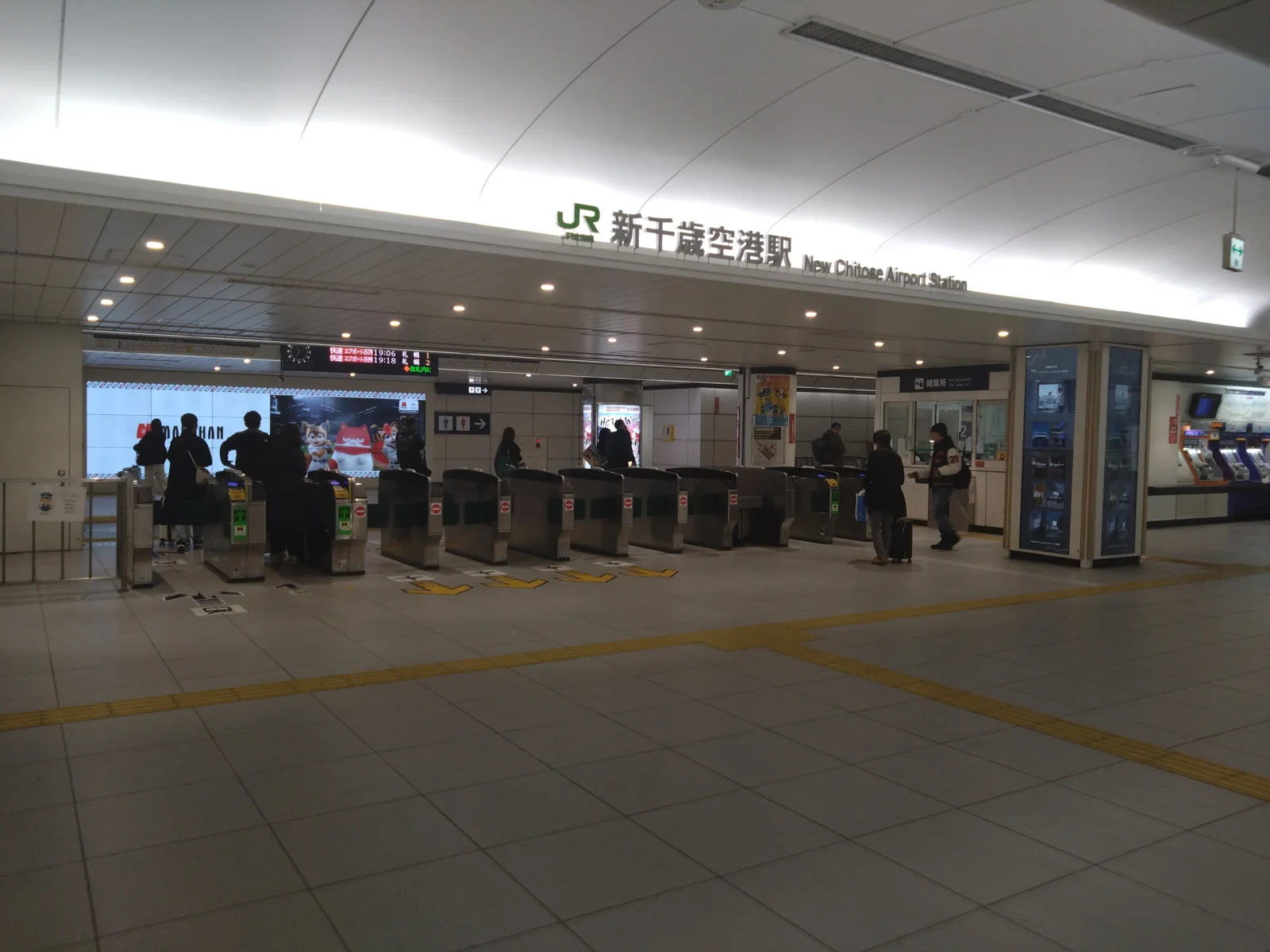
JR Hokkaido's Rapid Airport trains run directly between New Chitose Airport and Otaru, with the fastest services taking 73 minutes. When boarding at Sapporo, check the destination sign: only trains bound for Otaru go the full distance, whereas Teine and Hoshimi services terminate early. Standard carriages on the Airport train have unreserved seating accessible with a Suica or other transport IC card, while Car 4 (U Seat) requires a separate reserved-seat ticket. If you are flying in with children and want to sit together, factor the reserved-seat supplement into your arrival-day budget, along with time to clear baggage claim, exit the station, drop off bags and make connections.
Travellers arriving in the afternoon can store their bags first and walk from the southern end of Sakaimachi-dori up towards the canal. If you are staying near Otaru Station, leave fragile glassware, music boxes and pastries until closer to departure rather than carrying them all afternoon. Staying around Ironai lets you split shopping into two shorter loops, pop back to your room to drop parcels or add another warm layer, and head out after dinner with just your phone and gloves. The two areas look a similar distance apart on a map, yet where you spend that 10-minute walk changes considerably depending on whether you have an early bus or an evening stroll planned.
If you are continuing west towards Yoichi or Kutchan the next day, you will change trains at Otaru Station. JR Hokkaido excludes the line through Yoichi, Kutchan and Niseko from IC card coverage, so buy paper tickets before boarding. Heading back to the airport instead? Work backwards from your flight check-in deadline to set your train and luggage pick-up times. For full rail connection details, see our New Chitose Airport to Sapporo and Otaru transfer guide. If you stay out on the headland or at a hot spring ryokan, allow extra time for the shuttle down the hill or a taxi back into town before an early train.
| Evening plans | What to look for when booking | Morning departure plan |
|---|---|---|
| See the canal lights or view the water from your room | Ironai or canal-side hotels; room type explicitly listed as canal-facing | Take a morning walk, collect bags from the room, then head to the station |
| Manage luggage in snow and catch a morning JR train or bus | Directly outside JR Otaru Station; breakfast on site or at Sankaku Market | Check out and walk straight across to the platforms or bus bays |
| Watch the sea and turn in right after dinner at the hotel | Cliff-top sea-view rooms in Shukutsu; book the station shuttle ahead | Take the shuttle back to Otaru Station or walk down to the aquarium |
| Make kaiseki dinner and natural hot springs the centrepiece | Asarigawa Onsen; check private room baths and dinner seating times | Enjoy a morning soak before catching a bus or taxi back to town |
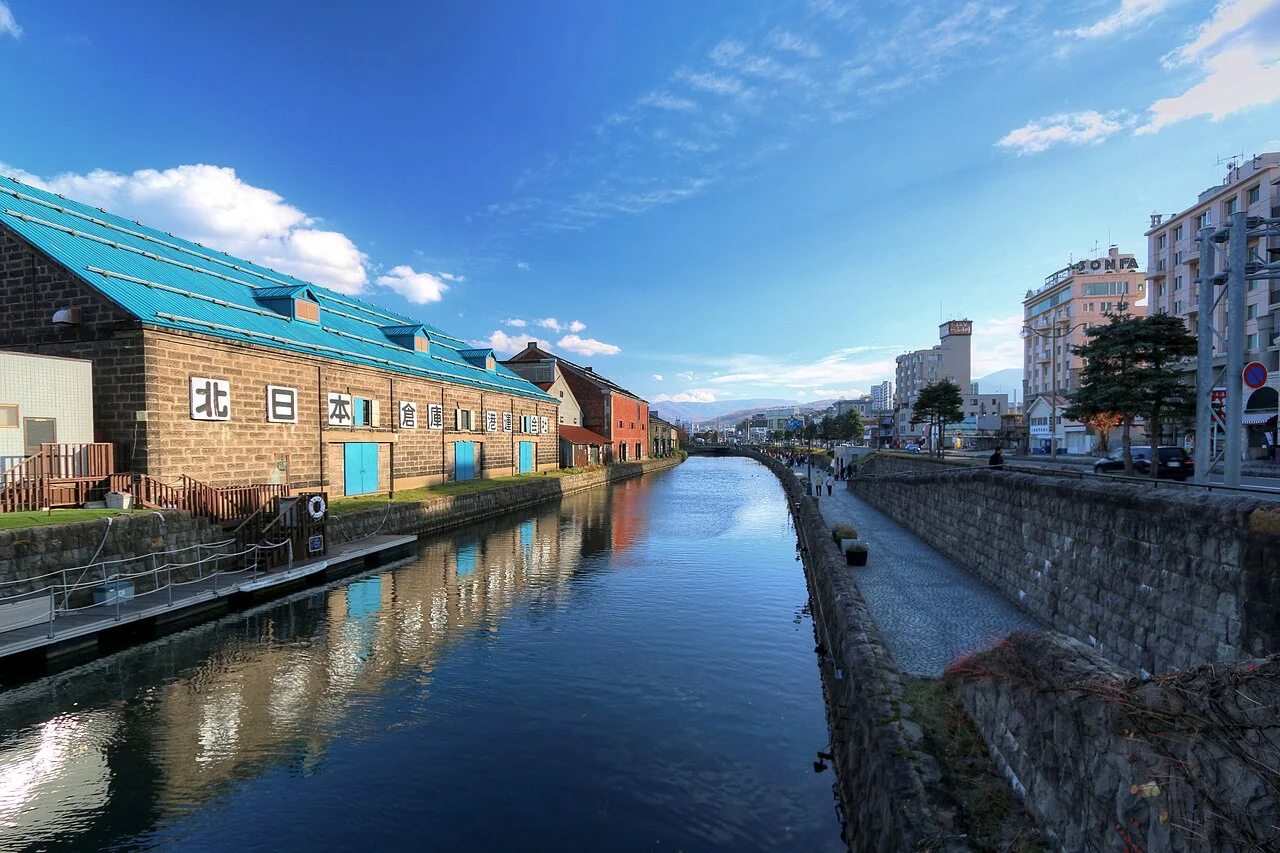
Compare Otaru canal-view hotels, group rooms, natural hot springs and private baths, calculate the accommodation tax, and map out luggage, dinner, winter shuttles and a two-day itinerary.
Picking a canal-view room: windows, floor height and extra beds
Hotel Nord Otaru stands directly opposite the canal, at the bottom of the slope down Chuo-dori from Otaru Station. Its room directory lets you filter specifically for canal-facing rooms and lists each layout's aspect, floor area and bed count. Couples sharing a double bed can look at the 25-square-metre Standard Queen, which angles out towards the canal and stone warehouses. If you prefer twin beds, the 30-square-metre canal-facing Superior Twin comes with two fixed beds and space for up to two extra beds. Enter all four guests into the booking search so you can compare it fairly against family rooms under the exact same occupancy.
Even within the same hotel, floor level and window placement change the outlook. The Executive River Twin is a 57-square-metre high-floor corner room sleeping up to five, and the hotel notes that even its bathroom window looks onto the canal. The Grande Japanese-Western room also measures 57 square metres, sleeping up to six across two beds and four futons. If everyone in your group needs a raised bed, split rooms by bed count instead. For two older relatives who want comfortable bathing and easy movement, the Accessible Twin sleeps up to three and features wider walkways, a separate washing area in the bathroom, and grab rails beside both the tub and the toilet.
If you plan to stroll along the water outside and only return to sleep, booking a mountain-facing room by the canal saves money. Hotel Nord's Comfort Double is 15 square metres for up to two guests and faces away from the canal. When two people are travelling with large suitcases, weigh the space needed to open bags and move around against the price difference of booking two rooms. Three adults eyeing the cheaper Standard Twin should make sure to select Type B, which holds three guests; booking platforms often translate both Type A and Type B generically as Standard Twin, so checking room capacity and bed count is faster.
For a stay in a heritage building, UNWIND HOTEL & BAR Otaru occupies the former Etchuya Hotel built in 1931, retaining the historic shell while updating the interiors with separate bathrooms and toilets. Set slightly back from the water in Ironai, it suits days spent wandering the old banking district and nights when you can walk down to the canal at your own pace. Its Loft rooms pair two small double beds downstairs with two single beds on a mezzanine level. Decide in advance who is happy climbing up to the loft and who needs easy night-time access to the bathroom; if you want four beds on one level, compare the rate against two twin rooms.
If anyone in your group struggles with cold or walking at night, paying for a canal-facing window lets you watch the lights come on indoors. If you were already planning to head out onto the bridges for reflections after dark, keep the view surcharge for dinner, an extra bed or a taxi back up the hill. Even when two rooms both look over the water, window-side seating, floor space for two people moving around, and whether structural pillars interrupt the room photos matter far more in practice than the hotel facade.
One night by Otaru Station: aligning luggage, breakfast and hot springs
Dormy Inn PREMIUM Otaru sits roughly a one-minute walk from JR Otaru Station and is scheduled to reopen on 1 August 2026 following renovations. Its second-floor natural hot spring bathhouse draws from its own on-site source, and the refurbished men's and women's baths include saunas with automated ladle-pour steam (loyly). Travellers who want both an early train and an evening soak can browse Sakaimachi-dori in the afternoon, dine in town, bathe back at the station and simply cross the street with their cases the next morning. Room options span doubles, twins and Japanese-Western layouts, so families can compare one Japanese-Western room against two twins—and keep clothes and bags in their own room before heading down to the baths.
The hotel serves breakfast from 06:30 to 09:30, with last entry at 09:00, featuring customisable seafood rice bowls and grilled fish. If you would rather eat at Sankaku Market, turn left outside Otaru Station and climb the short flight of steps to the entrance. The market opens from 06:00 to 17:00, though individual stalls and eateries keep their own hours, so pick your spot ahead of time. On a morning with a train to catch, hotel breakfast or an early market meal before collecting your bags is the least stressful route. If everyone wants something different, treat the market as a shared stop and leave extra time for queues and settling bills.
Walking downhill from the station to the canal means dragging suitcases back uphill on departure unless you plan your final pick-up spot carefully. Check luggage-storage rules separately for pre-check-in, post-check-out and latest collection times. UNWIND's FAQ spells out its standard window clearly: bags can be left from 07:00 on check-in day and collected until 23:00 on check-out day, with valuables and fragile items kept on your person. At other hotels, message ahead with your arrival time, collection time and number of bags. If you are leaving from Otaru Station the next day after visiting the North Canal, storing bags near the station saves doubling back to a hotel near Sakaimachi-dori.
When your room is not ready yet, leave cases with your hotel or check the Otaru Tourism Association map for station lockers. If you want to explore the harbour area until late afternoon before checking in, Port Marche otarue beside the International Information Centre also has coin lockers. Pick your locker location based on your final departure stop, not your first sightseeing stop. Keep glassware, chilled food, cameras and medication in your daypack; if you are heading straight out after check-out, pack coats, spare layers and chargers in one accessible compartment so you are not repacking on the pavement.
With toddlers or companions who tire easily, step counts, road crossings and somewhere quiet to rest matter more than raw walking minutes. Sankaku Market has steps at its entrance, so staying opposite the station makes it easy to leave a pushchair in the room while one adult pops out for food. If a blizzard hits after dinner, take a taxi from the canal back to the hotel—or turn onto Chuo-dori early and save daylight photos for the next morning. Save the hotel's Japanese name and address on your phone so you can show the driver straight away.
Sea-view baths in Shukutsu and natural hot springs in Asarigawa
People stay out in Shukutsu for the headland and open sea. Perched above Otaru Aquarium, Hotel Neuschloss Otaru equips all guest rooms with open-air baths fed by soft water, fitted with windows you can open or close. Ask for an east-facing room if you want sunrise over the water, while the tourism association lists west-facing rooms in summer for sunset views towards the Shakotan Peninsula. Arriving after dark but hoping for a sea view first thing? Choose your aspect for the morning light. The hotel plans Phase 1 exterior wall works from 16 March to 19 December 2027, mainly affecting the eighth floor and town-facing side; the property stays open, with view-obstructed rooms taken off sale, so double-check room availability if you have a specific aspect in mind.
Neuschloss runs a free reservation-only shuttle from Otaru Station. By public bus, board Route 10 or 11 from Bay 3 at the Otaru Station bus terminal, check that the destination reads Otaru Aquarium, and walk about 10 minutes from the terminus. The Otaru Tourism Association notes a crucial detail rarely mentioned on booking sites: the 600-metre walk from the bus stop up to the hotel climbs a gradient of up to 16%. Hauling large bags up an icy slope is miserable, so book the hotel shuttle in advance. If you are visiting the aquarium the next morning, confirm luggage storage and the downhill route beforehand so you are not touring the tanks with suitcases.
East of the city centre, Otaru Korakuen sits in the Asarigawa Onsen valley. Take Hokkaido Chuo Bus Route 13 (Asarigawa Onsen Line) from Bay 2 at the JR Otaru Station terminal to the Korakuen stop—roughly 30 minutes according to the ryokan. Coming from Sapporo by JR and keen to cut out the local bus? Alight at Otaru-Chikko Station and take a taxi, around 15 minutes away. Note that the coastal JR Asari Station is unstaffed with no taxi rank; getting off there with bags means waiting for a dispatched cab and eating into your pre-dinner soak.
From 11 December 2026, Hokkaido Chuo Bus is adding Route A13, starting from Authent Hotel Otaru and calling at Otaru Canal Terminal, the new stop outside the hotel, Otaru Station and Otaru-Chikko Station before heading up to Asarigawa Onsen. On the winter timetable, A13 runs one return trip daily—departing Authent Hotel Otaru at 08:13 and returning from Asarigawa Onsen at 17:00—which suits morning skiers. For an afternoon ryokan check-in, use regular Route 13 instead; winter departures from Otaru Station include 14:05 and 15:05, with reduced services over New Year (31 December to 3 January), so check the holiday timetable. Route 13 costs ¥410 to the Asarigawa Onsen terminus, with Korakuen priced by stop slightly before the end of the line.
Korakuen check-in is at 15:00 and check-out at 11:00. Its two large public bathhouses open from 15:00 to 24:00 and again from 05:00 to 10:30, swapping men's and women's sides overnight. Guests in rooms with private open-air baths can use them continuously from check-in to check-out. Because the public baths enforce tattoo restrictions, anyone with tattoos should book a room with its own bath. For a family of four, early risers can head to the communal baths while others take a quiet soak in the room half an hour before everyone meets for breakfast.
For wheelchair users, Korakuen's FAQ states that the main building has ramps and lifts, though the path to Mori no Yuya involves steps and Iwa no Yu has a slight level change requiring assistance. If bathing in your room is essential, confirm doorway widths, step heights and grab-rail placements from the bedroom to the bath directly with the ryokan. Out on the headland, Neuschloss lists one barrier-free sea-facing Japanese-Western room with a step-free entrance, sliding doors and an emergency call button; as there is only one such room, secure it before arranging shuttle seats and companion seating.
Comparing half-board, bed-and-breakfast and room-only rates
If you plan to spend your evenings out in central Otaru, room-only or bed-and-breakfast rates give you the most flexibility. Book a table near Hanazono or Sushiya-dori first, then slot your canal walk before or after dinner. If you like heritage architecture and unhurried mornings, UNWIND serves a three-tier high-tea style breakfast from 07:30, with last entry at 09:30. Catching an early bus from town? Dormy Inn opens breakfast an hour earlier, making it easier to factor eating into your schedule. For a casual dinner night, save Sankaku Market for lunch or the following morning and keep evenings for restaurants that take reservations.
When checking into Asarigawa for half-board (dinner and breakfast included), keep the afternoon clear so you arrive well ahead of dinner. Korakuen starts dinner at 18:00, offering seatings at 18:30, 19:00 or 19:30, with the 19:30 seating served all courses at once. Parties of two or three usually dine in their room, while groups of four or more—and guests in Western-style rooms—eat in private dining rooms. Anyone with food allergies must submit the ryokan's allergy form about three days prior, listing every guest's restrictions. If your flight lands late and trains or buses cannot get you to the valley in time for dinner, spend your first night by Otaru Station or the canal and head into the hot springs the next afternoon.
Before comparing Japanese booking sites, enter exact adult and child counts plus any extra-bed requests. City hotels typically quote per room, whereas onsen ryokan often display per-person rates first, with children's meals and bedding billed in separate fields. Compare the final checkout total for the same date and party size—including dinner, breakfast, local bus or taxi fares and parking. Late arrivals can run the same maths between spending night one in town before heading to the ryokan versus going straight there, seeing how many actual hours on site the extra outlay buys.
From 1 April 2026, Otaru City introduces a municipal accommodation tax alongside Hokkaido's prefectural accommodation tax. Together they are charged per person, per night based on the room-only rate excluding consumption tax: ¥300 for rates under ¥20,000, ¥400 from ¥20,000 to under ¥50,000, and ¥700 from ¥50,000 upwards (separate meal charges are excluded from the threshold). Two guests sharing a room in the lowest bracket pay ¥600 per night combined, or ¥1,200 over two nights. Onsen properties also charge a separate bathing tax, so tally both taxes onto your final budget.
Look closely at prepayment rules, free-cancellation cut-offs and late-cancellation penalties when comparing rates. If you are waiting for travel companions to confirm leave during a published winter festival, hold a refundable room near Otaru Station first and switch to a canal-view room once dates are locked in. After cancelling the original booking, keep the new confirmation email and verify breakfast inclusion, guest count and the hotel's Japanese name. Splitting a stay across two consecutive bookings? Send both reservation numbers to the hotel and make sure the room category and guest count match so you do not have to check out mid-stay.
One night, two days: evening by the canal or up Mount Tengu
If you arrive around midday on Day 1, drop your bags first and choose a single starting point. Staying by Otaru Station lets you walk downhill past Chuo Bridge to the canal, then south to Asakusa Bridge and down Sakaimachi-dori through Marchen Crossroad to the Otaru Music Box Museum main hall. Travelling light with a daypack and coming in from Minami-Otaru? Start at the Music Box Museum and stroll north so the canal becomes your final stop before check-in. You can pair shop pacing and opening times with our Otaru Canal and Sakaimachi-dori walking route, finishing shopping in daylight so dinner and the waterfront belong to the evening.
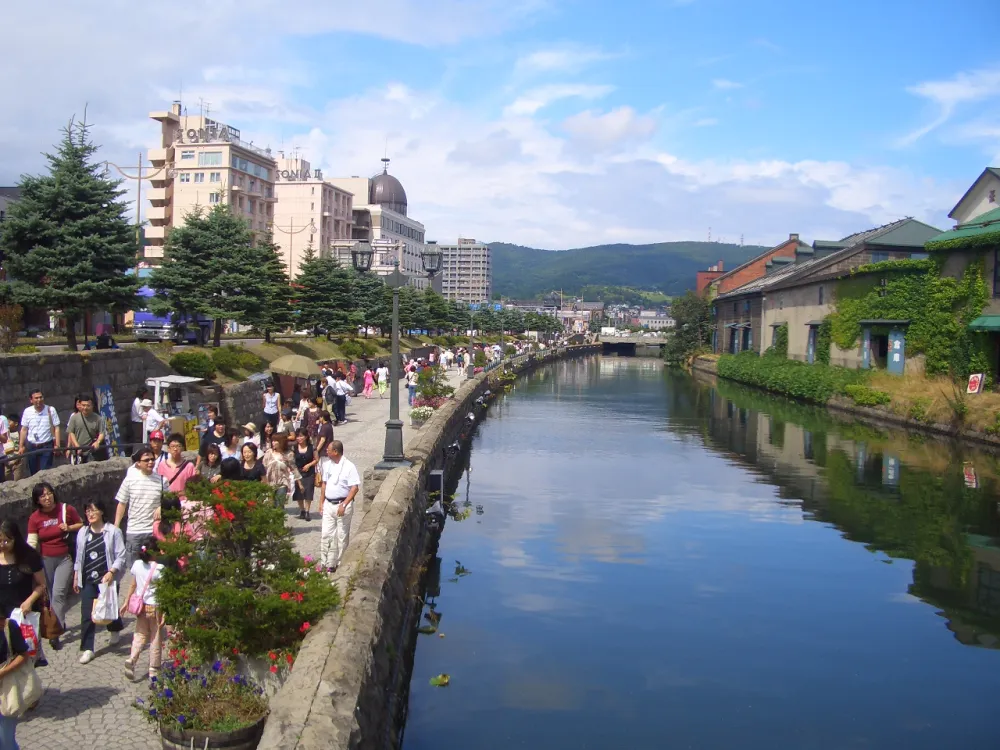
For a pure canal-side evening, step down onto the promenade from Asakusa Bridge or Chuo Bridge after dinner. According to the Otaru Tourism Association, the gas lamps along the canal promenade stay lit from dusk until 24:00, while the floodlights illuminating the stone warehouse facades switch off at 22:30. Aim to arrive before 22:30 to photograph both the warehouses and their reflections; in midwinter, a brisk pre-dinner loop is often much warmer. The North Canal runs on separate light sensors—from 18:00 to 04:00 between June and August—so if you visit both sections, stick to well-lit streets on the walk back or finish at the main warehouse row before turning up Chuo-dori.
If Mount Tengu is on your list, make the ropeway the centrepiece of your first evening. Catch Bus 9 from Bay 4 at the Otaru Station terminal for the roughly 20-minute ride to the base station. Note that the ropeway closes for maintenance from 4 to 27 November 2026. Winter operations run from 28 November 2026 to 28 March 2027 at ¥2,000 return for adults and ¥1,000 for children, with standard winter last cars at 19:48 going up and 20:00 coming down. Over New Year, the last descent moves forward to 17:00 on 31 December, 2 January and 3 January, and to 16:00 on 1 January—so switch to an afternoon ride on those dates and check the descent time alongside the return bus timetable before leaving the station.
Snowy evenings sometimes bring low cloud onto the summit, blotting out the city lights in a wall of white. Check the operator's live status before heading to the base station; if visibility is poor, stay in town for dinner and an easy canal walk instead. Groups who enjoy a long, unhurried dinner should book a later table before riding up, whereas anyone keen on an early bath should time the ropeway around sunset and leave the canal walk for the morning. Either plan avoids the classic first-day trap of shopping all afternoon, rushing up the mountain, eating late and still having to check into your room.
How far you roam at dawn on Day 2 depends on where you slept. From Ironai, you can stroll between two bridges in the quiet morning light and pop straight back to your hotel. From Otaru Station, set off early and fold breakfast into the walk back uphill. Work backwards from your luggage pick-up deadline: for a morning train, grab your cases right after breakfast; for an afternoon departure, visit one museum or indoor gallery before returning for your bags. Lock in fixed-time flights, restaurant bookings and shuttles first, and slot photo stops or souvenir shopping into the gaps.
Adding a second night: splitting Shukutsu and the hot springs
Even on a one-night stay, you can fit in one outlying stop the next morning. To see the coast or visit Otaru Aquarium in Shukutsu, take Bus 10 or 11 from Otaru Station after breakfast (¥240 single for adults, ¥120 for children). The aquarium closes for seasonal changeover from 24 November to 11 December 2026, then opens for winter from 12 December 2026 to 23 February 2027 between 10:00 and 16:00 (last entry 15:30), with the outdoor marine animal park and amusement rides closed. Time your bus around any indoor shows you want to catch, or linger by the headland if the weather clears.
With two nights, you can keep dinner and the canal on evening one, spend Day 2 at the aquarium, and return easily to the same city hotel. Prefer one night by the canal and one night in Asarigawa? Spend the morning after breakfast walking around town, then pick up your luggage and catch the afternoon Route 13 bus up to the ryokan in time for a pre-dinner soak. Trying to squeeze both Shukutsu and Asarigawa into one day? Prioritise whichever connection has fewer buses, and leave your suitcases in lockers at Otaru Station while you head out to the coast rather than dragging them back from the headland.
Your hotel location also dictates how tight your transitions feel. Staying out in Shukutsu puts the aquarium on your doorstep and cuts out extra trips back and forth from town. Checking into Asarigawa for half-board, however, locks you into a firm dinner seating: catching the last afternoon show at the aquarium, riding the bus back to Otaru Station, retrieving luggage and boarding the valley bus leaves barely any margin in winter. Finish the main aquarium halls early, catch an earlier bus back, or switch the final leg to the ryokan to a taxi.
If you are simply doing a day trip from Sapporo with no evening plans, keep your hotel base in Sapporo. Staying one night in Otaru earns you the lit-up canal at dusk, a quiet morning walk and no late-night train ride back—ideal for solo travellers and couples. Two nights suit groups combining the aquarium, historic architecture and a full ryokan dinner, or families with older relatives who prefer an unhurried pace. If your group hates changing hotels, stay both nights in one central room and treat the hot springs as either your hotel's own bathhouse or a standalone afternoon trip.
Otaru Snow Light Path 2027 and winter weather fallbacks
The Otaru Tourism Association has set the 2027 Otaru Snow Light Path for 6 to 13 February. If you are travelling specifically for the festival, book a refundable room within walking distance of the permanent canal promenade first, then map out your evening route once zone hours and lantern sites are confirmed. Along the canal promenade, gas lamps switch on at 15:00 during the festival—this is the walkway lighting time, while candle-lighting schedules are announced separately by the event organisers. Meeting a wider group after dinner? Agree on a bridge along a main road as your rendezvous point before deciding how far to walk, keeping an easy escape route if children get cold.
In heavy snow, remember that Chuo-dori runs downhill from Otaru Station to the canal and uphill on the way back. Grippy winter boots, touchscreen-friendly gloves and a small daypack that keeps both hands free make far more difference than raw distance figures. Slow down on bridges and icy crossing edges, and take a station taxi if pavements glaze over. When riding buses out to Shukutsu or Asarigawa, screenshot your destination stop name in Japanese beforehand so you can match it against the cabin display if windows fog up or roadside signs are buried in snow. Drivers should also note car park height limits, first-come-first-served rules and winter entrances in their satnav.
If snow closes in on Mount Tengu, swap the mountain for an indoor afternoon at the Bank of Japan Otaru Museum (former Otaru Branch). Winter hours from December to March run 10:00 to 17:00 with last admission at 16:30 and free entry; it closes on Wednesdays (except public holidays) and from 29 December to 5 January. Because the old banking district sits just uphill from the canal, you can easily step back out for photos if the flurries ease. On closed days, shelter along Sakaimachi-dori's glassware shops and music box halls, keeping outdoor stretches short around Asakusa Bridge and pausing inside a warm shop whenever children's hands get cold.
In spring and autumn, if you want to splash out on a view room, compare midweek and weekend rates for the exact same room within the same week—the price swing between nights is often wider than the gap between two different hotels. In milder weather, walk Sakaimachi-dori in the afternoon, drop fragile bags back at your room before dusk, and stroll the canal without rushing before shops shut. Planning a canal cruise? Anchor your afternoon around confirmed sailing times, and fall back on the historic bank buildings if wind or rain halts boats. In winter, work outwards from your hotel's nearest entrance during calm spells and wait for afternoon visibility before heading up the mountain.
If you are driving into central Otaru for one night, verify parking spaces and vehicle dimensions before arrival. Dormy Inn's mechanical tower car park operates on a first-come, first-served basis at ¥1,400 per night with a 2-metre height cap; approaching from Otaru Station down Chuo-dori towards the canal, you turn left straight into the entrance, whereas right turns from the canal direction are prohibited. Hire cars fitted with roof racks should be measured carefully and routed to flat outdoor car parks instead. Guests driving to Korakuen in Asarigawa are advised by the ryokan to approach the main gate via Hokkaido Prefectural Route 1 (Asari Onsen-dori) using the address 5-18-2 Shinko, Otaru, preventing satnavs from sending you round to the back lane.
On your departure morning, if overnight snow or high winds are forecast, check JR Hokkaido train status first thing and leave extra margin for walking or taking a shuttle to the station. When trains are delayed, your hotel stay, breakfast booking and onward transport sit on separate reservations with their own amendment deadlines. Keep Hokkaido Chuo Bus's official airport coach service in mind as a backup—it links Otaru directly with New Chitose Airport, though individual stops have boarding-only or alighting-only rules. Anyone catching an early morning or long-haul flight should always build extra transfer and bag-collection buffers on top of published journey times.
A few useful answers
Where is the best area to stay for a first-time trip to Otaru?
Choose the area opposite Otaru Station if you are travelling by JR train with luggage or catching an early departure. Pick Ironai or the canal side if night-time canal views and popping back to your room easily matter most, and check the room's facing direction before booking.
How do three or four guests book a canal-view room in Otaru?
At Hotel Nord Otaru, the canal-facing Superior Twin sleeps up to four using two fixed beds and up to two extra beds. If everyone wants their own bed, search using your exact guest count to compare extra-bed rooms against two separate twin rooms.
Are there hotels with natural hot springs in central Otaru?
Yes. Dormy Inn PREMIUM Otaru opposite JR Otaru Station has a second-floor natural hot spring bathhouse fed by its own source. If you want a private open-air hot spring bath in your room alongside kaiseki dinner, look at room-bath suites at Otaru Korakuen in Asarigawa.
Can you reach the sea-view hotels in Shukutsu by bus?
Yes—take Bus 10 or 11 from outside Otaru Station to the Otaru Aquarium stop. However, the final 600 metres up to Hotel Neuschloss Otaru climbs steeply, so reserve the hotel's free station shuttle if you have heavy luggage or are visiting in snow.
Is one night enough in Otaru?
One night covers the lit-up canal at dusk, breakfast the next morning, and either Mount Tengu or Shukutsu on the second half-day. Stay two nights—splitting one night in town and one in Asarigawa—if you want a full morning at the aquarium plus a relaxed ryokan dinner.
Do Otaru hotels charge an extra accommodation tax?
From 1 April 2026, Otaru City and Hokkaido Prefecture levy a combined accommodation tax per person, per night based on the pre-tax room rate: ¥300 under ¥20,000, ¥400 from ¥20,000 to under ¥50,000, and ¥700 for ¥50,000 or more.
Official information and references
Sources used in this guide.
- JR Hokkaido | Rapid Airport trains linking New Chitose Airport, Sapporo and Otaru
- Otaru Tourism Association | Otaru Canal walking guide and illumination hours
- Otaru Tourism Association | Walking route to Otaru Music Box Museum Main Hall
- Hotel Nord Otaru | Room aspects, categories, bed counts and capacities
- Hotel Nord Otaru | Hotel access
- UNWIND HOTEL & BAR Otaru | Former Etchuya Hotel heritage building
- UNWIND HOTEL & BAR Otaru | Guest rooms and loft layouts
- UNWIND HOTEL & BAR Otaru | Luggage storage and breakfast hours
- Dormy Inn PREMIUM Otaru | Hotel, natural hot spring and post-renovation reopening
- Dormy Inn PREMIUM Otaru | Breakfast hours
- Dormy Inn PREMIUM Otaru | Parking and vehicle limits
- Otaru Tourism Association | Sankaku Market opening hours and entrance
- Otaru Tourism Association | Tourist information centre and coin lockers
- Hotel Neuschloss Otaru | Open-air room baths and water properties
- Hotel Neuschloss Otaru | Accessible sea-facing guest room
- Hotel Neuschloss Otaru | 2027 exterior wall works and affected rooms
- Otaru Tourism Association | Hotel Neuschloss Otaru aspects and shuttle bus
- Otaru Tourism Association | Hill route from Otaru Aquarium bus stop to Neuschloss
- Otaru Korakuen | Bus stop, JR connections and driving entrance
- Otaru Korakuen | Check-in/out, dining, baths and accessibility rules
- Otaru Korakuen | On-site spring source and open-air room baths
- Hokkaido Chuo Bus | 2026 winter timetable revision and new Route A13
- Hokkaido Chuo Bus | Asarigawa Onsen Line Route 13 and A13 winter timetable
- City of Otaru | Accommodation tax effective date, brackets and rules
- City of Otaru | Accommodation tax handbook and pre-tax rate calculation
- Otaru Tenguyama Ropeway | Winter operating hours and return fares
- Otaru Tourism Association | Tenguyama Ropeway November 2026 maintenance closure
- Otaru Tenguyama Ropeway | Bus 9 boarding bay
- Otaru Aquarium | 2026–2027 winter opening hours and closure dates
- Otaru Aquarium | Bus timetable and fares
- Otaru Tourism Association | 2027 Otaru Snow Light Path dates
- Bank of Japan Otaru Museum | Opening hours and closure schedule
- Hokkaido Chuo Bus | Direct airport coach between New Chitose Airport and Otaru