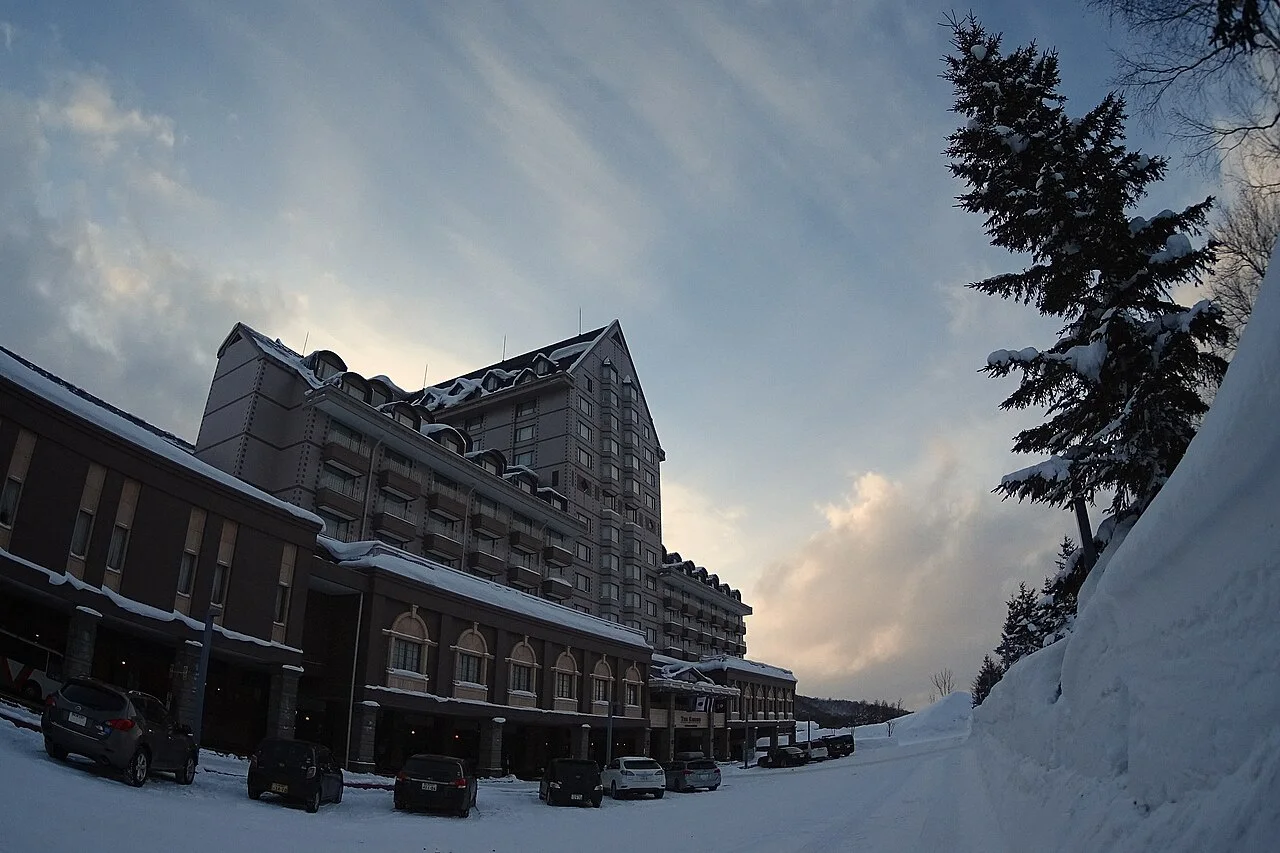
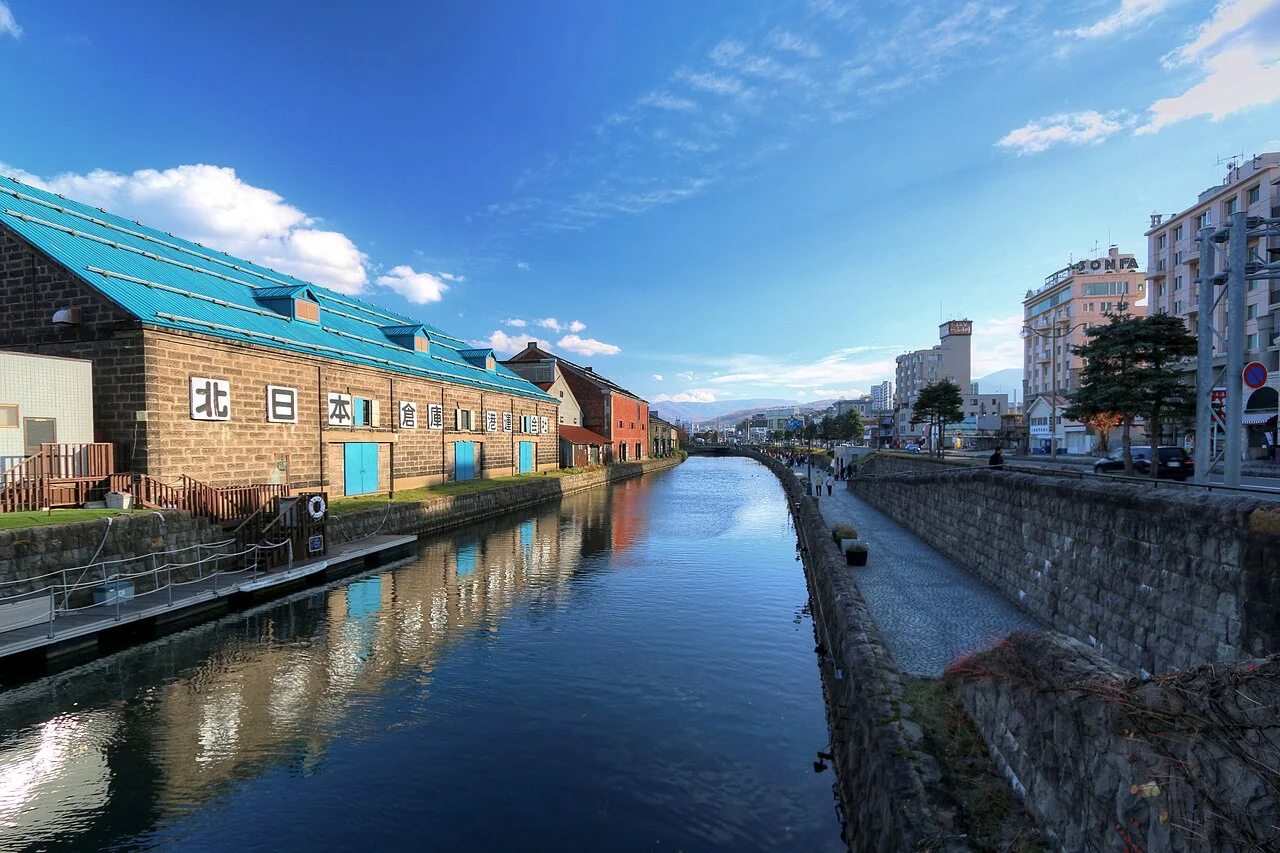
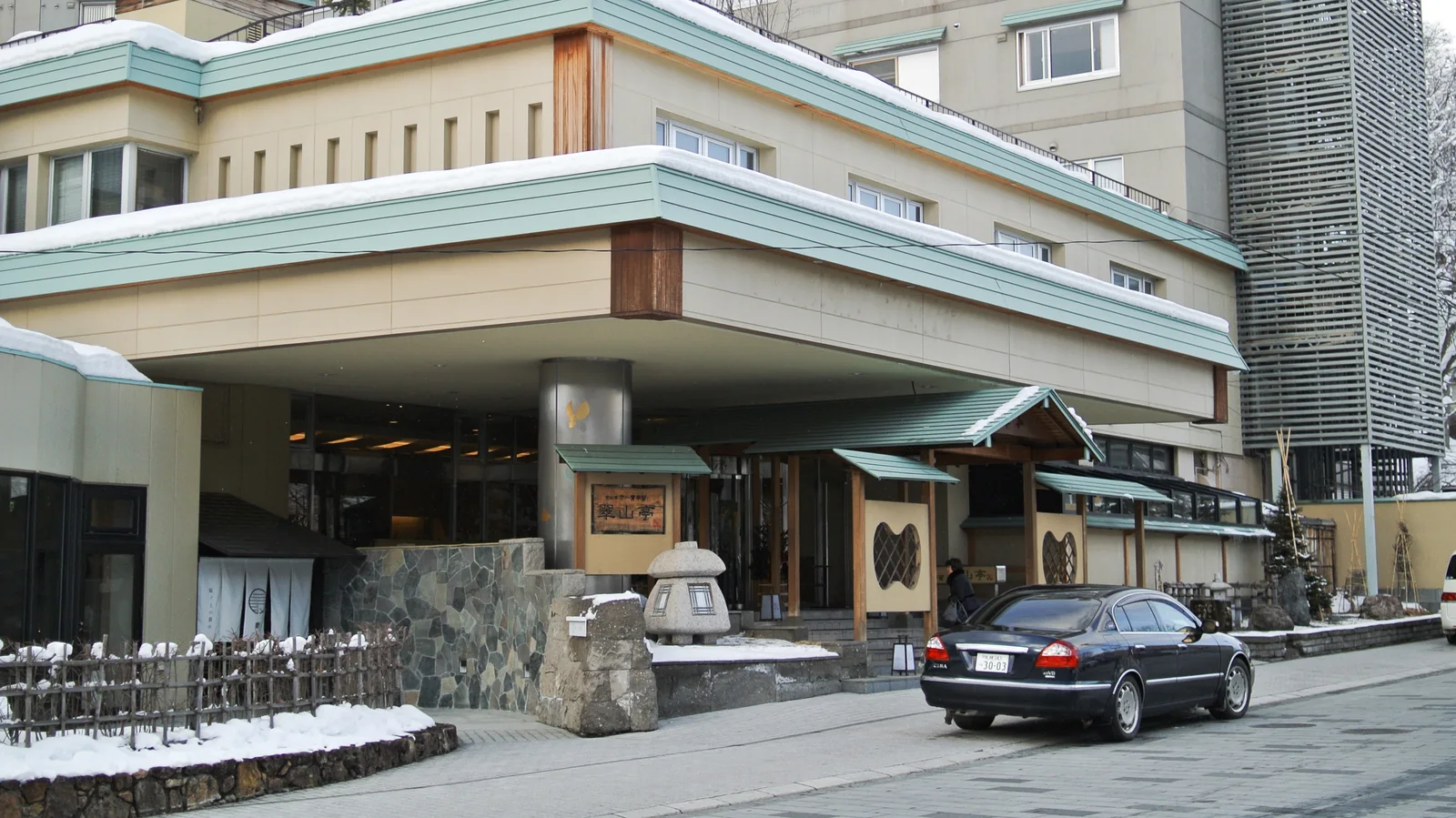
Planning an overnight stay at Lake Shikotsu? Compare the east-shore hot spring street, forest plateau, and Marukoma Onsen by lake views, private baths, half-board meals, day-use bathing, and 2027 Ice Festival tickets and shuttles.
- Region & Focus
- HokkaidoAccommodation
- Reading Scope
- 17 min read · 10 chapters · 6 Q&As
- Official Verification
- 31 official sources checkedUpdated 22 November 2026 at 08:00 GMT+8
- Key Topics
- Where to stayHot springsWinter
Chapter Route Map (tap any stop)
- Stay on the East Shore for Illuminations, or Marukoma for Wild Lakeside Baths
- Comparing Hot Spring Street Room Types: Separate Lake Views from Private Baths
- Forest Rooms at Kyukamura and Lakeside Baths at Marukoma Onsen
- Booking the 2027 Ice Festival: Weekday Tickets Save ¥2,000 Per Person
- Getting to Lake Shikotsu Without a Car: Three Bus Options Explained
- Half-Board Dining, Family Stays, and Catching the Last Shuttle
- Day-Use Onsen: Check Opening Days and Lunch-Bundle Rules
- One Night for Illuminations, Next Morning for the Shore
- Half a Day Beyond Your Inn: Start at the Yamasen Iron Bridge
- Winter Driving Conditions and Where to Spend a Second Night
- Quick Q&A
If you want to see the Lake Shikotsu Ice Festival illuminations and dine at your ryokan, staying along the east-shore hot spring street is the simplest option, as the venue is within easy walking distance. If your priority is soaking in a natural lakeside open-air bath, book Marukoma Onsen a short drive along the shore. The 2027 Ice Festival runs from 30 January to 23 February, with illuminations beginning at 16:30. Even without a car, you can stay in Chitose and visit on a same-day trip using the festival shuttle bus. Decide where you want to be each evening first, then weigh up whether your budget goes towards lake views, a private bath, or half-board meals and transfers.
Stay on the East Shore for Illuminations, or Marukoma for Wild Lakeside Baths
Lake Shikotsu's hot spring street sits at the eastern end of the lake where the Chitose River flows out. The Shikotsuko bus terminal, the Ice Festival grounds, the visitor centre, and the Yamasen Iron Bridge are all clustered here. If the festival is the anchor of your itinerary, check the distance between your hotel entrance, the festival gate, and the bus stop on a map before booking. Being able to walk back to your room from the main entrance matters more than an extra lounge facility in the rate, particularly if you are travelling with children or older relatives who may want to head indoors early to warm up.
Searching for lakeside stays around Lake Shikotsu brings up three distinct areas: the east-shore hot spring street, Kyukamura Shikotsuko, and Marukoma Onsen. Kyukamura sits on a wooded bluff near the eastern shore and runs an advance-reservation guest shuttle from the Shikotsuko bus stop, taking around 5 minutes. Marukoma lies to the north at Horobinai; its guest shuttle departs from the same bus stop and takes roughly 20 minutes. Although all three sit around the same lake, each dictates a completely different rhythm for dinner, bathing, and stepping back outdoors.
Start with the hot spring street if you want to walk straight out of the lobby to the festival. Look at Kyukamura if you prefer dinner and bathing under one roof with lakeside walks saved for daylight hours. Marukoma suits travellers happy to hand the whole afternoon over to the ryokan, staying on site for dinner before looping back to the east shore the next day. If only north-shore rooms remain, weigh the room rate against the round-trip transit time: staying near JR Chitose Station and visiting the venue for a fixed evening window often makes more sense for ice viewing than commuting back and forth from Marukoma.
Coming on a day trip from Sapporo presents a very different luggage equation from arriving straight from the airport for one night. Travellers already checked into a Sapporo hotel can travel light and adjust bus times easily. Those heading straight from New Chitose Airport usually have suitcases and are still sorting out winter layers. In that scenario, a ryokan shuttle that drops you at the door is worth more than a few extra square metres of floor space, and leaving your bags at the hotel saves an extra trip back to the bus stop during your evening walk.
| Location | Evening Rhythm | Check When Booking |
|---|---|---|
| East-shore hot spring street | Walk to the illuminations, then return to the inn for dinner and a soak | Dinner sitting times and room orientation |
| Kyukamura Shikotsuko | Dine and bathe up on the wooded bluff, then walk the shore by day | Bus stop pick-up, bed configuration, and stairs |
| Marukoma Onsen (north shore) | Stay at the lakeside ryokan for dinner, water views, and natural wild baths | Arrival shuttle booking and next-day departure times |
| Near JR Chitose Station | Return to town after the festival, then catch JR trains or flights the next day | Festival shuttle seats or the last scheduled public bus |
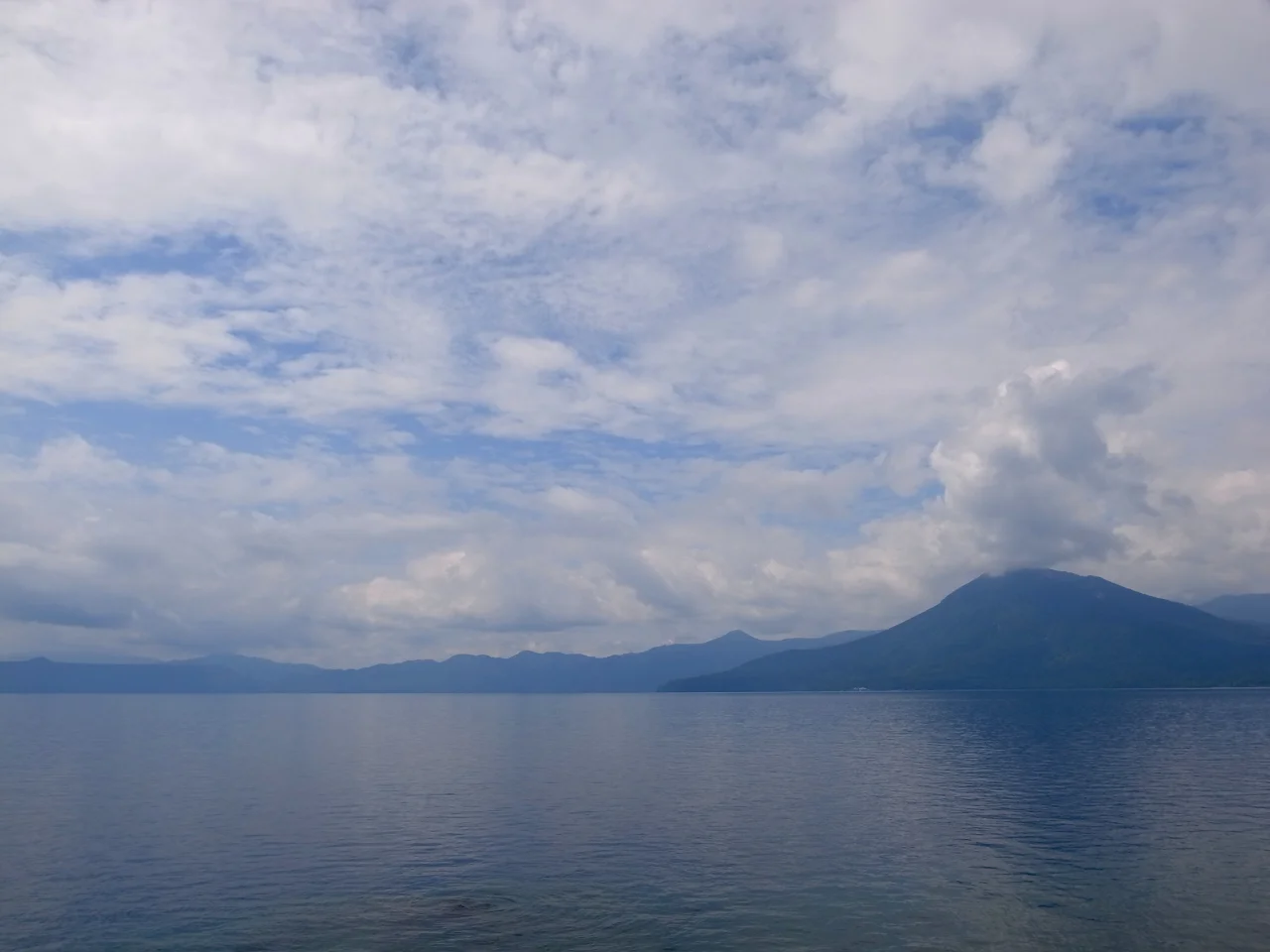
Planning an overnight stay at Lake Shikotsu? Compare the east-shore hot spring street, forest plateau, and Marukoma Onsen by lake views, private baths, half-board meals, day-use bathing, and 2027 Ice Festival tickets and shuttles.
Comparing Hot Spring Street Room Types: Separate Lake Views from Private Baths
Lake Shikotsu Tsuruga Resort Spa Mizu no Uta is ideal if you want transfers, accommodation, and two meals bundled neatly together. On its official site, the Open-air Onsen Bath Japanese-Western Room combines beds with a tatami area and a courtyard bath facing the forest. If you see "Tenbo Bath" (view bath) on a room listing, note that those rooms feature a micro-bubble bathtub rather than an outdoor hot spring; the hotel lists its true open-air hot spring rooms separately as "Onsen Rotenburo". When paying extra for a private onsen, verify that exact room category, and look to Ao no Za if a private bath with a lake view is essential.
Tsuruga Bessou Ao no Za has 25 suites, all facing the lake, each measuring at least 100 square metres with both a private open-air onsen bath and an indoor jet bath. Check-in starts at 14:00, with check-out at 11:00. Because the price premium goes largely towards the in-room lake view and baths, take an afternoon shuttle so you have daylight hours to enjoy the water from your suite. Arriving from the airport after dusk and rushing for an early flight the next morning cuts out the very hours you are paying for. If your group prefers dining together in privacy, the restaurant Mizushiro has private rooms; check your meal plan at booking to confirm your dining venue.
Shikotsuko Daiichi Hotel Suizantei welcomes guests aged 13 and over, with check-in from 15:00 and standard check-out at 11:00. Built on a slope, the property involves plenty of stairs and changes in floor level, as the ryokan explicitly notes. In summer, dense foliage blocks part of the lake view from some rooms and lounges, though a marked viewpoint nearby offers an unobstructed panorama. It suits couples or pairs who want a quiet hot spring street base with traditional Japanese dining. If anyone in your party has knee trouble, ask in advance exactly how many flights of stairs separate the room, dining hall, and main bath, and state whether anyone uses a wheelchair.
Its sister inn, Amenohi to Yuyake, is an intimate six-room property where each room has a standard bathtub and guests can walk roughly 3 minutes to use Suizantei's main public baths free of charge. Dinner centres on a pizza-led course menu, offering a completely different feel from the formal Japanese cuisine at Suizantei. On freezing winter nights, travellers who like stepping straight from the bathhouse back into their room will be happier in the main building. The small annex makes sense if you enjoy taking a short stroll for a casual dinner before soaking.
Whenever a booking page splits rates into "lake-side" and "mountain-side", compare them with identical guest numbers and meal plans. If you are happy gazing at the water from shared lounges, put your budget towards a better dinner plan instead. If you want to watch dawn break from a private outdoor tub, weigh the room view and bath together. For parties of three or four sharing one room, compare total rates across identical sleeping setups—twin beds plus an extra bed, a Japanese-Western room with fixed beds, or futons on tatami—so you do not book a larger room only to leave an older relative sleeping on the floor.
Forest Rooms at Kyukamura and Lakeside Baths at Marukoma Onsen
Guest rooms at Kyukamura Shikotsuko face the surrounding forest rather than the lake. Its Japanese-style rooms measure 8 tatami mats—standard for three guests and listed for up to four on the official room chart. Western twin rooms accommodate two guests, or three with an extra bed, and some Western rooms require climbing stairs. When bringing a child who needs an extra bed, follow the room page instructions and note their age and bedding request in the booking comments. If three guests all want proper beds with space to move around, factor in the footprint of the extra bed alongside any pushchair.
If you are driving to Kyukamura, you can stroll around the hot spring street and have lunch before heading up the bluff to check in. Arriving by bus means keeping the reserved check-in shuttle separate from any evening excursion plans, as the property's shuttle strictly connects the bus terminal with the hotel for overnight guests. If you plan to visit the winter illuminations after dark, factor in your return transport up the hill—or visit the festival in daylight before checking in. Travellers hoping to skip the busiest lakeside hours altogether can stay indoors all evening and explore the shore the following morning.
Marukoma Onsen Ryokan's signature draw is its natural lakeside open-air bath, directly connected to the lake so its water level rises and falls with the water outside. The property also has a panoramic open-air bath and indoor baths, allowing guests to wash and warm up indoors before deciding whether to step out to the wild lakeside pool. For older companions, having an accessible indoor bath and a view of the lake can be treated as two separate checkboxes. Rooms are split into lake-side and mountain-side; booking a lake-side family room lets everyone enjoy the water fully clothed indoors, without forcing the whole group onto the same bathing schedule.
Marukoma's guest-only shuttle requires advance booking and departs from the Shikotsuko bus stop. Taking Airport Bus Ku 4 from New Chitose Airport to the terminal leaves another 20-minute transfer to reach the inn. If you aim to catch the last public bus into Lake Shikotsu, give the ryokan both your bus arrival time and your preferred dinner time when booking so they can coordinate the pick-up. The return journey also has two legs: the inn's shuttle brings you back to the bus terminal to connect with Ku 4 towards Chitose or the airport. Never assume the hotel shuttle time is already folded into the public bus timetable when planning for a ferry or flight.
Marukoma's main baths are generally open to overnight guests from 15:00-23:00 and 04:00-09:00 the next morning. Early risers can take a dawn soak overlooking the lake before breakfast or watch the light change from a lake-facing room. Families wanting private time together can reserve the Koma no Yu private bath between 15:00 and 23:00 for ¥2,750 per 50 minutes (maximum four guests; bring towels from your room). Ask about both dinner and private bath availability together so you can lock in your meal slot before choosing when to bathe.
Booking the 2027 Ice Festival: Weekday Tickets Save ¥2,000 Per Person
The 49th Chitose-Lake Shikotsu Ice Festival takes place from Saturday 30 January to Tuesday 23 February 2027 at Lake Shikotsu Onsen. The grounds open 10:00-20:00, with illuminations switching on at 16:30. Admission for junior high school students and adults is ¥1,000 on weekdays and ¥3,000 on Saturdays, Sundays, and Japanese national holidays, while primary school children and younger enter free. Two paying visitors going on an ordinary weekday save ¥4,000 on tickets alone. Note that 11 February and the closing day on 23 February are Japanese national holidays and are priced at the holiday rate.
The pale blue tint visible by day comes from layers of frozen lake water sprayed onto frameworks, whereas coloured lights illuminate the ice tunnels and towers only after dark. To see both effects on a single entry, arrive shortly before 16:30, take a warm break in the middle, and return to your favourite sculptures once dusk settles. The on-site Ice Kitchen sells hot drinks to warm cold feet and serves as a straightforward meeting point if your group splits up. Guests staying nearby can simply skip daytime entry, walk the shoreline earlier, and wait until winds ease in the evening to step out for the lights.
Festival ticket pricing and hotel rates fluctuate independently. If you can travel midweek, check hot spring street inns that include dinner and compare Wednesday or Thursday availability first. If your dates are fixed to a weekend and lakeside hotel rates jump sharply, staying in Chitose and taking the festival shuttle costs ¥8,000 round-trip for two people before admission tickets. Because you pay for entry either way, compare the combined total of room, dinner, and transport on the exact same night. Groups of three or four sharing a hire car should also add winter rental rates, parking, and return times into that calculation.
Because ryokans run fixed dinner sittings, schedule your meal around the 16:30 illumination start. If your only option is an 18:00 sitting, the smoothest routine is entering the venue right as the lights come on and dining afterwards. If you want to eat early and return to the ice later, leave ample time for putting on winter boots, walking back to the gate, and queueing. Anyone driving or taking a shuttle from Kyukamura or the north shore must also allow transit time—do not treat the 20:00 closing bell as the moment to leave the dinner table. When travelling with older guests who tire of standing in the cold, view the illuminations before dinner so anyone feeling chilled can return to their room straight away.
Always compare hotel rates using the exact same date, meal plan, and cancellation terms. Under Ao no Za's standard official booking terms, cancellations carry a 30% charge 31-60 days before arrival, 50% at 15-30 days, and 100% within 14 days; third-party packages have separate rules. If you are still waiting on flight confirmations or companions, check the exact date penalty fees begin across each option, and remember to factor in non-refundable shuttle bus tickets if you have already booked fixed-time transfers.
Getting to Lake Shikotsu Without a Car: Three Bus Options Explained
Hokkaido Chuo Bus Route Ku 4 (the Shikotsuko Line) runs directly from New Chitose Airport to the Shikotsuko terminal. Board at Stop 28 on the ground floor of the Domestic Terminal; the route also serves the International Terminal and JR Chitose Station. From Sapporo, ride the JR Rapid Airport train for about 30 minutes to Chitose Station and change to Route Ku 4, which starts at New Chitose Airport and passes Minami-Chitose along the way. The bus leg to the lake takes roughly 45 minutes from Chitose, so allow a buffer to walk from the train platform to the bus stop.
Hokkaido Chuo Bus's winter timetable effective 11 December 2026 groups Route Ku 4 alongside Routes Ku 5 and Ku 6, which also pass through Chitose. Make sure the destination display reads Shikotsuko rather than Shinsei or Honcho 2-chome, which belong to other services. Outbound departures from Domestic Terminal Stop 28 are listed at 08:25, 11:35, 14:30, and 16:30, picking up at Chitose Station West Exit Stop 4. The adult single fare is ¥1,260 from the airport to Lake Shikotsu and ¥1,140 back to Chitose Station. Return departures leave Lake Shikotsu at 09:35, 12:50, 15:45, and 17:45, with the last bus scheduled to reach Chitose Station at 18:23 and the Domestic Terminal at 18:34.
To stay later at the Ice Festival, Sapporo Kanko Bus operates the "Hyoto Blue Liner" between New Chitose Airport Domestic Terminal, JR Chitose Station East Exit Bay 7, and the festival site on the exact dates of the 2027 festival. A single fare costs ¥2,000 for adults and children occupying a seat (bus fare only); one preschool child per adult rides free if seated on a lap. Tickets must be reserved by 20:30 JST the day before travel, passengers must arrive 10 minutes before departure, bookings cannot be changed once confirmed, and cancellations carry a 100% fee. Outbound and return legs must be booked separately.
Evening return departures from the festival venue run at 18:30, 19:30, and 20:30. Visitors staying in Chitose can take the 19:30 bus after browsing, or stay until the lights switch off at 20:00 and catch the 20:30 departure reaching Chitose Station at 21:15. If returning to Sapporo, check late JR train departures from Chitose Station before selecting your bus slot. Travellers staying near the airport should take the 19:30 service, which reaches the Domestic Terminal at 20:35, as the 20:30 bus terminates at Chitose Station. International arrivals must also allow walking time over to the Domestic Terminal shuttle stop.
The complimentary shuttle for Mizu no Uta and Ao no Za runs from JR Chitose Station via New Chitose Airport, arriving at Lake Shikotsu at 12:00, 15:10, and 17:10; an early morning return leaves the hotels at 08:00 and reaches the airport at 08:55. Both properties require reservations by 19:00 JST three days prior. At Chitose Station, board at the large bus stop beside the East Exit connecting walkway; at the airport, use the permitted vehicle pick-up bay near the police box on the south side of the Domestic Terminal first floor. Suizantei's shuttle operates solely between JR Chitose Station (West Exit waiting area, departing 14:00) and the ryokan, returning at 11:00 the next day, with reservations due by 19:00 JST the day before.
| Service | Best Suited For | Key Conditions |
|---|---|---|
| Hokkaido Chuo Bus Ku 4 | Standard airport or Chitose Station transfers to and from Lake Shikotsu | Winter timetable from 11 Dec 2026; last bus leaves Lake Shikotsu at 17:45 |
| Hyoto Blue Liner | Returning to Chitose after evening Ice Festival illuminations in 2027 | ¥2,000 single; boards at Domestic Terminal and Chitose Station East Exit Bay 7; advance booking required for both legs |
| Hotel guest shuttles | Arriving with luggage at check-in or heading back to the airport at check-out | Verify each hotel's specific boarding point and booking cut-off time |
Half-Board Dining, Family Stays, and Catching the Last Shuttle
Suizantei's official FAQ states plainly that there are no convenience stores, pharmacies, or supermarkets on the hot spring street. If you arrive in the evening, book a half-board rate that includes dinner. Stock up on nappies, baby essentials, regular medication, or specific dietary items before leaving Chitose or the airport. Bed-and-breakfast rates only make sense if you plan to eat a hearty meal in town earlier or already have a set dinner spot. When comparing room-only and half-board budgets, add realistic meal costs back onto the spreadsheet before assuming how much you will save.
Half-board dinners range from formal multi-course kaiseki to buffets or a plated main paired with a semi-buffet. Kyukamura posts seasonal menus online and serves dinner between 17:30 and 20:00; families with toddlers can take an early sitting to leave the rest of the evening free for bathing and rest. At Mizu no Uta, guests dine at Amanouta or Chitose Chitose depending on their package. If anyone in your party avoids raw fish, beef, or specific allergens, notify the restaurant when booking—especially for multi-course set menus where last-minute substitutions slow down the whole sitting.
Both the final hotel shuttle for Mizu no Uta and Ao no Za and the last winter Ku 4 bus depart the airport Domestic Terminal at 16:30. If your flight lands too late for either, pre-book a taxi, inform the hotel reception of your estimated arrival time, and choose a dinner plan compatible with a late check-in. When flight timings miss dinner service altogether, spending your first night in Chitose city and heading up to the lake before midday lets you enjoy a full afternoon at the ryokan and along the shore.
Pack an extra pair of easy slip-on shoes and dry socks for an overnight stay. Wear grippy, deep-tread winter boots near the ice sculptures, then change out of outdoor footwear and into dry socks once inside the hotel. Drying gloves and insoles in your room overnight makes waiting at the bus stop the following morning far more comfortable. With preschool children, build a warm indoor break into the middle of your festival walk and keep spare mittens in an adult coat pocket. Anyone nervous on slick paths should stick to the main walkways, skip icy observation stairs, and save flat lakeside strolls for daylight the next day.
Day-Use Onsen: Check Opening Days and Lunch-Bundle Rules
For a half-day lakeside walk and soak, consider Komorebi no Yu at Kyukamura Shikotsuko on Mondays or Thursdays. It is usually closed on Tuesdays and Wednesdays, accepts day visitors from 11:00 (last entry 14:30, exit by 15:00), and charges ¥800 for adults, ¥400 for primary schoolers, and ¥200 for children aged four and up. Day visitors have no access to on-site restaurant or cafe services and must bring their own towels. If you plan to eat lunch down on the hot spring street, build the drive or walk back up the bluff into your schedule before the 14:30 cut-off, or meet non-bathing companions by the lakeshore afterwards.
Mizu no Uta currently lists a weekend and public-holiday lunch buffet plus day-use bath package through 31 March 2027, priced at ¥4,500 for adults and ¥2,200 for children aged four through primary school, including towel rental. Lunch sittings are at 11:30 and 13:00, and the bath remains open until 15:00; bath-only day entry is not offered, so choose another inn if you just want a soak. Taking the 13:00 sitting by bus leaves time to explore the lakeshore and visitor centre before lunch, followed by an unhurried bath afterwards without rushing through the buffet before closing. Day visitors wishing to use the hotel shuttle must reserve by phone separately.
Marukoma Onsen opens its day-use baths on Fridays, Saturdays, and Sundays, accepting entry from 10:00-14:00 with exit by 15:00; adult admission is ¥1,200, with lower rates for children and toddlers. For private family bathing, the open-air Koma no Yu bath is available to day visitors at ¥5,500 for 50 minutes (up to four guests), and from 2 October 2026 that fee also includes access to the main public baths. Because Marukoma's shuttle is reserved for overnight guests, day visitors should drive or arrange a taxi; visitors without a car will find Mizu no Uta or Kyukamura much easier to pair with a lakeshore walk.
If Suizantei's baths are your main target, book an overnight stay, as the inn has suspended general day-use bathing and day-use private bath rentals. For travellers who compare spring chemistry before soaking, Kyukamura lists a sodium bicarbonate spring, while Marukoma posts chloride, bicarbonate, and sulphate waters. Even around the same lake, individual inns draw from different sources and supply systems. When planning a family soak, weigh up open-air options, private-bath capacity limits, and how you will get there.
One Night for Illuminations, Next Morning for the Shore
Travelling from Sapporo for one night on the east shore works smoothly with Tsuruga's 11:00 or 14:10 shuttle from JR Chitose Station, dropping bags at the hotel upon arrival. Taking the morning shuttle gives you time for lakeside lunch and the Yamasen Iron Bridge before check-in, whereas the afternoon bus lets you enjoy brunch in Sapporo first. Ask your reception desk about dinner timing as soon as you check in; if there is a gap before the lights come on, take an initial loop through the festival grounds to cut down on back-and-forth trips later. Save your night soak for right before bed, and lay out winter gear for the morning.
If the next morning dawns clear, walk out towards the red Yamasen Iron Bridge at the Chitose River outlet before breakfast, then return to pack. In heavy snow or wind, keep your walk near the hotel lobby and linger over breakfast instead. Taking the 10:25 shuttle from Mizu no Uta or Ao no Za puts you at JR Chitose Station at 11:00—plenty of time for lunch before catching a train back to Sapporo—or at New Chitose Airport at 11:20 for an afternoon flight. If you need the 08:00 early shuttle, confirm breakfast and check-out arrangements the night before; travellers on dawn flights are better off sleeping in Chitose or at the airport rather than tackling mountain roads at daybreak.
For a daytime-only day trip, the first Ku 4 bus stops outside JR Chitose Station at 08:38 and reaches Lake Shikotsu at 09:22. Arriving early gives you time along the shore before indoor exhibits and the 10:00 festival gates open. Returning on the 12:50 bus puts you back in Chitose for lunch, while the 15:45 bus leaves room for lunch on the hot spring street or a day-use soak. Trying to catch the 17:45 final public bus after the 16:30 illuminations leaves just 75 minutes on paper once you subtract walking, queues, and boarding; book the later festival shuttle instead if anyone walks slowly. Full car-free daytime itineraries are covered in our Lake Shikotsu without a car guide.
Arriving on a morning flight lets you explore the shore before check-in, make your ryokan dinner sitting comfortably, and wake up to a full breakfast. If you land in the late afternoon with baggage claim, customs, and winter layers to sort out, stay overnight in Chitose and handle dinner and supplies in town. Conversely, travellers leaving on an evening flight who want one last look at the lake should pick an earlier return bus with plenty of airport check-in margin—you can shorten lunch, but you cannot outrun a delayed mountain bus. See our New Chitose Airport transfers guide for onward rail links to Sapporo.
Half a Day Beyond Your Inn: Start at the Yamasen Iron Bridge
If you only have an hour outside your hotel, walk the stretch between the Lake Shikotsu Visitor Centre and the Chitose River outlet. Combine the bright red Yamasen Iron Bridge with the adjacent Oji Light Railway Museum, Yamasen Kohaneki. Inside, scale models recreate the bridge and historic logging tracks alongside photographs from the power plant construction era. Viewing the exhibits first makes it far easier to picture how freight rails once ran alongside the river you are looking at. It also makes a welcome indoor warm-up stop with children after walking through the Ice Festival.
The Lake Shikotsu Visitor Centre opens 09:00-17:30 from April to November and 09:30-16:30 from December to March, closing on Tuesdays in winter (shifted when Tuesdays fall on a public holiday). Yamasen Kohaneki next door is free to enter, closes 30 minutes earlier in winter, and is likewise usually closed on Tuesdays. If you arrive early before either building opens, walk along the lakeshore first and circle back later. Visitors leaving the Ice Festival after 16:30 should head straight to their hotel or a cafe to warm up, as both facilities close around dusk.
In warmer months, sightseeing boats depart from the hot spring street pier, including a 30-minute underwater viewing cruise. From the upper deck you take in the eastern shoreline and peaks, while submerged windows below reveal underwater columnar rock formations. In 2026, high-speed boats and pedal boats close for the season on 25 October, and the underwater sightseeing boat runs until 3 November. Early-winter visitors should build their afternoons around the bridge, visitor centre, and hot springs rather than boat tours. If you plan to kayak or canoe in summer, check your operator's exact meeting point and transfer rules before picking a hotel side, as piers and launch sites vary.
From early to mid-summer, local restaurants feature Lake Shikotsu's prized kokanee salmon, locally known as "chippu" (himemasu). Chitose City lists the local fishing season from June to August; booking lunch separately from your ryokan's seasonal dinner makes it easier to guarantee the dish you want, especially if you are after sashimi. If you also want to see salmon migration exhibits, those attractions sit along the Chitose River down in Chitose city and pair neatly with your departure afternoon—giving you lakeshore scenery in the morning, kokanee salmon for lunch, and city errands on the way back.
Winter Driving Conditions and Where to Spend a Second Night
Driving from New Chitose Airport to the east-shore hot spring street typically follows National Route 36, Hokkaido Prefectural Road 16, and National Route 453, taking roughly 40 minutes in clear conditions. From central Sapporo via National Route 453, allow around 70 minutes, while Marukoma Onsen adds a further drive around the northern shore. Enter each hotel's full name into your satnav—Mizu no Uta and Ao no Za share the Tsuruga brand, and Suizantei has sister properties elsewhere in Hokkaido, making partial-name searches easy to misroute. If approaching from Tomakomai and your satnav suggests Prefectural Road 141, note the ryokans' warning about seasonal closures and verify open stretches via the Hokkaido Development Bureau road portal before setting off in winter.
Official tourism guidance notes heavy late-afternoon traffic on festival weekends and public holidays. For a stress-free schedule, reach the lakeshore in daylight, park before dusk, and walk to the festival entrance in the evening. Guests staying at Kyukamura or Marukoma who drive down for the illuminations should build parking and approach walks into their schedule so they do not miss dinner check-in. If this is your first time driving on packed snow and ice in Hokkaido, save car hire for a warmer season and rely on the hotel shuttles or the train-and-bus connection for this overnight trip.
For most travellers, one afternoon, dinner, and the next morning cover the Ice Festival well. Book a second consecutive night only if you have clear daytime plans—such as a full morning of summer water sports followed by an unhurried afternoon soak, or a two-family trip where children and grandparents need a slower pace. If your second day is really focused on Sapporo, check out after breakfast and move into town, basing your next night around Sapporo Station, Odori, or Susukino for flexible dining and transit.
If your next stop is Noboribetsu or Lake Toya, driving lets you leave Lake Shikotsu in daylight and arrive at your next ryokan in time for an afternoon bath. By public transport, you must loop back through Chitose or Minami-Chitose first, making the rail-and-bus transfer considerably longer than a straight line on the map. Trying to pack two hot spring towns into a single day leaves both check-in and dinner squeezed against transit schedules. For a two-night route, spend the first night at Lake Shikotsu and the second at a contrasting coastal or caldera resort—compare onward links in our southwest Hokkaido resort and onsen bases guide before locking in bookings.
A few useful answers
Where is the most convenient place to stay on a first trip to Lake Shikotsu?
If you are travelling by public transport and want to see the Ice Festival illuminations, stay on the east-shore hot spring street, where the bus terminal, lakeside, and festival grounds are all within walking distance. For a natural wild open-air bath right on the water, choose Marukoma Onsen on the north shore and reserve its overnight guest shuttle separately.
When is the 2027 Lake Shikotsu Ice Festival, and what is the price difference between weekdays and weekends?
The festival runs from 30 January to 23 February 2027, open 10:00-20:00 with illuminations starting at 16:30. Tickets for junior high school students and adults are ¥1,000 on weekdays and ¥3,000 on Saturdays, Sundays, and Japanese national holidays; primary school children and younger enter free.
Can I stay in Chitose and return by bus after visiting the festival in the evening?
Yes. The last winter scheduled Hokkaido Chuo Bus Ku 4 departs Lake Shikotsu at 17:45. During the festival, you can also book the Hyoto Blue Liner special shuttle for evening viewing, with the final departure leaving for JR Chitose Station at 20:30.
How long does it take to reach Lake Shikotsu from New Chitose Airport?
Hokkaido Chuo Bus Route Ku 4 takes roughly 55-60 minutes from the New Chitose Airport Domestic Terminal to the Lake Shikotsu hot spring street. The outbound hotel shuttle for Mizu no Uta and Ao no Za takes about 40 minutes from the airport and must be booked by 19:00 JST three days in advance.
Can I visit Lake Shikotsu just for a day-use onsen without staying overnight?
Yes. Kyukamura Shikotsuko offers day-use bathing (closed Tuesdays and Wednesdays). Mizu no Uta offers a lunch buffet plus bath package on weekends and public holidays, while Marukoma Onsen opens its day-use baths from Friday to Sunday.
Which Lake Shikotsu hotel has lake-view open-air onsen baths in the guest rooms?
Every guest room at Ao no Za faces the lake and includes both an open-air onsen bath and an indoor jet bath. Mizu no Uta offers Japanese-Western rooms with forest-facing open-air onsen baths. Marukoma Onsen has both lake-side and mountain-side rooms, so choose a lake-side room if you want water views from inside your room.
Official information and references
Sources used in this guide.
- Chitose Tourism Association | 2027 Lake Shikotsu Ice Festival Dates, Hours & Admission
- Chitose Tourism Association | Ice Festival Grounds & Driving Access
- Chitose Tourism Association | 2027 Ice Festival Venue & Exhibits
- Cabinet Office of Japan | 2027 National Public Holidays
- Hokkaido Chuo Bus | Chitose Area Winter Timetable from 11 December 2026
- Sapporo Kanko Bus | 2027 Hyoto Blue Liner Timetable & Booking Terms
- Lake Shikotsu Tsuruga Resort Spa Mizu no Uta | Shuttle Timetable, Reservations & Airport Pick-Up
- Mizu no Uta | Open-Air Onsen Bath Japanese-Western Rooms
- Mizu no Uta | Guest Room Baths & Dining FAQ
- Mizu no Uta | Day-Use Lunch & Onsen Packages
- Tsuruga Bessou Ao no Za | Suites, Dining & Check-In Hours
- Ao no Za | Guest Shuttle Access
- Ao no Za | Guest FAQ & Cancellation Policy
- Shikotsuko Daiichi Hotel Suizantei | Age Policy, Layout, Dining & Day-Use Bathing FAQ
- Suizantei | JR Chitose Station Shuttle Timetable
- Amenohi to Yuyake | Guest Access to Suizantei Main Baths
- Amenohi to Yuyake | Dining & Course Menus
- Kyukamura Shikotsuko | Room Types, Extra Beds & Stairs
- Kyukamura Shikotsuko | Room Views & Shuttle Conditions FAQ
- Kyukamura Shikotsuko | Bus Stop to Hotel Shuttle Access
- Kyukamura Shikotsuko | Restaurant Opening Hours
- Kyukamura Shikotsuko | Day-Use Bath Fares, Hours & Spring Quality
- Marukoma Onsen Ryokan | Horobinai Access & Guest Shuttle
- Marukoma Onsen Ryokan | Wild Lakeside Baths, Private Rentals & Day-Use Fares
- Marukoma Onsen Ryokan | Lake-Side, Mountain-Side & Family Rooms
- Lake Shikotsu Visitor Centre | Opening Hours
- Oji Light Railway Museum Yamasen Kohaneki | Exhibits & Opening Hours
- Lake Shikotsu Sightseeing Boats | Underwater Viewing Cruise Overview
- Lake Shikotsu Sightseeing Boats | 2026 Seasonal Closing Dates
- City of Chitose | Lake Shikotsu Himemasu (Kokanee Salmon) & Fishing Season
- Hokkaido Development Bureau, Sapporo Development and Construction Department | Road Traffic & Closure Information