Deciding which days are actually worth hiring a car for a first winter trip in Hokkaido. Covers 2026–27 seasonal road closures, snow-chain rules and winter tyre policies, plus rerouting options around Sapporo, Otaru, Jozankei, Biei and Noboribetsu.
- Region & Focus
- HokkaidoTransport and passes
- Reading Scope
- 22 min read · 13 chapters · 5 Q&As
- Official Verification
- 32 official sources checkedUpdated 22 November 2026 at 08:00 GMT+8
- Key Topics
- WinterItinerariesFirst trip
Chapter Route Map (tap any stop)
- Which stretches actually merit a hire car on a first winter drive
- Building buffer time around Sapporo snow days and sunset
- Checking the entire corridor before you set off
- Rerouting around 2026–27 winter road closures
- Winter tyres, snow chains and motorway closures explained
- Spotting black ice and whiteouts from the windscreen
- Checking winter tyres, pick-up times and cover on your booking
- Basing in Sapporo and dropping the least worthwhile drive day
- Using Asahikawa Station as your base for Shirogane and Furano
- Noboribetsu or Lake Toya: making the hotel connection count
- Connecting trains, buses and hotel fallbacks
- Packing kit, rest stops and preparing the car for return
- What to do if you get snowbound or break down on a motorway
- Quick Q&A
If you are flying into and out of New Chitose Airport and focusing mainly on Sapporo and Otaru, JR trains and the underground cover the whole trip without a car. Save car hire for daytime legs that need linking up—such as Biei's Shirogane area—or for moving between hotels with ski gear. Before booking a winter drive in Hokkaido, note down the latest time you need to reach each night's destination, then check visibility, road closures and public-transport fallbacks for both outbound and return legs. During the 2026–27 winter season, sections of the Shiretoko Pass road and Prefectural Route 966 around Mount Tokachi have scheduled closures, meaning two sights that look close on a map may require looping back via the nearest town.
Which stretches actually merit a hire car on a first winter drive
On your pick-up day, plan a route you can comfortably finish in daylight, to a destination with a marked car park where turning round is straightforward. After landing at New Chitose, you still need to queue at the hire desk, inspect the vehicle, fit child seats if needed and possibly take a shuttle bus to the depot. If your first night is simply in central Sapporo, take the airport train in and collect a car in the city the next morning—you save a night of parking fees and gain an extra evening to check the forecast.
Plot your stops along a line and circle the stretches that have railway stations at both ends. Sapporo to Otaru and Sapporo to Asahikawa Station are usually best done by train, saving your energy for onward transfers once you arrive. A hire car earns its keep on rural stretches where missing a bus means a long wait, when hauling ski equipment or pushchairs, or when connecting two far-apart spots in a single day. Group those car-dependent stops onto one day, then compare a single-day hire against a two-night continuous booking.
Lock in just one must-visit stop per day and decide on a second stop over lunch. The hardest bookings to shift are timed check-ins, coaches and flights, so factor in your drop-off location and where you will refuel beforehand. If it is your first time driving a right-hand-drive car in snow, skip one-way intercity drop-offs and night-time motorway driving; daylight makes it far easier to judge parking bays and snowbanks.
If you are hiring a car because someone in your group is travelling with young children or has limited mobility, check the drop-off points first. A car only saves effort if you can pull up near the hotel entrance or park close to the attraction gate. Where a hotel car park sits up or down a slope, ask in advance whether you can drop passengers and luggage at the front door before parking. Under Japanese traffic law, children under six must use an appropriate child car seat. Reserve the right size when booking, test the fit at pick-up and check that your suitcases still fit in the boot afterwards. On days spent exploring city centres by train or bus, leave main bags at your hotel rather than hauling them through snow. National Police Agency child seat regulations
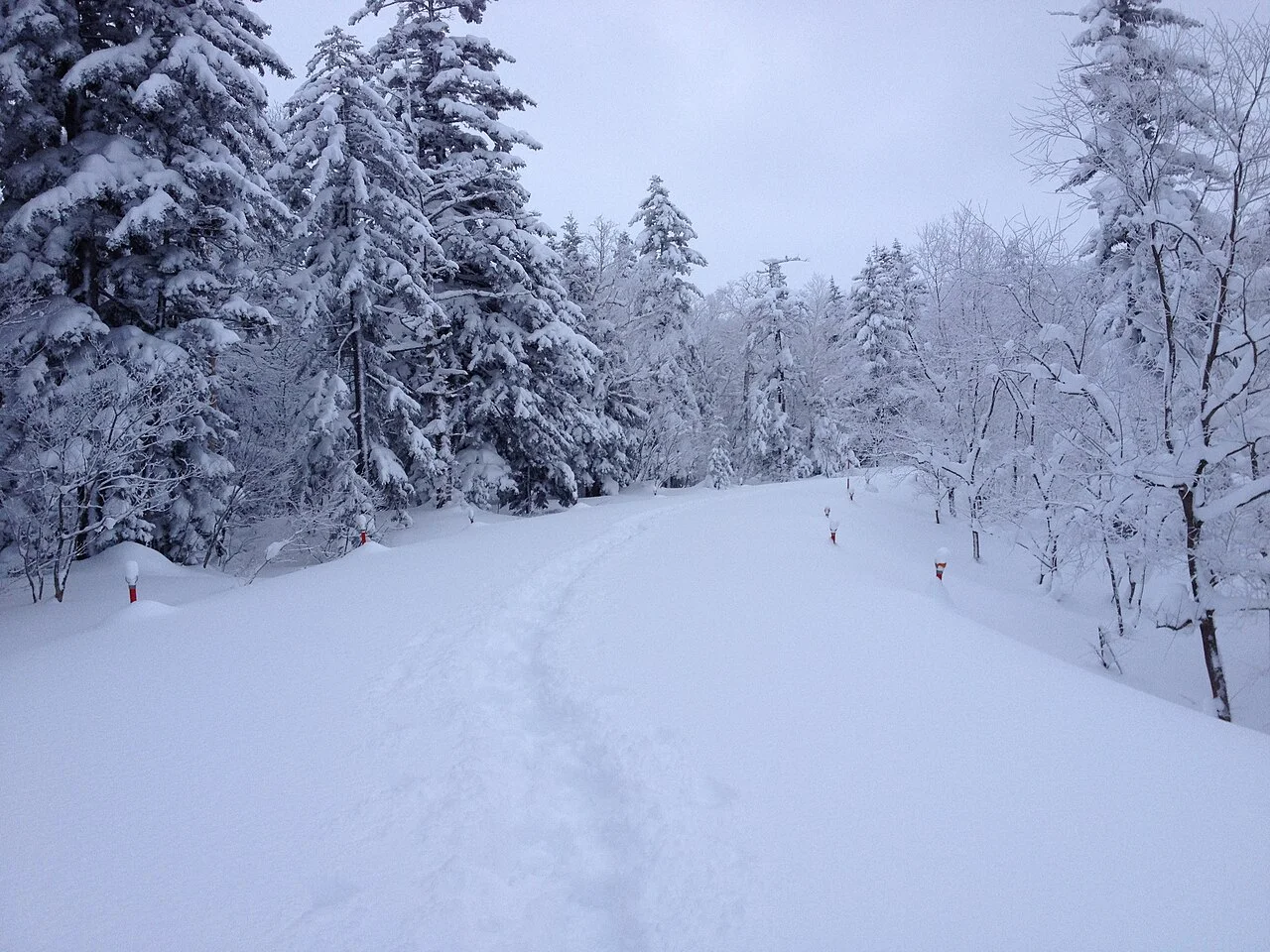
Deciding which days are actually worth hiring a car for a first winter trip in Hokkaido. Covers 2026–27 seasonal road closures, snow-chain rules and winter tyre policies, plus rerouting options around Sapporo, Otaru, Jozankei, Biei and Noboribetsu.
Building buffer time around Sapporo snow days and sunset
Japan Meteorological Agency 1991–2020 climate normals for Sapporo show a mean temperature of -0.9°C with 27.9 snow days in December, -3.2°C with 29.1 snow days in January, and -2.7°C with 25.3 snow days in February. A 'snow day' simply means snow was observed at the station—even a brief morning flurry counts, while mountain passes at the same hour may have heavy drift or whiteout conditions. Use these averages to build flexible buffer days into your itinerary, then check destination and en-route forecasts on the morning of departure. JMA Sapporo monthly climate normals
On 21 December 2026, the National Astronomical Observatory of Japan lists sunrise in Sapporo at 07:02 and sunset at 16:03 JST—roughly nine hours of daylight. Setting 15:00 as your target arrival at accommodation leaves margin for refuelling, clearing snow, slower speeds and locating your parking bay. Valleys lose direct sunlight earlier than city centres and falling snow cuts visibility fast, so plan around local sunset and the final approach road rather than using one blanket schedule for all of Hokkaido. NAOJ Sapporo December 2026 sunrise and sunset times
Satnav apps quote pure driving time. To arrive by mid-afternoon, work backwards from hotel check-in and subtract time for parking, service-area breaks and brushing snow off the car. If you set off late in the morning, drop the extra photo detour first. Check return road conditions over lunch indoors; if visibility over a mountain pass is deteriorating, leave while you still have daylight in hand. Separating open-air sightseeing from fixed arrival times works far better than simply multiplying drive times by a rough buffer.
Checking the entire corridor before you set off
Before setting off, note three sets of place names on a map—your starting point, any mountain passes or motorway junctions along the way, and your destination—and check each on the JMA weather warnings page. Central Hokkaido's plains can be sunny while the neighbouring subprefecture is hit by blowing snow. The Civil Engineering Research Institute for Cold Region's 'Kita-no-Michi Navi' provides blizzard-visibility forecasts ideal for checking both your route and return window. Even when skies are clear at departure, wind across open farmland or coastal roads ahead can whip lying snow into low visibility. JMA weather warnings and advisories, Kita-no-Michi Navi blizzard visibility forecast
Next, look up your specific route numbers on the road-information portals. The Hokkaido Regional Development Bureau's portal covers national highways, prefectural roads and toll-free expressways it manages, alongside live cameras on major routes and mountain passes. On each camera feed, check the road surface colour, kerb edges and how far ahead headlights remain visible, and verify the timestamp. A single frame showing clear lane markings only reflects that spot at that moment; check cameras on both sides of any mountain pass, especially if you plan to return the same way. MLIT Road Information System map, Hokkaido District Transport Bureau winter road portal
If you are using the Do-O Expressway or Doto Expressway, check the motorway operator's updates as well. NEXCO East's Hokkaido branch runs its 2026–27 winter snow-and-ice operations from 16 October 2026 to 30 April 2027, monitoring weather and carriageway conditions 24 hours a day. Its bulletin lists 'DraTra', the official LINE account and the Hokkaido branch X feed for checking closed sections and estimated reopening times; during system maintenance, use JARTIC for motorway status. Refresh these feeds just before joining a junction and again during service-area stops. NEXCO Hokkaido winter operations and information channels, JARTIC Japan Road Traffic Information Center
When reading Japanese road-status maps, 'tsukodome' means the section is closed to traffic, 'kaijo mikomi' indicates the estimated reopening time, and 'katagawa kogo tsuko' means alternating single-lane traffic. At single-lane controls, stop at the marked line and follow traffic signals or marshals. On motorways, verify which carriageway direction and which pair of interchanges are affected so you do not mistake reopening news for the opposite direction as clearance for yours. Let a passenger check live updates on a phone; if driving solo, wait until you pull into a service area or marked car park.
If outbound motorway junctions are open in the morning but the return pass is forecast for drifting snow after dusk, trim afternoon stops from the end of your schedule first. When your hotel is on the far side of a mountain range, make the go/no-go call at lunch. Keep the cross-mountain leg only if you can arrive ahead of the storm; otherwise book somewhere to stay on your current side and notify the original property. Where rail connects both towns, take the train for the long trunk leg from the outset and decide locally whether to hire a car—cancelling a local day hire in a blizzard is far simpler.
Rerouting around 2026–27 winter road closures
Prefectural Route 966 between Biei and Kamifurano has two seasonal winter closures. According to the Kamikawa General Subprefectural Bureau's 16 October 2026 schedule, the stretch from Shirogane Gate to Bogakudai Gate closes from 11:00 JST on 19 October 2026, and the section from Bogakudai Gate to Gin'ei Gate on the Shirogane Onsen side closes from 11:00 JST on 1 December 2026. Both stretches are scheduled to reopen at 11:00 JST on 23 April 2027. When planning visits to Shirogane Onsen, the Blue Pond and Tokachidake Onsen, cross this mountain road off your route map. Kamikawa Subprefecture winter road closure list, items 13 & 33
The closure blocks the carriageway between the gates. Biei Town publishes dedicated car-park and vehicle access routes for the Blue Pond: weather permitting, you can drive out from central Biei towards Shirogane, enter the Blue Pond car park and return to Biei the same way. If your next night is in Kamifurano, drive back out to National Route 237 first and approach your accommodation from the Kamifurano side. When a day attempting both sides of the mountain looks tight, pick either the Blue Pond or Tokachidake Onsen and keep lunch and lodging on that same side. Biei Town Blue Pond car park access guide
In eastern Hokkaido, Shiretoko Pass is another route where summer satnav directions will mislead you. The Abashiri Development and Construction Department has announced that National Route 334 (the Shiretoko Trans-Island Road) is closed round the clock from 16:00 JST on 4 November 2026. The Kushiro Development and Construction Department defines the closed 23.8 km stretch as running from the prefectural-road junction in Iwaobetsu, Shari, to Yunosawa in Rausu. If you want to stay in Utoro for drift ice and also visit Rausu in winter, treat them as two separate corridors—and on shorter trips, stick to one side. Spring reopening dates are posted on the same official road-status pages. Abashiri Development Department Shiretoko Pass notice, Kushiro Development Department closure boundaries
Seasonal mountain closures should be ruled out before you even book hotels. When an unplanned closure hits during heavy snow, pull over safely to recheck your destination and backup plan; motorways and parallel national routes often close together. If a running train line can take you straight through, leave the car at a safe location and arrange drop-off with the hire company. If roads, trains and buses are all suspended, contact your hotel for that night first and wait until a corridor reopens. Detouring onto unmonitored mountain roads without live cameras only moves an urban delay into isolated terrain.
Winter tyres, snow chains and motorway closures explained
Article 12 of Hokkaido's Road Traffic Act Enforcement Regulations requires vehicles driving on snow-covered or icy roads to fit winter tyres on all wheels or use snow chains or equivalent anti-skid equipment. What matters legally is the actual road surface. Even in late October or spring, if your route enters mountain areas where snow may lie, make sure winter tyres and depot equipment are stated clearly on your rental booking. Four-wheel drive helps you pull away, but braking on ice still demands generous stopping distances. Hokkaido Road Traffic Act Enforcement Regulations, Article 12
The Ministry of Land, Infrastructure, Transport and Tourism (MLIT) enforces dedicated snow-chain regulations ('chain kisei') with specific road signs and notices. Inside a mandatory chain zone, even vehicles with winter tyres and 4WD must fit chains as directed. Regulatory zones, full road closures ('tsukodome') and winter-maintenance periods each carry distinct operational rules. When snowploughs are active, obey reduced speed limits and on-site marshals; if a road gate is closed, wait for the road authority's official reopening notice before setting off. MLIT snow-chain regulation FAQ
Spotting black ice and whiteouts from the windscreen
Black ice is a thin, transparent glaze that looks from the driver's seat like dark, freshly damp tarmac. Ease off the accelerator early before bridge decks, shaded stretches, tunnel portals, junctions and downhill bends. Your car's outside thermometer reads ambient air temperature, which can differ from a wind-exposed bridge deck or sunlit lane, and preceding cars may leave no visible tyre tracks on glare ice. Treat any dark, wet-looking patch as a cue to slow down ahead of time, braking gently and progressively before stop lines. Hokkaido Police winter anti-skid driving guide
Once traffic compacts falling snow, deep ruts can form ridges along the wheel tracks. Allow a longer distance than usual when changing lanes, and ask passengers not to rush you with last-minute navigation turns. Wait until the car is settled out of a bend before accelerating, and indicate early before junctions so drivers behind have room to slow. If tyres lose grip or the ruts tug the steering, ease off gently and let the car stabilise. Where snowbanks narrow the carriageway, stay in the left lane and look for a formal lay-by rather than pulling onto a snow-covered verge.
Where blowing snow sweeps across open ground, lane markings can disappear completely. Slow down, increase your following distance and keep your headlights on so other drivers can spot you. If you can still see a safe turn-off ahead, pull into a Michi-no-Eki roadside station, convenience store or petrol station car park to wait it out. Stopping in a live lane or beside a snowbank just to take photos leaves approaching traffic with no warning. If you are still at your hotel, hold off until weather warnings, visibility and road reports improve. City of Sapporo winter visitor safety information, Hokkaido Development Bureau winter driving and low-visibility map
When catching up to snowploughs on a motorway, follow NEXCO instructions to slow down and keep back; overtaking an active ploughing convoy is prohibited. Before taking an exit slip road, check the convoy's position and roadside signals—if you miss your junction, continue to the next legal exit and reroute from there. Urban kerbside spaces also disappear beneath ploughed snowbanks, so stick to marked car parks. Before pulling out, clear snow from the windscreen, side windows, wing mirrors, lights and roof so nothing obstructs your view or slides onto vehicles behind. NEXCO Hokkaido snow-clearing traffic guidance
Checking winter tyres, pick-up times and cover on your booking
Standard winter-tyre periods vary by depot and brand. Taking Toyota Rent a Car's published April 2026–May 2027 schedule as a benchmark, Sapporo, Shin-Sapporo, Asahikawa, Hakodate, Kushiro and Kitami depots include winter tyres as standard from 1 November to 5 May, while Obihiro starts a day earlier on 31 October through 5 May. If you are collecting just outside peak winter, booking across dates or returning in another city, verify pick-up location, dates and winter tyres on the confirmation before comparing quotes. For one-way hires, also check drop-off surcharges, depot shuttle transfers and latest return times. Toyota standard winter-tyre depots and dates
International visitors must carry their valid home driving licence, passport (for entry-date verification) and the required Japanese driving credential—typically a 1949 Geneva Convention International Driving Permit (IDP) for UK and most overseas licences, or an official Japanese translation for drivers from reciprocal countries such as Taiwan via the Highway Bureau. Short-term visitors can drive on these documents for up to one year from entry, provided the underlying licence remains valid. Anyone else who plans to drive must present their own documents at the counter to be added to the rental agreement from the start. Highway Bureau Japan–Taiwan licence reciprocity and translation guide
Walk around the vehicle at handover to inspect the tyres, bodywork and lights. Ask the staff to point out the winter-tyre markings and tread-wear indicators, and check where the snow brush, sub-zero screenwash, warning triangle and breakdown contact details are kept. Hokkaido Police's October 2026 safety guidance notes that winter tyres reach their winter wear limit once tread wears down to half of their original new depth. Test both front and rear demisters before leaving the forecourt, and photograph any existing scratches or dents so there is no guesswork at refuelling stops or return. Hokkaido Police 2026 winter tyre inspection guide
Collision Damage Waiver ('menseki hosho') covers the policy excess on insured damage, whereas Non-Operation Charge ('NOC') is the compensation fee a hire firm charges for lost business while a damaged or soiled car is repaired or cleaned. Some policies price these separately, while bundled plans such as Toyota's Anshin W Pack combine them. If your booking only includes the basic waiver, read the small print for NOC, recovery towing, tyre and wheel damage, and roadside assistance. Before heading into mountain areas, save the hire firm's dedicated breakdown number and policy sheet offline on your phone. Toyota insurance, excess waiver and NOC guide
Basing in Sapporo and dropping the least worthwhile drive day
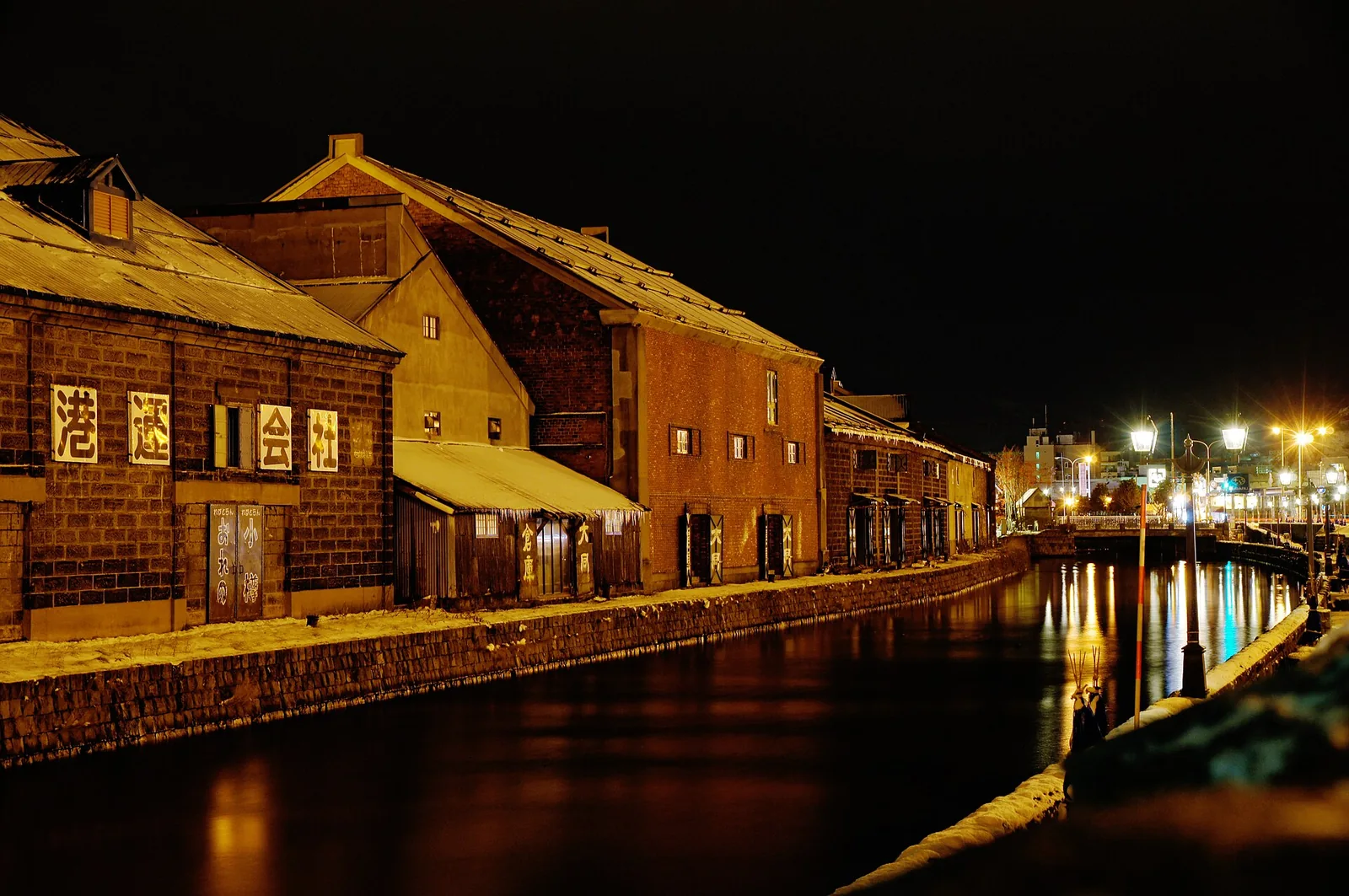
If you are staying two or three nights in Sapporo, schedule Otaru for whichever morning suits an early start. Arriving by train, walking from Otaru Station through the canal, Sakaimachi Street and on towards Minami-Otaru eliminates the hassle of moving a car and paying repeatedly for parking. When travelling with older relatives or young children who walk slowly, hop on local buses or taxis from the station forecourt and choose one indoor attraction as a warm-up stop. If the weather deteriorates later, head back to a station with live main-line departure boards before deciding whether to catch the next train or return early to Sapporo. Otaru Canal and Sakaimachi Street route
For Jozankei, keep the focus on ryokan stays and short walks nearby. Overnight guests should check whether their hotel runs a shuttle bus first. From Sapporo Station, Jotetsu also operates the direct 'Kappa Liner' from Bus Stop 27; seats open for booking from one month ahead until 17:00 JST the day before, with unreserved boarding allowed if seats remain on the day. Check both outbound and return times—if the last bus back after a day-use soak feels too tight, stay overnight or plan your onsen visit before noon. Drivers should check National Route 230 road reports and follow hotel parking staff on arrival; if even direct buses are suspended for snow, save Jozankei for another day. Jotetsu Bus Jozankei direct services and booking
Keeping your luggage in a Sapporo hotel makes blizzard days far easier to rearrange. Ask whether any out-of-town activities can be rescheduled, and spend the day around station precincts and Sapporo's underground walkways instead. If you are due to check into an onsen ryokan the next day, save the property's last dinner seating time and direct contact number on your phone. When a storm is already clear in the previous evening's forecast, rebook your transport that night rather than dragging suitcases to the station only to change plans in the morning.
Using Asahikawa Station as your base for Shirogane and Furano
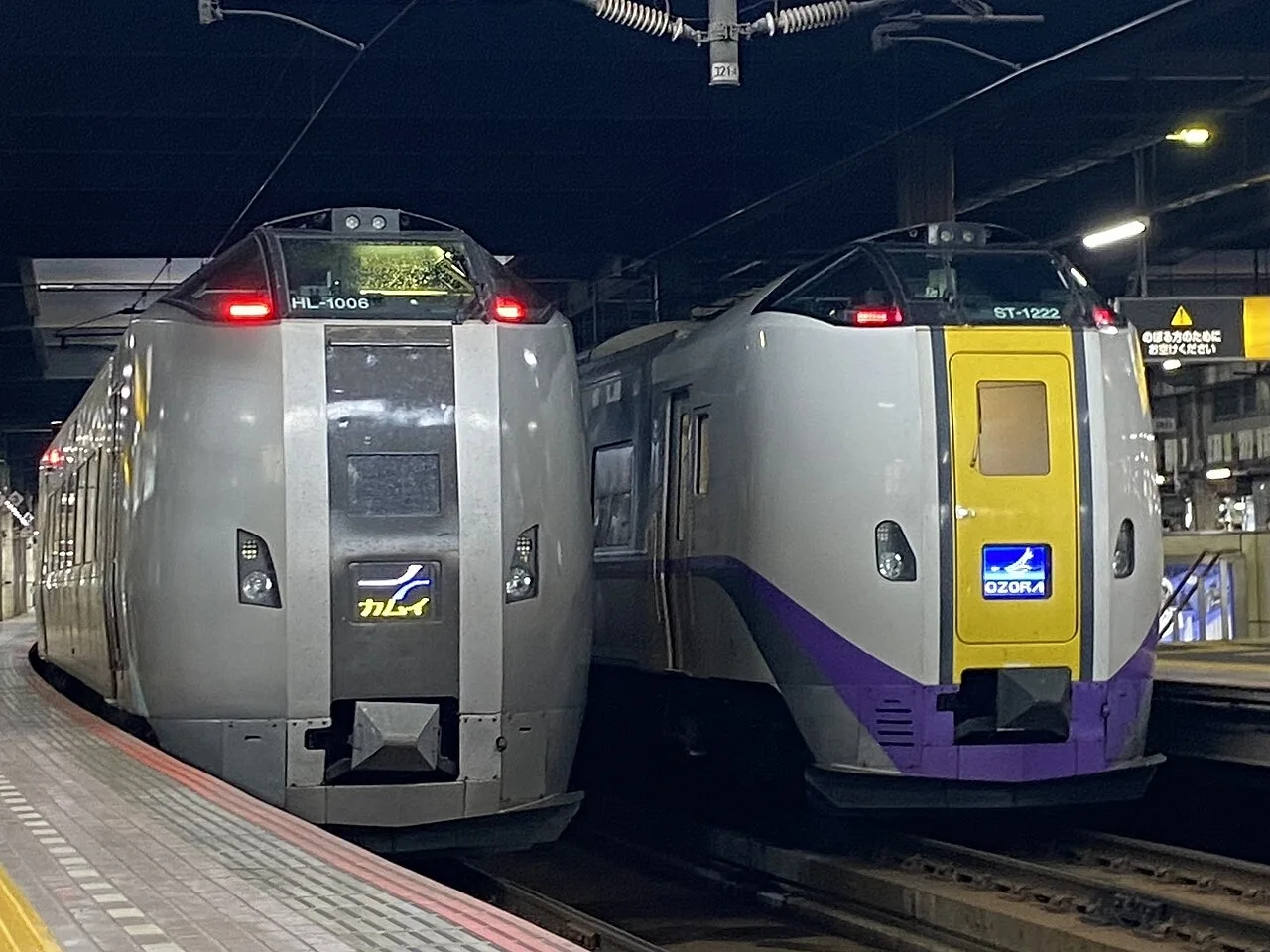
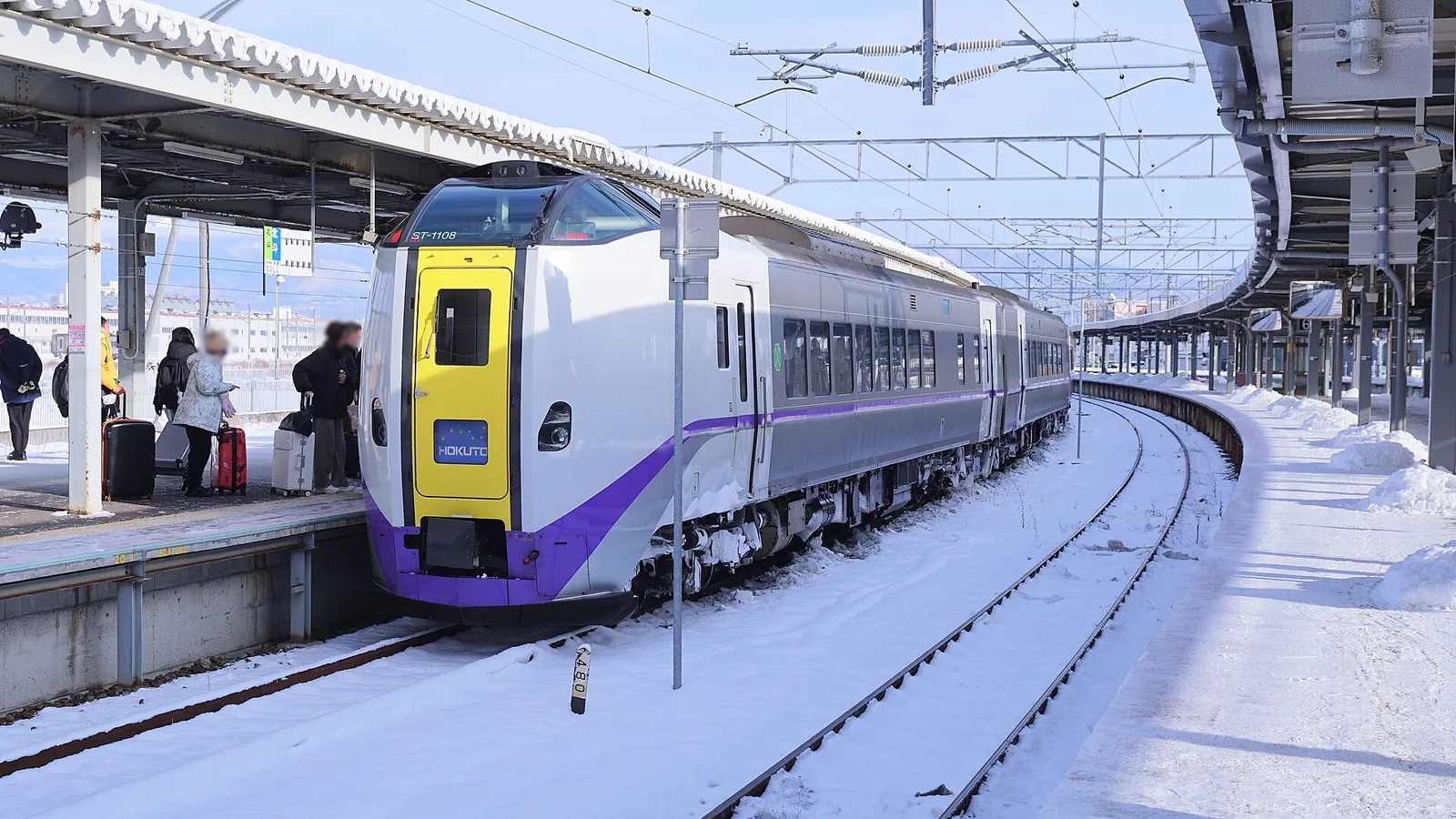
Take a limited express train from Sapporo to Asahikawa, stay near Asahikawa Station and check morning road conditions before deciding whether to collect a car. If your only goal is Asahiyama Zoo, taking the local bus from Asahikawa is simpler than picking up and returning a hire car; reserve a single-day car hire when linking the Blue Pond and Shirogane Onsen, making sure to route back via Biei afterwards. Attempting to drive from Sapporo to Asahikawa and on to Biei, Furano and Sounkyo in one day piles unrelated road risks onto a single schedule. Split it instead into a night in Asahikawa, one day for Biei and Shirogane, and either Furano or Sounkyo on a separate day. Asahikawa, Furano and Daisetsuzan itinerary
In winter, the Blue Pond pairs a frozen surface with snow cover. Biei Town runs seasonal illuminations from 22 October 2026 to 21 April 2027, switching on at 16:30 JST in December, 17:00 JST in January and 17:30 JST in February, until 21:00 JST nightly. To catch the lights, stay around Shirogane on a night with confirmed return transport and check Biei Town's same-day updates, as severe weather can cancel the display. If you need to drive back to Asahikawa before dark, visit the Blue Pond in daylight, lunch in central Biei and decide on a second stop only before setting off. Farm tracks and private drives across the hills disappear under snow, so park strictly inside official attraction car parks. Biei Town Blue Pond and Shirahige Falls winter access and illuminations
If afternoon trains or buses suddenly cancel while you still have a hire car, ring the return depot first to ask if drop-off times can be adjusted for weather, then check your main route for fresh closures. When snow starts falling towards dusk and your one-way drop-off depot is still far away, park at accommodation or a proper facility with cleared bays and coordinate with the rental office first. Choosing a station town to overnight in ahead of time is far easier than driving to a rural handover point with nowhere warm to wait.
Noboribetsu or Lake Toya: making the hotel connection count
JR trains run from Sapporo to both Noboribetsu and Toya, with Donan Bus connecting each station to its onsen town. Check which local bus meets your train arrival first, then compare that against hotel shuttle times. If you plan to take a taxi, keep the hotel's Japanese name and street address saved on your phone. For evening walks to Jigokudani (Hell Valley) in Noboribetsu, stay within the onsen town so you can rely on footpaths and hotel shuttles after dark. Travelling with elderly companions, check the gradient from the bus stop to the hotel entrance—that matters more than the raw distance from the railway station. Donan Bus Noboribetsu and Toya timetables, Noboribetsu Onsen hotel area guide
If you want to fit Noboribetsu and Lake Toya into a single day, pick one as your overnight base and treat the en-route stop as optional. Jigokudani walks and onsen bathing in Noboribetsu, or lakeside strolls at Lake Toya, both work right outside your hotel. When snow slows travel times, protect activities on the side where you are sleeping and save the other area for a clearer day. Hiring a car mainly pays off if your ryokan sits far from a bus stop, your group has heavy luggage, or you want to link viewpoints not served by a single bus route.
When heading from an onsen resort to New Chitose Airport for a flight, treat the transfer to the station, the main-line train and the terminal arrival as three separate links. If only the very last possible train makes your flight—especially for a morning departure—move to Sapporo or Chitose the night before. Build car return into the same timeline: refuelling, vehicle checks and the depot shuttle all take minutes. When roads run slow, drop your final sightseeing stop and keep return and boarding times fixed.
Connecting trains, buses and hotel fallbacks
JR Hokkaido published its 2026–27 winter operating and passenger-information plan on 18 November 2026. When using trains as a backup, select your line and station on JR Hokkaido's live service page for cancellations, delays and platform departures, then verify against station boards on the day. Express coaches share the same snow-hit roads, so check Hokkaido Chuo Bus suspension notices carefully by category—city routes, intercity coaches and airport shuttles. During heavy snow around greater Sapporo, rail and roads can stall simultaneously; only count a service as a viable fallback once trains or buses are actively departing. JR Hokkaido live train status, JR Hokkaido 2026 winter operating measures, Hokkaido Chuo Bus service suspensions
Put together a simple contingency sheet for cancellations or late arrivals before you travel. Bookmark the amendment link for any pre-booked tickets, and save your booking name and reference number for hotel calls. If you are trying to get back to Sapporo from Otaru or Asahikawa, make sure the next train actually has available seats before heading to the station. When rail services suspend and a hire car is still an option, check road maps and live cameras for your specific corridor first—do not join the rush to drive simply because other stranded passengers are doing so.
Compare total door-to-door costs across the whole group rather than headline daily rates. Car hire adds up across rental days, one-way drop-off fees, fuel, motorway tolls, parking and full insurance waivers, and collecting a day early can mean paying for an extra night of parking; public transport totals rail fares, seat reservations, local shuttles and the occasional short taxi. If you only need a car for one day around Shirogane, hire for that day alone and stick to direct trains and coaches elsewhere. If you are weighing up a full-trip rental, factor in any days spent mainly hauling bags and compare that against staying two nights in each base.
Packing kit, rest stops and preparing the car for return
Fill the tank before leaving town and save the next fuel and rest stop in your satnav. Petrol stations and roadside facilities outside cities keep shorter hours, so check opening times near your destination before leaving the last populated stretch for the mountains. Michi-no-Eki roadside stations offer reliable parking and toilets for breaks, though indoor shops and cafés keep their own daily hours. Whenever you need to clear misted glass, swap drivers or check road reports, pull into a marked space with plenty of room.
Carry a snow brush and ice scraper, warm layers, gloves, a blanket, drinking water, long-life snacks and a power bank in the cabin. Save an offline note on your phone with your hotel addresses, the hire company's phone number, the registration plate and your route plan so a passenger can read off details in an emergency. Bring warm gear and battery packs indoors overnight at your hotel, then place them back within easy reach before setting off. Secure child seats before pulling out, and build extra minutes into your departure for demisting and clearing the rear window.
Before returning the car, brush snow off the roof, front and rear screens, wing mirrors, lights and number plates, and clear packed snow around the door seals. Remove frost slowly with the demister and scraper—never pour hot water onto frozen glass. If your contract requires a full-tank return, refuel at an approved station nearby and keep the receipt. To avoid looping onto busy or icy roads just before drop-off, check easy-access petrol stations near the return depot when you pick up the car so you can navigate straight to the forecourt.
What to do if you get snowbound or break down on a motorway
If you get stuck in deep snow on an ordinary road, switch on your hazard lights immediately and note the route number, direction of travel, nearby road signs or phone GPS coordinates, and how many people are in the car. Call 119 for injuries or medical emergencies, 110 for traffic accidents, and your hire company's dedicated roadside number for recovery. If snow drifts bury the car body, switch off the engine—a blocked exhaust pipe can force carbon monoxide into the cabin. Only clear snow around the exhaust when it is safe to step out, and rely on extra layers for warmth. Do not walk out into a blizzard to look for help; wait for rescue services and follow their instructions. Hokkaido Police blizzard stranding guide, Hokkaido Development Bureau heavy snow and blizzard guide
If you break down on a motorway carriageway or hard shoulder, rear-end collisions are the immediate danger. Move the car onto a safe verge if possible, turn on hazard lights and set out warning triangles or flares only if safe to do so. NEXCO guidance instructs everyone to watch oncoming traffic, step behind the safety barrier and then report the incident via 110, an emergency roadside phone or the road-emergency line #9910. Never stay seated inside the car waiting for recovery, and never walk along the main carriageway towards an interchange. Read off toll-gate names, kilometre posts or overhead sign text so rescue crews know your exact carriageway and direction. NEXCO motorway breakdown and evacuation guide
After any collision, check passengers and watch for approaching traffic first, and call police on 110 even if nobody is injured. Photograph the damage and scene from a safe spot, and exchange details while recording the police report reference and any paperwork required by your hire firm. Even if the car appears drivable, confirm with the rental company whether you are cleared to continue. Once you know where a replacement vehicle can be arranged, update that night's hotel or onward tickets—or if public transport is suspended, ask recovery crews to coordinate a safe waiting point. National Police Agency traffic rules guide
A few useful answers
Do I have to pay extra for winter tyres when hiring a car in Hokkaido in winter?
It depends on the depot and pick-up date. At Toyota Rent a Car, for example, winter tyres are fitted as standard from 1 November 2026 to 5 May 2027 at depots including Sapporo, Shin-Sapporo and Asahikawa. When booking other brands or travelling near the start or end of winter, make sure winter tyres are explicitly listed on your confirmation. Under Hokkaido regulations, anti-skid equipment is mandatory on snowy or icy roads.
Can I drive from Shirogane Onsen to Tokachidake Onsen during the 2026–27 winter?
No. On Prefectural Route 966, the section between Shirogane Gate and Bogakudai closes from 11:00 JST on 19 October 2026, and the section from Bogakudai to Gin'ei Gate on the Shirogane Onsen side closes from 11:00 JST on 1 December 2026. Both stretches are scheduled to reopen at 11:00 JST on 23 April 2027. In winter, return via central Biei and approach Tokachidake Onsen from the Kamifurano side instead.
Can you still encounter black ice during the daytime?
Yes. Bridge decks, shaded stretches and tunnel entrances often stay frozen well into the day. Whenever the tarmac looks dark and damp, slow down early and leave plenty of space before bends or bridges.
If a blizzard closes the road, should I just switch straight to a JR train?
Check JR Hokkaido's live running status for your exact line and station first, along with bus suspension notices. If trains and buses are also suspended, stay at your hotel or inside a heated facility until roads reopen or services resume.
Do I need a hire car for the whole time in Sapporo, Otaru and Jozankei?
No. Use the underground within Sapporo, JR trains for Otaru, and the reservable Kappa Liner coach or a hotel shuttle for Jozankei. Save car hire for a dedicated day when you need to link rural stops or move bulky luggage.
Official information and references
Sources used in this guide.
- Japan Meteorological Agency | Sapporo 1991–2020 Monthly Climate Normals
- Japan Meteorological Agency | Weather Warnings and Advisories
- Civil Engineering Research Institute for Cold Region | Kita-no-Michi Navi Blizzard Visibility
- MLIT Hokkaido District Transport Bureau | Winter Traffic Safety and Road Information
- MLIT | Road Information System
- MLIT Hokkaido Regional Development Bureau | Winter Road Driving Guide
- NEXCO East | 2026–27 Hokkaido Snow and Ice Operations
- JARTIC | Expressway and Trunk Road Traffic Information
- Kamikawa General Subprefectural Bureau | FY2026 Winter Traffic Restrictions
- Biei Town | Blue Pond Car Park Access Guide
- Biei Town | Blue Pond and Shirahige Falls Illumination and Access Information
- Abashiri Development and Construction Department | National Route 334 Shiretoko Trans-Island Road
- Kushiro Development and Construction Department | Shiretoko Pass Closure Section
- Hokkaido Police | Hokkaido Road Traffic Act Enforcement Regulations, Article 12
- MLIT | Snow-Chain Regulations (Chain Kisei)
- Hokkaido Police | Winter Anti-Skid Driving Guide
- Hokkaido Police | 2026 Winter Tyre Inspection Guide
- Hokkaido Police | Blizzard Stranding Safety Guide
- MLIT Hokkaido Regional Development Bureau | Heavy Snow and Blizzard Guide
- NEXCO East | Motorway Accident Evacuation and Reporting
- City of Sapporo | Winter Visitor and Driving Information
- National Astronomical Observatory of Japan | Sapporo December 2026 Sunrise and Sunset
- Highway Bureau (Taiwan) | Japan–Taiwan Driving Licence Reciprocity and Translation Application
- National Police Agency | Japanese Traffic Safety Rules Guide
- National Police Agency | Child Safety Seats
- Toyota Rent a Car | Standard Winter-Tyre Depots and Periods
- Toyota Rent a Car | Collision Damage Waiver and Non-Operation Charge (NOC)
- JR Hokkaido | Live Train Running Information
- JR Hokkaido | 2026 Winter Transport Measures
- Hokkaido Chuo Bus | City, Intercity and Airport Bus Suspensions
- Donan Bus | Noboribetsu and Toya Station to Onsen Town Routes
- Jotetsu Bus | Jozankei Kappa Liner