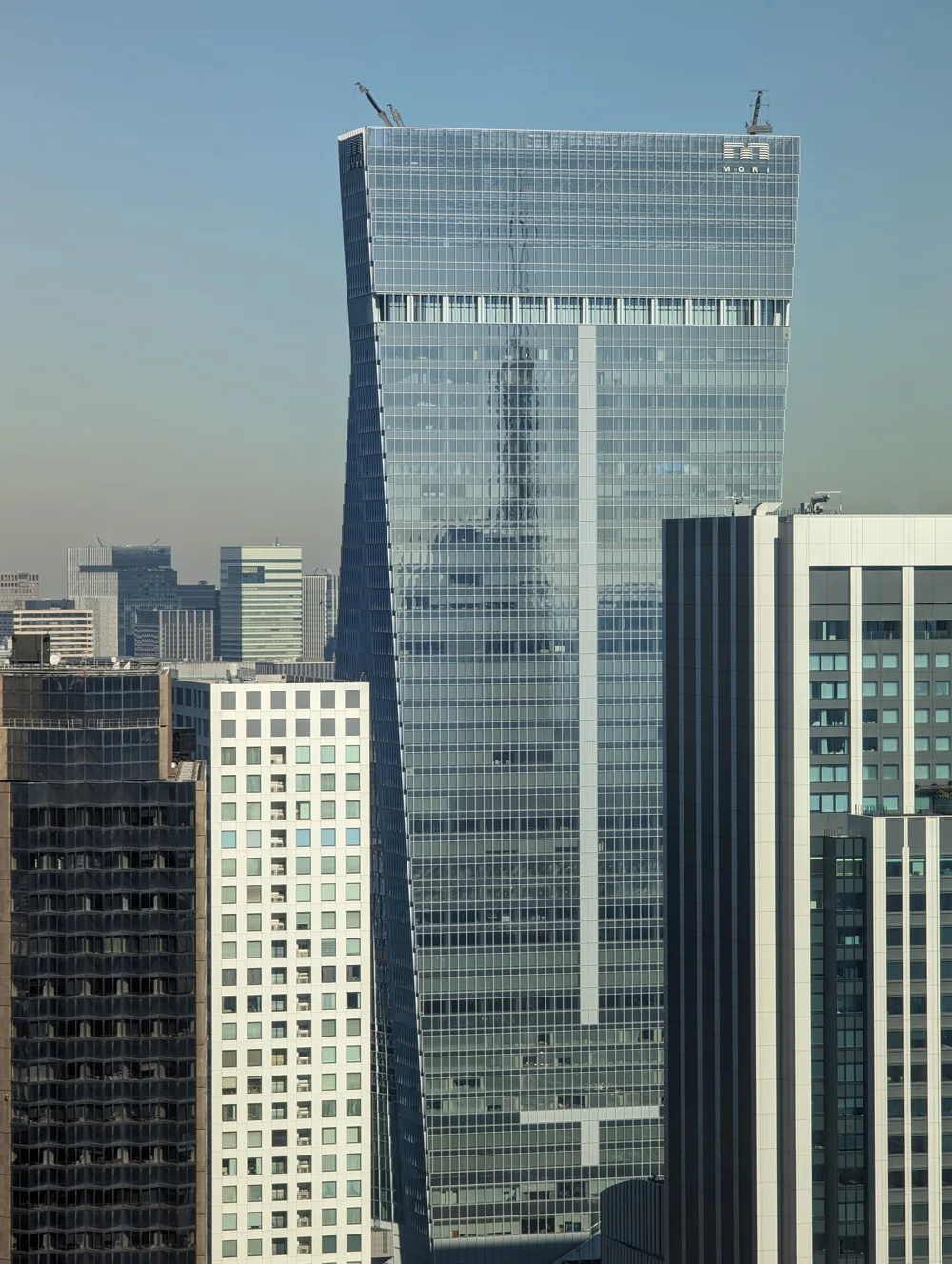
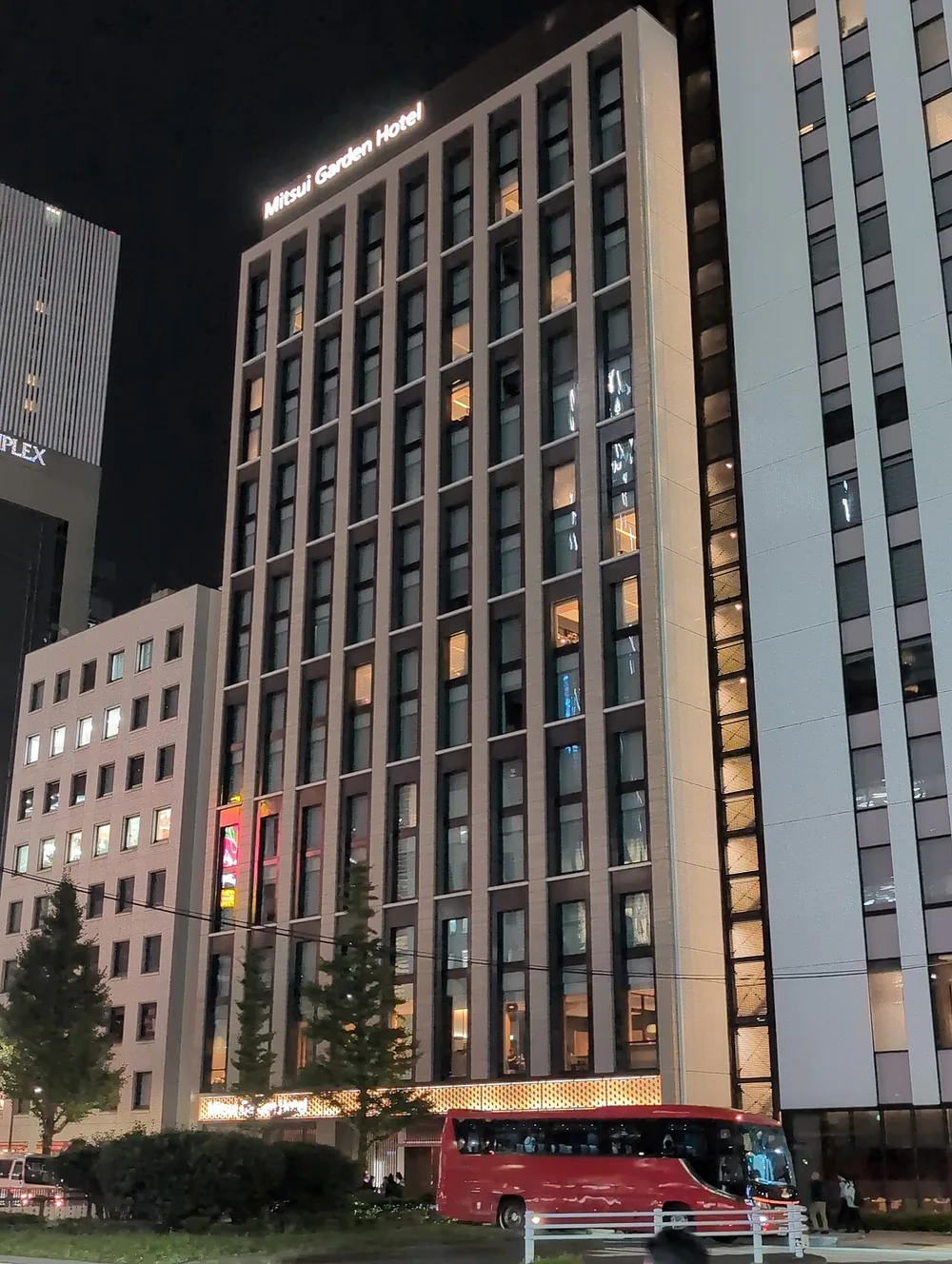
Compare room layouts, bed configurations, and station exits at the Imperial Hotel Tokyo, The Peninsula Tokyo, remm Hibiya, and THE BLOSSOM HIBIYA for Imperial Palace walks, theater nights, and Tokyo Station or airport transfers.
- Region & Focus
- TokyoHotels and stays
- Reading Scope
- 16 min read · 10 chapters · 7 Q&As
- Official Verification
- 40 official sources checkedUpdated November 22, 2026
- Key Topics
- Where to stayBookingNeighborhoods
Chapter Route Map (tap any stop)
- Map Your Stay Around Your First Stop Each Day
- Imperial Hotel, Tokyo: Book the Right Wing and View
- The Peninsula Tokyo: Direct Subway Access and Connecting Suites
- Choosing Between remm Hibiya and THE BLOSSOM HIBIYA
- Tell Hibiya, Yurakucho, and Uchisaiwaicho Stations Apart
- Limit Airport Arrivals and Departures to One Major Transfer
- Morning Walks: Pick Hibiya Park, the Outer Garden, or the East Gardens
- Rainy Days, Older Travelers, and Late Theater Returns
- How to Plan Around Performances or Trade Events
- Factor Stay Length and Cancellation Rules Into the Real Total
- Quick Q&A
Choosing a Hibiya hotel starts with the direction you head each morning. If you want Hibiya Park, the Imperial Palace Outer Garden, and hotel dining in the same day, start with the Imperial Hotel beside the park. For Takarazuka shows, Ginza shopping, and easy JR connections across Tokyo, look at remm Hibiya on the theater strip. If minimizing outdoor walking with luggage matters most, compare The Peninsula Tokyo, which connects directly to Hibiya Station. If your evenings lean toward Shimbashi and Shiodome or you are arriving from Haneda, weigh THE BLOSSOM HIBIYA on the south side. All four sit within walking distance of Hibiya Park, with real differences in room size, train lines, and the walk from the platform.
Map Your Stay Around Your First Stop Each Day
Hibiya Park is bordered on the east by Hibiya-dori, which runs south toward Uchisaiwaicho and north past the Hibiya Crossing toward the Imperial Palace Outer Garden. Cross the street to the east and you reach the Tokyo Takarazuka Theater and Tokyo Midtown Hibiya, with Ginza just beyond the JR elevated tracks. Marunouchi and Tokyo Station sit north of Yurakucho. When scanning booking maps, separate these pockets: a hotel listed under "Hibiya" may actually sit closer to Shimbashi, while one with a Yurakucho address can stand right beside the Hibiya subway exits.
If your mornings start with meetings in Kasumigaseki and your evenings end with dinner in Ginza, both the Imperial Hotel and remm Hibiya work smoothly. When your first stop is the Tokyo International Forum, prioritize hotels near JR Yurakucho Station. The Forum lists a 1-minute walk from JR Yurakucho Station and connects underground to Tokyo Station's Keiyo Line concourse. Save the exact hall name from your conference notice before you head out: the Glass Building is easy to reach at street level, while registration desks may sit in another wing or underground, making the walk from your hotel only half the trip.
For a one- or two-night stay focused on Ginza and the Imperial Palace, picking one hotel where you can drop by mid-day beats switching properties just to shave minutes off a later train ride. On longer stays with early departures to Yokohama or Shinkansen transfers at Tokyo Station, write down your first train leg for each day before comparing hotels. Boarding right outside your hotel with one straightforward transfer usually beats the fastest theoretical route in a transit app. If two travelers are splitting up for the day, agree on the final station where you will ride together so your hotel does not need to sit next to everyone's itinerary at once.
If you would rather put your budget toward shopping or theater tickets, start by comparing same-date rates in the theater district and on the Yurakucho side. If you plan to spend full days between Ginza Chuo-dori and Higashi-Ginza, book a closer base in our Ginza hotels guide and save Hibiya for an afternoon stroll or evening show. Heading to offices in Toranomon Hills or Kamiyacho the next morning? Check Toranomon hotels to stay closer to work. Short blocks are easy to underestimate when you are empty-handed, and having a room nearby to sit down before dinner makes a noticeable difference when carrying shopping bags or walking with older family members.
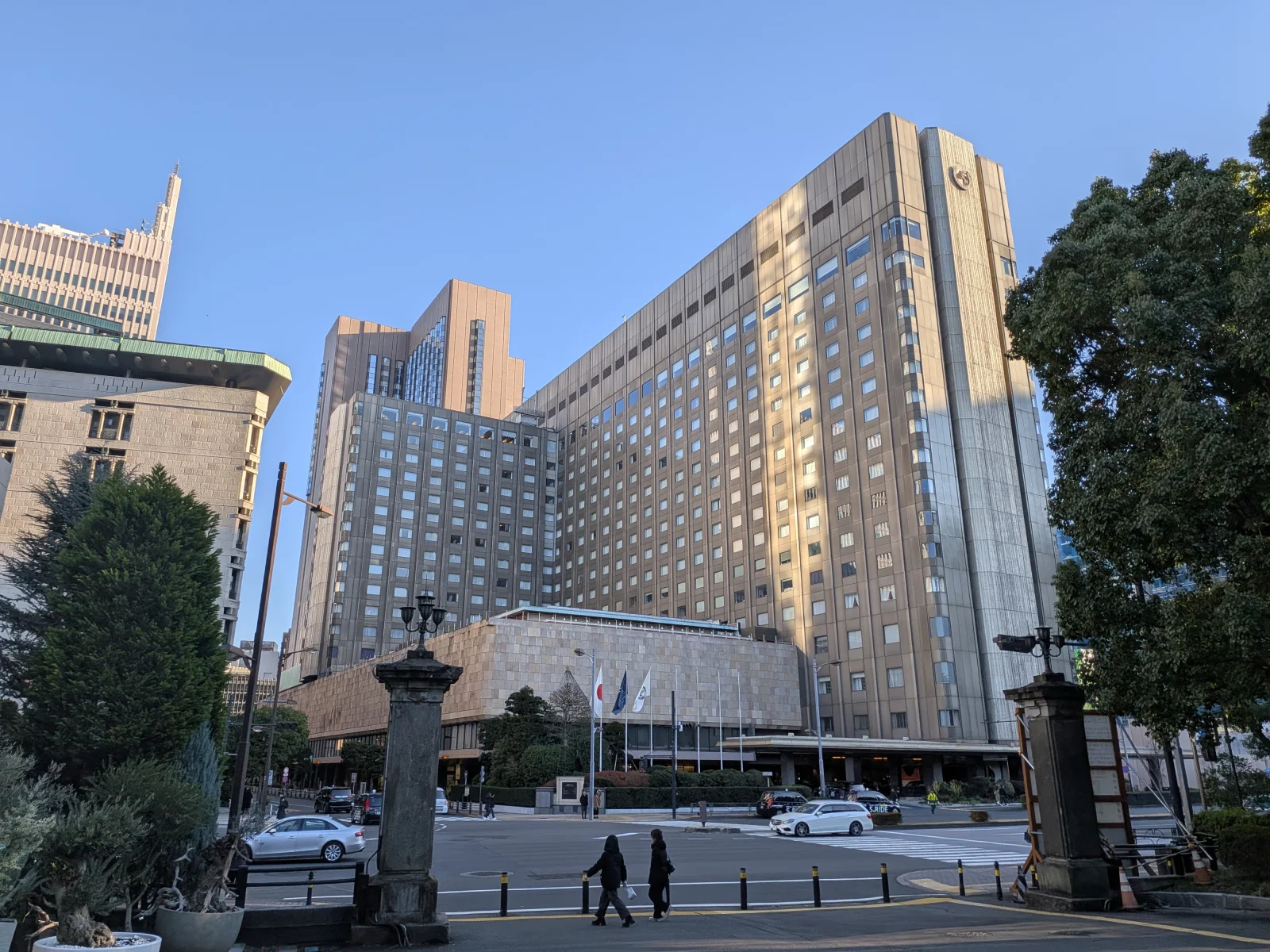
Compare room layouts, bed configurations, and station exits at the Imperial Hotel Tokyo, The Peninsula Tokyo, remm Hibiya, and THE BLOSSOM HIBIYA for Imperial Palace walks, theater nights, and Tokyo Station or airport transfers.
Imperial Hotel, Tokyo: Book the Right Wing and View
The property's official name is Imperial Hotel, Tokyo, located at 1-1-1 Uchisaiwaicho, Chiyoda-ku. Its access guide lists roughly a 3-minute walk from Hibiya Station Exit A13 or Uchisaiwaicho Station Exit A5, 5 minutes from JR Yurakucho Station, and 7 minutes from JR Shimbashi Station. Check-in is on the Main Building's 1st floor. Drop a pin specifically on the Main Building entrance if arriving by taxi or car, especially late at night or with travelers who cannot easily haul luggage, so you do not end up unloading at the banquet entrance and having to redirect.
If you are booking specifically for park views, check the Main Building's Regular Floor Deluxe Park View on the official site—a 42-square-meter room for 1 to 3 guests with either a king bed or twin beds. There is also a separate booking page for the 42-square-meter Regular Floor Deluxe without the park view, so match the full room title against your confirmation. For space to chat, eat snacks, or let someone rest in shifts, compare the 59-square-meter Regular Floor Junior Suite, which also faces the park. When traveling with a third adult, enter all three guests in the search and check the exact bedding setup shown; if three separate beds are non-negotiable, verify a twin-plus-extra-bed configuration before worrying about floor height or view.
The Imperial Floors occupy floors 14 through 16 of the Main Building, where the official site lists an Imperial Floor Deluxe Park View, also at 42 square meters. Compare the two tiers line by line—floor height, room service perks, and total nightly rate. If your priority is morning tree views, space for two suitcases, and twin beds, a Regular Floor Park View room gives you a solid baseline; paying extra for the higher tier makes more sense if you plan to spend substantial hours in the hotel. Check the official room-view photos for the same category to see whether you prefer framing the tree canopy or a wider skyline before deciding where to put the budget.
If you are reading older travel articles, check the Tower Building timeline. Under its 2026 redevelopment update, the Imperial Hotel targets starting Tower demolition around the end of fiscal 2030 and continues operating all Tower guest rooms and banquet halls until work begins. The Tower and Main Building are separate wings of the same hotel with separate room listings. If you stay in the Tower while dining or attending a wedding in the Main Building, keep both your room wing and the banquet hall floor handy before you go. The hotel floor map routes indoor cross-wing walks through the 1st-floor banquet exit of the Main Building—listing your breakfast spot, meetup point, and taxi pickup separately helps when a group splits across two rooms.
If you are spending half a day on property, meet in the 1st-floor lobby of the Main Building, stop by Gargantua on the same floor for pastries and snacks, and then head up to the Imperial Lounge Aqua on the 17th floor. The Imperial Hotel Arcade sits on B1. If you are only visiting for afternoon tea or souvenirs, plan strictly around each venue's own opening hours. Keep fresh bakery cakes for sharing in the room that same day, and pick sturdy boxed items for gifts you plan to pack on your flight home.
The Peninsula Tokyo: Direct Subway Access and Connecting Suites
The Peninsula Tokyo stands at the Hibiya Crossing, with the hotel's access map noting Hibiya Station Exits A6 and A7, a roughly 2-minute walk from JR Yurakucho Station's Central West Exit, and about 3 minutes from Ginza Station Exit C4. Check exit hours if you are out early or late—the hotel map lists Exit A7 as open from 6:30 to 23:00. Tokyo Metro's accessibility guide maps an elevator route from the Hibiya Park-side ticket gates to Exit A6, with the elevator located inside The Peninsula Tokyo. Travelers who need step-free access the whole way should verify both the platform-to-gate and gate-to-street elevator segments before deciding which station to exit.
The Peninsula's Grand Premier Park Room pages highlight views over the Imperial Palace Outer Garden and Hibiya Park. Families or multi-generational groups should check the hotel's Connecting Family Suite offers for exact bed counts and floor plans. When adults take turns watching young kids while someone else turns in early, an interior connecting door between two rooms is far more practical than booking two separate rooms that merely sit on the same floor. Enter every guest when comparing rates, check how many beds and separate bathrooms each room includes, and weigh the suite package total against two standalone rooms.
For early-morning flights or late-evening departures after checkout, the hotel offers Peninsula Time. Under its 2026-updated terms, the perk applies to bookings made through the hotel's official website, reservations team, or participating travel advisors. Subject to availability, guests can check in as early as 6:00 and check out as late as 22:00, provided the hotel receives estimated arrival and departure times at least 24 hours before arrival. If you are counting on that window for children to nap after landing, submit your flight details and expected arrival time first and wait for confirmation before scheduling your first outing. The Tokyo property excludes December 23, 2026 through January 1, 2027. If you are arriving over the year-end holidays, plan to store your bags and grab breakfast first—or book the preceding night if immediate rest is essential and notify the hotel of your actual arrival hour.
Choosing Between remm Hibiya and THE BLOSSOM HIBIYA
remm Hibiya's entrance sits right on the theater strip, listed as roughly 1 minute from Hibiya Line Exit A5, 2 minutes from Chiyoda Line Exit A13, and about 4 minutes on foot from JR Yurakucho Station's Hibiya Exit. Staying here for a performance at the Tokyo Takarazuka Theater or a nearby late movie means a short walk back after the curtain falls. Exit A5 operates from 6:00 until the last train, and when taking a taxi you can tell the driver "Remu Hibiya." The hotel notes that the entrance is on the 1st floor, with the front desk and guest lockers on the 2nd floor. Staying guests get free locker use on check-in and check-out days between 8:00 and 24:00 (up to 16 hours), which slots neatly into a half-day Ginza stop after checkout.
remm's Semi-Double rooms measure 15.1 square meters with a 140-cm bed for 1 to 2 guests and a walk-in shower. Twin rooms step up to 23.5 square meters with two 110-cm beds and a bathtub. Solo travelers with a carry-on—or anyone who only returns to sleep after dinner—will find the Semi-Double straightforward, while two travelers unpacking large suitcases or wanting a soak should start with the 23.5-square-meter Twin. If you only need separate beds on a budget, compare the Compact Twin on floors 3 and 4, which offers two 100-cm beds and a shower booth. For accessible needs, the hotel handles Universal Room bookings on request at reservation time; specify both your bathroom setup requirements and wheelchair dimensions.
THE BLOSSOM HIBIYA sits in Shimbashi 1-chome, a 5-minute walk from JR Shimbashi Station's Hibiya Exit and 2 minutes from Exit A2 or A5 of Uchisaiwaicho Station on the Toei Mita Line. Even though Hibiya is in the name, walking to the north edge of Hibiya Park, The Peninsula, or the Tokyo International Forum starts from the southern end of the district. Conversely, if your evenings revolve around Shimbashi and Shiodome or your daytime routes head south on JR lines, this location flows naturally. If you plan to use it as a base to and from Haneda Airport, also note that the Toei Asakusa Line's Shimbashi Station uses separate ticket gates from JR Shimbashi.
Here, choosing the right room comes down to window orientation and sleeping arrangements. The hotel lists its 25-square-meter Superior Twin as facing southwest on the Shimbashi side with city views. For Hibiya-facing windows and two-sided light, check the 31-square-meter Deluxe Corner King on floors 20 to 24, which faces northeast for up to two guests. Three adults can book the 34-square-meter Deluxe Corner Twin on the Shimbashi side, fitted with two 120-cm beds plus a third bed measuring 95 by 190 cm. Taller travelers should check whether that third-bed length works for them before booking—or run a search for two separate rooms to compare total cost. For accessible stays, the room lineup also includes a 31-square-meter Accessible Queen on the 19th floor for up to two guests.
Tell Hibiya, Yurakucho, and Uchisaiwaicho Stations Apart
Hibiya Station serves the Tokyo Metro Hibiya Line (H08), Chiyoda Line (C09), and Toei Mita Line (I08). Ginza is one stop toward Kita-Senju on the Hibiya Line, Kasumigaseki is one stop in the opposite direction, and the Chiyoda Line also reaches Kasumigaseki in one stop. Going the other way on the Chiyoda Line takes you to Nijubashimae (Marunouchi), though you can just as easily walk to Marunouchi along the Imperial Palace Outer Garden. Guests at the Imperial Hotel or remm often walk straight to western Ginza around Sukiyabashi and Ginza 4-chome, saving the Hibiya Line for trips like Tsukiji Outer Market.
Tokyo Metro's Yurakucho Line stops at Yurakucho Station (Y18), which connects underground to Hibiya Station. JR Yurakucho is a separate station with its own ticket gates, serving the Yamanote and Keihin-Tohoku lines. Whenever you send a "Meet at Yurakucho" text, specify JR or Metro plus the exit name—the JR Hibiya Exit works best for remm, while the Central West Exit aligns with The Peninsula. JR East's accessibility guide maps platform routes from the Central and Kyobashi exits, so check the official station map for elevators when rolling a wheelchair or heavy bags; your luggage exit does not have to be the same one you use empty-handed.
To reach Tokyo Station, ride the Yamanote Line inner loop one stop from Yurakucho. Watch out for Keihin-Tohoku Line rapid services during daytime hours, which skip Yurakucho and can leave you waiting on the wrong platform. If you are catching the Shinkansen at Tokyo Station, follow the transfer signs inside the station, and spell out either the Marunouchi or Yaesu side when meeting travel companions. When taking a cab from Hibiya to Tokyo Station, tell the driver which train line and entrance you need—just saying "Tokyo Station" can drop you on the wrong side with a long cross-station walk ahead.
To reach Tokyo Disney Resort from Hibiya, catch the JR Keiyo Line toward Maihama from either Tokyo Station or Hatchobori Station. Guests staying near The Peninsula or JR Yurakucho can walk to the Tokyo International Forum and take the B1 passage straight to the Keiyo Underground Marunouchi Exit at Tokyo Station. If you are right beside Hibiya Station, riding the Hibiya Line to Hatchobori and transferring to JR is another clean option, each requiring one walk or transfer. When pushing a stroller while someone else heads ahead empty-handed to line up, either keep the whole group on an elevator-equipped route or set your meetup point outside the Maihama Station ticket gates. For pre-opening rope-drop tactics, see our Tokyo Disneyland complete guide.
Limit Airport Arrivals and Departures to One Major Transfer
From Haneda Airport on the Tokyo Monorail, transfer at Hamamatsucho to the Yamanote Line toward Shimbashi and Yurakucho. Travelers taking the Keikyu Line through to the Toei Asakusa Line should check train destinations and stopping patterns for trains that serve Shimbashi. If you are staying at THE BLOSSOM HIBIYA, compare that final walk from Shimbashi against staying on the north side of Hibiya Park, where getting off at JR Yurakucho—or taking a short taxi from Shimbashi—works better. When traveling in a group with multiple large bags, factor in the station walk, rail transfer, and taxi drop-off point together instead of judging purely by airport-to-city train time.
For Narita departures with reserved Narita Express seats, riding the Yamanote Line from Yurakucho to Tokyo Station is straightforward. Inside Tokyo Station, follow signs for the "Sobu Line / Sobu Underground" platforms for the Narita Express—the Keiyo Underground area for Maihama is a separate concourse. Save your train number, car, seat numbers, and departure station on your phone before entering Tokyo Station in case your group gets separated. If you prefer Airport Limousine Bus service, check schedules by travel date and exact stop; the Imperial Hotel's access page currently lists direct Haneda bus service as suspended while keeping Narita buses as an option. Families traveling with parents should compare transfer counts and station elevators before hauling luggage, and check our Tokyo airport arrivals guide for alternative routes.
If you want to shop in Ginza on your departure afternoon, Imperial Hotel Tokyo guests can leave bags at the Bell Captain Desk on the Main Building's 1st floor before check-in or after checkout. Standard Main Building hours are 14:00 check-in and 12:00 check-out, which makes it easy to have lunch nearby before picking up your bags. If your last stop is meeting friends in Marunouchi before boarding a train at Tokyo Station, calculate whether backtracking south to your hotel makes sense or if you are better off bringing your luggage to Tokyo Station in the morning and using station storage. When time is tight, plan lunch near wherever your bags are waiting or right beside your departure station so you only cover that ground once.
Morning Walks: Pick Hibiya Park, the Outer Garden, or the East Gardens
If you only have half an hour before breakfast, cross the street from the Hibiya Crossing straight into Hibiya Park. Hibiya Station Exits A10 and A14 open along the park, while Exit B2 brings you in from the Kasumigaseki side. To see the flower beds, Shinji Pond, and the Old Park Office, enter from the Hibiya Crossing corner. When construction fences block parts of the park paths, stick to the open loops and exit back toward your hotel. If you are cutting across the park toward Kasumigaseki—especially on major event days—check the Tokyo Metropolitan Park Association's map first to pick an entrance and exit clear of work zones.
For stone castle walls, historic gates, and pine groves, walk from Hibiya into the Imperial Palace Outer Garden, loop around Nijubashimae, and head back. Runners can follow the designated jogging paths around the moat. The Ministry of the Environment's Outer Garden map highlights approved running zones and asks visitors to walk through crowded stretches near the Kusunoki Masashige statue. Run the inner moat counterclockwise and yield to pedestrians in narrow bottlenecks. If you have a breakfast reservation and want time for a shower afterward, run an out-and-back segment along the moat from the Hibiya side and build in time for photos and crosswalk signals.
To see Edo Castle remains such as the tenshudai keep base and Ninomaru Garden, plan a visit to the Imperial Palace East Gardens. From Hibiya, walk along the east side of the Outer Garden to Otemon Gate, or take the subway to Otemachi Station Exit C13a for a roughly 5-minute walk to the entrance. Admission is free with no reservation required; the gardens are normally closed on Mondays, Fridays, and from December 28 through January 3, with exceptions on certain holidays. From November through February, hours run 9:00 to 16:00 with last entry at 15:30. Make the East Gardens a morning priority rather than squeezing them in after shopping. Decide whether to climb the keep base once you have tackled the gravel paths and slopes, and set the Ote Rest House as a meetup spot if anyone turns back early.
During the Imperial Palace Inui-dori autumn opening from November 28 to December 6, 2026, the Imperial Household Agency designates Otemon Gate as exit-only. Visitors touring just the East Gardens on those days enter via Hirakawamon or Kitahanebashimon gates, with special openings also scheduled on Monday, November 30 and Friday, December 4. Families staying in Hibiya with older relatives who tire easily can ride the subway to a station closer to an open entry gate before starting their walk. Another option is to eat lunch in Marunouchi first and finish your East Gardens walk by exiting through Otemon and strolling back down the Outer Garden to Hibiya. Bookmark the Imperial Household Agency's special notice page during this period rather than relying on standard weekday routes.
Rainy Days, Older Travelers, and Late Theater Returns
On rainy days, Hibiya Station Exit A11 connects directly into Tokyo Midtown Hibiya, where B1 and 1F entrances open from 8:00 for access to the 4th-floor cinema while retail shops generally open at 11:00. Once the rain clears, head up to the 6th-floor Park View Garden terrace overlooking Hibiya Park. If rain disrupts a planned morning walk in the East Gardens, swap in a movie, indoor browsing, and lunch, then save the park bench for the afternoon. Whenever you have fixed tea or showtime reservations, account for the short uncovered stretch outside your hotel entrance—crosswalk wait times at the Imperial Hotel or the theater strip outside remm.
When traveling with older adults, screenshot the exact station exit, elevator path to street level, and which side of the building houses the hotel main entrance on one sheet. Tokyo Metro's Hibiya Station map shows an elevator from the Nakameguro-bound Hibiya Line platform up to the Hibiya Park-side gates and Exit A6. On the Chiyoda Line, take the central platform elevator to the Hibiya Crossing-side gates and Exit A11. If using the Toei Mita Line, pull up the Toei Transportation station diagram to locate the elevator from your arrival platform. For grab bars or shower chairs in the bathroom, ask specifically about the exact room category you are booking. Anyone who gets up during the night should also check the path between bed and bathroom, step thresholds, and whether two open suitcases block the walkway.
Before booking dinner around a night performance at the Tokyo Takarazuka Theater or a late movie, match curtain time against restaurant last-order deadlines. Eating before you shop in a department store is a very different evening from hunting for late-night food in Ginza after a show. If part of your group is catching a JR train back to another neighborhood afterward, agree to meet in the hotel lobby or outside specific station gates rather than debating underground versus street routes while walking in a crowd. Browse our Hibiya food guide for sit-down options along the way, or use our Hibiya shopping guide to decide between Midtown and Yurakucho for quick errands. Staying on the park side also makes it easy to pick up next-day breakfast items on your walk back at night instead of hauling luggage out to look for coffee at dawn.
If street noise affects your sleep, zoom into the exact block on the map to see whether your hotel faces the park, a major boulevard, elevated JR tracks, or a theater entrance, then weigh room orientation and floor height. Park-facing buildings still pick up Hibiya-dori traffic, while the theater strip gets bursts of crowd noise at intermission and after shows. Request a room away from elevators and service closets when booking. If one person wakes easily at night and another has a pre-dawn departure, booking two separate rooms often solves both problems cleanly. Light sleepers should prioritize room facing and flexible date changes ahead of small nonrefundable discounts.
How to Plan Around Performances or Trade Events
The Tokyo Takarazuka Theater's access page directs Hibiya Line riders to Exit A5 and Chiyoda Line riders to Exits A11 or A13. If you are booking lodging after securing tickets, work backward from that theater entrance. Staying at remm lets you drop bags in the 2nd-floor lockers, eat at Tokyo Midtown Hibiya, and walk straight back onto the theater strip before curtain. Companions who split off to shop can head back toward the hotel or restaurant before the show lets out, using an exact shop or cafe name as the meetup spot. Save errands for the window before checkout so you are not carrying shopping bags into your theater seat.
If you are visiting solely for a show and rarely spend time in this district, anchor your itinerary to the curtain times first. Regular Tokyo Takarazuka Theater performances only release same-day tickets when unsold seats remain, so if you have booked a hotel without tickets in hand, monitor each production's official ticketing page for availability. Between a matinee and an evening show, limit Ginza shopping to one or two stores on the west side before venturing onto Chuo-dori if time allows. Buy chilled pastries on a free day rather than before a show so you do not have to make an extra trip back to the room fridge. If you are staying just one night and hoping for early check-in, state your arrival time, curtain time, and expected return to the hotel clearly when asking.
For morning check-ins at the Tokyo International Forum, staying on the Yurakucho side lets you finish breakfast and walk over calmly. When daytime sessions and evening dinners sit in different pockets, heading north up Marunouchi Naka-dori or walking under the tracks back to Hibiya gives you two distinct return routes. If you are meeting visiting colleagues at your hotel, specify both the building wing and the front-desk floor. On nights when you need quiet time in the room for calls, pick a dinner spot right along your walk back so you can return without extra detours. The Imperial Hotel also houses conference and banquet rooms—if your invitation lists the Imperial Hotel, check the exact wing and hall name, since it is a separate venue from the Tokyo International Forum.
If a morning show is rescheduled or rain hits mid-walk, step off the south side of Hibiya Park into the Chiyoda City Hibiya Library & Museum. Located inside the park, it sits about a 3-minute walk from Kasumigaseki Station Exit B2 or Uchisaiwaicho Station Exit A7. Regular hours are 10:00 to 22:00 Monday through Friday, until 19:00 on Saturdays, and until 17:00 on Sundays and public holidays, with closures on the third Monday of each month and from December 29 through January 3 (exhibition rooms keep separate hours). Guests staying on the Shimbashi side can stop here first before walking to the theater or their hotel, making it easy for two families to split up for different activities. Leaving from the library toward the north end of the park also lets you spend as much time in the exhibits as you want without holding up everyone else's palace stroll.
Factor Stay Length and Cancellation Rules Into the Real Total
When comparing these four hotels, enter the exact same guest count and travel dates across all searches first, filtering down to listings with the bed setup and occupancy you actually need. Twin beds, a third extra bed, included breakfast, and single-occupancy rates all shift the final total noticeably. If you want one night with a park view while spending the other days out from dawn to dusk, put that splurge night in the middle or at the end—but factor in the time lost packing, checking out, and checking back in. For two- or three-night stays with companions who need midday rest, keeping the whole stay in one standard room usually delivers better value.
Tokyo's accommodation tax is charged per person, per night based on the room rate. Through March 31, 2027, stays under ¥10,000 are exempt, rooms from ¥10,000 to under ¥15,000 are taxed ¥100, and rooms ¥15,000 or more are taxed ¥200. Starting April 1, 2027, the exemption threshold rises to ¥13,000, with stays at or above that amount taxed at 3%. When comparing breakfast-inclusive packages, remember the tax is calculated on the lodging portion and is often collected separately at the front desk. Stays straddling late March and early April 2027 follow the rule in effect for each individual night, so save a nightly rate breakdown if a booking page only shows a lump-sum total.
Always multiply the price gap between an advance-purchase rate and a flexible refundable rate across every night of your stay before choosing. When booking two rooms or multiple nights, keep a copy of the reservation details showing the exact cancellation deadline, billing currency, and bed configuration. If you plan to reserve hotel dinners, afternoon tea, or special bath slots, check whether they are bundled with your room rate, as standalone dining reservations carry separate cancellation cutoffs. Before shipping luggage ahead, confirm the dates the hotel accepts deliveries and list the exact name on the reservation, then pack an overnight bag accordingly. If you have an evening performance on your arrival night in Tokyo, keep your tickets and evening essentials in your daypack so you can drop bags and head straight to the theater.
When your dates are anchored by a concert, play, or conference, lock in a refundable room that fits your full party alongside your arrival transit plan first. If the price difference between two room views at the same hotel equals the cost of a good meal, weigh how many waking hours you will spend inside. Having breakfast in the hotel or watching the park from your window in the afternoon puts that upgrade to real use; if you are only crashing after the final curtain, spending that difference on a second bed or a shorter walk back pays off far more the next morning.
A few useful answers
Which Hibiya hotel is easiest for a first-time stay?
Choose the Imperial Hotel, Tokyo if you plan on hotel dining and frequent park walks. Start with remm Hibiya if you ride JR trains often or are in town for theater. Look at The Peninsula Tokyo for direct subway access into the building, and choose THE BLOSSOM HIBIYA if your trips start around Shimbashi.
How do I book a Hibiya Park view at the Imperial Hotel, Tokyo?
Search for the Main Building's Regular Floor Deluxe Park View or Imperial Floor Deluxe Park View. Both measure 42 square meters, and you can select a king bed or twin beds when booking.
Do any Hibiya hotels fit three adults in one room?
The Imperial Hotel, Tokyo's Regular Floor Deluxe Park View accommodates up to three guests. THE BLOSSOM HIBIYA's Deluxe Corner Twin sleeps two to three guests, using a 95 by 190 cm third bed.
Where do you catch the train to Tokyo Disneyland from Hibiya?
Board the JR Keiyo Line toward Maihama from either Tokyo Station or Hatchobori Station. From the Hibiya Line, ride to Hatchobori and transfer to JR; if you are staying on the north side near Yurakucho, walk through Tokyo International Forum B1 to reach the Keiyo Line at Tokyo Station.
Which exits have elevators at Hibiya Station if I have large luggage?
Exit A6 inside The Peninsula Tokyo has an elevator connecting to the Hibiya Park-side ticket gates, and the Nakameguro-bound Hibiya Line platform also has elevator access. On the Chiyoda Line, take the central platform elevator via the Hibiya Crossing-side gates to Exit A11; for the Toei Mita Line, check Toei Transportation's station map.
Can I visit the Imperial Palace East Gardens on a Friday while staying in Hibiya?
The East Gardens are normally closed on Fridays, though the Imperial Household Agency calendar lists occasional special openings. On closure days, walk the Imperial Palace Outer Garden toward Nijubashimae instead, or explore Hibiya Park and Tokyo Midtown Hibiya.
How will Tokyo's accommodation tax work in Hibiya starting spring 2027?
From April 1, 2027, Tokyo's accommodation tax applies per person, per night on the room rate: stays under ¥13,000 are exempt, while rooms at ¥13,000 or above are taxed at 3%. Stays crossing month-end are calculated night by night under each date's rule.
Official information and references
Sources used in this guide.
- Imperial Hotel, Tokyo | Access & Airport Transfers
- Imperial Hotel, Tokyo | Guest Rooms & Floors
- Imperial Hotel, Tokyo | Regular Floor Deluxe Park View
- Imperial Hotel, Tokyo | Floor Map & Wing Connections
- Imperial Hotel, Tokyo | Main Building Stay & Luggage Storage FAQ
- Imperial Hotel, Tokyo | Tower Building Redevelopment Schedule
- Imperial Hotel, Tokyo | Facilities FAQ
- Imperial Hotel, Tokyo | Gargantua Hotel Shop
- Imperial Hotel, Tokyo | Imperial Lounge Aqua
- The Peninsula Tokyo | Transportation & Access Map
- The Peninsula Tokyo | Guest Rooms & Park Views
- The Peninsula Tokyo | Connecting Family Suites
- The Peninsula Hotels | Peninsula Time Terms & Blackout Dates
- remm Hibiya | Access
- remm Hibiya | Room Types & Bedding
- remm Hibiya | Semi-Double Room
- remm Hibiya | Twin Room
- remm Hibiya | Front Desk Floor & Guest Lockers
- THE BLOSSOM HIBIYA | Shimbashi & Uchisaiwaicho Exits
- THE BLOSSOM HIBIYA | Room Views, Extra Beds & Accessible Rooms
- Tokyo Metro | Hibiya Station Exits
- Tokyo Metro | Hibiya Station Elevator Routes
- Tokyo Metro | Hibiya Line Stations
- Toei Transportation | Mita Line Hibiya Station
- JR East | Yurakucho Station Floor Map
- JR East | Yurakucho Station Timetables
- JR East | Tokyo Station Keiyo & Sobu Underground Concourses
- Tokyo International Forum | Access Map & Underground Connections
- Tokyo Disney Resort | Train Access to Maihama Station
- Keikyu Corporation | Haneda Airport to Central Tokyo Stops
- Tokyo Metropolitan Park Association | Hibiya Park Map & Notices
- Ministry of the Environment | Imperial Palace Outer Garden Visitor Guide
- Ministry of the Environment | Imperial Palace Running Route
- Imperial Household Agency | East Gardens Hours, Gates & Calendar
- Imperial Household Agency | Autumn 2026 East Gardens Special Openings
- Tokyo Midtown Hibiya | Underground Access & Opening Hours
- Tokyo Takarazuka Theater | Station Exits
- Tokyo Takarazuka Theater | Same-Day Ticket Rules
- Chiyoda City Library | Hibiya Library & Museum
- Tokyo Metropolitan Government Bureau of Taxation | Accommodation Tax & 2027 Revision