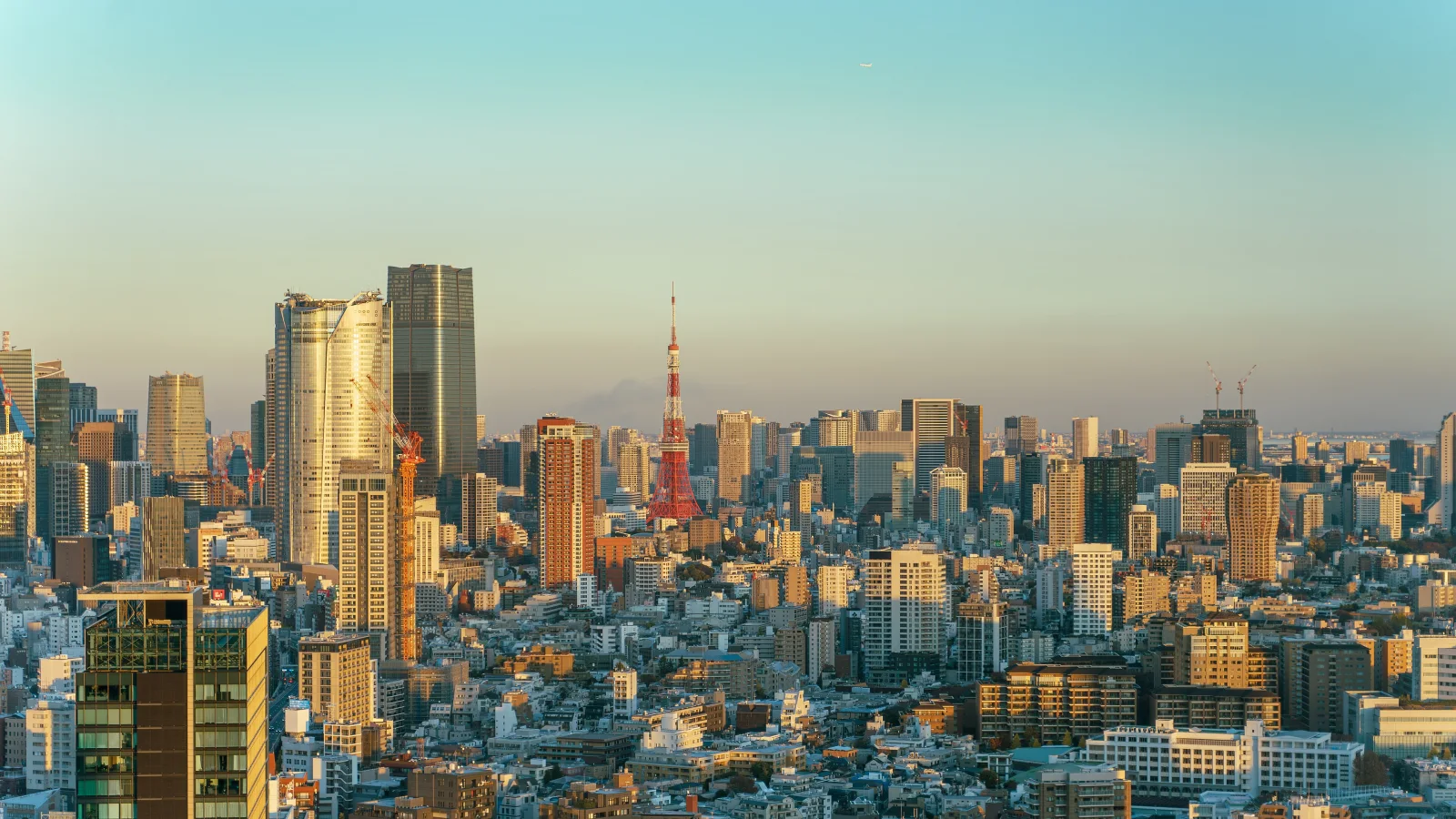
Choose a Toranomon base by metro line: Ginza Line Toranomon Station, Hibiya Line Toranomon Hills Station, or Kamiyacho. Compare Hotel Toranomon Hills, Andaz Tokyo, The Okura, and Shimbashi hotels on entrances, view rooms, family setups, and airport access.
- Region & Focus
- TokyoHotels and stays
- Reading Scope
- 16 min read · 10 chapters · 8 Q&As
- Official Verification
- 31 official sources checkedUpdated November 22, 2026
- Key Topics
- Where to stayNeighborhoodsRail travel
Chapter Route Map (tap any stop)
- Start With the Rail Lines You Will Ride Every Day
- Keep Station Tower and Mori Tower Separate
- Weighing Kamiyacho Against Tameike-Sanno and Shimbashi
- Factoring Both Ends Into a Tokyo Station Shinkansen Run
- Use Shimbashi for Haneda and Tokyo Station for Narita
- Spend Room-Tier Upgrades Where You Will Actually Use Them
- Booking Strategies for Three Guests, Families, and Week-Long Stays
- Choose Dining by Floor and Walks by the Return Station
- Plan Early Arrivals, Exhibitions, and Meetings Around the Right Entrance
- Matching Your Rate to the Days You Will Actually Use This Location
- Quick Q&A
Toranomon works well if you are in Tokyo for meetings or plan to bounce repeatedly between Ginza and Roppongi. For the shortest walk off the subway, pick Station Tower, which connects directly to the Hibiya Line. Andaz Tokyo sits in Mori Tower instead, with a separate entrance for taxis and hotel elevators. If your itinerary centers on Tokyo Tower and Azabudai Hills, shift your search toward Kamiyacho. And if you have an early Shinkansen the next morning, map your checkout route from whichever departure station is printed on your ticket—Tokyo or Shinagawa.
Start With the Rail Lines You Will Ride Every Day
Before booking multiple nights in Toranomon, pinpoint your earliest stop each morning. If your meetings are in Toranomon Hills and your daytime schedule pulls you toward Kasumigaseki or Ginza, staying in Station Tower or Mori Tower lets you drop your laptop and papers back in the room before heading out for dinner. If your days lean toward Azabudai Hills, Tokyo Tower, and exhibitions in Roppongi, hotels on the Kamiyacho side make more sense. Properties all across this pocket share a Minato-ku Toranomon street address, yet their nearest subway stations can still be a full stop apart.
Toranomon Station (G07) serves the Ginza Line. Heading toward Ginza, the train stops at Shimbashi first and reaches Ginza in two stops. In the opposite direction, it runs through Tameike-Sanno, Akasaka-Mitsuke, Aoyama-Itchome, and Omotesando before terminating at Shibuya. If you plan to hit Omotesando in the morning and return to Ginza in the afternoon, a hotel near the Ginza Line saves you the long walk back from the Tokyo Tower side. When meeting someone in Ginza, include a specific department store or intersection—Ginza Station's exits cover a wide footprint.
Toranomon Hills Station (H06) sits on the Hibiya Line. Trains bound for Naka-Meguro stop first at Kamiyacho, then Roppongi. In the other direction, the line passes Kasumigaseki, Hibiya, Ginza, Higashi-Ginza, and Tsukiji. Note that Tsukiji Station serves the Tsukiji Outer Market area; getting to Toyosu Market requires a separate transit leg. Searching for routes from Toranomon to Ginza can return both two-stop and three-stop options depending on whether you board at G07 or H06. Double-check the line color and station code before tapping in, especially since two different hotels advertise direct access to Toranomon Hills Station.
To catch the Marunouchi Line from this side of Minato Ward, walk to Kasumigaseki Station (M15)—Tokyo Metro's Toranomon Station itself only carries the Ginza Line. From the Kasumigaseki side, you can walk straight into M15 and ride through Ginza to Tokyo Station. Guests at Station Tower can also take the Hibiya Line one stop to Kasumigaseki and transfer to the Marunouchi Line there. If you are headed to Nagatacho, check the street address to see whether an exit at Tameike-Sanno, Kokkai-gijidomae, or Akasaka-Mitsuke puts you closer. Government ministry entrances often sit across a wide boulevard from where the building pin drops on a map, so verify the exact street number and gate name on your invitation before an early meeting.
An unpaid underground passage connects Toranomon Station and Toranomon Hills Station. If you are only walking to a hotel or restaurant, just follow the subterranean signs. If you are transferring between lines to continue a ride, you have to pass through ticket gates at both stations. Under Tokyo Metro's out-of-station transfer rules, designated transfers allow up to 60 minutes: paper-ticket riders must use the orange transfer gates, while IC card users (Suica, PASMO, and others) tap in and out with the same card. If you want to sit down for a full meal between trains, it is simpler to treat the two legs as separate fares rather than racing the clock.
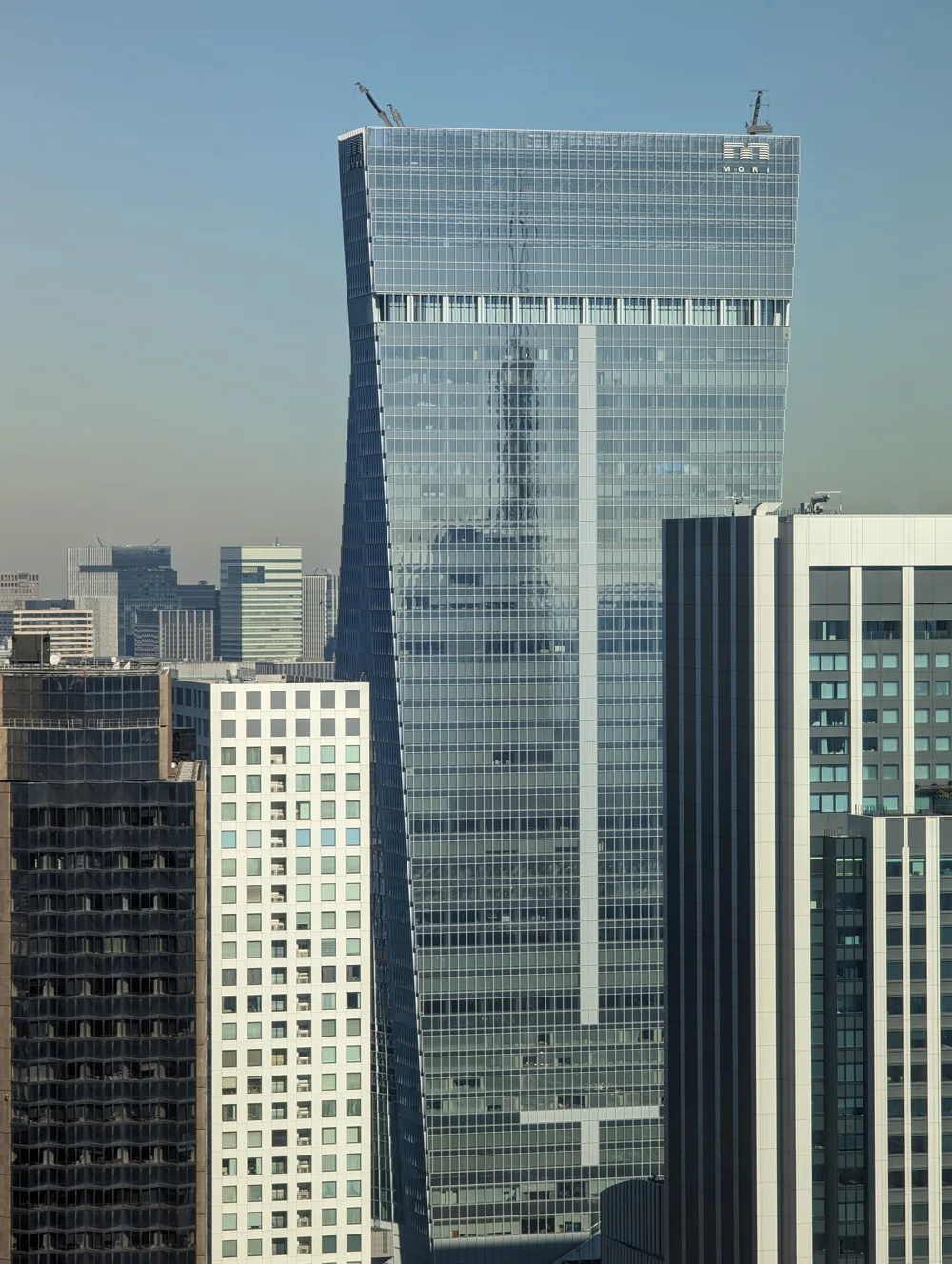
Choose a Toranomon base by metro line: Ginza Line Toranomon Station, Hibiya Line Toranomon Hills Station, or Kamiyacho. Compare Hotel Toranomon Hills, Andaz Tokyo, The Okura, and Shimbashi hotels on entrances, view rooms, family setups, and airport access.
Keep Station Tower and Mori Tower Separate
Hotel Toranomon Hills occupies Station Tower and appears on booking platforms under The Unbound Collection by Hyatt. Per the hotel's directions, head toward the A2 side of Hibiya Line Toranomon Hills Station, pass through the B2 concourse level, and follow hotel signage up to the first-floor arrival area—the easiest route to remember when rolling luggage. That double-height B2 level houses T-MARKET; walk past the dining stalls to locate the hotel entrance. Coming from the Ginza Line, follow the underground signs for Toranomon Hills Station and Station Tower through a longer connecting corridor.
Andaz Tokyo Toranomon Hills is in Mori Tower, which also houses offices and conference spaces. From the ground floor, follow hotel signage to the dedicated elevators up to the 51st-floor lobby. From Hibiya Line Toranomon Hills Station, the hotel's access map routes you out Exit B1 and along an underground walkway into Mori Tower. Because both hotels have separate street-level entrances, put both the full English hotel name and the building name in your ride-hailing notes. For pickups, specify either the hotel lobby or the ground-floor driveway—saying "the main entrance at Toranomon Hills" can easily send one person to Station Tower and the other to Mori Tower.
A third tower you will see on local maps is Business Tower. It holds the Toranomon Yokocho dining hall on the third floor and a ground-floor bus terminal on the first. If friends are coming over from Shimbashi for dinner, tell them to meet at Toranomon Yokocho on the third floor of Business Tower, giving Station Tower guests time to drop bags first. Floor maps also show the second-floor T-Deck pedestrian bridge, meaning street-level/bridge paths and underground gate-level corridors follow completely different floor stacks. In the rain with suitcases, stick to the single route on your hotel's access page instead of gambling on a mid-way shortcut toward another tower.
To reach TOKYO NODE inside Station Tower, enter the "OFFICE / TOKYONODE" lobby from the underground station concourse and ride the shuttle elevator to the 7th floor, then transfer to the 8th-floor reception level and follow event signs upward. The 45th-floor gallery and restaurant and the 46th-floor event hall run on separate schedules. The 49th-floor SKY GARDEN & POOL is open only to guests dining at that floor's restaurant or attending designated events, subject to weather and private bookings. Even if you are staying in the same building, an exhibition ticket, a restaurant reservation, and a view-category room are three separate expenses.
According to the official Toranomon Hills site, Mori Tower, Business Tower, and Station Tower each have a 24-hour ground-floor taxi stand. On checkout day with heavy luggage and an early train to catch, ask the front desk to book a cab to your specific tower's driveway and set your group's meeting time for the driveway rather than your room door. If companions are staying in a different tower, having everyone walk to one agreed pickup point is faster than asking a driver to loop between two driveways before heading to Tokyo Station or the airport.
Weighing Kamiyacho Against Tameike-Sanno and Shimbashi
The Tokyo EDITION, Toranomon sits in Kamiyacho Trust Tower. Exit the Toranomon-side ticket gates at Hibiya Line Kamiyacho Station and follow the underground signs through Metro City Kamiyacho to the hotel passage, or walk at street level from Exit 4b. For Azabudai Hills, use Exit 5 at the same station. If you are booked at the EDITION and want to browse Azabudai Hills right after arriving, drop your bags at the hotel first and return to the station for Exit 5 rather than hauling suitcases through the mall entrance. To see Tokyo Tower from your room, look specifically for "Tokyo Tower View" in Marriott's room descriptions. Terrace rooms are worth the splurge only if the forecast and your schedule give you daylight or evening hours to actually sit outside—on a late-arrival, early-departure two-night stay, you will barely use it.
The Okura Tokyo also carries a Toranomon address. The hotel notes roughly a five-minute walk from Toranomon Hills Station Exit A2a to its banquet entrance. When checking in, confirm whether your reservation is in The Okura Prestige Tower or The Okura Heritage Wing and follow signage for that wing's lobby. The hotel also provides walking directions from Roppongi-itchome, Tameike-Sanno, and Ginza Line Toranomon stations. If your daily meetings are in Roppongi-itchome, the Namboku Line side makes sense, while arriving by whichever subway line is most convenient. Because Exit A2a leaves you with a stretch of outdoor sidewalk, switch to a taxi if you have rain-sensitive gear or large bags.
Moving east toward Shimbashi or Nishi-Shimbashi shifts your transit mix toward JR lines. If your days pair morning trips to Tokyo Station with dinners in Shimbashi—plus a run down to Shinagawa or Haneda—include business hotels on the Shimbashi side in your rate comparison. Uchisaiwaicho Station on the Toei Mita Line offers another handy access point if your stops include Hibiya or Otemachi. When comparing listings on a map, measure routes from the hotel's actual front door across Shimbashi, Uchisaiwaicho, and Toranomon. If you will be boarding JR trains every morning, sort properties by the walk to the JR ticket gates rather than trusting whichever subway station appears first in a booking-site summary.
Factoring Both Ends Into a Tokyo Station Shinkansen Run
For Tokaido Shinkansen trips to Kyoto or Osaka, check first whether your ticket lists Tokyo or Shinagawa as the boarding station. With a Tokyo departure, time your trip to the Tokaido Shinkansen gates or your meetup point at Tokyo Station. Taking the Marunouchi Line from Kasumigaseki drops you on the Marunouchi side of Tokyo Station, whereas Tokaido Shinkansen gates cluster on the Yaesu side—follow the blue Tokaido-Sanyo Shinkansen signs across the complex. If you hold only a Shinkansen ticket without a JR local fare, walk through the free passageway linking both sides before entering the Shinkansen gates. Travelers riding north-bound lines should follow signs for the specific Shinkansen name on their ticket.
If you have not locked in your boarding station yet and are staying on the Shimbashi side, look at departing from Shinagawa. Riding JR local one stop south from Shimbashi to Shinagawa lets you transfer directly to the Shinkansen without doubling back north to Tokyo Station. Keep Tokyo Station if you are meeting companions there or boarding the Tohoku, Joetsu, or Hokuriku Shinkansen. If you need to change the departure station on an existing ticket, handle it through your original booking channel and verify the full itinerary. On stays of two nights or more, test-routing the morning Shimbashi-to-Shinagawa transfer before booking can save you from switching hotels solely for a dawn train.
Tokyo Station separates its Marunouchi South, Central, and North exits from the corresponding exits on the Yaesu side. In a taxi heading for the Tokaido Shinkansen, tell the driver the Yaesu side plus whichever exit—North, Central, or South—matches your gate or meetup spot; saying just "Tokyo Station" from Toranomon often gets you dropped on the nearer Marunouchi side. Build in traffic buffer on road transfers. In dry weather with only a backpack, walking from the northern edge of Toranomon is doable—plug your exact hotel and the correct side of Tokyo Station into walking navigation. Tokyo Station City's boarding guide estimates about 10 minutes on foot just to cross from the Marunouchi side to the Yaesu side, so count that separately.
With two large suitcases, add elevator waits, subway platform-to-street climbs, and post-gate walking inside Tokyo Station on top of your transit time. For pre-dawn departures, get mobile QR codes, paper tickets, IC cards, and backup screenshots ready the night before. If you need to pick up paper tickets at the station, factor in ticket-machine operating hours and which concourse houses the pickup counter. Eating breakfast on the train—or grabbing pastries and drinks the evening before—is far more realistic than trying to shave minutes off the station transfer. If forwarding bags to your next hotel, pack an overnight kit based on the courier's scheduled delivery date and write the exact guest name from your next reservation on the hotel shipping label.
Use Shimbashi for Haneda and Tokyo Station for Narita
From Haneda Airport, look for Keikyu trains offering through-service onto the Toei Asakusa Line that stop at Shimbashi. Once at Shimbashi, guests staying in Nishi-Shimbashi can walk from the nearest exit, while guests near Ginza Line Toranomon Station can ride one stop toward Shibuya. If you are headed to Kamiyacho, Mori Tower, or The Okura—especially in a group, late at night, or juggling strollers and checked bags—switching to a taxi at Shimbashi straight to your hotel's driveway skips a sprawling station transfer. On the return trip, confirm your departure terminal on your airline itinerary first, then verify the train's destination and stopping pattern on the platform board.
From Narita Airport, the Narita Express (N'EX) runs into Tokyo Station, where you can transfer to a JR local train to Shimbashi or exit for a taxi. With light luggage and a hotel near Kasumigaseki, you can also hop on the Marunouchi Line to Kasumigaseki. On a split-stay Tokyo itinerary, recalculate your return airport route from your second hotel and verify N'EX departure times for your actual travel date. Because N'EX platforms and Shinkansen tracks occupy different levels inside Tokyo Station, if part of your group arrives early to buy bento boxes, meet near your N'EX departure track rather than outside at the Marunouchi building.
For Andaz Tokyo in Mori Tower, the Airport Limousine Bus to and from Narita is worth comparing. The Toranomon Hills access page notes that buses stop at the Andaz driveway on Mori Tower's ground floor; check your travel date and terminal in the bus operator's route finder before booking. When traveling with older relatives, a timed seat straight to the hotel driveway takes the stress out of arrival. If your flight lands between bus windows, take N'EX or another running rail line instead of waiting around the terminal—and remember you can also check afternoon departures from Andaz back to Narita (listed on the November 2026 Airport Limousine schedule). Since buses serve several Minato Ward hotels, confirm both your pickup stop and arrival terminal before buying tickets. On the Haneda route, the Toranomon Hills access page marked Airport Limousine service to Andaz and Business Tower as suspended as of our check, so plan on trains or a taxi for Haneda.
Separate your airport transfer math from your daily sightseeing math. If your Haneda arrival day consists of nothing more than dinner, Shimbashi's easy airport transfer only helps you once. If the next day puts you in meetings at Toranomon Hills and day three takes you to exhibitions in Roppongi, a room steps from the Hibiya Line pays off every single morning. Conversely, an early-morning Haneda flight home paired with heavy JR usage makes Nishi-Shimbashi worth moving up your shortlist. For terminal comparisons, last-train cutoffs, and bus alternatives, cross-check our Tokyo airport-to-city transit guide.
Spend Room-Tier Upgrades Where You Will Actually Use Them
Guest rooms at Hotel Toranomon Hills start at 27 square meters. If a soaking tub matters to you, Hyatt's hotel FAQ specifies that bathtubs are limited to designated Premium rooms and suites. Pay close attention when booking a view: the property lists a "1 King Bed, Tower View, Shower" category with no tub, so if you want both a Tokyo Tower view and a bathtub, price out the Tower View suites. On a one-night stay where you already hold observation-deck tickets for Tokyo Tower, save your budget for the base room; keep the view upgrade for nights when you plan to unwind in the room after dinner.
At Andaz Tokyo, rooms start at 50 square meters, with guest rooms and dining occupying the upper floors of Mori Tower. If one traveler goes to bed early while the other gets in late, check the floor plan for suitcase clearance between the entryway and the bed—layout matters more than raw square footage. Room names separate bed setup from view, so filter first for twin vs. king beds and then compare Tokyo Tower View against standard city view rather than getting distracted by window photos. If your rate includes breakfast, verify serving hours against your schedule: early departures may be better off booking room-only or picking a property closer to their morning meetup.
On multi-night stays, circle the hours on your itinerary when you will genuinely be inside the room. If you are logging three straight evenings of remote work, desk height and chair ergonomics matter far more than floor number. For daytime client calls, Hotel Toranomon Hills offers The Lounge for in-house guests, equipped with power outlets, phone booths, and reservable meeting rooms. The Lounge is open to guests before check-in and after checkout and includes showers and self-service lockers—useful if you land in Tokyo early and want to stash carry-ons and freshen up before your room is ready.
Light sleepers should add booking notes requesting rooms away from elevators, mechanical rooms, and connecting doors. Check the property's floor-plan diagram to see which rooms face busy avenues, and select a quieter orientation if the rate description lets you choose. Asking about room placement pays off far more on a multi-night stay than a single night, especially when someone in the room has an early meeting or flight.
Compare nightly rates using the final checkout total for your exact guest count. Breakfast inclusions, cancellation deadlines, and prepayment currencies vary across dates and rate plans. If long-haul flights or meeting times are still fluid, start with a refundable rate and put the Japan Standard Time cancellation cutoff on your calendar. For events at Toranomon Hills Forum, check the organizer's schedule, registration time, and floor first, then price out the same tower, the neighboring tower, and Shimbashi side by side. If only one morning requires an early Forum check-in, paying less per night nearby plus a short subway or cab ride often beats locking your entire trip into the host building.
Booking Strategies for Three Guests, Families, and Week-Long Stays
Hotel Toranomon Hills provides cribs upon request subject to availability, while rollaway beds are restricted to suites; selected king rooms also come with a sofa bed. If you are traveling as two adults and one child—or three adults—enter exact ages and headcount into the booking engine first, then verify the room specs on the hotel's site. Bed-sharing with a toddler, requesting a crib, and booking separate beds for older kids each map to different room categories. If you need connecting rooms, message the hotel directly for your exact dates and keep the reply in the same thread; asking at check-in leaves you far more likely to get rooms down the hall from each other.
The Okura Tokyo offers wheelchair-accessible rooms in selected Prestige Tower categories and adjoining rooms in both wings. Because The Okura's adjoining setup links two rooms via a shared outer vestibule door rather than an internal wall door, families hoping kids can walk between rooms without stepping into the public corridor should confirm the exact layout with the hotel beforehand. If traveling with a wheelchair or stroller, save the route from the car drop-off to the reception floor right after choosing your room so you are not hunting for elevators every time you return.
For six- or seven-night stays where laundry matters, expand your search to Tokyu Stay Shimbashi. According to the hotel's room chart, both the Moderate Double and Comfort Double measure 14 square meters—the former includes a microwave, while the latter adds an in-room washer/dryer—and the Residential Queen adds a kitchenette. Decide whether your group prefers running small daily loads in-room, making a coin-laundry run every few days, or paying for hotel valet service before making an in-room machine a dealbreaker. Also mind the floor space consumed by the washer: two people living out of open hard-shell suitcases for a week in a compact room should live out of one bag at a time and keep the second closed in a corner.
If shipping luggage ahead to your hotel, confirm the exact street address, postal code, and property name with the front desk first. Large Toranomon complexes bundle residences, offices, and banquet halls under one roof, so putting your check-in date, reservation name, and full hotel name on the recipient line prevents misrouting. When forwarding bags on to your next stop after a few nights, verify the courier's evening cutoff the night before checkout and keep passports, medications, and that night's clothes in your daypack. Scrambling for cardboard boxes and shipping forms at the front desk on the morning of an early flight quickly eats up your transit buffer.
Choose Dining by Floor and Walks by the Return Station
For an easy first meal off the train, T-MARKET on B2 of Station Tower sits right beside the Hibiya Line exit. If your group wants to sample multiple stalls or cuisines at one table, head to Toranomon Yokocho on the third floor of Business Tower instead. Keep in mind that Yokocho posts separate weekday, Saturday, and Sunday/holiday hours, and individual kitchens set their own last-order times—check those cutoffs before heading over after a late flight. If you just want takeout for the room, grabbing food in Shimbashi or Ginza before your final transfer saves another round of elevator rides after dropping your bags.
With an hour to spare near the hotel, walk through Oval Plaza beside Mori Tower and continue toward the Atago side for Atago Shrine. The shrine's access page estimates a five-minute walk from either Toranomon Hills or Kamiyacho stations on the Hibiya Line, followed by a steep stone staircase or uphill approach to the sanctuary. If you are in dress shoes, walking with older travelers, or pushing a stroller before another engagement, stay in the plaza or ride one stop to Kamiyacho and take Exit 5 into the indoor arcades of Azabudai Hills. When meeting someone at Mori Tower, do not confuse it with Mori JP Tower inside Azabudai Hills—maps show a "Mori" tower at each complex.
Tokyo Tower pairs neatly into a half-day plan around Kamiyacho or Shiba Park. You can take photos from the base, around Zojo-ji Temple, or along surrounding streets; if you plan to go up the decks, pick your ticket tier and time your entry once. From a Toranomon Hills hotel, ride the Hibiya Line one stop to Kamiyacho and follow Tokyo Tower's signs from Exit 1. If your walk finishes on the east side of Shiba Park, Onarimon Station on the Mita Line connects straight back toward Uchisaiwaicho, a handy return for guests staying in Nishi-Shimbashi; otherwise loop back to Kamiyacho for the Hibiya Line. In summer heat, save the outdoor stretch for dusk; if it rains, flip the order with indoor Azabudai Hills—every pivot stays along the same stretch of the Hibiya Line.
To walk toward the Imperial Palace, start from the north side of Toranomon and link Hibiya Park with the Imperial Palace Outer Gardens. The East Gardens typically open at 9:00 and close on Mondays, Fridays, and December 28 through January 3, with holiday adjustments listed on the Imperial Household Agency calendar. Arrive early to stroll the outer grounds first, then enter via Otemon Gate when the gardens open. Save this walk for a morning when you are not rushing to a Tokyo Station Shinkansen so you can travel hands-free. Because Tokyo Tower, Atago, and the Imperial Palace pull in different directions, swing back by your hotel to drop shopping or change shoes between outings rather than hauling everything across town.
Plan Early Arrivals, Exhibitions, and Meetings Around the Right Entrance
When a meeting invite simply says "Toranomon Hills," ask which tower hosts the room. Toranomon Hills Forum is in Mori Tower—its site lists the 5th floor as the main address, with Hall B on the 4th—and connects from Hibiya Line exits A1b or B1. If your invite says TOKYO NODE HALL, head toward the A2 side of Station Tower instead. If colleagues are arriving via Ginza Line Toranomon Station, text them the exact venue name, floor, and hotel address rather than dropping a generic pin on the Toranomon Hills complex.
For strollers or wheelchairs, Tokyo Metro's accessibility guide for Toranomon Hills Station maps center-platform elevators up to the ticket gates on both sides, plus street/concourse elevators at Exits A1 (Glass Rock), A2 (Station Tower), and B1. Save that diagram before departure and check the current month's elevator maintenance notices. Families visiting a TOKYO NODE exhibition with an infant will find a nursing room on the 3rd floor of Station Tower before riding the gallery shuttle elevator. Because exhibition lockers fill quickly, leaving suitcases at your hotel and picking them up afterward is the cleanest approach on transfer days.
If your schedule includes Tokyo Big Sight or Toyosu Market, compare Tokyo BRT buses alongside the subway. Bus stop B11 sits inside Business Tower's ground-floor terminal, with timetables split between main-line trips serving Toyosu Market-mae and Tokyo Big Sight (Kokusai-Tenjijo) and branch services to Harumi and Toyosu. For the fish market, verify buses stopping at Toyosu Market-mae; for trade shows, confirm which Big Sight hall you need, as there is still a walk from the Kokusai-Tenjijo stop. Work backward from your event opening time to pick the first usable bus, and verify whether your return trip stops at B11. This is plenty for a single morning trip to the waterfront; if you have multi-day early call times at Tokyo Big Sight, compare how much commute time staying near the venue saves.
If an afternoon suddenly opens up while staying at Station Tower, browsing a TOKYO NODE exhibition or T-MARKET lets you drop everything in your room before heading upstairs. If you hold timed-entry tickets over in Kamiyacho, pad your schedule for the one-stop subway ride plus the walk from the ticket gate to the venue doors. Azabudai Hills spreads its shops, galleries, and food market across multiple towers, so save the exact store name, floor, and entrance rather than just bookmarking the complex homepage. Office lobbies, retail entrances, and exhibition corridors often sit side by side—always verify the doorway signage after reaching the street address.
Matching Your Rate to the Days You Will Actually Use This Location
For a two-night business trip anchored at Toranomon Hills Forum in Mori Tower, compare Andaz Tokyo against Hotel Toranomon Hills in Station Tower. When an early arrival leaves you waiting for a room, luggage storage and pre-meeting shower access directly shape your morning, giving Hotel Toranomon Hills' guest lounge a clear practical edge. If you have formal client dinners at The Okura's banquet halls or around Tameike-Sanno, staying at The Okura cuts out the late-night trip back. If your Forum schedule only eats up a single morning while the other two days revolve around JR rides from Shimbashi, bring Shimbashi hotels back into the mix.
On a three- or four-night Tokyo leisure trip, anchor your hotel choice on your two most frequent transit corridors. Ginza, Asakusa, and Omotesando all ride straight along the Ginza Line; Tsukiji, Azabudai Hills, and Roppongi line up on the Hibiya Line. If you split your days evenly between both lines and want exhibitions and dining downstairs, Station Tower is an efficient base. If you prefer catching morning JR trains at Shimbashi and lingering in Ginza until shops close, look at properties between Ginza Line Toranomon Station and Shimbashi first. And if two of your dinners are booked in Roppongi, price out Roppongi hotels alongside Toranomon so you can walk home after dinner twice.
If you only have one final night in Tokyo before an early Tokaido Shinkansen, check hotels near Tokyo Station's Yaesu side or Shinagawa first. Toranomon earns a two-night stay much more cleanly when you are returning to Tokyo after a regional trip and plan to spend your days around Kamiyacho, Shiba Park, and the Toranomon Hills complex. If you are still deciding where to add an extra night, compare walking routes in our Tokyo neighborhood half-day itineraries across one morning and one afternoon. When a neighborhood only gets one evening of your trip, restaurant floors and last-order times matter far more than how many subway lines intersect underneath.
A few useful answers
Are Toranomon Station and Toranomon Hills Station the same station?
They are separate stations linked by an unpaid underground walkway. Toranomon (G07) is on the Ginza Line, while Toranomon Hills (H06) is on the Hibiya Line. For the Marunouchi Line, walk or transfer to Kasumigaseki Station (M15).
Which buildings house Hotel Toranomon Hills and Andaz Tokyo?
Hotel Toranomon Hills is in Station Tower (head toward the A2 side of Toranomon Hills Station). Andaz Tokyo is in Mori Tower, with its check-in lobby on the 51st floor.
Which stops lie between Toranomon and Roppongi?
Boarding the Hibiya Line at Toranomon Hills toward Naka-Meguro takes you past Kamiyacho to Roppongi. If your destination is Roppongi-itchome on the Namboku Line, search specifically for that station name.
Should I board the Tokaido Shinkansen to Kyoto at Tokyo Station or Shinagawa?
If you are staying on the Shimbashi side and have not booked yet, compare taking a JR local train from Shimbashi to Shinagawa to transfer. If your ticket already specifies Tokyo Station, route yourself to the Yaesu-side Shinkansen gates or your meetup point.
Can I get both a Tokyo Tower view and a bathtub at Hotel Toranomon Hills?
Look for a Tower View suite. The standard "1 King Bed, Tower View, Shower" room has a shower only, so check the full room category name before booking.
How do I book a crib or extra bed with kids?
Enter your exact guest count and children's ages first. Hotel Toranomon Hills offers cribs upon request subject to availability, while rollaway beds are limited to suites; select king rooms also feature a sofa bed.
How do I get from Haneda Airport to Toranomon?
Take a Keikyu train with through-service onto the Toei Asakusa Line that stops at Shimbashi. From Shimbashi, ride the Ginza Line one stop to Toranomon, walk, or take a short taxi ride straight to your hotel entrance.
Can hotel guests at Toranomon Hills visit the 49th floor of TOKYO NODE?
The 49th-floor SKY GARDEN & POOL is open to guests dining at that floor's restaurant or attending designated events. Check admission rules and hours for your specific date before planning around it.
Official information and references
Sources used in this guide.
- Tokyo Metro Route and Station Guide (Ginza, Hibiya, and Marunouchi Lines)
- Tokyo Metro Out-of-Station Transfers (Toranomon and Toranomon Hills, Tickets/IC Cards, and 60-Minute Limit)
- Tokyo Metro Toranomon Hills Station Accessibility Guide (Elevator Locations and Maintenance)
- Tokyo Metro Kamiyacho Station Guide (Station Map and Exits)
- Toranomon Hills Access Information (Tower Entrances, Airport Buses, and Taxi Stands)
- Toranomon Hills Forum Access and Floor Map (Mori Tower and Hibiya Line Exits)
- Toranomon Hills Business Tower 3F Floor Map (Toranomon Yokocho)
- Toranomon Hills T-MARKET Directory (Shops and Dining)
- Toranomon Yokocho Directory (Complex Hours and Individual Vendors)
- TOKYO NODE Access Info (Shuttle Elevators, Galleries, 49F, and Nursing Room)
- Hotel Toranomon Hills FAQs (Direct Station Access, Tower Views, Bathtubs, and Extra Beds)
- Hotel Toranomon Hills The Lounge (Meeting Rooms, Workspaces, Showers, and Lockers)
- Andaz Tokyo Toranomon Hills Rooms (Starting Sizes, Bed Types, and Views)
- Andaz Tokyo Access Map (B1 Connection and Mori Tower 1F Elevators)
- Andaz Tokyo Official Floor Plan (Mori Tower Guest Rooms and 51F Lobby)
- The Tokyo EDITION, Toranomon Access Map (Kamiyacho Station Connection and Exits)
- The Tokyo EDITION, Toranomon Rooms (Tokyo Tower Views and Terraces)
- The Okura Tokyo Location and Access (Subway Routes and Banquet Entrance)
- The Okura Tokyo Frequently Asked Questions (Accessible and Adjoining Rooms)
- Tokyu Stay Shimbashi Room Amenities (In-Room Washer/Dryer and Kitchenette)
- TOKYO STATION CITY Shinkansen Boarding Guide (Marunouchi, Yaesu, and Line Gates)
- JR Central Tokyo and Shinagawa Station Maps
- JR East Shimbashi Station Timetable and Directions
- Tokyo Metropolitan Bureau of Transportation Airport Access (Haneda and Toei Asakusa Line Through-Service)
- JR East Passenger FAQ (Narita Express Stops)
- Airport Limousine Bus November 2026 Narita Route Timetable (Andaz Tokyo)
- Azabudai Hills Access (Kamiyacho Station Exit 5)
- Atago Jinja Shrine Access (Walking Routes from Nearby Stations)
- Tokyo Tower Access (Kamiyacho, Onarimon, and Shiba Park)
- Imperial Household Agency East Gardens of the Imperial Palace Visit Information (Gates and Open Days)
- Tokyo BRT Toranomon Hills (B11) Stop and Timetable (Toyosu, Harumi, and Tokyo Big Sight)