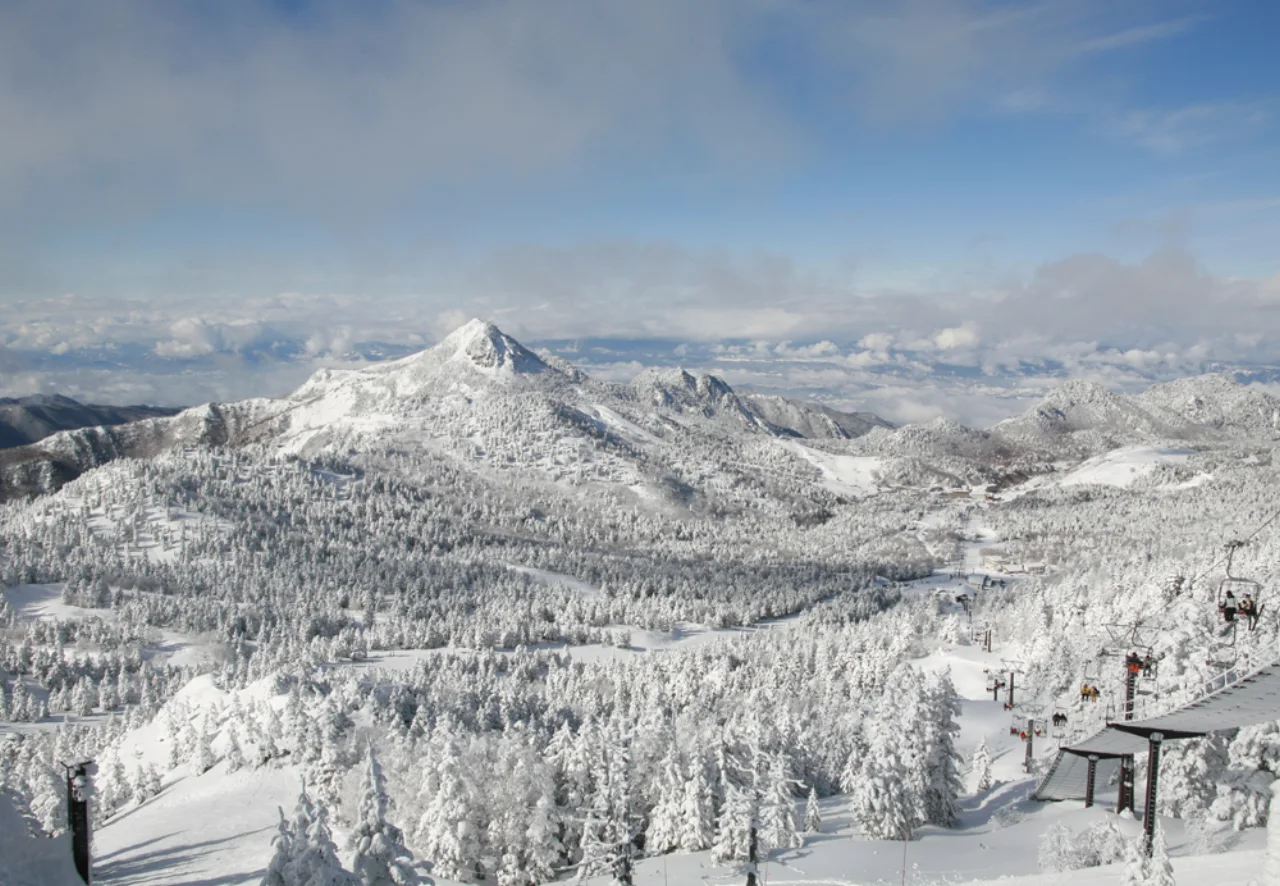
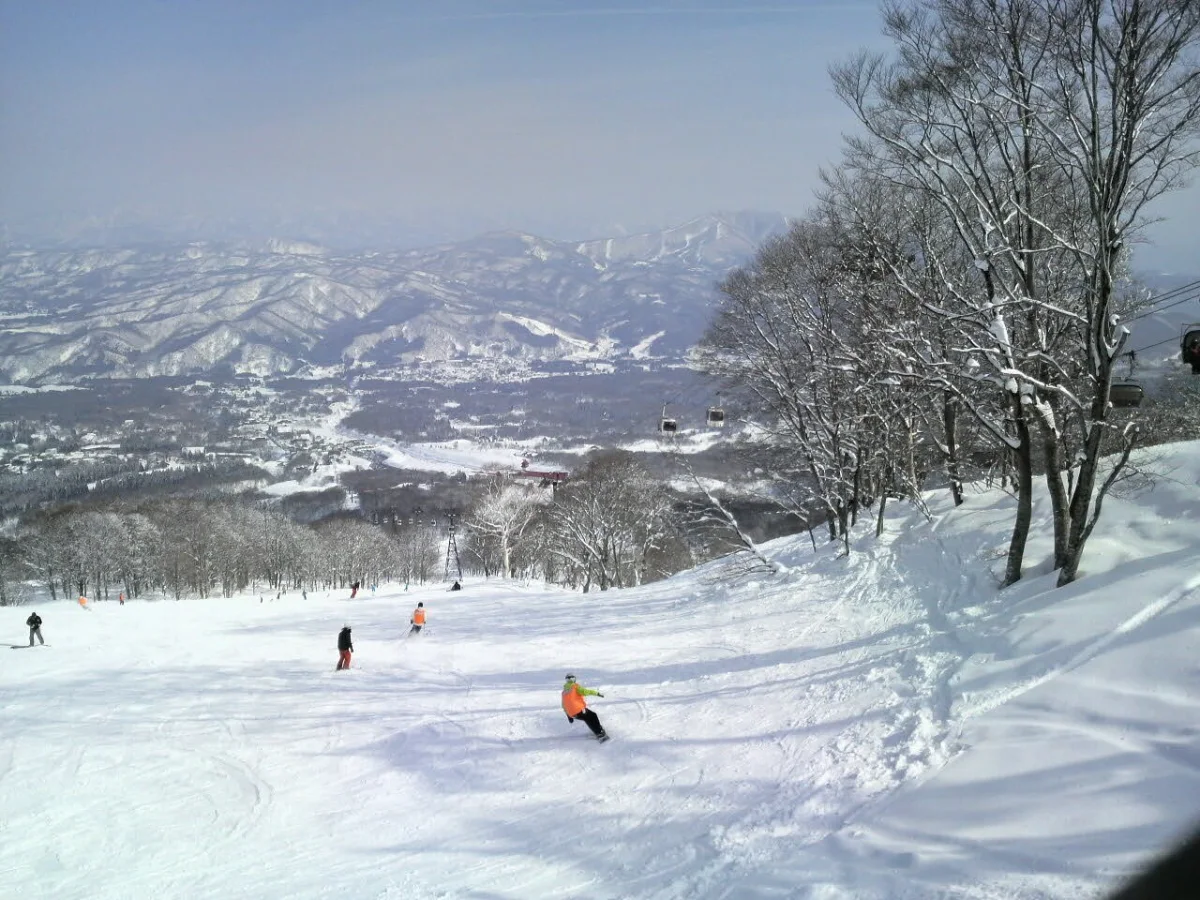
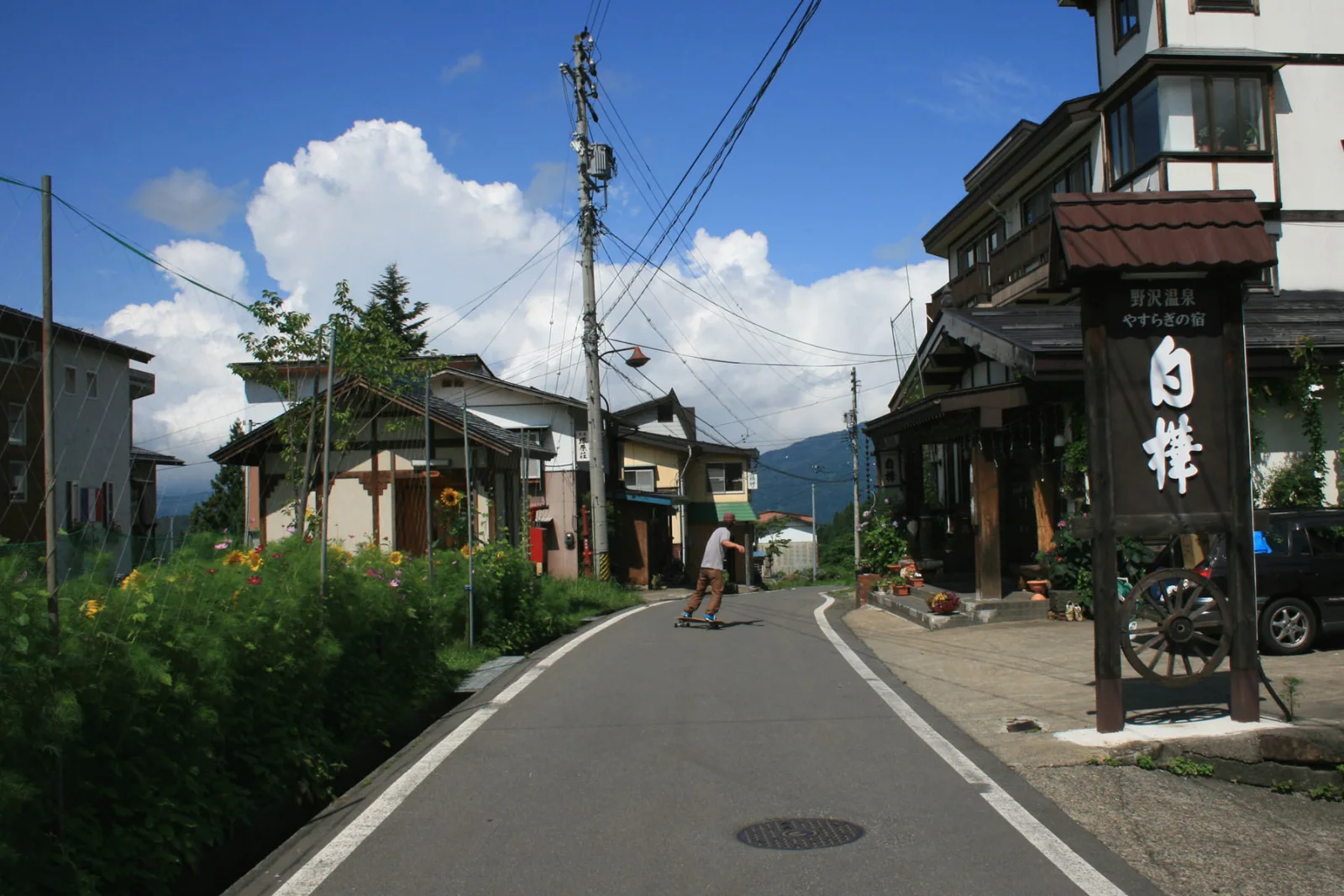
Start at Sakka for your first day at Happo-One, or ride from Nakiyama to Usagidaira for long runs. Covers 2026–27 lift pass pricing, early-bird passes without a My Number card, Nagano Station buses, Shinjuku direct access, and car-free stays.
- Region & Focus
- Nagano and Myoko Ski AreasSkiing
- Reading Scope
- 21 min read · 10 chapters · 6 Q&As
- Official Verification
- 25 official sources checkedUpdated November 22, 2026
- Key Topics
- WinterBookingWhere to stay
Chapter Route Map (tap any stop)
- For Your First Day, Meet at Sakka
- November Opens Up High; Spring Demands an Afternoon Off the Mountain
- 2026–27 Happo-One Lift Passes and Early-Bird Rules
- Happo-Only Passes vs. the Hakuba Valley All-Mountain Pass
- Descending from Usagidaira: Pick Your Base Exit First
- In-Bounds Off-Piste Zones and Boundary Ropes
- Tokyo to Happo-One: Don't Confuse Nagano Exit 26 with Hakuba Station
- Where to Stay Without a Car: Happo Bus Terminal, Wadano, or Echoland
- Rentals, Lessons, and Non-Skier Options
- Putting Transit, Rentals, and Slope Time into a Two-Day Plan
- Quick Q&A
Before your first day at Hakuba Happo-One Snow Resort, save your first lesson's meeting point to your phone, then lock in your rental shop, lodging, and lift pass. Sakka offers wide, gentle base slopes ideal for practicing stops from scratch. Skiers and riders who can already link turns can ride the Adam Gondola from Shirakaba or head up the Riesen Slalom Course from Nakiyama. When the resort opened on November 22, 2026, only the upper Panorama area was open while the base beginner zones remained closed. If your group only has one day on snow and still needs to rent gear, arriving in Hakuba the night before buys you a full extra morning compared to a same-day trip from Tokyo.
For Your First Day, Meet at Sakka
Happo-One has four main base entrances: Sakka, Shirakaba, Nakiyama, and Kokusai. Typing "Hakuba Happo-One" into a maps app often routes drivers straight to the Shirakaba gondola terminal. If your instructor is meeting you at Sakka, search for "Snow Plaza Sakka" and enter via the Sakka bus stop or Parking Lots 8 and 9. Snow Plaza sits right beside Parking Lot 8 with ticket counters, dining, and restrooms, while changing rooms are located next door at the Sakka Kitaone Quad lift station.
The slopes flanking Sakka's two base lifts run up to about 600 meters long with an average pitch of 10 degrees and a maximum of 18 degrees, giving beginners room to repeat stops, turns, and lift rides. Skiers should focus on speed control before linking turns in both directions. First-time snowboarders can practice heel- and toe-edge control on the same pitch—just stop on the side of the run where you are clearly visible to uphill traffic, away from blind rollers just below the crest. Ride the same chair as your instructor on your first lift trip, glide clear of the unload zone at the top, and then stop to regroup.
Shirakaba is also labeled beginner-friendly and sits conveniently next to the Adam Gondola base for picking up tickets and changing, though its lower section finishes on a 20-degree intermediate pitch. Nakiyama's main slope tops out at 35 degrees and is rated intermediate. Learners who can already turn comfortably can ride the Nakiyama No. 2 Pair Lift and take the wider arc down the right side as you face the slope. If young children still need an adult guiding them to a stop on the snow, stick with a Sakka beginner lesson or head to Nakiyama's separate snow play area.
Save facility names in both English and Japanese in your meeting messages, and pick a doorway that is hard to miss. If part of your group is riding up to Usagidaira for the views while kids take lessons at Sakka, plan lunch at the base where the ski school meets so the independent skiers do the commuting. Two base areas may look close together on a trail map, but walking village roads in ski boots while carrying boards and herding kids takes much longer than a casual stroll. Use the exact same meeting name for hotel pickups so drivers and parents aren't waiting at opposite entrances.
Start at Sakka for your first day at Happo-One, or ride from Nakiyama to Usagidaira for long runs. Covers 2026–27 lift pass pricing, early-bird passes without a My Number card, Nagano Station buses, Shinjuku direct access, and car-free stays.
November Opens Up High; Spring Demands an Afternoon Off the Mountain
In 2026, Happo-One held a soft opening at 11:00 AM JST on November 21 and scheduled its formal opening for 8:00 AM on November 22. Overnight snowfall hit 70 cm, prompting crews to clear snow and branches beneath the gondola line; at 8:50 AM, the resort pushed the Adam Gondola's estimated start to 9:00 AM. On November 22, only the Panorama area and its beginner course opened while all base runs stayed closed, requiring guests to ride the Adam Gondola both up and down. Opening-day bulletins listed the last upload at 2:00 PM, download service until 4:00 PM, and Panorama course closure at 3:10 PM. Opening-day specials—¥5,000 for adults and ¥2,500 for ages 6–17—were sold exclusively at the Adam base ticket window, switching to standard rates once terrain expanded.
Early-season pricing runs December 1–18, followed by peak season from December 19 through March 22, 2027. When booking early-season lessons, specify which open zones work for your session, especially for families requesting Sakka. Every morning, check both the official slope status and lift operating status pages separately—an open trail marker still needs a working lift to get you in and out. Panorama's beginner run carries its own open/closed indicator. True first-timers should note their experience level when booking so the ski school can assign a meeting spot accessible on flat ground.
On a multi-day January or February stay, save your top-priority upper-mountain runs for a day with light winds and clear visibility. Take a few warm-up laps at the base first to gauge your group's speed before committing to Usagidaira together. If overnight snow arrives alongside strong morning ridge winds, lap the lower lifts that are spinning and recheck the lift schedule before lunch. Agree on a specific base area to wait at if upper lifts are on wind hold; splitting across different bases adds extra shuttle transfers.
Spring pricing starts March 23 and is listed through May 5, though meltout forced Happo-One to close early on April 19 in the previous season. If you are booking rooms for late April, plan a backup village day around the ski jump stadium and hot springs, or pick a lodging rate with a late cancellation deadline. Spring snow can set up firm in the morning before softening in the sun, so start on a slope where you can stop easily and save longer descents for when surface conditions and visibility align. If the lower base closes first, download via whichever gondola or lift remains open for descending traffic. Also keep in mind that Nagano bus winter schedules end March 26, so April arrivals and departures require checking the exact travel-date timetable.
2026–27 Happo-One Lift Passes and Early-Bird Rules
Buying a peak-season adult 1-day pass online for the first time costs ¥9,800, the same as the ticket window. The ¥9,500 online rate applies only when reloading an existing Happo IC card. First-time online buyers receive a QR code to redeem a physical card at an automated pickup machine, whereas reloading keeps your old card—and ticket windows do not process reloads. Peak 1-day passes cost ¥4,900 for ages 6–17 and ¥9,500 for seniors 65 and older with photo ID at the window. Children under 6 ride free under resort rules when a parent brings the child and ID to the ticket window to collect a pass.
If you are taking one lesson at the base and staying on that same slope afterward, buy the pass that matches your instructor's assigned lifts. The peak-season Happo Debut 1-Day Pass (¥4,900 adults, ¥2,450 ages 6–17) covers Nakiyama No. 2 and No. 3, Shirakaba No. 1 and No. 2, Sakka No. 2 and No. 3, plus the Sakka Kitaone Quad. For a single trip up, ticket windows sell an ¥800 base single-ride ticket valid on the first six lifts listed above; neither pass includes the Adam Gondola. Nakiyama Snow Land and the Usagidaira Bunny Area charge separate admission, so confirm lesson details before buying.
A peak-season adult half-day pass costs ¥8,100, running until 12:00 PM for morning sessions or from 12:00 PM onward for afternoons. If you won't reach Happo until just before noon and still need rentals, get fitted first and buy the afternoon pass. If you have a morning lesson and plan to keep skiing into the afternoon before returning gear, buy a full-day pass from the start. Early-season and spring adult 1-day passes are ¥6,400 (¥3,200 for ages 6–17)—both cheaper than a peak half-day ticket.
International visitors aged 18 and older without a Japanese My Number card who plan to ski Happo-One for two days during peak season can buy an online early-bird 2-day pass for ¥16,600 by November 30, 2026 (JST). Valid for non-consecutive days for one person, it saves ¥3,000 over the ¥19,600 peak-season 2-day walk-up or first-time online rate. Every skier needs their own pass—two people cannot share one 2-day pass on the same day. If both of your ski days fall in spring, stick with standard adult 2-day pricing at ¥12,800 rather than buying the early-bird pass.
Adults holding a valid Japanese My Number card can verify via xID to unlock ¥6,400 early-bird 1-day passes, ¥12,600 early-bird 2-day passes, or a ¥7,500 bundle pairing a 1-day pass with a ¥1,500 meal voucher. Limit one purchase per person, and the meal voucher works only at participating outlets listed on the ticket page, such as Yeti at Usagidaira or the second floor of Sun Terrace below Panorama. Each traveler in your group must meet the eligibility rule individually, so tally your exact ski days before locking in multi-day passes.
Happo-One's ticket page notes that 2-day passes can be used on non-consecutive days, with no refunds for unused days once activated. If the forecast shows only one clear mountain day and you already want a day at the ski jump or hot springs, single-day tickets leave more flexibility. If you arrive on an early-season weekend when only Panorama is open, the window-only opening special and early-bird passes apply to different periods—follow the resort's live operating notice when deciding what to buy.
| Pass Type | Adult Fare (¥) | Conditions |
|---|---|---|
| Early-Season 1-Day | 6,400 | Dec 1–18, 2026 |
| Peak-Season 1-Day | 9,800 | Dec 19, 2026–Mar 22, 2027 (new online purchase or ticket window) |
| Peak-Season Half-Day | 8,100 | Morning until 12:00 PM, or afternoon from 12:00 PM |
| Peak-Season Debut 1-Day | 4,900 | Valid on 7 designated base chairlifts |
| Early-Bird 2-Day (No My Number Card) | 16,600 | Ages 18+, purchase online by Nov 30, 2026 |
| Spring 1-Day | 6,400 | Spring season window, Mar 23–May 5, 2027 |
Happo-Only Passes vs. the Hakuba Valley All-Mountain Pass
The Hakuba Valley All-Mountain Pass covers 10 partner resorts across Hakuba Village, Otari Village, and Omachi City, including Happo-One, Goryu, Hakuba47, Hakuba Iwatake, and Tsugaike. For 2026–27, a 1-day pass costs ¥11,100 for adults and ¥6,400 for ages 6–12. Note the age cutoff: riders aged 13–17 pay child rates on Happo-One's own passes, but count as adults on the Valley pass. For a family of two adults and one 14-year-old, three peak Happo-One 1-day passes total ¥24,500, compared to ¥33,300 on the Valley pass. If only one person plans to ski another mountain, buy passes separately.
Adults taking lessons from the same Sakka ski school for two straight days should compare the Debut pass against standard Happo tickets first. If you plan to ski Happo on day one and another resort on day two without switching mountains mid-day, add the two individual resort tickets plus local transit before jumping to a Valley pass. A 2-day adult Valley pass costs ¥21,800 and stays valid for four days from first use, letting you slot in a rest day. First-time online buyers exchange a QR code for an IC card at a window or kiosk; if you arrive in the afternoon and start skiing the next morning, pay cash or standard fare for arrival transit and save the Valley pass activation for day one on snow.
If you want to hit two resorts in the same day, the Valley pass scans at both mountains' lifts and includes the Hakuba Valley Day Shuttle on active pass days. Some shuttle routes only run inbound in the morning and outbound in the afternoon, so check the shuttle map for inter-resort connections before finalizing lunch and rental return plans. Riding the alliance shuttle on a non-ski day still burns a pass day, and reloaded IC cards must be activated at a resort on their first day per alliance rules. Night skiing and night buses cost extra.
Holders of eligible season passes—including the Epic Pass, Epic Local Pass, and Epic Australia Pass—can redeem one consecutive 5-day Hakuba Valley pass per season. The tourist information center next to Happo Bus Terminal is a designated redemption counter, listed as open 8:00 AM–5:00 PM. Bring your season pass and photo ID to collect your ticket; the five-day clock starts the first time you scan a lift gate or board an alliance day shuttle, and any rest days in between still count.
Descending from Usagidaira: Pick Your Base Exit First
Happo-One's official skiable elevation spans roughly 760 to 1,831 meters, giving over 1,000 meters of vertical drop. Conditions off Usagidaira—wind, snow surface, and visibility—often differ sharply from the valley floor, so choose a descent route suited to your ability and your return base. The Adam Gondola climbs from Shirakaba to Usagidaira, feeding the Alpen and Grat quads higher up, while the main alternate route climbs from Nakiyama via the Riesen Quad. If you need to return rentals at Shirakaba, look for the Central Course from Panorama down to Shirakaba—an upper-intermediate run pitching up to 27 degrees. If you are staying near Nakiyama, confirm the lower connectors back to Nakiyama are open and read trail signs before committing to the final pitch.
Riders comfortable on groomed intermediate terrain can start on Panorama, which pairs a 700-meter main slope (up to 25 degrees) with an approximately 1,200-meter forest bypass road. If companions take different routes down, Sun Terrace Panorama at the bottom makes a clear meetup spot. For a longer continuous descent, the Riesen Slalom Course stretches up to 3,045 meters at an average 20-degree pitch and feeds directly into upper Nakiyama; the resort warns that moguls tend to build here in the afternoon, so hit it earlier for smoother corduroy. Happo-One also lists an 8-km top-to-bottom run from Riesen Grat via Kurobishi and Skyline down to Sakka—check that every link is open before dropping in, and budget time to get back to your starting base from Sakka.
The full Kurobishi Forest Road runs about 5.5 km at a gentle 6-degree average gradient and crosses the Skyline course along the way, so scan uphill before traversing intersections. If you only want the lower forest road, you can descend from Kitaone Highland to Sakka whenever the Sakka Kitaone Quad is open—listed by the resort as an approximately 3.4-km beginner stretch. Long, flat traverses feel easy for new skiers, while snowboarders risk getting stuck in fresh snow or unstrapping on flats. Save your first long-distance run for an afternoon when you still have fresh legs and clear lower-mountain visibility.
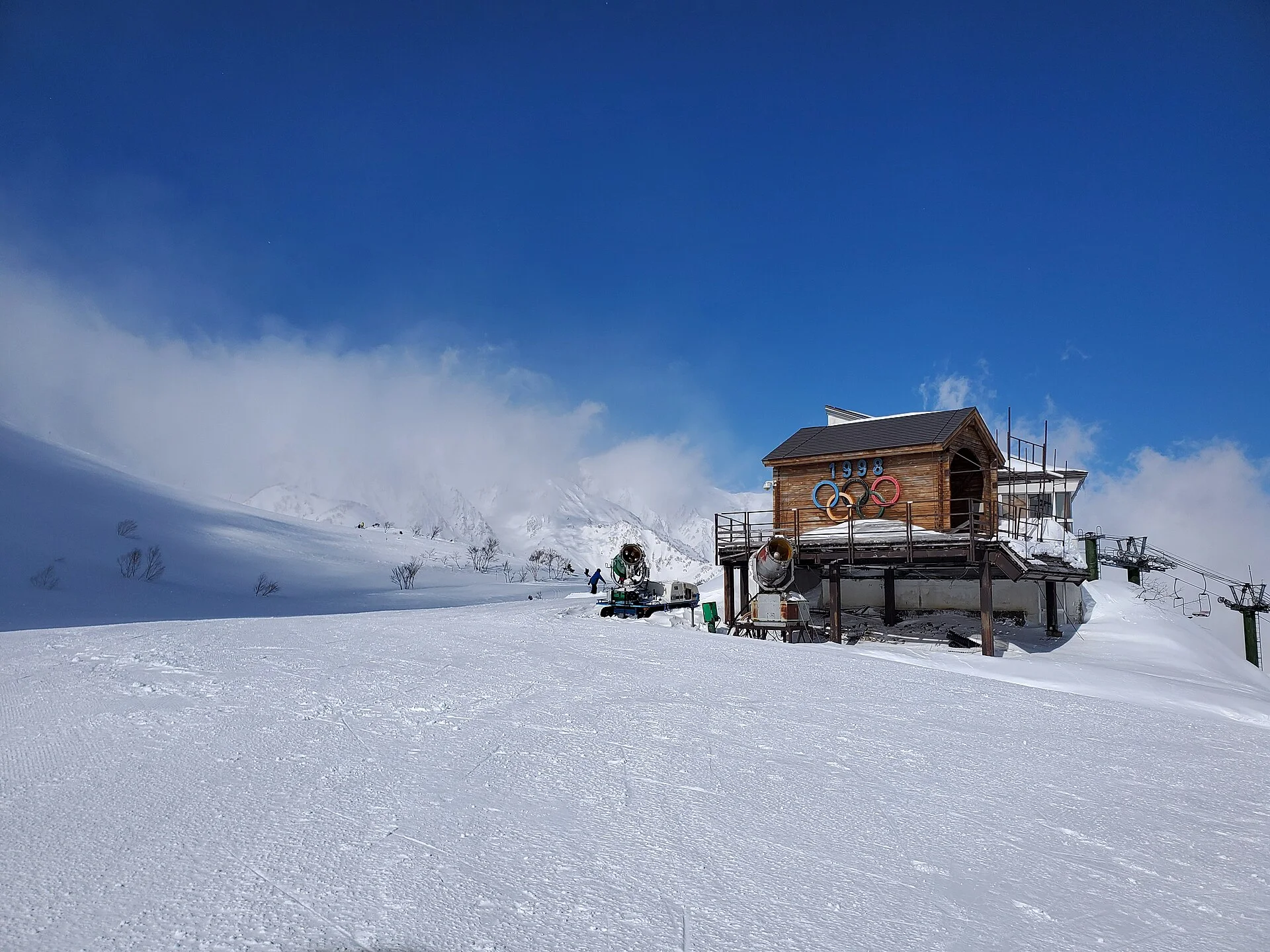
The 1998 Nagano Winter Olympics men's and women's downhill courses are marked Olympic I and II. The men's course (Olympic I) finishes toward Kokusai and carries an advanced rating with twisted fall lines and bumps near the bottom. The women's course (Olympic II) drops down to Sakka and also features steep pitches. If one skier wants an Olympic run while family members stay in Sakka, taking Olympic II lets you reunite directly at the Sakka base, whereas Olympic I puts you at Kokusai with a transfer back.
New zones announced for 2026–27 include Panorama Flow, Sakka Trees Adventure, Skyline Trees, Sodeguro Trees, the Usagidaira Bunny Area, and Nakiyama Snow Land. Panorama Flow adds rollers and jumps; Sakka Trees Adventure introduces low-intermediate riders to glade terrain; and Skyline Trees and Sodeguro Trees cater to upper-intermediate and advanced skiers. Sightlines tighten fast inside the trees, so read every entry sign and get a feel for the day's snow on groomed runs before entering open glades. When a group splits up, pick a meeting point outside the tree boundary so less experienced riders aren't pressured into following.
In-Bounds Off-Piste Zones and Boundary Ropes
Official terrain specs put the Tenbo zone at a maximum 37 degrees over 250 meters, while Omusubi hits 33 degrees over 500 meters before funneling into trees and is restricted to advanced skiers when the upper gate is open. Urakuro, on the north side of the Kurobishi No. 3 Pair Lift, reaches 31 degrees over 800 meters and carries an in-bounds black-diamond rating. Those figures measure pitch and length only—moguls, snow cover, and runout conditions change daily. If friends are still dialing in control on Kurobishi's groomers, arrange to wait at a restaurant or lift station instead of forcing everyone down the same line.
Yellow-and-black poles mark the resort's managed boundary, while solid yellow poles mark closed or off-limits in-bounds zones. Stop on the open side of any rope closure and ask ski patrol for the quickest route back to a base. Backcountry touring and out-of-bounds skiing require filing a mountain climbing plan with Nagano Prefecture in advance and exiting strictly through the designated gate above the Grat Quad summit station. If the resort assists a private rescue team with an out-of-bounds search at the team's request, support costs are billed to the rescued party through the rescue team. For in-bounds days, cross off closed lines on your downloaded trail map each morning and pull over at unfamiliar junctions to read signs before dropping.
Tokyo to Happo-One: Don't Confuse Nagano Exit 26 with Hakuba Station
Coming from the Tokyo Station side, take the Hokuriku Shinkansen to Nagano Station and connect to an ALPICO express bus bound for Hakuba Happo Bus Terminal. Exit the Shinkansen ticket gates toward the East Exit and walk outside to Bus Stop 26. ALPICO estimates the walk from the gates at under 10 minutes, though hauling ski bags, riding elevators, or buying tickets at the counter takes extra time. If you have a reserved bus seat, book an earlier train with enough buffer to grab food or water and get your whole group to the stop together.
During the winter timetable (December 12, 2026 to March 26, 2027), adult one-way fare from Nagano Station to Happo is ¥3,500. Schedules split into reservation-required buses (booked via Highwaybus.com, with unreserved boarding only if seats remain) and same-day first-come buses. Most are nonstop runs taking roughly 70 minutes—for instance, the winter schedule lists a 9:00 AM East Exit departure arriving at Happo at 10:10 AM. If an incoming flight could delay your arrival, note adjacent daytime departures as backups; on the return trip, book an earlier bus than you think you need to absorb snow and road delays before a fixed flight or Shinkansen.
Some reserved buses stop at Hakuba Station, Goryu, or other terminals before Happo, while express runs go straight to Happo Bus Terminal. Check the Happo column carefully for your return leg too: stay near the Happo base and you want Hakuba Happo Bus Terminal, whereas lodging near the train station calls for a bus stopping at Hakuba Station. Direct buses cut out village loops, but skip JR Hakuba Station. ALPICO's Nagano line requires skis, snowboards, and boots to be packed in dedicated bags—count every ski bag and suitcase when unloading before walking over to your hotel pickup.
Before December 11, 2026, ALPICO runs its spring/summer/autumn schedule with same-day boarding tickets at ¥2,500 one-way for adults to Happo. If you are staying in Wadano or Sakka, save both your arrival-day hotel shuttle details and daily ski shuttle times separately. Happo-One also operates its own base shuttle linking gondolas and parking lots starting November 21. You only need the Hakuba Valley alliance bus map when transferring from Happo to other resorts.
From Shinjuku, JR East runs the Limited Express Azusa No. 5 departing 8:00 AM and arriving at JR Hakuba Station at 11:40 AM. On peak winter dates—December 19–31, 2026; January 1 and 4–31, 2027; and all of February—the seasonal Azusa No. 83 "Hakuba Express" departs 10:02 AM and arrives at 2:10 PM. Both run directly to JR Hakuba Station, from which you still need a local transfer (hotel shuttle, taxi, or local bus) to reach the Happo slopes.
If Azusa No. 5 and No. 83 are sold out, take another Azusa train from Shinjuku to Matsumoto and transfer to the Oito Line toward Hakuba (some connections also require changing at Shinano-Omachi). JR East's route comparison lists the fastest trip at 4 hours 33 minutes; plan backward from your desired Oito Line arrival in Hakuba to pick the right Azusa train. Build in a deliberate layover if you want lunch in Matsumoto or a stroll to Matsumoto Castle, or grab something quick outside the station if your transfer is tight.
Travelers carrying board bags near Shinjuku can also take ALPICO's direct express highway bus to Happo, whose winter timetable runs December 5, 2026 through March 31, 2027 (different dates from the Nagano line). Double-check the exact boarding stop in Shinjuku when booking. If you arrive in Tokyo on an overnight flight, using your first afternoon in Hakuba to check in and fit rentals—then hitting the snow the next morning—is far smoother than racing straight to the lifts for the last two hours of the day.
Where to Stay Without a Car: Happo Bus Terminal, Wadano, or Echoland
If you are skiing only Happo-One and arriving via the Nagano bus, staying near Happo Bus Terminal keeps logistics simple. Drop your bags right off the bus, walk to dinner and the onsen, and head to Nakiyama or Sakka the next morning for lessons. If you plan to catch the Adam Gondola early, booking near the Shirakaba base saves a long morning walk in ski boots. Check the actual walking path from your hotel entrance to the lifts—some properties sit close to the bus terminal but still have a hike to the snow.
Wadano hugs the Kokusai and Sakka side of the resort, so match your hotel to the base entrance you plan to use. Hakuba Mominoki Hotel sits in Wadano and lists Kokusai as a walkable lift entrance on its property map. Hakuba Tokyu Hotel offers free reservation-based shuttles to JR Hakuba Station and Happo Bus Terminal between 8:00 AM and 8:00 PM, though note the hotel is closed for full-building maintenance through December 11, 2026, reopening at noon on December 12. Early-season visitors aiming for Wadano and Kokusai should look at Mominoki or nearby alternatives first.
Echoland works well if you want village dining at night and plan to sample multiple resorts. The night before skiing, locate your nearest shuttle stop and check both directions for your chosen Happo entrance and next resort. Being a few blocks off the shuttle route only adds a short walk in the morning, but missing the last afternoon bus with gear in tow can delay rental returns. If your group has similar ability levels and wants to resort-hop, read our Hakuba ski resorts comparison before booking. If adults or kids have lessons with the same instructor for multiple days, staying near that entrance saves daily hassle.
When comparing room rates, factor in arrival shuttles, ski storage, and breakfast hours. If you plan to ski on checkout day, ask the front desk whether they will hold hard-shell suitcases until you return rentals—ideally you can walk from the slopes back to your hotel and then straight to the bus terminal. Travelers with heavy luggage departing by train should lock in a hotel shuttle slot ahead of time so you know exactly how long you have to change boots and repack ski bags.
Rentals, Lessons, and Non-Skier Options
Happo-One's official rental directory is organized by base area—for example, Kazama's Sakka Plaza shop sits in Sakka, Woody's main Happo shop is near the Tourist Information Center, and its second shop is right by the Adam Gondola base. Save the exact branch name if you are picking up and dropping off at different hours. When comparing shops, price ski or snowboard sets, outerwear, and helmets separately, and ask about next-day boot swaps at the same branch, opening/closing times, and overnight gear storage. Pack your own gloves, goggles, and base layers since rental packages vary. Have staff adjust bindings and boot flex to your height and skill level, then walk and squat to test the fit—if your toes jam or your heel lifts right away, swap sizes before heading to your meeting point.
Official ski schools include Happo-One Ski & Snowboard School and Evergreen International Ski School, which offers English-language group lessons for adults and kids as well as private coaching. If you need instruction in another language, list your preferred language, exact base entrance, ages, skill levels, and ski vs. snowboard in your inquiry, and wait for instructor confirmation before paying. Schools use different meeting spots, so parents should save exact pickup times and drop-off points. Check lesson guidelines before buying lift passes or beginner-zone tickets.
If your rental shop sits next to the ski school, get fitted on ski morning before meeting your instructor; if your shop allows evening-before pickup, handle boot fitting after check-in and still budget morning time for changing and picking up lift cards. Larger multi-family groups should send anyone with lessons out early so everyone dials in sizing without rushing. Nervous first-timers do well starting with a half-day lesson, eating lunch, and spending the afternoon repeating controlled stops on the same gentle pitch before moving up the next day.
Family members who just want snow play can head to Snow Land at the Nakiyama base, which charges separate admission. Parents watching kids take lessons at Sakka can easily meet for lunch inside Snow Plaza and wait at the base until class wraps. On clear days, non-skiers can ride the Adam Gondola round-trip for ¥2,600 (¥1,300 for ages 6–17) or buy the three-lift Alpen Line sightseeing ticket covering Adam, Alpen, and Grat for ¥5,000 (¥2,500 for ages 6–17). If high winds close upper lifts, switch to sightseeing on the open lower segments.
Non-ski days offer plenty to do in the village. The Hakuba Ski Jumping Stadium preserves the 1998 Winter Olympics venue and runs a sightseeing chairlift to the jump tower—listed by Hakuba Village from late December through March from 9:00 AM to 3:30 PM (last lift up at 3:10 PM) at ¥740 round-trip for adults and ¥440 for elementary and junior high students, subject to seasonal maintenance closures in early-to-mid December and wind holds. Happo Onsen typically operates 10:00 AM–9:00 PM (last entry 8:30 PM) at ¥1,000 for junior high and older, with indoor and open-air baths; drop your rental gear before soaking if you're catching a bus from Happo Terminal. If you depart from JR Hakuba Station, Mimizuku no Yu is about a 10-minute walk from the station, costs ¥800 for junior high and older, and also takes last entry at 8:30 PM.
Putting Transit, Rentals, and Slope Time into a Two-Day Plan
For a smooth first-timer two-day, one-night trip, take the morning Azusa No. 5 from Shinjuku or the Shinkansen-plus-bus via Nagano on day one, drop bags and fit rentals in the afternoon, and unwind at Happo Onsen that evening. On day two, take your morning lesson at your pre-set entrance, eat lunch at the same base, practice extra laps if your legs hold up, and then return gear and collect luggage before heading to the bus terminal or train station. Work backward from your departure time when planning gear return and bag pickup—never treat lift closing time as the moment you can walk onto a bus.
Bringing your own gear on a Tokyo day trip? Plan backward from your return bus or train. Subtract terminal meetup time, boot changing, and your descent to the base before deciding on your final lift ride. If your morning bus arrives late, scale back to shorter upper-mountain loops with straightforward return routes. Because Shirakaba, Kokusai, Nakiyama, and Sakka face different directions, agreeing on an afternoon return base is critical—if your group splits up, make sure everyone carries their own ID, transit ticket, and locker details so whoever finishes first can start packing up.
For two full days on snow, book two nights. Spend day one testing Sakka, Panorama, or part of Riesen while locking in a group meetup point and easy exit route. On day two, head above Usagidaira or ride the Kurobishi Forest Road if winds are calm; if weather rolls in, stick to the base and call it after lunch. Save resort-hopping for trips with a full unhurried day—especially on checkout day before returning to Nagano or Shinjuku, skipping an extra inter-resort shuttle makes catching your ride home far less stressful.
A few useful answers
Which Happo-One base entrance is best for first-time skiers?
If your ski school or rental shop lets you choose, start at the No. 2 and No. 3 lifts near Sakka Snow Plaza, where the lower slopes are wide and gentle. If your instructor sets a different meeting point, match your lift pass to that exact base entrance.
Can international travelers buy Happo-One early-bird lift passes?
Yes. Adults 18 and older without a Japanese My Number card can buy the cardless early-bird 2-day pass online for ¥16,600 by November 30, 2026 (JST). The ¥6,400 early-bird 1-day pass requires verification with a Japanese My Number card.
Where do you buy Happo-One's ¥9,500 1-day pass?
The ¥9,500 peak-season rate is only available online when reloading an existing Happo IC card. A first-time adult 1-day pass costs ¥9,800, whether bought online for kiosk pickup or at the ticket window.
Do I need a bus reservation from Nagano Station to Hakuba Happo?
From December 12, 2026 through March 26, 2027, ALPICO runs both reservation-required buses and same-day first-come buses, all departing from Nagano Station East Exit Stop 26. Adult one-way fare to Hakuba Happo Bus Terminal is ¥3,500.
Is the Hakuba Valley All-Mountain Pass worth it if I'm only skiing Happo-One?
No—a peak adult 1-day Happo pass is ¥9,800 versus ¥11,100 for the Valley pass. Stick with Happo-specific passes unless you plan to ski multiple resorts on the same day, and remember that ages 13–17 pay adult rates on the Valley pass.
Can non-skiers ride the lifts up for mountain views?
Yes. An Adam Gondola round-trip sightseeing ticket costs ¥2,600 for adults, and the three-lift Alpen Line sightseeing ticket costs ¥5,000. If high winds close upper lifts, Happo Onsen and the Hakuba Ski Jumping Stadium make easy village alternatives.
Official information and references
Sources used in this guide.
- Happo-One 2026–27 Opening Season Terrain and Ticket Prices
- Happo-One November 22 Snow Clearing Delay Notice
- Happo-One Early Spring Closing Notice (2026 Season)
- Happo-One 2026–27 Lift Ticket Rates and Conditions
- Happo-One Early-Bird Tickets and New Zones Announcement
- Happo-One Trail Guide and Mountain Safety Rules
- Happo-One Official Trail Map
- Happo-One Open Runs and Slope Status
- Happo-One Lift Operating Information
- Happo-One Base Area Shuttle Bus
- Happo-One Official Rental Shops Directory
- Happo-One Ski and Snowboard Schools
- Hakuba Valley All-Mountain Lift Ticket
- Hakuba Valley Alliance Shuttle Bus Timetables and Fares
- Hakuba Valley 2026–27 Epic Pass Redemption
- ALPICO Nagano–Hakuba Winter Bus Schedule and Fares
- ALPICO Nagano–Hakuba Complete Express Bus Timetable
- ALPICO Shinjuku–Happo Winter Express Bus
- JR East Shinjuku–Hakuba Direct Limited Express Information
- Hakuba Tokyu Hotel Shuttle Access Information
- Hakuba Tokyu Hotel Early-Winter Closure Notice (2026)
- Hakuba Mominoki Hotel Winter Resort Guide
- Hakuba Happo Onsen Day-Use Bath Information
- Hakuba Happo Onsen Access and Location
- Hakuba Village Ski Jumping Stadium