Visit Akashi Castle, eat akashiyaki at Uonotana and explore the reopened astronomy museum from Kobe or Osaka. Compare Asagiri’s coast, Maiko Marine Promenade and a two-day strait route, with fares and closure days.
- Region & Focus
- KansaiAttractions
- Reading Scope
- 22 min read · 15 chapters · 3 Q&As
- Official Verification
- 17 official sources checkedUpdated October 27, 2026
- Key Topics
- ItinerariesRail travelFood
Chapter Route Map (tap any stop)
- From Kobe, distinguish Akashi from Nishi-Akashi
- Choose one afternoon: stars, coast or a walkway under the bridge
- Akashi Castle: two turrets and stone walls before the wider park
- Uonotana: near lunchtime works better than a dawn start
- Ordering akashiyaki: check the portion before choosing a meal or snack
- The astronomy museum has reopened: allow two to three hours
- An extra half-hour with the clocks in the “town of time”
- Admission and show slips are separate choices
- Walking from Akashi or using Hitomarumae Station
- Rain alternatives: culture near the castle or a full astronomy afternoon
- For the sea, use Asagiri for Okura Beach or Maiko for the bridge structure
- Maiko Marine Promenade: beneath the bridge rather than a distant beach view
- Two one-day schedules: give lunch and the show their own time
- One night: Akashi first, then the coast back to Kobe
- Costs and dates: use the current restaurant page and separate paid activities
- Quick Q&A
For a change of pace from Kobe, Akashi links castle ruins, a market lunch and an astronomy museum around one station. First choose your afternoon: stars or sea. For indoor exhibits and family activities, give a full block of time to the astronomy museum, reopened in 2026. For the coast, go to Okura Beach or Maiko after lunch. The Maiko entrance to Akashi Kaikyo Bridge is on the Kobe side, separate from the castle walking area. Rail between them is easier than rushing along the coast.
From Kobe, distinguish Akashi from Nishi-Akashi
The Akashi Tourism Association access guide gives about 15 minutes by JR Special Rapid from Sannomiya to Akashi, or about 40 minutes from Osaka. Sannomiya guests can reach the market for lunch without a very early start; Osaka guests can make it a full day trip. These are train journey times. Add hotel access, waiting and walking to sights; 15 minutes is not the whole journey from room to market.
Akashi Park and the castle ruins are north of JR Akashi Station, Uonotana is south, and the astronomy museum is east. These three directions make a reasonably direct circuit on a first visit. JR and Sanyo Akashi stations are adjacent. Choose the railway that suits your accommodation, and return by the one suited to your final stop rather than crossing the whole city to use the same operator.
Nishi-Akashi is the Shinkansen stop, distinct from Akashi for the market and park. From a distant city by Shinkansen, change at Nishi-Akashi to a JR conventional train for Akashi. From Sannomiya by Special Rapid, get off directly at Akashi. Keep them separate when booking lodging: Akashi Station helps with market walks; Nishi-Akashi serves Shinkansen travel. The small name difference changes the route with luggage the next day.
For a return trip to Akashi and walking in the city, use ordinary rail fares or IC-card travel as the baseline. Add the section to Maiko or Asagiri if visiting. Existing JR pass holders should follow their pass coverage rules. Whether another pass saves money depends on the sections actually ridden. Choose stars or sea first, then calculate transport.
Visit Akashi Castle, eat akashiyaki at Uonotana and explore the reopened astronomy museum from Kobe or Osaka. Compare Asagiri’s coast, Maiko Marine Promenade and a two-day strait route, with fares and closure days.
Choose one afternoon: stars, coast or a walkway under the bridge
Akashi Castle and Uonotana pair well on the same day, with three afternoon directions. The astronomy museum suits planetarium shows, clocks and Japan Standard Time exhibits. Okura Beach offers open sea views and a walk. Maiko Marine Promenade brings attention close to Akashi Kaikyo Bridge itself. Trying all three usually squeezes lunch, exhibitions and waiting time first.
If a planetarium show is the child’s main interest, go to the museum in the morning to collect same-day admission slips and fix the show time before arranging the market and castle. If akashiyaki is the priority, walk the ruins first, eat at noon and go to the museum or coast afterward. Change the order by priority while preserving one full afternoon. Treat the three afternoon routes as alternatives.
With only four or five hours, choose the castle exteriors and Uonotana, then return to Kobe after lunch. This works the day after arriving in Kansai or before a booked Kobe dinner. For a 45-minute planetarium show plus exhibits and the observation room, allow a full day. A half-day outing does not need to cover everything to be worthwhile.
Akashi Castle: two turrets and stone walls before the wider park
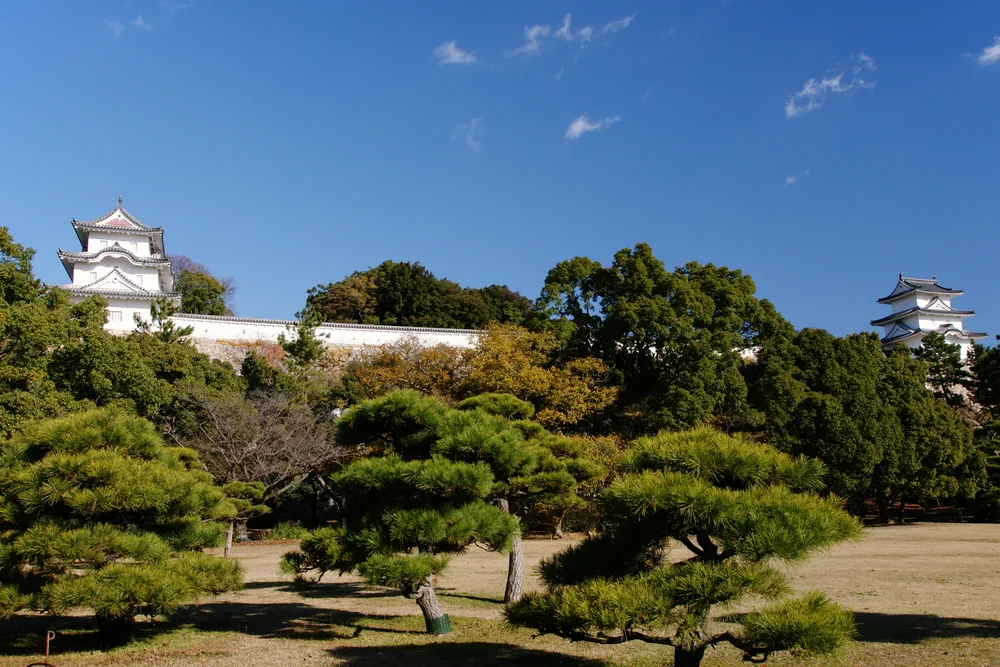
Akashi Park is just north of the station. The two white turrets high on the ruins form a recognizable outline from the station front. View their positions and stone walls from below, then follow paths upward to see how the castle uses the height difference. Castle-focused visitors can reach the main enclosure and look toward the city and sea. For a gentle walk, the entrance and wall base already provide clear viewing points.
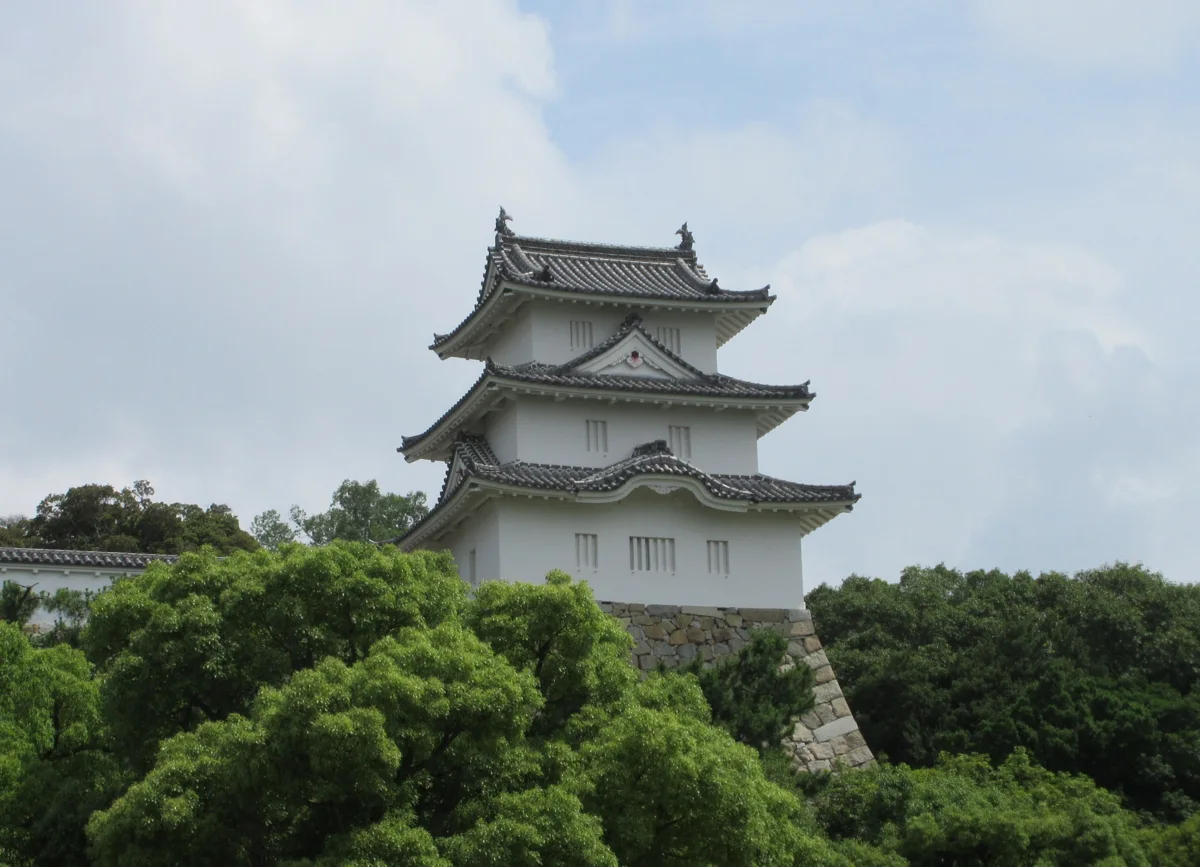
Akashi Castle is not a great central keep with a climb available whenever you buy a ticket. Its main features are stone walls, enclosure spaces and surviving turrets, whose interiors open seasonally. Start with the outdoors and enter on an open day. With toddlers, one adult can take the uphill side trip while the others stay on gentler park paths and agree where to meet below.
The park’s autumn 2026 announcement lists special opening of Hitsujisaru Turret on Saturdays, Sundays and national holidays from the third Saturday of September through the second Sunday of December, 10:00–16:00. This opening is for Hitsujisaru; Tatsumi Turret is listed for spring. On weekdays, focus on exteriors and ruins. Add interior visits on weekends without assuming both turrets will open.
Rain, including light rain, can stop opening to protect the cultural property. A weather cancellation was recorded on October 25, 2026. On a rainy day, take a short exterior route and move to a museum or market lunch rather than waiting at the turret door. If interiors matter, arrive early on an advertised opening day and put the astronomy museum in the afternoon, leaving time to adjust if opening is canceled.
The park extends well beyond the two turrets; a day trip need not cover it all. For plants or children’s play, make the park the morning focus and omit the culture museum. For castle interest, spend longer at the walls and main enclosure without making a full park circuit. Choose lunch while descending toward the station, then cross south to Uonotana.
Uonotana: near lunchtime works better than a dawn start
The shopping street’s official FAQ says each shop sets its own opening hours and days off; there is no uniform opening or closing time. For akashiyaki, prepared foods and browsing, allow time near lunch. Early arrivals can visit the castle until the desired restaurant opens. Treating the market as a predawn fishing-port auction can miss your actual dining needs.
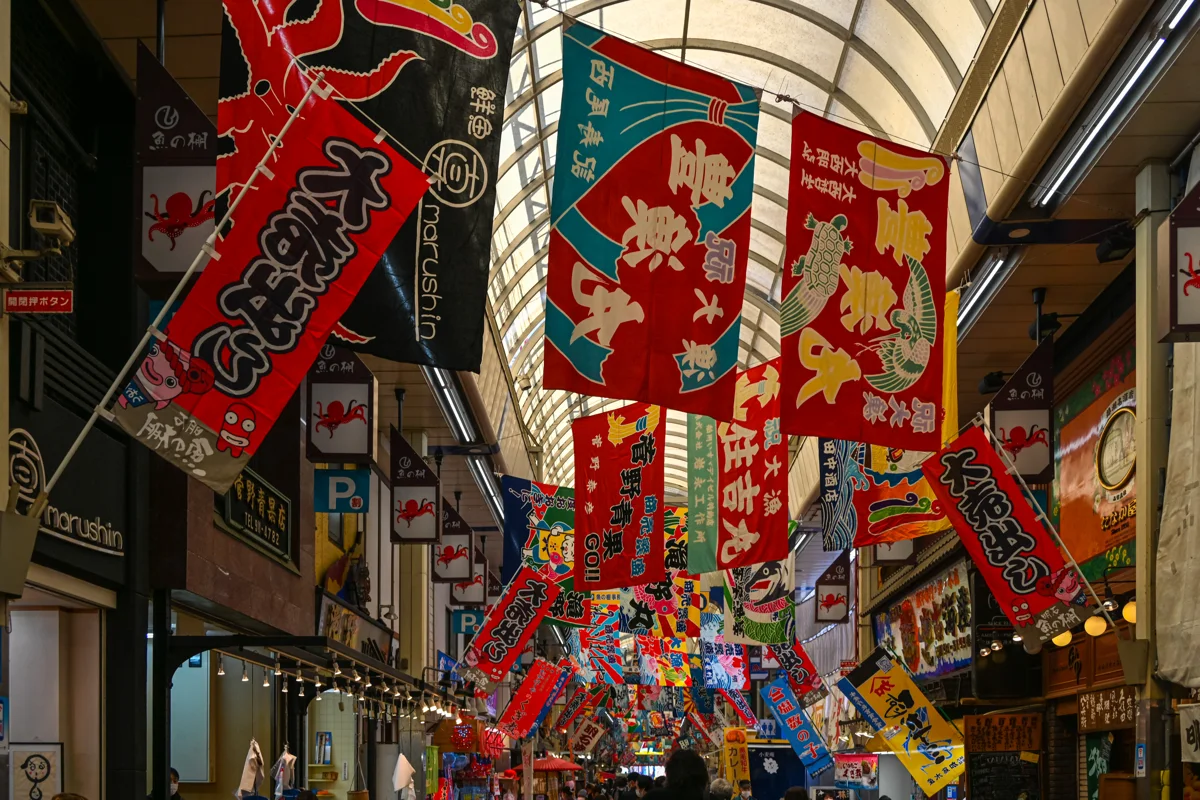
Thursday is the most useful date condition: the official information says there is no auction and more fishmongers and other shops close. It is not a street-wide holiday. For choosing fish, browsing prepared foods and comparing shops, prefer another day. If Thursday is your only option, choose an open lunch restaurant first and give the remaining time to the castle and astronomy museum.
The tourism association gives about five minutes on foot from Akashi Station, with a photo route through station-front facilities and elevators to the street. In rain or with a stroller, save this entrance route before arriving rather than searching for steps at the intersection. Browse a short stretch before choosing lunch. Join a queue because you want its food, rather than because a queue exists.
Shop near the return to the station. If visiting a museum for two or three hours afterward, eat hot food first and leave chilled or perishable seafood purchases until departure. Ask shops about storage and carrying instructions for each product, keeping raw foods, cooked foods and dry goods separate. Kobe guests can shop last and return to refrigerate purchases. For more shopping in Osaka afterward, dry or shelf-stable products are easier.
Ordering akashiyaki: check the portion before choosing a meal or snack
Akashiyaki, locally called tamagoyaki, consists of soft egg-batter balls containing octopus, usually dipped in broth. The tourism association’s food guide lists eggs, flour, wheat starch and octopus, cooked in a copper pan. On a first visit, tamagoyaki here means these balls rather than thick rolled omelet. If the shop also serves other egg dishes, point to the menu photo.
Understand the difference from Osaka takoyaki through texture and eating style. Taste the egg first, then use the supplied broth and seasoning without adding everything immediately. Filling and broth are hot. For children, separate one ball to cool slightly before demonstrating the dip. Compare broth, batter and portion size rather than making “most authentic” the only selection rule.
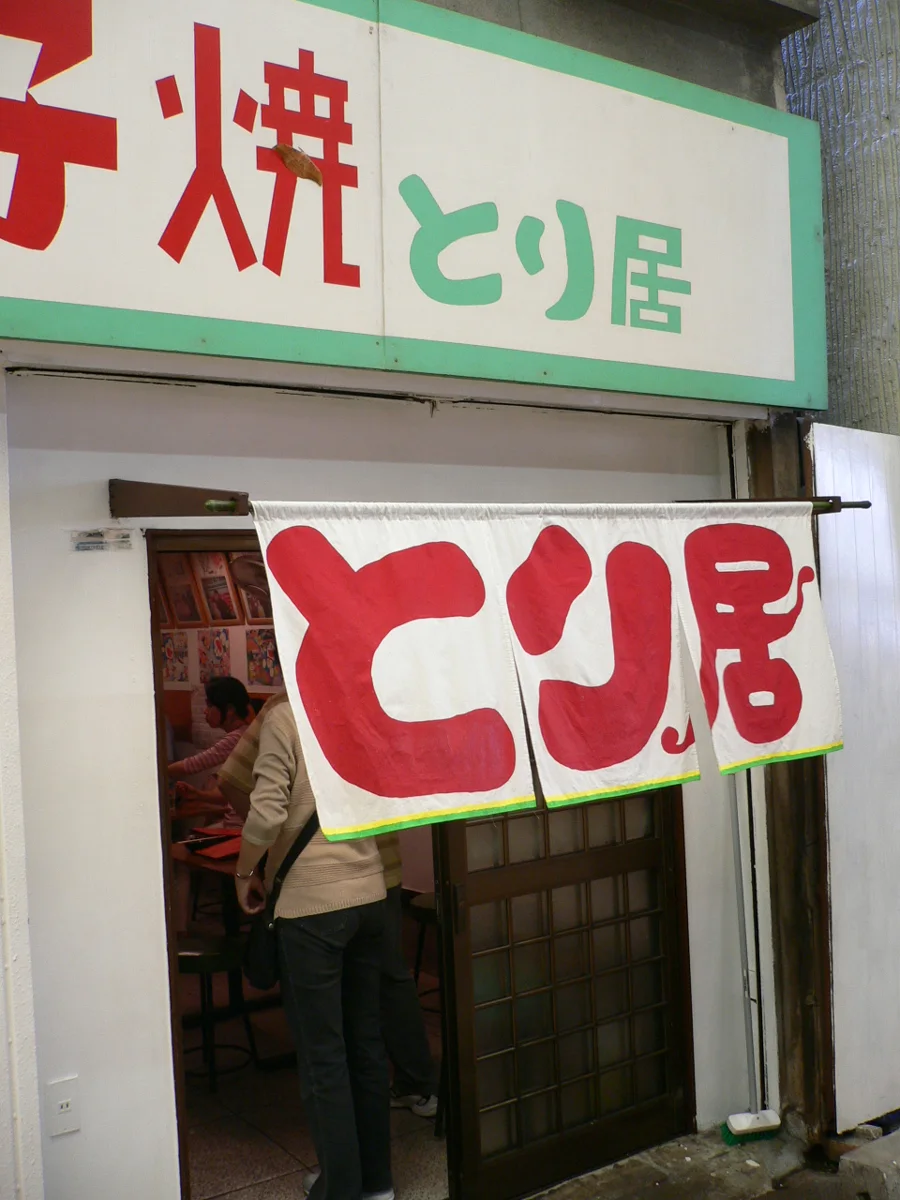
For example, the street’s current Torii shop page lists ten pieces for ¥750 or 15 for ¥950, tax included. Hours are 11:00–16:00 weekdays and 10:00–17:00 weekends and national holidays, closing when sold out and closed Thursdays. Choose ten or 15 according to other rice dishes and prepared foods planned. For an afternoon planetarium show, check restaurant opening and allow enough time to eat and walk to the museum.
For sharing between two, read the restaurant’s ordering and sharing rules before entering. One person may treat a portion as lunch while another adds sushi or rice. Follow your own appetite rather than someone else’s online meal. Families can first sit in a suitable restaurant, then buy a little prepared food to take away. Eating many things along the street without sitting may not suit children facing an afternoon of exhibits.
The astronomy museum has reopened: allow two to three hours
The Akashi Municipal Planetarium announcement confirms reopening on July 30, 2026, ending the renovation closure that began in October 2025. Updates include projection imagery and sound, exhibition areas, elevators, observation spaces and the rooftop sundial plaza. October visits can include it without following old renovation alternatives.
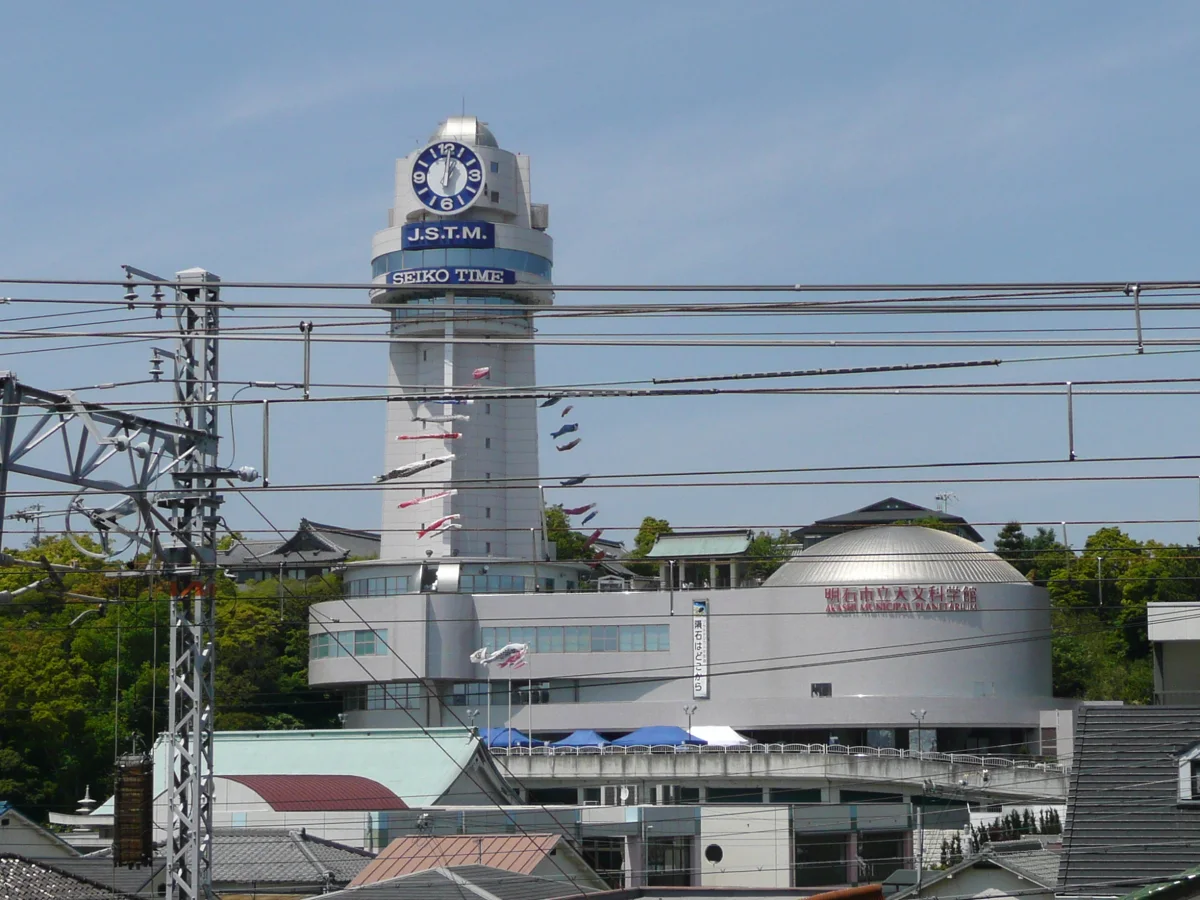
The museum describes its exhibits through time, space and people. Seeing it only as a planetarium can miss how clocks measure time, how standard time is transmitted and how the meridian relates to everyday time. Start with the Time Gallery’s mechanical clocks, atomic clocks and Japan Standard Time equipment, then visit space exhibits. Finish at the observation room to connect indoor geography with the city and strait outside.
The planetarium still uses an optical projector described by the museum as Japan’s oldest in active service, alongside updated full-dome imagery and sound, with live curator commentary central to the shows. It has its own pace, different from a continuous short film. If you understand little Japanese, check themes and times and consider whether children can sit through a show. Visitors chiefly interested in clocks and city views can give more time to exhibition floors.
The reopening’s Hajime exhibition includes temporary material. The museum lists it through December 6, 2026, including the second Zeiss Model I unit. Visitors interested in astronomical equipment history can focus on it and compare the operating projection system. For visits after that exhibition ends, follow the current exhibition rather than treating a loan exhibit as year-round.
The museum’s 135-second introduction presents its highlights. Preview the combination of planetarium and exhibits before deciding how much afternoon time to spend indoors.
An extra half-hour with the clocks in the “town of time”
For clocks, choose two timing methods to compare in the Time Gallery. Updated displays include pendulum clocks, balance-spring clocks and atomic clocks, plus a Telephone JJY transmitter once used to transmit Japan Standard Time. Read labels, then consider how regular motion becomes measured time rather than trying to read every case. Children can first find a familiar clock, then equipment that looks entirely different, giving them a question they can answer.
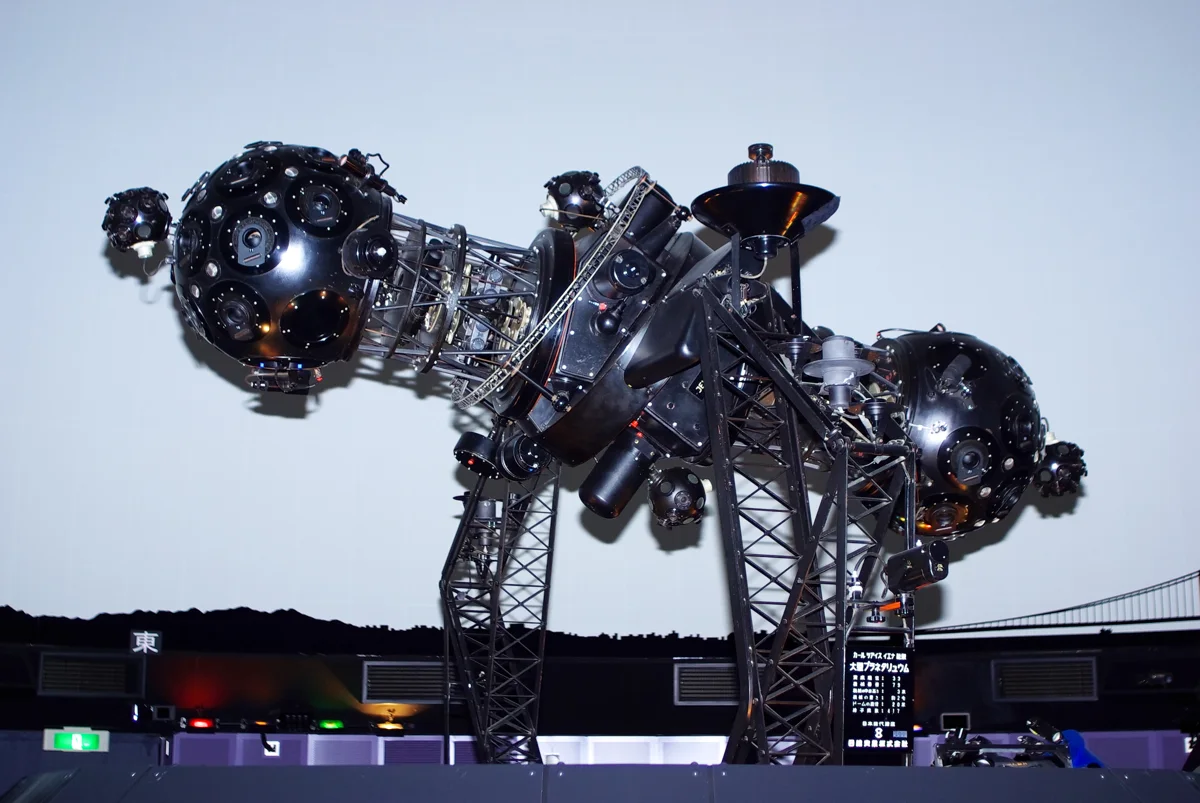
The retained optical projector and updated full-dome imagery form another comparison. The former renders the night sky with star points; the latter can show space travel and auroras. Read the equipment introduction after the show to connect the stars you saw with the physical apparatus. Those uninterested in equipment can skip this part for the observation room without feeling obliged to study every valuable object.
The renewed rooftop sundial plaza has the Seiko Jellyfish Sundial, which the museum announcement says was donated after exhibition at the Osaka-Kansai Expo. It follows naturally after indoor timekeeping: compare different tools inside, then sunlight and the device outdoors. Without sunshine, study the structure and labels. For the actual shadow, choose a sunny period without delaying the whole day’s meals.
The observation room also makes a finish. Identify the city direction visited in the morning, then the strait and distant bridge, reconnecting the route from above. After extensive exhibits, return to the station and see the bridge close up the next day. If the day includes only the castle and museum, this open view can finish it. Check the station route before leaving; dinner near Akashi Station or back at your base both connect easily.
Admission and show slips are separate choices
The official visitor guide lists adult admission at ¥700, free for high school students and younger, including the planetarium, exhibitions and observation room. Standard shows use same-day admission slips, available from the 9:30 opening; collect yours at reception when entering. If a particular show is the priority, make the museum the morning’s first stop. Keep exhibitions and the show together, entering before or after lunch for a direct route.
For a detailed plan, check that day’s shows on the museum homepage, then work forward from the train arrival. The show slip is separate from the entrance ticket. Agree a show for the group; those wanting only exhibits can meet afterward in a public area. With teenagers or older travelers, a fixed meeting point for lunch and another inside the museum lets people explore floors in different orders.
The homepage gives standard shows as about 45 minutes. Allow check-in, seating and movement before and after, rather than leaving the market five minutes before the start. For an afternoon show, lunch earlier and see exhibits on arrival. If the restaurant wait grows, choose another show with slips still available or focus on exhibits and the observation room, without watching the clock through lunch.
Hours are 9:30–17:00, last entry 16:30. Usual closures are Mondays, the second Tuesday and year-end, with the official following-day closure rules for national holidays. More market shops close on Thursdays; Mondays affect the museum. For both in one day, another open date is easier. If only Monday is available, visit the castle and market, then choose the coast.
Include senior concessions directly in the budget. The museum lists general admission of ¥350 for nonresident visitors aged 65 and over, with proof of age. Free admission for Akashi residents separately requires designated locally issued documents. Overseas travelers should use their own available age proof and eligible ticket type, without including resident concessions. For two adults and an older companion, list standard and senior tickets separately before adding lunch.
Children entering free still need a suitable show. Choose the age-appropriate type before departure rather than only the closest start time. The museum has general and child-oriented programs, varying by date and time. Pick one shared show, then let family members follow their interests in the exhibits. The ticket’s value comes from what you see, rather than the number of entries.
Walking from Akashi or using Hitomarumae Station
The museum gives about 1 km or 15 minutes on foot east from JR Akashi Station, or about 200 m and three minutes north from Sanyo Hitomarumae Station. After market lunch, the walk can be part of city sightseeing. In heat or with tired companions, compare a short Sanyo train trip. A nearer station does not automatically make the whole route easier: include exits and the final uphill approach.
The tourism association’s facility information says Akashi Station has elevators, while Hitomarumae does not. With a stroller, wheelchair or difficulty using stairs, walk from Akashi via an elevator-accessible exit or consider a taxi. Hitomarumae suits people who can manage station stairs and want less street walking. Match accessibility needs to map distance before choosing an entrance.
At the museum, arrange admission and the show time first, then move between floors. To conserve attention, make either the Time Gallery or space exhibits the main theme and add the other as time permits. Families can use the observation room after the show for a change of view. Shop for souvenirs before leaving, avoiding bags throughout the visit and helping keep the return plan.
Rain alternatives: culture near the castle or a full astronomy afternoon
The Akashi City Museum of Culture is about five minutes north of Akashi Station, on the castle side. Permanent displays explain local history through nature and people’s lives. In heavy morning rain, visit first, then have market lunch; add a short castle walk if the afternoon clears. This saves effort compared with completing the large park as originally planned.
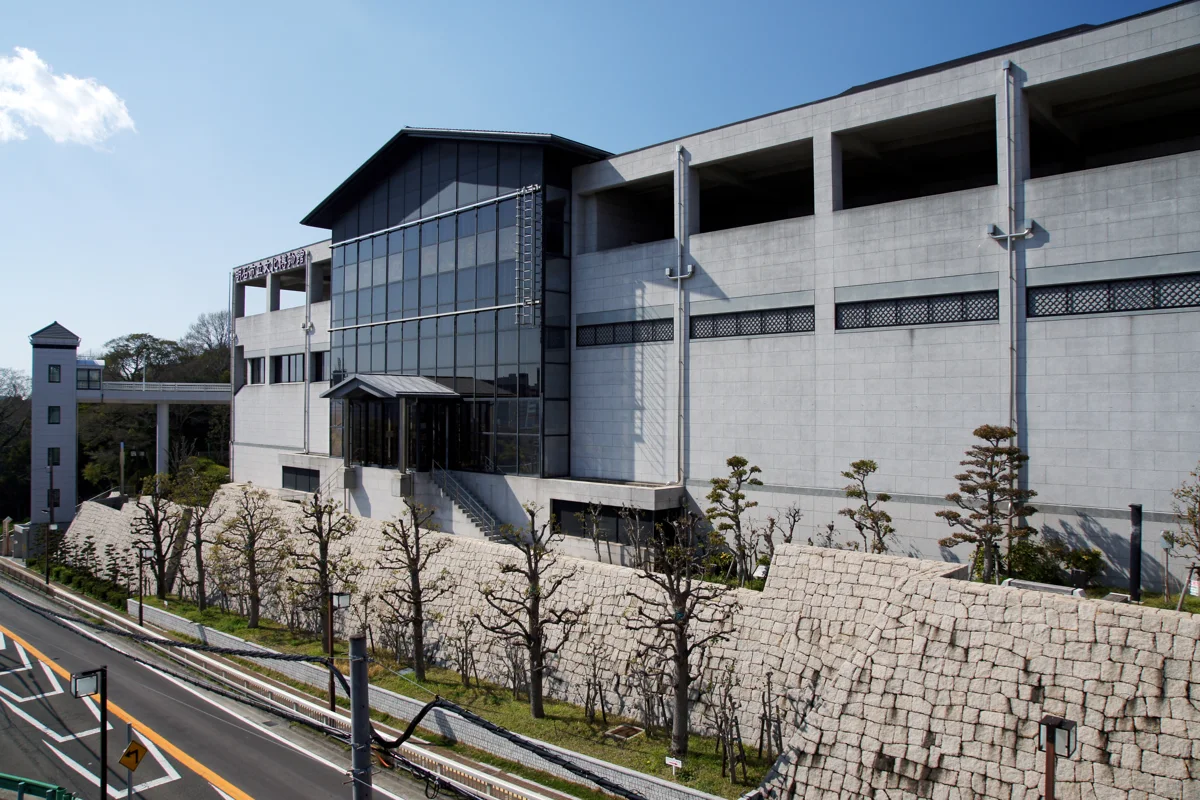
The museum’s general admission is ¥200 for adults, ¥150 for university and high school students, and free for junior high school students and younger. Special exhibitions have separate prices. Normal hours are 9:30–17:30, last entry 17:00, with extended hours during special exhibitions. For a special exhibition, use its page’s price rather than applying the ¥200 permanent admission to every date.
The culture and astronomy museums cover different themes. Both can fit in a day if the castle and shopping are shortened. For a rainy family outing, choose one as the main visit by the child’s interests and keep the other as a fallback. Check each museum’s calendar for Mondays. “Visit a museum if it rains” still has date conditions. If both close, market lunch followed by an indoor activity near your Kobe hotel is more direct.
For the sea, use Asagiri for Okura Beach or Maiko for the bridge structure
Okura Beach offers an open view of the strait, Awaji Island and Akashi Kaikyo Bridge. The city’s scenic guide gives about three minutes on foot south from JR Asagiri Station. Take a train stopping at Asagiri from Akashi rather than walking the whole city-to-coast stretch. Special Rapid services do not stop at Asagiri; check calling points before boarding.
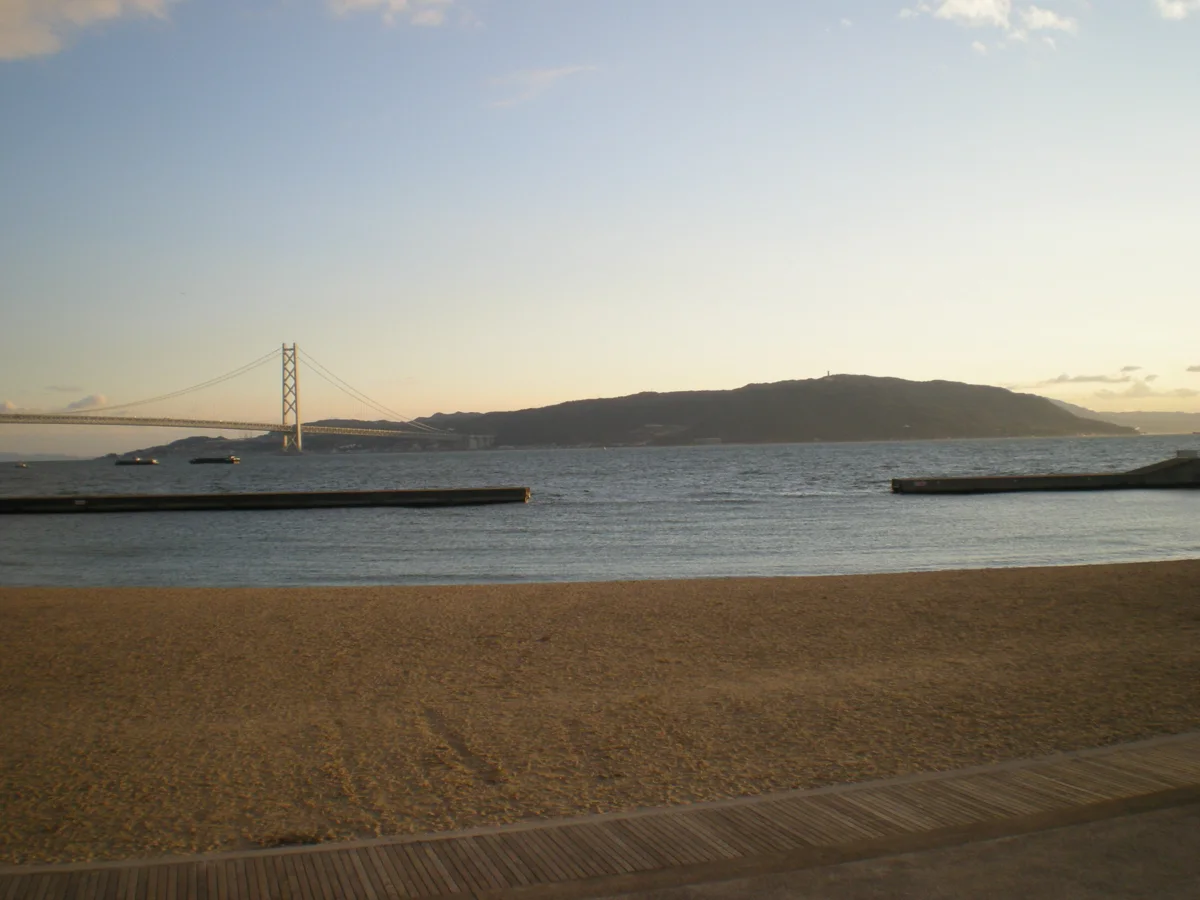
For sitting by the sea and photographing the relationship between strait and bridge, this makes one afternoon extension. Check wind and open areas, take a gentle route and turn back when ready. The coastal park and eastern fishing area have different access limits. The tourism association’s eastern fishing-area information still marks partial restrictions. Follow open park and coastal routes without crossing fishing-area barriers as a viewing shortcut.
For the bridge structure close up, choose Maiko Park on the Kobe side. From JR Maiko or Sanyo Maiko-koen Station, the official Kobe tourism guide gives about five minutes on foot to the park, then continue to the promenade entrance. Take a train stopping at Maiko from Akashi without returning to Sannomiya. It fits an afternoon on the way back to Kobe, but plan admission before dark rather than adding it after the market and two museums.
Maiko Marine Promenade: beneath the bridge rather than a distant beach view
Maiko Marine Promenade is a loop walkway on the Kobe side of Akashi Kaikyo Bridge. Official figures give about 47 m above the sea and 317 m in total length. Beneath the bridge, compare the scale of structure, water and ships, with a glass-floor area for a more exposed view. Companions afraid of heights can choose their own comfortable position; everyone need not stand on the transparent floor for a photo.
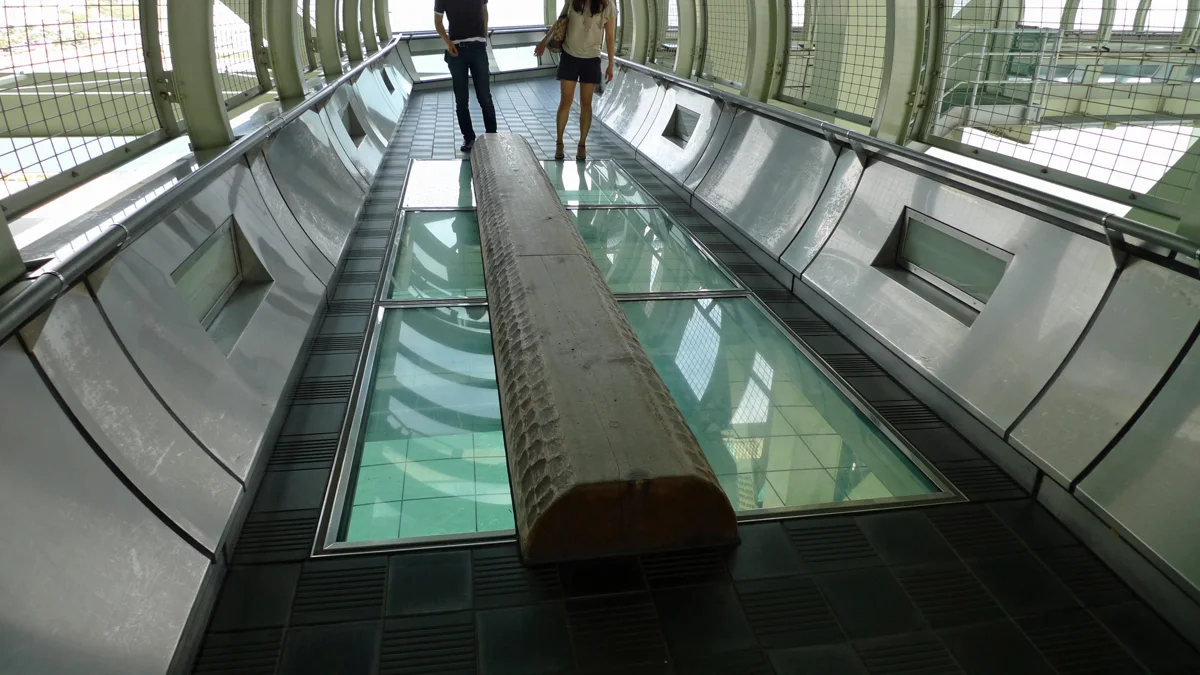
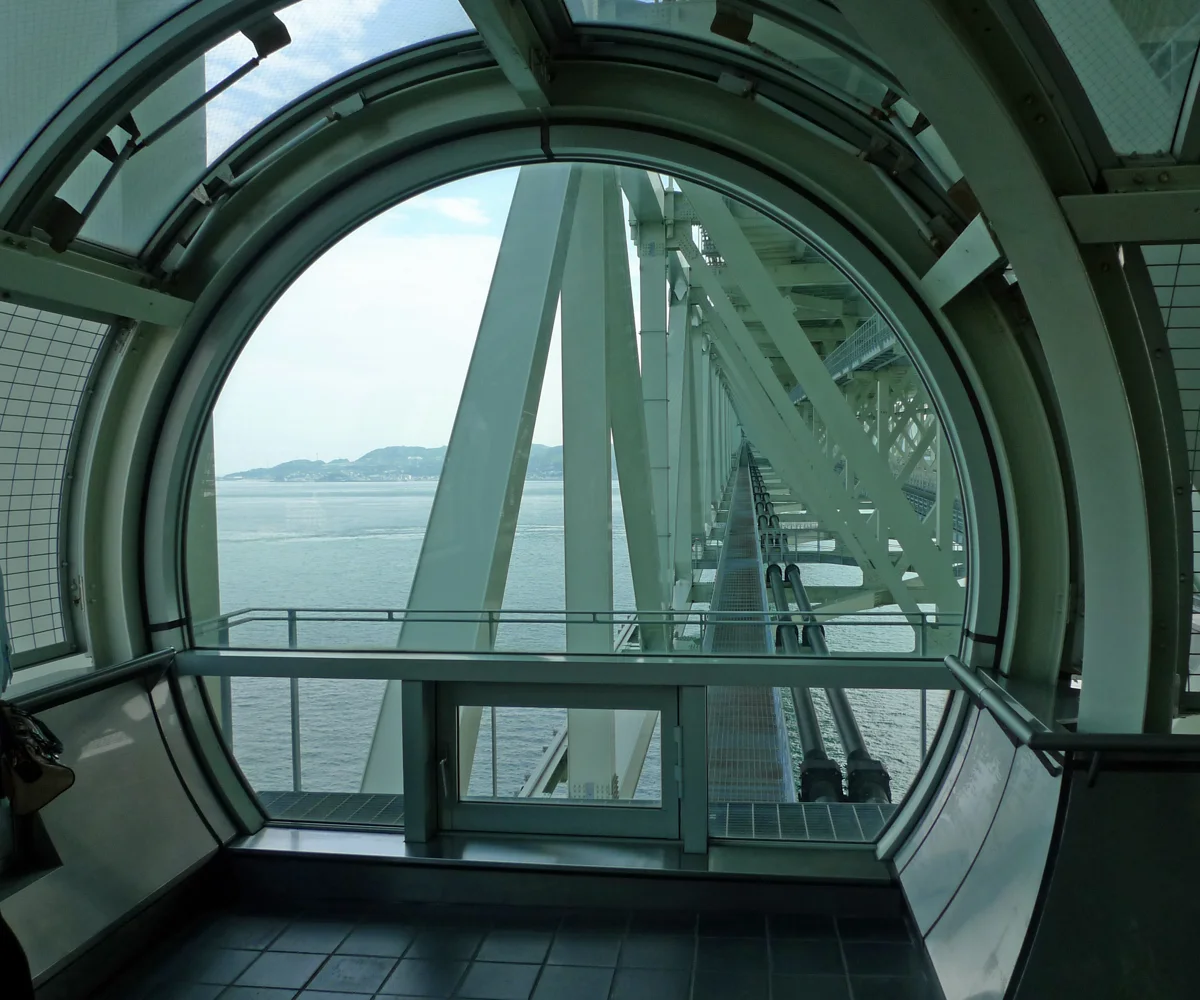
Adult admission is ¥250 on weekdays or ¥300 on weekends and national holidays, free for high school students and younger. Normal hours are 9:00–18:00, last entry 30 minutes before closing. It closes on the second Monday of each month October–March, or the following day if that Monday is a holiday, and December 29–31. These are the promenade’s rules. Nearby facilities and dining have separate times; one ticket is not a pass for the whole park.
For a Maiko afternoon, keep the morning castle and market simple. Return to Akashi Station after lunch, take the train and enter the promenade first, then sit by the sea in the park. Reduce outdoor time in strong winter wind. If the bridge visit is enough, return directly from Maiko to Kobe rather than going back to Akashi for another sea view in the same direction.
Two one-day schedules: give lunch and the show their own time
For the city version, arrive around 9:30, visit the park walls and two turrets, then head to Uonotana before noon. After lunch, allow a little shopping or coffee, then go to the astronomy museum for a show and exhibits according to available slips, returning to Kobe afterward. If the show is the priority, reverse the order: start at museum opening, eat lunch and walk the castle in the afternoon.
Both orders need walking and meal time. For an early show, do not first schedule an akashiyaki restaurant opening at 11:00. To study the loaned Zeiss exhibit, shorten the castle walk. If a popular restaurant has a long queue, eat somewhere with seats and decide later whether to revisit the market. A smooth day depends on choosing the right fixed point, rather than leaving the hotel as early as possible.
For the sea version, visit the castle in the morning and market at noon, then take a train to either Asagiri or Maiko. At Asagiri, leave time for a coastal walk and seated rest; at Maiko, make the promenade and park the whole afternoon. Families split between stars and bridge views can use two day trips or a two-day stay. Reducing every stop to a photograph in one day may satisfy no one.
One night: Akashi first, then the coast back to Kobe
An overnight stay suits travelers wanting two market meals, the astronomy museum and Maiko. On day one, visit the castle, have market lunch and see the astronomy museum, then dine near the station. After checkout on day two, go to Maiko for the bridge and a walk before returning to central Kobe. Splitting interiors and sea views removes the first-day rush to the promenade and the need to revisit the same market merely to fill day two.
Choose lodging by the next day’s direction. Akashi Station gives direct routes for the city and market; compare Nishi-Akashi for an early Shinkansen. For waking by the sea and a slow bridge view, compare Maiko lodging separately. These serve different trips. Do not search one broad “Akashi” area and sort only by price. With children, check beds, guest numbers and luggage space before choosing the easiest station.
To avoid changing hotels, stay in Kobe and split the plan: one Akashi city day and a separate Maiko half-day before returning to Sannomiya. Given the Sannomiya–Akashi distance, moving rooms may take more effort than the train. An overnight stay adds practical value when you want evening dining, onward westbound travel or a specific seaside accommodation experience.
Costs and dates: use the current restaurant page and separate paid activities
For an adult city day, the ¥700 astronomy museum and Torii’s ¥950 portion of 15 akashiyaki total ¥1,650. Add regular-period culture museum admission of ¥200 for ¥1,850. These are selected food and admission subtotals; add rail, other food and shopping. Replace the relevant item for a seafood meal or special exhibition.
For Maiko on a weekend, ¥300 promenade admission plus the same ¥950 akashiyaki total ¥1,250, before Akashi–Maiko rail and transport from your base. High school students and younger enter both the astronomy museum and promenade free, so family costs mainly differ in food and rail. The culture museum is free for junior high school students and younger during regular admission, but high school students pay. Calculate each museum by age and student category.
For an easy date, first avoid the astronomy museum’s usual Mondays and second Tuesdays and the market’s greater Thursday closures, then decide whether entering a turret is essential. If so, favor a suitable-weather weekend within the announced opening season. To avoid weekend lunch queues, see castle exteriors on a weekday and enter an akashiyaki restaurant early. Choose the main experience before dates and costs to make the day concrete.
A few useful answers
Is Akashi’s astronomy museum still being renovated?
It reopened on July 30, 2026. Adult admission is ¥700; high school students and younger enter free. Standard planetarium shows require a separate same-day admission slip.
Does all of Uonotana close on Thursdays?
There is no shared closing day, but no auction is held on Thursdays and more fishmongers and other shops close. Choose another day if browsing the market is a priority.
Can I walk from Akashi to Akashi Kaikyo Bridge?
For a close view of the bridge structure, Maiko Marine Promenade is in Maiko Park on the Kobe side. Take a train stopping at Maiko from Akashi, then walk. It works as an alternative afternoon route.
Official information and references
Sources used in this guide.
- Access | Akashi Tourism Association
- Hitsujisaru Turret special autumn opening 2026 | Akashi Park
- FAQ | Uonotana Shopping Street
- Uonotana Shopping Street | Akashi Tourism Association
- Akashiyaki (tamagoyaki) guide | Akashi Tourism Association
- Torii: current menu and hours | Uonotana Shopping Street
- Renovation completed | Akashi Municipal Planetarium
- Hours, fees and access | Akashi Municipal Planetarium
- Akashi Municipal Planetarium | daily shows and official videos
- Planetarium and station elevators | Akashi Tourism Association
- Akashi City Museum of Culture | exhibits and access
- Hours and fees | Akashi City Museum of Culture
- Okura Beach, ten scenic views of Akashi | Akashi City
- Maiko Marine Promenade | Maiko Park
- Eastern Okura Beach, partial access restrictions | Akashi Tourism Association
- Maiko Park guide | Feel KOBE official tourism site
- Special exhibitions | Akashi Municipal Planetarium