Reach Metasequoia Avenue from JR Makino Station. Compare the six-minute and loop bus routes, 2026 autumn bicycle-rental limits, the 2.4-kilometer walk and return services for a Kyoto day trip or a night in Makino.
- Region & Focus
- KansaiAttractions
- Reading Scope
- 27 min read · 15 chapters · 4 Q&As
- Official Verification
- 14 official sources checkedUpdated November 9, 2026
- Key Topics
- ItinerariesRail travelSeasons
Chapter Route Map (tap any stop)
- For a first day trip, use the bus and save your energy for the avenue
- Kyoto to Makino Station: choose an arrival that connects with the bus
- Bus fare and direction: ¥220, with six- and 26-minute approaches
- Pairing buses: leave Makino at 10:00 and return in the afternoon
- Bicycle rental: freedom to stop, with walk-in rental in autumn peak season
- Walking from the station: plan a long walk, rather than an improvised transfer
- Which section to walk: start at Pic-land and choose a turnaround point
- Autumn timing: usually late November to early December, with brick-brown colors
- Fresh leaves, summer and snow: change transport with the season
- Lunch and coffee at Pic-land: eat first, then choose extra activities
- Adding a highland bath: allow an afternoon and check Wednesday and pool closures
- Families, older travelers and rain: buses and short walks are easier to adjust
- Protect the return bus and train; what to do if you miss the bus
- Stay overnight for an early walk: station and avenue locations serve different needs
- Putting a half-day or overnight plan into practice
- Quick Q&A
For a first car-free visit from Kyoto, take JR to Makino Station, then the community bus to Makino Pic-land. Save your energy for walking beside the trees. Confident cyclists can rent bicycles instead, but from November 14 to December 13, 2026, Makino Station rentals are walk-in only and must be returned to the same station. Bus direction matters too: a six-minute outward trip and a route taking over 20 minutes via the highlands are different journeys. A day trip is enough for trees and lunch. Staying in Makino is more worthwhile if you want another walk early next morning.
For a first day trip, use the bus and save your energy for the avenue
Makino’s Metasequoia Avenue suits a full day trip from Kyoto. From JR Makino Station, take the community bus to Makino Pic-land, walk the avenue, eat or rest in the agricultural park, and return to the station in the afternoon. This is the easiest version for first-time visitors who want a walk and photographs. Confident cyclists who want stops along the approach can replace the bus with a rental bicycle. Count the whole trip from leaving Kyoto to returning to your accommodation.
The avenue is about 2.4 kilometers long, with around 500 metasequoias on both sides. It is not a forest behind an entrance gate. The prefectural road passes through Makino Pic-land and continues toward Makino Kogen. Use the walking paths beside it to enjoy the trees. Official access information says the bus stop is right at the site: you can start walking on arrival without another ten-minute search for an entrance. Read the Takashima tourism association’s avenue and access page to understand the area.
With limited time, walk out and back along a section near Pic-land. For all 2.4 kilometers, consider how to return to the bus stop. Retracing the full avenue makes almost 4.8 kilometers before meals, walking to the stop and waiting. Keen walkers can make this the main activity. With children or older travelers, start short and extend only if everyone is comfortable.
Keep this day focused on Makino. Hachiman-bori in Omihachiman is across Lake Biwa; see the Omihachiman day-trip and overnight guide. Separate days give both places proper transport and sightseeing time. To keep your Kyoto accommodation and spend a day walking on the lake’s western side, add this after the Kyoto neighborhood itinerary and plan from your actual hotel.
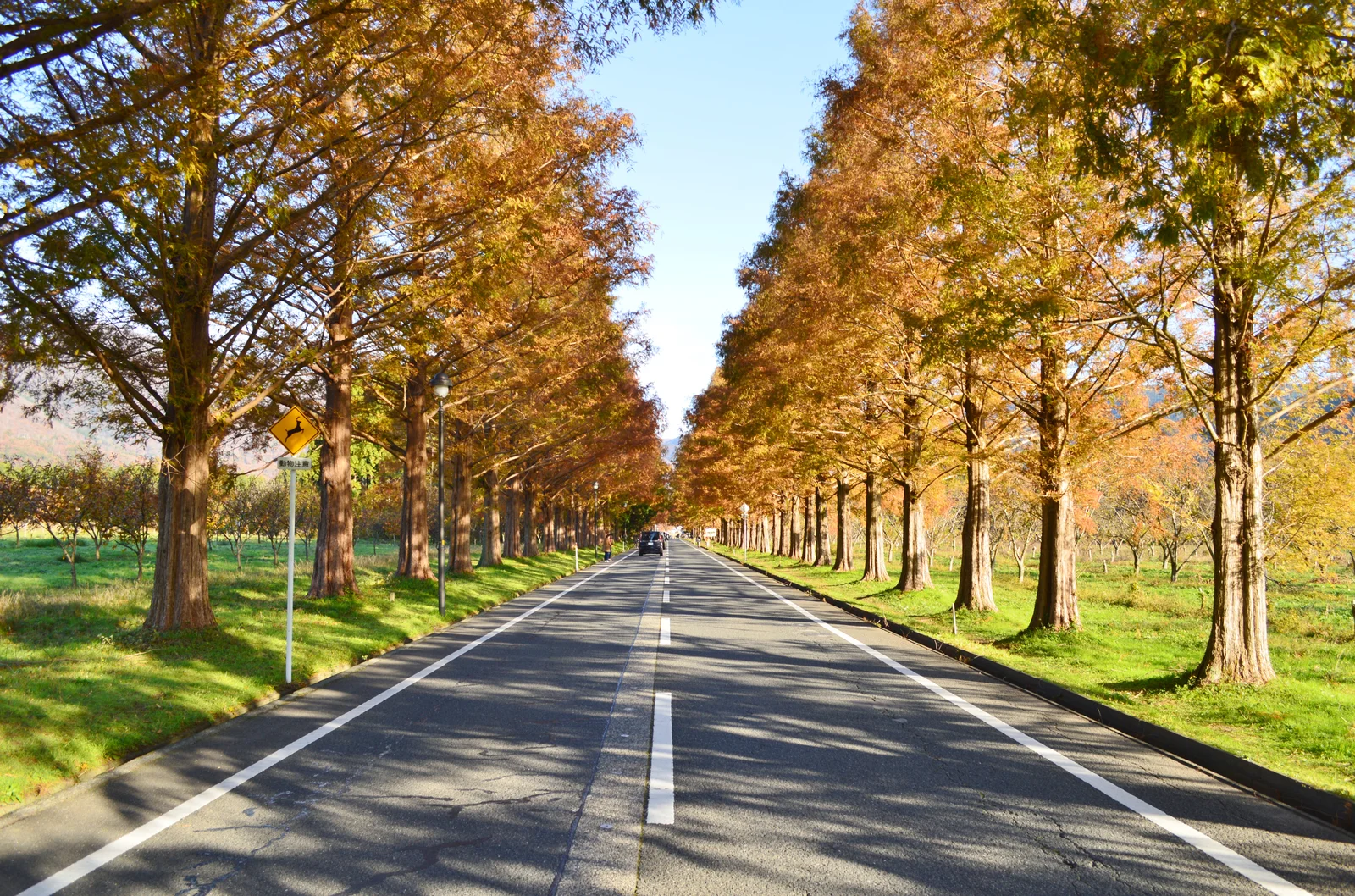
Reach Metasequoia Avenue from JR Makino Station. Compare the six-minute and loop bus routes, 2026 autumn bicycle-rental limits, the 2.4-kilometer walk and return services for a Kyoto day trip or a night in Makino.
Kyoto to Makino Station: choose an arrival that connects with the bus
The rail destination is Makino Station, マキノ駅, on the JR Kosei Line. Paste the Japanese name into searches and save the station and Makino Pic-land as separate destinations. Searching only Makino can lead to other places or a botanical garden. Check the full destination, transfers and stops, especially plans changing at Omi-Imazu. The first train alone may not take you through to Makino.
From Kyoto Station, choose a JR service for your travel date, then match it to the bus below. From a hotel in Kawaramachi or Gion, include the city journey to Kyoto Station. Breakfast, finding the platform and toilets belong in the plan, just like bicycle collection or the bus wait on arrival. A train’s running time is not the total from a Kyoto hotel to the avenue.
Day-trippers can leave large luggage at their existing accommodation and carry water, an outer layer, coins and a power bank. If changing hotels, arrange bag storage before visiting the avenue. Do not strap a large suitcase onto an ordinary rental bike. A plan with just station names and attraction photographs still needs a place for luggage and a return meeting point.
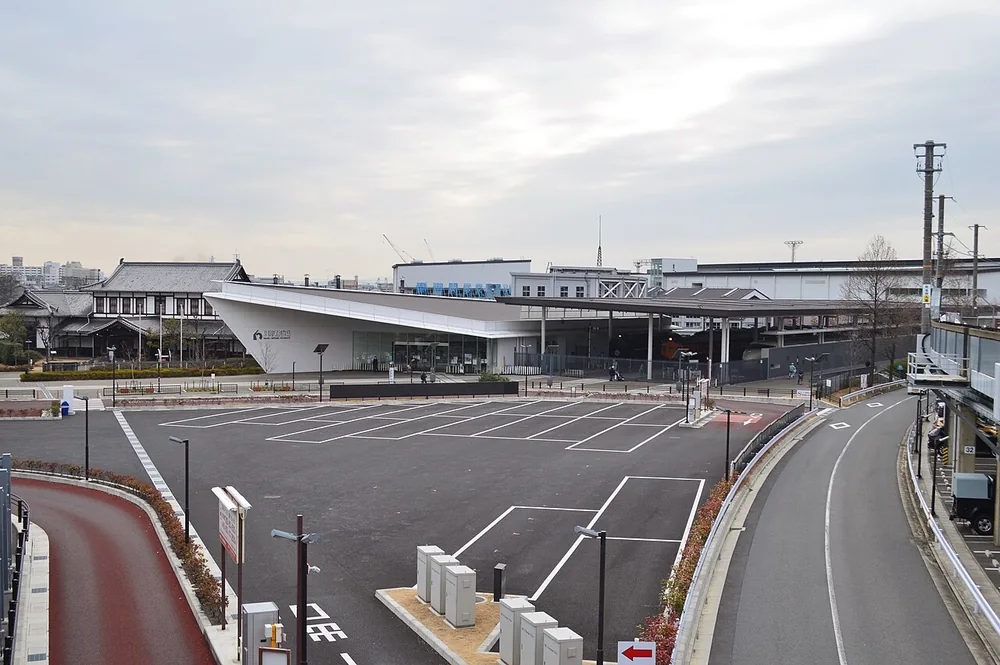
Pic-land’s directions say to turn right after the ticket gates at Makino Station toward the bus terminal, then take the Takashima community bus Makino Kogen Line. The tourist office inside the station also handles bicycle rental, so you can make a final choice after checking weather and availability. If a late train misses your planned bus, check the next service before walking. A short morning transfer and a long afternoon walk have different energy costs; keep some reserve.
Bus fare and direction: ¥220, with six- and 26-minute approaches
The Kokoku Bus avenue-access guide lists an adult single fare of ¥220 from Makino Station to Pic-land. IC cards and ordinary Kokoku Bus multi-ride tickets are not accepted. Bring cash and set aside ¥440 per adult for a return. The current city timetable lists a child single at ¥110. This community bus is charged separately from JR, so budget for it outside your rail ticket.
The Makino Kogen Line loops clockwise and counterclockwise. Clockwise from Makino Station reaches Pic-land first, in about six minutes, before continuing toward the highlands. Counterclockwise runs via Kaizu, Koaraji and the highlands before Pic-land. For example, the 9:00 departure in the city’s August 1, 2026 timetable arrives at 9:26. That difference affects lunch and walking time.
Show the driver マキノピックランド and check which departure you are boarding. Remembering only six minutes can make a correct counterclockwise trip seem wrong. The longer route is usable if you include its whole duration. Choose clockwise if you want to start walking sooner.
The examples below use Takashima City’s August 1, 2026 Makino-area timetable. The bus company’s attraction page also links a simpler sheet dated April 1, 2025, with some different times. Save the newer cover and the Makino Kogen Line column. Use the city’s current timetable index to find the version applicable to your trip.
Pairing buses: leave Makino at 10:00 and return in the afternoon
The newer timetable has daily clockwise departures from Makino Station at 10:00, 11:00 and 12:00, reaching Pic-land at 10:06, 11:06 and 12:06. The 10:00 bus allows a walk, seated lunch and afternoon return. All times below are Japan local time. Choose a morning bus first, then work back to your train from Kyoto.
Returning from Pic-land to Makino Station also has two journey lengths. The 13:26 counterclockwise bus reaches the station at 13:37, about 11 minutes. The 14:06 clockwise bus continues via the highlands and Kaizu, reaching the station at 14:37, about 31 minutes. An earlier Pic-land departure does not necessarily connect with JR sooner. Save both departure and arrival times.
For about three hours on site, arrive at 10:06 and leave at 13:26. Walk near Pic-land and eat a meal rather than covering the full avenue out and back. For photography and more walking, arrive at 10:06 and leave at 14:06, then connect with a train. These are pacing examples. If restaurant queues grow, shorten the extra walk and keep your return bus.
Another daily afternoon pair is clockwise from Pic-land at 16:06, arriving Makino at 16:37, or counterclockwise at 16:26, also arriving at 16:37. The earlier bus loops via the highlands; the later one gives 20 more minutes by the trees. Choose 16:26 for more time outdoors or 16:06 for views along the loop. Save direction and arrival time together: boarding later can still reach the same JR connection.
| Section | Board → arrive | Direction and purpose |
|---|---|---|
| Makino Station → Pic-land | 10:00 → 10:06 | Clockwise, direct to the avenue |
| Makino Station → Pic-land | 9:00 → 9:26 | Counterclockwise, via the highlands first |
| Pic-land → Makino Station | 13:26 → 13:37 | Counterclockwise, short return |
| Pic-land → Makino Station | 14:06 → 14:37 | Clockwise, via the highlands first |
| Pic-land → Makino Station | 16:06 → 16:37 | Clockwise |
| Pic-land → Makino Station | 16:26 → 16:37 | Counterclockwise |
Bicycle rental: freedom to stop, with walk-in rental in autumn peak season
In dry weather, with everyone confident on a bike, cycling avoids the bus wait and makes the station approach part of the trip. Shiga’s official Takashima cycling route lists about 20 minutes from Makino Station to the avenue cafe. Add rental paperwork, brake checks, parking and navigation. For a slow ride with countryside photographs, allow more than the shortest riding time.
The Takashima tourism association’s current rental page lists ordinary bicycles at ¥1,000 per day for riders at least 150 centimeters tall. Collection and return at Makino Station tourist office run 9:00–17:00, closing December 29–January 3. For shorter children, choose the bus rather than relying on a suitable child bike. Return paperwork takes time, so aim to reach the station before 17:00.
From November 14 to December 13, 2026, Makino Station accepts no advance reservations and no returns at other stations. This covers peak autumn viewing, so availability is decided on arrival. Two travelers should not assume two suitable bikes will be free. If one person lacks a suitable bike, take the bus together; the walk can still go ahead. Save the return buses on your phone for an easy switch.
Bike type changes the route. Current individual cross-bike and e-bike rentals start at Shin-Asahi Station, and e-bikes must return there. They are not walk-up electric rentals at Makino. For half a day at the avenue, an ordinary bike or bus is enough. Going to another station for an electric bike and then riding a long way north changes the whole day’s transport and effort.
During normal reservation periods, online bookings are accepted for individuals from one bike, no later than three days ahead. A no-show without contact before the rental start time incurs a 100% cancellation charge. Consecutive-day use of ordinary bikes can be requested in the notes; e-bikes are not available for overnight consecutive-day use. To keep a bike overnight, choose an eligible type and arrangement rather than extending a day rental yourself.
Walking from the station: plan a long walk, rather than an improvised transfer
Walking the whole way suits people who enjoy rural roads and can walk continuously for longer periods. On leaving the station, use walking navigation to Pic-land and check the route, crossings and estimated time before setting out. The approach and avenue are separate activities. First you reach the trees; then you walk beside them, take photographs and turn back.
When checked on October 27, 2026, the Makino Station to Pic-land walking route showed about 3.1 kilometers and 44 minutes via Prefectural Route 287. Allow 50–65 minutes each way for stops, crossings and navigation. Nearly an hour approaching, two hours on site and another hour back already make a half-day walk. Lunch and waiting at the station add more.
For a first visit with some walking, take the bus out and leave walking back as an option for good weather and remaining energy. Save the return timetable when you reach Pic-land so you can take the bus if tired. Walking the entire outward route immediately can leave two uncomfortable return choices: waiting while tired or repeating the long walk.
Fields, orchards and homes have their own entrances. Do not cross field ridges or private land to shorten navigation. For countryside photographs, stand safely without blocking others and check vehicles and farm machinery before using the camera. Walking through villages differs from cycling or driving. Choose a public-road route you can complete rather than the map’s straightest line.
Which section to walk: start at Pic-land and choose a turnaround point
After the bus, use Pic-land as your reference and meeting point, then follow the paths beside the avenue. A short visit need not start at either end; the nearby section already shows the tree rows narrowing into the distance. Photographers and casual walkers can agree to meet back at Pic-land, a clearer landmark than somewhere beside the trees.
To limit distance, turn back after 20–30 minutes and see the same trees facing the other way. The canopy, mountains and road change position in the view. Reaching the far end is not required. With photography, this out-and-back can give the avenue about an hour before a seated rest.
For all 2.4 kilometers, check the ends and return stops before starting and keep a route back to the meeting point. At three kilometers per hour, 2.4 kilometers takes about 48 minutes, or 96 minutes out and back before photo stops. If you walked from the station, add both distances. Buses both ways with a full avenue walk are easier to enjoy than walking all three legs.
From the walking path, photograph repeated trunks, fallen leaves and nearby orchards. A long lens can compress the rows from a safe position. Residents and buses still use the road. Do not pose in the middle even during a gap in traffic. Photograph companions beside the road without blocking passage, then move on. Reach a preferred view across the road through a safe crossing rather than repeatedly crossing between vehicles.
Autumn timing: usually late November to early December, with brick-brown colors
The Takashima tourism association lists the usual autumn-color period as late November to early December, describing brick and brown tones. Metasequoias differ from bright-red maples: green changes through yellow-brown into deeper reddish brown. Use that period as the main date range, then check local conditions before leaving. A highly saturated photograph can create very different expectations from the leaves on site.
Choose in two stages. First pick a weekday within the usual period that works for transport, accommodation and leave. Near departure, read the avenue updates linked by the tourism association and Pic-land’s seasonal photographs, then decide whether to change days. Check photograph dates and light. Sun, cloud and viewing direction change how the same trees look.
If only early November works, focus on the rows, countryside and walking rather than expecting full color before it develops. For early December, include warm clothing, weather and ground conditions. Choose accommodation with change terms you can accept, especially when traveling for one day’s foliage. Read cancellation deadlines and charges before paying.
Early and late light can justify a special photography plan, but you need a workable approach. The bicycle office opens at 9:00, so walk-up day-trip rental cannot support sunrise photography. There is no tourist illumination along the avenue, only streetlights. Keep full-canopy and color viewing in daylight. For an early walk after an overnight stay, plan the actual accommodation-to-avenue route separately.
A short film of Takashima’s autumn scenery, opening with autumn colors on Makino’s Metasequoia Avenue.
Fresh leaves, summer and snow: change transport with the season
For a trip outside autumn, consider fresh leaves from late April to May. New yellow-green canopies and farmland suit a slow walk. June through October brings deeper green; the tourism association also describes shade on the avenue paths. These trips make cycling and short roadside stops easier to combine without joining the same autumn weekends.
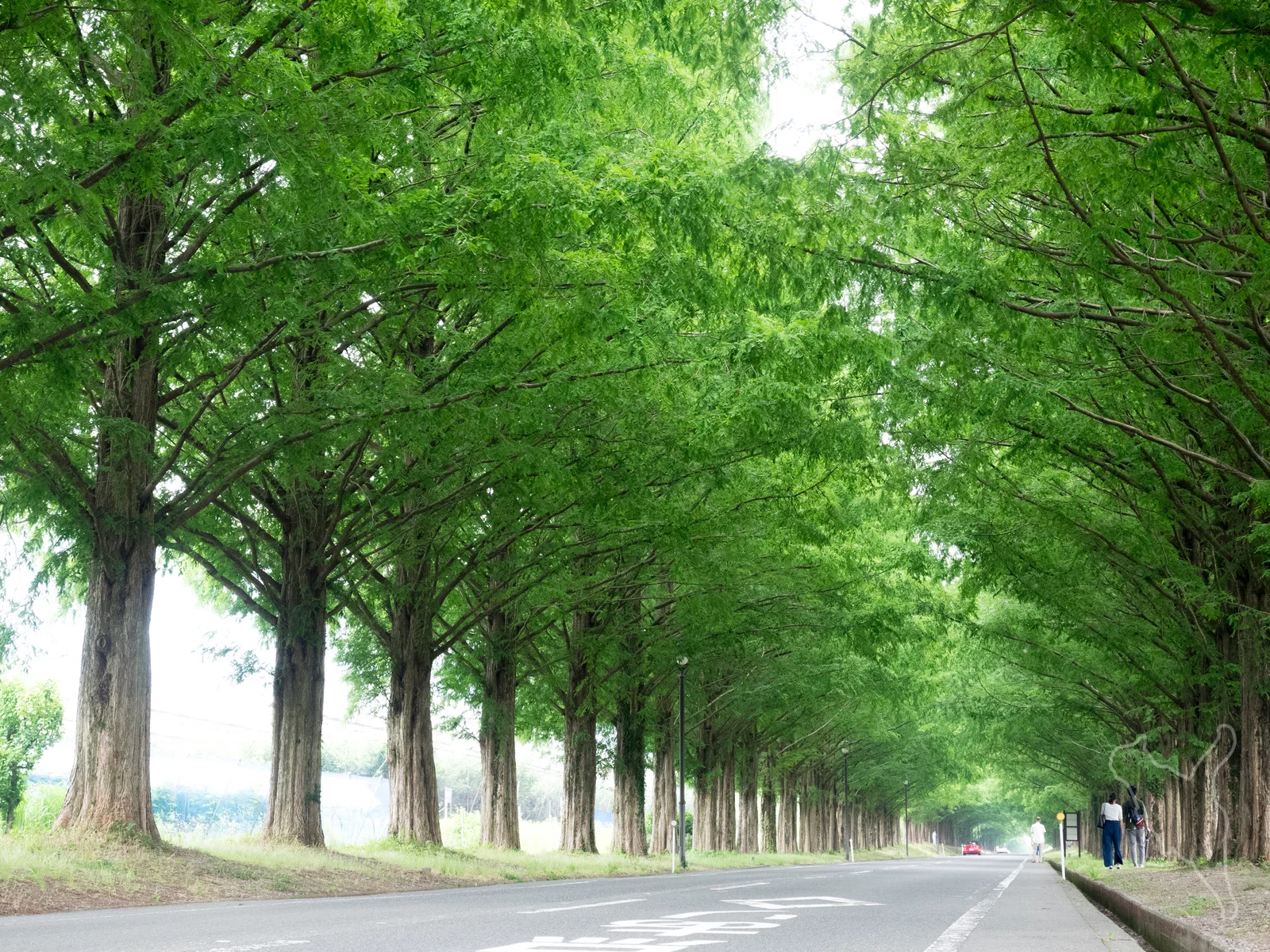
In summer, distinguish the station approach from the avenue walk. Prepare sun protection for unshaded parts of the return route; once at the avenue, use shaded paths. In heat, take buses both ways, shorten walking to the trees and add an indoor meal or rest. Keep water and sun protection within reach. Cyclists also need time to stop and drink.
Winter offers bare tree shapes; snow on branches depends on the weather at the time. If roads are snowy or icy, abandon cycling and assess whether public transport can support a short walk. Shoes must suit the ground, and bags must leave your hands useful for balance. Preparation involves more than replacing an autumn jacket with a thicker one.
If you only want snow photographs and have limited date flexibility, a Kyoto day trip is usually easier to adjust than a fixed overnight booking. Check trains, buses, ground and weather that day before leaving. If transport stops, keep the Kyoto accommodation and choose a city plan. If already staying in Makino, arrange the station return with your accommodation rather than relying entirely on a last-minute taxi.
Lunch and coffee at Pic-land: eat first, then choose extra activities
Makino Pic-land is a visitor orchard with a cafe, restaurant, produce shop and souvenir area. For car-free visitors, it usefully combines tree viewing, food and a return meeting point in one recognizable area. Walk in the morning, return near noon to eat, then take a shorter afternoon walk. This is easier than reaching the far end before looking for lunch.
For a seated view of the trees, consider Namiki Cafe Metasequoia inside the park; the park describes large windows overlooking the avenue. Namiki Shokudo Tsubame is another option for a full meal. Decide between a meal and coffee with dessert before setting the rest length. If trees are the priority, keep lunch simple and save better light for outdoors.
Orchard harvesting activities have their own seasons and registration. The official list includes cherries, grapes, blueberries, chestnuts and sweet-potato digging. They are not all available in one autumn half-day. If harvesting matters, choose an activity operating on your date, buy at the center house and follow its schedule. That reduces walking and bus flexibility. Viewing the avenue alone does not require buying a harvesting activity.
The park’s October–December 2026 closure notice lists November 4 and 11 as closed, with the avenue cafe opening independently on November 11. December closures are the 9th, 16th, 23rd and 28th–31st. Separate the public-road walk from park shop opening. For an afternoon arrival, decide whether there is still time to eat. With long queues, leave a full meal for Kyoto and keep time before the bus for packing, toilets and reaching the stop.
Adding a highland bath: allow an afternoon and check Wednesday and pool closures
Makino Kogen lies farther north. Give an afternoon to Onsen Sarasa after a morning with the trees. Shiga’s cycling information gives about 40 minutes from Makino Station to the highlands, compared with about 20 to the avenue cafe. These are different destinations. With only a little over an hour left, stay near Pic-land for food and walking. For a bath, add suitable buses and return time.
In the August 1, 2026 timetable, the clockwise 14:06 Pic-land departure reaches Makino Kogen Onsen Sarasa at 14:13, fitting after a morning walk and lunch. Return counterclockwise from that stop at 16:19 to Makino Station at 16:37, or clockwise at 16:13 for the same 16:37 arrival. This gives about two hours in the highlands. Include changing, drying hair and walking to the stop to give bathing a clear finish time.
The current bathing prices are ¥850 for ages 12 and over and ¥450 for ages three to under 12. Opening information lists 10:00–21:00, last entry 20:30, and a change to every Wednesday closing from April 2026. Follow the operating calendar for national-holiday handling. Day-trippers must finish around their station bus, rather than stay until the bath’s 21:00 close.
For children wanting water play, distinguish the baths from the swimsuit Bade Pool. The September 15, 2026 notice closes the pool from October 1 to late April the next year. Plan an ordinary bath for autumn foliage visits rather than a pool package. Coffee and rest near the avenue or a bus up for bathing each make a complete afternoon.
Families, older travelers and rain: buses and short walks are easier to adjust
With children, first check whether everyone can travel together. The association’s ordinary bikes require a height of 150 centimeters. Families with children below that limit can take the bus and focus on a short section near Pic-land. Adults cycling while children walk a long way creates different speeds and harder meetings and returns. Adults wanting more trees can add a brief side walk.
With older companions, check the ground after the morning bus, walk a section, return to sit, then decide whether to continue in the afternoon. The attraction is the overall tree arrangement; everyone need not reach the same endpoint. Stroller and wheelchair users should choose distance using actual surfaces, crossings and available assistance. Start with a short return walk to reduce difficult retracing or a rush to a distant stop.
In light rain, keep the bus and a short walk with grippy shoes, packable rain gear and a cafe rest. If rain obscures the ground or wind makes umbrellas hard to control, choose an indoor Kyoto day instead. Most of the avenue experience is outdoors. One cafe cannot easily replace three or four hours of tree viewing. Changing days early is easier than trying to turn the whole day indoors after arrival.
Before returning, gather everyone in one place to sort jackets, water and bags, then walk to the stop together. Splitting between restaurant payment and opposite roadside stops can leave the group unready when the bus arrives. If someone cannot stand for long, choose a plan with enough waiting margin and an easy dinner location back in Kyoto, without another distant reservation.
Protect the return bus and train; what to do if you miss the bus
Save return services on arrival at Pic-land, including stop location, direction, departure and Makino arrival. Saving only 16:06 does not show whether it loops through the highlands. A full row of the newer timetable is more useful. After eating, check your position again and allow the walk from your turnaround point. Waiting time begins once you reach the stop.
For afternoon light, consider the 16:26 short return, reaching Makino at 16:37 for JR. If you arrived just after 10:00, you may not need to stay so late. If 13:26 or 14:06 completes your walk and lunch, return earlier. Base the choice on what you have seen, energy and train connections, rather than staying late because you have a long list of reference photographs.
If you miss the planned bus, check the next service’s full route and arrival. Walk back only in good weather, with enough energy and navigation showing a daylight finish. With tired companions or increasing rain, wait somewhere safe, use the next service or ask a local counter about taxis. A taxi is another cost and depends on availability; it is not a vehicle always waiting beside the avenue.
Choose a Kyoto-bound service that actually stops at Makino. If the Kosei Line has disruption, read JR’s official information before changing dinner or accommodation. Kyoto day-trippers should confirm a workable return before rushing to book a Makino room. If you must catch a flight, long-distance reserved train or fixed event that day, give Makino another full day with more room for weather and traffic delays.
Stay overnight for an early walk: station and avenue locations serve different needs
A Kyoto day trip is enough for daytime trees and lunch, with luggage left at the original accommodation. The main reasons to stay are a second look at the trees or an early walk without traveling from Kyoto first. If both days focus on the same section, decide what morning and evening add: different light, slow walking or rest. Give the extra night a purpose.
Near Makino Station, arrival and onward travel are easier, but the avenue still needs an early approach. Near the trees, a morning walk is simpler, but dinner, luggage on arrival and the next station journey need planning. Do not judge a hotel only by a few hundred meters to the trees. Check station access too; pulling a suitcase is slower than walking empty-handed.
For a lakeside hotel with convenient station access, the Okubiwako Makino Grand Park Hotel’s official information gives about 12 minutes on foot from Makino Station or about two minutes by hotel transfer. Call ahead with your arrival time. It suits a night of lakeside rest. The next day’s avenue visit still needs a separate bus or bike plan. For an early tree walk, settle hotel-to-avenue transport too. The station transfer is not an avenue shuttle.
For larger families, meals and beds come before distance. Dinner-and-breakfast plans reduce nighttime outings but meal times restrict photography. Room-only plans need a workable dinner place and route back. Compare food, transfers and cancellation terms together rather than room price alone. Record cancellation deadlines in Japan local time for the booked plan so changing foliage or weather leaves a clear cost for date changes.
Campers can also research stays near the avenue, but car-free travel requires luggage, meals and arrival arrangements before choosing a tent’s appearance. Experience at a drive-in campsite with your own gear does not transfer directly to an overnight JR trip. For one morning’s photography without extra equipment, indoor accommodation with arranged transport usually leaves more time for walking.
Putting a half-day or overnight plan into practice
A bus day trip can start from Makino at 10:00, reaching Pic-land at 10:06. Walk a section, eat lunch, add a short walk or coffee, then return at 13:26 for a 13:37 station arrival. That is about three hours 20 minutes on site for trees and rest. For a longer full walk, return at 14:06, arriving at 14:37, and include lunch queues and photo stops in the roughly four hours there.
The cycling version starts with rental after 9:00. Ride to Pic-land, park securely and view the avenue on foot. Return the bike at the station in the afternoon before JR. For a lakeside stop, check the return deadline and remaining energy first. If no bike is available in peak season, switch to buses and remove bike-dependent side trips. The main tree visit still works.
For one night, arrive at the accommodation in the afternoon, leave bags and walk a section in daylight to learn the area. Return for the accommodation’s dinner time. Walk your favorite part next morning, then have breakfast, check out and return to the station. Arrange transfers or bus connections in advance so bags do not distract from early photography. Autumn and winter evenings are for meals and rest, not tourist lighting along the avenue.
For souvenirs, choose easily carried items at Pic-land before returning. Cyclists should favor light items that fit securely in a basket or backpack. Start the local transport budget with ¥440 per adult for return buses or ¥1,000 for an ordinary bike, then add JR, chosen meals and accommodation. Harvesting and bathing cost extra too. To add one, free time from the long walk or a second coffee stop.
A few useful answers
Which bus runs from Makino Station to Metasequoia Avenue?
Take the Takashima community bus Makino Kogen Line to Makino Pic-land. Clockwise takes about six minutes; counterclockwise loops via the highlands first, so check the full arrival time. Adult single fare is ¥220; IC cards are not accepted.
Can I reserve a Makino Station bicycle for the 2026 autumn season?
Advance reservations and returns at another station are unavailable November 14–December 13. Ordinary bikes cost ¥1,000 per day for riders at least 150 centimeters tall. Makino Station collection and return run 9:00–17:00.
When are the avenue’s autumn colors?
The Takashima tourism association gives the usual period as late November to early December, with distinctive brick and brown leaves. Read official local updates before choosing a day.
Must I walk the full 2.4 kilometers?
No. For a first visit, walk a short section out and back near Pic-land. Retracing the full avenue is almost 4.8 kilometers, before photographs, lunch and waiting for transport.
Official information and references
Sources used in this guide.
- Takashima tourism association | Metasequoia Avenue and seasons
- Takashima City | Current community-bus timetable index
- Takashima City | Makino-area timetable from August 1, 2026
- Kokoku Bus | Makino Station–Pic-land access and fares
- Takashima tourism association | Bicycle prices and 2026 peak-season limits
- Shiga official Shiga Rhythm Pedal | Takashima cycling route
- Pic-land | Station exit and bus stop
- Pic-land | Avenue cafe
- Pic-land | October–December 2026 closures
- Okubiwako Makino Grand Park Hotel | Access and station transfers
- Makino Kogen Onsen Sarasa | Prices
- Makino Kogen Onsen Sarasa | Hours and Wednesday closure
- Makino Kogen | Pool closure from autumn 2026 to the following spring
- Google Maps | Makino Station–Pic-land walking route checked October 27, 2026