Plan an Omihachiman day trip or overnight stay from Kyoto. Choose the old town, Mount Hachiman and canal or wetland boats, with autumn 2026 events and alternatives during the 2027 ropeway closure.
- Region & Focus
- KansaiAttractions
- Reading Scope
- 22 min read · 14 chapters · 3 Q&As
- Official Verification
- 13 official sources checkedUpdated November 9, 2026
- Key Topics
- ItinerariesRail travelFood
Chapter Route Map (tap any stop)
- The station, old town and wetlands are three separate areas
- From Kyoto: JR to Omihachiman, then a North Exit bus
- Start at Hachiman-bori: view the town from a bridge, then the water
- Shinmachi Street and the museums: inside merchant life
- Mount Hachiman: see the lake, inland lake and town together
- Canal boats or Lake Nishinoko wetlands: choose scenery before departure time
- A wetland day: anchor half a day to the boat and choose one district afterward
- An afternoon at La Collina: confectionery, architecture and one sweet
- More architecture: separate exterior walks from reserved visits
- With children or older travelers, anchor the day to two seated breaks
- Two day-trip versions: the old town, or wetlands plus the streets
- An overnight stay gives the next morning to the boat
- Autumn and winter: separate foliage, lantern and closure dates
- Budget: total fixed admissions before adding your own meals
- Quick Q&A
For a comfortable day trip from Kyoto, keep Hachiman-bori, Shinmachi Street and Mount Hachiman in one walking area, then choose an afternoon activity: a short canal boat ride or sweets at La Collina. For the reed-lined channels around Lake Nishinoko, make a wetland boat trip the focus of half a day and allow travel time to its separate landing. That is also the value of staying overnight: explore the merchant streets on day one and give the next morning to the water, without squeezing both boat trips and every shop into one day.
The station, old town and wetlands are three separate areas
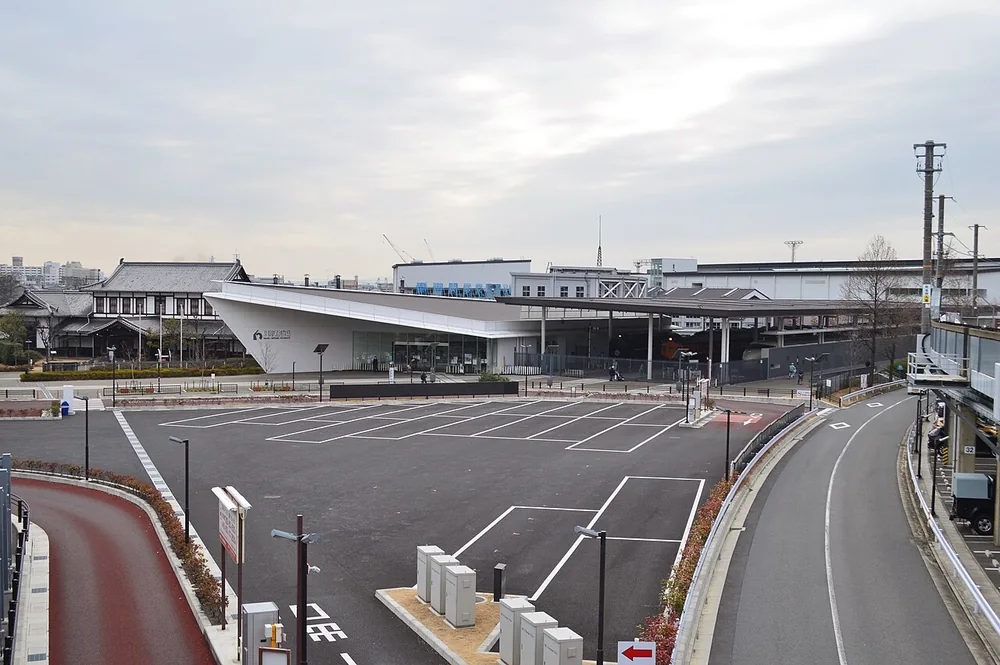
Omihachiman is on the east side of Lake Biwa in Shiga Prefecture. From Kyoto, take the JR Biwako Line toward Maibara to Omihachiman Station. The station area suits transfers and accommodation; the sightseeing core lies north around Hachiman-bori, Himure Hachimangu Shrine and Shinmachi Street. You still need local transport after reaching the station. Treating it as the old town entrance can use up the time you had planned for tea.
The city tourism association’s merchant-town walking route gives the core walk, without museum visits, as about 2.5 km and two hours. Use this to assess walking effort. Add a house visit, lunch and a summit walk, and it becomes a full day. Ticking off every museum on the map turns a chance to study houses and waterways into a sequence of ticket counters.
Circle your main interests first. For white walls, canals and historic streets on a first visit, choose the Hachiman-bori walking area. For merchant life, add the municipal museums or Former Nishikawa Residence. For the terrain, leave time for Mount Hachiman. For reeds, channels and time on the boat itself, choose the wetlands around Lake Nishinoko. La Collina offers a different afternoon of confectionery, sweets, architecture and shops, with time often determined by queues and meals.
If someone cannot walk far, first remove the summit loop, then decide about a boat. Hachiman-bori has level changes and steps down to the water; you do not need to walk every lower path. Upper streets and bridge views still show how the canal and townhouses relate. Walking both banks in full is unnecessary. Spending more time on one stretch is often more memorable than constantly crossing bridges.
Plan an Omihachiman day trip or overnight stay from Kyoto. Choose the old town, Mount Hachiman and canal or wetland boats, with autumn 2026 events and alternatives during the 2027 ropeway closure.
From Kyoto: JR to Omihachiman, then a North Exit bus
Choose a Biwako Line train from Kyoto Station that stops at Omihachiman. La Collina’s official access guide describes the JR journey as about 35 minutes, before waiting, leaving the station and changing to a bus. This works as a day trip from Kyoto without moving your luggage to another hotel. The La Collina access page covers both rail and local bus connections.
For Hachiman-bori, use the station’s North Exit. The tourism association’s wetland access guide lists stop 6 for Ohmi Railway buses toward Chomeiji or Kyukamura Omihachiman. For the canal area, alight at Hachiman-bori (Osugicho) Hachimanyama Ropeway-guchi. Save the full long stop name on your phone to compare with the bus display. Check the return stop before boarding too, so you do not search for the opposite-direction stop after dark.
Use buses between the station and old town, then connect the historic streets on foot. The official walking route gives about 2 km and 25 minutes from the station to Ikedacho. Confident walkers can make this a one-way walk and take a bus back. With children, a stroller or an early museum visit in mind, the bus saves effort. A walkable distance is not necessarily worth walking on every return trip.
Calculate rail and bus costs separately. If you already hold a suitable JR pass, check its Biwako Line coverage; list city buses, ropeway and boats separately. For a Kyoto return trip and one local return journey, single fares or IC-card travel are straightforward. If adding another Shiga city that day, compare passes using only the sections you will actually ride. Keep the route you want rather than changing it to use more of a pass.
Start at Hachiman-bori: view the town from a bridge, then the water
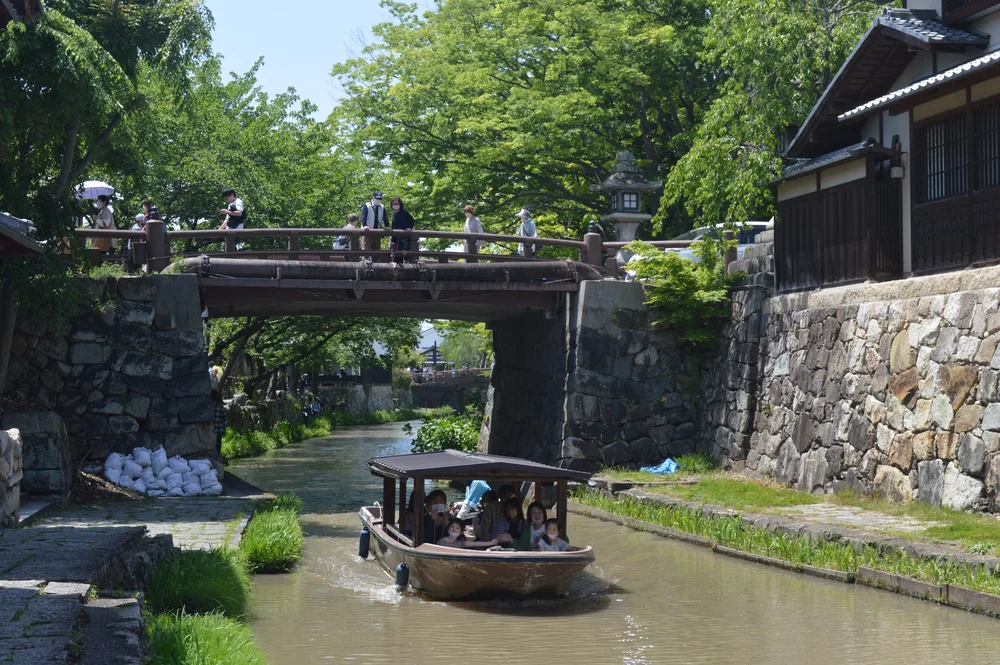
Hachiman-bori once connected the castle town with Lake Biwa’s water transport. Read the white walls, storehouses, channel and stone banks together: boats needed landing space, trade needed storage, and streets linked the waterfront with the town. First take in the whole view from a bridge, then walk a section of bank. This offers more than immediately seeking the angle of a particular photograph. The official Hachiman-bori introduction describes the canal scenery around Hakuun Bridge through Meiji Bridge.
The walk can be short. Enter near Hakuunkan, look along both sides of Hakuun Bridge, then head toward Shinmachi Street. If taking a boat later, walk one stretch in the morning and see it from a lower angle on the water. For reflections, wait on a bridge for a passing boat and watch the buildings change shape on the surface. Groups should stop for photos in wider places near bridges, leaving room for residents and other visitors.
The narrow waterside paths can be slippery. Upper roads offer steadier footing after rain. The camera angle changes, but the walk still has value: eaves, shopfronts and bridges show how the area works. With a stroller, one adult can briefly explore a lower path while the family meets along a gentler street, avoiding repeated lifting on steps.
Move freely between the canal and nearby streets. Leave a stretch for walking without shops, then use a museum or lunch as the next fixed point instead of setting a photo order to the minute. That leaves room to stop at a bank, shop or passing boat you like. On busy holidays, switch to a parallel street rather than waiting at the same bridge approach.
Shinmachi Street and the museums: inside merchant life
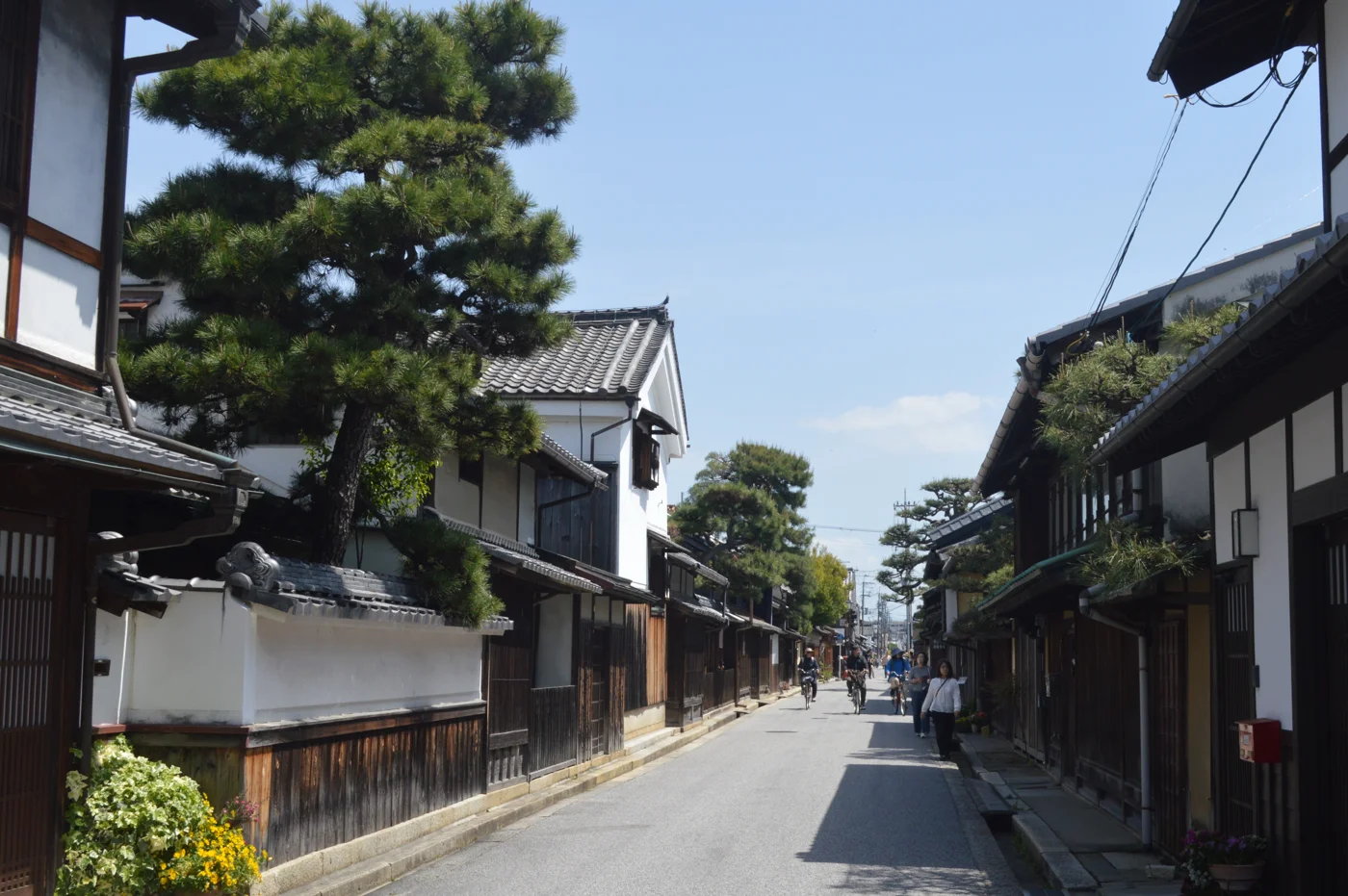
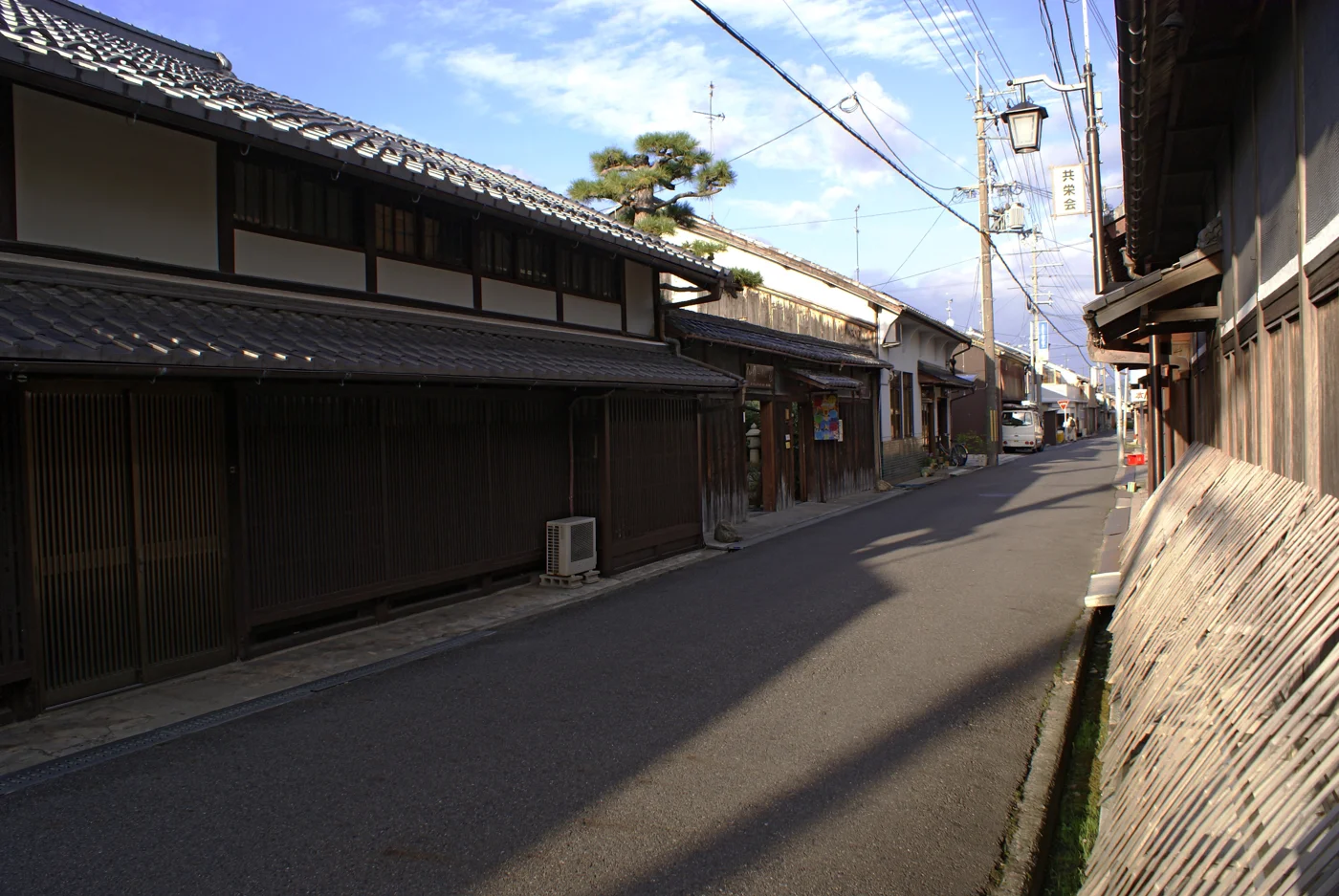
Shinmachi Street pairs easily with nearby Hachiman-bori but offers different things to see. The canal explains transport; merchant houses shift attention to street fronts, building scale and daily life. Taking one long-street photo and leaving can make Omihachiman blur with other historic towns. Entering one museum turns “merchant town” into actual rooms, objects and working practices.
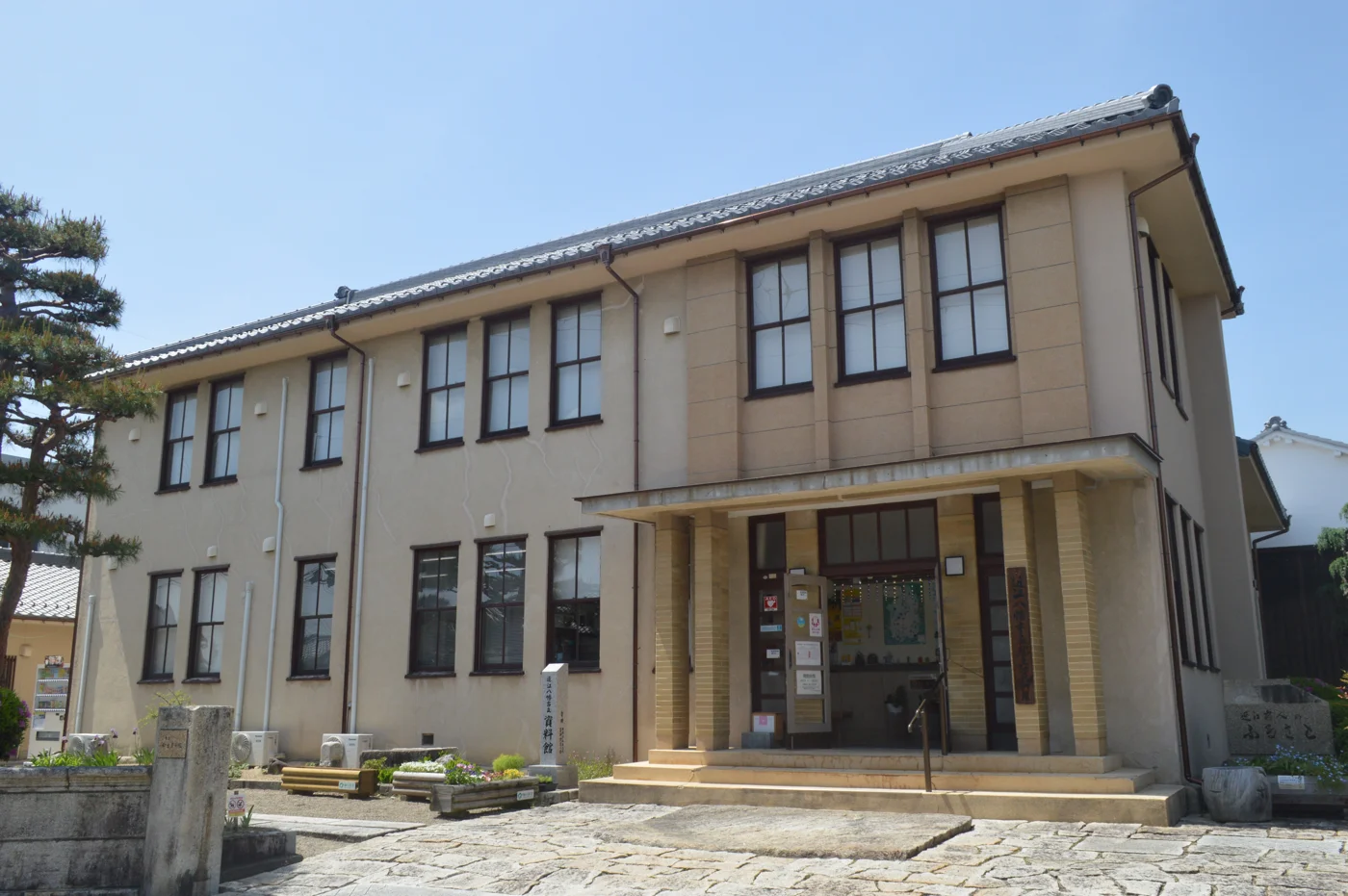
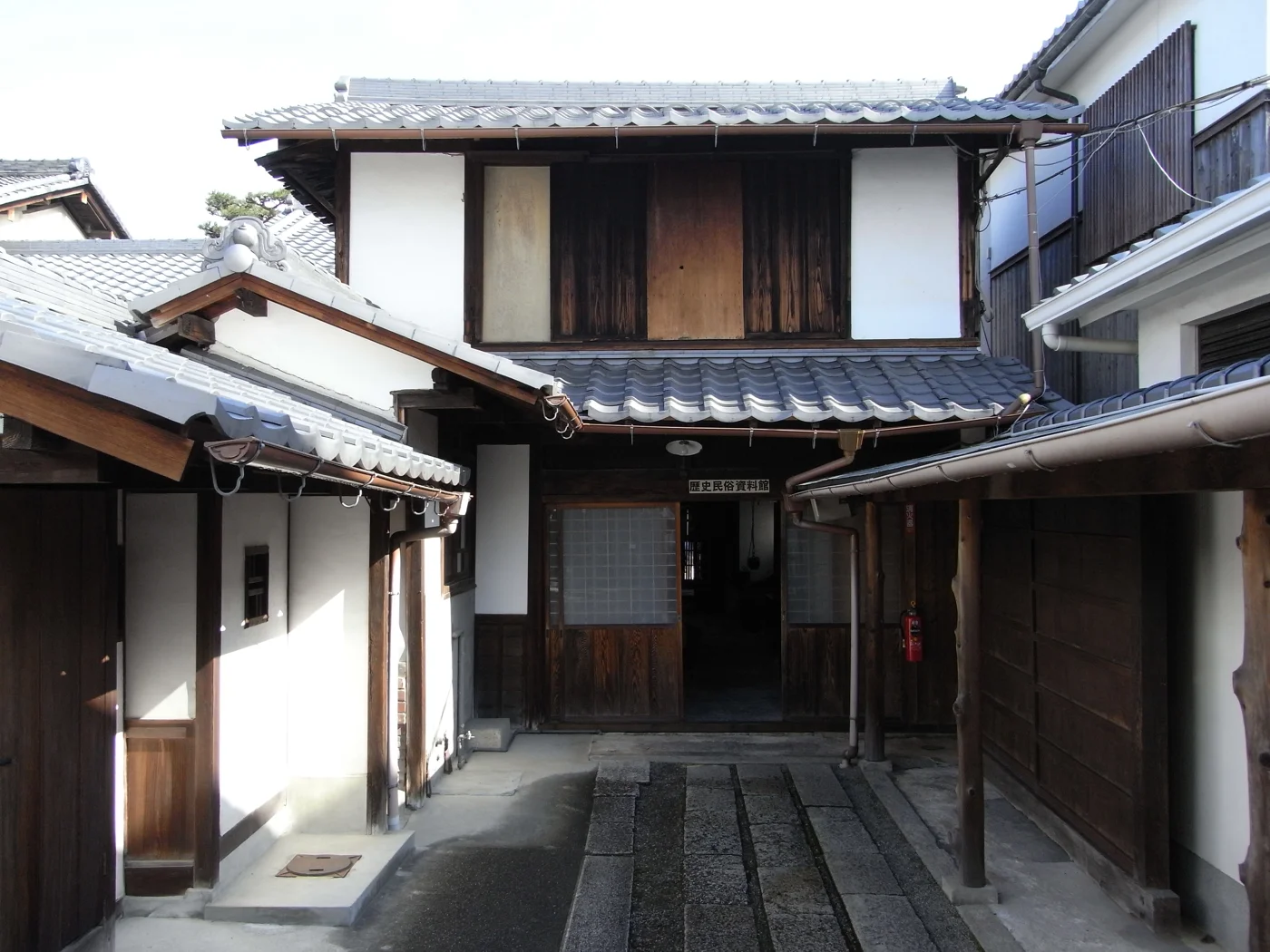
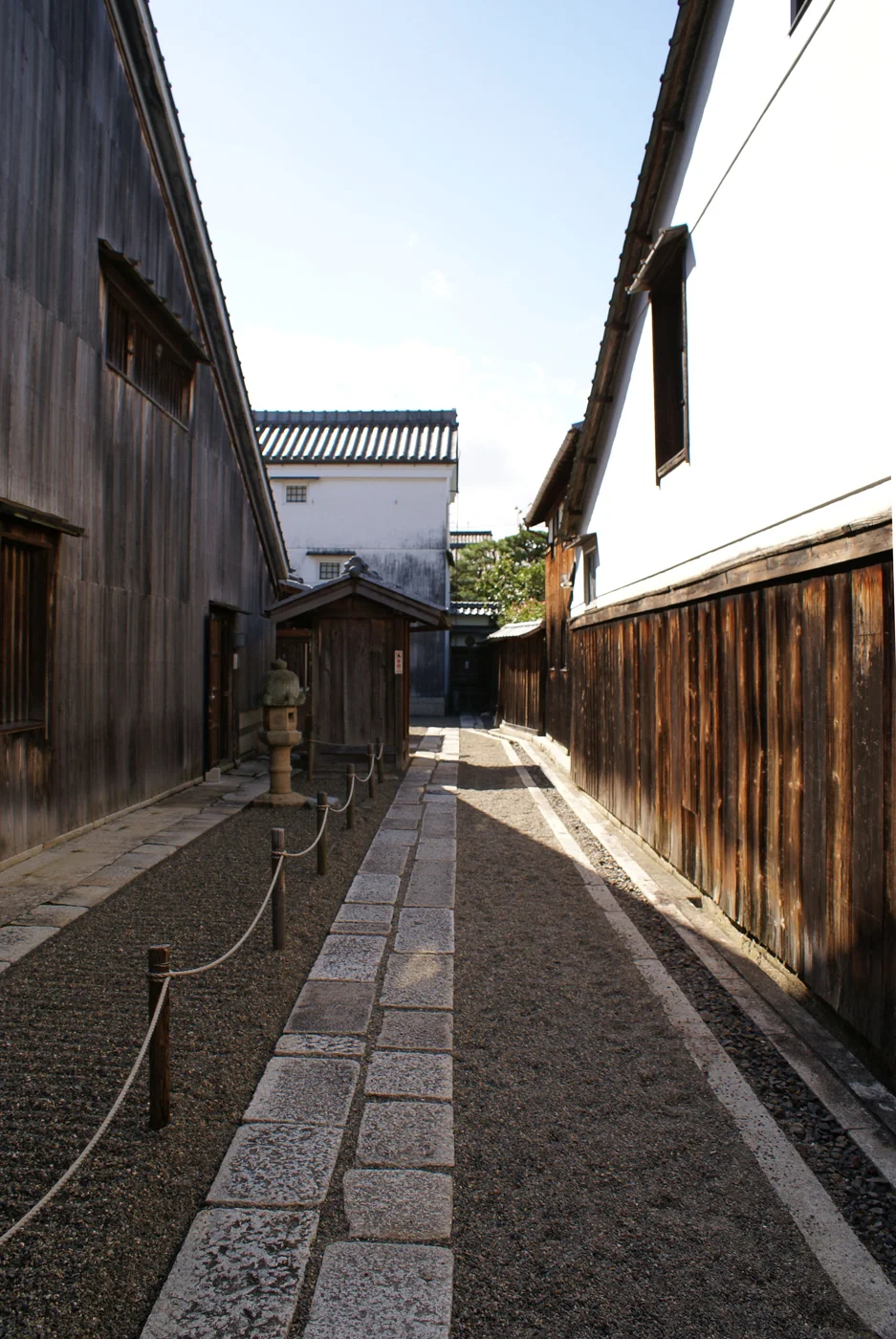
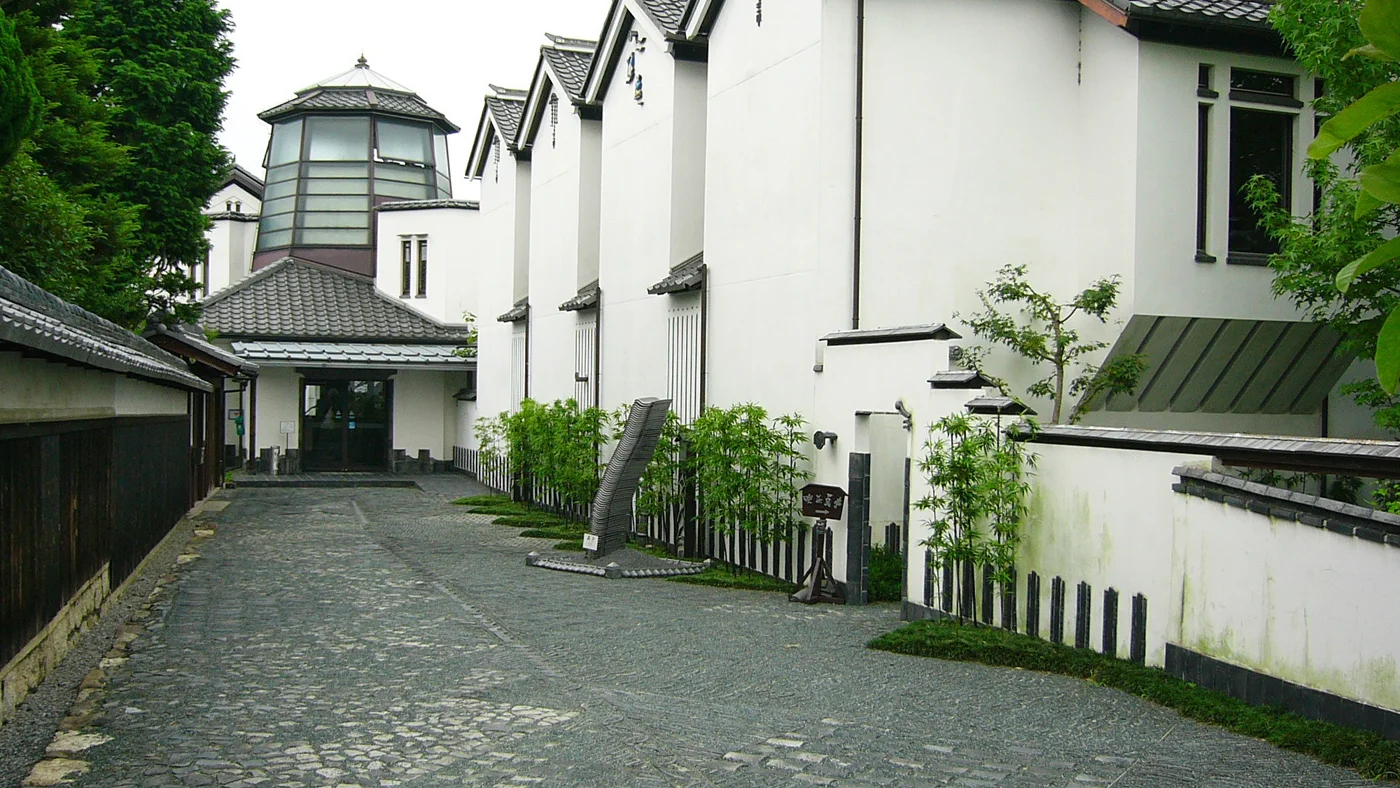
The Omihachiman Municipal Museums include the Local History Museum and History and Folklore Museum. Adult admission to one museum is ¥300; a three-museum ticket including the Former Nishikawa Residence is ¥500, or ¥700 for four museums including the Kawara Museum. Elementary and junior high school prices are ¥150, ¥250 and ¥350 respectively. The three- and four-museum counts refer to individual museum buildings. Name the ones you want when buying.
Start with the museums for local history, or choose a ticket including the Former Nishikawa Residence for domestic spaces. If you also plan the mountain and sweets, do not add all four museums merely because ¥700 looks good value. The ticket difference is only part of the cost. Allocate viewing time and enough time for a relaxed lunch afterward.
Museum hours are 9:00–16:30, with last entry at 16:00. Closure rules vary by month: normally Mondays except national holidays, the day after national holidays and December 28–January 3. April, May, October and November have arrangements for opening without regular rest days, though exhibition changes may still cause temporary closures. An autumn morning works well; in winter, choose the date from that month’s opening calendar. Rushing in just before last entry leaves little time for houses and displays. If the afternoon is running late, enjoy Shinmachi’s exteriors and move the museum visit to day two.
Mount Hachiman: see the lake, inland lake and town together
The ropeway brings the areas on your map into one view. From the summit you can see Lake Biwa, Lake Nishinoko and the old town, making the morning’s canal and its role easier to understand. Castle-site visitors can study stone walls and terrain; temple visitors can stop at Murakumo Gosho Zuiryuji. Allow 45 minutes to an hour for a summit walk rather than treating the ropeway as a ten-minute photo stop.
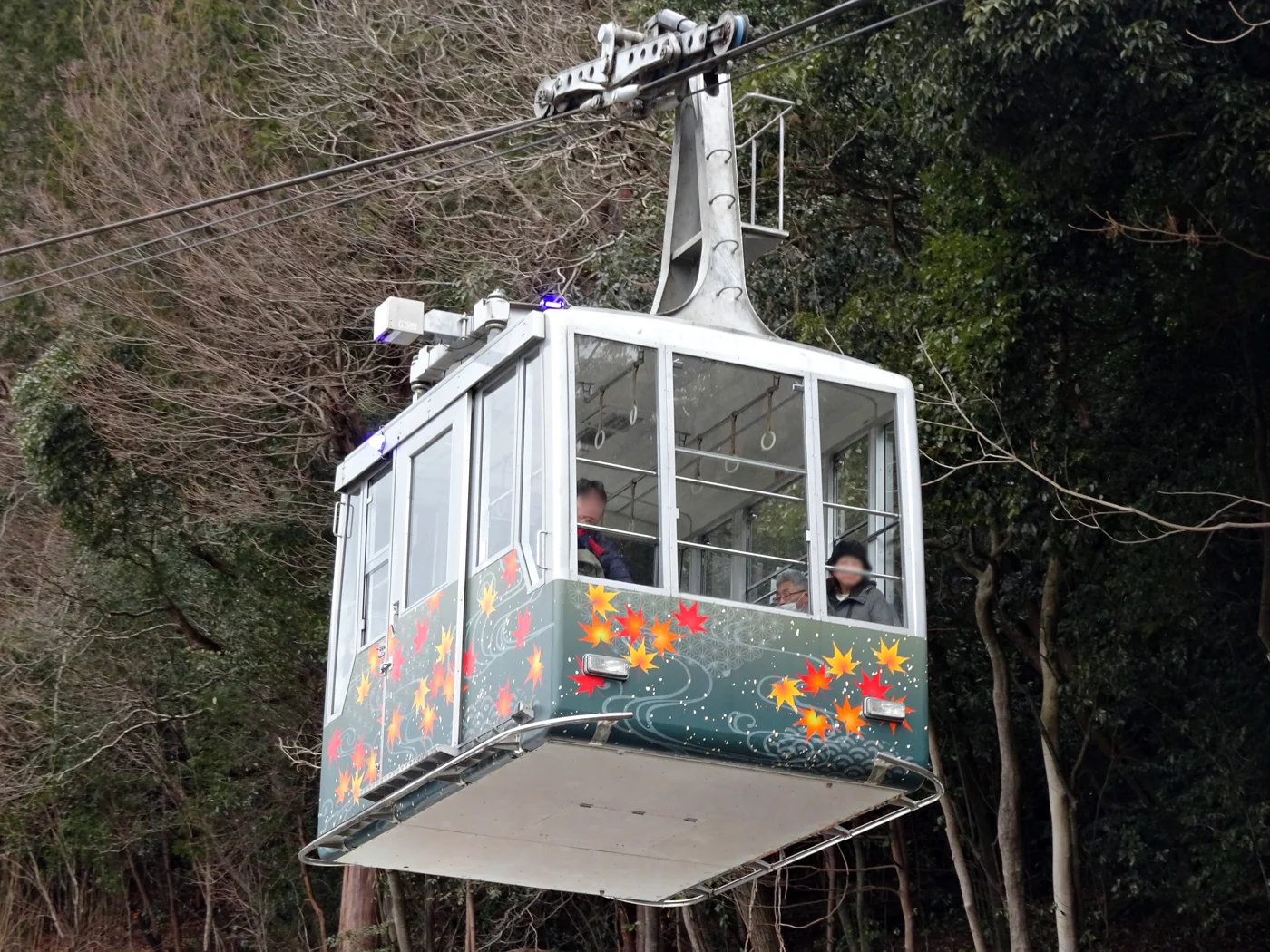
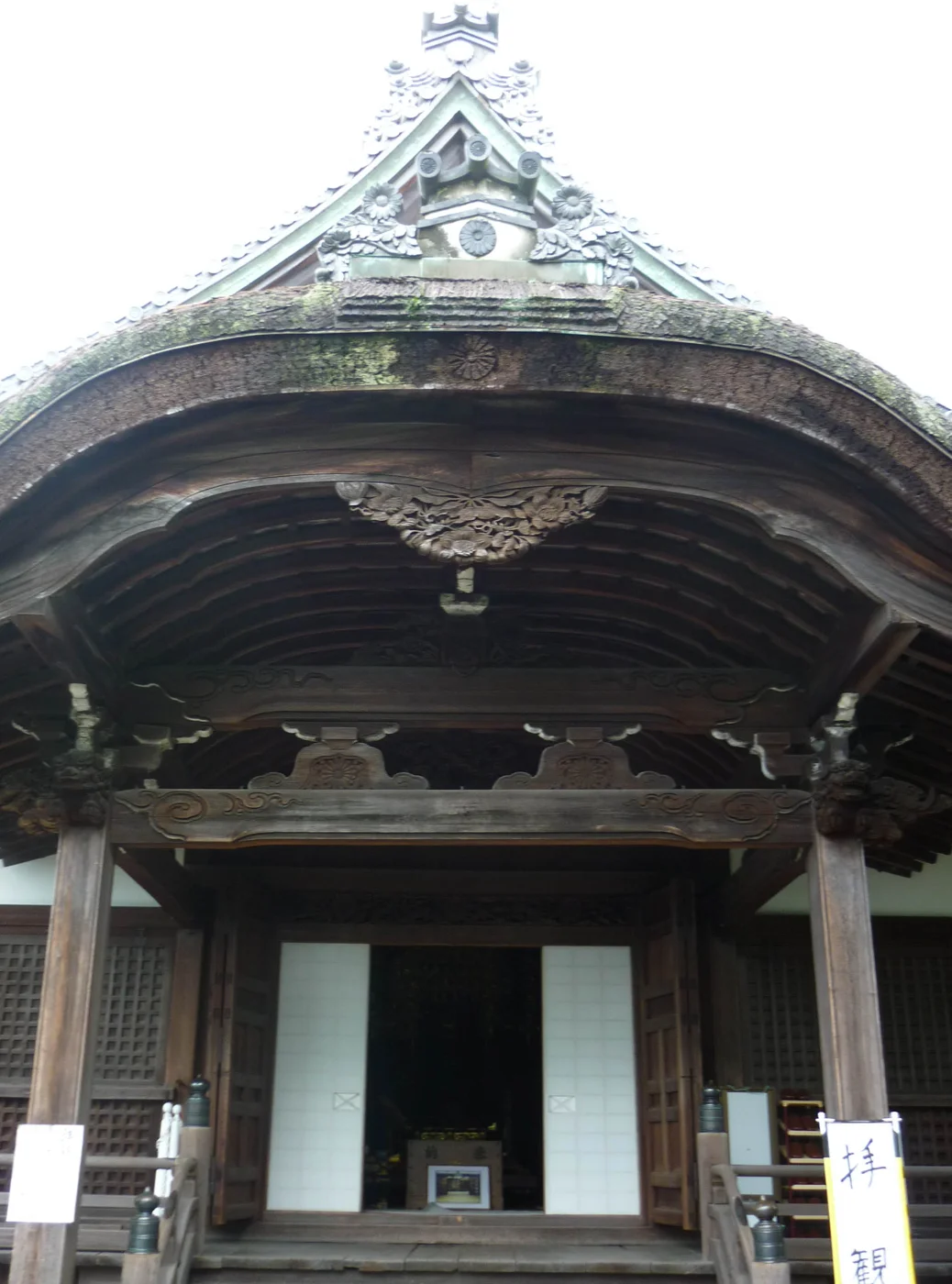
The operator’s current fares are ¥950 return or ¥540 one way for ages 12 and over, and ¥480 return or ¥270 one way for ages six to under 12. Normal operation is 9:00–17:00, every 15 minutes, with the last ascent at 16:30. A return ticket makes time and effort easiest to manage on a first visit with afternoon plans. A one-way ticket suits those who have separately planned to walk down.
Consider the last ascent together with the time needed to walk. Going up at 16:30 leaves little summit time. Go earlier in the afternoon for a relaxed visit. If mist obscures the lake, see the lower town and museums first, then decide whether to ascend. This works better for people seeking wide views than rigidly following a morning timetable. Those focused on castle remains or the temple can decide by those interests.
The operator’s ropeway homepage announces closure for equipment renewal from January 25 through February 10, 2027. During that period, change the day to museums and Shinmachi Street, Hachiman-bori, lunch and La Collina, giving summit time to the streets or sweets. Choose another date if the summit view is the main reason for the trip.
Ohmi Railway’s autumn video of Hachimanyama Castle ruins offers a look at the ropeway and summit walks before you decide whether to add the mountain to an old-town visit.
Canal boats or Lake Nishinoko wetlands: choose scenery before departure time
The names sound similar, but the journeys and starting points differ. Hachiman-bori boats mainly show the castle town’s white walls, stone banks and bridges, with a tourism-association duration of about 30 minutes. Wetland boats around Lake Nishinoko show reeds, fields and channels, with scheduled trips commonly taking 60–80 minutes. A short boat ride fits between old-town walks. Wetland boats need separate timetable and landing access arrangements. Assuming a boat beside Hachiman-bori goes to Nishinoko can derail the afternoon.
Waden’s Hachiman-bori boat ride is at 743 Tagacho, operating 10:00–16:00, with fares of ¥1,500 for adults and ¥1,000 for children. Parties of two or more can board without reservations; waiting depends on bookings and boatmen’s arrangements. Groups of ten or more must book two weeks ahead. It suits a different viewpoint without leaving the old-town walking area. Walking the bank first helps you recognize bridges and storehouses from the boat.
For wetlands, choose the operator first. The tourism association’s boat-company comparison lists the Omihachiman Traditional Boat Tourism Cooperative’s scheduled trip as about 80 minutes, departing at 10:00 and 15:00 from April 1 through the end of November. Fares are ¥2,400 for adults and ¥1,200 for children, from 880 Kitanoshocho. Its price, schedule and address all differ from the short canal ride. Navigate to the landing of the company you book.
The same association lists Suigo-no-Sato Maruyama’s scheduled trip as about 60 minutes, ¥2,200 for adults, with 10:00, 13:10 and 15:00 departures from April 1 through the end of November. For a single wetland experience, the difference between 60 and 80 minutes may matter less than convenient meeting and transport arrangements. Choose a departure that fits lunch and the journey home, then consider onboard meals or a charter.
A wetland day: anchor half a day to the boat and choose one district afterward
For a 10:00 wetland departure, eat breakfast in Kyoto or at your accommodation and go directly from Omihachiman Station to your chosen landing. The cooperative’s bus stop differs from the old town’s; the association lists Honenbashi for its direction. Other companies correspond to Maruyama, Shiraoguchi or Togei-no-Sato. Choose the landing first, then the bus, then the train arrival, to connect the travel stages into one route.
After an 80-minute boat trip, leave time for lunch and the streets. The afternoon can be just Hachiman-bori and Shinmachi. If adding Mount Hachiman, remove multiple museum visits; for a sit-down sweet, view the mountain from below. A long seated journey through channels pairs well with a short walk afterward. A second Hachiman-bori boat ticket that squeezes lunch may offer less than another stretch along the bank.
A 15:00 departure lets you put lunch and the old town first, but leave for the landing in good time rather than leaving a shop at 14:50. Waiting, riding and check-in each need time; walking estimates should include traffic lights. Returning to the old town for dinner lengthens the journey. For an early Kyoto return, buy gifts before boarding and head directly toward the station afterward.
For December–March, include the scheduled-boat season in the decision. The two spring-to-autumn services above are currently listed through the end of November. For winter charters or another operating plan, obtain the chosen company’s date and meeting arrangements before deciding to stay overnight. Solo travelers particularly benefit from checking joinable departures first, rather than arriving in a charter-only period with different costs.
An afternoon at La Collina: confectionery, architecture and one sweet
La Collina Omihachiman is the flagship complex of Taneya and Club Harie, offering a different setting from the old town’s canals. Its grass-roofed main shop, confectionery factory and other shops spread across the grounds, fitting a final afternoon of browsing and sweets. Those interested in production can see the baumkuchen factory. Architecture visitors can first study the grass roof and building arrangement before shopping.
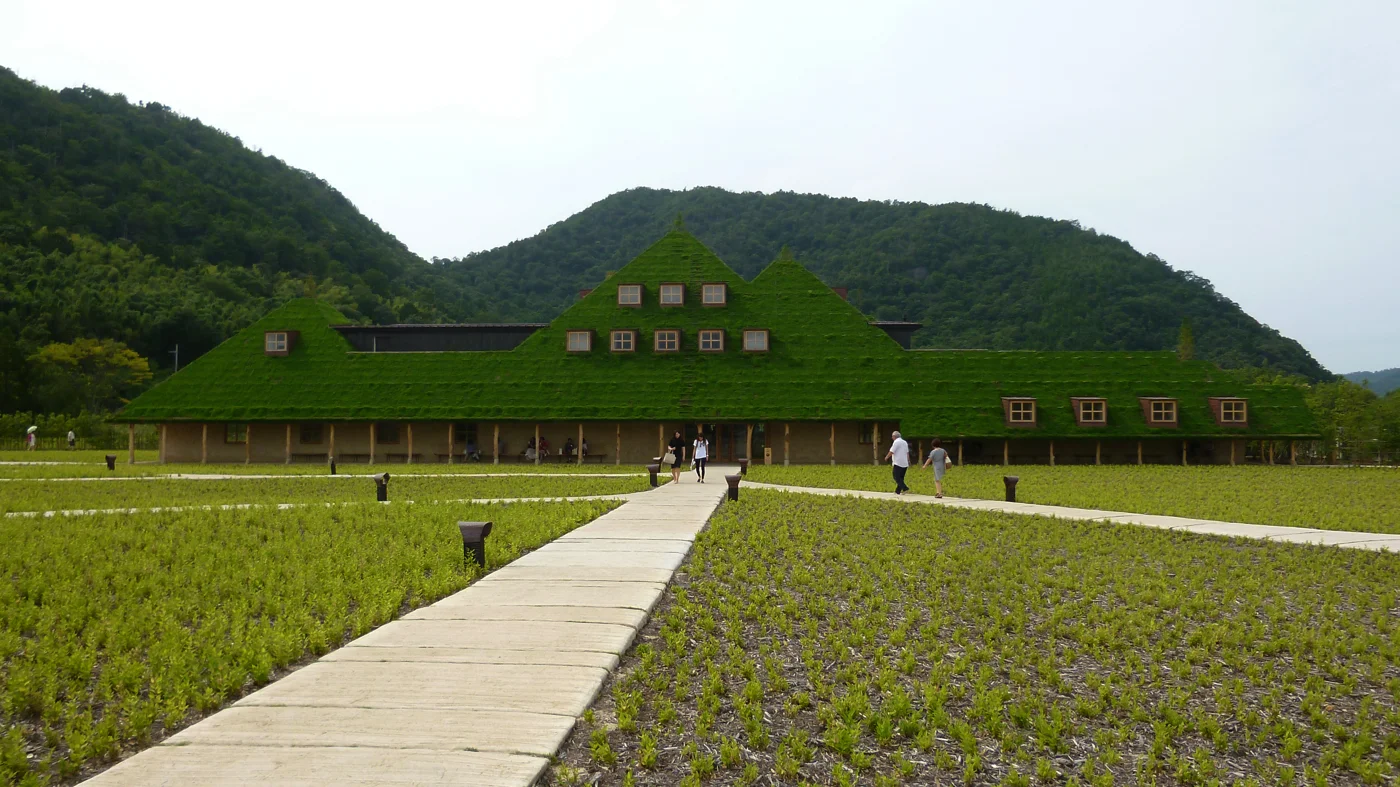
The official homepage currently lists 9:00–18:00. The tourism association’s facility information lists café last orders at 17:00 and the food court at 10:00–17:00, last orders 16:45; the bakery opens at 11:00 and closes when sold out. Treating 18:00 as the ordering deadline for every counter can leave you without the food you wanted. Arriving around 16:00 gives more choice than arriving near closing.
Use Kitanosho La Collina-mae as the transport destination. From Omihachiman Station, take a bus toward Chomeiji or Kyukamura via Chomeiji; the official journey is about ten minutes. From the old town, choose walking, bus or taxi without making the station a compulsory intermediate stop. With a bus, record the service back before setting out. Searching for transport only after buying gift boxes and leaving the grounds can fragment the end of the day.
La Collina’s official bus guide specifies that buses for Grand (グランド) and services marked “学” do not stop at Kitanosho La Collina-mae. Check the destination and service markings even while waiting at the same stop 6. The return stop for Omihachiman Station is across the road. The guide directs visitors to the crossing on the right after the exit. Pack gift boxes before leaving, then follow the designated route to the stop.
Separate café time from gift-box shopping. Decide whether to sit down or buy something to go; groups can choose separately and meet at an agreed time. Buy chilled products near departure and follow the shop’s storage instructions. After an Omi beef lunch, one sweet may be enough. Leave some shops for another visit and keep the bags easier to carry home.
More architecture: separate exterior walks from reserved visits
Architecture visitors can include Ikedacho early in the walk from the station to the old town. The tourism association’s merchant-town route starts with the Western-style houses, brick walls and chimneys, then passes Honganji Hachiman Betsuin toward Shinmachi Street. The sequence shows modern houses within the town, followed by merchant houses and water transport, without starting at the busiest canal bridge.
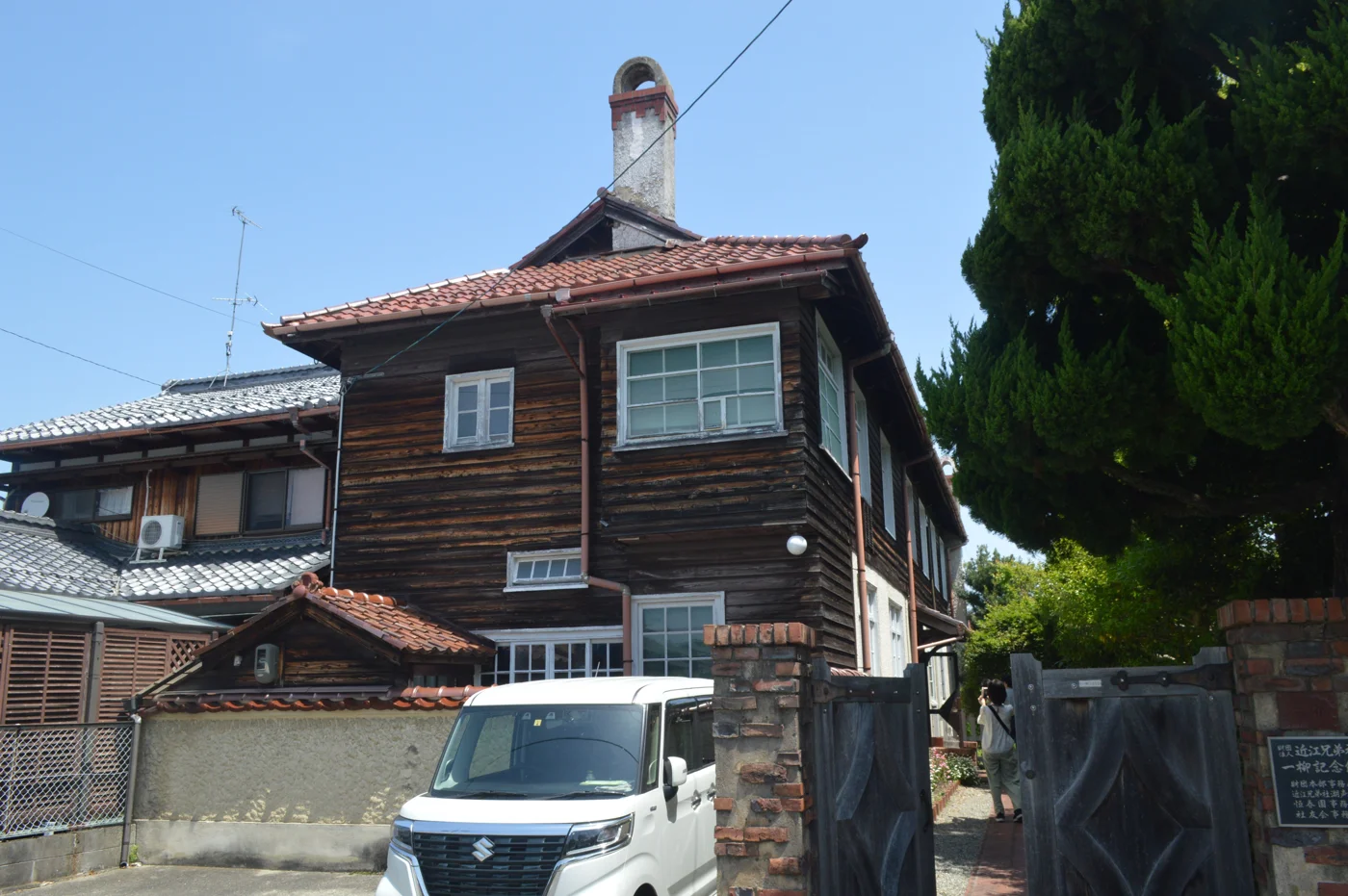
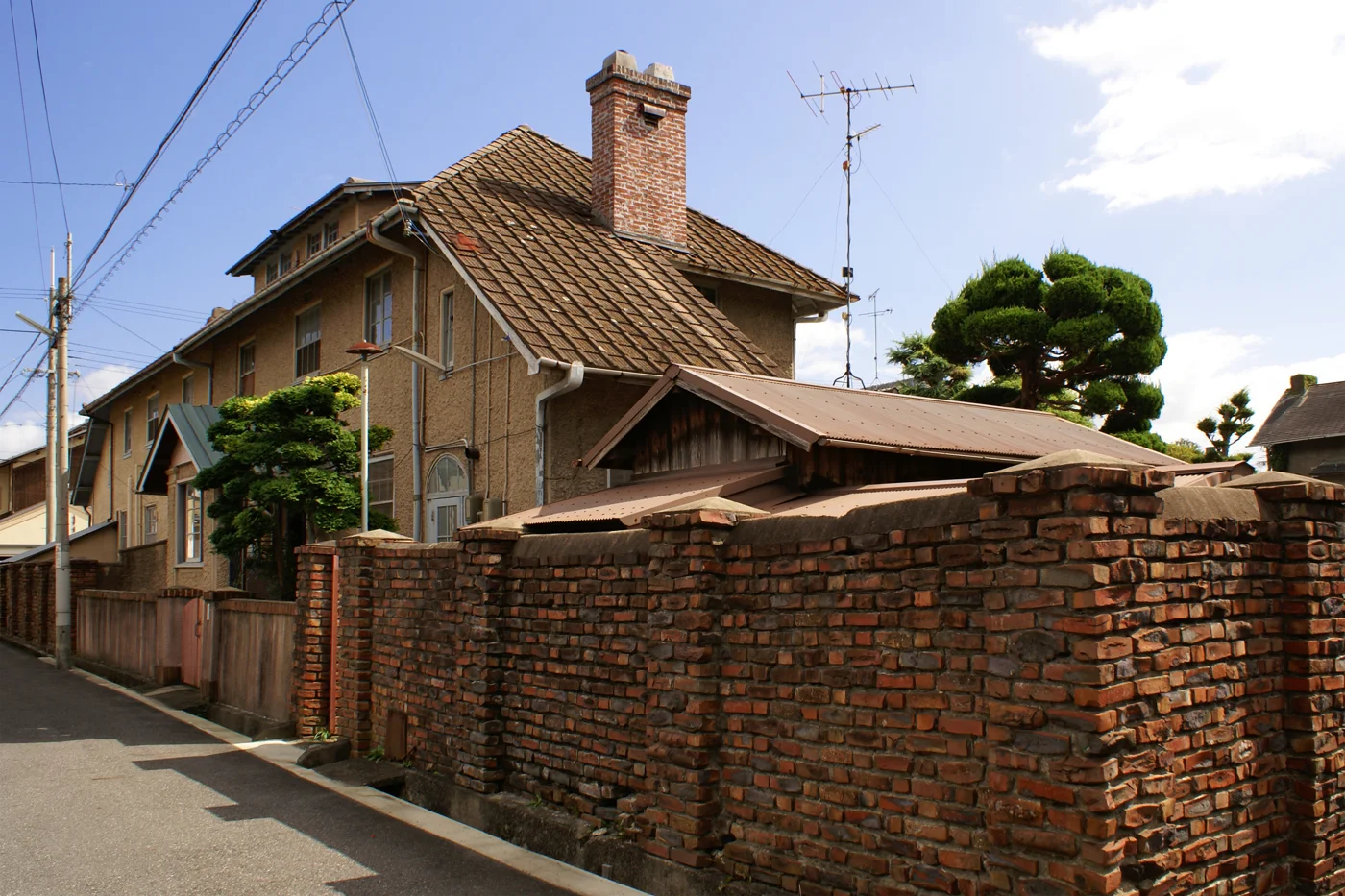
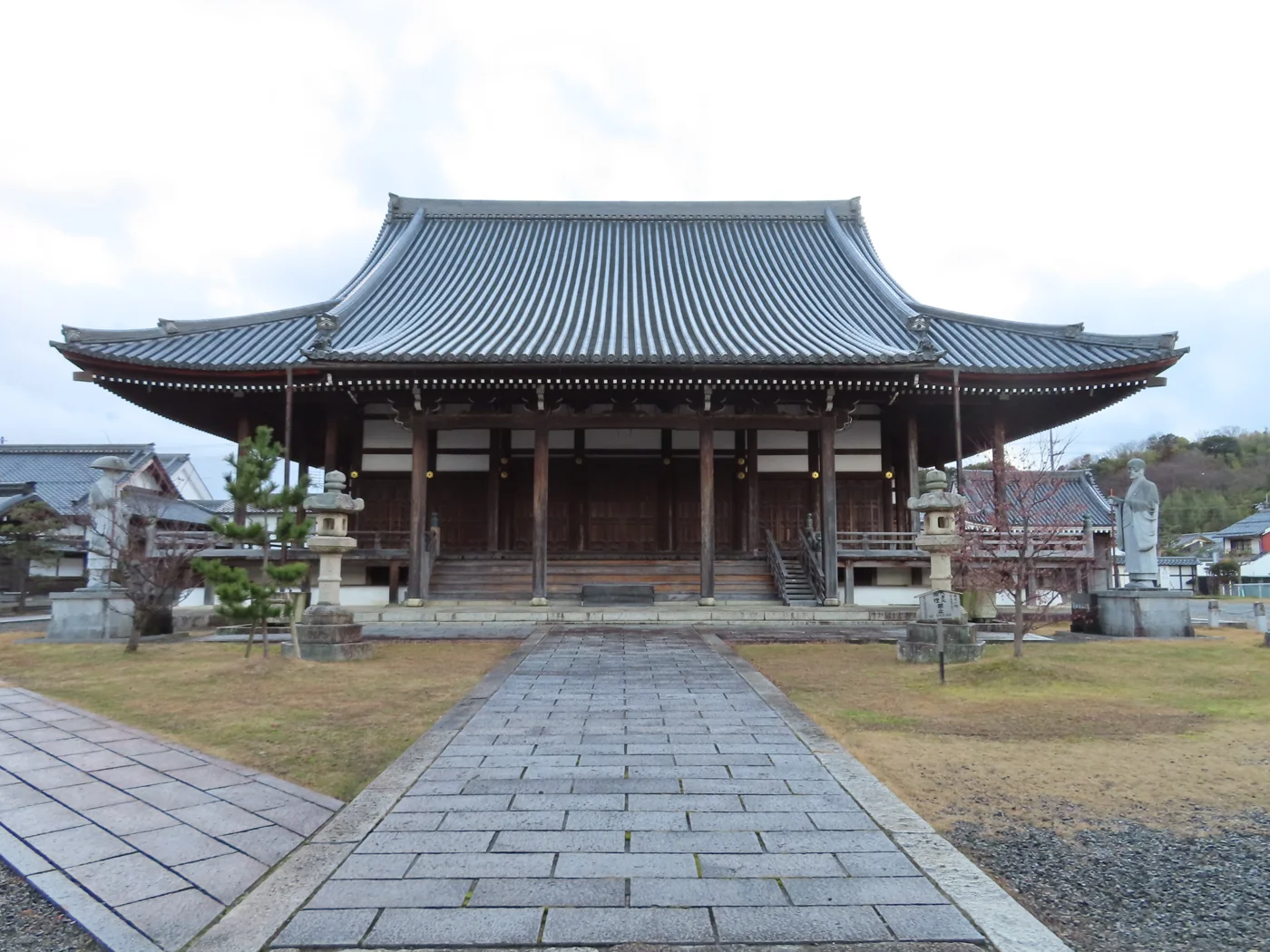
The semi-detached houses in Ikedacho are viewed from outside. Look from the street and leave doors, gardens and paths to residents. For interiors, use open museums and historic houses. Before photographing buildings, look for a suitable position across the street instead of lingering at a door. People with different interests can meet at the next public museum rather than waiting equally long at every house.
The same association route lists Vories Memorial Hall as requiring a reservation. Book that visit first if it is central to your plan, then arrange lunch, ropeway and boats. For the district’s general character, Ikedacho exteriors and Shinmachi Street already make a complete walk. Deciding to enter every house on arrival can lead to discovering different access rules at each door. Choose the kind of space you want to see before working through a building list.
Exhibition spaces such as NO-MA near Shinmachi Street offer material for a return visit. Make the current exhibition the afternoon focus, with only Hachiman-bori and a short old-town walk in the morning. Exhibitions need different attention from outdoor walks. Leave tea time after viewing and stop where your interest lies, rather than filling in every place missed on the first trip.
With children or older travelers, anchor the day to two seated breaks
For a family route, set lunch and afternoon tea first, then fit sights between them. In the morning, take the upper Hachiman-bori roads and a short Shinmachi walk, eat lunch and choose the ropeway or La Collina according to the weather. A child interested in boats can swap a museum for a 30-minute ride; one interested in food production may prefer the factory to more townhouses. Choosing one gives parents more time for snacks, toilets and coats.
Ask older companions whether canals or lake views matter most. For canals, take the bus from the station, view Hachiman-bori from bridges and streets, then take a short post-lunch walk. For lake views, a ropeway return trip need not include the full summit loop. Do not leave every unfinished walk until evening and then rush for transport. If tired in the afternoon, resting at the station or returning to Kyoto often works better than adding one last shop.
April, May, October and November offer more museum-opening options. In winter, choose the travel date from opening calendars. For stroller and wheelchair users visiting interiors, use the chosen building’s entrance and floor information to set the visit’s extent. Keep the main outdoor route at street level, with waterside steps as short individual side trips. Draw the shared route first, then add individual branches so meeting points remain clear.
Two day-trip versions: the old town, or wetlands plus the streets
For a full old-town day, arrive around 9:30, walk Shinmachi Street and choose one museum. Near noon, head toward Himure Hachimangu and Hachiman-bori for lunch. Go up Mount Hachiman afterward, then return to the canal section you missed in the morning. Finish with either the short boat or La Collina, retaining a seated stop before returning to Omihachiman Station.
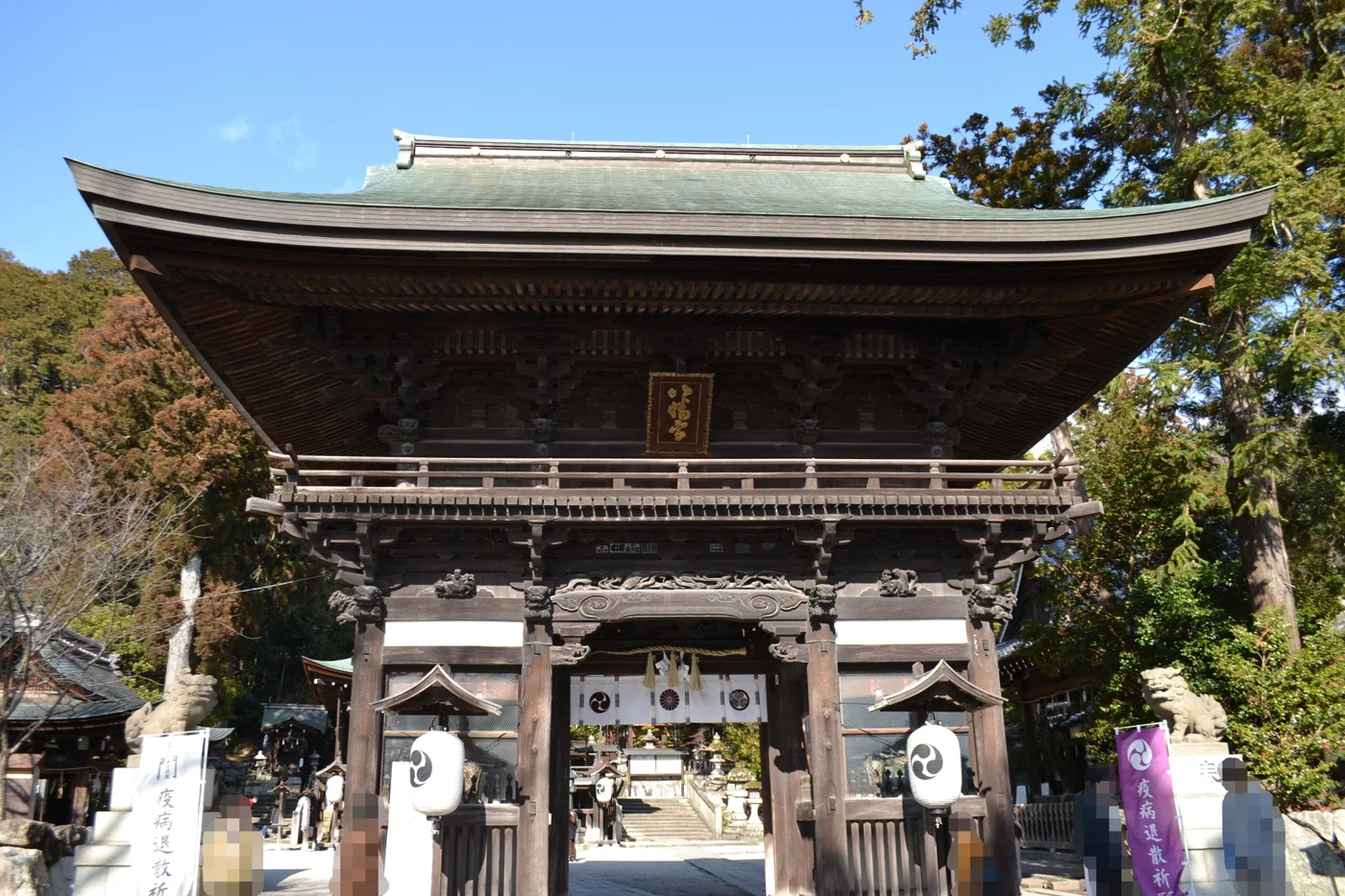
If lunch queues grow, remove the second paid afternoon activity while keeping the return bus and rest time. After the mountain, skip the short boat; for La Collina, shorten the canal walk to the upper road. Compare similar experiences when choosing: after many houses in the morning, look at water in the afternoon. After a morning wetland boat, another boat is unnecessary simply to fill the schedule.
For a wetland version, follow the departure. With a 10:00 boat, have lunch afterward, then Shinmachi and Hachiman-bori, adding one museum if time allows. With a 15:00 boat, visit one museum and the streets in the morning, eat lunch and transfer to the landing. Both work as day trips. Choose whether morning energy goes to outdoors or interiors. Combining half of each version can leave a list without time for food or waiting.
An overnight stay gives the next morning to the boat
If staying overnight, explore the old town fully on day one, take a wetland boat the next morning and return to Kyoto or another Shiga base in the afternoon. Day one is free from a 10:00 departure, and day two avoids an early Kyoto transfer. The extra night gives water and residential streets their own unbroken time, rather than splitting a day trip in half and finding filler.
Station accommodation helps with onward transport; lodging near the old town helps with early and late walks. Choose by the next morning’s first destination. For a boat, consider breakfast time and access to the landing. For onward travel with luggage toward Maibara, consider the checkout-to-station route. Families should first find enough beds and luggage space, then compare distance. A few hundred meters on a map does not establish a room’s suitability.
Choose dinner with the lodging location. Station guests can finish lunch and tea in the old town, then eat near the station in the evening. Old-town guests should arrange dinner and the walk back when booking. For nighttime Hachiman-bori, leave short walks around dinner without adding another paid evening activity. In winter, when darkness comes early, separate nighttime street walking from daytime waterside paths.
If heavy rain or strong winds stop boats on day two, visit a museum not chosen on day one and La Collina, then return to Kyoto earlier. This alternative needs neither a last-minute rental car nor a distant replacement attraction. The overnight stay buys a more relaxed pace; an adjustable half-day makes better use of it than two fully booked days.
Autumn and winter: separate foliage, lantern and closure dates
The 2026 Mount Hachiman autumn event lists a lantern walkway from September 12 to December 6, while the shrine-seal stamp activity runs October 31–December 6. These are different dates. The organizer describes foliage viewing around mid-November. Include it in the summit walk; for leaf color, choose daylight showing both leaves and lake rather than following only an event name.
Plan the autumn route around the usual 17:00 closing and 16:30 last ascent. Fit lantern photographs into your summit time without pushing dinner back to the mountain. Light, cloud and lake views shape the experience together. In clear weather, go up first; in rain, put museums first and walk the canal in the afternoon.
In winter, place seated stops closer together: a historic street followed by a museum, a bank walk followed by lunch. Sitting on a boat for a long time feels colder than walking, so choose clothing, boat type and actual duration together before chartering. During ropeway equipment renewal, streets, houses and sweets still make a full day. Returning in spring for the lake and summit offers a different trip.
Budget: total fixed admissions before adding your own meals
For an adult, a ¥950 ropeway return and ¥500 three-museum ticket total ¥1,450. Add Waden’s ¥1,500 short canal ride for ¥2,950. Alternatively, the cooperative’s ¥2,400 scheduled wetland boat plus the ¥500 three-museum ticket totals ¥2,900. Add rail, local transport, food and shopping.
For an elementary school child, the ¥480 child ropeway return and ¥250 three-museum ticket total ¥730 before the chosen operator’s child boat fare. Age categories differ: the ropeway uses six to under 12; museums use elementary and junior high school categories. For an elementary pupil who has just turned 12, price each item by its own rule rather than applying one child rate throughout.
Leave lunch, coffee and gifts to personal preference. For Omi beef, choose the actual lunch you want and leave room for a smaller dessert. For several confectionery gift boxes, an expensive dinner need not be another priority. Choose the paid experience that matters most, then arrange other activities around it. If two boats and several museums still require rushing, reduce activities; the saving often includes unnecessary transport.
A few useful answers
How do Hachiman-bori boats differ from wetland boats?
The roughly 30-minute Hachiman-bori ride passes white walls, canal lanes and bridges. Scheduled wetland boats around Lake Nishinoko take about 60–80 minutes, with different operators and landings.
When does Hachimanyama Ropeway close in winter 2027?
The operator announces a closure for equipment renewal from January 25 to February 10, 2027. Use the museums, Shinmachi Street, Hachiman-bori and La Collina instead.
Do I need to stay overnight when traveling from Kyoto?
The old town, Mount Hachiman and one afternoon activity fit a day trip. An overnight stay gives the old town and Lake Nishinoko wetland boats a more relaxed half-day each.
Official information and references
Sources used in this guide.
- Detailed merchant-town walking route | Omihachiman official tourism site
- Access | La Collina Omihachiman
- Wetland boat trips | Omihachiman official tourism site
- Hachiman-bori | Omihachiman official tourism site
- Omihachiman Municipal Museums | official tourism site
- Hours and fares | Hachimanyama Ropeway
- Hachimanyama Ropeway | equipment-renewal closure notice
- Hachiman-bori boat trips | Waden
- La Collina Omihachiman | Taneya
- La Collina Omihachiman | official tourism site
- Autumn foliage paths and bamboo lanterns at Hachimanyama Ropeway 2026
- Omihachiman Wasen Sightseeing Cooperative: notice of service end on Nov 30, 2026
- Suigo no Sato Maruyama: operating hours, reservations, and 2027 fares