Plan an Omihachiman day trip or overnight stay from Kyoto around the old town, Mount Hachiman and wetland boats. Compare canal and Lake Nishinoko departures, with autumn 2026 events and alternatives during the 2027 cable-car closure.
- Region & Focus
- KansaiAttractions
- Reading Scope
- 22 min read · 14 chapters · 3 Q&As
- Official Verification
- 13 official sources checkedUpdated 9 November 2026
- Key Topics
- ItinerariesRail travelFood
Chapter Route Map (tap any stop)
- Map the station, old town and wetlands as three separate areas
- From Kyoto: JR to Omihachiman, then a North Exit bus
- Start at Hachiman-bori: see the townhouses from a bridge, then approach the water
- Shinmachi Street and the municipal museums: step inside merchants’ lives
- Mount Hachiman: see the lake, inland lake and castle town together
- Canal boats and Lake Nishinoko wetland boats: choose scenery before departure time
- Plan a wetland half-day around the boat, then add one neighbourhood
- An afternoon at La Collina: sweet-making, buildings and a dessert
- More architecture: separate Ikedacho exteriors from booked visits
- Children and older relatives: fix two rest stops first
- Two day-trip options: the old town, or wetlands plus historic streets
- One night: keep the second morning free from a rush to the boat
- Autumn and winter: leaves, lanterns and closure dates differ
- Budgeting: total fixed admissions, then add your own food choices
- Quick Q&A
For a comfortable day in Omihachiman from Kyoto, put Hachiman-bori, Shinmachi Street and Mount Hachiman in one walking circuit, then choose an afternoon activity: a short boat trip or sweets at La Collina. To enter the reed-lined waterways around Lake Nishinoko, make the wetland boat your half-day focus and allow extra time to reach its landing. This is also the value of staying overnight: explore the old streets on day one and spend the second morning on the water, without squeezing both boat trips and every shop into one day.
Map the station, old town and wetlands as three separate areas
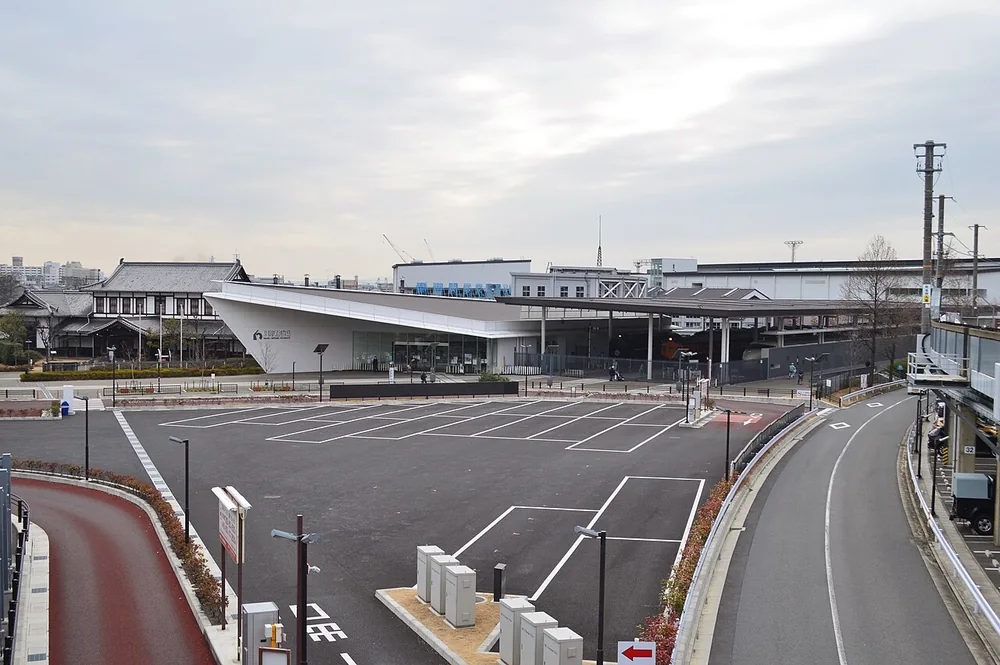
Omihachiman is east of Lake Biwa in Shiga Prefecture. From Kyoto, take the JR Biwako Line towards Maibara to Omihachiman Station. The station area is useful for transfers and accommodation; the sightseeing core lies to the north around Hachiman-bori, Himure Hachimangu Shrine and Shinmachi Street. There is still an urban journey after the train. Treating the station as the entrance to the historic streets can consume the time you set aside for tea.
The city tourism association’s merchant-town walk lists the central route without entering museums as about 2.5 km and two hours. Use that to judge walking effort. Add house visits, lunch and a summit walk, and it becomes a full day. Ticking off every museum can turn a trip with time to observe buildings and waterways into a sequence of ticket desks.
Circle your priorities first. On a first visit for white walls, canals and historic streets, choose the Hachiman-bori circuit. For merchants’ daily lives, add the municipal museums or former Nishikawa residence. For terrain and views, keep time for Mount Hachiman. For reeds, channels and the boat journey itself, choose the Lake Nishinoko wetlands. La Collina offers a different afternoon of sweet-making, desserts, buildings and shops, with queues and meals often determining the visit length.
If someone cannot walk far, remove the summit circuit first, then decide about a boat. The canal banks have level changes and steps down to the water; you need not descend everywhere. Upper streets and bridge views still show the relationship between canal and townhouses. You do not need to cover both banks in full. Exploring one stretch slowly is often more memorable than repeatedly crossing bridges.
Plan an Omihachiman day trip or overnight stay from Kyoto around the old town, Mount Hachiman and wetland boats. Compare canal and Lake Nishinoko departures, with autumn 2026 events and alternatives during the 2027 cable-car closure.
From Kyoto: JR to Omihachiman, then a North Exit bus
From Kyoto Station, choose a Biwako Line train that calls at Omihachiman. La Collina’s official directions describe the JR journey as about 35 minutes, to which you must add waiting, leaving the station and the bus transfer. This is a practical day trip from Kyoto, so there is no need to move all your luggage for a nearby excursion. La Collina’s access page lists rail and local bus connections.
Use the North Exit for Hachiman-bori. The tourism association’s wetland transport information lists bus stop 6 for Ohmi Railway buses towards Chomeiji or Kyukamura Omihachiman. For the canal, get off at “Hachiman-bori (Osugicho) Hachimanyama Ropeway-guchi”. Save the full long stop name on your phone to match the display aboard. Before setting off, also find the return stop, so you do not have to search for the other side after dark.
Buses connect the station and old town; link the historic streets mainly on foot. The official walk lists about 2 km, or 25 minutes, from the station to Ikedacho. Keen walkers can do this one way and take a bus back. With children, pushchairs or an early museum visit, a bus saves effort. A walkable distance is not automatically worth walking on every journey.
Budget rail and bus fares separately. If you already hold a suitable JR pass, check whether it covers this Biwako Line section, then list buses, the cable car and boats separately. For a Kyoto return with one local bus return, single tickets or IC-card travel are straightforward. If visiting other Shiga cities that day, compare passes using the sections you will actually ride. You need not change your intended route merely to use more of a pass.
Start at Hachiman-bori: see the townhouses from a bridge, then approach the water
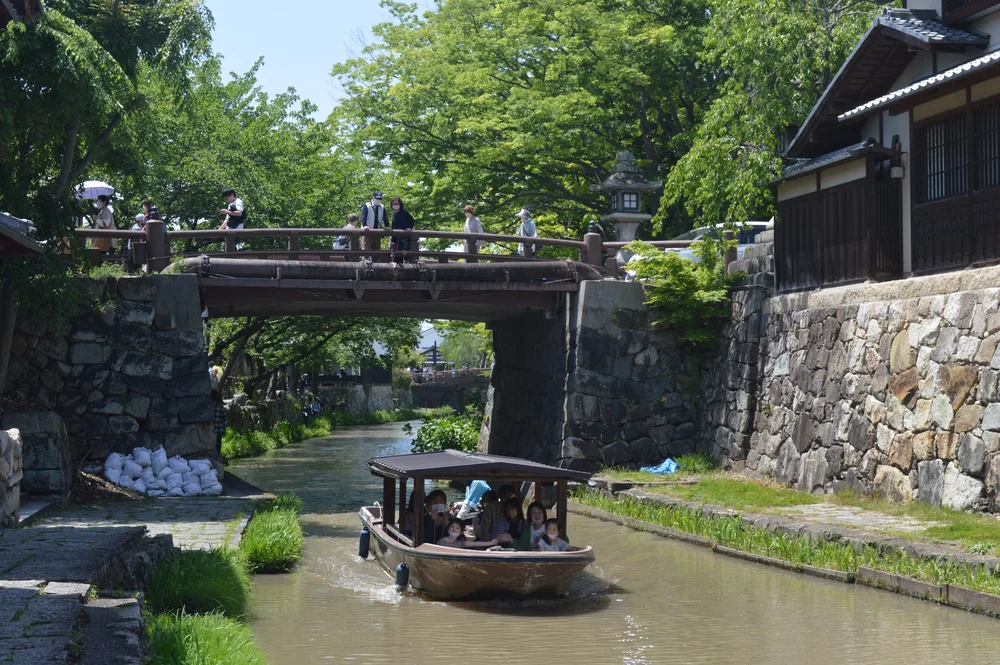
Hachiman-bori once connected the castle town with Lake Biwa’s water transport. White walls, storehouses, water and stone banks make sense together: goods needed boats to dock, trade needed storage, and streets linked the waterfront to town. First see the whole scene from a bridge, then walk one bank. This offers more than immediately seeking the angle of a familiar photograph. The official canal introduction describes the waterside between Hakuun Bridge and Meiji Bridge.
The walk can be short. Enter near Hakuunkan, view both sides of Hakuun Bridge, then head towards Shinmachi Street. If boating in the afternoon, walk one stretch in the morning and see it from a lower angle aboard. For reflections, wait on a bridge for a boat and watch the water reshape the buildings. Groups should stop for photographs in a wider place beside the bridge, leaving room for residents and other visitors.
Narrow waterside paths can be slippery; use upper roads after rain. The view changes, but you can still understand the canal through eaves, shopfronts and bridges. With a pushchair, one adult can briefly explore the lower path as a side route, then rejoin everyone on flatter streets, avoiding repeated carrying on steps.
Move freely between the canal and nearby old streets. Rather than setting a photographic sequence to the minute, allow a stretch without entering shops, then use a museum or lunch as the next fixed point. This leaves time for a favourite bank, shop or passing boat. On busy holidays, take a parallel street instead of staying at the same crowded bridge.
Shinmachi Street and the municipal museums: step inside merchants’ lives
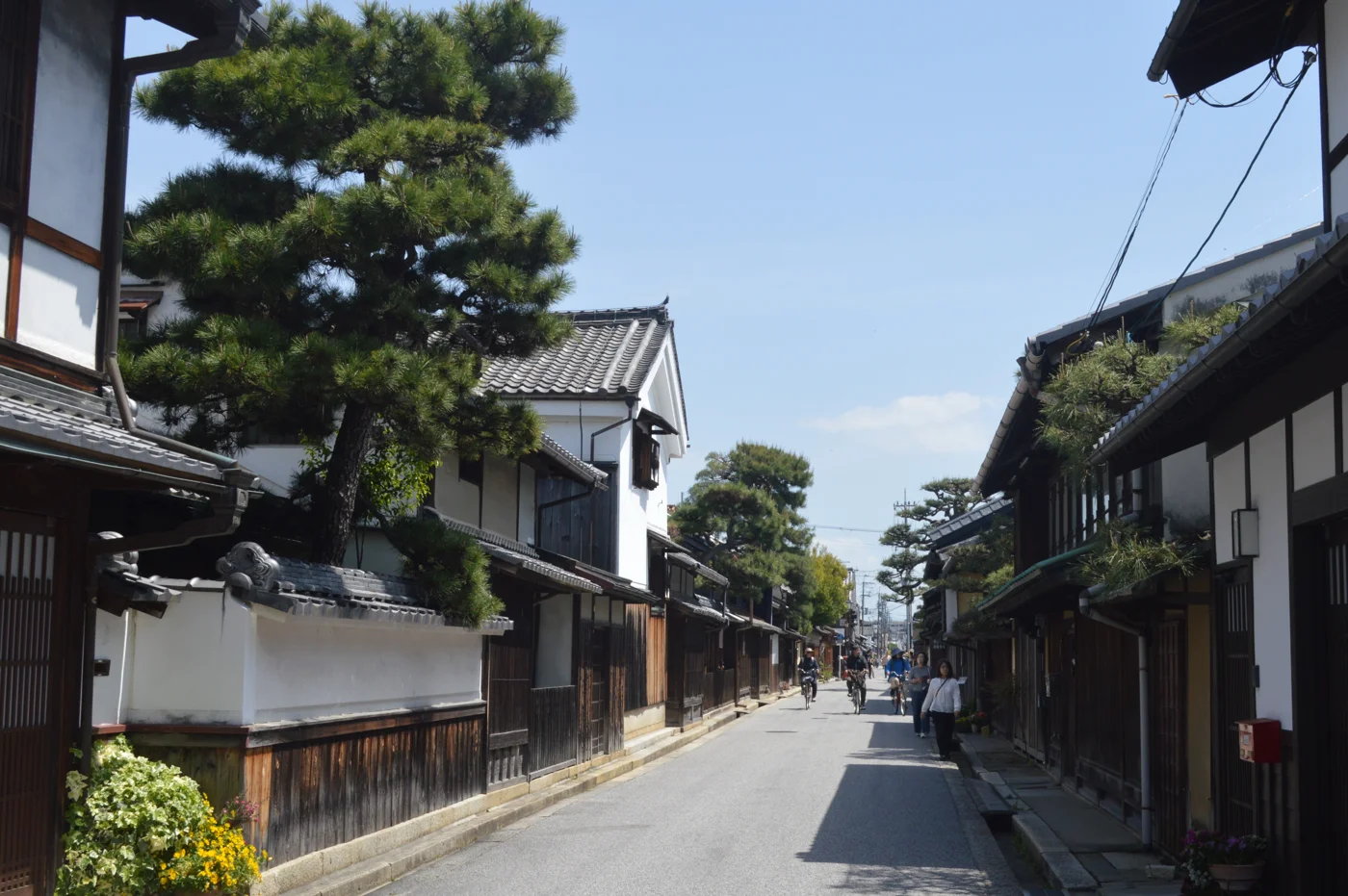
Shinmachi Street combines easily with the canal, but shifts the focus. The canal explains transport; merchant houses draw attention to façades, scale and domestic life. Leaving after one photograph of the street can blur Omihachiman with other historic towns. Visit one museum to turn the idea of a merchant town into rooms, objects and working practices.
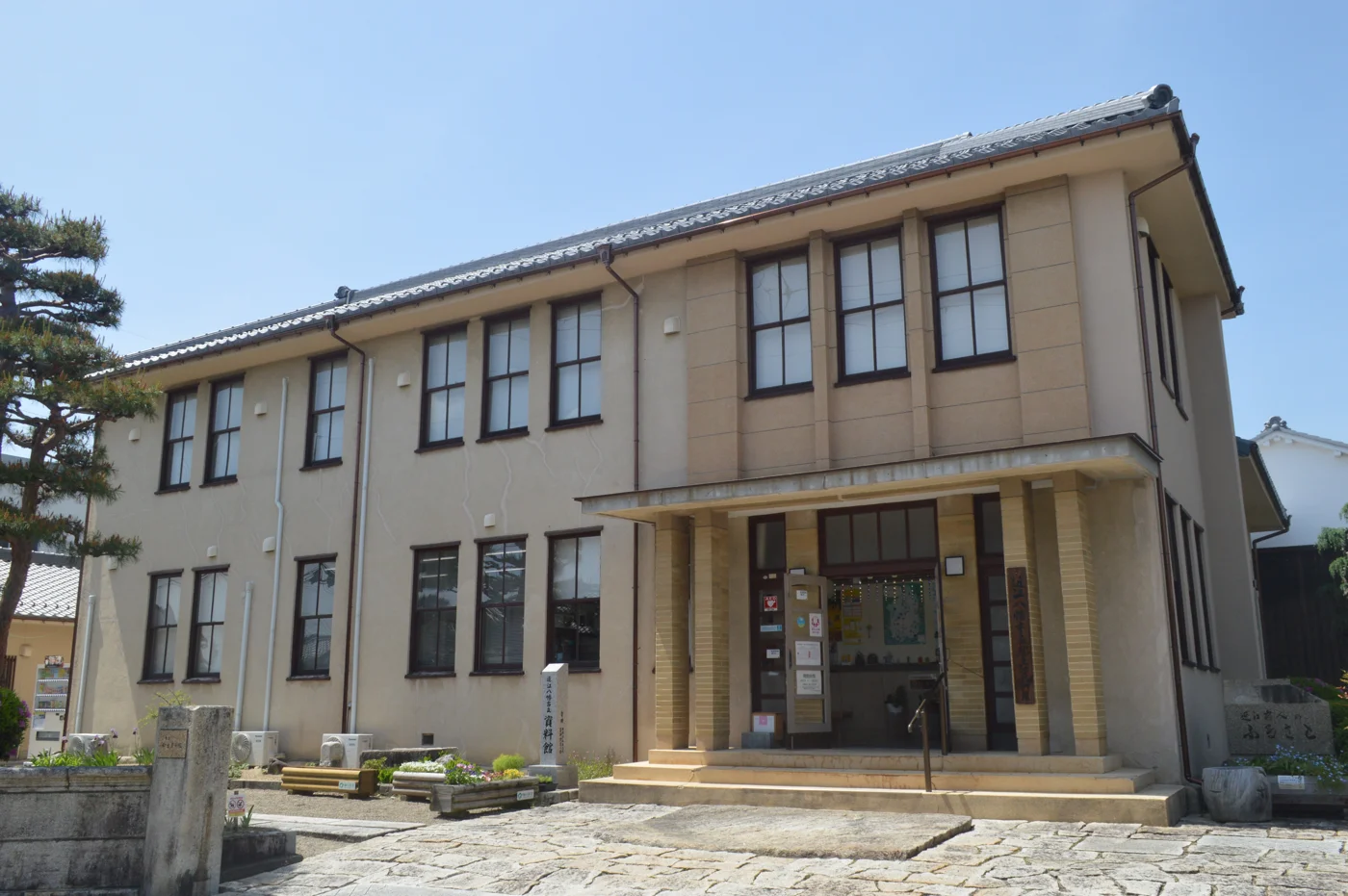
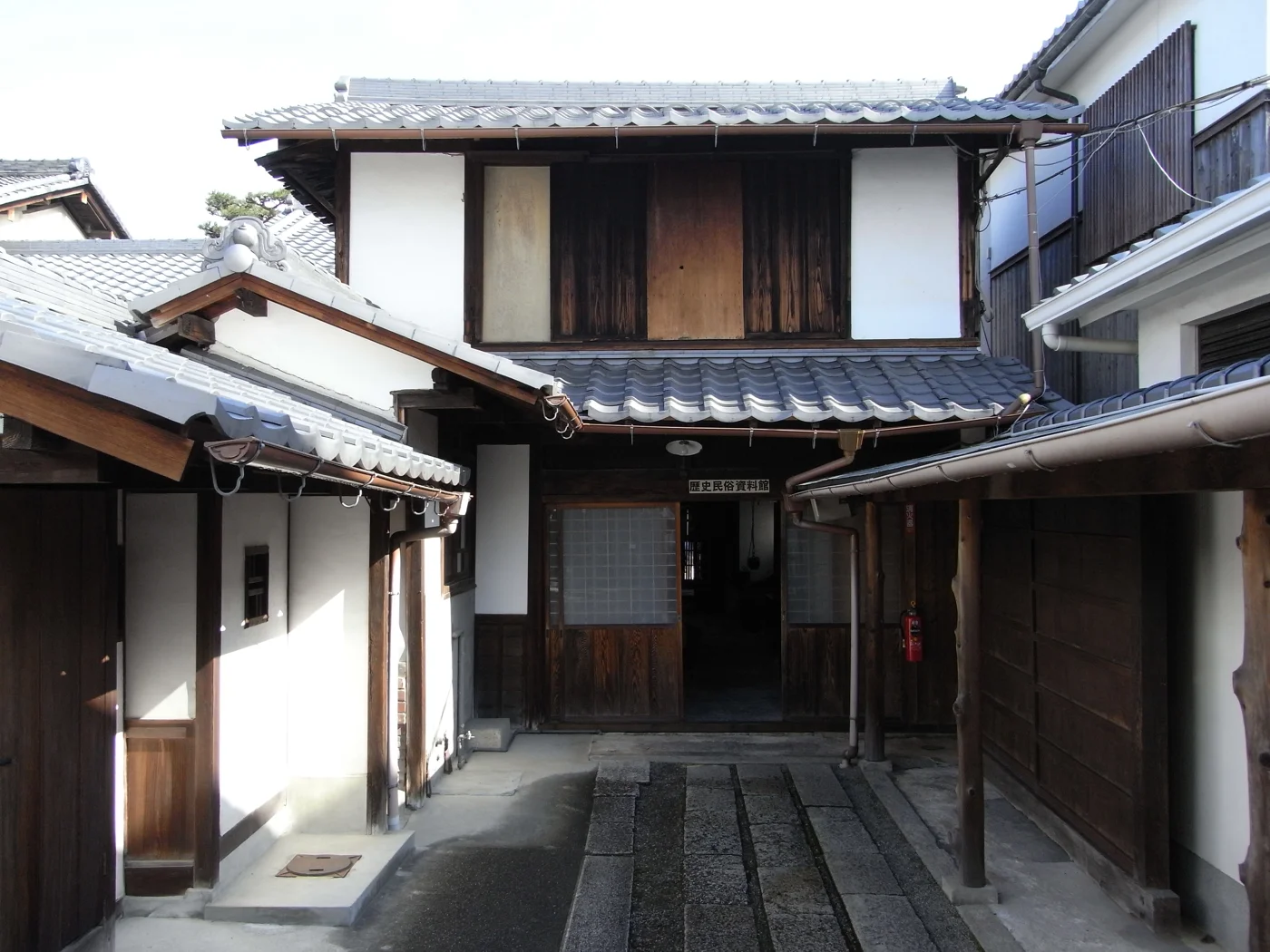
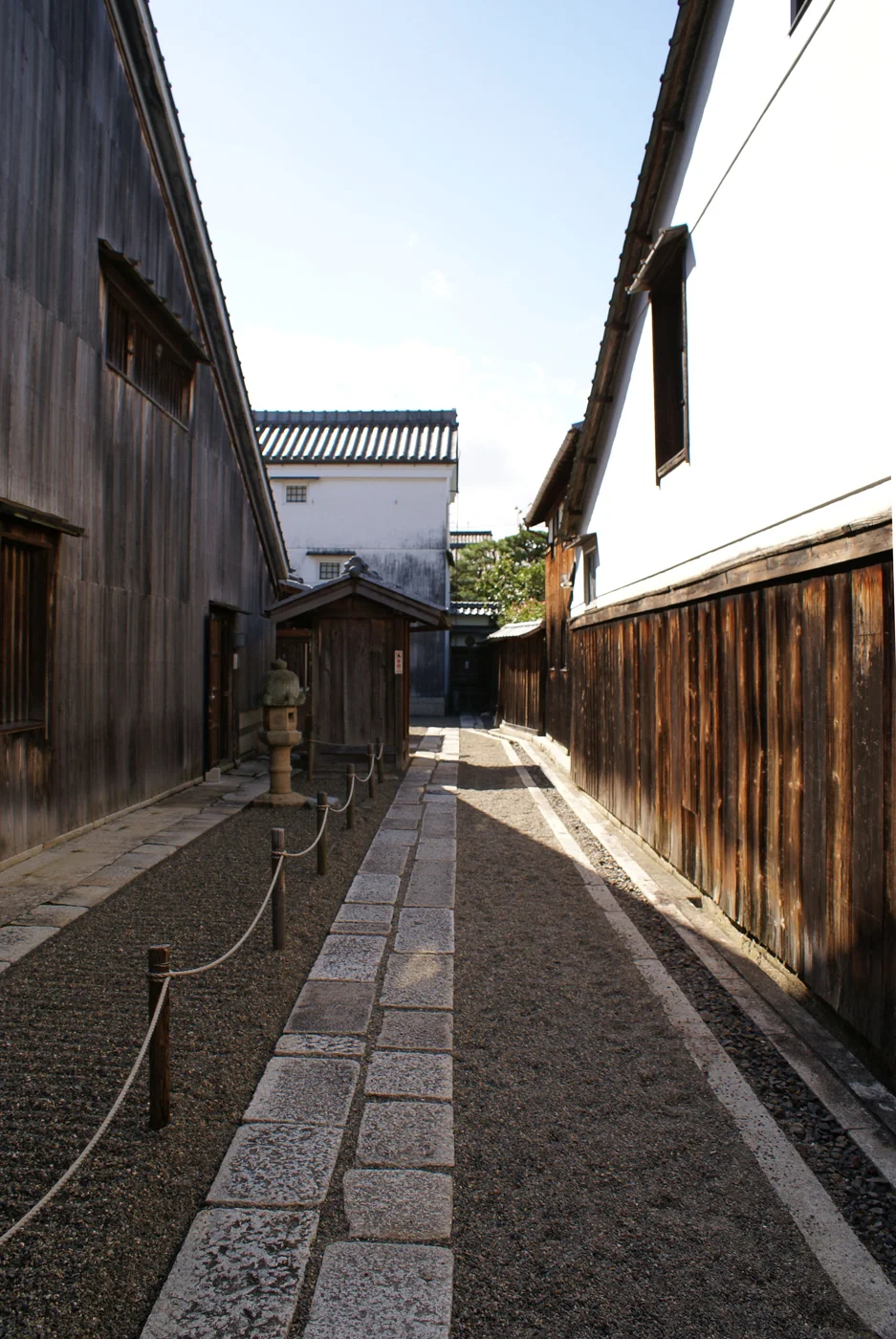
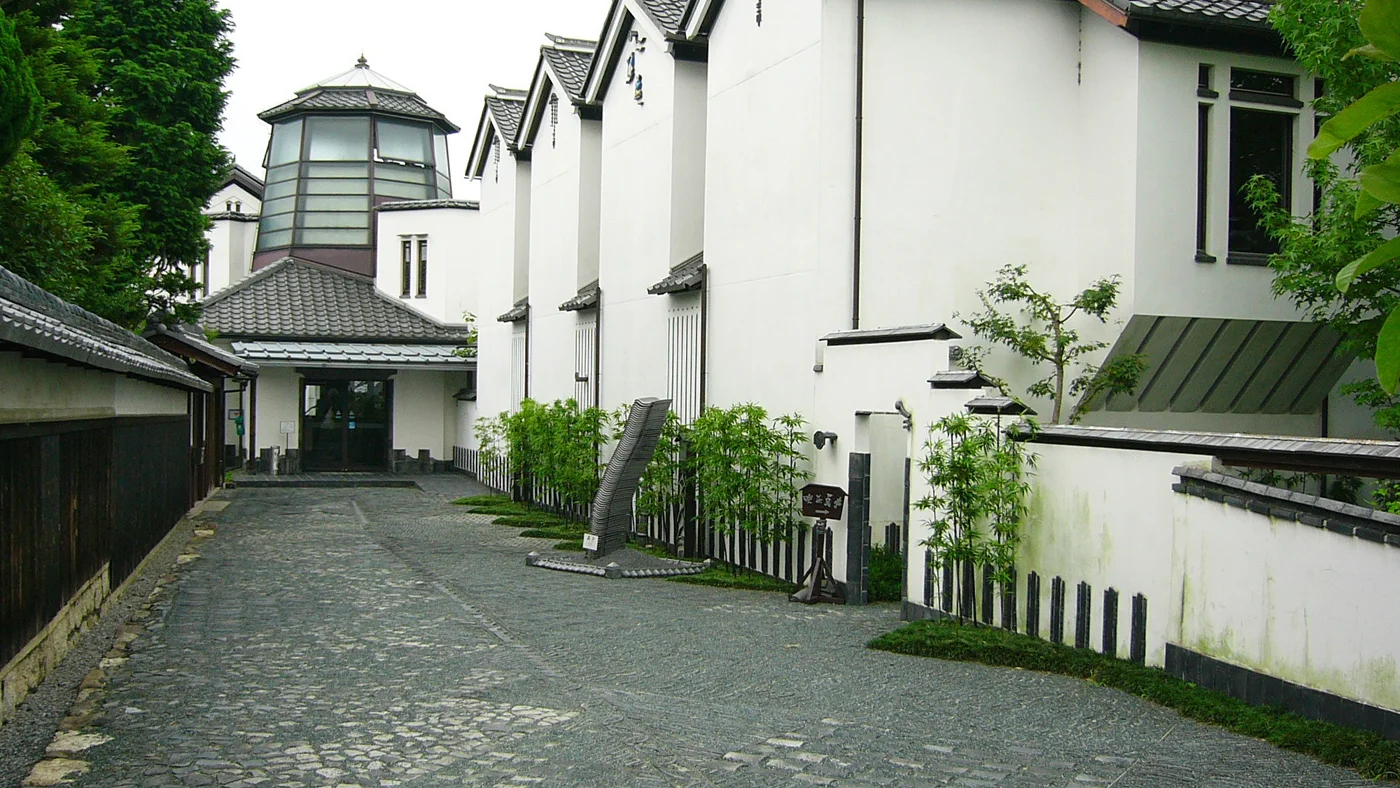
The Omihachiman municipal museum group includes the Local History Museum and History and Folklore Museum. An adult single-museum ticket costs ¥300. A three-museum ticket including the former Nishikawa residence costs ¥500; a four-museum ticket adding the Kawara Museum costs ¥700. Primary and junior-high pupils pay ¥150, ¥250 and ¥350 respectively. The three- and four-museum names count individual buildings. Name the museums you want at the desk rather than asking for “three places”.
Start with the museums for local history, or choose a ticket including the former Nishikawa residence for more domestic interiors. If you also want the mountain and sweets, do not add all four museums just because ¥700 looks economical. The price difference is only one cost: each building needs viewing time, and lunch still needs room in the day.
Opening hours are 9:00–16:30, with last entry at 16:00. Closures vary by month. The general rule is Mondays, except national holidays, the day after national holidays, and 28 December–3 January. April, May, October and November have additional daily-opening arrangements, although exhibition changes can still cause temporary closures. In autumn, place the museums in the morning; in winter, choose a date using that month’s calendar. A last-minute entry leaves little time for houses and displays. If the afternoon runs late, enjoy Shinmachi’s exteriors and move interiors to day two.
Mount Hachiman: see the lake, inland lake and castle town together
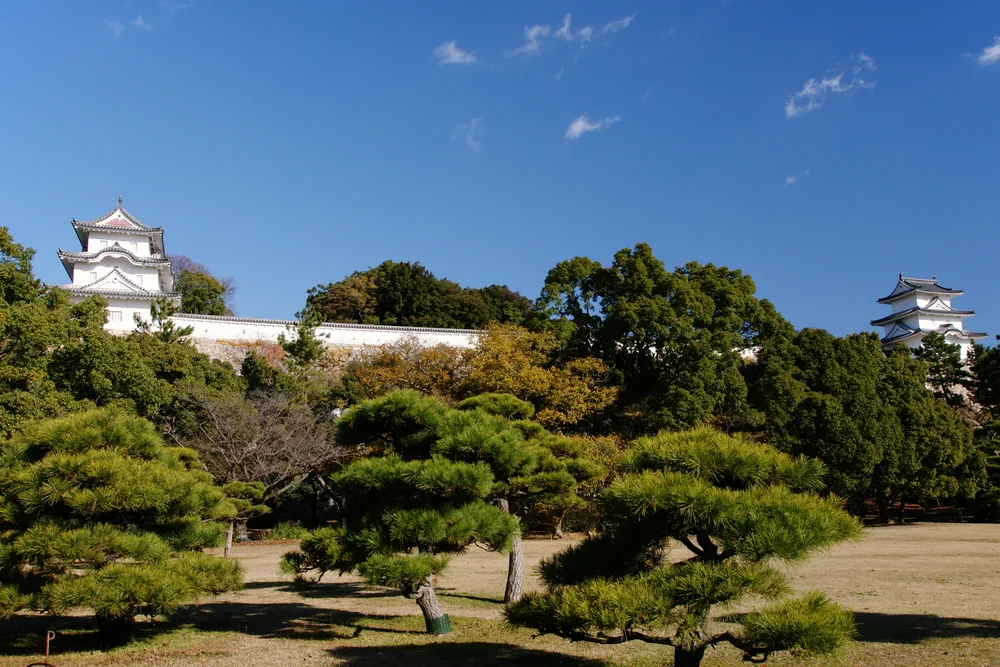
The Hachimanyama cable car brings several parts of the map into one view. From the summit, Lake Biwa, Lake Nishinoko and the old town help explain the importance of the morning’s canal. Castle enthusiasts can study stone walls and terrain; temple visitors can stop at Murakumo Gosho Zuiryuji. Allow 45 minutes to an hour for a summit walk, rather than treating the cable car as a ten-minute photo stop.
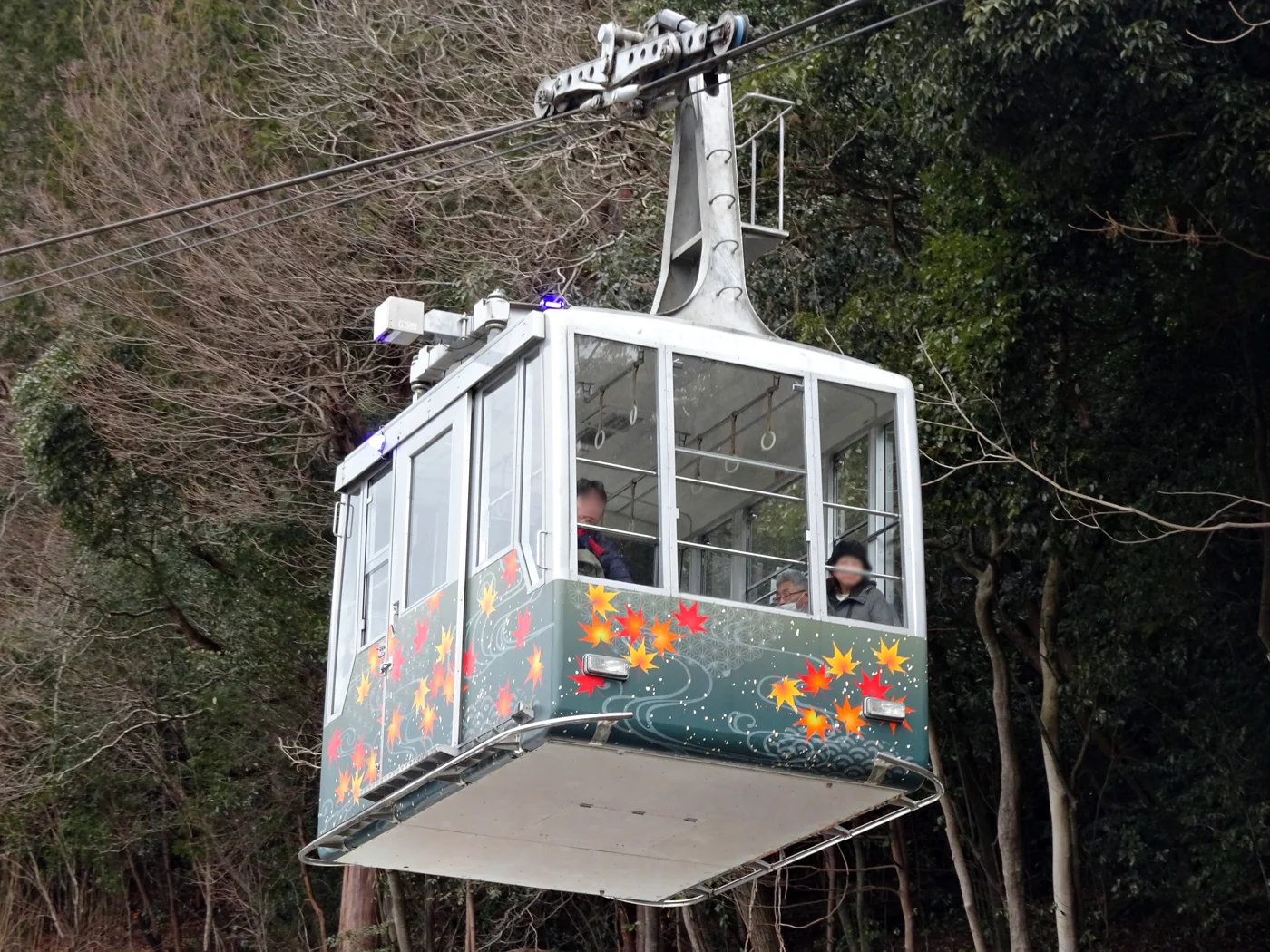
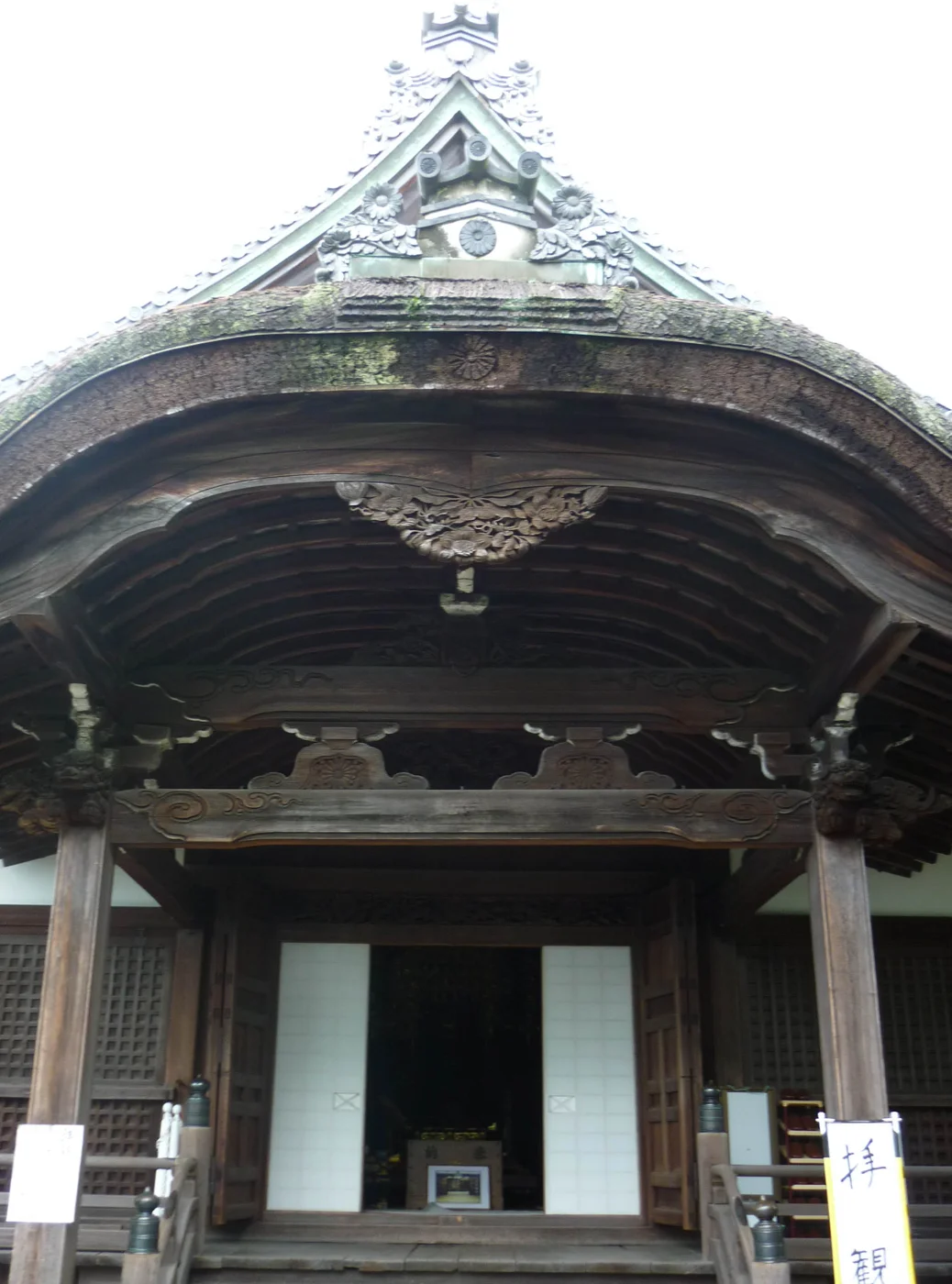
The operator’s current fares are ¥950 return or ¥540 one way for ages 12 and above, and ¥480 return or ¥270 one way for ages six to under 12. Normal hours are 9:00–17:00, with departures every 15 minutes and the last uphill service at 16:30. A return ticket makes time and effort easiest to manage on a first visit with other afternoon plans. A single suits those who have separately planned a walking descent.
Consider the last uphill departure alongside time for a proper walk. Going up at 16:30 leaves little summit time; use the earlier afternoon for a relaxed visit. If cloud hides the lake, explore the base, old streets and museums first, then decide whether to ascend. This works better for view-seekers than rigidly following a morning timetable. Castle and temple visitors can decide according to their own priorities.
The cable-car homepage announces a closure for equipment renewal from 25 January to 10 February 2027. During that period, use a day route of museums and Shinmachi Street, Hachiman-bori, lunch and La Collina, giving the summit time to the streets or sweets. If the summit view is your main purpose, choose a date outside the closure.
Ohmi Railway’s autumn film of the Hachimanyama castle ruins. Preview the cable car and mountain paths before deciding whether to add the summit to an old-town visit.
Canal boats and Lake Nishinoko wetland boats: choose scenery before departure time
The names sound similar, but journey lengths and departure points differ greatly. Hachiman-bori boats focus on castle-town white walls, stone banks and bridges, with trips of about 30 minutes listed by the tourism association. Scheduled wetland boats around Lake Nishinoko show reeds, farmland and waterways, often taking 60–80 minutes. A short canal trip fits between old-town walks; a wetland trip needs separate timetable and landing transport arrangements. Seeing a boat beside Hachiman-bori and assuming it goes to Nishinoko can disrupt the whole afternoon.
Waden’s Hachiman-bori boats depart from 743 Tagacho, operate 10:00–16:00 and cost ¥1,500 for adults or ¥1,000 for children. Unreserved parties of two or more can ride, with waits affected by bookings and boatmen’s arrangements. Groups of ten or more need to book two weeks ahead. This suits visitors wanting another viewpoint without leaving the old-town walking area. A bank walk first helps you recognise the bridges and storehouses aboard.
For wetlands, choose the operator first. The tourism association’s boat-company comparison lists Omihachiman Wasen Tourism Cooperative’s scheduled trip as about 80 minutes, departing at 10:00 and 15:00 from 1 April to the end of November. Adults pay ¥2,400 and children ¥1,200; the landing is at 880 Kitanoshocho. Its prices, times and address differ from the canal boats. Navigate to the landing of the company you book.
The association lists Suigo no Sato Maruyama’s scheduled trip as about 60 minutes, costing ¥2,200 for adults, with departures at 10:00, 13:10 and 15:00 from 1 April to the end of November. For one wetland experience, the difference between 60 and 80 minutes may matter less than the meeting point and transport. Choose a departure that fits lunch and the return journey, then consider onboard food or a charter.
Plan a wetland half-day around the boat, then add one neighbourhood
For a 10:00 wetland boat, eat breakfast in Kyoto or at your accommodation and go straight from Omihachiman Station to your chosen landing. The cooperative’s landing uses a different bus stop from the old town; the association points towards Honenbashi. Other companies use Maruyama, Shiraoguchi or Togei no Sato. Choose the landing, then the bus, then the train arrival, connecting the legs in that order.
After an 80-minute boat trip, leave separate time for lunch and the old streets. In the afternoon, Hachiman-bori and Shinmachi may be enough. To add Mount Hachiman, remove multiple museum visits. For a sit-down dessert, view the mountain from below. A long seated journey through waterways pairs well with a short walk afterwards. Adding a second canal boat immediately costs another fare and squeezes lunch; a further bank walk may offer more.
A 15:00 departure lets you put lunch and the old town first, but leave for the landing early. Do not wait until 14:50 to leave a shop. Bus waiting, the journey and check-in each need time; walking estimates should include traffic lights. Returning to the old town for dinner afterwards adds travel. For an early Kyoto return, buy gifts before boarding and head towards the station after the boat.
For December–March visits, make the scheduled-boat season part of the decision. The association currently lists the two spring-to-autumn services above only until the end of November. For a winter charter or another operating arrangement, obtain the company’s dates and meeting instructions before deciding on an overnight stay. Solo visitors should check available scheduled trips first, avoiding arrival in a charter-only period with a different cost from the one expected.
An afternoon at La Collina: sweet-making, buildings and a dessert
La Collina Omihachiman is Taneya and Club Harie’s flagship site, offering a different setting from the old-town canals. The grass-roofed main shop, sweet factories and other shops are spread across the grounds. Keep the final afternoon stretch for browsing and a snack. Watch the baumkuchen factory for production, or study the grass roof and building arrangement before shopping if architecture interests you.
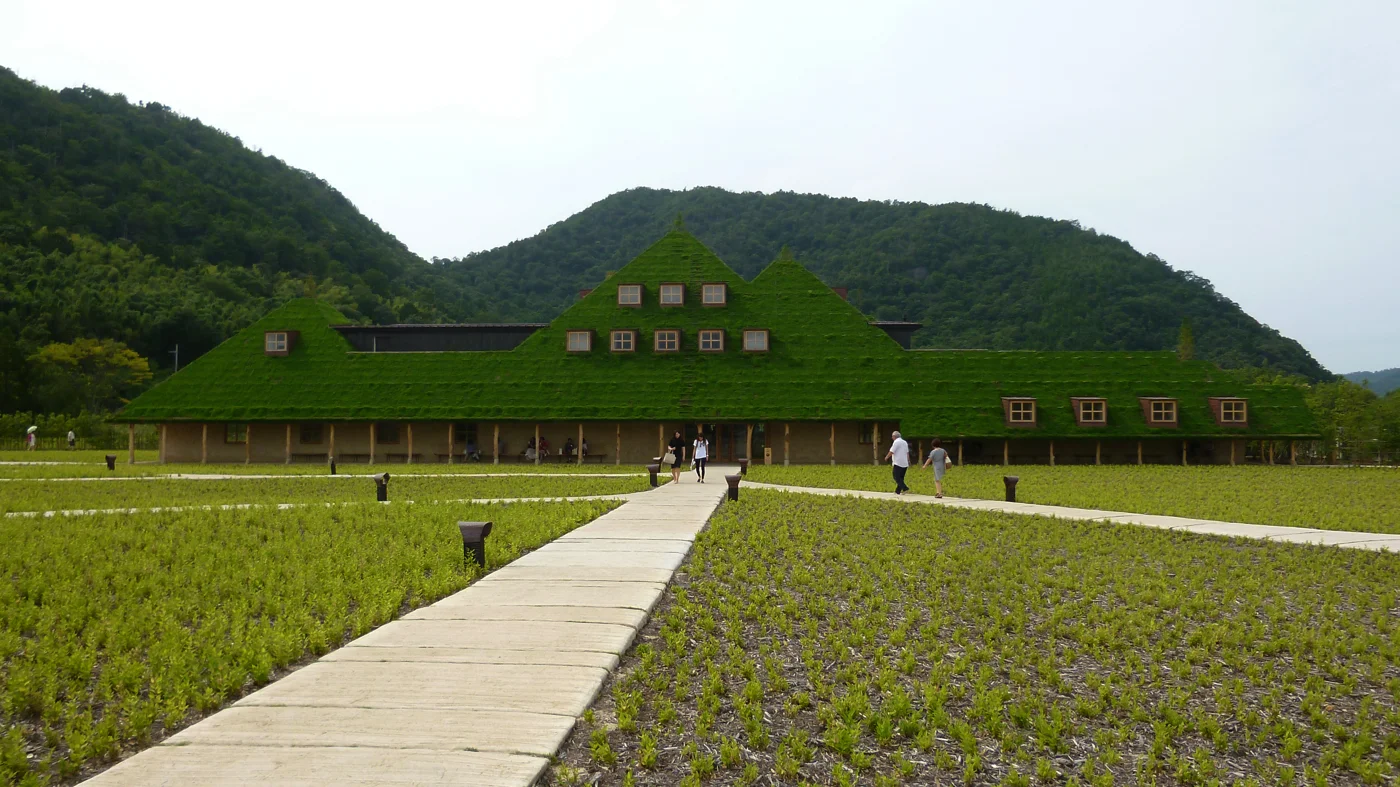
The official homepage currently lists 9:00–18:00. The tourism association’s facility information lists café last orders at 17:00, food-court hours of 10:00–17:00 with last orders at 16:45, and the bakery from 11:00 until sold out. Treating 18:00 as every counter’s ordering deadline can mean missing your intended food. Arriving around 16:00 offers more choice than arriving close to closing.
Use “Kitanosho La Collina-mae” as the bus destination. From Omihachiman Station, take a bus towards Chomeiji or Kyukamura via Chomeiji; the official journey time is about ten minutes. From the old town, choose walking, bus or taxi without automatically returning through the station. If taking a bus, record the return departures before leaving. Searching only after buying gift boxes and exiting the grounds can fragment the end of the day.
La Collina’s official bus directions state that services towards “Ground” (グランド) and those marked “学” in the timetable do not stop at Kitanosho La Collina-mae. Even at stop 6, check the destination and service marking. The station-bound stop is across the road; the site directs visitors to the pedestrian crossing to the right of the exit. Pack gift boxes into bags before leaving and follow that route to the stop.
Separate café time from gift shopping. Decide whether to sit down or buy something to take away. Companions can choose separately and agree a meeting time. Buy chilled products just before leaving and follow the shop’s storage instructions. After an Omi beef lunch, one dessert may be enough. Save trying every shop for another visit, keeping return bags manageable too.
More architecture: separate Ikedacho exteriors from booked visits
Architecture enthusiasts can include Ikedacho on the walk from the station to the old town. The tourism association’s merchant-town route starts in the western-style residential district, describing red-brick walls, chimneys and houses, then passes Honganji Hachiman Betsuin towards Shinmachi. It shifts from modern houses within the town to merchant townhouses and water transport, without starting at the busiest canal bridge.
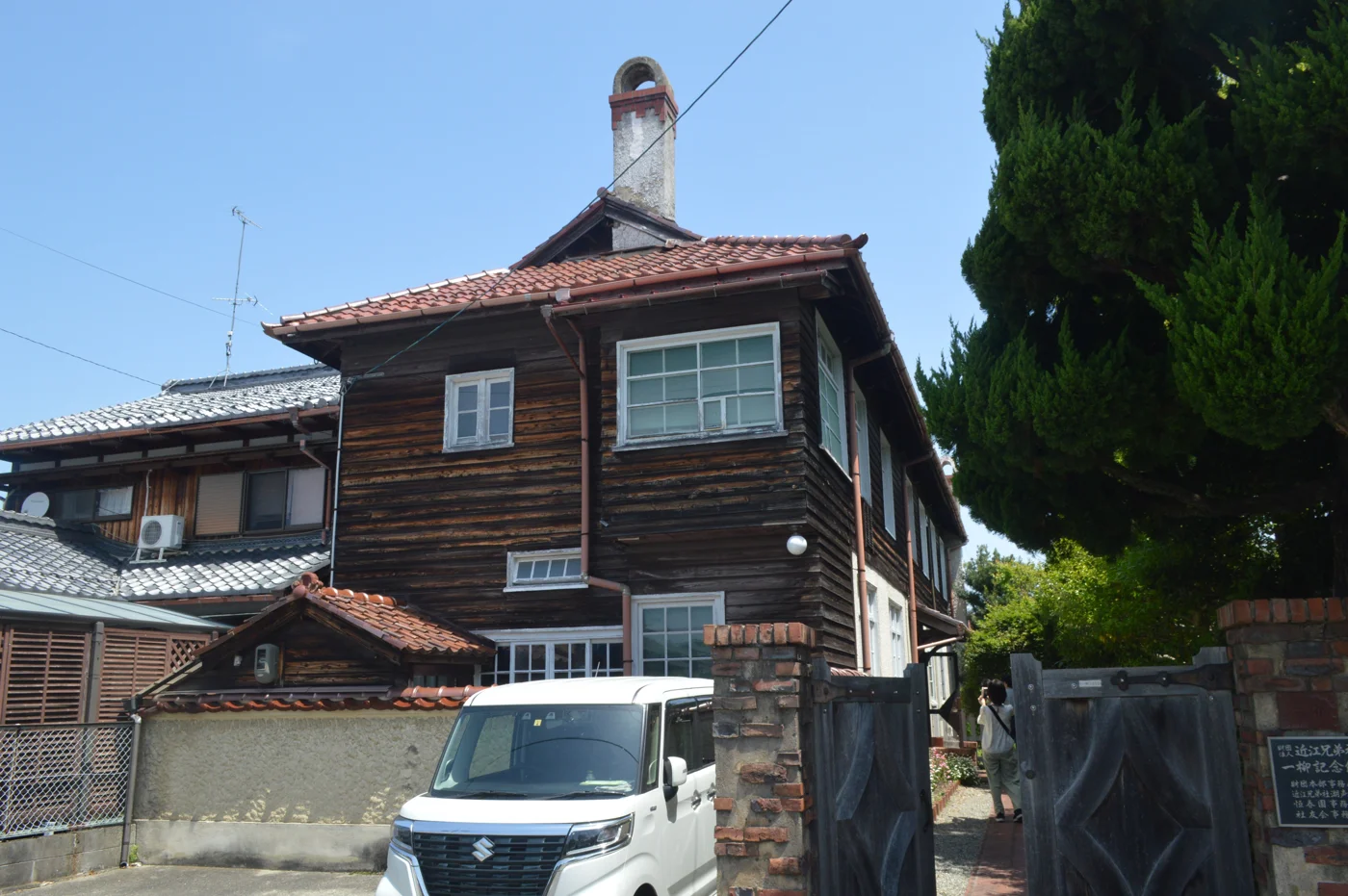
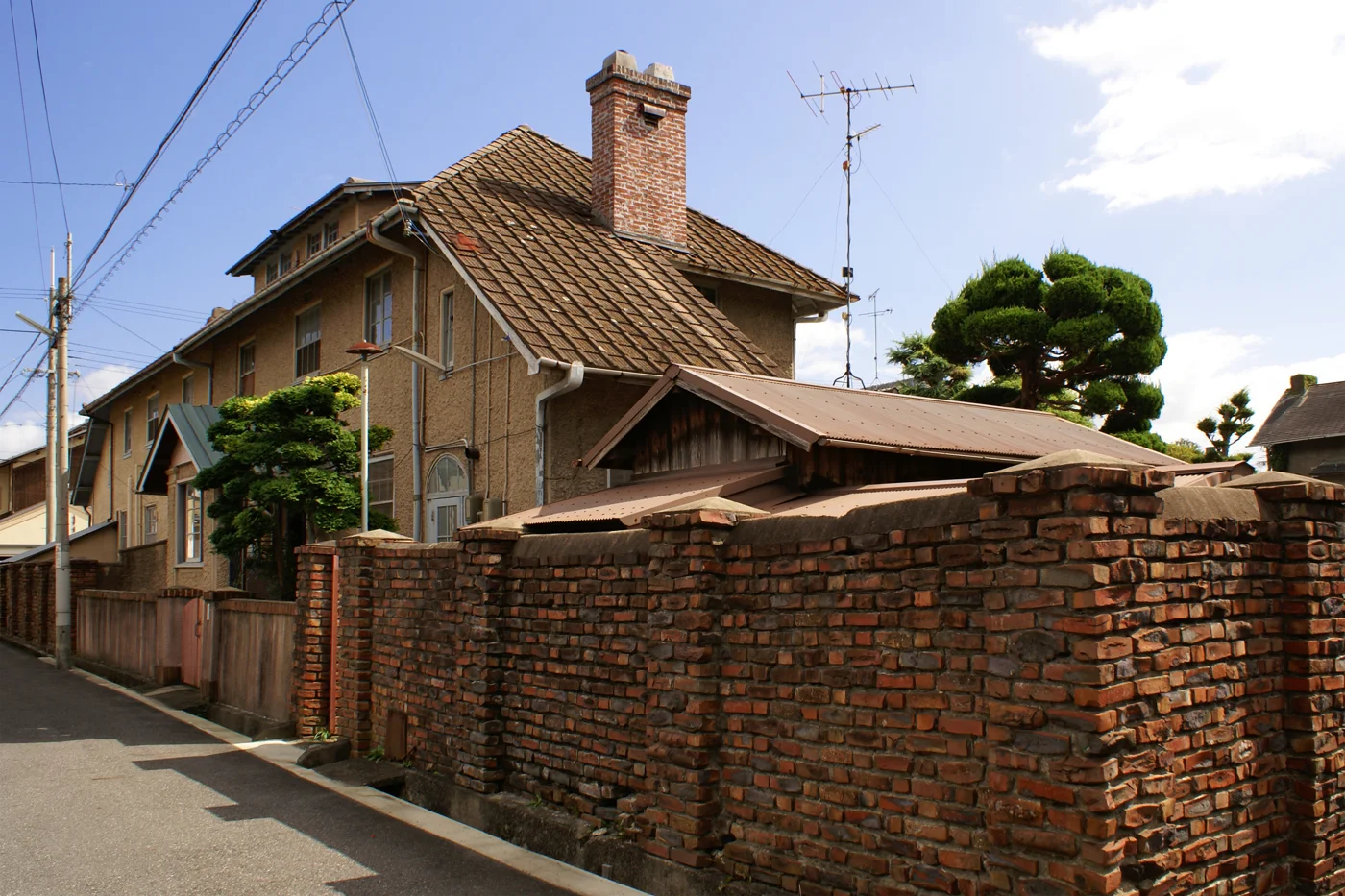
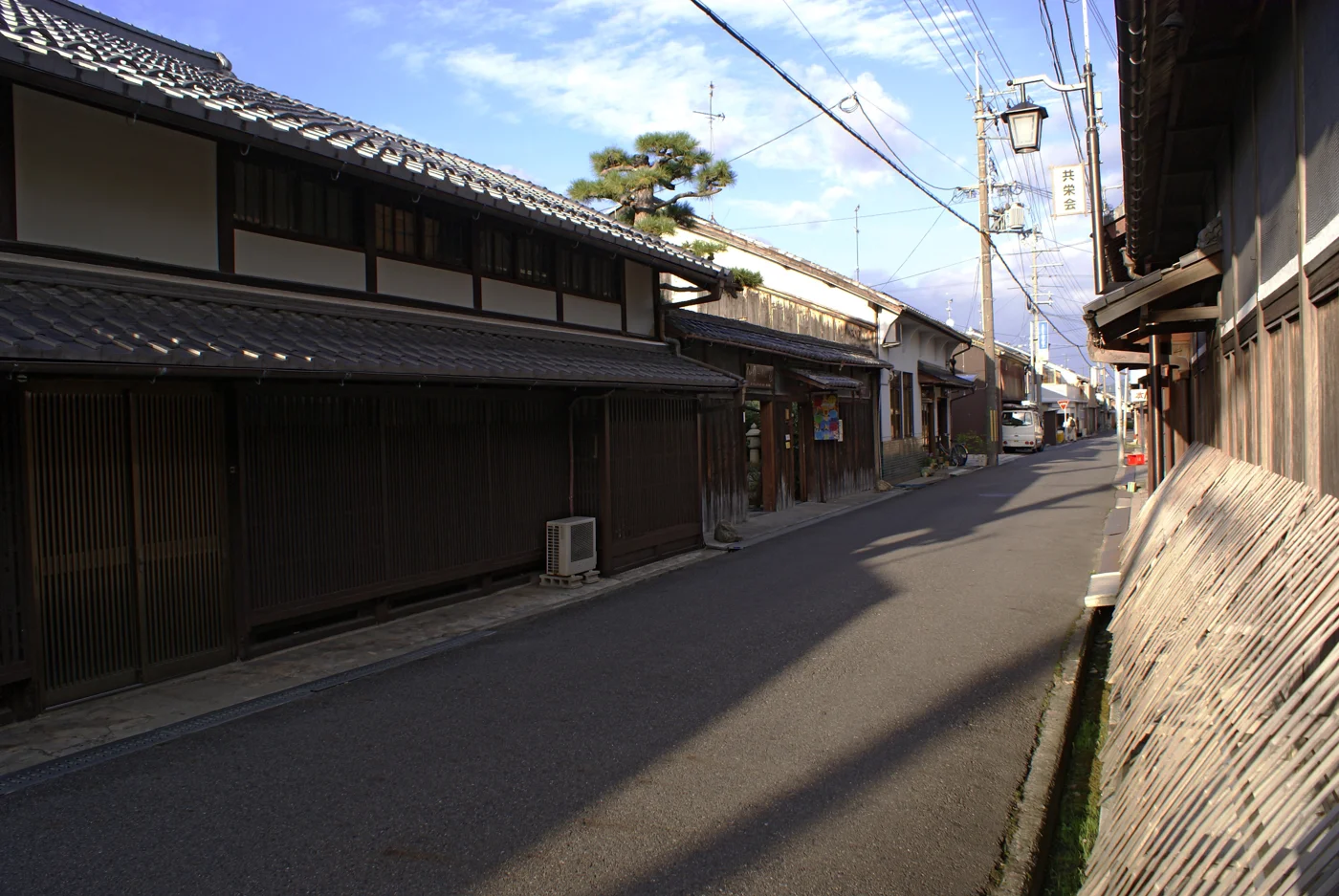
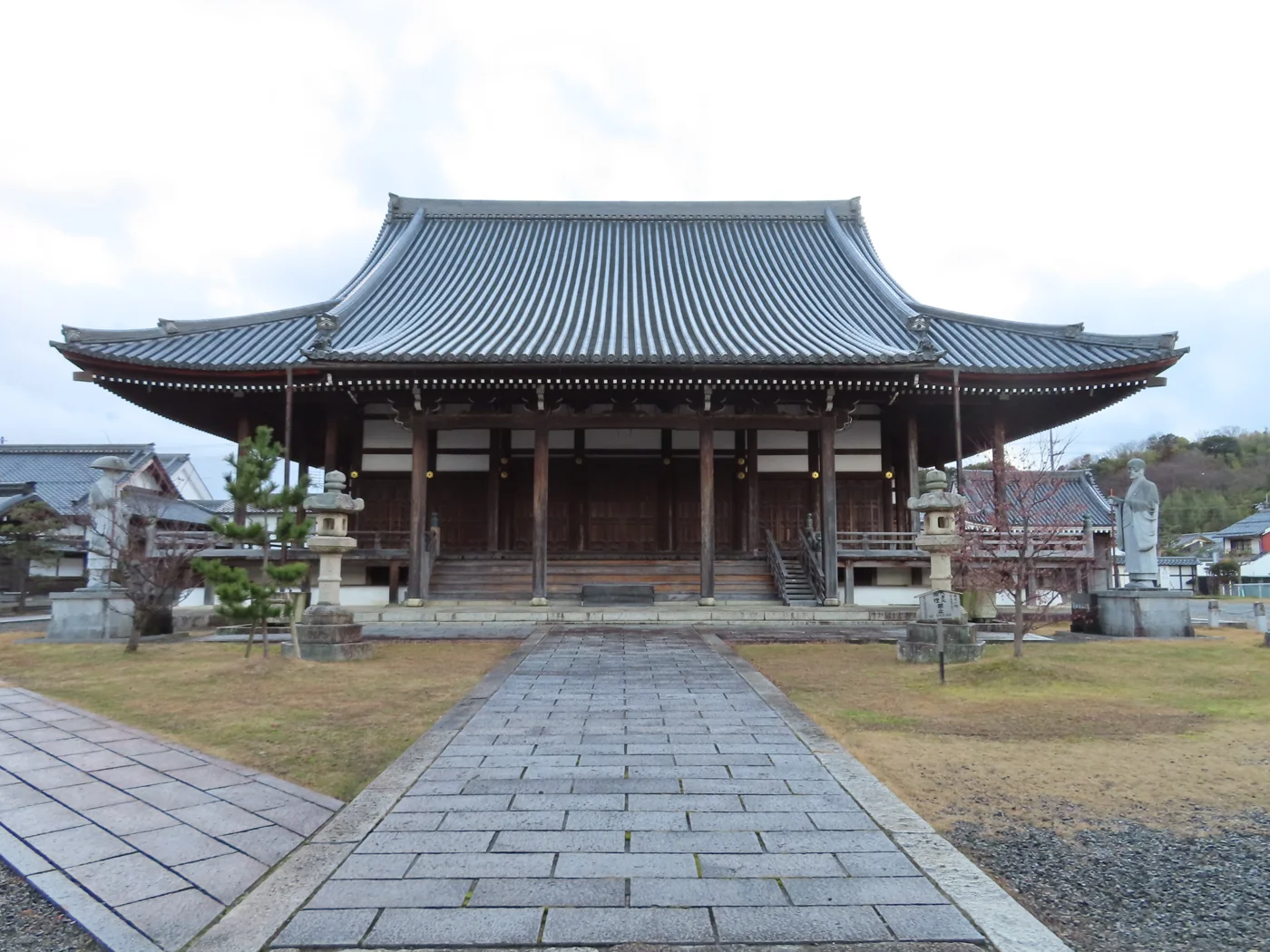
View Ikedacho’s paired houses from the street. Leave doors, gardens and passages for residents. For interiors, use open museums and former residences; these complement an exterior walk. Find a suitable viewpoint across the street before photographing, rather than lingering at a front door. Companions with different interests can meet at the next public museum instead of waiting equally long at every house.
The same association route includes Vories Memorial Hall, which requires a reservation. If it is a main stop, book it before arranging lunch, cable car and boats. For neighbourhood character alone, Ikedacho exteriors and Shinmachi make a complete walk. Deciding spontaneously to enter every house can lead to finding different visiting rules at each door. Start with the kind of space you want to see rather than trimming a long building list.
Exhibition spaces such as NO-MA near Shinmachi offer material for a return visit. Make a chosen exhibition the afternoon focus and limit the morning to Hachiman-bori and one historic street. Exhibitions require different attention from an outdoor walk. Leave tea time afterwards and stop where your interest leads; you need not catch up on every place missed on the first visit.
Children and older relatives: fix two rest stops first
For a family route, set lunch and afternoon tea first and place sights between the two seated breaks. In the morning, choose upper canal roads and a short stretch of Shinmachi, then eat. Choose the cable car or La Collina in the afternoon according to weather. If children like boats, replace a museum with the 30-minute canal trip. For an interest in food production, the factory may engage them more than another townhouse street. One choice leaves parents time for snacks, toilets and coats.
With older relatives, first ask whether canals or lake views matter most. For canals, use the bus from the station, see Hachiman-bori from bridges and streets, and walk briefly after lunch. For lake views, a cable-car return need not include the full summit circuit. Do not leave all unfinished walking to the evening and solve it by rushing for transport. If everyone is tired, sit at the station or return to Kyoto rather than adding one final shop.
April, May, October and November offer more museum-opening options. In winter, check opening days before choosing a travel date. Pushchair and wheelchair users should use each chosen building’s entrance and floor information to decide which interiors to visit. Keep the main outdoor route at street level, with waterside steps as a short side trip. Map a shared main route before adding individual branches, so meeting places stay clear.
Two day-trip options: the old town, or wetlands plus historic streets
For a full old-town day, arrive around 9:30, see Shinmachi and one museum, then approach Himure Hachimangu and Hachiman-bori for lunch near midday. Go up Mount Hachiman in the early afternoon, then return to a canal stretch missed in the morning. Finish with either a short boat trip or La Collina, including somewhere to sit, before returning to the station.
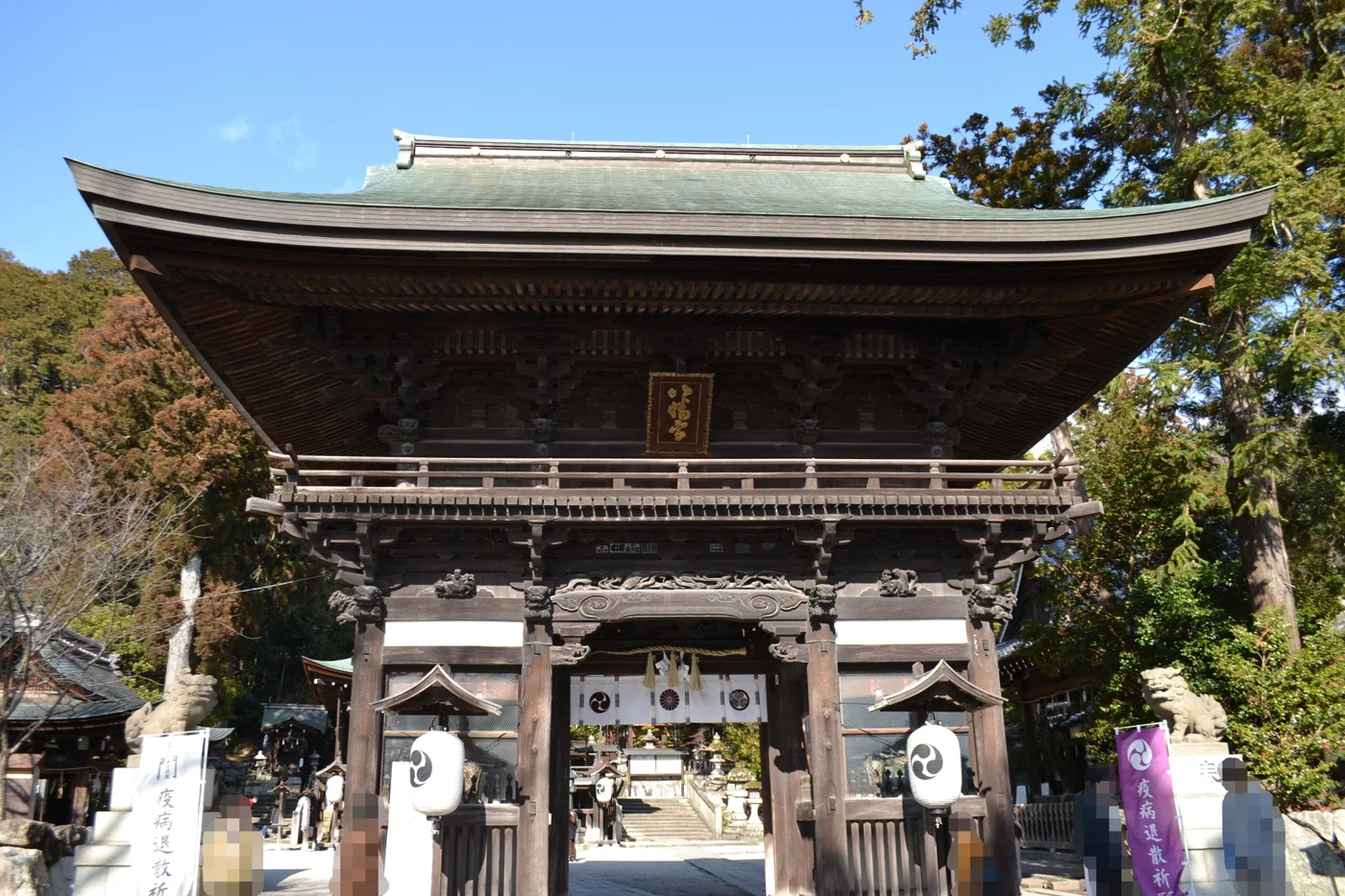
If lunch queues grow, remove the second paid afternoon activity first, protecting the return bus and a seated break. After the mountain, skip the short boat. For La Collina, shorten the canal visit to upper roads. Compare similar experiences when choosing: after many house interiors, look at water; after a morning wetland boat, you need not add another vessel simply to fill the day.
For the wetland version, use the boat time as the fixed point. A 10:00 departure means lunch afterwards, then Shinmachi and the canal, with one museum if time allows. A 15:00 departure means a museum and streets in the morning, followed by lunch and the landing transfer. Both work as day trips. Choose whether to spend early energy outdoors or complete interiors first. Combining half of each version can produce a list with no time for buses or meals.
One night: keep the second morning free from a rush to the boat
For an overnight stay, explore the old town fully on day one, take a wetland boat on the second morning, then return to Kyoto or another Shiga base in the afternoon. Day one no longer revolves around a 10:00 departure, and day two avoids an early Kyoto transfer. The extra night gives wetlands and residential streets their own complete periods, rather than splitting a day trip in half and searching for filler.
Station-area accommodation makes onward transport easy; old-town accommodation suits morning and evening walks. Start with the next day’s first destination. For a morning boat, prioritise breakfast time and landing access. For onward travel towards Maibara with luggage, prioritise the route back to the station after check-out. Families should find enough beds and luggage space before comparing distance. A few hundred metres on a map cannot show whether a room suits everyone.
Choose dinner alongside the hotel location. Near the station, finish lunch and tea in the old town and return for dinner. In the old town, arrange a restaurant and walking route back when booking. For evening Hachiman-bori, leave short walks before and after dinner without adding another paid activity. In winter, separate evening street walks from daytime waterside paths because darkness comes early.
If heavy rain or strong winds cancel day-two boats, choose museums missed on day one and La Collina, then return to Kyoto earlier. This needs neither a last-minute hire car nor a distant replacement attraction. An overnight stay buys a calmer pace. Keeping half a day flexible uses that time better than filling both days with reservations.
Autumn and winter: leaves, lanterns and closure dates differ
The 2026 Mount Hachiman autumn programme lists the lantern path from 12 September to 6 December, but the shrine-seal collection event from 31 October to 6 December. The organiser describes the foliage period as around mid-November. Add it to a summit walk. If leaves are the main aim, choose daylight when both foliage and lake are visible rather than following the event name alone.
Plan autumn visits around the normal 17:00 finish and 16:30 last uphill service. Fit lantern photographs into existing summit time; there is no need to delay dinner on the mountain. Light, cloud and lake views together determine the result. In clear weather, ascend first. In rain, put museums first and canals later.
In winter, place seated stops closer together: one historic stretch with a museum, one bank walk with lunch. Sitting on a boat for a long time can feel colder than walking. Before a charter, choose clothing, boat type and actual journey length together. During equipment renewal, streets, houses and sweets still make a day. Returning in spring for the lake and summit gives a different visit.
Budgeting: total fixed admissions, then add your own food choices
An adult cable-car return at ¥950 plus a municipal three-museum ticket at ¥500 totals ¥1,450 in fixed admissions. Add Waden’s ¥1,500 canal trip for ¥2,950. Alternatively, the cooperative’s ¥2,400 scheduled wetland boat plus a ¥500 three-museum ticket totals ¥2,900. Add rail, local travel, food and shopping separately.
For a primary-school child, a ¥480 child cable-car return plus a ¥250 three-museum ticket gives ¥730 before the relevant company’s child boat fare. Age definitions differ: the cable car uses ages six to under 12, while museums use primary and junior-high school categories. For a primary-school child who has just turned 12, apply each rule individually rather than one child rate to everything.
Let your preferences determine lunch, coffee and gifts. For Omi beef, choose the intended lunch and keep the afternoon dessert smaller. For more sweet gift boxes, skip an expensive dinner. Start with the paid experience you most want and arrange the rest around it. If two boats and several museums still require rushing, reduce activities first; the saving often includes an unnecessary transport leg.
A few useful answers
How do Hachiman-bori and wetland boat trips differ?
The roughly 30-minute canal trip shows white walls, waterways and bridges. Scheduled wetland boats around Lake Nishinoko take about 60–80 minutes, with different operators and landings.
When does the Hachimanyama cable car close in winter 2027?
The operator announces an equipment-renewal closure from 25 January to 10 February 2027. Use the museums, Shinmachi, Hachiman-bori and La Collina instead.
Do I need to stay overnight from Kyoto?
The old town, Mount Hachiman and one afternoon activity fit a day trip. Staying overnight gives the old town and Lake Nishinoko wetland boats a more relaxed half-day each.
Official information and references
Sources used in this guide.
- Detailed merchant-town walk | Omihachiman official tourism website
- Getting here | La Collina Omihachiman
- Wetland boat trips | Omihachiman official tourism website
- Hachiman-bori | Omihachiman official tourism website
- Municipal museums | Omihachiman official tourism website
- Hours and fares | Hachimanyama cable car
- Hachimanyama cable car | equipment-renewal closure notice
- Hachiman-bori boats | Waden
- La Collina Omihachiman | Taneya
- La Collina Omihachiman | Omihachiman official tourism website
- Autumn Hachimanyama cable car: foliage paths and bamboo lanterns 2026
- Omihachiman Wasen Sightseeing Cooperative: notice of service end on 30 November 2026
- Suigo no Sato Maruyama: operating hours, bookings and 2027 fares