Visit Akashi from Kobe or Osaka for the castle, akashiyaki at Uonotana and the reopened astronomy museum. Compare Asagiri’s coast, Maiko Marine Promenade and a two-day strait itinerary, with current fares and closing days.
- Region & Focus
- KansaiAttractions
- Reading Scope
- 22 min read · 15 chapters · 3 Q&As
- Official Verification
- 17 official sources checkedUpdated 27 October 2026
- Key Topics
- ItinerariesRail travelFood
Chapter Route Map (tap any stop)
- A short trip from Kobe: distinguish Akashi from Nishi-Akashi
- Choose one afternoon: planetarium, coast or a walkway under the bridge
- Akashi Castle: see the towers and stone walls, then decide how far into the park to go
- When to visit Uonotana: lunch is more useful than a pre-dawn start
- Ordering akashiyaki: check the portion before choosing lunch or a snack
- The astronomy museum has reopened: allow two or three hours
- Allow another half-hour for clocks and Akashi’s identity as a city of time
- Admission and session tickets: choose a show after buying entry
- Walking to the museum: Akashi Station and Hitomarumae serve different needs
- Rain alternatives: the cultural museum near the castle, or a full astronomy afternoon
- For sea views, use Asagiri for Okura Beach or Maiko for bridge structure
- Maiko Marine Promenade: enter beneath the bridge rather than viewing it from a beach
- Two day-trip schedules: give lunch and projection their own time
- One night: Akashi first, then the coast towards Kobe
- Costs and dates: use current restaurant listings and separate paid experiences
- Quick Q&A
For a change of pace from Kobe, Akashi links castle ruins, a market lunch and an astronomy museum around one station. Choose an afternoon of stars or sea. For indoor exhibits and family activities, allow proper time for the astronomy museum reopened in 2026. For the coast, go to Okura Beach or Maiko after lunch. The Maiko entrance to Akashi Kaikyo Bridge is on the Kobe side, separate from the Akashi Castle walking area. Rail between the two is easier than rushing along the coast.
A short trip from Kobe: distinguish Akashi from Nishi-Akashi
The Akashi Tourism Association’s transport page lists JR Special Rapid journeys of about 15 minutes from Sannomiya and 40 minutes from Osaka. From Sannomiya, you need not start especially early to reach the market for lunch. From Osaka, it makes a full nearby day trip. These are train journey times; add the hotel-to-station leg, waiting and the walk to sights. Fifteen minutes is not the whole journey from your room to the market.
Akashi Park and the castle ruins are north of JR Akashi Station, Uonotana is south, and the astronomy museum is east. These three directions help you make a circuit without too much retracing. JR and Sanyo Railway’s Akashi stations are adjacent. Choose a railway according to your accommodation, and return according to your final stop rather than crossing the whole city to use the same company.
Nishi-Akashi is the Shinkansen station, separate from Akashi for the market and park. Arriving from farther away by Shinkansen, change at Nishi-Akashi to a conventional JR train for Akashi. From Sannomiya by Special Rapid, alight directly at Akashi. Separate the two when booking hotels too: Akashi suits market walks; Nishi-Akashi suits Shinkansen access. Their similar names conceal different luggage routes the next day.
For a return trip to Akashi with walking in town, use ordinary rail tickets or IC-card fares as the baseline. Add Maiko or Asagiri separately if included. Existing JR pass holders should follow their pass’s validity rules. Whether another travel pass pays off depends on the sections you actually ride. Choosing stars or sea before calculating transport is usually easier than starting with a pass.
Visit Akashi from Kobe or Osaka for the castle, akashiyaki at Uonotana and the reopened astronomy museum. Compare Asagiri’s coast, Maiko Marine Promenade and a two-day strait itinerary, with current fares and closing days.
Choose one afternoon: planetarium, coast or a walkway under the bridge
Akashi Castle and Uonotana fit the same day, with three afternoon options. The astronomy museum suits planetarium shows, clocks and Japan Standard Time exhibits. Okura Beach offers open sea views and walking. Maiko Marine Promenade focuses closely on Akashi Kaikyo Bridge itself. Trying all three usually squeezes lunch, exhibits and waiting time first.
If a child most wants the planetarium, go to the museum in the morning for same-day session tickets, fix a show time, then arrange the market and castle. If akashiyaki is the main purpose, walk the castle grounds first, eat lunch and visit the museum or coast afterwards. Priorities can change the order, but keep a full afternoon. Treat the three versions as alternatives.
With only four or five hours, choose castle exteriors and Uonotana, then return to Kobe after lunch. This suits the day after arriving in Kansai or an evening restaurant booking in Kobe. For a 45-minute planetarium show plus exhibits and the observation room, allow a full day. A half-day need not promise every sight to be worthwhile.
Akashi Castle: see the towers and stone walls, then decide how far into the park to go
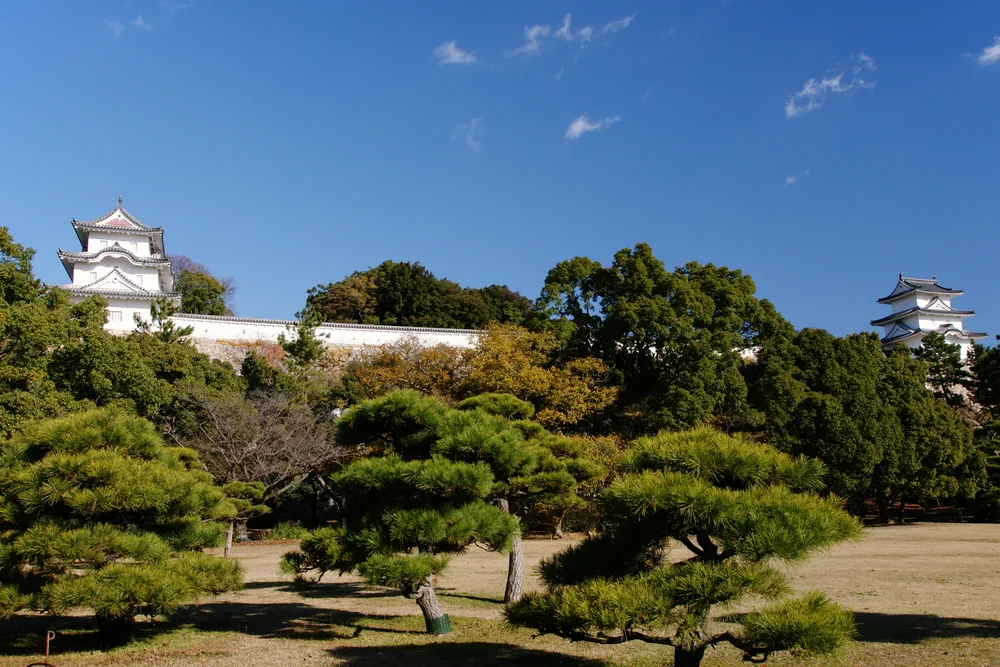
Akashi Park is immediately north of the station. Two white towers above the ruins form a recognisable outline from the station forecourt. View their positions and stone walls from below, then follow park paths uphill to understand the changes in level. Castle-focused visitors can reach the main enclosure and look towards the town and sea. For a gentle walk, the entrance and foot of the walls provide clear points of interest.
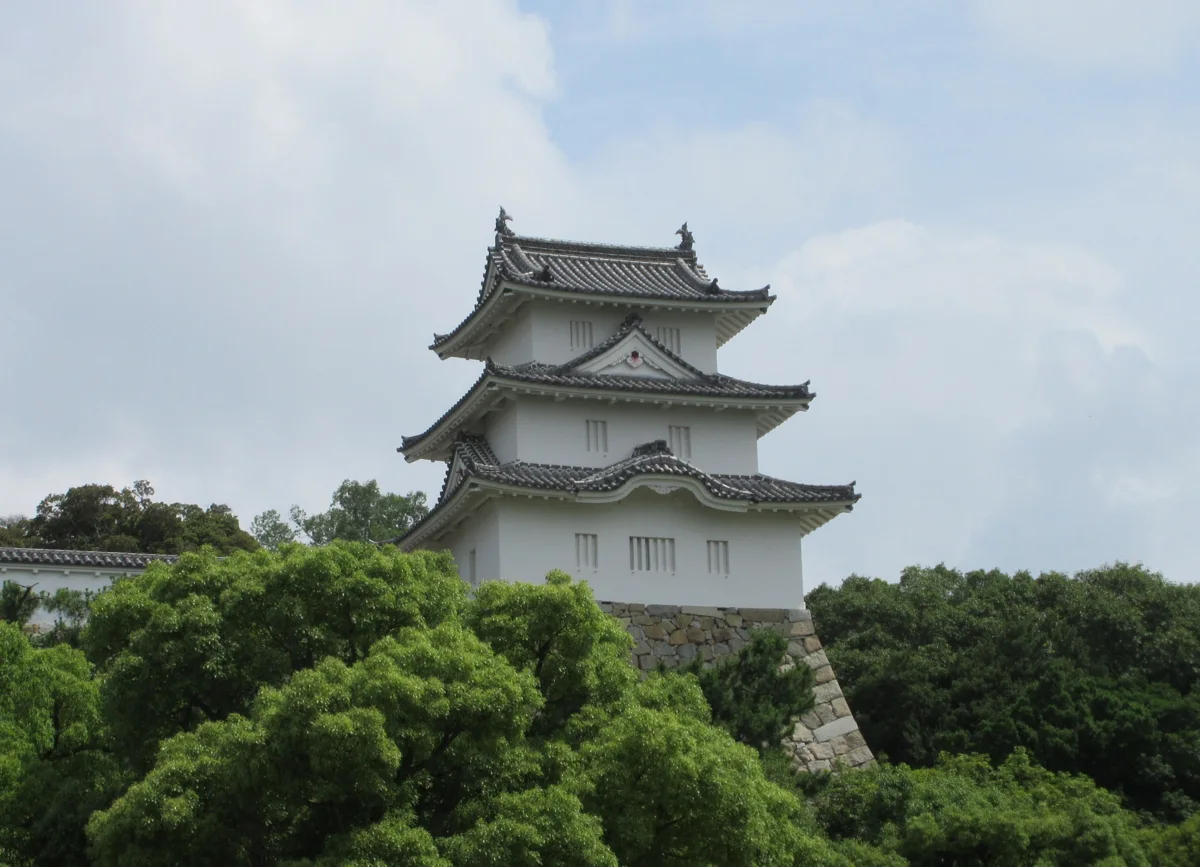
Akashi Castle is not a large main keep that you can routinely buy a ticket to climb. The outdoor focus is stone walls, enclosure spaces and surviving towers. Tower interiors open seasonally. Explore outdoors first and go inside on an opening date, so the visit does not depend entirely on doors and ticket times. With toddlers, one adult can take a short uphill branch while the others remain on flatter paths, agreeing where to reunite below.
The park’s autumn 2026 notice lists special opening of Hitsujisaru Tower on Saturdays, Sundays and national holidays from the third Saturday in September to the second Sunday in December, 10:00–16:00. This opening is for Hitsujisaru Tower; Tatsumi Tower is listed for spring. On weekdays, focus on exteriors and ruins. Add the interior on weekends rather than treating both towers as facilities guaranteed to open.
Rain, including light rain, can stop interior visits to protect the cultural property. A weather cancellation was recorded on 25 October 2026. On a wet day, take a short exterior route and move to a museum or market lunch, rather than waiting outside the tower for a change. If entering matters, arrive early on an opening day and put the planetarium in the afternoon, leaving time to adjust if access stops.
The park extends well beyond the two towers. A day trip need not cover every part. For plants or children’s play, make the park the morning focus and omit the cultural museum. For castle history, spend longer at the walls and main enclosure without adding a large circuit simply to complete the park. Choose lunch while walking downhill; crossing south of the station then leads naturally to Uonotana.
When to visit Uonotana: lunch is more useful than a pre-dawn start
The shopping street’s official FAQ states that each shop sets its own hours and closing days. There is no single opening or closing time for the whole street. For akashiyaki, prepared food and market browsing, keep time near lunch. Early arrivals can visit the castle until their chosen restaurant opens. Treating it as a fish auction requiring a pre-dawn arrival can miss your actual dining needs.
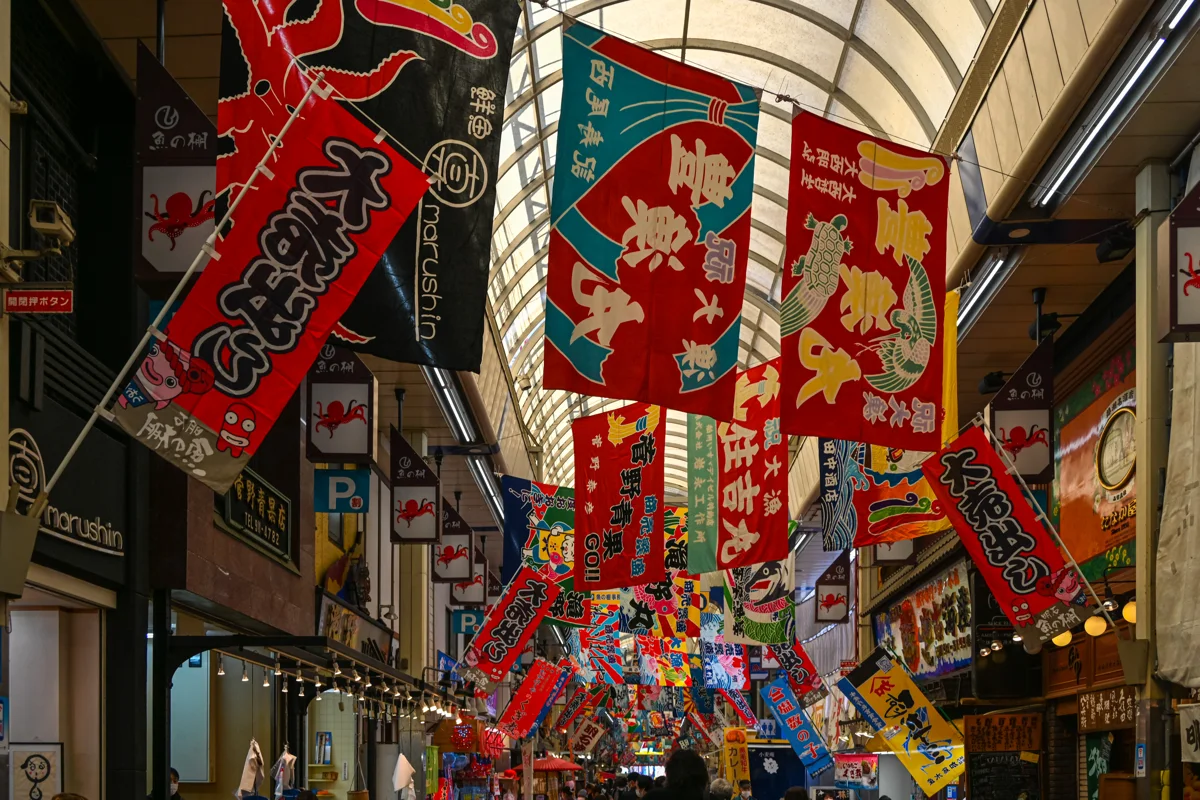
Thursday is the most useful date restriction: the street says there is no auction and more fishmongers and other shops close. The whole street does not close together, but choose another day first if you want to compare fish and prepared-food stalls. If Thursday is your only option, select an open lunch restaurant in advance and spend the remaining time at the castle and astronomy museum.
The tourism association lists a five-minute walk from Akashi Station to Uonotana, with a photographed route through station-front facilities and lifts. Save this entrance route for rain or pushchairs instead of searching for the nearest stairs at a junction. Inside, browse a short stretch before choosing lunch. A queue is useful only if it leads to food you want.
Shop for market produce before returning to the station. If spending two or three afternoon hours in a museum, eat hot food first and buy chilled or perishable seafood before leaving. Ask shops to explain storage and carrying instructions for each product, handling raw, cooked and dried goods separately. Kobe guests can shop last and return directly to refrigerate purchases. If continuing to shop in Osaka, dried or room-temperature goods are easier.
Ordering akashiyaki: check the portion before choosing lunch or a snack
Locally called tamagoyaki, akashiyaki are soft egg-batter balls containing octopus, usually dipped in broth. The tourism association’s food guide lists eggs, flour, wheat starch and octopus, cooked on a copper plate. Here, tamagoyaki means akashiyaki rather than the thick sliced omelette you might expect. If a shop serves other egg dishes too, point to the menu photograph.
Compare it with Osaka takoyaki through texture and serving style. Try a bite for the egg flavour, then use the supplied broth and seasoning without adding everything at once. Filling and soup are hot. For children, set one ball aside to cool before demonstrating the dip. Broth, batter and portion size offer more useful comparisons between shops than treating “most authentic” as the only criterion.
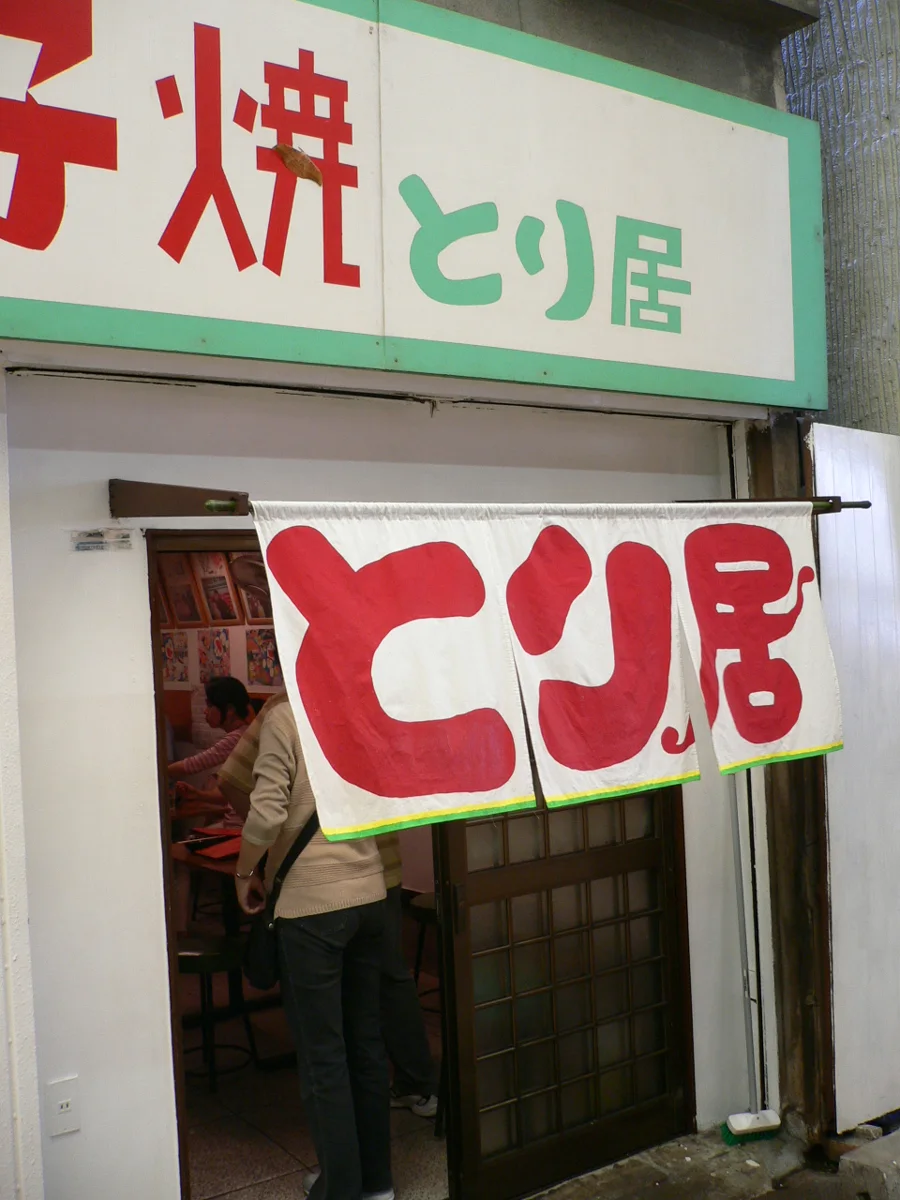
The shopping street’s current Torii listing gives ten pieces for ¥750 or 15 for ¥950, including tax. Hours are 11:00–16:00 on weekdays and 10:00–17:00 on weekends and national holidays, closing when sold out and on Thursdays. Choose the portion around other rice dishes or prepared foods you want. For an afternoon planetarium show, check restaurant opening and allow time to eat and walk to the museum.
Before sharing a portion, check the restaurant’s ordering and sharing rules. Some people make one portion lunch; others add sushi or rice. You need not copy another traveller’s appetite. Families can sit in one suitable restaurant, then buy a small amount of takeaway food. Sampling many items along the street without a seated break may leave children uncomfortable before an afternoon exhibition.
The astronomy museum has reopened: allow two or three hours
The Akashi Municipal Planetarium notice confirms reopening on 30 July 2026. The refurbishment closure that began in October 2025 has ended. Updates include projection images and sound, exhibits, lifts, observation spaces and the rooftop sundial plaza. October visitors can include it normally rather than following an old article’s refurbishment detour.
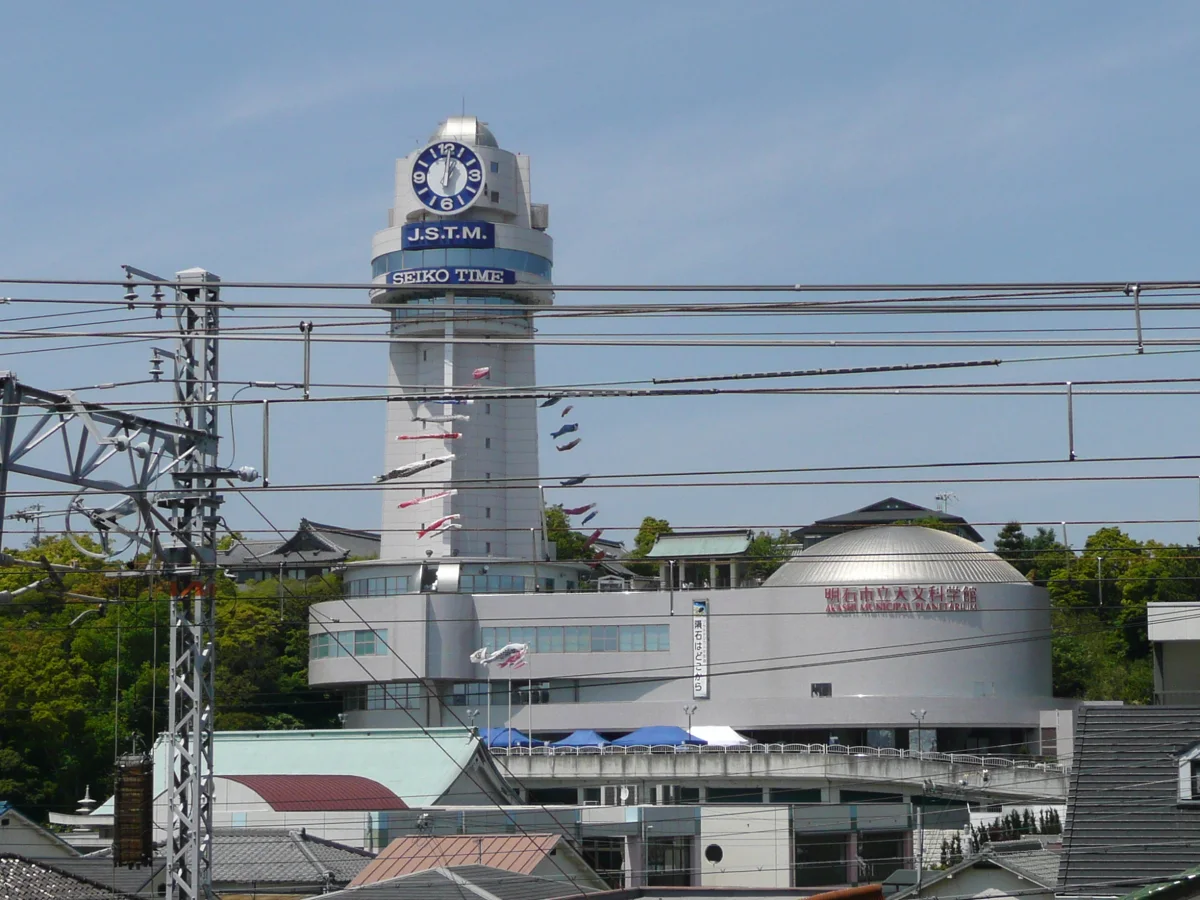
The museum introduces its displays through time, space and people. Treating it solely as a planetarium can miss how clocks measure time, how standard time is transmitted, and how the meridian relates to everyday time. Start in the time gallery with mechanical and atomic clocks and Japan Standard Time equipment, then explore space exhibits. Finish in the observation room, connecting the geography discussed indoors with the city and strait outside.
The museum describes its optical planetarium projector as Japan’s oldest still in service. It works alongside renewed full-dome imagery and sound, with live curator commentary central to the presentation. This has a different pace from a continuously playing short film. Visitors with limited Japanese should check topics and session times and consider how long children can sit. Those mainly interested in clocks and city views can devote more time to the exhibition floors.
The 2026 reopening exhibition, Hajime-ten, has temporary content. The museum lists it until 6 December, including Zeiss Model I unit number two. For astronomical equipment history, make this object a focus and compare it with the projection system still used in the building. From December onwards, plan around the current exhibition rather than treating a temporary loan as a year-round display.
The museum introduces its highlights in 135 seconds. Preview the combination of planetarium and exhibits before deciding how much afternoon time to spend indoors.
Allow another half-hour for clocks and Akashi’s identity as a city of time
If clocks interest you, compare two timekeeping methods in the time gallery. Updated displays include pendulum clocks, balance-spring clocks and atomic clocks, plus a Telephone JJY transmitter once used to distribute Japan Standard Time. Read an object label, then consider how regular movement becomes time. This makes the theme easier to grasp than reading every cabinet. With children, start by finding a familiar clock, then compare equipment that looks completely different, giving them a question they can answer.
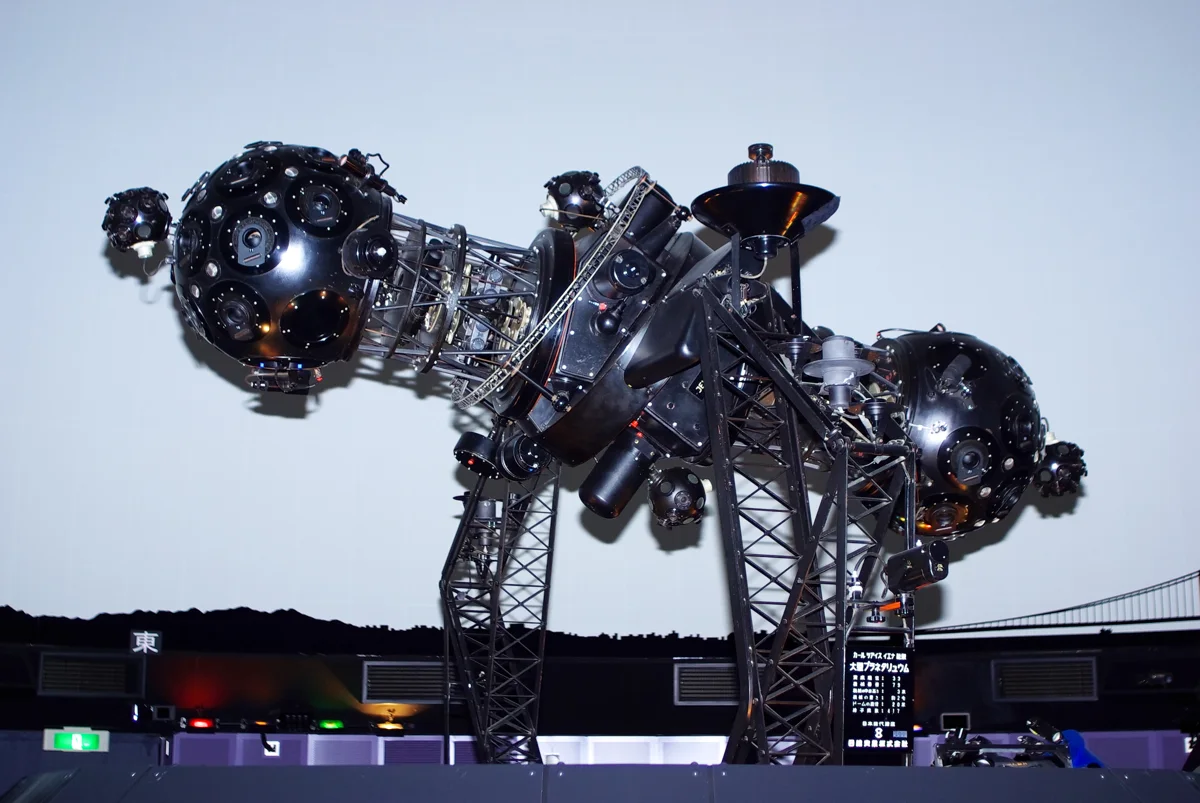
The retained optical projector and renewed full-dome images form another comparison. The first uses star points to show the night sky; the second can present space journeys and auroras. Read the equipment introduction after the show to connect the sky you saw with a physical machine. If equipment does not interest you, keep time for the observation room instead of inspecting every object because someone else calls it valuable.
The renewed rooftop sundial plaza has the Seiko Jellyfish Sundial. The museum’s notice records its donation after display at Expo 2025 Osaka, Kansai. Follow clock exhibits with this outdoor stop: understand different timekeeping tools inside, then see how sunlight relates to the installation. Without sunshine, observe its structure and labels. To see the shadow in use, choose a sunny period without postponing the whole day’s meals.
The observation room also makes a good ending. Locate the city areas you visited that morning, then the strait and distant bridge, reconnecting your walk from above. After a full afternoon inside, return to the station and see the bridge close up next day. If the day includes only the castle and museum, this open view is enough to finish it. Check the route back before leaving; dinner works either near Akashi Station or at your accommodation base.
Admission and session tickets: choose a show after buying entry
The museum’s official visitor information lists adult admission at ¥700, with free entry for high-school pupils and below. It includes the planetarium, exhibition and observation rooms. Ordinary planetarium shows use same-day session tickets, distributed from the 9:30 opening and collected at reception on entry. For a particular family show, visit first thing to secure an available time. Keep exhibits and projection together, entering before or after lunch for a direct route.
For finer timing, check the day’s projections on the museum homepage, then work forward from your train arrival. Session tickets and admission are handled separately. Agree the show as a group; people interested only in exhibits can meet in a public area afterwards. One fixed meeting point at lunch and another inside helps teenagers or older relatives avoid having to follow the same sequence on every floor.
The homepage gives ordinary projections as about 45 minutes. Add check-in, seating and movement before and after. You cannot leave the market five minutes before the show starts. For an afternoon show, eat earlier and view exhibits after reaching the museum. If restaurant waits grow, choose another show with available session tickets or focus on exhibits and views, avoiding a meal spent watching the clock.
Hours are 9:30–17:00, with last admission at 16:30. Normal closures are Mondays, the second Tuesday and year-end, with the official following-day closure rules when dates fall on national holidays. Thursday affects more market shops; Monday affects the museum. Choose another open date to enjoy both fully. If only Monday is free, visit the castle and market, then switch to the coast.
Include the senior discount directly in the budget. Visitors aged 65 and above from outside Akashi pay ¥350 for ordinary admission with proof of age. Free admission for Akashi residents requires separately specified local documents. Overseas visitors should use the age proof and ticket category available to them, rather than including resident discounts. Two adults accompanying an older relative can list ordinary and senior admission separately, then add lunch.
Children with free admission still need programme planning. Choose an age-appropriate projection type before travel rather than simply the session nearest arrival. General and child-oriented programmes vary by date and time. Choose one family show, then let individuals follow their interests in the exhibits. The value comes from what you see rather than the number of entries.
Walking to the museum: Akashi Station and Hitomarumae serve different needs
The museum lists about 1 km, or 15 minutes’ walk, east from JR Akashi Station, and about 200 metres, or three minutes, north from Sanyo Railway’s Hitomarumae Station. After a market lunch, walk through town. In heat or when companions are tired, compare the short Sanyo trip. A nearer station does not automatically make the whole route easier; consider entrances and the final uphill approach.
The tourism association’s facility page says Akashi Station has lifts and Hitomarumae does not. For pushchairs, wheelchairs or difficulty with stairs, a route from Akashi using its lifts, or a taxi, is more useful than choosing only the nearest station. Hitomarumae suits people able to use its stairs who want less street walking. Compare access requirements with distance to choose the right entrance.
At the museum, arrange admission and show times first, then move between floors. To preserve attention, make the time gallery or space exhibits the main theme and add the other if time allows. Families can put the observation room after projection for a change of view. Leave souvenirs until departure so bags need not follow you through every floor and the planned return is easier.
Rain alternatives: the cultural museum near the castle, or a full astronomy afternoon
The Akashi City Museum of Culture is about five minutes’ walk north of the station, on the castle side. Permanent displays explain local history through the natural environment and people’s lives. In heavy morning rain, visit it first, eat at the market and add a short castle walk if the weather improves. This saves effort compared with keeping a full large-park route.
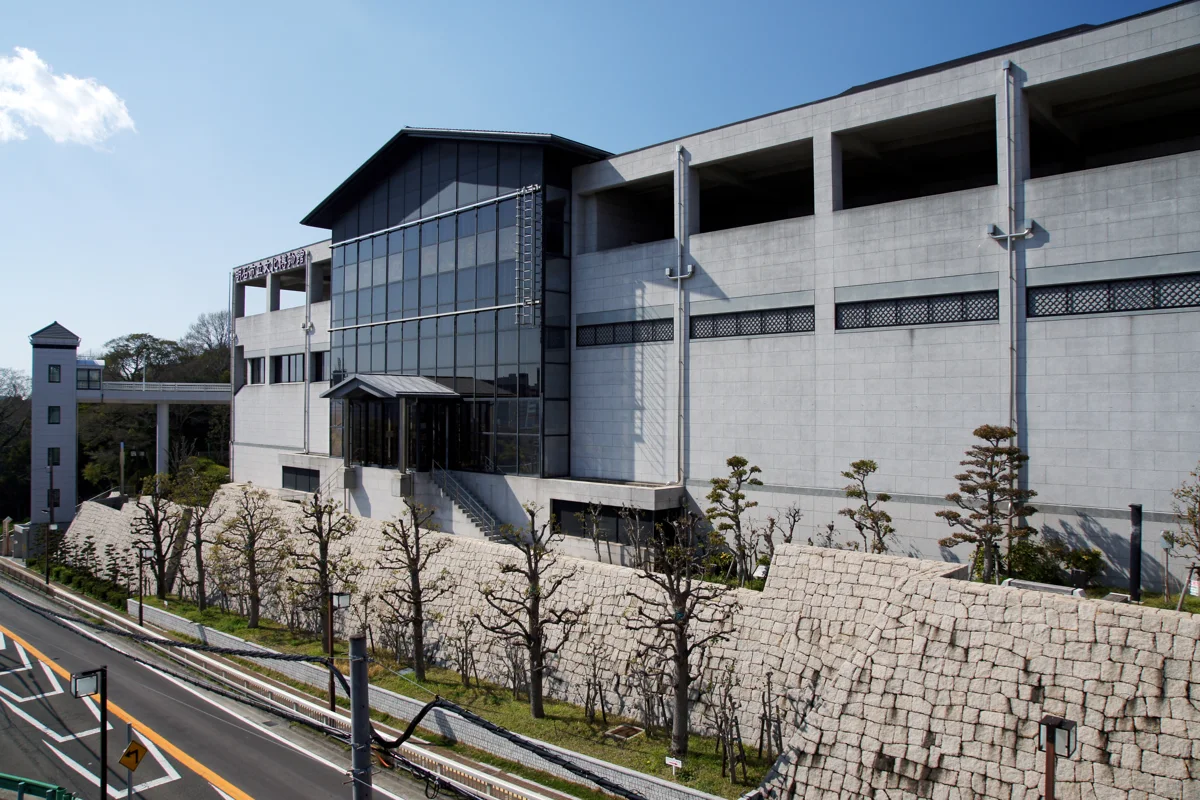
The museum’s ordinary admission table lists ¥200 for adults, ¥150 for university students and high-school pupils, and free entry for junior-high pupils and below. Special exhibitions have separate prices. Normal hours are 9:30–17:30, with last entry at 17:00; special exhibitions may extend them. For a special exhibition, use its own ticket page rather than applying the ¥200 permanent-display rate to every date.
The cultural and astronomy museums cover different subjects. Both fit a day only with less castle time and shopping. For a rainy family trip, make one museum the focus according to children’s interests and keep the other as an option. Check each museum’s Monday calendar: “visit a museum if it rains” still has date conditions. If both are shut, return to Kobe after market lunch and choose an indoor activity near your accommodation.
For sea views, use Asagiri for Okura Beach or Maiko for bridge structure
Okura Beach offers open views towards the strait, Awaji Island and Akashi Kaikyo Bridge. The city’s scenic guide lists about three minutes’ walk south from JR Asagiri Station. Take a train stopping at Asagiri from Akashi, then walk to the coast, rather than committing to the entire walk from the city centre. Special Rapid trains do not stop at Asagiri; check the calling points.
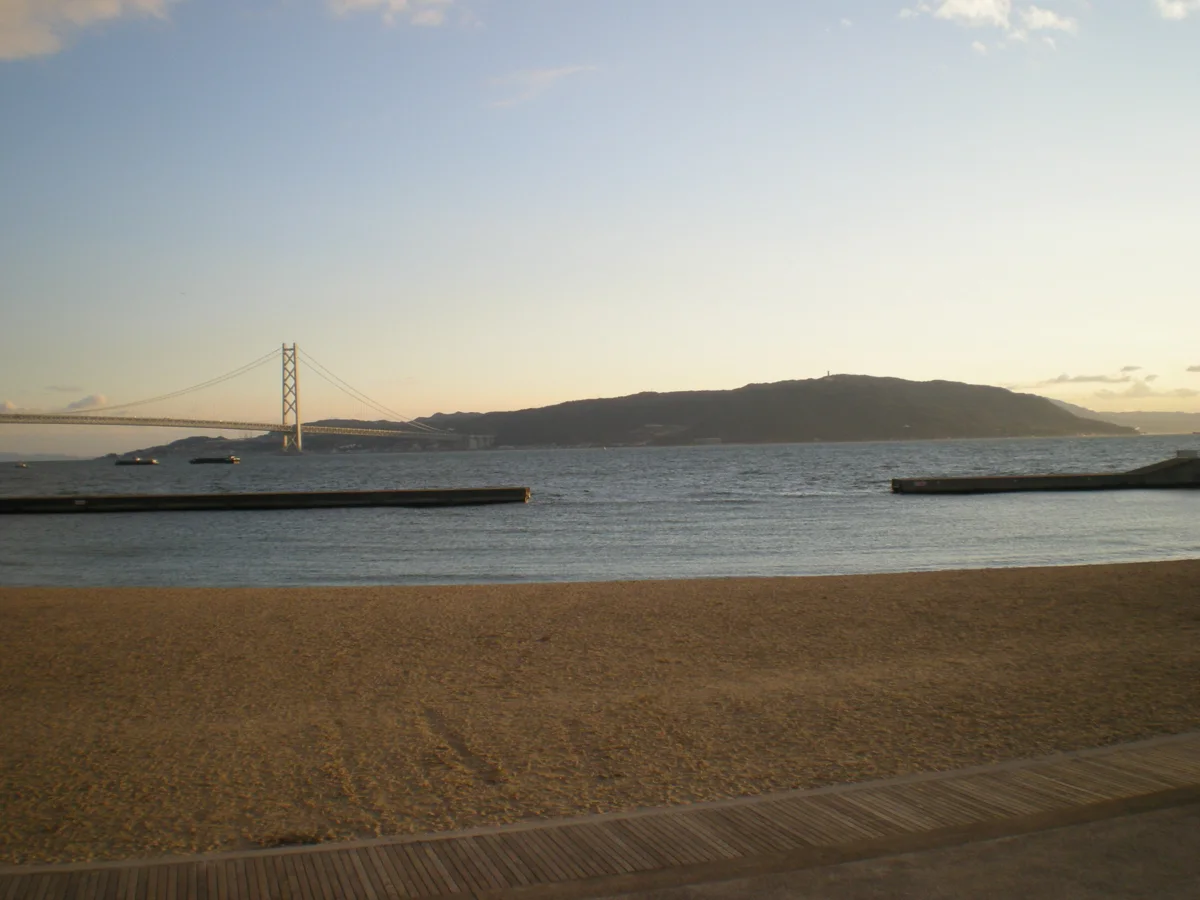
For a short seaside rest and photographs showing the strait and bridge together, make this the sole afternoon extension. Check wind and open areas, choose a gentle walk and turn back at a suitable point. The coastal park and eastern fishing area have separate access conditions. The tourism association’s eastern fishing-area page still marks partial restrictions. Follow open park and coastal routes rather than crossing fishing-area barriers as a viewpoint shortcut.
For a close view of bridge structure, choose Maiko Park on the Kobe side. Alight at JR Maiko or Sanyo Maiko-koen. The official Kobe tourism guide lists about five minutes’ walk to the park, then continue to the promenade entrance. From Akashi, choose a train stopping at Maiko without returning to Sannomiya. This works en route back to Kobe, but schedule entry before dark rather than adding it after the market and two museums.
Maiko Marine Promenade: enter beneath the bridge rather than viewing it from a beach
Maiko Marine Promenade is a circuit walkway at the Kobe end of Akashi Kaikyo Bridge. Official figures place it about 47 metres above the sea and about 317 metres long. Beneath the bridge, compare the scale of structure, sea and ships, including a more daunting glass-floor area. Companions uncomfortable with heights can choose their own viewpoint without everyone standing on transparent flooring for a photograph.
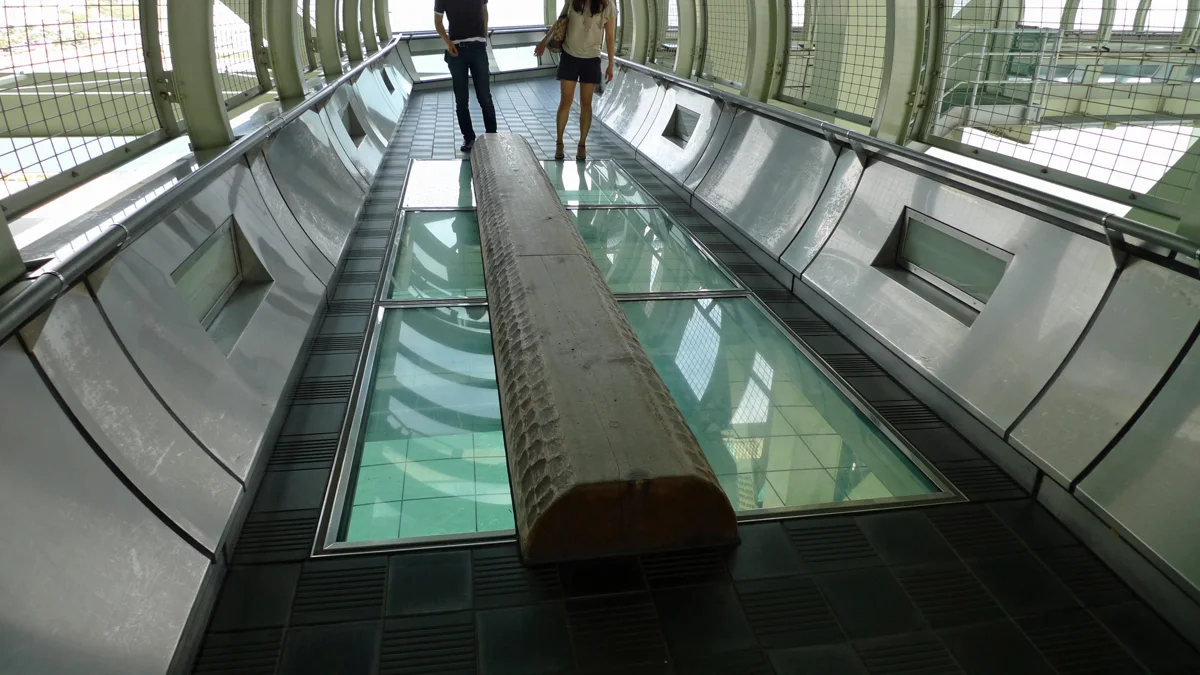
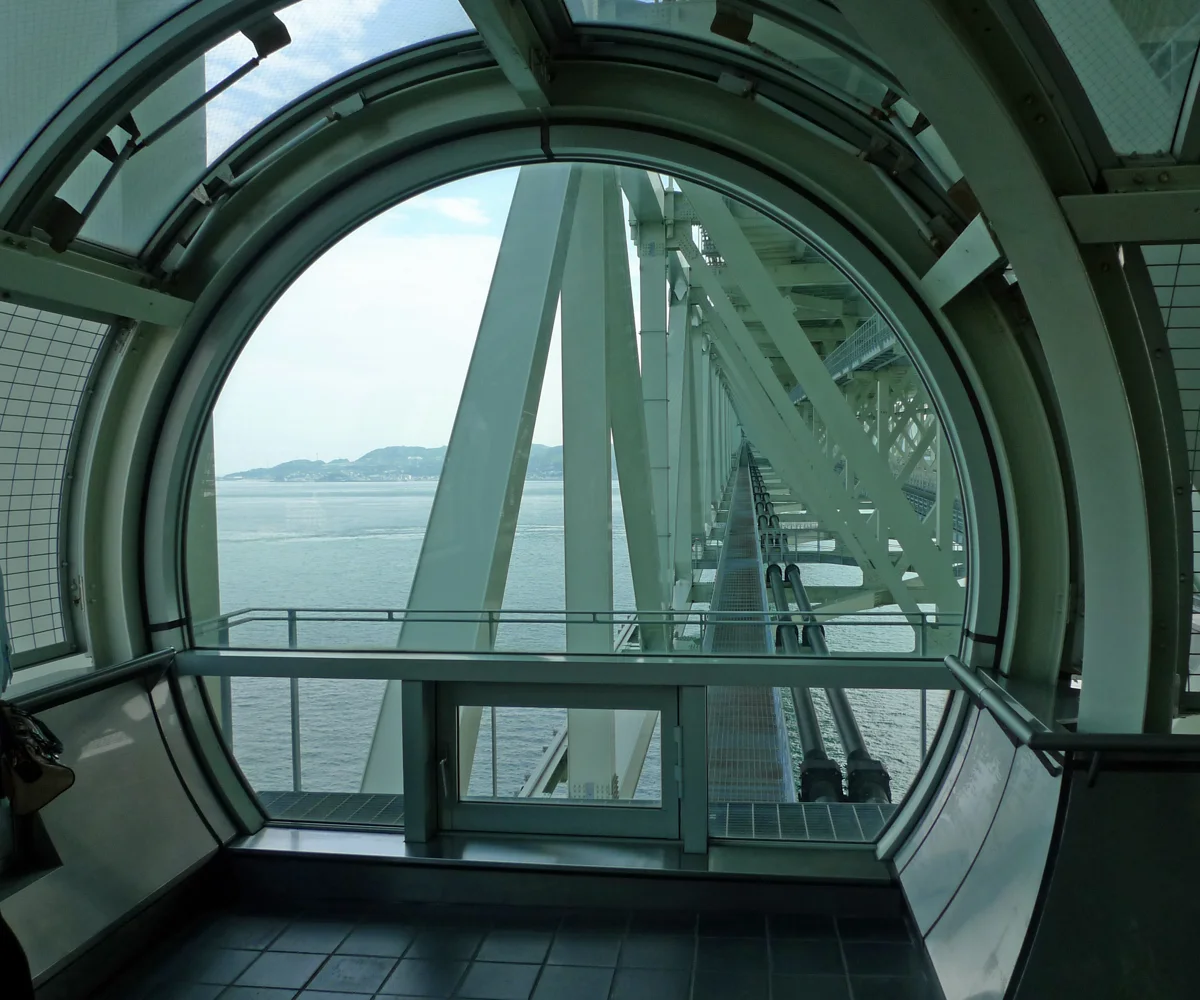
Adults pay ¥250 on weekdays or ¥300 on weekends and national holidays. High-school pupils and below enter free. Normal hours are 9:00–18:00, with last entry 30 minutes before closing. It closes on the second Monday of each month from October to March, moving to the following day for a holiday, and from 29 to 31 December. These are promenade details; nearby buildings and restaurants have their own hours. Plan extra museums separately rather than treating one ticket as a park-wide pass.
For a Maiko afternoon, keep Akashi Castle and the market simple in the morning. After lunch, take the train from Akashi, visit the promenade first, then sit by the sea in the park. In strong winter winds, shorten outdoor time. If the bridge visit satisfies you, return to Kobe from Maiko without going back to Akashi for another sea view in the same direction.
Two day-trip schedules: give lunch and projection their own time
For a city day, arrive in Akashi around 9:30, see the park walls and two towers, then go to Uonotana before midday. After lunch, allow a little shopping or coffee time before the astronomy museum. Use an available same-day session ticket for projection and exhibits, then return to Kobe in the late afternoon. If a particular show is the priority, go to the museum at opening, visit in the morning, eat lunch and walk the castle grounds afterwards.
Both orders need room for walking and food. An early projection does not fit a preceding akashiyaki restaurant that opens at 11:00. For more time with the loaned Zeiss exhibit, shorten the castle route. If a popular restaurant has a long wait, eat at another with seats and decide later whether to return to the market. A smooth day often depends on the right fixed point rather than an especially early hotel departure.
For sea views, follow the morning castle and market lunch with a train to either Asagiri or Maiko. At Asagiri, walk the coast and sit down. At Maiko, give the bridge walkway and park the whole afternoon. Families split between stars and bridge views can make two nearby day trips or extend to two days. Shrinking every stop to a photograph is unlikely to meet anyone’s expectations.
One night: Akashi first, then the coast towards Kobe
An overnight stay suits visitors wanting two market meals as well as the astronomy museum and Maiko. Spend day one at the castle, market lunch and museum, then eat near the station. After check-out on day two, go to Maiko for the bridge and a walk, then return to Kobe. Separating indoor visits and sea views removes the need to revisit the same market just to fill time or rush to the promenade before closing on day one.
Choose accommodation according to the next day’s direction. Akashi Station offers direct routes for the city and market; compare Nishi-Akashi for an early Shinkansen departure. For waking beside the sea and unhurried bridge views, compare Maiko accommodation separately. They serve different trips, so do not put them all in an “Akashi” search and sort only by price. Families should check beds, occupancy and luggage space before choosing the most convenient station.
You can also keep your Kobe hotel and split the plan into an Akashi city day and a Maiko half-day followed by Sannomiya. Given the short Sannomiya–Akashi journey, moving rooms can take more effort than the train. An overnight stay adds practical value for evening dining, westward travel next day or a clear preference for coastal accommodation.
Costs and dates: use current restaurant listings and separate paid experiences
For an adult city day, ¥700 astronomy museum entry plus Torii’s ¥950 portion of 15 akashiyaki totals ¥1,650. Add ordinary-period adult cultural museum entry at ¥200 for ¥1,850. This is a subtotal for the chosen meal and tickets. Add trains, other food and shopping. Replace the relevant item for a seafood meal or special exhibition.
For Maiko, an adult weekend promenade ticket at ¥300 plus the same ¥950 akashiyaki totals ¥1,250, before Akashi–Maiko trains and transport to and from your base. High-school pupils and below have free-entry rules at both the astronomy museum and promenade, so family costs differ mainly through food and rail. At the cultural museum, junior-high pupils and below enter free in ordinary periods, but high-school pupils pay. Apply each museum’s age and school categories separately.
For the easiest date, first avoid the astronomy museum’s normal Monday and second-Tuesday closures and the market’s higher Thursday shop closures. Then decide whether entering a castle tower is essential. For interiors, choose a suitable-weather weekend within the announced opening period. For fewer weekend lunch queues, see castle exteriors on a weekday and enter an akashiyaki restaurant early. Choose the main experience, then dates and costs, to turn an Akashi day trip into a specific plan.
A few useful answers
Is the Akashi astronomy museum still under refurbishment?
It reopened on 30 July 2026. Adults pay ¥700; high-school pupils and below enter free. Ordinary planetarium shows require a separate same-day session ticket.
Does all of Uonotana close on Thursdays?
There is no shared closing day, but Thursdays have no auction and more fishmongers and other shops close. Choose another date first for market browsing.
Can I walk from Akashi to Akashi Kaikyo Bridge?
For a close view of the bridge, Maiko Marine Promenade is in Maiko Park on the Kobe side. Take a train from Akashi that stops at Maiko, then walk. It works as an alternative afternoon route.
Official information and references
Sources used in this guide.
- Getting here | Akashi Tourism Association
- Hitsujisaru Tower autumn special opening 2026 | Akashi Park
- Questions and answers | Uonotana shopping street
- Uonotana shopping street | Akashi Tourism Association
- Akashiyaki (tamagoyaki) guide | Akashi Tourism Association
- Torii: current menu and hours | Uonotana shopping street
- Reopening announcement | Akashi Municipal Planetarium
- Hours, admission and access | Akashi Municipal Planetarium
- Akashi Municipal Planetarium | daily shows and official video
- Astronomy museum and station lifts | Akashi Tourism Association
- Akashi City Museum of Culture | exhibits and access
- Hours and admission | Akashi City Museum of Culture
- Ten Akashi views: Okura Beach | Akashi City
- Maiko Marine Promenade | Maiko Park
- Eastern Okura Beach: partial access restrictions | Akashi Tourism Association
- Maiko Park guide | Feel KOBE official tourism website
- Special exhibitions | Akashi Municipal Planetarium