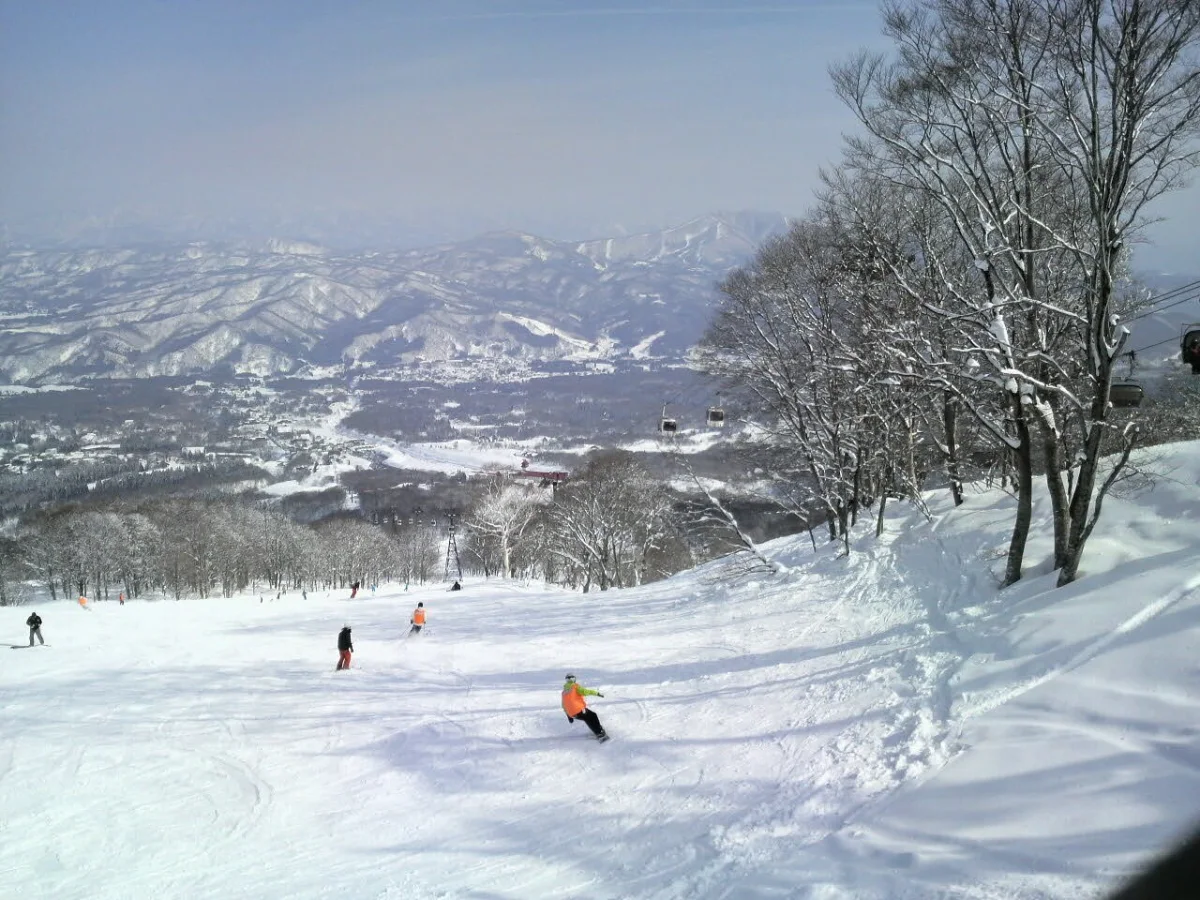
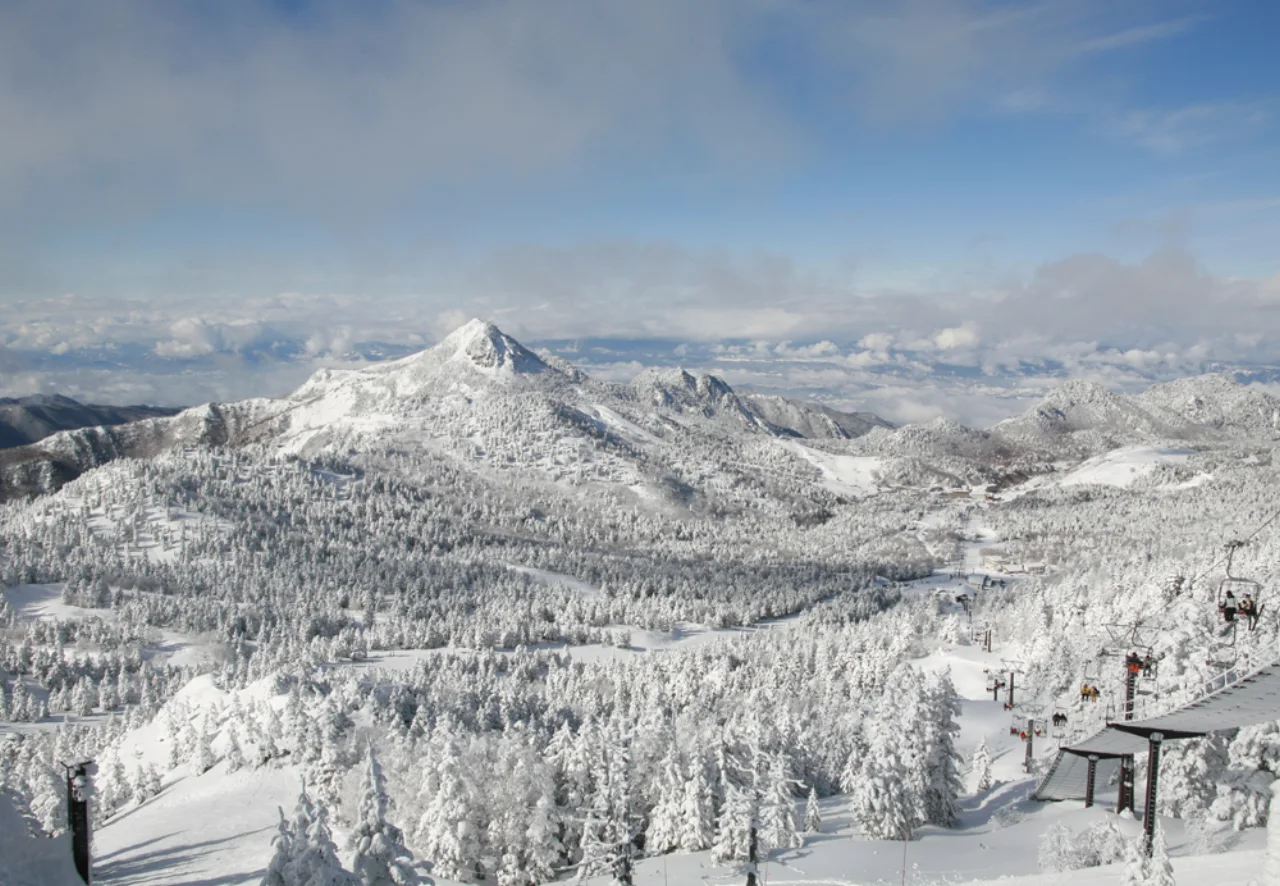
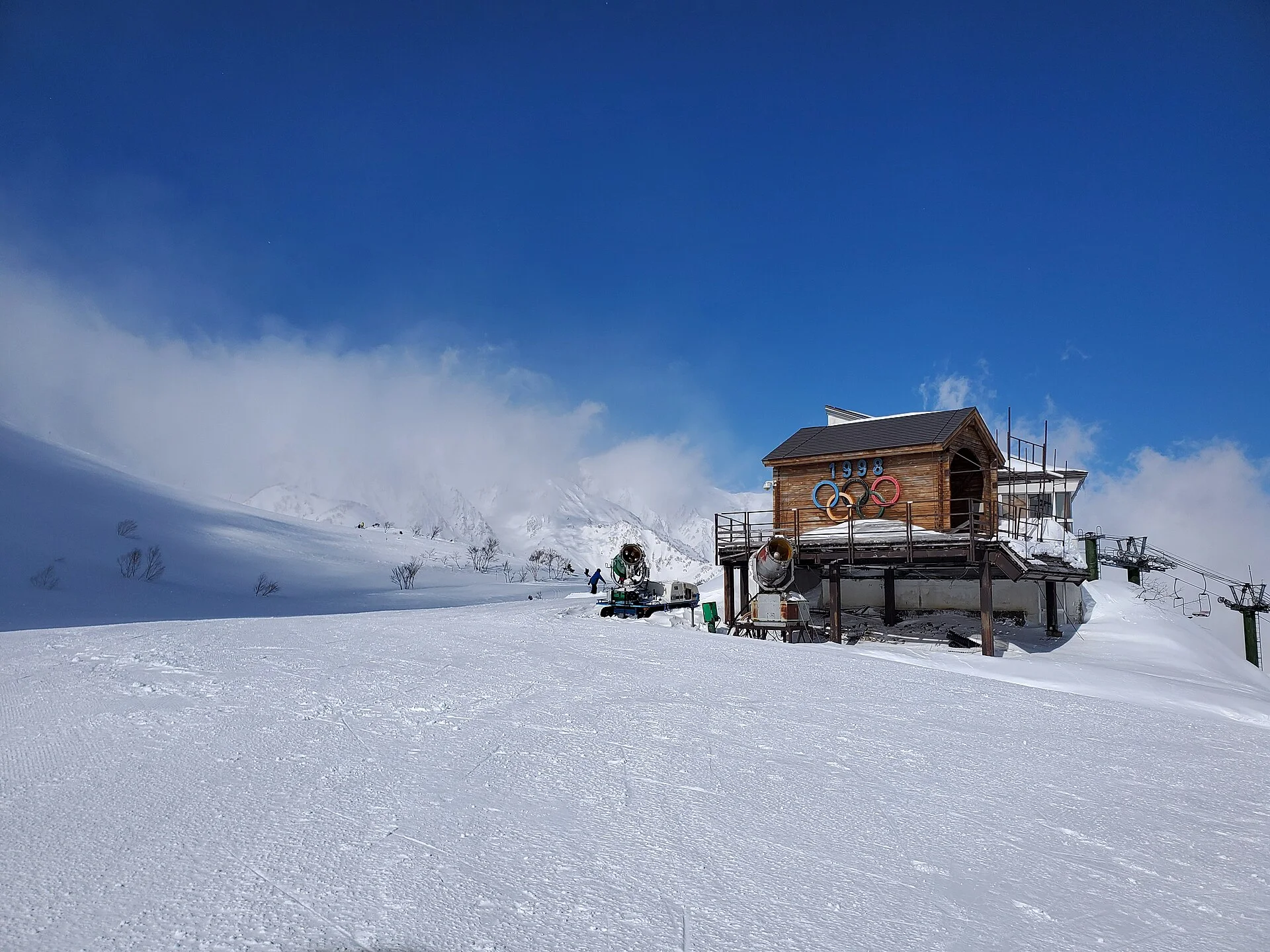
Choosing where to stay in Nozawa Onsen? Compare Oyu, Ogama-dori, Nagasaka, Hikage and Shinden/Nakao, plus Iiyama buses, 13 sotoyu public baths, winter shuttles and 2027 Dosojin Fire Festival entry rules.
- Region & Focus
- Nagano and Myoko ski resorts
- Reading Scope
- 20 min read · 11 chapters · 6 Q&As
- Official Verification
- 32 official sources checkedUpdated 22 November 2026
- Key Topics
- Where to stayHot springsRyokan
Chapter Route Map (tap any stop)
- Should you stay in Oyu, Nagasaka or Hikage?
- Four lodges: entrances, room types and getting back at night
- Reaching the village from Stop 4 at Iiyama Station
- Where each of the three village transport options goes
- How to use the 13 sotoyu baths — and where to leave your shoes
- Three walks linking Oyu, Ogama and Shinden
- Where to go in heavy snow, rain or when you need a shower
- Pick your ski meeting point before buying lift passes or booking breakfast
- Comparing room rates alongside meals, taxes and ski gear
- The 15 January 2027 Dosojin Fire Festival: booking rooms and spectator tickets
- Planning a one-night or two-night itinerary
- Quick Q&A
If this is your first trip to Nozawa Onsen and you want an even split between skiing and soaking in the baths, look for somewhere between Oyu and Ogama-dori. That stretch of the hot-spring street works well for an evening stroll after dinner and puts you within easy reach of the Yu Road moving walkway up to the Hikage ski area. If you plan to catch the first Nagasaka Gondola each morning, base yourself at the foot of Nagasaka instead. From Tokyo, take the Hokuriku Shinkansen to Iiyama Station and transfer to a bus taking around 25 minutes. If you are hoping to see the Dosojin Fire Festival on 15 January 2027, apply for spectator tickets through your village accommodation as soon as you book.
Should you stay in Oyu, Nagasaka or Hikage?
Mark both your ryokan entrance and your first stop each morning on a map together. Oyu sits at the heart of the hot-spring street, roughly a five-minute walk from the Chuo Bus Terminal. For travellers who want to drop bags on arrival, wander around the sotoyu public baths in the afternoon and take a short walk after dinner, looking between these two landmarks is the most straightforward option. On a one-night first visit with dinner included at your ryokan, your day-one walking can shrink to just the terminal-to-ryokan and ryokan-to-Oyu stretches, leaving the rest of the baths for the following morning.
Looking further along from Oyu towards Ogama-dori and Kamitera-yu, rooms close to the Yu Road let you head up to Hikage by day and eat back in town at night from the same base. Further uphill near Ogama, daytime walks pass the steaming hot-spring source and public bathhouses, though hauling wheeled suitcases up the slope adds extra effort. If some in your group are skiing while others want to explore the village, staying on the hot-spring street lets everyone head out separately in the morning and meet back around Oyu in the afternoon. Book up on the ski slopes, and anyone staying off-piste faces an uphill trek every day.
The base of Nagasaka suits skiers bringing their own kit for several consecutive days on the mountain. Search using Nagasaka Gondola Nagasaka Station as your anchor, then check whether the walk in ski boots involves a steep climb. Heading to the Chuo Terminal for dinner and heading up the mountain pull you in opposite directions. If anyone in your party needs to reach the Hikage nursery or kids' snow park every morning, pick somewhere with an easy walk to the Yu Road so you can skip the Nagasaka-to-Hikage transfer.
Shinden and Nakao sit on the lower side of the village and suit visitors who want quick access to the Iiyama bus and either Shinden-no-Yu or Nakao-no-Yu. When room rates are similar, pin your ski rental shop on the map too. Collecting gear first and then boarding a bus feels very different from riding the shuttle first and changing boots at the mountain base. Shinden connects to the village ski shuttle. If you stay in Nakao, pin the specific shuttle stop you will actually use rather than assuming the free ski shuttle stops wherever the Iiyama bus serves Shinden and Nakao.
| Area | Easiest daily routine | What to check on the map when booking |
|---|---|---|
| Oyu & Chuo Terminal | Sotoyu bath-hopping, dining out and late arrivals | Walking route from the bus terminal to your lodge entrance |
| Ogama-dori & Yu Road area | Morning ski lessons at Hikage, afternoons back on the hot-spring street | Village-side entrance of the Yu Road and the slope outside your lodge |
| Nagasaka base | Riding the Nagasaka Gondola up every morning | Your walking route in ski boots and how you will get back at night |
| On the Hikage slopes | Multi-night stays, families playing in snow or Hikage lessons | The Yu Road and the lodge's winter-access entrance |
| Shinden & Nakao | Taking the Iiyama bus and soaking in the lower sotoyu baths | Separate locations of the Nozawa Onsen Liner stop and village shuttle stop |
Choosing where to stay in Nozawa Onsen? Compare Oyu, Ogama-dori, Nagasaka, Hikage and Shinden/Nakao, plus Iiyama buses, 13 sotoyu public baths, winter shuttles and 2027 Dosojin Fire Festival entry rules.
Four lodges: entrances, room types and getting back at night
To stay right by Oyu, start with Ryokan Sakaya. The ryokan states it is a three-minute walk from the Chuo Terminal, with check-in at 15:00 and check-out at 11:00. It has men's and women's indoor baths fed by its own hot-spring source, plus a bookable private family bath called Matsu-no-Yu. From 1 December 2026 to 31 March 2027, the main building offers a winter bed-and-breakfast plan, so you can dine out in the village while still soaking on site. Standard 10-tatami Japanese-style rooms have en-suite facilities and sleep two to four guests under that plan. If you are travelling with young children trying a Japanese onsen for the first time, enquire about private-bath slots in advance, line up your arrival time with dinner, and leave browsing the shops around Oyu for after you settle in.
For another bath-focused stay, look at Kiriya Ryokan along Ogama-dori. The property lists the Yu Road as roughly 250 metres away, a five-minute walk, with Furusato-no-Yu right next door for daytime soaking. All 15 guest rooms have a toilet, six have private bathrooms, and the main building is three storeys with no lift. When travelling with older relatives, request a floor they can manage comfortably before deciding between the shared large baths and an en-suite room. Guests planning to bathe around the village can schedule nearby public bathhouses during the day and stay in after dinner.
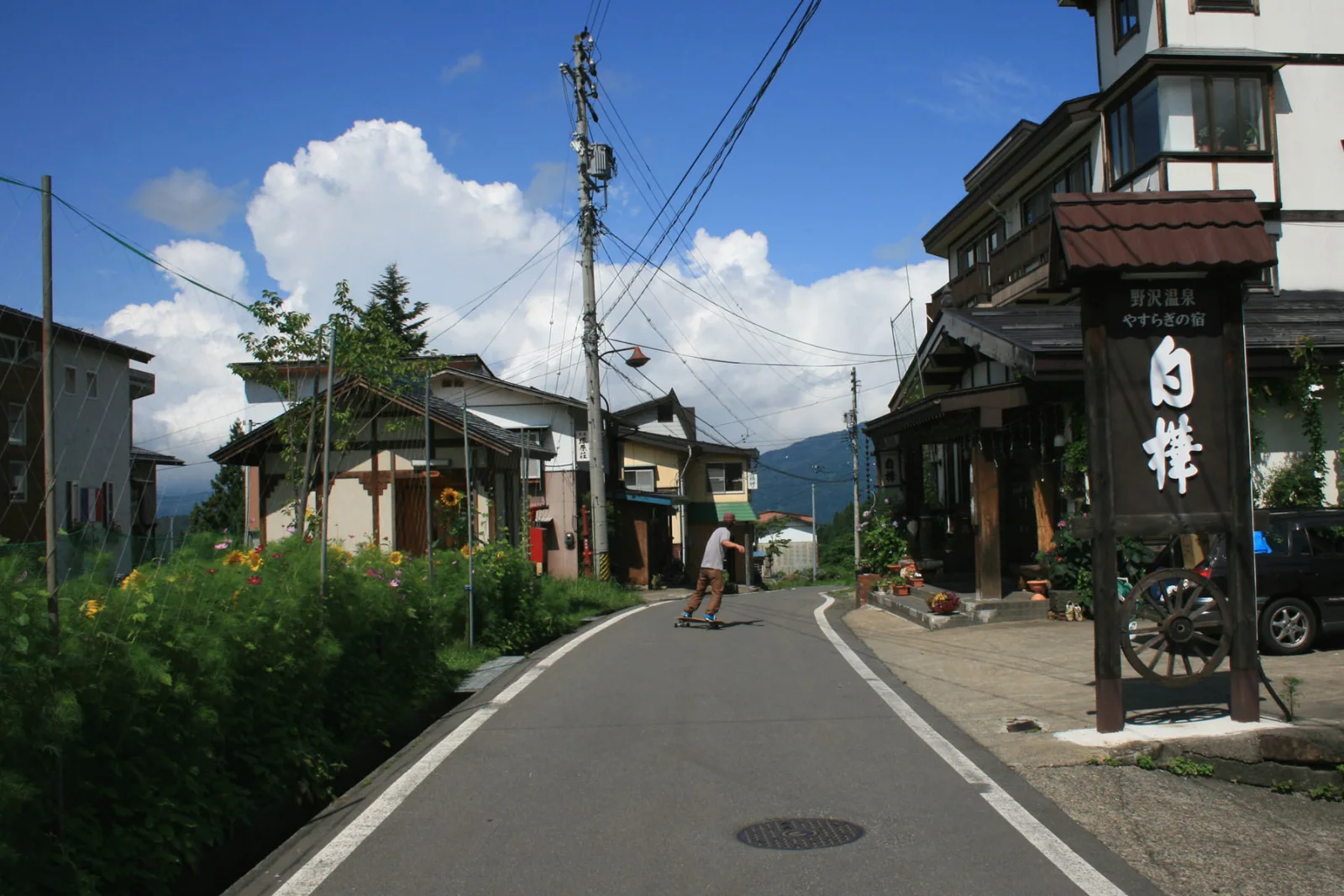
If you want an easy gear-rental setup on the hot-spring street, consider Yasuragi no Yado Shirakaba, pictured above. Shirakaba's website lists accommodation, its cafe-restaurant and ski/snowboard rental separately, allowing guests to book a room first and rent gear only for the days they ski. Winter bookings open on its website in July 2026. Anyone arriving for the 28 November early-season opening will encounter main-building renovations: the main building is closed until 30 November, while the annexe remains open with check-in moved to Shichibei Coffee. During that period, guests can use the private open-air bath and sauna, while the large communal bath is temporarily closed.
For slope-side stays at Hikage, there is Lodge Denbey. The road up to the main building closes in winter; drivers should set their satnav to the hot-spring-street annexe, Yakata Denbey, while bus travellers can drop luggage at the annexe and ride the Yu Road up the mountain. Its current timetable lists the last luggage snowcat up from the annexe at 17:00, noting that the snowcat primarily carries bags. Even without dinner, check-in closes at 20:00. Travellers leaving Tokyo in the evening should spend night one at an easily reached village lodge and move up to the slopes the next day.
This slope-side lodge generally requires a minimum two-night stay from December to March, with exceptions on select dates. If you only have Saturday night, pick a place just below the Hikage entrance instead and ride the Yu Road up in the morning to meet at Hikage. When friends arrive early and family members arrive after dark, factor luggage and people separately to see who can make the cut-off. Put the person arriving at midday as the lead booking name and share the last person's train and bus times with the property.
Reaching the village from Stop 4 at Iiyama Station
From Tokyo, Ueno or Kanazawa, board a Hokuriku Shinkansen service that calls at Iiyama. Enter 'Iiyama' when searching for tickets so you do not accidentally book Togari-Nozawaonsen Station, despite 'Nozawaonsen' appearing in its name. The tourist association notes that neither Togari-Nozawaonsen Station nor Kamisakai Station has public transport connections to the hot-spring village. At Iiyama Station, exit via the Chikumagawa Exit for Bus Stop 4. The bus operator marks ticket machines just to the left outside the Chikumagawa Exit, so one person can buy tickets while children or ski bags wait by the stop.
The Nozawa Onsen Liner runs year-round and does not require reservations for individual travellers. A single fare between Iiyama and the village is ¥600 for adults and ¥300 for children aged 7 to 12, as listed by the operator. Ticket machines operate at both Iiyama Station and the Chuo Terminal. When paying by Suica, each passenger needs their own card — tapping one card multiple times for a group is not permitted. On the return leg, if boarding at intermediate stops such as Shinden, Nakao, Maesaka or Kita-Iiyama, carry cash as instructed by the operator. If two of you are staying several nights and using the Shinden stop, keep the exact cash for two return fares separate from your sotoyu bath coins.
On the winter timetable from 1 December 2026 to 31 March 2027, the 12:30 departure from Iiyama reaches the Chuo Terminal at 12:55, leaving plenty of time to drop bags, eat lunch or walk to Oyu. The final bus leaves Iiyama at 21:20 and arrives at the Chuo Terminal at 21:45. Both buses take a scheduled 25 minutes; the difference is how much check-in margin remains once you arrive. If you expect a late arrival, add the walk from the bus terminal to your lodge and notify the property in advance. For half-board stays, switching to an earlier train to match check-in and dinner times is usually more reliable than trying to scramble connections at Iiyama.
In winter, the last return Liner leaves the Chuo Terminal at 19:35 and reaches Iiyama at 20:05. For a ski-then-depart day, you can use the 16:40 bus arriving at Iiyama at 17:05 as a planning benchmark, booking your Tokyo-bound train from that day's JR timetable with extra buffer for snowy roads. Heading west from Iiyama towards Kanazawa requires checking the westbound Shinkansen timetable instead. If only one connection gets you onto the day's last long-distance train, finish gear shipping, bag pick-up and eating before that window rather than squeezing them between buses.
Screenshot both outbound and return Liner timetables before buying Shinkansen tickets so you have stop names and departure times on one screen. Evening buses run far less frequently, and missing one can throw off dinner. With bulky luggage, use the lockers marked on the official Iiyama Station map to sort gear first, packing items in reverse order for the return trip. If you are skiing early the next morning, check in as soon as you reach the village and pack boots, gloves and your meeting-point details into one bag so you are not hauling suitcases back and forth at reception.
If you are travelling with young children or heavy bags and bus times do not align, the tourist association states that an Uber rideshare service operates around Nozawa Onsen and Iiyama Station from 11 December 2026 to 25 March 2027, between 08:00 and 22:00, with fares shown in the app. Rides can be hailed on demand or pre-booked within the operating period for an additional ¥700 booking fee. It works well for bridging timetable gaps. If your train arrives after 22:00, arrange late village entry or a next-day transfer directly with your lodge.
Where each of the three village transport options goes
The Liner from Iiyama terminates at the Chuo Terminal. To reach Nagasaka, transfer to the ski resort's free village shuttle bus. Running from 12 December 2026 to 28 March 2027, it loops via Shinden, the Chuo Terminal and the Yokochi minshuku street, also calling at SPArena and Karasawa Car Park 2 before returning to Nagasaka Car Park 1. From the Chuo Terminal to Nagasaka, the first weekday bus departs at 08:13 and the last at 16:43; on weekends, public holidays and from 26 December to 3 January, a separate timetable column applies with the last departure from Chuo Terminal at 16:38. The final shuttle back to the village leaves Nagasaka at 17:00.
The free route up to Hikage is the village-side Yu Road moving walkway. The resort's standard operating hours list it as 08:00–16:40, making it the cleanest way to head up early and come down in good time for playing in the snow, taking lessons or watching friends ski. Guests staying at the foot of Nagasaka who want to reach Hikage can ride the resort's Naski-go snow shuttle from 19 December 2026 to 28 March 2027; it runs continuously between 08:30 and 16:30, boarding beside the Nagasaka Center House and dropping off outside the Hikage Information Center. It costs ¥750 each way even if you hold a lift pass, with one pre-school child travelling free per paying adult. For families meeting at Hikage every day, riding straight up the Yu Road usually saves time spent queuing and hunting for stops.
Skiers and non-skiers in the same group do best with two meeting points: split up at your morning destinations, then regroup at the Chuo Terminal or your lodge lobby in the afternoon. If meeting at Nagasaka, specify 'Nagasaka Center House' or the gondola entrance, since changing rooms, rentals, ticket counters and boarding gates sit in separate spots. Anyone planning to night-ski back down from Nagasaka should walk the downhill lane in ordinary shoes before dark. The free village shuttle stops in the early evening, so factor in that walk before booking a lodge far from the night-ski slopes.
If driving to the village, save your lodge's designated car park as a second pinned location. The Chuo Terminal is reserved for buses and closed to private cars. Shinden Multi-storey Car Park opens 24 hours year-round with a 2.1-metre height limit; standard cars pay ¥100 per hour for the first 12 hours and ¥100 per two hours thereafter. Check vehicle height immediately on pick-up if your rental car has a roof box fitted. Once checked in, walk between your room, the sotoyu baths and restaurants. For daytime skiing from Nagasaka, Resort Car Park 1 is aimed at day-trippers, so overnight guests are usually better off leaving their car at their lodge.
How to use the 13 sotoyu baths — and where to leave your shoes
Sotoyu are communal bathhouses maintained for residents by local 'Yunakama' bath guilds. Visitors are welcome to use them; there is no fixed admission fee, just a voluntary donation box by the entrance. Bring a small towel to dry off with and leave spare clothes neatly packed back at your lodge. A few coins and your room key are all you need — leave skis, pads, bulky wallets and large bags behind. Bring your own toiletries, as washing stations are much simpler than at paid bathhouses; if you want to wash and blow-dry hair or dress young children comfortably, wait until you return to your accommodation or visit a paid day-use bath with full showers.
Check the men's and women's signs at the entrance, take your shoes off in the vestibule and leave your coat in the changing area. Wash thoroughly first, then scoop a little bath water with a bucket to test the temperature. Keep towels and hair out of the bath water. Both Oyu and Kumanotearai-yu have separate hot and milder tubs, so first-timers can start in the cooler one. Parents should test the water themselves before deciding how long children stay in. Ask other bathers before adjusting tap water temperatures, and turn taps fully off when finished. Keep phones and cameras zipped inside your bag until you are dressed and back out on the street.
According to the tourist association, Oyu, Kawara-yu, Matsuba-no-Yu, Shinden-no-Yu and Nakao-no-Yu share standard hours of 05:00–23:00 from April to November and 06:00–23:00 from December to March. Shin-yu and Juodo-no-Yu open 06:00–22:00, while Taki-no-Yu closes at 21:00 in summer and 22:00 in winter. On a winter night, heading from Oyu over to Shin-yu half an hour too late may leave time for only one bath. When planning two stops, visit the earlier-closing bathhouse first and save Oyu for the walk home.
Three walks linking Oyu, Ogama and Shinden
On a gentle family stroll from Oyu, head slightly downhill towards Kawara-yu to compare the proportions of the two wooden bathhouses. Kawara-yu has hotter water and tighter space, so first-timers with children can simply admire the building and return to Oyu's milder tub. If Oyu's changing area looks crowded, browse nearby shops or eat first and check the doorway again later. Scheduling a bath either before or after dinner gives you breathing room to swap the order when a bathhouse is busy.
Walk uphill along Ogama-dori in the afternoon to see the villagers-only Ogama hot-spring source beside the street. Designated a village Natural Monument, its water nears 90°C; locals blanch vegetables and boil eggs there while visitors watch from behind the barrier. For bathing, head instead to the public bath Asagama-no-Yu or the nearby paid bathhouse Furusato-no-Yu. Their Japanese names differ by only a couple of characters, so save the exact addresses separately to avoid someone waiting at the steaming source while others are at the bathhouse.
Once you have tried Oyu, save the next morning for Kumanotearai-yu. The tourist association notes it as one of Nozawa's easier baths to enter, with both hot and warm tubs plus an onsen-egg boiling pot for visitors opposite the entrance. To boil an egg, bring eggs and a net bag, lower them into the visitor-designated pot and follow the timing sign posted on site. The official guide puts a typical soak at around 20 minutes — enough for a brisk stroll in cold weather before collecting them. Matsuba-no-Yu, Juodo-no-Yu and Kamitera-yu also list egg pots. The Yurari footbath and egg pot beside Ogama close in winter, so switch to these sotoyu egg spots during ski season.
Guests staying in Shinden or Nakao can keep those two baths for arrival day or departure morning. Shinden-no-Yu stands opposite Nishinomiya Shrine and moved to its present site in 2018. Nakao-no-Yu sits on the south side of the village and is the largest of the 13 sotoyu, offering hot and warm tubs alongside a roomier washing area. Drop luggage at your accommodation straight off the bus and walk over empty-handed. Head up to Oyu for dinner only if you still have energy, and when leaving from the same side the next morning, you spare yourself dragging suitcases across the whole village.
If you want to explore the sotoyu without bathing in every one, buy a stamp-collecting booklet. The tourist association's village-wide trail covers 27 stamp stations, with stamp stands at all 13 sotoyu alongside cultural halls, shrines and the monument marking the birthplace of nozawana greens. With older relatives, choose neighbouring spots at a similar elevation and meet at the door. Note that Matsuba-no-Yu's baths are on the second storey, as is the men's bath at Juodo-no-Yu — check entrance layouts and floor levels if anyone needs to avoid stairs.
Where to go in heavy snow, rain or when you need a shower
Around Ogama-dori, if rain sets in or you would rather not walk far in snow boots, go to Furusato-no-Yu in Ogama Onsen Park. It provides showers, shampoo and body wash, with towels sold at reception. Winter hours from roughly mid-December to March are 11:00–20:00 (last entry 19:30), while summer hours from April to mid-December run 10:00–19:00 (last entry 18:30). It closes on Thursdays, opening on public holidays and closing the following day instead. Admission is ¥700 for adults, ¥500 for primary-school age and under, and free for children aged two and under. Check the last-entry column if you plan to bathe before dinner.
Near Nagasaka or Karasawa, head to Nozawa Onsen SPArena when you want a post-ski shower, somewhere warm to wait for friends, or a bath you can share in swimwear. It has gender-segregated indoor baths alongside a large open-air pool for swimwear. Entry costs ¥900 for junior-high-school students and above and ¥700 for ages three to primary school, with swimwear hire at ¥300 plus a ¥1,000 refundable deposit returned when you hand the suit back. The official winter page lists the building opening at midday from 19 December 2026 to 28 March 2027, with bathing hours from 14:00 to 20:30 (last entry 20:00). You can use its restaurant for a midday break and save your soak until the afternoon. If staying late, check the walking route back to your lodge when stepping off the shuttle.
When high winds shut the upper gondolas, take shelter indoors at the Oborozukiyo Museum (Hanzan Bunko). Dedicated to Tatsuyuki Takano, lyricist of the songs 'Furusato' and 'Oborozukiyo', it opens 09:00–17:00 (last ticket 16:30) at ¥300 for adults and ¥150 for primary and junior-high pupils. It normally closes on Mondays (or the Tuesday after a Monday public holiday), staying open continuously over the New Year holiday. If it happens to be closed too, spend the afternoon in your lodge bath or the nearest sotoyu, keeping the steep walk up to Ogama for clearer underfoot conditions.
On nights of heavy snowfall, the first thing to drop from your plan is the furthest bathhouse. Walking downhill is easy enough, while the return requires crossing junctions and climbing back up; switching to a bath on the same side of the street avoids icy side lanes. Pack waterproof shoes with grip, carry a spare pair of dry socks and hang damp layers out to air back in your room. If part of your group just wants a comfortable soak in swimwear, split between SPArena and the free sotoyu in the afternoon and meet back in your room before dinner.
Pick your ski meeting point before buying lift passes or booking breakfast
The ski resort announces a scheduled early-season opening on 28 November 2026, an opening festival on 19 December, and a season running until 5 May 2027. For a late-November overnighter, treat hot-spring bathing as the main event and choose a lodge with indoor baths within walking distance of Oyu. Families wanting Hikage's full children's facilities are better off waiting until 19 December or later. At the other end of the season, 28 March is the last day of the free village shuttle, and from 29 March the resort closes the lower home-run trails listed in its notice — anyone heading up in spring must leave time to ride the gondola back down before check-out.
The Hikage Kids Park and the Hikage Information Center nursery can be paired in a single morning. For 2026–27, the Yumin nursery runs from 19 December to 28 March for children aged one to six, at ¥4,000 for half a day or ¥7,000 for a full day. Sessions run 08:30–12:00 and 13:00–16:15, closing for an hour at lunchtime, so full-day users still need to arrange midday pick-up. Bookings open on 16 November 2026. If your child naps back at the hotel after lunch, staying on the hot-spring street near the Yu Road is far less hassle than queuing twice for snow shuttles. When siblings split between ski school and the nursery, double-check the meeting spot on both confirmations so parents can hand over smoothly.
Regular lift-pass pricing applies from 19 December 2026 to 28 March 2027: an adult one-day pass is ¥7,800, a consecutive two-day pass is ¥14,500, and a four-hour pass is ¥6,700 (running for four consecutive hours from the first gate scan). Buy the two-day pass if you will ski two full days. If arrival day includes check-in, boot fitting and lunch, estimate your realistic hours on snow before comparing the one-day and four-hour tickets. When the whole family comes for snow play, agree upfront which adults are riding the lifts and who stays at the base; Hikage's kids' snow area is reachable straight from the village via the Yu Road.
When you have an early mountain meet-up the next morning, breakfast timing matters more than room views. If your lodge's set breakfast clashes with a Hikage lesson time, switch to room-only and pick up breakfast provisions in the village the night before. Adults setting off from Oyu while dropping children at the Hikage Information Center also need extra margin for rentals and changing into ski boots. Saving walking minutes through a smart choice of lodge address and rental shop keeps breakfast from delaying your whole morning.
Comparing room rates alongside meals, taxes and ski gear
Start by searching with your exact party size and dates to see which rooms are genuinely bookable. A family of four needs to check bed counts, extra beds or floor space once futons are laid out, and whether night-time trips to the loo mean stepping into a shared corridor. For private bathing, compare rooms with full en-suite bathrooms, private room baths and bookable private baths on site. If some travellers prefer Western beds and others are happy on tatami, price both Japanese-Western rooms and two separate rooms. Smaller lodges often release specific dates or multi-night packages on their own websites first, so searching two nights together can beat hunting single rooms night by night.
Half-board plans remove the evening restaurant hunt, especially for anyone reluctant to head back out after dinner. They also lock in your check-in window. If you catch the 18:55 bus from Iiyama, scheduled to reach the Chuo Terminal at 19:20, dinner service and check-in collide. Book night one as room-only or bed-and-breakfast — eating in Iiyama first or reserving a village restaurant still seating late — and keep half-board for night two. Let the property know dietary restrictions and headcount in advance when deciding which nights to dine in.
Nozawa Onsen Village introduced an accommodation tax from June 2026. Through 31 May 2029, the rate is 3.5% of the room charge excluding meals, consumption tax and bathing tax, with stays under ¥6,000 per person per night exempt. This village tax already incorporates Nagano Prefecture's accommodation tax. Separately, the village's bathing tax is ¥150 per person per night, with exemptions including children under 12. When comparing prices, line up identical dates, room types and guest counts, and add any taxes marked payable on site back into your budget. For pricier meal-inclusive plans, check whether the premium pays for the room itself or the dining.
If bringing your own skis or boots for several nights, check the lodge's drying room, locking arrangements and access hours before booking. Carrying boots up from your room every morning feels very different from changing at the base. Nagasaka Center House has coin lockers and changing areas, plus a ground-floor courier desk that the resort notes handles ski gear and outerwear only. On check-out day, leave large suitcases with your lodge or find an appropriately sized locker if you plan to ski before departing. Pack clothes and washbags separately from ski gear so you only need to repack once your main bags are collected.
Once booked, check how easily your dates can flex. Fire-festival nights, nursery slots and ski lessons all dictate travel schedules, and shifting one piece may force changes to both rooms and meals. Where two properties cost roughly the same, a refundable rate with a clear cancellation deadline makes adjustments far simpler. Put the cancellation cut-off, latest check-in time and dinner hours at the top of your booking confirmation note so anyone altering flights can replan straight from those times.
The 15 January 2027 Dosojin Fire Festival: booking rooms and spectator tickets
The 2027 Dosojin Fire Festival runs from 13 to 15 January: the sacred logs are dragged down on the afternoon of the 13th, the wooden shrine structure is built on the 14th, and the fire festival takes place on the evening of the 15th. The tourist association states that entry to the festival site requires an admission ticket issued solely to villagers and overnight guests staying inside Nozawa Onsen Village who wish to attend. Request spectator tickets from your accommodation as soon as you secure a room, and confirm how adults and children collect passes and which entrance to use on the night. If you cannot find village accommodation for the 15th, make it a daytime soak trip instead and catch a pre-dinner bus back to Iiyama or Nagano.
The 15th's evening programme starts with lanterns arriving around 19:30 and fireworks at 20:00 on the official outline timetable, with the main adult torch battle wrapping up around 22:00. Overnight guests watch as spectators only; lighting and defending the shrine is reserved for villagers. Drinks, including alcohol, are banned inside the viewing area. Village roads are closed to parking and pedestrian routes are controlled on the night. Even if you know the shortcuts around Oyu by heart, follow event stewards' and your lodge's directions to and from the site, and do not drive near the perimeter to wait for friends.
On a one-night trip, check in on the 15th, leave bags and eat early at your lodge, then walk over to the venue. With two nights, arrive on the 14th, enjoy a normal day of sotoyu bathing or skiing on the 15th, and attend the festival that evening. If anyone in your group may want to leave early or avoid standing in the snow for long, share room keys and agree a route back to the lodge beforehand. Schedule baths for the previous evening or the next morning; Shinden-no-Yu and Oyu open at 06:00 in winter, so if you are catching the 06:30 first bus out, do your soaking the day before.
Planning a one-night or two-night itinerary
For one night with skiing included, take a morning bus up from Iiyama, leave bags with your lodge at midday, get your ski boots fitted and scout out the next day's meeting spot. Once everyone arrives in the afternoon, stroll from Oyu to Matsuba-no-Yu, then sort your gear back at your room after dinner. Save the second morning for the slopes, agreeing early who collects check-out bags and which bus stop you are meeting at. If your rental shop and lodge sit at opposite ends of Nagasaka and the hot-spring street, return your skis before picking up luggage to avoid doubling back.
To fit in a full day of skiing and two unhurried bath sessions, book two nights from the outset. Explore the village on your first afternoon, spend day two on the mountain from morning onwards, change shoes back at your room in the evening and pick a nearby sotoyu. If you are not skiing on day three, walk up Ogama-dori after breakfast to see the steaming springs before collecting bags for an afternoon bus. Where just one family member wants extra runs on check-out day, have the others collect the luggage and meet at the Chuo Terminal. When catching the same Shinkansen home, set your terminal rendezvous with plenty of margin before bus departure.
Travellers coming purely for hot springs are best off picking midweek dates free of ski-school rushes. Arrive in time for lunch, wander from Oyu up to Ogama and into Furusato-no-Yu in the afternoon, then visit Kumanotearai-yu or Nakao-no-Yu the next morning. In warmer months, swap a morning bathhouse for the Yurari footbath beside Ogama and boil an onsen egg while you sit. If you are adding another base in northern Nagano, anchor your favourite ski area and onsen first, then weigh alternatives in our Nagano ski and onsen base comparison. If night one centres on a ryokan dinner and an early morning bus, our first-time ryokan stay guide helps line up check-in, meal times and check-out smoothly.
A few useful answers
Where is the most convenient area to stay on a first visit to Nozawa Onsen?
Between Oyu and the Chuo Bus Terminal is best for sotoyu bath-hopping and dining out. Stay at the base of Nagasaka if you want the Nagasaka Gondola every morning, or near the Yu Road if children have lessons or snow play at Hikage.
Where do you catch the Nozawa Onsen bus at Iiyama Station?
Leave via the Chikumagawa Exit for Bus Stop 4. The Nozawa Onsen Liner takes around 25 minutes to reach the Chuo Terminal, with fares listed by the operator at ¥600 single for adults and ¥300 for children aged 7 to 12.
Do the sotoyu public baths charge admission, and can you bathe in Ogama?
The 13 sotoyu do not sell tickets; instead there is a voluntary donation box at each entrance. Ogama is a scalding hot-spring source used by villagers, which visitors view from behind a barrier. To bathe nearby, use the Asagama-no-Yu sotoyu or Furusato-no-Yu, which has full showers.
Can you stay in Iiyama to attend the 15 January 2027 Fire Festival?
Entry to the official viewing area is restricted to ticket holders, and spectator passes are issued only to Nozawa Onsen villagers and guests staying overnight in the village. To enter the venue, book village accommodation and request a pass from your lodge.
Until when in 2027 does the free village shuttle bus run?
The ski resort announces it runs from 12 December 2026 to 28 March 2027, connecting the Chuo Terminal, Shinden and Yokochi minshuku street to Nagasaka. Use the Yu Road to reach Hikage on foot, or take the Naski-go snow shuttle between Nagasaka and Hikage for ¥750 each way.
How many nights should you stay in Nozawa Onsen for skiing and hot springs?
One night covers a village bath stroll and half a day on the slopes. Book two nights if you want a full day of skiing alongside relaxed dinners and sotoyu visits. For slope-side lodges, check winter minimum-stay rules and evening check-in cut-offs separately.
Official information and references
Sources used in this guide.
- Nozawa Onsen Kotsu | Liner fares, Iiyama Station boarding point & 2026–27 winter timetable
- Nozawa Onsen Tourist Association | Access, village bus stops & parking
- JR East | Iiyama Station map & accessibility information
- Nozawa Onsen Snow Resort | Nagasaka parking & driving access
- Nozawa Onsen Tourist Association | Hot-spring street map & walking access to Oyu
- Nozawa Onsen Tourist Association | 2026–27 winter rideshare service
- Nozawa Onsen Tourist Association | The 13 sotoyu baths, bathing etiquette & day-use baths
- Nozawa Onsen Tourist Association | Ogama & village communal bathhouses
- Nozawa Onsen Snow Resort | 2026–27 ski season & opening announcement
- Nozawa Onsen Snow Resort | Free village shuttle bus timetable
- Nozawa Onsen Snow Resort | Lift & Yu Road operating hours
- Nozawa Onsen Snow Resort | Lift pass & Naski-go fares
- Nozawa Onsen Snow Resort | Hikage nursery & kids' snow park
- Nozawa Onsen Snow Resort | Lockers, courier counter & ski season dates
- Nozawa Onsen Village | Furusato-no-Yu opening information
- SPArena | Entry fees, rentals & bathing facilities
- SPArena | 2026–27 winter opening hours
- Nozawa Onsen Tourist Association | 2027 Dosojin Fire Festival schedule & venue entry rules
- Nozawa Onsen Tourist Association | Hanzan Bunko ticket prices & opening hours
- Nozawa Onsen Village | Accommodation tax rate & conditions
- Nozawa Onsen Village | Bathing tax & exemptions
- Nozawa Onsen Village | Accommodation tax leaflet & prefectural tax treatment
- Ryokan Sakaya | Access, check-in/out & private bath
- Ryokan Sakaya | Main-building standard Japanese room & winter breakfast plan
- Kiriya Ryokan | Room types, bathrooms & floor layout
- Kiriya Ryokan | Walking access to Yu Road & sotoyu baths
- Yasuragi no Yado Shirakaba | Accommodation, restaurant & ski rental services
- Yasuragi no Yado Shirakaba | 2026–27 winter bookings opening
- Yasuragi no Yado Shirakaba | Main-building renovation & check-in location
- Lodge Denbey | Winter access, luggage transport & check-in hours
- Lodge Denbey | Luggage & transfers for winter guests
- Lodge Denbey | Winter minimum stay requirements