Compare Kinsuikan, Iwaso, Miya Rikyu and Miyajima Wakura by location, meals, transfers and room conditions. Plan evening and morning ferries, large bags and accommodation tax.
- Region & Focus
- Miyajima
- Reading Scope
- 28 min read · 16 chapters · 4 Q&As
- Official Verification
- 13 official sources checkedUpdated 27 October 2026
- Key Topics
- Where to stayBookingRyokan
Chapter Route Map (tap any stop)
- Island or Miyajimaguchi: choose the hours you want to keep
- Three island locations and Miyajimaguchi: practical choices
- Kinsuikan: combine the seafront with dinner and breakfast
- Resolve Kinsuikan’s meal restrictions when choosing a plan
- Iwaso: Momijidani, ryokan dinner and bathing in one night
- Iwaso’s room baths, steps and children’s meals affect suitability
- Miya Rikyu: stay along the coast after arrival at the pier
- Miyajima Wakura: the mainland for cars and large bags
- Miyajima Wakura has two dinner sittings: choose before your return
- First and last ferries differ by direction
- Separate ferry fares, visitor tax and accommodation tax
- Where to leave large bags: work backwards from your next destination
- Keep space for evening and morning walks
- Families, older visitors and solo guests: start with sleeping arrangements
- Planning one night: island first or luggage on the mainland
- Compare full totals and cancellation dates before booking
- Quick Q&A
The best reasons to stay overnight on Miyajima are the seafront after day visitors leave and the chance to step out before breakfast. Choose an island ryokan to keep those hours. Miyajimaguchi is easier with large bags, a hire car or onward transport. Plan dinner before choosing a room: ferries run into the evening, but ryokan meals have their own start times.
Island or Miyajimaguchi: choose the hours you want to keep
Arrival time has the greatest effect on the first night. After a flight or Shinkansen to Hiroshima, the JR train, walk to the pier, ferry and hotel arrival all take time. Any delay reduces the time before dinner. If you can reach Miyajima in the afternoon, stay on the island that night. If you can only leave Hiroshima in the evening, stay on the mainland and visit the next day. Plan your island departure around the next destination too. A Shinkansen from Hiroshima requires time for check-out and the ferry in the morning; a day in Hiroshima city allows a longer island walk.
Island locations also differ. From Miyajima Pier through Omotesando to Itsukushima Shrine, you can leave luggage after landing and walk along the shore and shopping streets. Ryokans near the entrance to Momijidani connect with park paths towards the mountain. Miyajimaguchi is on the mainland, with separate entrances for JR Miyajimaguchi Station, Hiroden Miyajimaguchi Station and the ferry terminal. A hotel labelled “Miyajima” may be on the island or across the water. First locate Miyajimacho or Miyajimaguchi in its address.
If only one night merits a hotel change, I would use it for an island stay with dinner and breakfast, keeping the other nights together in Hiroshima city. For a late Hiroshima arrival and a Shinkansen the next day, the mainland is simpler. An island night works best when you are willing to move bags once for evening and morning walks. Arriving in the afternoon and leaving immediately after breakfast often leaves little time to use the location fully.
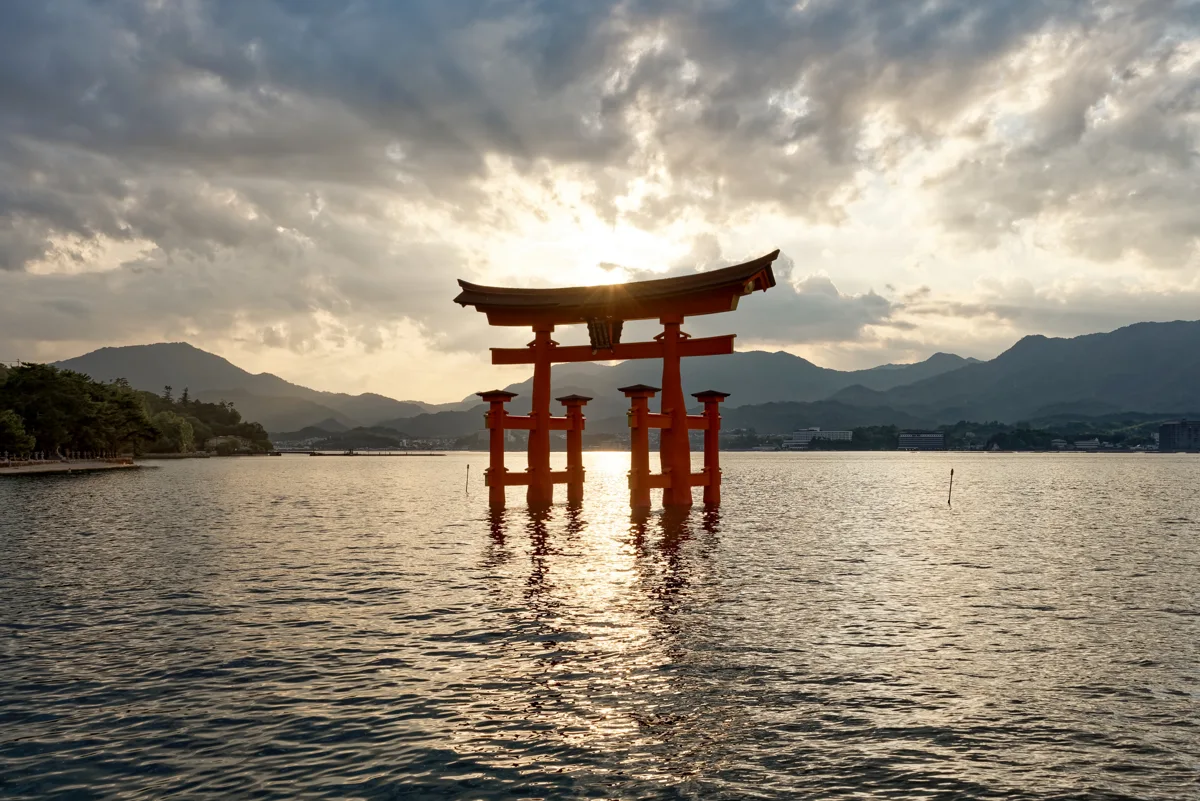
Compare Kinsuikan, Iwaso, Miya Rikyu and Miyajima Wakura by location, meals, transfers and room conditions. Plan evening and morning ferries, large bags and accommodation tax.
Three island locations and Miyajimaguchi: practical choices
Near Miyajima Pier suits heavy luggage and a quick handover to reception. It is also convenient to collect bags after check-out and leave by ferry. With dinner inside the hotel, there is no long walk back to the room. Accommodation near Omotesando, the coast and shrine suits several short outings: the sea in the afternoon, another walk after dinner and the shrine early next morning.
Towards Momijidani, the route leaves the pier and shops for the mountain side. Iwaso, for example, lists about 15 minutes on foot from Miyajima ferry port and offers transfers from the island pier. With older relatives, I would use transfers after landing and at check-out, saving walking energy for the places they want to visit. A ryokan near the park entrance has a different pace from one beside the pier. Dinner, bathing and rest need their own time.
Coastal hotels at Miyajimaguchi let you leave large bags and take a small day bag to the island. Once back on the mainland, you can join JR or collect a car, making Iwakuni or Hiroshima easier the next day. Include the walk after an evening ferry if the hotel is some distance from the pier. Free shuttles have fixed departures; a shuttle service does not mean a vehicle meets every ferry.
Kinsuikan: combine the seafront with dinner and breakfast
Kinsuikan suits an island night connecting dinner, bathing and seafront walks. Start with its official room page. It separates Roku, semi-open-air bath suites, Otona no Kyujitsu, Mizuori and other categories, listing facilities, views and dining arrangements for each. Narrow the choice through actual fields for beds, in-room baths or dinner in the room.
The Heritage Suite Roku, for example, is officially listed at 86 m² with two adjustable electric beds. Room benefits include 14:00 check-in and in-room dinner. The page explicitly describes the room’s Komyoseki artificial hot spring. These conditions suit time spent in the room. If you prefer communal baths and spend most daylight hours out, put the budget towards food or another room type rather than paying more simply for the word “Suite”.
General rooms allow check-in from 15:00; Otona no Kyujitsu and Roku start at 14:00. Bags can be stored before check-in and after check-out. Dinner starts no later than 19:30; contact the ryokan directly if delayed. For an afternoon on the island, leave bags first, see the sights, then return to change for dinner rather than pulling a case until check-in. The official FAQ says to telephone when taking the ferry and give the operator and departure time for a transfer. Transfers may be limited when busy, so save the walking route too.
Kinsuikan’s official tour shows the room and sea view of Heritage Suite Roku, useful for comparing this room type’s layout.
Resolve Kinsuikan’s meal restrictions when choosing a plan
Kinsuikan’s Japanese FAQ gives a deadline of five days before arrival for adding or upgrading meals. Allergy details are also due five days ahead. It cannot remove seafood stock or provide vegetarian, halal, vegan or gluten-free meals, and its shared kitchen cannot meet cross-contact requirements. These conditions determine whether dinner and breakfast suit your party. Choose them with the room rather than asking to remove the main dish on arrival.
For one party in several rooms, state dining together as a separate request. Kinsuikan says restaurant or private-room arrangements depend on conditions that day; private rooms cover dinner only. Some room types can serve up to five diners in the room. If in-room family dining is essential, book a category offering it with capacity for the whole group, rather than only adding a note requesting the same table.
For two nights with unavailable search results, the FAQ says some rooms need separate daily searches with a consecutive-stay note. Establish whether a room change is required so a stay intended to reduce luggage handling does not mean repacking on the second morning. Date or room changes to direct and travel-platform bookings generally require a new reservation and cancellation of the old one. If cancellation charges already apply, deal with the original booking channel first.
Iwaso: Momijidani, ryokan dinner and bathing in one night
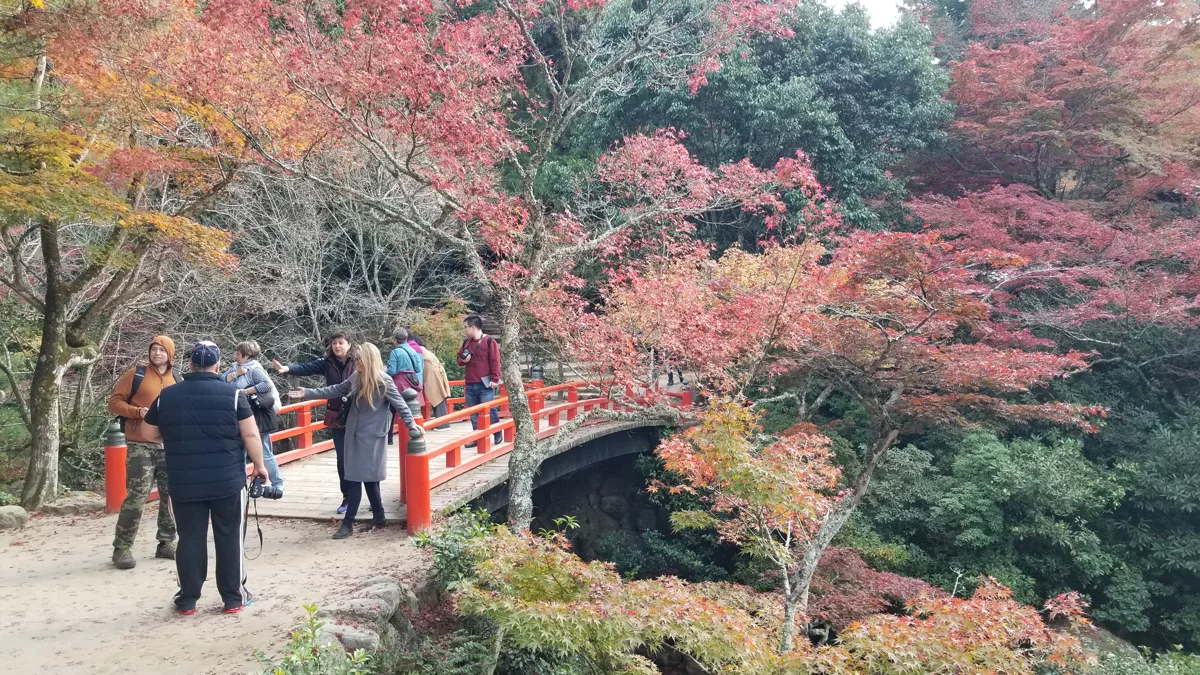
On the Momijidani side, Iwaso suits an overnight stay by the mountain and a trip centred on a Japanese ryokan. It is about 15 minutes on foot from Miyajima Port. Its free transfer covers the island’s Miyajima Pier to the ryokan. From JR Miyajimaguchi Station, you must take the ferry yourself, then call with the sailing when departing so the ryokan knows when you will reach the island. This is particularly useful with pushchairs, older relatives or luggage.
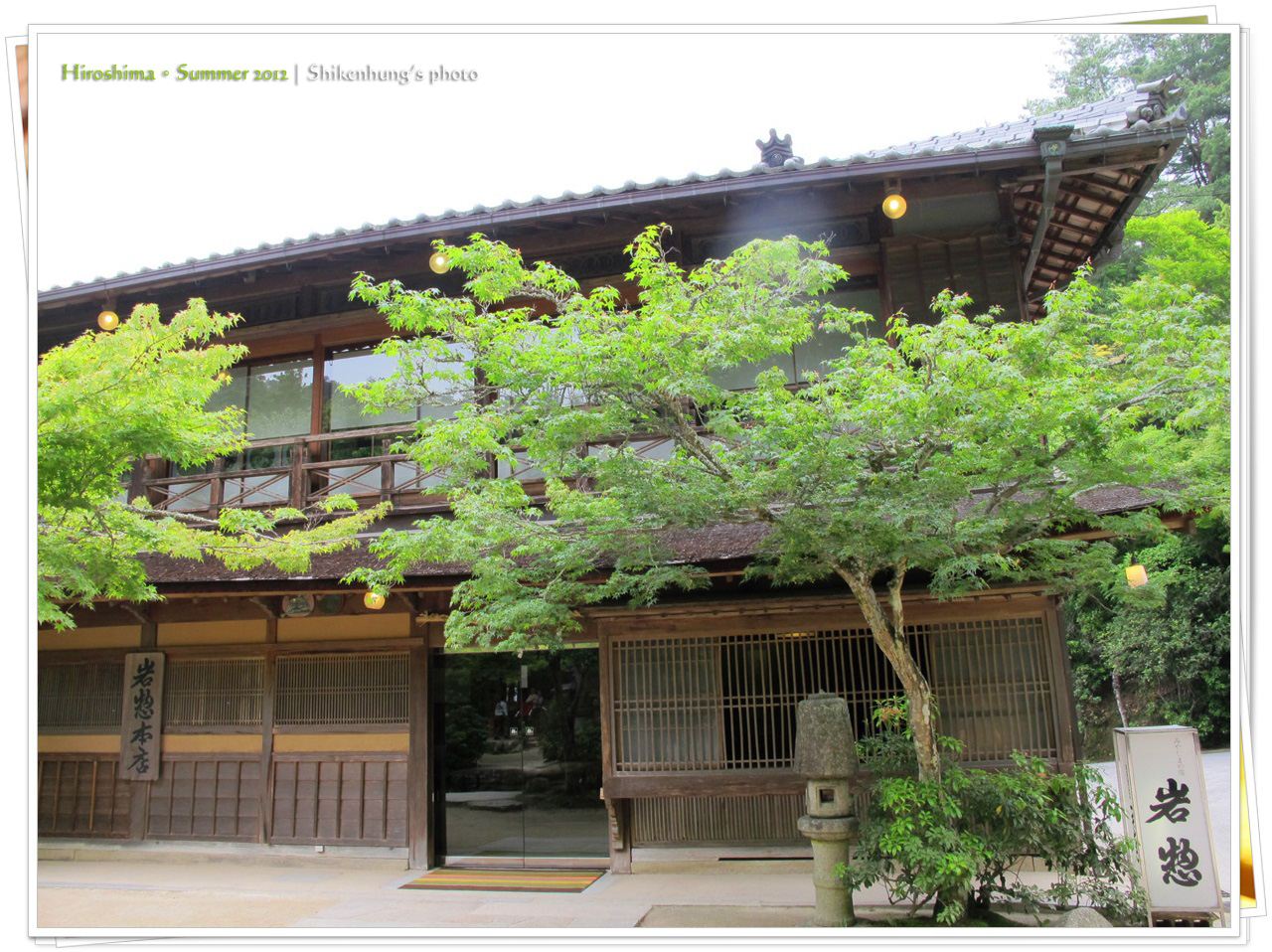
Iwaso’s Japanese FAQ gives normal check-in as 15:00–19:30, while its late-arrival guidance asks guests to reach the property by 19:00 because the latest dinner start is 19:30. I would use 19:00 as the arrival limit and work backwards for the pier and transfer. When a Shinkansen reaches Hiroshima too late, staying in Hiroshima or on the mainland and reaching the island earlier the next day is usually more comfortable than chasing ryokan dinner.
Dinner and breakfast are served in Momiji or a dining room, with the location assigned by the ryokan. Dinner-free plans are accepted only on dates when available, and cannot be changed to include dinner on the day. Fewer island restaurants open at night than by day, so dinner and breakfast make this location easier to use. If you plan to dine out all evening, choose an actual restaurant and route back before booking without dinner.
Iwaso’s room baths, steps and children’s meals affect suitability
Iwaso currently mainly offers Japanese-style rooms. Folding beds can be requested in advance and are allocated in order of request. Rooms with baths include the new building and some detached rooms. Guest-room baths use ordinary water; natural hot-spring water is in the communal baths. For natural hot-spring bathing directly in your room, choose accommodation offering that facility. Here, assess room baths separately from communal baths.
Mobility affects the room choice. The official information lists changes in level, no accessible guest rooms and stairs only from 1F (ground floor) to the basement communal baths. New-building rooms have in-room baths, and a lift connects their floors with the lobby and dining room, making them more practical for people who struggle with steps. With older relatives, ask separately about routes from the room to dining, toilets and baths rather than only whether a lift exists.
Calculate child rates alongside the number of adult guests. The FAQ’s infant and child categories require at least two accompanying adults. It lists a ¥2,200 facility charge for ages 0–1 without meals or bedding. Meals for ages 7–11 have two or three fewer dishes than adult meals, while younger children have children’s meals. Enter each person’s age, meals and bedding when choosing a plan. When two families share, total headcount cannot replace child categories. Notify allergies seven days ahead; cooking and washing processes remain shared with ordinary meals.
Miya Rikyu: stay along the coast after arrival at the pier
Shinsen no Yado Hotel Miya Rikyu is at Miyajimacho 849, on the coastal route between the pier and Itsukushima Shrine. Compare it with Kinsuikan if you want to drop bags after landing and then walk towards the shrine. Both are on the island, but room types, dining locations and baths differ. Compare beds, children’s meals or early-morning bathing according to your needs.
Hatsukaichi’s official accommodation listing gives check-in at 15:00 and check-out at 10:00. Dinner is Japanese kaiseki from 18:00–21:00, starting no later than 19:30, in a banquet space or restaurant assigned on the day. Breakfast is a Japanese set meal or buffet chosen by the hotel, served 07:00–09:00 with the last start at 08:30. If a buffet or in-room dining matters to your group, these differences deserve comparison before hotel star ratings.
Communal baths open 15:00–23:30 and 05:00–09:00, with the male and female baths exchanged the next day. For a walk before breakfast, arrange bathing, the seafront and breakfast in that order, or select just two to avoid rushing before check-out. Day-use bathing is not available. Overnight guests can use the baths around dinner without seeking another bathing stop.
Miyajima Wakura: the mainland for cars and large bags
Grandvrio Hotel Miyajima Wakura stands on the mainland coast in Miyajimaguchinishi 1-chome. It suits sea views towards Miyajima with direct access to your car the next day. The official site separates sea-side and mountain-side views. Choose the direction first, then compare beds, meals and occupancy. Book a room with the specific view listed to reduce the need for changes on arrival.
The official access page gives about 12 minutes on foot from JR Miyajimaguchi Station or five minutes by free shuttle. The pier is also about 12 minutes away on foot, so this location suits walking or matching JR journeys with the fixed shuttle. It takes no reservations and boards first come, first served. The last afternoon departure from the JR station is 18:35. After evening island views, plan to walk or take a taxi from the pier to the hotel.
There are 171 free ordinary-car spaces, first come, first served. Luggage storage is available before check-in and after check-out. Contact the hotel before sending bags ahead. Drivers can leave the car on the mainland and take the ferry as foot passengers. Bring items unsuitable for heat or unattended storage to reception too, carrying only what you need for the day to the island. Arranging parking, the room and the ferry separately is easier than taking a car over and finding island roads.
Miyajima Wakura has two dinner sittings: choose before your return
Dinner at Miyajima Wakura is a 90-minute semi-buffet with unlimited drinks. The official dining page lists sittings at 17:30–19:00 and 19:30–21:00, introduced on 5 January 2026. Choose the second to remain on the island into early evening, allowing for the ferry and return to the hotel. Choose the first for children who eat and sleep early, ending afternoon sightseeing accordingly.
For meal-only comparisons, the official dinner price is ¥8,800 for adults and ¥3,850 for primary school children, including tax, with preschool children free. Breakfast costs ¥2,970 for adults and ¥1,320 for primary school children and runs 06:30–09:30. These dining-page prices help compare plans with and without meals. Compare full booking totals for the same date, party size and room type, recording whether meals are already included.
Both dinner-and-breakfast and independent-dinner stays can work. The first suits a restful night at a seaside hotel. The second allows dinner in Hiroshima city, but include the JR return journey. Going to Hiroshima for dinner and back to Miyajima the next day adds travel. For that plan I would stay near Hiroshima Station or keep dinner in the hotel so the base matches the evening’s activities.
First and last ferries differ by direction
JR West Miyajima Ferry’s normal timetable lists the first mainland-to-island sailing at 06:25 and last at 22:42. From the island to Miyajimaguchi, the first is 05:45 and last 22:14. Crossing takes about ten minutes. Use these to assess an overnight stay or early island arrival, then add leaving your room, reaching the pier, buying tickets and walking to the hotel. Searching for a ryokan entrance after the last ferry leaves very little margin.
Evening gaps are much longer. After the 18:45 departure from Miyajimaguchi, the normal table lists 19:15, 19:45, 20:27, 21:10, 22:00 and 22:42. After 20:00 from the island, departures are 20:42, 21:25 and 22:14. For an island stay with meals, choose the ferry around dinner time. For sunset views followed by a mainland stay, select a ferry you are willing to take before deciding how long to walk. Do not expect the frequent daytime service at night.
JR and Miyajima Matsudai Kisen have separate timetables and tickets. Use the boarding area matching your return ticket. Normal, busy-period and New Year timetables are also separate. Use the applicable version for New Year’s Day, holiday periods or service changes. Weather suspensions affect island accommodation and mainland travel together. First contact the hotel and adjust that day’s movement rather than relying on the final sailing as the only option.
Separate ferry fares, visitor tax and accommodation tax
For JR West Miyajima Ferry ordinary tickets, adults pay ¥200 one way and children aged 6 to under 12 pay ¥100. An additional ¥100 Miyajima Visitor Tax applies on entry; preschool children are exempt. One adult return with one island entry totals ¥500, or ¥1,000 for two adults. Put this beside the accommodation budget, separate from the room rate.
An island night followed by a morning walk does not create another ferry trip just because a night has passed. Staying at Miyajimaguchi and entering on each of two days adds another return crossing. For two adults using ordinary tickets, without exemptions or other passes, two days of fares and visitor tax total ¥2,000. Hatsukaichi City charges ¥100 per visit. Recording actual island entries makes the comparison clearer than asking only which side has cheaper rooms.
Hiroshima Prefecture’s accommodation tax started on 1 April 2026. It is ¥200 per person per night when the pre-tax accommodation-only charge, including accommodation service charges, is at least ¥6,000. Below that threshold it is exempt. Meals and consumption tax are excluded, so the full dinner-and-breakfast price is not the accommodation-only charge. Two adults both above the threshold pay ¥400 for a night. Any separately listed bathing tax follows the booking. Distinguish included taxes from on-site payments to avoid counting the same tax twice.
Where to leave large bags: work backwards from your next destination
For one island night, I would pack two days of clothing, medicine, chargers and rain gear into a small bag. Leave the large case at previous accommodation that accepts storage, or arrange delivery to the next hotel. Both ends must actually accept storage or delivery, with collection hours matching transport. Returning to Hiroshima Station solely for a case makes little sense if your onward route does not go there. Work backwards from the next destination rather than fixing a storage station first.
Iwaso accepts bags early on arrival day. After calling when taking the ferry, you can hand them over at the pier or ride the transfer to the property. Bags stored after check-out can also be delivered to the ferry boarding point. Tell the ryokan the collection time and sailing together so you can continue to the mainland after a seafront walk. Kinsuikan stores bags before check-in and after check-out. Advance deliveries must arrive the day before check-in, labelled with the lead guest’s name and arrival date.
At Miyajima Wakura, you can leave large cases at the hotel, visit the island after check-out and collect them later. The hotel is not beside the ferry exit, so collection is a real travel leg. For an evening Shinkansen from Hiroshima, include the hotel luggage stop in the return route. Do not squeeze collection and train departure together to add one more sight.
Moving through the ferry and pier also needs free hands. Keep tickets or a transport card, phone, hotel telephone number, regular medicines and a windproof layer in the small bag. Avoid hanging loose shopping bags from the case. Call before boarding for a transfer, then wait at the agreed place after landing instead of dragging bags through crowds while searching for the vehicle.
Keep space for evening and morning walks
An island night can begin with an afternoon arrival: leave bags, walk by the sea and shrine, check in and eat at the reserved time. After dinner, plan only a short walk near the ryokan, then return for bathing or rest. The benefit is seeing the same street at different hours, rather than forcing a full day-trip route into half a day. Allow another full day for Mount Misen, treating ropeway hours separately from ryokan dinner.
Itsukushima Shrine normally opens at 06:30. It closes at 17:30 from 15 October to 30 November, and at 17:00 in December. Island guests can visit before breakfast and return for the meal. The 06:25 first ferry from Miyajimaguchi still leaves a walk to the shrine, so it cannot reach the 06:30 opening itself, though it allows an early start. With breakfast fixed at 07:00, you can walk first and enter the shrine after eating. There is more than one way to use the morning.
The torii’s tide level is separate from the time of dawn. To see water surrounding the shrine or walk on the exposed beach, add the actual tides for both days around the stay and choose a reachable seafront slot. Sunset, dinner and low tide may overlap. With fixed meals, use another tide the next day or shorten the sunset walk. At night, stay on well-lit roads and coastal paths. Save mountain paths and the intertidal area for daylight.
For the full autumn-leaf and daytime route, read the Miyajima autumn day-trip guide. To combine the island with Hiroshima city, use Hiroshima and Miyajima in two days. Fix dinner, luggage and next-day departure first to connect the daytime route smoothly.
Families, older visitors and solo guests: start with sleeping arrangements
With children, decide how everyone will sleep before comparing totals. The number of futons, infant bed-sharing, children’s meals and breakfast inclusion all affect the price of the same room. For an early-sleeping child, an early dinner sitting, the distance to dining and a direct return to the room can matter more than another sight. If leaving the pushchair at the ryokan, keep an alternative for a child falling asleep on the way.
For older relatives with knee or bed-access needs, put bed type and route width before the view. A Japanese room may look spacious, but the real routes link the entrance, bathroom and restaurant. Stairs to communal baths determine whether they can use them. Iwaso’s specific information lets you compare the new-building route with your needs. Kinsuikan’s Roku uses universal design and allows wheelchairs into the room; other rooms have an entrance step. The roof terrace needs stairs, while the seaside terrace on 1F (ground floor) is wheelchair-accessible. If you need only a bed, choose a room with beds. For wheelchair access, compare the guest room and shared spaces separately.
Search with one adult for solo availability. Iwaso offers single-person plans on some dates but has no dedicated single room. Kinsuikan’s FAQ lists a minimum of two people under occupancy changes. Solo visitors can start with published single-person plans or a direct reply. If no island room fits the budget, stay at Miyajimaguchi or Hiroshima Station and enter early. You can still spend the day on Miyajima without paying for unused two-person meals.
Planning one night: island first or luggage on the mainland
An island plan suits arrival on the first afternoon. Contact the transfer when boarding at Miyajimaguchi, leave bags at the ryokan and walk along the shore from the pier to the shrine. With booked dinner and breakfast, finish sightseeing near the ryokan. Rain that afternoon can mean checking in to rest and moving the shrine visit to early next morning; meals and the room still serve the stay. Leave bags again after check-out, walk in a new direction, then collect them and depart. This works for a return to Hiroshima and preserves a full breakfast.
For a long-distance train on day two, reverse the emphasis: complete the shrine and main sights on day one, then leave with bags after breakfast and change at Miyajimaguchi for JR to Hiroshima. Choose the Shinkansen first and work back to the ferry. Transfer time includes walking from the pier to the JR station, waiting and finding the Shinkansen platform in Hiroshima. Leave more space with cases, pushchairs or older relatives. The ten-minute ferry crossing is not the whole journey to Hiroshima.
A Miyajimaguchi plan can start with mainland check-in, dinner and rest on day one, then the island the next day. To use Miyajima Wakura’s breakfast from 06:30, leave after eating and accept a later shrine arrival. For the first ferry, choose a plan without breakfast or arrange early food separately so you do not pay for a meal you rush away from. If checking out that day, hand stored items to reception and agree collection before taking a small bag onto the ferry.
Two nights at Miyajimaguchi can also work: one day for Miyajima and another for Iwakuni or elsewhere in Hatsukaichi, keeping car and luggage at one base. If visiting Miyajima both days, compare the extra crossing, visitor tax and travel time against the price difference for an island night. With a small price gap, the island avoids boarding again on day two. With a large gap and a preference for ordinary beds or mainland travel, Miyajimaguchi offers a clear trade-off.
Compare full totals and cancellation dates before booking
Compare hotels under the same conditions: arrival date, adult and child numbers, room category, beds, dinner, breakfast, local taxes and free-cancellation deadline. Comparing a per-person starting price with a final per-room total easily distorts the difference. Sea views, dinner and breakfast, and refundable plans each have value. Remove what you will not use to understand which part saves money.
Iwaso’s Japanese FAQ lists cancellation charges for 1–14 people: 30% three or two days before arrival, 50% the previous day and 100% on the day or for no-shows. Kinsuikan’s usual plans charge from three days beforehand, with separate terms for special plans. Save the actual booking rules with the year, date and Japan-time deadline. Card pre-authorisation, advance payment and free cancellation are separate fields to read.
Dinner-and-breakfast plans also have meal-preparation deadlines. When changing hotels, secure the new reservation before cancelling the old one under its rules. If charges already apply, contact the original platform or ryokan first. Send changes to guest numbers, children’s ages and allergies to the actual host too. Keep confirmation emails, booking numbers and replies so the transfer telephone number and dinner time are easy to find at the pier.
A few useful answers
Island or Miyajimaguchi for a first stay?
Choose an island stay with dinner and breakfast for walks after dinner and at dawn. Prioritise Miyajimaguchi for large bags, a hire car or an early onward journey. Include the distance between hotel and pier.
When is the last Miyajima ferry?
JR’s normal timetable lists 22:42 from Miyajimaguchi to the island and 22:14 back. Ryokan dinner requires an earlier arrival. Use the applicable timetable for holidays and New Year.
Can I leave bags before checking in on the island?
Kinsuikan and Iwaso accept bags before check-in and after check-out. Iwaso can arrange pier handovers; call when taking the ferry. Advance deliveries to Kinsuikan must arrive the previous day and show the guest name and arrival date.
Which taxes apply to a Miyajima stay?
Miyajima Visitor Tax is ¥100 per island visit, with preschool children exempt. Hiroshima Prefecture charges ¥200 per person per night when the pre-tax accommodation-only charge, including accommodation service charges, reaches ¥6,000. Separately listed bathing tax follows the booking.
Official information and references
Sources used in this guide.
- Kinsuikan: Japanese FAQ
- Kinsuikan: guest rooms
- Kinsuikan: dining
- Iwaso: Japanese FAQ
- Miyajima Wakura: stays and luggage FAQ
- Miyajima Wakura: access and shuttle
- JR West Miyajima Ferry: normal timetable
- JR West Miyajima Ferry: fares
- Hiroshima Prefecture: accommodation tax
- Hatsukaichi City: Miya Rikyu accommodation information
- Miyajima Wakura: dining times and separate meal prices
- Hatsukaichi City: Miyajima Visitor Tax
- Itsukushima Shrine: visiting hours