Hiroshima oysters are at their plumpest from December to February. Plan around 2026–27 shipping dates, Miyajima Oyster Festival updates, Omotesando grilled oysters, Motoyasu River oyster boats, Ujina oyster huts, and cooked menu options.
- Region & Focus
- Hiroshima
- Reading Scope
- 22 min read · 10 chapters · 5 Q&As
- Official Verification
- 26 official sources checkedUpdated 22 November 2026
Chapter Route Map (tap any stop)
- When Are Hiroshima Oysters at Their Plumpest? 2026 Shipping Started on 2 November
- How to Eat Along Miyajima Omotesando Around the Torii Gate Tides
- Central Hiroshima: River Oyster Boats, Dote-Nabe & Station Set Meals
- For DIY Charcoal Grilling, Ujina's Oyster Huts Are Worth the Detour
- Reading Japanese Oyster Menus: Raw vs Cooked & Portion Sizes
- What Three Styles Actually Cost: Comparing Real Menus
- Don't Mix Up the River Oyster Boat with the Miyajima Ferries
- Fitting Bookings Into One-Day, Two-Day & Rainy-Day Itineraries
- Understanding Origin Labels from Hiroshima Bay's Oyster Rafts
- Bringing Oyster Souvenirs Home: Storage Labels & Customs Rules
- Quick Q&A
If you are travelling to Hiroshima specifically for oysters, aim for December through February. For the 2026–27 season, shucked oysters began shipping on 2 November 2026, though a prefectural survey that same month found oysters in several growing areas were smaller than usual. On a first visit, have grilled oysters in the shell along Miyajima Omotesando and save sit-down miso hot pot (dote-nabe) for central Hiroshima. If you want to grill your own over charcoal, set aside half a day for an oyster hut at Ujina. If you only have time for one meal, pick the spot that fits naturally into your route.
When Are Hiroshima Oysters at Their Plumpest? 2026 Shipping Started on 2 November
Hiroshima Prefecture lists December through February as peak season for Pacific oysters (magaki), while a typical production window runs from roughly October to May. For thick, meaty oysters served simply in the shell, choose winter dates rather than pinning your trip to a single weekend. If your main goal is autumn foliage on Miyajima in November, you can still find oysters across the island. Keep daylight hours for the leaves and decide on dinner as you go: order grilled oysters in the shell if a shop has them, or go for oyster rice or a fried-oyster set meal if you want something more filling.
For the 2026–27 season, a 19 November report from Hiroshima Prefecture's Fisheries Division recorded that shucked oysters began shipping on 2 November. By 13 November, surveyed fisheries cooperatives reported that 143 producers had started shipping—about half the total—while others planned to hold off until December or later. The same report noted that oysters in many growing areas were smaller than average and fattening later than usual. If you are visiting in late November, booking a proper oyster meal is more reliable than counting on large shell-on oysters or a specific farm's harvest.
In Ujina, Milky Tetsuo no Kakigoya announced its switch back from summer barbecue to winter oyster-hut service from 10 October 2026 until early May 2027. That schedule reflects the restaurant's seasonal changeover, whereas 2 November is the official start of Hiroshima shucked-oyster shipments in the prefectural report. When browsing photos, menus, and harvest notices online, check which date applies. If you specifically want fresh, in-season Hiroshima-grown oysters, ask staff about the origin of the dish before ordering.
In spring, March and April still bring reliable oyster set meals, though you should check whether your chosen restaurant is still serving winter hot pots or charcoal-grill tables. Seeing "Kaki Komachi" on a summer menu is also normal: this triploid Pacific oyster bred and farmed in Hiroshima does not spawn, so it stays plump through warmer months. Look for brand-specific menus if you want that variety. If your travel dates are flexible, however, winter still offers the widest choice for dote-nabe hot pot and charcoal oyster huts.
February's Miyajima Oyster Festival depends on annual confirmation from the organisers. The 42nd edition, originally scheduled for 14–15 February 2026, was cancelled due to poor oyster growth and insufficient stock for the event. As of 22 November 2026, the Miyajima Tourist Association's February 2027 events calendar had not yet listed the festival. Plan a half-day on Miyajima around the permanent Omotesando restaurants first; if you are determined to attend the festival itself, wait for the official calendar before locking in overnight stays.
| Scenario | What to plan first | How to order |
|---|---|---|
| November trip already booked for Miyajima autumn leaves | Lunch or grilled oyster snacks on Omotesando | Choose a day's set meal if you want a full sit-down lunch |
| Flexible dates between December and February | Miyajima grilled oysters, Motoyasu River dinner, or Ujina DIY grilling | Pick your venue based on table service, self-grilling, or hot pot |
| Hoping to catch the 2027 Miyajima Oyster Festival | Book lodging around confirmed Miyajima Tourist Association dates | Eat at permanent Omotesando restaurants on non-festival days |
| Spring or summer visit to Hiroshima already set | Shortlist specialist oyster restaurants open on weekdays | Look for seasonal set meals in spring, or Kaki Komachi in summer |
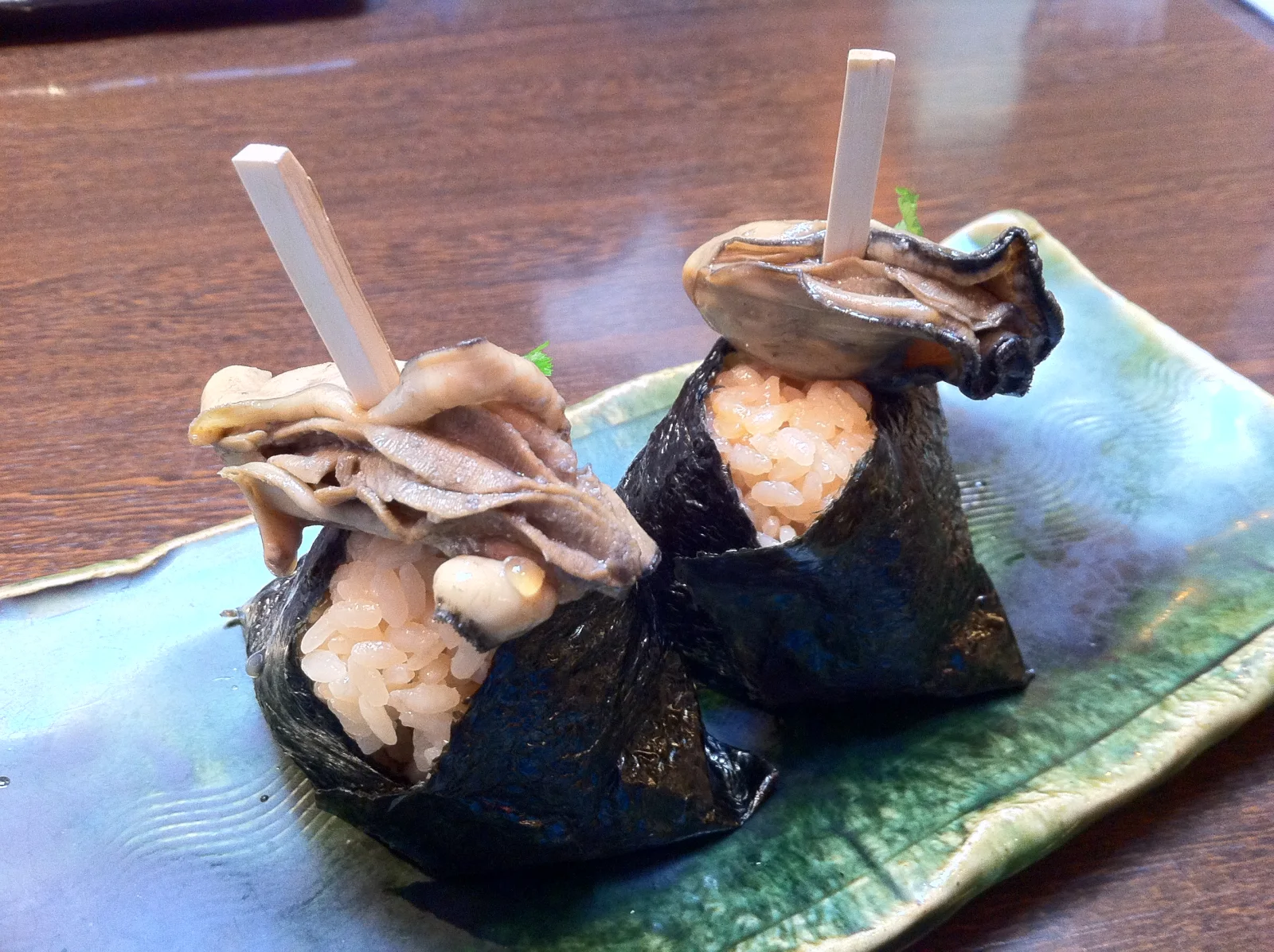
Hiroshima oysters are at their plumpest from December to February. Plan around 2026–27 shipping dates, Miyajima Oyster Festival updates, Omotesando grilled oysters, Motoyasu River oyster boats, Ujina oyster huts, and cooked menu options.
How to Eat Along Miyajima Omotesando Around the Torii Gate Tides
Walking from Miyajima Pier toward Itsukushima Shrine takes you straight through Omotesando Shopping Street. Two easy-to-spot specialists are Kakiya and Yakigaki no Hayashi. Kakiya, at 539 Miyajima-cho, serves grilled oysters alongside a set meal pairing oyster rice, fried oysters, oil-marinated oysters, and miso soup. Yakigaki no Hayashi is best known for its grilled oysters; its listed regular hours are 10:30–17:00 (last order 16:30), closed Wednesdays. If you take a later ferry over, eat first and head down to the water afterwards.
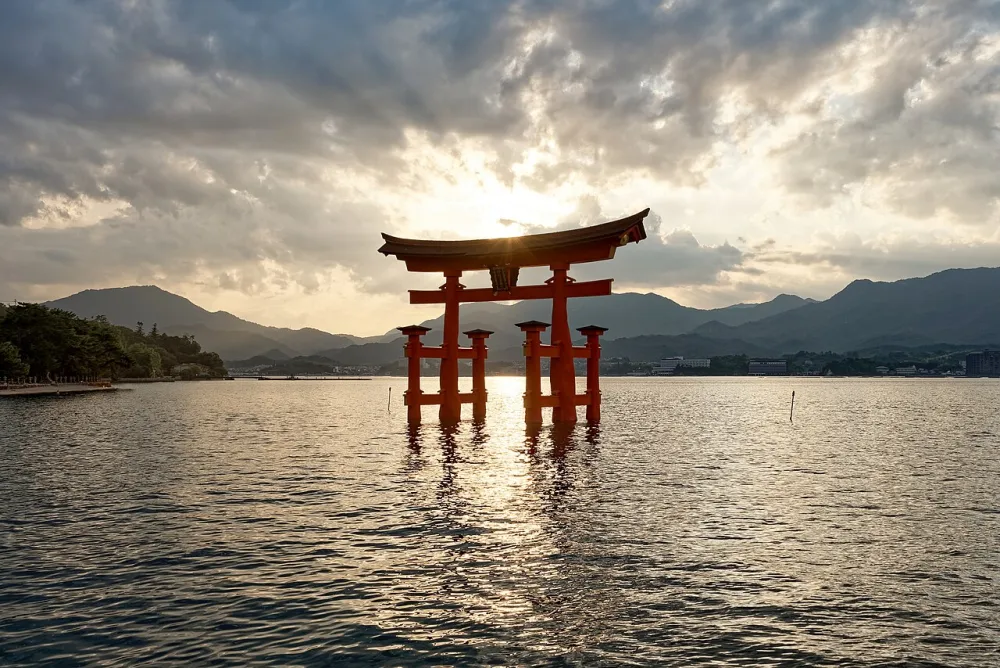
Once you land, decide which view of the Great Torii matters most that day. If you want photos of the gate floating at high tide with water lapping near the shrine corridors, save that window for the shoreline. At low tide when the flats are open to walk out on, wear shoes suited to wet sand and gravel before heading back to Omotesando to eat. If peak tide falls right at lunchtime, grab a quick bite before entering the shrine and look for a table earlier or later on the return walk. Because you pass the same stretch of shops both ways, adjusting mealtimes around the tide is straightforward.
Where a charcoal grill sits out front, check what each queue is for. Takeaway counter queues and sit-down waitlists are often separate: two people wanting just one portion of grilled oysters in the shell can usually use the street-side stall. If you need hot soup, toilets, or space to fold a pushchair, join the sit-down list instead. Before putting your name down, ask whether your whole party must be present when called—sending one person to queue while others wander down to the shrine risks missing your slot.
On Japanese menus, kara-tsuki means in the shell, while yakigaki refers specifically to grilled oysters. If eating outdoors, stay within the shop's designated area and hold the tray steady before walking to a bench, as hot shell liquor spills easily. Taste a plain oyster first before squeezing lemon over it. Drop empty shells and wooden picks into the shop's collection bins, and keep food, paper trays, and shopping bags tucked away whenever island deer come near. With young children who just want a taste, sharing from a sit-down plate is far simpler than juggling hot shells on the street.
When everyone at the table wants oysters, a set meal is the easiest order. If someone in your group prefers plain rice, noodles, or conger eel over rice (anago-meshi), check the Miyajima Tourist Association's dining directory for mixed-menu restaurants rather than improvising at an oyster-only counter. If you have already booked an anago-meshi lunch, stick to that reservation and pick up grilled oysters as an afternoon snack on your way back to the pier. Day-trippers coming from Kyoto or Osaka can follow the exact same loop between ferry and shrine.
On a first half-day visit, leave the Mount Misen ropeway for a slower itinerary. After walking through Omotesando to Itsukushima Shrine, you can stroll back up the street for grilled oysters or jarred souvenirs if time allows. If you are combining an island lunch with an afternoon ascent of Mount Misen, fix your target return ferry first and work backwards to carve out time for the ropeway and trails. Travelling with older relatives works well if you split Omotesando into two passes before and after lunch, using the torii views and shared oyster plates as natural rest stops.
Central Hiroshima: River Oyster Boats, Dote-Nabe & Station Set Meals
On the day you visit Peace Memorial Park, Kakibune Kanawa near Motoyasu Bridge offers an unhurried sit-down meal right on the Motoyasu River. The restaurant is a moored boat accessed directly from the riverbank, divided into Seto on the first floor and Waku upstairs, so choose your dining floor when booking based on the menu you want. When searching maps after leaving the Peace Memorial Museum, note that Kanawa also operates a branch at Hiroshima Station ekie—send the exact restaurant name and address to everyone in your party so nobody goes to the wrong venue across town.
Dote-nabe (kaki no dote-nabe) is Hiroshima's signature regional oyster hot pot. Thick miso paste is spread in a ring around the inside rim of the pot like a riverbank, with oysters, tofu, and vegetables simmering in the centre. As the broth bubbles, you stir small amounts of miso into the soup to deepen the flavour. Ladle from the middle for a lighter broth, or scrape more miso in for full richness. When sharing a pot for two, check whether the menu prices per person or per pot, whether a single order can be shared, and add extra greens or steamed rice—or confirm whether oyster rice is already included in a set.
Japan's Ministry of Agriculture, Forestry and Fisheries notes an origin story linking dote-nabe to the old oyster boats that sailed from Hiroshima to Osaka and served hot pot along the river embankments—dote can refer both to those earthen levees and to the miso wall plastered round the pot rim. Dining on the Motoyasu River today, looking out at the embankment while flaking miso from the pot edge with chopsticks, makes both explanations easy to picture.
On Kanawa's seasonal menu, the ekie Hiroshima Station branch lists a Kaki Zanmai Gozen at ¥4,620 (tax included), bringing together raw, grilled, and fried oysters alongside oyster shabu-shabu and oyster rice—ideal if you want to compare several styles in one sitting. Diners who only eat thoroughly cooked oysters can go straight for a fried-oyster set (Kaki-furai Gozen) or other cooked platter without swapping courses piecemeal. If someone has a smaller appetite, order individual sets and add a single shared plate of grilled oysters.
Before checking into a city hotel or right before leaving Hiroshima, eating at the station saves an extra tram transfer. Kanawa's ekie branch sits in the ekie Dining wing connected directly to Hiroshima Station; its website lists lunch service until 14:30, a break before dinner opens at 16:30, and last orders at 21:00. If you arrive around 15:00 and plan to head straight to Miyajima, grab something else in the station and save Kanawa for the journey back. Before boarding a Shinkansen with luggage, remember that a table booking only guarantees when you sit down—work backwards from train departure for eating, collecting bags, and reaching the platform.
To fit two Hiroshima specialities into one evening, the dining district stretching from Fukuromachi through Hondori to Hatchobori makes dividing meals easy: have Hiroshima-style okonomiyaki as your main and order a single side plate of oysters. If you want maximum time at the Peace Memorial Museum, eat near the Atomic Bomb Dome or along Hondori, stroll down Peace Boulevard afterwards, and pick a straightforward hot pot or fried-oyster rice set rather than heading back to the station. For getting between central sights by tram, see Hiroshima City Food and Transport.
For DIY Charcoal Grilling, Ujina's Oyster Huts Are Worth the Detour
Milky Tetsuo no Kakigoya in Ujina sits inside Hiroshima Minato Park next to Hiroshima Port; take the Hiroshima Electric Railway tram to Hiroshima-ko (Ujina) and walk over. It is built for travellers who want to sit round a charcoal brazier and grill a full basket themselves. If you just want oysters tucked into a half-day city walk, there is no need to travel out to the port, and if you are staying near the station with Miyajima already on the same day's schedule, save Ujina for another meal. Do not confuse the two ports: oyster huts are at Hiroshima Port, while Miyajima ferries depart mainly from Miyajimaguchi.
Before ordering, add up the charcoal fee, oyster trays, and side dishes together. Self-grill huts typically price oysters by the tray or basket and may list separate table, charcoal, or drink charges. Starting with one tray of shell-on oysters for two people—then deciding whether to add rice balls, grilled vegetables, or a second tray—works far better than crowding the entire grate at once. Because charcoal cooking cannot be rushed for a timed entry ticket elsewhere, save an oyster hut for a relaxed half-day.
Follow staff instructions on grilling technique. Shell liquor, steam, and the occasional popping shell fragment can scald, so use the gloves, tongs, and shucking knives provided and seat children well back from the brazier edge. Make sure every oyster is cooked through before lifting it onto your plate, and keep the tongs used for raw shells strictly separate from the chopsticks you eat with. Rather than guessing by shell opening or how many times you turned a shell, ask staff when a batch is ready.
For another harbourside option, look at Kusatsu Kakigoya in Hiroshima's Nishi Ward at Kusatsu Port, which pairs neatly with a day heading west along Hiroshima Bay. Check tram connections and the final walk from your accommodation first; if you are continuing on to Miyajima afterwards, compare timings back to the JR Sanyo Main Line rather than doubling back to Hiroshima Station. Both Kusatsu and Ujina deliver the same DIY charcoal experience—on a first visit, simply choose whichever is easier to reach.
Reading Japanese Oyster Menus: Raw vs Cooked & Portion Sizes
On menus, nama-gaki means raw oysters, kaki-furai is breaded and deep-fried, sakamushi is steamed in sake, and kaki-meshi is oyster rice. To taste two sides of the same ingredient in one meal, pair grilled oysters with a bowl of oyster rice: grilling gives you the whole plump oyster, while the rice absorbs its savoury juices. If you order a multi-item set meal, check first whether grilled oysters, fried oysters, and rice are already included. For a lighter meal, steamed oysters with rice keep portions much easier to judge than piling on extra fried plates.
At supermarkets, fishmongers, or farm stalls, check packages for two labels: nama-shokuyo (for raw consumption) and kanetsu-chori-yo (must be cooked). Hiroshima Prefecture's food safety guidance ties this distinction to specific harvest waters and processing hygiene standards. Even when shucked oysters look identically fresh in the pack, follow the label. Only nama-shokuyo is cleared to eat raw, and thorough cooking lowers the risk of food poisoning—essential for young children, older travellers, anyone with lowered immunity, or anyone wanting to play it safe.
For bivalve shellfish carrying potential norovirus risk, Japan's Ministry of Health, Labour and Welfare recommends heating the core to 85–90°C for at least 90 seconds. When using shared grills and tongs at an oyster hut, ask staff how long to cook each batch. If cooking back at a self-catering apartment, judge doneness by the centre of the meat rather than boiling broth or gaping shells alone. Keep raw and cooked ingredients strictly apart, and never place cooked oysters back onto a tray that held raw shells.
If you have a shellfish allergy, show staff the phrase "Kaki arerugi ga arimasu" (I have an oyster allergy) before sitting down, or "Kairui ni arerugi ga arimasu" if you must avoid all shellfish. Ask specifically about soup stocks, shared frying oil, grills, pots, and serving tongs. Travelling in a mixed group is easiest when you choose a restaurant with alternative dishes and reliable cross-contact controls, or split up for one meal so others can enjoy grilled oysters separately.
Check the pricing unit before ordering: "1-ko" is per piece, "hito-sara" is one plate, "teishoku" is a set meal with rice and sides, and "kosu" is a multi-course menu. If a sign outside says "hito-sara 2-ko" (two pieces per plate), ordering two plates doubles the quantity. Also check "zeikomi" (tax included) against "zeibetsu" (before tax). To ask which dish uses today's local catch, point and ask "Kyo no Hiroshima-ken-san no kaki wa dore desu ka?"; to confirm an item is cooked all the way through, ask "Naka made hi ga totte imasu ka?".
| Japanese term | Meaning | What to check when ordering |
|---|---|---|
| Kara-tsuki / Yakigaki | In the shell / Grilled oysters | Check pieces per order and whether staff grill them or you do |
| Nama-gaki / Nama-shokuyo | Raw oysters / For raw consumption | Switch to fried, grilled, or simmered dishes if you want fully cooked |
| Kaki-furai | Deep-fried breaded oysters | Check whether it is a la carte or a set meal with rice and soup |
| Kaki-meshi | Seasoned oyster rice | Check whether rice is already included in your set meal |
| Kanetsu-chori-yo | Must be cooked before eating | Heat thoroughly to the centre if cooking at self-catering lodging |
What Three Styles Actually Cost: Comparing Real Menus
If others in your group still want room for anago-meshi or okonomiyaki, budget around a grilled snack. Kakiya on Miyajima lists grilled oysters from ¥750 for two pieces, while its signature Kakiya Teishoku set meal is ¥2,900. Two people wanting just a taste can share one two-piece order; if you have time for only one sit-down lunch and want oyster rice and marinated oysters too, the set meal saves time. Where a sign sets a two-piece minimum, ask whether you can mix two toppings on one order instead of receiving full portions of each.
On the floating oyster boat, look at restaurant course prices rather than ferry fares. At Seto on the Motoyasu River, the Kaki-zukushi Course is ¥9,900 (tax included) for grilled oysters, fried oysters, dote-nabe hot pot, and oyster rice, with raw oysters available as an extra. Step up to the Kaki no Kuikiri Course at ¥14,300 (tax included) for additions such as tempura, oyster-and-apple gratin, and clay-pot rice. If miso hot pot is your main target, the first course covers it; save the pricier menu for a full-evening celebration.
If okonomiyaki takes the lunch slot, consider Kakigoya Fukuromachi Umihei Shoten in central Hiroshima for dinner, which serves gangan-yaki—oysters steamed inside a lidded tin—right in town. With shareable pot dishes, check how many oysters come in one tin before adding sides, so light eaters can take one or two while others fill up on rice and extra plates. At Ujina's oyster huts, add table charges, charcoal, and drinks onto the same bill when calculating your group total.
When booking ahead, confirm your seating window and whether every guest must order the same course. Seat-only reservations give you flexibility to drop down to set meals or a la carte dishes on the day. For courses with per-person minimums or cancellation fees, multiply the rate by every paying guest and budget drinks on top. Check dietary substitutions in advance too, so everyone knows how much appetite to save for a second stop.
To estimate a realistic day's spend on Miyajima, combine ferry tickets, snacks, and sit-down meals. Two adults riding standard ferries return and sharing two grilled oysters at Kakiya spend at least ¥1,750 in total; if both order the ¥2,900 Kakiya Teishoku, that same ferry-and-lunch outing comes to ¥6,800 before JR or tram fares to Miyajimaguchi. By comparison, two ¥4,620 gozen sets in central Hiroshima total ¥9,240—a useful benchmark when deciding between a quick taste and a full multi-course spread.
Don't Mix Up the River Oyster Boat with the Miyajima Ferries
From Hiroshima Station, the most direct route to a Miyajima oyster lunch is the JR Sanyo Main Line to Miyajimaguchi Station, a short walk to Miyajimaguchi Pier, and either the JR West Miyajima Ferry or Miyajima Matsudai Kisen. If your city hotel sits along Hiroden Line 2, take the direct tram to Hiroden-miyajimaguchi instead. Factor the walk from station to pier, boarding queues, and the stroll from Miyajima Pier to the restaurant into your booking time.
On the JR West Miyajima Ferry, a standard adult single costs ¥200, plus a ¥100 Miyajima Visitor Tax collected on the outbound crossing only, making an adult return ¥500. For boats that swing closer to the Great Torii, check JR's O-Torii route—normally departures from Miyajimaguchi between 09:10 and 16:10, subject to operator notices. If you already hold a lunch reservation on the island, prioritise whichever sailing gets you to Omotesando on time and admire the torii after eating.
From Peace Memorial Park, Aqua Net Hiroshima's World Heritage Sea Route runs direct boats from Motoyasu Pier to Miyajima in roughly 45 minutes. Because vessels navigate urban river channels, tides and weather can cancel specific sailings. If you have a fixed-time island booking, circle your planned boat on that day's timetable alongside a backup departure via JR. Around Motoyasu Bridge, you will find both the Miyajima ferry pier and the moored Kakibune Kanawa dining boat—check the operator name when going to Miyajima, and the restaurant name when arriving for dinner.
When dinner is booked back in central Hiroshima, you can use a different route on the return leg. Decide before leaving the island whether to connect via JR or Hiroden from Miyajimaguchi, or take a timed direct boat back to Motoyasu Pier. JR is usually handiest for Hiroshima Station dining, while Hiroden or the direct river boat works neatly for tables near the Atomic Bomb Dome. Pin the pier, walking route, and restaurant name on one shared map so everyone stays together.
If you plan to ride via Motoyasu Pier one way and Miyajimaguchi the other, check two return sailings before buying tickets; using the same company both ways lets you compare return fares against singles. Travellers stopping near Nishi-Hiroshima on the way back should weigh walking and transfer time rather than just boat minutes. For a 12:00 restaurant booking on Miyajima, do not mistake ferry arrival time for table arrival—allow time to clear the pier and find the shop, or souvenir browsing will be the first thing squeezed.
Fitting Bookings Into One-Day, Two-Day & Rainy-Day Itineraries
On a first-time day trip to Hiroshima, head to Miyajima in the morning for grilled oysters or an oyster set meal, then ferry back to the city in the afternoon. If Peace Memorial Museum is on the same day, fix your museum slot first and decide afterwards whether dinner will be okonomiyaki or dote-nabe. When two travellers have different appetites for oysters, share a small portion on the island and choose separate mains in town. Day-trippers returning to Kyoto or Osaka save a local transfer by eating dinner at Hiroshima Station, counting backwards from Shinkansen departure.
With two nights, split the city and Miyajima across separate days. Cover Peace Memorial Park first and book the Motoyasu River oyster boat or a dote-nabe table for that evening. The next day, time Miyajima around the tide, leave unhurried hours for Omotesando, and save heavy jarred souvenirs for Hiroshima Station on the way out if you are carrying luggage. Add an extra half-day for Ujina's harbourside huts if you want DIY charcoal grilling. For lodging choices and transit links, see our Hiroshima and Miyajima Two-Day Itinerary.
Visiting in November primarily for autumn colours? Pick your walking order from our Miyajima Autumn Foliage Day Route before dropping lunch into the schedule. Exploring Momijidani Park first keeps your visit clear of the busiest midday Omotesando rush. If the tide favours seeing the Great Torii on arrival, walk straight along the shore to the shrine and eat afterwards. Overnight guests on the island can drop bags first and combine lunch with a coastal walk, whereas day-trippers often do better saving a leisurely hot-pot dinner for the city.
If wind or rain makes eating outdoors on Miyajima miserable, switch to an indoor oyster-rice or fried-oyster set meal. Should ferries be suspended due to weather, shift boat-dependent meals to another day and eat at Motoyasu Bridge or Hiroshima Station instead. When your first-choice Omotesando shop is full, bookmark a second sit-down place on the same street so you can check both queues without backtracking. Families with luggage or pushchairs will also find it easier to eat first and shop afterwards.
When every day has other timed bookings, identify one flexible meal slot that can absorb delays. If ferry queues, the shrine walk, an oyster lunch, and a city dinner pack the schedule too tightly, downgrade the island meal to a takeaway snack or drop a duplicate oyster course so tidal windows and train connections keep breathing room. Over the New Year holidays, note each restaurant's confirmed closure dates alongside your reservation and keep a daytime backup option ready.
Understanding Origin Labels from Hiroshima Bay's Oyster Rafts
The long rows of floating rafts visible across Hiroshima Bay hold strings of oysters suspended beneath the water. Materials from the Hiroshima City Agriculture, Forestry and Fisheries Promotion Centre describe this as the suspended raft method (ikada-shiki suika-ho). Farmers string scallop shells to collect free-swimming oyster larvae, move the spat onto intertidal racks so young oysters toughen through cycles of exposure and submersion, and later hang them back on deep-water rafts to fatten. When each producer harvests depends on growing conditions and meat plumpness—which is why shipments roll out in stages even after the official season opens.
Watch for two levels of origin labelling on menus: broad "Hiroshima-ken-san" (Hiroshima Prefecture) versus specific growing areas such as Jiogozen or Etajima. Even restaurants on Miyajima Omotesando may serve oysters harvested along the mainland shore across the channel or elsewhere in Hiroshima Bay. If you want to compare two origins side by side, ask staff where that day's raw and grilled batches come from before ordering. Where a menu lists only a house brand name, check both origin and cooking method.
Admire the rafts from the deck of the ferry rather than approaching shore-side equipment, as working piers and landing facilities follow separate operational routes. If you want a closer look at oyster farming, book a guided operator tour through Hiroshima's official tourism listings and check the exact meeting port before setting off—some run out of working fisheries, others from designated harbours, so measure travel time from that meeting point rather than Miyajima's main street. If you are only there to eat, checking origin labels on Omotesando tells you plenty.
If you are staying in self-catering accommodation in Japan with a kitchen, decide between shell-on and shucked packs. Shell-on oysters require a hob or grill, shucking tools, a sturdy container, and disposal space for the shells; shucked packs go straight into miso hot pot, oyster rice, or simple cooked dishes with almost no prep. Check labels for harvest area, raw-edibility status, storage temperature, and use-by date—and buy on your final stop before heading back so packs go straight into the fridge or pan.
Bringing Oyster Souvenirs Home: Storage Labels & Customs Rules
For something savoury over steamed rice, pick up simmered tsukudani oysters at Miyajima specialists or Hiroshima Station's souvenir halls; for bread or salads, look for oysters marinated in oil or smoked. Check the storage label before buying: jo-on means room-temperature storage while sealed, yo-reizo requires refrigeration, and yo-reito must stay frozen. Even sealed glass jars may require chilling, and most need refrigeration once opened. If buying gifts, keep the outer box and ingredient panel intact so recipients can see expiry dates and serving notes.
If you have train or coach transfers ahead of a flight, stick to factory-sealed ambient-temperature items. Jarred oysters in oil may fall under airport liquid restrictions if packed in cabin baggage; put them in checked luggage instead, cushioned against leaks. Check your destination country's customs and biosecurity rules for bringing food products back by air, paying close attention to composite ingredients such as meat extracts or restricted seasonings. If you want to try a refrigerated delicacy right away, buy a small chilled pack to eat on the trip and keep ambient jars separate for your flight.
If you are spending several more nights in central Hiroshima after leaving Miyajima, buy only a small pack of tsukudani to enjoy in your hotel room and wait until Hiroshima Station to pick up gifts before boarding your train or heading to the airport—carrying glass jars across ferries and station stairs gets tiring fast. On an early morning departure, shop the evening before and wrap sealed packs in soft clothing inside your suitcase so storage temperature, transit time, and bag weight stay manageable.
A few useful answers
When is Hiroshima oyster season?
Hiroshima Prefecture lists December through February as peak season when Pacific oysters are at their plumpest, within a typical harvest window running from roughly October to May. For the 2026–27 season, shucked oysters began shipping on 2 November 2026.
Are dates confirmed for the 2027 Miyajima Oyster Festival?
As of 22 November 2026, the Miyajima Tourist Association's February 2027 calendar had not yet listed the Miyajima Oyster Festival. On regular winter days, you can still enjoy grilled oysters and oyster set meals along Omotesando.
If I only have time for oysters in either central Hiroshima or Miyajima, which should I pick?
If you are already visiting Itsukushima Shrine, have grilled oysters along Miyajima Omotesando. To compare multiple cooking styles in one meal, choose a gozen set at Hiroshima Station; for a river-view meal on the water, book Kakibune Kanawa on the Motoyasu River.
Does the Hiroshima oyster boat sail to Miyajima?
No. Kakibune Kanawa on the Motoyasu River is a permanently moored floating restaurant. To travel by boat from Peace Memorial Park to Miyajima, take Aqua Net Hiroshima's World Heritage Sea Route, or use the ferries from Miyajimaguchi.
What can I eat on Miyajima if I don't eat raw oysters?
Order thoroughly cooked grilled oysters, deep-fried oysters (kaki-furai), oyster rice (kaki-meshi), or ask staff for a fully cooked set meal. If you have a shellfish allergy, notify the restaurant before ordering and check shared cooking utensils and soup stocks.
Official information and references
Sources used in this guide.
- Hiroshima Prefecture Fisheries Division: Hiroshima Oyster Production and Shipment Report (19 November 2026)
- Hiroshima Prefecture: Seasonal Seafood and Pacific Oyster Harvest Calendar
- Hiroshima Prefecture: Hiroshima Oysters, Kaki Komachi and Aquaculture
- Hiroshima Prefecture: Hygiene Standards for Raw-Consumption and Cooking-Only Oysters
- Ministry of Health, Labour and Welfare: Norovirus Prevention and Bivalve Shellfish Heating Guidelines
- Miyajima Tourist Association: Miyajima Oyster Festival Notice
- Miyajima Tourist Association: Winter Events Calendar (2026–2027)
- Miyajima Tourist Association: Miyajima Dining Directory
- Miyajima Tourist Association: Tide Times for the Great Torii and Itsukushima Shrine
- Miyajima Kakiya Official Menu
- Miyajima Yakigaki no Hayashi: Opening Hours and Menu
- Kanawa: Oyster Boat Floors and Hiroshima Station ekie Reservations
- Kanawa: Seasonal Oyster Menus and Tax-Included Prices
- Ministry of Agriculture, Forestry and Fisheries: Hiroshima Oyster Dote-Nabe
- Ujina Oyster Hut: Operating Schedule Notice (October 2026 to Early May 2027)
- Kusatsu Kakigoya: Location and Restaurant Updates
- Hatsukaichi City: Miyajimaguchi Transfers, Trams and Miyajima Visitor Tax
- JR West Miyajima Ferry: Fares
- Dive! Hiroshima (Official Tourism Site): World Heritage Sea Route Pier, Journey Time and Operating Conditions
- Hiroshima City Agriculture, Forestry and Fisheries Promotion Centre: Suspended Raft Oyster Farming Method
- Dive! Hiroshima (Official Tourism Site): Oyster Growing Areas and Oyster Huts
- Taipei Customs: Passenger Food Import and Export Regulations
- Kanawa ekie Branch: Hiroshima Station Opening Hours
- Kakibune Kanawa Seto: Floating Dining Menus and Course Prices
- Fukuromachi Umihei Shoten: Gangan-Yaki Steamed Oysters and Location
- JR West Miyajima Ferry: Regular Timetable and O-Torii Route