Plan Miyajima in walkable stages: Momijidani to the ropeway, the shrine exit to Daishoin, 2026 reservations, shuttle breaks, tickets and ferries after dark, with options for children and no mountain ascent.
- Region & Focus
- Miyajima
- Reading Scope
- 37 min read · 18 chapters · 4 Q&As
- Official Verification
- 21 official sources checkedUpdated 7 November 2026
- Key Topics
- SeasonsItinerariesRail travel
Chapter Route Map (tap any stop)
- Choose three walks below the mountain, or the ropeway and two stops
- November dates: separate leaf colour from event days
- Miyajimaguchi to the island: remember your ferry operator
- Walk to the shrine by the coast; save the shopping street for meals and your return
- Enter Itsukushima Shrine from the east and continue to the temple from the west exit
- Shrine, Treasure Hall or Senjokaku: choose what you want to see before buying
- Move the coastal stop to suit the tide; keep the rest of the route
- Daishoin: choose the Five Hundred Rakan, halls and Henjokutsu around the steps
- Enter Momijidani by Momiji Bridge and follow the stream, maples and stone flood defences
- The free shuttle links the park entrance and station, with a midday gap
- Reserve designated 2026 ropeway dates; calculate fares and free children separately
- The summit is a walk beyond Shishiiwa Station: set a return time first
- Put lunch between walks and give everyone time to sit down
- Come down before dark, then choose one illuminated park or coastal area
- Read departures from Miyajima; evening ferry intervals change after 19:00
- With children, older companions or rain, keep a shorter route in one area
- An island night gives separate time for dawn and dinner
- Budget the essentials first and reserve in route order
- Quick Q&A
The difficult autumn decision on Miyajima is whether to head uphill halfway through Momijidani, and whether there will still be time for worship, food and evening views afterwards. For Itsukushima Shrine, Momijidani and Daishoin in one day, make the walks below the mountain your main route. If you want the ropeway, give the ascent the morning and omit one afternoon extra. The current normal final descent in 2026 is 16:30, so autumn leaves after dark belong below the mountain. Choose between these two routes first, then adjust for shrine hours, tides and your ferry. That is easier than chasing sights after arriving.
Choose three walks below the mountain, or the ropeway and two stops
The route without a mountain ascent starts at Miyajima ferry terminal. Follow the coast to Itsukushima Shrine, visit Daishoin, then take the roads at the foot of the mountain towards Momijidani. Return down the road into the village, through the shopping street and along the coast to the terminal. This gives separate time to the shrine over the sea, the temple steps and the valley maples. Have lunch between the shrine and temple, or after returning from Momijidani. There is outdoor walking between all three. Longer stops leave less time for extra galleries. For the ropeway route, go first to Momijidani Station. At Shishiiwa Station, choose between the nearby viewpoints and the walk to Mount Misen's summit. Have lunch after coming down, then make either the shrine or Daishoin your main visit. Add the other only if time allows. If the summit is the part you most want to see, give it half a day. Do not make every coastal sight compulsory too. For companions who simply want autumn leaves, Momijidani itself makes a complete autumn walk.
Make this choice before buying tickets. The route below the mountain needs no ropeway ticket and has no 16:30 descent deadline. The ropeway route adds the shuttle at the foot of the mountain, two ropeway sections with a transfer, queues and walking at the top. Travelling from Hiroshima also requires land transport and a ferry. For the wider journey, see where to stay and how to travel on a two-day Hiroshima and Miyajima trip. For this day, protect the island walks that matter most to you.
| Main aim | Suggested order | First extra to omit |
|---|---|---|
| First visit for autumn leaves and worship | Shrine → Daishoin → Momijidani → terminal | Mount Misen summit |
| See the Seto Inland Sea from above | Momijidani → ropeway → lunch → shrine | Western parks and multiple galleries |
| With young children or fewer steps | Coast → shrine area → suitable parts of Momijidani | Daishoin’s long staircase and the ropeway |
| An autumn evening visit | Afternoon visits at the foot of the mountain → dinner → illuminated area below the mountain → terminal | Starting a mountain ascent in the late afternoon |
Plan Miyajima in walkable stages: Momijidani to the ropeway, the shrine exit to Daishoin, 2026 reservations, shuttle breaks, tickets and ferries after dark, with options for children and no mountain ascent.
November dates: separate leaf colour from event days
The Miyajima Tourist Association’s Momijidani guide gives mid- to late November as the usual autumn colour season. The park has about 700 maple trees. Use that seasonal window to choose a date, then look at the year's leaf colour and weather. Visitors in early November can still enjoy the valley and religious sites, with a mixture of green, yellow and red leaves. If your travel dates are flexible, give Miyajima a day without a long-distance journey to fit around it. The official November 2026 calendar lists free Momijidani illuminations from 13 November to 6 December. It also lists the Miyajima Industry Festival in the terminal square on 14 and 15 November, and Daishoin's autumn fire-walking ceremony on 15 November. To photograph a quiet valley, avoid large events you do not intend to attend. To see local crafts or a temple ceremony, make that event the day's focus and shorten another part of the route.
Ropeway passengers also need to compare the designated-date calendar. An autumn weekend brings crowds and ferry queues for walkers, plus a reservation requirement for ropeway users. A weekday can allow a gentler pace, although people will still stop at bridges and popular trees. Spread photo stops along the walks to reduce crowding at the entrance.
Miyajimaguchi to the island: remember your ferry operator
From JR Miyajimaguchi or Hiroden Miyajimaguchi Station, go to your chosen operator's ticket office and boarding area. JR Miyajima Ferry charges ¥200 each way for adults and ¥100 for children aged 6 to under 12. An additional ¥100 visitor tax applies to each visitor subject to the tax when entering the island. An adult return plus one entry tax totals ¥500, excluding the train to Miyajimaguchi. Have each person's usable ticket ready. Passing phones between people at the gate delays the group. On the JR ferry, each fare-paying passenger may bring two preschool children free; babies under one travel free. Preschool children are also exempt from the visitor tax. The ropeway has a different free-child allowance, so families with two young children must calculate these separately. With a rail pass or Hiroden package, read which ferry operator it covers. JR and Miyajima Matsudai Kisen operate separately. Following whichever boat arrives first can lead you to the wrong entrance for your ticket. Use the same operator checks on the way back.
On arrival at Miyajima ferry terminal, note the return waiting area and toilets before setting off towards the shrine. Daishoin gives about 30 minutes on foot from the terminal as an access guide. That distance is enough for luggage, pushchairs and snack stops to affect the whole day. Leave large cases at your accommodation or an arranged luggage store. Carry only what you need for the day.
Walk to the shrine by the coast; save the shopping street for meals and your return
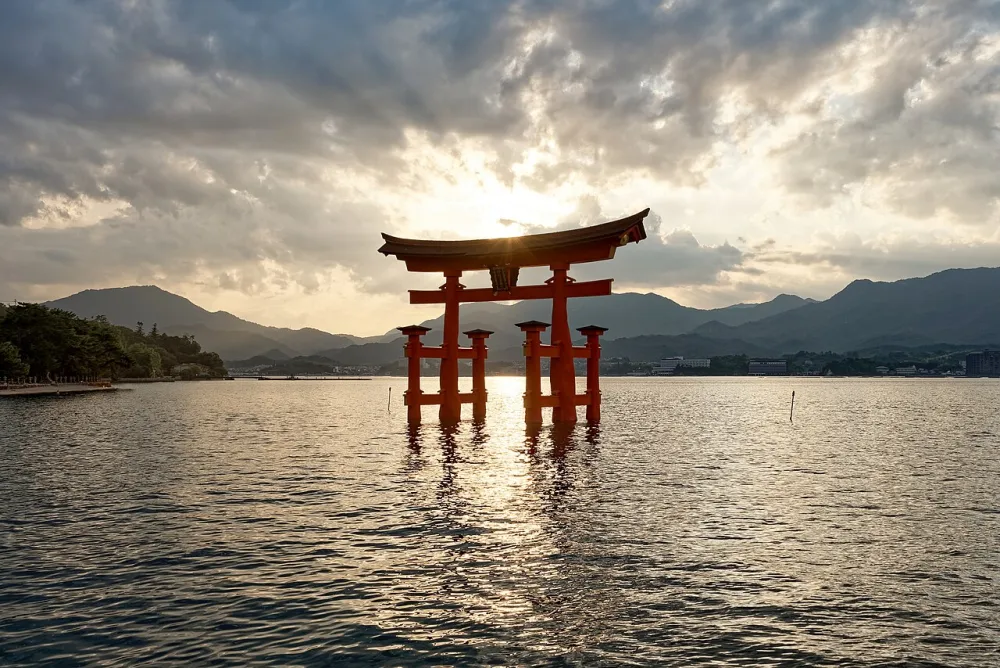
On a first visit, follow the coast towards the great torii gate. The sea, gate and shrine buildings come into view as you walk. Stop for photographs where there is space, and keep moving through narrow sections. For hot food first, turn into Omotesando Shopping Street and continue to the shrine after eating. If you plan to go up the mountain in the morning, limit shopping on the way out and buy souvenirs after coming down. Mikasanohama offers views of the great torii and offshore shrine buildings from land. Look at the water level here before deciding whether to return for a different tidal view. The shrine entrance, exit and coastal photo spots serve different purposes. After photographing the gate, follow the worship route signs to the entrance to avoid walking back against the flow. If companions split up to shop, agree on a specific public meeting point outside the shrine. It is easier to find than “by the torii”.
Use the shopping street on your return to combine meals, snacks and shopping. Seating, takeaway arrangements and rubbish collection vary by shop. Find the shop's designated place to eat before starting. Buy refrigerated items close to your departure time, or choose storage that suits the rest of your journey.
Enter Itsukushima Shrine from the east and continue to the temple from the west exit
The official Itsukushima Shrine route follows the East Corridor from the entrance, past the main shrine buildings and Noh stage, and leaves by the west exit. Save Itsukushima Shrine entrance on your map. It is a clearer navigation target than the great torii alone. Give worshippers space directly in front of them. Stop to photograph buildings where passage allows, without blocking a narrow corridor. During the autumn season, from 15 October to 30 November, normal opening hours are 6:30–17:30. In December, the shrine closes at 17:00. Early arrivals can visit the shrine before the temple and valley. If the morning goes to the ropeway, check how much opening time remains before adding the Treasure Hall in the afternoon. The shrine warns that narrow heels can catch in gaps between the wooden floorboards. Shoes that are stable on wooden corridors and paving make the visit more comfortable.
After the west exit, continue towards Daishoin rather than returning to the entrance and going round again. This is also a useful place to split a group if some prefer a coastal walk. The temple group can visit the steps and halls while others eat or rest in the village. Agree on a time and a meeting point on a public road. To keep everyone together, shorten the temple visit and retain a shared afternoon walk in Momijidani.
Shrine, Treasure Hall or Senjokaku: choose what you want to see before buying
The current individual admission table lists both the shrine and Treasure Hall at ¥300 for adults, ¥200 for upper-secondary pupils and ¥100 for primary and lower-secondary pupils, each. Combined tickets cost ¥500, ¥300 and ¥150 respectively, and are sold only at the shrine entrance. Buy the combined ticket when entering if you want both. If autumn leaves and worship are your main aims, buy shrine admission alone and keep the other time for Momijidani. The Treasure Hall opens 8:00–17:00 year round. Hokoku Shrine’s Senjokaku opens 8:30–16:30, with admission of ¥100 for adults and ¥50 for primary and lower-secondary pupils. Both close before the shrine's normal November closing time. If arriving in the afternoon, visit the one that interests you most first. Admission may be inexpensive, but entry, ticket buying and viewing still require a proper block of time.
To include Senjokaku in the route below the mountain, visit on the way to the shrine or back to the terminal. Avoid going back specially after Daishoin and then immediately turning towards Momijidani. Its timber interior offers a different view from the coast and suits an interest in architecture. Valley and maple enthusiasts can save themselves the steps. Choosing by what you want to see preserves more energy than buying every inexpensive ticket.
Move the coastal stop to suit the tide; keep the rest of the route
Open the Miyajima Tourist Association’s daily tide table, select your actual travel date and look at changes over the day. To see water around the torii, place the coastal stop at a suitable water level. To walk towards it, use the walking window shown on the page. If those views fall at opposite ends of the day, choose the one you value most before deciding on a second coastal stop. You could see the coast in the morning, continue to the shrine, Daishoin and lunch, then return from Momijidani for another sea view in the afternoon. If the suitable tide is in the afternoon, give the morning to the valley or ropeway and return to the coast after lunch. Move the coastal photography slot; fit the temple and shrine around their own opening hours. Overnight visitors can also take short walks at dawn and dusk.
Near the torii, follow the open areas, ground conditions and changing water. Wear shoes with grip on wet surfaces. Children should stay with their carers, and the group should not continue further out once the tide begins to rise. If the ground is still covered or access is closed, enjoy the view from the coast. The shrine corridors and Momijidani can remain in their original order. Omitting the walk to the gate does not disrupt the other visits.
Daishoin: choose the Five Hundred Rakan, halls and Henjokutsu around the steps
Daishoin stands at the foot of the mountain. Walk inland from the shrine's west side, then climb the stone steps into the temple. Its access page estimates about 30 minutes on foot from Miyajima terminal. If you have already stopped at the shrine and for lunch, treat Daishoin as the next part of your day rather than timing the journey afresh from the terminal. Normal daytime opening is 8:00–17:00, and ordinary worship is free. Arrange prayers, sutra copying and other experiences separately under the temple's programme.
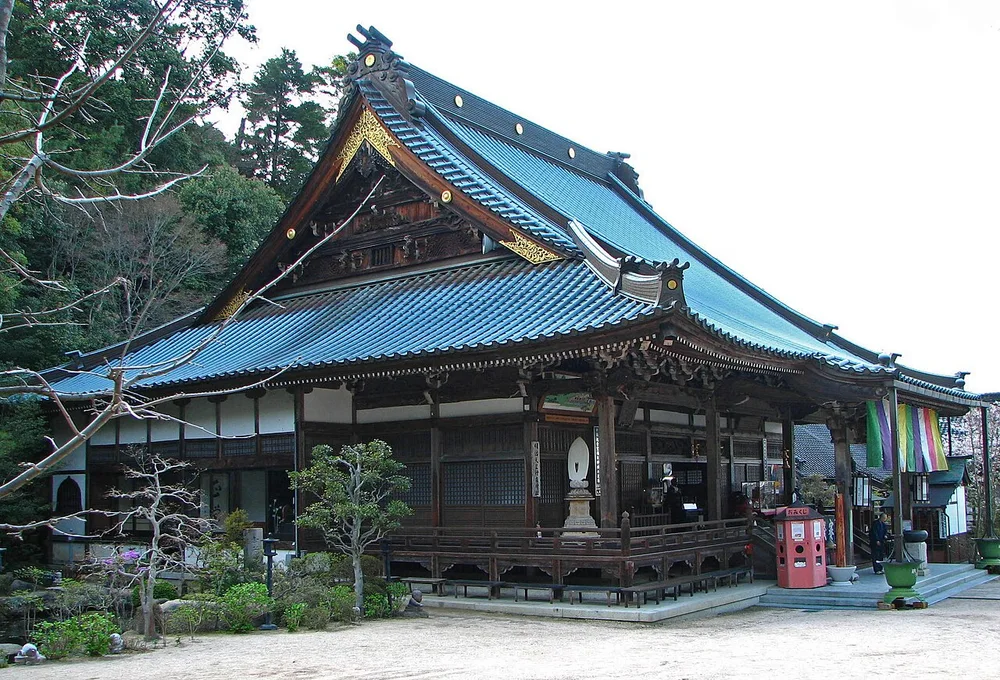
Use the temple grounds map to choose the Five Hundred Rakan garden, Kannon-do and another hall that interests you. Take time to look at the rakan figures' different faces. Stand securely for photographs and let worshippers behind you pass. Allowing about an hour for the temple makes for a more relaxed visit. With less time, choose neighbouring areas rather than climbing every flight of steps.
The tourist association’s temple guide introduces Kannon-do, Chokugan-do and Mani-den, each with a different religious focus. To understand the temple's place on Miyajima, read the explanation at one hall before moving to the next. That is more memorable than collecting photographs of every hall name. With older people or children, rest somewhere clear of the path after each climb. Descending also needs attention.
If temple spaces interest you, add Henjokutsu. The Japan Tourism Agency’s multilingual account describes it below Daishi-do, with bronze lamps overhead and statues representing the principal deities of Shikoku's 88 pilgrimage temples around it. The entrance, darkness and underground worship space make a distinct visit. Follow the day's photography rules. Companions who dislike dark spaces can wait outside.
To reduce the steps, tell the temple about your walking ability and discuss where a taxi can drop you. The Daishoin access page says taxis can reach the top of the entrance steps; shared-bus arrivals use a different approach. This reduces the effort before entering. Choose halls, steps and underground areas within the temple according to your ability. When booking, specify Daishoin's upper taxi stopping point and arrange collection for the descent.
When caring for children or older companions, start with the rakan garden and one hall. Those interested can make the underground visit separately. A family that has already taken the ropeway and walked on the mountain can omit Henjokutsu or the higher steps in the afternoon. Save energy for Momijidani and the walk back to the terminal.
Enter Momijidani by Momiji Bridge and follow the stream, maples and stone flood defences
Momijidani Park extends from behind the village towards the mountain. Momiji Bridge at the entrance and nearby Iwaso help you identify the valley approach. From Daishoin, return to the village roads open to pedestrians, then follow park signs towards the valley. There is no need to cross the mountain on the hiking trail beside the temple. For a stroll, set your map destination to the park or Momiji Bridge rather than Mount Misen's summit.
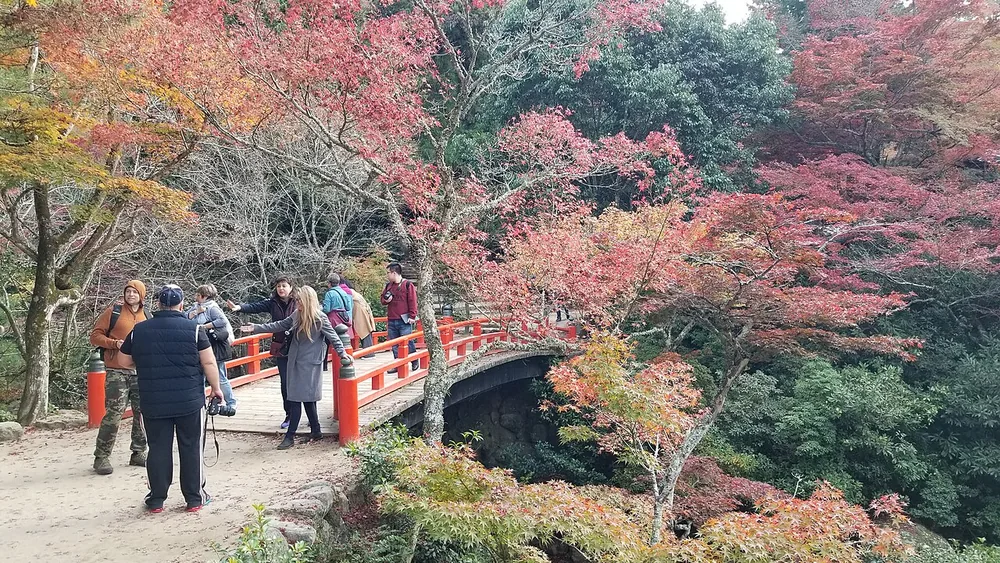
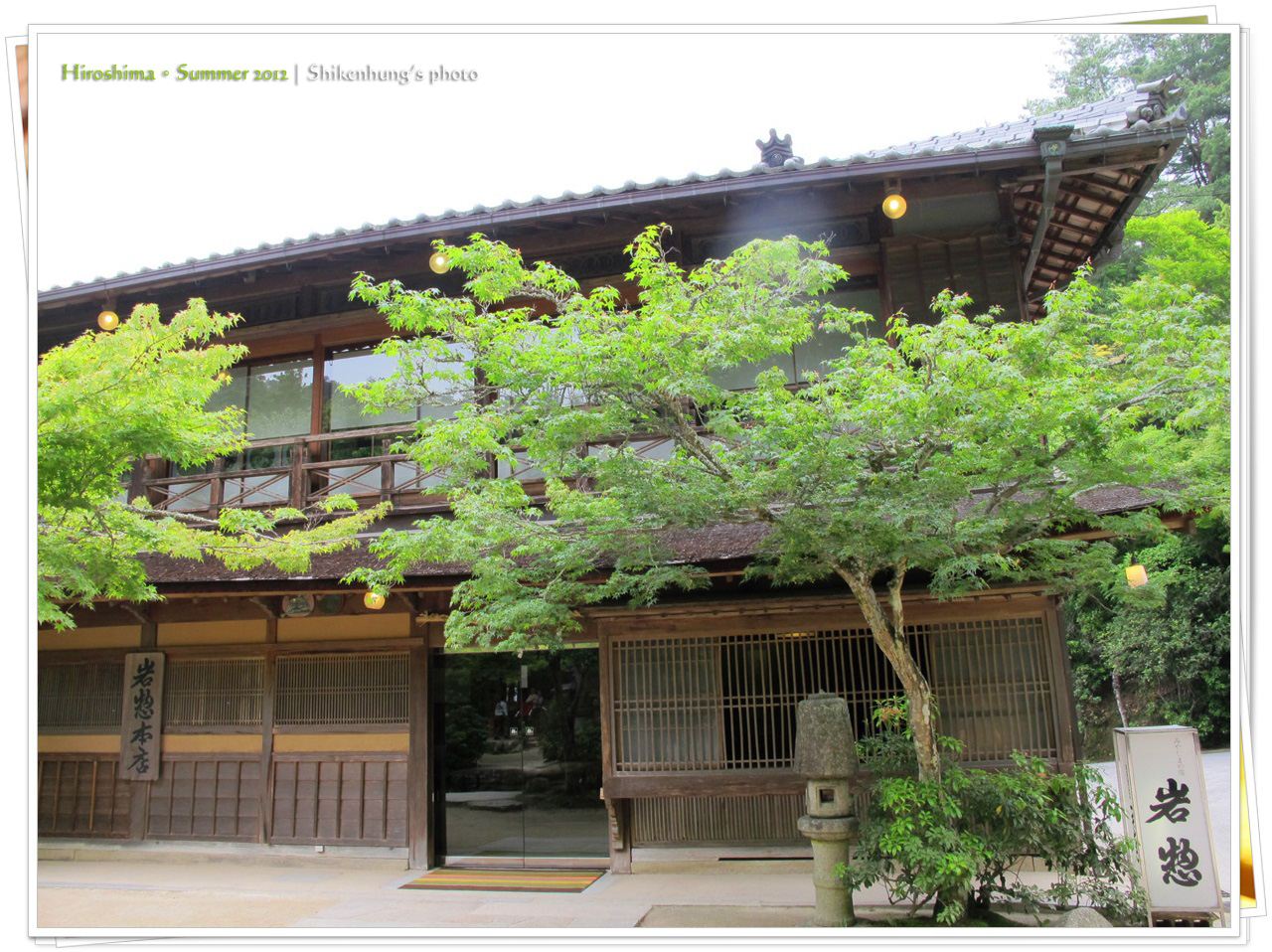
Pause along the stream and maples after entering. Take some photographs by the bridge, then continue further in. The scenery changes along the way. Walkers can return by the same path. If you are not using the ropeway, there is no need to hurry to its station. Allow about 45–60 minutes here for photography, rest and finding your way back if you want time in the valley.
Distinguish two names here. Momijidani Park is the autumn-leaf walking area; the Momijidani hiking trail continues up Mount Misen. At the hiking junction, walkers should follow the park and station direction. It is damp beneath the trees, and stone surfaces and fallen leaves can be slippery after rain. Put the camera away on bridges and slopes. Finding a stable place to stand is safer, and obstructs others less, than stepping backwards while photographing a whole tree.
Alongside the leaves, look at the stones in the stream and on its banks. The association’s account of the Momijidani River garden flood defences records landslides and debris flows caused by a typhoon in 1945. Post-war restoration combined disaster prevention with garden design, using local stone, retaining trees and concealing concrete. The apparently natural valley also contains designed flood-control structures.
Stay on permitted paths to see water flow through stones, roots and bridges, and how the garden flood defences meet the maples. After photographing the canopy, turn towards the valley. There is no need to enter the stream bed or climb the stonework for a view.
With children, observe the successive drops in the stream from the path and compare them with the stonework by the bridge. Return by Momiji Bridge. If energy is running low, leave the valley here and eat in the village.
The free shuttle links the park entrance and station, with a midday gap
To avoid some of the slopes below the ropeway, use the ropeway company’s free shuttle between the park entrance and Momijidani Station. It does not run directly from the ferry terminal to the summit. Walk from the terminal to the park entrance, identify the stop and wait for the service towards Momijidani Station. The operator explicitly asks passengers to give priority to older people, disabled people and very young children.
The current first service towards Momijidani Station is at 9:50. Daytime services generally run about every 20 minutes, with the last at 15:45. There are no intermediate departures between 12:10 and 13:10 towards the ropeway station, or between 12:05 and 13:05 towards the park entrance. If you finish lunch and reach the stop shortly after noon, the next service may involve a wait. Compare walking, waiting and your reserved slot.
The last listed return shuttle to the park entrance is at 16:50, close to the ropeway's final descent at 16:30. From Shishiiwa Station, you still have a ropeway transfer, and may then queue for the shuttle at the bottom. Allow space for both. To photograph the leaves, you can walk back to the entrance. To save your legs, save the return stop and times before going up so you need not find them after reaching the ground.
Reserve designated 2026 ropeway dates; calculate fares and free children separately
The operator's designated-date list for 2026 requires advance online reservations on 1, 7, 8, 14, 15, 21, 22, 23, 28 and 29 November. Booking opens three months ahead. If your date appears, use the official link to reserve first, then arrange the day's ferry and walks. On other dates, follow that day's operating notice. Save the reservation screen, date and time slot so that you do not have to find the booking page again through a search engine on the day.
Standard ropeway fares are ¥2,000 return or ¥1,100 single for adults, and ¥1,000 return or ¥550 single for children. The adult category covers ages 12 and over and lower-secondary pupils; the child category covers primary-school pupils aged 6 to under 12. Each accompanying guardian may bring one preschool child aged 1 to under 6 free. A second or subsequent child pays the child fare. One adult with two young children therefore needs to budget a child ticket for one of them.
Wheelchair or pushchair users need to adapt the route in advance. The operator’s facilities information states that there are no lifts. Wheelchairs and pushchairs cannot be carried on the circulating ropeway and must be left at the Momijidani Station office. If a family uses a baby carrier instead, the carer's load includes boarding, mountain paths and the child's weight. Where those requirements do not suit the group, make the coast, shrine area and suitable park sections the full main route.
The summit is a walk beyond Shishiiwa Station: set a return time first
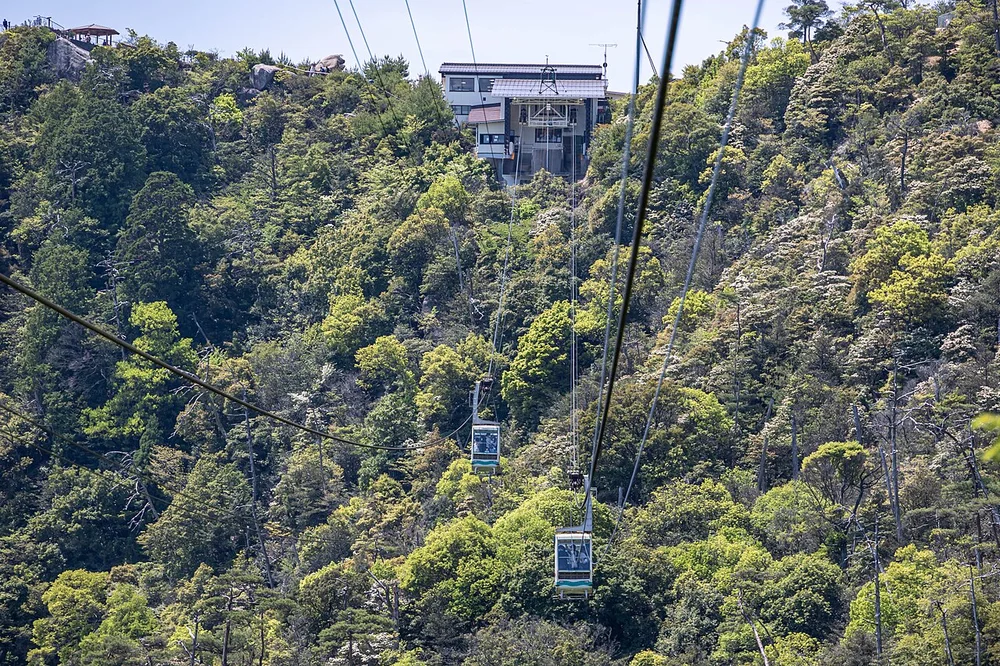
The ropeway runs from Momijidani to Kayatani, then connects to Shishiiwa Station. The listed rides take about 10 and 4 minutes; allow extra for waiting, transfers and queues. The official guide suggests about an hour for a return ropeway visit including sightseeing. Continuing to Mount Misen’s summit adds about an hour of return walking. This is the key difference when choosing between a viewpoint and the summit. At Shishiiwa, set your latest return time before starting to walk. Normal uphill operation is 9:00–16:00, with the final descent at 16:30. Limit your mountain route if going up in the afternoon. If you enjoy hiking and have time, continue to the summit. With unsuitable shoes, worsening weather or tired children, use viewpoints you can reach near the station. Descending requires two ropeway sections and a transfer at Kayatani. Keeping time to return to the station is easier to manage than trying to visit every mountain hall.
Reikado Hall burned down on 20 May 2026, and the temple is working towards reconstruction. Use Daishoin’s reconstruction and mountain notices when planning. Follow barriers and signs when passing. For worship and architecture, focus on Daishoin's halls at the foot of the mountain. Keep the mountain visit for paths and views, rather than planning entry to Reikado from old photographs.
Put lunch between walks and give everyone time to sit down
On the route below the mountain, lunch fits most easily after the shrine and before Daishoin, or back in the village after the temple. The first suits those who have already spent a long morning on the coast; the second suits those who want to complete the religious visits together. Agree how long you are willing to queue before choosing a restaurant. If a queue exceeds that limit, find another seated option nearby. This leaves a full afternoon walk for Momijidani instead of making everyone hurry from the first bridge onwards.
For the ropeway route, eat a sufficient breakfast and carry drinking water and simple food you can store safely. Keep the main lunch for after the descent. A ropeway slot near noon should not compete with a restaurant requiring a long wait. If children need fixed mealtimes, adults can share food buying and finding seats, or move the ascent earlier. Finish your hot drink and use the toilets before starting towards the temple or valley. That is easier than looking for facilities halfway there.
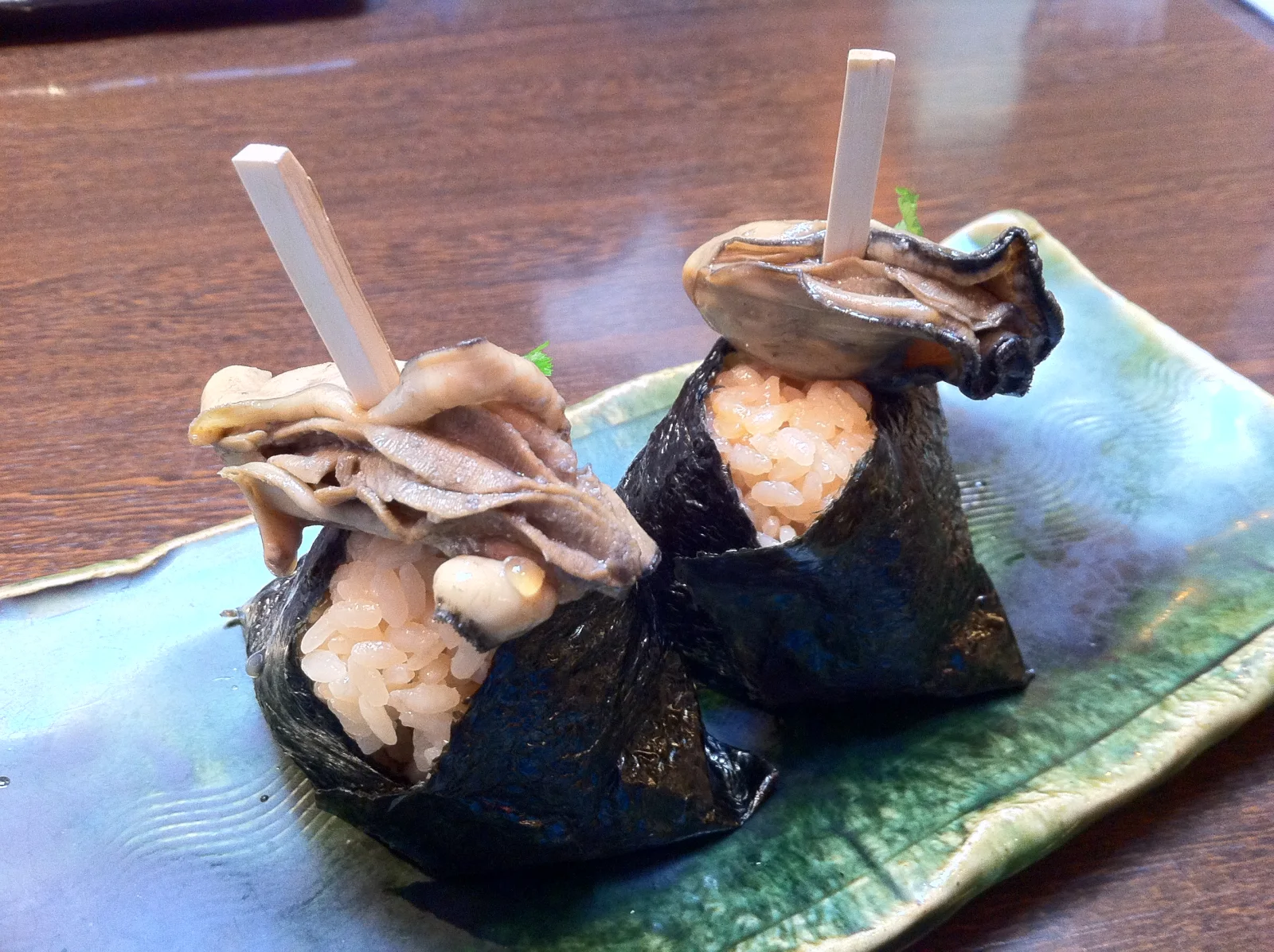
Choose one or two favourites from oysters, anago eel rice and maple-shaped cakes, after checking the menu, portions and dietary requirements. Food-shop browsers can save snacks for the return while retaining a seated main meal. If staying after dark, open the evening restaurant list linked from the event calendar in the afternoon. Choose somewhere open that day and compatible with your return. Your daytime snack shop and dinner venue can be different.
Come down before dark, then choose one illuminated park or coastal area
The free 2026 Momijidani illuminations run from 13 November to 6 December. Wait for dusk near an entrance you used by day, then follow the officially open illuminated route. Afterwards, return to the village for food or go straight to the terminal. Ask the information office for that day's illumination hours on arrival at the terminal, then choose whether to visit before or after dinner. Select your departing ferry first to give the valley walk a clear end.
A simpler option is to stay on the coast for the illuminated great torii and shrine buildings. Normal architectural lighting runs from 30 minutes after sunset until 23:00. It includes the great torii, shrine buildings, Five-storey Pagoda and Tahoto Pagoda, with possible changes for shrine events. Enjoy coastal night views from land. Access inside the shrine follows normal worship hours and any special opening rules for that day. After many steps in daylight, a short coastal stop is easier to fit before the terminal.
To enter Itsukushima Shrine after dark, choose the special visits marking 30 years of World Heritage inscription. On 21–23 November and 4–7 December 2026, opening extends to 19:30, with a ¥300 admission fee. On those dates, visit in the early evening and walk back along the coast to the terminal. If you have a fixed ryokan dinner, choose your meal time and departure from the shrine first. For an ordinary day trip, choose one illuminated area, park or coast. Finish Daishoin in daylight to reduce evening travel in different directions.
For the great torii at night from the sea, replace the coastal stop with Aqua Net Hiroshima’s great torii sightseeing boat. It leaves Miyajima Pier 3 on the island and returns to the same pier. You need a separate ferry to Miyajimaguchi. Leave the ferry terminal with your back to the sea and walk about 100 metres left to the Pier 3 waiting room and boarding point in front. The boat approaches the great torii and shrine at night but does not pass through the gate. Save the Miyajima worship sightseeing boat map location. Report to the ticket office near the pier and wait for staff to direct you onto it.
The night-boat booking instructions allow bookings from three months ahead until two hours before sailing. Online bookings also close at 16:00 on the day; the earlier deadline applies. For a 17:55 sailing, reserve by 15:55. After applying online, click the URL within the validity period in the confirmation email to complete the booking. Preferably book by 17:00 the previous day: the operator schedules a temporary suspension for a sailing date with no bookings at that point. To change to another sailing on the day, call the night-boat desk on 0829-44-0888, subject to remaining seats. Telephone hours are 10:00–21:00 on normal operating days and until 18:00 on suspended days.
For 18 November 2026, the official date-specific timetable lists the first departure at 17:55 and return to Pier 3 at 18:25. Reach the ticket office before 17:45, give your reservation name and pay cash. JR's operating calendar gives the normal timetable for that date, allowing the 19:00 JR ferry from Miyajima. Keep the 35 minutes after disembarking at 18:25 for walking to the ferry terminal, buying tickets and waiting. Have dinner before the sightseeing boat or back on the mainland. With a fixed island ryokan dinner, work backwards from that meal to choose a sailing; do not put a meal into those 35 minutes. The product description gives about 25 minutes for the cruise, while the date-specific timetable and official FAQ allow 30. Use the listed 18:25 return when connecting to transport.
Current night-boat fares are ¥2,000 for lower-secondary pupils and older, and ¥1,000 for children aged 5 through primary school. Each adult may bring one child under 5 free. A five-year-old already needs a child ticket, so calculate this separately from JR's young-child rules. Payment on site is cash only. Credit cards, transport IC cards and other cashless methods are not accepted. The night-boat FAQ also lists several boarding steps. Wheelchair users cannot board while seated in their wheelchair and must discuss arrangements by telephone in advance. Pushchairs are generally not permitted because there is little storage space on board. For families who need a wheelchair or pushchair throughout, the land-based coastal view above is easier to arrange.
Mikasamaru has a roof and operates in rain. Services may be suspended or limited to charters during the Kangen-sai festival and on lights-off days. For passenger cancellations, the official FAQ says there is generally no reservation cancellation fee. Online reservations can be cancelled on the website until 16:00 on the sailing day; afterwards, call 0829-44-0888. For a late date change, call the same desk for availability and adjust dinner and return travel to the new sailing.
The operator’s short film, published in December 2022, introduces the night cruise around Itsukushima Shrine and the great torii.
Read departures from Miyajima; evening ferry intervals change after 19:00
The “from Miyajima” column in the normal JR ferry timetable lists evening departures at 19:00, 19:30, 20:00, 20:42, 21:25 and 22:14. The crossing takes about 10 minutes. The 22:42 departure runs in the opposite direction, from Miyajimaguchi to the island. Find the correct direction in the normal, busy-day or New Year timetable applicable to your date, then save your selected sailing. If your ticket is for another operator, use its return timetable. A sailing such as 20:00, with later alternatives, makes a useful end point for an evening visit. Walk back to the terminal early. Leaving Momijidani still involves a descent, the village and the coast, and walking is slower on a wet night. Returning from coastal illuminations is easier to judge. If you need to collect luggage in Hiroshima or take a Shinkansen, work back from the train departure, allowing luggage collection, station walking and the connection at Miyajimaguchi. This gives an earlier island departure and sets the length of your evening visit.
Allow waiting time for the onward train at Miyajimaguchi. If dining back in Hiroshima, choose somewhere near your accommodation first. If eating on the island, include the walk from dinner to the terminal, so children need not wait for the ferry hungry.
With children, older companions or rain, keep a shorter route in one area
For families with young children, start with the coast, shrine and suitable parts of Momijidani. Add temple steps according to everyone's energy that day. A pushchair helps in the village, but steps and narrow paths still need assistance. It also has to be left behind for the ropeway. Do not plan on pushing a sleeping child all the way up the mountain. With a carrier, the carer also needs rests. Choose the park turnaround by load and stamina rather than going to its furthest point. Older visitors who want the temple without its long entrance staircase can ask about Daishoin's taxi access and replace the shrine-to-temple walk with a short drive. To reduce slopes before using the ropeway, take the free shuttle from the park entrance. These serve different places; taxis and shuttles do not share a timetable. For the whole group, agree on a turnaround everyone can manage. Those who want to walk further can split off with a clear meeting time.
In light rain, take a short coast and shopping-street walk, then make either the shrine or temple your main visit. Slow down on wet valley leaves, stone steps and wooden corridors. Strong winds, lightning and similar conditions can stop the ropeway. Use the day’s operating notice to switch to the route below the mountain. If the ferry operator also announces weather changes, deal with departure and accommodation first rather than waiting below the mountain for a service that has not resumed.
An island night gives separate time for dawn and dinner
A daytime visit to the three main areas fits easily with a return from central Hiroshima. An island night has a clear purpose if you specifically want autumn evening views, the shrine at dawn and two tidal scenes. When choosing a room, first see whether the accommodation lies on your return from the evening walk, then compare meal-inclusive and room-only plans. Iwaso, near the Momijidani entrance, helps locate the foot of the mountain. For any accommodation, the actual routes to the park, coast and terminal matter more to that evening's plan than an island address alone.
With dinner and breakfast included, put the ryokan's dinner slot into the itinerary before choosing the evening order. With a fixed dinner start, complete the shrine and temple beforehand and choose a nearby illuminated area afterwards. For a fixed evening event, select a compatible meal plan when booking. Room-only guests should also choose a restaurant open that evening in advance. Looking from door to door after dark reduces the viewing time that justified the extra night.
The next morning, take a short coastal walk, then return for breakfast and checkout. Arrange onward transport or storage for large luggage and carry daytime supplies in a small backpack. If adding the ropeway that morning, plan mountain access, luggage collection and departure as a full itinerary. Do not squeeze a half-day ascent into the time meant for a short pre-breakfast walk. Keep the cancellation date and charges for your booked plan and use that order's terms if the weather changes.
Budget the essentials first and reserve in route order
For an adult subject to the visitor tax and using JR's return ferry from Miyajimaguchi and entering Itsukushima Shrine, fares are ¥400, visitor tax ¥100 and shrine admission ¥300: ¥800 in total. A standard ¥2,000 return ropeway ticket brings the subtotal to ¥2,800. Add land transport to Miyajimaguchi, food and other optional admissions. For two people on the route below the mountain, multiply the essential items by the number of travellers, then add each person's chosen galleries.
For children, use each separate ferry, tax, shrine and ropeway age or school category. Primary pupils and preschool children have different tickets. With one adult and two young children, JR and the ropeway also have different free-child allowances. List each companion's age and school status before checking the applicable tickets. This makes buying on site clearer. Budget for the meals you actually want. On a walking-heavy day, omitting one paid extra is better than relying on snacks until evening.
Book intercity transport and accommodation first. If your date is a designated ropeway date, then make the official ride reservation. On departure day, check your ferry operator, ropeway operation and tides. Ask about the evening illumination hours at the terminal, then start walking. Save the shrine entrance, temple, Momijidani entrance and return terminal on your phone so that key turns need no fresh search. For an introduction to Miyajima's mountain, sea and religious life, watch Hatsukaichi City's official short film before travelling, then give the day to your chosen route.
Hatsukaichi City’s Miyajima project film introduces the island through its nature, culture and residents’ religious life.
A few useful answers
Do I need the ropeway to see autumn leaves on Miyajima?
You can stay at the foot of the mountain for autumn colour in Momijidani Park and Daishoin. Add the ropeway for elevated sea views or Mount Misen, and plan your return to the station around the normal final descent at 16:30.
Which November 2026 dates require a ropeway reservation?
The official 2026 list designates 1, 7, 8, 14, 15, 21, 22, 23, 28 and 29 November. Advance online booking is required and opens three months ahead.
Can I return to Hiroshima after the Momijidani illuminations?
Choose your island departure from your operator’s timetable for the date, then fit the illuminated walk around it. JR’s normal evening departures from Miyajima include 19:00, 19:30 and 20:00. Coastal lighting runs until 23:00, later than JR’s normal final island departure at 22:14.
Does the Miyajima great torii night cruise take me directly back to Miyajimaguchi?
The cruise leaves island Pier 3 and returns there. Take a separate ferry to Miyajimaguchi. For 18 November 2026, the early cruise leaves at 17:55 and returns at 18:25, leaving 35 minutes for disembarkation, walking and waiting before JR’s 19:00 island departure. Reserve the cruise in advance and reach the ticket office before 17:45 to pay cash.
Official information and references
Sources used in this guide.
- Miyajima Tourist Association: Momijidani Park and garden flood defences
- Itsukushima Shrine: normal hours and admission
- Itsukushima Shrine: visiting route
- Daishoin: access and taxi arrivals
- Daishoin: grounds guide
- Miyajima Tourist Association: Daishoin
- Japan Tourism Agency: multilingual guide to Daishoin’s Henjokutsu
- Miyajima Ropeway: operations and designated dates
- Miyajima Ropeway: fares and times
- Miyajima Ropeway: free shuttle timetable
- Miyajima Ropeway: facilities and passenger requirements
- JR Miyajima Ferry: standard fares and young-child rules
- JR Miyajima Ferry: normal timetable
- Miyajima Tourist Association: November 2026 events
- Miyajima Tourist Association: normal architectural lighting
- Miyajima Tourist Association: daily tide tables
- Daishoin: Reikado fire and reconstruction notices
- Hatsukaichi City: Miyajima project and official film
- Aqua Net Hiroshima: great torii night cruise, fares, reservations and dated timetables
- Aqua Net Hiroshima: night-cruise reservations and cash payment 10 minutes before sailing
- Aqua Net Hiroshima: night-cruise FAQ, boarding restrictions, changes and cancellations