Plan a walk through Miyajima’s autumn leaves, from Momijidani’s entrance to the ropeway and from Itsukushima Shrine to Daishoin. Includes 2026 ropeway reservations, shuttle breaks, admission, evening ferries and options for families or visitors staying off the mountain.
- Region & Focus
- Miyajima
- Reading Scope
- 37 min read · 18 chapters · 4 Q&As
- Official Verification
- 21 official sources checkedUpdated November 7, 2026
- Key Topics
- SeasonsItinerariesRail travel
Chapter Route Map (tap any stop)
- Choose three lower-level stops, or the ropeway and two stops
- Choose November dates for foliage and events separately
- From Miyajimaguchi, identify your ferry operator first
- Walk to the shrine along the shore; save the shopping street for food and the return
- Follow Itsukushima Shrine through to the west exit, then continue to the temple
- Choose between shrine, Treasure Hall and Senjokaku tickets
- Move the coastal stop to suit the tide
- At Daishoin, choose halls and Henjokutsu according to the stairs
- Enter Momijidani at Momiji Bridge and follow the stream
- The free shuttle links the park entrance and station, with a midday gap
- Reserve designated 2026 ropeway dates and calculate young children separately
- The summit is a walk beyond Shishiiwa Station; set a return time first
- Put lunch between visits so the whole group can sit down
- Come down before choosing a park or coastal evening stop
- Read the departures from Miyajima; gaps grow after 19:00
- With children, older adults or rain, keep the route compact
- An island overnight separates early walks from dinner
- Budget the essentials and book in route order
- Quick Q&A
The difficult part of an autumn day on Miyajima is deciding whether to head up the mountain from Momijidani, and whether there will still be time for temples, food and evening views afterward. To visit Itsukushima Shrine, Momijidani and Daishoin in one day, make the lower-level walk your main route. If you want the ropeway, give it the morning and drop one afternoon extension. The regular final descent in the current 2026 schedule is 16:30, so evening foliage viewing belongs at the foot of the mountain. Choose between these two routes first. Then adjust for shrine hours, tides and your ferry, instead of chasing each stop after arrival.
Choose three lower-level stops, or the ropeway and two stops
The route without a mountain climb starts at Miyajima Ferry Terminal. Follow the shore to Itsukushima Shrine, visit Daishoin, then take the roads at the foot of the mountain to Momijidani. Return down the roads into the settlement, through the shopping street and along the shore to the ferry. This separates the shrine over the water, the temple steps and the maple-lined valley into distinct visits. Have lunch between the shrine and temple, or after returning from Momijidani. There is outdoor walking between all three, and longer visits leave less room for extra museums. For the ropeway route, go to Momijidani Station first. At Shishiiwa Station, choose between nearby viewpoints and the walk to Mount Misen’s summit. Have lunch after descending, then make either the shrine or Daishoin your main visit. Add the other only if time allows. If the summit is the part you most want to see, give it half a day and avoid making every coastal sight compulsory. For companions who simply want autumn leaves, Momijidani alone provides an autumn walk.
Consider the difference before buying tickets. The lower-level route needs no ropeway ticket and has no 16:30 descent deadline. The mountain route adds the shuttle, two ropeway sections with a transfer, queues and walking at the top. From Hiroshima, you also need land transport and a ferry. See where to stay and how to travel on a two-day Hiroshima and Miyajima trip for the wider journey. On this day, protect the island stops you most want to make.
| Main aim | Suggested order | Extension to drop first |
|---|---|---|
| First visit for foliage and worship | Shrine → Daishoin → Momijidani → ferry terminal | Mount Misen summit |
| Views across the Seto Inland Sea | Momijidani → ropeway → lunch → shrine | Western parks and multiple museums |
| Young children or fewer stairs | Shore → shrine area → accessible stretches of Momijidani | Daishoin’s long stairways and the ropeway |
| An autumn evening visit | Afternoon visits at lower levels → dinner → illumination at the foot of the mountain → ferry terminal | Starting up the mountain near dusk |
Plan a walk through Miyajima’s autumn leaves, from Momijidani’s entrance to the ropeway and from Itsukushima Shrine to Daishoin. Includes 2026 ropeway reservations, shuttle breaks, admission, evening ferries and options for families or visitors staying off the mountain.
Choose November dates for foliage and events separately
The Miyajima Tourism Association’s Momijidani guide gives mid- to late November as the usual foliage season, with about 700 maple trees in the park. Use that seasonal range to choose travel dates, then look at that year’s colors and weather. In early November, you can still walk the valley and visit the religious sites, with a mix of green, yellow and red leaves. If you can adjust the wider trip, give Miyajima a full day without a long onward journey. The official November 2026 calendar lists free Momijidani illumination from November 13 to December 6. It also lists the Miyajima Industry Festival in the ferry terminal plaza on November 14–15, and Daishoin’s autumn fire-walking ceremony on November 15. For quiet valley photography, avoid major events you do not plan to attend. If local crafts or a temple ceremony interest you, make that event the day’s focus and shorten another stop.
Ropeway users also need to compare the designated reservation dates. A foliage-season weekend means crowds and ferry queues for walkers, and an extra reservation requirement for ropeway passengers. A weekday helps make the route more relaxed, although visitors will still stop at bridges and popular trees. Spread photography across different parts of the walk to reduce crowding at the entrance.
From Miyajimaguchi, identify your ferry operator first
After arriving at JR Miyajimaguchi or Hiroden Miyajimaguchi Station, go to your chosen operator’s ticket office and boarding area. The regular JR Miyajima Ferry costs ¥200 one way for adults and ¥100 for children aged 6 to under 12. A separate ¥100 visitor tax applies on entry to each normally taxable passenger. For a typical adult, return ferry fares and one entry tax total ¥500, excluding the train to Miyajimaguchi. Each traveler should have a valid ticket ready; passing phones around at the gate slows the whole group. On the JR ferry, each fare-paying passenger may take two preschool children free, and infants under 1 travel free. Preschool children are also exempt from visitor tax. The ropeway has a different free-child allowance, so families with two young children must calculate it separately. If using a rail pass or Hiroden package, read which ferry operator it covers. JR and Miyajima Matsudai Kisen operate separately; boarding whichever boat arrives first can take you to the wrong entrance for your ticket. Use the same operator check on the return.
On arrival at Miyajima Ferry Terminal, note the return boarding area and toilets before walking toward the shrine. Daishoin gives about 30 minutes on foot from the terminal as an access estimate. Over that distance, luggage, strollers and snack stops can change the day’s pace. Leave large bags at your accommodation or an arranged storage location, and bring only what you need for the day.
Walk to the shrine along the shore; save the shopping street for food and the return
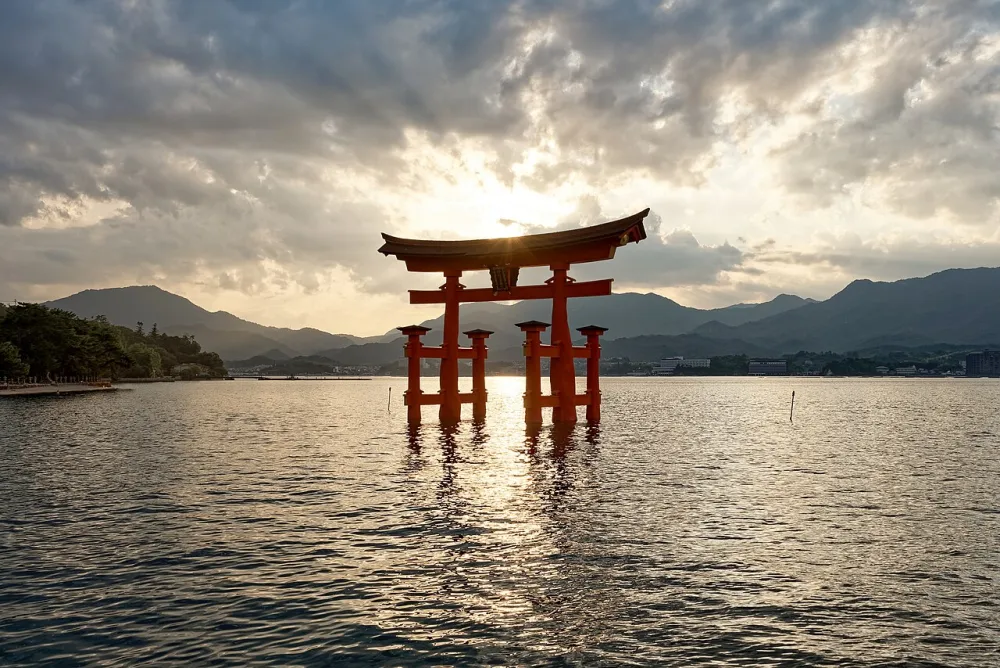
On a first visit, follow the shore toward the Great Torii, allowing the sea, gate and shrine buildings to come into view gradually. Stop for photographs in open areas and keep moving through narrow stretches. For hot food first, turn into Omotesando Shopping Street, then continue to the shrine after eating. If you plan to go up the mountain in the morning, shop less on the way and buy gifts after descending. Around Mikasanohama, you can view the Great Torii and shrine over the water from land. Note the water level here before deciding whether to return for a different tide. The shrine entrance, exit and coastal photo spots serve different purposes. After photographing the gate, follow the worship-route signs to the entrance to avoid walking back against the flow. If your group splits up to shop, choose a clear public meeting point outside the shrine rather than simply saying “by the torii.”
Returning through the shopping street lets you combine meals, snacks and shopping. Shops have different arrangements for seating, takeout and waste. Find the shop’s designated eating area before starting your food. Buy refrigerated items close to departure, or choose storage that fits the day’s onward travel.
Follow Itsukushima Shrine through to the west exit, then continue to the temple
The official Itsukushima Shrine route enters through the east corridor, passes the main shrine buildings and Noh stage, and leaves through the west exit. Save Itsukushima Shrine’s entrance on your map; it is a clearer navigation target than the Great Torii alone. Keep the space directly in front of worshippers clear. Photograph buildings where stopping is allowed, without blocking a narrow corridor. During foliage season, from October 15 to November 30, regular shrine hours are 6:30–17:30. In December it closes at 17:00. Early arrivals can visit the shrine first, then the temple and valley. If the ropeway takes your morning, check the remaining afternoon opening time before adding the Treasure Hall. There are gaps in the wooden floorboards, and the shrine warns that thin heels can get caught. Shoes that are stable on wooden corridors and paving make the visit more comfortable.
From the west exit, continue toward Daishoin to avoid returning to the entrance and circling around. This is also a useful place to split up if some people want only a coastal walk. The temple group can visit the steps and halls while others eat or rest in the settlement, with a set time to meet on a public road. To stay together, shorten the temple visit and keep the afternoon Momijidani walk for everyone.
Choose between shrine, Treasure Hall and Senjokaku tickets
Under the current individual admission rates, the shrine and Treasure Hall each cost ¥300 for adults, ¥200 for high school students, and ¥100 for elementary and junior high school students. Combined tickets cost ¥500, ¥300 and ¥150 respectively, and are sold only at the shrine entrance. Buy the combined ticket on entry if you want both. If foliage and worship are your main aims, buy shrine admission alone and leave more time for Momijidani. The Treasure Hall opens 8:00–17:00 year-round. Hokoku Shrine’s Senjokaku Hall opens 8:30–16:30 and costs ¥100 for adults or ¥50 for elementary and junior high school students. Both close before the shrine’s regular November closing time. If arriving in the afternoon, visit whichever interests you most first. Cheap admission still takes a full block of time for buying tickets, entering and looking around.
To include Senjokaku in the lower-level route, visit on the way to the shrine or back to the ferry. Avoid returning specially after Daishoin only to turn toward Momijidani again. Its timber interior offers a different perspective from the shore and suits visitors interested in architecture. Those who prefer the valley and maples can skip these steps. Choosing by what you want to see preserves more energy than buying every inexpensive ticket.
Move the coastal stop to suit the tide
Open the Miyajima Tourism Association’s daily tide table, select your actual travel date, and look at water levels through the day. For water around the torii, time the coastal stop to suit that view. To walk close to it, use the walking window listed on the page. If the two views fall in the morning and evening, choose the one you value most before deciding whether to return to the shore. You could see the coast in the morning, visit the shrine and Daishoin, eat lunch, then return after an afternoon in Momijidani. If the preferred tide is in the afternoon, give the morning to the valley or ropeway and return to the shore after lunch. Move the coastal photography slot, while fitting the temple and shrine around their own hours. Overnight visitors can also take a short walk in both early morning and evening.
Near the torii, follow the open areas and respond to ground conditions and changing water levels. Wear shoes that grip slippery surfaces. Children should stay with their caregivers, and you should not continue farther out once the tide starts rising. If the ground is not exposed or access is closed, enjoy the view from the shore. The shrine corridors and Momijidani can still follow the planned order; skipping the close approach to the gate does not disrupt the other visits.
At Daishoin, choose halls and Henjokutsu according to the stairs
Daishoin stands at the foot of the mountain. Walk inland from the shrine’s west side and enter the temple by stone steps. The temple’s access page estimates about 30 minutes on foot from Miyajima Ferry Terminal. If you have already visited the shrine and had lunch along the way, treat this as the next stop in the same day rather than restarting the terminal-to-temple clock. Regular daytime hours are 8:00–17:00, and ordinary worship is free. Prayers, sutra copying and other experiences follow the temple’s separate arrangements.
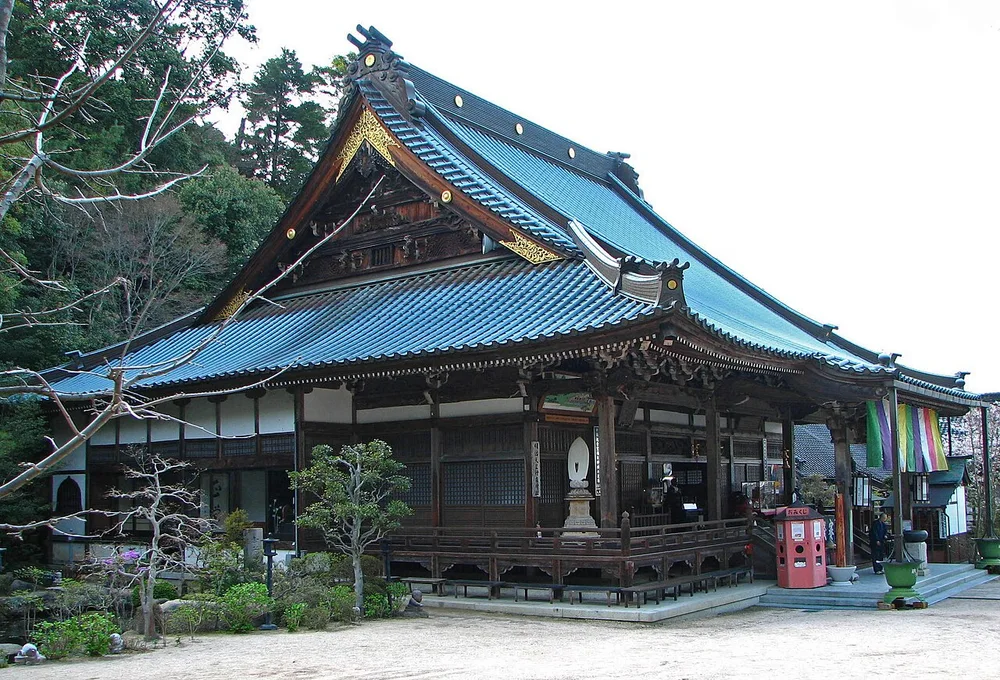
Look at the temple grounds map first, and choose the 500 Rakan garden, Kannon-do and one other hall that interests you. Take time to see the different faces of the Rakan figures. Stop where you can stand securely for photographs, then let worshippers behind you pass. About an hour allows a more relaxed temple visit. With less time, choose a few neighboring areas rather than climbing every stairway.
The tourism association’s temple guide describes Kannon-do, Chokugan-do and Mani-den, each with a different religious role. To understand the temple’s relationship with Miyajima, read the explanation at one hall before moving to the next. This is easier to remember than photographing every hall name. With older adults or children, rest somewhere clear of the path after each climb, and concentrate again when descending.
If temple spaces interest you, add Henjokutsu. The Japan Tourism Agency’s multilingual explanation places it below Daishi-do, with copper lamps hanging from the ceiling and Buddhist statues representing the principal images of Shikoku’s 88 pilgrimage temples. The entrance, darkness and underground worship form a separate experience. Follow the day’s photography rules; companions who dislike dim spaces can wait outside.
To reduce stairs, explain your walking ability to the temple in advance and discuss taxi access. The Daishoin access page says taxis can reach the top of the steps; arrival by shared bus works differently. This reduces the approach effort, while halls, stairs and underground areas inside still need to be chosen according to personal ability. When booking a taxi, specify Daishoin’s upper stopping point and arrange pickup for the descent.
When caring for children or older adults, start with the Rakan garden and one hall, leaving underground worship to those who want it. Families who have already used the ropeway and hiked in the morning can omit Henjokutsu or the higher steps in the afternoon, saving energy for Momijidani and the walk back to the terminal.
Enter Momijidani at Momiji Bridge and follow the stream
Momijidani Park extends from behind the settlement toward the mountain. Momiji Bridge at the entrance, near Iwaso, is a useful starting point for finding the valley. From Daishoin, return to the open roads through the settlement, then follow park signs toward the stream. There is no need to cross the mountain on the hiking trail beside the temple. For a simple walk, set the park or Momiji Bridge as your destination instead of Mount Misen’s summit.
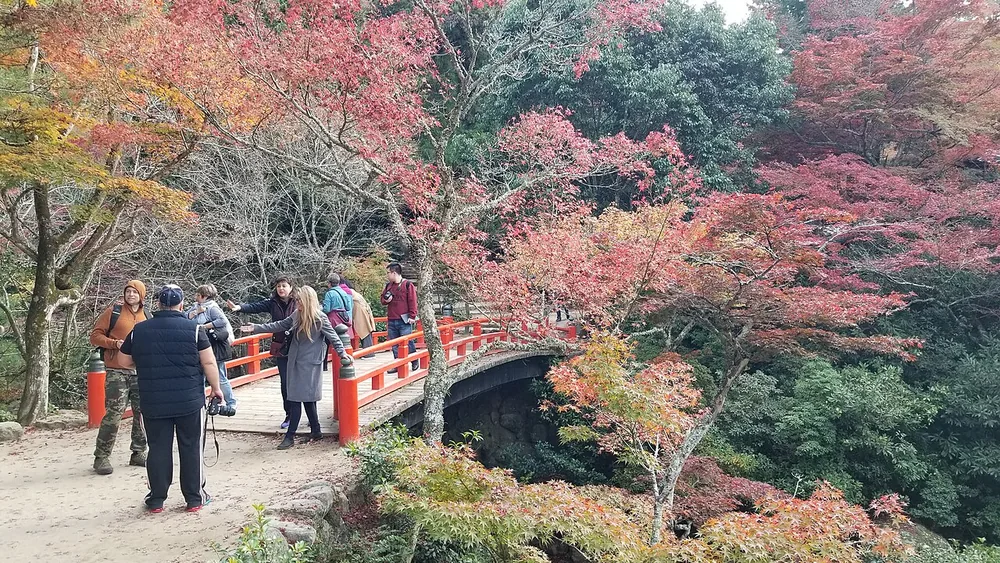
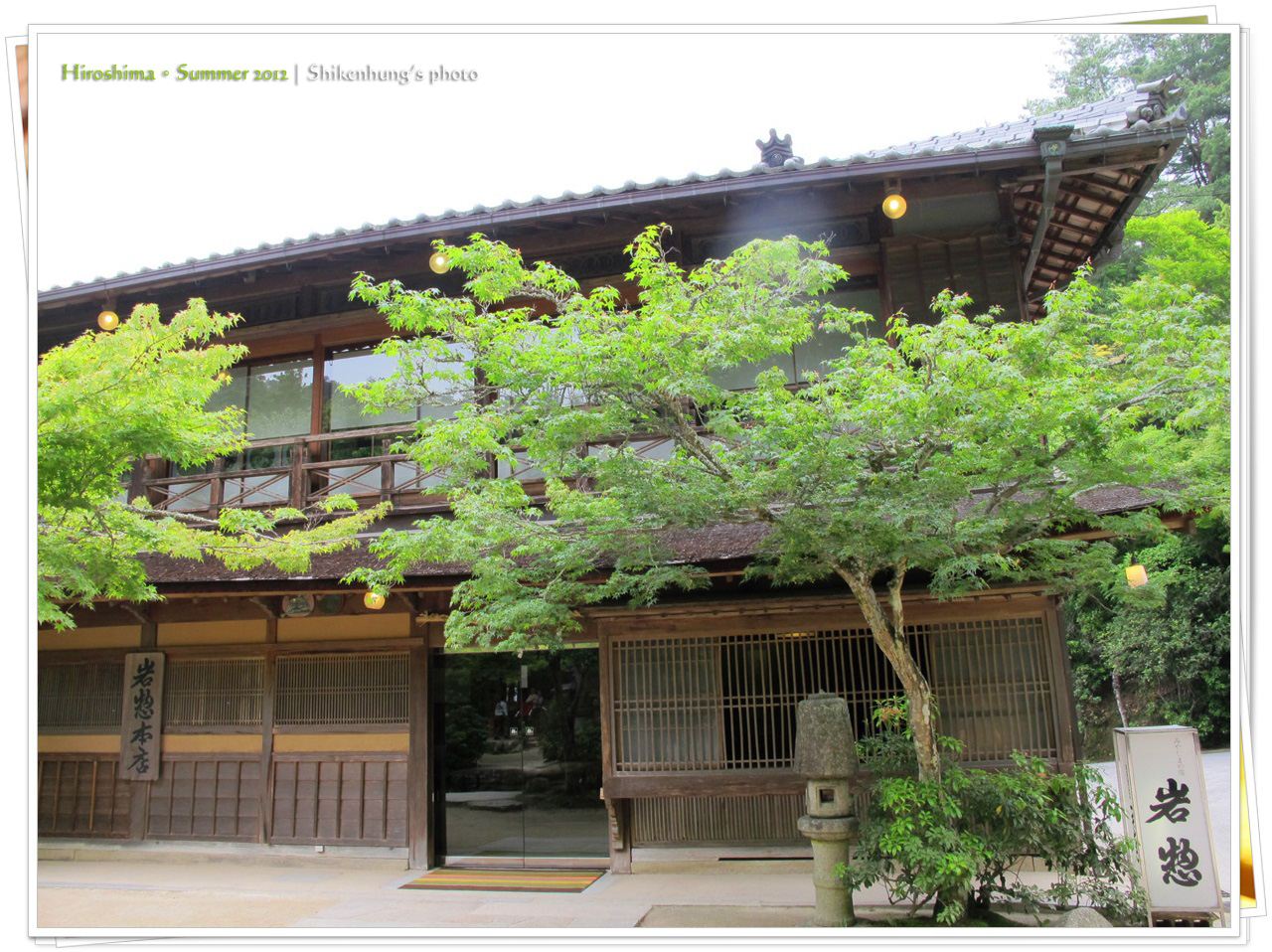
Once inside, stop at intervals along the stream and maples. Take some photographs by the bridge before walking farther in. The scenery changes along the way. Walkers can retrace their route. If you are not riding the ropeway, there is no reason to rush to the station. Allow about 45–60 minutes for more time in the valley, including photographs, rests and finding the return route.
Keep the two names distinct: Momijidani Park is the foliage-walking area, while the Momijidani hiking trail continues up Mount Misen. At a trail junction, casual walkers should follow the park and station direction. Under the canopy it is damp, and stones or fallen leaves can be slippery after rain. Put the camera away on bridges and slopes. Find a stable place to photograph a tree instead of stepping backward while looking through the camera; this is safer and keeps the path clearer.
Alongside the leaves, spend time looking at the stonework in and beside the stream. The association’s account of Momijidani River’s garden-style erosion-control works records landslides and debris flows caused by a 1945 typhoon. Postwar restoration integrated disaster-prevention structures into a garden, using local stone, preserving trees and covering concrete. The apparently natural valley also contains designed protective works.
From the open paths, watch the water pass stonework, roots and bridges, and see how the erosion-control garden meets the maples. After photographing the canopy, turn toward the valley. You do not need to enter the streambed or climb the stones for a view.
With children, observe the stream’s successive drops from the path and compare them with the stonework near the bridge. Return via Momiji Bridge. If energy is running low, leave the valley here and eat in the settlement.
The free shuttle links the park entrance and station, with a midday gap
To use the ropeway with less walking on the lower slopes, take the ropeway operator’s free shuttle between the park entrance and Momijidani Station. It does not run from the ferry terminal to the summit. Walk from the terminal to the park entrance, identify the stop and wait for the station-bound bus. The operator explicitly gives boarding priority to older adults, people with disabilities and very young children.
The current timetable lists the first station-bound departure at 9:50, generally about every 20 minutes during the day, and the last at 15:45. There is no intermediate departure between 12:10 and 13:10 toward the lower ropeway station, or between 12:05 and 13:05 toward the park entrance. If you reach the stop after lunch shortly after noon, there may be a wait. Compare walking, waiting and your reservation time.
The last listed shuttle back to the park entrance is 16:50, close to the ropeway’s final 16:30 descent. After leaving Shishiiwa Station, you still transfer to the second ropeway section, and may then queue for the shuttle. Leave room for these steps in the plan. Walk back to the entrance if you want foliage photographs along the way. To save energy, save the return stop and departures before boarding the ropeway.
Reserve designated 2026 ropeway dates and calculate young children separately
The operator’s 2026 designated-date schedule requires advance online reservations for November 1, 7, 8, 14, 15, 21, 22, 23, 28 and 29. Reservations open three months ahead. If your date is listed, use the official link to book before arranging the day’s ferry and walking order. For other dates, follow that day’s operating notice. Save the booking screen, date and time slot so you do not have to find the entrance again through a search engine on departure day.
Regular ropeway fares are ¥2,000 return or ¥1,100 one way for adults, and ¥1,000 return or ¥550 one way for children. The adult category covers ages 12 and over and junior high school students; the child category covers elementary school children aged 6 to under 12. Each accompanying guardian may take one preschool child aged 1 to under 6 free. The second and subsequent young children pay the child fare. One adult traveling with two young children must therefore budget one child ticket.
Adjust the route in advance for anyone who needs a wheelchair or stroller. The operator’s facilities information states that there are no elevators. Wheelchairs and strollers cannot be taken on the circulating gondola and must be left at the Momijidani Station office. If using a baby carrier instead, include boarding, mountain paths and the child’s weight in the caregiver’s workload. If the facilities do not fit your mobility needs, the shore, shrine area and suitable park paths make a better complete route.
The summit is a walk beyond Shishiiwa Station; set a return time first
The ropeway runs from Momijidani to Kayatani Station, then onward to Shishiiwa Station. The listed rides take about 10 and 4 minutes respectively; allow extra time for waiting, transferring and queues. The official guide gives about one hour for a ropeway round trip with sightseeing. Continuing to Mount Misen’s summit adds about one hour of return walking. That is the useful distinction when choosing a viewpoint visit or a summit walk. Set your latest return to Shishiiwa Station before starting on foot. Regular uphill operation is 9:00–16:00, and the final descent is 16:30. Shorten the mountain visit if going up in the afternoon. Hikers with enough time can continue to the summit. With unsuitable shoes, worsening weather or tired children, use reachable viewpoints near the station. The descent also uses two ropeway sections with a transfer at Kayatani. Saving the final part of your time for the return is easier than circling every mountain hall.
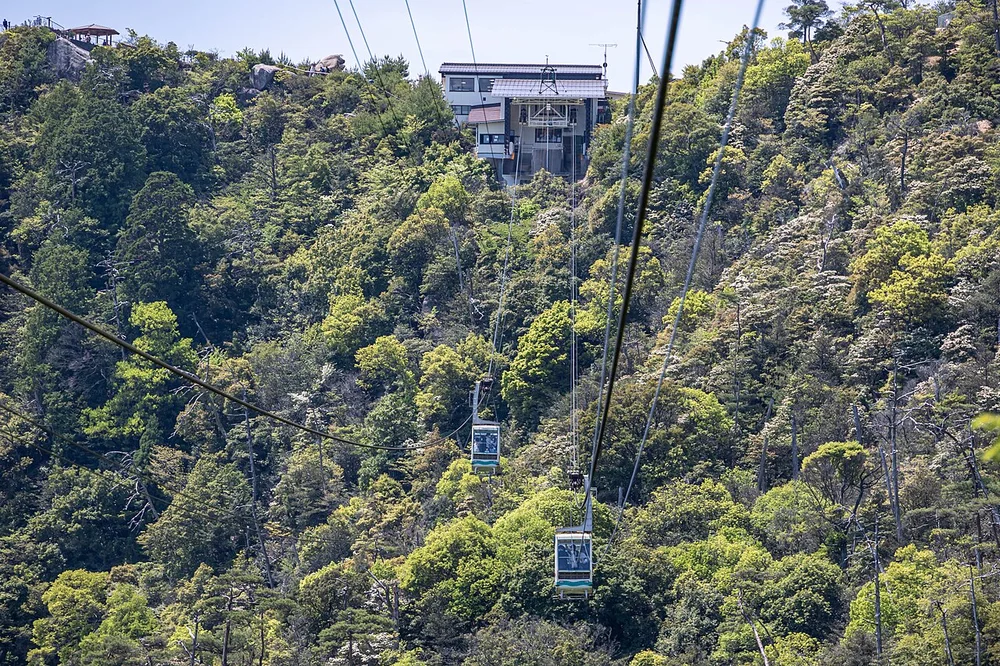
Reikado Hall on the mountain was destroyed by fire on May 20, 2026, and the temple is working on reconstruction. Use Daishoin’s reconstruction and mountain notices when planning, and follow barriers and signs on site. For worship and architecture, focus on Daishoin’s halls at the foot of the mountain. Keep the mountain for paths and views, rather than planning entry to Reikado from old photographs.
Put lunch between visits so the whole group can sit down
On the lower-level route, lunch fits most easily after the shrine and before Daishoin, or back in the settlement after the temple. The first suits people who have already spent a long morning on the shore; the second suits those who want to finish the religious visits together. Agree on an acceptable wait before choosing a restaurant. If the queue is longer, find another seated option in the same area. This leaves a full afternoon block for Momijidani without rushing everyone from the bridge onward.
For the ropeway route, eat a substantial breakfast, bring water and a little food that keeps safely, and have the main lunch after descending. A ropeway reservation near noon does not fit well with a restaurant that needs a long wait. If children need regular mealtimes, adults can divide buying food and finding seats, or move the mountain visit earlier. Finish a hot drink and use the toilet before heading to the temple or valley, where facilities are harder to seek halfway through.
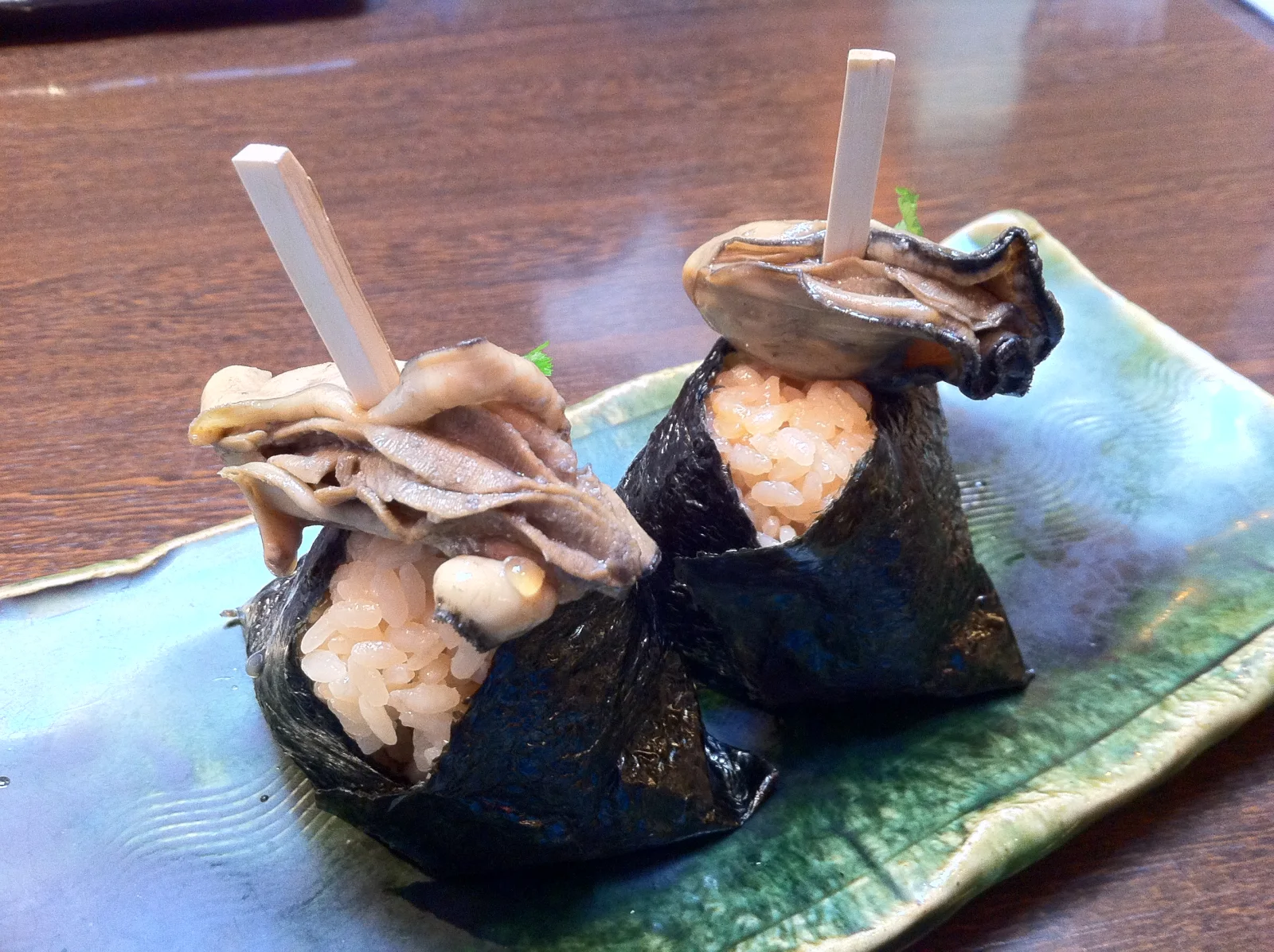
Choose one or two favorites among oysters, conger eel rice and maple-shaped momiji manju, after checking menus, portions and dietary needs. Food-shop browsing can be saved for return snacks, while keeping a seated main meal. If staying into the evening, open the list of evening restaurants linked from the event calendar during the afternoon. Choose one open that day that fits your return. Daytime snack shops and dinner need not be the same places.
Come down before choosing a park or coastal evening stop
Momijidani’s free 2026 illumination runs from November 13 to December 6. Wait for dusk near the entrance you used during the day, walk the officially open illuminated area, then return to the settlement for food or go straight to the ferry terminal. Ask the information desk about that day’s lighting hours when you arrive at the pier, then decide whether to visit before or after dinner. Choosing your departure ferry first gives the valley walk a clear finishing time.
Another simple option is the shore, with the lit Great Torii and shrine buildings. Regular architectural lighting runs from 30 minutes after sunset until 23:00 and includes the Great Torii, shrine buildings, five-story pagoda and Tahoto pagoda, subject to changes for shrine events. View the coast from land. Interior shrine access follows regular worship hours and that day’s special openings. After many daytime steps, a short coastal stop is easier to connect with the ferry terminal.
For evening access inside Itsukushima Shrine, choose the special visits marking 30 years of World Heritage inscription. On November 21–23 and December 4–7, 2026, opening extends to 19:30, with ¥300 admission. On those days, visit the shrine near dusk and walk back along the shore. If your inn has a fixed dinner time, decide when to eat and when to leave the shrine first. Most day-trippers can choose one park or coastal lighting area, finish Daishoin during daylight, and reduce evening travel in different directions.
To see the Great Torii at night from the sea, replace the shore stop with Aqua Net Hiroshima’s sightseeing cruise. It leaves from Miyajima Pier No. 3 on the island and returns to the same pier. You need a separate ferry to Miyajimaguchi afterward. Exit the Miyajima ferry terminal and, with your back to the sea, walk left about 100 meters to the Pier No. 3 waiting room and boarding point in front. The boat approaches the Great Torii and shrine night views but does not pass through the gate. Save the Miyajima worship cruise map location, report to the ticket office near the pier, and wait for staff to guide you onto it.
Under the night-cruise reservation instructions, bookings open three months ahead and close two hours before departure. Online booking also closes at 16:00 on the sailing day; the earlier deadline applies. For a 17:55 departure, book by 15:55. After applying online, click the URL within the validity period in the confirmation email to complete the booking. Book by 17:00 the previous day if possible: the operator schedules a cancellation for a sailing day with no reservations at all at that cutoff. For a same-day change to another departure, call the cruise desk on 0829-44-0888 for available seats. Calls are accepted 10:00–21:00 on regular operating days, or until 18:00 on non-operating days.
For November 18, 2026, the official dated timetable lists the first cruise at 17:55, returning to Pier No. 3 at 18:25. Arrive at the ticket office by 17:45, give your booking name and pay cash. The JR operating calendar lists the regular schedule that day, allowing a connection to the 19:00 JR ferry from Miyajima. Keep the 35 minutes after the 18:25 return for walking to the ferry terminal, buying tickets and waiting. Eat before the cruise or after returning to the mainland. With a fixed inn dinner on the island, work backward from dinner to choose a cruise; do not put a meal into those same 35 minutes. The product description says about 25 minutes, while the dated timetable and official FAQ allow 30. Use the listed 18:25 return for transport planning.
Current cruise fares are ¥2,000 for junior high school age and above, and ¥1,000 from age 5 through elementary school. Each adult may bring one child under 5 free. A 5-year-old already needs a child ticket, so calculate this separately from JR ferry preschool rules. Payment on site is cash only; credit cards, transit IC cards and other cashless payments are not accepted. The cruise FAQ lists several steps at boarding. Wheelchair users cannot board while seated in their wheelchair and must discuss arrangements by phone in advance. Strollers generally cannot be brought aboard because of limited space. Families who need continuous wheelchair or stroller use will find the land-based shore views above easier to arrange.
Mikasamaru has a roof and normally operates in rain. The Kangen Festival and lights-off days may bring cancellations or charter-only service. For voluntary cancellations, the official FAQ says there is generally no reservation cancellation fee. Cancel online bookings on the website by 16:00 on the sailing day; after that, call 0829-44-0888. For a last-minute date change, call the same desk about availability and adjust dinner and return travel to the new departure.
The operator’s short film, released in December 2022, introduces the nighttime sightseeing cruise around Itsukushima Shrine and the Great Torii.
Read the departures from Miyajima; gaps grow after 19:00
The “from Miyajima” column of the regular JR ferry timetable lists evening departures at 19:00, 19:30, 20:00, 20:42, 21:25 and 22:14, with a crossing of about 10 minutes. The 22:42 sailing goes the other way, from Miyajimaguchi to the island. First select the regular, busy-period or year-end schedule for your date and confirm the direction. Save your chosen sailing. If using another operator’s ticket, check that operator’s return schedule. A departure such as 20:00, with later options still available, makes a useful endpoint for an evening visit. Walk back early to wait at the terminal. Leaving Momijidani still involves the downhill path, settlement and shore, and is slower on a rainy night. The coastal lighting area is easier to time from the terminal. If collecting luggage in Hiroshima or catching a Shinkansen that day, work backward from the train to allow luggage collection, station movement and the connection from Miyajimaguchi. This gives an earlier island departure and a shorter evening visit.
Allow waiting time for the onward train at Miyajimaguchi. For dinner in Hiroshima, choose somewhere near your accommodation. For dinner on the island, include the walk from the restaurant back to the terminal so children do not wait for the ferry hungry.
With children, older adults or rain, keep the route compact
Families with young children can start with the shore, shrine and suitable parts of Momijidani, adding temple steps according to the day’s energy. A stroller helps in the settlement, but stairs and narrow paths still need assistance. It must also be left behind for the ropeway, so do not assume a sleeping child can be pushed all the way up. Caregivers using carriers need rests too. Choose the park turnaround by load and stamina rather than aiming for the deepest point. If an older adult wants the temple without the long stairs, ask Daishoin about taxi access and replace the shrine-to-temple walk with a short ride. To reduce slopes before the ropeway, use the free shuttle at the park entrance. Taxi access and this shuttle serve different places and do not share a timetable. Choose a turnaround point the whole group accepts. Anyone wanting more walking can split off with a clear meeting time.
In light rain, take short shore and shopping-street walks and make either the shrine or temple the main visit. Slow down on wet valley leaves, stone steps and wooden corridors. Strong winds or lightning may suspend the ropeway; switch to the lower-level route according to the day’s operating notice. If ferry services also announce weather changes, settle departure and accommodation first instead of waiting at the foot of the mountain for a service that has not resumed.
An island overnight separates early walks from dinner
Central Hiroshima is a convenient base for these three daytime stops. An island night has a clear purpose if you want autumn evenings, the shrine early in the morning or two different tides. When choosing accommodation, first check whether it lies along your return from the evening walk, then compare meal plans and room-only stays. Iwaso, near Momijidani’s entrance, is a useful reference for the foot of the mountain. For any property, the actual route between the room, park, shore and terminal affects the evening more than an island address alone.
With dinner and breakfast included, put the inn’s dinner time into the itinerary before choosing the evening order. If dinner starts at a fixed time, finish the shrine and temple beforehand and choose lighting close to the inn afterward. For a fixed evening event, book a meal plan that fits. On a room-only stay, choose an open dinner restaurant in advance. Searching door to door after dark eats into the night-view time you stayed for.
The next morning, take a short coastal walk before returning for breakfast and checkout. Arrange large-bag storage or delivery toward your next destination and keep daily essentials in a small backpack. To add the ropeway that morning, plan lower-station transport, luggage collection and island departure as one full sequence. Avoid squeezing a half-day mountain visit into a pre-breakfast stroll. Keep the cancellation deadline and charges for your selected room plan, and use those booking terms if weather changes.
Budget the essentials and book in route order
For a normally taxable adult taking the JR ferry return from Miyajimaguchi and entering Itsukushima Shrine, fares are ¥400, entry tax ¥100 and shrine admission ¥300, totaling ¥800. Add the regular ¥2,000 return ropeway fare for a subtotal of ¥2,800. Land travel to Miyajimaguchi, food and other optional admission still need to be added. For two people on the lower-level route, multiply the essential items by the number of travelers, then add the museums each person wants.
Calculate children’s fares separately for the ferry, tax, shrine and ropeway, using each service’s age or school category. Elementary school and preschool categories differ, as do JR’s and the ropeway’s free-child allowances for one adult with two young children. List each traveler’s age and school status before checking tickets. Budget meals you actually want to eat. On a day with substantial walking, dropping one paid extension is more useful than living on snacks until evening.
Book intercity transport and accommodation first. If your date requires a ropeway reservation, arrange it through the official system next. On departure day, check your ferry operator, ropeway operation and tides. Ask about evening lighting times at the terminal, then start the walk. Keep the shrine entrance, temple, Momijidani entrance and return terminal on your phone for key turns. For an introduction to how the mountain, sea and faith coexist on Miyajima, watch Hatsukaichi City’s official short film before departure, then spend the day on your chosen route.
Hatsukaichi City’s Miyajima project film introduces the island through its nature, culture and residents’ religious life.
A few useful answers
Do I need the ropeway to see Miyajima’s autumn leaves?
You can see Momijidani Park and Daishoin’s autumn colors entirely at the foot of the mountain. Add the ropeway for views from above or a Mount Misen climb, and plan your station return around the regular final descent at 16:30.
Which November 2026 ropeway dates require reservations?
The official 2026 schedule designates November 1, 7, 8, 14, 15, 21, 22, 23, 28 and 29. Advance online reservations are required and open three months ahead.
Can I return to Hiroshima after Momijidani’s illumination?
Choose an island departure from your operator’s dated timetable before planning the illuminated walk. JR’s regular evening departures from Miyajima include 19:00, 19:30 and 20:00. Coastal lighting continues until 23:00, later than JR’s regular final departure from the island at 22:14.
Does the Great Torii night cruise take me straight to Miyajimaguchi?
It leaves from and returns to Miyajima Pier No. 3 on the island. A separate ferry takes you to Miyajimaguchi. In the November 18, 2026 example, the 17:55 cruise returns at 18:25, leaving 35 minutes to disembark, walk and wait for the 19:00 JR ferry from Miyajima. Reserve the cruise in advance and reach its ticket office by 17:45 to pay cash.
Official information and references
Sources used in this guide.
- Miyajima Tourism Association: Momijidani Park and garden-style erosion control
- Itsukushima Shrine: regular hours and admission
- Itsukushima Shrine: visitor route
- Daishoin: access and taxi arrival
- Daishoin: grounds guide
- Miyajima Tourism Association: Daishoin
- Japan Tourism Agency: multilingual guide to Daishoin’s Henjokutsu
- Miyajima Ropeway: operation and designated dates
- Miyajima Ropeway: fares and hours
- Miyajima Ropeway: free shuttle timetable
- Miyajima Ropeway: facilities and passenger requirements
- JR Miyajima Ferry: regular fares and young-child rules
- JR Miyajima Ferry: regular timetable
- Miyajima Tourism Association: November 2026 events
- Miyajima Tourism Association: regular architectural lighting
- Miyajima Tourism Association: daily tides
- Daishoin: Reikado fire and reconstruction notices
- Hatsukaichi City: Miyajima project and official film
- Aqua Net Hiroshima: Great Torii night cruise, fares, bookings and dated timetable
- Aqua Net Hiroshima: night-cruise booking and cash payment 10 minutes before sailing
- Aqua Net Hiroshima: cruise FAQ, boarding restrictions, changes and cancellations