Hiroshima oysters are at their plumpest from December through February. This guide covers the 2026–27 shipping updates, Miyajima Oyster Festival announcements, Miyajima Omotesando grilled oysters, Motoyasu River oyster boats, Ujina oyster huts, and how to navigate menus, cooked options, and ferry transfers.
- Region & Focus
- Hiroshima
- Reading Scope
- 22 min read · 10 chapters · 5 Q&As
- Official Verification
- 26 official sources checkedUpdated November 22, 2026
Chapter Route Map (tap any stop)
- When Are Hiroshima Oysters at Their Best? 2026 Shipments Began November 2
- Eating Along Miyajima Omotesando Around the Great Torii Tides
- Downtown Hiroshima's Oyster Boats, Dote-nabe, and Station Set Meals
- Grill Your Own: Why Ujina's Oyster Huts Warrant a Half-Day Detour
- How to Read the Menu: Raw vs. Cooked, Styles, and Portions
- Comparing Meal Costs Across Three Dining Styles on Real Menus
- Don't Confuse the Floating Oyster Boats With the Miyajima Ferries
- One-Day, Two-Day, and Rainy-Day Pacing Around Reservations
- Reading Origin Labels Through Hiroshima Bay's Oyster Rafts
- Bringing Oyster Souvenirs Home: Storage Labels and Travel Rules
- Quick Q&A
If you are traveling to Hiroshima specifically for oysters, aim for December through February. For the 2026–27 season, shucked oysters began shipping on November 2, 2026, though a prefectural survey that same month found oysters in several growing areas were smaller than usual. On a first trip, grab grilled oysters in the shell along Miyajima Omotesando, and save sit-down dote-nabe (miso oyster hot pot) for downtown Hiroshima. If you want to grill over charcoal yourself, set aside half a day for an oyster hut in Ujina. If you only have time for one meal, pick whichever spot falls directly along your route.
When Are Hiroshima Oysters at Their Best? 2026 Shipments Began November 2
Hiroshima Prefecture lists December through February as peak season for plump Pacific oysters, while normal harvests run roughly from October to May. If you want meaty oysters in the shell that stand on their own, any winter date works—you don't need to lock your trip to a single weekend. Visiting Miyajima in November for autumn leaves still gives you plenty of oyster options. Plan your day around the foliage and decide on lunch when you arrive: order grilled oysters in the shell if a stall has them, or sit down for oyster rice or a fried-oyster set meal (teishoku) if you want something more filling.
For the 2026–27 season, a November 19 report from Hiroshima Prefecture's Fisheries Division noted that shucked oysters began shipping on November 2. As of November 13, 143 producers across surveyed fisheries cooperatives—about half—had started shipping, while others planned to wait until December or later. The report also noted that oysters in many growing areas were smaller than in a typical year and taking longer to fatten up. If your trip falls in late November, book or target a full oyster entree rather than counting on finding oversized single shells from a specific farm.
In Ujina, Milky Tetsuo's Kaki-goya announced it would switch back from its summer BBQ format to winter oyster-hut service from October 10, 2026, through early May 2027. That opening date marks the restaurant's seasonal changeover, whereas November 2 is the official start of Hiroshima shucked-oyster shipments in the prefectural report. When browsing photos, menus, and harvest notices online, keep those two dates distinct. If you want fresh, in-season Hiroshima-grown oysters, ask your server directly where that day's batch comes from before ordering.
Spring visitors in March and April can still order oyster set meals; just check whether your chosen restaurant still serves winter hot pots or has limited charcoal-grill seating. Seeing "Kaki-komachi" on summer menus is also normal. This branded Pacific oyster developed in Hiroshima does not spawn, allowing it to stay meaty through summer. Look for it by name on menus if you visit in warm weather. If your travel dates are flexible, however, winter offers far more choices for dote-nabe hot pot and charcoal oyster huts.
February's Miyajima Oyster Festival depends on annual organizer announcements. The 42nd edition, originally scheduled for February 14–15, 2026, was canceled due to poor oyster growth and insufficient supply for the event. As of November 22, 2026, the Miyajima Tourist Association's February 2027 calendar does not yet list the festival. For general oyster dining on Miyajima, build a half-day around Omotesando's permanent restaurants. If you specifically want the festival, wait for the association's official event page before locking in your hotel dates.
| Scenario | Plan first | What to order |
|---|---|---|
| November Miyajima autumn-foliage trip already booked | Omotesando lunch or grilled oyster snack | For a full meal, order whatever seasonal teishoku set is available that day |
| Flexible dates from December through February | Miyajima grilled oysters, Motoyasu River dinner, or Ujina self-grill | Pick your spot based on whether you want a sit-down meal, DIY grilling, or hot pot |
| Hoping to attend the 2027 Miyajima Oyster Festival | Book lodging only after the Miyajima Tourist Association posts official dates | On regular sightseeing days, eat at Omotesando's year-round restaurants |
| Hiroshima trip already set for spring or summer | Shortlist specialty oyster restaurants open on weekdays | Check current spring teishoku sets, or look for Kaki-komachi on summer menus |
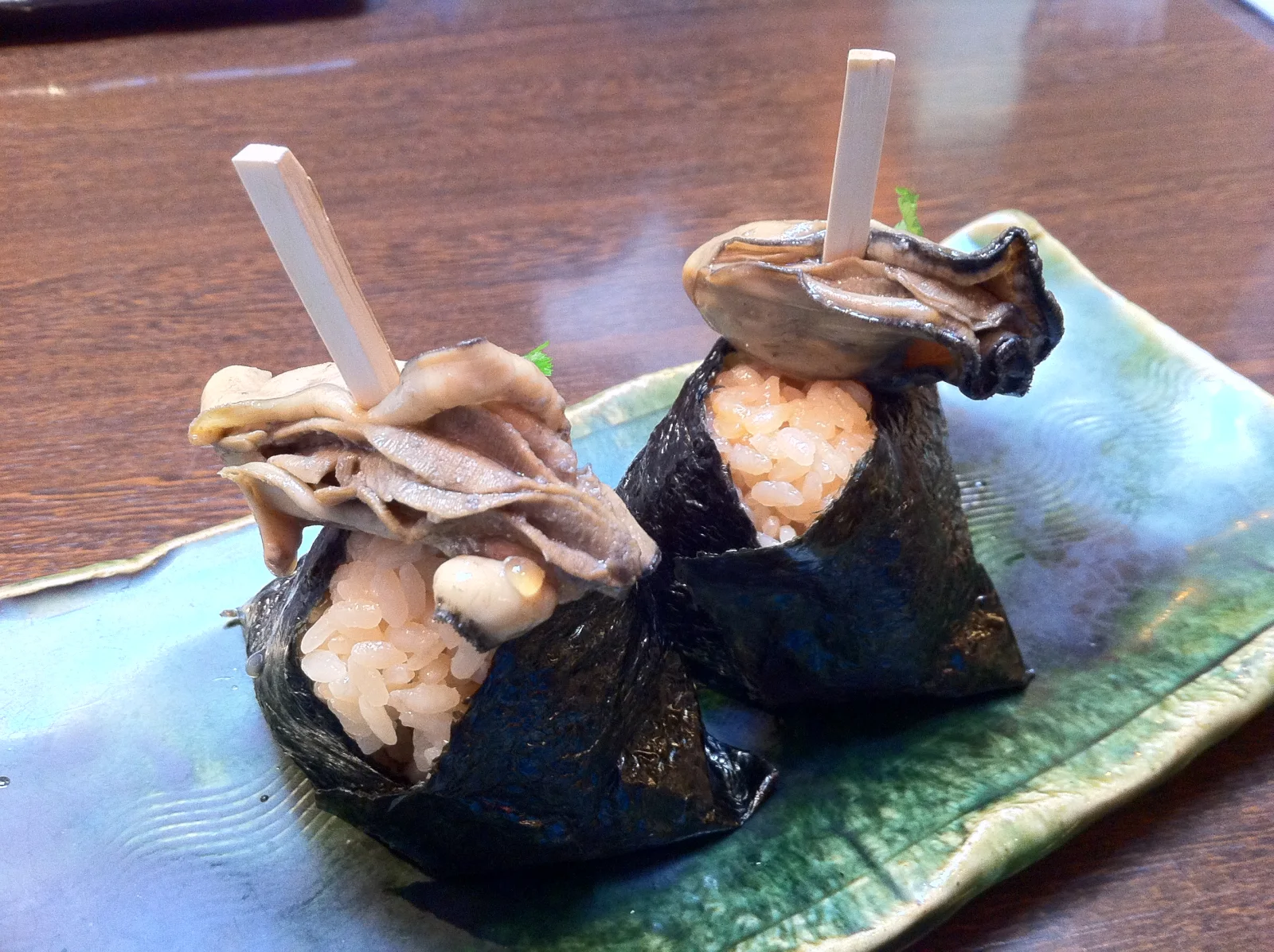
Hiroshima oysters are at their plumpest from December through February. This guide covers the 2026–27 shipping updates, Miyajima Oyster Festival announcements, Miyajima Omotesando grilled oysters, Motoyasu River oyster boats, Ujina oyster huts, and how to navigate menus, cooked options, and ferry transfers.
Eating Along Miyajima Omotesando Around the Great Torii Tides
Walking from Miyajima Pier toward Itsukushima Shrine takes you straight down Omotesando Shopping Street. Two easy-to-spot oyster specialists along the way are Kakiya and Yakigaki no Hayashi. Kakiya, at 539 Miyajima-cho, serves grilled oysters alongside a signature set meal featuring oyster rice, fried oysters, oil-marinated oysters, and miso soup. Yakigaki no Hayashi is best known for grilled oysters; its official regular hours are 10:30–17:00 (last order 16:30), closed Wednesdays. If you take a later ferry over, eat first and head down to the waterfront afterward.
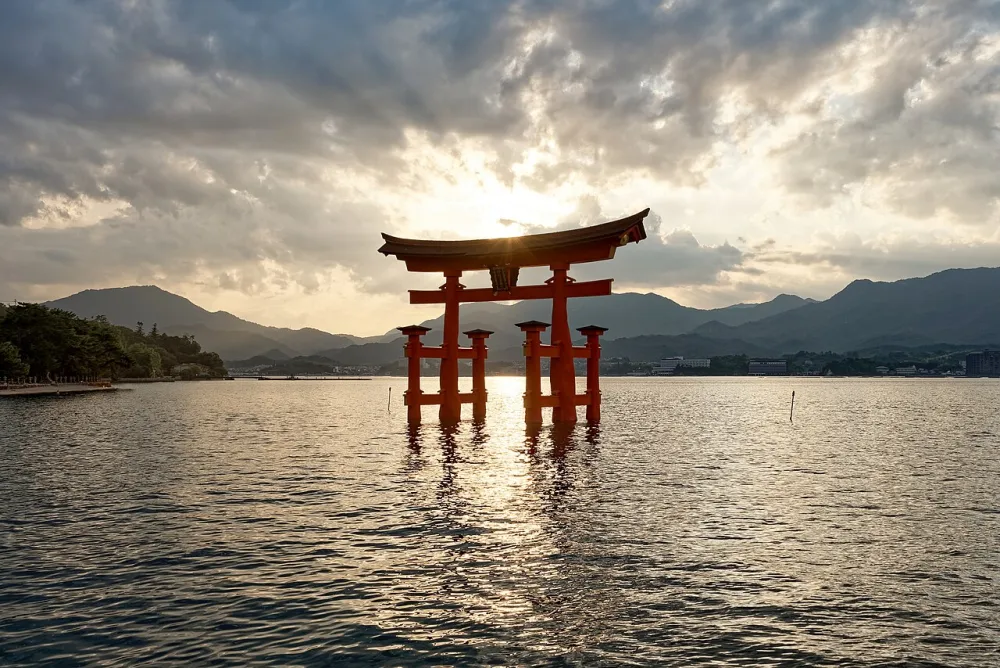
Once on the island, decide which view of the Great Torii you want most. Around high tide, when the gate appears to float and seawater laps against the shrine's corridors, save that window for the shoreline. At low tide, if access down onto the tidal flats is open, wear shoes that can handle wet sand before walking back up to Omotesando for food. If prime photo timing clashes with noon, grab a quick bite before entering the shrine and aim for an early or late sit-down table on your way back. Since Omotesando sits on both your outbound and return walks, you can easily adjust your meal around the tide chart.
When you see a grill out front, check what each line is actually for. Takeout counters and indoor waitlist sheets often run separately. If two of you just want to split one order of grilled oysters in the shell, the street-front counter is fastest. If you need hot soup, restrooms, or space to park a stroller, head straight for a sit-down restaurant. Before joining a waitlist, ask whether your whole party must be present when your name is called—leaving one person behind while the rest walk too far toward the shrine can cost you your table.
On menus, "kara-tsuki" means in the shell, and "yaki-gaki" means grilled oysters. If eating outdoors, stay within the shop's designated eating zone and hold your plate steady before stepping toward a bench—hot liquor inside a freshly opened shell splashes easily. Taste one plain before squeezing lemon on top. Return empty shells and picks to the shop's bins, and keep food, paper plates, and shopping bags tucked away whenever deer wander close. If you are traveling with small kids who only want a taste, sharing from an indoor table plate is much easier than juggling hot shells on the street.
If everyone at your table wants oysters, set meals (teishoku) are the simplest way to order. If someone in your group prefers plain rice, noodles, or conger eel rice (anago-meshi), browse the Miyajima Tourist Association's dining directory for restaurants with broader menus instead of trying to cobble together a meal at a strict specialist. If you already booked anago-meshi for lunch, keep that reservation and pick up grilled oysters as an afternoon snack on the walk back to the pier. Day-trippers coming from Kyoto or Osaka can follow the exact same loop—all the food stops and shoreline views sit between the ferry terminal and the shrine.
On a half-day visit, save the Mount Misen ropeway for a trip with more breathing room. Walk through Omotesando to Itsukushima Shrine, then stroll back afterward to buy grilled oysters or packaged souvenirs if time allows. If you have both a lunch booking on the island and afternoon plans up Mount Misen, lock in your target return ferry first and work backward to see how much trail and ropeway time you actually have. Traveling with older relatives works well if you split Omotesando into two passes before and after lunch—combining torii viewing with shared oyster snacks builds two natural rest breaks into the walk.
Downtown Hiroshima's Oyster Boats, Dote-nabe, and Station Set Meals
When visiting Peace Memorial Park, one of the best sit-down oyster meals nearby is Kakibune Kanawa, moored along the Motoyasu River near Motoyasu Bridge. You step aboard from the riverbank and dine on a stationary floating restaurant. The boat is divided into Seto on the first floor and Waku upstairs, so select the floor that matches your menu when booking. If you walk over after the Peace Memorial Museum, search specifically for "Kakibune Kanawa" on your map—Hiroshima Station's ekie mall also has a branch named Kanawa. Send the exact restaurant name and street address to everyone in your group, as the two locations are a streetcar ride apart.
Dote-nabe (kaki no dote-nabe) is a classic Hiroshima regional dish. Thick miso paste is smeared in a ring around the inside rim of the pot like a riverbank, surrounding oysters, tofu, and vegetables. As the broth simmers, you gradually stir the miso down into the pot to deepen the flavor. Ladle from the center first if you prefer a lighter broth, or push more miso in right away for full richness. When sharing one pot between two people, check whether the menu price is per person or per pot and whether sharing is permitted, then add extra greens or white rice as needed. If ordering an oyster-rice set, verify whether rice is already included in the pot course.
Japan's Ministry of Agriculture, Forestry and Fisheries records two origins for the name "dote-nabe" tied to Hiroshima's oyster boats. Historically, boats hauling oysters from Hiroshima to Osaka also served hot pot along riverbanks ("dote" meaning embankment). Another explanation is simply that the miso wall around the rim looks like an earthen levee. Dining along the Motoyasu River today while scraping miso off the side of the pot makes both stories easy to picture.
For a sense of seasonal pricing, Kanawa's Hiroshima Station ekie branch lists its Kaki Zanmai Gozen at ¥4,620 (tax included), combining raw oysters, grilled oysters, fried oysters, oyster shabu-shabu, and oyster rice. It works well if you want to compare multiple preparations in a single meal. Diners who only want fully cooked oysters can jump straight to the Kaki Fry Gozen or another cooked combo instead of navigating a multi-course progression. If someone in your group has a smaller appetite, each person can order a modest set meal and share one extra plate of grilled oysters.
Before checking into a downtown hotel or right before leaving Hiroshima, eating at the station saves an extra transfer. Kanawa's ekie branch sits inside ekie Dining, directly connected to Hiroshima Station. Its official hours list lunch until 14:30 and dinner starting at 16:30, with last dinner order at 21:00. If you arrive around 15:00 and plan to head straight to Miyajima, eat something else in the station or wait for dinner on your way back. Before a Shinkansen departure with luggage in tow, remember that a reservation only guarantees your seating time—work backward from your train departure to leave enough margin for settling the bill, grabbing bags, and reaching the platform.
If you want two Hiroshima specialties in one evening, the downtown dining corridor stretching from Fukuromachi through Hondori to Hatchobori makes it easy to split the meal: treat okonomiyaki as your main course and order just one side plate of oysters. If you are spending most of the afternoon at the Peace Memorial Museum, pick a restaurant near the Atomic Bomb Dome or along Hondori, then stroll Peace Boulevard afterward over a hot pot or fried-oyster rice set instead of detouring back to the station. For getting between downtown sights by streetcar, see our Hiroshima city food and transit guide.
Grill Your Own: Why Ujina's Oyster Huts Warrant a Half-Day Detour
Milky Tetsuo's Kaki-goya in Ujina sits inside Hiroshima Minato Park next to Hiroshima Port. Ride the Hiroshima Electric Railway (Hiroden) to Hiroshima Port (Ujina) and walk over from the stop. This is the place for travelers who want to sit beside glowing charcoal and grill an entire tray themselves. If you only want a quick oyster stop inside a half-day city tour, there is no reason to trek down to the port. And if you are staying near Hiroshima Station and already visiting Miyajima that day, save Ujina for a separate meal. Keep the city's two ports straight as well: oyster huts are at Hiroshima Port, while most Miyajima ferries leave from Miyajimaguchi.
Before sitting down, add up the cost of the charcoal setup, the oysters, and any sides together. Self-grill huts typically sell oysters by the plate or basket and may charge a separate charcoal, table, or drink fee. For two people, starting with one tray of in-shell oysters and adding rice balls, grilled vegetables, or a second tray later works better than crowding the entire grate at once. Charcoal dining is hard to rush if you have timed museum tickets waiting afterward, so save an oyster hut for a relaxed half-day with no hard cutoff.
Follow the staff's grilling demonstration closely. Liquid inside the shell, escaping steam, and occasional popping shell fragments are scalding hot; use the provided tools and seat children away from the edge of the grill. Make sure every oyster is cooked all the way through before taking it off the grate, and keep the tongs used for raw shells completely separate from the chopsticks you eat with. If you are unsure how long to cook them, ask a staff member which batch is ready rather than guessing by how many times you flipped them or whether a shell has popped open.
For an alternative waterfront option, look at Kusatsu Kaki-goya in Nishi Ward, Hiroshima City. Located at Kusatsu Port, it pairs naturally with days when you are already heading west along Hiroshima Bay. Check transit and the final walk from your hotel to the port beforehand; if you are continuing on to Miyajima afterward, compare how quickly you can connect back to the JR Sanyo Main Line rather than looping back to Hiroshima Station. Both Kusatsu and Ujina deliver the full self-grill experience, so first-timers only need whichever port fits their day best.
How to Read the Menu: Raw vs. Cooked, Styles, and Portions
On Japanese menus, "nama-gaki" is raw oysters, "kaki-fry" is breaded and deep-fried, "sakamushi" is steamed with sake, and "kaki-meshi" is seasoned oyster rice. To taste two contrasting styles in one meal, order grilled oysters alongside a bowl of kaki-meshi—grilling highlights the whole oyster, while the rice absorbs its briny juices. If you order a teishoku set that combines grilled, fried, and rice dishes, check what is already included before adding sides. For something lighter, steamed oysters with rice are easier to pace than stacking multiple fried platters.
When buying oysters at supermarkets, fishmongers, or directly from growers, look for two key package labels: "nama-shoku-yo" (for raw consumption) and "kanetsu-chori-yo" (for cooking only). Hiroshima Prefecture food-safety guidance ties these designations to harvest-zone water monitoring and processing hygiene standards. Even if shucked oysters look equally fresh in the package, always follow the label. Only nama-shoku-yo oysters are cleared to eat raw, and cooking any oyster thoroughly lowers the risk of foodborne illness. Children, older adults, and anyone with a weakened immune system—or anyone wanting to minimize risk—should stick to oysters heated all the way through.
For bivalves carrying a norovirus risk, Japan's Ministry of Health, Labour and Welfare recommends heating the center of the oyster to 85–90°C for at least 90 seconds. At self-grill oyster huts with shared grates and tongs, ask staff for their recommended cooking time. If you are cooking in a rental apartment or aparthotel with a kitchen, judge doneness by the internal temperature of the meat itself—boiling broth or an open shell only tells you what is happening on the outside. Keep raw and cooked oysters strictly apart, and never put grilled oysters back onto the tray that held raw ones.
If you have a shellfish allergy, tell your server before sitting down by stating you have an oyster allergy ("kaki arerugi ga arimasu") or a broader shellfish allergy ("kairui ni arerugi ga arimasu"). Ask specifically about dashi broths, shared frying oil, grill surfaces, pots, and tongs. If someone in your group cannot eat shellfish, choose a restaurant that serves non-seafood dishes and handles cross-contact carefully, and save dedicated oyster-hut meals for a separate outing.
Check portion units carefully alongside prices. "1-ko" is priced per piece, "hito-sara" is one plate, "teishoku" is a set meal with rice and sides, and "kosu" is a multi-dish course. If a sign outside reads "hito-sara 2-ko" (two pieces per plate), ordering one plate versus two doubles your portion. Also check whether prices are labeled "zeikomi" (tax included) or "zeibetsu" (before tax). To ask which oysters on the menu are local, ask "Kyo no Hiroshima-ken-san no kaki wa dore desu ka?" ("Which oysters today are from Hiroshima Prefecture?"). To confirm they are fully cooked, point to the dish and ask "Naka made hi ga totte imasu ka?" ("Are these cooked all the way through?").
| Term (Romaji) | Meaning | What to check when ordering |
|---|---|---|
| Kara-tsuki / Yaki-gaki | In-shell / Grilled oysters | Check piece count per order and whether staff grill them or you grill them yourself |
| Nama-gaki / Nama-shoku-yo | Raw oysters / Labeled for raw consumption | If you prefer fully cooked oysters, look for fried, grilled, or simmered dishes instead |
| Kaki-fry | Breaded fried oysters | Check whether it is a la carte or a teishoku set with rice and soup |
| Kaki-meshi | Oyster rice | Check whether your teishoku set already includes rice |
| Kanetsu-chori-yo | For cooking only (must be heated) | If preparing at your lodging, heat the center thoroughly all the way through |
Comparing Meal Costs Across Three Dining Styles on Real Menus
If your group also plans to eat anago-meshi or okonomiyaki, budget grilled oysters as a light snack. Miyajima Kakiya's menu lists grilled oysters starting at ¥750 for two pieces, while the Kakiya Teishoku set is ¥2,900. If one piece is plenty, two people can split a single pair. If you are having just one sit-down lunch on the island and want oyster rice and oil-marinated oysters too, ordering the teishoku set saves time. Where a counter posts a two-piece minimum, ask if they can prepare one piece each in two different styles so you don't end up with double portions.
For riverboat dining, budget by restaurant course prices rather than ferry fares. At Seto aboard Kakibune Kanawa on the Motoyasu River, the Kaki-zukushi Course is listed at ¥9,900 (tax included) and includes grilled oysters, fried oysters, dote-nabe, and oyster rice, with raw oysters available as an add-on. The ¥14,300 (tax included) Kaki no Kuikiri Course adds dishes such as tempura, oyster and apple gratin, and clay-pot rice. If miso hot pot is your main goal, stick with the first course; compare the higher tier only if you want a full evening tasting multiple non-hot-pot preparations.
If lunch is earmarked for okonomiyaki, look at Kaki-goya Fukuromachi Umihei Shoten for dinner in downtown Hiroshima. They serve gangan-yaki—oysters steamed and roasted in a covered tin—right in the city center. For shared table dishes like this, check how many oysters come in one tin before ordering extra sides. If one companion only wants one or two oysters, they can build their meal around rice or other dishes. At Ujina, where the whole table shares the grill, tally your seating, charcoal, and extra drinks on the same bill.
When booking ahead, confirm your seating window and whether every guest must order the same course. Seat-only reservations give you flexibility to switch between teishoku sets and a la carte dishes once you arrive. If a course requires a minimum party size or carries a cancellation fee, multiply the per-person price by everyone at the table and add drinks and extras. Ask upfront if ingredients can be swapped for guests with dietary restrictions—knowing exactly how much food is coming helps you save room for your next stop.
To estimate total meal spending, split a Miyajima lunch into ferry tickets, snacks, and sit-down meals. Two adults buying standard round-trip ferry tickets and sharing two grilled oysters at Kakiya spend at least ¥1,750 combined. If both order the ¥2,900 Kakiya Teishoku, ferry tickets plus lunch total ¥6,800, not counting JR or Hiroden transit to Miyajimaguchi. By comparison, two ¥4,620 gozen sets downtown or at the station come to ¥9,240—a useful benchmark when deciding between a light snack and a full multi-dish feast.
Don't Confuse the Floating Oyster Boats With the Miyajima Ferries
The most straightforward way from Hiroshima Station to Miyajima for lunch is the JR Sanyo Main Line to Miyajimaguchi Station, followed by a short walk to Miyajimaguchi Pier for either the JR West Miyajima Ferry or Miyajima Matsudai Kisen. If your downtown hotel sits along Hiroden Line 2, take the streetcar directly to Hiroden-miyajimaguchi and walk to the pier. Check which starting point fits your morning, and factor the walk from station to pier, boarding queues, and the walk from Miyajima Pier to the restaurant into your reservation buffer.
On the JR West Miyajima Ferry, a standard adult one-way ticket is ¥200, plus a ¥100 Miyajima Visitor Tax collected on the outbound trip to the island (not charged on the return), making a standard adult round trip ¥500. To sail closer to the Great Torii, look for JR Ferry's "Otorii Route" departures—regular timetables mark sailings leaving Miyajimaguchi between 9:10 and 16:10 as Otorii Route crossings, though route notices apply if conditions change. If you have a lunch reservation, prioritize whichever sailing gets you to Omotesando on time; you can admire the torii from shore afterward.
You can also board the World Heritage Sea Route from Motoyasu Bridge Pier next to Peace Memorial Park, which takes about 45 minutes straight to Miyajima. Because boats navigate downtown river channels, tides or weather can suspend specific sailings. If you have a timed restaurant booking on the island, highlight viable departures on that day's schedule and keep a backup JR train departure in mind. Around Motoyasu Bridge, you will see both the Miyajima ferry dock and the moored floating oyster restaurants—search by restaurant name for dining, and check the ferry timetable when crossing to the island.
If dinner is booked back in downtown Hiroshima, you don't have to return the same way you arrived. From Miyajima, decide first whether you want to cross back to Miyajimaguchi for JR or Hiroden, or catch a well-timed direct boat. JR is usually fastest if you are eating near Hiroshima Station, whereas Hiroden or the direct river boat works well near the Atomic Bomb Dome. All your group needs are three pinned map spots: the departure pier, the arrival route from pier to table, and the exact restaurant name.
If you plan to take the Motoyasu Bridge boat one way and return via Miyajimaguchi, check at least two return departure times on each route before buying tickets. If you are taking the same ferry line both ways, compare round-trip tickets against single fares. Anyone hopping off near Nishi-Hiroshima on the return leg will feel walking transfers more than a few extra minutes on the water. Never treat your Miyajima Pier arrival time as your restaurant arrival time for a 12:00 booking—walking off the boat, navigating the pier, and reaching Omotesando eats directly into souvenir shopping time if you cut it close.
One-Day, Two-Day, and Rainy-Day Pacing Around Reservations
On a first-time, one-day trip to Hiroshima, head to Miyajima in the morning for grilled oysters or an oyster teishoku, then ferry back downtown in the afternoon. If the Peace Memorial Museum is on the same day, lock in your museum timing first and decide whether dinner will be okonomiyaki or dote-nabe. If one person wants fewer oysters, share a small plate on the island and order separate mains back in the city. Day-trippers returning to Kyoto or Osaka save a downtown transfer by eating dinner at Hiroshima Station, counting backward from Shinkansen departure time.
With two nights, split downtown Hiroshima and Miyajima across two days. Spend day one at Peace Memorial Park, followed by dinner at the Motoyasu River oyster boat or a downtown dote-nabe spot. On day two, time your Miyajima crossing around the tide, leave unhurried time for Omotesando, and save heavy packaged food souvenirs for Hiroshima Station on your way out if you are carrying luggage. If you still want to grill over charcoal, carve out half a day for Ujina at Hiroshima Port. For hotel areas and connecting transit, see our two-day Hiroshima and Miyajima itinerary.
If autumn foliage is your priority in November, pick your walking order from our Miyajima autumn foliage day route before slotting in lunch. Exploring Momijidani Valley first keeps your arrival and lunch out of the peak midday bottleneck. If the tide lines up for the Great Torii first, walk the shoreline into the shrine and eat along Omotesando afterward. Guests staying overnight on the island can drop bags early and pair lunch with a waterfront stroll, while day-trippers can save a leisurely hot-pot dinner for downtown.
When wind or rain makes standing outside on Miyajima miserable, pivot to an indoor sit-down meal with oyster rice or fried oysters. If ferries are suspended, move any island meals to another day and switch to a Motoyasu Bridge restaurant or a Hiroshima Station set meal. If your first-choice shop on the island has a long line, bookmark a second sit-down spot along the same street and check wait times as you walk past before deciding whether to double back. Families with luggage or strollers will also have an easier time finishing a sit-down meal before browsing shops.
When every day is packed with timed entries, pick one meal slot that can flex. If ferry schedules, walking around Itsukushima Shrine, an oyster lunch, and a downtown dinner stack up too tightly, swap the island sit-down lunch for a quick counter snack or drop a redundant oyster course. That frees up time for attractions tied to tides or transit windows. Over the New Year holiday period, write each restaurant's confirmed holiday closures and open hours directly beside your reservation note, and keep one daytime backup spot ready.
Reading Origin Labels Through Hiroshima Bay's Oyster Rafts
The long rows of floating rafts visible across Hiroshima Bay hold vertical strings of oysters suspended beneath the water. According to the Hiroshima City Agriculture, Forestry and Fisheries Promotion Center, this is the raft-hanging method. Growers string scallop shells in the bay to collect drifting oyster larvae, move the spat onto intertidal racks so they toughen through exposure to rising and falling tides, and later hang them back beneath the rafts to fatten. When each producer hauls in a batch depends on both farming technique and growth rate—which is why shipments roll out gradually across the prefecture even after an official start date.
Watch for two types of origin labels on menus. Some shops list "Hiroshima-ken-san," covering the prefecture as a whole, while others name specific growing zones such as Jigozen or Etajima. Even restaurants right on Miyajima Omotesando may source oysters from across the channel on the mainland side or elsewhere in Hiroshima Bay. If you want to compare two growing areas, ask staff which zone today's grilled or raw oysters come from before ordering. When a menu lists only a brand name, ask for both the harvest area and how the dish is prepared.
Enjoy the oyster rafts from the deck of your ferry rather than approaching working shorelines—coastal gear and landing yards have active work traffic. If you want a closer look at aquaculture, check Hiroshima's official tourism listings for operator-led farm tours and build your itinerary around the tour's exact meeting point and departure port. Some tours visit offshore growing grounds while others operate out of designated harbors, so calculate travel time from the tour's meeting dock rather than from an Omotesando restaurant address. If you simply want to eat, checking origin labels on Omotesando tells you plenty.
If you are buying fresh oysters to cook in an apartment or rental with a kitchen, decide between in-shell and shucked packs first. In-shell oysters require a stove or grill, shucking tools, sturdy containers, and a plan for disposing of the shells. If you just want to drop oysters into miso hot pot, oyster rice, or a pan-cooked dish, shucked packs skip most of the prep. Compare package labels for harvest zone, raw-versus-cooked suitability, storage temperature, and use-by date. If you plan to keep sightseeing after checking into your hotel, buy fresh oysters at your very last stop so they go straight into the fridge or pot.
Bringing Oyster Souvenirs Home: Storage Labels and Travel Rules
To enjoy Hiroshima oysters over plain rice back home, look for "tsukudani" (soy-simmered oyster preserve) at Miyajima specialty shops or Hiroshima Station's souvenir hall. For bread or salads, check out oil-marinated ("oil-zuke") or smoked ("kunsei") oysters. Before buying, inspect the storage label: "joon" means shelf-stable at room temperature under sealed packaging, "yo-reizo" means keep refrigerated, and "yo-reito" means keep frozen. Sealed glass jars can still require refrigeration, and nearly all products change storage requirements once opened. If you are buying gifts, keep the outer box and ingredient label intact so recipients can easily see the expiration date and serving instructions.
If you have train rides, buses, and a flight ahead of you, stick to sealed room-temperature products. Any oil-marinated jars packed in carry-on luggage are subject to airport liquid limits, so place them in checked baggage with leak-proof wrapping and padding. If you are flying home internationally, check your destination's customs rules on bringing food products across borders, including composite ingredients such as meat extracts or other restricted items. If you want to taste something right away, split your purchase into refrigerated items to eat during the trip and shelf-stable jars for your suitcase.
If you are spending a few more nights in downtown Hiroshima after leaving Miyajima, buy just a small pack of tsukudani on the island to eat in your hotel room. Save gift shopping for the station before your train or airport transfer so you aren't hauling glass jars onto ferries and up station stairs. If you have an early departure, buy souvenirs the evening before, tuck sealed bags inside padded clothing in your suitcase, and balance storage temperature, transit time, and baggage weight in one go.
A few useful answers
When is Hiroshima oyster season?
Hiroshima Prefecture designates December through February as peak season for plump Pacific oysters, while standard harvesting runs roughly from October to May. For the 2026–27 season, shucked oysters began shipping on November 2, 2026.
Are dates announced for the 2027 Miyajima Oyster Festival?
As of November 22, 2026, the Miyajima Tourist Association's February 2027 events calendar does not yet list the Miyajima Oyster Festival. For regular travel dates, you can plan around grilled oysters or set meals along Miyajima Omotesando.
If I only have time for one oyster meal, should I eat in downtown Hiroshima or on Miyajima?
If you are already visiting Itsukushima Shrine, eat grilled oysters along Miyajima Omotesando. If you want to try several preparations in one sitting, choose a set meal at Hiroshima Station. If you want to dine on a boat, book Kakibune Kanawa on the Motoyasu River.
Do Hiroshima's oyster boats sail to Miyajima?
No. Kakibune Kanawa on the Motoyasu River is a permanently moored floating restaurant. To travel by boat from Peace Memorial Park to Miyajima, take Aqua Net Hiroshima's World Heritage Sea Route, or take the regular ferries from Miyajimaguchi.
What can I eat on Miyajima if I don't eat raw oysters?
Order thoroughly cooked grilled oysters, fried oysters (kaki-fry), oyster rice (kaki-meshi), or ask the restaurant for an all-cooked set meal. If you have a shellfish allergy, notify the staff before ordering and check all broths, cooking surfaces, and utensils.
Official information and references
Sources used in this guide.
- Hiroshima Prefecture Fisheries Division: November 19, 2026 Hiroshima Oyster Production and Shipment Report
- Hiroshima Prefecture: Seasonal Seafood and Pacific Oyster Harvest Period
- Hiroshima Prefecture: Hiroshima Oysters, Kaki-komachi, and Aquaculture
- Hiroshima Prefecture: Hygiene Standards for Raw-Consumption and Cooking-Only Oysters
- Ministry of Health, Labour and Welfare: Norovirus and Bivalve Heating Guidelines
- Miyajima Tourist Association: Miyajima Oyster Festival Announcement
- Miyajima Tourist Association: 2026–2027 Winter Events Calendar
- Miyajima Tourist Association: Miyajima Dining Directory
- Miyajima Tourist Association: Great Torii and Itsukushima Shrine Tide Times
- Miyajima Kakiya: Official Menu
- Miyajima Yakigaki no Hayashi: Opening Hours and Menu
- Kanawa: Oyster Boat Floor Reservations and Hiroshima Station ekie Branch
- Kanawa: Seasonal Oyster Courses and Tax-Included Prices
- Ministry of Agriculture, Forestry and Fisheries: Hiroshima Oyster Dote-nabe
- Ujina Branch: October 2026 to Early May 2027 Oyster Hut Operating Notice
- Kusatsu Kaki-goya: Address and Shop Updates
- Hatsukaichi City: Miyajimaguchi Transfers, Streetcar Access, and Miyajima Visitor Tax
- JR West Miyajima Ferry: Fares
- Dive! Hiroshima Official Tourism Guide: World Heritage Sea Route Piers, Travel Time, and Operating Conditions
- Hiroshima City Agriculture, Forestry and Fisheries Promotion Center: Raft-Hanging Oyster Farming Method
- Dive! Hiroshima Official Tourism Guide: Growing Areas and Oyster Huts
- Taipei Customs: Passenger Food Import and Export Regulations
- Kanawa ekie Branch: Hiroshima Station Opening Hours
- Kakibune Kanawa Seto: Floating Restaurant Dishes and Course Prices
- Fukuromachi Umihei Shoten: Gangan-yaki Steamed Oysters and Location
- JR West Miyajima Ferry: Regular Timetable and Otorii Route Sailings