How do you reach central Hiroshima from the station, and where should you eat okonomiyaki? Plan a half-day or full city day around Hondori, Hatchobori, Otemachi, and station restaurants, with 2026 IC card rules, the ¥700 day pass, and sightseeing buses.
- Region & Focus
- Hiroshima
- Reading Scope
- 40 min read · 15 chapters · 5 Q&As
- Official Verification
- 25 official sources checkedUpdated October 26, 2026
- Key Topics
- FoodRail travelNeighborhoods
Chapter Route Map (tap any stop)
- Get your bearings: Hiroshima Station, Hatchobori, and the Peace Memorial area
- Riding Hiroden in 2026: tap your IC card when boarding and leaving
- Count separately charged journeys before choosing a fare or timed pass
- Use Meipuru-pu between sights; plan another ride after dinner
- Hondori to Shintenchi: combine shopping, a break, and dinner
- Your first Hiroshima okonomiyaki: start with meat, egg, and noodles
- Eating at Okonomimura: choose a counter where your group can sit together
- Soupless tantanmen: choose the heat level before adding rice
- Save a meal for oysters and choose a cooking style from the seasonal menu
- Station meals: find the right minamoa or ekie floor and ask about last orders
- Where to stay for one night: start with dinner and tomorrow's first ride
- Afternoon arrival: one okonomiyaki meal and a shopping-street walk
- A full city day: connect a garden, lunch, and downtown dinner
- Rain or older companions: shorten outdoor stretches and prioritize suitable seats
- Two nights and departure day: spread out specialties and finish near your luggage
- Quick Q&A
Choose your first meal in a neighborhood you will already pass through. Eat at Hiroshima Station if you arrive with luggage; try Otemachi or Hondori after visiting the Peace Memorial area; save Hatchobori and Shintenchi for dinner if you want to watch okonomiyaki being cooked on a griddle. Several downtown streets connect on foot. Use trams to reach the center, return to your hotel, or save tired legs. This leaves more time to enjoy your meals than taking a separate ride for every local specialty.
Get your bearings: Hiroshima Station, Hatchobori, and the Peace Memorial area
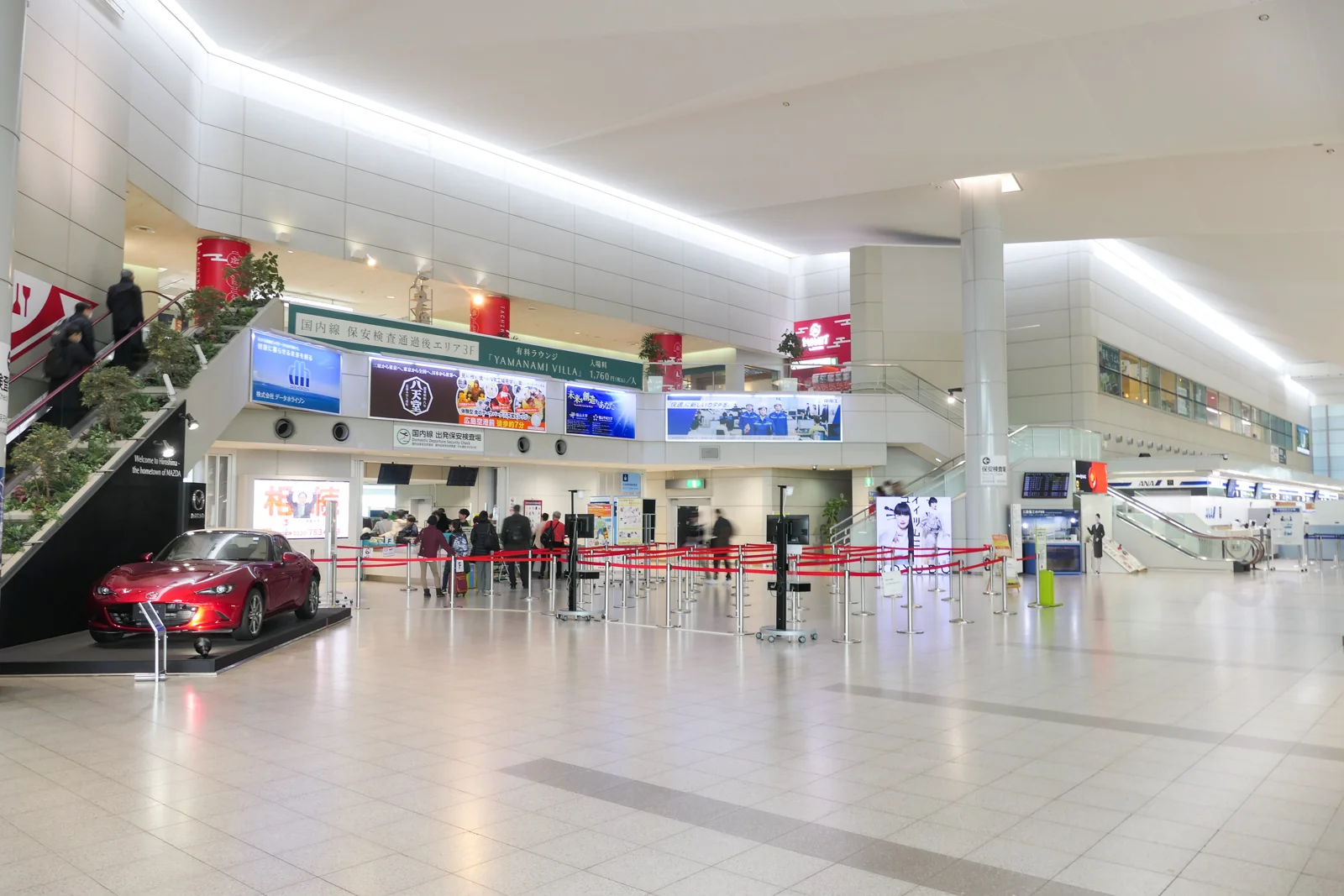
Hiroshima Station is the arrival point for long-distance trains. Hatchobori and Kamiyacho form the main shopping center, with Peace Memorial Park farther west. Mark these locations on a map before comparing restaurant addresses. Station restaurants work well for arrival and departure meals; Hatchobori suits shopping followed by dinner. After the museum, walk toward Otemachi for somewhere to sit rather than returning straight to the station. Choose a dining area that fits your group's next stop. Saving a walk usually helps more than adding another restaurant name to the list.
The Hiroden tram platforms are now on the station's second floor. Hiroden's station website records the opening of the Ekimae Ohashi route on August 3, 2025. The second-floor platforms connect to the public passage by the JR ticket gates. Leave the JR gates and follow the tram signs; for sightseeing buses, head toward the Shinkansen Exit. These boarding areas are separate, so check the signs before moving luggage between floors. After shopping, remember which entrance leads back to the passage rather than relying on floor numbers alone.
Hatchobori, Kamiyacho-higashi, Kamiyacho-nishi, and Hondori are separate tram stops. Save the restaurant's Japanese name and nearest stop, including the branch name if it has locations both downtown and at the station. If you must collect hotel luggage on the way back, add the hotel as a navigation stop before the station. Travelers staying downtown with only a backpack can dine later. If you have a large suitcase and a Shinkansen to catch after dinner, a station-area meal is easier.
How do you reach central Hiroshima from the station, and where should you eat okonomiyaki? Plan a half-day or full city day around Hondori, Hatchobori, Otemachi, and station restaurants, with 2026 IC card rules, the ¥700 day pass, and sightseeing buses.
Riding Hiroden in 2026: tap your IC card when boarding and leaving
Hiroden's current riding guide lists a standard fare of ¥240 for adults and ¥120 for children across all tram lines, including the city and Miyajima lines. From Hiroshima Station, use routes 1, 2, or 6 through downtown for Hatchobori; routes 2 or 6 for Genbaku Dome-mae; and route 1 for Hondori. Check both the route number and destination before boarding, and press the stop button before you arrive. On the current route map, route 5 heads toward Hiroshima Port by a different route. The downtown services above are more direct for Hondori and Hatchobori.
From July 1, 2026, accepted transport IC cards such as ICOCA and Suica, plus WAON, must be tapped on the MOBIRY DAYS reader both when boarding and leaving. An adult paying a regular fare for one person can leave through any door. For child fares, discounts, or payment for several people, use a staffed door and tell the attendant first. The operator's new-system guide also says that transport IC cards and WAON cannot be topped up on board. Add funds at a suitable machine or shop before boarding.
Families with a child ICOCA should note that Hiroden explicitly says these cards do not automatically apply the half fare. Tell the attendant. Decide in advance who will pay and whether everyone will use a separate card or pay together, so you can explain at the exit. If you forget to tap when boarding, ask the attendant for help. Remove the card from your wallet before tapping to avoid interference from other cards.
Cash passengers can board directly and put the exact fare in the fare box when leaving; use the change machine if needed. Show the usage date on a paper day pass to the attendant. For a mobile ticket, display the active ticket screen. These methods have different exit steps, so have your payment ready before reaching the door. The list of accepted transport IC cards excludes PiTaPa. Bring another payment method if that is your only card.
Count separately charged journeys before choosing a fare or timed pass
If you only ride from Hiroshima Station into downtown and back after dinner, two adult fares cost ¥480, and an accepted IC card is convenient. With the same accepted IC card, you can resume travel forward from the same city-line stop within 60 minutes of getting off without another fare, provided you do not double back. Tap on and off each time. Kamiyacho-higashi, Kamiyacho-nishi, and Hondori count as one stop. Count journeys that actually incur another fare: three separately charged adult journeys total ¥720. If all three fit within eight hours, the Hiroden eight-hour digital tram pass costs ¥600 for adults and ¥300 for children. The same page offers a 24-hour pass at ¥700/¥350, useful for an evening start and more tram travel the next morning. Include your last ride after dinner when checking the time window.
For example, take the same accepted IC card from Hiroshima Station to Hatchobori, eat, and return to Hatchobori within 60 minutes to continue toward Kamiyacho-higashi. That forward continuation incurs no extra fare. Returning from Kamiyacho-higashi to Hiroshima Station at night reverses direction and costs another fare. Three boardings therefore mean two charges, ¥480 for an adult. Regular fares save ¥120 against the ¥600 eight-hour pass on this route. Tap every time you board and leave so the continuation fare can be applied.
The paper tram day pass costs ¥700 for adults and ¥350 for children and covers all Hiroden tram lines. It is valid on the selected calendar day: scratch off the correct year, month, and day, then show it when leaving. Three separately charged journeys cost only ¥20 more than the pass, so a detour to buy one may not be worthwhile. It suits travelers already buying tickets at the station who prefer not to use a mobile pass. Paper passes follow calendar dates; digital eight- and 24-hour passes run from activation, so they fit different schedules.
For short city trips concentrated in the daytime, the Digital City Pass costs ¥440 for adults and ¥220 for children. The weekday version runs from 10:00 to 16:00; the weekend and public-holiday version lasts six hours from activation, with a start time of your choice. It covers Hiroden city lines and participating operators' buses within the ¥240 flat-fare area, excluding services such as Meipuru-pu. A weekday lunchtime return to your hotel before 16:00 costs less with the ¥440 pass than two regular fares totaling ¥480. If you return after dinner, add that extra fare before comparing it with the eight-hour pass.
Mobile tickets need data access and battery power. Hiroden requires the tram animation on the ticket screen to be moving; screenshots are not valid. Activate digital passes within 90 days of purchase. Tickets bought together for several people must be used together. If your group will shop separately, individual tickets are easier to display. MOBIRY TRAVEL is a web ticket service; the similarly named MOBIRY DAYS handles rides through readers or QR codes. On a short visit, use a payment method you already have or buy your mobile ticket before leaving, rather than registering at the tram door.
| Travel pattern | Fare comparison | Better fit |
|---|---|---|
| Two rides over the day, spanning lunch and dinner | Regular fares: ¥480 | Use an accepted IC card |
| Three separately charged journeys within eight hours | Regular fares: ¥720; eight-hour pass: ¥600 | Eight-hour digital tram pass |
| Three or four separately charged journeys spread over one day | Paper day pass: ¥700 | Paper pass if you do not use mobile tickets |
| Start in the evening and ride again next morning | 24-hour digital tram pass: ¥700 | Calculate expiry from activation |
| City return trip on a weekday between 10:00 and 16:00 | Regular fares: ¥480; City Pass: ¥440 | City Pass if both route and hours fit |
| Several city rides within six hours on a weekend or holiday | City Pass: ¥440 | Trams and route buses within the specified area |
Use Meipuru-pu between sights; plan another ride after dinner
For a city day centered on places such as Shukkeien and Peace Memorial Park, compare the Hiroshima Meipuru-pu sightseeing loop bus. It currently leaves from Hiroshima Station's Shinkansen Exit. A single ride costs ¥240 for adults and ¥120 for children; a day pass costs ¥600/¥300. Its sightseeing stops serve different needs from Hiroden's street-level stops. Compare your restaurant address with the bus stops, then see whether a tram is more direct. If you only take two rides, buying a ¥600 pass on the day costs ¥120 more than regular fares.
If your date is settled, look at the operator's online advance-purchase offer. A day pass bought two days before travel costs ¥400 for adults and ¥200 for children and is valid only on the selected date. That is worth comparing even for two rides. The date cannot be changed. Refunds are handled by the ticket website only for unused tickets still within their validity, with a ¥100 fee per ticket. If weather will determine your city day, keep the flexibility and buy a regular ticket once your plans are set.
On the timetable effective July 18, 2026, find the row for your destination. Some departures serve Shintenchi; others go via the Museum of Contemporary Art. A dash means that departure does not serve the stop. Check the order of stops for the return too: a loop bus may circle another area before reaching Hiroshima Station. Current departures from Hiroshima Station run from 9:00 to 18:00, so arrange a tram, route bus, or taxi after a late dinner. Holders of a JAPAN RAIL PASS or a JR-WEST RAIL PASS valid within Hiroshima Prefecture can use it under the bus operator's rules. Make use of travel benefits you already hold.
Hondori to Shintenchi: combine shopping, a break, and dinner
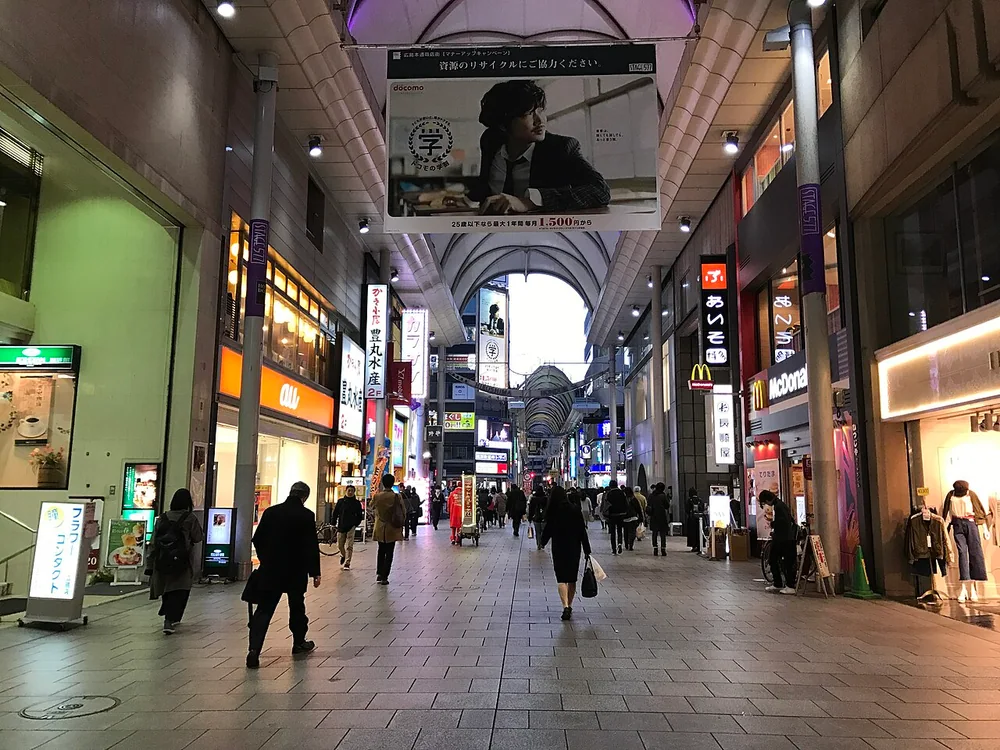
Hondori shopping street makes a useful spine for a downtown walk. Heading east from the Peace Memorial area, you can combine a rest, shopping, and dinner in one afternoon. Continue to Shintenchi, then head to Hatchobori tram stop for your hotel. Choose your restaurant first and allow shopping time nearby rather than listing every alley. If your group has separate shopping plans, agree to meet at the restaurant entrance or a specific storefront instead of somewhere vague in Hondori.
The Hiroshima Chamber of Commerce's shopping-street introduction explains Hondori's role as a commercial district. The arcade provides shelter in light rain, but the walk from the park, road crossings, and side streets to restaurants still include outdoor sections. For a rest, find a cafe with seats; shopping is not a rest when your feet already hurt. If a family member needs to sit while waiting, find a seat together before splitting up to shop.
Hatchobori suits department stores, shops, and an okonomiyaki dinner. Otemachi works better for a nearby meal after the Peace Memorial area. Keep one backup restaurant in each relevant area rather than crossing downtown to change restaurants. A nearby alternative is useful when rain starts, a child is hungry, or the queue is too long. A food list that sends you across to the far side of a different station for every meal uses too much travel time.
Your first Hiroshima okonomiyaki: start with meat, egg, and noodles
Hiroshima okonomiyaki is commonly made by layering cabbage and other ingredients over a thin batter base, then adding meat, noodles, and egg. Hiroshima's official tourism guide calls this method kasane-yaki, or layered cooking. Start with a basic option such as niku-tama-soba; look for udon if you prefer that noodle version. Soba in this dish usually means Chinese-style noodles used for frying. If you have a grain allergy, ask about both the noodles and the cooking environment rather than judging ingredients by the dish name.
On a first visit, choose a basic serving, then decide whether to add cheese, seafood, or other toppings. If you already have oysters or griddle side dishes, every main need not be fully loaded. Two people can choose different toppings and share if the restaurant allows that ordering arrangement. Cooking raw ingredients and turning the okonomiyaki takes time. For a final meal just before a train, a takeout option with a clear pickup time is easier than joining an unplanned queue.
A griddle seat gives you a close view of the cooking but also puts you near the heat. With children, ask about regular tables or food served on plates, and seat them where they cannot touch the griddle. Even a small bite from a hot plate can burn: move it to a side plate and let it cool. Follow the restaurant's arrangement for spatulas, and ask for chopsticks if you prefer. You do not need to copy the eating style in a photograph if it makes the meal uncomfortable.
Treat okonomiyaki as a full meal. A whole serving at lunch, tantanmen in the afternoon, and an oyster set dinner leave little room for dessert or a comfortable walk.
OTAFUKU demonstrates the cooking sequence for Hiroshima okonomiyaki, combining batter, vegetables, meat, noodles, and egg.
Eating at Okonomimura: choose a counter where your group can sit together
For several downtown okonomiyaki choices in one place, visit Okonomimura in Shintenchi. The official Hiroshima tourism page gives the address as 5-13 Shintenchi, on floors two through four of Shintenchi Plaza. Restaurants have their own opening hours and closing days, and most seating is at griddle counters. Check available seats, menus, and whether your group can sit together before joining a queue. These spaces suit small groups watching the cooking; larger groups need more care with seating.
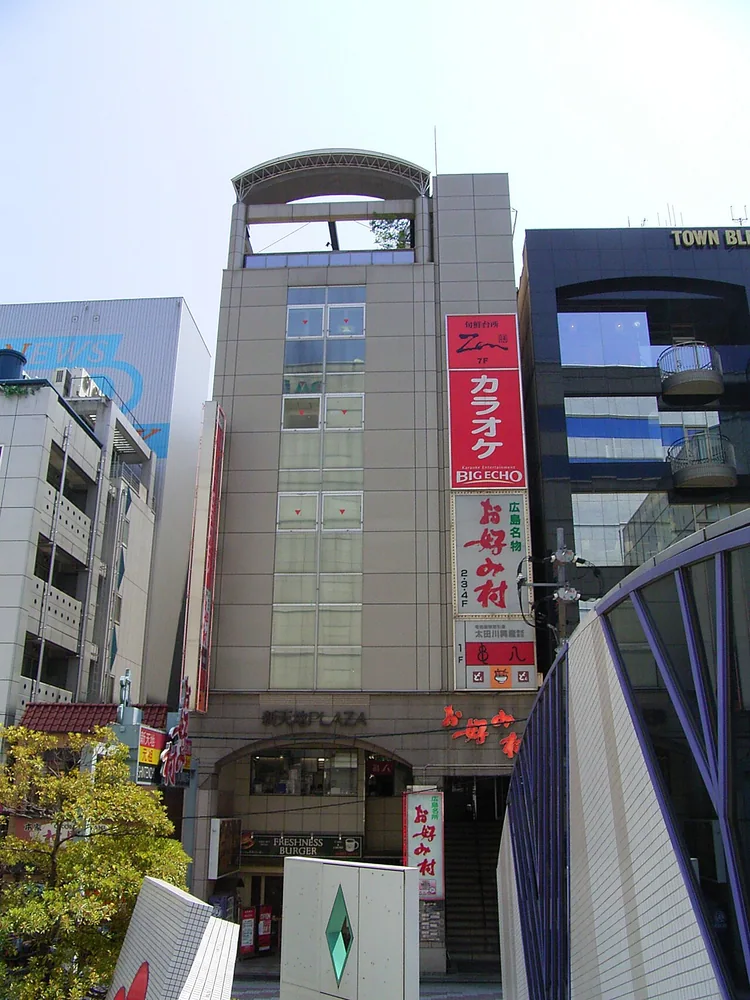
For first-time visitors, the advantage is being able to choose another restaurant in the same building without taking another ride. If you want a particular restaurant, check its own opening information. If your aim is simply to eat Hiroshima okonomiyaki, choose by the available seats and menu. Combine everyone's needs before entering, including who wants seafood and who wants a basic version. This is easier than discovering after sitting down that someone has no suitable choice.
Follow the restaurant's queue arrangement, including whether everyone must wait together or can join later. Stow strollers, bags, and coats so staff can serve and people can pass. Ask at the entrance if you need a chair with a back or a table with stroller space. If one restaurant cannot accommodate you, try another in the building or nearby. Signal before photographing the cooking, and keep cameras away from the working griddle.
Compare the basic price with the cost of toppings. The official Takenoko menu inside Okonomimura lists soba-iri as noodles, meat, and egg, alongside an oyster-and-scallion version and oysters grilled in butter. You can choose whether to add oysters to the main or order a separate plate to share. Website prices exclude tax, so include tax and drinks in your meal total. Choosing a basic okonomiyaki and saving seafood for the next evening also lets you try two different preparations.
Soupless tantanmen: choose the heat level before adding rice
Hiroshima soupless tantanmen suits a lunch when you want something simple. Noodles are mixed with a small amount of sauce, minced meat, and spices. Sichuan pepper provides the numbing sensation, while chili oil adds heat. Mix thoroughly as directed by the restaurant before eating. After a heavy previous meal, start with a regular portion and decide about rice afterward. If these spices are unfamiliar, a mild level lets you taste the dish more easily than the hottest option.
For example, King-ken's official menu offers levels 0 through 4; level 0 has neither sansho pepper nor chili oil. A regular portion weighs 200 g after cooking, and the website lists tax-inclusive prices of ¥750–800 depending on the branch. This illustrates the ordering sequence: choose portion and heat level, then add a soft-cooked egg, scallions, or rice. Level 2 is listed as the standard flavor. If you dislike numbing spice, start at 0 or 1 and try any extra table spices in small amounts.
Tell the branch you plan to visit about restricted ingredients. King-ken lists wheat, egg, and buckwheat allergen information and explains that the buckwheat listing relates to the noodle factory. Level 0 addresses heat; ask separately about other ingredients using the same menu. With children, choose a suitable portion for them before adding lots of Sichuan pepper to a shared bowl. If the restaurant closes between lunch and dinner, fit this meal into lunch hours and have coffee or a snack after your afternoon walk.
Save a meal for oysters and choose a cooking style from the seasonal menu
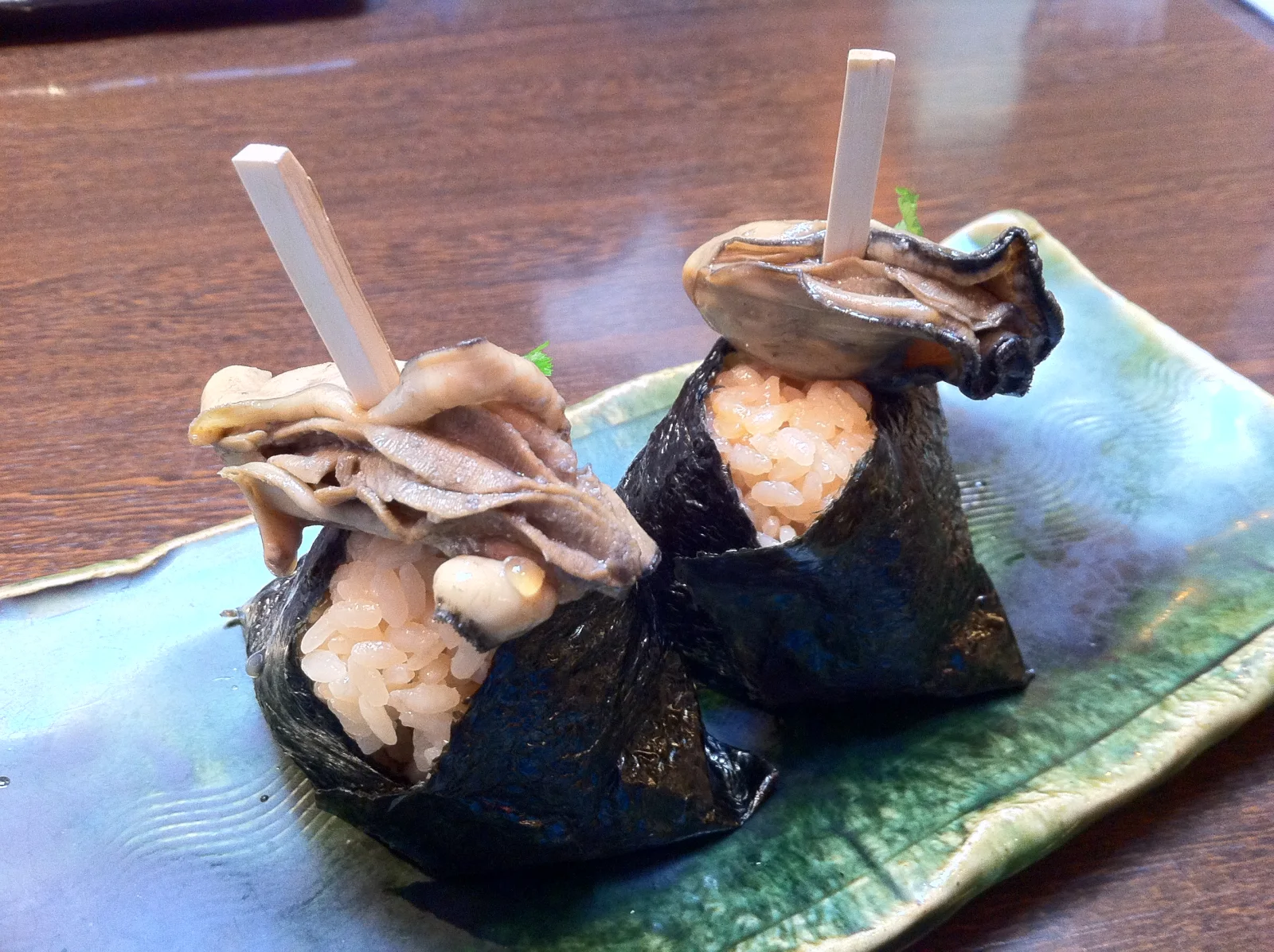
Oysters are one of Hiroshima's best-known ingredients. Decide whether you want grilled oysters, fried oysters, or dote-nabe oyster hot pot, then check restaurant menus in the neighborhood you will visit. Reserve a seated restaurant if you want a leisurely meal. After okonomiyaki at lunch, oysters with rice or several seafood dishes at dinner make it easier to vary flavors and portions. A special trip to another part of the bay for oysters should be treated as a separate half-day outing.
Hiroshima City's aquaculture introduction describes oysters as a winter specialty; restaurant supply also depends on menus and deliveries. If you want a hot pot or set meal offered only that day, select it when reserving and ask how long the meal takes, so you can plan an afternoon visit afterward. On a short stay, you can eat a cooked meal before returning to the station and avoid another fixed meeting time.
When buying oysters to take back to your accommodation, distinguish those labeled for raw consumption from those labeled for cooking. Hiroshima Prefecture's explanation says the categories depend on harvesting waters and handling conditions; oysters sold for cooking must be cooked. Eat cooked takeout within the seller's storage and consumption guidance. If your room has only a kettle, fully cooked food suitable for carrying is more practical. For train travel, choose secure packaging and avoid dishes likely to leak broth.
Station meals: find the right minamoa or ekie floor and ask about last orders
Hiroshima Station's dining areas are especially useful just after arrival before storing luggage, or before departure when you need to stay near the station. Open the minamoa and ekie floor guide, identify the mall, floor, and restaurant, then go there. ekie's first-floor DINING area has restaurants, while minamoa has its own dining floors. If you see the same brand inside the station, check the area so you do not end up at a different entrance from your companions.
Check both mall hours and restaurant last orders. If your final meal is freshly made okonomiyaki, tell staff your train time and ask about the current wait and cooking time. Sit down only if there is enough time to eat comfortably; choose takeout if time is short. For a meal on the train, check packaging, chopsticks, and drinks at pickup rather than carrying hot food around the whole mall to buy souvenirs. Your group can split food pickup and luggage collection, but agree on the same JR entrance as a meeting point.
The mall services page lists lockers on minamoa's first floor and ekie's first and second floors, plus luggage storage on ekie's second floor. Store bags before choosing a restaurant so a griddle counter or small table is easier to use. If you must return to the hotel for suitcases afterward, a station meal loses some of its convenience. On that day, eat near the hotel and bring your luggage to the station in one trip. Choosing meal and luggage locations together can save a journey.
Where to stay for one night: start with dinner and tomorrow's first ride
If you arrive or leave by Shinkansen early or late in the day, or leave early the next morning, start with hotels near Hiroshima Station. Eat in the station area and head straight into the station after checkout. A downtown okonomiyaki dinner requires only one return trip that evening. Check whether the actual hotel entrance is on the Shinkansen Exit side or the south side, and compare it with your luggage storage location. For families arriving at night, suitable beds for everyone and a simple walk to the entrance usually matter more than another shopping street.
For city walks, the Peace Memorial area, and dinner, Hatchobori, Hondori, or Otemachi is more convenient. Walk home after eating and drop off shopping before going out again. Compare room totals for the same dates, guest count, meals, and cancellation terms. For three guests, enter all three and check the third person's bed arrangement. If prices are close, a base that reduces the whole group's travel leaves more time for meals.
| Base | Best for | Combine these activities |
|---|---|---|
| Around Hiroshima Station | Early or late Shinkansen travel; lots of luggage | Luggage pickup, station dinner, departure |
| Hatchobori and Hondori | Shopping and an okonomiyaki dinner | Afternoon walk, separate shopping, walk back to your room |
| Otemachi and the Peace Memorial area | A city day focused on historical sites | Rest after visits, nearby lunch, riverside walk |
Afternoon arrival: one okonomiyaki meal and a shopping-street walk
If you reach Hiroshima in the afternoon, store your bags first, then take a tram from the station to Hatchobori. Keep one meal for the okonomiyaki you want, and walk around Hondori and Shintenchi before or afterward. Turn back when you have walked enough. Wait only as long as you are comfortable with; use a nearby backup if everyone is hungry. After a long-distance train, it is easy to underestimate hotel-finding, check-in, and unpacking time. Keeping the first evening in one downtown area makes it manageable.
If you arrive close to dinner, eat in the station area before going to your hotel, then visit downtown the next morning.
If this arrival afternoon is your only time in Hiroshima and you leave that night, store bags at the station and check the return route before setting out. Allow time between dinner and the Shinkansen for luggage pickup, finding the gates, and reaching the platform. Choose another restaurant if the queue is long. Shopping or a snack is easy to drop at the last minute; keep your booked long-distance train in place.
A full city day: connect a garden, lunch, and downtown dinner
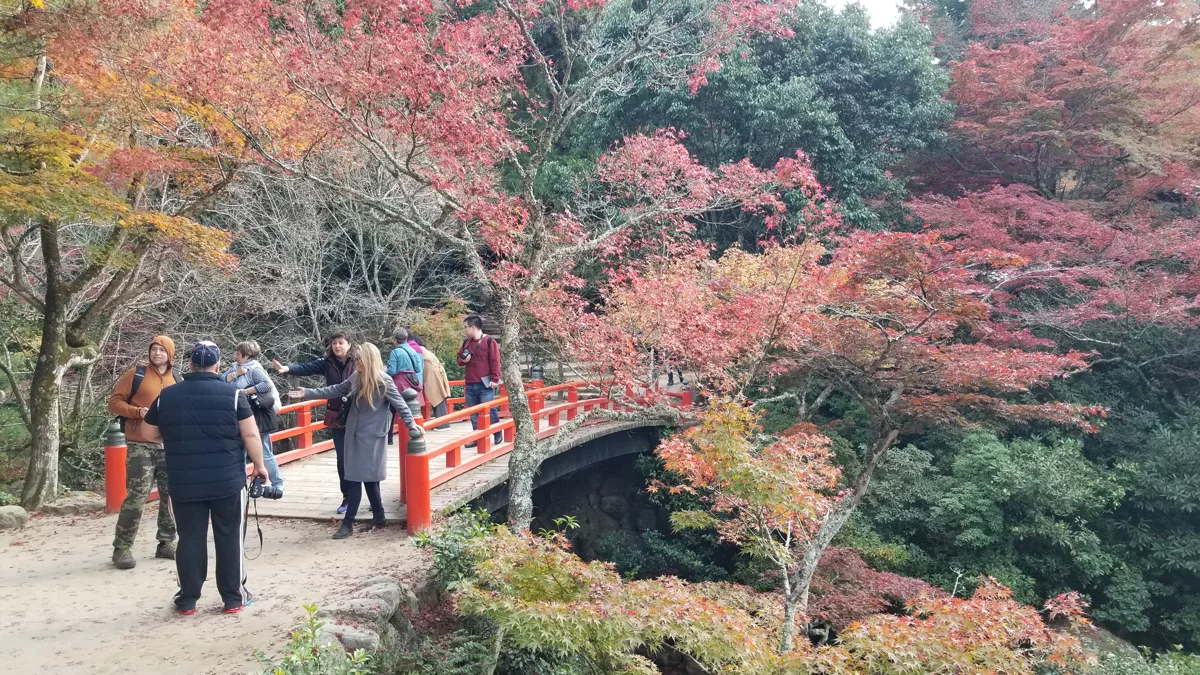
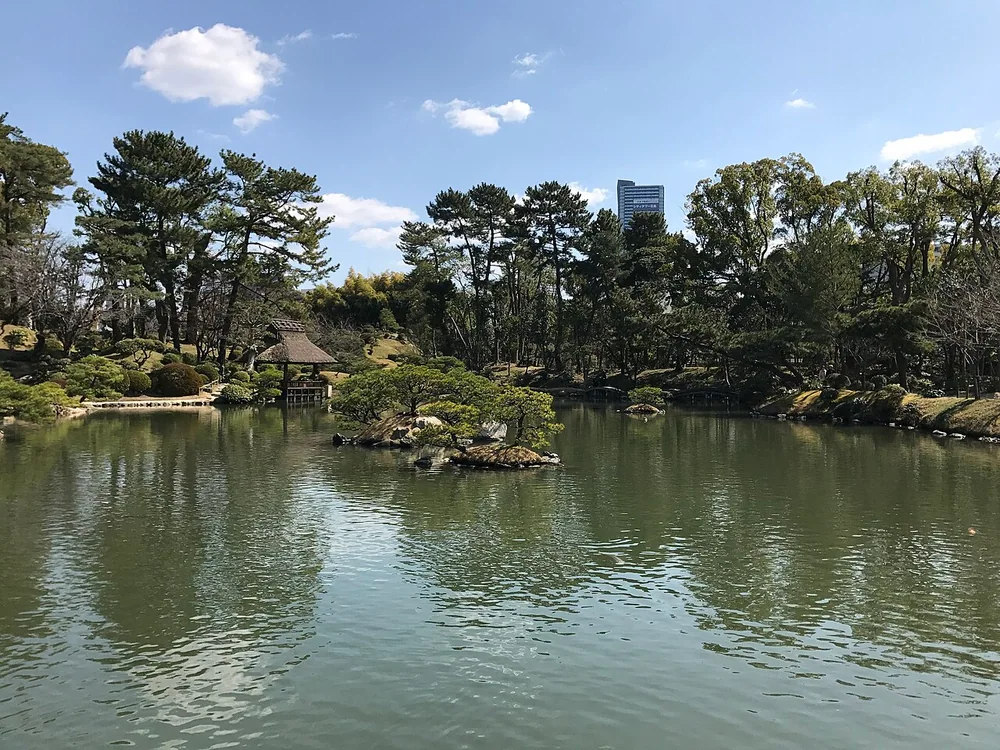
To see a garden and explore the city's dining districts, spend the morning at Shukkeien, head downtown for lunch, browse Hondori in the afternoon, and eat okonomiyaki around Shintenchi at night. Shukkeien's current visitor information lists adult admission at ¥350. Opening hours are 9:00–18:00 from March 16 to September 15 and 9:00–17:00 from September 16 to March 15, with last entry 30 minutes before closing. Walk through the garden while you have more energy in the morning, then keep afternoon shopping and rests flexible. This suits a day balancing scenery and meals.
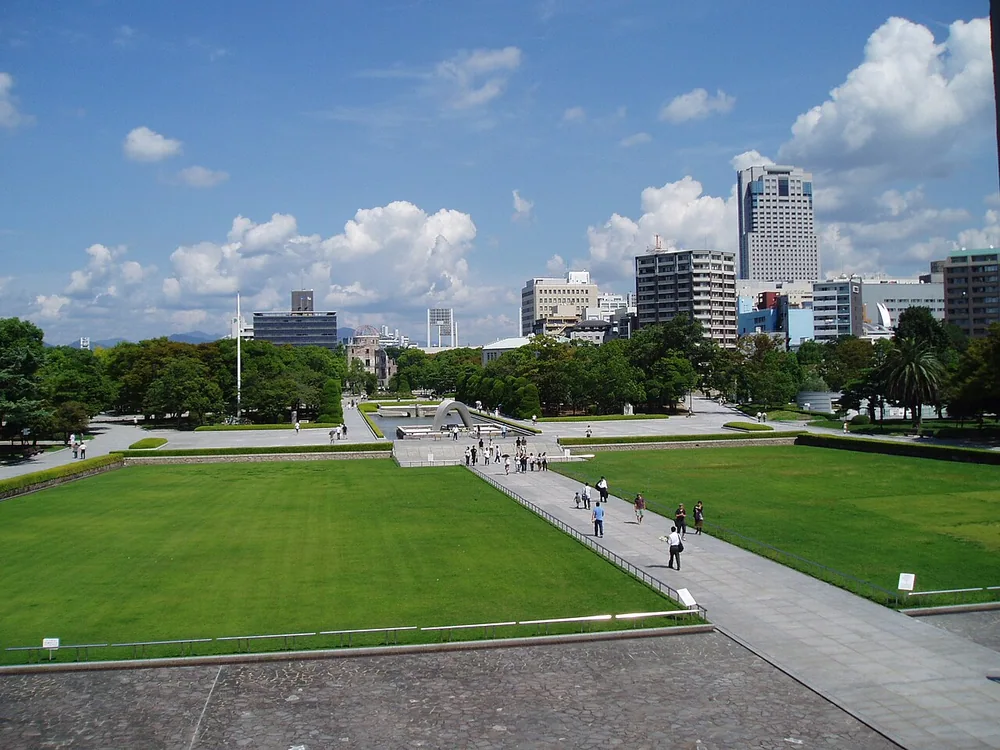
If the Peace Memorial Museum is your priority, replace the garden with the museum and park, then choose Otemachi or Hondori for lunch according to your exit time. The exhibits involve substantial reading and may leave you wanting some quiet time. Find a seated restaurant afterward before deciding whether to shop. For reservations and dividing your time between the city and Miyajima, read the Hiroshima and Miyajima two-day plan. Keep dinner flexible so companions can shorten shopping and return to the hotel early.
Between lunch and dinner, stick to coffee, a small dessert, and water if you want to enjoy a full evening meal. If an oyster set is your priority, reserve that meal first and keep the others simple, concentrating fixed timing in one place.
By afternoon, decide when to head back based on how tired you feel. If you stay near the station, take a nearby tram back and buy souvenirs there. If you stay around Hatchobori, drop things in your room before going out for dinner without bags. A tram ride that restores your energy is more useful than adding sights because you bought a day pass that morning. Leave gaps for rest; this also makes restaurant opening and reservation times easier to meet.
Rain or older companions: shorten outdoor stretches and prioritize suitable seats
In light rain, use Hondori for the main walk and trams to connect either end with your hotel. In heavier rain, replace the riverside walk with malls and cafes while keeping meals in the same area. If shoes and socks are wet, return to change before dinner. For a museum alternative, choose one that is open that day and has an exhibition you want to see, then plan tickets and last entry. An indoor day should let everyone sit or become absorbed in something, rather than simply replace outdoor stops with more walking.
For older travelers and young children, check seating, heat sources, toilets, and entrances first. An okonomiyaki counter gives a close view of the cooking, but a chair with a back or a regular table may matter more to your family. Save menus and decide while everyone still has energy. Making everyone stand outside reading a menu lengthens the wait. If you need accessibility help, tell the transport operator and restaurant which facilities you actually need, and choose somewhere with both a suitable entrance and seats.
The walk from the stop to the door is part of the journey. Crossings, floors, and stairs affect arrival times for strollers and slower walkers. One companion can take those who need to sit to the restaurant while others collect luggage; agree on the meeting point before separating. If it is already late, eat near your accommodation and visit the intended shopping district the next day.
Two nights and departure day: spread out specialties and finish near your luggage
With two nights, separate the three specialties: okonomiyaki on the first evening, soupless tantanmen for lunch the next day, and oysters or other seafood on the second evening. If one day is in Miyajima, eat near your hotel that night to avoid another ride after returning to the city. After seafood on the island, a simple set meal in Hiroshima can be welcome. With fewer meals, choose the two specialties you most want. Keep an appetite for each rather than fitting everything into one day.
If you have spare time on departure morning, walk or have coffee near the hotel or station, then collect your bags and enter the station in one trip. Check souvenir storage needs and weight; buy refrigerated food last. If you will not reach the next hotel until evening, choose shelf-stable items in secure packaging. Keep restaurant, transport, and hotel confirmations together on your phone so train, collection, and meeting details are easy to find before leaving.
Build your budget from the meals you have chosen: add the selected restaurant's basic okonomiyaki and toppings, then any egg, rice, and drink with tantanmen, and the total for seafood dishes or a set menu.
A few useful answers
Do I need a Hiroshima tram day pass?
Two regular adult fares cost ¥480, so an accepted IC card is convenient. First combine eligible forward continuations from the same stop within 60 minutes. For three separately charged journeys within eight hours, consider the ¥600 digital pass. For short city trips, compare the hours and coverage of the ¥440 City Pass. The ¥700 paper day pass suits several rides on one calendar day if you do not use mobile tickets.
How do Suica and ICOCA work on Hiroden in 2026?
From July 1, 2026, tap the MOBIRY DAYS reader both when boarding and leaving. Transport IC cards and WAON cannot be topped up on board. Tell the attendant about child fares or payment for several people.
Where do I board a tram at Hiroshima Station?
The current platforms are on the station's second floor. Follow tram signs. The Meipuru-pu sightseeing bus boards at the separate Shinkansen Exit.
Is Okonomimura suitable for children?
Most restaurants use griddle counters. Ask about tables, stroller space, and sitting together before entering. Keep children away from the hot griddle and let food cool on a small plate.
Can I use Meipuru-pu to return to Hiroshima Station after dinner?
Current departures from Hiroshima Station run from 9:00 to 18:00. Check the return timetable for your stop. Arrange a tram, route bus, or taxi after a later dinner.
Official information and references
Sources used in this guide.
- Hiroden: riding instructions and standard fares
- Hiroden: IC card and WAON use from July 2026
- Hiroden: payment methods and top-up restrictions
- Hiroden: paper day pass
- Hiroden: new Hiroshima Station platforms and loop route
- MOBIRY TRAVEL: using digital tickets
- JR Bus Chugoku: Meipuru-pu routes and fares
- JR Bus Chugoku: loop bus timetable from July 18, 2026
- JR Bus Chugoku: online tickets, advance purchases, and refunds
- Hiroshima Chamber of Commerce: Hondori shopping street
- Dive! Hiroshima: Okonomimura location and restaurant layout
- King-ken: portions, heat levels, prices, and allergens
- Hiroshima City: oyster farming and season
- Hiroshima Prefecture: oysters for raw consumption and cooking
- minamoa and ekie: dining floor guide
- minamoa and ekie: lockers and luggage services
- Shukkeien: hours and admission
- Hiroden: current 2026 tram route map
- Dive! Hiroshima: layered Hiroshima okonomiyaki
- Dive! Hiroshima: eating soupless tantanmen
- Takenoko at Okonomimura: mains, oyster toppings, and tax-exclusive prices
- MOBIRY TRAVEL: eight- and 24-hour tram passes
- MOBIRY TRAVEL: weekday Digital City Pass area and hours
- MOBIRY TRAVEL: weekend and holiday Digital City Pass area and hours
- Hiroden: transfers and city-line continuation service