Compare Kinsuikan, Iwaso, Miya Rikyu and Miyajima Wakura for location, meals, transfers and rooms. Plan ferries, baggage and accommodation taxes for an overnight stay.
- Region & Focus
- Miyajima
- Reading Scope
- 28 min read · 16 chapters · 4 Q&As
- Official Verification
- 13 official sources checkedUpdated October 27, 2026
- Key Topics
- Where to stayBookingRyokan
Chapter Route Map (tap any stop)
- Island or Miyajimaguchi: choose the hours you want to keep
- Three island locations and Miyajimaguchi
- Kinsuikan: shore walks, dinner and breakfast together
- Kinsuikan meal requirements belong in your booking choice
- Iwaso: Momijidani, ryokan dinner and bathing in one evening
- Iwaso room baths, stairs and children's meals
- Miya Rikyu: a coastal route from the pier
- Miyajima Wakura: mainland convenience for cars and large bags
- Miyajima Wakura dinner has two sittings
- First and last ferries differ by direction
- Separate ferry fares, visitor tax and accommodation tax
- Baggage storage: work backward from your next destination
- Leave space for evening and morning
- Families, older travelers and solo guests: start with sleeping arrangements
- One night: stay on the island or leave baggage on Honshu
- Compare totals and cancellation dates before booking
- Quick Q&A
The best reasons to stay overnight on Miyajima are the shore after day visitors leave and an early walk before breakfast. Choose an island ryokan to keep those hours. Miyajimaguchi is easier with large bags, a rental car or an onward connection. Plan dinner before choosing a room: ferries run into the evening, but ryokan meals have their own start times.
Island or Miyajimaguchi: choose the hours you want to keep
Your arrival time has the greatest effect on the first night. After flying or taking the Shinkansen to Hiroshima, you still need a JR train, a walk to the pier, a ferry and the trip to your ryokan. A delay on any leg cuts into dinner time. If you can reach Miyajima in the afternoon, stay on the island that night. If you will only leave Hiroshima toward evening, stay on the mainland and cross the next day. Plan the return from your destination after leaving the island too. For a Shinkansen from Hiroshima, include checkout and the ferry in the morning. If staying in Hiroshima city that day, you can allow another island walk.
Island locations differ. Between Miyajima Pier, Omotesando and Itsukushima Shrine, you can leave bags after landing and browse along the shore. Ryokan near the Momijidani entrance connect your stay with park paths toward the hills. Miyajimaguchi is on Honshu. JR Miyajimaguchi Station, Hiroden Miyajimaguchi Station and the ferry terminal each have their own entrances. A hotel using “Miyajima” in its name may be on the island or across the water. Locate Miyajima-cho or Miyajimaguchi in its address first.
If choosing just one night to change hotels, I would use it for an island stay with dinner and breakfast, keeping the other nights together in Hiroshima. Stay on the mainland if arriving late in Hiroshima and catching a Shinkansen the next day. An island night works best if you are willing to move bags for evening and morning walks. Arriving in the afternoon and leaving immediately after breakfast usually gives you little time to use the location fully.
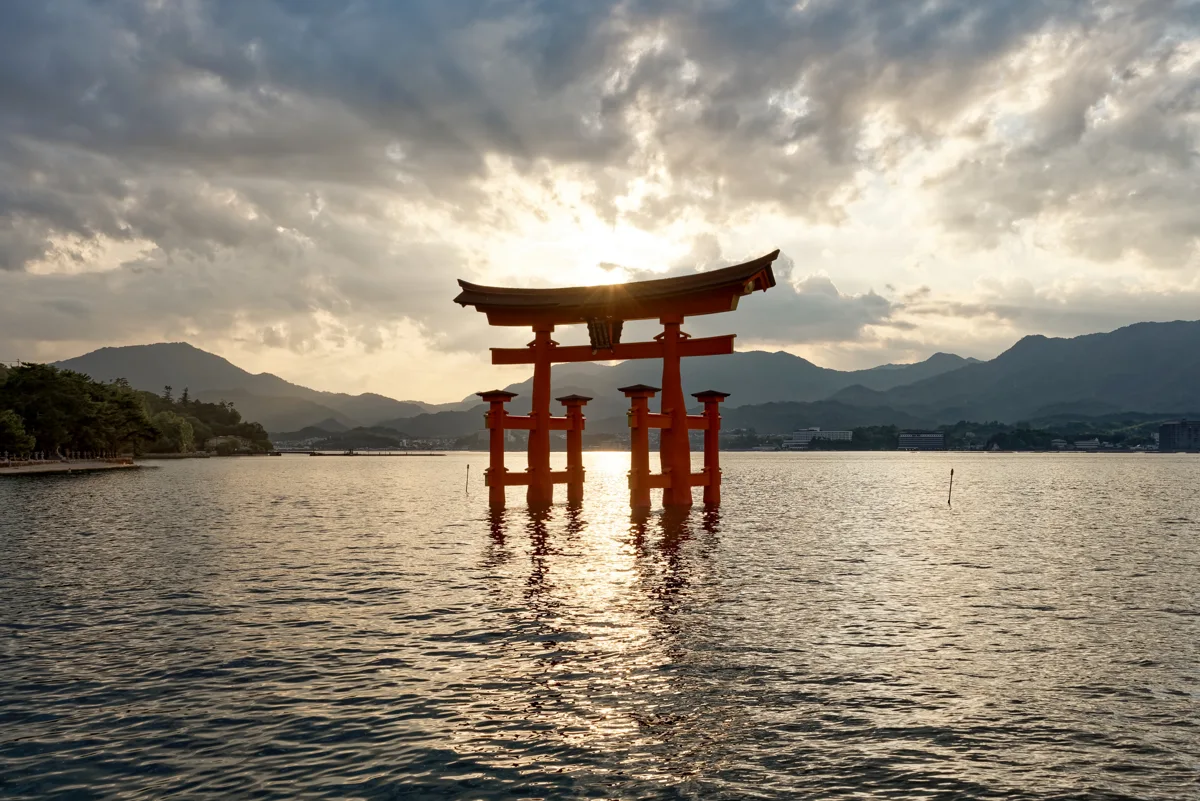
Compare Kinsuikan, Iwaso, Miya Rikyu and Miyajima Wakura for location, meals, transfers and rooms. Plan ferries, baggage and accommodation taxes for an overnight stay.
Three island locations and Miyajimaguchi
Near Miyajima Pier suits travelers with many bags who want to reach reception quickly. It also makes collecting bags and leaving after checkout easy. With dinner at the hotel, there is no long walk back to your room at night. Accommodation near Omotesando, the coast and shrine suits several short walks: the sea in the afternoon, another walk after dinner and the shrine early the next morning.
Toward Momijidani, you leave the pier and shopping street for the hills. Iwaso, for example, lists about a 15-minute walk from the ferry port and offers transfers from the island pier. With older relatives, I would use the transfer after landing and after checkout, saving walking energy for places they want to see. Near the park entrance, the pace differs from a pier-side stay. Leave time for dinner, bathing and rest at the ryokan itself.
Coastal hotels at Miyajimaguchi let you leave large bags and visit the island with a small bag. Back on Honshu, you can connect to JR or collect a car, making Iwakuni or Hiroshima easier the next day. If the hotel is some distance from the pier, include that trip after landing at night. Free shuttles have set departures; a shuttle service does not mean a vehicle meets every ferry.
Kinsuikan: shore walks, dinner and breakfast together
Kinsuikan suits an island night combining dinner, bathing and shore walks. Start with the official room page. It lists Roku, semi-open-air-bath suites, Otona no Kyujitsu, Mizuori and other rooms separately, including their facilities, views and dining arrangements. Use those specific fields to narrow your choice if you want beds, an in-room bath or dinner in your room.
The official Heritage Suite Roku listing, for example, gives 86 m², two electrically adjustable beds and room benefits including 14:00 check-in and in-room dinner. It explicitly describes the room bath as a Komyoseki artificial hot spring. These features suit guests who want to spend time in the room. If you prefer communal baths and will be out most of the day, put the budget toward meals or another room type rather than paying more simply for the word “Suite.”
Standard rooms have check-in from 15:00; Otona no Kyujitsu and Roku from 14:00. Bags can be stored before check-in and after checkout. Dinner starts no later than 19:30; contact the ryokan directly if delayed. For afternoon sightseeing, leave bags, visit the sights, then return to change and eat rather than dragging a suitcase until check-in. The official FAQ says to call when boarding and give the ferry operator and departure time for a transfer. Transfers may be limited when busy, so save walking directions too.
Kinsuikan’s official tour shows the guest room and sea view of Heritage Suite Roku, helping you compare this room type’s layout.
Kinsuikan meal requirements belong in your booking choice
Kinsuikan's Japanese FAQ sets a deadline of five days before arrival for adding or upgrading meals. Give detailed allergy information by the same deadline. It cannot remove seafood stock or provide vegetarian, halal, vegan or gluten-free meals. Its shared kitchen also cannot meet requirements to avoid cross-contact. These conditions determine whether dinner and breakfast suit your group. Choose meals with the room rather than removing the main dish on arrival.
If your group uses several rooms, state the need to eat dinner together separately. Kinsuikan says it may arrange a restaurant or private room depending on the day. Private rooms are for dinner only. Some guest rooms allow in-room dining for up to five people. If in-room dining is essential for a family, book a room that explicitly offers it and can accommodate the full dining group. A note asking to sit together is not enough.
For a two-night stay with unavailable search results, the official FAQ says some rooms need to be searched one day at a time, with consecutive nights noted in the comments. Clarify whether a room change is needed, so a plan to reduce baggage handling does not require repacking the next morning. Changes to dates or rooms generally require a new booking and cancellation of the old one, whether booked directly or through a travel site. If cancellation charges have started, contact the original booking channel first.
Iwaso: Momijidani, ryokan dinner and bathing in one evening
Iwaso is on the Momijidani side and suits travelers making a Japanese inn stay a main part of the trip. It is around 15 minutes on foot from Miyajima Port. Its free transfer runs only between Miyajima Pier on the island and the ryokan. From JR Miyajimaguchi Station, take the ferry yourself first. Call with your sailing when departing so the inn knows when you will arrive. This helps families with strollers, older relatives or baggage.
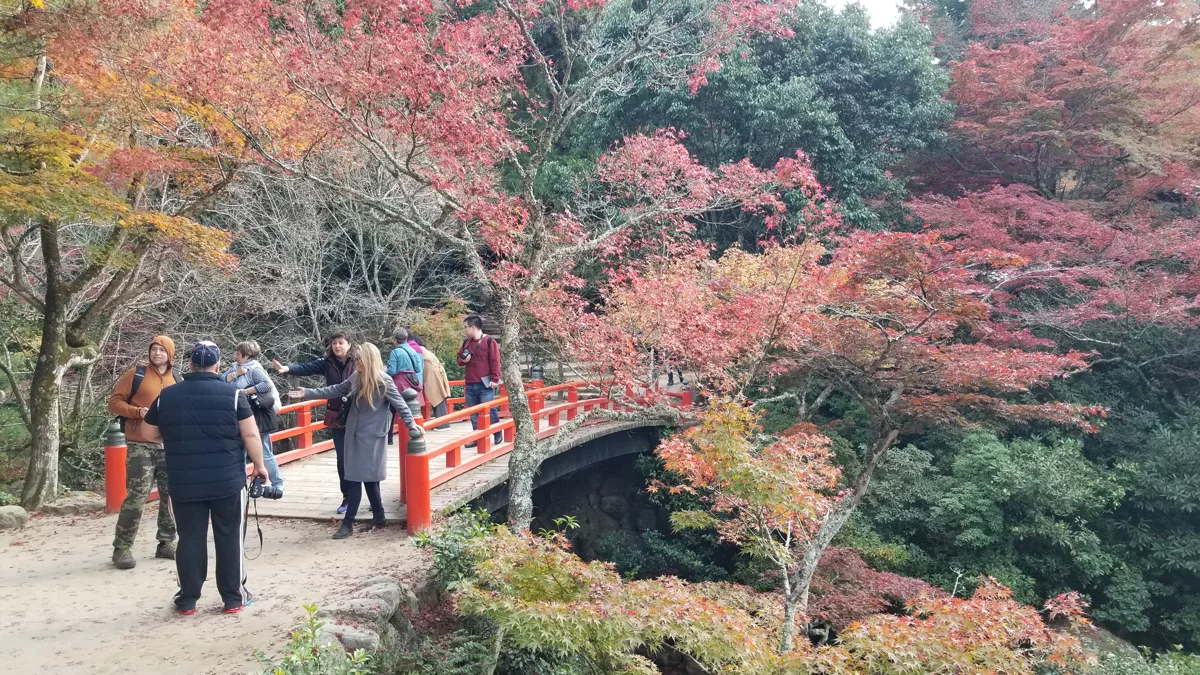
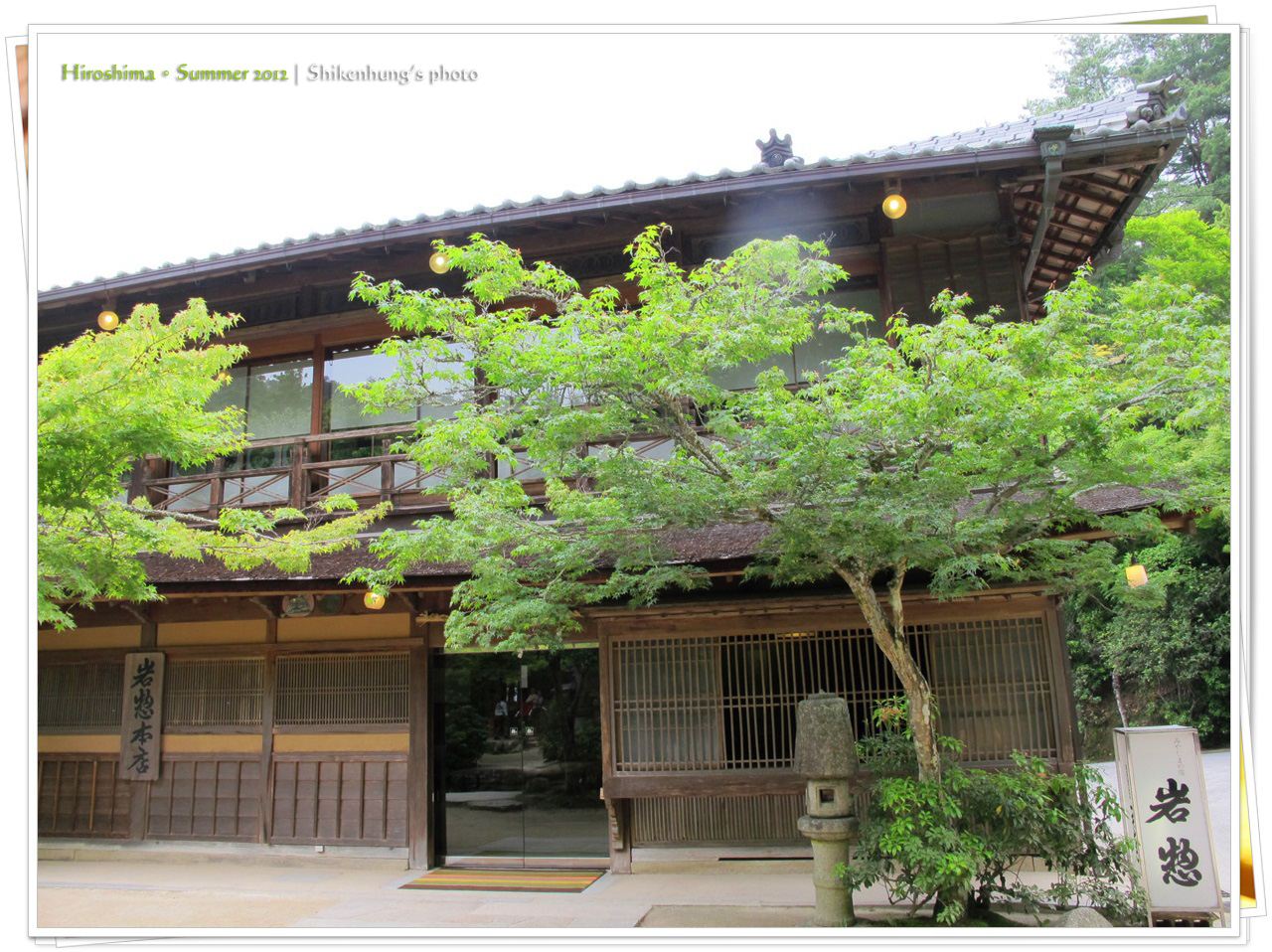
Iwaso's Japanese FAQ lists standard check-in as 15:00–19:30, but its late-arrival section asks guests to arrive by 19:00 because dinner starts no later than 19:30. I would use 19:00 as the arrival limit at the ryokan and work backward for pier and transfer time. On a day with a late Shinkansen arrival in Hiroshima, staying there or elsewhere on Honshu and reaching the island earlier the next day is usually more comfortable than chasing dinner.
Dinner and breakfast are served at Momiji or a dining room, with the location assigned by the inn. Iwaso accepts stays without dinner only on dates when available, and dinner cannot be added that day. Fewer island restaurants open at night than in the daytime, so dinner and breakfast make this location easier to use. If you plan to eat out all evening, choose the actual restaurant and return route before booking without dinner.
Iwaso room baths, stairs and children's meals
Iwaso currently mainly offers Japanese-style rooms. Folding beds can be requested ahead and are allocated in request order. Rooms with private baths include the new wing and some detached rooms. Room baths use ordinary water; natural hot-spring water is in the communal baths. If you want natural hot-spring water in your room, choose accommodation that provides it. Here, compare room baths and communal baths separately.
Mobility affects room choice too. The official information states that there are changes in level, no accessible guest rooms and only stairs from the first floor to the basement communal baths. New-wing rooms have private baths, and elevators connect guest-room floors with the lobby and restaurant. This is more practical for people who have difficulty with stairs. Ask separately about routes from the room to dining, toilets and baths rather than only whether the building has an elevator.
Child charges depend on the number of accompanying adults too. The official FAQ distinguishes infant and child categories on the condition that they accompany at least two adults. The facility fee for ages 0–1 without meals or bedding is ¥2,200. Ages 7–11 receive a meal with two or three fewer dishes than the adult meal, while younger children have a children's meal arrangement. Enter each child's age, meals and bedding when selecting the plan. With two families sharing, total headcount must not replace child categories. Report allergies seven days ahead; cooking and washing procedures remain shared with regular meals.
Miya Rikyu: a coastal route from the pier
Shinsen no Yado Hotel Miya Rikyu is at 849 Miyajima-cho, on the coastal accommodation route between the pier and Itsukushima Shrine. Compare it with Kinsuikan if you want to leave bags after landing and walk toward the shrine. Both are on the island, but room types, dining locations and bathing facilities differ. Compare beds, children's meals and early-morning bathing one by one.
Hatsukaichi's official accommodation listing gives check-in at 15:00 and checkout at 10:00. Japanese kaiseki dinner is served from 18:00 to 21:00, starting no later than 19:30. The inn assigns a banquet room or restaurant on the day. Breakfast is a Japanese set meal or buffet at the property's discretion, served 7:00–9:00 with the last start at 8:30. If a buffet or in-room dining is essential, compare these differences before hotel star ratings.
The communal baths open 15:00–23:30 and 5:00–9:00, with men's and women's baths exchanged the next day. For a walk before breakfast, plan bathing, the shore and breakfast back at the inn, or choose just two to avoid rushing before checkout. Day-use bathing is not offered. Overnight guests can use the baths before or after dinner without finding another bathing stop.
Miyajima Wakura: mainland convenience for cars and large bags
Grandvrio Hotel Miyajima Wakura is at Miyajimaguchi-nishi 1-chome on the Honshu coast. This location suits a view toward Miyajima and direct access to your car the next day. The official site separates sea-facing and mountain-facing rooms. Choose the direction first, then compare beds, meals and capacity. For a particular view, book a room explicitly listing it to reduce the need to request a room change on arrival.
The official access page lists about 12 minutes on foot from JR Miyajimaguchi Station or five minutes by free shuttle. The ferry pier is also about 12 minutes away on foot. The hotel suits guests willing to walk or coordinate JR with a fixed shuttle. Shuttles cannot be reserved and board first come, first served. The last afternoon departure from the JR station is 18:35. After island sightseeing at night, plan to walk or take a taxi from the pier to the hotel.
The free parking lot has 171 ordinary-car spaces, allocated first come, first served. Baggage storage is available before check-in and after checkout. Contact the hotel before shipping bags ahead. Drivers can leave the car on Honshu and cross as foot passengers. Take any items unsuitable for heat or leaving in the car to reception for storage, keeping only the day's essentials with you. Planning parking, room and ferry separately is easier than taking a car across and navigating island roads.
Miyajima Wakura dinner has two sittings
Dinner at Miyajima Wakura is a 90-minute semi-buffet with unlimited drinks. The official dining page lists sittings at 17:30–19:00 and 19:30–21:00, in effect from January 5, 2026. Choose the second sitting to stay on the island toward evening, leaving time beforehand for the ferry and return to the hotel. With children who eat and sleep early, choose the first and finish afternoon sightseeing earlier too.
For a separate meal-price comparison, the official page lists dinner at ¥8,800 for adults and ¥3,850 for elementary-school children, including tax. Preschool children eat free. Breakfast is ¥2,970 for adults and ¥1,320 for elementary-school children, served 6:30–9:30. These dining-page prices help compare plans with and without meals. For the booking total, use the same date, headcount and room type, and record whether meals are already included.
Both a dinner-and-breakfast stay and independent dinner plans can work. The former suits a restful coastal hotel night. The latter suits dinner in Hiroshima city, but include the return JR journeys. If you dine in Hiroshima and return to Miyajima the next day, travel increases. For that plan, I would stay near Hiroshima Station or dine at the hotel so the accommodation matches the evening's activities.
First and last ferries differ by direction
The JR West Miyajima Ferry regular timetable lists the first departure from Miyajimaguchi to the island at 6:25 and the last at 22:42. From the island to Miyajimaguchi, the first is 5:45 and last 22:14. The crossing takes around ten minutes. These times help judge overnight stays or early visits, but also include leaving your room, reaching the pier, buying tickets and walking to the hotel. Arriving on the last ferry and only then finding the ryokan leaves very little margin.
Evening intervals grow much longer. After 18:45 from Miyajimaguchi, the regular timetable lists 19:15, 19:45, 20:27, 21:10, 22:00 and 22:42. After 20:00 from the island, it lists 20:42, 21:25 and 22:14. For an island stay with dinner, work backward from the meal time. If staying at Miyajimaguchi and returning after sunset, choose a ferry you are comfortable taking before deciding how long to walk. Do not expect daytime frequency at night.
JR and Miyajima Matsudai Kisen have separate timetables and tickets. Use the boarding area matching your ticket on the return. Regular, busy-period and New Year timetables are listed separately too. On New Year's Day, long weekends or during service changes, use the version for your date. Weather cancellations affect both island accommodation and mainland connections. Contact your hotel and adjust that day's travel first rather than leaving the final ferry as your only option.
Separate ferry fares, visitor tax and accommodation tax
For ordinary JR West Miyajima Ferry tickets, adults pay ¥200 one way and children aged 6 to under 12 pay ¥100. Entering the island adds a ¥100 Miyajima visitor tax; preschool children are exempt. One adult round trip with one island visit totals ¥500. Two adults on the same itinerary total ¥1,000. Keep this calculation beside, but separate from, hotel prices.
With an island night, a walk the next morning does not require another ferry just because the date has changed. Staying at Miyajimaguchi and visiting on each of two days adds a round trip. For two adults using ordinary tickets without exemptions or other passes, fares and visitor tax over two days total ¥2,000. Hatsukaichi City charges ¥100 per visit. Recording the actual number of entries makes the cost comparison clearer than asking only which side has cheaper hotels.
Hiroshima Prefecture's accommodation tax starts April 1, 2026. It is ¥200 per person per night when the pretax accommodation-only charge, including accommodation service fees, is at least ¥6,000. Charges below that threshold are exempt. Meals and consumption tax are excluded from the threshold, so a dinner-and-breakfast total cannot be used directly. One night for two adults both meeting the threshold adds ¥400. Any separately listed hot-spring bathing tax follows the booking. Distinguish included taxes from amounts payable on site to avoid counting one twice.
Baggage storage: work backward from your next destination
For one island night, I would pack two days of clothes, medicine, chargers and rain gear in a small bag, leaving the large case at a previous hotel that accepts storage or arranging delivery to the next hotel. Both properties must actually accept storage or delivery, with collection times fitting your transport. If you will not return to Hiroshima Station, a detour for the case defeats the purpose. Work backward from the next destination rather than choosing a storage station first.
Iwaso can receive bags early on arrival day. Call when boarding to arrange handover at the pier or take the transfer to the inn first. Bags stored after checkout can also be sent to the ferry boarding area. Tell the ryokan your collection time and sailing so you can continue to Honshu after a shore walk. Kinsuikan stores bags before check-in and after checkout. Shipped baggage must arrive the day before your stay and show the booking name and arrival date.
At Miyajima Wakura, you can leave large bags, visit the island after checkout and return to collect them. The hotel is not beside the ferry exit, so collection is a real travel leg. For a Shinkansen from Hiroshima that evening, include the hotel baggage stop in the return journey. Do not squeeze baggage collection immediately against train departure just to add one more sight.
Movement aboard ferries and around piers also needs free hands. Keep tickets or a transport card, phone, hotel number, regular medicine and a windproof layer in the small bag. Avoid hanging loose shopping bags outside your suitcase. If you need a transfer, call before boarding and wait at the agreed point after landing instead of dragging bags through crowds to find the vehicle.
Leave space for evening and morning
An island night can begin with an afternoon arrival: leave bags, walk the shore and shrine area, check in and eat at your reserved time. After dinner, take only a short walk near the inn, then return for bathing or rest. The value is seeing the same street at different hours, without cramming a full day route into half a day. Allow a separate full day for Mount Misen and treat ropeway hours separately from dinner.
Itsukushima Shrine generally opens at 6:30. In autumn, it closes at 17:30 from October 15 to November 30, and at 17:00 in December. Island guests can visit before breakfast and return to eat. The 6:25 first ferry from Miyajimaguchi still leaves a walk after landing, so it cannot get you to the shrine at the moment it opens, but it allows an early start. With a fixed 7:00 breakfast, walk first, return to eat and visit the shrine afterward. There is more than one way to use the morning.
Tide levels at the torii are separate from the time of morning. To see water surrounding the shrine or walk onto the exposed shore at low tide, check the tides for both days around your stay, then choose a time you can reach the sea. Sunset, dinner and low tide may overlap. With a fixed meal, use another tide the next day or shorten the sunset walk. At night, stay on well-lit roads and shore paths. Leave hillside trails and intertidal areas for daylight.
For a full daytime foliage route, read the Miyajima autumn day itinerary. To combine the island and Hiroshima city, use the Hiroshima and Miyajima two-day guide. Set dinner, baggage and next-day departure first so the daytime route fits around them.
Families, older travelers and solo guests: start with sleeping arrangements
With children, decide how everyone will sleep before comparing totals. Futon counts, young children sharing beds and whether children's dinner and breakfast are included all change the checkout price for the same room. For an early bedtime, the earlier meal sitting, distance from room to dining and a direct return to the room after dinner usually matter more than one extra sight. If leaving a stroller at the inn, plan for a child falling asleep on the way.
For older relatives with knee or bed-access needs, put bed type and passage width before views. A Japanese-style room may look spacious, but the routes used are between the entrance, bathroom and dining room. Stairs to communal baths determine whether they can be used too. Iwaso gives specific information that lets you compare new-wing routes with your needs. Kinsuikan's universally designed Roku allows wheelchairs into the room; other rooms have an entrance step. Its rooftop terrace requires stairs, while the first-floor seaside terrace is wheelchair-accessible. For beds alone, choose a room with beds. For wheelchair access, compare the room and shared spaces separately.
For solo travel, search with one adult to see available dates. Iwaso says one-person plans are available on some dates but has no dedicated single room. Kinsuikan's FAQ lists a minimum of two guests for occupancy changes. Solo travelers can start with published one-person plans or ask the inn for an option. If island rooms exceed your budget, stay at Miyajimaguchi or Hiroshima Station and enter early. You still have the day on Miyajima without paying for two-person meals you will not use.
One night: stay on the island or leave baggage on Honshu
An island plan suits an afternoon arrival on day one. Contact the transfer service when boarding at Miyajimaguchi, hand over bags and walk the shore from the pier to the shrine. With dinner and breakfast booked, make your last pre-dinner stop near the inn. In afternoon rain, check in and rest, moving the shrine visit to the next morning. You still use the room and meals. After checkout, leave bags again, explore a direction you missed, then collect them and leave. This suits a return to Hiroshima and leaves time for a full breakfast.
For a long-distance train on day two, reverse the emphasis: finish the shrine and main sights on day one, then take bags after breakfast and leave. Transfer from Miyajimaguchi to JR for Hiroshima Station. Choose the intended Shinkansen first, then the island departure. Connection time includes walking from the pier to JR, waiting and finding the Shinkansen platform in Hiroshima. Allow more with large bags, strollers or older relatives. A ten-minute ferry crossing is not the full journey back to Hiroshima.
A Miyajimaguchi plan can start with mainland check-in, dinner and rest on day one, then an island visit the next day. To use Miyajima Wakura's breakfast from 6:30, depart after eating and accept a later shrine arrival. If the first ferry matters more, book without breakfast or arrange an early meal separately so you do not pay for food and rush away. If checking out that day, leave stored items with reception and agree a collection time before crossing with a small bag.
Two nights at Miyajimaguchi can also work: one day for Miyajima and one for Iwakuni or elsewhere in Hatsukaichi, keeping the car and baggage at one base. If visiting Miyajima on both days, compare the extra fares, visitor tax and travel time with the price difference for an island night. With a small price difference, the island avoids boarding again on day two. With a large difference and a preference for conventional beds or mainland travel, Miyajimaguchi offers a clear trade-off.
Compare totals and cancellation dates before booking
Compare hotels using the same date, adult and child counts, room type, beds, dinner, breakfast, on-site taxes and free-cancellation deadline. A per-person starting price beside a per-room checkout total can mislead. Sea-facing rooms, dinner and breakfast, and refundable plans each have value. Remove only the features you do not need to see what the saving represents.
Iwaso's Japanese FAQ lists cancellation charges for 1–14 guests: 30% three or two days before arrival, 50% the day before, and 100% on arrival day or for a no-show. Kinsuikan's standard plans begin charging three days before arrival, with separate rules for special plans. Save the actual booking rules, including year, date and deadline in Japan time. Card preauthorization, prepayment and free cancellation are separate fields; read each.
Dinner-and-breakfast stays also involve meal-preparation deadlines. When changing hotels, secure the new booking, then cancel the old one under its rules. If charges have started, contact the original booking platform or inn first. Send changes to guest numbers, children's ages and allergies to the property hosting you. Keep confirmation emails, booking numbers and replies so you can find the transfer phone number and dinner time at the pier.
A few useful answers
For a first visit, should I stay on Miyajima or at Miyajimaguchi?
Choose an island stay with dinner and breakfast for walks after dinner and early in the morning. Start with Miyajimaguchi for large bags, a rental car or a train the next day. Include the hotel-to-pier distance.
When is the last Miyajima ferry?
The JR regular timetable lists 22:42 from Miyajimaguchi to the island and 22:14 from the island to Miyajimaguchi. Ryokan dinner requires an earlier arrival. Use the applicable timetable for holidays and New Year.
Can I store bags before an island stay?
Kinsuikan and Iwaso both accept bags before check-in and after checkout. Iwaso can arrange pier handover if called when you board. Bags shipped to Kinsuikan must arrive the previous day and show your name and stay date.
Which taxes apply to a Miyajima stay?
The Miyajima visitor tax is ¥100 per entry, with preschool children exempt. Hiroshima accommodation tax is ¥200 per person per night when pretax accommodation-only charges, including accommodation service fees, reach ¥6,000. Any bathing tax listed by the inn follows the booking.
Official information and references
Sources used in this guide.
- Kinsuikan: Japanese FAQ
- Kinsuikan: guest rooms
- Kinsuikan: dining
- Iwaso: Japanese FAQ
- Miyajima Wakura: stays and baggage FAQ
- Miyajima Wakura: access and shuttle
- JR West Miyajima Ferry: regular timetable
- JR West Miyajima Ferry: fares
- Hiroshima Prefecture: accommodation tax
- Hatsukaichi City: Miya Rikyu accommodation information
- Miyajima Wakura: meal times and separate prices
- Hatsukaichi City: Miyajima visitor tax
- Itsukushima Shrine: visiting hours