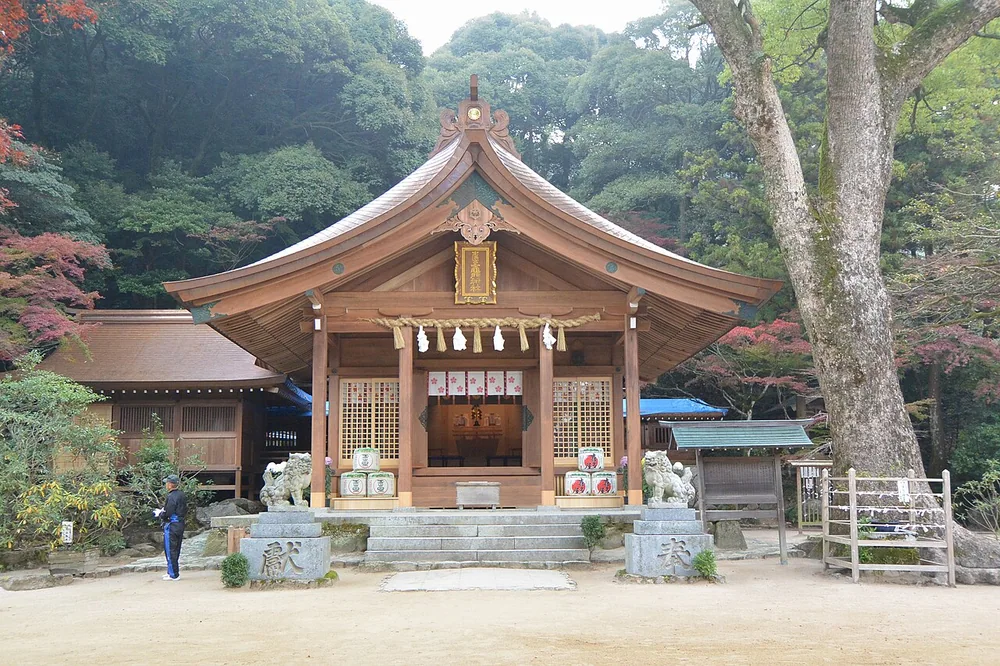
Mifuneyama Rakuen's autumn festival runs 6 November–6 December 2026. Plan day and night tickets, Mirror Pond and the great maple, Takeo-Onsen Station shuttles, wet slopes and an overnight hot-spring stay, with location photographs, Google Maps and the garden's historical night-view film.
- Region & Focus
- Kyushu
- Reading Scope
- 31 min read · 17 chapters · 8 Q&As
- Official Verification
- 11 official sources checkedUpdated 9 November 2026
- Key Topics
- ItinerariesSeasonsKyushu
Chapter Route Map (tap any stop)
- Choose an afternoon and evening, or split the garden into two visits
- 2026 dates and hours: from 6 November, with night admission from 17:30
- Day, night or combined tickets: calculate your group's cost
- Hakata to Takeo: allow the final journey after the train
- Distinguish the north-exit festival shuttle, south-exit bus and hotel transfer
- Orient yourself with the cliffs and pond in daylight
- Choose stopping points at the maple tunnel, great maple and Mikaeri slope
- Visit Mirror Pond twice: first for orientation, then reflections
- After 17:30, enjoy night foliage along familiar paths
- Rest at Hagino-o Teahouse before darkness and plan dinner separately
- Pushchairs, wheelchairs and rain: plan around steep slopes and return steps
- Staying at Mifuneyama Rakuen Hotel: plan ages, dinner and transfers
- Give hotel art and Rakan-no-Yu separate time slots
- A Hakata day trip: arrive after lunch and return to the station after night views
- One night in Takeo: check in and place dinner between garden walks
- Choose a next-day city walk: Romon, Motoyu or Takeo Shrine
- Organise budget and belongings around your departure time
- Quick Q&A
To see both daytime leaves and night reflections at Mifuneyama Rakuen, arrive in the afternoon, revisit Mirror Pond after 17:30, then return to Takeo Onsen for dinner or an overnight stay. The 2026 autumn festival runs from 6 November to 6 December. Combined day-and-night admission is ¥900 for adults; a single day or night session is ¥600. Decide whether to return to Hakata or stay in Takeo before choosing tickets and transport.
Choose an afternoon and evening, or split the garden into two visits
Give Mifuneyama Rakuen an uninterrupted visit. Learn the paths and see leaves and cliffs in the afternoon, then return to the pond after dark along familiar paths. For a first visit, we suggest roughly 14:30–19:00 for garden, rest and illumination. This editorial itinerary can be shortened around lunch, walking pace and return trains. Set departure transport and dinner first.
For night reflections alone, eat an early dinner in Takeo before entering with a night ticket and focus on the pond and favourite trees. A daytime ticket suits older relatives, preschool children or an early start the following day: see the cliffs framing the garden and the pondside leaves, then leave while light remains. A complete single session is usually more comfortable than waiting for every illuminated spot.
An overnight stay offers another option: night views on arrival day and the daytime garden after breakfast. Mifuneyama Rakuen Hotel and Onyado Chikurintei guests have free garden admission, making short walks and room breaks practical. Other visitors planning to return the next day should budget another admission. Calculate a same-day combined ticket separately from a two-day visit.
Mifuneyama Rakuen's autumn festival runs 6 November–6 December 2026. Plan day and night tickets, Mirror Pond and the great maple, Takeo-Onsen Station shuttles, wet slopes and an overnight hot-spring stay, with location photographs, Google Maps and the garden's historical night-view film.
2026 dates and hours: from 6 November, with night admission from 17:30
The garden's 2026 autumn festival notice gives Friday 6 November to Sunday 6 December, open daily and in rain. Daytime hours are 08:00–17:30 and night hours 17:30–22:00. For both, use 17:30 as the midpoint: finish walks needing clear footing first, then take a shorter pond-lighting route with a manageable departure.
The Takeo City Tourism Association gives the historical viewing season as mid-November to early December. Use it as an accommodation-search window, then choose a weekday or weekend you can visit. Mixed colours and broad red foliage are different preferences; for companions mainly wanting an evening walk, convenient transport dates may matter more.
If reaching Kyushu in early November, place Mifuneyama in your Takeo itinerary on or after 6 November. In early December, mark the closing date of 6 December to avoid another season's hours. The homepage lists seasonal events, while the autumn festival, other garden seasons and hotel art have separate arrangements. Write the activity name into your booking itinerary to keep dates distinct.
Day, night or combined tickets: calculate your group's cost
For the 2026 festival, a single daytime or night visit costs ¥600 for adults and ¥300 for primary school pupils. Adult pricing begins at junior high school. Combined day-and-night tickets cost ¥900 and ¥400 respectively. If staying from afternoon into night, the combined ticket adds ¥300 per adult and ¥100 per primary pupil to cover both in one day's budget.
For two adults and two primary pupils, one session totals ¥1,800 and combined admission ¥2,600, a difference of ¥800. Separate day and night singles total ¥3,600. For two adults alone, one session costs ¥1,200 and combined admission ¥1,800. Compare the difference with evening food, transport and children's rest needs before everyone reaches the entrance.
Mifuneyama Rakuen Hotel and Onyado Chikurintei guests have free garden entry, leaving the budget for accommodation, dinner and travel. Follow the hotel's admission arrangements and allow reception time. Other visitors should retain tickets and follow staff directions at the day-to-night change. If someone leaves early, agree a final meeting place before choosing how long each person stays.
Hakata to Takeo: allow the final journey after the train
The garden access page describes about 1 hour 10 minutes by JR limited express from Hakata to Takeo-Onsen, then about five minutes by taxi. For a day trip, allow separately for leaving the platform, finding the exit, waiting and buying garden tickets. For an afternoon visit, eat lunch in Takeo to simplify the evening. Leave luggage at your arranged storage point and take a small bag.
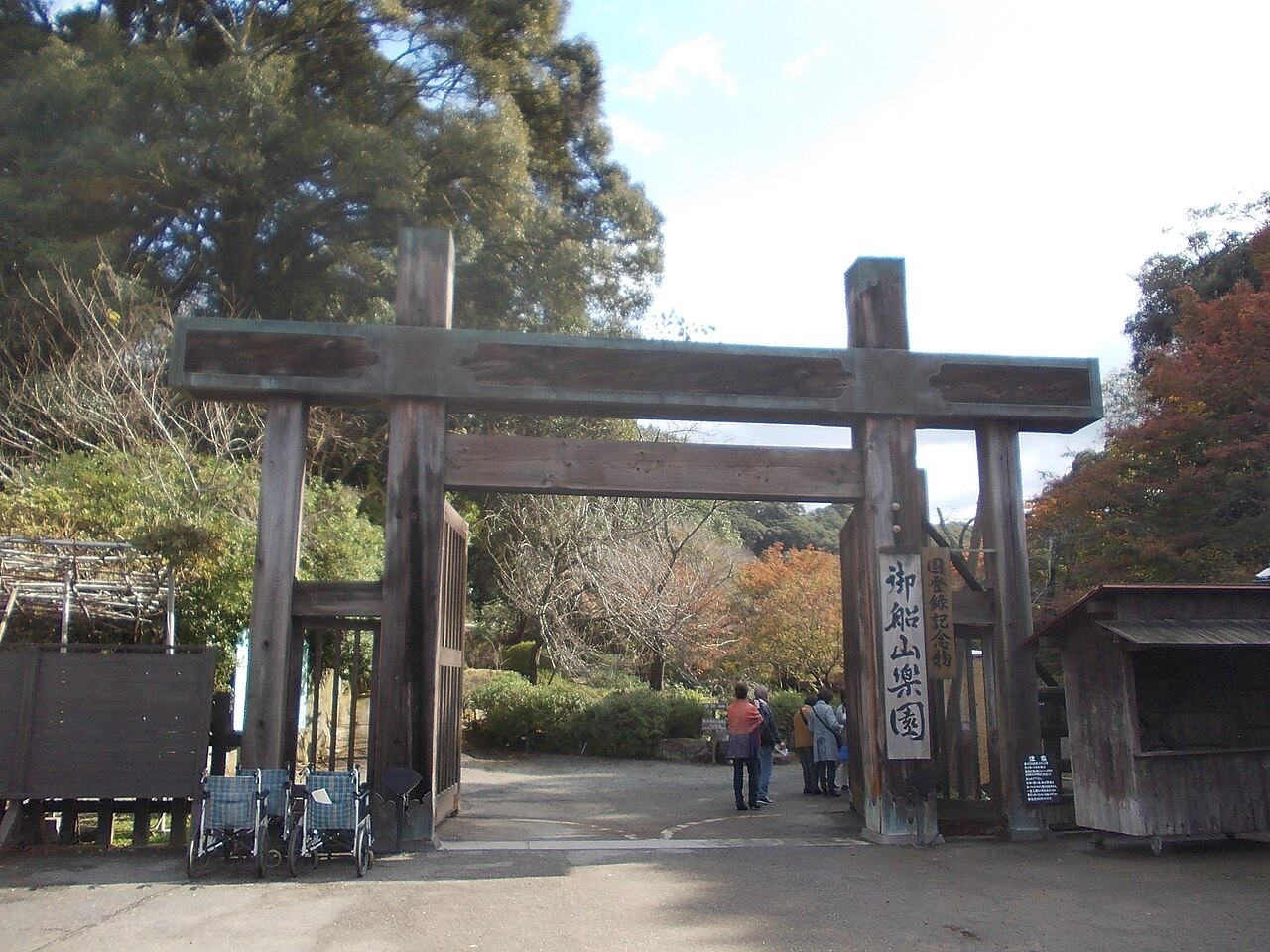
JR Kyushu explains the Nishi Kyushu Shinkansen relay interchange at Takeo-Onsen, connecting conventional limited expresses with Shinkansen services towards Nagasaki. If Takeo is your destination, simply leave the station. Search for Takeo-Onsen as your arrival to see the actual journey. If continuing to Nagasaki or Ureshino, plan that stage for the next day to leave the evening in Takeo.
Choose a main return train to Hakata before departure and identify a later alternative. Work backwards for leaving the garden, reaching the station, collecting luggage and finding the platform. Leaving at 19:00 or at 21:00 produces different dinner plans. Either can work with the booked train as a clear return point. An overnight stay gives more room for a city hot-spring visit too.
Distinguish the north-exit festival shuttle, south-exit bus and hotel transfer
The tourism association's autumn 2026 page lists a free shuttle between Takeo-Onsen Station north exit and the garden on Saturdays, Sundays and national holidays during the festival. It runs 08:00–22:00, with three return trips per hour planned and no reservation. Record north exit and locate the boarding point on arrival. Allow waiting time on the return so tired companions are not rushed into a tight train connection.
On weekdays, use the JR Kyushu Bus Ureshino Line, whose map includes Takeo-Onsen Station south exit and Mifuneyama Rakuen. The operator separates weekday and weekend/holiday timetables, and Takeo–Ureshino from Ureshino–Takeo. Save both directions. If evening departures do not connect with your train, plan a taxi for that stage and retain your chosen illumination time.
Mifuneyama Rakuen Hotel has a separate station transfer for guests. Its FAQ lists 14:00–18:30 and telephone booking by 21:00 the day before check-in. Guests can connect their arrival train, transfer and check-in before the garden. Day visitors use the festival shuttle, route bus or taxi. Give luggage quantities when booking the transfer for a straightforward arrival.
Orient yourself with the cliffs and pond in daylight
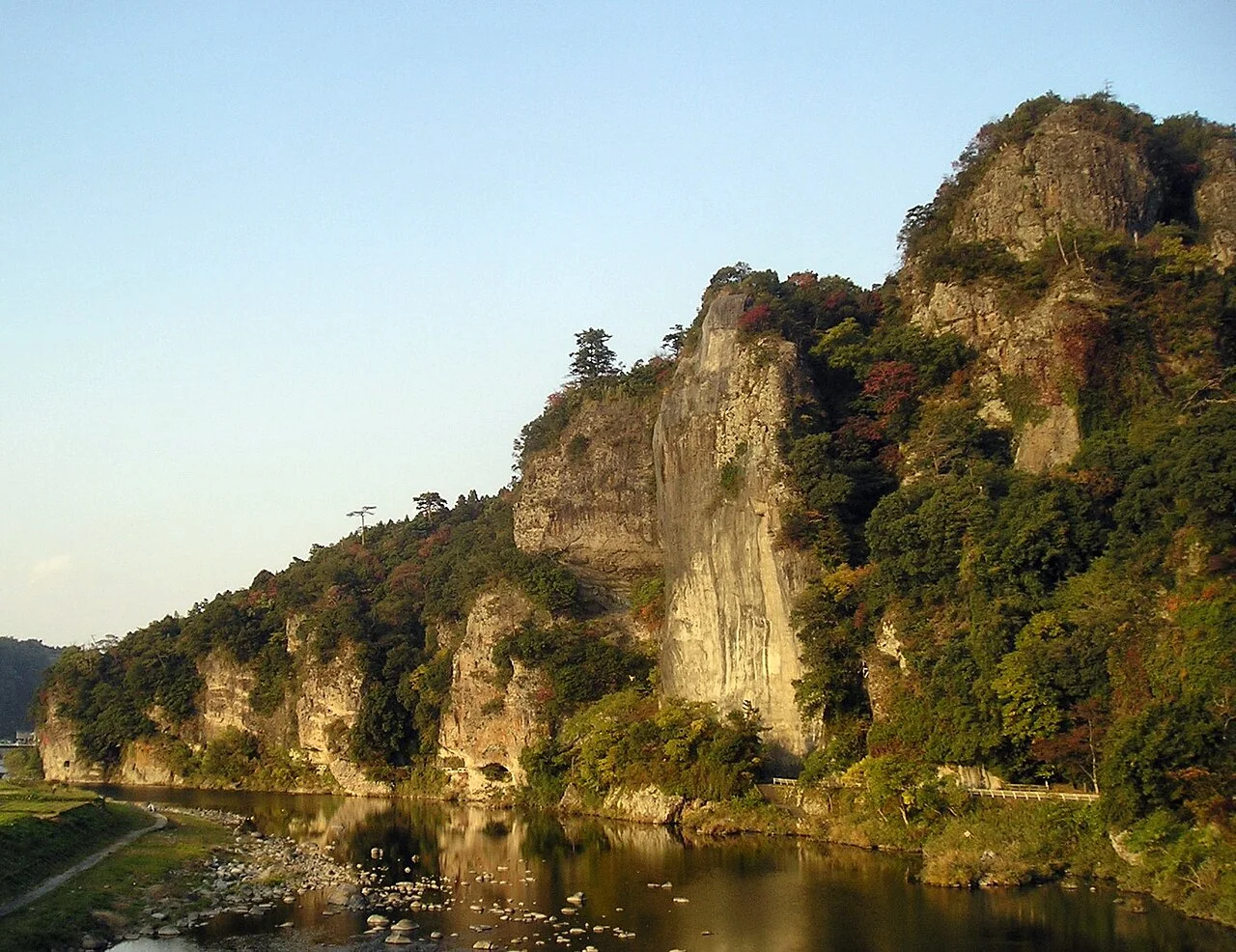
Mount Mifune's cliff is the garden's clearest backdrop. Pause where both cliff and pond are visible, understand how pond paths, slopes and woodland routes connect, then choose a direction. Start with a wide photograph including cliff, canopy and water before close leaves. Together, these distances help reconstruct your walk later.
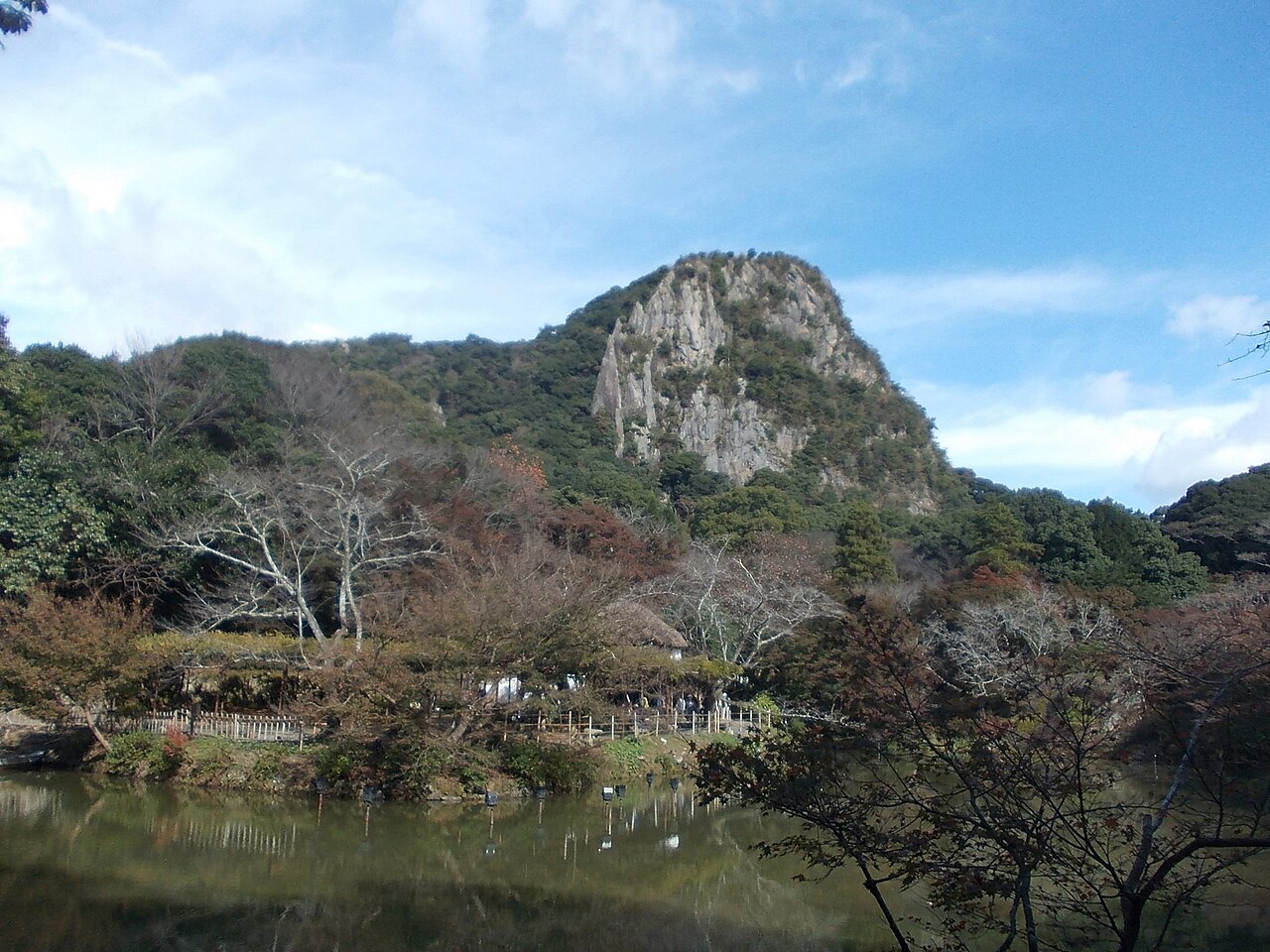
The garden describes a 500,000-square-metre pond-strolling landscape borrowing the scenery of 210-metre Mount Mifune. Photographers may linger near the entrance; first allow a continuous walk to your priority pondside and trees, then return for angles. If interests differ, agree a broad, recognisable meeting place so photographers and slower walkers can each proceed comfortably.
Compare seasons in the photographs too. The azalea valley's rounded trimmed forms in spring give way to more prominent cliffs and woodland shapes in autumn. At the pond, follow colour from the bank into reflections. Terrain, trunks and water each offer a reason to stop. Return at dusk to a familiar view in changed light rather than finding the route for the first time after dark.
Choose stopping points at the maple tunnel, great maple and Mikaeri slope
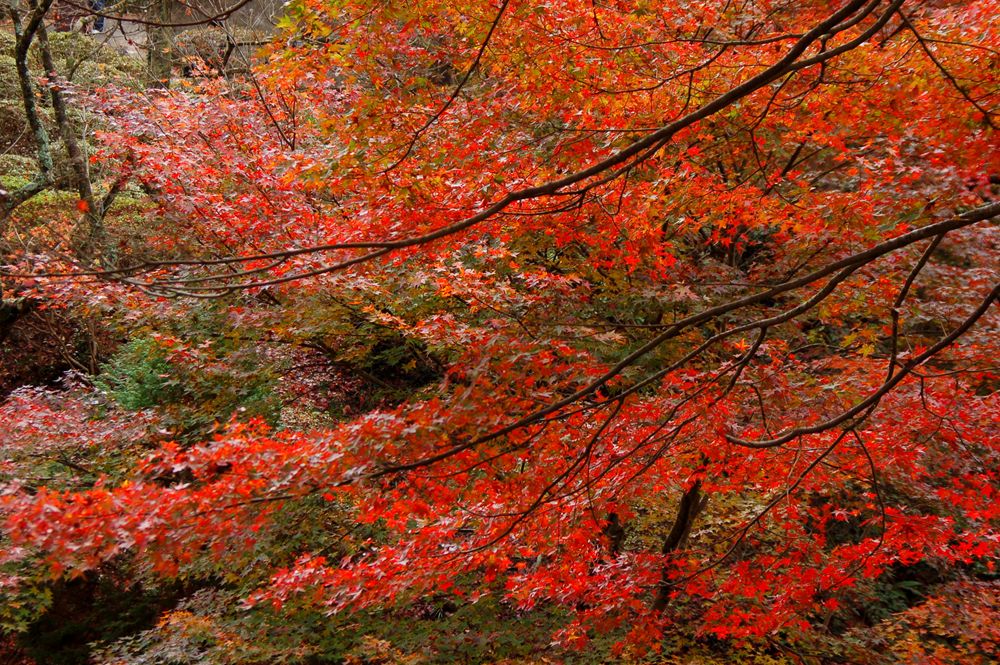
The festival page lists the maple tunnel, Mikaeri slope and 170-year-old great maple, best explored with daylight remaining. Look up through the tunnel for overlapping branches, or make the great maple your main stop for the whole tree's shape. On the slope, stop safely out of the way and look back along your route. Study one or two places closely instead of rushing between photographs.
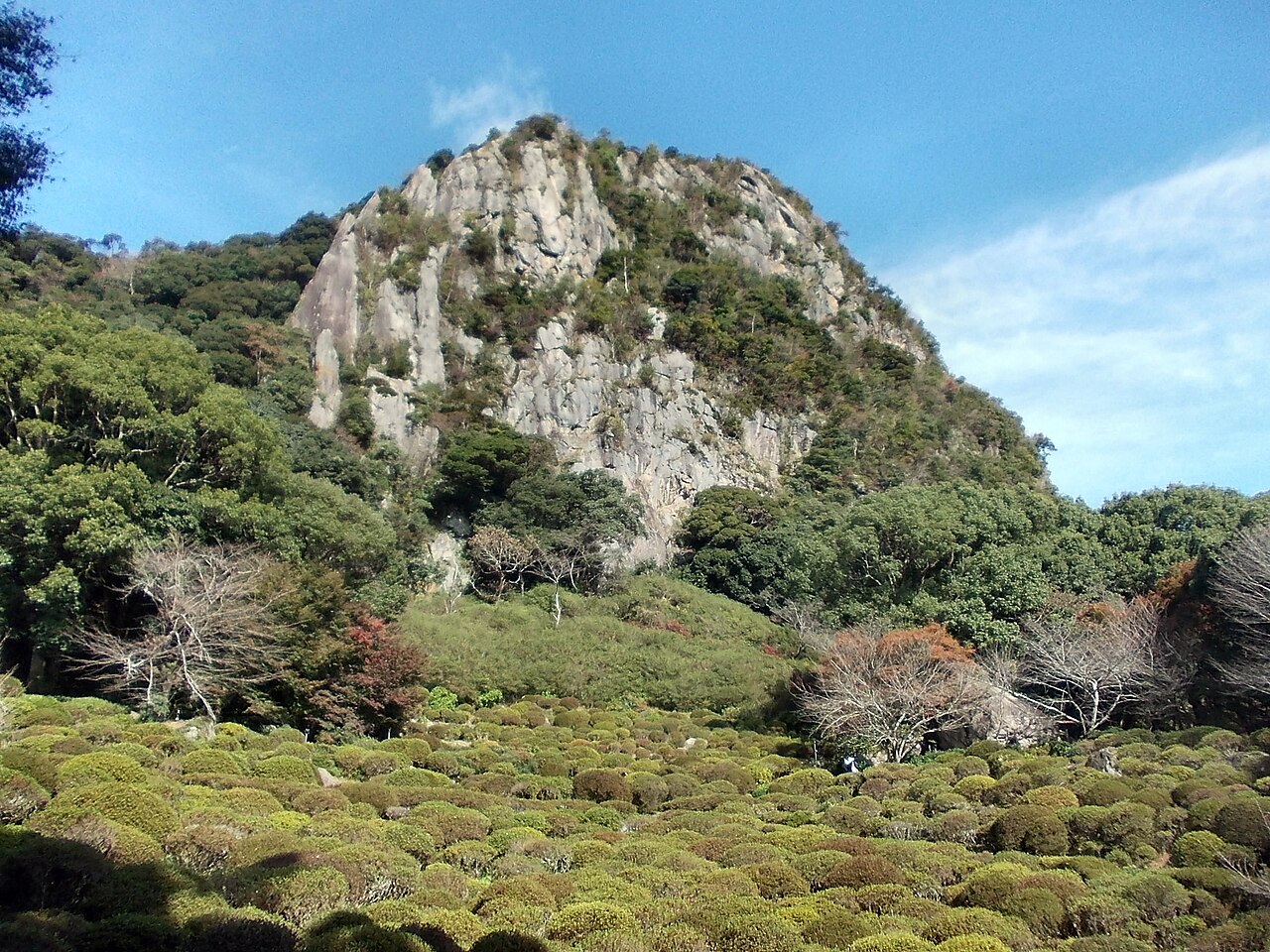
Slopes change the effort of a mountain garden walk. Put the camera away uphill and photograph on level ground. Leave space between people downhill rather than following immediately behind. For uncomfortable knees, focus near the pond and leave harder slopes to those with energy. Use a precise meeting place and time for separate walks.
Separate leaf close-ups from whole-garden views. Choose layered branches for close shots without crowding continuously beneath trees. Step back for paths, cliff or water in wider views. For family photographs, stand securely beside the route, have one member take the picture, then make room. Pass busy stretches and try again on returning to the pond to keep moving.
Visit Mirror Pond twice: first for orientation, then reflections
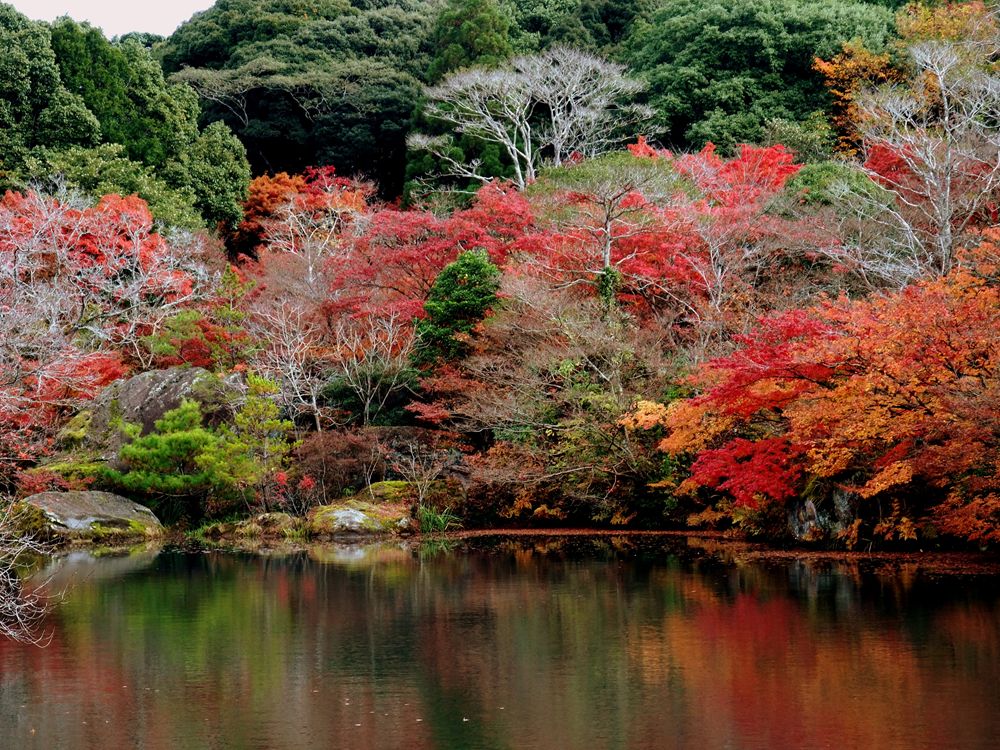
Mirror Pond deserves a daytime and night stop. First identify walkable banks, choose a favourite angle and remember the entrance direction. Return to that bank for lights on water after dark. A familiar route leaves attention for trees and reflections. For companions mainly visiting for night foliage, make this the evening's longest stop.
Observe the surface before moving closer for a photograph. Stay on established paths, hold the phone or camera steady and take one view including bank trees, then one focused on water. Ripples stretch lights into lines; still water shows fuller tree shapes. Keep either effect you like rather than waiting so long for one image that the schedule becomes tight.
Pondside lighting draws attention, so keep track of children and older companions. Agree which side to wait on before photographing and tell the group before moving angles. Afterwards, take a familiar exit route for a calm finish. If catching a train, set the reminder for when you must start towards the exit, rather than shortly before train departure.
After 17:30, enjoy night foliage along familiar paths
The night session starts at 17:30 and follows well after a daytime walk. Take out warm clothing, sit for water or a snack, then return to the pond. Allow time for eyes to adjust to darkness. Set phone brightness so you can see without glare, and put it away after photographs to keep hands free for a child or balance.
The 2017 film used on the garden website introduces pondside lighting and reflections. During your visit, see the complete canopy and water from one spot before slowly changing angle. A night camera may capture only bright leaves, while your eyes also see trunks, shoreline and surrounding darkness. Spend a few minutes without the phone for a different sense of depth.
For night-only entry, start with the pond and a route easy to retrace rather than following every light deep into the garden. Allow separate time for photographs, rest and the exit. If someone is cold or tired, finish and return to Takeo for hot food or the hotel. Those wanting longer can agree another meeting arrangement so each evening has a suitable length.
Pondside lighting, autumn leaves and water reflections during the 2017 autumn festival.
Rest at Hagino-o Teahouse before darkness and plan dinner separately
Hagino-o Teahouse opens specially during the autumn festival. The garden lists powdered tea with skewered dumplings by day and powdered tea with sweet red-bean soup at night. Put it between your daytime walk and illuminated pond for a seated pause and clothing check. Tea and sweets are a snack; arrange dinner separately. With children especially, eating adequately before night viewing supports a comfortable pace.
For kaji synergy restaurant, the festival page lists last lunch orders at 14:00 and dinner orders at 20:30, closed Mondays and the third Sunday each month. Choose the meal slot first if this restaurant anchors your day, then walk around it. For a simple meal, eat in Takeo and carry enough water in the afternoon to avoid rushing both dinner and train on the return.
Pushchairs, wheelchairs and rain: plan around steep slopes and return steps
The access page identifies two steep garden slopes for wheelchair users and notes that wet surfaces may be harder to negotiate. Five wheelchairs are available at the entrance. Ask there about borrowing and the day's route, with companions listening before setting off. Mark pondside and teahouse priorities, starting with stable routes that are easy to retrace.
After Hagino-o Teahouse, the garden specifically warns wheelchair users that the route marked お帰り道, or return route, has steps. Retrace the approach to the entrance and use the road towards the teahouse. Identify this in daylight. Save entrance, teahouse and turnaround points on phones and assess junctions together. Following a known route after the lights reduces last-minute changes.
Pushchair families also benefit from short sections. Keep essentials in an accessible small bag and organise rain cover, coats and bottles before slopes. Stop in a broad area to swap pushing or care for a child. Agree which adult handles the pushchair and which stays with the child to separate walking from photographs. If the child needs sleep, return early rather than covering every slope.
The garden opens in rain, but shorten the visit to one pondside stretch, a main tree and teahouse rest. Grippy shoes, waterproof clothing and fewer handheld items help more than many camera accessories. If both umbrella and camera need hands, put the camera away to walk and take it out at a secure stop. Leave after your priorities to stay drier and save energy for the next Kyushu day.
Staying at Mifuneyama Rakuen Hotel: plan ages, dinner and transfers
A hotel at the mountain foot gives a quicker room return after night foliage and bathing. Mifuneyama Rakuen Hotel's FAQ accepts primary school age and above. With preschool children, choose a Takeo city hotel accepting younger guests and travel to the garden. Search first for accommodation the whole family can use, then compare transport, dinner and rooms. Onyado Chikurintei is a separate property with its own plans and guest information.
Normal check-in is 15:00 and check-out 10:00; the hotel's direct website booking lists 14:30 and 10:30. Leave luggage at reception before choosing a bath or garden walk. Reserve guest station transfers by 21:00 the previous day alongside train planning. Compare sleeping places, private bathroom needs, stairs and meals according to your group.
The FAQ lists guest dinner sittings at 18:00 and 19:15, with last seating at 19:30. For 18:00 dinner, walk the daytime garden first and return for night foliage afterwards. To be pondside when the night session begins at 17:30, choose a later dinner and allow the walk back. Both work when meals and walking each have time, avoiding being deep in the garden just before dinner.
Hotel guests have free garden and hotel-art entry. Put art on the first afternoon or before dinner, leaving the next morning for garden and departure. List included admission and facilities before adding meals, transfers and next-day travel. A station-area hotel can cover a daytime garden and short night visit. Prioritise the mountain-foot hotel for repeated garden entry, communal baths and post-dinner walks.
Give hotel art and Rakan-no-Yu separate time slots
The hotel art page lists 11:00–22:00, last entry 21:30, and general admission of ¥700. Hotel guests and Rakan-no-Yu day users enter free. Allow a separate indoor visit for light works responding to people. Separating garden foliage and indoor lighting gives eyes and pace time to change. Use the teamLab hotel page to choose priorities.
Rakan-no-Yu day use requires booking. The FAQ says reservations open two months ahead and admission is limited to junior high school age and above. Hotel guests use the communal baths free. If bathing is the main aim, book that slot first, then choose day or night garden admission, allowing changing, showering, rest and the walk back. For dinner and room rest straight after bathing, visit foliage earlier in the afternoon.
A Hakata day trip: arrive after lunch and return to the station after night views
Our suggested day trip leaves Hakata in the morning, has lunch in Takeo, enters the garden in the afternoon and sees illumination after 17:30, leaving from around 19:00 according to the return train. Keep the garden as the main destination, with one brief city stop such as the Romon gate or a café. An uninterrupted afternoon leaves room for transport, food and an evening walk.
At Takeo-Onsen, deal with storage or shopping first and confirm the return station entrance. Use the north exit for the weekend festival shuttle and south for the weekday Ureshino Line. Each companion should save the boarding point. After lunch, take water and a simple snack to the garden and choose a teahouse stop according to energy. For dinner after illumination, plan its order with the train.
See the cliff backdrop, maple tunnel and pond in the afternoon, choosing a favourite angle to revisit at night. Rest and put on warm clothing before the 17:30 lighting period. Concentrate night views along familiar paths and head for the exit at your chosen time. For more photographs, use angles along the same return route to keep moving outwards.
Collecting luggage, finding the platform and buying dinner at the station take another period. Work backwards with 20–30 minutes for these, plus garden-to-station travel and waiting. This itinerary buffer can increase for luggage or slower companions. A reminder when leaving the garden helps everyone pack cameras and coats and shift smoothly towards the train.
One night in Takeo: check in and place dinner between garden walks
Arrive in the afternoon, check in and leave luggage, then walk the daytime garden. Return after dinner for illumination, followed by bathing and rest. Mountain-foot hotel guests have free entry and more flexibility for separate walks. City guests should choose tickets for the evening period they want and arrange transport first. Keep the next morning for central Takeo before continuing towards Saga, Ureshino or Nagasaki.
For 18:00 dinner, keep the afternoon route simple and use the start of the night period at 17:30 to return and prepare for food, then go out afterwards. For 19:15 dinner, see some pond lighting first and head back early. Treat dinner as fixed and adjust walks around it. Returning to the same bank after a meal brings different light and crowds.
Have a slow breakfast and revisit daytime water and cliffs before packing and checking out. If energetic, add Romon, Motoyu or Takeo Shrine in town. For a quiet finish, go straight to the station with time for lunch or waiting. After an afternoon and evening in the garden, one more morning activity often completes the hot-spring stay comfortably.
Choose a next-day city walk: Romon, Motoyu or Takeo Shrine
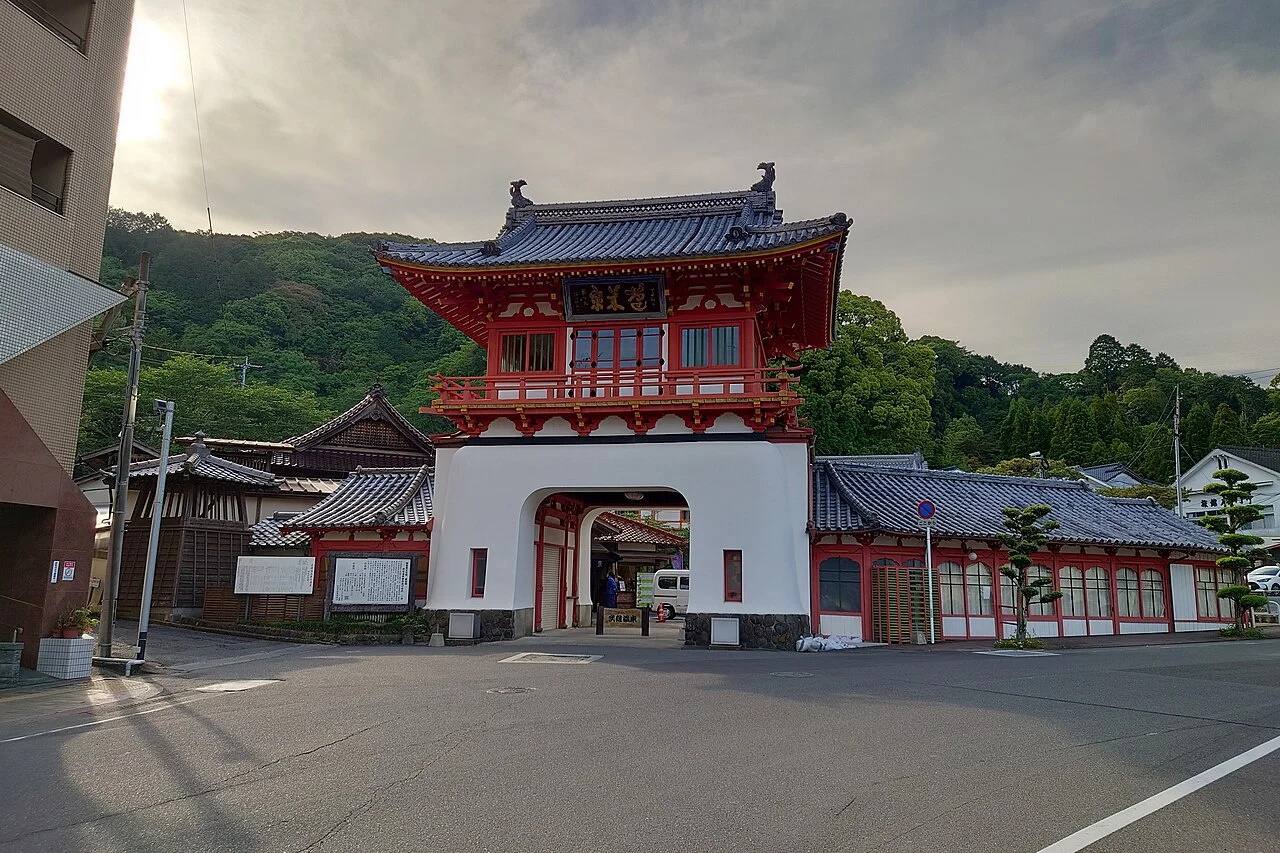
For an overnight Takeo trip, see Takeo Onsen's Romon gate on another day. The red gate is a clear starting point. For Motoyu bathing, allow a full changing and bathing period before returning to the station; a short exterior architecture stop is worthwhile too. Separate garden slopes from city streets across days to simplify luggage and photography.
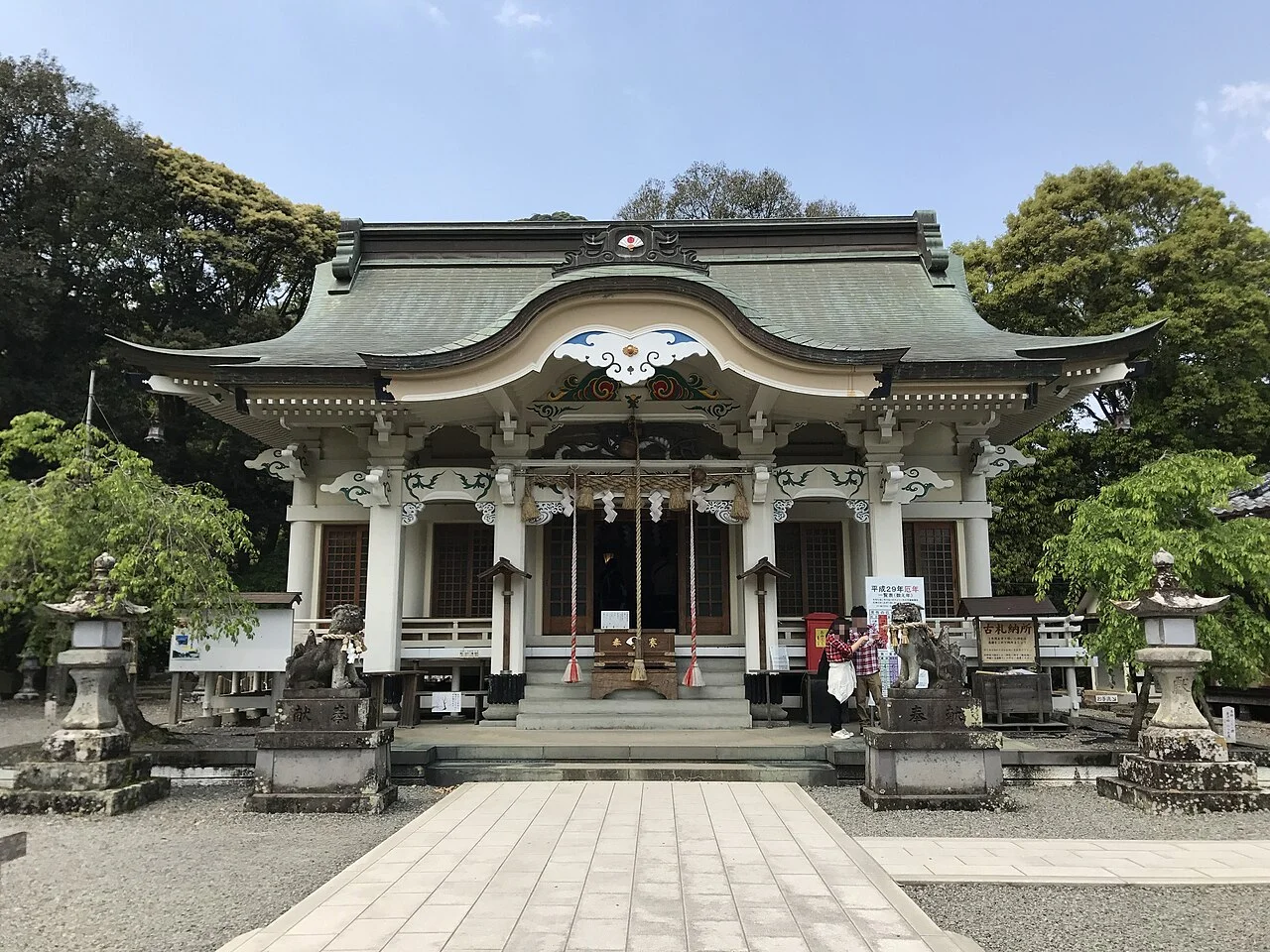
Takeo Shrine suits another woodland walk. The tourism association describes a maple road, bamboo grove and the Takeo great camphor tree, which fit one shrine visit. Worship first, then follow open paths towards the trees you want to see. Autumn morning air, leaves and shrine buildings contrast with the previous night's illuminated pond. If companions want less walking, return after worship and leave time for hotel luggage collection.
If visiting both gate and shrine, connect hotel, destinations and station on a map and choose how much to walk. Store luggage first and retrieve it at the end. A taxi for one section can save energy for the walk you prefer. If travelling onwards that day, choose either gate and bathing or shrine woodland, then leave after lunch rather than rushing several morning visits.
For more accommodation and city detail, read the Takeo overnight guide to Romon, Motoyu and the city. After giving Mifuneyama day and night the main share of time, keep tomorrow simple: bathe or visit shrine trees. Complete the activity you most want, then collect luggage and go to the station for a clear end to the overnight trip.
Organise budget and belongings around your departure time
Two adults pay ¥1,200 for one garden session or ¥1,800 for combined day and night. Add two general hotel-art tickets at ¥700 each for a garden-and-art total of ¥3,200, with travel and food separate. Remove art admission from your budget if included as a hotel guest or Rakan-no-Yu day user. Listing included and additional items helps more than a broad Takeo daily cost.
Carry a small bag, water, warm coat, walking shoes and a charged phone. A hat or sun protection may help daytime photographs; keep the coat accessible for night. In rain, add a bag protecting phone and tickets. The garden prohibits alcohol, picnic plastic sheets and drone filming during the autumn festival. Light walking equipment is enough. Store large luggage first to make slopes, tickets and boarding easier.
Before leaving, check where to wait for the shuttle, which side serves the route bus and when to head to the train platform. Put cameras away and return tickets to their usual pocket before moving together. If staying in Takeo, follow your dinner or hotel plan. If returning to Hakata, end the garden walk at the planned departure time for an easier onward journey.
A few useful answers
When is the 2026 Mifuneyama Rakuen autumn festival?
6 November–6 December 2026, open daily including rain. Daytime hours are 08:00–17:30 and night hours 17:30–22:00.
What does same-day daytime and night admission cost?
Combined tickets cost ¥900 for adults and ¥400 for primary pupils. One daytime or night session costs ¥600 and ¥300. Adult pricing starts at junior high school.
Which station exit serves the free autumn shuttle?
During the 2026 festival, it runs between Takeo-Onsen north exit and the garden on Saturdays, Sundays and national holidays, 08:00–22:00. Three return trips per hour are planned, free and without reservations.
How do I reach the garden on weekdays?
Take JR Kyushu Bus's Ureshino Line from Takeo-Onsen south exit to Mifuneyama Rakuen, or use a taxi. Read weekday timetables separately towards Ureshino and towards Takeo for the two directions.
Which route should wheelchair users take back from the teahouse?
The garden warns that the route marked お帰り道 has steps. From Hagino-o Teahouse, retrace the approach to the entrance and use the road towards the teahouse. There are also two steep slopes and five loan wheelchairs at the entrance.
Can preschool children stay at Mifuneyama Rakuen Hotel?
The hotel FAQ accepts primary school age and above. Families with preschool children can choose Takeo city accommodation accepting younger guests and arrange transport to the garden.
How do hotel art tickets and autumn garden tickets work?
General hotel-art admission is ¥700, open 11:00–22:00 with last entry at 21:30. Buy separate garden day, night or combined admission. Hotel guests have free garden and art entry; Rakan-no-Yu day users also have free hotel-art entry.
Should I return to Hakata or stay overnight in Takeo?
For the garden alone, arrive after lunch, see night foliage after 17:30 and leave according to your selected train. For bathing, a hotel dinner and separate garden walks, an overnight stay gives more time.
Official information and references
Sources used in this guide.
- Mifuneyama Rakuen: autumn festival 2026
- Mifuneyama Rakuen: access and wheelchair routes
- Takeo City Tourism Association: autumn 2026 and foliage shuttle
- JR Kyushu Bus: Ureshino Line
- JR Kyushu: Nishi Kyushu Shinkansen relay interchange
- Mifuneyama Rakuen Hotel: FAQ
- Mifuneyama Rakuen Hotel: garden introduction
- Mifuneyama Rakuen Hotel: art visits
- Mifuneyama Rakuen Hotel: Rakan-no-Yu
- teamLab: Mifuneyama Rakuen Hotel
- 2017 autumn festival film used on the Mifuneyama Rakuen website