Plan two half-days around Takeo’s Romon zodiac tour, Motoyu, Shinkan, library and shrine. Choose daytime Mifuneyama or autumn illuminations, and compare beds, meals, transfers and cancellation terms at three hotels.
- Region & Focus
- KyushuAttractions
- Reading Scope
- 40 min read · 15 chapters · 5 Q&As
- Official Verification
- 25 official sources checkedUpdated 27 October 2026
- Key Topics
- ItinerariesHot springsKyushu
Chapter Route Map (tap any stop)
- Divide Takeo into three areas: Romon, the library and shrine, and Mifuneyama
- Store luggage first and distinguish the north-exit walk from south-exit buses
- Stay for Romon’s morning zodiac tour and choose the right bath-inclusive ticket
- Bathe at Motoyu; see historic baths free at Shinkan
- Private-bath capacity: two adults at Karo, five at Tonosama
- Give the library reading time, then choose the children’s library or a café
- Takeo Shrine and its camphor tree: visit the shrine before choosing the wooded path
- Dinner-and-breakfast route: bathe first, tour Romon and the library next morning
- Choose the garden by day for visible slopes and an easier dinner
- Autumn lights overnight: check in, arrange dinner, then enter at night
- Syunkeiya: two beds, ryokan meals and a station pickup in one stay
- Takeo Century Hotel: arrange the evening separately, with no hotel dinner
- Kyotoya: walk from the station and choose futons, single beds or doubles
- Cancellation and date changes: the two ryokan start charging on different days
- A lighter route for older guests and families: drop an area and retain proper rest
- Quick Q&A
A night in Takeo offers more than avoiding a late train to Fukuoka after the autumn illuminations. Spend the afternoon at Romon and the free Shinkan museum, choose a bath and return to your ryokan for dinner. After breakfast, go upstairs at Romon to see the zodiac carvings, then give the library or Takeo Shrine half a day. This lets you enjoy the old onsen streets, public reading spaces and wooded shrine paths in turn. For Mifuneyama Rakuen, choose daytime scenery or evening lights first, then fit it around dinner and transport.
Divide Takeo into three areas: Romon, the library and shrine, and Mifuneyama
For a first visit, stay one night in the onsen district. Put Romon, Shinkan and one bath on the first afternoon; visit Romon’s upper floor the next morning, then the library and Takeo Shrine. Choose either day or night at Mifuneyama Rakuen. If dinner at the ryokan is fixed, protect it first and decide whether to move the garden to the next day. This suits travellers arriving by train from Fukuoka or Nagasaki who want fewer hotel changes and time to use their ryokan.
Takeo-Onsen Station is the starting point for all three areas. Romon stands in the onsen district north of the station; the tourism association gives about 15 minutes on foot from the north exit. The library, in the neighbourhood on the other side, gives a 15-minute station walk, while the shrine gives about 25 minutes or 2 km. Each estimate starts at the station; they do not mean every pair of sights is only a few minutes apart. Finish one area before moving on, rather than going from Romon back to the station for lunch, over to the shrine and back for a bath. Mifuneyama Rakuen needs its own transport plan. JR Kyushu Bus runs from the station to Mifuneyama Rakuen, but slopes, steps and the visit itself remain after arrival. Ask older companions how long they can walk continuously and whether they can manage steps before choosing the garden or a shorter city route. With only half a day, prioritise Romon, Shinkan and Motoyu, with the library as a possible addition; there is no need to chase every landmark by taxi.
| Stay | Priorities | What to reduce |
|---|---|---|
| City half-day | Shinkan + Motoyu, or library + shrine | Omit the night garden |
| Dinner-and-breakfast stay | Onsen district on day one; tour + library and shrine on day two | Garden by day or omit it |
| Autumn lights overnight | Check in first, return to Takeo after the lights, tour next morning | Choose dinner to fit |
| Short route for older guests | One area + a rest; transport between areas | Choose tree path and garden slopes according to ability |
Starting at Takeo-Onsen Station, this video introduces Romon, Takeo City Library and the children’s library to help identify places to spend time in town.
Plan two half-days around Takeo’s Romon zodiac tour, Motoyu, Shinkan, library and shrine. Choose daytime Mifuneyama or autumn illuminations, and compare beds, meals, transfers and cancellation terms at three hotels.
Store luggage first and distinguish the north-exit walk from south-exit buses
From Hakata, take a JR conventional-line limited express to Takeo-Onsen; from Nagasaki, use the Nishi Kyushu Shinkansen. Choose the train and seating for your date, then arrange the hotel pickup or city walk. A train from Hakata lets you get off at Takeo; a Shinkansen connection matters if continuing towards Nagasaki. For a Fukuoka day trip returning after autumn lights, see the Fukuoka side-trip guide’s garden transport. For ryokan dinner, the morning Romon tour and half a day at the library, stay a night.
On arrival, leave large luggage at accommodation that accepts it before check-in, or find available station storage. Kyotoya gives about eight minutes’ walking from the station; Syunkeiya gives about 15 minutes and offers station transfers. For heavy luggage, rain or boarding assistance, plan a pickup or taxi. Early luggage acceptance, collection time and number of bags are separate services from room access; arrange them when booking.
Regular JR Kyushu Bus Ureshino Line services use the station’s south exit. Walk north for Romon, but go south and check the Ureshino Line stop for the garden. Save the exit you need on return and the ryokan’s Japanese name when first arriving, making them easier to recognise at night.
If the first day starts with an international flight, landing time is not the time you can leave Hakata. Immigration, baggage, airport travel and train waiting all use the afternoon. Late arrivals should choose a stay without meals or put dinner and breakfast on the second night. If flying out of Fukuoka the next morning, stay in Fukuoka instead of squeezing Takeo breakfast, checkout and a long journey before check-in.
Stay for Romon’s morning zodiac tour and choose the right bath-inclusive ticket
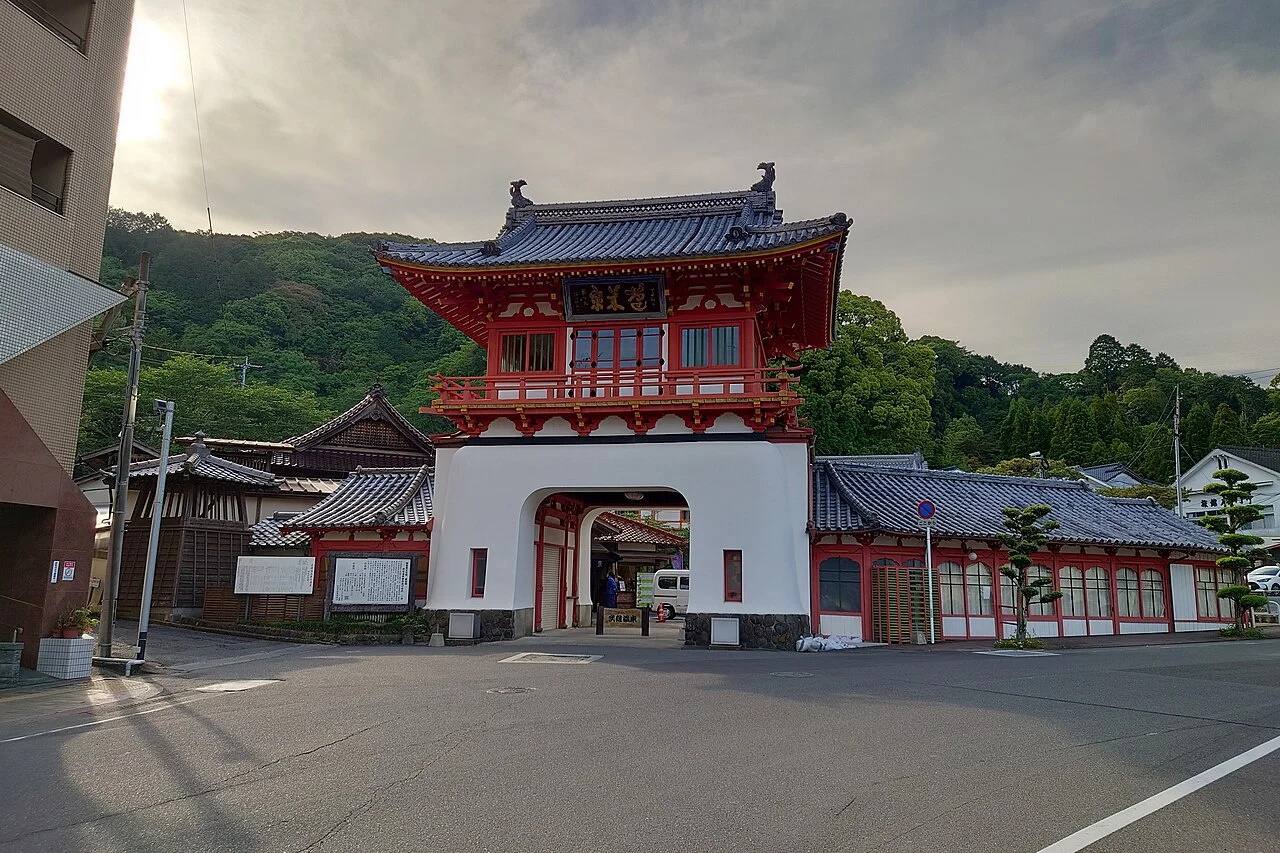
Tatsuno Kingo designed the vermilion Romon, completed in 1915. Seeing its exterior, walking through it and visiting the upper-floor zodiac carvings are different stops. Pair the exterior with Shinkan in the afternoon, but the upstairs tour is in the morning. An overnight stay gives anyone interested in the architecture an easier start than rushing from far away for morning admission. Keep the passage clear while photographing it, then move on rather than gather a whole group beneath the gate and block bathers.
The tourism association currently announces the zodiac visit through 31 March 2027, daily except Tuesday from 09:00 to 10:00, with reception closing at 09:30. It takes about 20 minutes. Rat, rabbit, horse and rooster carvings occupy the upper ceiling’s four corners, an interesting counterpart to the other eight zodiac signs in Tokyo Station’s domes. This is a specific guided visiting period; standing beneath the gate in the afternoon cannot replace the upstairs morning visit.
The general cultural-property contribution is ¥500 for adults and ¥250 for children, including Motoyu admission. Guests who stayed in an eligible local property the previous night pay ¥400 or ¥150 for the next day’s visit, without a bath ticket. For two adults wanting both tour and Motoyu, general tickets total ¥1,000. Guest tickets plus two separate ¥500 Motoyu tickets total ¥1,800. The guest ticket costs less if you want only the tour. Tell the desk which option you need.
If the day after your Takeo stay is Tuesday, omit the upstairs tour and keep the exterior, Shinkan and bathing; do not rearrange the whole trip just for a discount. Work backwards from the 09:30 reception cutoff through the walk and breakfast. Syunkeiya breakfast runs 07:00–08:30, so an early sitting leaves walking time. If you must pack afterwards, ask the ryokan about luggage storage around checkout before leaving for the tour.
Bathe at Motoyu; see historic baths free at Shinkan
Motoyu, behind Romon, remains a working communal bath. The tourism association dates the building to 1876 and describes high ceilings and spacious baths. It gives a clear purpose to a visit for anyone interested in an old bathhouse. Official information visible on 27 October 2026 lists 06:30–23:45, last reception 23:00, adults ¥500 and children aged three through primary school ¥250, with body wash and conditioning shampoo provided. Bring a drying towel and clean clothes, and allow for drying hair, dressing and the next walk.
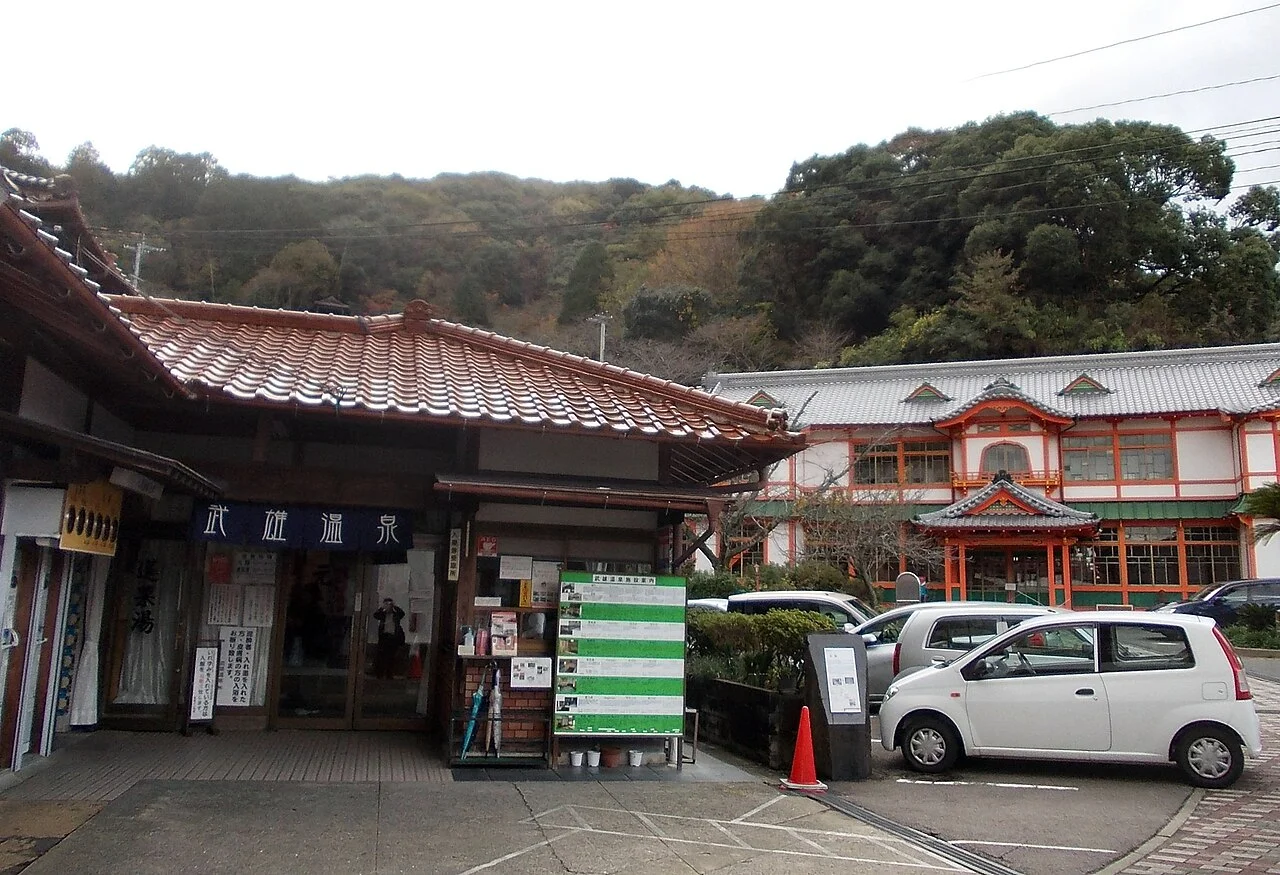
Motoyu explicitly refuses entry to people with tattoos, intoxicated visitors and those who break etiquette. If you have tattoos, choose another facility that clearly accepts them; covering them does not automatically grant entry. Put phones away in communal bathing areas, wash before entering and keep towels out of the water. Anyone who does not want a communal bath can see Shinkan or choose a private bath and meet outside, without making everyone use the same admission. Takeo Onsen Shinkan preserves historic baths, tiles and ceramic-panel displays. The tourism association lists free admission, 09:00–18:00, every day. It suits non-bathers and a look at the architecture before bathing. For a short afternoon, Romon’s exterior, Shinkan and Motoyu combine architecture and hot springs in one area. Despite its name meaning “new building”, its focus is the restored Taisho-era baths; it is not simply another bathing-ticket counter.
As personal planning allowances, leave 30–45 minutes for Shinkan and 60–90 minutes for Motoyu, including changing and rest. Add museum time for close study, or prioritise an admission cutoff if bathers arrive late. If your ryokan already offers a bath, decide about Motoyu after the next morning’s tour rather than squeeze two baths into one afternoon and rush to dinner.
Private-bath capacity: two adults at Karo, five at Tonosama
For a separate space shared by your party, compare Karo-no-Yu and Tonosama-no-Yu near Romon. Both charge per room per hour; Motoyu tickets do not grant access. Official hours are 10:00–23:00, reception ends at 22:00, and admission is first come, first served without reservations. If a private bath is essential, come by day with room to swap waiting and other activities rather than put it just before the last train.
Karo-no-Yu holds two adults and has a 4.5-tatami resting room. One room for an hour costs ¥3,000 on weekdays or ¥3,500 on Saturdays, Sundays and public holidays.
Tonosama-no-Yu holds five adults and has 4.5- and 3-tatami resting rooms. It costs ¥3,800 on weekdays or ¥4,300 on Saturdays, Sundays and public holidays, with a marble bath linked to its history as the lord’s bathing space. Two adults seeking privacy can start with Karo; groups of three to five adults should consider Tonosama rather than try to fit the smaller room on arrival.
For two adults, weekday Karo at ¥3,000 costs ¥2,000 more than two Motoyu tickets totalling ¥1,000. The extra buys privacy and indoor rest, rather than another compulsory sight. Families with small children should give ages and party size to 0954-23-2001 and follow reception arrangements. For wheelchair transfers, bath chairs or step-free access, ask about the whole route from entrance through changing area to bath edge.
If waiting would interfere with dinner, return to the ryokan’s available facilities and move the private bath to tomorrow or drop it. Sagi-no-Yu is another communal option, with an outdoor bath and sauna, costing ¥740 for adults and ¥370 for children aged three through primary school. Its tourism-association page states the same tattoo and intoxication restrictions as Motoyu. Compare equipment and rules together before buying admission.
Give the library reading time, then choose the children’s library or a café
Takeo City Library is at 5304-1 Oaza Takeo, Takeo-cho. It opens 09:00–21:00 year-round, subject to disaster or emergency notices. Its access page gives 15 minutes on foot or about five by taxi from Takeo-Onsen Station. It can fit a later afternoon, but deserves time while you still have energy to read and explore the shelves and building. A five-minute photo stop misses the most comfortable part of this public library.
The main building combines reading, book and goods sales, and coffee. The tourism association describes about 250,000 books and tall shelving. Choose a topic and a quiet seat; companions wanting to shop can browse separately. People work and study here, so speak softly and avoid long posed photos in front of shelves. Follow signs and staff instructions on photography and keep readers out of the frame. With children, replace some main-library time with the adjacent Takeo City Children’s Library. Official descriptions include a shoes-off reading area, secret-room-like spaces and an outdoor lawn. The second-floor Kyushu Pancake Café Takeo City Children’s Library branch is a snack option. If children settle into picture books, let the itinerary pause rather than require the sacred tree and whole garden next. Use café dining and public reading areas under their respective rules.
The library is a useful rain alternative: take transport to the entrance, read and rest, then walk to the shrine if rain eases. There is still an outdoor journey from Romon; store bags or change wet clothes at the ryokan first. Drivers can use the published parking locations. The library warns that weekend afternoons fill more easily, so note available public parking nearby instead of spending the whole reading period circling for the closest space.
Takeo Shrine and its camphor tree: visit the shrine before choosing the wooded path
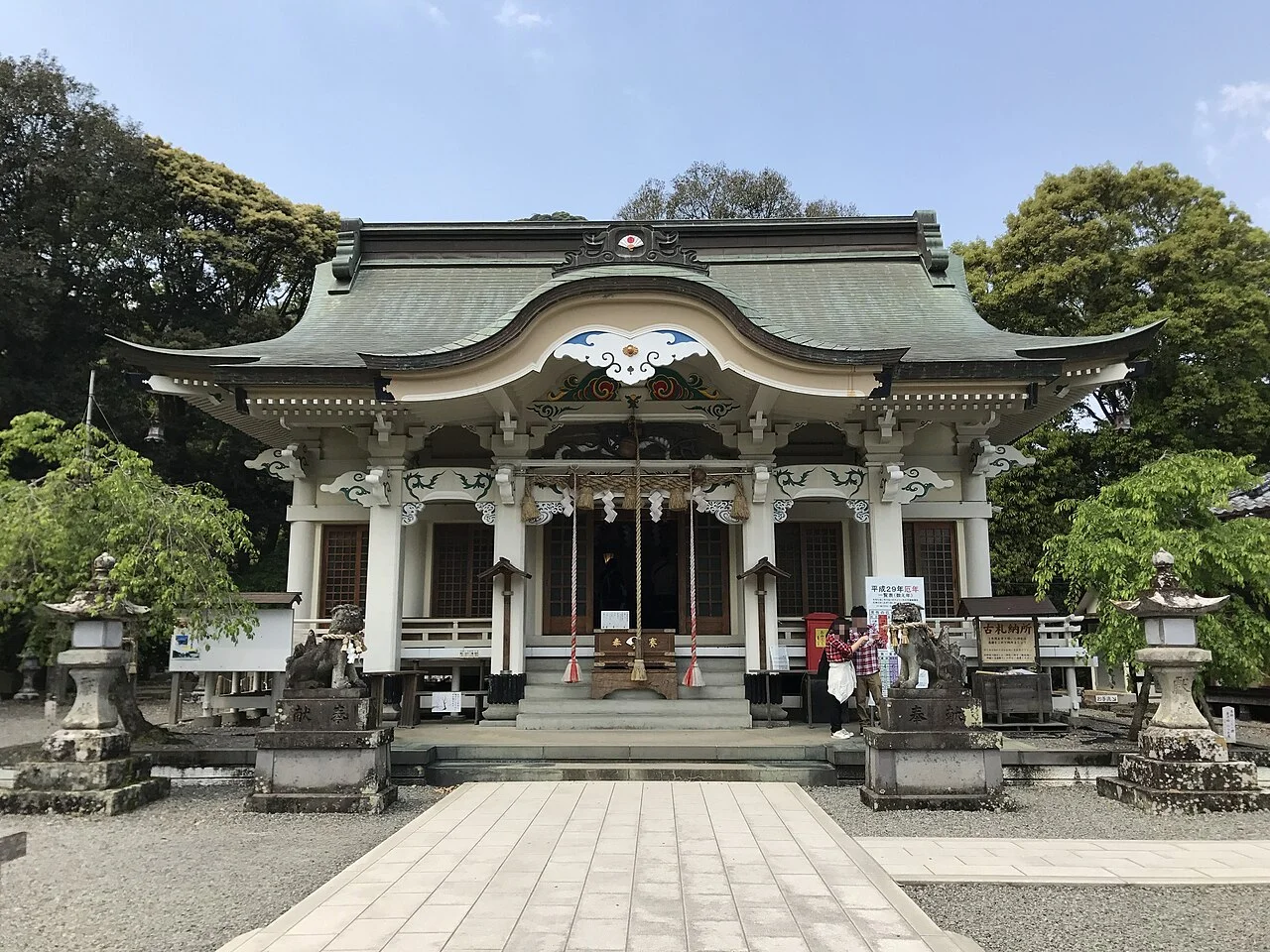
Takeo Shrine stands at Mifuneyama’s eastern foot, at Oaza Takeo 5327. Pair it with the nearby library for half a day, then take transport back to the station or hotel. The shrine website estimates about 25 minutes or 2 km on foot from the station. After much walking around Romon, a taxi between areas can save energy for the grounds you want to see. City sights still add up to a long walk. Begin with the stone Hizen torii and continue to the worship hall. The tourism association notes the distinctive curve of its top beam; the shrine also preserves documents from the mid-Heian to late Muromachi periods. Give way during rites or weddings. Companions needing a rest can wait outside an agreed entrance rather than join another wooded path.
The great camphor behind the shrine is sacred, officially estimated at over 3,000 years old. Follow the open approach and stay outside protection barriers. The tourism association’s protection notice states that the exclusion area has been expanded to restore tree health and prevent injuries from falling dead branches. Do not enter the hollow, cross barriers towards roots or send children beneath it for a scale photograph. Descriptions of the hollow’s size do not mean it is open to visitors now.
Stop at the worship hall if the ground is slippery, dusk is near or companions are tired. Visit the wooded tree path in daylight so you can see footing and protection notices. For evening lights, check that year’s event and open areas rather than turn summer illumination photos into a year-round night plan. The library’s 21:00 closing time does not give the nearby sacred tree the same evening visiting hours.
Dinner-and-breakfast route: bathe first, tour Romon and the library next morning
This version makes the accommodation central and suits visitors without cars, older companions and first-time ryokan guests. Aim to arrive around midday, store luggage and eat lunch. See Romon’s exterior and Shinkan, then choose Motoyu or the ryokan bath. Check in from 15:00 as the room becomes available and leave time before dinner to rest, change and learn the layout, rather than take a bus to Mifuneyama then.
Syunkeiya has two-bed rooms and station pickups for taking luggage straight to the property. Kyotoya is walkable from the station, with meals based on the bookable plan. For a clearly separate dinner arrangement, compare Takeo Century Hotel below. Staying near Romon makes the first afternoon easy to shorten: see Shinkan in rain and photograph the gate when it clears. If someone does not want a bath, share the museum visit, rest separately and meet for ryokan dinner.
After breakfast on day two, leaving around 08:45 for Romon is a suggested target. Take the roughly 20-minute tour after 09:00, completing reception before 09:30. Afterwards, collect what you need and handle the room and luggage for the property’s 10:00 checkout. Do not head straight to the library and forget checkout. Ask the ryokan to store bags, then read at the library, visit the shrine and collect luggage after lunch before the station.
For Nagasaki that afternoon, take the Nishi Kyushu Shinkansen; for Hakata, check the conventional-line limited express. Allow collection, walking and waiting time for your booked train, keeping only the library or shrine in the remaining half-day. If still choosing meals included or room only, use the first ryokan booking guide to match beds, meals and private bathing before selecting among the three properties below.
Choose the garden by day for visible slopes and an easier dinner
For plants and daytime scenery framed by the mountain, visit Mifuneyama on the first afternoon or after checkout. In the JR Kyushu Bus Ureshino Line timetable revised on 1 October 2025 and currently linked by the city, a weekday option leaves Takeo-Onsen south exit at 12:20 and reaches Mifuneyama Rakuen at 12:28, returning at 15:26 to reach the south exit at 15:38. This gives nearly three hours at the garden, including the need to walk back to the stop. Before travel, reopen the operator’s appropriate weekday or weekend table.
To combine library and garden, check whether the actual bus calls at Yume Town (Takeo City Library). Only some services in that weekday table leave from there, such as 11:11, travelling via the station and reaching Mifuneyama at 11:28. Not every Ureshino Line bus calls at the library. In a gap, walking to the station or taking a taxi is more useful than waiting for a bus that does not pass. Choose a short library visit plus garden and move the shrine to tomorrow instead of squeezing all three areas before lunch. The 2026 autumn festival runs 6 November–6 December, with day admission 08:00–17:30 and night admission 17:30–22:00. Day-only tickets cost ¥600 for junior-high age and above, ¥300 for primary-school pupils; combined day and night costs ¥900 and ¥400. Daylight reveals the cliffs, pond and layers of maple trees; night focuses on lights and reflections. Choose day for companions who struggle with dark paths, cold or a fixed dinner time.
The garden explicitly identifies two steep slopes, possible difficult footing after rain and stairs towards the teahouse. Wheelchair users going to Haginoo Teahouse must follow the official route back to the entrance and then towards the teahouse, rather than the stairs on the signed return route. Five wheelchairs are available to enquire about at the entrance, but slopes still require assistance. Set a pondside turning point to suit your group and use transport afterwards; borrowing a wheelchair does not make the whole garden a flat accessible circuit.
Autumn lights overnight: check in, arrange dinner, then enter at night
For an overnight trip centred on the illuminations, settle the room, dinner and return transport first to free the afternoon. Store luggage on arrival, see Shinkan and Romon, then check in and put large cases away as soon as allowed. Choose room only or meals the property can fit around your plans before going to the garden. Night admission starts at 17:30 and can stand alone. Bathing, the library and both day and night admission may use up your energy before dinner.
If leaving after an included dinner, agree actual meal start and finish times with the ryokan and arrange both garden journeys. Syunkeiya’s current FAQ gives 19:30 as the latest dinner start. Entering at 17:30, finishing the lights and leisurely returning to eat would put the two experiences in conflict. Eat first and see part of the evening, or move the garden to daytime tomorrow. Do not treat the latest dinner time as a target for arriving at the last moment.
After the autumn festival, use the day’s regular bus departures or a taxi arranged in advance. A station shuttle from a ryokan is not a Mifuneyama transfer. If public transport offers no suitable return, agree a pickup and location with a taxi operator beforehand. Without a workable connection, keep dinner and accommodation in town and move the night visit to a date when transport can be arranged.
Haginoo Teahouse serves konacha tea with skewered dango by day and with sweet red-bean soup at night during the festival, useful for a rest and snack. The garden also lists kaji synergy restaurant, lunch last orders 14:00 from 11:30 and dinner last orders 20:30 from 18:00, closed Mondays and the third Sunday. For a main meal there, reserve the date, seats and food first. A snack is not dinner, and a closed day is too late to start looking for a table.
Syunkeiya: two beds, ryokan meals and a station pickup in one stay
Syunkeiya suits a group wanting the onsen district, beds for someone and dinner at the ryokan. Its official website lists the Japanese-Western Wa Modern room with two Simmons beds and a 7.5-tatami space, sleeping two to four. It has a shower but no bathtub. Two adults each needing a bed can compare this room directly. Four adults all needing raised beds need another arrangement; capacity for four does not turn two beds into four.
For futons, compare other Japanese rooms on the site and match every guest to bedding. In the modern room, the shower and communal hot spring can be used separately; if you want a bathtub in the room, choose the equipment at booking. The current FAQ says day bathing is suspended. Non-staying companions wanting a nearby bath should use Motoyu instead of meeting at Syunkeiya to buy admission on arrival.
Breakfast runs 07:00–08:30 in the dining hall; the FAQ gives 19:30 as the latest dinner start. Eat early for the next morning’s Romon tour. For station pickup, call on arrival; with the arrival time known ahead, the ryokan can wait near the gates. Walking takes about 15 minutes. Explain party size, luggage, pushchairs, mobility aids and boarding needs together. This transfer serves Takeo-Onsen Station; garden trips are separate.
The official booking list includes dinner-and-breakfast plans and room-only plans on selected dates. For freedom around night lights, check whether room only is available for your date, then book dinner separately. If the main aim is dinner and bathing at the ryokan, omit the evening excursion. Prices depend on dates, guests and plans. Enter your actual party to compare meal-inclusive totals rather than use a starting price as the family’s assured rate.
Takeo Century Hotel: arrange the evening separately, with no hotel dinner
If Syunkeiya’s fixed dinner conflicts with the night visit, compare Takeo Century Hotel. Its official FAQ explicitly states there is no dinner service. Buffet breakfast runs 07:00–09:30, check-in 16:00–23:00 and checkout 10:00. You can choose dinner separately from the garden, but must arrange the restaurant and return. Accommodation reservations close at 18:00 two days before arrival, so it is not a same-day fallback after tiring yourself out in Takeo.
The Western Twin A is 45 m², with two 120 × 195 cm beds and a separate bathroom, suited to two adults each wanting a bed. For larger groups, the FAQ describes specific rooms: room 801 can add up to two extra beds for four people total; room 401 can add up to four futons for six total. State the bedding needed so the hotel can match a bookable room. Distinguish a general twin from specific rooms that take extra bedding.
The free station shuttle requires booking two days before the stay. Station-to-hotel departures are 16:30, 17:30, 18:30 and 19:30; hotel-to-station departures are 07:00, 08:00, 09:00 and 10:00. Use 16:30 to check in before the garden, then arrange the night trip separately. This table only covers station and hotel; it does not provide a ride after a 22:00 garden departure. For a 09:00 Romon tour, eat early and take the 08:00 shuttle, then walk from the station. Store luggage as arranged with the hotel or handle it at the station.
The general cancellation table lists 30% three days before, 50% two days before, 80% the day before, and 100% on the day or for no-show. The site separately asks for cancellation by noon four days before arrival. Late cancellation therefore costs more than Syunkeiya’s 50% the day before. The large communal bath opens 16:00–24:00 and 06:00–09:00. The FAQ explicitly states there are no accessible facilities; anyone unable to manage steps should choose accommodation offering a specific workable route. Choose it for the beds, breakfast and separate dinner that fit your stay, including garden transport costs in the comparison.
Kyotoya: walk from the station and choose futons, single beds or doubles
Kyotoya lies between the station and onsen district. Its official website gives about eight minutes on foot, useful for independent city access and flexible evenings. The room page lists check-in from 15:00, latest check-in 22:00 and checkout 10:00. Even for night lights, check in and store bags that afternoon, then agree the return entrance and time before leaving. Latest first check-in and access after already checking in are separate arrangements.
For two adults each needing a bed, the eight-tatami twin-bed room sleeps one or two with two single beds. For three people each needing bedding, the eight-tatami futon room sleeps one to three with one to three futon sets. Similar Japanese rooms can mean different sleeping arrangements. If someone cannot rise from the floor, compare two rooms or another property with enough beds rather than book simply because the futon room holds three.
For four people, allocate the 12-tatami double-bed room’s two doubles explicitly. Capacity is one to four, with a toilet but no bathroom. It is unsuitable for four adults unwilling to share beds. Families happy to share must still enter the children’s actual ages. The smaller six-tatami single-bed room has neither an in-room bath nor toilet; older guests needing frequent night-time toilet visits should not choose solely for price or solo occupancy.
Compare Kyotoya using the station walk and published bedding layouts. Choose meals from the available plan; for eating out, settle the restaurant’s address, opening days and reservation. Eat early for night admission and bathe before drinking alcohol. If some companions sleep early, one group can rest while another goes out, with a return time, contact details, keys and return entrance arranged first.
Cancellation and date changes: the two ryokan start charging on different days
The Kyotoya room page lists general cancellation charges of 30% from five days before, 50% the day before and 100% on the day or for no-show, with separate conditions possible for plans and dates. Syunkeiya’s accommodation terms for general bookings of up to 14 people charge against the basic accommodation fee: 30% three to two days before, 50% the day before and 100% on the day or for no-show. Both allow cancellation, but charges begin on different dates. Fix the stay date, then enter your order’s deadline in the calendar.
Syunkeiya’s terms also charge one day based on the first day when shortening a stay; reducing consecutive nights to one is not automatically a free withdrawal of the omitted night. At Kyotoya, check for plan-specific cancellation settings. Keep terms from your booking platform, direct reservation or special offer and process guest reductions, date changes or cancellation through the original channel. A general enquiry email does not establish completed cancellation. Compare costs by multiplying the actual booking’s charging basis by the percentage rather than guessing a room price. For example, a chosen Kyotoya booking of ¥30,000 subject to the general 30% condition costs ¥9,000 to cancel. If waiting for flight or meal replies, a more flexible plan can protect the same budget until essential arrangements are settled.
The garden operating in rain and choosing to cancel a hotel because you dislike rain are separate decisions. Notify the property early if transport is affected, retain operation notices and correspondence, and follow your booking terms rather than wait until a no-show. Replace weather-affected illuminations with Shinkan, the library and your accommodation’s bath. If the room remains usable, every booked service need not be overturned.
A lighter route for older guests and families: drop an area and retain proper rest
With older companions, reduce day one to check-in, Shinkan and ryokan dinner, then choose two of the Romon tour, library and shrine tomorrow. Prioritise the library for seats and indoor time, Romon for architectural detail, or the shrine by day for trees, keeping the great camphor optional. If interests differ, short separate walks in the same area are easier to reunite than sending one group to the garden and another to the station.
With small children, initially choose just one of Motoyu, a private bath and the ryokan bath. Motoyu charges children from age three through primary school; private baths use room charges and capacity, so ask how small children count. Extend the children’s library and shorten the shrine if books hold their attention. Return for a nap and decide about another outing when energy returns. Autumn nights add coats and harder footing; a purchased day-and-night ticket is no reason to stay until closing.
Describe mobility needs as actual actions. Someone who can walk level ground but not climb stairs can see Romon’s exterior and Shinkan and omit the upstairs tour. For difficulty standing, use transport between areas and seated indoor periods. The garden’s two officially identified steep slopes mean wheelchair groups must assess the prescribed route and available assistance; stay in town if safe pushing is not feasible. Two hotel beds still leave the question of steps between entrance, restaurant and bath.
Keep the final period for luggage and the station. If children have had a library snack and older companions have finished the shrine, collect bags and leave. Library and shrine time can change; write the booked train, collection point and dinner time first, so everyone knows what to drop when a rest is needed.
A few useful answers
Can I visit Takeo in half a day?
Yes. Choose Romon’s exterior, Shinkan and Motoyu, or the library and shrine. Upstairs Romon reception is in the morning; afternoon arrivals can see the exterior and Shinkan.
Can I bathe in Takeo Onsen Shinkan?
Shinkan is a free visit to historic baths, tiles and displays from 09:00 to 18:00. For bathing, choose Motoyu, Sagi-no-Yu or a private bath.
Do I need separate Motoyu and Romon tour tickets?
The general adult tour ticket costs ¥500 and includes Motoyu. The ¥400 ticket for eligible guests who stayed the previous night excludes bathing. Compare the general combined ticket if you want both.
Does an onsen-district stay include a Mifuneyama shuttle?
Syunkeiya advertises Takeo-Onsen Station transfers. Arrange the garden by bus or taxi separately, including the return before buying night admission.
Which room gives three adults separate bedding?
Kyotoya’s eight-tatami futon room lists one to three futon sets for one to three guests. A four-person room with two double beds requires sharing; allocate sleeping places to actual needs.
Official information and references
Sources used in this guide.
- Mifuneyama Rakuen: seasons and routes within the garden
- Takeo Tourism Association: access
- Romon zodiac tour and ticket types
- Takeo Onsen Shinkan
- City library and children’s library
- Takeo City bus timetable links
- 2026 Mifuneyama autumn festival
- Motoyu: hours, fares and rules
- Karo-no-Yu: capacity and charges
- Tonosama-no-Yu: capacity and charges
- Sagi-no-Yu: hours and fares
- Takeo Shrine: access
- Great camphor protection-area notice
- Syunkeiya: rooms
- Syunkeiya: meals
- Syunkeiya: FAQ
- Syunkeiya: accommodation terms
- Kyotoya: rooms and cancellation terms
- Kyotoya: access
- Takeo City Library: access
- JR Kyushu Bus: Ureshino Line
- Takeo Century Hotel: accommodation FAQ, transfers and cancellation
- Takeo Century Hotel: Western Twin A
- Nagasaki Ganbaranba Channel: Takeo-Onsen Station area video
- Fukuokano!: Takeo-Onsen Station area video guide and filming locations (PR)