Takachiho Amaterasu Railway's standard first departure is 9:40 (10:20 in winter), with tickets sold at the former Takachiho Station. Covers 2026 fares, high-wind turnbacks, buses from Kumamoto and Nobeoka, and combining the cart with Manai Falls.
- Region & Focus
- Takachiho
- Reading Scope
- 20 min read · 12 chapters · 6 Q&As
- Official Verification
- 25 official sources checkedUpdated 22 November 2026
- Key Topics
- Rail travelItinerariesBooking
Chapter Route Map (tap any stop)
- Departing from the former Takachiho Station, back in 30 minutes
- Where to buy tickets and how to pick a departure you can make
- 2026 fares: cart rides and the museum add-on
- Every 40 minutes normally, plus winter and New Year schedules
- Taking the Takachiho-go express bus from Kumamoto: a half-day window
- Arriving from Nobeoka or Aso: which route catches the first cart
- Where to park by car based on your gorge check-in
- Should you book the gorge boats or buy rail tickets first?
- After rain or wind: checking for shortened runs or cancellations
- Where to stay overnight and how to catch evening Kagura
- Railway enthusiasts can book the TR-202 driving experience
- Two days across Takachiho: even an afternoon arrival avoids rushing
- Quick Q&A
If you are riding the Takachiho rail cart, head straight to the former Takachiho Station once you arrive in town. Takachiho Amaterasu Railway releases all of the day's departures together when the grounds open; tickets cost ¥2,300 for senior high school students and adults, and the round trip takes roughly 30 minutes back to the same station. Express buses from Kumamoto do not reach town until midday, so if the railway is a priority and you also want to row a boat in Takachiho Gorge, staying overnight gives you far more breathing room. The winter timetable starts on 14 December 2026, with an earlier final departure across the four New Year days.
Departing from the former Takachiho Station, back in 30 minutes
Buses drop you at Takachiho Bus Centre, whereas the rail cart departs from the former Takachiho Station operated by Takachiho Amaterasu Railway. From the bus centre, walk to the station building at 1425-1 Mitai, Takachiho-cho, Miyazaki Prefecture—listed by the operator as roughly a 10-minute walk. Search maps using the operator's full name, as the old station site and the bus terminal are separate points. If you need a long-distance coach or the coin lockers at the nearby tourist information centre, navigate to the bus centre instead; saving both pins separately makes it easy to regroup if your party splits up for tickets or lunch.
A 2005 typhoon severely damaged the original Takachiho Railway line, and the tracks are now used by the sightseeing Grand Super Cart. Setting off from the old station, the cart runs through tunnels out to the Takachiho Iron Bridge on a roughly 5.1 km round trip. The train comprises two open-air carriages carrying 60 passengers per departure, with tempered glass panels set into the centre of the floor so you can watch the sleepers pass beneath your feet. Your ticket covers the return journey: you remain seated after crossing the bridge and alight back at the starting station.
At its highest point, the Takachiho Iron Bridge stands roughly 105 metres above the valley floor, offering clear views of the gorge and farmland in fine weather. Manai Falls lies in Takachiho Gorge on the opposite side of town, so navigate to the Manai Falls Lookout (Takimi-dai) or the boat hire reception if you are heading there. The Three Bridges of Takachiho photographed along the gorge walking trail are also in the waterfall area. Pinning the iron bridge, the three bridges, and the waterfall lookout separately on your map helps clarify that only the cart from the old station takes you onto the high red railway bridge.
If you are uneasy with heights, ask the attendants about seating before boarding. The glass floor panels sit along the centre aisle, so you can keep your gaze on the treetops and distant slopes as you admire the valley scenery. When travelling with children, secure cameras and water bottles beforehand and hold young children's hands on the platforms; old track beds and uneven steps remain inside the station grounds, so watch your footing when crossing the rails.
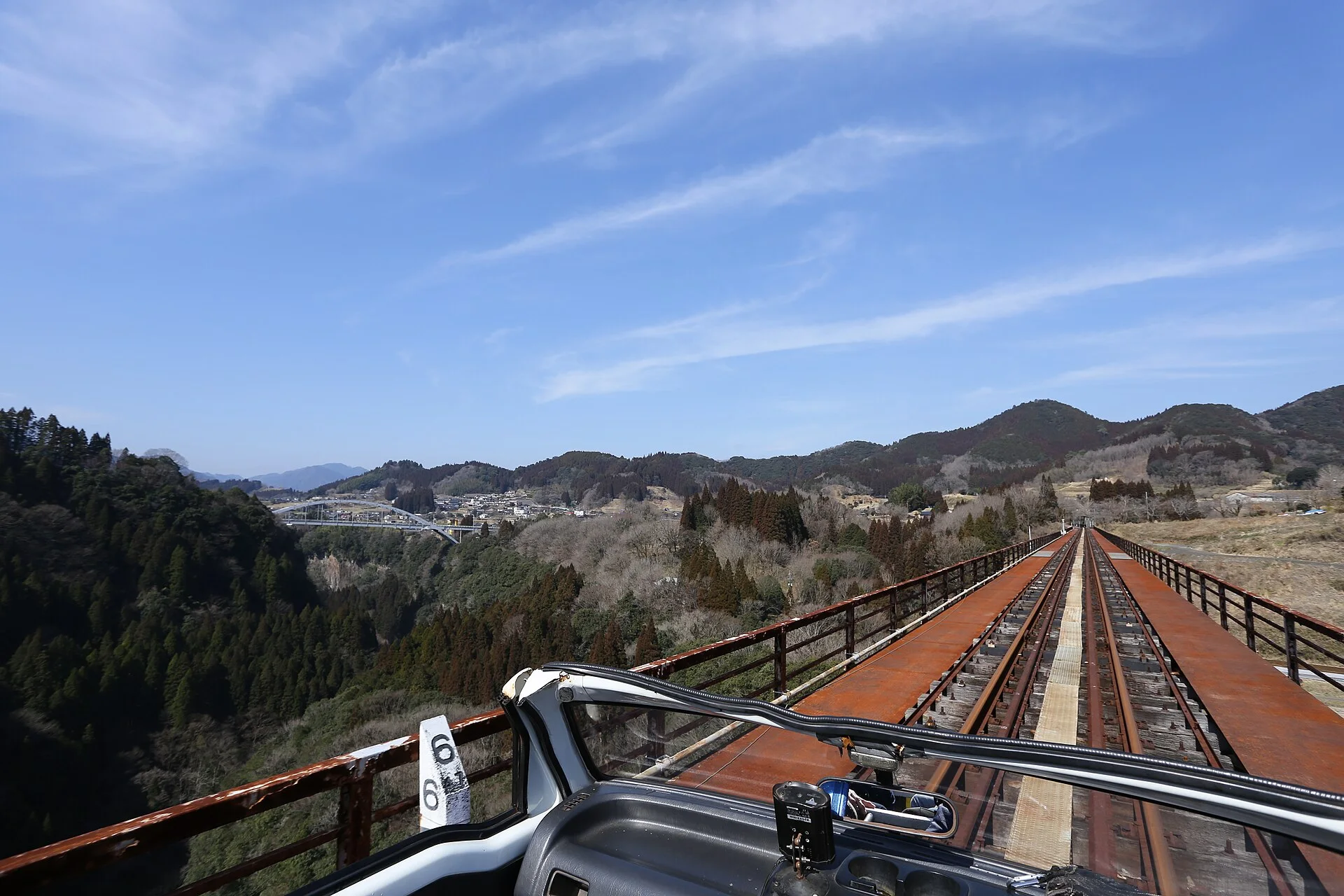
Takachiho Amaterasu Railway's standard first departure is 9:40 (10:20 in winter), with tickets sold at the former Takachiho Station. Covers 2026 fares, high-wind turnbacks, buses from Kumamoto and Nobeoka, and combining the cart with Manai Falls.
Where to buy tickets and how to pick a departure you can make
Independent travellers buy same-day tickets at the former Takachiho Station ticket window. Once the park opens, all scheduled departures for that day go on sale simultaneously, allowing you to choose any service with remaining seats until each trip sells out in turn. Arrive at the window with two times in mind: your preferred departure and the latest one you can catch before leaving Takachiho. Remember to factor in the walk back to the bus centre after the cart returns, rather than treating your bus departure as your disembarkation time.
Because afternoon slots go on sale as soon as the gates open, later arrivals may find evening-end departures already gone. The official website homepage updates daily running status at opening time and posts a sold-out notice when all tickets for the day are taken. If you are still on the bus into town, check the homepage on the final stretch so you know whether to head straight for the old station or start at Takachiho Shrine. You can also call the station on 0982-72-3216 after opening hours to confirm whether carts are crossing the bridge that day.
Before paying at the counter, read back the departure time and passenger count carefully. Once issued, tickets cannot be switched to another departure or refunded for personal reasons. If you already hold a timed Takachiho Gorge boat reservation, check the check-in rules in your confirmation email and add the time needed to leave the gorge, return to your car, or walk uphill. When the gap looks tight, pick a later rail departure; if you have a same-day coach back to Kumamoto, protect that reserved bus connection first.
Tour operators booking groups of 15 to 30 passengers follow separate rules, applying through the railway at least two months ahead and subject to seasonal, day-of-week, and departure restrictions. There is also a local ryokan association priority-booking scheme (Takachiho ni Tomaru), which only unlocks its reservation portal after you book an eligible stay through that site. Its published priority slots are 10:20 and 15:40 on Wednesdays, capped at five places each, and only dates and times actually listed on the booking page apply. If you booked accommodation elsewhere, are visiting on a day trip, or exceed the quota, simply buy at the regular station window.
2026 fares: cart rides and the museum add-on
From 1 April 2026, the cart ride costs ¥2,300 for senior high school students and adults, ¥1,500 for elementary and junior high school students, and ¥800 for pre-school children. While the attraction page labels categories by Japanese school stages, Article 11 of the operating regulations also lists age brackets of 16 and over, 7 to 15, and 1 to 6; if a child sits on a grade boundary, state their exact age and school year when purchasing. Both ride tickets and museum tickets include park admission, while visitors who only want to look around the station buildings and rolling stock pay a ¥100 entry fee per person (separate museum-only tickets are also sold).
A typical family of two adults and one elementary-school child pays ¥6,100 for the ride alone, or ¥7,400 if all three add the railway museum. Standalone museum entry is ¥1,000 for adults, ¥600 for elementary and junior high students, and ¥300 for pre-schoolers. If someone in your group wants to see the exhibits without crossing the high bridge, ask the counter to issue individual tickets rather than matching packages. Combo tickets only discount the difference when the same person does both, so riders and non-riders do not need the same ticket type.
Inside the museum, displays trace the former railway's history alongside a large-scale model layout. If you arrive around midday and end up booked on a departure one or two slots later, tour the exhibits while you wait and return to the platform for boarding. Railway enthusiasts should allow extra time for reading the display panels, while anyone travelling with easily tired children on a late-afternoon cart should weigh up the walk back and remaining time before adding the museum. Under the winter timetable notice, the museum opens at 9:30, neatly filling the wait before the first cart.
| Visitor category | Cart ride | Ride + museum | Museum only |
|---|---|---|---|
| Senior high school & adults | ¥2,300 | ¥2,800 | ¥1,000 |
| Elementary & junior high | ¥1,500 | ¥1,800 | ¥600 |
| Pre-school children | ¥800 | ¥900 | ¥300 |
Every 40 minutes normally, plus winter and New Year schedules
Under the standard timetable, carts depart every 40 minutes from 9:40 to 15:40 for a total of 10 scheduled services. The official timetable also lists two extra departures at 9:00 and 16:20, which only enter same-day ticket sales on days they operate. When planning for the first morning departure, work backwards from 9:40 to set your arrival time, then check the day's operational notice to see whether an earlier run is running. Park opening and first departure are distinct: non-winter daily notices in 2026 list gates opening at 8:40.
From 14 December 2026 to 28 February 2027, the winter timetable applies: the park opens at 9:30, the first cart leaves at 10:20, and the final departure is 15:40. Across the New Year period from 31 December 2026 to 3 January 2027, opening and first departure follow winter hours, but the last cart moves up to 15:00. If you take the afternoon bus from Aso during New Year, arriving at Takachiho Bus Centre at 14:31 leaves only about 20 minutes on foot before the 15:00 cutoff—arrive in the morning instead, or ride the next day after staying overnight.
The railway designates the third Thursday of each month as its regular maintenance closure, shifting the date if it falls on a public holiday; for December 2026, the published closure is 17 December. Winter bus services carry their own year-end rules too—for example, local buses on the Nobeoka line switch to Sunday and holiday timetables from 30 December to 3 January. When mapping out late-December to New Year travel, note the railway's seasonal hours, outbound and return express buses, and local weekend bus schedules separately on one itinerary.
| Operating period | First departure | Last departure |
|---|---|---|
| Standard timetable | 9:40 | 15:40 |
| Winter (14 Dec 2026 – 28 Feb 2027) | 10:20 | 15:40 |
| New Year (31 Dec 2026 – 3 Jan 2027) | 10:20 | 15:00 |
Taking the Takachiho-go express bus from Kumamoto: a half-day window
From Kumamoto, board the Takachiho-go express coach at Stop 7 outside Kumamoto Station at 9:11, or catch the same service at Platform 6 of Sakuramachi Bus Terminal at 9:22. Departing from Aso Kumamoto Airport, the coach leaves Stop 3 at 10:10—make sure your flight arrival leaves enough time for baggage reclaim and clearing the terminal. The revised timetable effective 1 November 2026 lists Miyazaki Kotsu's 15:31 departure from Kumamoto Station as suspended, so base your plans on the active morning Kyushu Sanko service.
That morning coach stops at Takachiho Bus Centre for 15 minutes, with Kyushu Sanko listing an arrival around 12:19 before continuing towards Nobeoka at 12:34. Timetables also show 12:34, which is the onward departure after the driver's break. Returning to Kumamoto, the coach departs Takachiho Bus Centre at 16:57, reaching Sakuramachi at 19:50 and Kumamoto Station at 19:58. A single fare between central Kumamoto and Takachiho costs ¥2,700 with compulsory seat reservations, booked separately for each direction and boarding stop.
In practice, your sightseeing window runs from midday until just after 16:00. Walk 10 minutes to the railway counter on arrival to grab a 13:00 or 13:40 cart, leaving comfortable breathing room to visit the gorge and waterfall afterwards. If only 15:40 remains, have lunch and visit Takachiho Shrine in town first, then walk straight back to the bus centre once the cart returns. With roughly three hours each way plus transfers to and from your hotel, a day trip easily spends half the daylight hours on the road—if anyone in your group gets travel sick, needs a rest, or uses a pushchair, split the two main sights across an overnight stay.
If you are staying near Shimotori, Karashimacho, or Sakuramachi Bus Terminal, boarding at Sakuramachi saves an extra city transfer on the return leg. Travellers based around Kumamoto Station for an early Shinkansen the next morning should book Kumamoto Station at both ends. Enter your actual boarding and alighting stops when reserving tickets; the 9:22 Sakuramachi coach is the exact same bus that departs Kumamoto Station at 9:11.
Arriving from Nobeoka or Aso: which route catches the first cart
If you are already travelling up Miyazaki's east coast, take the JR Nippo Main Line to Nobeoka. Outside the station at Miyazaki Kotsu Stop 2, routes 71 and 72 run to Takachiho Bus Centre; since express and other highway coaches also use the stop, check the destination board for Takachiho Bus Centre. Local services split between the old road and the bypass, with different intermediate stops and journey times. Miyazaki Kotsu's PDF timetable separates weekdays from weekends and holidays, with early buses taking roughly 80 to 90 minutes—making an overnight stay in Nobeoka ideal for reaching town early to buy cart tickets.
To catch standard park opening, take the 6:50 bypass local bus from Nobeoka as a benchmark, listed on Miyazaki Kotsu's timetable as arriving at Takachiho Bus Centre at 8:10, followed by a 10-minute walk to the old station. If you leave later on the 8:45 old-road service, you will not reach the bus centre until 10:14, leaving too little time on foot for the 10:20 winter first departure—plan instead for whichever subsequent cart still has seats. Anyone staying in Miyazaki City must also factor in the morning JR train to Nobeoka and the transfer to Stop 2, which staying beside Nobeoka Station avoids.
The 7:30 Takachiho-go express from Nobeoka is listed as suspended on Miyazaki Kotsu's November timetable, so rely on local buses for an early arrival. Afternoon Takachiho-go coaches still pass through towards Kumamoto, though seeing an express bus from Nobeoka to Takachiho online does not guarantee advance seat reservations are open for that short leg. For a Nobeoka day trip, regular local buses are more straightforward; when planning your return to catch a JR train down to Miyazaki, check your arrival time in Nobeoka rather than just the final bus leaving Takachiho.
Travelling after an overnight stay in Aso, you can ride Sanko Bus's Asochiho-go. Under the 1 October 2026 timetable, buses depart Aso Station at 9:05, 12:23, and 16:00, reaching Takachiho Bus Centre at 11:13, 14:31, and 18:08 respectively, with pick-ups at Kusasenri (Aso Volcano Museum) and Mt Aso Sanjo Terminal along the way. Aso Station and Aso Kumamoto Airport are served by different routes, so choose the Aso line if starting from Kusasenri. If you are coming down from Mt Aso with luggage, do your volcano sightseeing the day before and board at the terminus outside Aso Station at 9:05.
Return buses from Takachiho to Aso leave at 9:14, 12:24, and 15:29. On a day trip arriving around 11:13 and departing at 15:29, a 15:00 cart would leave no margin once you include the 30-minute ride and the walk back, so aim for 14:20 or earlier to make the coach reliably. If you are travelling straight through to stay elsewhere, decide which city you want to sleep in before booking your onward ticket—for example, heading directly towards Kumamoto if you need the Shinkansen the next morning.
Where to park by car based on your gorge check-in
Drivers can put the railway's opening-hour ticket sale first, heading straight to the former Takachiho Station counter and then deciding whether to ride immediately or visit the gorge first based on the slot you get. Town sits on hilly terrain between the two attractions, so shuttling back and forth eats up time; keep the railway car park for your train visit. When heading down to boat check-in, set your satnav specifically to Dai-ichi Oshioi Parking—entering simply 'Takachiho Gorge' can route you to the upper Ohashi car park, leaving a long walk downhill.
Both Dai-ichi Oshioi Parking and Dai-ni Araragi Parking charge ¥1,000. Dai-ichi sits right beside the freshwater aquarium and boat reception; if it is full, the tourist association lists Dai-ni as roughly 700 metres away (around a 15-minute walk to the boats), while Dai-san Ohashi Parking costs ¥800 and lies about 1 km away (roughly 20 minutes on foot). Dai-yon Oshikata costs ¥500 and Dai-go Taguchino is free. Targeting the closest car park first and stepping down the numbered tiers if full is far easier than looping repeatedly along the narrow gorge road.
The tourist association's autumn 2026 shuttle notice covers designated operating dates looping around temporary car parks, which is separate from buses running between the bus centre and the gorge. On weekdays or non-shuttle dates, plan on walking or taking a regular taxi. Less mobile passengers can be dropped off at a permitted bay while the driver parks elsewhere and meets them near the waterfall lookout. Notice that the gorge's paid car parks impose vehicle size limits if your hire car exceeds 2 metres wide or 5 metres long, worth checking before choosing a rental.
Approaching Takachiho from Kumamoto or Aso puts you onto winding mountain roads for the final stretch. In winter, if rain or snow fell overnight and morning temperatures are freezing, check road restrictions before setting out and save the descent into the gorge until later in the morning when paths have dried. If both driver and passengers want photos, pull into a marked car park before getting out—areas near the iron bridge are active railway grounds and mountain bends where stopping along tracks, corners, or bridge shoulders is unsafe.
Should you book the gorge boats or buy rail tickets first?
The two attractions follow completely different booking rules. Online reservations for Takachiho Gorge boat hire open at 9:00 JST two weeks before your boating date and close at 9:00 JST two days prior. Same-day tickets depend entirely on remaining capacity after online bookings—peak dates may sell out online only, and the tourist association runs no waiting list. If both experiences are non-negotiable, secure your boat slot first and fit your rail cart window around it.
Standard boat hire lasts 30 minutes for up to three people per boat, increasing to four if pre-school children are included, so count adults and young children separately before pairing up. Hire prices vary by date on the official calendar and are charged per boat; a group of four adults should budget for two boats. Check-in is at Dai-ichi Oshioi Parking, where you complete registration before walking down to the dock. If you are rowing after your train ride, calculate your timing up to the check-in desk—allowing for the cart's return, leaving the station, driving to the gorge, and parking.
Boats are self-rowed, with staff giving a brief safety briefing at the dock. Normal operating hours are 8:30 to 17:00, with last entry at 16:30, though queues may close admission earlier. Arriving late for a reservation cuts into your time on the water, and official terms state that missed slots after check-in cannot be rescheduled or refunded. On a first visit with children, put the most confident rower in the boat with the kids while another adult frames photos of the waterfall and boat together from Takimi-dai.
On a single-day schedule with a boat booked around 11:00, buy an afternoon rail departure when the station opens, then eat lunch in the gorge after rowing before heading back up to the old station. Conversely, if you only land an afternoon boat slot and have not yet bought train tickets, target morning departures; if the sole remaining train overlaps your boat check-in, switch to the railway museum instead so you do not forfeit the boat. Leaving space for lunch and transfers between fixed bookings keeps the uphill walk back into town unhurried.
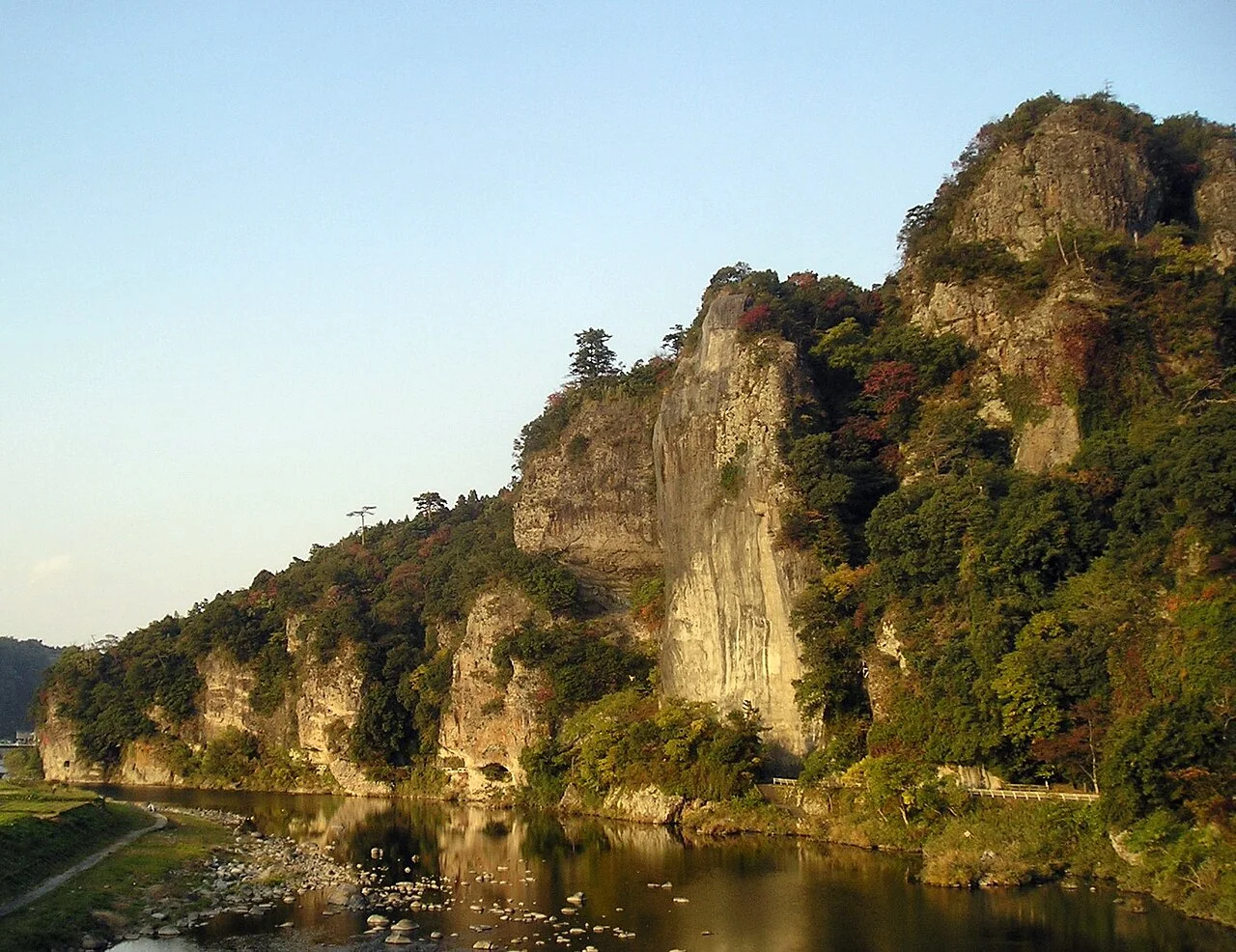
If you only want to view the waterfall, your schedule stays much more flexible, with the 17-metre drop of Manai Falls visible right from the Takimi-dai lookout. Current tourist association notices still list partial closures along the gorge walking trail starting from Dai-san Ohashi Parking, with signed road detours around closed sections. Anyone arriving at the Ohashi end with toddlers or elderly travellers with limited mobility will find it easier to take transport straight to the waterfall side. With time to spare for a walk, start on the open trail from Ohashi to see the Three Bridges and columnar basalt joints before following passable paths down towards Mihashi and the falls.
After rain or wind: checking for shortened runs or cancellations
The railway operates in three distinct modes visitors should know. Normal runs go all the way onto the Takachiho Iron Bridge; when high winds make bridge crossings unsafe, some services turn back at the former Amanoiwato Station; and heavy rain or severe gusts can suspend the entire line. Both the official homepage and the ticket window display that day's status. If the counter shows a notice stating carts cannot reach the iron bridge, treat it as a shorter ride along the old track to Amanoiwato Station—if viewing the valley from the bridge is your main goal, put your budget towards the museum or other sights instead.
If services are suspended after you have already paid, keep your ticket stub and speak to the counter about refunds. Under Article 21 of the operating regulations, cancellations or temporary park closures caused by the operator qualify for a full refund; if an operational issue or vehicle fault forces a turnback at Amanoiwato Station, adult rides receive a ¥500 refund (child and pre-school tickets are excluded). Because those clauses cover operator and mechanical issues, always clarify the exact route and fare on offer at the window when wind forces a shortened run.
Takachiho Gorge boat hire is judged separately by river conditions. Boats may still run in light rain if water levels stay safe, but high water stops operations and services can halt mid-day. The tourist association posts updates around 8:00 JST; if you see high-water or suspension alerts before driving down into the gorge, manage your booking following official instructions. High winds, rockfall risk, and trail closures follow separate criteria, so never rely on the gorge promenade as a guaranteed wet-weather backup when authorities close paths.
For an indoor option focused on railway history, tour the old station's museum if open; if the entire railway park is closed, head into central town for lunch and browse local produce at Michi-no-Eki Takachiho. In light rain, the tree-lined approach to Takachiho Shrine works well, or you can drive or take a bus out to Amanoiwato Shrine's West Sanctuary. Reaching Amano-yasugawara involves roughly a 10-minute riverside walk, so stick to the upper shrine if water runs high or stones turn slick. Car-free travellers staying near the bus centre can make these swaps without disrupting pre-booked long-distance coaches.
In winter, keep a warm coat on before boarding. You wait under shelter by the station building, but once inside the tunnels and out on the exposed bridge, cold wind hits steadily for the whole crossing. Secure hats on children and pack gloves that grip metal rails comfortably if your hands chill easily. The tourist association places peak autumn foliage from mid- to late November; on busy weekends, if your priority is autumn leaves and turquoise water against the gorge walls, head to Manai Falls early to beat lunchtime traffic—otherwise stay in town around opening time to buy your rail tickets first.
Where to stay overnight and how to catch evening Kagura
If you want the bus centre as your base, Mori no Yado Hotel Shikimi sits roughly a five-minute walk away according to the tourist association, letting you drop bags at reception before walking over to the railway counter for tickets. Travellers planning to watch evening Takachiho Kagura within an easy stroll afterwards can stay closer to the shrine at Solest Takachiho Hotel, around 10 minutes on foot from the bus centre. The main difference comes down to your walk home late at night and how far you have to wheel luggage on departure morning.
Out towards Amanoiwato, Hana Ryokan Iwatoya is listed around 15 minutes by car from the bus centre, ideal for drivers saving the East and West Sanctuaries and Amano-yasugawara for the next morning. If anyone in your group is set on the earliest rail departure, staying in central Mitai keeps the old station within walking distance, whereas bases around Iwato require factoring in driving or local bus times. When booking dinner-inclusive rates, work backwards from the 20:00 Kagura curtain to fit in eating, changing, and walking over—and arrange post-show transport if staying further afield.
The nightly tourist performance at Takachiho Shrine's Kagura-den runs from 20:00 to 21:00, staging four selected dances from the Yokagura repertoire. Admission costs ¥1,000 for junior high students and up, and is free for elementary-school children and younger; reservations open at 10:00 JST 30 days ahead and close at 17:00 JST on the day. Online ticket holders show their confirmation QR code at check-in from 19:00, while on-the-day sales start at 19:30. Arrive early if you prefer sitting near the exit or if anyone struggles sitting cross-legged on tatami, as chairs are not available for hire.
Regular performances pause on 31 December and 1 January, and on 22–23 November they are usually replaced by the Mythological Takachiho Yokagura Festival. Traditional all-night Yokagura rituals held in individual hamlets across winter follow separate dates and venues from the shrine's nightly 20:00 show. With elderly relatives or young children, pick the performance with the shortest journey back; if you want a village ritual, check that year's Yokagura calendar for the hamlet name, venue, and local entry rules before choosing where to stay.
Railway enthusiasts can book the TR-202 driving experience
TR-202 is an original diesel railcar from the former Takachiho Railway. Under an instructor's supervision inside the old station yard, participants drive a 700-metre round trip negotiating three track switches. The website's upcoming regular dates for the 2026 season are 16 and 17 January 2027, capped at 10 participants per day on a first-come, first-served basis. Regular sessions cost ¥20,000 per person for around 30 minutes and close one week prior—or sooner if filled. Because winter sightseeing carts and driving sessions run to separate start times, check in according to your event confirmation.
Outside scheduled dates, private sessions can be requested via the website's contact form subject to instructor availability, costing ¥30,000 per person for roughly 40 to 60 minutes. Bookings are not accepted during Golden Week or Obon. Applicants must be at least 20 years old, hold a standard car or motorcycle driving licence, and bring it on the day. Overseas licence holders should list their licence type and whether they carry an International Driving Permit or official Japanese translation on the form so the operator can confirm eligibility before you lock in transport and hotels.
Driving sessions and bridge-crossing cart rides use separate tickets and reporting times. Non-driving companions can browse the museum or eat nearby during your session, and if you also plan to ride the Super Cart, choose a departure that leaves comfortable check-in time afterwards. Families who just want to see vintage rolling stock will get plenty out of the museum and regular cart ride, which is far easier to fit around children's mealtimes than waiting out a driving slot.
Two days across Takachiho: even an afternoon arrival avoids rushing
If you arrive from Kumamoto and head onwards to Nobeoka the next day, drop your bags near the bus centre on Day 1 and take a bus, taxi, or walk down to the falls. Anyone holding a boat reservation should anchor lunch and transfers around check-in time; the walk back uphill from Oshioi into town is steep, so take a taxi if you are tight for dinner. Staying within walking distance of the shrine makes dinner and evening Kagura effortless, leaving the next morning free to queue at the railway counter right at opening time.
Travellers passing through for only a few hours can stow bags at the Takachiho Town Tourist Information Centre, roughly one minute from the bus centre, where coin lockers cost ¥400 (small), ¥500 (medium), and ¥600 (large) in cash only, and over-the-counter left luggage is ¥500 per item. The centre opens from 8:30 to 19:00, but counter storage closes at 17:00; if you are catching the 16:57 coach back to Kumamoto, allow time to retrieve your bags before walking to the stop.
Leaving for Aso the next day, shape your morning around either the 12:24 or 15:29 departure. Catching the 12:24 coach works neatly if you leave bags at your hotel, grab an early cart, tour the museum, and have a quick lunch before walking to the bus centre. Taking the 15:29 gives you time to slot in a boat ride or waterfall walk postponed by rain the day before, though if you do both outdoor sights in one day, skip Amanoiwato Shrine further out of town. For onwards mountain routes and hotel bases across central Kyushu, read our Kumamoto, Aso and Takachiho route guide.
If members of your group want different things, splitting the day works well. Meet at the old station so riders can board the cart while others explore central town or Michi-no-Eki, then rendezvous by message at the shrine or a booked restaurant. For lunch down in the gorge, look at spots like Araragi-no-Chaya along the trail, or head back to Michi-no-Eki or town for Takachiho beef and chicken nanban. On busy holidays when kitchens slow down, anyone holding fixed bus or train times should eat lightly or board first, keeping the final stretch before departure focused on must-do stops.
A few useful answers
Can I reserve seats on the Takachiho Amaterasu Railway in advance?
Independent travellers buy same-day tickets at the former Takachiho Station ticket window, where all of that day's services open together at park opening on a first-come, first-served basis. Limited advance allocations exist only for tour groups and eligible stays booked through the local ryokan association.
How much are Takachiho rail cart tickets in 2026?
From 1 April 2026, fares are ¥2,300 for senior high school students and adults, ¥1,500 for elementary and junior high school students, and ¥800 for pre-school children. Combo tickets including the railway museum are ¥2,800, ¥1,800, and ¥900 respectively.
What are the first and last winter departures on the Takachiho rail cart?
From 14 December 2026 to 28 February 2027, the park opens at 9:30, the first cart leaves at 10:20, and the last departs at 15:40. Over New Year (31 December to 3 January), the final departure moves forward to 15:00.
Can you see Manai Falls from the Takachiho rail cart?
No—the rail cart crosses the Takachiho Iron Bridge high above the valley floor. Manai Falls is in Takachiho Gorge on the opposite side of town and is viewed from the walking trail lookouts or a hired rowboat.
What happens to the rail cart in rain or strong winds?
Heavy rain or high winds can suspend services altogether. On days when carts still run but cannot safely cross the bridge, trips turn back at the former Amanoiwato Station—check the railway homepage's daily status before deciding whether to ride or pivot to town sights.
Is there enough time to buy cart tickets if arriving by bus from Kumamoto?
Yes—after the morning express coach arrives around 12:19, walk roughly 10 minutes to the former Takachiho Station to check remaining slots. The returning Kumamoto coach leaves the bus centre at 16:57, so leave ample margin to walk back and queue.
Official information and references
Sources used in this guide.
- Takachiho Amaterasu Railway | Daily Operations, 2026–2027 Winter Timetable, Ticket Sales and 2026 Driving Sessions
- Takachiho Amaterasu Railway | Cart & Museum Fares, Timetable, Turnbacks and Driving Experience
- Takachiho Amaterasu Railway | Operating Rules, Regular Closures and Access to the Former Station
- Takachiho Amaterasu Railway | Revised Operating Regulations and Refund Terms (Effective April 2026)
- Takachiho Tourist Association | Amaterasu Railway Overview and Park Admission Details
- Miyazaki Kotsu | Takachiho-go Express Bus (Kumamoto & Nobeoka) and Current Fares
- Miyazaki Kotsu | Takachiho-go Express Bus Timetable Effective 1 November 2026
- Kyushu Sanko Bus | Takachiho-go Express Arrival Times and Boarding Stops
- Miyazaki Kotsu | Nobeoka Station Bus Stop Guide
- Miyazaki Kotsu | Nobeoka–Takachiho Local Bus Timetable
- Kyushu Sanko Bus | Asochiho-go Timetable and Fares Effective October 2026
- Takachiho Tourist Association | Gorge Boat Hire Reservations, Check-In, Weather Closures and Parking
- Takachiho Tourist Association | Takachiho Gorge, Manai Falls and the Three Bridges
- Takachiho Tourist Association | Gorge Walking Trail Closures and Detour Map
- Takachiho Tourist Association | 2026 Gorge Shuttle Bus and Latest Parking Information
- Takachiho Tourist Association | Takachiho Kagura Performances, Fares and Reservations
- Takachiho Tourist Association | Shrines, Amano-yasugawara and Town Sights
- Takachiho Tourist Association | Mori no Yado Hotel Shikimi Location Guide
- Takachiho Tourist Association | Solest Takachiho Hotel Location Guide
- Takachiho Ryokan Association | Eligible Stays and Priority Activity Allocations
- Takachiho Tourist Association | Hana Ryokan Iwatoya Location and Access
- Takachiho Tourist Association | Autumn Foliage and Winter Road Conditions FAQ
- Takachiho Tourist Association | Sample Itineraries for Michi-no-Eki, Shrines and the Rail Cart
- Takachiho Tourist Association | Araragi-no-Chaya along the Gorge Walking Trail
- Takachiho Tourist Association | Tourist Information Centre, Coin Lockers and Left Luggage Fees