How to choose pick-up and drop-off locations for driving in Kyushu. Covers driving licence documents (including the official Japanese translation for Taiwan licences), Fukuoka Airport shuttles, KEP prices and its March 2027 end date, plus road trip routes for Beppu, Kurokawa, Aso and Kagoshima.
- Region & Focus
- KyushuTransport and passes
- Reading Scope
- 19 min read · 12 chapters · 7 Q&As
- Official Verification
- 29 official sources checkedUpdated 22 November 2026
- Key Topics
- First tripBookingItineraries
Chapter Route Map (tap any stop)
- Mark Your First and Last Driving Days on the Map First
- Required Documents and Japanese Translation for Taiwan Licences
- Check In on the International Ground Floor; Navigate to the Branch for Return
- KEP Runs Until Late March 2027: Check Your Interchanges First
- Look Beyond the Base Rate: Vehicle Size and Insurance Add Up Fast
- Three Days Across Kuju: Yufuin to Kurokawa and Aso
- Five-Day Northern Loop: Put Yabakei Before Beppu
- One-Way to Kagoshima: Decide on the Day Whether to Take the Car to Sakurajima
- Crater Restrictions at Mount Aso: Check Exactly What Is Closed
- How to Reroute in Ice, Typhoons or Prolonged Rain
- Essential Habits on the Road: Driving on the Left, Refuelling and Returns
- Switching to the Shinkansen in Kumamoto: Price Passes by Active Rail Days
- Quick Q&A
If it is your first time hiring a car in Kyushu, save the driving for the mountain roads linking Beppu, Kurokawa Onsen and Mount Aso. Explore Fukuoka by underground first and pick up your car on the day you leave the city. If you are only visiting Kumamoto City and Kagoshima City, the Kyushu Shinkansen saves hours behind the wheel. Drivers using a Taiwan licence must bring the original valid licence, an official Japanese translation and their passport at pick-up. The current Kyushu Expressway Pass (KEP) runs until 31 March 2027; if your itinerary only covers a few toll stretches, check individual section tolls before adding the pass.
Mark Your First and Last Driving Days on the Map First
Put your drop-off branch into the itinerary before anything else. If you are flying out of Fukuoka after exploring the mountains, returning the car to the same Fukuoka branch suits a loop route. If you are heading onwards to Kagoshima and want a night in Aso, end the drive at a branch near Kumamoto Station and switch to the Shinkansen from there. For southern Kyushu routes covering Kirishima and Ibusuki, keep the car longer and book a one-way drop-off in Kagoshima city centre or at Kagoshima Airport—the former connects smoothly to the Shinkansen, while the latter sets you up for a flight.
From Tosu Junction, the Oita Expressway heads east towards Hiji, the Kyushu Expressway runs down the western spine to Kagoshima, and the Higashi-Kyushu Expressway follows the Oita and Miyazaki coast. Use expressways on long transit days so you have proper time the next day for highlands and onsen towns. Driving all the way from Fukuoka down to Kagoshima and returning north along the Miyazaki coast requires at least a full day each for the southbound leg and the eastern return. Travellers flying in and out of Fukuoka often find this loop eats up their final day just getting back to drop off the car.
A couple travelling together may only need a car for three days: take public transport to Yufuin for a night, pick up a pre-booked car to cross Kuju into Kurokawa, then continue through Aso to Kumamoto the next day. Adding a night in Beppu for hot springs and autumn leaves in Yabakei calls for a four- to five-day northern Kyushu loop. On a five-day one-way trip to Kagoshima, allow a dedicated transit day between Kumamoto and Kirishima. Only add Ibusuki or Miyazaki from day six onwards, giving each area an overnight stay if you have sights planned in both.
Set your satnav using your accommodation entrance, a public car park or an expressway interchange as the waypoint, rather than entering just a town name. Typing "Aso" alone could send you to Aso Station, Kusasenri up on the plateau or Daikanbo on the northern caldera rim. Beyond driving times, factor in pick-up paperwork, car park queues and shuttle transfers. Working backwards from your ryokan dinner check-in time shows which stops need cutting far more clearly than rounding every destination to the nearest hour.
| Planned Route | Pick-Up & Drop-Off | Typical Hire Duration |
|---|---|---|
| Beppu, Yufuin, Kurokawa, Aso | Round-trip from Fukuoka, or pick up around Oita and drop off in Kumamoto to continue by train | 3–5 days |
| Yabakei (autumn foliage) plus northern onsen towns | Round-trip from Fukuoka, starting the northern loop via Nakatsu | 4–5 days |
| Arrive in Fukuoka, drive via Aso and Kirishima, depart from Kagoshima | Pick up in Fukuoka, one-way drop-off in Kagoshima | 5+ days |
| Fukuoka City, Kumamoto City, Kagoshima City | Travel by rail; hire locally only for a day around Aso or mountain crossings | 0–2 days |
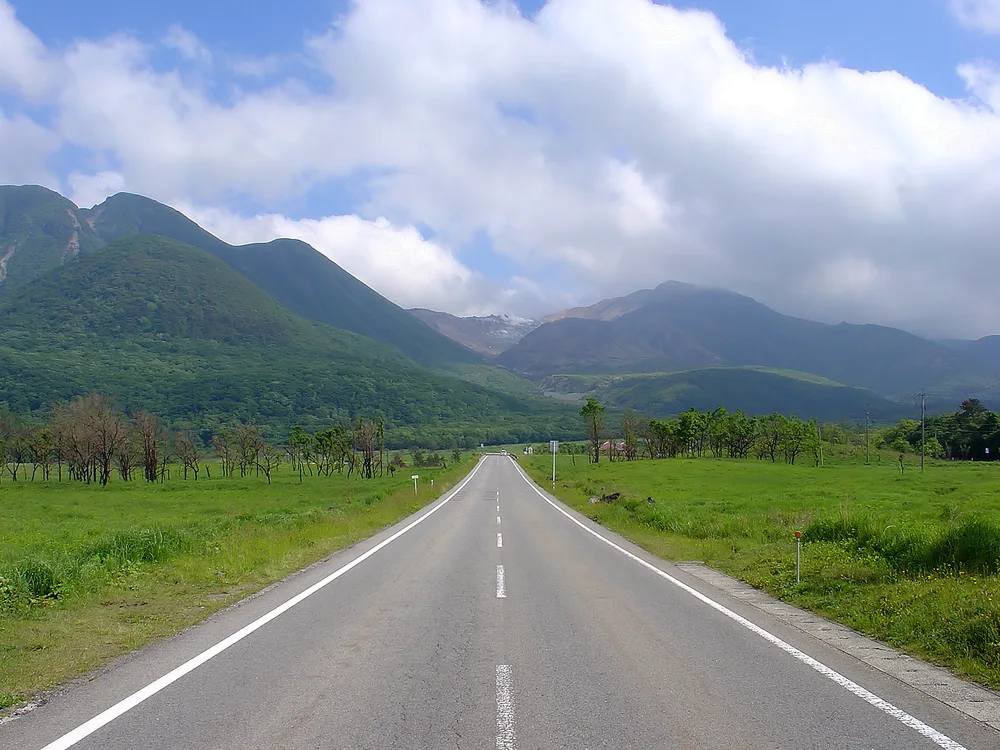
How to choose pick-up and drop-off locations for driving in Kyushu. Covers driving licence documents (including the official Japanese translation for Taiwan licences), Fukuoka Airport shuttles, KEP prices and its March 2027 end date, plus road trip routes for Beppu, Kurokawa, Aso and Kagoshima.
Required Documents and Japanese Translation for Taiwan Licences
Under Japan's reciprocal arrangement for Taiwan driving licences, obtain an official Japanese translation from a Taiwan Motor Vehicles Office before departure. Over-the-counter applications with the Directorate General of Highways require your original driving licence and national ID card at any branch nationwide for a fee of NT$100, and online applications are also available. Check that your name and address on the translation match your licence line by line. For short-term visitors, driving eligibility is valid for one year from entry into Japan or until the expiry date of the Taiwan licence, whichever comes first; International Driving Permits issued by Taiwan are not accepted under this scheme.
Pack your original driving licence, the official Japanese translation and your passport in your carry-on bag before boarding. If two people plan to share the driving, complete the paperwork together by bringing both drivers' documents to the counter so both names are listed on the rental agreement. Before taking over, give your co-driver a few minutes around the branch to adjust to driving on the left in a right-hand-drive vehicle. If the second driver arrives a day later, confirm in advance with the hire company which branches can add an extra driver and how to register them before they get behind the wheel.
Staff also check your passport for your date of entry. As the Japan National Tourism Organization (JNTO) notes, travellers using automated immigration gates at Japanese airports should request an entry stamp at a staffed counter so hire branches can verify arrival dates smoothly. If you arrive in Japan without a required Taiwan licence translation, the overseas offices listed by the Directorate General of Highways require cross-agency verification and cannot issue one on the spot. Switching to rail and bus routes from Hakata keeps your pre-booked Fukuoka accommodation intact and saves your companions from waiting at the airport for paperwork.
Check In on the International Ground Floor; Navigate to the Branch for Return
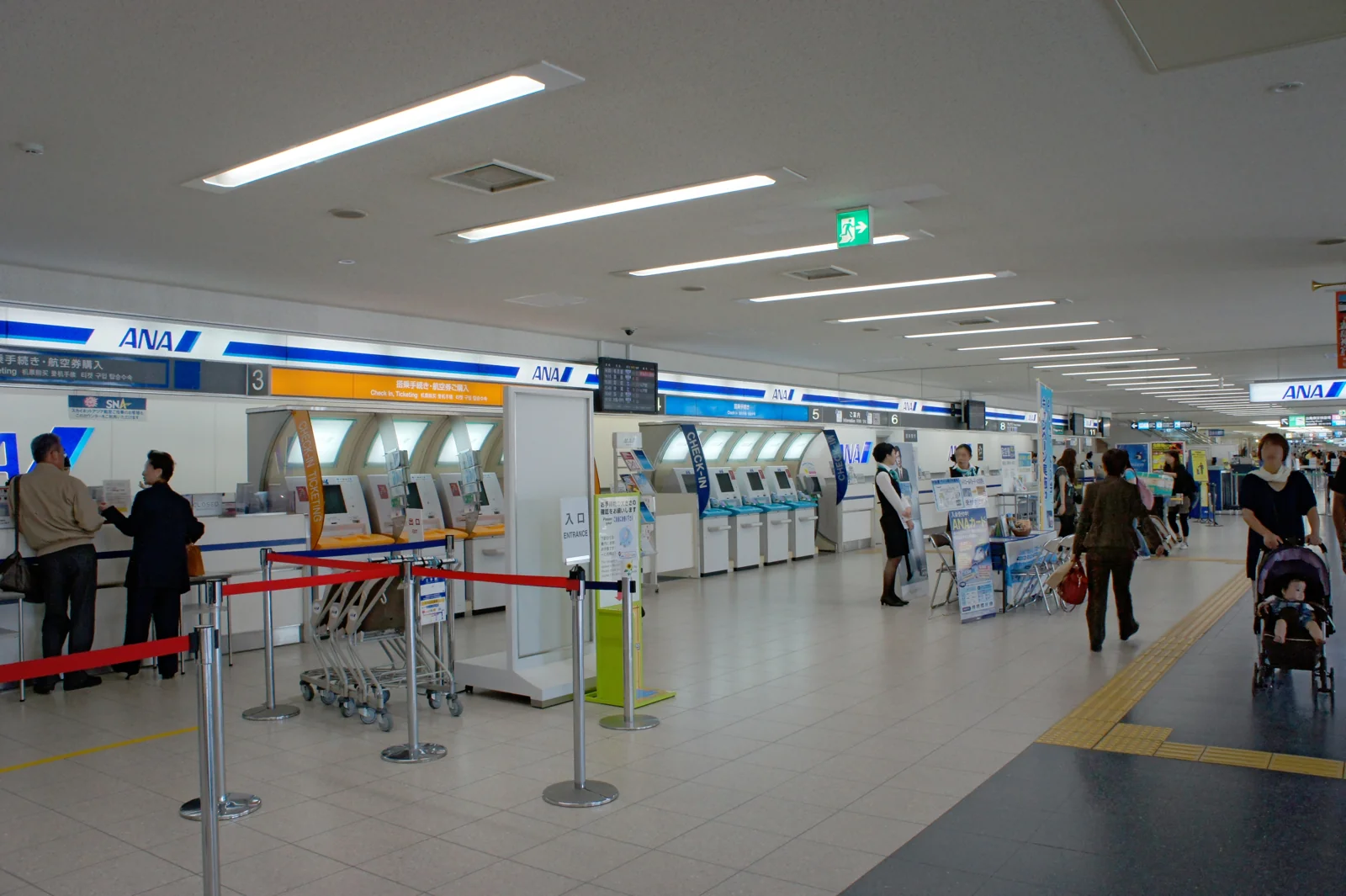
Fukuoka Airport's car hire counters are on the ground floor (1F) of the International Terminal; there are no counters inside the Domestic Terminal. When arriving on an international flight, meeting your provider at the arrivals hall counter straight after customs is much simpler than hunting down the off-site depot on a map. With Nippon Rent-A-Car, for example, international arrivals check in at the counter to the left of the arrivals exit and take a shuttle from the 1F car-hire pick-up zone to collect the vehicle. On return, drop the car off at the branch first, finish the inspection and take the shuttle back to International Departures.
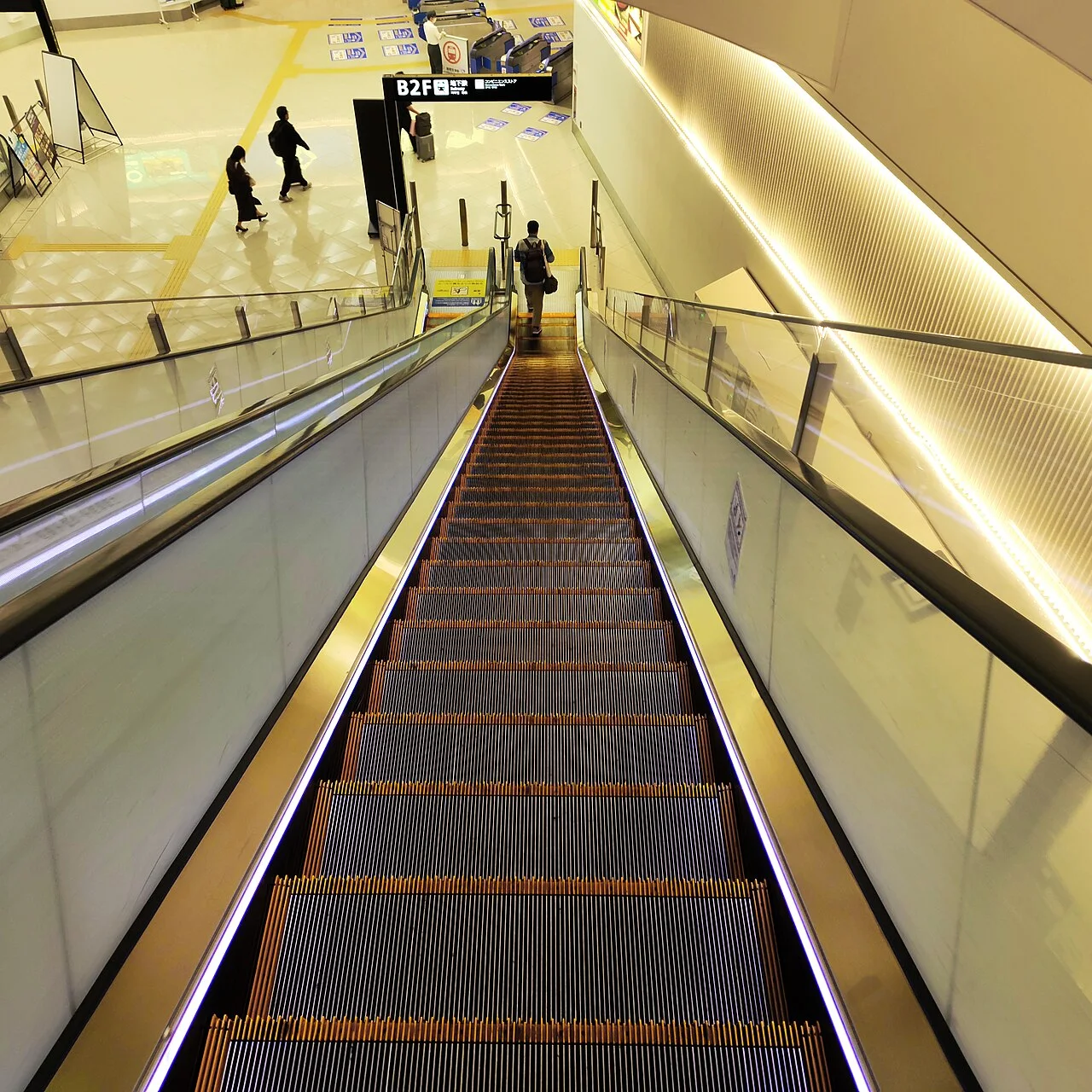
Travellers arriving via the Domestic Terminal or underground follow a different path. At Nippon Rent-A-Car's Domestic branch, for instance, you exit via 1F Exit A and cross the Kuko-Kita junction—listed on their official site as roughly a three-minute walk, and also close to underground Exits 4 and 5. Whenever a booking says "Fukuoka Airport", check the terminal designation alongside the exact branch name. If you end up at the wrong terminal, a free inter-terminal shuttle bus links the two, though on return day you will need to build that transfer time into your airport check-in schedule.
If your first night is in Hakata or Tenjin and you only plan to browse the city and have dinner, take the bus into town or catch the underground from the Domestic Terminal, then collect your car in Hakata the following morning. You save a night of hotel parking fees and keep breathing room in case an evening flight is delayed. If you stay near the airport before driving to Beppu, aim for a morning pick-up and choose a first lunch stop with a spacious car park. Leaving from the International Terminal area, you can join the Fukuoka Urban Expressway at Hanmichibashi IC and merge onto the Kyushu Expressway at Dazaifu IC; budget the urban expressway toll separately.
For an early-morning departure flight, weigh returning the car the evening before against an early drop-off on flight day. List branch opening hours, refuelling, vehicle and ETC settlement, shuttle transfer and airline check-in in sequence before deciding where to spend your final night. If you pick up in Hakata and return at the airport, enter the exact two-branch pairing when requesting quotes even though both are in the same city. Save the Fukuoka Airport International branch's street address on your phone ahead of time, navigate directly to the depot on departure day, and send passengers and luggage over to the terminal afterwards.
KEP Runs Until Late March 2027: Check Your Interchanges First
NEXCO West's current Kyushu Expressway Pass (KEP) period runs through 31 March 2027. Application cut-offs phase in from 22 March depending on the number of consecutive days selected. If you are planning a spring trip straddling the end of March, budget any expressway driving from 1 April onwards as pay-per-segment tolls. A two-day pass starting on 30 March fits within the period, whereas a five-day pass activated on 28 March would overrun the 31 March end date.
You must book through a participating car hire branch, as KEP only works with eligible standard passenger vehicles fitted with ETC and paired with a designated ETC card from those branches. Check NEXCO West's participating company and branch list first, then specify your pick-up branch, return branch and pass duration on the same booking. Some listed hire brands occasionally pause applications, so click through to the specific brand's branch table before committing. A standard ETC card simply automates toll payment, whereas KEP is an add-on flat-rate pass; if you already have a booking, contact your branch with your reservation number to check whether KEP can be added, then compare the maths.
Plug your planned entry and exit interchanges, travel dates and vehicle class into NEXCO West's Expressway Toll & Route Search tool, and use the ETC rate as your pay-as-you-go baseline. If eligible KEP segments over a five-day hire total ¥9,000 while the five-day pass costs ¥12,800, paying per segment saves ¥3,800 before factoring in any ETC card rental fee. If all your long motorway hops fall on two consecutive days, compare just those two days against a two-day KEP pass, then add non-covered tolls and the card fee back into both totals.
Non-covered toll roads such as the Fukuoka Urban Expressway are billed separately. If both your entry and exit points lie outside the KEP coverage zone, the entire trip is charged separately even if you pass through covered sections along the way. If only one end sits outside the zone, extra tolls apply from the boundary interchange onwards. When crossing routes run by different operators, cross-check the official eligible-roads list and interchange names. If your itinerary spends several days purely on prefectural and national roads linking Yufuin, Kurokawa and Aso across the highlands, a long-duration expressway pass will barely pay for itself.
Before entering an ETC lane, check that the onboard unit recognises your card and approach the barrier at 20 km/h or slower as signed. When your satnav shows "Smart IC", that interchange is ETC-only. If you intend to pay by cash throughout, configure regular interchanges before setting off so the route does not automatically direct you to an ETC-only exit near your hotel. Even when driving with KEP, the tollgate display or voice prompt may still announce the standard single-journey fare; eligible trips are reconciled by the hire branch when you return the car.
If you only have one or two expressway stretches, you can rent a standard ETC card instead. Toyota Rent a Car branches offering this service charge a ¥550 per-rental card fee, with actual tolls settled at drop-off. When using a regular staffed or ticket lane, keep the entry ticket safe until the exit booth. If you accidentally enter an ETC-only toll plaza without a working card, pull cleanly into the "Support" or "ETC/Support" lane, stop and follow staff instructions over the intercom—never reverse.
| Consecutive Days | Pass Price | Final Application Date (2027) |
|---|---|---|
| 2 days | ¥6,200 | 30 March |
| 3 days | ¥8,400 | 29 March |
| 4 days | ¥10,600 | 28 March |
| 5 days | ¥12,800 | 27 March |
| 7 days | ¥17,200 | 25 March |
| 10 days | ¥23,800 | 22 March |
Look Beyond the Base Rate: Vehicle Size and Insurance Add Up Fast
Before booking, compare two like-for-like quotes matching the exact vehicle class, pick-up and drop-off times, and insurance cover. Real driving costs include the base hire rate, excess waiver or NOC cover, child seats, ETC card fees, fuel, tolls and parking, plus any one-way drop-off surcharge. City hotels typically charge per night while sightseeing car parks charge per entry or by the hour, and a car parked for two city nights costs money even when it sits untouched. If returning to your starting branch forces an extra half-day run along a national road, include that time and fuel in your comparison.
Choose the car class backwards from your luggage. Two people with cabin bags benefit from a narrower car that slips easily into onsen-town spaces and gives clearer sightlines on tight corners in historic districts. If four adults each have a large suitcase, check exact boot dimensions with the rear seats upright. In a fully occupied seven-seater, ask how many cases actually fit behind the third row—especially with a pushchair in tow, hiring two compact cars is sometimes easier to manage. Before booking any large vehicle, check the length, width and height limits of your hotels' car parks.
In Japan, children under six are required by law to use a child safety seat. Enter each child's height, weight and age when booking so you select the right infant seat, toddler seat or booster cushion. Leave extra time at pick-up to check the fitting instructions, confirm the seat is anchored securely and test how luggage fits alongside it. If travelling with older relatives, look for a model with a low step-in height and choose rest stops with level bays so everyone can stretch their legs comfortably.
Collision Damage Waiver (CDW) reduces or waives your accident excess, whereas the Non-Operation Charge (NOC) is a standard fee charged by hire firms for lost business if an accident, interior damage or staining takes the car off the road. Toyota Rent a Car, for example, offers CDW alone as well as bundled plans that also cover the NOC. When comparing policies, read how tyres, wheel rims and roadside towing are handled. Save your branch and breakdown numbers in your phone before heading into the mountains, photograph all four corners and alloys at pick-up, and make sure every existing mark is noted on the check-out sheet.
Three Days Across Kuju: Yufuin to Kurokawa and Aso
On day one, drive from Fukuoka to Yufuin, ask your ryokan whether you can park ahead of check-in, and explore Lake Kinrin and Yunotsubo Street on foot. Picking a lunch spot within walking distance saves moving the car down narrow lanes and queuing for parking a second time in the afternoon. If Beppu is higher on your list, stay there on night one and make a brief morning stop in Yufuin the following day. If you have dinner included at your Kurokawa inn, stick to a single main scenic stop while crossing the Kuju highlands.
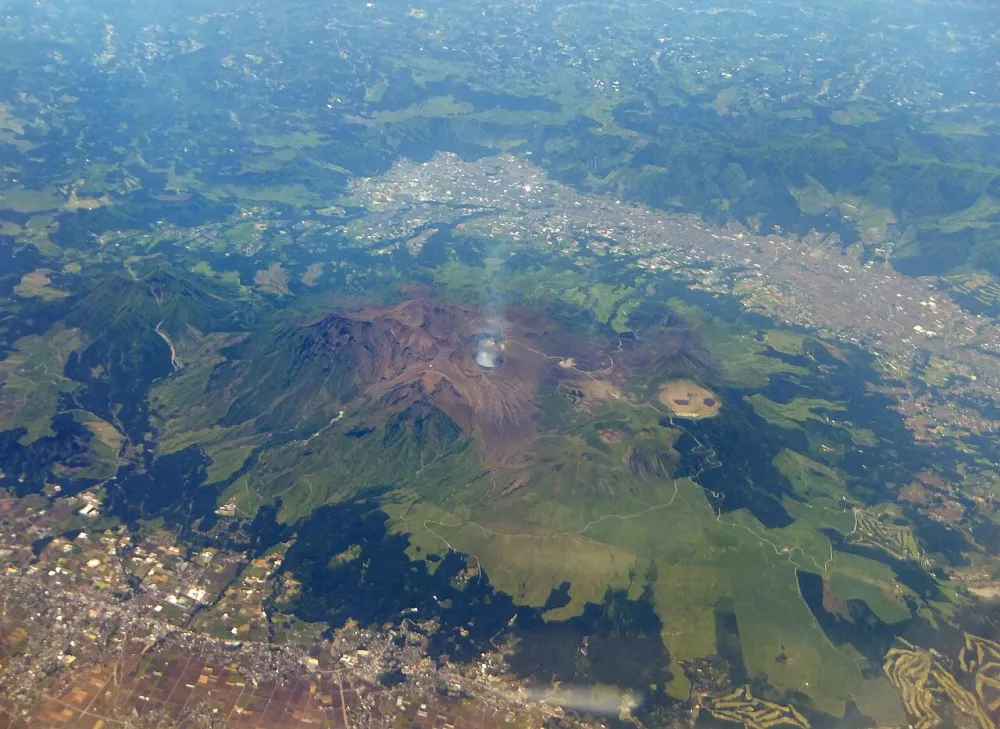
On day two, take the Yamanami Highway from Yufuin towards Kuju. Chojabaru opens onto views of the Kuju mountain range, while Makinoto Pass marks the route's highest point at 1,330 metres, complete with parking and toilets. Descending towards the Senomoto Highland shifts the panorama to Mount Aso's five peaks and the caldera rim grasslands. The Ministry of the Environment's suggested Chojabaru-to-Senomoto drive covers roughly 14 km and allows around 50 minutes including short stops—remember that covers only the middle plateau stretch, so add driving time from Yufuin and down into Kurokawa. Pull over only at designated viewpoints and keep the long straight sections clear for moving traffic.
If staying in central Kurokawa Onsen, switch your satnav to your ryokan's designated car park name as you approach National Route 442, and ask the inn beforehand which access road suits a wider vehicle. Bath-hopping between open-air baths is strictly on foot: the Kurokawa Onsen Ryokan Association map marks the Kaze no Ya information centre and public car parks along the national road. Overnight guests leave their car after dropping bags, while day-trippers use the public lots. If you buy a wooden Nyuto Tegata bath pass, cross-check opening status and last-entry times before setting off down steep lanes, and put your final bath on the way back towards dinner check-in.
On day three, head towards Aso: in clear weather choose between Daikanbo on the northern caldera rim and Kusasenri on the upper slopes. If you have a Shinkansen booked after dropping the car near Kumamoto Station, pick just one morning viewpoint so you have ample margin for refuelling and city traffic. Treat Mount Nakadake Crater as an optional add-on only when access updates and road conditions allow. To cover both northern and central Aso comfortably, stay a night in Aso itself and drive into Kumamoto the next morning—especially worthwhile for families sharing one car around a fixed drop-off deadline.
Five-Day Northern Loop: Put Yabakei Before Beppu
If visiting during the autumn foliage season, slot Yabakei between Fukuoka and Beppu before crossing Kuju from Yufuin to Kurokawa and Aso. A five-day loop assumes a morning pick-up; if you land in the afternoon, sleep in Fukuoka and collect the car from Hakata the next day. On day one, head east towards Nakatsu through Hon-Yabakei, continue to Shin-Yabakei if time allows, and overnight in Beppu. Solo drivers wanting an unhurried look at the gorges can stay the first night in Nakatsu, fit in a cluster of Beppu's Hells the next morning, and reach Yufuin by late afternoon.
Ao no Domon and Hitome Hakkei are the two natural stops. Nakatsu City announced in September 2026 that the Ao no Domon section of Municipal Road Hida-Nakajima Line remains closed to vehicles due to further rockfall risk. Approach from the national highway via the posted detour, use the public car park and walk the open pedestrian sections to view the hand-chiselled tunnel. For Hitome Hakkei, park at the Shin-Yabakei Public Car Park, which the local tourism association lists as free and roughly a five-minute walk from the viewpoint. On peak autumn days when queues back up, park at whichever end has space first to avoid awkward U-turns.
Dedicate day two to Beppu. To minimise moving the car, base your sightseeing around the Kannawa district, where Umi Jigoku and several neighbouring Hells sit within walking distance of one another, and leave Chinoike Jigoku and Tatsumaki Jigoku over in Kamegawa as a single short drive afterwards. If you are sleeping in Yufuin that night, stick to one main Hell cluster and head up after lunch; our Yufuin vs Beppu accommodation comparison helps decide where to split your nights. On day three cross the Yamanami Highway to stay in Kurokawa, then devote day four to Aso before overnighting in Kumamoto or driving back to Fukuoka.
Leaving Kumamoto by train or car on the morning of day five gives you flexibility to wait out cloud or mist in Aso the afternoon before. If you have an early flight out of Fukuoka on day five, push back to Fukuoka on evening four instead of adding Kumamoto city sightseeing. You do not need to stay overnight in every spa town along the route: if Kurokawa and Aso are your real priorities, driving south from Fukuoka into the mountains and dropping the car in Kumamoto for the Shinkansen fits far better than detouring out to Beppu and doubling back.
One-Way to Kagoshima: Decide on the Day Whether to Take the Car to Sakurajima
On a five-day open-jaw trip flying into Fukuoka and out of Kagoshima, drive south on day one to Aso or Kumamoto and keep day two for Aso. On day three, follow the Kyushu Expressway south to stay in Kirishima Onsen or Kagoshima City. Use day four for either Sakurajima or Ibusuki, then return the car on day five. If you are leaving by rail from Kagoshima-Chuo Station, pick a station-area depot so you can wheel luggage straight onto the concourse; if flying, book an airport branch instead. Guests staying in Kirishima on their final night ahead of a morning flight should work backwards through driving time, refuelling, branch opening hours and the terminal shuttle.
The Sakurajima Ferry links Kagoshima Port and Sakurajima Port in around 15 minutes and carries vehicles. According to the Kagoshima City Ship Bureau, regular crossings run from 04:00 to 23:30 JST, with both passenger and vehicle fares paid at Sakurajima Port. Only take the car across if you plan to visit multiple island viewpoints—check first that your rental contract permits ferry crossings and review vehicle-length fare tiers. If you only want the waterfront and lava promenade, leaving the car in Kagoshima City and boarding on foot saves the vehicle fare and boarding queues, letting you catch the city tram to Tenmonkan or Kagoshima-Chuo afterwards.
If you want to include Ibusuki, adding an extra night beats squeezing two separate peninsula directions into one day. Ibusuki heads south down the Satsuma Peninsula from Kagoshima City, whereas Sakurajima connects towards the Osumi Peninsula, each requiring a solid drive back before dusk. If Miyazaki or Nichinan is next on your list, dedicate a full day to the Kagoshima-to-Miyazaki leg as a separate one-way drop-off pairing. Weigh the extra one-way fee against the driving miles saved, particularly if there is only one driver.
Crater Restrictions at Mount Aso: Check Exactly What Is Closed
Daikanbo on the northern caldera rim, Kusasenri, the Sanjo terminal area and Mount Nakadake Crater each sit in different spots. Check the Aso Volcano Disaster Prevention Council's restriction map before looking up prefectural and mountain road updates. When the crater itself is closed but the access roads remain open, you can still drive up to Kusasenri if conditions allow. If the mountain approaches are shut too, stay in the caldera valley or head up to Daikanbo on the northern rim when visibility clears. Driving between Kusasenri and Daikanbo means dropping down across the valley and climbing back up, so allow proper transit time and pick whichever side has clear mountain views.
On 20 November 2026, the Fukuoka Regional Headquarters of the Japan Meteorological Agency maintained Volcanic Alert Level 2 for Mount Aso, while Aso City closed the Mount Aso Park Road and suspended access to Mount Nakadake Crater. Under these conditions, leave the crater off your route completely. When crater access reopens in future, the council's standard winter hours run from 1 December to 19 March, 09:00 to 17:00 JST, with vehicle entry gates closing at 16:30 JST—though volcanic gas or sudden weather shifts can restrict access further at short notice.
Standard passenger car parking at Kusasenri costs ¥500, and the same-day ticket covers one entry each to the Kusasenri car park and the Natural Parks Foundation's Aso Sanjo car park. Keep your ticket if you plan to continue up to the Sanjo area for exhibitions, toilets or shuttle transfers. If you only have time for one stop, check the Kusasenri webcam first and choose the meadow while visibility holds. When fog shuts the upper mountain roads, pull into Michi-no-Eki Aso next to Aso Station to regroup: sitting near the junction of National Routes 57 and 212, it lets you decide cleanly after a break whether to carry on towards Kumamoto, loop back to Kurokawa, or stroll the Monzenmachi street beside Aso Shrine.
In mountain fog, tailgating the car ahead to follow its lights wipes out your braking margin. Keep a safe gap, slow down to posted limits, and wait at a roadside station or open car park if visibility drops too far. To explore the sights around Mount Aso, re-plan lunch and overnight stops around whichever zone is confirmed open that day. If you are sleeping in Kumamoto and still have to find city parking, skip any late-afternoon mountain detour near dusk; staying around Aso Station lets you move the mountain drive to the following morning instead.
If your satnav routes you onto a closed road as a shortcut, follow the physical diversion signs on the ground. Single-track mountain lanes often force awkward reversing or passing manoeuvres on steep gradients, so save main two-lane routes and established car parks in advance; if you miss a turn, carry on until you reach a safe spot to turn around. Have your passenger manage route checks so the driver can focus on pedestrian crossings and roadside drainage ditches.
How to Reroute in Ice, Typhoons or Prolonged Rain
In winter, even when forecasts for Kurokawa Onsen and Yufuin show only rain, check conditions over Makinoto Pass between them. Shaded bends, bridge decks and high passes freeze early in the morning, so inspect road cameras and traffic advisories before setting off. Specify winter tyres when reserving your car, and fit snow chains wherever signed chain controls apply. If no winter-equipped vehicle is available, keep your accommodation at one end—such as Beppu, Yufuin or central Kumamoto—use trains and buses instead, and save the Yamanami Highway for clear conditions.
Check the Ministry of Land, Infrastructure, Transport and Tourism's Kumamoto Winter Roads portal for national highway alerts, live cameras and prefectural updates, and use iHighway for expressway closures, accidents and roadworks. If the highland passes are closed, confirm low-elevation arterial routes and your revised hotel access before departing; rural roads from Kumamoto towards Aso carry their own restrictions too. Even when the Kyushu Expressway is open, verify the mountain spur roads separately. If you have never driven in snow and need to make a set dinner time, drop the high-pass crossing and complete a lower-altitude route in full daylight.
During a typhoon warning, decide first whether you should leave your current accommodation at all. As soon as expressways or national roads announce preventive closures, pull up your cancellation deadlines and hire branch contact details so you can adjust cross-prefecture nights before penalties apply. If ferries are suspended, stay on the Kagoshima City side for Sakurajima day trips, or check whether overland roads onto the Osumi Peninsula are open before estimating travel times. Light rain suits castle towns and indoor museums, whereas under heavy rain warnings or transport shutdowns you should stay put safely and follow local emergency instructions.
Autumn leaf-peeping and misty overcast afternoons are notorious for running late. Setting a strict departure time from each car park is more practical than guessing arrival times, as that final leg before your ryokan is the only buffer you control. On long drives, build in regular rest breaks, note service-area petrol stations beforehand, and list a second toilet stop option when travelling with children or older relatives. During prolonged heavy rain, avoid narrow riverside back roads and wait for main arterial routes to clear.
Essential Habits on the Road: Driving on the Left, Refuelling and Returns
Japan drives on the left in right-hand-drive cars. Before leaving the bay, adjust your seat and mirrors, and test which stalk operates the indicators versus the wipers while stationary. Pulling out of car parks or service areas, locate the centre line first so you turn cleanly into the left lane. On right turns, yield to oncoming straight traffic and left-turning vehicles, and stop whenever anyone approaches a pedestrian crossing. Come to a complete halt at the stop line for every red inverted-triangle "Tomare" (Stop) sign before moving off. Follow satnav lane prompts against real road markings; if you miss an exit, carry on to the next one rather than cutting across two lanes.
Confirm your car's fuel type on the rental agreement before lifting a nozzle. Self-service pumps use colour-coded labels: "Regular" (unleaded petrol, usually red), "High-Octane" (premium unleaded, yellow) and "Keiyu" (diesel, green). Never confuse "keiyu" with "kei" mini-cars—always match the sticker inside the fuel flap. Leaving Kumamoto, central Beppu or Hita for the mountains, check your remaining range and rural station closing times; if crossing a pass near dusk, fill up at a convenient city forecourt rather than banking on the first small rural station your satnav shows.
For your final fill-up, pick a petrol station close to your return branch and keep the receipt to show at the counter. Under a full-to-full contract, returning less than full incurs the company's standard refuelling charge. Approach direction matters more than raw distance—on busy arterial roads around Fukuoka Airport, reaching a station on the opposite side can mean looping far ahead to find a legal turn. Hand back the ETC card at return and inspect your final receipt to see how non-KEP charges such as urban expressway tolls were billed.
In any collision, check everyone's safety first. Japan's National Police Agency requires reporting all traffic accidents to the police on 110, even with zero injuries; if anyone is hurt, render aid, dial 119 for an ambulance and notify police too. Contact your hire branch or breakdown line per your agreement and record the other party's and scene details—even minor scrapes follow this procedure once safely parked. If you need to extend your hire, call the branch first to confirm the car is not booked out to another customer before changing hotels or onward rail tickets.
Once all luggage is unloaded, sweep beside child seats, inside door pockets and along the charging cables. If you paired your phone for navigation or audio, delete the Bluetooth connection before handing over the keys. Before boarding the airport shuttle, gather your passport and flight details into one accessible pouch rather than leaving your pick-up document folder buried at the bottom of a suitcase.
Switching to the Shinkansen in Kumamoto: Price Passes by Active Rail Days
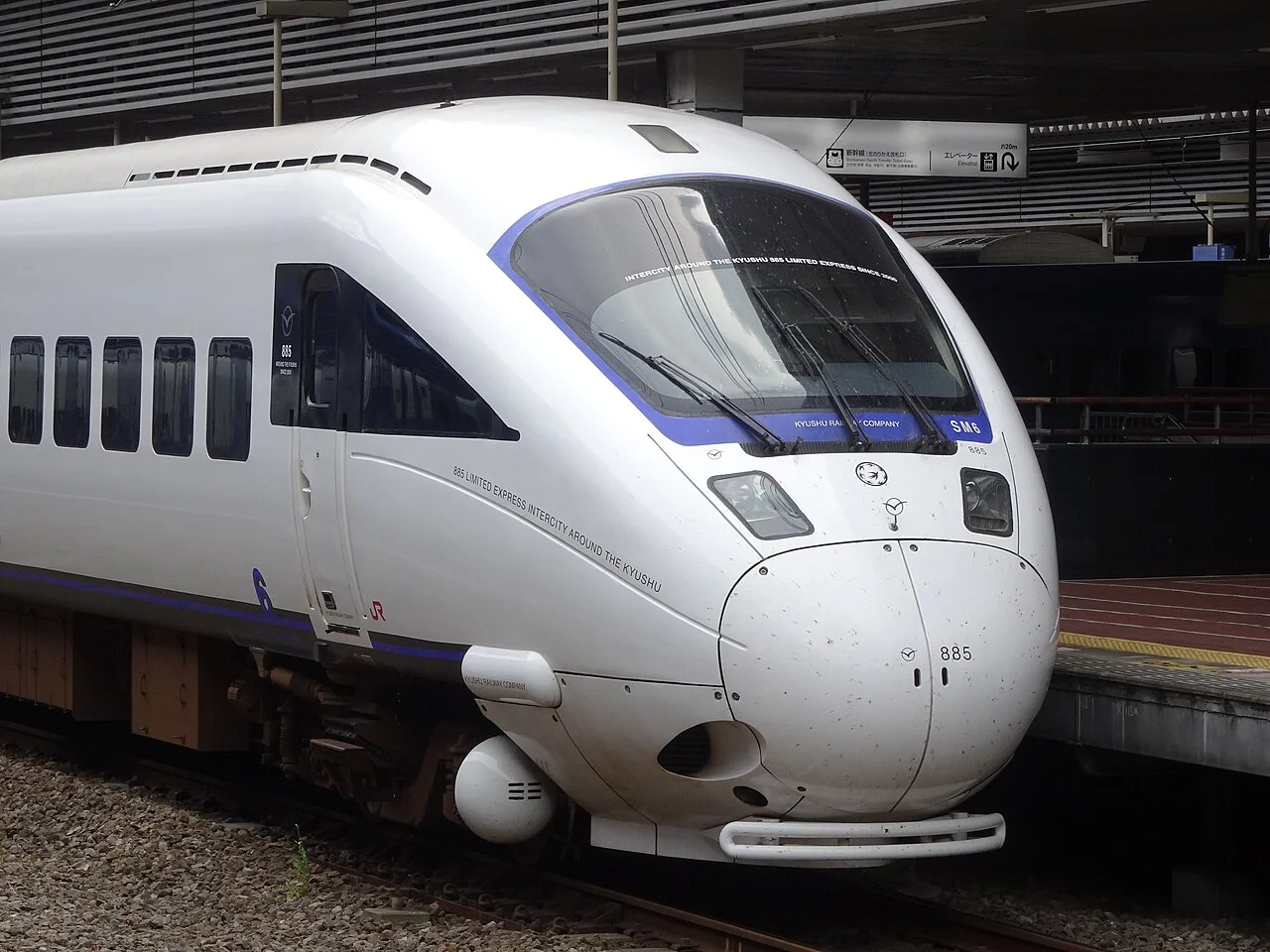
Keep the car for the Kurokawa-to-Aso mountain leg and switch to the Shinkansen once you reach Kumamoto City. After a night in Kurokawa and sightseeing across Aso, dropping the car near Kumamoto Station makes for a smooth train hop down to Kagoshima-Chuo. If Kumamoto to Kagoshima is your only Shinkansen leg and you fly out of a different airport, check single-ticket fares first. Only compare the Southern Kyushu Rail Pass if you are also riding to Ibusuki and making consecutive regional rail trips—alongside separate budgets for the Kagoshima City Tram and ferries.
JR Kyushu's All Kyushu Pass covers the Kyushu Shinkansen from Hakata to Kagoshima-Chuo; the Northern Kyushu Pass covers Shinkansen travel as far south as Kumamoto, while the Southern Kyushu Pass covers Kumamoto to Kagoshima-Chuo only and cannot be used between Hakata and Kumamoto. Note that the Shinkansen between Hakata (Fukuoka) and Kokura belongs to the Sanyo Shinkansen and is excluded from JR Kyushu passes—use JR local and limited express lines towards Kitakyushu instead. Fukuoka City Subway and independent regional bus companies are paid separately and are not covered on mountain bus routes.
Cost out driving and rail side by side for your entire party on that leg. Car hire charges per vehicle rather than per passenger, so several adults linking dispersed mountain sights often come out ahead when splitting fuel, tolls and hire fees. Conversely, staying right beside Hakata, Kumamoto and Kagoshima-Chuo stations while paying daily parking on an idle car only saves a few short transfers. Save multi-day rail passes for consecutive intercity travel days, and place your slow onsen-ryokan stays—when you only stroll and soak—before or after the pass window.
A few useful answers
Can I hire a car in Kyushu using a Taiwan driving licence?
Yes. Bring your original valid Taiwan driving licence, an official Japanese translation and your passport. International Driving Permits issued by Taiwan are not valid under Japan's reciprocal scheme, so obtain the translation from a Taiwan Motor Vehicles Office before travelling.
Until when can the KEP Kyushu Expressway Pass be used?
The current KEP period ends on 31 March 2027. Final application dates are 22 March for the 10-day pass, 27 March for the 5-day pass and 30 March for the 2-day pass; all consecutive pass days must finish within the valid period.
Are the Fukuoka Airport pick-up counter and return depot in the same place?
On arrival, follow your hire company's directions to its 1F International Terminal counter before taking a shuttle to the off-site depot. On return, drive directly to the branch address listed on your contract, complete the return check and take the shuttle back to the terminal.
Can I pick up a hire car in Fukuoka and drop it off in Kumamoto?
Yes, subject to vehicle class and branch availability; check one-way drop-off quotes directly with your hire company. If you are switching to the Shinkansen afterwards, pick a return depot within walking distance of Kumamoto Station.
If Mount Aso's crater is closed, can I still visit Kusasenri or Daikanbo?
That depends on the day's restriction zone and road status. When the crater is shut but mountain access roads stay open, Kusasenri can often still be reached; Daikanbo sits on the northern caldera rim, so check its approach roads separately.
How many days should I allow for hiring a car in Kyushu?
Three days suits a route from Yufuin across to Kurokawa and Aso. Allow four to five days for a Fukuoka round-trip adding Beppu or Yabakei, and at least five days for a one-way drive down to Kagoshima.
Can I use KEP simply because my hire car has an ETC reader?
No—KEP must be booked separately at a participating branch using an eligible vehicle class and a designated KEP-enabled ETC card. A standard rented ETC card simply bills each toll individually.
Official information and references
Sources used in this guide.
- NEXCO West: Kyushu Expressway Pass (KEP), Prices & Participating Branches
- NEXCO West: KEP Terms of Use (Articles 4, 6–9)
- NEXCO West: Expressway Toll & Route Search
- NEXCO West: ETC-Only Toll Plazas & Support Lanes
- iHighway: Expressway Traffic & Restrictions
- Directorate General of Highways (Taiwan): Taiwan-Japan Reciprocal Driving Licence & Japanese Translation
- National Police Agency of Japan: Licence Validity, Junction Rules & Accident Reporting
- Japan National Tourism Organization (JNTO): Car Rental, Entry Stamps & Driving Guide
- Fukuoka Airport: Car Rental Counters & Expressway Interchanges
- Nippon Rent-A-Car: Fukuoka Airport Branches & Shuttle Transfers
- Toyota Rent a Car: ETC Cards, Child Seats & Optional Extras
- Toyota Rent a Car: Excess Waiver (CDW), NOC & Roadside Assistance
- Toyota Rent a Car: Booking, Pick-Up & Return Procedures
- Toyota Rent a Car: One-Way Drop-Off Fee Guide
- Toyota Rent a Car: Petrol Stations & Fuel Types
- Consumer Affairs Agency of Japan: Mandatory Child Safety Seats & Selection Guide
- Ministry of the Environment of Japan: Aso-Kuju National Park Yamanami Highway Route
- Kurokawa Onsen Ryokan Association: Onsen Town, Bathhouses & Parking Map
- Nakatsu City: Ao no Domon Vehicle Closure & Detour Notice
- Nakatsu Yabakei Tourism Association: Hitome Hakkei Car Park
- Visit Oita (Oita Prefecture Tourism): Beppu Jigoku Meguri (Hells of Beppu)
- Kagoshima City Ship Bureau: Sakurajima Ferry Crossing Times, Hours & Vehicle Boarding
- Aso Volcano Disaster Prevention Council: Crater Restrictions & Opening Hours
- Japan Meteorological Agency: Mount Aso Volcanic Activity & Alert Levels
- Aso City: Crater Viewing & Mount Aso Park Road Information
- Natural Parks Foundation: Kusasenri & Aso Sanjo Parking Fees
- Ministry of Land, Infrastructure, Transport and Tourism (MLIT): Michi-no-Eki Aso Location & Surroundings
- Ministry of Land, Infrastructure, Transport and Tourism (MLIT): Kumamoto Winter Roads & Live Cameras
- JR Kyushu: Kyushu Rail Pass Coverage Areas