Compare All Kyushu, Northern and Southern JR Kyushu Rail Pass fares, and check the rules for the Kokura Shinkansen exclusion, Nagasaki transfers, ticket collection stations and the six free seat reservations. Includes 4-day northern, 5-day north-to-south and 3-day southern itineraries.
- Region & Focus
- KyushuTransport and passes
- Reading Scope
- 20 min read · 8 chapters · 6 Q&As
- Official Verification
- 21 official sources checkedUpdated 22 November 2026
- Key Topics
- Rail travelItinerariesTravel budget
Chapter Route Map (tap any stop)
- Pass Coverage, Fares and Validity Periods
- Check Both Your Destination Stations and Shinkansen Segments
- Price Your Planned Journeys Before Buying
- Buying and Collecting Your Pass
- Making the Most of Six Free Reservations—and When to Pay Online
- Put Sightseeing Trains at the Front of Your Planning
- Three Sample Routes: 4-Day North, 5-Day North–South and 3-Day South
- What to Do for Missed Trains, Disruptions and Refunds
- Quick Q&A
Starting from Hakata for Yufuin, Beppu, Kumamoto or Nagasaki, look at the Northern Kyushu Pass first. If your route runs from Fukuoka all the way down the Shinkansen to Kagoshima, compare the All Kyushu Pass instead. For trips looping around southern Kyushu from Kumamoto or Kagoshima, the 3-day Southern Kyushu Pass has a lower break-even point. Official website adult 3-day passes cost ¥14,000 for Northern, ¥21,000 for All Kyushu and ¥11,000 for Southern Kyushu. Once you choose your coverage area, group your most expensive rail journeys into consecutive days, then decide which trains are worth paying extra to reserve in advance.
Pass Coverage, Fares and Validity Periods
The JR Kyushu Rail Pass comes in three coverage areas: All Kyushu (3, 5 or 7 days), Northern Kyushu (3 or 5 days) and Southern Kyushu (3 days only). The table below compares standard pricing on the dedicated JR Kyushu Rail Pass website against overseas travel agencies and JR Kyushu ticket counters in Japan. Adult passes booked on the official site are ¥1,000 cheaper per pass, and child fares (ages 6–11) are half the adult price within the same sales channel. If you buy an exchange order through an overseas travel agency, convert the final checkout total into yen so your budget reflects exchange rates and agency fees.
All passes run on consecutive calendar days. Activate a 3-day pass on Friday and Sunday is your final day, even if you spend all of Saturday in the hot springs without stepping inside a station. Starting your first journey in the afternoon still counts as day one, so if you land in Fukuoka on an evening flight and head out of town the next morning, collect your physical pass that night and set the start date for the following day. A four-day trip can still work with a 3-day pass, and a five-day trip can use a pass for just the middle three days. Upgrading within the same pass area—from 3 to 5 days on Northern or All Kyushu, or from 5 to 7 days on All Kyushu—adds ¥2,000 for adults; weigh that difference solely against the extra trips those added days cover.
Child age rules depend on where you buy. For exchange orders purchased overseas, eligibility is based on the child's age on the purchase date; for passes bought on the JR Kyushu website or at a station in Kyushu, it is based on their age on the pass start date. Check both dates if a child turns 6 or 12 during the trip. Children aged 5 and under travel free when sharing a seat, but require a child ticket or child rail pass for that segment if they occupy their own reserved seat. Standard JR fare rules also cap free infant passengers at two per accompanying adult or child ticket—any third infant onwards requires a child ticket. If your family is taking only one sightseeing train where the child needs their own seat, compare a single child ticket for that leg against buying an entire child pass.
| Pass Type | Official Site (Adult / Child) | Agency or Station (Adult / Child) | Free Station Seat Reservations |
|---|---|---|---|
| Northern 3-Day | ¥14,000 / ¥7,000 | ¥15,000 / ¥7,500 | Up to 6 |
| Northern 5-Day | ¥16,000 / ¥8,000 | ¥17,000 / ¥8,500 | Up to 6 |
| Southern 3-Day | ¥11,000 / ¥5,500 | ¥12,000 / ¥6,000 | Up to 6 |
| All Kyushu 3-Day | ¥21,000 / ¥10,500 | ¥22,000 / ¥11,000 | Unlimited |
| All Kyushu 5-Day | ¥23,000 / ¥11,500 | ¥24,000 / ¥12,000 | Unlimited |
| All Kyushu 7-Day | ¥25,000 / ¥12,500 | ¥26,000 / ¥13,000 | Unlimited |
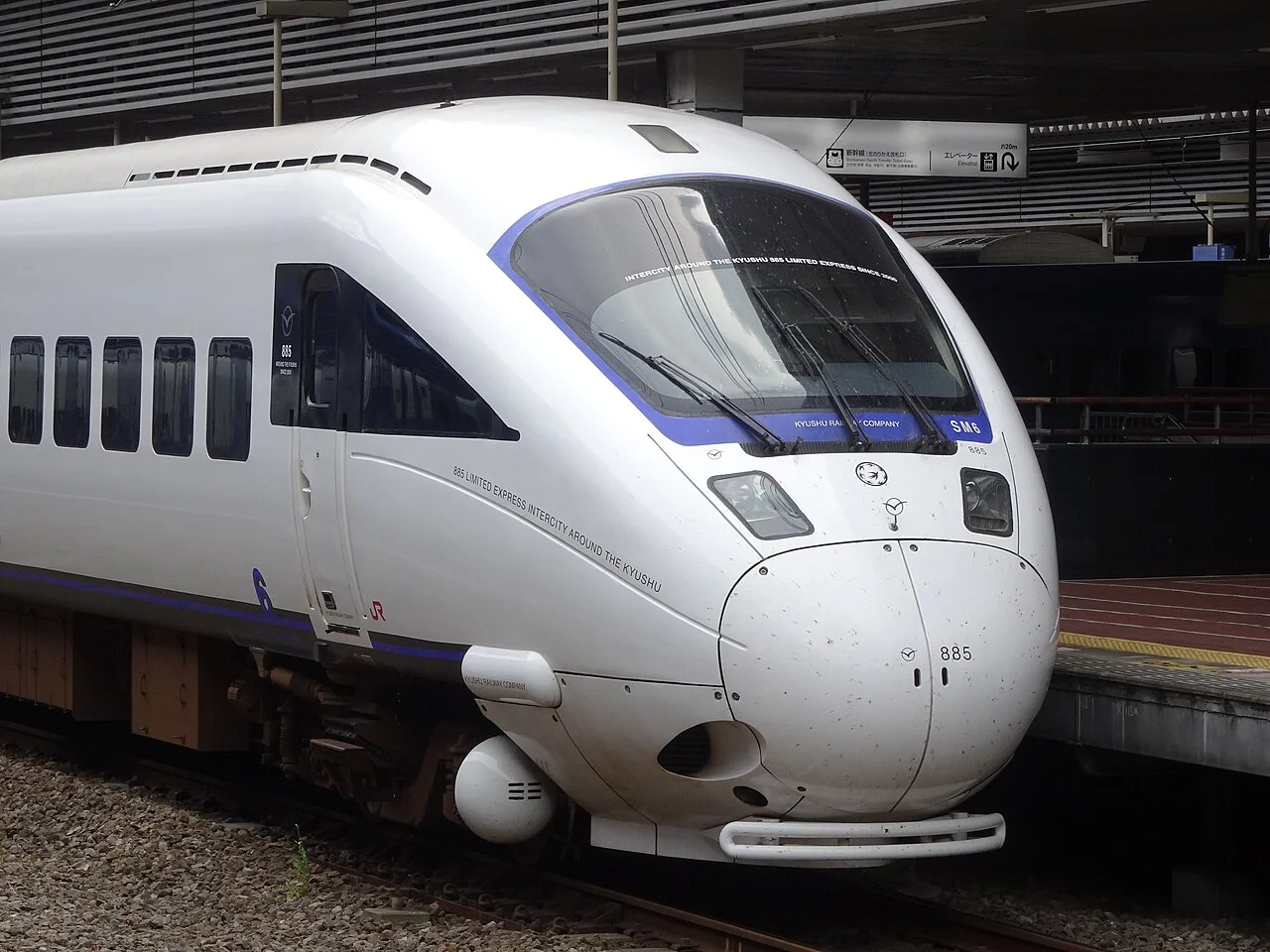
Compare All Kyushu, Northern and Southern JR Kyushu Rail Pass fares, and check the rules for the Kokura Shinkansen exclusion, Nagasaki transfers, ticket collection stations and the six free seat reservations. Includes 4-day northern, 5-day north-to-south and 3-day southern itineraries.
Check Both Your Destination Stations and Shinkansen Segments
The Northern Kyushu Pass covers the Kyushu Shinkansen between Hakata and Kumamoto, the Nishi-Kyushu Shinkansen between Takeo-Onsen and Nagasaki, plus JR Kyushu local, rapid and limited express trains within the designated northern zone. If you fly into and out of Fukuoka and stick to Nagasaki, Sasebo, Yufuin, Beppu, Oita, Kumamoto and Misumi, start your calculations here. Kumamoto is the southern Shinkansen boundary for the Northern pass—continuing south to Shin-Yatsushiro, Shin-Minamata or Kagoshima-Chuo requires paying separately for the section beyond Kumamoto. Check station names heading east towards Oita as well: Beppu and Oita are covered by the Northern pass, whereas continuing to Miyazaki requires a different calculation.
The Southern Kyushu Pass covers the Kyushu Shinkansen between Kumamoto and Kagoshima-Chuo, alongside designated conventional lines in the south such as JR Kyushu services from Kagoshima-Chuo to Ibusuki, Kirishima-Jingu and Miyazaki. Both Kumamoto and Oita sit on the boundary between the northern and southern passes, and the Southern pass also covers the eligible Hohi Main Line section to Aso. If you are starting in Hakata and only want the Southern pass, buy a single ticket from Hakata to Kumamoto and collect your Southern pass at Kumamoto Station. Should you return by the same route, factor both the outbound and return Hakata–Kumamoto legs back into your budget—the easiest cost to overlook when activating a pass in Kumamoto.
To travel across both north and south on a single ticket, pick the All Kyushu Pass. Within their respective covered zones, ordinary-car reserved and non-reserved seats on Mizuho, Sakura, Tsubame and Kamome services are all valid, though riding a Mizuho still depends on staying within the permitted section. The Kyushu Shinkansen runs from Hakata to Kagoshima-Chuo, whereas the segment between Hakata and Kokura belongs to JR West's Sanyo Shinkansen—meaning all three passes exclude the Shinkansen between Hakata and Kokura. To reach Kokura or Mojiko, switch your route search to conventional lines: take the Limited Express Sonic or JR Kyushu local and rapid trains from Hakata to Kokura, then transfer on local lines to Mojiko. On a Sonic bound for Beppu, the train reverses direction at Kokura, so you stay aboard the same service.
Hakata to Nagasaki carries a station-name catch as well. You start from Hakata on the Limited Express Relay Kamome, then cross the platform at Takeo-Onsen Station to board the Nishi-Kyushu Shinkansen Kamome. When travelling straight through to Nagasaki, ask the ticket office to reserve the linked Hakata–Nagasaki pair together—if you transfer without exiting the ticket gates, both trains count as just one of your free seat reservations. If you want to stop off at Takeo-Onsen Honkan bathhouse, book the Takeo-Onsen to Nagasaki leg separately for your actual onward departure time. For Ureshino-Onsen, look for Nishi-Kyushu Shinkansen services that stop there and arrange local ground transport from the station to the hot-spring town.
Lines that look short on a map do not necessarily belong to JR Kyushu. Fukuoka City Subway, Nishitetsu services to Dazaifu, trams in Nagasaki and Kumamoto, Kagoshima City Tram and the Sakurajima Ferry all require separate fares. Even on through-running trains connecting the Fukuoka City Subway and the JR Chikuhi Line—such as boarding a direct Karatsu-bound train at Tenjin—the subway portion is charged separately. JR Kyushu Buses and the B&S Miyazaki highway bus are also excluded. When searching for 'Aso', split your destination into Aso Station, Kusasenri or Kurokawa Onsen: trains only take you to Aso Station, with road transport needed for the latter two. For ryokan far from a station, check the last train and dinner cut-off times alongside the fare.
| Pass Type | Kyushu Shinkansen | Nishi-Kyushu Shinkansen |
|---|---|---|
| All Kyushu | Hakata to Kagoshima-Chuo | Takeo-Onsen to Nagasaki |
| Northern Kyushu | Hakata to Kumamoto | Takeo-Onsen to Nagasaki |
| Southern Kyushu | Kumamoto to Kagoshima-Chuo | Not covered |
Price Your Planned Journeys Before Buying
Compare point-to-point single fares using the exact same travel date, train type and seat class; for a quick benchmark, use JR Kyushu's published adult standard-season ordinary reserved-seat fares. Hakata to Kumamoto is ¥5,840, Hakata to Nagasaki via Takeo-Onsen is ¥6,490, Hakata to Kagoshima-Chuo is ¥11,950 and Hakata to Kokura on a conventional limited express is ¥2,640. Real-world single tickets can shift depending on date, train, non-reserved seating or advance-purchase discounts. Subtracting matching seat classes shows clearly how much of your savings gets eaten up by paid reservation fees.
Suppose you stay in Hakata and only make one return trip to Kumamoto: standard-season reserved seats total ¥11,680, which is ¥2,320 less than an official-site Northern 3-Day Pass. Even adding a single limited express trip from Hakata to Kokura brings the individual total to ¥14,320—barely ¥320 over the pass. Opting for a rapid train on that Kokura leg, or buying a discounted Kyushu Shinkansen ticket below the standard reserved rate, flips the maths straight away. Conversely, fitting return trips to both Kumamoto and Nagasaki into the same three days puts the reserved-seat benchmark at ¥24,660, leaving a ¥10,660 saving over the official Northern 3-Day Pass. Using the same-station transfer at Takeo-Onsen for Nagasaki both ways plus reserved seats to Kumamoto uses only four of your six free reservations.
A single one-way trip from Hakata to Kagoshima-Chuo costs ¥11,950, well short of the ¥21,000 All Kyushu 3-Day Pass. A return trip within three days totals ¥23,900 on the same benchmark, saving ¥2,900 over the 3-day pass. Wait until day four to return to Hakata and you have to measure it against the ¥23,000 All Kyushu 5-Day Pass, shrinking the margin to ¥900—at which point adding a leg to Ibusuki or Kumamoto versus paying two ¥1,000 online Shinkansen booking fees pulls the numbers in opposite directions. Travellers flying out of Kagoshima Airport without returning to Fukuoka should recalculate from one-way fares and local branch lines rather than relying on return-trip examples.
Buying the Northern 3-Day and Southern 3-Day passes separately on the official site totals ¥25,000 for an adult. If your Fukuoka–Kumamoto–Kagoshima trip packs its main long-distance runs within five days, a single ¥23,000 All Kyushu 5-Day Pass covers both ends without splitting your reservation allowance across two passes. If you spend three days in the north, stop in Kumamoto for five days and then head south, activating two separate passes covers more travel—provided each region's rides come close to point-to-point ticket costs. When catching an early long-distance train on the handover day, remember to budget time for exchanging the second pass.
Lay out your comparison in two columns: one for actual point-to-point JR fares, and another for the pass price plus paid advance reservations, uncovered JR segments and any seat upgrades. Airport subways, ryokan shuttles and city trams that you pay either way do not need to be counted twice in the break-even comparison, though they remain part of your household transport budget. For larger groups, train tickets multiply per person whereas car hire splits across everyone; routes to places far from stations with multiple stops—such as Kurokawa Onsen or Takachiho—are where it pays to run a separate calculation covering car rental, expressway tolls, fuel and parking.
If you are only riding JR trains around greater Fukuoka, check the Fukuoka Wide Area JR Kyushu Mobile Pass as well. Priced at ¥3,500 for adults and ¥1,750 for children over two consecutive days, it is displayed on your phone with no paper exchange needed. Non-reserved seats on the Sonic between Hakata and Kokura or Yukuhashi and local lines to Mojiko are included, though it covers only non-reserved seats on conventional lines within the zone—taking the Kyushu Shinkansen to Kumamoto or reserved seats on the Yufuin no Mori requires separate tickets. Pairing a northern day trip to Kitakyushu on day one with lunch in Kurume on day two gives you two full days of JR rides to justify it; if day two is just Tenjin and Ohori Park, keep city transit separate and a simple conventional return ticket may suffice.
Buying and Collecting Your Pass
To qualify for the pass, you must hold a non-Japanese passport, reside outside Japan and enter as a tourist under 'Temporary Visitor' status. If you pass through automated immigration gates, ask an officer on the spot to add a Temporary Visitor stamp or sticker to your passport. Every traveller must bring their physical passport to the ticket counter—photos or photocopies are not accepted—and carry that passport whenever travelling with the pass. If anyone in your party holds Japanese residency, separate eligible passengers from those who need standard tickets before pricing the trip.
On the official website, regional passes are sold through 'JR Kyushu Rail Pass Online Booking', which is separate from 'JR-Kyushu Train Reservation' used for single point-to-point tickets. Online pass sales open at 10:00 JST one month before your chosen start date. After selecting your area, duration, passengers and start date, pay with a physical credit card that works at in-person terminals. Even with a confirmation email on your phone, you must collect paper tickets—bring the exact physical card used for payment to the counter, especially when one person paid for group seat reservations.
Overseas travel agencies issue exchange orders, which JR Kyushu lists as valid for exchange within three months of issue. If you plan to book sightseeing trains online before arriving in Japan, verify beforehand that your agency and voucher format are supported on JR Kyushu's official online reservation list. You can also wait and buy in Japan by bringing everyone's passports to a designated JR Kyushu counter and specifying the pass type and start date. Writing every reservation request—travel date, train name, origin, destination and adult or child counts—on a single sheet before reaching the desk lets staff issue both the pass and your seat tickets in one stop.
The JR Kyushu Rail Pass exchange counter in the first-floor Access Hall of Fukuoka Airport's International Terminal operates daily from 09:00 to 17:00, handling exchanges for All Kyushu and Northern passes as well as collection of pre-booked reserved seats. Buying a new pass on the spot, changing reservations or requesting refunds requires a station ticket office. If your flight lands at 16:30 with checked luggage, plan on handling your pass at Hakata Station instead. Hakata's designated JR Kyushu counters open daily from 07:00 to 22:00 for both purchasing and exchanging All Kyushu and Northern passes. The Southern Kyushu Pass can be handled at designated stations including Kumamoto, Oita, Kagoshima-Chuo, Miyazaki and Miyazaki Airport—neither Fukuoka Airport nor Hakata Station issues or exchanges the Southern pass. To take the subway from Fukuoka Airport's International Terminal to Hakata, take the terminal shuttle bus to the Domestic Terminal first and enter the subway there; see our Fukuoka Airport to city transport guide for terminal-by-terminal directions.
Hakata Station has separate gates for JR conventional lines, the Shinkansen and the Fukuoka City Subway. For your first exchange, follow JR Kyushu ticket office signs and check the printed start date on your pass before passing through the gates. Feed the rail pass itself into automatic ticket gates and remember to retrieve it on the other side, keeping your seat reservation slips to locate your carriage and seat and show conductors if inspected. When transferring from the subway to JR, exit and settle the subway fare first rather than tapping straight into JR, so your IC card does not end up with an incomplete trip record. On long-distance travel days with an early first train, book your seats and luggage spaces the day before rather than queueing in the morning.
The official website handles up to seven passengers per booking. Groups of eight or more must split orders—decide beforehand who sits on which booking and who carries each payment card, and check carriage and seat numbers across split bookings even on the same train. For a family of three riding an all-reserved train, include any infant who needs their own seat from the start, rather than booking two adjacent adult seats and trying to squeeze in a third seat nearby afterwards. When paying in advance before your trip, consolidate every confirmation email and booking reference onto one itinerary sheet and verify dates, stations and passenger counts as soon as you collect the paper tickets—it saves headaches in bad weather, tight transfers or when companions arrive separately.
Making the Most of Six Free Reservations—and When to Pay Online
Free seat reservations are made after collecting your pass, either at a JR Kyushu ticket office or at reserved-seat ticket machines. The All Kyushu Pass gives unlimited free ordinary-car reservations, while Northern and Southern passes cap free reservations at six per pass—including the 5-day Northern pass. You can ride non-reserved cars on local, rapid, limited express and Shinkansen services within your pass zone without using up any of your six slots. From a seventh reserved leg onwards, you must either pay the train's limited express reservation supplement separately or board a train with non-reserved cars; if an all-reserved train sells out, switch to another departure or route.
The dedicated JR Kyushu Rail Pass website lets you reserve seats in advance for a fee, drawing from a separate allocation to station ticket sales. Most eligible Shinkansen, limited express and rapid trains cost ¥1,000 per adult per segment, while Design & Story sightseeing trains cost ¥1,500 per segment (half price for children), and these online paid reservations do not count towards your six free station reservations. The '36+3' train changes route depending on the day of the week and uses Green Cars throughout—check whether that day's route falls inside your pass area and look up the applicable surcharge. Seven Stars in Kyushu, the ARU RESSHA dessert train and KANPACHI / ICHIROKU are explicitly excluded under the pass terms.
General reserved seats open at 10:00 JST one month before departure. If catching a specific Yufuin no Mori determines whether you make your ryokan's dinner service, pay the online fee to lock in the outbound leg; since regular limited express trains cover the return route, you can leave the return reservation until you reach Kyushu. Panorama seats and Shiro-Kuro family seats on the Aso Boy!, as well as lounge counter seats on Two Stars 4047, are not selectable through this online pass-holder service. If your group wants to sit together in a specific seat style, check travel dates and available inventory early, enquire at a station counter upon arrival and keep a backup train in mind that can fit everyone.
The Nishi-Kyushu Shinkansen Kamome and Relay Kamome follow their own exception: both are covered by the pass, yet neither is currently available through the pass website's paid advance-booking service. Reserve them at a station counter upon arrival or use their non-reserved cars. If you plan an overnight stop in Ureshino-Onsen on a Nagasaki return trip, ride from Hakata to Ureshino-Onsen on day one, reserve Ureshino-Onsen to Nagasaki the next morning and save the direct Takeo-Onsen connection for your return to Hakata. Separating the legs this way keeps straight which journeys qualify as a single combined same-station transfer and which overnight breaks require a fresh reservation.
When bringing large suitcases onto the Shinkansen, include wheels and handles in the total length, width and height. Bags measuring between 161 cm and 250 cm in total dimensions require a seat with an oversized baggage area—these cannot be booked on the rail pass website and must be reserved at a JR Kyushu counter. Bringing oversized luggage aboard without a reservation incurs a ¥1,000 fee and crew-assigned storage. Yufuin no Mori has dedicated luggage racks, whereas Aso Boy! and Ibusuki no Tamatebako do not. If your day involves two or three train transfers, consider leaving large cases at a hotel you are returning to or forwarding them separately, taking only an overnight bag onto branch lines.
Put Sightseeing Trains at the Front of Your Planning
Yufuin no Mori is an all-reserved train. Multiple departures run between Hakata and Yufuin, while only some continue onward to Oita and Beppu—when travelling through from Yufuin to Beppu, search directly between those two stations and your travel date rather than assuming every train carries on past Yufuin. JR Kyushu's operating calendar distinguishes days when all runs operate from partial-service days, and suggests the Limited Express Yufu on non-operating days. For a weekend soak followed by dinner in Beppu, check the timing of that second Yufuin–Beppu leg first; if no Yufuin no Mori fits, connect via Oita or take a separately paid bus between Yufuin and Beppu.
A common way to ride just one leg and stay overnight in Yufuin is to book the morning outbound train from Hakata, then return to Hakata or continue to Beppu the next day. Factor in the walk or shuttle time from the station if your ryokan has a dinner check-in cut-off—some travellers cram Kinrin Lake, street food and hot-spring baths into a tight window just to ride the sightseeing train both ways. Alternatively, lock in Yufuin no Mori outbound and use a regular limited express or single-transfer JR route back, freeing up your morning after hotel check-out in Yufuin. If you are weighing where to sleep between Yufuin and Beppu, see our Yufuin vs Beppu base and dining guide.
Aso Boy! currently runs between Kumamoto and Miyaji along the Hohi Main Line, calling at Aso Station. It works well for visiting Aso from Kumamoto—either both ways or paired with the Kyushu Trans-Kyushu Limited Express or a local train on one leg. To travel directly between Beppu or Oita and Kumamoto, look up Kyushu Trans-Kyushu Limited Express timetables and JR connections; if an old timetable lists Aso Boy! running to Beppu, switch to JR Kyushu's current Kumamoto–Miyaji schedule page. On days visiting Kusasenri and Mount Aso's Nakadake Crater, build your schedule backwards from the return road shuttle to Aso Station. Should volcanic restrictions or bus disruptions hit the crater, scale back to Aso Station and Miyaji or return to Kumamoto early; travellers without a hire car are better off keeping their Aso sightseeing day separate from inter-prefecture hotel moves.
The Ibusuki no Tamatebako between Kagoshima-Chuo and Ibusuki is also all-reserved and valid on both All Kyushu and Southern passes. To experience the hot sand baths, reserve whichever direction lines up best with your bath slot and take a local Ibusuki-Makurazaki Line train the other way, leaving plenty of walking time back from the sand bath facility to the station. If catching an evening flight, work backwards from the airport bus departure at Kagoshima-Chuo to verify your return buffer. With only one day for Ibusuki, staying near Kagoshima-Chuo lets you leave bags at one hotel; staying overnight in Ibusuki lets you schedule sand baths around check-out without the rush of a same-day round trip.
Three Sample Routes: 4-Day North, 5-Day North–South and 3-Day South
For four days in northern Kyushu, stay in Fukuoka on arrival day and set your pass to start on day two. Ride Yufuin no Mori from Hakata to Yufuin for an overnight stay on day two—or, if Beppu's waterfront and public bathhouses appeal more, take the Sonic straight to Beppu and save Yufuin for a day that matches train times. On day three, when heading from the Oita side towards Kumamoto, look up the Kyushu Trans-Kyushu Limited Express from Beppu or Oita, or check the Oita transfer time if starting from Yufuin; for an easier connection without squeezing Mount Aso in transit, loop back via Hakata onto the Kyushu Shinkansen. On day four, return from Kumamoto to Hakata for the airport, leaving time in Kumamoto city if you have a late flight. Because all long-distance rail sits in days two to four, price this against the Northern 3-Day Pass.
Spending night one in Nagasaki changes the maths. Returning to Hakata on day two, staying in Yufuin on day three and riding JR back to Fukuoka on day four spreads long-distance travel across four calendar days. Start your comparison with the ¥16,000 official Northern 5-Day Pass, or test whether paying separately for the final leg lets the rest fit inside the ¥14,000 3-Day Pass—remembering to budget trams in Nagasaki separately. Conversely, basing yourself in Hakata for two days of day trips to Nagasaki and Kumamoto avoids changing hotels, lets you book both return trips together on day one under counter rules and leaves day three free for another pass outing.
For a five-day north-to-south run returning to Fukuoka, try day one Hakata to Kumamoto, day two Kumamoto to Kagoshima-Chuo, day three based in Kagoshima for Sakurajima, day four Ibusuki and day five Kagoshima-Chuo back to Hakata. Even on a six-day trip where day one only needs the Fukuoka subway, all long-distance rail still fits into the remaining five days; bear in mind the Sakurajima day uses no Shinkansen yet still counts as a pass day. If flying out of Kagoshima instead, drop the day-five return north and compare the All Kyushu 3-Day Pass, a single Hakata–Kumamoto ticket plus the Southern Pass, and point-to-point tickets. Adding Nagasaki works best before heading south—only step up to a 7-Day Pass if long-distance legs fall outside five days, rather than paying a whole pass upgrade just for an extra night in Fukuoka.
Strong starting bases for the Southern 3-Day Pass are Kumamoto, Kagoshima-Chuo or Miyazaki. From Kumamoto, ride to Kagoshima-Chuo on day one, do an Ibusuki return trip on day two and pick either Miyazaki, Kirishima or the return to Kumamoto on day three. Staying all three nights in Kagoshima, total your Ibusuki and Kirishima or Miyazaki fares against the ¥11,000 pass price. When visiting Kirishima-Jingu Shrine, treat 'Kirishima-Jingu Station' and 'Kirishima-Jingu' as two separate searches, since the railway stops at the station. Continuing along the Miyazaki coast to Nichinan requires checking which legs use JR trains versus walking or buses. Trying to pack morning sand baths in Ibusuki, an afternoon dash to Miyazaki and a night return to Kumamoto leaves most of the day on trains—splitting across two overnight bases makes connections far easier.
To present a clear plan at the ticket counter, make a simple four-column sheet: Day, Departure Station, Arrival Station and Reservation Needed. Mark all-reserved trains like Yufuin no Mori as required; if your Kumamoto–Hakata return simply needs to arrive before noon, note that non-reserved cars work so you keep flexibility after breakfast. If you are staying in Beppu but departing from Oita, write down the actual boarding station rather than your hotel's town. Adding notes for two seats together or oversized luggage spaces lets station staff process everything smoothly in one go.
Staying near Hakata Station suits travellers making return day trips to Nagasaki and Kumamoto, making it simple to collect bags from the hotel and hop straight back onto a train. Staying in Tenjin means adding commute time and two subway fares each day, which makes little sense to avoid if you only need the Shinkansen once when leaving Fukuoka—our Hakata vs Tenjin hotel comparison weighs both bases. If you break up a Fukuoka stay with a night in Yufuin before returning to the same hotel, ask beforehand whether they can store your large suitcases in between, sparing you extra bags on limited express trains and lifts at transfer stations.
What to Do for Missed Trains, Disruptions and Refunds
If you change hotels or departure dates after booking reserved seats, check both your pass start date and every individual seat ticket—train reservations are tied to specific dates and routes and do not update automatically when you change accommodation. When moving a Shinkansen journey to another day, verify that the new date still falls within your pass validity. For unwanted counter-booked seats, bring the tickets back to a JR Kyushu office before departure so staff can cancel them and release the seats. If you miss a Shinkansen or limited express that offers non-reserved seating, you can board a non-reserved car on a later service as long as your pass is active and covers that section; on all-reserved sightseeing trains, you will need to find another departure with open seats.
Passes bought on the official website that have not yet been exchanged for paper tickets can be refunded through the same portal until 23:00 on the start date for a 10% fee; agency exchange orders must go back to the issuing agency. Once paper passes are printed at a JR Kyushu counter, refunds must be processed at the original issuing office on or before the day prior to the start date, also with a 10% fee. Under JR Kyushu's rules, once a paper pass enters its validity period it is non-refundable even if trains are suspended. KRP Option Tickets bought separately online are treated as a separate order: self-cancellations before ticket collection must be submitted prior to the train's departure and typically incur a ¥340 fee. If your train is cancelled and you have not collected the ticket yet, use the website's enquiry form; if you already hold the paper seat ticket, take it to station staff.
During heavy rain or snow, check JR Kyushu's regional service updates first to confirm whether disruption affects the Kyudai Main Line, Hohi Main Line or the Shinkansen itself. When travelling from Hakata to Beppu and the western route via Yufuin is blocked, taking the Limited Express Sonic via Kokura along the east coast offers an alternative rail route, subject to that line's daily operations. If you are already in Kumamoto when the Aso branch shuts down, spend that day at Kumamoto Castle and ride the Shinkansen to Kagoshima the following day rather than backtracking to make up a missed route. When catching a flight on your final day, schedule weather-prone mountain branch lines earlier in the trip and leave frequent trunk routes and city transfers for departure day.
Note planned engineering works on 16 February 2027 along the Nippo Main Line between Saiki and Nobeoka (between Oita and Miyazaki), when some trains will be suspended roughly between 09:00 and 15:00 with no replacement buses. Certain northbound trains from Miyazaki will terminate at Nobeoka, while some southbound services from Oita will terminate at Saiki. To travel the full corridor that day, take an earlier departure, shift your inter-prefecture move by a day or recalculate the long detour via Kumamoto and Kagoshima-Chuo—and avoid mistaking Nobeoka-terminating services in timetables for through trains to Oita.
Lines towards Nichinan and Makurazaki also have scheduled maintenance dates. On the Nichinan Line between Aburatsu and Shibushi, selected daytime services are suspended with no replacement buses on 18–22 January, 1–5 February and 8–12 February 2027; if you are only travelling as far as Aburatsu, check trains north of Aburatsu rather than assuming all Nichinan Line departures from Miyazaki are cancelled. Beyond Ibusuki towards Nishi-Oyama or Makurazaki, check Ibusuki-Makurazaki Line notices for daytime suspensions on 12–15 January and 17 February 2027. To combine Ibusuki sand baths and Nishi-Oyama in one day, secure your return local train first before booking the outbound sightseeing train—whereas trips ending at Ibusuki can still rely on regular Kagoshima-Chuo round-trip services.
A few useful answers
Can the Northern Kyushu Pass be used on the Shinkansen from Hakata to Kumamoto?
Yes. The Northern pass covers the Kyushu Shinkansen between Hakata and Kumamoto. If the same train continues south towards Kagoshima-Chuo, you must pay separately for the section south of Kumamoto.
Does a JR Kyushu Rail Pass cover the Shinkansen between Hakata and Kokura?
No—that segment is part of JR West's Sanyo Shinkansen and is excluded from all three passes. Holders of the Northern or All Kyushu Pass can travel to Kokura on JR Kyushu's Limited Express Sonic or other conventional trains instead.
Can I use a 3-day pass on non-consecutive days?
No, it runs for three consecutive calendar days starting from the activation date. Activate it on Friday and Sunday is your last day, even if you do not take a single train on Saturday.
Do online paid reservations with a Northern or Southern pass count towards the six free bookings?
No—paid KRP Option Tickets are counted separately. Free seat reservations are booked at JR Kyushu ticket offices or reserved-seat machines, capped at six each for Northern and Southern passes and unlimited on the All Kyushu Pass.
If Yufuin no Mori is sold out, can I still reach Yufuin with the pass?
Yes. Yufuin no Mori is all-reserved, so check other departures with open seats, or take the Limited Express Yufu or conventional trains to reach the same station. Exact fares and coverage depend on your pass type and route.
Can I pick up a Southern Kyushu Pass at Fukuoka Airport?
No. The first-floor International Terminal counter only exchanges All Kyushu and Northern passes. The Southern Kyushu Pass can be collected at designated stations including Kumamoto, Oita, Kagoshima-Chuo, Miyazaki and Miyazaki Airport.
Official information and references
Sources used in this guide.
- JR Kyushu Rail Pass | Coverage Area, Station Seat Reservations and Refunds
- JR Kyushu Rail Pass | Official Website vs Station Fare Comparison
- JR Kyushu Rail Pass | How to Purchase and Exchange
- JR Kyushu Rail Pass | Ticket Collection Locations and Opening Hours
- JR Kyushu | Fukuoka Airport International Terminal Pass Exchange Counter
- JR Kyushu | Rail Pass Online Booking FAQ
- JR Kyushu | Standard-Season Ordinary Reserved-Seat Fare Table
- JR Kyushu | Fukuoka Wide Area Mobile Pass
- JR Kyushu | General Travel, Child Fare and Baggage FAQ
- JR Kyushu | Shinkansen Oversized Baggage Rules
- JR Kyushu | Limited Express Sonic and Direction Reversal at Kokura
- JR Kyushu | Nishi-Kyushu Shinkansen Kamome and Takeo-Onsen Transfers
- JR Kyushu | Yufuin no Mori Operating Calendar
- JR Kyushu | Aso Boy! Operating Calendar
- JR Kyushu | Kyushu Trans-Kyushu Limited Express Stops
- JR Kyushu | Ibusuki no Tamatebako
- JR Kyushu | Train Service Status and Planned Engineering Closures
- JR Kyushu | Nippo Main Line Saiki–Nobeoka Engineering Dates and Services
- JR Kyushu | Nichinan Line Aburatsu–Shibushi Engineering Dates and Services
- JR Kyushu | Ibusuki and Yamakawa–Makurazaki Engineering Dates and Services
- Fukuoka Airport | Subway Access and Domestic Terminal