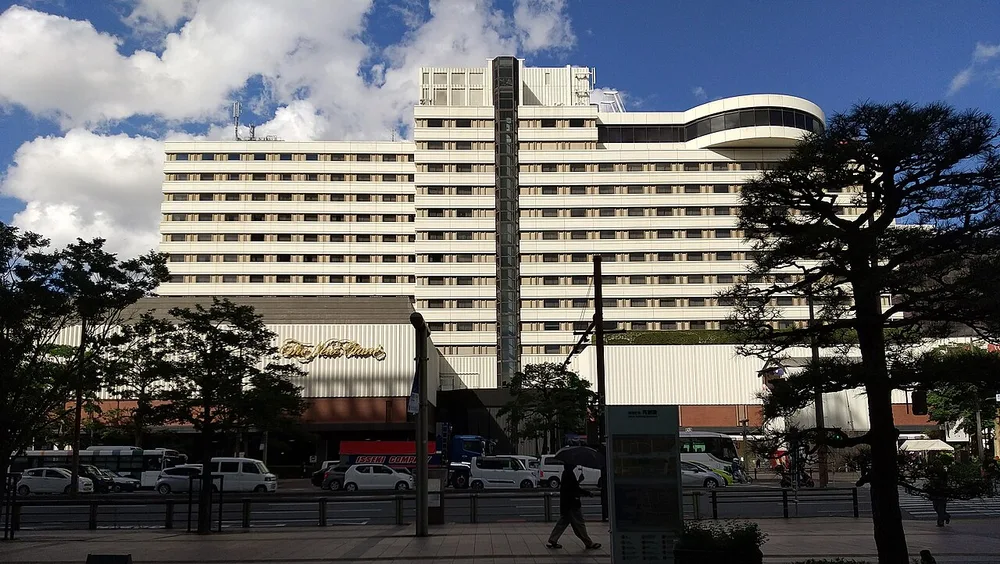
How to take the free shuttle bus to the subway after clearing customs at Fukuoka Airport's International Terminal, plus a comparison of direct buses to Hakata Chikushi Exit and Tenjin, fares, payment methods, Visit Japan Web, late arrivals, terminal transfers, and your return journey.
- Region & Focus
- Fukuoka
- Reading Scope
- 21 min read · 9 chapters · 7 Q&As
- Official Verification
- 27 official sources checkedUpdated 22 November 2026
- Key Topics
- Airport transfersRail travelFirst trip
Chapter Route Map (tap any stop)
- Arriving on 1F of the International Terminal: Check Your Hotel's Nearest Exit First
- How to Take the Free Shuttle Bus to the Kuko Subway Line
- Nishitetsu Direct Buses to Hakata and Tenjin: Different Payment Rules
- Navigating Visit Japan Web, Shared Kiosks, and Customs
- Heading Straight to Kumamoto or Yufuin on Arrival, or Staying in Hakata First?
- Late-Night Arrivals: Catching the Last Shuttle and Hotel Check-In
- Travelling with Children, a Wheelchair, or Heavy Luggage: Minimise Lifting and Stairs
- Connecting Between Flights at FUK: Treat It as Two Separate Terminals
- Keep Arrival Day and Your Return Journey Flexible
- Quick Q&A
Arriving in Fukuoka on an international flight, you will emerge onto the 1st floor (1F) of the International Terminal after clearing customs. From this same floor, you can either catch a direct bus to Hakata or Tenjin, or take the free shuttle bus to the Domestic Terminal and go downstairs for the subway. Once on the train, Fukuokakuko Station is roughly 5 minutes from Hakata and 11 minutes from Tenjin. Travel light or staying near a subway exit? Take the subway. Staying by Hakata's Chikushi Exit or Nishitetsu Tenjin Expressway Bus Terminal? Check which direct bus departs next once you clear customs.
Arriving on 1F of the International Terminal: Check Your Hotel's Nearest Exit First
Save your hotel's address and nearest station entrance on your phone before you land. A navigation pin that only says "Hakata Station" stops one step short. Nishitetsu's direct airport buses drop you on the eastern side at the Chikushi Exit; if your hotel is on the western Hakata Exit side, you will still have to walk right through the station after getting off. The subway, by contrast, lets you follow exit signs underground to pick your direction. If you are staying near the Chikushi Exit and a direct bus is leaving shortly, taking it saves hauling luggage onto a shuttle bus, down into the underground station, and back up to street level. If your hotel is outside the Hakata Exit, or you are heading inside the station to catch a JR train, compare routes using your hotel door or the transfer ticket gates as the destination.
Tenjin also has two station names that are easy to mix up. The Kuko Line from the airport stops at Tenjin, whereas Tenjin-minami belongs to the Nanakuma Line. A hotel listed under Tenjin may actually sit closer on the map to Tenjin-minami, Watanabedori, or even a walk away across an underground shopping arcade. Nishitetsu's direct express bus terminates at Nishitetsu Tenjin Expressway Bus Terminal, right beside Nishitetsu Fukuoka (Tenjin) Station. If your hotel is next to the bus terminal, the direct bus spares a lot of effort with heavy suitcases; if you are staying on the northern side of Tenjin Subway Station on the Kuko Line, following the subway exits is usually smoother. If it is raining, factor in that final stretch above ground as well.
If your hotel is near Kushida Shrine, Yakuin, or Tenjin-minami, take the Kuko Line from Fukuokakuko to Hakata and change inside the subway ticket gates by following the Nanakuma Line signs. Walking out of the gates at Tenjin to re-enter at Tenjin-minami charges two separate fares. To transfer on a single fare, use the connecting passage inside the gates at Hakata, and avoid following the crowds heading out towards JR lines. Kushida Shrine is the first stop on the Nanakuma Line from Hakata. If you are staying along the river in Nakasu, check the entrances of both Nakasu-Kawabata and Kushida Shrine stations on a map beforehand, and mark the exits with lifts if you have heavy bags—you will appreciate knowing where they are for the rest of your stay.
On the 1st floor (1F) of the International Terminal, look separately for the Connecting Bus (Renraku Bus) and Nishitetsu's "Hakata Station (Chikushi Exit)" and "Tenjin" stops. The free shuttle only moves you between the two terminals; to reach the city centre, you must still board the subway there. Nishitetsu's two direct routes each have their own bus stop, fare, and accepted payment methods. When travelling in a group, send one person ahead to check the destination on the front of the bus and the end of the queue while everyone else waits to the side with the luggage, rather than shuffling suitcases back and forth between adjacent bays.
| Transport Option | International Terminal Stop | Best Drop-Off Points | Adult Single Fare |
|---|---|---|---|
| Free shuttle + subway | Bus Stop 5 | Hakata, Gion, Nakasu-Kawabata, Tenjin, and other subway stations | ¥260 to Hakata or Tenjin |
| Nishitetsu Airport Bus | Bus Stops 6 & 7 | Hakata Station Chikushi Exit | ¥400 (¥380 with IC card or contactless credit card) |
| Nishitetsu Airport Express | Bus Stop 8 | Nishitetsu Tenjin Expressway Bus Terminal | ¥500 (¥480 with IC card) |
| Taxi | 1F taxi rank | Hotel entrance or any specified address | Metered fare plus applicable surcharges |
How to take the free shuttle bus to the subway after clearing customs at Fukuoka Airport's International Terminal, plus a comparison of direct buses to Hakata Chikushi Exit and Tenjin, fares, payment methods, Visit Japan Web, late arrivals, terminal transfers, and your return journey.
How to Take the Free Shuttle Bus to the Kuko Subway Line
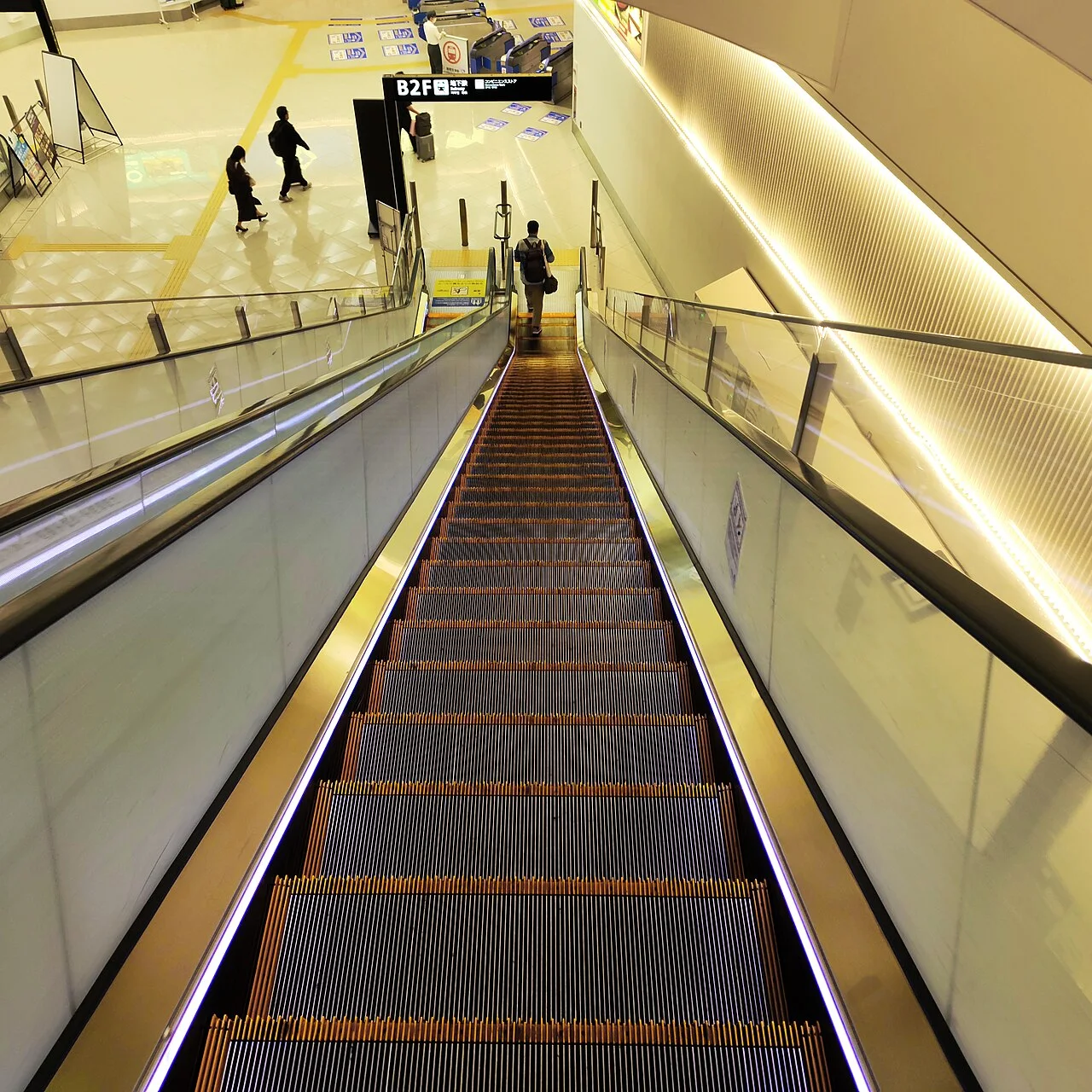
After clearing customs at the International Terminal, head outside to Bus Stop 5 for the free shuttle bus marked for the Domestic Terminal (Kokunaisen). The airport's transfer guide lists a journey time of roughly 10 minutes in each direction, on top of which you should allow time for waiting and walking into the station. You can board and alight through both the front and rear doors with no ticket or card tap required. The bus drops you on the southern side of the Domestic Terminal near subway entrances 1A and 1B, where escalators and stairs lead down. If you need a lift, step inside the Domestic Terminal to find the south-side lift down to the B2F subway concourse.
Domestic flight arrivals already land on the subway side of the airport. Leaving the South Arrival Gate, walk forward for the south-side lift or the escalator straight down to B2F; from the North Arrival Gate, turn right first. Do not follow the outdoor arrows for the Connecting Bus (Renraku Bus)—those are for passengers crossing over to the International Terminal. If you have come over on the shuttle from the International Terminal to catch a domestic flight, stay on the 1st floor (1F) to check in at your airline's counter before heading up to the 2nd floor (2F) for security.
Once inside Fukuokakuko Station on the Kuko Line, Hakata is two stops away, followed by Gion, Nakasu-Kawabata, and Tenjin. It pays to look at a Hakata Station layout map before you board: follow signs for "Shinkansen" for bullet trains, "JR Lines" for conventional limited express services, or simply pick an exit number if you are heading straight to your hotel. During busy periods, waiting for the next train is often easier than wedging large suitcases by the doors, particularly if someone in your party needs to reach the platform lift to exit.
A standard adult single fare from Fukuokakuko to either Hakata or Tenjin (on the Kuko Line) is ¥260. Nationwide interoperable transit IC cards such as Suica, ICOCA, and nimoca are accepted, and you can also tap a compatible contactless credit card at the dedicated readers on the ticket gates. Even if a mobile wallet and a physical card are linked to the same credit card account, use the exact same medium to tap both in and out. If you are travelling with children and need child fares, using a child IC card or buying age-appropriate tickets from a machine makes it much simpler to verify what you have been charged.
One paper ticket or one contactless card or device covers one passenger only. Two adults travelling together can have one person use a transit IC card while the other buys a single-journey ticket, passing through their respective gates and meeting under the exit sign. If you are only making the single trip from the airport to your hotel that day, pay the single fare. If you plan to take several subway rides later on, compare your planned legs against the Fukuoka City Subway 1-Day Pass at ¥640. Paper 1-day passes bought at ticket machines are valid on the day of purchase for the subway only; JR and Nishitetsu trains require separate fares.
Paying all day with the same eligible contactless credit card or the same mobile device on the Fukuoka City Subway also currently benefits from an official daily fare cap of ¥640. If you are unsure how many more trips you will make, sticking with one payment method all day avoids queuing to buy a paper pass. Keep in mind that if you tap in from the airport with Suica and later switch to a contactless credit card while out sightseeing, the earlier Suica fare will not count towards the card's daily cap. If you want attraction discounts tied to the 1-day pass, check beforehand which ticket format the venue requires you to show.
Keep your outbound and return directions clear in your head. Leaving Fukuokakuko Station, Hakata and Tenjin lie on the same line. Heading back to the airport—especially when boarding at Tenjin or other stations on the western stretch of the Kuko Line—check the destination display on the platform screen and board a train marked "Fukuoka Airport" (Fukuoka-kuko), as trains bound for Kaizuka also use the same platform. If you reach Hakata and realise your stop is actually on the Nanakuma Line, simply change lines inside the ticket gates.
Nishitetsu Direct Buses to Hakata and Tenjin: Different Payment Rules
The Airport Bus to Hakata Station's Chikushi Exit departs from Bus Stops 6 and 7 at the International Terminal, with Nishitetsu quoting a fastest journey time of 15 minutes. The standard adult fare is ¥400, or ¥380 when paying with a transit IC card or an eligible contactless credit card. This route is currently running a cashless boarding trial, so pay at the front door as you board at the airport using an IC card, a contactless credit card, or a pre-purchased bus ticket. On the return journey from Hakata Station Chikushi Exit, however, you must tap your IC card or contactless credit card both when boarding and when alighting—the payment timing differs depending on the direction.
Nishitetsu's non-stop Airport Express to Tenjin departs from Bus Stop 8 at the International Terminal and terminates at Nishitetsu Tenjin Expressway Bus Terminal. Under the revised timetable effective from 25 October 2026, weekday and weekend/public holiday schedules are listed separately, with journeys taking around 30 to 40 minutes depending on the departure. The adult cash or paper-ticket fare is ¥500, or ¥480 with a transit IC card; contactless credit cards are not accepted on this service. If you only have a contactless credit card on you, either buy a bus ticket for Tenjin or take the free shuttle to the Domestic Terminal and tap your card at the subway. On the Airport Express, Nishitetsu asks passengers with suitcases to load them into the underfloor luggage bay themselves; ask station or terminal staff beforehand if you need assistance.
Outdated screenshots can easily send you to the wrong stop for the return trip. Nishitetsu's direct airport bus from Hakata picks up outside JR Hakata Station's Chikushi Exit—there is no need to cross to the Hakata Bus Terminal on the opposite side of the station. From Tenjin, go to Boarding Bay 6 inside Nishitetsu Tenjin Expressway Bus Terminal, where buses for Fukuoka Airport International Terminal depart. Keep the Japanese stop names and bay numbers saved on your phone and pull up Nishitetsu's timetable for that exact direction on the day, making sure not to read the "From Airport" column when departing from the city.
The Tabito direct bus to Dazaifu also uses Bus Stop 8 at the International Terminal, queuing in the same area as buses for Tenjin, so check whether the front display reads "Dazaifu" or "Tenjin" before boarding. From the International Terminal, the Tabito bus takes you to Dazaifu for ¥700 standard adult fare, or ¥680 by transit IC card or contactless credit card. Although Hakata Bus Terminal appears on its route map, that is because services in this direction originate at Hakata and call at the airport to pick up passengers—if you want to go from the airport to Hakata, take the Airport Bus to the Chikushi Exit instead. Only decide whether to slot Dazaifu Tenmangu Shrine into your arrival day once you see how close your actual customs exit time is to the next departure.
You do not need to lock in the subway versus the direct bus until you step out of customs. For two adults heading to the Chikushi Exit, the shuttle-plus-subway route costs ¥520 in total, while the Nishitetsu bus with IC cards costs ¥760—a ¥240 difference to skip a transfer. Equally, if the next direct bus is a long wait away and you only have cabin bags, switching to the subway makes complete sense. Pick a default option before you fly, then compare the next departure time against the physical stops on 1F to confirm or switch on the spot.
Navigating Visit Japan Web, Shared Kiosks, and Customs
Before travelling, create an account on Japan's Digital Agency Visit Japan Web portal using your email address. Have your passport, arrival date in Japan, flight number, and first night's accommodation address ready, copying the address and phone number straight from your hotel booking confirmation. If you are staying at several hotels during your trip, enter only your first accommodation after landing for immigration purposes. Should your flight or first night's hotel change at the last minute, open that trip in the portal, update the details, and regenerate your QR code. Setting up an account and scanning your passport is not the same screen as completing the immigration and customs declarations for that specific trip—open your registered entry and test-tap "Display QR code" to confirm it loads properly.
After stepping off the aircraft, follow the arrivals signs for foreign nationals with your passport and QR code close to hand. Fukuoka Airport's International Terminal also operates Shared Kiosks (Kyodo Kiosk), with official operating hours listed as 07:00–21:00. These machines scan your e-passport and Visit Japan Web QR code to submit both immigration and customs data in one go. Once completed, travellers who use the kiosk proceed to the dedicated immigration lane for Shared Kiosk users to see an immigration officer, collect their checked bags, and follow signs to customs, where those not selected for inspection can exit through the facial-recognition gates.
If your flight arrives late, the kiosks have closed for the day, or staff direct you into the standard queue, show your QR code at the regular immigration desk first and then collect your luggage. At customs, scan your eligible e-passport and QR code at an electronic declaration terminal before walking through the electronic gate; keep any declarable items and receipts accessible in case inspection is required. If your phone battery dies or you cannot pull up the screen, ask staff for paper disembarkation and customs declaration forms and queue at the staffed counters instead.
Even when you register accompanying family members under a single Visit Japan Web account, you must complete the entry details for each person under that trip and switch profiles one by one to display each individual's QR code. Customs electronic declaration works strictly on a one-code, one-person basis. An official customs FAQ notes an exception allowing young children under 100 cm tall to pass through the gate alongside a family member following airport staff guidance—keep their passports handy and let an attendant know as you approach the electronic terminals. If all family details sit on one phone, arrange the passports in the same order before joining the immigration queue so you can swipe smoothly between screens. Friends or relatives coming to pick you up separately should arrange to meet in the 1F arrivals lobby outside the restricted area.
When several flights touch down back to back, bottlenecks can form either at passport control or at the baggage carousels. Filling in your forms ahead of time saves scrambling for hotel details at the desk, but you should still base onward bus or train bookings on when you actually walk clear of customs. If you have reserved a timed expressway bus or JR train, save the operator's contact number, change deadline, and booking reference on your phone. Regardless of how tight your connection looks, never leave without gathering all your checked luggage: if a bag is missing, take your baggage claim tag straight to the airline desk, and handle any ticket changes according to the fare rules of the ticket you bought.
Heading Straight to Kumamoto or Yufuin on Arrival, or Staying in Hakata First?
If your first night is in central Kumamoto, look at Bus Stop 11 at the International Terminal for the Hinokuni-go highway bus; Nishitetsu lists the adult single fare from Fukuoka Airport to Kumamoto Sakuramachi Bus Terminal at ¥2,500 (from the Domestic Terminal, board at Stop 9). Staying around Sakuramachi or Karashimacho tram stop means you can walk straight to your hotel from the highway bus terminal. If your hotel is right next to JR Kumamoto Station, taking the subway to Hakata and transferring to the Kyushu Shinkansen will usually drop you closer. Plot both terminals and your hotel on the same map before deciding which leg saves more walking.
When a map search only says "Kumamoto", narrow the destination down to either Sakuramachi Bus Terminal or JR Kumamoto Station before checking routes. If taking the Shinkansen, verify your train name and platform direction at Hakata against your ticket. JR Kyushu enforces an oversized baggage seat reservation rule whenever the sum of a suitcase's length, width, and height exceeds 160 cm (up to 250 cm), so book those seats in advance rather than discovering on the platform that you must return to the ticket office. If your connection looks tight, check the ticket exchange rules printed on your pass or reservation beforehand instead of compressing every transfer minute simply because the airport is only two stops from Hakata.
For Yufuin or Beppu, the airport lists Nishitetsu highway bus departures at International Terminal Bus Stop 10. Check that your booking confirmation specifies "Fukuoka Airport International Terminal" as the boarding point and verify the exact drop-off stop name. Buses direct to Yufuin and JR sightseeing trains departing from Hakata run on completely separate schedules. If your flight lands late and your ryokan has a cut-off for dinner service, work backwards from the inn's latest check-in time: if you can comfortably catch the highway bus, walk straight out to the stop; if not, spend the first night in Hakata so both reserved train seats and evening meals are far easier to coordinate. Our guide to choosing between Yufuin and Beppu for your stay can help you decide which base suits your first night best.
Highway buses to Kurokawa Onsen and Nagasaki also depart from the International Terminal. When checking timetables, select the terminal first, enter your destination, and expand the specific departure you want to inspect every stop along the way. Relying solely on the airport's destination map makes it easy to miss who operates the service, whether seat reservations are mandatory, and how changes work—for instance, only certain Nishitetsu Hinokuni-go services to Kumamoto require booking, so do not assume the same rules apply to Yufuin or Kurokawa. Pick a backup route you can live with and note your accommodation's latest check-in time when booking.
If you want to pick up a JR Kyushu Rail Pass (Northern Kyushu or All Kyushu) straight away, there is an exchange counter on 1F of the International Terminal. Open daily from 09:00–17:00, it swaps exchange orders bought through travel agents or the JR Kyushu website for the physical pass and pre-booked reserved seat tickets. You must present your passport and exchange order, plus the original credit card used for online JR purchases. Buying new passes, changing tickets, or requesting refunds requires a separate JR ticket office. If you clear customs after 17:00, drop your bags in Hakata first and head to JR Hakata Station, where JR Kyushu lists the collection counter for both passes as open daily from 07:00–22:00—splitting ticket collection from travel day also means you will not be dragging suitcases around the ticket office the next morning before a reserved train.
Late-Night Arrivals: Catching the Last Shuttle and Hotel Check-In
If you are aiming for the subway off a late arrival, check the "Departing International Terminal" timetable on the airport's connecting bus page alongside the Fukuokakuko Station subway schedule. As checked on 22 November 2026, the last shuttle bus departs the International Terminal at 23:21, running at roughly 15-minute intervals after 22:00. Note that 23:21 is the exact time the bus pulls away from the International Terminal bay. If your flight touches down at 23:00, you still have disembarkation, the walk to passport control, baggage claim, and customs ahead of you—you will only know whether you can make it once you reach 1F. Use any flight delay alerts and your actual customs exit time to decide whether to head for the bus bay or go straight to the taxi rank.
Even if you make the final shuttle, your next hurdle is the last subway train from Fukuokakuko and the last connecting trains in town. Fukuoka City Subway publishes separate weekday and weekend/holiday timetables for Fukuokakuko Station, and late trains terminate at different stops. If you are staying in Yakuin or Watanabedori, check first whether you can still make the Nanakuma Line connection at Hakata; if only the Kuko Line is still running, pick a convenient stop to alight and finish the final stretch by taxi. If you spot a late-night airport bus still operating, verify which terminal it leaves from and whether it actually serves your stop—crossing to the other terminal only to find no suitable bus risks adding an extra leg.
A taxi is the simplest fallback when you have heavy bags, land late, or need door-to-door drop-off, with ranks on 1F outside both terminals. Because a single hotel chain sometimes operates two branches near Hakata Station, show the driver the hotel's full Japanese name, street address, and map pin. If you have a wheelchair or an unusually large pile of luggage, tell the rank attendant the number of passengers, wheelchairs, and bags so they can call an appropriate vehicle. The airport advises booking accessible (welfare) taxis with operators in advance; when reserving, specify your landing window, party size, and wheelchair dimensions.
Save your hotel's latest check-in time and any after-hours entrance instructions in a single screenshot before departure. If a flight delay pushes your arrival past your stated check-in window, contact the hotel while you are still at the airport to give your revised ETA and ask about self check-in or late-night door codes. If a group splits across two taxis, make sure both cars have the address and agree to meet in the hotel lobby. For a late first-night meal, pick a restaurant still taking orders near the hotel or grab something simple on the way rather than spending your last half-hour before curfew wandering off-route in search of dinner.
Travelling with Children, a Wheelchair, or Heavy Luggage: Minimise Lifting and Stairs
Pushing a buggy makes the difference between a five-minute subway ride and a five-minute walk along the platform painfully obvious. When arriving from the city by subway and needing a lift to reach the International Terminal shuttle, the airport's signed accessible route exits through the Domestic Terminal Building ticket gates, takes the south-side lift up to 1F, and turns right out of Entrance A to Shuttle Stop 1. Going the other way into the city, enter the Domestic Terminal from the south side and take the south-side lift down to B2F. All inter-terminal shuttle buses are equipped with wheelchair ramps. When travelling with children, assign one adult to the pushchair and the other to the bags, and pack away loose totes while waiting at the stop so your hands are free the moment the doors open.
Identify the lift exit at your destination station before you travel. At Tenjin Subway Station, the handiest escalator exits for street-level hotels do not always have lifts, and Hakata Station uses separate exits for JR connections and street access. If anyone in your group struggles with long walks, measure the longest single walking stretch between the terminal, destination station, and hotel first—that will tell you whether paying the extra fare for a direct bus or taking a taxi is worth it. If a mobility aid needs securing or cannot fold, send its dimensions to the bus or taxi operator ahead of time; inside the subway, ask station staff to point out the transfer lifts.
On 1F of the International Terminal you will find baggage storage, coin lockers, and courier counters—decide early where and when you want your bags back. If you are heading straight into the city to check in, dropping bags at your hotel is usually far more convenient than leaving them at the airport to retrieve at night. If you plan to head straight to Dazaifu or go shopping in Tenjin upon landing, look at the CARGO PASS city-hotel delivery service on 1F: the airport lists counter hours as 08:00–19:30, with same-day delivery to participating hotels requiring drop-off before 14:00 for collection at your hotel from 18:00. Note that although the counter stays open into the evening, the same-day delivery cut-off falls early in the afternoon.
Before handing a suitcase to a delivery counter, take out everything you will need that day—passports, medication, nappies, charging cables, and a change of clothes—and double-check you have not packed the next day's train tickets or hotel confirmations inside. If you use coin lockers, photograph both the locker number and nearby floor signage; remember that lockers left in the International Terminal mean taking the shuttle back over if you arrive later by subway. For a layover of just a few hours when your onward journey leaves from the opposite terminal, storing bags at your departure terminal is far smoother than leaving them where you landed.
Car hire makes sense if you are heading straight out into the countryside after landing and can pick up the vehicle within the rental desk's opening hours. Car rental desks are located on 1F of the International Terminal, whereas the Domestic Terminal has no equivalent desks inside the terminal. If your booking specifies the "Fukuoka Airport" branch, check whether you report to the 1F counter after customs, meet at a designated exit, or take a company shuttle to an off-site depot. Leave a buffer after baggage claim for shuttle waits, vehicle walkaround checks, and fitting child seats. If your first day is purely in central Fukuoka, wait until the morning you leave the city to pick up a car and save yourself a night of parking fees.
Connecting Between Flights at FUK: Treat It as Two Separate Terminals
When arriving in Fukuoka on an international flight to connect onwards to a Japanese domestic flight, you must clear immigration first, collect your checked bags and pass through customs as instructed by your airline, then take the shuttle bus from 1F of the International Terminal. After arriving at the south side of the Domestic Terminal, check any bags back in at the airline counters on 1F with your travel documents ready; security and the departure hall are on 2F. Always follow the itinerary instructions provided by your operating carrier—if baggage transfer or check-in steps are unclear, ask at check-in for your first flight which carousel to use in Fukuoka and when baggage drop closes for the domestic leg.
A domestic-to-international connection runs in reverse. Board the shuttle at Bus Stop 1 on the south side of 1F outside the Domestic Terminal, alight on 1F of the International Terminal, and head straight up to 3F for airline check-in and security. If arriving at the airport by subway for an international departure, simply use the Domestic Terminal exit closest to the shuttle stop—there is no need to retrace steps down to the platform. At the International Terminal, complete check-in and bag drop before checking your gate; if your inbound flight arrives early and you want a meal, check the queue lengths after dropping your bags first.
If you booked two separate tickets, work backwards from the second flight's check-in or bag-drop deadline, factoring in baggage collection, walking to the bus stop, waiting for the shuttle, and heading upstairs on arrival. Suppose your first flight is scheduled to land at 13:00 and the next departs at 14:15: check exactly when check-in closes for the 14:15 flight before deciding whether that ticket is viable. The shuttle ride itself is around 10 minutes, and plugging only that number into your comparison misses the walk and queues at both ends. When both sectors are on one through-ticket and the airline guarantees the connection, note down the primary contact desk for rebooking and alert the operating carrier straight away if your inbound flight is delayed.
When separate airlines issued your tickets and missing the connection means buying a new fare at your own expense, weigh the cost of booking a later flight or an overnight stay against the risk of forfeiting a ticket. For an overnight layover, your morning departure terminal dictates your first leg from the hotel: subway-linked hotels give effortless access to the Domestic Terminal, whereas International Terminal departures require adding the free shuttle. For an early-morning flight, plan backwards from the moment your airline's check-in desk opens and closes, working back to when you need to arrive on 3F.
Keep Arrival Day and Your Return Journey Flexible
If you land before midday and stay in Hakata for your first night, plan just to drop your bags and have a meal, leaving the rest open until you actually clear the airport. If your hotel is near the Hakata Exit, strolling towards Gion or Kushida Shrine once your bags are stowed is far more pleasant than dragging suitcases through shopping arcades. If you intend to board a JR train straight away on arrival day, choose a fare that allows same-day changes or keep departure options open, and only confirm a meeting time with anyone waiting down the line once your flight, luggage, and whole group are together. For an adaptable first evening in town, take a shorter loop from our three-day Fukuoka itinerary.
Arriving in Tenjin around early evening works well if you eat near the bus terminal or your hotel. If someone in your group needs an early night, split up only after checking in and dropping your bags. When choosing between Hakata and Tenjin for your final night, early-morning flights generally favour whichever hotel door gives the easiest walk to first-morning transport, while late departures leave time to browse shops. If you are returning to Fukuoka from Yufuin or Kumamoto on the day you fly home, factor in the time needed to retrieve bags from station lockers or your hotel before leaving room for a final meal. Our comparison of Hakata and Tenjin hotels breaks down the pros and cons of each base.
For your international flight home, check in on the 3rd floor (3F) of the International Terminal—after completing customs verification first if you bought tax-free goods in the city. Check when your airline closes check-in and bag drop, then count backwards from the time you must reach 3F to set your departure time from town. Taking the subway means building in time to exit the gates at Fukuokakuko, wait at Bus Stop 1 on 1F of the Domestic Terminal, ride the shuttle, and go up to 3F. If taking a direct bus, leave extra road buffer during weekday rush hours or busy holiday weekends; if booking a private or group transfer, time pickup so the whole party makes the bag-drop cut-off.
If an early flight requires reaching the terminal before the first public transport runs, book a taxi or private car from your hotel straight to the International Terminal departure level. During operating hours, note that the first subway into the Domestic Terminal and the first shuttle over to the International Terminal run on two separate timetables—do not look only at the first train. On the airport timetable checked on 22 November 2026, for instance, the first shuttle departs the Domestic Terminal at 06:00. Check whether an early subway arrives in time or requires waiting for that bus, and add time to reach 3F afterwards. Pack the night before, confirm where to leave your key for early checkout, and if your hotel has two entrances, arrange to meet the driver at the door where cars can pull in.
From 1 November 2026, participating tax-free shops in Japanese cities charge the tax-inclusive price at purchase. Items bought under tax-free procedures must leave Japan within 90 days of purchase and undergo customs confirmation at departure before the shop processes your refund. When flying home internationally from Fukuoka, take your passport and all tax-free goods up to 3F of the International Terminal first to complete customs confirmation before checking in and dropping bags with your airline. Fukuoka Airport's confirmation kiosks sit in front of Counters J to M on the south side, with both the kiosks and the adjacent inspection desk open from 06:00–21:00; if the machine returns a "RED" result, step straight to the officer beside it for inspection. Travellers using Visit Japan Web can connect to the dedicated customs Wi-Fi on the same floor to complete the process.
Anything you need to pack inside checked luggage should be bought in town, packed neatly at your hotel, or picked up at terminal shops before you hand over your bags—international security enforces the standard 100 ml per-container limit on hand-luggage liquids and gels. Once through security, check your boarding gate and boarding time before browsing duty-free souvenirs. When booking your flights and hotels, note down your departure terminal, check-in floor, and preferred airport transfer early on, and pin any shops you ran out of time for on your map for a future trip.
A few useful answers
Is there a subway station at Fukuoka Airport's International Terminal?
Fukuokakuko Subway Station is underneath the Domestic Terminal on basement level 2 (B2F). Take the free shuttle bus from Bus Stop 5 on 1F of the International Terminal to the Domestic Terminal to board the Kuko Line; trains take about 5 minutes to Hakata and 11 minutes to Tenjin.
Can I pay by contactless credit card on both direct airport buses?
Nishitetsu's Airport Bus to Hakata Station Chikushi Exit accepts eligible contactless credit cards at the discounted adult fare of ¥380. On the Nishitetsu Tenjin Airport Express, however, the ¥480 discounted fare is for transit IC cards only; cash or standard tickets cost ¥500.
Can travelling family members share a single Visit Japan Web QR code?
You can register family members under one account, but when using the electronic customs declaration gates, each traveller needs their own QR code and individual submission. An exception exists for young children under 100 cm tall—let airport staff know beforehand so customs officers can guide them through with you.
Do I still need to queue for immigration after using Fukuoka Airport's Shared Kiosk?
Yes. The Shared Kiosk collects your immigration and customs details in advance, after which kiosk users proceed to a dedicated immigration counter to see an officer, collect checked luggage, and follow the signs through customs.
Where do I catch the free shuttle bus back to the International Terminal?
Wait at Bus Stop 1 on the south side of the Domestic Terminal's 1st floor (1F). Arriving by subway with a pushchair or wheelchair, leave via the Domestic Terminal Building ticket gates, take the south-side lift up, and turn right out of Entrance A.
Can I travel straight from Fukuoka Airport to Yufuin at night?
Check the last highway bus departure from the International Terminal to Yufuin alongside its arrival time and your ryokan's latest check-in or dinner cut-off. If the timings do not line up that evening, stay in Hakata overnight and catch a JR train or highway bus from the city the next morning.
Can I take a bus directly from the airport to Dazaifu on arrival day?
Yes. Wait at Bus Stop 8 on 1F of the International Terminal for the Tabito bus bound for Dazaifu; the standard adult fare is ¥700, or ¥680 with a transit IC card or contactless credit card. Buses for Tenjin also use Bus Stop 8, so check the front display before boarding.
Official information and references
Sources used in this guide.
- Fukuoka Airport | Subway, Shuttle Bus Stops, and Step-Free Terminal Routes
- Fukuoka Airport | Domestic & International Terminal Free Shuttle Timetable
- Fukuoka Airport | Inter-Terminal Transfers and Check-In Floors
- Fukuoka Airport | Bus Stops by Destination
- Fukuoka City Subway | Fare Zones and Inter-Station Distance Chart
- Fukuoka City Subway | 1-Day Pass
- Fukuoka City Subway | Nanakuma Line Transfers at Hakata and Separate Fares at Tenjin
- Fukuoka City Subway | Travel Times and Network Map
- Fukuoka City Subway | Station Timetables
- Fukuoka City Subway | How to Ride with Contactless Payment
- Nishitetsu | Direct Bus from International Terminal to Hakata Station Chikushi Exit
- Nishitetsu | Tenjin Airport Express Timetable and Fares
- Nishitetsu | Dazaifu Liner 'Tabito' Route and Fares
- Nishitetsu | Kumamoto Highway Bus 'Hinokuni-go' Fares and Reservations
- Digital Agency of Japan | Visit Japan Web User Guide
- Japan Customs & Immigration Services Agency | Fukuoka Airport Shared Kiosk Procedure
- Japan Customs | Shared Kiosk Operating Hours by Airport
- Japan Customs | Electronic Declaration Gate FAQ
- Japan Customs | Procedures of Passenger Clearance
- Fukuoka Airport | Mobility Assistance, Lifts, and Accessible Transport
- Fukuoka Airport | International Terminal CARGO PASS Baggage Delivery
- Fukuoka Airport | Car Rental Desks and Booking Guide
- Fukuoka Airport | International Departures: Check-In, Security, and Carry-On Baggage
- Fukuoka Airport | Tax-Free Departure Confirmation from November 2026
- JR Kyushu | Shinkansen Oversized Baggage Seat Rules
- Fukuoka Airport | International Terminal JR Kyushu Rail Pass Exchange Counter
- JR Kyushu | Rail Pass Collection Locations and Opening Hours