Mifuneyama Rakuen’s 2026 autumn festival runs November 6–December 6. Plan day and night tickets, Mirror Pond, the great maple, Takeo-Onsen Station connections, wet-weather slopes and an overnight hot-spring stay, with location photos, Google Maps and an earlier official night-view video.
- Region & Focus
- Kyushu
- Reading Scope
- 31 min read · 17 chapters · 8 Q&As
- Official Verification
- 11 official sources checkedUpdated November 9, 2026
- Key Topics
- ItinerariesSeasonsKyushu
Chapter Route Map (tap any stop)
- Choose an afternoon and evening, or split your autumn walks into two visits
- 2026 dates and hours: November 6 opening, with day and night divided at 17:30
- Day, night or combined ticket: calculate for your group first
- From Hakata to Takeo, then the final connection to the garden
- Distinguish the north-exit foliage shuttle, south-exit route bus and hotel pickup
- Start with the cliff and pond to understand the garden in daylight
- Choose your focus among the maple tunnel, great maple and Mikaeri-zaka slope
- Visit Mirror Pond twice: once for the route, once for reflections
- After 17:30, keep night viewing on familiar paths
- Rest at Haginoo Tea House before the light changes
- Strollers, wheelchairs and rain: plan for two steep slopes and return-route steps
- Staying at Mifuneyama Rakuen Hotel: arrange ages, dinner and pickup first
- Give hotel art and Rakan no Yu their own time slots
- A day trip from Hakata: arrive after lunch and return to the station after night viewing
- One night in Takeo: check in first and put dinner between garden walks
- Romon Gate, Motoyu and Takeo Shrine: choose one town walk next day
- Pack your budget and belongings around departure time
- Quick Q&A
To see both daytime foliage and nighttime reflections at Mifuneyama Rakuen, arrive in the afternoon, revisit Mirror Pond after 17:30, then return to Takeo Onsen for dinner or an overnight stay. The 2026 autumn festival runs November 6–December 6. An adult day-and-night ticket costs ¥900; a single-period ticket costs ¥600. Decide first whether to return to Hakata or stay in Takeo, then choose tickets and transport. This is easier than filling the whole day with sights first.
Choose an afternoon and evening, or split your autumn walks into two visits
Give Mifuneyama Rakuen one continuous visit. Learn the paths and see leaves and cliffs in the afternoon, then return to the pond after dark. Paths you have already walked are easier to recognize at night. For a first visit, we suggest roughly 14:30–19:00 for the garden, a break and illuminated foliage. This is an editorial itinerary suggestion; shorten it for lunch, your group’s pace or return trains. First arrange transport and dinner for after you leave.
For nighttime reflections alone, eat an early dinner in Takeo, then enter with a night-only ticket and focus on the pond and trees that interest you. A daytime ticket also suits older relatives, preschool children or an early start next morning: see the cliff backdrop and pondside leaves, then leave for the hotel in daylight. A complete visit in one period is usually more comfortable than staying until every sight is lit.
An overnight stay adds another option: see illuminated leaves on arrival evening, then the daytime garden after breakfast. Guests at Mifuneyama Rakuen Hotel and Onyado Chikurintei enter free, making it easier to split walks, rest in the room and return for other angles. Ordinary ticket holders visiting again next day should budget a separate ticket. Count a same-day combined ticket separately from a two-day itinerary.
Mifuneyama Rakuen’s 2026 autumn festival runs November 6–December 6. Plan day and night tickets, Mirror Pond, the great maple, Takeo-Onsen Station connections, wet-weather slopes and an overnight hot-spring stay, with location photos, Google Maps and an earlier official night-view video.
2026 dates and hours: November 6 opening, with day and night divided at 17:30
The garden’s 2026 autumn festival notice gives Friday, November 6 through Sunday, December 6, open daily and in rain. Daytime hours are 08:00–17:30; nighttime is 17:30–22:00. To see both on one day, use 17:30 as the midpoint. Finish walks that need a clearer view of the ground before then, and leave pond lighting and a short route afterward for an easier return plan.
The Takeo Tourism Association gives mid-November to early December as the foliage period in previous years. Use this as a range for accommodation searches, then choose a weekday or weekend you can visit. Mixed colors and a fully red canopy are different preferences. If your companions mainly want an evening walk, a convenient travel date may matter more.
For early-November Kyushu travel, place Mifuneyama in your Takeo itinerary on or after November 6. In early December, mark the December 6 closing date to avoid crossing into another season’s opening schedule. The homepage lists seasonal activities; the autumn festival, other seasonal garden events and hotel art have their own hours. Write the activity you want alongside your booking dates to keep them distinct.
Day, night or combined ticket: calculate for your group first
For the 2026 autumn festival, one daytime or nighttime entry costs ¥600 for adults and ¥300 for elementary school children. Adult pricing begins at junior high school age. The day-and-night ticket costs ¥900 for adults and ¥400 for elementary pupils. If you will stay from afternoon into evening, the combined ticket makes the budget clear: ¥300 more per adult or ¥100 more per elementary pupil covers both daylight walking and night lighting on the same day.
For two adults and two elementary pupils, one period totals ¥1,800 and the combined ticket totals ¥2,600, a difference of ¥800. Buying separate day and night single tickets would total ¥3,600. For two adults alone, the totals are ¥1,200 for one period or ¥1,800 combined. Compare this difference with dinner, transport and children’s rest needs before everyone makes separate decisions at the gate.
Guests at Mifuneyama Rakuen Hotel or Onyado Chikurintei have free garden admission and can budget for accommodation, dinner and transport instead. Follow the hotel’s entry procedure and allow time at reception. Other visitors should retain tickets and follow staff directions at the day-to-night changeover. If someone leaves early, agree on the final meeting place before deciding how long each person will stay.
From Hakata to Takeo, then the final connection to the garden
The garden’s access page describes about 1 hour 10 minutes by JR limited express from Hakata to Takeo-Onsen Station, followed by about five minutes by taxi. For a day trip, allow separately for leaving the platform, finding the exit, waiting for transport and buying garden tickets. If your visit starts in the afternoon, lunch in Takeo removes a task from the evening. Store luggage at your arranged location first and take a small bag.
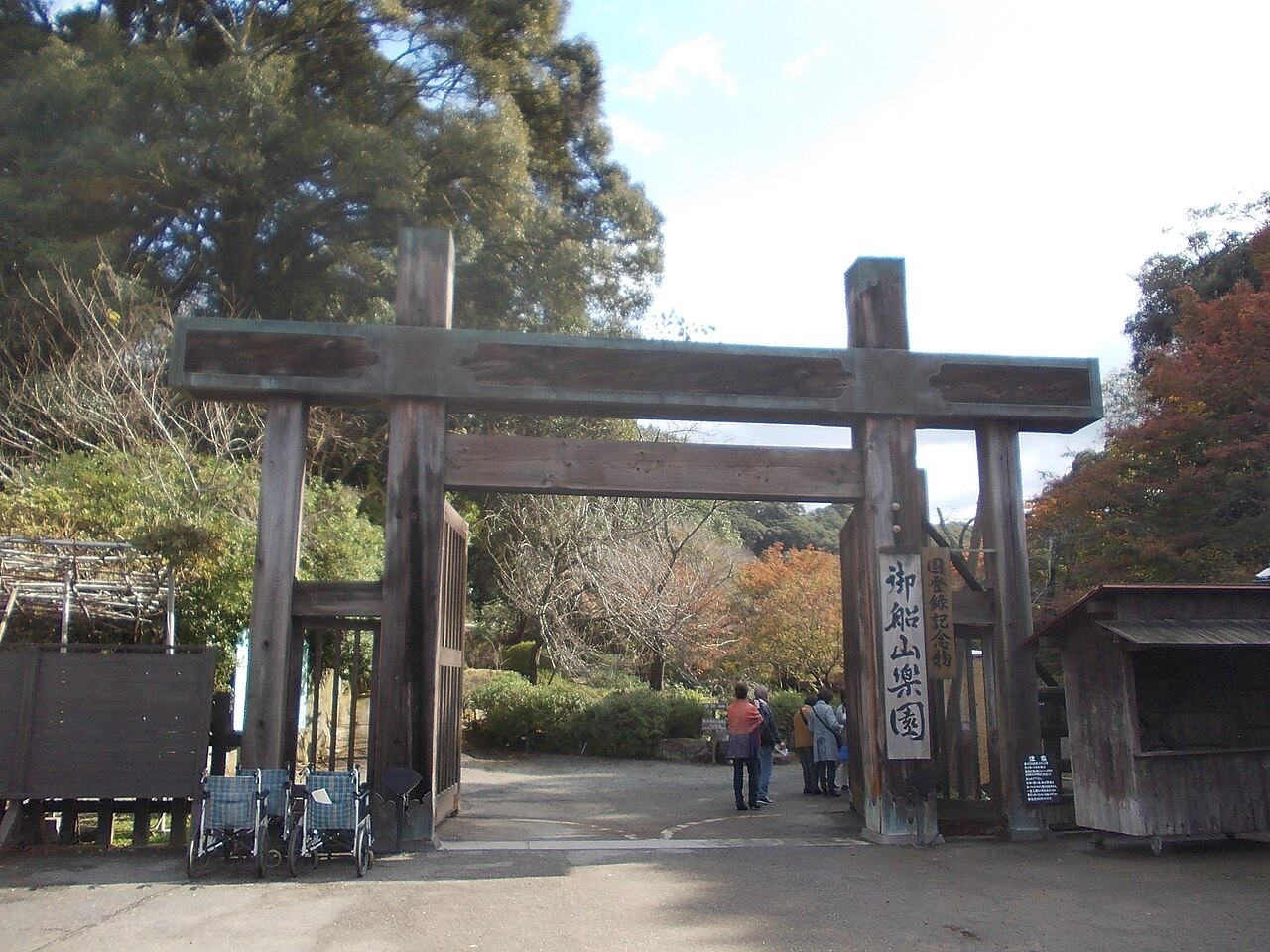
JR Kyushu explains the relay transfer at Takeo-Onsen for the Nishi Kyushu Shinkansen, connecting conventional limited-express trains with the Shinkansen toward Nagasaki. If Takeo is your destination, simply exit there. Search with Takeo-Onsen as the arrival station to see the actual leg you need. For a later stay in Nagasaki or Ureshino, put onward travel on the next day so you can spend the evening in Takeo.
Before departure, choose a main train back to Hakata and a later alternative. Work backward for leaving the garden, returning to the station, collecting luggage and finding the platform. Leaving around 19:00 creates a different dinner plan from staying until 21:00. Either works if your reserved train is a clear return point. For a town hot-spring visit too, an overnight stay gives more room.
Distinguish the north-exit foliage shuttle, south-exit route bus and hotel pickup
The Takeo Tourism Association’s autumn 2026 page lists a free shuttle between Takeo-Onsen Station’s north exit and Mifuneyama Rakuen on festival Saturdays, Sundays and national holidays. It runs 08:00–22:00, with three round trips per hour planned and no reservation required. Record “north exit” in your itinerary and locate the meeting place on arrival. Leave waiting time on the return rather than making a tight train connection when everyone is tired.
On weekdays, use the JR Kyushu Bus Ureshino Line, whose route map includes Takeo-Onsen Station’s south exit and Mifuneyama Rakuen stop. The operator separates weekday and weekend/holiday schedules, with different tables for Takeo to Ureshino and Ureshino to Takeo. Save both directions: from Takeo outward and toward Takeo on the return. If evening services do not connect with your chosen train, plan a taxi for that leg and keep your intended night-view visit.
Mifuneyama Rakuen Hotel has a separate station pickup for guests. The hotel FAQ lists 14:00–18:30 service, requiring a telephone reservation by 21:00 the day before check-in. Connect your train arrival with the pickup, check in, then enter the garden. Day visitors use the foliage shuttle, route bus or taxi. Tell the hotel your luggage count when reserving so you can proceed to check-in on arrival.
Start with the cliff and pond to understand the garden in daylight
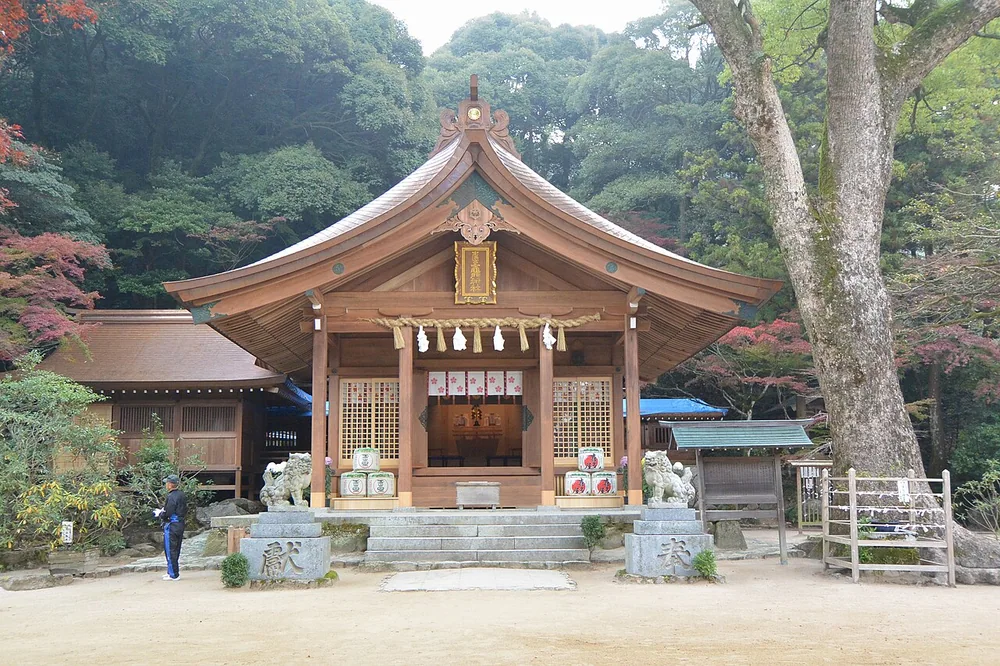
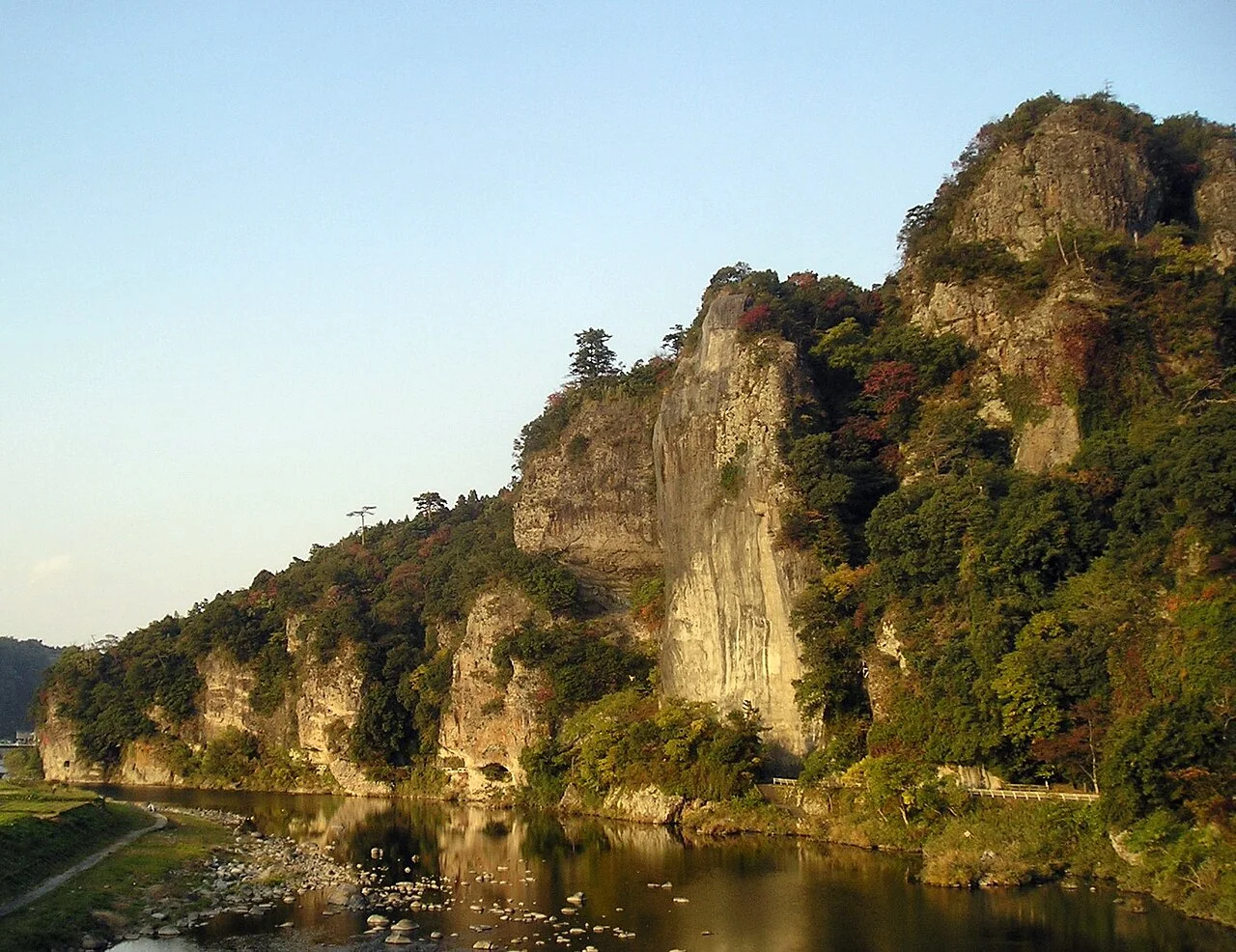
Mount Mifune’s cliff is the garden’s clearest backdrop. Stop where you can see both cliff and pond, note how the shore, slopes and woodland paths connect, then choose your direction. Take a wide photo including the cliff, canopy and water before closer maple views. Together, the two distances help show the route when you organize photos later.
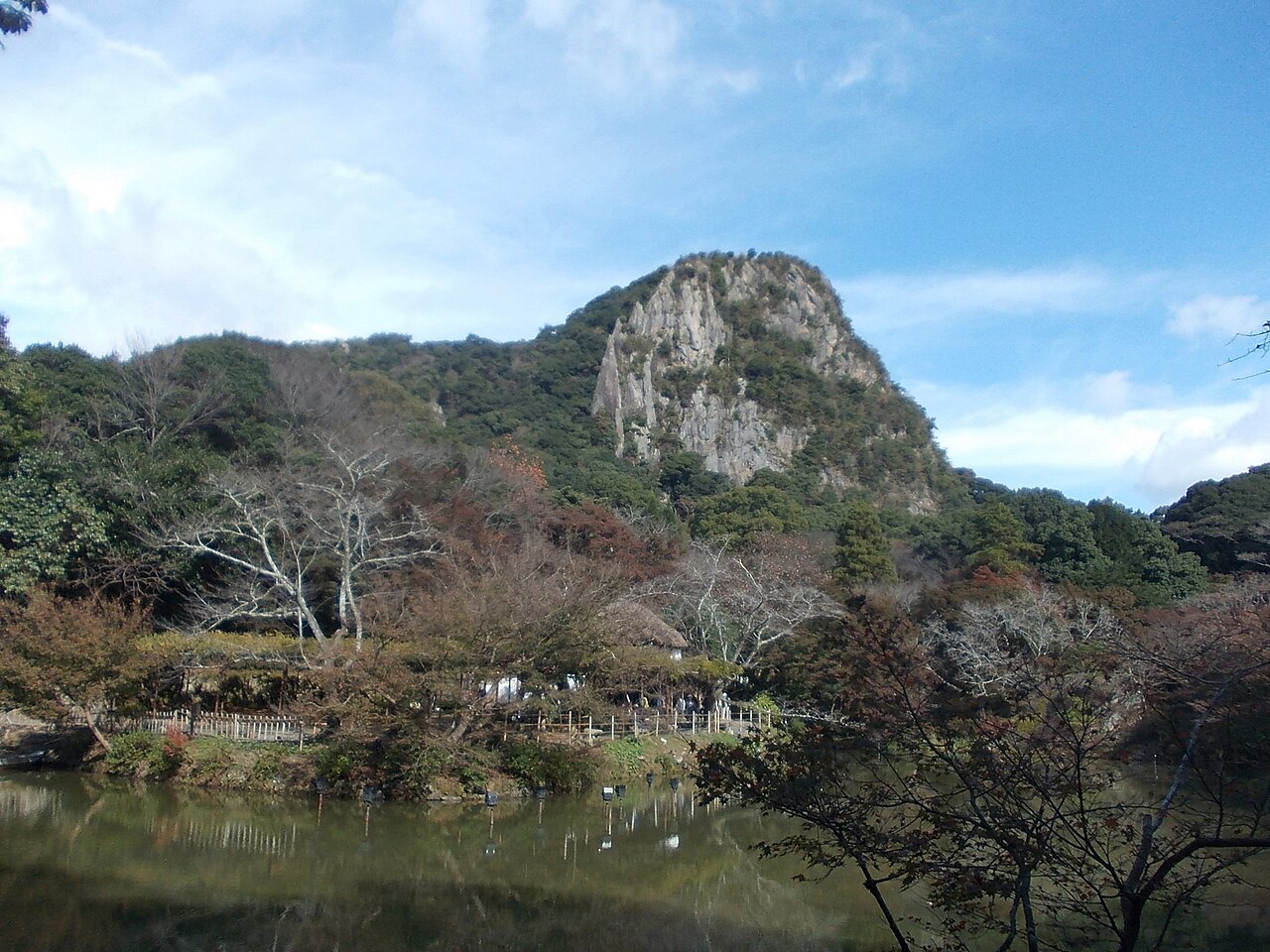
The garden describes its grounds as 500,000 square meters, with a pond-centered strolling layout borrowing the scenery of 210-meter Mount Mifune. Photographers can spend a long time near the entrance. First allow a continuous walk to your priority shore and trees, then return for other angles. If companions have different interests, agree to meet at one broad, recognizable spot so photographers can stop and walkers can keep their own pace.
Notice the season in the photos too. The rounded azalea plantings of spring make the cliff and woodland shapes stand out in autumn. At the pond, see how colors continue from the shore into reflections. Give landforms, trunks and water their own attention. Returning at dusk to a familiar place under different light is more relaxed than finding your way for the first time after dark.
Choose your focus among the maple tunnel, great maple and Mikaeri-zaka slope
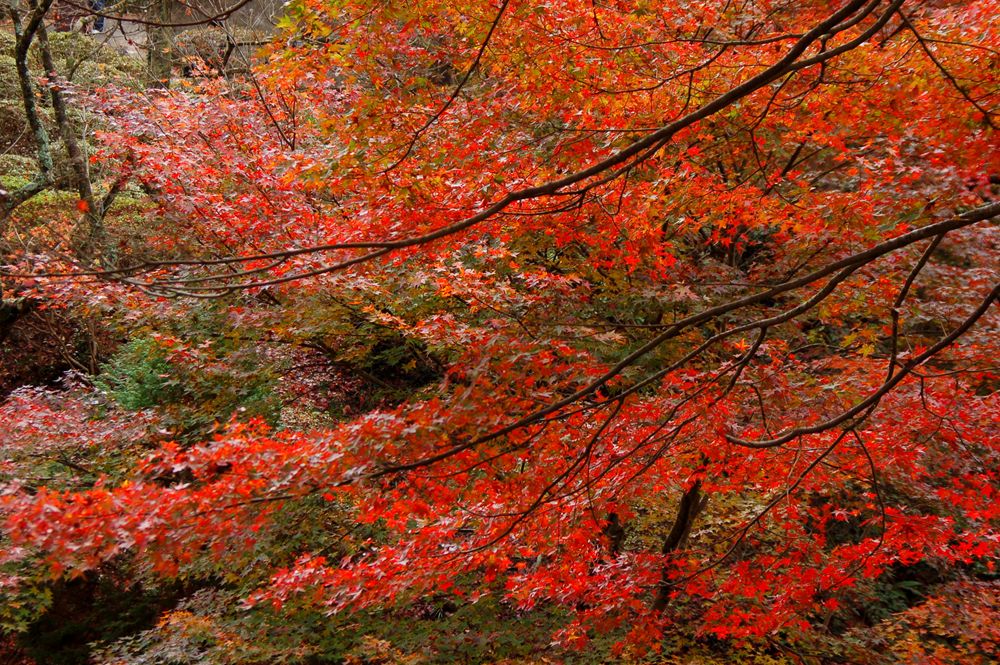
The festival page lists the maple tunnel, Mikaeri-zaka and a 170-year-old great maple. See them while daylight remains. For the canopy, look up under the tunnel at crossing branches. For a whole-tree shape, make the great maple your main stop. On Mikaeri-zaka, stop somewhere safe and clear of the path to look back. Seeing one or two places closely is more interesting than rushing for a photo at every point.
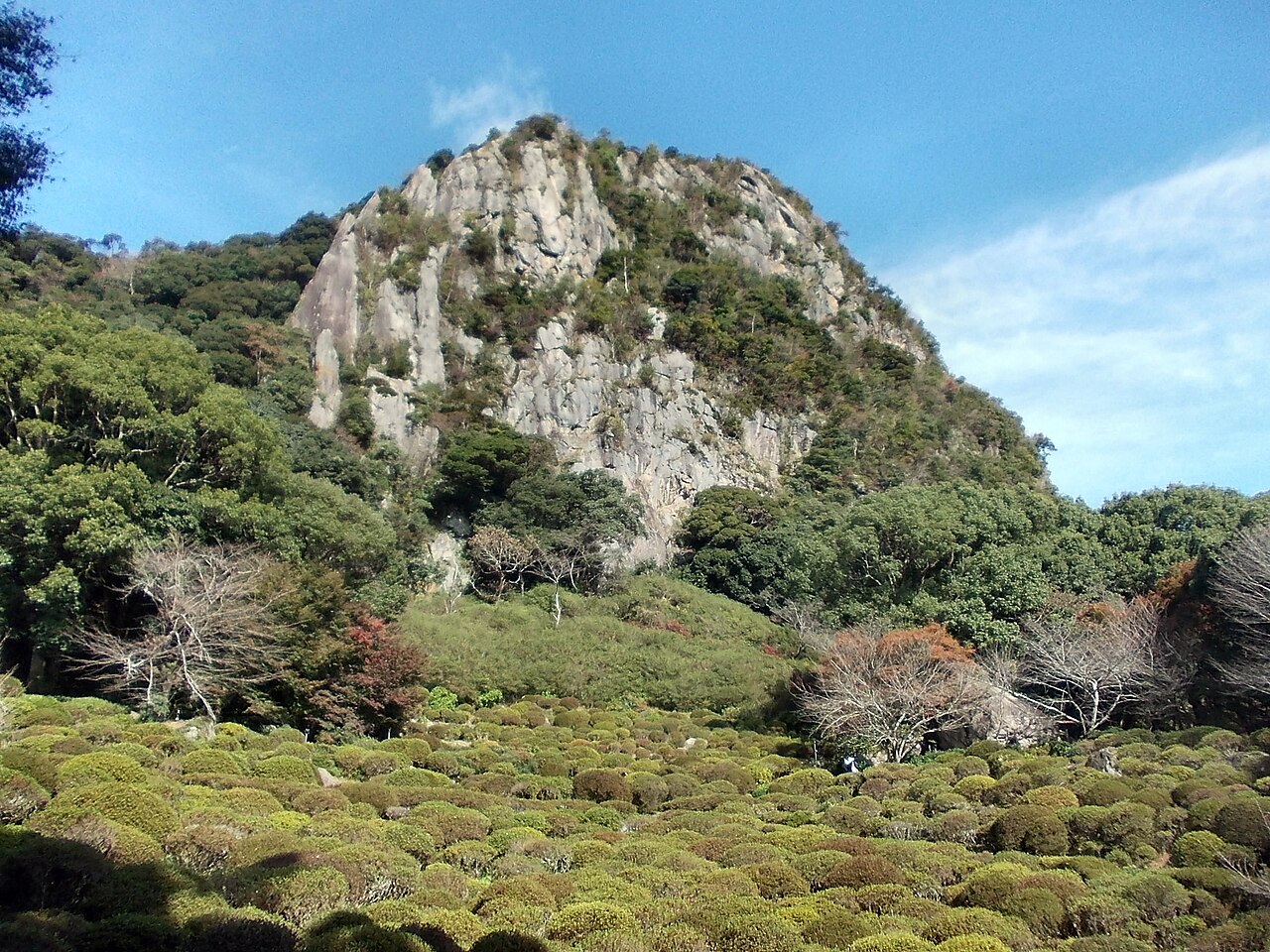
Slopes in a mountain garden change how demanding a route feels. Put the camera away while climbing and photograph on level ground. On descents, leave space between companions instead of following closely in each other’s steps. For knee discomfort, focus on the pondside and leave harder slopes to those with energy. Use a specific meeting place and time so everyone knows where separate walks end.
Take close-ups and wide garden views separately. For details, choose layers of leaves without crowding under trees. For wide views, step back to include paths, cliffs or water. For a family photo, stand securely beside the route, let one member take it, then free the space. Walk through crowded sections and look for a gap when you return to the pond to keep the visit moving.
Visit Mirror Pond twice: once for the route, once for reflections
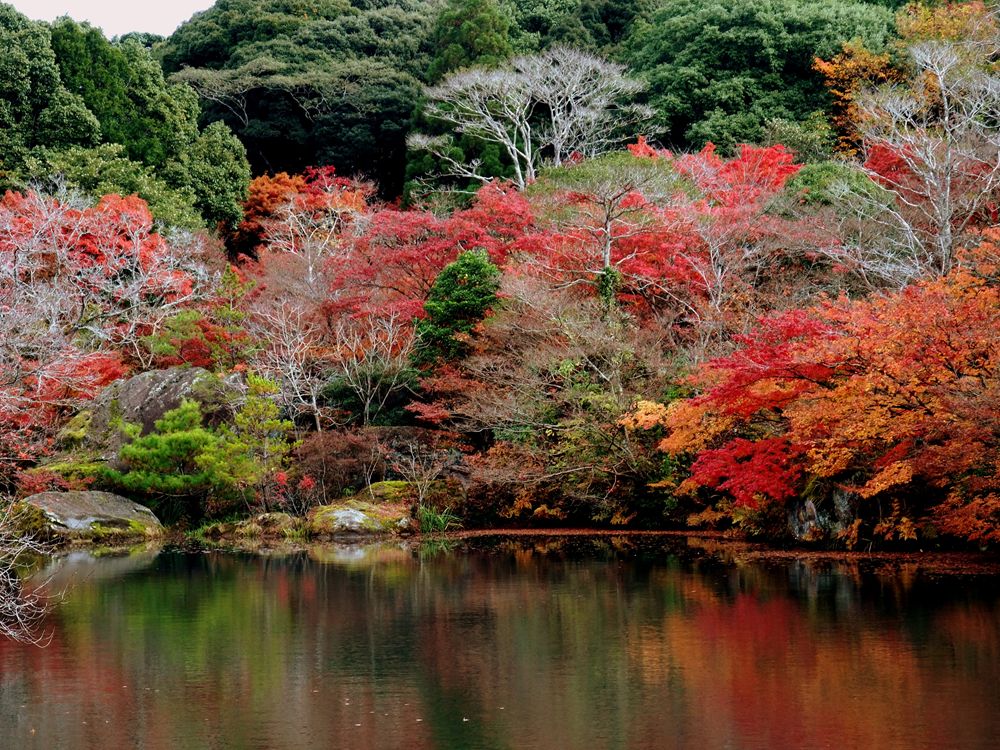
Mirror Pond deserves a daylight and nighttime stop. First identify the walkable shore, choose a view you like and note the direction back to the entrance. Return to that stretch after dark for light on the water. Familiarity lets you focus on trees and reflections. For companions mainly interested in illumination, this can be the fullest stop after dusk.
Observe the water before choosing your framing. Stay on existing paths, hold the phone or camera steady, and take one image with shore trees and another centered on water. Ripples stretch lights into lines; calm water shows fuller tree shapes. Keep either kind of image you like rather than waiting so long in one place that the schedule loses its margin.
Pond views draw attention, but keep track of children and older companions too. Agree where people will wait before photographing and tell them if you move to another angle. After Mirror Pond, use a familiar path toward the exit for a steady finish. If you have a train that evening, set the reminder for when you need to start walking out, rather than shortly before departure.
After 17:30, keep night viewing on familiar paths
The festival’s nighttime period starts at 17:30 and fits well after a daytime walk. Take out warm clothes, sit for water or food, then return to the pond. Allow your eyes to adjust from bright to dark and set your phone to a brightness that helps you see without glare. Put it away after photos so your hands can hold a child or help you balance.
The 2017 video used on the garden’s website introduces the atmosphere of pondside lighting and reflections. On site, see the whole canopy and water from one spot before moving slowly to another angle. Night photos can capture only bright leaves, while your eyes also see trunks, shoreline and shadows. A few minutes without the phone reveal different layers.
For night-only entry, choose the shore and an easy out-and-back route instead of following every light deeper into the grounds. Give photography, rest and the exit walk their own time. If companions become cold or tired, finish and return to Takeo for hot food or the hotel. Those staying longer can agree on another meeting point so each person has a suitable evening length.
Pondside lighting, maple leaves and water reflections at the 2017 autumn festival.
Rest at Haginoo Tea House before the light changes
Haginoo Tea House opens specially during the autumn festival. The garden lists powdered tea with skewered dumplings by day and powdered tea with sweet red-bean soup at night. Place a tea-house break between the daylight walk and illuminated pond, sitting down to sort coats and belongings. Treat refreshments as a top-up and arrange dinner separately. With children especially, eating properly before the night walk makes the pace easier.
For kaji synergy restaurant, the festival page lists last lunch orders at 14:00 and dinner at 20:30, closing Mondays and the third Sunday of each month. If the restaurant is a fixed part of the day, choose the meal time first and fit garden walks around it. For a simpler meal, eat in Takeo town and carry enough water in the afternoon so the return does not involve rushing for both restaurant and train.
Strollers, wheelchairs and rain: plan for two steep slopes and return-route steps
The access page specifically tells wheelchair users that the garden has two steep slopes and paths may be harder after rain. Five wheelchairs are available to borrow at the entrance. Ask there about loans and that day’s route, with companions listening before setting out. Mark your chosen pondside and tea-house stops and prioritize stable routes with easy returns.
For wheelchair visitors to Haginoo Tea House, the garden warns that the route marked “return route” has steps. Retrace the approach to the entrance, then use the road toward the tea house. Learn this route while daylight remains. Save the entrance, tea house and turning point on your phones and decide together at junctions. Return the familiar way after night viewing to reduce last-minute route changes.
Short walks also suit stroller families. Keep essentials in one accessible small bag and arrange the rain cover, coats and water before slopes. Stop in a broad space to change who pushes or care for a child. Agree which adult handles the stroller and which accompanies the child so walking and photography stay separate. If a child wants to sleep, returning early suits the evening better than completing every slope.
The garden opens in rain, but shorten the visit to a pondside stretch, one main tree view and a tea-house break. Grippy soles, waterproof outerwear and fewer things in your hands help more than many camera accessories. If both umbrella and camera need your hands, put the camera away before walking and take it out at a stable stopping point. Finish after your priority view, keeping dry and saving energy for the next Kyushu day.
Staying at Mifuneyama Rakuen Hotel: arrange ages, dinner and pickup first
For illuminated leaves and a hot spring on the same evening, staying at the mountain’s foot gives a quicker return to your room. Mifuneyama Rakuen Hotel’s FAQ accepts guests of elementary school age and above. Families with preschool children can choose Takeo town accommodation accepting younger children and travel to the garden from there. First identify places that accept the whole family, then compare transport, dinner and room types. Onyado Chikurintei is a separate property; use its own plans and guest information.
The hotel’s general check-in and checkout times are 15:00 and 10:00. For reservations made on its own website, they are 14:30 and 10:30. Settle luggage at reception that afternoon, then decide whether to bathe or visit the garden first. Reserve the guest station pickup by 21:00 the previous day alongside your train plans. Compare rooms by sleeping places, private bathroom needs, stairs and meals.
The FAQ lists guest dinner times of 18:00 and 19:15, with final seating at 19:30. For 18:00 dinner, walk the garden in daylight and see illuminated leaves after eating. To be at the pond when night hours begin at 17:30, choose later dinner and allow the walk back to the restaurant. Both plans work if meals and walks each have time, avoiding being deep in the garden just before dinner.
Overnight guests have free garden entry and hotel art viewing. Put art on the first afternoon or before dinner, leaving the next morning for the garden and checkout. List included admission and facilities before calculating meals, pickup and next-day travel. A station-area stay can cover the daytime garden and a short night visit. Prioritize the mountain-foot hotel if you want repeated garden entry, the hotel baths and an after-dinner walk.
Give hotel art and Rakan no Yu their own time slots
The hotel art page lists 11:00–22:00, last entry at 21:30 and general admission of ¥700. Hotel guests and Rakan no Yu day users enter free. Allow a separate indoor visit for light works responding to people. Keeping garden illumination and indoor lights as separate visits gives your eyes and pace a change. Use the teamLab Mifuneyama Rakuen Hotel page to choose the works you want most.
Rakan no Yu day use requires a reservation. The hotel FAQ says bookings open two months ahead and admission is limited to junior high school age and above. Overnight guests use the large baths free. If bathing is your main aim, reserve it first, then choose a day or night garden ticket, allowing changing, showering, rest and the walk back. To eat and return to your room after bathing, see the leaves earlier in the afternoon for a full relaxing break.
A day trip from Hakata: arrive after lunch and return to the station after night viewing
Our editorial day-trip suggestion is to leave Hakata in the morning, lunch in Takeo, enter the garden in the afternoon and see illumination after 17:30, leaving from around 19:00 according to your train. Make the garden the main destination and choose only one short town stop, such as Romon Gate or a cafe. An uninterrupted afternoon leaves room for transport, food and walking after dark.
At Takeo-Onsen Station, handle storage or shopping and confirm the entrance for your return. Use the north exit for the weekend foliage shuttle and south exit for the weekday Ureshino Line. Each companion should save the boarding point. Go to the garden after lunch with water and a simple snack, choosing a tea-house stop later according to energy. For dinner after night viewing, plan the restaurant and train order together.
See the cliff backdrop, maple tunnel and pond in the afternoon, choosing one view to revisit at night. Sit for a break, put on warm clothes and return to pond lighting after 17:30. Keep the night walk on one familiar route and head out at your planned time. For more photos, use opportunities along the same return path so you keep moving toward the exit.
Collecting luggage, finding the platform and buying dinner at the station take another block of time. Work backward with 20–30 minutes for these tasks, plus travel and waiting from the garden. This is itinerary buffer time; increase it for your luggage and group’s pace. A reminder when you begin leaving helps everyone pack cameras and coats and move smoothly from viewing to transport.
One night in Takeo: check in first and put dinner between garden walks
Arrive in the afternoon, check in, leave luggage and take a daylight garden walk. See illuminated leaves after dinner, then return to bathe and rest. Free admission gives mountain-foot hotel guests flexibility to split walks. Town guests can choose tickets for the periods they want and arrange transport first. Leave next morning for Takeo town before continuing toward Saga, Ureshino or Nagasaki.
For 18:00 dinner, keep the afternoon route simple and use the period after 17:30 to return to the restaurant and prepare to eat, then go out afterward. For 19:15 dinner, see some pond lighting first and leave early for the hotel. Treat the meal as a fixed appointment and adjust walks around it. The same shore after dinner will have different light and crowds.
Next day, eat breakfast slowly and see the pond and cliff by daylight before packing and checking out. With energy, add Romon Gate, Motoyu or Takeo Shrine in town. For a quiet finish, go straight to the station and leave time for lunch purchases or the train. After an afternoon and evening in the garden, choosing one more activity can make the hot-spring stay feel complete.
Romon Gate, Motoyu and Takeo Shrine: choose one town walk next day
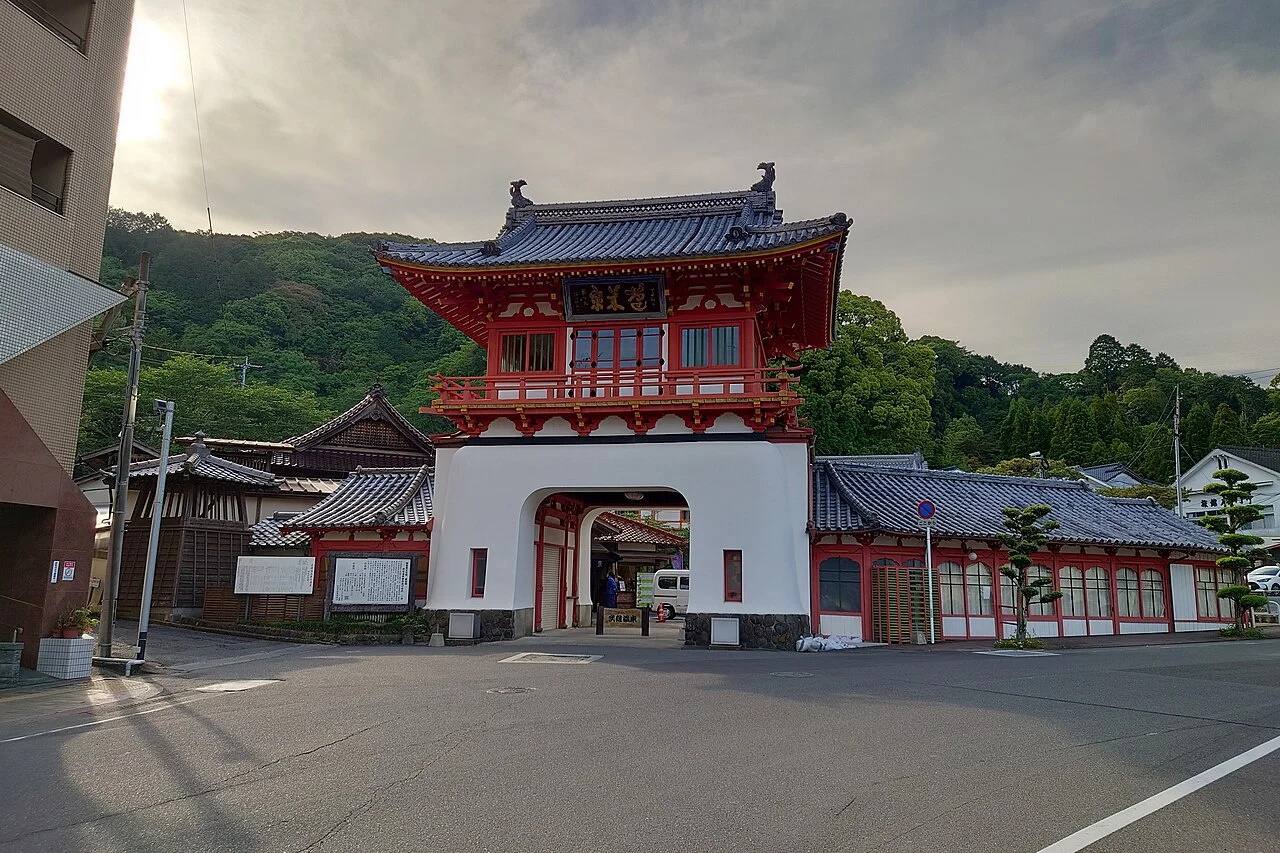
For an overnight Takeo trip, see Takeo Onsen’s Romon Gate on another daytime stretch. Its vermilion color makes a clear starting point. For Motoyu bathing, allow a full changing-and-bathing period before returning to the station. A brief exterior architecture stop is also worthwhile. Separating garden slopes and town streets across days makes luggage and photography easier.
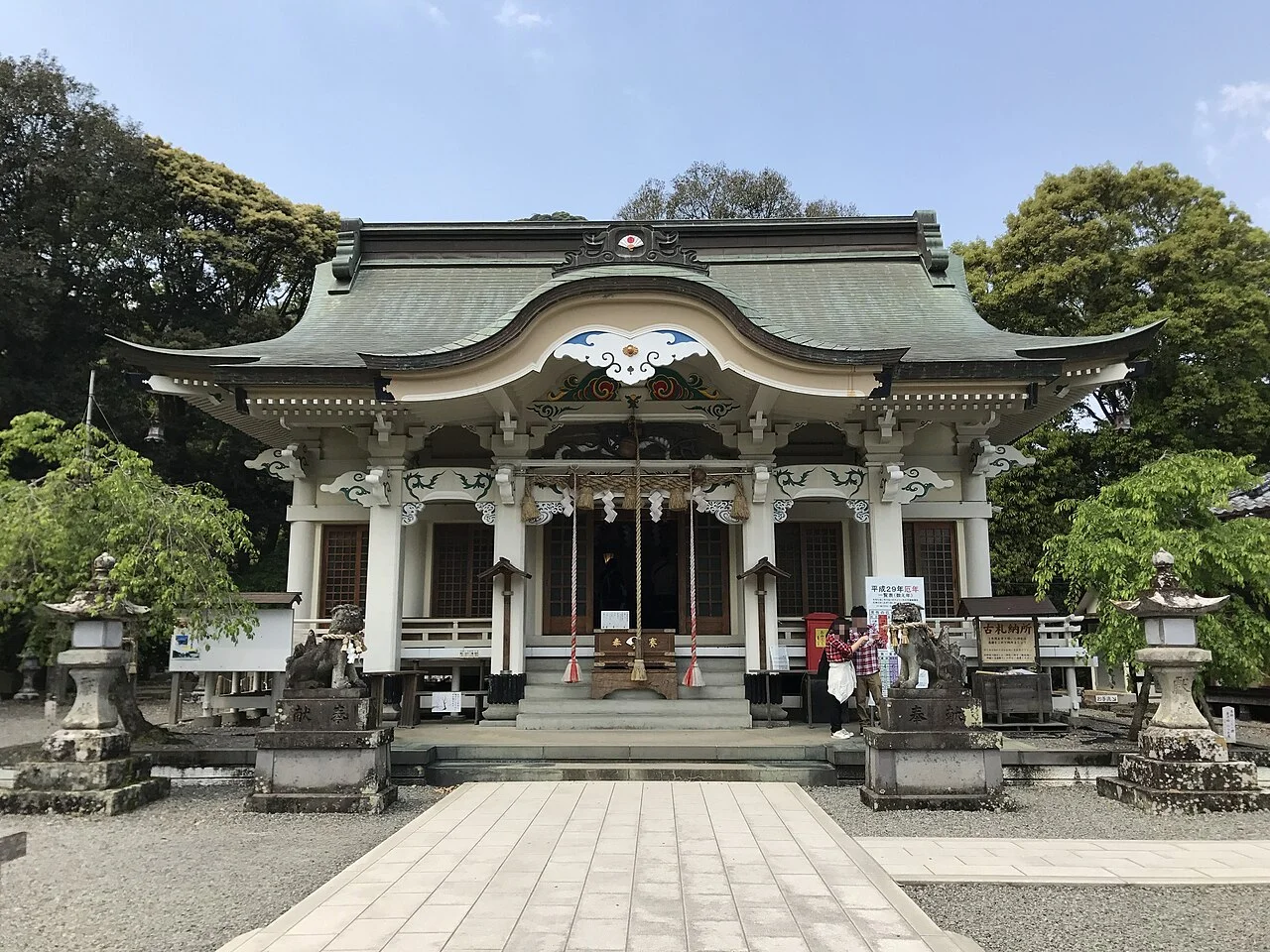
Takeo Shrine suits another woodland walk. The tourism association introduces a maple-lined road, bamboo grove and Takeo’s great camphor tree, which fit one shrine visit. Worship first, then follow open paths toward the trees you want. Morning air, leaves and shrine buildings offer a different memory from the previous evening’s pond lights. If companions do not want a long walk, turn back after worship and leave time to collect luggage.
To see both gate and shrine, connect the hotel, both destinations and station on a map, then decide how far you want to walk. Store luggage first and collect it at the end; a taxi for one leg can save energy for your chosen walk. If moving to another city that day, choose either bathing by Romon Gate or the shrine woods, then travel after lunch rather than rushing through several morning stops.
For more accommodation and town planning, read the overnight Takeo guide to Romon Gate, Motoyu and the town. If Mifuneyama’s day and night views are your priority, keep next day simple: bathe if that is what you want, or visit the shrine for trees. Finish the activity you most look forward to, collect luggage and head to the station for a clear end to the overnight trip.
Pack your budget and belongings around departure time
Two adults pay ¥1,200 for one garden period or ¥1,800 for day and night on the same day. If both add the ordinary ¥700 hotel art ticket, the combined garden-and-art total is ¥3,200, with transport and meals separate. Guests and Rakan no Yu day users with free art admission can remove that item. Listing included and extra costs makes comparisons clearer than a broad “Takeo day budget.”
Carry a small bag, water, warm outerwear, walking shoes and enough phone charge. A hat or sun protection may help daytime photography; at night, keep your coat easiest to reach. Add a protective bag for phone and tickets in rain. The garden prohibits bringing alcohol and picnic plastic sheets; drones are also prohibited during the autumn festival. Keep walking gear light. Store large luggage first so slopes, tickets and boarding are easier.
Before leaving, check your saved return details: shuttle waiting point, route-bus direction and when to head for the train platform. Pack the camera, return tickets to their fixed pocket and move with your companions. For a Takeo night, follow your dinner reservation or hotel route. For Hakata, end the garden walk at your planned departure time so the next leg connects comfortably.
A few useful answers
When is Mifuneyama Rakuen’s 2026 autumn festival?
November 6–December 6, 2026, open daily and in rain. Daytime hours are 08:00–17:30 and nighttime hours 17:30–22:00.
How much is a ticket for both daylight and illuminated leaves?
A day-and-night ticket costs ¥900 for adults and ¥400 for elementary school children. A single day or night entry costs ¥600 and ¥300 respectively. Adult pricing begins at junior high school age.
Which station exit serves the free foliage shuttle?
During the 2026 festival, the free shuttle runs from Takeo-Onsen Station’s north exit on Saturdays, Sundays and national holidays, 08:00–22:00, with three round trips per hour planned and no reservation required.
How do I reach the garden on weekdays?
Take the JR Kyushu Bus Ureshino Line from Takeo-Onsen Station’s south exit to Mifuneyama Rakuen, or a taxi. Check the weekday timetable toward Ureshino outward and toward Takeo for the return.
Which return route should wheelchair users take from the tea house?
The garden warns that the marked return route has steps. From Haginoo Tea House, wheelchair users should retrace their approach to the entrance, then use the road toward the tea house. The garden also has two steep slopes and five loan wheelchairs at the entrance.
Can preschool children stay at Mifuneyama Rakuen Hotel?
The hotel FAQ accepts guests of elementary school age and above. Families with preschool children can choose Takeo town accommodation accepting younger children and arrange garden transport.
How do hotel art tickets and garden tickets fit together?
Ordinary hotel art admission is ¥700, open 11:00–22:00 with last entry at 21:30. Buy garden day, night or combined admission separately. Hotel guests have free garden and art entry; Rakan no Yu day users also have free hotel art entry.
Should I make a day trip from Hakata or stay in Takeo?
For the garden alone, enter after lunch, see illuminated leaves after 17:30 and leave according to your chosen return train. An overnight stay gives more time for bathing, a hotel dinner and separate garden walks.
Official information and references
Sources used in this guide.
- Mifuneyama Rakuen: 2026 autumn festival
- Mifuneyama Rakuen: access and wheelchair routes
- Takeo Tourism Association: autumn 2026 and foliage shuttle
- JR Kyushu Bus: Ureshino Line
- JR Kyushu: Nishi Kyushu Shinkansen relay transfer
- Mifuneyama Rakuen Hotel: FAQ
- Mifuneyama Rakuen Hotel: garden introduction
- Mifuneyama Rakuen Hotel: art visits
- Mifuneyama Rakuen Hotel: Rakan no Yu
- teamLab: Mifuneyama Rakuen Hotel
- Video used on Mifuneyama Rakuen’s website: 2017 autumn festival