Wondering what to order in Kumamoto on a first visit? Compare dining options around Kumamoto Station, Josaien, Kamitori, Shimotori and Sakuramachi—from basashi and taipiien to charred-garlic ramen, akaushi beef bowls and tonkatsu—with half-day itineraries.
- Region & Focus
- Kumamoto
- Reading Scope
- 17 min read · 11 chapters · 5 Q&As
- Official Verification
- 37 official sources checkedUpdated 22 November 2026
- Key Topics
- FoodFirst tripNeighbourhoods
Chapter Route Map (tap any stop)
- Start With Where You Are Leaving Kumamoto From
- Josaien Below Kumamoto Castle: One Sit-Down Meal and Snacks
- Ordering Basashi for the First Time: Start With Lean Cuts or a Small Platter
- For a Multi-Dish Dinner in Shimotori, Pick a Regional Izakaya With Cooked Mains
- Taipiien Is Glass-Noodle Soup: Order À La Carte or Set Meals at Kourantei Shimotori
- Garlic-Rich Kumamoto Ramen: Choose Between Kokutei, Keika and Komurasaki
- Want a Full Cooked Meal? Head to Shinshigai for Tonkatsu
- Akaushi Beef Bowls Are Right in Town; Save Aso Lunches for Unhurried Days
- Save Kumamoto Station Souvenir Shopping for Before You Board
- Eating at Aso Kumamoto Airport Before Departure
- Easy Routes for Half a Day, an Overnight Stay or a Tight Connection
- Quick Q&A
On a first trip to Kumamoto, start with taipiien for lunch in Shimotori, save your appetite for horse-meat cuisine at dinner, and finish with a bowl of charred-garlic tonkotsu ramen before leaving the next day. If you only have half a day, pick either the Kumamoto Station area or the stretch from Kumamoto Castle through Kamitori and Shimotori for a proper meal plus snacks. Aso akaushi beef bowls are also available in central Kumamoto, so leave the mountain stopovers to travellers heading to Uchinomaki or Aso Station.
Start With Where You Are Leaving Kumamoto From
If you are travelling by Shinkansen, saving your final meal for Kumamoto Station is the easiest approach. Higo Yokamon Ichiba on the first floor houses restaurants, bento counters and souvenir stalls, including a branch of the horse-meat specialist Suganoya. If you want Kokutei Honten instead, walk out of the Shirakawa Exit towards Nihongi. Just leave plenty of margin to return to the station, collect luggage and clear the ticket gates—first-time visitors often see "near Kumamoto Station" and assume a restaurant sits right beside the platforms.
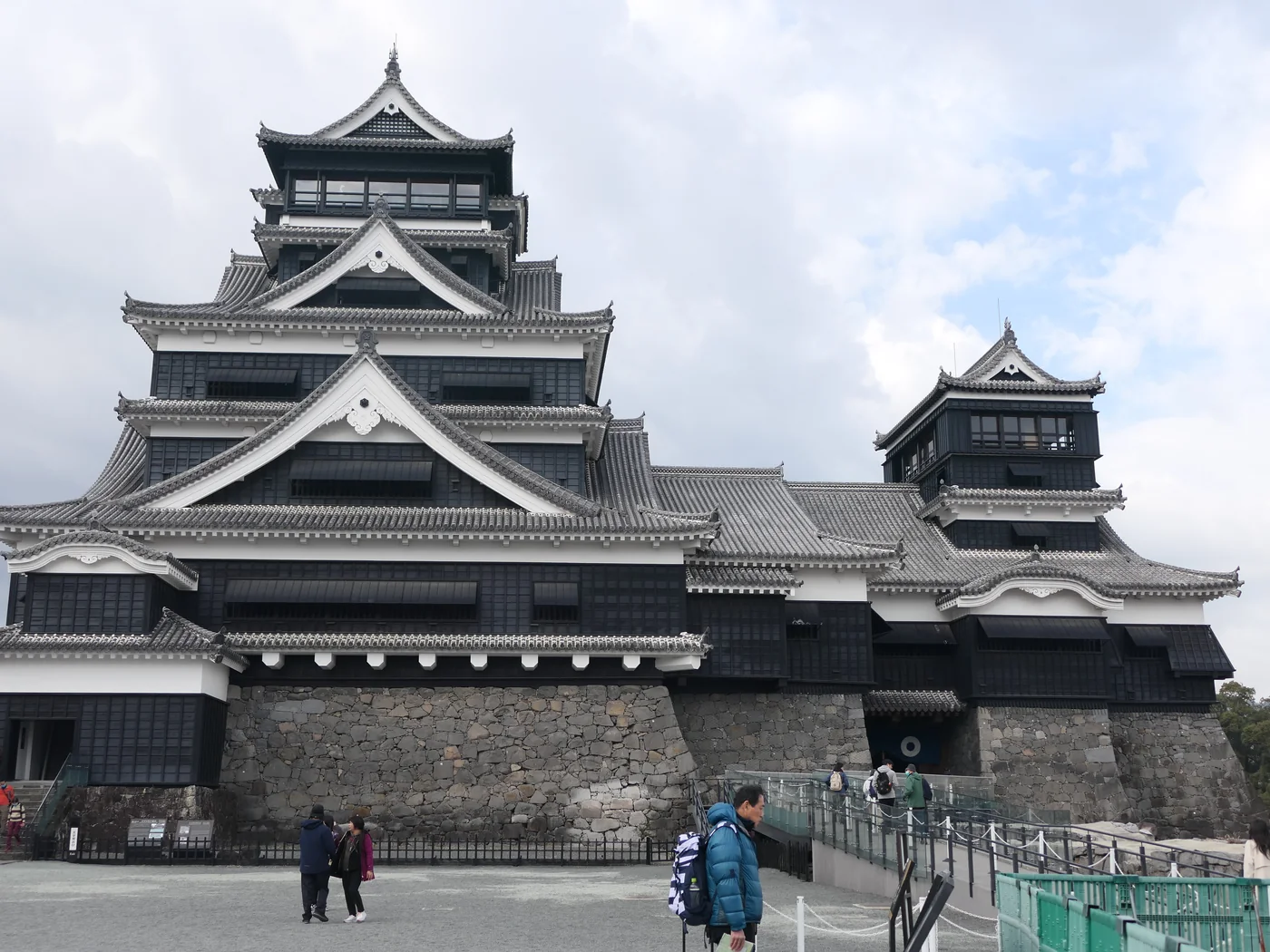
After a morning at Kumamoto Castle, plan lunch in Josaien or Shimotori. Josaien sits directly below the castle, gathering taipiien, grilled horse meat, fried snacks and sweets along a single lane. For a proper sit-down Chinese meal, walk towards Torichosuji to Kourantei. If everyone in your group craves something different, strolling from Kamitori through Shimotori down to Shinshigai puts varied restaurants side by side, making it easy to duck into a second spot.
When your final leg departs from Kumamoto Sakuramachi Bus Terminal, eat an akaushi beef bowl or ramen right inside SAKURA MACHI Kumamoto. Bus bays sit on the first floor, with sit-down restaurants upstairs and casual eateries in the basement. Travellers returning by JR rail should head back to Kumamoto Station; the two transport hubs are a short tram ride apart.
To reach the city centre from Kumamoto Station, board Kumamoto City Tram Line A bound for Kengunmachi. Alight at Karashimacho for Shinshigai and Sakuramachi, Hanabatacho for Josaien and Keika Honten, or Torichosuji for Kamitori and Shimotori. On the return leg, check the tram's destination sign carefully: central stops serve both Line A and Line B, so take Line A bound for Tasakibashi back to the station. If you are travelling with older relatives, choose a dinner spot close to the tram stop nearest your hotel to save extra walking afterwards.
Wondering what to order in Kumamoto on a first visit? Compare dining options around Kumamoto Station, Josaien, Kamitori, Shimotori and Sakuramachi—from basashi and taipiien to charred-garlic ramen, akaushi beef bowls and tonkatsu—with half-day itineraries.
Josaien Below Kumamoto Castle: One Sit-Down Meal and Snacks
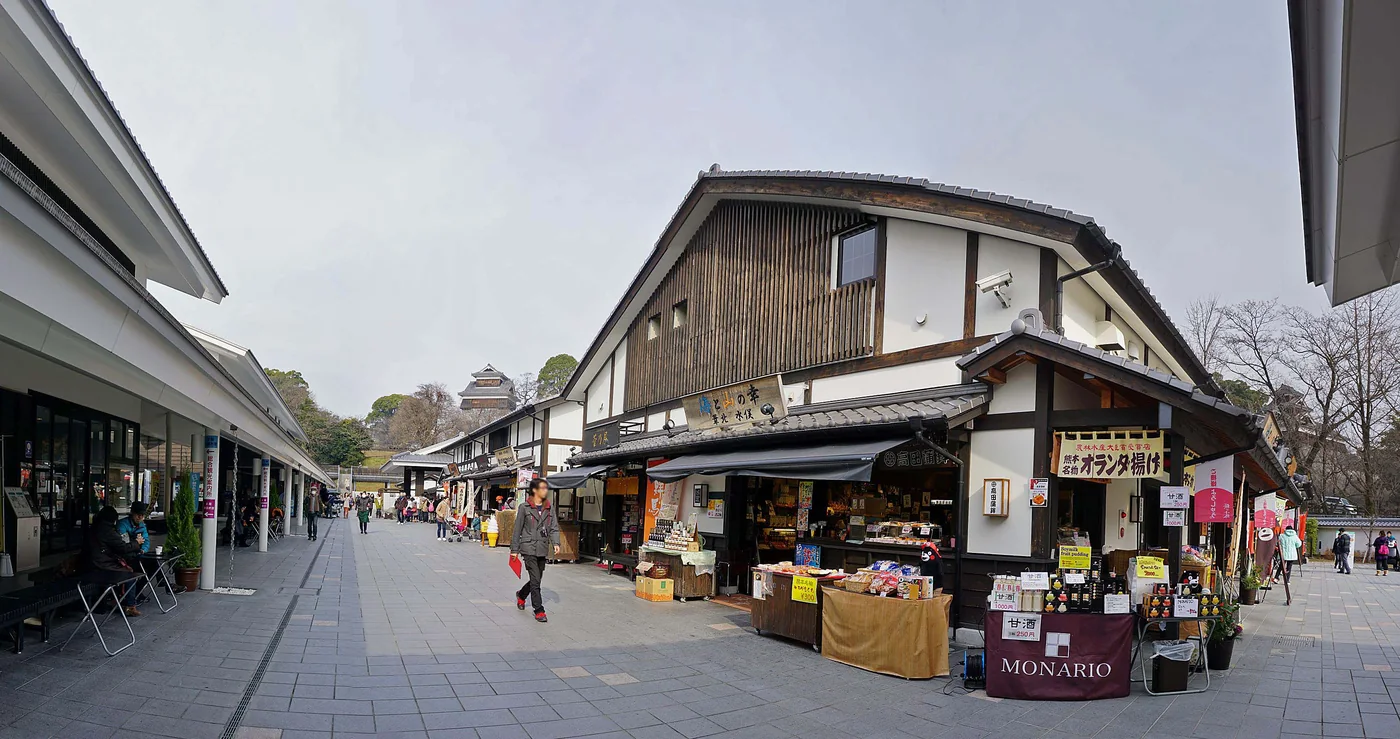
Look for the "Sakura-no-baba Josaien" sign and walk through to "Sakura-no-koji", a stone-paved lane flanked by eateries and gift shops. Visit the castle in the morning, then drop down here for a proper hot meal rather than a boxed lunch, leaving the afternoon free for the covered shopping arcades. For castle entrances, open routes and keep access, see our Kumamoto Castle visitor guide.
Menya Yamamura serves both taipiien and Kumamoto ramen, allowing two diners to sample different local staples at the same table. If you want horse meat cooked through, try Asotei Yamami Chaya, listed on Josaien's directory for grilled horse meat and miso-glazed dengaku. When a hearty breakfast or late schedule leaves little appetite, pick a single snack such as the sea urchin croquettes at Amakusa Umimaru, or pause for tea and sweets at Sabo Sakuranzaka inside the complex.
Josaien's official directory lists souvenir shops as open from 09:00 to 18:00, with most restaurants opening at 11:00 and taking last orders by 18:00, though some close briefly in the late afternoon. If you only want to browse the shops below the castle, buy gifts straight after lunch rather than doubling back later. Travellers arriving around dusk are better off heading straight to Shimotori or Shinshigai for dinner and saving Josaien snacks for the following morning.
For an on-the-spot snack, buy a piping-hot ikinari dango—a steamed sweet-potato and red-bean dumpling sold by Ikinari-ya Watanabe. Next door, Mori Karashi Renkon sells lotus root stuffed with sharp mustard miso, battered, fried and sliced. Expect a crisp crunch followed by a punchy hit of mustard heat up the nose; start with small bites if you are sensitive to spice. Since each item has its own specialist stall, buy one portion of each to share.
Suganoya also runs a retail counter along this lane. If you are looking for the sit-down restaurant at Kumamoto Station, search for its full name ("Baniku Ryori Suganoya Kumamoto Station") so you do not mix them up; the Josaien branch is best for souvenirs, while Yamami Chaya handles grilled horse-meat lunches. When travelling with vegetarians or diners with allergies, let them choose a suitable sit-down spot first before circling back for everyone else's street snacks—it is far quicker than trying to decide on the hoof down a busy lane.
Ordering Basashi for the First Time: Start With Lean Cuts or a Small Platter
Basashi is thinly sliced raw horse meat, traditionally eaten in Kumamoto with sweetish soy sauce and grated ginger or garlic. Beginners should start with akami (lean cut), which has a clean flavour: dip lightly in soy sauce first, then try a slice with ginger. Shimofuri is finely marbled and noticeably softer. Menus also list tategami or koune—white fat from beneath the mane—which pairs well folded together with a slice of akami for contrast.
A pair of diners can start with a moriawase (mixed platter) to share before ordering extra plates of their favourite cuts, or pair a single plate of akami with one hot dish. On menus, basashi means sashimi, uma-nigiri is horse-meat nigiri sushi, and baniku yukke is dressed raw minced horse meat. For cooked dishes, look for horse-meat croquettes, minced cutlets (menchi-katsu) or stews. Note that "rea" (rare) means lightly seared; if you want meat cooked all the way through, ask staff: "Nakamade yoku yaite moraemasu ka?" (Could you cook it thoroughly through the centre?).
Suganoya's Kumamoto Station restaurant sits inside Higo Yokamon Ichiba. Its official menu features a basashi lunch set and horse-meat menchi-katsu curry at midday, plus mixed basashi platters and stone-grilled dishes in the evening—handy if someone at the table only wants cooked food. Posted hours are 11:00–15:00 for lunch (last order 14:30) and 17:00–22:00 for dinner (last order 21:00). If your train pulls in around 16:00, browse the market stalls for gifts first or pick an adjacent restaurant that stays open all afternoon.
Suganoya Kumamoto Station operates on a walk-in queue on the same day as well as on weekends and public holidays; on weekdays, you can check its online booking page if you want a fixed time for a whole table. If you have a reserved Shinkansen departure, consider eating horse meat on your arrival evening and picking up a station bento on departure day. For groups of three or more—especially with slower eaters—avoiding a full sit-down feast right before a train makes for a far calmer finish.
Japan's Ministry of Health, Labour and Welfare advises that raw or undercooked meat carries food-poisoning risks, and recommends that young children, older adults, pregnant women and people with weakened immunity stick to meat cooked thoroughly through the centre. To share Kumamoto's signature dish as a mixed group, order one sashimi platter for those keen to try it and full cooked horse-meat mains for everyone else—a much safer fit than substituting raw nigiri.
Check portion labels before ordering. "Ichininmae" means a single serving, while "goshu" denotes five different cuts, with the slice count per cut varying by restaurant. At Suganoya Kumamoto Station, for instance, the lunchtime basashi set costs ¥2,980 (tax included) and makes a complete solo meal, whereas the evening five-cut platter is ¥2,590 (tax included) for the dish alone, with rice and drinks charged separately.
For a Multi-Dish Dinner in Shimotori, Pick a Regional Izakaya With Cooked Mains
At the Torichosuji junction, Kamitori heads north and Shimotori stretches south. After browsing around Tsuruya Department Store, step under Shimotori's covered arcade to hunt for dinner. Walking straight leads into Shinshigai, while turning west off Shimotori takes you along side streets towards Hanabatacho for horse-meat dining and izakayas. Grouping shopping and dinner here keeps most of your evening under cover if it rains, leaving only a short uncovered walk from the tram stop.
To combine seafood, basashi and Kumamoto small plates on one table, look at Kyodo Kaisen Higo no Jinya in Shimotori 1-chome, roughly a three-minute walk from Hanabatacho tram stop. Alongside lean basashi, its menu features Amakusa Daio chicken skewers, Amakusa sea bream ochazuke and akaushi beef tendon stew, keeping both raw-meat fans and cooked-food diners happy. For cooked fish, check whether dishes are prepared shioyaki (salt-grilled) or nitsuke (simmered in sweet soy broth).
If you prefer fewer plates, swap a full steak for a small bowl of akaushi tendon stew paired with a hearty miso dagojiru soup; the menu lists tendon stew and sirloin steak separately, at very different portions and prices. Also worth ordering is hitomoji no guruguru—blanched spring onions coiled neatly and served with tangy vinegar-miso. Sweet and refreshing, it is an easy alternative to karashi renkon for anyone who dislikes sharp mustard heat.
You can estimate dinner costs directly from the menu: Higo no Jinya lists beef tendon stew at ¥1,100 and miso or soy dagojiru at ¥950—¥2,050 combined before drinks. Solo travellers after basashi and rice are better off with a lunchtime set, while two people sharing an izakaya dinner should check platter portions before adding sides and rice; the restaurant's half-size five-cut basashi platter already serves two to three.
Higo no Jinya opens at 17:00 and typically closes on Sundays—moving the closure to Monday when a three-day weekend falls—as well as 31 December to 2 January. Same-day bookings must be made by telephone, and email requests are only confirmed once the restaurant replies. If a larger group wants to sit down around 17:00 on a weekend or holiday, focus on venues with clear reservation policies. Driving to Aso the next morning? Pick a dinner spot within walking distance of your hotel so you can enjoy a glass of Kuma shochu worry-free.
Kuma shochu on drinks lists refers to distilled rice shochu produced in Kumamoto's Hitoyoshi and Kuma region. Ask for mizuwari (diluted with water) if you prefer a softer drink, or rokku (on the rocks) to taste its full aroma. Non-drinkers can choose green tea or soft drinks alongside miso-dressed sides or a horse-meat croquette.
Taipiien Is Glass-Noodle Soup: Order À La Carte or Set Meals at Kourantei Shimotori
Taipiien (pronounced tai-pi-en) is a bowl of springy glass noodles topped with Chinese or regular cabbage, pork, prawns and other seafood, finished with an egg—often a boiled egg that has been briefly deep-fried. Records from Japan's Ministry of Agriculture, Forestry and Fisheries trace its roots to a celebratory Fuzhou soup adapted in Kumamoto with mung-bean vermicelli and stocks ranging from clear chicken broth to blended pork-and-chicken white soup. It works equally well as a light solo bowl or shared alongside other Chinese dishes.
Kourantei Shimotori Honten sits in Anseicho, an easy walk from Torichosuji. Official hours run from 11:00 to 21:00 (last order 20:00), with the dinner menu starting at 17:00. If you only want taipiien at lunchtime, turn up without a booking rather than reserving just for a table, as lunchtime reservations at the Shimotori flagship are restricted to set lunch courses. Decide beforehand whether older companions need guaranteed seating over a full Chinese meal or whether walking in for single bowls suits your schedule better.
Note that Kourantei Kamitori Pavilion is a separate branch operating from 11:00 to 15:00 (last order 14:15) in a buffet format, closed Tuesdays (with adjustments around public holidays). Pin "Kourantei Shimotori Honten" specifically on your map. Heading to Anseicho makes sense for a sit-down Chinese lunch; if you just fancy one bowl of glass-noodle soup straight after Josaien, Yamamura inside Josaien saves an extra detour.
Diners avoiding pork or shellfish should check what goes into the soup base before ordering. If you have a crustacean allergy, show staff the note: "Ebi, kani arerugi ga arimasu. Supu ya chori kigu mo kakunin shite itadakemasu ka?" (I have a prawn and crab allergy; could you please check the broth and cooking utensils as well?), making clear that shared pans and stock are covered. Groups sharing multiple plates should ask for small side bowls and place their full order together.
If you spot dagojiru on a menu, it is a rustic Kumamoto soup simmered with hand-kneaded flour dumplings, taro, burdock and root vegetables in a soy or miso base. The dumplings (dago) come either rounded or pulled into flat strips and are much chewier and thicker than glass noodles. For a filling vegetable-heavy bowl, choose dagojiru; several Aso eateries serve it as a full set meal if you prefer to eat akaushi back in the city.
Garlic-Rich Kumamoto Ramen: Choose Between Kokutei, Keika and Komurasaki
Kumamoto tonkotsu ramen is defined by its toasted garlic punch, listed on menus as kogashi ninniku-yu or ma-yu (charred garlic oil). Sip the hot broth straight first, then swirl in the dark oil to unleash the garlic aroma. Kokutei simmers pork skull bones and tops bowls with house-made charred garlic oil, while Keika pairs medium-thick straight noodles with a pork-and-chicken broth and garlic oil. Choose between pure, smoky garlic depth at Kokutei or a heartier topping of braised pork belly—Keika's signature Taroumen.
To visit Kokutei Honten, head towards Nihongi, about a five-minute walk from JR Kumamoto Station. Regular hours are 10:30–21:00 (last order 20:30), with a November 2026 notice extending weekend and public-holiday last orders to 21:00. Staying near Torichosuji? Kokutei's Shimotori branch stays open until 23:30 (last order 23:00). If you are departing from Sakuramachi Bus Terminal, there is another Kokutei branch on basement level B1F of SAKURA MACHI Kumamoto.
Keika Honten sits in Hanabatacho, but closes early at 16:30 on Sundays and public holidays (last order 16:20). If Sunday is your only chance to visit the flagship, make it lunch. Travellers spending the day elsewhere before catching an evening train can instead eat at Keika's Kumamoto Station Shinkansen Exit branch, where last orders run until 21:30.
In fine weather, walk to the north end of Kamitori arcade to reach Namikizaka or turn east onto Kaminoura Street. For ramen at the northern end, Komurasaki's Kamitori Chuo branch sits right on Kamitoricho and uses crisp toasted garlic chips instead of black oil—order the Osama Ramen to taste them. Lunch last order is 15:30 before reopening at 18:00; if your shopping runs into the afternoon break, wander Kaminoura Street until dinner or walk back to Torichosuji for Kokutei Shimotori, which stays open through the afternoon.
If you only have time for one bowl in Kumamoto, let your route decide. Staying near Shimotori makes Kokutei Shimotori an easy late-night walk back to your hotel; leaving Kumamoto Castle via Hanabatacho sets up Keika Honten nicely for lunch. If you plan to eat taipiien the same day, leave a gap for sightseeing or coffee between the two so you are not having back-to-back noodle meals. When comparing ramen shops, stick to each house's basic bowl first so the broth differences stand out clearly.
Solo diners can order straight from the ticket machine at Kokutei Shimotori—on your first visit, simply pick the house classic or follow the menu photos. If anyone in your group avoids pork, check the stock as well as the toppings: Kokutei serves pure tonkotsu, and Keika's soup also contains pork bone. Pick a mixed-menu restaurant around Kamitori or Shimotori for the group, and save ramen for a separate solo meal.
Want a Full Cooked Meal? Head to Shinshigai for Tonkatsu
When companions skip both raw horse meat and pork-bone soup, a crisp tonkatsu set meal in central Kumamoto keeps everyone happy. Katsuretsutei Shinshigai Honten sits close to Karashimacho and is easy to reach on foot from the arcade. Posted hours are 11:00–21:30 (last order 21:00), closed from 31 December to 2 January. Its AMU PLAZA branch beside Kumamoto Station opens 11:00–22:00 (last order 21:00) and closes on 1 January plus mall closure days—so schedule Shinshigai Honten ahead of New Year closures.
On the menu, rosu is pork loin with a rich rim of fat for fuller flavour, while hire is leaner tenderloin. If you want to compare both in one sitting, order the mixed loin-and-tenderloin set. Katsuretsutei also offers children's sets for ages under 12, pairing tenderloin with fried prawn or minced cutlet with fried chicken. If adults plan to eat ramen for dinner, slot tonkatsu in at lunch.
Treat karashi renkon and tonkatsu as separate stops. Karashi renkon comes sliced and is easy to buy and share outdoors, whereas a tonkatsu set gives tired legs a proper sit-down break. Remember that "karashi" on Japanese menus signals sharp mustard heat rather than chilli spice on the tongue. For younger children, stick to sweet-potato and red-bean ikinari dango, opened and broken into bite-sized pieces.
There is no need to hop on a tram from Kamitori just to reach a chain branch. Walk down through Torichosuji and Shimotori arcade and step straight into Shinshigai at the far end. If you want to buy souvenirs around Sakuramachi before returning to your hotel, reverse the walk—starting at Sakuramachi and ending near Torichosuji—and leave the AMU PLAZA branch at Kumamoto Station for whoever is catching a train the next day.
Akaushi Beef Bowls Are Right in Town; Save Aso Lunches for Unhurried Days
"Akaushi" on menus refers to Kumamoto Akaushi, a geographically protected breed of brown wagyu prized for flavourful lean beef. An akaushi-don usually layers sliced seared beef over rice with a soft-set onsen egg, wasabi or house sauce. Order the rice bowl if you want beef, sauce and rice together, or opt for steak or a hamburger steak if you want to eat at your own pace or need the meat cooked all the way through.
In central Kumamoto, head to Akaushi Dining yoka-yoka on the third floor of SAKURA MACHI Kumamoto. Its mall listing gives hours of 11:00–22:00 with a children's menu available, and basement level B1F offers extra dining options if anyone wants something else. It is ideal before an airport or intercity bus from Sakuramachi—just wheel your bags downstairs afterwards. If you are staying at Kumamoto Station without a bus departure, pair this meal with a half-day around Kumamoto Castle and Hanabatacho.
Only consider Imakin Shokudo if you are already touring Aso and have a full midday window to spend in Uchinomaki Onsen. Its signature akaushi-don pairs medium-rare beef slices with rice and an onsen egg, and Michi-no-eki Aso currently lists the shop as closed on Wednesdays and cash-only. Popular spots here build long queues that quickly eat into bus connections, so decide your cut-off time before putting your name down and move on to a backup if the wait runs past it.
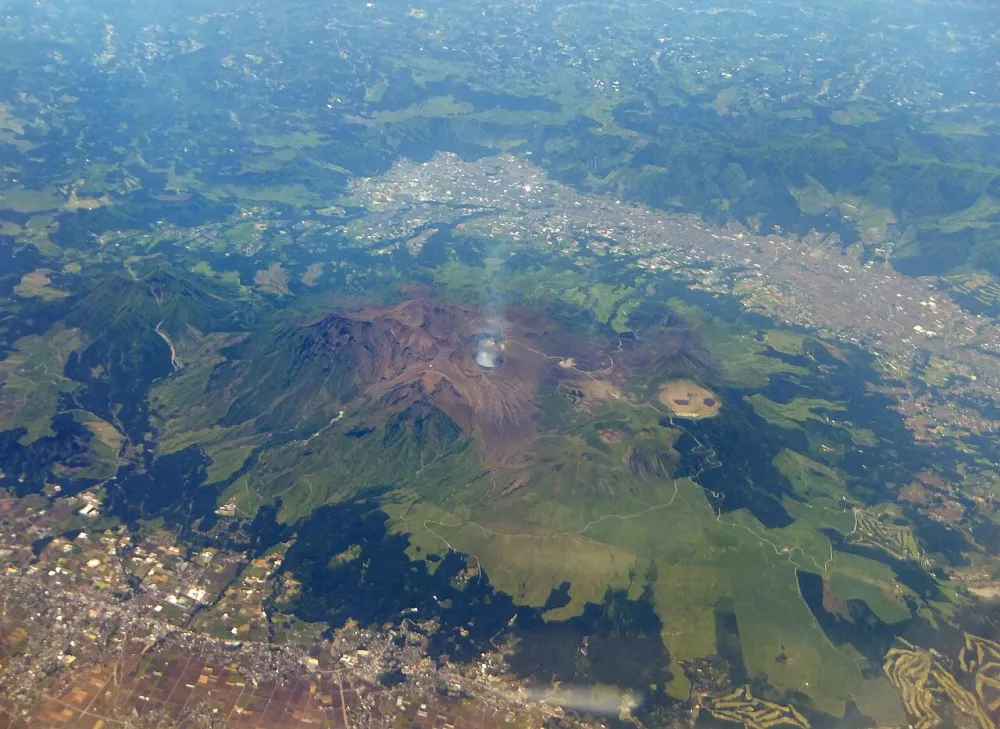
Arriving at Aso Station by JR train gives you Michi-no-eki Aso right next door for quick transfers. Its official listing covers several akaushi bento boxes alongside local staples such as takana fried rice, plus deli items, bakery goods and sweets. Grabbing a boxed lunch to eat on the move beats making a special detour to Uchinomaki, especially when fitting the crater and Kusasenri into the same day—check our Aso Volcano transport and access guide for timing.
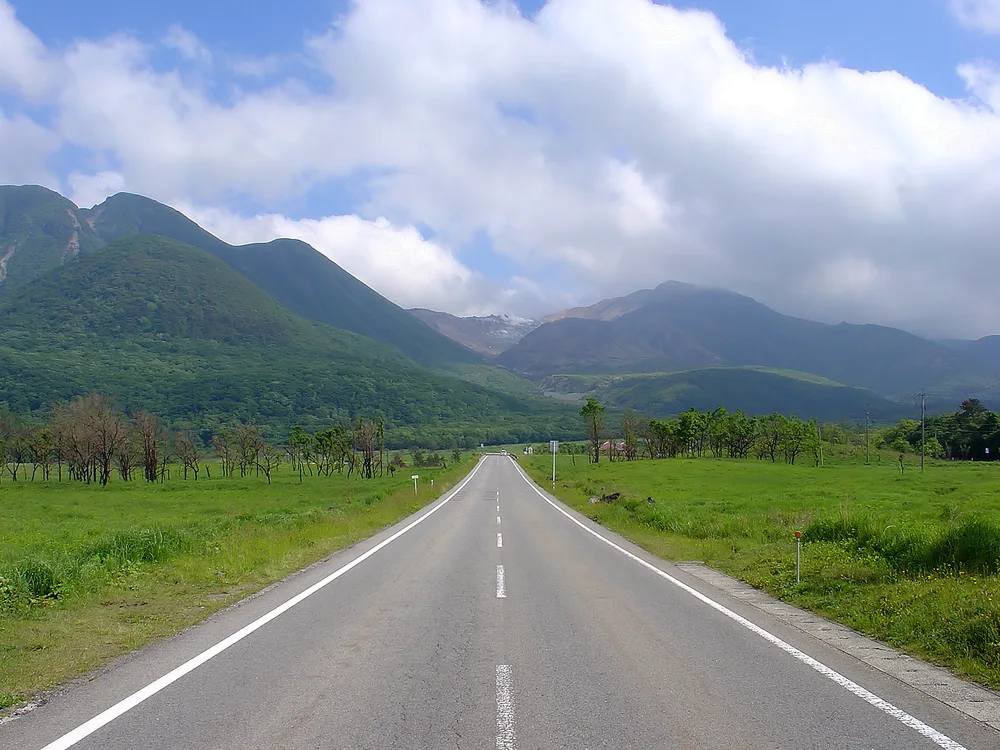
If you are staying overnight in Kurokawa Onsen, check your ryokan's dinner seating time first; eating akaushi in central Kumamoto before heading into the mountains is far more relaxed than squeezing it in before check-in. For wider route planning, see our Kumamoto, Aso, Kurokawa and Takachiho route. Detouring to Aso solely for a beef bowl costs both transit and queue time—stay in Kumamoto city if you would rather skip both.
Save Kumamoto Station Souvenir Shopping for Before You Board
Higo Yokamon Ichiba occupies the first floor of Kumamoto Station. Look for "Baniku Ryori Suganoya" when you want a sit-down meal and "Baniku Senmonten Suganoya" for packaged souvenirs—both are labelled separately on the station floor map. Neighbouring stalls include Oda Shoten for karashi renkon, Choju-an for ikinari dango and Aso Farm sweets, making it easy to grab a meal and all your gifts in one pass.
Look at a halved ikinari dango and you will spot a thick disc of sweet potato and red-bean paste wrapped in steamed dough. Shops sell both warm single pieces to eat straight away and boxed versions with different storage rules—check best-before dates and labels carefully if buying gifts. One piece is surprisingly filling, so two people can easily split one after lunch. Do not confuse the name with dago soup dumplings; check the counter sign for "ikinari dango".
If you plan to share karashi renkon with companions back at your hotel, ask for a pre-sliced pack. Chilled cooked items and frozen horse meat must stay cold as directed on the label ("yo-reizo" means keep refrigerated; "yo-reito" means keep frozen), so buy them only at your final departure hub and finish them before leaving Japan. Ambient boxed sweets and teas are far easier to pack in a suitcase.
For another distinct Kumamoto flavour, look for Aso takana-zuke (pickled mustard greens). Around Aso, aged takana is finely chopped, stir-fried with chilli and tossed into rice as takana-meshi. You can pick up packs at the station market or try takana fried rice from the deli counter at Michi-no-eki Aso. If you stored luggage in station coin lockers on arrival, locate the nearest exit to your lockers before buying chilled goods so you carry heavy bags a shorter distance.
If you are flying home, enjoy chilled or frozen basashi before leaving Japan. Meat products—even vacuum-packed by a shop—are subject to strict animal quarantine rules on international arrival. Stick to ingredient-labelled boxed sweets and local teas for gifts to take home, and finish any train bentos before boarding your flight.
Eating at Aso Kumamoto Airport Before Departure
On the first floor of Aso Kumamoto Airport in the landside Sorayoka Dining area, Suganoya sits outside security so friends seeing you off can join you for a meal. Its airport menu offers a grilled horse-meat set and a miso-simmered horse-offal set, open 11:00–20:30 with last orders at 20:00. When flight and bus schedules are tight, check in your bags first and see how much time remains before sitting down.
Inside the domestic departures concourse, you will find Ajisen x Keika and Akaushi Shokudo Yoka-yoka. Domestic flyers can clear security first and dine inside; international passengers are also permitted into the domestic concourse to eat and shop, though you must clear security a second time to re-enter the international zone, with access cut off one hour before your flight's departure. If queues leave little buffer, eat downstairs on the first floor or have dinner at Sakuramachi before catching the airport bus.
Being in the domestic dining hall makes it easy for one person to order an akaushi bowl and another to grab ramen from the same area. For late flights, watch each stall's closing time: the airport lists Ajisen x Keika from 11:00 until the final departure (last order 30 minutes before take-off) and Akaushi Shokudo Yoka-yoka from 10:00 to 20:00. If you are on an early morning flight, eat your must-try dishes the night before rather than waiting for counters to open.
Easy Routes for Half a Day, an Overnight Stay or a Tight Connection
With four to five hours and Kumamoto Castle on your list, ride the tram to the castle, stop at Josaien for taipiien and an ikinari dango, then browse around Torichosuji. If you arrive in the morning and want basashi, stop below the castle for tea and snacks before returning to Kumamoto Station before 14:00 for the basashi lunch set. If your castle visit lands squarely at noon, eat inside Josaien; if you only have spare minutes between trains, grab a single snack at the station market.
An overnight stay gives you room to split Shimotori's lunch spots from a horse-meat dinner. Tour the castle in the morning, have lunch at Kourantei Shimotori Honten, spend the afternoon strolling Kamitori or resting at your hotel, then sit down for cooked horse-meat dishes and a basashi platter at night—leaving Kokutei Nihongi Honten as a final meal before your next-day JR train. If you arrive on a Sunday and have your heart set on Keika Honten, eat Keika for Sunday lunch in Hanabatacho, keep horse meat for dinner and move taipiien to Monday.
Catching the airport bus? Anchor your final meal at Sakuramachi, choosing between an akaushi beef bowl or tonkotsu ramen—check for children's menus if travelling with family, or grab takeaway if pressed for time. Remember that Sakuramachi Bus Terminal is separate from JR Kumamoto Station, so note the full name in your itinerary. Long-distance coaches, airport buses and services to Kumamoto Station depart from the first-floor bays, with the ticket counter on the second floor; find your exact boarding bay first before heading up to eat.
When travelling in a group with one must-try restaurant, book only that meal and pick a same-neighbourhood backup for every other slot in case of rain or queues. For instance, if dinner is already reserved and Josaien feels too crowded at lunch, pick up street snacks there instead and grab a bowl of ramen further along your route. Complete the main transit leg before sitting down to eat so you are never watching the clock mid-meal.
Whenever you have a reservation or fixed departure, write last-order times beside each pin on your map—for example, "Suganoya Kumamoto Station: 14:30 last order" or "Keika Hanabatacho Honten: Sunday 16:20 last order". Because brands often run multiple branches or share names between restaurants and gift counters, include the mall, floor or street name when saving pins. Skip scheduling dedicated snack stops—pick up an ikinari dango while leaving Josaien or grab a box at Kumamoto Station on your way out.
A few useful answers
If I can only try three dishes in Kumamoto on a first visit, what should I pick?
Have taipiien for lunch, try a small portion of basashi or thoroughly cooked horse meat for dinner, and grab a bowl of Kumamoto ramen from Kokutei or Keika. If you are on a short stopover, eating horse-meat dishes at Kumamoto Station and picking up a sweet-potato and red-bean ikinari dango is the easiest combination.
Do I need a dedicated trip to Aso just to eat a Kumamoto akaushi beef bowl?
No. Akaushi Dining yoka-yoka on the third floor of SAKURA MACHI Kumamoto serves it right in the city centre. Save Uchinomaki spots for an overnight Aso trip or scenic drive, or pick up an akaushi bento at Michi-no-eki Aso next to Aso Station during a rail transfer.
Are Kokutei Honten and Keika Honten in the same neighbourhood?
No. Kokutei Honten is in Nihongi near Kumamoto Station, whereas Keika Honten sits centrally in Hanabatacho. If you are only browsing Shimotori and still want Kokutei, head to its Shimotori branch instead. Note that Keika Honten's last order on Sundays and public holidays is 16:20.
How should we order basashi if we are travelling with children or older relatives?
Share a small platter of raw basashi among those who want it, and order thoroughly cooked horse-meat mains for everyone else. Japan's Ministry of Health, Labour and Welfare notes that young children, older adults, pregnant women and people with weakened immunity face a higher risk of severe food poisoning from raw or undercooked meat.
Can I buy karashi renkon at both Josaien and Kumamoto Station?
Yes. Mori Karashi Renkon is on Sakura-no-koji in Josaien, and Oda Shoten is on the first floor of Higo Yokamon Ichiba at Kumamoto Station. Try a small portion below the castle, then pick up boxes at the station right before boarding your train.
Official information and references
Sources used in this guide.
- Kumamoto Josaien Sakura-no-koji Shops and Opening Hours
- Kourantei Branch Directory
- Kourantei Shimotori Honten Menu and Lunch Reservation Policy
- MAFF Regional Cuisine Database: Taipiien (Kumamoto)
- MAFF Regional Cuisine and Food Culture: Kumamoto Prefecture
- MAFF Regional Cuisine Database: Dagojiru (Kumamoto)
- Suganoya Kumamoto Station: Hours, Reservations and Menu
- Suganoya Guide to Basashi Cuts
- Ministry of Health, Labour and Welfare: Preventing Food Poisoning from Meat
- Kokutei Ramen Locations and Opening Hours
- Kokutei November 2026 Operating Hours Notice
- Kokutei Ramen Broth and Charred Garlic Oil
- Keika Ramen Kumamoto Locations and Opening Hours
- Keika Ramen Menu and Taroumen
- Komurasaki Kamitori Chuo Branch Operating Information
- Komurasaki Kamitori Chuo Branch Ramen Menu
- Komurasaki Toasted Garlic Chips Method and History
- Katsuretsutei Locations and Year-End/New Year Closures
- Katsuretsutei Tonkatsu Set Meals and Children's Menu Policy
- Kumamoto Prefecture: Geographical Indication Registration for Kumamoto Akaushi
- SAKURA MACHI Kumamoto: Akaushi Dining yoka-yoka
- Michi-no-eki Aso: Imakin Shokudo Opening Information
- Michi-no-eki Aso: Imakin Shokudo Akaushi-don Guide
- Michi-no-eki Aso: Akaushi Bentos and Deli Foods
- JR Kumamoto Station Higo Yokamon Ichiba 1F Floor Map
- Kumamoto City Transportation Bureau Tram Route Map
- Kumamoto Sakuramachi Bus Terminal Boarding Information
- Kumamoto City Official Tourism Guide: Shimotori Arcade
- Kumamoto City Official Tourism Guide: Kaminoura Street
- Higo no Jinya Official Menu, Prices and Closures
- Higo no Jinya Official Reservation Policy
- MAFF Regional Cuisine Database: Hitomoji no Guruguru (Kumamoto)
- MAFF Regional Cuisine Database: Aso Takana-zuke (Kumamoto)
- Kuma Shochu Makers Association: Geographical Indication and Production
- Aso Kumamoto Airport: Suganoya (Landside Sorayoka Dining)
- Aso Kumamoto Airport: Domestic Dining & Shopping Access for International Travellers
- Animal and Plant Health Inspection Agency (Taiwan): Inbound Animal and Plant Quarantine