How to order horse sashimi, taipiien noodle soup, and black-garlic tonkotsu ramen on a first trip to Kumamoto. Compare dining around Kumamoto Station, Johsaien, Kamitori/Shimotori, and Sakuramachi, plus akaushi beef bowls, tonkatsu, and half-day routes.
- Region & Focus
- Kumamoto
- Reading Scope
- 17 min read · 11 chapters · 5 Q&As
- Official Verification
- 37 official sources checkedUpdated November 22, 2026
- Key Topics
- FoodFirst tripNeighborhoods
Chapter Route Map (tap any stop)
- Start by Checking Where You Leave Kumamoto
- Johsaien Below Kumamoto Castle: One Meal Plus Street Snacks
- Ordering Basashi for the First Time: Start with Akami or a Small Platter
- Variety for Dinner in Shimotori: Pick a Local Cuisine Izakaya with Cooked Dishes
- Taipiien Glass Noodle Soup: A La Carte or Set Meals at Shimotori's Korantei
- Kumamoto Garlic Ramen: Pick One Bowl from Kokutei, Keika, or Komurasaki
- Want a Full Hot Meal? Head to Shinshigai for Tonkatsu
- Akaushi Beef Bowls Are in the City Too—Save Aso Lunch for Unhurried Schedules
- Save Kumamoto Station Souvenir Shopping for Before You Board
- Where to Eat Before Flying Out of Aso Kumamoto Airport
- Easy Routes for Half-Day Visits, One-Night Stops, and Tight Transfers
- Quick Q&A
On a first trip to Kumamoto, start with taipiien noodle soup for lunch in Shimotori, save your appetite for horse meat dishes at dinner, and grab a bowl of roasted-garlic tonkotsu ramen before leaving town the next day. If you only have half a day, pick either the Kumamoto Station area or the Kumamoto Castle-to-Kamitori/Shimotori corridor to cover both a main meal and local snacks. Aso akaushi beef bowls are available right in central Kumamoto too—save that meal for Uchinomaki or Aso Station only if you are heading up into the Aso highlands.
Start by Checking Where You Leave Kumamoto
If you are arriving and departing by Shinkansen, scheduling your last meal at Kumamoto Station is the easiest move. Higo Yokamon Ichiba on the station's first floor packs in restaurants, bento counters, and souvenir shops, including the horse meat restaurant Suganoya. If you want Kokutei's main shop, walk out from the Shirakawa Exit toward Nihongi. The key is leaving enough buffer to get back to the station, grab your luggage, and clear the ticket gates—first-timers often see 'near Kumamoto Station' on a listing and assume a restaurant is steps from the platforms.
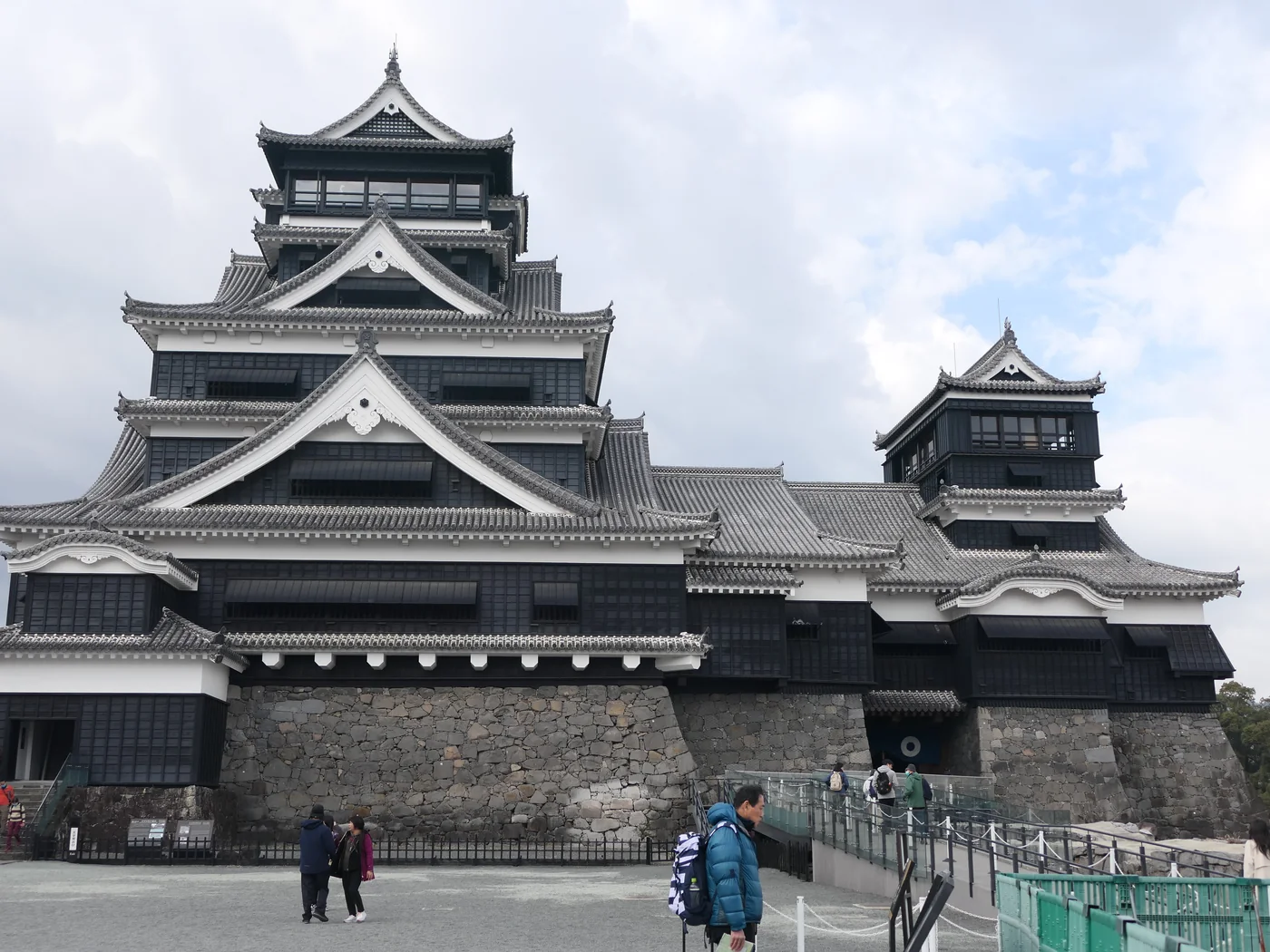
Tour Kumamoto Castle in the morning, then break for lunch at Johsaien or Shimotori. Johsaien sits right at the base of the castle, letting you knock out taipiien, grilled horse meat, fried snacks, and sweets along one compact lane. For a proper sit-down Chinese meal, walk over toward Torichosuji to Korantei. If everyone in your group wants something different, strolling from Kamitori through Shimotori into Shinshigai gives you dozens of restaurant styles on one continuous covered stretch, making it easy to pivot to a backup spot.
If your final leg departs from Kumamoto Sakuramachi Bus Terminal, eat your akaushi beef bowl or ramen right inside SAKURA MACHI Kumamoto. Bus boarding gates are on the first floor, with sit-down restaurants upstairs and additional casual eateries in the basement. Travelers catching JR trains back out should head toward Kumamoto Station instead, as the two transit hubs are separated by a streetcar ride.
To reach downtown from Kumamoto Station, board Kumamoto City Tram Line A bound for Kengunmachi. Get off at Karashimacho for Shinshigai and Sakuramachi, Hanabatacho for Johsaien and the Keika main shop, or Torichosuji for Kamitori and Shimotori. Heading back to the station, check the tram's destination sign carefully—central stops are shared by Lines A and B, so take Line A bound for Tasakibashi. If you are traveling with older adults, pick a dinner spot near a tram stop close to your hotel to avoid a long walk back after eating.
How to order horse sashimi, taipiien noodle soup, and black-garlic tonkotsu ramen on a first trip to Kumamoto. Compare dining around Kumamoto Station, Johsaien, Kamitori/Shimotori, and Sakuramachi, plus akaushi beef bowls, tonkatsu, and half-day routes.
Johsaien Below Kumamoto Castle: One Meal Plus Street Snacks
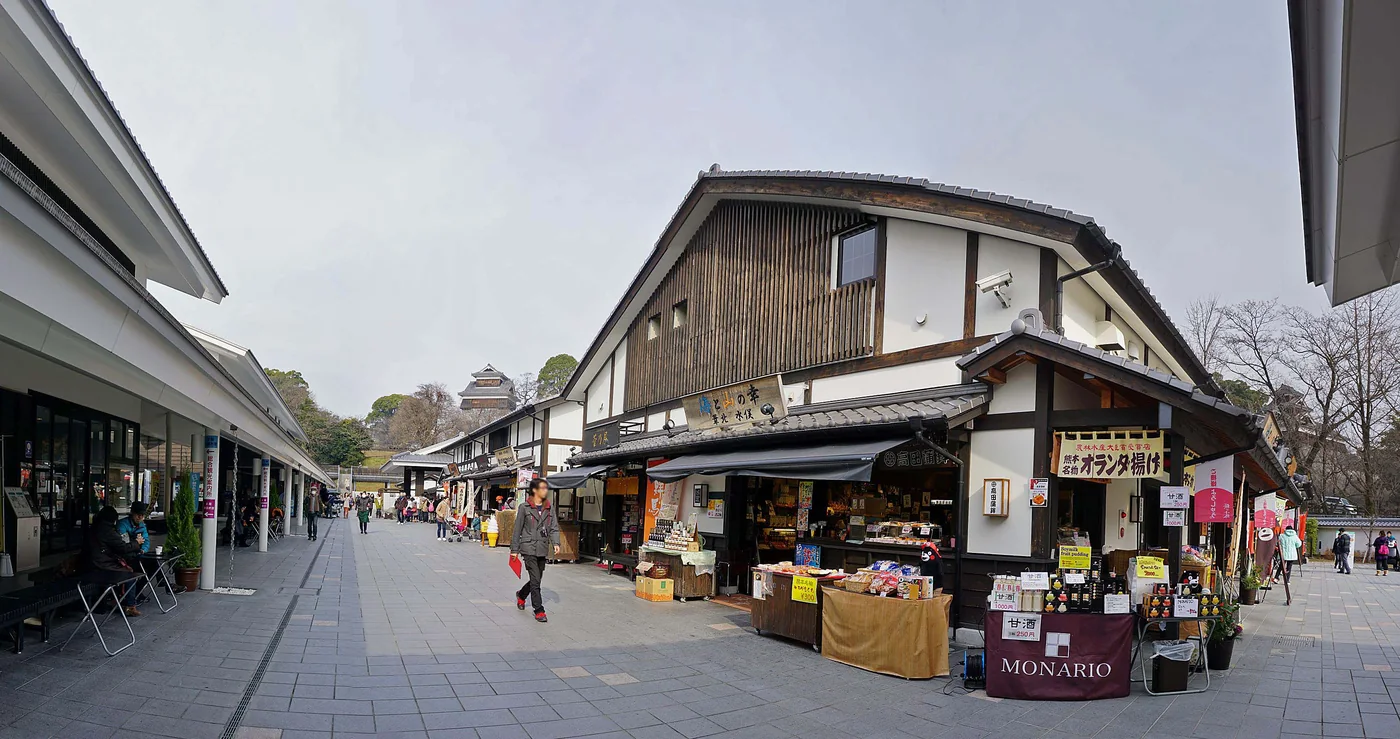
Look for the Sakura no Baba Johsaien signage and follow it inside to Sakura no Koji, a stone-paved lane lined with restaurants and specialty shops. After touring Kumamoto Castle in the morning, head straight down for a hot sit-down meal instead of a cold bento, leaving your afternoon free for the downtown shopping arcades. For castle entrances, open routes, and keep access details, see our Kumamoto Castle visitor guide.
Menya Yamamura serves both taipiien and Kumamoto ramen, so two people craving different bowls can share a table without compromising. If you want to try horse meat fully cooked, go to Aso-tei Yamami Chaya, listed in Johsaien's directory for grilled horse meat and dengaku miso skewers. If you had a big breakfast or your lunch is close to dinner, stick to a single street snack such as the sea urchin croquette from Amakusa Umi-maru. When you just need to sit and rest your feet, Sabo Sakuran-zaka is right inside the complex.
Johsaien's official site lists souvenir shop hours as 9:00 to 18:00; most restaurants open at 11:00, and major dining spots stop taking orders around 18:00, with some pausing prep in the late afternoon. If you only want to browse the castle-foot shops, pick up gifts right after lunch rather than doubling back later. If you arrive near dusk, skip ahead to Shimotori or Shinshigai for dinner and save Johsaien's snacks for when you tour the castle the next morning.
For a warm snack to eat on the spot, grab an ikinari dango—a steamed sweet potato and red bean dumpling sold at Johsaien's Ikinari-ya Watanabe. Next door, Mori Karashi Renkon specializes in mustard lotus root, where lotus root holes are stuffed with spicy karashi mustard miso, battered, deep-fried, and sliced. The first bite delivers crisp lotus root crunch before the sharp mustard heat hits your nose, so start with small bites if you are sensitive to nasal heat. Both snacks have dedicated counters, making it easy to buy one order each and share.
There is also a Suganoya horse meat shop on the same lane. Note that if you want Suganoya's sit-down Kumamoto Station restaurant, search by its full station-branch name—the Johsaien outpost is tailored to packaged souvenirs, while Yamami Chaya across the way handles grilled horse meat lunches. If anyone in your group is vegetarian or has food allergies, let them choose a suitable sit-down spot first, then grab snacks for everyone else afterward instead of debating along the lane.
Ordering Basashi for the First Time: Start with Akami or a Small Platter
Basashi is thinly sliced raw horse meat, traditionally eaten in Kumamoto with sweet soy sauce and grated ginger or garlic. First-timers should start with akami (lean red meat), which has a clean flavor—dip lightly in soy sauce first, then try a slice with ginger. Shimofuri has fine marbling and a softer texture. Menus also list tategami or koune, the white fat cut from beneath the mane; pair a piece of it with akami to get both textures in one bite.
For two people, order one moriawase (assorted platter) to share, then add extra plates of your favorite cut. If you just want a quick taste, one order of akami plus a hot dish is plenty. On Japanese menus, basashi means sashimi, ba-nigiri is horse meat nigiri sushi, and baniku yukke is seasoned raw tartare. For cooked options, look for horse meat croquettes, minced meat cutlets (menchi-katsu), or stews. Rea indicates rare doneness; to request thoroughly cooked meat, ask staff, 'Naka made yoku yaite moraemasu ka?' ('Could you cook it all the way through?').
Suganoya's Kumamoto Station restaurant is inside Higo Yokamon Ichiba. Its official menu covers basashi lunch sets and fried horse-meat cutlet curry by day, plus basashi platters and hot-stone grilling at night—handy if someone at your table only wants cooked food. Posted hours are 11:00 to 15:00 (last order 14:30) for lunch and 17:00 to 22:00 (last order 21:00) for dinner. If you arrive around 16:00, browse the market for souvenirs or look nearby for a restaurant with continuous afternoon service.
Suganoya Kumamoto Station states that same-day, weekend, and holiday seating is walk-in only; if you want a fixed time for a whole table on a weekday, check their online reservation page in advance. If you are catching a fixed Shinkansen departure, consider making horse meat dinner on your arrival night and grabbing a station bento on departure day. For groups of three or more—especially with slower eaters—that is far less rushed than trying to finish a full meal right before boarding.
Japan's Ministry of Health, Labour and Welfare notes that raw or undercooked meat carries food poisoning risks, and advises young children, older adults, pregnant people, and anyone with weakened immunity to choose meat cooked through to the center. When dining with family or friends, order one raw platter for those who want to try basashi and fully cooked horse meat mains for everyone else—that fits dietary needs far better than using horse meat sushi as a compromise.
Check portion labels before ordering. Ichinin-mae means one serving, while goshu means five cuts (slice counts vary by restaurant). At Suganoya Kumamoto Station, the midday Basashi Lunch is ¥2,980 (tax included), well suited for a solo sit-down meal. At dinner, the five-cut basashi platter is ¥2,590 (tax included) as an a la carte plate, with rice, mains, and drinks billed separately.
Variety for Dinner in Shimotori: Pick a Local Cuisine Izakaya with Cooked Dishes
At the Torichosuji intersection, Kamitori runs north and Shimotori runs south. After browsing around Tsuruya Department Store, step under Shimotori's covered arcade and look for dinner along the main drag. Walking straight south leads into Shinshigai, while turning west off Shimotori into the side streets near Hanabatacho puts you among horse meat specialists and izakayas. Combining shopping and dinner here keeps you sheltered if it rains, with only a short exposed walk between the tram stop and the arcade.
To sample seafood, basashi, and Kumamoto small plates at one table, check Kyodo Kaisen Higo no Jinya in Shimotori 1-chome, about a three-minute walk from Hanabatacho tram stop. Alongside lean akami basashi, its official menu lists Amakusa Daio chicken skewers, Amakusa sea bream ochazuke (tea over rice), and braised akaushi beef tendon. Raw-meat fans can share a plate of basashi while others order grilled skewers, tendon, or cooked fish. For cooked fish, scan the menu for shioyaki (salt-grilled) or nitsuke (soy-simmered).
To keep the order lighter, swap a full akaushi steak for a small dish of braised beef tendon paired with hearty miso dagojiru soup. The menu separates braised akaushi tendon from akaushi sirloin steak, with very different portion sizes and prices. You can also order hitomoji no guruguru—blanched scallions coiled neatly and served with vinegar-miso dip—which balances sweet scallion flavor with tangy miso. It is a great Kumamoto side dish for diners who prefer skipping the sinus-clearing kick of karashi renkon.
You can estimate your tab from posted menu prices: Higo no Jinya lists braised beef tendon at ¥1,100 and miso or soy-sauce dagojiru at ¥950, totaling ¥2,050 before drinks. If you just want one plate of basashi with rice, a lunch set is simpler. For an izakaya dinner shared by two, check platter sizes before adding sides and carbs—the restaurant's half-size five-cut basashi platter already feeds two to three people.
Higo no Jinya opens at 17:00 and typically closes Sundays—or the Monday at the end of a three-day holiday weekend—plus December 31 to January 2. Same-day bookings require a phone call, while email requests are not confirmed until the restaurant replies. On weekends with a larger group hoping to sit down around 17:00, prioritize spots with clear booking rules. If you are driving into Aso the next morning, dine within walking distance of your hotel so you can enjoy a glass of Kuma shochu without getting behind the wheel later.
Kuma shochu on the drink list refers to rice shochu brewed and distilled in Kumamoto's Hitoyoshi and Kuma region. Order it mizuwari (with cold water) for a lighter sip, or on the rocks (rokku) if you prefer its full aroma. Non-drinkers can pair miso small plates or horse meat croquettes with tea or soft drinks from the menu.
Taipiien Glass Noodle Soup: A La Carte or Set Meals at Shimotori's Korantei
Taipiien is a bowl of slippery glass noodles topped with napa or green cabbage, pork, shrimp, other seafood, and an egg—often a boiled egg that has been flash-fried. Materials from Japan's Ministry of Agriculture, Forestry and Fisheries trace its roots to celebratory soups from Fuzhou, noting that Kumamoto versions typically use mung-bean harusame noodles in broths ranging from clear chicken stock to milky pork-chicken blends. It works well solo or paired with shared Chinese dishes for the table.
Korantei's Shimotori main shop sits in Anseimachi, an easy walk from Torichosuji. Official hours are 11:00 to 21:00 (last order 20:00), with the dinner menu starting at 17:00. If you only want a bowl of taipiien during the day, walk in for a la carte ordering rather than booking a table—lunch reservations at the Shimotori main shop are restricted to designated lunch courses. If you have older relatives who need guaranteed seating and everyone wants a full Chinese meal, booking a set lunch makes sense; otherwise, join the walk-in line.
Korantei's Kamitori Pavilion is a separate location, listed officially as 11:00 to 15:00 (last order 14:15) with buffet service, closed Tuesdays (with adjustments around public holidays). Pin 'Korantei Shimotori Main Shop' on your map. Walking over to Anseimachi from Johsaien makes the most sense when you want a full sit-down Chinese lunch; if you only want a quick bowl of glass noodle soup, eat at Yamamura inside Johsaien and move on.
Anyone avoiding pork or shellfish should ask about soup stock ingredients before ordering taipiien. For crustacean allergies, show staff: 'Ebi, kani arerugi ga arimasu. Supu ya chori kigu mo kakunin shite itadakemasu ka?' ('I have a shrimp and crab allergy. Could you check the broth and cooking utensils as well?'). When sharing dishes as a group, ask for small sharing bowls first, then place the whole table's order together.
If you spot dagojiru on a menu, that is Kumamoto's rustic soup of hand-kneaded flour dumplings simmered with taro, burdock, and root vegetables in soy or miso broth. Dago can be shaped into chunky lumps or pulled into flat ribbons, giving them a denser chew than glass noodles. Pick dagojiru when you want extra vegetables and hearty dough; several Aso eateries serve it as a full set meal, freeing up an evening slot in the city for an akaushi beef bowl.
Kumamoto Garlic Ramen: Pick One Bowl from Kokutei, Keika, or Komurasaki
Roasted garlic oil is the signature of Kumamoto tonkotsu ramen, listed on menus as kogashi ninniku-yu or ma-yu. Sip the hot broth first when the bowl arrives, then stir in the dark garlic oil to bring out its smoky aroma. Kokutei simmers pork head bones and makes its garlic oil in-house. Keika's classic bowl pairs medium-thick straight noodles with a pork-and-chicken bone broth and garlic oil. Choose between a sharper roasted-garlic punch or a heavier bowl topped with braised pork belly—if you want the latter, order Keika's Taromen.
For Kokutei's main shop, look up the Nihongi address—it is about a five-minute walk from JR Kumamoto Station. Standard shop hours are listed as 10:30 to 21:00 (last order 20:30), with a November 2026 notice extending last order to 21:00 on weekends and national holidays. Staying near Torichosuji? The Shimotori branch stays open until 23:30 (last order 23:00). Catching a bus from Sakuramachi? Kokutei also has a counter on basement level B1 of SAKURA MACHI Kumamoto.
Keika's main shop is in Hanabatacho, but note that it closes early at 16:30 (last order 16:20) on Sundays and national holidays—if you are visiting on a Sunday, go for lunch. There is also a Keika branch at Kumamoto Station's Shinkansen Exit with last order listed at 21:30, ideal for grabbing a bowl before an evening train after sightseeing elsewhere.
On a sunny day, walk past the north end of Kamitori Arcade to reach Namikizaka or turn east into Kaminoura-dori. For ramen on this side of town, Komurasaki's Kamitori Chuo shop sits right in Kamitorimachi. Komurasaki uses crisp roasted garlic chips rather than dark oil—order the Osama Ramen to try it. Official lunch last order is 15:30 before reopening at 18:00. If late afternoon shopping puts you there during the break, stroll through Kaminoura-dori or head back to Torichosuji for Kokutei's Shimotori branch, which stays open all afternoon.
If you are only eating one bowl in Kumamoto, let your route decide. Staying near Shimotori makes Kokutei Shimotori an effortless walk back to your hotel after a late dinner. Leaving Kumamoto Castle via Hanabatacho tram stop pairs naturally with lunch at Keika's main shop; if you plan to eat taipiien that same day, put a sightseeing stop or coffee break between the two meals. If you really want to compare two ramen shops side by side, stick to each shop's basic bowl rather than loading up on toppings so the broth differences stand out.
Solo diners at Kokutei Shimotori can order quickly from the ticket vending machine—just match the shop's signature bowl name or menu photos. If anyone in your group avoids pork, check the broth base before entering: Kokutei uses pure pork bone broth, and Keika's broth contains pork bones too. In that case, pick a broader restaurant along Kamitori or Shimotori for the group and let the ramen fan grab a bowl solo at the next meal.
Want a Full Hot Meal? Head to Shinshigai for Tonkatsu
When someone in your party skips both raw horse meat and tonkotsu broth, a tonkatsu set meal in downtown Kumamoto solves dinner easily. Katsuretsutei's Shinshigai main shop sits near Karashimacho, right along the downtown walking loop. Posted hours are 11:00 to 21:30 (last order 21:00), closed December 31 through January 2. Its AMU PLAZA branch next to Kumamoto Station opens 11:00 to 22:00 (last order 21:00), closed January 1 and on mall closure days—so schedule the Shinshigai main shop before New Year's closures if traveling over year-end.
On the menu, rosu is pork loin with a rim of richer fat, while hire is leaner tenderloin. If you want to compare both in one order, pick the combination loin-and-tenderloin set. Katsuretsutei also offers a kids' meal for children 12 and under, with choices such as tenderloin cutlet with fried shrimp or minced cutlet with chicken cutlet. If adults plan to eat ramen later at night, put tonkatsu in the lunch slot.
Keep karashi renkon and tonkatsu separate on your itinerary. Mustard lotus root comes sliced and works best as a shared snack from a market counter, while tonkatsu is a sit-down set meal for when your feet need a break. Watch for the word karashi on Japanese menus—it signals sharp mustard rather than chili-pepper heat. For kids' snacks, steamed sweet potato and red bean dumplings (ikinari dango) are milder; unwrap one and split it into bite-size pieces.
There is no need to hop on a tram just to visit a chain branch while browsing Kamitori. Walk through Torichosuji and down the Shimotori arcade, finishing at Katsuretsutei as you reach Shinshigai. If you want to pick up souvenirs before heading back to your hotel at night, reverse the loop: start at Sakuramachi and walk toward Torichosuji. Once you have covered downtown, save the AMU PLAZA branch at Kumamoto Station for whoever happens to have a train to catch the next day.
Akaushi Beef Bowls Are in the City Too—Save Aso Lunch for Unhurried Schedules
Akaushi refers to Kumamoto Akaushi, a geographically indicated Japanese Brown cattle breed known for lean, flavorful red meat. An akaushi-don usually layers sliced beef over rice with an onsen soft-cooked egg, wasabi, or house sauce—order the rice bowl when you want beef, rice, and sauce mixed together. If you prefer eating at your own pace or need meat cooked completely well-done, look for restaurants offering steaks or hamburger patties cooked all the way through.
In central Kumamoto, head to Akaushi Dining yoka-yoka on the third floor of SAKURA MACHI Kumamoto. The mall's listing shows hours from 11:00 to 22:00 with a kids' menu available, and you can browse basement level B1 for other options. It is an ideal last stop before boarding at Sakuramachi Bus Terminal—just wheel your luggage downstairs after eating. If you are staying near Kumamoto Station and not taking a Sakuramachi bus, pair this meal with a half-day around Kumamoto Castle and Hanabatacho.
Save Imakin Shokudo for a trip to Aso where you can dedicate midday to Uchinomaki Onsen town. Its signature bowl pairs medium-rare akaushi slices with rice and an onsen egg. Michi-no-Eki Aso's current directory notes it is closed Wednesdays and accepts cash only. Wait times at popular spots eat quickly into bus transfer windows: if you have a fixed afternoon schedule, decide your walk-away time before putting your name down and switch to a backup if the line runs long.
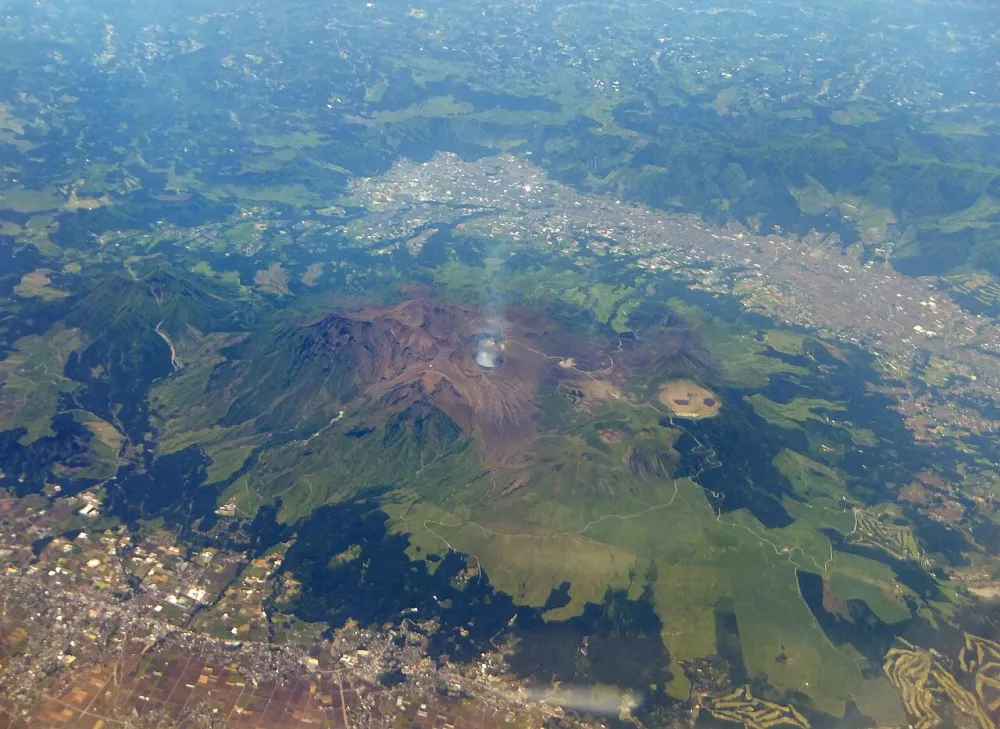
Travelers transferring by JR at Aso Station can use Michi-no-Eki Aso right next door for a quick meal. Its official site lists several akaushi bento boxes alongside local takana fried rice, with prepared foods, bakery items, and sweets ready to go. Grabbing a takeout bento before your next train or bus is far easier to schedule than detouring to Uchinomaki for a sit-down bowl. Aso Station and Uchinomaki are separate areas, and both have to fit around crater access and Kusasenri sightseeing—see our Aso volcano transit and closure guide.
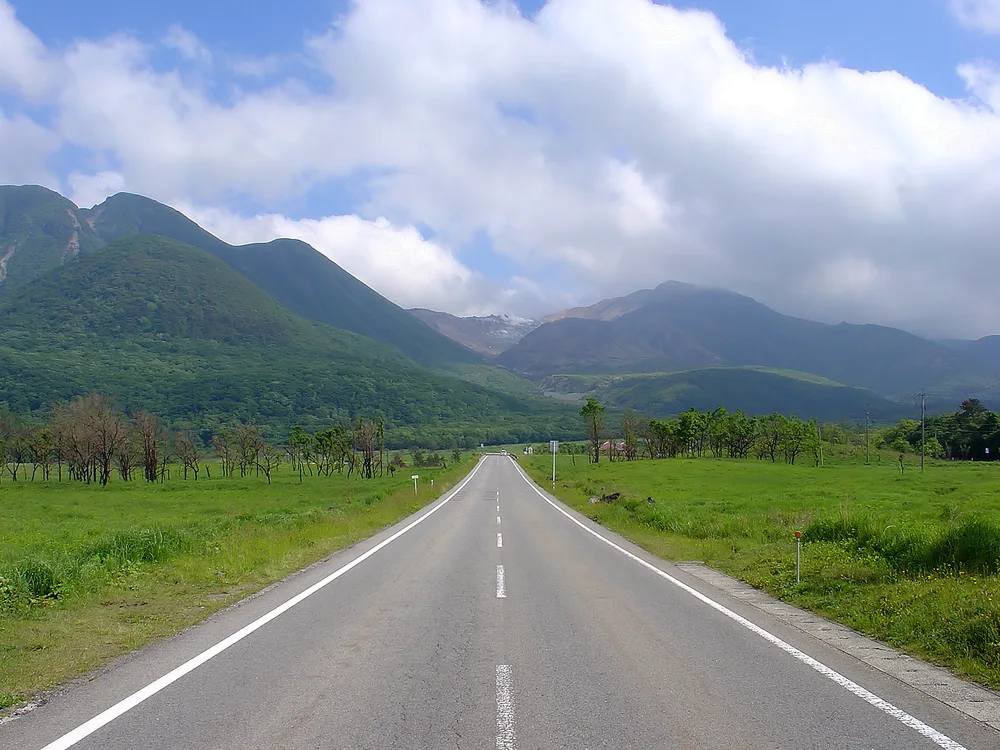
If you are staying overnight in Kurokawa Onsen, check your ryokan's dinner seating time first. Eating akaushi in Kumamoto city before heading up into the mountains in the afternoon is usually far less rushed than squeezing in a beef bowl on the way to check-in. See our Kumamoto, Aso, Kurokawa, and Takachiho route guide for pacing ideas. Adding a dedicated Aso detour solely for an akaushi bowl costs both round-trip transit and queue time, so stay in the city if you are tight on hours.
Save Kumamoto Station Souvenir Shopping for Before You Board
Higo Yokamon Ichiba occupies the first floor of Kumamoto Station. Look specifically for 'Baniku Ryori Suganoya' for sit-down dining and 'Baniku Senmonten Suganoya' for packaged horse meat souvenirs—the station floor map marks them separately. Nearby counters include Oda Shoten for mustard lotus root, Choju-an for ikinari dango, and Aso Farm desserts, letting you handle both a quick bite and gifts on a short layover.
When buying ikinari dango, look at the cross-section showing a thick slice of sweet potato topped with red bean paste inside steamed dough. Shops sell both warm single dumplings for immediate eating and boxed packs with longer shelf lives—check expiration dates and storage labels if gifting them. A single dumpling is surprisingly filling, so if you just finished lunch, split one between two people. Do not confuse the name with dago soup dumplings—look for 'ikinari dango' on the counter sign.
If you want to share karashi renkon back at your hotel, ask for pre-sliced packs. Chilled prepared foods and frozen horse meat must be kept cold according to their packaging; if you have multiple transfers ahead, buy them at your final stop and eat them before heading home. Boxed sweets, tea, and shelf-stable snacks pack much more easily into luggage. Watch the labels: yoreizo means keep refrigerated, and yoreito means keep frozen.
For another taste of Kumamoto, pick up Aso takana-zuke (pickled mustard greens). Around Aso, aged takana is finely chopped, stir-fried with chili, and tossed into rice as takana-meshi. Station market stalls sell jarred or bagged pickles, and Michi-no-Eki Aso's deli counter stocks takana fried rice. If your bags are in station lockers, check which exit is closest to your locker bank before buying chilled goods so you are not hauling hot food and cold packs across the concourse.
Before flying home, finish any chilled or frozen basashi in Japan. Agricultural and animal quarantine rules in most countries strictly prohibit bringing meat products across borders—even vacuum-sealed packs sold at souvenir shops. Stick to boxed confections with clear ingredient labels or packaged teas for gifts back home, and finish any train bento before boarding your flight so it does not end up forgotten in your carry-on.
Where to Eat Before Flying Out of Aso Kumamoto Airport
Suganoya operates a sit-down restaurant in Sorayoka Dining on the first floor of Aso Kumamoto Airport, located landside before security so friends seeing you off can join you. The airport menu includes grilled horse meat sets and miso-stewed horse offal sets, with hours from 11:00 to 20:30 (last order 20:00). If your flight and airport bus schedule are tight, check in your bags first, confirm how much time remains, and then head to the first-floor dining area.
Ajisen x Keika and Akaushi Shokudo Yoka-Yoka sit inside the domestic departures area past security. Domestic flyers can clear security first and eat before boarding. International travelers are also permitted to enter the domestic terminal area to dine and shop, though you must pass through security again when returning to the international gates. The airport states access closes one hour before departure—count backward from takeoff, and if security lines look tight, eat landside on the first floor or have dinner at Sakuramachi before catching the airport bus.
If one person in your group wants akaushi beef and another wants ramen inside the domestic boarding area, you can order from different counters in the same dining hall. Late-evening flyers should check each counter's cutoff individually: the airport lists Ajisen x Keika from 11:00 until the last flight departs (last order 30 minutes prior), while Akaushi Shokudo runs 10:00 to 20:00. For early-morning departures, eat your must-try meal the night before rather than waiting for counters to open.
Easy Routes for Half-Day Visits, One-Night Stops, and Tight Transfers
With four to five hours and Kumamoto Castle on your list, ride the tram to the castle, eat taipiien and grab a warm ikinari dango at Johsaien, then stroll through Torichosuji. If you arrive in the morning and want basashi, grab tea or snacks below the castle first and return to Kumamoto Station before 14:00 for a basashi lunch set. If noon hits while you are still at the castle, sit down at Johsaien instead; if you only have spare minutes before a train, pick up a single snack inside the station market.
With one overnight stay downtown, split lunch in Shimotori and a horse-meat dinner across the day. Tour the castle in the morning, eat at Korantei Shimotori Main Shop for lunch, and spend the afternoon browsing Kamitori or resting at your hotel. Have cooked horse meat and a basashi platter for dinner, then save Kokutei's Nihongi main shop as your farewell meal before catching a JR train the next day. If you arrive on a Sunday and have your heart set on Keika's main shop, move taipiien to Monday, eat Keika at Hanabatacho for Sunday lunch, and keep your horse-meat dinner as planned.
If you are catching the airport bus, anchor your final meal at Sakuramachi. Choose between an akaushi beef bowl or tonkotsu ramen inside the same building—check for kids' menus if traveling with children, or grab takeout if you are short on time. Keep in mind that Sakuramachi is not JR Kumamoto Station, so write the full terminal name into your itinerary when booking or navigating. Official guides note that highway buses, airport buses, and routes toward Kumamoto Station depart from the first-floor terminal, with ticket counters on the second floor—confirm your boarding gate first before heading upstairs to eat.
If someone in your group has one must-visit restaurant, book just that meal and keep casual backups in the same neighborhood for everything else so rain or long queues never force you across town. For example, if dinner is already booked and Johsaien's lunch spots have a wait, grab street snacks inside the complex and pick up a bowl of noodles along your walk out. Save sit-down meals for after you finish any major transit leg.
Whenever a reservation or train departure is locked in, add cutoff times right next to your map pins—such as 'Suganoya Kumamoto Station 14:30 last order' or 'Keika Hanabatacho Main Shop Sun 16:20 last order.' Because brands often share names across multiple branches, restaurants, and souvenir counters, include the mall, floor, or street name in every saved pin. Do not block out separate time just for snacks—grab them while walking through Johsaien or pick up a box at Kumamoto Station before boarding.
A few useful answers
If I can only pick three Kumamoto foods on a first visit, what should they be?
Have taipiien glass noodle soup for lunch, share a small basashi platter or cooked horse meat for dinner, and grab a bowl of Kumamoto ramen from Kokutei or Keika. On a very short stopover, eating horse meat and picking up a sweet potato and red bean dumpling (ikinari dango) at Kumamoto Station is the easiest combo.
Do I need to make a special trip to Aso for a Kumamoto akaushi beef bowl?
No—Akaushi Dining yoka-yoka on the third floor of SAKURA MACHI Kumamoto serves akaushi right in central Kumamoto. Save Uchinomaki's beef bowl spots for when you are overnighting or driving in Aso, or grab an akaushi bento from Michi-no-Eki Aso next to Aso Station during a train transfer.
Are Kokutei's main shop and Keika's main shop in the same neighborhood?
No. Kokutei's main shop is in Nihongi right next to Kumamoto Station, while Keika's main shop is downtown in Hanabatacho. If you are shopping in Shimotori and want Kokutei, go to the Kokutei Shimotori branch instead. Note that Keika's main shop takes its last order at 16:20 on Sundays and national holidays.
How should a group order basashi when traveling with kids or older adults?
Order one small platter of raw basashi for those who want to try it, and order fully cooked horse meat dishes for everyone else. Japan's Ministry of Health, Labour and Welfare advises that children, older adults, pregnant people, and those with weakened immunity face a higher risk of severe food poisoning from raw or undercooked meat.
Can I buy karashi renkon mustard lotus root at both Johsaien and Kumamoto Station?
Yes. Mori Karashi Renkon is along Sakura no Koji in Johsaien, and Oda Shoten is on the first floor of Higo Yokamon Ichiba inside Kumamoto Station. Try a small portion while sightseeing at the castle, then buy boxed packs at the station right before your train.
Official information and references
Sources used in this guide.
- Kumamoto Johsaien Sakura no Koji Shops and Opening Hours
- Korantei Branch Directory
- Korantei Shimotori Main Shop Menu and Lunch Reservation Rules
- MAFF Traditional Cuisine Database: Taipiien (Kumamoto)
- MAFF Regional Culinary Culture: Kumamoto
- MAFF Traditional Cuisine Database: Dagojiru (Kumamoto)
- Suganoya Kumamoto Station Hours, Reservations, and Menu
- Suganoya Guide to Basashi Cuts
- Japan Ministry of Health, Labour and Welfare: Preventing Meat Food Poisoning
- Kokutei Ramen Locations and Opening Hours
- Kokutei November 2026 Operating Hours Notice
- Kokutei Ramen Broth and Roasted Garlic Oil
- Keika Ramen Kumamoto Locations and Hours
- Keika Ramen Menu and Taromen
- Komurasaki Kamitori Chuo Shop Information
- Komurasaki Kamitori Chuo Ramen Menu
- Komurasaki Roasted Garlic Chips and History
- Katsuretsutei Locations and New Year Holiday Closures
- Katsuretsutei Tonkatsu Set Meals and Kids' Menu Rules
- Kumamoto Prefecture: Geographical Indication Registration for Kumamoto Akaushi
- SAKURA MACHI Kumamoto: Akaushi Dining yoka-yoka
- Michi-no-Eki Aso: Imakin Shokudo Operating Information
- Michi-no-Eki Aso: Imakin Shokudo Akaushi Beef Bowl Overview
- Michi-no-Eki Aso: Akaushi Bento and Prepared Foods
- JR Kumamoto Station Higo Yokamon Ichiba 1F Floor Guide
- Kumamoto City Transportation Bureau: Tram Route Map
- Kumamoto Sakuramachi Bus Terminal Boarding Information
- Kumamoto City Official Guide: Shimotori Arcade
- Kumamoto City Official Guide: Kaminoura-dori
- Higo no Jinya Official Menu, Pricing, and Closures
- Higo no Jinya Official Reservation Guidelines
- MAFF Traditional Cuisine Database: Hitomoji no Guruguru (Kumamoto)
- MAFF Traditional Cuisine Database: Aso Takana-zuke (Kumamoto)
- Kuma Shochu Brewers Association: Geographical Indication and Production
- Aso Kumamoto Airport: Suganoya at Sorayoka Dining (Before Security)
- Aso Kumamoto Airport: International Passenger Access to Domestic Dining Area
- Taiwan Animal and Plant Health Inspection Agency (APHIA): Inbound Plant and Animal Quarantine