Plan a 2026–27 visit to Kuju Ski Resort in Kyushu: the scheduled 11 December opening, transfers at JR Bungo-Nakamura, shuttle booking dates, ski lessons in Japanese and English, child tickets, equipment hire and stays in Sujiyu or Chojabaru.
- Region & Focus
- Kyushu
- Reading Scope
- 31 min read · 19 chapters · 7 Q&As
- Official Verification
- 24 official sources checkedUpdated 6 November 2026
- Key Topics
- SeasonsItinerariesWhere to stay
Chapter Route Map (tap any stop)
- Decide whether you want lessons, independent skiing or snow play with children
- The 2026–27 season: scheduled opening on 11 December, with separate rules for autumn snow play
- Choosing a run: practise stopping on Family before moving on to Panorama
- Four-hour, eight-hour or admission-only tickets: buy the time you will use
- The ¥500 deposit is included: how to calculate a family budget
- Hire sizes and consecutive-day discounts: bring your passport and note everyone’s measurements
- Ski lessons in Japanese and English, with separate private lessons for young children
- Snowboard lessons and primary-school children: choose by experience, then time
- A workable route without a car: JR to Bungo-Nakamura, then a pre-booked taxi
- Free shuttle bookings are expected to open in early December
- Driving from Kokonoe IC: arrange winter tyres, chains and a daylight return
- Where to stay: Sujiyu for proximity, Chojabaru for two nights, Yufuin for onward travel
- Hotel Daikogen: fit family baths and meals around a ski day in Sujiyu
- Lodge Toranoyu: published station transfers, with resort transport arranged separately
- A day trip from Hakata: an afternoon lesson, with the morning for travel and equipment
- Two nights without a car: travel up the day before and keep the ski day for the resort
- Snow play only: admission tickets, dry clothing and adults taking turns
- Leaving, onsen visits and changed plans: allow time for the final mountain journey
- Day passes for one or two days; season passes for repeated visits
- Quick Q&A
For a first skiing trip in Kyushu, combine Kuju Ski Resort (くじゅうスキー場) in Oita with one or two nights in Sujiyu Onsen. The 2026–27 season is scheduled to open on 11 December. Without a car, take JR to Bungo-Nakamura and continue up the mountain by pre-booked taxi. Bookings for the new season’s free shuttle are expected to open in early December. Choose your teaching language and lesson time first, then arrange tickets, equipment hire and accommodation so that your transport connects with your lesson.
Decide whether you want lessons, independent skiing or snow play with children
Kuju Ski Resort can form part of a winter trip to Kyushu. It is in Yutsubo, Kokonoe, Oita Prefecture, at 612-1 Yutsubo. Use the Japanese name, くじゅうスキー場, when booking transport or lessons: it is clearer than simply asking for the Kuju mountains. Kokonoe town, the Kuju mountain range and Kuju Kogen cover a wide area, and accommodation searches can bring up places on the far side of the mountains. Mark the resort on your map before comparing accommodation and transport to see how far you would actually travel each day.
If you are learning to ski or snowboard for the first time, make a full lesson the centre of your day. Choose the language and time, then work backwards to your arrival and equipment collection. If you can already turn and stop independently, choose a four-hour or eight-hour pass to suit your available time. Families who only want to build snowmen or use sledges can plan around admission tickets and suitable snow clothing. You can travel together, but calculate each person’s tickets, equipment hire and lessons separately.
If you have just one free day in Kyushu, the return journey from Hakata takes a large part of it, so keep the day for the resort. Adding the Kokonoe Yume suspension bridge, a walk around Yufuin and an onsen visit would cut into boot fitting, lessons and equipment returns. One night in Sujiyu Onsen works well for two days of skiing or a slower introduction for young children. Two nights suit travellers without a car who need a ryokan shuttle that only collects guests in the afternoon.
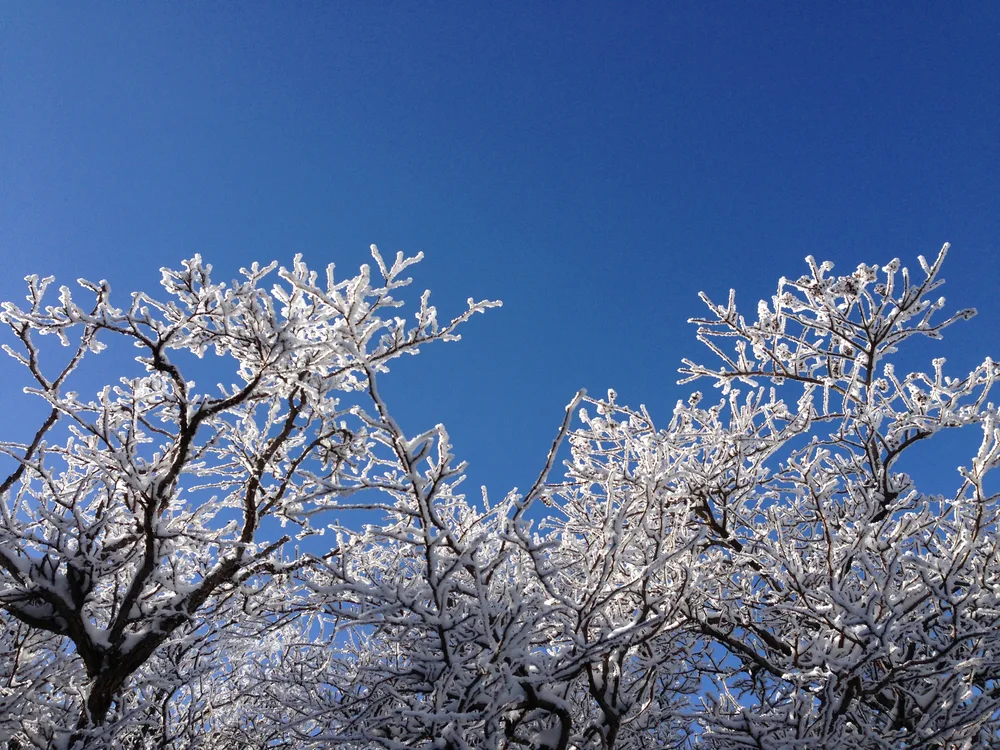
Plan a 2026–27 visit to Kuju Ski Resort in Kyushu: the scheduled 11 December opening, transfers at JR Bungo-Nakamura, shuttle booking dates, ski lessons in Japanese and English, child tickets, equipment hire and stays in Sujiyu or Chojabaru.
The 2026–27 season: scheduled opening on 11 December, with separate rules for autumn snow play
As at 6 November 2026, the resort has published its 2026–27 season passes. The season-pass page gives an opening date of 11 December and validity through late March. Plan winter skiing from that scheduled date onwards, then check the open runs and lifts the day before you travel. The opening date and the area available for skiing are separate pieces of information. First-time students need a suitable teaching area to be open; experienced skiers need to check the particular runs they want to use.
Normal winter opening hours are 09:00–17:00 on weekdays and 08:30–17:30 at weekends and on Japanese public holidays. Lifts stop at 16:50 and 17:20 respectively. Ticket sales and equipment hire normally start 15 minutes before opening. Night skiing runs until 20:00 at weekends and on public holidays in January and February, using lifts 1 and 3. The Challenge and Trial areas do not open for night skiing. Arrange your accommodation and return transport together if you want to stay for the evening.
A November visit involves a separate autumn programme. In an announcement dated 27 September 2026, the resort said its autumn-leaf lift would run at weekends and on public holidays from 10 October, with a snow mound about 3 metres high for snow play at the top of lift 1. Autumn hours are 09:30–16:00, with the last uphill departure at 15:30. Tickets cost ¥1,500 for adults and ¥1,000 for children; children below primary-school age enter free. This is for sightseeing and snow play; skiing and snowboarding start with winter operations. During the autumn programme, only the toilets and vending machines in the Center House are open. The restaurant and shop are closed.
Choosing a run: practise stopping on Family before moving on to Panorama
The resort describes Family Gelande as a wide beginners’ area with a gentler gradient. On your first day, you need a small area where you can repeatedly practise putting on and removing your equipment, getting up, steering and stopping. If other people in your group can already ski, arrange to meet at the Center House and let beginners stay in an appropriate area. Making the highest point your goal can put you on a run beyond your ability.
Panorama Gelande is an intermediate run, listed by the resort as 600 metres long. Challenge Gelande is for advanced users, with a maximum gradient of 25 degrees. Choose a run according to whether you can slow down and turn consistently. A piste map on your phone helps you find your way, but read the opening signs when you arrive. Snowmaking provides a skiable surface in Kyushu; the runs you can actually use depend on that day’s preparation, open areas and your ability.
Beginner facilities include the Snow Escalator, with a total length of 150 metres. Admission tickets include use of the snow conveyor, so you can devote the first part of your visit to basic practice. The resort specifically prohibits sledges and equipment without metal edges on the second conveyor. For snow play with children, use the designated area and permitted conveyor. Children taking lessons should follow their instructor’s directions in the practice area.
Four-hour, eight-hour or admission-only tickets: buy the time you will use
In the current official 2026–27 price list, the adult category covers Japanese junior high school pupils, older students and adults. The child category is for primary-school pupils, the preschool category is for children who have not started primary school, and the senior category is for people aged 60 or over. Four-hour and eight-hour packages include admission and lifts for the relevant period, so you do not need an extra admission ticket. Prices in the table are in yen and already include a refundable ¥500 deposit.
Weekend and public-holiday rates differ from weekday rates. The all-day Long package, which includes the evening, is sold only on days with night skiing. If you are leaving after daytime skiing, compare the four-hour and eight-hour passes rather than paying for the Long package’s evening hours.
For snow play or the introductory practice facilities, admission costs ¥2,500. Children below primary-school age enter free when accompanied by a parent or guardian. You can add a single lift ride for ¥500; unused rides are not refundable. Accompanying adults who enter the paid area must include their own admission in the budget. A child’s free admission and their use of a lift have separate ticket conditions.
The question with a four-hour pass is how much you put into those four hours. A 90-minute afternoon lesson followed by practice can soon use up those four hours. Lessons in both the morning and afternoon, with lunch and breaks between them, are more comfortable on an eight-hour pass. The resort allows upgrades for the price difference plus a ¥500 handling fee, but the upgraded period still runs from your original entry time. Plan the timing before you arrive to avoid an unplanned upgrade.
| Ticket | Adult | Age 60+ | Primary-school pupil | Below primary-school age |
|---|---|---|---|---|
| Weekday, 4 hours | 5,500 | 5,000 | 2,500 | 2,000 |
| Weekday, 8 hours | 6,500 | 6,000 | 3,500 | 2,500 |
| Weekend/public holiday, 4 hours | 6,000 | 5,500 | 3,000 | 2,000 |
| Weekend/public holiday, 8 hours | 7,000 | 6,500 | 4,000 | 2,500 |
| All-day Long, on night-skiing days | 7,500 | 7,000 | 5,000 | 3,500 |
The ¥500 deposit is included: how to calculate a family budget
The current official ticket page states that prices include a ¥500 IC ticket-card deposit. Return the card at the Information counter in the Center House when you leave to receive the refund. Pay the full face value first, then deduct the deposit at the end. If you are travelling as a group, agree to return the cards before meeting at your pick-up point, so nobody boards the vehicle with a card still in their jacket.
For one adult beginner skiing on a weekday, a four-hour package costs ¥5,500, a three-piece ski set ¥5,000, a ski jacket and trousers ¥4,000, and a 90-minute Japanese group lesson ¥4,500: ¥19,000 in total. If you already have suitable ski clothing, the total falls to ¥15,000. This covers the ticket, skis and boots, clothing and lesson. Budget separately for food, transport, a helmet and other accessories. Returning the ticket card gives you ¥500 back.
For one primary-school pupil on the same basis, the four-hour package costs ¥2,500, the three-piece ski set ¥4,000, ski clothing ¥2,500 and a Japanese children’s group lesson ¥4,500: ¥13,500 in total. The two packages above cost ¥32,500 for one adult and one primary-school child, with ¥1,000 refunded when both IC cards are returned. If you need an English lesson, recalculate using the English private-lesson prices. The Japanese group-lesson fee is not the price of a lesson in another language.
The resort’s ticket counters, equipment hire, restaurant and shop accept credit cards and several electronic payment methods. Taxis and ryokan are separate businesses with their own charges. When booking a taxi, ask about payment methods, the return fare and vehicle type, then add the quoted transport cost to your family total. Sharing one vehicle between three or four people costs much less per person than booking it alone. Get the fare before deciding between a day trip from Hakata and a stay near the resort.
Hire sizes and consecutive-day discounts: bring your passport and note everyone’s measurements
The official three-piece ski set includes skis, poles and boots, at ¥5,000 for adults or ¥4,000 for primary-school pupils. A two-piece snowboard and boot set costs the same: ¥5,000 for adults or ¥4,000 for primary-school pupils. A ski jacket and trousers cost ¥4,000 for adults or ¥2,500 for primary-school pupils. Registration requires height, weight and foot length, and the group representative must show identification; overseas visitors can use a passport. Save everyone’s measurements on your phone so you can give them at the counter, then still allow time to try on and adjust the boots.
The price list gives ski-boot sizes of 15.5–32.5 cm and boot sizes of 13.5–33 cm for conventional strap-binding snowboards. Snow clothing starts at 90 cm. These ranges apply to different items, so when booking a lesson for a young child, specify skiing or snowboarding and give their actual foot length. If Step On snowboard sets are all hired out, the resort supplies conventional strap-binding equipment instead. Practise fastening and releasing the bindings you actually receive so you can manage them during independent practice later.
Accessories are also available to hire. Standard goggles cost ¥1,000 and children’s goggles ¥500; gloves and hats are ¥500 each. Standard helmets cost ¥2,000 and children’s helmets ¥1,500. For snow play only, snow boots cost ¥1,500 for adults or ¥1,000 for primary-school pupils. Socks are not available to hire, so bring thick socks that reach just below the knee. Pack spare dry socks, base layers and a bag for wet clothing for the change back into your everyday shoes.
For two or three consecutive days, tell the hire desk your later dates when registering on day one. The website lists discounts of ¥1,000 on the second day and ¥1,500 on the third. Its example prices a ¥5,000 equipment-and-boot set at ¥5,000, ¥4,000 and ¥3,500 on successive days. You must still return the equipment and pay each day; you cannot keep the first day’s equipment at your accommodation for the following days. Switching between skis and a snowboard costs an extra ¥1,000. If you are undecided, start with the sport you have booked a lesson for.
Ski lessons in Japanese and English, with separate private lessons for young children
Kuju Pro Ski School’s standard sessions are 09:30–11:00, 11:30–13:00 and 14:00–15:30, each lasting 90 minutes. Japanese general group lessons are for junior high school pupils, older students and adults; Junior group lessons are for primary-school pupils. Both cost ¥4,500 per person for one lesson, ¥8,500 for two or ¥12,000 for three. Japanese private lessons cost ¥12,000 for one person or ¥14,000 for two, per session. Children aged four or over who have not started primary school can take a children’s private lesson for ¥14,000.
The school’s Service for English page lists separate private lessons. For ages seven and over, a 90-minute lesson costs ¥18,000 for one person, ¥22,000 for two or ¥25,000 for three. For a child aged four to six, a one-person 90-minute lesson costs ¥16,000. These are total lesson prices for the stated number of participants. For example, two family members aged seven or over pay ¥22,000 together for a 90-minute English lesson, plus each person’s ticket and equipment hire.
If family members want to learn together, describe both their experience and their language needs. An adult who has never worn ski boots needs very different practice from a child who can already turn independently. The same group size can therefore involve different teaching needs. When booking, descriptions such as “first time skiing” or “can stop but cannot turn yet” are more useful than simply writing “beginner”. Use the English children’s option for ages four to six. For a child who has started primary school but is not yet seven, give both their age and school status so the school can place them.
Book ski lessons by calling 070-3810-2959 or through the school’s website. On arrival, check in at the school counter inside the Center House; the meeting point is marked outside, to the left as you leave. If you set off from Hakata early and reach Bungo-Nakamura at 09:45, you cannot make the first lesson at 09:30. Choose 11:30 or 14:00 and allow time for equipment hire and changing. For the first session, a stay near the resort with morning transport arranged is more practical.
Snowboard lessons and primary-school children: choose by experience, then time
Million Snowboard School offers JSBA-accredited lessons. General first-timer and beginner classes are for junior high school pupils, older students and adults, at ¥4,500 for one 90-minute lesson or ¥8,500 for two. Intermediate and advanced classes cost ¥5,500 for one or ¥10,000 for two. Primary-school pupils trying snowboarding for the first time can take E-1, at ¥4,000 for one lesson or ¥7,500 for two. E-2 suits primary-school pupils with some experience who are still unfamiliar with riding. E-3 is for children who can complete a turn in one direction. E-2 and E-3 each cost ¥4,500 per lesson.
These categories help families choose: first describe what your child could do on their last visit, then select the class. Adults and primary-school children may be taught in different groups. Parents can take their own lesson at the same time and agree on a meeting point at check-in. For a child who has not started primary school, ask the school directly about suitable options. The published E-1 to E-3 prices are all for primary-school pupils, so do not use them for preschool children.
The resort lists the same three snowboard lesson start times: 09:30, 11:30 and 14:00. Book through the school’s official LINE account or by calling 090-9722-7306. If you need teaching in English or Chinese, state this when booking and have the school confirm the available class and fee. Including the teaching language in your booking is easier to arrange than relying on a companion to translate at the meeting point.
A workable route without a car: JR to Bungo-Nakamura, then a pre-booked taxi
From Fukuoka, take the JR limited express Yufu 1 to Bungo-Nakamura Station, then continue up the mountain in a pre-booked vehicle. JR Kyushu’s published November 2026 timetable has departures from Hakata at 07:43 and Kurume at 08:25, arriving at Bungo-Nakamura at 09:45. From Yufuin, another option is Yufu 2, departing at 09:08 and arriving at Bungo-Nakamura at 09:24. Both trains stop at Bungo-Nakamura. Search for that station as your destination and check both the train name and its stops when booking.
The next leg is a mountain-road journey. When booking with a local taxi company, request “豊後中村駅から、くじゅうスキー場まで” and give your date, train arrival time, group size and number of bags. Book the return from the resort at the same time. Chojabaru Visitor Center’s transport contact list includes Hato Taxi in the Sujiyu area (0973-79-2510) and KC Taxi in the Kusu area (0973-76-2121). Ask for a return quote and journey times for your actual pick-up and drop-off points, then use that quote in your budget.
A pre-booked vehicle from the station fits most comfortably with the 14:00 lesson. After the 09:45 train arrival, you have time to travel up, collect equipment and eat. To aim for 11:30, give the taxi company your lesson time when booking so that pick-up, resort arrival and equipment hire can be planned together. On arrival, check in with the school first, then follow staff instructions for equipment collection or meeting up. This lets the school know you have arrived if queues are long.
Check the gaps between trains back to Hakata. In the November 2026 timetable, the afternoon direct Yufu 4 leaves Bungo-Nakamura at 14:34, during the afternoon lesson. The later direct Yufu 6 leaves at 19:44 and reaches Hakata at 21:34. Local trains towards Hita also leave at 16:46 and 18:05; search the JR system for connections on your travel date. If you book an afternoon lesson, choose your return journey before setting the taxi pick-up time at the resort. For the evening direct train, plan where to eat before waiting at the station.
Free shuttle bookings are expected to open in early December
The resort’s access page lists a free shuttle bus: one departure each morning at 09:45, reservation only, with bookings closing when full. On 6 November 2026, the resort’s official booking form displayed “2026–2027シーズンの申し込み開始は2026年12月初旬を予定しています” — applications for the 2026–2027 season are expected to start in early December 2026. The form is not yet accepting applications for the new season. If you plan to use the free bus, set aside time in early December to make the booking.
The connection needs to work in practice: Yufu 1 from Hakata arrives at Bungo-Nakamura at 09:45, while the access page also gives 09:45 as the shuttle departure. Once the form opens, book using the selected pick-up point, actual meeting time and return service, then book a compatible lesson. You can describe your plans as “arriving on JR Yufu 1 and planning to take the 14:00 lesson”, with the shuttle operator and school each confirming their part.
If your lesson or accommodation booking deadline comes before shuttle reservations open, use a pre-booked return taxi from the station or a package with confirmed transport details. The resort’s enquiry number is 0973-79-2200. The free shuttle saves the mountain-road fare but ties your activities to fixed departures. For a solo traveller without large bags, it is usually worth waiting until shuttle bookings open to compare the options. Families should also account for waiting and changing time.
Driving from Kokonoe IC: arrange winter tyres, chains and a daylight return
From the Fukuoka side, the resort recommends the Oita Expressway via Kokonoe IC, Shikisai Road and Sujiyu Onsen, with an indicative journey of about two hours. From Kumamoto, it lists about two hours via Route 57, the Yamanami Highway and Senomoto. These times help compare starting points; winter driving plans also need time for breaks, snow and fitting chains. Book winter tyres with your hire car and check that the supplied chains fit its tyre size and that you know how to fit them.
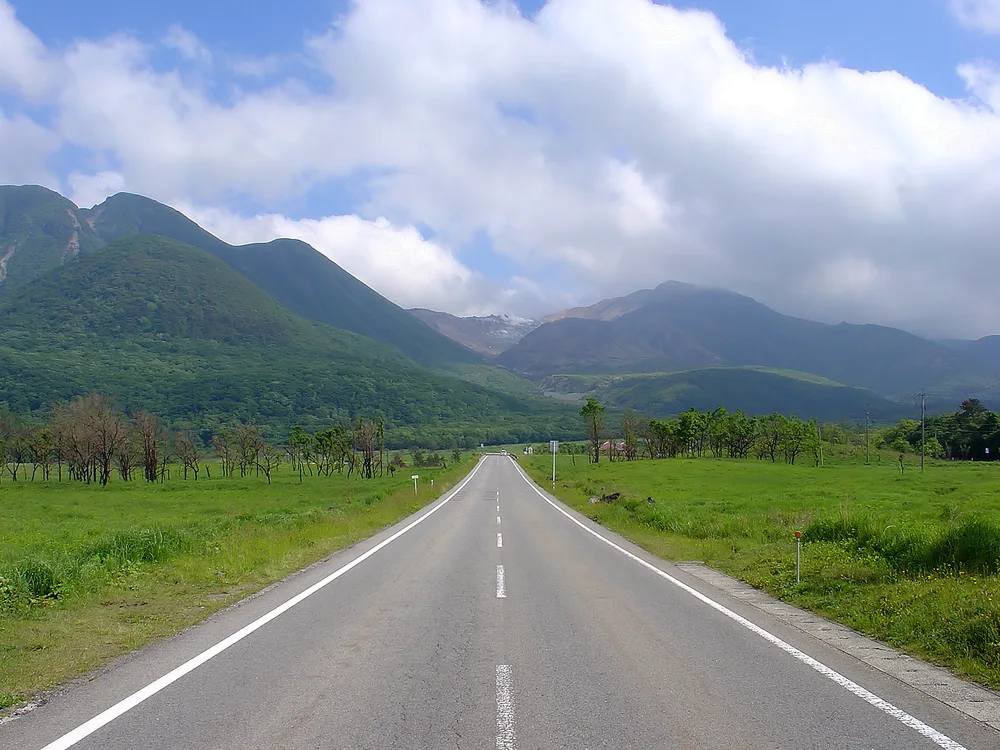
The resort has about 1,500 free parking spaces, also free at weekends and on public holidays. Driving removes the need to catch a station shuttle, but you still need to collect tickets, fit boots, change and check in. For a 09:30 first lesson, work backwards from the normal start of service at 08:45 on weekdays or 08:15 at weekends. If the whole family needs equipment, arriving early is more useful than adding another stop on the way.
For the return, stay overnight in Sujiyu Onsen or drive down while daylight and road conditions are suitable. The resort’s access page requires drivers to carry snow chains. Read its official road information before setting off and check the conditions for your planned return time after arriving. For families with young children, wet clothes to dry or another lesson the next day, a warm place to stay supports the following day’s activities.
Where to stay: Sujiyu for proximity, Chojabaru for two nights, Yufuin for onward travel
Sujiyu Onsen is the most direct base for the resort. The resort lists the onsen village as about five minutes away by car, making it easy to return, bathe and have dinner after skiing. Compare dinner-and-breakfast plans, sleeping arrangements and family baths, then confirm the actual vehicle for the resort journey. The ski area is on a hillside and the onsen streets are elsewhere. Even after choosing a nearby ryokan on the map, include morning and evening transfers in your booking arrangements.
Chojabaru suits a two-night stay with skiing, hot springs and highland walks on separate days. The area has the Visitor Center and Tadewara Wetland, but the resort is still a drive from your accommodation. Without a car, compare the combination of station transfers, ski-resort transfers and dinner first. A “free shuttle” on a hotel website can leave a gap in your journey if you omit another leg. List station to accommodation, accommodation to resort and resort back to accommodation separately to see the total cost.
Yufuin works well for an onsen-town visit and travel to other Kyushu cities before or after skiing. Using it as a base for daily resort trips adds return mountain journeys. For just one day of skiing, you could stay in Yufuin the night before and move to Sujiyu or Chojabaru afterwards. For two ski days, staying near the resort removes one cross-area transfer. Choose your base around the number of ski days, then add sightseeing.
Hotel Daikogen: fit family baths and meals around a ski day in Sujiyu
Kuju Iyashi no Sato Hotel Daikogen (九重いやしの里 ホテル大高原) is at 576-1 Komatsu, Yutsubo, Kokonoe. Its official accommodation information lists Japanese-style rooms of eight or twelve tatami mats and Western-style twin rooms, plus seven different private baths and separate men’s and women’s communal baths. Families wanting to bathe together after skiing can choose rooms and plans around how the baths work, their group size and children’s meal needs. Compare prices for the same dates and actual number of guests rather than copying the onsen association’s lowest listed rate.
The hotel’s official access page gives about 25 minutes from Kokonoe IC, free parking and the telephone number 0973-79-3301. Depending on the plan, meals may be served in the room or restaurant; breakfast is in the restaurant. For a family taking the afternoon lesson, link the 15:30 finish with equipment returns, bathing and dinner. Match your arrival to the dinner start time when booking, so resort activities finish in time for the meal included in your stay.
The Sujiyu Onsen Tourism Association also lists accommodation including Asahiya (朝日屋), Hojyuya (寶珠屋), Yuyutei (悠々亭) and other ryokan. Compare whether children have their own bedding, whether meals are included, whether the family can use a bath together and how luggage storage works after check-out. Enter each child’s age, actual sleeping arrangements and meal needs fully so the quoted room price matches your family’s plans.
Lodge Toranoyu: published station transfers, with resort transport arranged separately
Lodge Toranoyu is in Chojabaru Onsen, about 20 minutes from the ski resort by car according to its official ski-stay page. Guests can use the communal bath and five private family baths. Room-only guests can check in until 22:00; meal-inclusive plans require arrival by 17:30. If you want dinner there after the afternoon lesson, account for equipment returns, changing and the drive after the 15:30 finish, rather than planning from the latest evening check-in time alone.
The lodge’s currently announced free winter shuttle runs from 1 December 2026 to 31 March 2027, with one return service daily for staying guests only. Book by 18:00 three days before travel. The outward service leaves Yufuin Station at 14:00, Kokonoe IC at 14:30 and Bungo-Nakamura Station at 14:40, reaching the lodge at 15:10. The return leaves the lodge at 11:00, reaching Bungo-Nakamura Station at 11:30, Kokonoe IC at 11:40 and Yufuin Station at 12:10. The booking page gives a maximum of eight passengers; the number of suitcases affects passenger capacity.
This service suits two nights: arrive at the lodge on the first afternoon, ski on day two and check out for the station on day three. Book the second day’s resort transport separately with the lodge or a taxi company, and obtain its times and cost. The 11:00 check-out-day shuttle works for the day after your resort activities finish. If you want to stay one night and ski into the afternoon after checking out, arrange your own return vehicle to cover both your luggage and departure time.
The winter miso hotpot accommodation plan is listed for 1 December 2026 to 31 March 2027, with dinner available in your room. If you choose a room-only stay, arrange dinner and breakfast before reaching the highlands. With a meal-inclusive plan, build the 17:30 arrival requirement into your taxi booking. Compare the free station transfer, any saving on accommodation and the extra resort transport cost together to decide whether it suits this ski trip.
A day trip from Hakata: an afternoon lesson, with the morning for travel and equipment
Without a car, use Yufu 1 from Hakata at 07:43, arriving at Bungo-Nakamura at 09:45, with a pre-booked return taxi. At the resort, check in and collect equipment, then complete boot fitting, changing and lunch before noon. Take the 14:00–15:30 lesson, practise afterwards within your ability, then change and return equipment in time for your booked vehicle. This uses the morning for transport and best suits adults or older children who want an initial lesson.
With a four-hour pass, plan your entry time together with how long you want to practise after the lesson. Entering after 10:00 for practice and waiting until the 14:00 lesson may mean your four hours expire too soon. If you want to practise in the morning and continue with an afternoon lesson, choose an eight-hour pass. Tell ticket staff and the school your lesson and return times, follow the on-site sequence for tickets, hire and entry, and choose a pass that covers your actual activities.
If you return on the direct Yufu 6 at 19:44, you reach Hakata at 21:34. Plan dinner and rest back at the hotel as part of this long day. For primary-school children, compare an overnight stay in Sujiyu so they can return to the ryokan straight after the afternoon lesson. It may not save on ticket prices, but it removes a wait at night and a long journey.
Two nights without a car: travel up the day before and keep the ski day for the resort
If you use Lodge Toranoyu’s winter station shuttle, travel from Yufuin or Bungo-Nakamura on the first afternoon. Drop off your bags, find the baths and the next day’s pick-up point, then prepare ski clothing, passports and dry socks after dinner. Arrange the second day’s resort vehicle when booking your stay. Choose a 09:30 or 11:30 lesson to suit your actual arrival and equipment collection. Without the early departure from Hakata that morning, a morning lesson is easier to include.
On the ski day, start with one lesson, then decide after lunch whether you have the energy for more practice or another lesson. There is only an hour between the end of the 11:30 lesson and the start of the 14:00 lesson, so eating at the resort is more convenient if you take both. Choose an eight-hour pass for a full day. Return to the lodge in the late afternoon, put away wet clothing, bathe and eat, then take the 11:00 shuttle back to the station on day three. This three-day, two-night plan suits families who want to handle learning and mountain transport on separate days.
With a car and one night in Sujiyu, you can ski on the first afternoon and second morning, with practice on both days. Register for consecutive-day hire discounts on day one and collect the equipment again on day two. After check-out, put luggage in the car or store it as agreed with the ryokan. If your second night is in Yufuin, leave time for the final equipment return and the drive down; you will not need to hurry back to Sujiyu for dinner.
Snow play only: admission tickets, dry clothing and adults taking turns
For a preschool child’s first experience of snow, start with admission and snow play. Children below primary-school age enter free with a parent or guardian; accompanying adults pay ¥2,500 admission. If an adult is also taking a lesson, arrange for another adult to supervise and buy the tickets each person needs. Keep the first goal small: put on snow boots, play in the designated area for a while, then go indoors for dry gloves. Having someone free to take the child back to the Center House whenever they need a break makes the family’s day easier to sustain.
Children must not be held in someone’s arms or carried on their back on the lifts. If you want a young child to use a lift for skiing, ask the school to plan this around their age and ability. Children aged four or over who have not started primary school can consider private children’s ski lessons. Use snow-play equipment in the designated areas, especially given the second conveyor’s ban on sledges and equipment without metal edges. Treat access to the snow-play area and a child’s ability to board and leave a lift independently as separate questions.
Choose clothing, gloves and footwear for the activity. Sledging and building snowmen involve repeated contact with snow, so bring spare gloves and dry socks, plus dry clothes for the journey back. For snow play only, hire snow boots rather than a full ski or snowboard set. If some family members have lessons while others rest, agree on a meeting place and time inside the Center House and keep phones in a pocket that resists water.
Leaving, onsen visits and changed plans: allow time for the final mountain journey
Before leaving, return skis or boards, boots and hired clothing, change into dry clothes, empty your locker and return the IC card, then go to the agreed pick-up point. Locker options include a ¥100 shoe locker, two ¥200 types and a larger ¥500 locker. Choose a size that fits the family’s belongings and check children’s hats, gloves and goggles on departure. Your taxi’s arrival time is not the time to start a final run: returning equipment and changing take time.
If you stay in Sujiyu, visit a public bath after returning to your accommodation. The tourism association’s current information lists Utase Daiyokujo at ¥400, open 06:00–21:30, and Iwan-yu and Yakushi-yu at ¥400, open 07:00–22:00. The latter two alternate between men and women by day. Read the sign at the entrance before choosing the bath available to you. Keep towels and fresh clothes somewhere easy to reach at your accommodation or in the car so you can go straight to dinner or rest afterwards.
If the resort reduces the open area, beginners should first ask whether their lesson can run in the teaching area; experienced skiers can decide how long to stay based on the open runs. If mountain transport is suspended, keep activities around your accommodation or at lower elevations and deal first with the cancellation terms for your vehicle, lesson and room. Before setting off, read the resort’s daily piste and road updates and check their publication dates. The official resort camera shows Japan time: check the time on the image and compare road access and run openings with notices from the same day.
This is the resort’s official live camera, with Japan time shown at the top left. The image is darker at night. Before setting off, compare the time on the image with piste and road notices from the same day.
Day passes for one or two days; season passes for repeated visits
Early-bird 2026–27 season passes are sold online until 30 November. The current adult price is ¥50,000, compared with the normal ¥55,000. They suit people returning repeatedly throughout the season. For one or two ski days on a Kyushu trip, compare day passes and consecutive-day equipment discounts first. A season pass does not pay for each visit’s transport, accommodation or equipment hire; include those costs every time.
For comparison, an adult weekend eight-hour ticket has a face value of ¥7,000 and costs ¥6,500 after the card refund. Eight visits cost ¥52,000 after refunds, approaching the ¥50,000 early-bird season pass. This calculation helps assess the number of return visits; the threshold differs if you usually buy four-hour or weekday tickets. Season passes are personal and require identification and a front-facing photograph. Decide how often you will return before completing the ticket and issue details.
The season-pass FAQ allows cancellation before opening. If the resort operates for fewer than ten days in the whole season, it will consider refund measures. For an overseas visitor making one trip, arranging the right lesson language, return vehicle and day pass is usually more useful than rushing to buy a season pass by 30 November.
A few useful answers
Can you ski anywhere in Kyushu in winter?
Kuju Ski Resort in Kokonoe, Oita Prefecture, offers ski and snowboard lessons and snow-play facilities. The 2026–27 season-pass page lists 11 December as the scheduled opening date. Winter facilities include snowmaking and graded runs, and you can combine a visit with a stay in Sujiyu Onsen.
Can I book the free shuttle for 2026–27 now?
On 6 November 2026, the resort’s official form said applications were expected to open in early December. The access page currently lists one reservation-only departure each day at 09:45. Once the form opens, book using the pick-up point, meeting time and return service.
Can I reach the 09:30 lesson from Hakata that morning?
Yufu 1 leaves Hakata at 07:43 and does not reach Bungo-Nakamura until 09:45, so it cannot connect with the first lesson at 09:30. For a day trip, choose 11:30 or 14:00 with pre-booked mountain transport. Stay near the resort the night before if you want the first session.
Do ski lessons in English cost the same as Japanese lessons?
The school has a separate English private-lesson price list. For ages seven and over, 90 minutes costs ¥18,000 for one person or ¥22,000 for two. One child aged four to six pays ¥16,000. A Japanese group lesson costs ¥4,500 per person. The two options have separate bookings and prices.
Do I need a lift package just to accompany children for snow play?
You can use an admission ticket, currently ¥2,500. Children below primary-school age enter free with a parent or guardian. Buy the appropriate extra ticket if you want to use a lift. Children must not be held in someone’s arms or carried on their back on lifts, and sledges are not allowed on the second conveyor.
Do I need to add another ¥1,000 for the IC ticket-card deposit?
The current 2026–27 ticket page states that prices already include a ¥500 deposit, refunded when the card is returned. Four-hour and eight-hour packages also include admission.
Does Lodge Toranoyu’s free shuttle go to the ski resort?
The published winter guest shuttle connects Yufuin Station, Kokonoe IC, Bungo-Nakamura Station and the lodge, with one return service daily. The lodge is about 20 minutes from the resort by car. Book that leg separately for your ski day.
Official information and references
Sources used in this guide.
- Kuju 2026–27 season passes, opening date and cancellation terms
- Kuju current ticket prices, IC deposit and upgrade rules
- Kuju winter opening hours and locker FAQ
- Kuju pistes, conveyors and night skiing
- Kuju equipment hire prices, sizes and consecutive-day discounts
- Kuju ski and snowboard lessons
- Kuju Pro Ski School: Japanese lesson fees, ages and bookings
- Kuju Pro Ski School: English private-lesson fees
- Kuju access, parking and shuttle information
- Kuju free shuttle: official booking form
- JR Kyushu Yufu 1: published November 2026 timetable
- JR Kyushu Yufu 2: published November 2026 timetable
- JR Kyushu Yufu 6: published November 2026 timetable
- JR Kyushu departures from Bungo-Nakamura towards Hita and Kurume
- Chojabaru Visitor Center: local transport and taxi contacts
- Kuju 2026 autumn-leaf lift and autumn snow-play announcement
- Kuju nearby onsen and driving time to Sujiyu
- Sujiyu Onsen Tourism Association accommodation list
- Sujiyu Onsen public bath prices and opening hours
- Hotel Daikogen official rooms, baths and meals
- Hotel Daikogen access and contact details
- Lodge Toranoyu 2026–27 winter station-shuttle timetable
- Lodge Toranoyu guest-shuttle booking conditions
- Lodge Toranoyu ski stays, journey time and arrival deadlines