Plan a 2026–27 trip to Kuju Ski Resort in Kyushu: the planned December 11 opening, connections from JR Bungo-Nakamura, free shuttle reservations, Japanese and English ski lessons, children’s tickets, rentals, and stays in Sujiyu and Chojabaru.
- Region & Focus
- Kyushu
- Reading Scope
- 31 min read · 19 chapters · 7 Q&As
- Official Verification
- 24 official sources checkedUpdated November 6, 2026
- Key Topics
- SeasonsItinerariesWhere to stay
Chapter Route Map (tap any stop)
- Decide whether you want lessons, independent skiing, or snow play with the kids
- 2026–27 season: a planned December 11 opening and separate autumn snow-play rules
- Choosing a run: learn to stop on Family before trying Panorama
- 4-hour, 8-hour, or admission only: buy the time you will use
- The 500-yen deposit is included: working out a family budget
- Rental sizes and consecutive-day discounts: bring your passport and measurements
- Ski lessons in Japanese or English, with private lessons for young children
- Snowboard lessons for elementary school students: choose by experience, then by time
- Without a car: JR to Bungo-Nakamura, then a reserved taxi
- Free shuttle: plan to reserve when applications open in early December
- Driving via Kokonoe IC: arrange winter tires, chains, and a daylight return
- Where to stay: Sujiyu for proximity, Chojabaru for two nights, Yufuin for onward travel
- Hotel Daikogen: a Sujiyu stay with family baths and meals after skiing
- Lodge Toranoyu: published station transfers, with separate rides to the resort
- A day trip from Hakata: one afternoon lesson, with the morning for travel and rentals
- Two nights without a car: arrive the day before and keep the ski day for the slopes
- For children who only want snow play: admission, dry clothes, and an adult to stay with them
- Leaving, hot springs, and changes of plan: leave time for the final mountain transfer
- For one or two ski days, choose daily tickets; compare a season pass for repeated visits
- Quick Q&A
To learn to ski in Kyushu, combine Kuju Ski Resort in Oita with one or two nights in Sujiyu Onsen. The 2026–27 season is scheduled to open on December 11. Without a car, take JR to Bungo-Nakamura and continue up the mountain by a reserved taxi. Reservations for the new season’s free shuttle are expected to open in early December. For a first visit, choose your lesson language and time before arranging tickets, rentals, and lodging, so your transportation gets you there in time for class.
Decide whether you want lessons, independent skiing, or snow play with the kids
Kuju Ski Resort can fit into a winter trip around Kyushu. It is in Yutsubo, Kokonoe, Oita Prefecture, at 612-1 Yutsubo. Use its Japanese name, くじゅうスキー場, when booking transportation or lessons; it is more precise than asking for the Kuju Mountains. Kokonoe, the Kuju mountain range, and Kuju Kogen cover a large area, and lodging searches can return properties on the other side of the mountains. Mark the resort on a map before comparing lodging and transportation to see how far you would actually travel each day.
If you are learning to ski or snowboard, build the day around a full lesson. Choose the teaching language and start time, then arrange your arrival and equipment pickup. If you can already turn and stop independently, choose a 4-hour or 8-hour ticket to match the time available. Families coming only for snow play or sledding can plan around admission and clothing for snow play. These groups can travel together, but work out each person’s tickets, rentals, and lessons separately.
If you have just one free day in Kyushu, a round-trip from Hakata takes considerable travel time, so keep the day for the ski resort. Adding the Kokonoe Yume Suspension Bridge, a walk around Yufuin, and hot springs leaves less time to fit boots, take lessons, and return equipment. A night in Sujiyu Onsen works better for two days of skiing or for helping young children get used to snow. Plan two nights if you are traveling without a car and using an inn shuttle that only picks up guests in the afternoon.
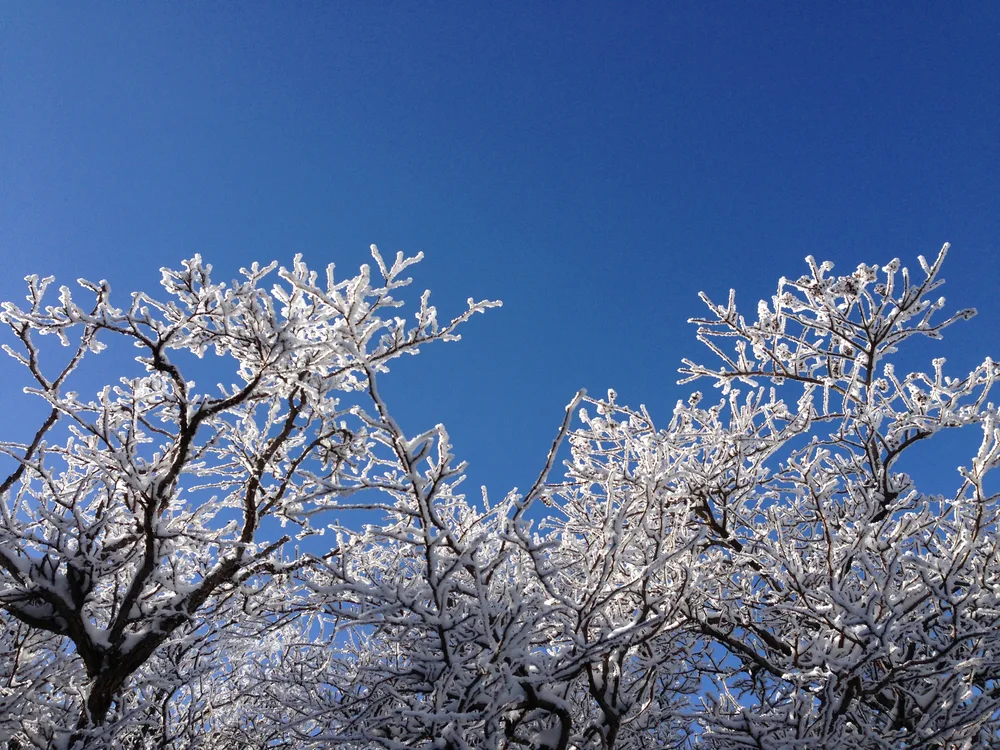
Plan a 2026–27 trip to Kuju Ski Resort in Kyushu: the planned December 11 opening, connections from JR Bungo-Nakamura, free shuttle reservations, Japanese and English ski lessons, children’s tickets, rentals, and stays in Sujiyu and Chojabaru.
2026–27 season: a planned December 11 opening and separate autumn snow-play rules
As of November 6, 2026, the resort has released its 2026–27 season pass. The pass page lists December 11 as opening day and validity through late March. Choose winter skiing dates from that planned opening onward, then read the trail and lift operating information the day before you go. The opening date and the terrain available are separate details: first-time students need a teaching area that is open that day, while experienced visitors should check the runs they want to ski.
Normal winter hours are 09:00–17:00 on weekdays and 08:30–17:30 on weekends and Japanese national holidays. Lifts stop at 16:50 and 17:20, respectively. Ticket sales and rental check-in generally start 15 minutes before opening. On weekends and national holidays in January and February, night skiing runs until 20:00 using lifts 1 and 3. The Challenge and Trial areas are closed at night. Arrange lodging and return transportation together if you want to ski after dark.
A November visit follows a separate autumn program. In an announcement dated September 27, 2026, the resort said its fall foliage lift would run on weekends and national holidays from October 10, with a snow pile about 3 meters high for snow play at the top of lift 1. Autumn hours are 09:30–16:00, with the last uphill ride at 15:30. Tickets cost 1,500 yen for adults and 1,000 yen for children; children not yet in elementary school ride free. This program is for sightseeing and snow play. Skiing and snowboarding begin with winter operations. In autumn, only the restrooms and vending machines in the Center House are available; the restaurant and shop are closed.
Choosing a run: learn to stop on Family before trying Panorama
The resort describes Family Gelande as a wide beginner area with a gentle slope. When you first get on skis or a snowboard, you need a small area where you can repeatedly practice putting equipment on and taking it off, getting up, controlling direction, and stopping. If others in your group already ski, arrange to meet at the Center House so beginners can stay on suitable terrain. Making the highest lift your goal for the day can put you on a run beyond your ability.
Panorama Gelande is an intermediate run, listed as 600 meters long. Challenge Gelande is for advanced skiers and riders, with a maximum gradient of 25 degrees. Choose terrain according to how reliably you can slow down and turn. A trail map on your phone helps you find your way, but read the open-and-closed signs when you arrive. Snowmaking makes a ski surface possible in Kyushu; your choices still depend on that day’s grooming, open terrain, and your ability.
Beginner facilities include the Snow Escalator, with a total length of 150 meters. Admission includes use of the snow conveyor belts, so you can spend your first part of the day practicing the basics. The resort specifically prohibits sleds and play equipment without metal edges on conveyor belt 2. For snow play, use the designated areas and conveyors. Children taking lessons should use the practice area as their instructor directs.
4-hour, 8-hour, or admission only: buy the time you will use
On the current 2026–27 official price list, the adult category starts with junior high school students. The child category is for elementary school students, the youngest category is for children not yet in elementary school, and the senior category is for ages 60 and older. The 4-hour and 8-hour packages include admission and lift access for the corresponding period, so you do not need a separate admission ticket. All prices in the table are in yen and include a refundable 500-yen deposit.
Weekend and national holiday rates differ from weekday rates. The all-day Long package, which includes night skiing, is sold only on days with night skiing. If you will leave after daytime skiing, compare the 4-hour and 8-hour options before paying for the Long package’s evening hours.
Admission for snow play or the beginner practice facilities costs 2,500 yen. Children not yet in elementary school enter free with a parent or guardian. A single lift ride costs an additional 500 yen; unused rides are nonrefundable. Anyone accompanying a child into the paid area needs to budget for their own admission. Free admission for a child and the ticket needed for that child to ride a lift have separate conditions.
To choose a 4-hour ticket, work out how much you will fit into those four hours. A 90-minute afternoon lesson followed by practice can use up the four hours quickly. An 8-hour ticket gives you more room for a morning and an afternoon lesson with lunch and breaks between them. The resort allows upgrades for the price difference plus a 500-yen service fee, but the upgraded ticket still runs from your original admission time. A schedule prepared in advance makes this easier than paying extra after you arrive.
| Ticket | Adults | Ages 60 and older | Elementary school students | Children not yet in elementary school |
|---|---|---|---|---|
| Weekday, 4 hours | 5,500 | 5,000 | 2,500 | 2,000 |
| Weekday, 8 hours | 6,500 | 6,000 | 3,500 | 2,500 |
| Weekend/national holiday, 4 hours | 6,000 | 5,500 | 3,000 | 2,000 |
| Weekend/national holiday, 8 hours | 7,000 | 6,500 | 4,000 | 2,500 |
| All-day Long, on night-skiing days | 7,500 | 7,000 | 5,000 | 3,500 |
The 500-yen deposit is included: working out a family budget
The current official ticket page states that ticket prices include a 500-yen IC card deposit. Return the card to the Information counter in the Center House when you leave to receive the refund. Budget to pay the full listed price first and recover the deposit at the end. With a group, agree to return all cards before meeting at the pickup point, so nobody boards the vehicle with a card still in a jacket pocket.
For one adult learning to ski on a weekday, a 4-hour package costs 5,500 yen, a three-piece ski rental set 5,000 yen, a jacket and pants 4,000 yen, and a 90-minute Japanese group lesson 4,500 yen: 19,000 yen in total. If you already have suitable outerwear, the total falls to 15,000 yen. This covers the ticket, skis and boots, clothing, and lesson. Budget separately for meals, transportation, a helmet, and other accessories. Returning the ticket card refunds 500 yen.
For one elementary school student under the same conditions, a 4-hour package costs 2,500 yen, a three-piece ski set 4,000 yen, a jacket and pants 2,500 yen, and a Japanese children’s group lesson 4,500 yen: 13,500 yen in total. The two examples together cost 32,500 yen for one adult and one elementary school student, with a total refund of 1,000 yen when both IC cards are returned. If you need instruction in English, recalculate using the English private lesson rates. The Japanese group rate does not apply to lessons in another language.
The resort’s ticket counter, rental desk, restaurant, and shop accept credit cards and several forms of electronic payment. Taxis and inns collect their own payments. When booking a vehicle, ask about payment methods, the round-trip fare, and vehicle type, then add the quoted transportation cost to your family total. Sharing a taxi among three or four people costs much less per person than hiring one alone. Get the fare before deciding between a day trip from Hakata and a stay near the resort.
Rental sizes and consecutive-day discounts: bring your passport and measurements
The official three-piece ski set includes skis, poles, and boots for 5,000 yen per adult or 4,000 yen per elementary school student. A snowboard-and-boots set also costs 5,000 yen for an adult or 4,000 yen for an elementary school student. A jacket and pants cost 4,000 yen for adults or 2,500 yen for elementary school students. Rental registration requires height, weight, and foot length, and the group representative must show identification. Overseas visitors can use a passport. Save everyone’s measurements on your phone so you can give them at the counter, then try on and adjust the boots you receive.
The price list gives ski boot sizes of 15.5–32.5 centimeters and conventional strap-binding snowboard boot sizes of 13.5–33 centimeters. Outerwear starts at a height size of 90 centimeters. These ranges apply to different items. When booking a young child’s lesson, specify skiing or snowboarding and the child’s actual foot length. If the Step On snowboard sets are all rented out, the resort supplies conventional strap-binding equipment instead. Practice putting on and releasing the bindings you actually receive during your lesson, so you can use them yourself afterward.
Accessories are also available to rent: regular goggles cost 1,000 yen and children’s goggles 500 yen; gloves and hats cost 500 yen each. Regular helmets cost 2,000 yen and children’s helmets 1,500 yen. For snow play, snow boots cost 1,500 yen for adults or 1,000 yen for elementary school students. Socks are not available to rent, so bring thick socks that reach below the knee. Pack dry spare socks, base layers, and a bag for wet clothing for when you change back into regular shoes.
If you plan to ski for two or three consecutive days, tell the rental desk your later dates when registering on day one. The website lists a discount of 1,000 yen on the second day and 1,500 yen on the third. Its example charges 5,000, 4,000, and 3,500 yen on successive days for a set normally priced at 5,000 yen. You must still return the equipment and pay each day; you cannot keep the first day’s set at your inn until day three. Switching between skis and a snowboard costs an additional 1,000 yen. If you are undecided, choose the equipment that matches the lesson you want to take.
Ski lessons in Japanese or English, with private lessons for young children
Kuju Pro Ski School’s standard sessions run 09:30–11:00, 11:30–13:00, and 14:00–15:30, each lasting 90 minutes. The general Japanese group class is for junior high school students and older; the Junior group class is for elementary school students. Both cost 4,500 yen per person for one lesson, 8,500 yen for two, or 12,000 yen for three. A Japanese private lesson costs 12,000 yen for one person or 14,000 yen for two. Children age four or older who have not yet entered elementary school can take a children’s private lesson for 14,000 yen.
The school’s Service for English page lists separate private lesson rates. For ages 7 and older, a 90-minute lesson costs 18,000 yen for one person, 22,000 yen for two, or 25,000 yen for three. For a child ages 4–6, a 90-minute lesson for one costs 16,000 yen. These are total lesson prices for the stated number of participants. For example, two family members age 7 or older sharing a 90-minute English lesson pay 22,000 yen together, plus each person’s tickets and rentals.
If family members want to learn together, describe both their experience and preferred language. An adult who has never put on ski boots needs different practice from a child who can already turn independently. The same group size can involve very different teaching needs. Specific descriptions such as “first time on skis” or “can stop but cannot turn yet” help more than simply writing “beginner.” Use the English children’s option for ages four to six. If a child has entered elementary school but is not yet seven, give both their age and school status when booking so the school can place them in a class.
Book by calling the ski school at 070-3810-2959 or using its official online reservation system. On arrival, check in at the school counter inside the Center House. The meeting-point sign is on the left as you go outside. If you leave Hakata early that morning and reach Bungo-Nakamura at 09:45, you will miss the first lesson at 09:30. Choose 11:30 or 14:00 and leave time for rentals and changing. For the first session, it is more practical to stay nearby and arrange a morning vehicle.
Snowboard lessons for elementary school students: choose by experience, then by time
Million Snowboard School offers JSBA-recognized courses. General first-time and beginner classes are for junior high school students and older, at 4,500 yen for one 90-minute lesson or 8,500 yen for two. Intermediate and advanced classes cost 5,500 yen for one or 10,000 yen for two. Elementary school students trying snowboarding for the first time can take E-1, at 4,000 yen for one lesson or 7,500 yen for two. E-2 is for elementary school students with some experience who are still getting used to riding. E-3 is for children who can complete a turn in one direction. E-2 and E-3 each cost 4,500 yen for one lesson.
These categories help families choose a class: explain what your child could do on their previous visit before selecting a level. Adults and elementary school students may be taught in separate groups, so parents can take their own lesson at the same time and agree on an after-class meeting point at check-in. For a child not yet in elementary school, ask the school directly about suitable snowboard lessons. The E-1 through E-3 rates on the website all apply to elementary school students; use a separate quote for younger children.
The resort also lists snowboard lesson start times of 09:30, 11:30, and 14:00. Reserve through the school’s official LINE account or call 090-9722-7306. If you need teaching in English or Chinese, include the language when booking so the school can reply with available classes and prices. This is easier to arrange in advance than relying on a companion to translate at the meeting point.
Without a car: JR to Bungo-Nakamura, then a reserved taxi
From Fukuoka, take the JR limited express Yufu 1 to Bungo-Nakamura Station and continue up the mountain in a reserved vehicle. JR Kyushu’s timetable published for November 2026 lists departure from Hakata at 07:43, Kurume at 08:25, and arrival at Bungo-Nakamura at 09:45. From Yufuin, another option is Yufu 2, departing at 09:08 and arriving at Bungo-Nakamura at 09:24. Both trains stop at Bungo-Nakamura. Search for that destination when booking, and check both the train name and its stops.
The next leg follows mountain roads. Ask a local taxi company for “豊後中村駅から、くじゅうスキー場まで” — from Bungo-Nakamura Station to Kuju Ski Resort — and give the date, train arrival time, number of passengers, and number of bags. Book the return from the resort at the same time. The Chojabaru Visitor Center’s transportation contact list includes Hato Taxi in the Sujiyu area, 0973-79-2510, and KC Taxi in the Kusu area, 0973-76-2121. Ask for a round-trip quote and travel times based on your exact pickup and drop-off points, and use that quote in your budget.
A reserved vehicle from the station fits the 14:00 lesson most comfortably. After getting off the train at 09:45, you have time to go up the mountain, collect equipment, and eat. If you want the 11:30 class, give the taxi company its start time when booking so pickup, arrival, and rentals fit together. Check in with the school first when you arrive, then follow staff instructions for equipment pickup or the meeting point. If lines are long, this order lets the school know you have arrived.
Pay attention to the gaps between trains back to Hakata. In the November 2026 timetable, the afternoon direct service, Yufu 4, leaves Bungo-Nakamura at 14:34 and overlaps the afternoon lesson. The later direct service, Yufu 6, departs at 19:44 and reaches Hakata at 21:34. Local trains toward Hita also leave at 16:46 and 18:05; search the JR system for connections on your travel date. If you book an afternoon lesson, choose your return journey before setting the taxi pickup time at the resort. For the evening direct train, plan where to eat before waiting at the station.
Free shuttle: plan to reserve when applications open in early December
The resort’s transportation page lists a free shuttle with one departure each morning at 09:45, advance reservations required, and bookings closing when full. On November 6, 2026, its official reservation form displayed a message stating that applications for the 2026–2027 season were expected to open in early December 2026. The form was not yet accepting applications for the new season. If you want the free shuttle, set aside time in early December to book it.
The practical issue is the connection: Yufu 1 from Hakata arrives at Bungo-Nakamura at 09:45, while the transportation page also lists the shuttle departure as 09:45. When the form opens, reserve using your chosen boarding point, actual meeting time, and return service, then book a lesson that fits. You can describe your plan as “arriving on JR Yufu 1 and hoping to take the 14:00 lesson,” so the shuttle operator and school can each confirm their part.
If your lesson or lodging booking deadline comes before shuttle reservations open, arrange a round-trip taxi from the station or choose a package with clearly specified transportation. The resort’s inquiry number is 0973-79-2200. The free bus saves the mountain-road fare but ties your day to fixed departures. A solo traveler without large bags often has the most reason to wait and compare once reservations open. Families should also include waiting and changing time in that comparison.
Driving via Kokonoe IC: arrange winter tires, chains, and a daylight return
From Fukuoka, the resort recommends the Oita Expressway to Kokonoe IC, then Shikisai Road and Sujiyu Onsen, with an estimated driving time of about two hours. From Kumamoto, it lists Route 57, the Yamanami Highway, and Senomoto, also at about two hours. Use these times to compare starting points, then add rest stops, snow delays, and time to fit chains. Reserve winter tires with your rental car and check that the supplied chains fit its tire size and that you know how to install them.
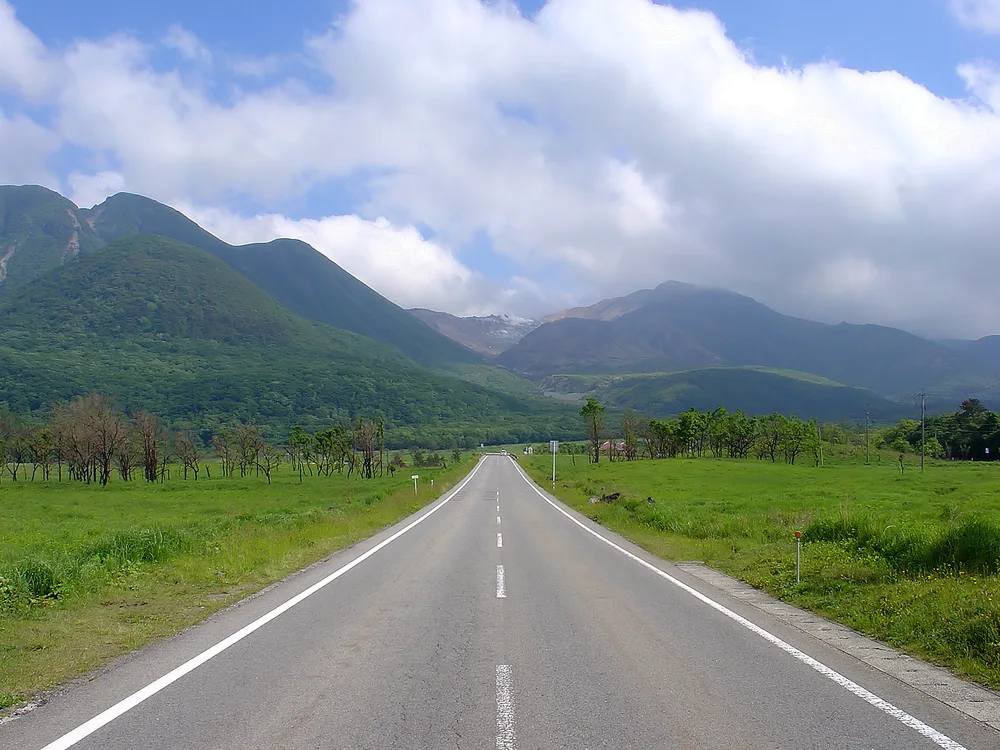
The resort has about 1,500 free parking spaces, including on weekends and national holidays. Driving removes the need to catch a station shuttle, but you still need to collect tickets, fit boots, change, and check in after arrival. For a 09:30 first lesson, plan backward from the usual start of ticket and rental service: 08:45 on weekdays or 08:15 on weekends. If everyone needs rentals, arriving early helps more than adding another sightseeing stop on the way.
For the return, stay a night in Sujiyu Onsen or drive down while daylight and road conditions are suitable. The resort’s transportation page requires visitors to carry chains. Read the official road conditions before setting out in winter, and check conditions for your planned return time after you arrive. A warm place to stay helps families with young children, wet clothing to dry, or another lesson the following day.
Where to stay: Sujiyu for proximity, Chojabaru for two nights, Yufuin for onward travel
Sujiyu Onsen is the most direct base for the resort. The resort lists the hot spring village as about five minutes away by car, which makes it easy to follow skiing with a return to your lodging, a bath, and dinner. Compare dinner-and-breakfast plans, sleeping arrangements, and private family baths, then arrange the actual vehicle to the slopes. The resort is on a hillside, separate from the hot spring streets. Even after choosing an inn that looks close on the map, include morning and evening rides in your booking plans.
Around Chojabaru, two nights let you put skiing, hot springs, and walks across the highlands on separate days. The area has a visitor center and Tadewara Marsh, but the journey from an inn to the resort still requires a vehicle. Without a car, compare the combined arrangements for station pickup, ski resort transfers, and dinner. An inn’s offer of a “free shuttle” can leave a gap if you omit a separate leg. List station to inn, inn to resort, and resort back to inn individually to see the full cost.
Yufuin works well for its hot spring streets and travel to other Kyushu cities before or after skiing. Using it as a base for daily ski trips adds mountain transfers. If you are skiing for only one day, spend the preceding night in Yufuin, then move to Sujiyu or Chojabaru afterward. For two ski days, staying near the resort saves a cross-area move. Let the number of ski days determine your base before adding sightseeing.
Hotel Daikogen: a Sujiyu stay with family baths and meals after skiing
Kokonoe Iyashi no Sato Hotel Daikogen is at 576-1 Komatsu, Yutsubo, Kokonoe. Its official lodging information lists Japanese rooms of 8 or 12 tatami mats and Western-style twin rooms. It has seven different private baths, plus separate communal baths for men and women. Families who want to bathe together after skiing can choose a room and plan according to bath procedures, the number sharing the room, and children’s meal needs. Compare prices for the same dates and your actual party rather than copying a tourism association’s lowest advertised rate.
The hotel’s official access page lists about 25 minutes by car from Kokonoe IC, free parking, and the phone number 0973-79-3301. Depending on the plan, dinner may be served in your room or the restaurant; breakfast is in the restaurant. Families taking an afternoon lesson can connect the 15:30 finish, equipment return, a bath, and dinner. Match your arrival to the dinner start time when booking so resort activities do not run past your lodging plan’s meal service.
The Sujiyu Onsen Tourism Association also lists Asahiya, Hojuya, Yuyutei, and other inns. Compare whether children use a separate sleeping place, whether meals are included, whether the family can use a bath together, and how luggage can be stored after checkout. Enter each child’s age, sleeping arrangements, and meal needs in full so the quoted room price matches your family’s plans.
Lodge Toranoyu: published station transfers, with separate rides to the resort
Lodge Toranoyu is in Chojabaru Onsen. Its official ski-stay page lists about 20 minutes by car to the resort. Guests can use the communal bath and five private family baths. Room-only guests may check in until 22:00; plans with meals require arrival by 17:30. If you want dinner there after an afternoon lesson, add up equipment return, changing, and driving time after the 15:30 finish, rather than planning only around the final check-in time.
The inn’s current winter free shuttle announcement covers December 1, 2026, through March 31, 2027, with one round-trip daily for staying guests. Reserve by 18:00 three days before the ride. The outbound service leaves Yufuin Station at 14:00, Kokonoe IC at 14:30, and Bungo-Nakamura Station at 14:40, reaching the inn at 15:10. The return leaves the inn at 11:00, reaching Bungo-Nakamura Station at 11:30, Kokonoe IC at 11:40, and Yufuin Station at 12:10. The booking page gives a maximum capacity of eight; the number of suitcases affects how many passengers can fit.
This service suits two nights: arrive at the inn on the first afternoon, ski on day two, and check out and return to the station on day three. Reserve day two’s resort transfers separately with the inn or a taxi company and obtain the times and fare. Use the 11:00 return shuttle on the day after you finish skiing. If you stay only one night and want to ski until the following afternoon, arrange your own return vehicle to cover both luggage and departure time.
The winter miso hot pot accommodation plan is listed for December 1, 2026, through March 31, 2027, with dinner available in your room. On a room-only plan, arrange dinner and breakfast before reaching the highlands. With meals included, put the 17:30 arrival requirement into your taxi schedule. Compare the free station transfer, any savings on lodging, and the extra resort transportation cost together to decide whether this inn suits your ski trip.
A day trip from Hakata: one afternoon lesson, with the morning for travel and rentals
For a day without driving, take Yufu 1 from Hakata at 07:43, arrive at Bungo-Nakamura at 09:45, and use a taxi reserved for both directions. After going up the mountain, check in and collect equipment. Finish boot fitting, changing, and lunch before noon, then take the 14:00–15:30 lesson. Practice afterward within your ability, and change and return equipment in time for your taxi. This uses the morning for travel and works best for adults or older children who want an introduction to skiing.
With a 4-hour ticket, plan your entry time together with how long you want to practice after class. If you enter to practice sometime after 10:00 and wait for a 14:00 lesson, four hours may run out too soon. If you will practice in the morning and take a lesson in the afternoon, choose an 8-hour ticket. Tell the ticket counter and school your lesson and return times, follow their ticketing, rental, and entry procedures, and choose a ticket that covers your actual activities.
If you take the direct Yufu 6 back at 19:44, you will not reach Hakata until 21:34. Plan dinner and rest after returning to your hotel as part of this long day. For a family with an elementary school student, compare a night in Sujiyu, where the child can go straight back to the inn after the afternoon lesson. It may not reduce the ticket bill, but it removes some evening waiting and long-distance travel.
Two nights without a car: arrive the day before and keep the ski day for the slopes
If using Lodge Toranoyu’s winter station shuttle, ride from Yufuin or Bungo-Nakamura on the first afternoon. Drop off your bags, find the baths and the following day’s pickup point, then prepare ski clothing, passports, and dry socks after dinner. Arrange the next day’s resort vehicle when booking your room, and choose 09:30 or 11:30 according to your actual arrival and rental process. Without the early trip from Hakata, a morning lesson is easier to fit in.
On the ski day, start with one lesson. After lunch, decide whether you have the energy to practice or take another class. There is only one hour between the 11:30 and 14:00 sessions, so eating at the resort is more convenient if you take both. Choose an 8-hour ticket for a full day. Return to the inn in the evening, put away wet clothing, bathe, and eat. On day three, take the 11:00 shuttle back to the station. This three-day, two-night plan suits families who want separate days for learning and mountain travel.
With a car and one night in Sujiyu, you can ski on the first afternoon and the next morning, giving you practice on both days. Register for the consecutive-day rental discount on day one, then collect equipment again on day two. After checkout, load bags into the car or store them as agreed with the inn. If your second night is in Yufuin, leave time for the final equipment return and drive down, without needing to get back to Sujiyu for dinner.
For children who only want snow play: admission, dry clothes, and an adult to stay with them
For a first snow outing with a child who has not yet entered elementary school, focus on admission and snow play. Young children enter free with a parent or guardian; an accompanying adult’s admission costs 2,500 yen. If one adult wants a lesson, have another stay with the child and buy each adult the ticket they need. The first goal can be small: put on snow boots, play for a while in the designated area, and go inside to change into dry gloves. It is easier for the whole family to keep going when someone can take the child back to the Center House whenever a break is needed.
Children may not ride a lift while being held or carried on someone’s back. If a young child will use the lift to ski, let the school arrange instruction according to age and ability. For children age four and older who have not entered elementary school, compare the children’s private ski lessons. Use snow-play equipment only in designated areas; conveyor belt 2 specifically excludes sleds and play equipment without metal edges. Plan access to the snow-play area separately from whether the child can get on and off a lift independently.
Choose outerwear, gloves, and footwear for the activity. Sledding and playing in the snow involve repeated contact with the snow surface, so bring spare gloves, dry socks, and dry clothes for the return. For snow play alone, rent snow boots without a full ski or snowboard set. If some family members are in lessons while others rest, agree on a meeting place inside the Center House and a time, and keep phones in a pocket that resists water.
Leaving, hot springs, and changes of plan: leave time for the final mountain transfer
Before leaving the resort, return your skis or snowboard, boots, and outerwear, change into dry clothing, empty your locker, return the IC card, and go to the agreed pickup point. Lockers include a 100-yen shoe locker, two 200-yen options, and a larger 500-yen option. Choose a size that fits the family’s belongings and count children’s hats, gloves, and goggles before leaving. Finish your last run well before the reserved vehicle arrives; equipment return and changing take time.
If staying in Sujiyu, visit a public bath after returning to your inn. The tourism association currently lists Utase Daiyokujo at 400 yen, open 06:00–21:30. Iwan-yu and Yakushi-yu cost 400 yen and open 07:00–22:00; these two alternate between men’s and women’s use by day. Read the sign at the entrance that day to choose the bath available to you. Keep towels and clean clothes easy to reach at your lodging or in the car, so you can go straight to dinner or rest afterward.
If the resort reduces the open terrain, beginners should find out whether lessons can still run in the teaching area. Experienced skiers and riders can decide how long to stay according to the runs available. If mountain transportation stops, keep activities around your lodging or down the mountain and address the cancellation terms for your vehicle, lessons, and room first. Read the resort’s trail and road reports before leaving, including their publication dates. The official resort camera displays Japan time; check the image’s timestamp and compare road access and trail openings with announcements from the same day.
This is the official live camera at the ski resort. Japan time appears in the upper-left corner. The image is darker at night. Before leaving, check its timestamp alongside trail and road announcements from the same day.
For one or two ski days, choose daily tickets; compare a season pass for repeated visits
The 2026–27 early-bird season pass is sold online through November 30 at the current adult price of 50,000 yen, compared with the regular 55,000 yen. It suits people who will return repeatedly throughout the season. For one or two ski days on a Kyushu trip, compare daily tickets and consecutive-day rental discounts first. A season pass still leaves transportation, lodging, and rentals to pay for on every visit.
For comparison, an adult weekend 8-hour ticket has a face price of 7,000 yen and a net cost of 6,500 yen after returning the card. Eight visits cost 52,000 yen net, close to the 50,000-yen early-bird pass. This gives a sense of the number of return visits involved; the threshold differs if you usually choose 4-hour tickets or weekdays. The pass is for the named holder only, and the application requires identification and a front-facing photograph. Decide how often you will return before choosing the ticket and preparing its application details.
The season-pass FAQ allows cancellation before opening day. If the resort operates for fewer than 10 days over the entire season, it will consider refund measures. For an overseas visitor coming once, getting the lesson language, return vehicle, and appropriate daily ticket right is usually more useful than rushing to buy a season pass by November 30.
A few useful answers
Is there anywhere to ski in Kyushu in winter?
Kuju Ski Resort in Kokonoe, Oita Prefecture, offers ski and snowboard lessons and snow-play facilities. Its 2026–27 season-pass page lists a planned opening on December 11. Winter operations use snowmaking and graded runs, and you can combine skiing with a stay in Sujiyu Onsen.
Can I reserve the free shuttle for 2026–27 now?
On November 6, 2026, the resort’s official form said applications were expected to open in early December. Its transportation page currently lists one daily departure at 09:45, with advance reservations required. Once the form opens, reserve according to the boarding point, meeting time, and return service.
Can I make the 09:30 lesson if I leave from Hakata that morning?
Yufu 1 leaves Hakata at 07:43 and reaches Bungo-Nakamura at 09:45, too late for the first lesson at 09:30. For a day trip, choose the 11:30 or 14:00 class and reserve your mountain transfer. Stay near the resort the night before if you want the first session.
Do English ski lessons cost the same as Japanese lessons?
The school lists separate English private lesson rates. For ages 7 and older, 90 minutes costs 18,000 yen for one person or 22,000 yen for two. For one child ages 4–6, it costs 16,000 yen. A Japanese group lesson costs 4,500 yen per person; the two options are booked and priced separately.
Do I need a lift package just to play in the snow with my child?
You can use an admission ticket, currently 2,500 yen. Children not yet in elementary school enter free with a parent or guardian. Buy the appropriate additional ticket for lift rides. Children cannot ride a lift while being held or carried on someone’s back, and sleds are prohibited on conveyor belt 2.
Do I need to add another 1,000 yen for the IC card deposit?
The current 2026–27 ticket page states that prices include a 500-yen deposit, refunded when you return the card. The 4-hour and 8-hour packages also include admission.
Does Lodge Toranoyu’s free shuttle go to the ski resort?
The published winter guest shuttle connects Yufuin Station, Kokonoe IC, Bungo-Nakamura Station, and the inn, with one round-trip daily. The resort is about 20 minutes from the inn by car; reserve that leg separately for your ski day.
Official information and references
Sources used in this guide.
- Kuju 2026–27 season pass, opening date, and cancellation terms
- Kuju current ticket prices, IC card deposit, and upgrade rules
- Kuju winter hours and locker FAQ
- Kuju runs, conveyor belts, and night skiing
- Kuju rental prices, sizes, and consecutive-day discounts
- Kuju ski and snowboard lessons
- Kuju Pro Ski School: Japanese lesson prices, eligibility, and reservations
- Kuju Pro Ski School: English private lesson prices
- Kuju transportation, parking, and shuttle information
- Kuju official free-shuttle reservation form
- JR Kyushu Yufu 1: timetable published for November 2026
- JR Kyushu Yufu 2: timetable published for November 2026
- JR Kyushu Yufu 6: timetable published for November 2026
- JR Kyushu Bungo-Nakamura departures toward Hita and Kurume
- Chojabaru Visitor Center: local transportation and taxi contacts
- Kuju 2026 fall foliage lift and autumn snow-play announcement
- Hot springs near Kuju and driving time to Sujiyu
- Sujiyu Onsen Tourism Association lodging directory
- Sujiyu Onsen public bath prices and hours
- Hotel Daikogen: official rooms, baths, and meals
- Hotel Daikogen: directions and contact information
- Lodge Toranoyu: 2026–27 winter station shuttle timetable
- Lodge Toranoyu: guest shuttle reservation conditions
- Lodge Toranoyu: ski stays, driving time, and arrival deadlines